
Bay Area Rat Control
Rat Control in the Bay Area
Remove active rats and stop repeat infestations.
-
 4.9 / 5
1,240 reviews -
 4.7 / 5
649 reviews -
 4.9 / 5
374 reviews -
 4.7 / 5
279 surveys -
 Accredited
A+ BBB rating
Professional Rat Control for Bay Area Homes
Rat control means finding where rats live, completing rodent removal, cleaning contamination, and blocking the building entry points rodents use to enter a house. Effective rat control is more than ordinary pest control or one trap beside visible droppings. It addresses the rat infestation: travel routes, nesting areas, food sources, urine, odors, damaged insulation, and conditions attracting rats, mice, rodents, and other pests.
Across Bay Area cities in California, Alley Cat follows three priorities:
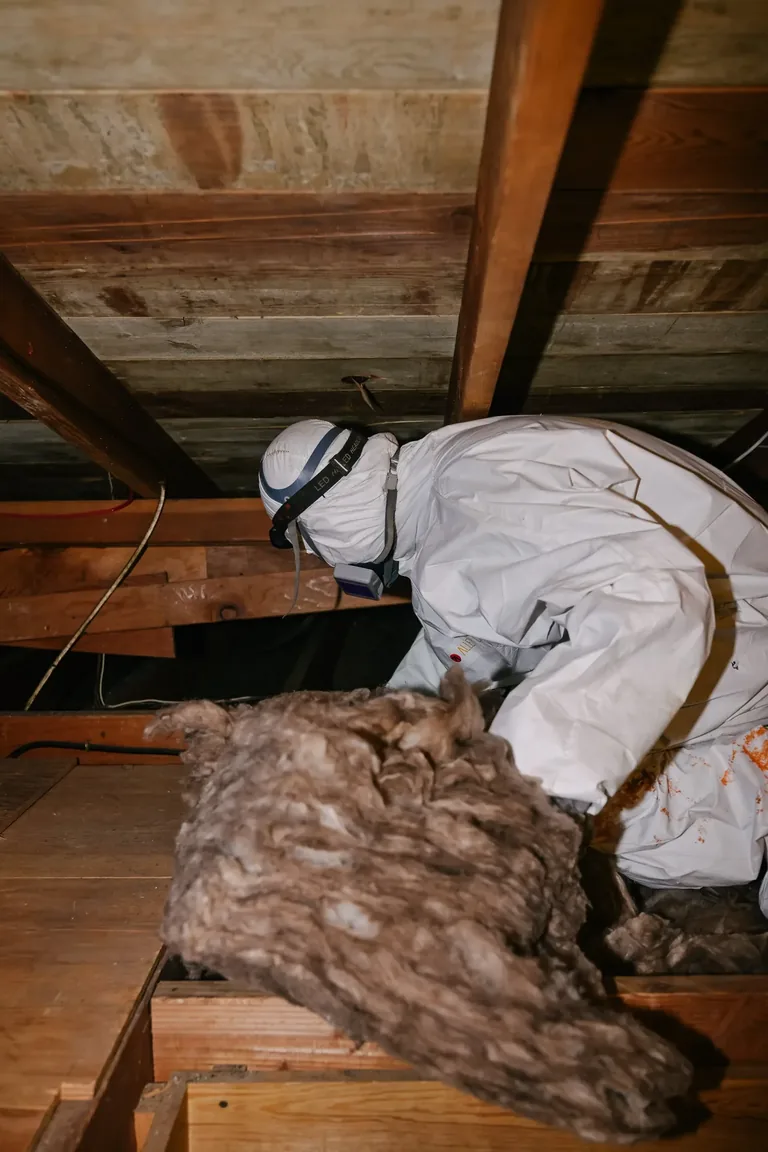
Stop the Rat Problem, Damage, and Repeat Entry
A rat problem can affect more than the room where scratching is heard. Rats can chew through walls and insulation. Rats can cause structural damage by gnawing on wiring. Rats can cause extensive damage by chewing through wiring. That chewing may lead to power loss, damaged ducts, spoiled food, and property damage.
“Rats are responsible for up to 25% of structural fires in America.” comes from an estimate about fires of unknown cause, not a verified national count. Current fire reporting does not support treating it as settled fact.
Professional pest control should correct the conditions behind the pest problem, not simply kill visible rats or rodents. Alley Cat helps homeowners:
- Remove rats through targeted traps and monitored rodent removal.
- Locate concealed entry points near roofs, foundations, vents, doors, and utilities.
- Clean droppings, urine, nests, damaged insulation, and contaminated items.
- Protect repaired areas with durable screening, barriers, and sealing.
Schedule an assessment for a clear removal, cleanup, exclusion, and prevention service plan—not a job that treats only symptoms or wastes money.
Our Rat Control and Rodent Removal Process
Every infestation differs, so our process begins with evidence. We consider rat biology and behavior, identify the type of rodents present, and create an expert service plan:
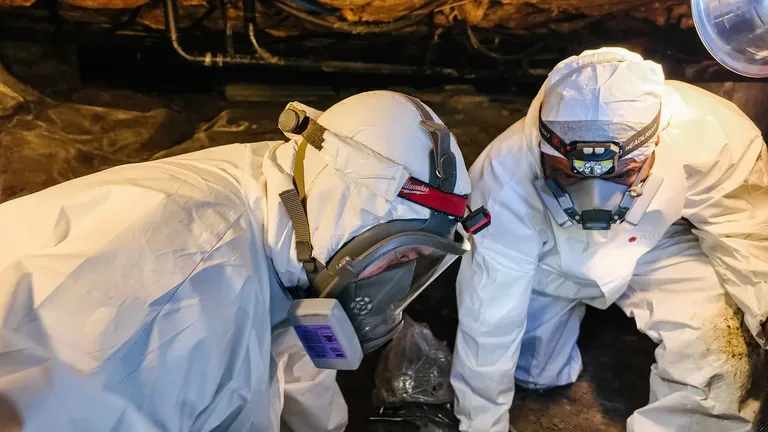
Step 01 · Inspect
Free Rodent Infestation Inspection
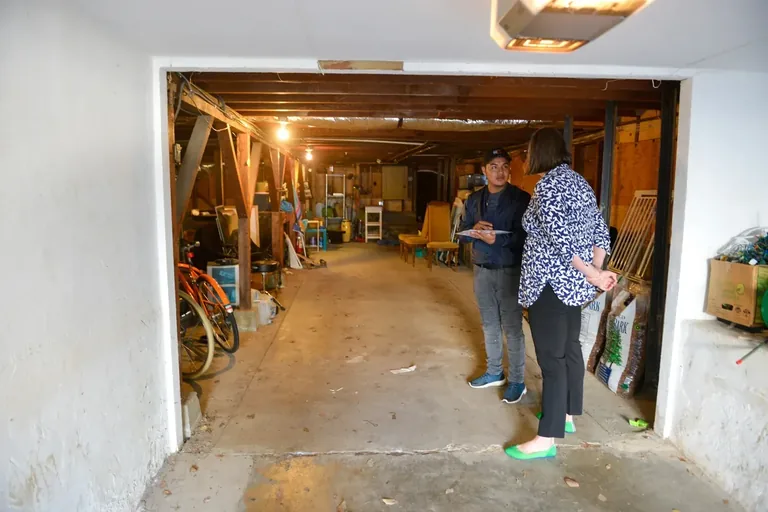
The inspection determines where rats, mice, and rodents enter, what they eat, where peak activity is located, and how far the rodent infestation has spread. An Alley Cat specialist reviews the roofline, foundation, vents, utility penetrations, garage, attic, crawl space, walls, and other accessible spaces.
We search for droppings, urine, grease marks, chewing, odors, burrows, nests, and spaces explored by rodents. Rats can squeeze through holes as small as 1/2 inch. Rodents can enter through gaps as small as a quarter. The second statement generally applies to mice; young rats commonly use openings around one-half inch.
A professional inspection provides:
- Clearer evidence of rat activity and concentrated rodent problems.
- Identification of visible and concealed entry points.
- Recommendations designed for the property instead of a generic pest control package.
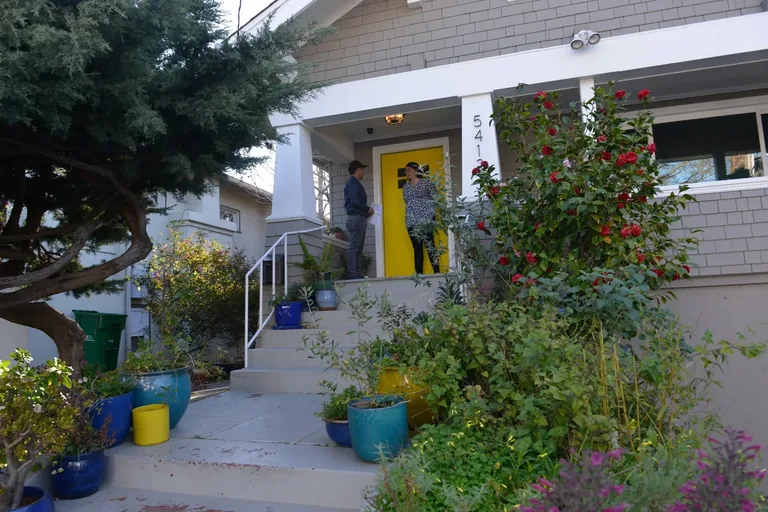
Step 02 · Diagnose
Diagnostic Report & Estimate
You receive a Comprehensive Diagnostic Report describing rodents, contamination, structural damage, entry points, and recommended methods. It separates essential work from optional improvements and gives the customer an estimate. Our company can describe the job for a house, multiunit building, or commercial buildings without forcing one commercial scope on every property.
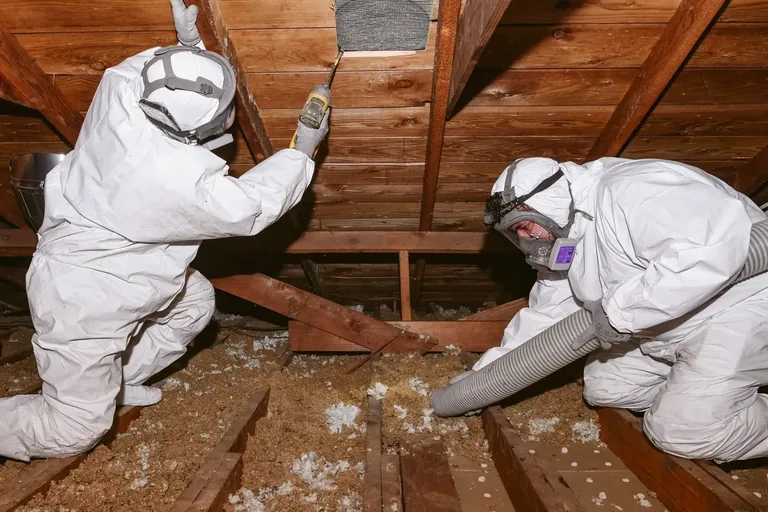
Step 03 · Clean
Rat Cleanup & Removal
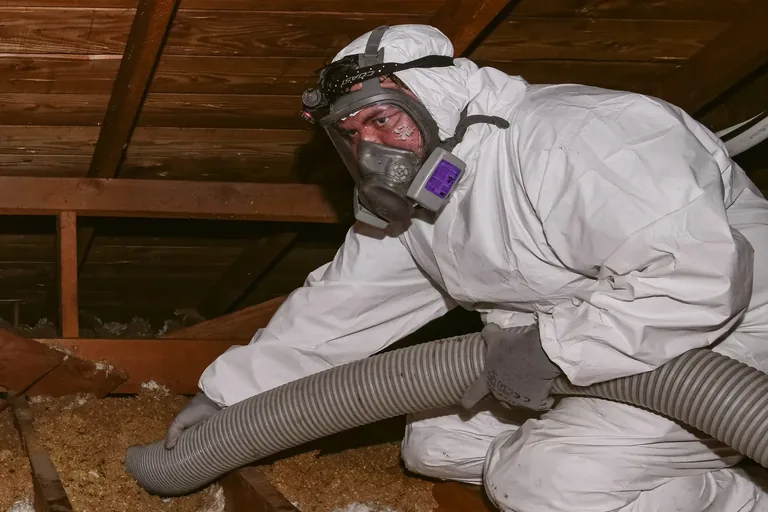
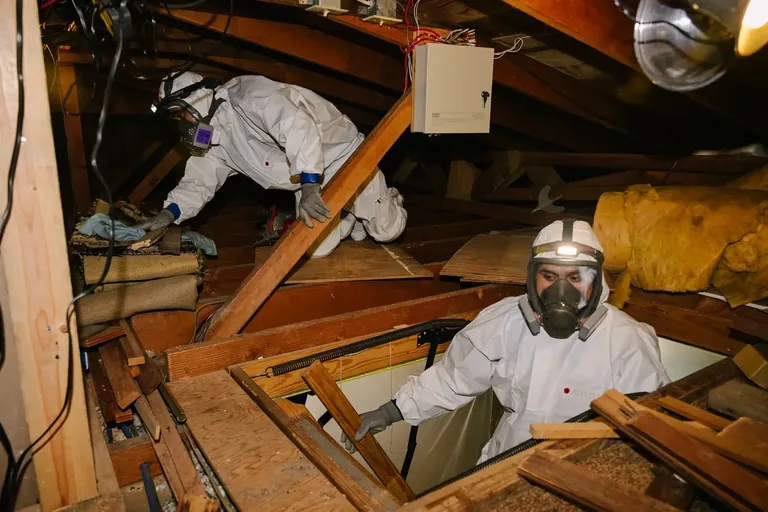
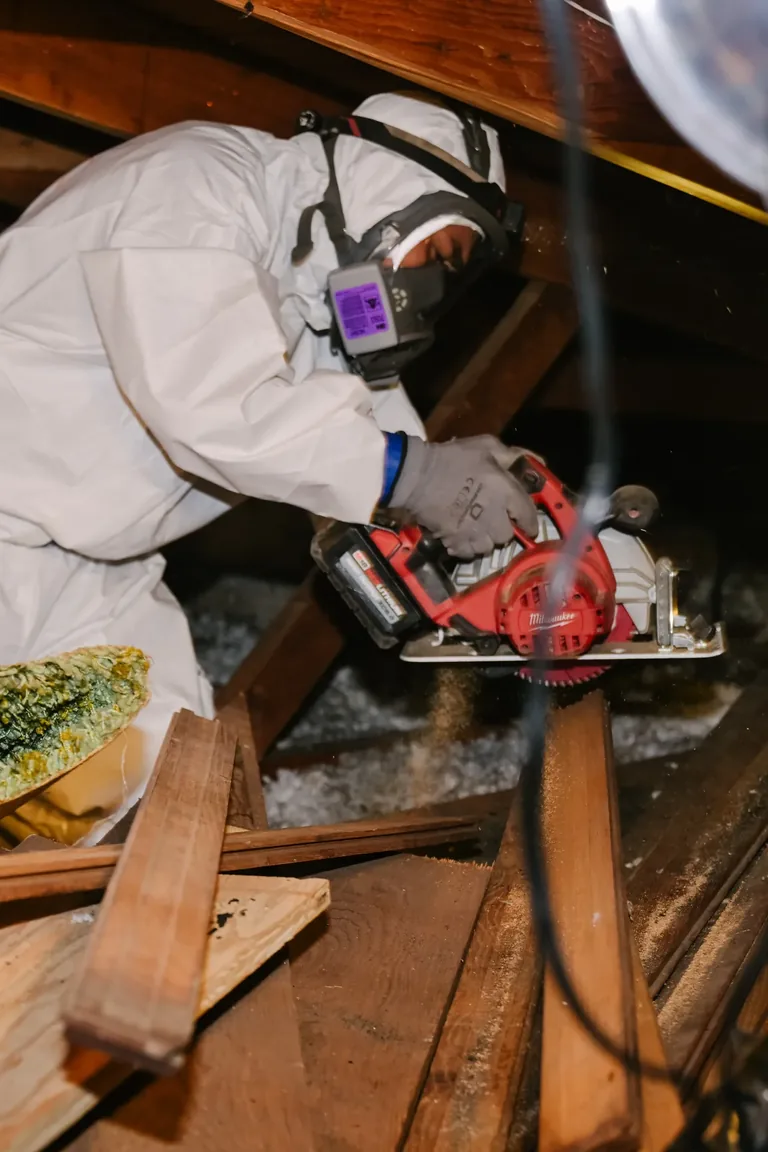
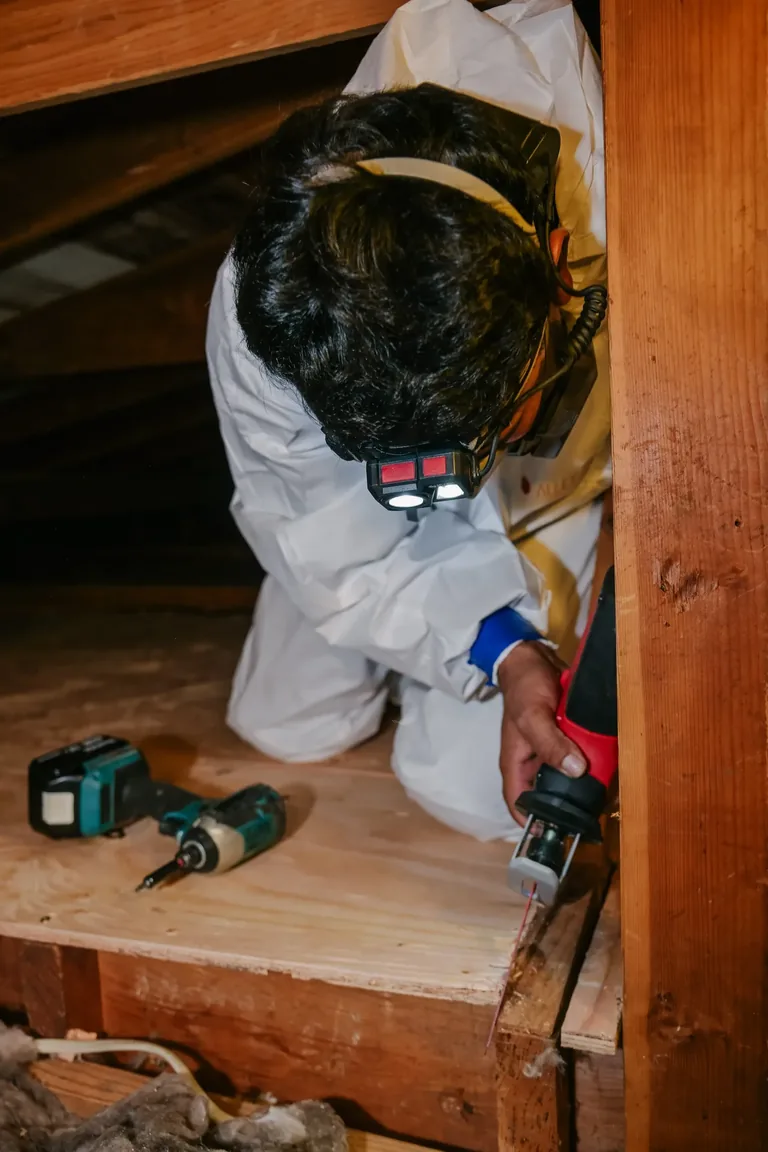
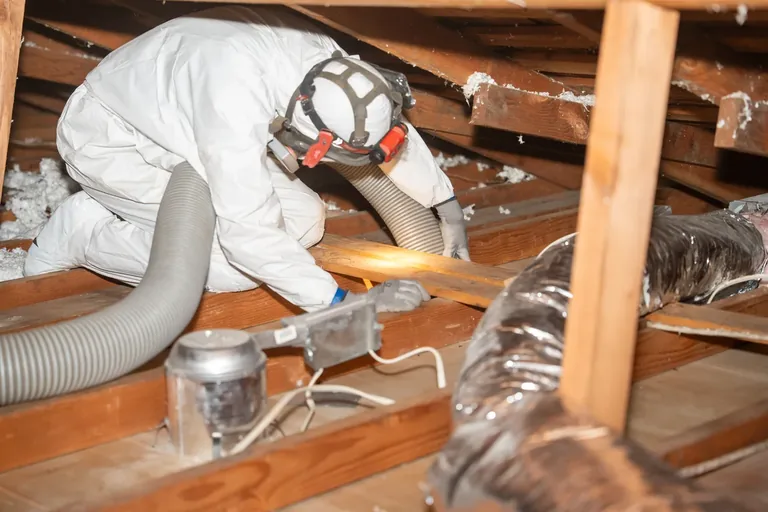
Rat cleanup and removal addresses active rats, rodents, pests, and contaminated materials. Depending on the property, the job may include trapping, carcass and nest removal, damaged-insulation removal, and cleanup in attics, crawl spaces, garages, basements, kitchens, walls, or utility areas.
Our team protects wiring, plumbing, ducts, stored food rodents eat, and personal items. Debris is contained rather than moved through clean spaces.
Common removal work includes:
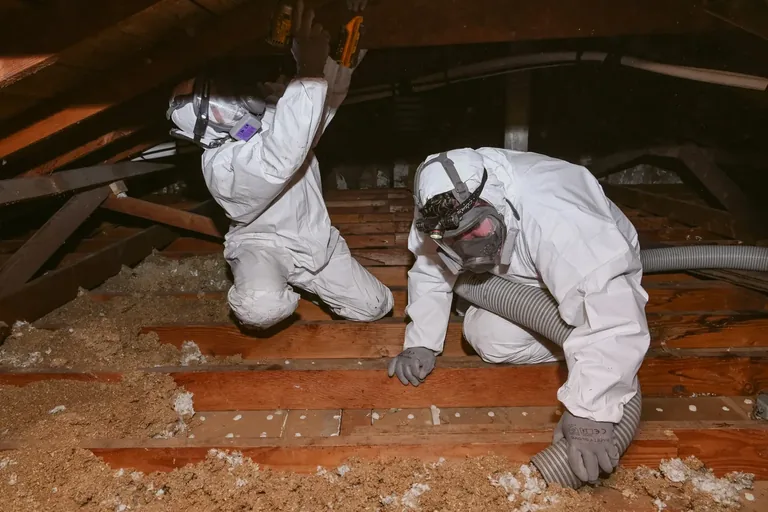
- Removing droppings, nests, dead animals, and contaminated debris.
- Taking out heavily soiled insulation when included in the scope.
- Clearing materials damaged by rodents from walls, attics, and crawl spaces.
This stage helps get rid of contamination and prepares the environment for sanitation and sealing.
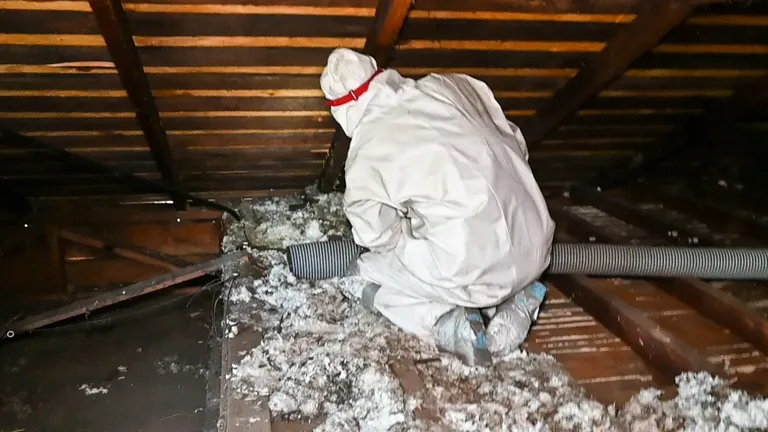
Step 04 · Sanitize
Sanitize & Decontaminate
Sanitation addresses surfaces and materials affected by droppings, urine, nests, and body oils. Rats leave droppings and urine as signs of infestation. Rats' droppings and urine can contaminate food and surfaces. Rodent fur and waste can trigger allergies and respiratory issues. These dangers can be greater where rodents and pests have occupied a space for a long time. CDC guidance also explains that infected rodent waste can spread illness when disturbed or contacted improperly.
Our specialists treat accessible areas; we do not spray over contamination. When insulation or a vapor barrier cannot be practically cleaned, replacement may make more sense for health and safety.
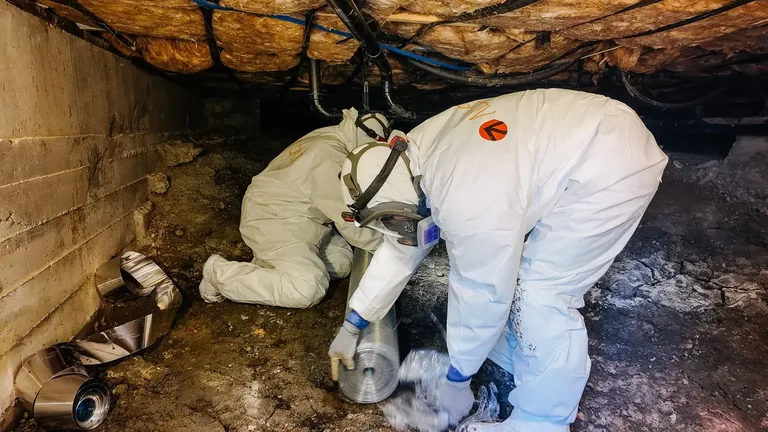
Step 05 · Seal
Seal, Reinforce, & Prevent
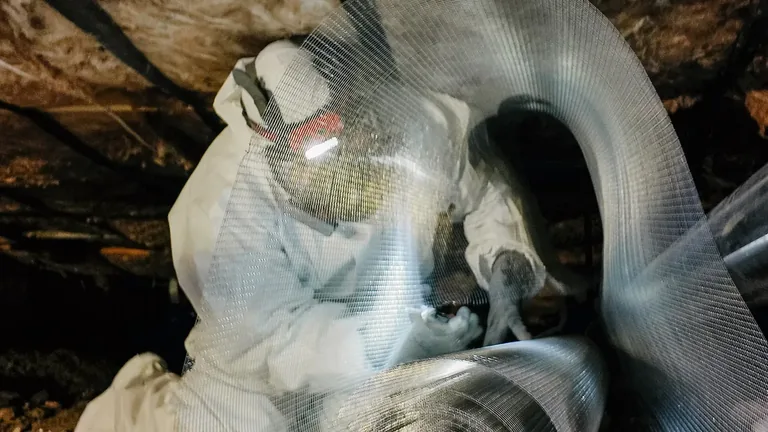
Removing rats is only one part of rodent control for rats and rodents. Sealing entry points prevents rats from entering homes. Older homes often have more entry points for rodents. Sealing gaps can significantly reduce rodent infestations. The materials and workmanship must match the location and the pressure rodents may place on it.
Our exclusion methods may include:
- Foundation SealingClose gaps around plumbing, conduits, framing, and siding with durable, gnaw-resistant materials.
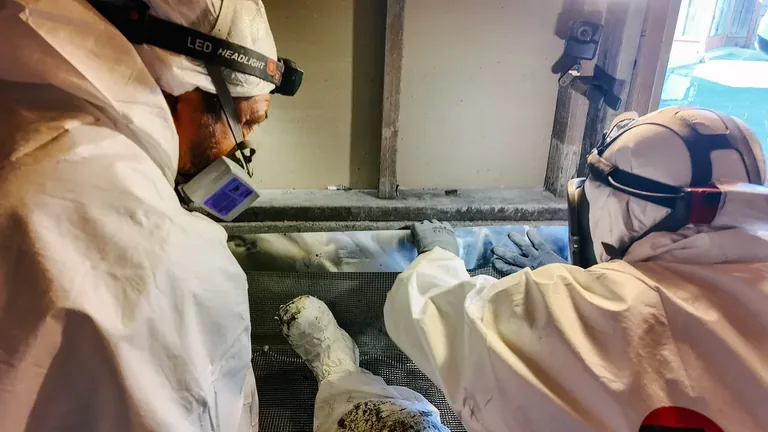
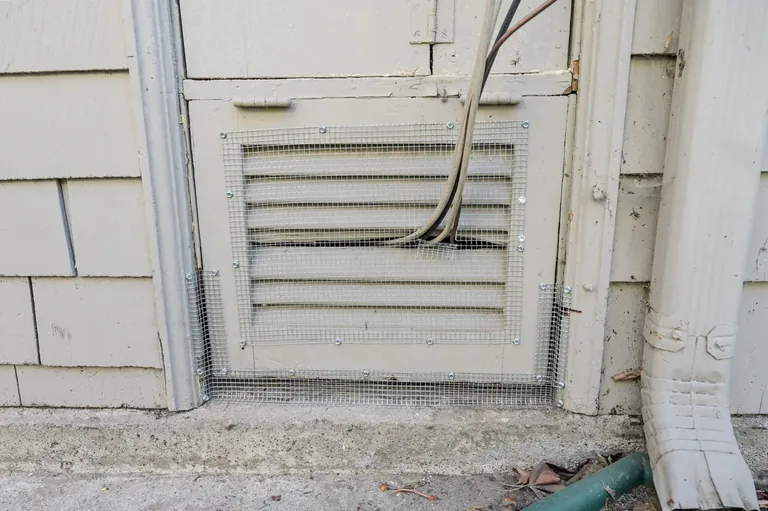
- Vent ScreeningReinforce attic, crawl-space, foundation, and utility vents with secured metal mesh while preserving airflow.
- Roofline ReinforcementRepair accessible openings near eaves, fascia, soffits, roof intersections, and tile transitions.
- Utility SealingReinforce gaps around pipes, cables, refrigerant lines, and electrical conduits.
- Burrow BarriersUse trenching or below-grade barriers where Norway rats travel beneath vulnerable structures.
- Door ProtectionCorrect garage-door, threshold, framing, and side gaps used by rats and mice.
“Steel should be used to seal all entry holes.” is too absolute. Steel screening or metal reinforcement is valuable where chewing pressure is present, while flashing, concrete repairs, hardware cloth, and masonry-compatible sealants may better suit other entry points. Sealing entry points with steel prevents rat infestations. That is accurate when steel is properly selected, fastened, and integrated with the building.
This is not the sort of patch rodents defeat. Our company plans the job around how rats climb, squeeze, burrow, and return. This approach has helped Alley Cat serve 13,000+ customers while maintaining a 97% customer satisfaction rating.
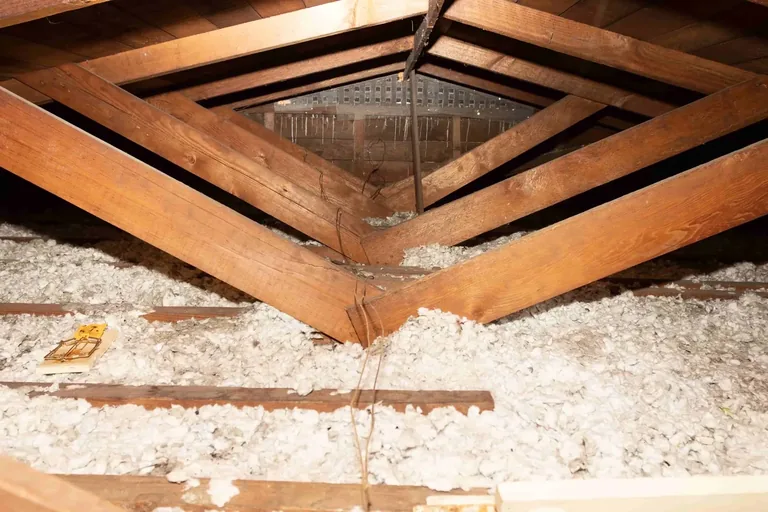
Step 06 · Trap Check
Set Rat Trap Checks
Trapping is a key method for rat control. Utilize snap traps as a safe and effective method for controlling rat populations indoors. Trap placement matters; each trap must be operated correctly, sized, positioned, protected from children and pets, and checked over following days. UC IPM identifies snap traps as a safe, effective, and economical option.
Scheduled trap checks let our team remove captured rats and rodents, reset equipment, and adjust placement according to activity. Some products kill rodents without showing where animals die; targeted trapping gives the company more control and lowers the risk of odor inside walls.
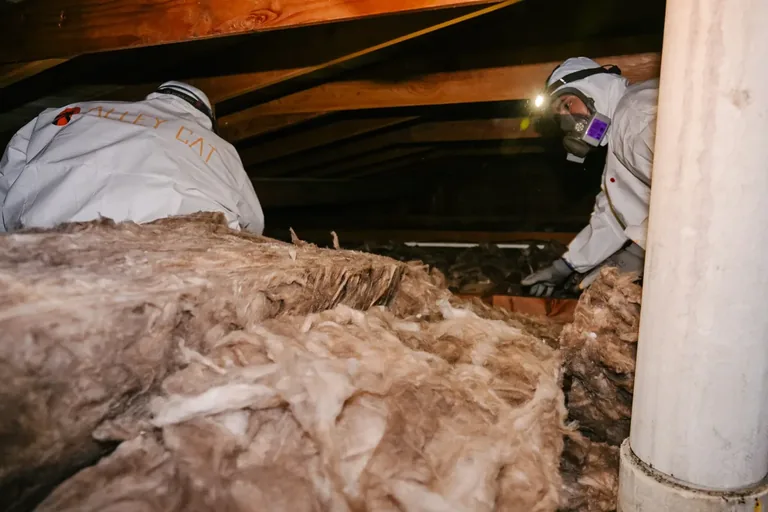
Step 07 · Wrap Up
Wrap Up & Haul Away
Finally, our team reviews treated areas and hauls away scoped debris, nests, insulation, and equipment. At the end, we describe completed sealing and job items left for the property owner.
Recommendations may include protecting trash, changing food storage, repairing a door, or trimming landscaping. Trim vegetation to eliminate travel routes and hiding spots for rats. Secure trash in durable, metal or heavy-duty plastic containers with tight-fitting lids. These good practices reduce shelter, rodents, pests, and food around the building.
Step 08 · Support
Customer Service
Rat control may require several visits. Our customer service department coordinates scheduling, sends a clear message, and explains traps, cleanup, sealing, and final review, ensuring customers are ready.
We aim to provide fast answers without rushing technical work. That helps homeowners and businesses deal with rodents and pest issues confidently.

Take Back Your Home
When you hear scratching in walls or find droppings near food, a house can feel unsafe. Alley Cat can inspect the property, explain the dangers and risk, and create a practical rat control service plan. Schedule service today through our website for an easy next step and greater peace of mind.
Book Free Inspection
Benefits of Professional Pest Control and Rat Exclusion
One coordinated service for the entire infestation.
- Active RemovalTargeted traps address rats traveling through identified rodent runways.
- Detailed ReviewSpecialists discover gaps, contamination, damage, rats, rodents, and hidden pests.
- Entry-Point RepairsSealing uses durable materials selected for each opening.
- Attic ProtectionDroppings, odors, rats, rodents, pests, and insulation damage are addressed.
- Crawl-Space DefenseFoundations, vents, and ground-level entry points are reinforced.
- Contamination CleanupRat and mouse waste receives controlled removal and treatment.
- Clear ReportingCustomers receive findings, recommendations, and a defined pest control scope.
- Ongoing PreventionProperty changes reduce food, shelter, rodents, pests, and future pest problems.
Exclusion First: Integrated Pest Management
Integrated Pest Management combines multiple strategies for effective control. EPA describes IPM as an environmentally sensitive approach considering pest biology, methods, and relationships between pests and the environment, and here are some relevant facts:
- Integrated Pest Management (IPM) prioritizes long-term prevention over quick fixes, and it combines multiple strategies for effective pest control.
- IPM minimizes chemical use by incorporating non-chemical measures, and addresses root causes attracting pests, not just symptoms.
- “IPM has been used since at least 2018 for sustainable pest control.” (technically true, but misleadingly recent; integrated pest management predates 2018 by decades.)
For Alley Cat, it means sanitation, habitat reduction, exclusion, and trapping—not one spray, poison, or quick fix.
Detailed Rat Infestation Diagnostics
Roof rats are climbers and primarily nest above ground in shrubs and trees. Norway rats are typically ground-level burrowing rats. These tendencies affect trap placement, roof reviews, vegetation work, and foundation sealing. Our report connects evidence to the likely rodents and explains why each method makes sense.

Oakland and Berkeley Experience
Oakland, Berkeley, Alameda, and surrounding cities include older houses, vegetation, businesses, and commercial buildings that create routes for rats, rodents, pests, and wildlife. Alameda County provides guidance and accepts reports of rodent problems. Its Vector Control Services District offers public information, while a private company handles removal, repairs, and cleanup on private property.

“Anibal and his crew were polite, efficient and professional. It looks like they did a thorough job plugging all rodent access points and they cleaned up and disinfected everything. They left my basement cleaner and more orderly than they found it. This is my 2nd East Bay house that I've used Ally Cat for. Couldn't be more pleased.”
John AffeldtVerified Trustpilot review
-
4.9 / 5
1,240 reviews -
4.7 / 5
649 reviews -
 4.7 / 5
279 surveys -
 4.9 / 5
374 reviews
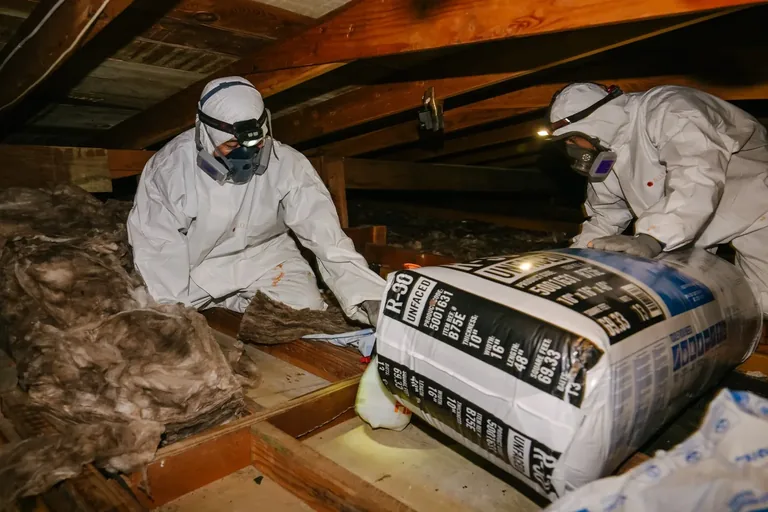
Complete Rodent Control for Bay Area Properties
Rodent control should deal with active rats, rodents, pests, damage, and entry points in the building. Long-term rodent control involves exclusion, sanitation, habitat reduction, and targeted trapping. Effective rat control in urban areas requires an integrated approach focusing on sanitation and structural exclusion.
Our service is built around three outcomes:
- Remove rats and mice through targeted trapping and monitored removal.
- Restore spaces by removing contamination, nests, rodents, and damaged materials.
- Reduce risk through sealing, screening, habitat changes, and regular service.
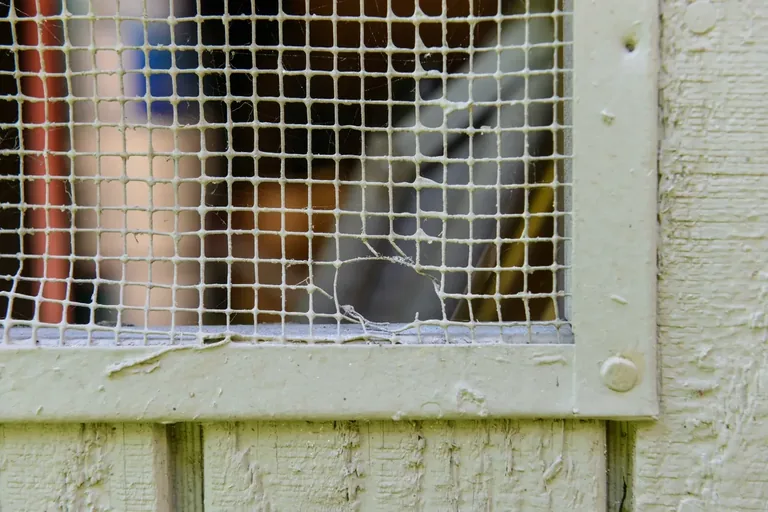
Why Is Rat Control Important?
Rat control helps protect health, food, wiring, insulation, and property from rats, rodents, and pests. Rats can reproduce rapidly, leading to large infestations. Regular inspections can help detect early signs of rat activity. Early action can keep a pest problem from becoming a larger expense and health risk.
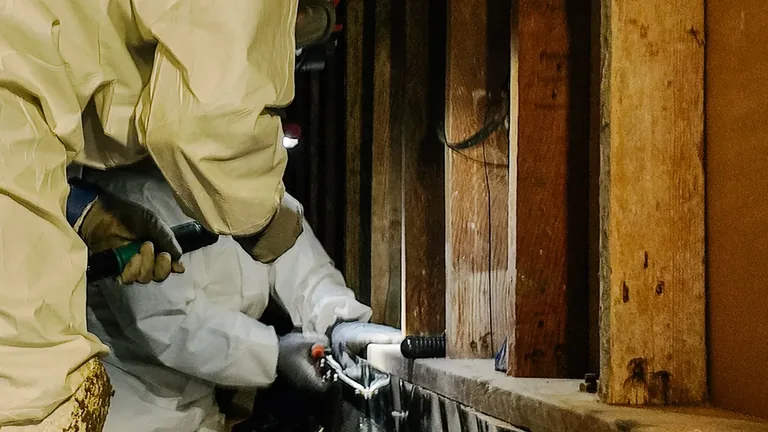
Long-Term Exclusion for Rodents and Mice
Sanitation helps prevent rat infestations by eliminating food and shelter sources. Regular sanitation reduces food sources for rats. Remove food sources and birdseed to prevent attracting rats. Prevention also requires sealing openings, reducing hiding spaces, and monitoring for mice, rats, rodents, critters, and other pests.

Responsible Control Around Pets and Wildlife
Rodenticides should be used cautiously to prevent harm to pets and wildlife. Rodenticides can cause secondary poisoning in non-target animals. EPA emphasizes precautions for children, pets, wildlife, and applicators. Alley Cat’s exclusion-led pest control methods reduce reliance on poison while recognizing that each setting may require a different way to treat rodents.
FAQ’s: Rat Control
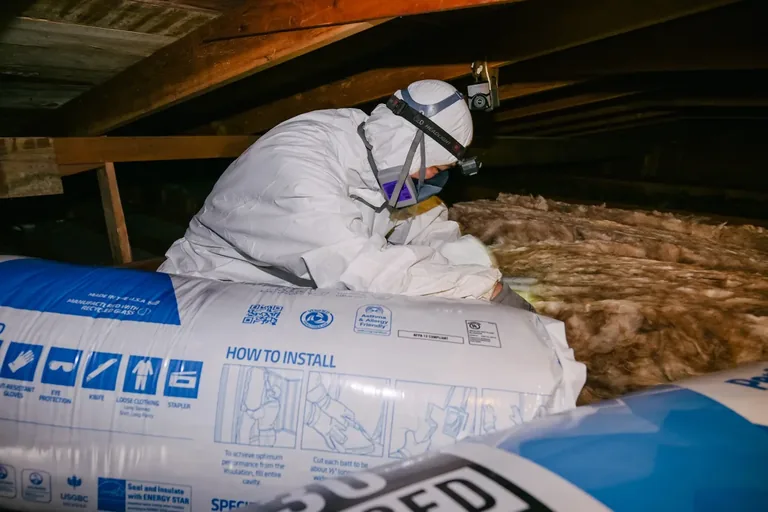
What Is the Quickest Way to Get Rid of Rats?
Combine inspection, sealing, correctly placed traps, sanitation, and follow-up instead of choosing one method. A trap may kill one rat, but it will not stop other rodents from using the same opening.
For a faster, more complete result:
- Find active entry points and nesting areas.
- Remove accessible food and water.
- Place and monitor the correct trap along rat runways.
- Seal openings in the proper order.
- Clean contaminated spaces after removal.
Before you hire a company, confirm it will deal with rats, rodents, and the full infestation—not only leave bait.
What Keeps Rats Away Permanently?
No responsible pest control company can promise a property will remain rat-free forever because buildings change and new rodents explore the environment. The strongest protection combines exclusion, sanitation, habitat reduction, and regular inspections.
Keep food sealed, reduce clutter, repair new gaps, trim branches, protect trash, and monitor attics and crawl spaces. These steps help get rid of attractants and protect the house. They also matter for businesses, where deliveries, dumpsters, shared walls, and commercial activity can lead to infestations across connected city blocks.
What Smell Do Rats Hate the Most?
Rats may avoid some strong odors temporarily, but no smell replaces removal and sealing. Peppermint, ammonia, predator scents, and similar products may shift behavior briefly; established rodents often remain when food, shelter, and entry points are present.
Odor remedies can bother individuals or pets and spread through occupied spaces. The safer way to deal with the problem is to remove contamination, secure food, place a trap, and seal the building against rodents.
What Is a Rat's Weakness?
Rats depend on food, water, shelter, and familiar routes. Their weakness is a plan that removes those resources and interrupts behavior.
The key things that matter in pest control are:
- Deny food and water.
- Remove nests and hiding places.
- Block entry points.
- Use traps where rodents naturally travel.
- Reinspect for fresh signs of rats, mice, and pests.
Rats can transmit diseases like hantavirus and salmonella. Rats are known carriers of diseases like hantavirus and salmonella. Rodents may carry fleas, mites, and other pests. These statements describe possible associations, not proof every rat is infected or that every exposure will make someone sick. Serious health risks depend on the pathogen, exposure, and cleanup. Contact with droppings, urine, saliva, or contaminated food can create health risks; anyone who feels sick after exposure should contact a healthcare provider or local health department.
Schedule Rat Control Today
Do not wait for rodents or damage to spread. Schedule a clear removal, cleanup, sealing, and prevention service plan.