Bay Area Rodent Proofing
Rodent Proofing Service for Bay Area Homes
We find the openings a rodent could use, close them with the right material for each one, and write down what we did.
-
 4.9 / 5
1,240 reviews -
 4.7 / 5
649 reviews -
 4.9 / 5
374 reviews -
 4.7 / 5
279 surveys -
 Accredited
A+ BBB rating
Rodent Proofing Service That Strengthens Vulnerable Areas
Rodent proofing is preventive structural work that helps seal potential entry points before rats, mice, or other rodents get inside—or after an active infestation. Alley Cat inspects the building envelope and reinforces vents, rooflines, doors, foundations, crawl spaces, and utility penetrations with materials selected for each opening.
This page explains inspection, repairs, materials, costs, and when a rodent infestation requires exclusion first, helping Bay Area homeowners protect a property before rodents enter or after active rodents are removed.
Blocks Potential Entry
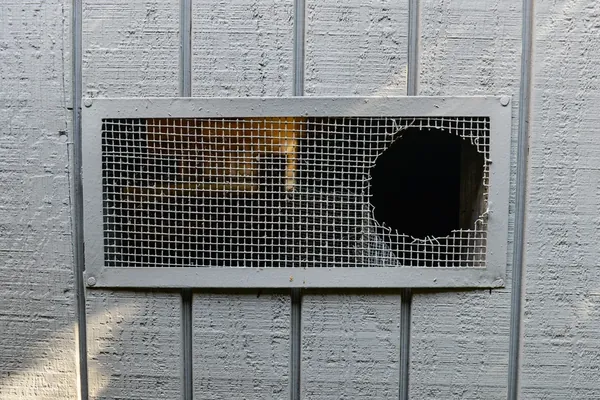
We reinforce gaps, vents, doors, upper-building transitions, and structural holes rodents could use.
Protects Vulnerable Construction
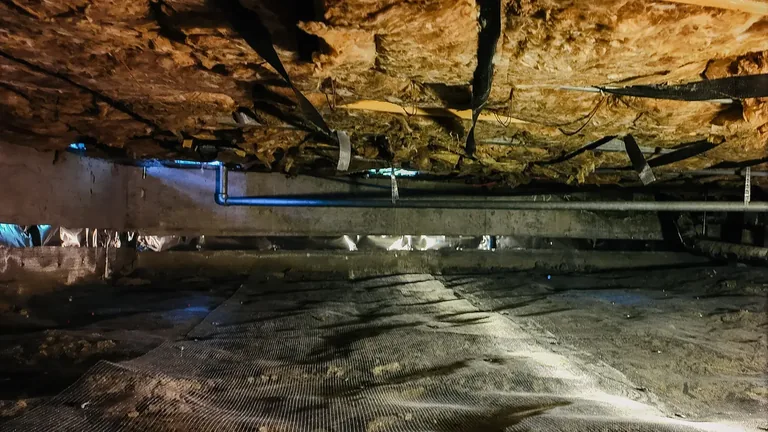
Our rodent proofing service protects insulation, wiring, crawl spaces, foundations, doors, and vulnerable areas from rodents.
Works Before or After an Infestation
Rodent proofing can be proactive or follow rodent exclusion, removal, and cleanup for an active rodent problem.
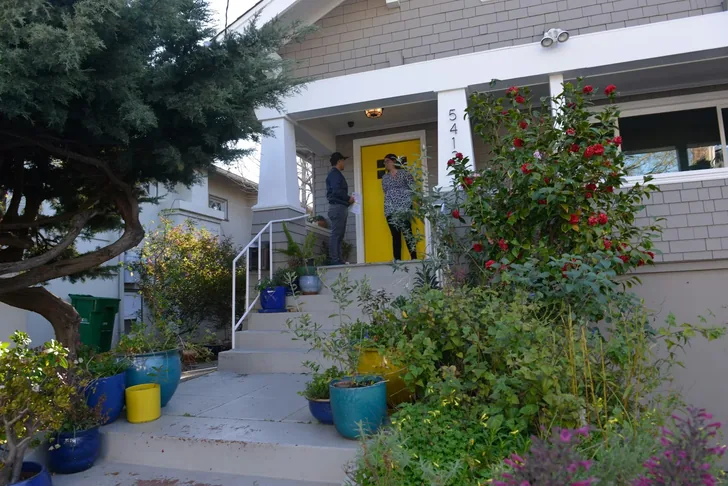
Creates a Long-Term Plan
We document repairs, monitoring priorities, and maintenance to help prevent rodents from finding new entry points.
Rodent Proofing vs. Rodent Exclusion
Rodent proofing and exclusion share materials used to block rodents but serve different homeowner needs.
Rodent proofing focuses on potential entry points rodents may use. It protects a home before an infestation or reinforces weak construction after active rats, mice, and other rodents are addressed.
Rodent exclusion is corrective. It is used when rodents are entering, recently entered, or continue to return. Exclusion connects signs from rodents to confirmed routes and may include traps, removal, cleanup, sealing, and follow-up.
Many homes need both services. Exclusion resolves the active rodent problem; rodent proofing extends structural protection to the rest of the home. Learn more about rodent exclusion for active infestations.
Why Choose Alley Cat for Rodent Proofing?
Construction-specific repairs, documented priorities, and Bay Area experience.
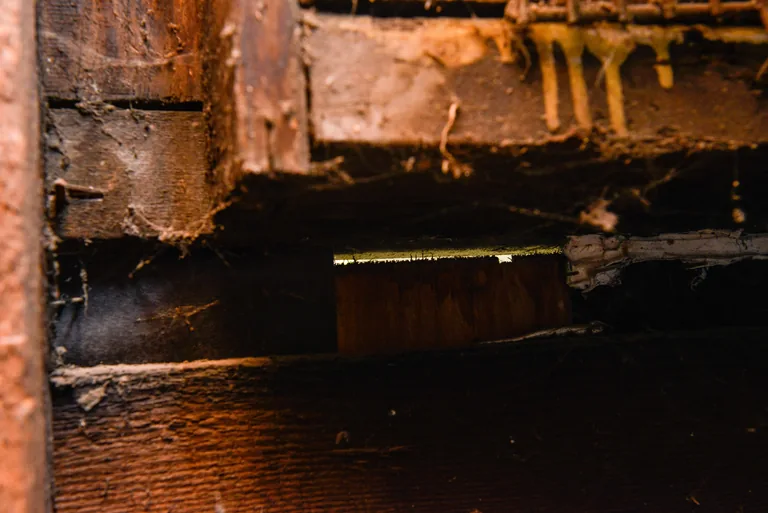
Potential Entry-Point Specialists
We identify entry points around cracks, pipes, vents, eaves, doors, foundations, and walls. Active routes used by rodents may require exclusion first.
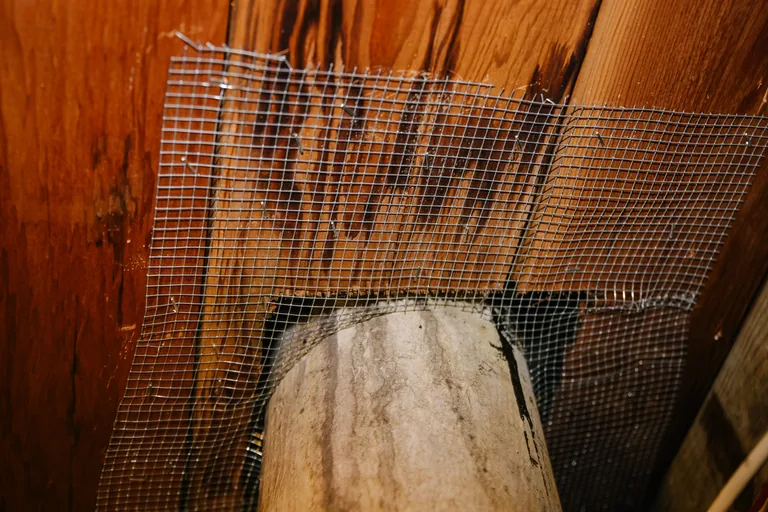
Construction-Specific Protection
Different openings need different materials. Alley Cat matches screening, stainless steel mesh, flashing, barriers, door sweeps, sealants, and repair services to the opening, airflow needs, moisture exposure, chewing pressure from rodents, and the home’s construction.
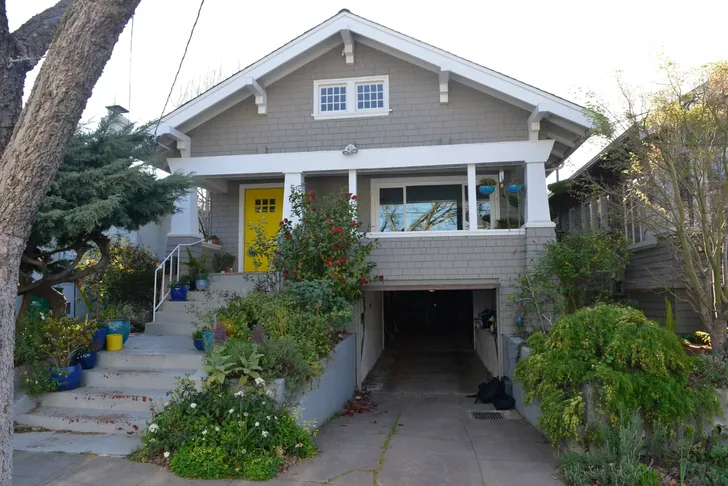
Bay Area Home Experience
We understand attics, foundations, basements, garages, crawl spaces, rooflines, and plumbing penetrations common in Bay Area homes—from San Francisco and Marin to Alameda, Contra Costa, and the East Bay.

More Than Sealing Visible Holes
Effective rodent proofing evaluates the property as a connected system, including obvious holes and less visible places rodents may use:
- Roof and attic: Soffits, eaves, attic vents, roofline gaps, and damaged vent covers
- Below the house: Foundation cracks, crawl spaces, basement walls, and perimeter gaps
- Near utilities: Plumbing, electrical, and HVAC openings around pipes
- At ground level: Garage doors, exterior doors, windows, siding, and structural breaks used by rodents
Alley Cat has served 13,000+ satisfied clients with a reported 97% customer satisfaction rating, reflecting clear reports, concrete repairs, responsive care, and quality work protecting Bay Area property from rodents.
Our Whole-Home Rodent Proofing Process
Rodent proofing addresses structural conditions that could admit rodents.
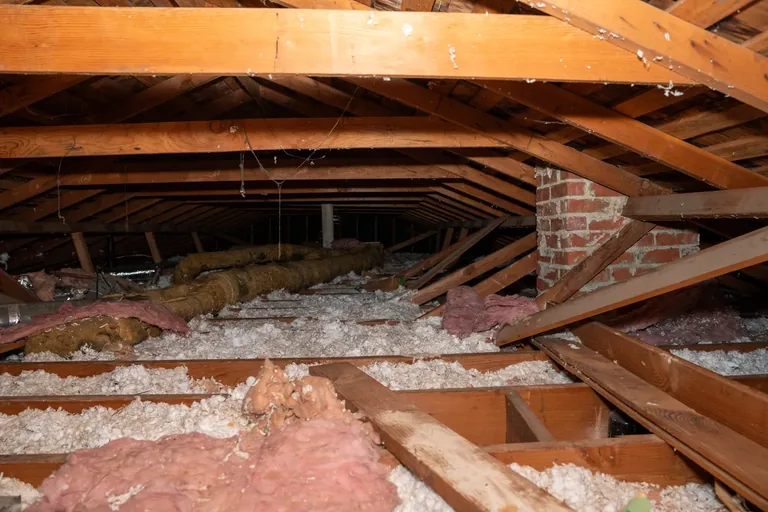
Step 01 · Inspect
Free Inspection for Entry Points
A free inspection reviews accessible areas for potential entry points and vulnerable construction. We examine eave returns, attic vents, crawl spaces, foundations, garage doors, plumbing and electrical penetrations, vent covers, weather stripping, and construction transitions.
The inspection separates structural weaknesses from evidence of activity by rodents. Fresh droppings, nests, gnawing, rub marks, noises, or odors are identified because those signs may require exclusion first.
- Identify potential and confirmed entry points
- Document materials damaged or exposed to rodents
- Prioritize urgent repair, preventive reinforcement, and areas to monitor
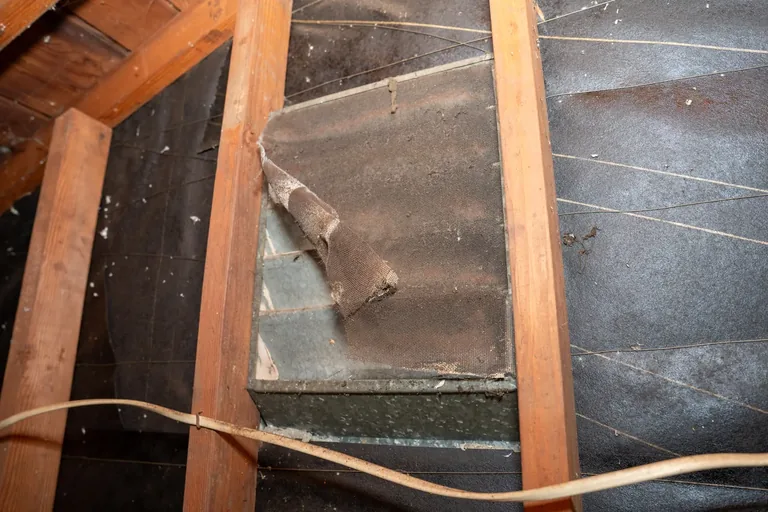
Step 02 · Diagnose
Vulnerability Report & Estimate
Alley Cat prepares a Comprehensive Diagnostic Report with identified conditions and recommended rodent proofing services. Photographs may show screens damaged by rodents, pipe gaps, door clearances, roofline transitions, identified foundation openings, or insulation damage.
The estimate separates urgent services from preventive improvements and shows what the job includes.
Before the job begins, our team confirms approved work areas. Stored belongings, vegetation, insulation, debris, or other stored stuff may need to be moved before repair.
If inspection finds a rodent infestation, significant droppings, nests, urine, or rodents inside, Alley Cat may recommend exclusion, removal, cleanup, or disinfection before closure. Repairs should not hide evidence or trap rodents, pests, or other animals inside.
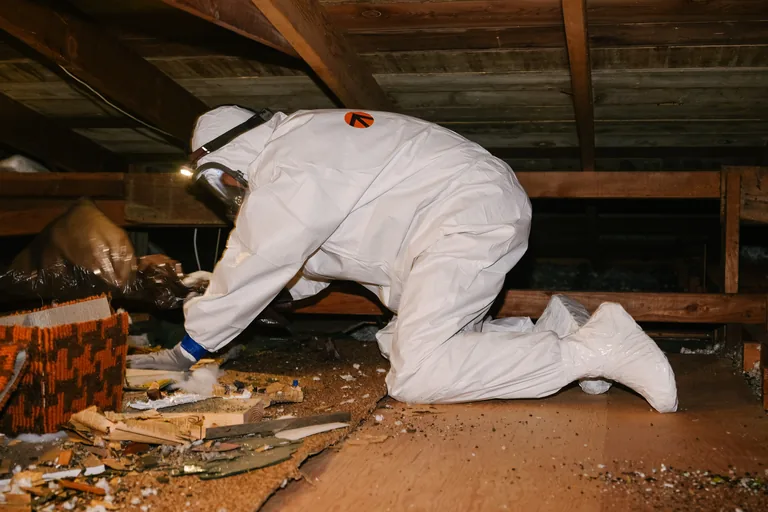
Step 03 · Clean
Remove What They Left Behind
Where inspection found activity, the crew clears droppings, nesting material and chewed debris from the areas being worked before anything is sealed. Removal comes first because sealing over contamination only hides it.
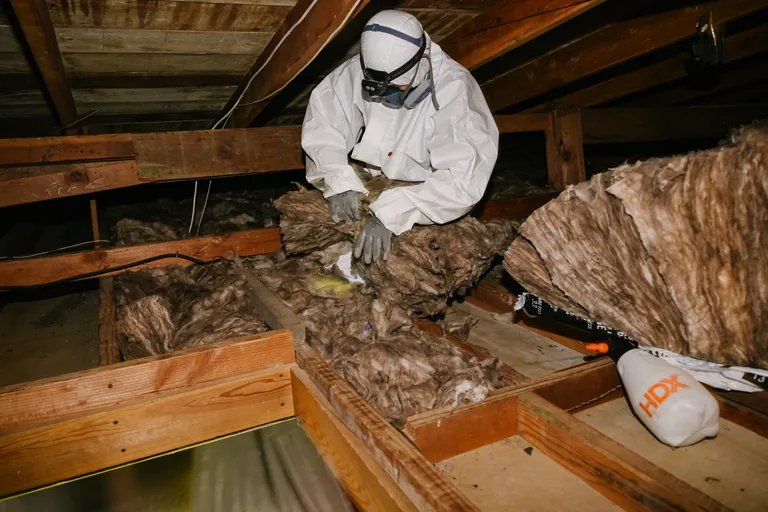
Step 04 · Sanitize
Treat the Affected Areas
After loose debris is removed, the cleared areas are treated to reduce odor, bacteria and the contamination left by droppings and urine. That also takes away the odor that can keep drawing rodents back to a route they have used before.
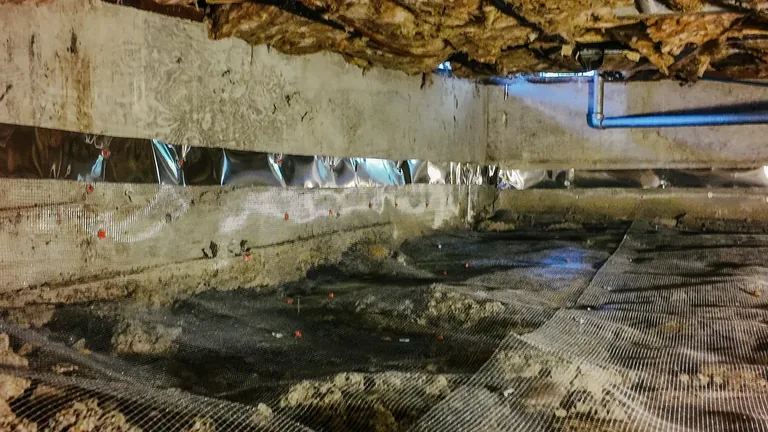
Step 05 · Seal
Seal and Reinforce the Structure
Sealing and reinforcement are the central stages of rodent proofing. Each repair must match the construction, ventilation needs, and opening. Foam alone is not a durable solution for every gap because rodents can gnaw weak materials, enlarge holes, and pull loose repairs apart.
Our rodent proofing services may include:
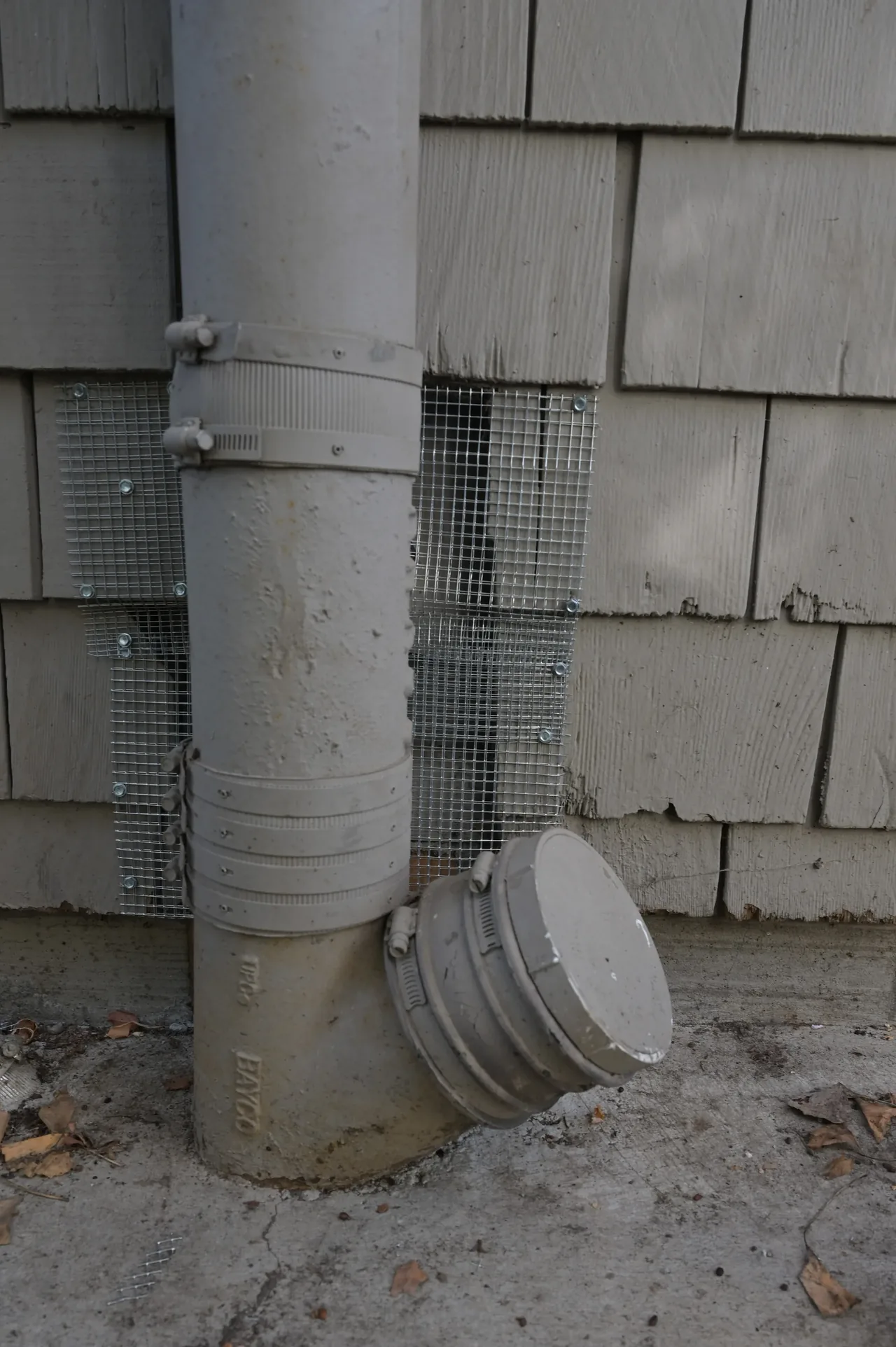
- Stainless Steel MeshFit corrosion-resistant stainless steel mesh into irregular gaps, then secure and finish the repair so rodents cannot pull it loose.
- Copper MeshPack copper mesh around plumbing or wiring penetrations and seal the finished opening without leaving filler exposed to rodents.
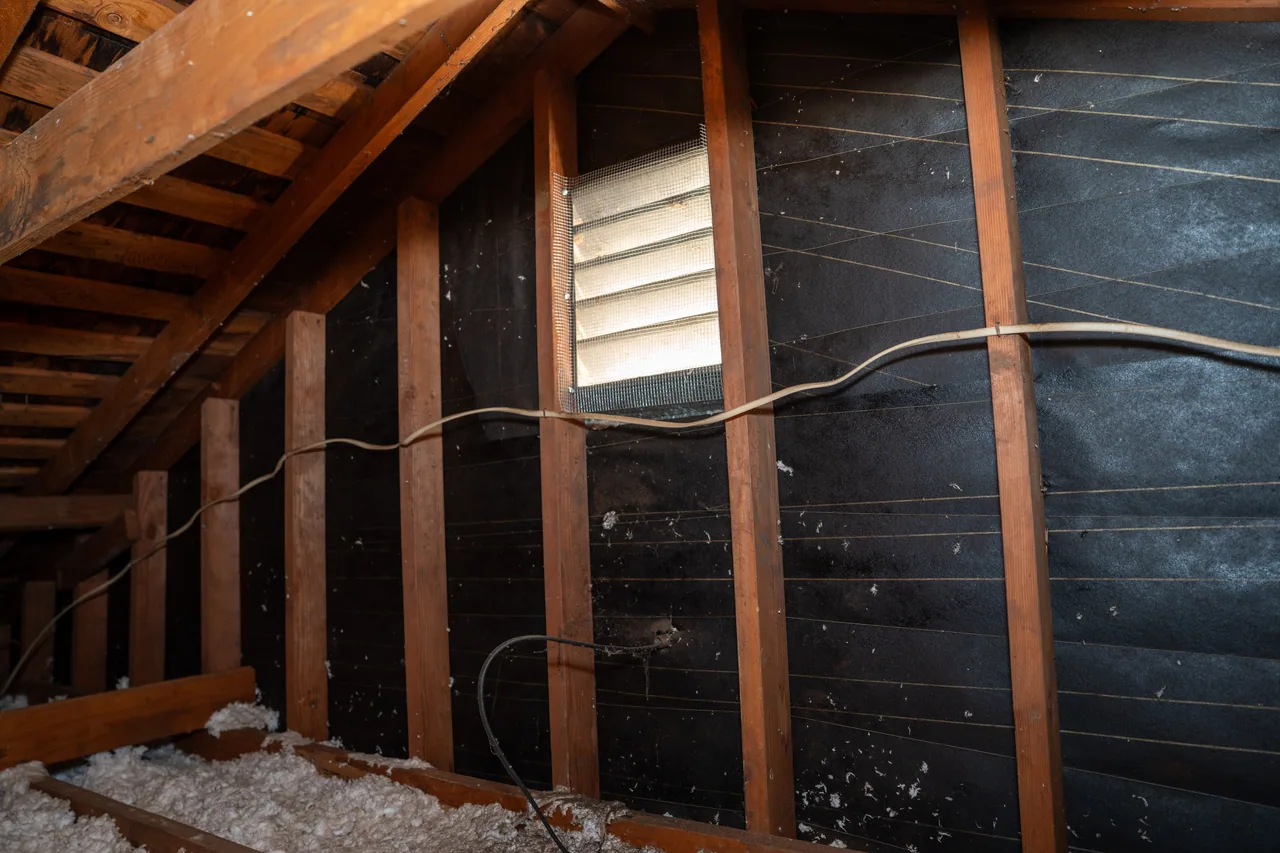
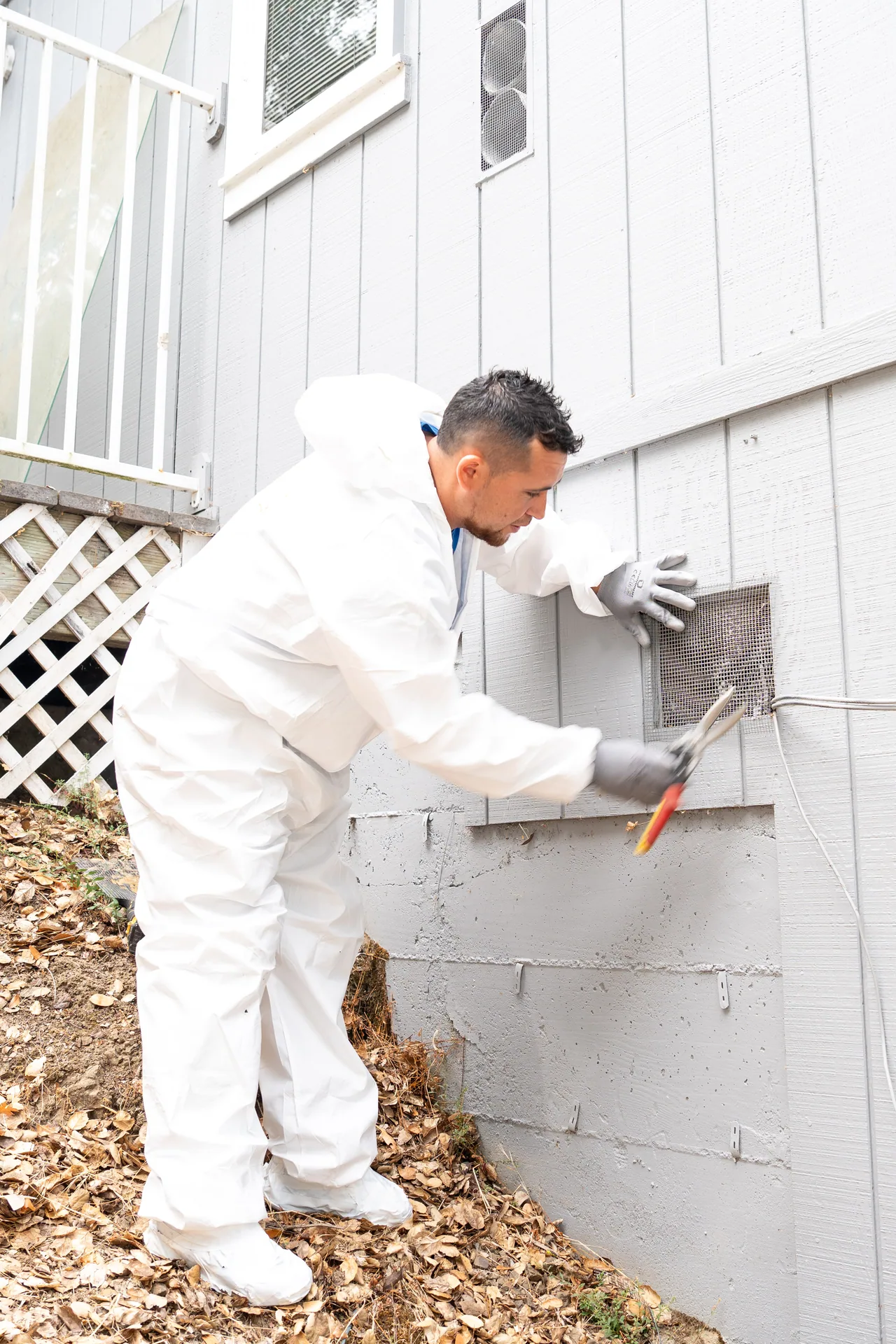
- Heavy Metal ScreeningSeal entry points at vents, eaves, crawl spaces, and holes with heavy wire mesh or metal mesh filler.
- Foundation BarriersInspect and seal foundation vents to prevent rodent access, and install below-grade metal where rats, mice, or other animals burrow.
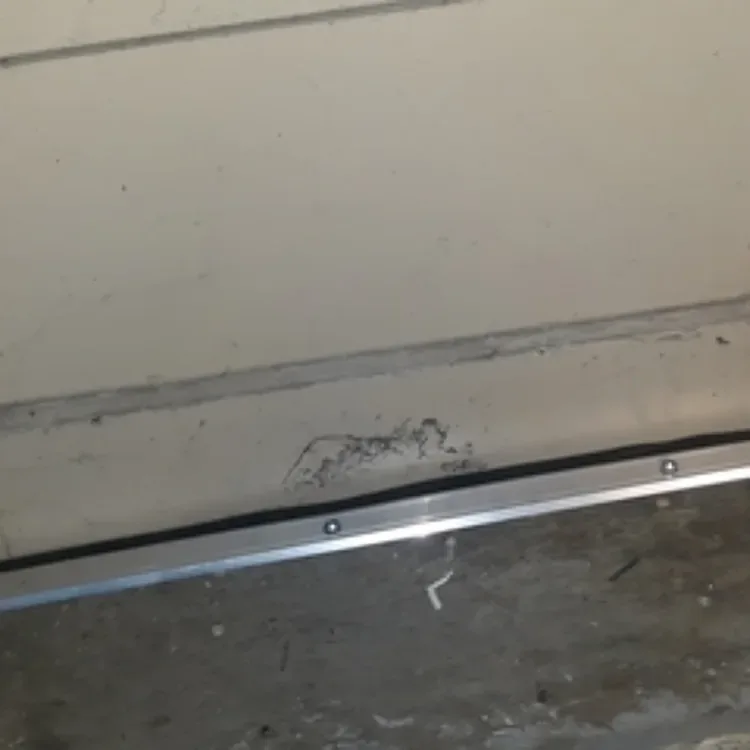
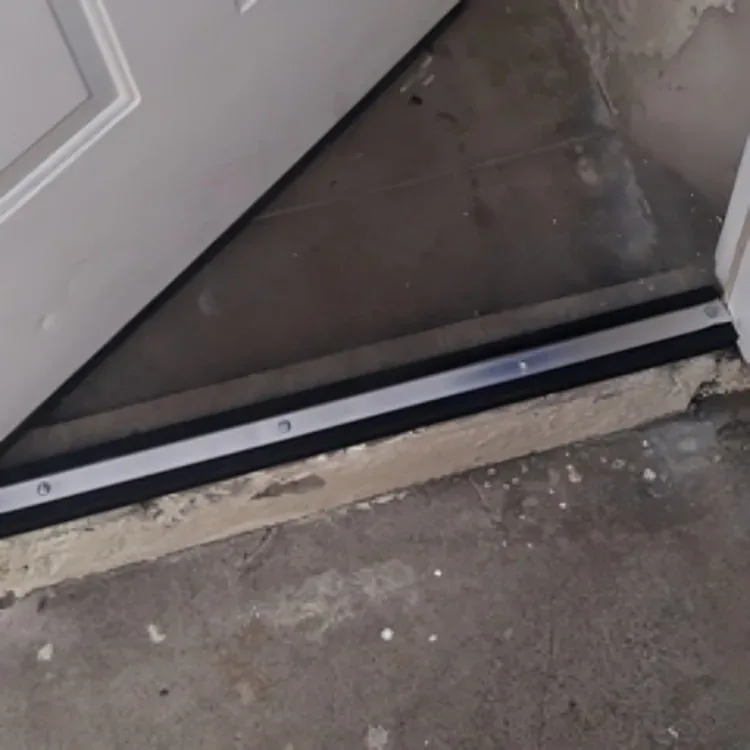
- Door ReinforcementAdd metal-backed weather stripping, door sweeps, or flashing where doors leave gaps for rodents.
- Roofline RepairsSeal breaks at soffits, fascia, roof returns, and transitions that roof rats or other rodents could use.
Rodents can enter through holes as small as a quarter-inch. EPA recommends copper or stainless steel wire mesh, while CDC lists steel wool, hardware cloth, metal, cement, and backed foam for suitable openings. Steel wool can rust when exposed, so permanent exterior repairs should use protected materials.
Water damage, utility work, aging screens, and poor panels can create new entry points. Our services explain repairs, protect the home, and help prevent rodents from returning. Because rodents climb, squeeze, gnaw, and burrow, each job must reflect how rodents reach upper levels, how rodents move through crawl spaces, and how rodents follow utilities.
Rodent proofing is not a substitute for addressing active rodents. Fresh rodent droppings, nests, gnawing, noises, odors, or live rodents may show that the property needs exclusion before final repairs.
Exclusion services may include traps or snap traps, removal of rats and mice, cleanup, and monitoring. Sanitation involves cleaning droppings and contaminated areas after debris is removed. Certain wild rodents can spread hantavirus through contaminated waste, so untreated waste should not be dry-swept or vacuumed.
Scheduled visits may remove rodents that were caught, reset traps, dispose of approved waste, and evaluate fresh signs. Monitoring confirms whether rodents remain or have found another route. Once the rodent problem is controlled, remaining entry points can be reinforced. Exclusion addresses rodents currently inside; proofing provides broader prevention.
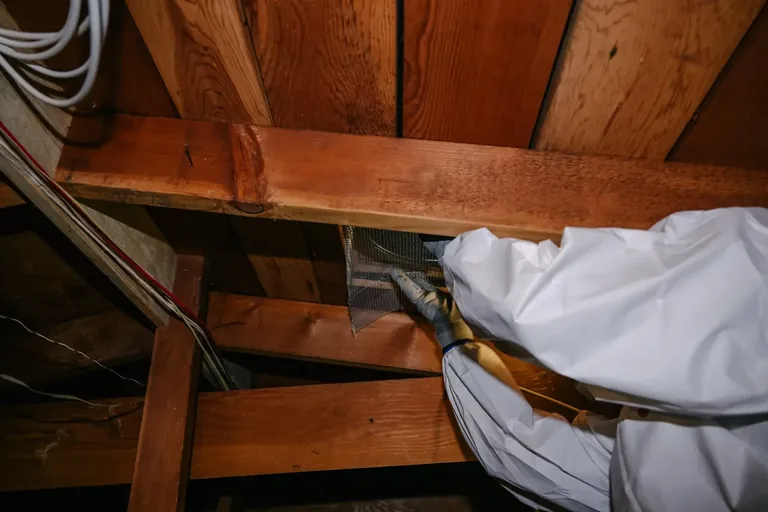
Step 06 · Check
Verify the Seal Holds
Scheduled visits re-check the repairs, and any traps set during the work, for fresh activity at every point that was closed. A proofing job is only proved by the absence of a new way in.
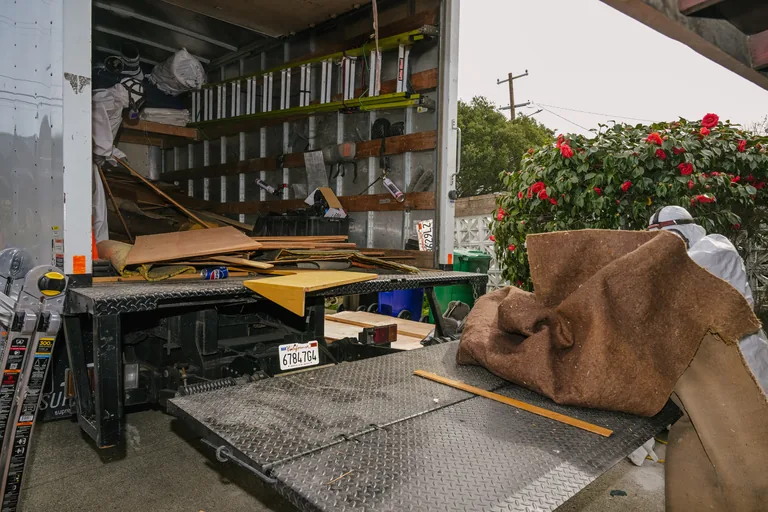
Step 07 · Haul
Carry the Waste Off Site
Contaminated insulation, damaged vapor barrier, used trapping tools and other job-related waste are bagged and leave with the crew. Nothing is left behind in the crawl space or attic for the homeowner to deal with.
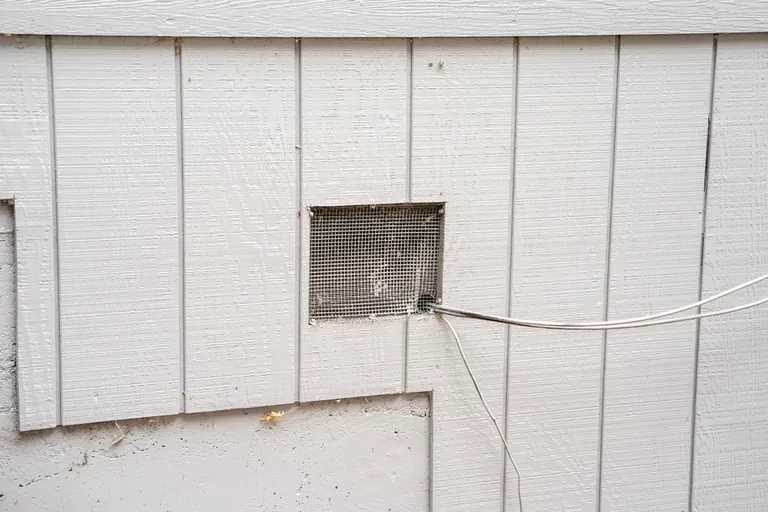
Step 08 · Support
Final Review and Ongoing Support
After approved services, the team checks screens, barriers, doors, and fitted materials. Repairs should seal access and protect the home from rodents without blocking airflow, drainage, or building systems.
Final documentation may include photographs, repair notes, warranty information, and areas to inspect after remodeling or weather damage. Customer service explains the report and future inspection needs.
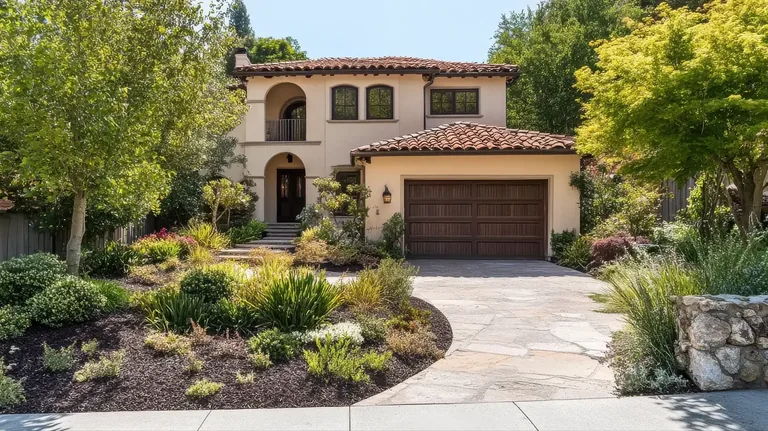
Prevent Rodents Before They Get In
Schedule a rodent proofing assessment to identify weaknesses, prioritize repairs, and strengthen your Bay Area home before rodents establish another infestation.
What Makes Our Rodent Proofing Different?
Protect the entire structure, not one visible gap.
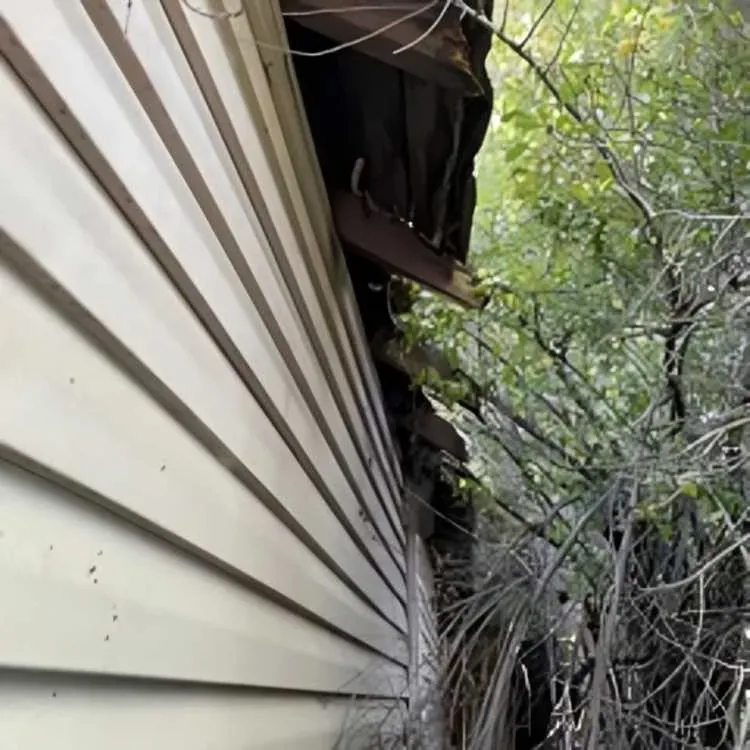
Repairs Based on Rodent Behavior
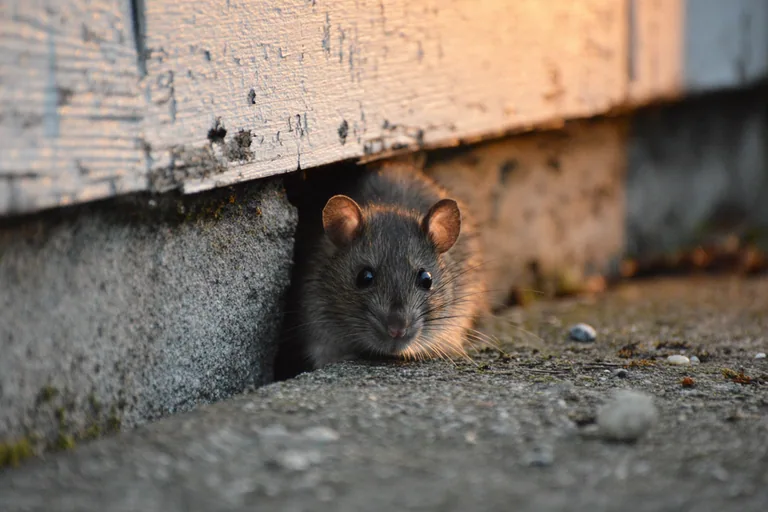
Rats and mice follow sheltered edges, fences, plumbing, ducts, roof transitions, and walls. We connect interior signs to exterior access used by rodents, so the solution addresses how rodents move through the house.
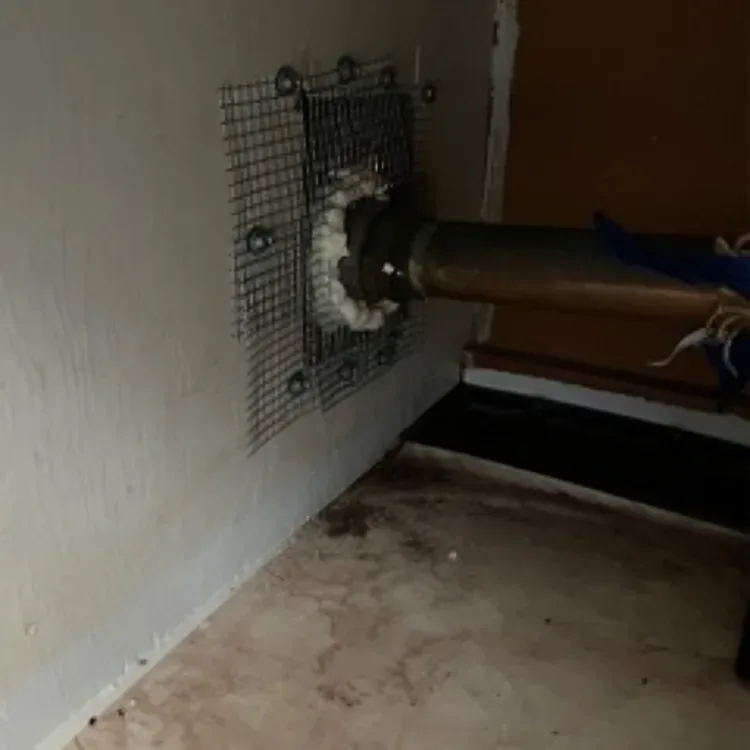
Materials Chosen for Crawl Spaces
Crawl spaces may need screens, perimeter barriers, reinforced doors, or trenching; attic and roof gaps may need flashing and stainless steel mesh. We use copper mesh, foam, or metal only where it provides a durable solution against rodents and other pests.
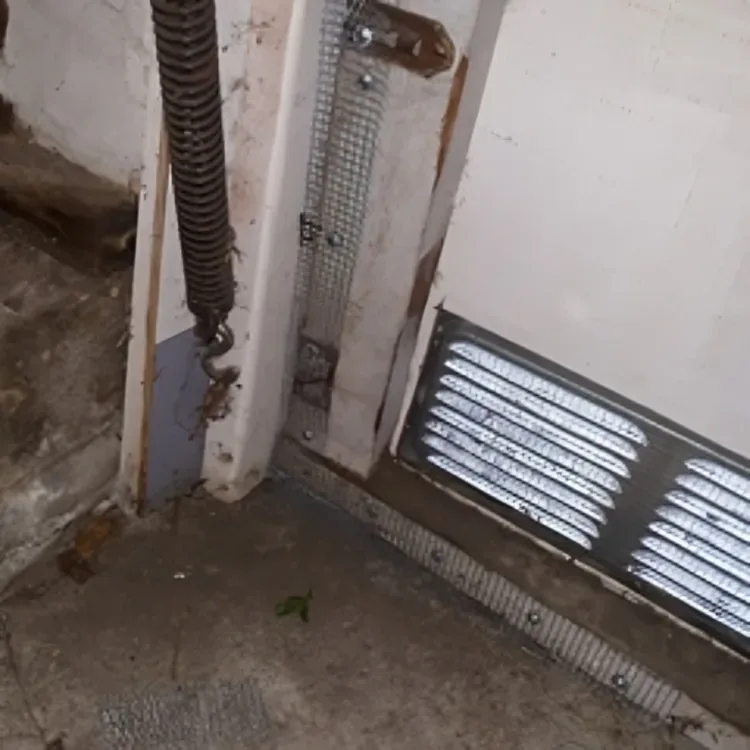
Preventive or Post-Exclusion Services
Some homeowners schedule rodent proofing before they have a rodent problem. Others schedule it after exclusion and cleanup resolve active rodents. In either case, the services reinforce the structure and document conditions to monitor. Trapping, removal, sanitation, and cleanup remain coordinated services when inspection shows they are needed.

“Alley cat did a great job. We were really happy with service, result and price. The only thing we didn't understand was that with live mouse traps after setting them they wanted to wait 2-3 weeks to check them. But the rats would have died being trapped that long. I had to release the rats myself (the very next day). Not a huge deal, but didn't understand that policy.”
Nicole HendersonVerified Trustpilot review
-
4.9 / 5
1,240 reviews -
4.7 / 5
649 reviews -
 4.7 / 5
279 surveys -
 4.9 / 5
374 reviews
Rodent Proofing, Food Sources, and Maintenance
Rodent proofing works best when structural repairs are paired with food, water, shelter, and maintenance controls. Eliminating food sources reduces attraction. Store food in airtight containers, seal food for pets, remove uneaten pet food, secure garbage and trash, repair water leaks, and keep the yard clean so rodents, squirrels, and other pests find less food and shelter.
- Inspect: Regular inspections identify new entry points and signs of rodents.
- Seal: Rodent proofing includes sealing access points to prevent re-entry and help keep areas rodent free.
- Maintain: Clean yards, controlled trash, and protected food give rats, mice, and pests fewer reasons to approach.
Food management does not replace structural services. To prevent rodents, seal new cracks and promptly repair screens, doors, walls, vents, and roof components.
Why Is Rodent Proofing Important?
Rodent proofing helps protect insulation, wiring, ducts, drywall, food, children, pets, and living areas from rodents and repeated pests. It reduces risks through a physical solution that helps keep the property rodent free.
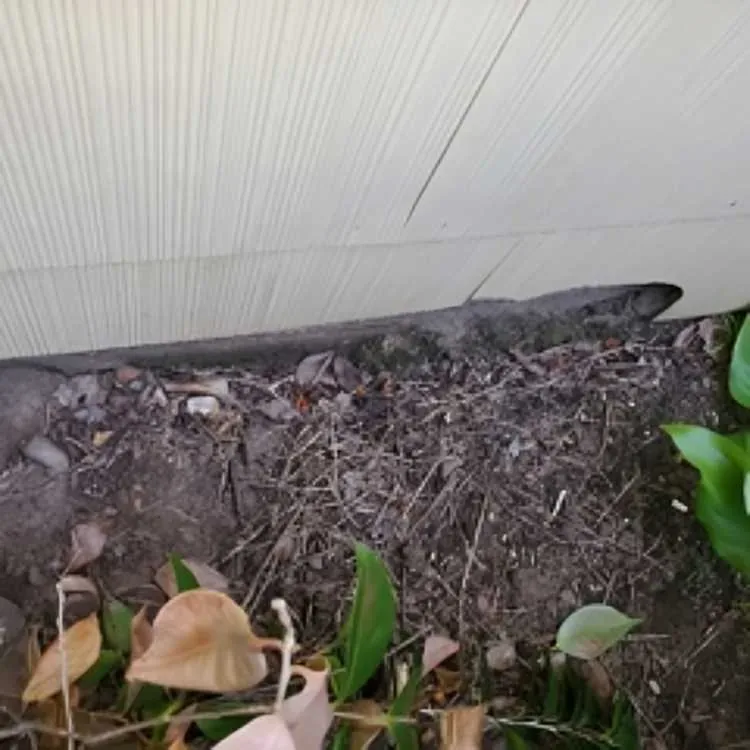
Inspect the exterior for cracks and gaps around the foundation and walls. Inspect plumbing penetrations for gaps around pipes. Rodents can access homes through rooflines and soffits. Openings around utilities, doors, windows, and eaves can admit rodents and other pests.
Bay Area properties vary by age, foundation, vegetation, and exposure to rodents. Tree branches should be trimmed at least 3 feet from rooflines to deter roof rats, while landscape work should protect tree health. Regular inspection helps identify a new gap before another infestation develops.
FAQs: Rodent Proofing
Is rodent proofing worth it?
Yes. Rodent proofing is worth it when the goal is to protect property, reduce repeated trapping, and prevent rodents from exploiting known weaknesses. Value depends on building size, access, infestation severity, contamination, materials, and repair scope.
Basic rodent proofing costs range from $250 to $600. Mid-range rodent proofing services cost between $600 and $1,200. Full exclusion and sanitation can exceed $3,000. These national ranges are not an Alley Cat quote; limited sealing differs from attic cleanup, crawl spaces, insulation removal, roof repair, or removal of rodents. Rodent proofing costs are higher in the Bay Area than nationally. Property size and infestation severity affect cost.
What is rodent proofing?
Rodent proofing is the inspection and structural reinforcement of potential entry points. It can be performed before an infestation or after active rats, mice, and other rodents have been removed.
A rodent proofing service may reinforce vents, rooflines, doors, foundations, crawl spaces, utility penetrations, and gaps around pipes. It does not automatically include trapping, removal, sanitation, or cleanup of infested areas; those services are coordinated when inspection finds active rodents.
A professional inspection identifies entry points and activity from rodents. Rodent-proofing can take 4 to 8 hours for a small job, but large properties, difficult access, attic insulation, crawl spaces, or active rodents can take longer.
As an inspection guide, rodents can fit through gaps larger than 1/4 inch. Mice can enter through holes the size of a dime, and a rat can squeeze through a half-inch hole. Actual rodent size and construction still require evaluation.
What is the difference between rodent proofing and rodent exclusion?
Rodent proofing strengthens potential entry points throughout the property. Exclusion responds to current or recent activity by identifying confirmed routes, addressing rodents inside, and closing openings involved in the infestation.
A house may need exclusion first and proofing second. A home with no evidence of active rodents may need only preventive services.
How do I rodent proof my home?
Inspect the exterior and interior perimeter for gaps around doors, vents, rooflines, foundations, siding, crawl spaces, garages, utilities, windows, pipes, and access panels. Seal entry points with heavy wire mesh or metal mesh filler where appropriate, replace damaged screens, and preserve ventilation and drainage.
Foundation vents are often called the number one entry point for rodents, but no opening is number one in every house. Inspect and seal foundation vents to prevent rodent access while examining the attic, roof, doors, plumbing, garage edges, cracks, and wall transitions.
Some homeowners use peppermint oil as a natural rodent deterrent. It may have a temporary scent effect, but it should not replace inspection, traps, sanitation, proofing, or repairs for rodents and other pests. Regularly check for signs of rodent activity and repair promptly.
Do not assume every hole should be filled with foam or steel wool. A professional solution may require screening, flashing, cement, metal reinforcement, door components, or another repair.
How do I get rid of rodents permanently?
No responsible company can guarantee that a home will remain permanently rodent free. Weather, remodeling, utility work, aging materials, and new damage can create holes for rodents.
Rodent proofing alone does not remove active rats or mice. To get rid of an active infestation, combine exclusion, traps, removal, cleanup, sanitation, food control, and monitoring with structural repairs. Snap traps can remove rats, mice, and other rodents inside; poisons can create risks for pets, squirrels, other wildlife, and non-target animals or leave rodents in walls. Keep traps and poisons away from children and pets.
The strongest long-term solution is durable repair plus regular inspection. Secure food and pet food, close garbage, clean nests and droppings safely, repair cracks, monitor signs, and address new access before rodents become established again.
Schedule Rodent Proofing Today
Protect your Bay Area home with professional rodent proofing services designed around potential entry points, durable materials, vulnerable construction, and long-term prevention.