
Bay Area Rodent Control · Resources
Rodent Control Resources for Bay Area Homeowners
Guides, comparisons, and videos for recognizing rodent signs and deciding when to call a professional.
-
 4.9 / 5
1,240 reviews -
 4.7 / 5
649 reviews -
 4.9 / 5
374 reviews -
 4.7 / 5
279 surveys -
 Accredited
A+ BBB rating
Trusted Rodent Control Guidance
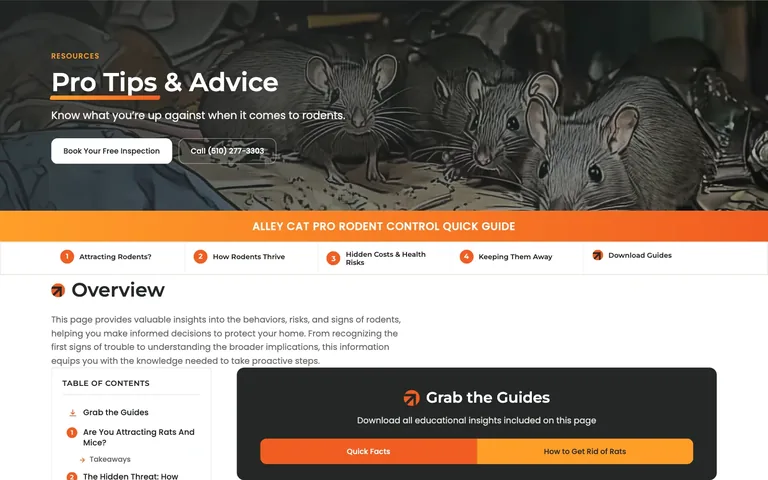
This Bay Area resource hub helps homeowners understand a rodent infestation, compare rodent control methods, and choose an informed next step. The guidance brings together information, comparisons, prevention, and video explanations developed from conditions found by Alley Cat specialists in real homes and business properties across the greater San Francisco Bay Area.
-
-
-
-
-
-

Other Related Categories
- News: Local updates about diseases, disease control, industry developments, and rodent news.
- Referral Program: Information for referring Bay Area homeowners or business owners with rodents.
- Reviews: Customer experiences involving inspections, contact, communication, cleanup, and results.
- Videos: Video guidance on rodents, droppings, damage, trapping, exclusion, and safe cleanup.
Rodent Control Guidance You Can Trust
Useful guidance should provide more than generic pest tips. It should help homeowners identify rodent presence, understand how rodents reach food and water sources, and determine which control methods fit the evidence. Alley Cat’s information is developed from inspections, diagnostic reports, cleanup, exclusion, trapping, and customer contact across Bay Area homes and business properties.
What These Resources Cover
- Signs of rodents, including rodent droppings, urine, hairs, gnaw marks, shredded paper, and a foul odor.
- Explanations of trapping, bait, exclusion, sanitation, cleanup, and prevention.
- Ways to compare control cost, access, effectiveness, materials, and follow-up.
- Direction on when a rodent problem warrants professional contact.
Use the category that matches your situation, then contact Alley Cat when you need rodent control findings tied to your home or business.
Grounded in Real Homes
The information reflects pests, diseases, and home conditions encountered throughout San Francisco, Oakland, Berkeley, Concord, Novato, Fremont, Hayward, Mountain View, and San Mateo. Rodents may be found in attics, a basement, crawl spaces, kitchens, cabinets, drawers, walls, floors, and storage areas.
Common evidence of rodents and other pests includes:
- Holes around foundations, rooflines, vents, doors, and pipes.
- Rodent waste in insulation, ducts, vapor barriers, and food containers.
- Runways, urine, nesting material, hairs, gnaw marks, and droppings.
Recognize Rodent Presence
One homeowner may hear pests inside home walls at night; another may find rodent droppings beside food or marks along floors. Fewer fresh droppings can be a good sign, and an undisturbed trap can be a good sign, but neither proves that every source, pathway, or rodent infestation has been controlled.
Prevent Rodent Infestations
Effective rodent management combines exclusion, sanitation, and trapping. Professional exclusion is more effective than relying solely on traps or poison. Rodents prefer dark, protected areas for nesting and activity.
To prevent rodent infestations, use this resource center to:
- Identify the problem: Determine which signs are present and where rodents are active.
- Compare control: Understand trapping, exclusion, sanitation, bait, and prevention.
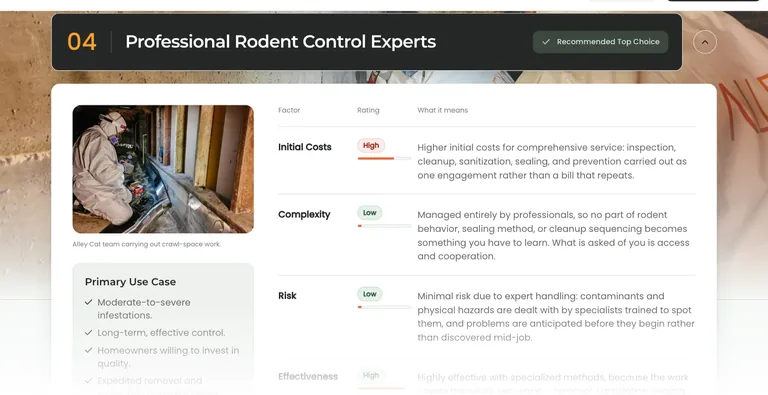
- Choose help: Evaluate DIY limits, professional rodent control, cost, and effectiveness.
What Are Rodent Resources?
Information for understanding and responding to rodents.
Rodent resources are educational materials that provide information about signs, risks, pests, service choices, and prevention. They may include articles, video demonstrations, cost evaluations, company comparisons, and homeowner tips. Useful resources provide an example for three situations:
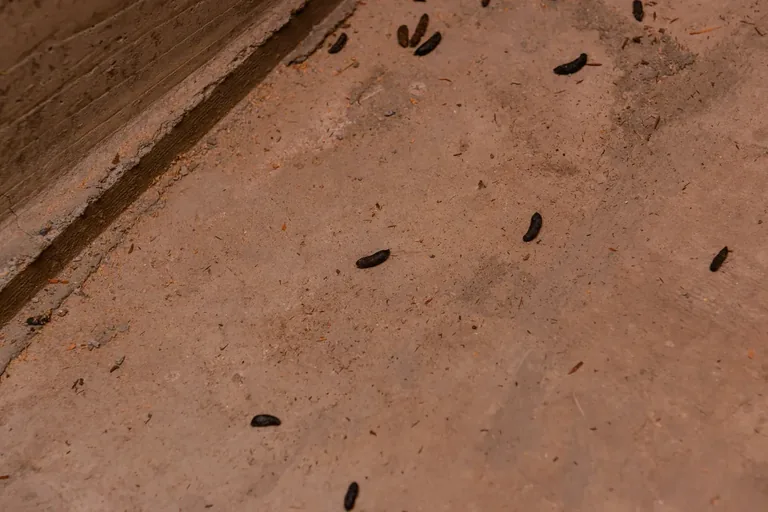
Early signs
Isolated droppings, noises, or small holes.
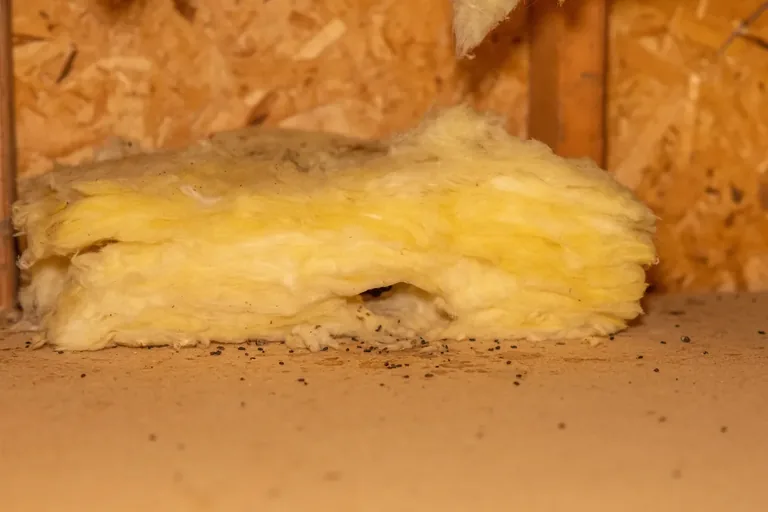
Active rodent infestation
Repeated rodent presence, contamination, or damage.
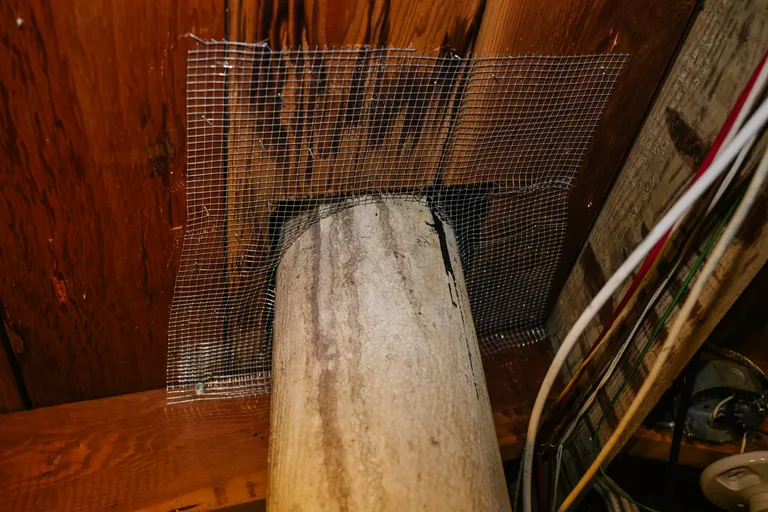
Post-service prevention
Food control, maintenance, trapping, and monitoring.
Rodent Control for a Rodent Problem
Educational information can help identify a possible rodent infestation, but the exact source, size, and scope usually require an on-site evaluation for rodent control. Alley Cat connects what homeowners learn to a building-specific process that can provide clearer practical answers:
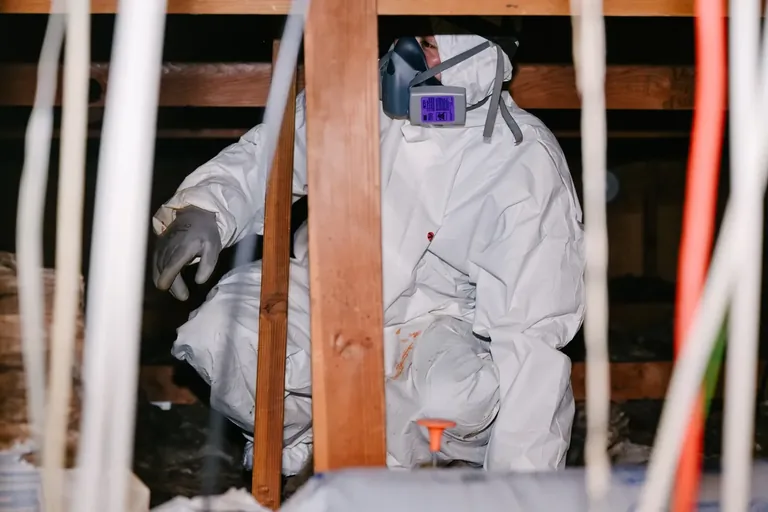
Step 01 · Inspect
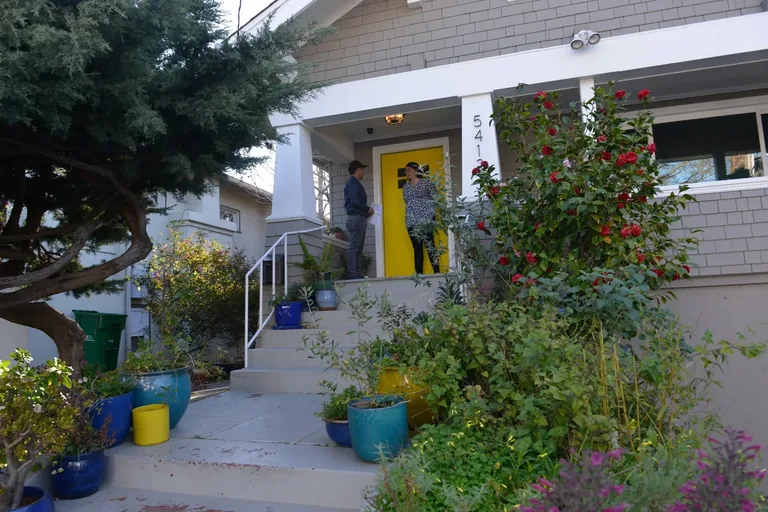
Free Inspection for Entry Points
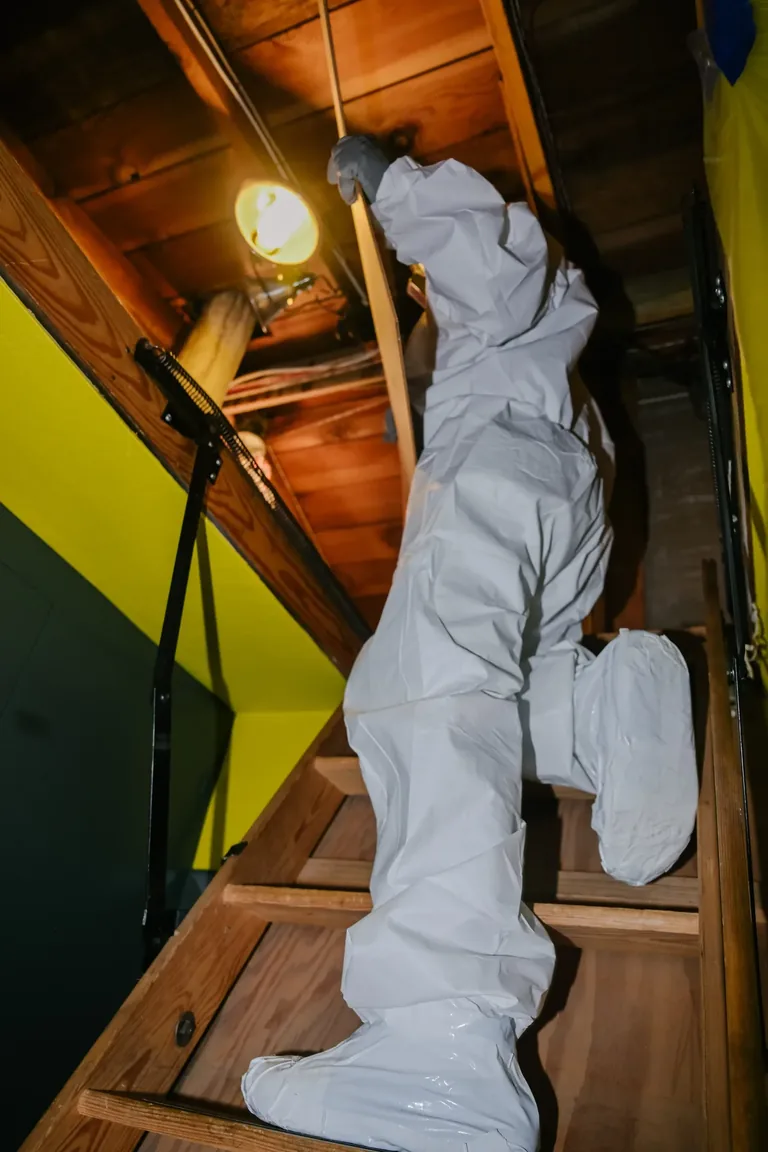
A free inspection lets a specialist examine conditions rather than rely on descriptions or one video. The specialist may review attics, crawl spaces, a basement, garages, kitchens, exterior walls, foundations, rooflines, vents, utility openings, pipes, floors, and other accessible areas where rats, mice, and pests may enter and require control.
Record the source found, conditions evidenced, and activity that day.
A free inspection can provide:
- Identification of rodents and signs evidenced as active.
- Likely entry points, pathways, food, water sources, and shelter.
- Direction on cleanup, trapping, sanitation, or exclusion.
Step 02 · Diagnose
Diagnostic Report & Estimate
Alley Cat can provide a Comprehensive Diagnostic Report describing rodent presence, droppings, gnaw marks, entry points, affected areas, contamination, damage, and recommended control. The report connects proposed work to conditions evidenced at the home or business, clearly helping clients compare scope, reach, effectiveness, and cost instead of judging price alone.
Step 03 · Clean
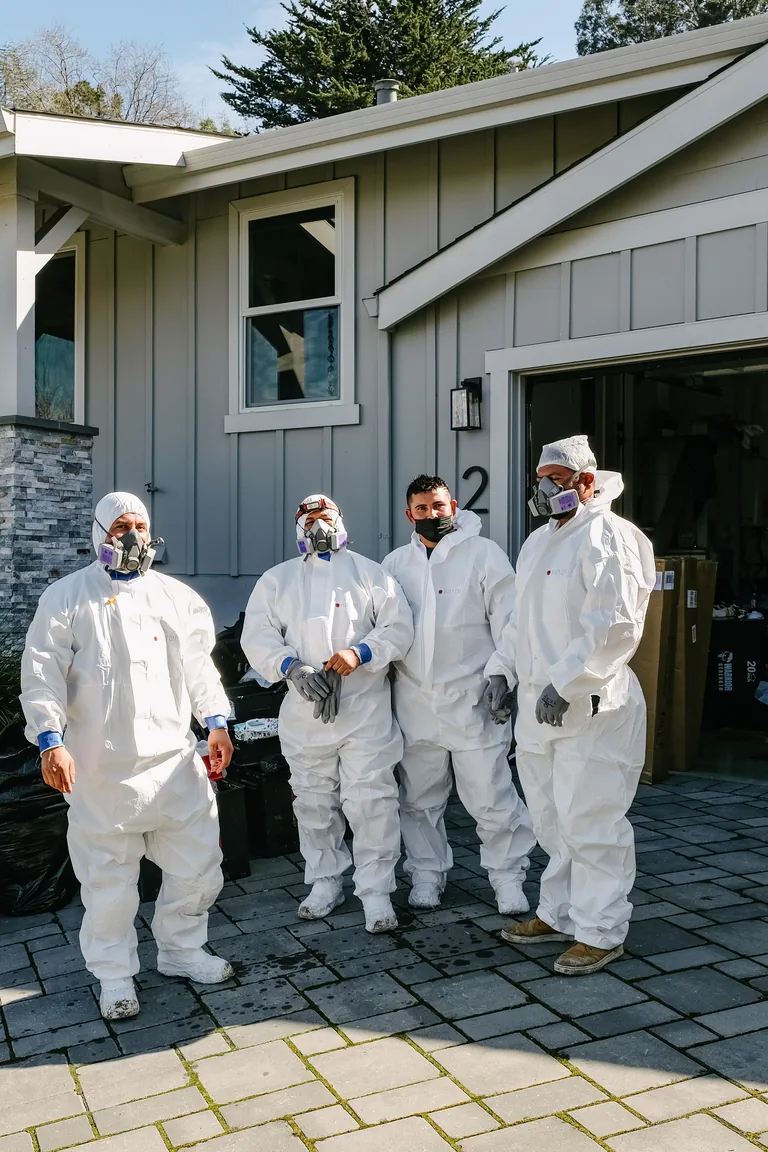
Safe Cleanup & Removal
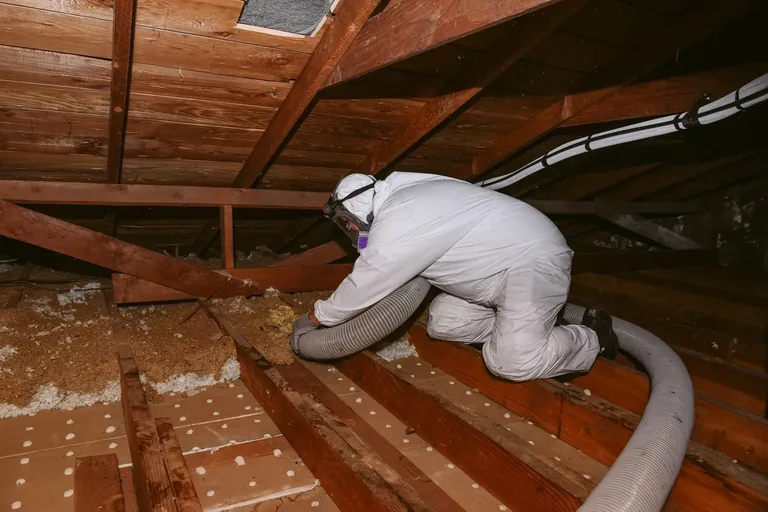
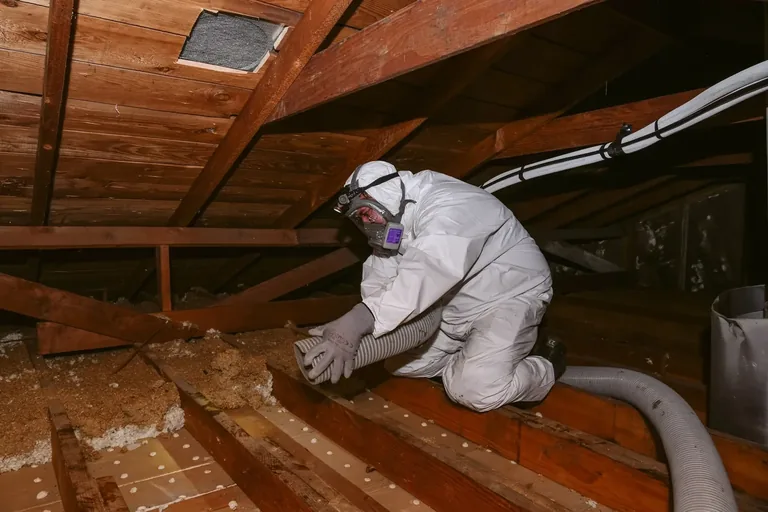
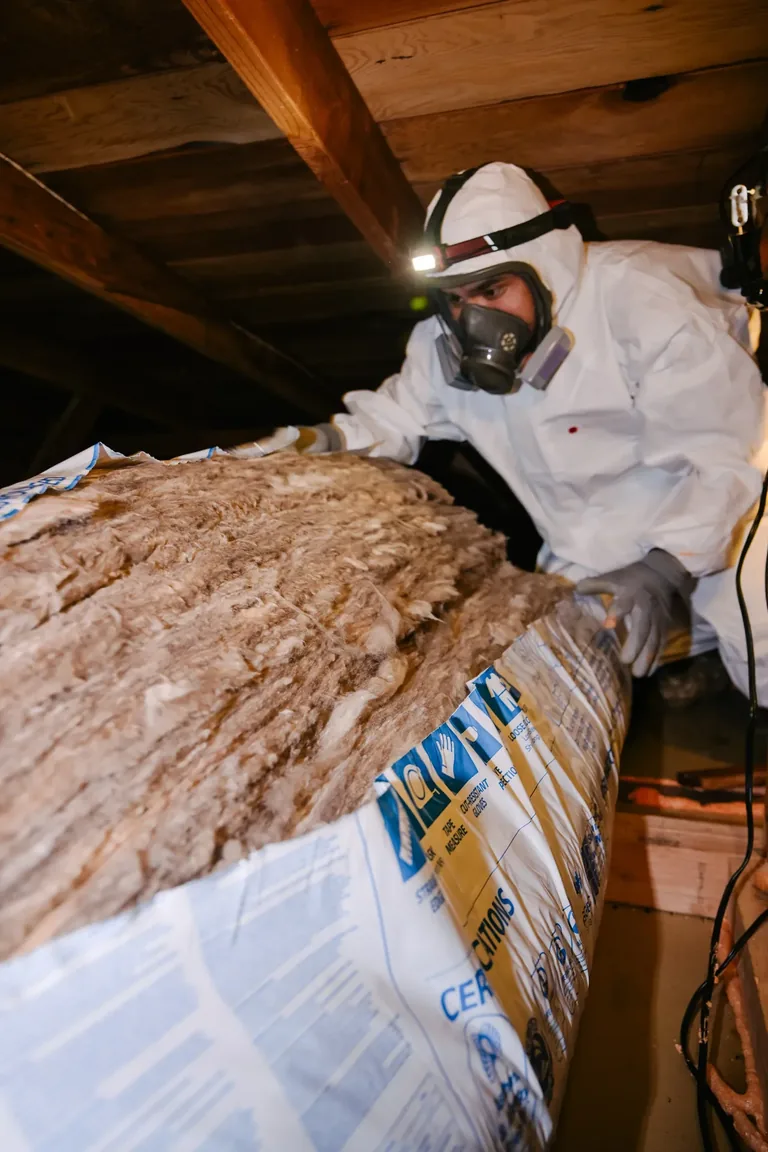
Cleanup may be appropriate when a rodent infestation leaves rodent waste, contaminated food, nesting material, damaged insulation, or dead animals. Homeowners should avoid direct contact with droppings, urine, saliva, rodents, or contaminated materials that may spread diseases.
Specialists may:
- Remove rodent waste, droppings, shredded paper, and nesting material.
- Bag damaged insulation, vapor barriers, packaging, and approved debris.
- Haul away scoped materials from attics, crawl spaces, basements, or garages.
Removal prepares the area for sanitation, exclusion, control, and prevention.
Step 04 · Sanitize
Sanitize & Decontaminate
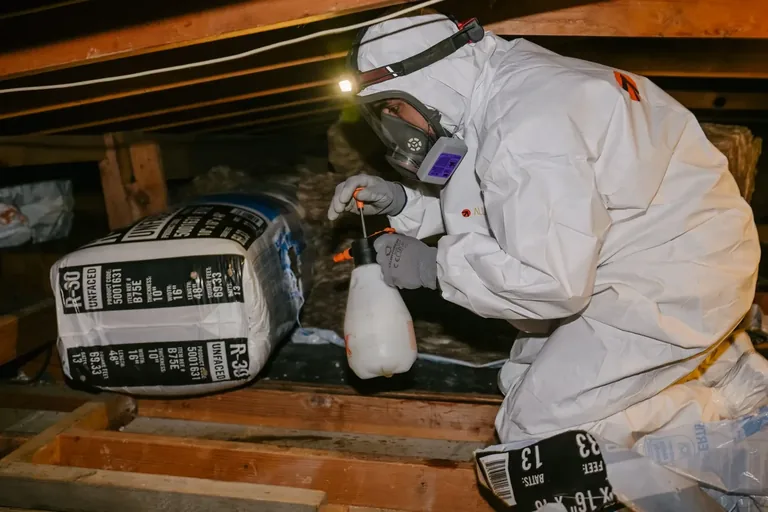
Rodents can transmit over 35 diseases to humans. Diseases spread through rodent droppings, urine, and saliva. Rodents can carry ticks, mites, or fleas that spread diseases. Direct contact with infected rodents can spread diseases. Diseases can also spread through consumption of contaminated food. These are possible pathways, not proof that every rodent infestation contains every disease.
For disease control, the CDC—Centers for Disease Control and Prevention—and public health centers provide safe cleanup guidance because dry droppings can release particles into the air. CDC guidance is important for humans; fleas, mites, and contaminated material create risk. Keep children, pets, humans, and other animals away. Diseases vary, and resources cannot diagnose diseases; medical questions belong with a clinician.
Step 05 · Seal
Seal Small Holes, Reinforce, & Prevent
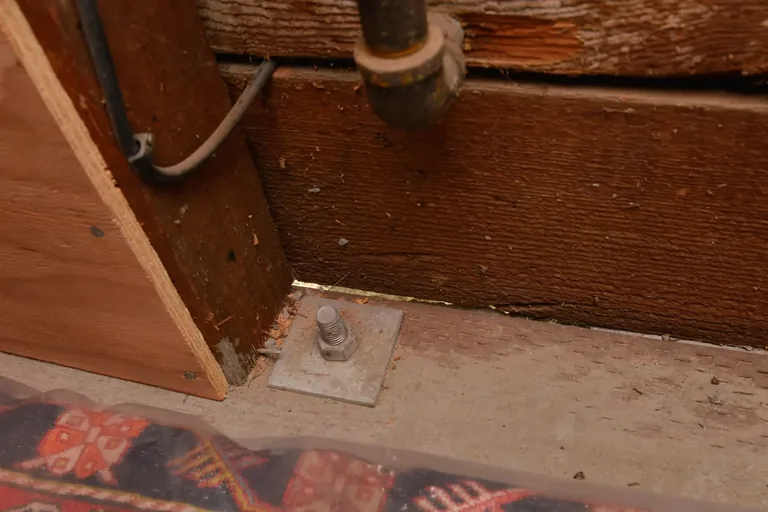
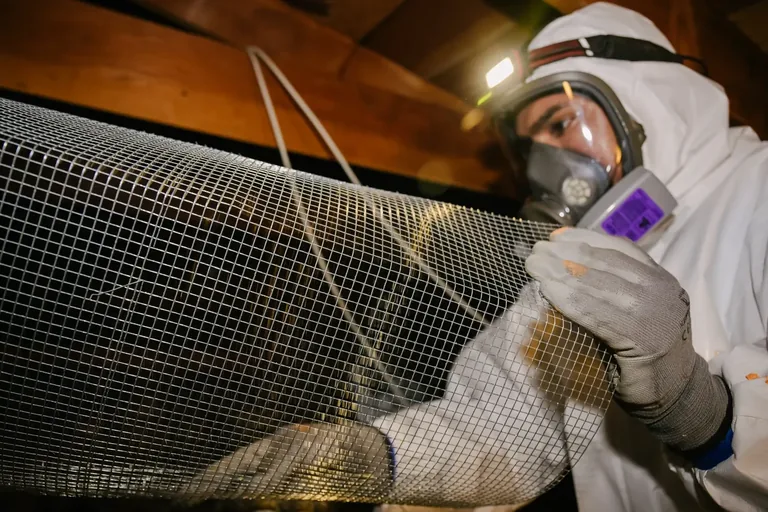
Exclusion controls rodent access through a building. Rodent proofing involves sealing entry points with materials like steel mesh. Seal holes larger than a quarter to prevent entry. Rodents can enter through gaps as small as a dime. Mice use smaller holes than rats; effectiveness varies by size and material.
For home or business areas, Alley Cat may use these rodent control methods to create protection:
- Gap SealingClose holes around pipes, siding transitions, and walls.
- Vent ScreeningReinforce foundation, attic, and utility vents.
- Door ReinforcementCorrect gaps beneath doors and panels.
- Foundation BarriersAdd below-grade screening at access points.
- Structural RepairsUse durable materials on screens, roofs, and doors.
- Vegetation ControlVegetation providing cover near buildings should be trimmed.
Control requires sanitation. Sanitation eliminates food and water sources for rodents. Properly sealing outdoor trash cans reduces attractants for rodents. Store food in chew-proof containers to deter rodents. Inspect buildings regularly for signs of rodent entry. Remove standing water to eliminate rodent attractants. Use tight fitting lids on trash, tight fitting lids on outdoor storage, and sealed pet-feed containers.
Local agencies provide guidance on rodent control and prevention strategies. Alameda County Vector Control offers free property inspections for rodent issues. Confirm terms; this program is separate.
In 2020, California banned common rodenticides due to ecological concerns. California later restricted many rodenticide uses, with exemptions. Bait selection, bait use, and bait placement may pose risk to children, pets, wildlife, pests, and non target animals. Bait does not close holes, clean droppings, or protect non target animals from every exposure.
Alley Cat ties repairs to conditions evidenced at the property, creating a clearer path to success. Our 13,000+ satisfied clients and 97% customer satisfaction rating reinforce the value of property-specific control.
Step 06 · Check
Set Trap Checks
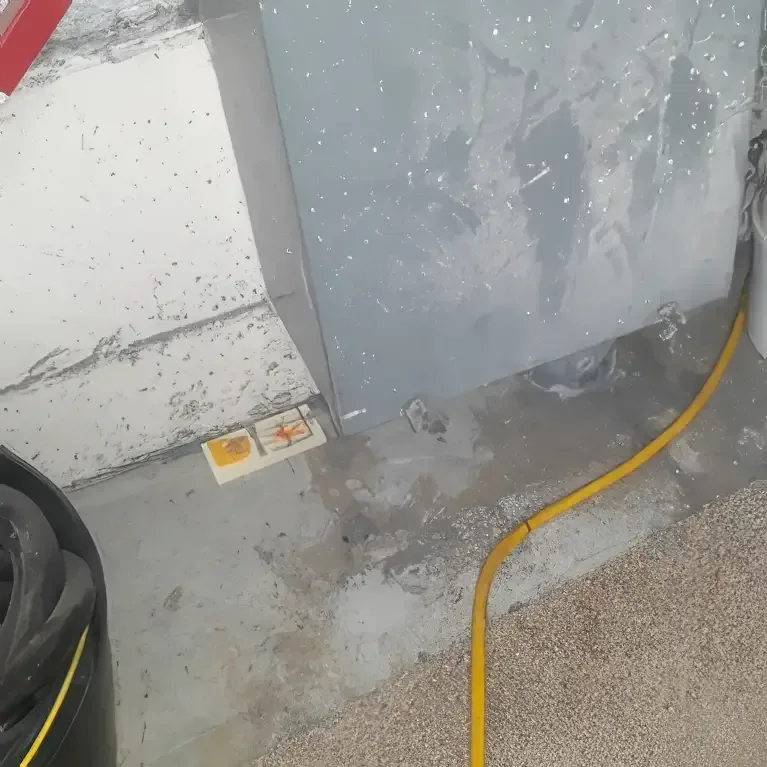
Snap traps are the preferred method for indoor rodent management. Trapping can provide information about rodent population dynamics. Alley Cat places traps according to droppings, rub marks, gnaw marks, travel along walls, and likely nesting areas. Rats and mice require different trap size, placement, bait, and use decisions.
Scheduled checks provide evidence about whether rodents are present, allow specialists to remove captured animals, and help determine whether another source was missed. Bait is considered carefully around pets, children, wildlife, and non target animals. Trapping supports rodent control, but trapping alone does not provide complete control or protect every lot from nearby pests.
Step 07 · Haul
Wrap Up & Haul Away
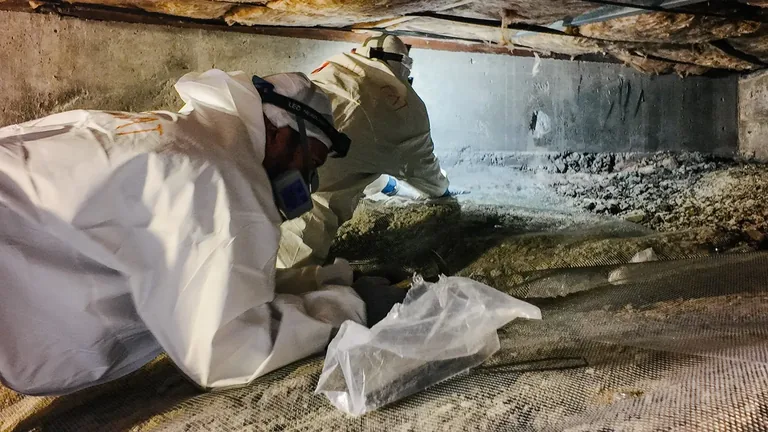
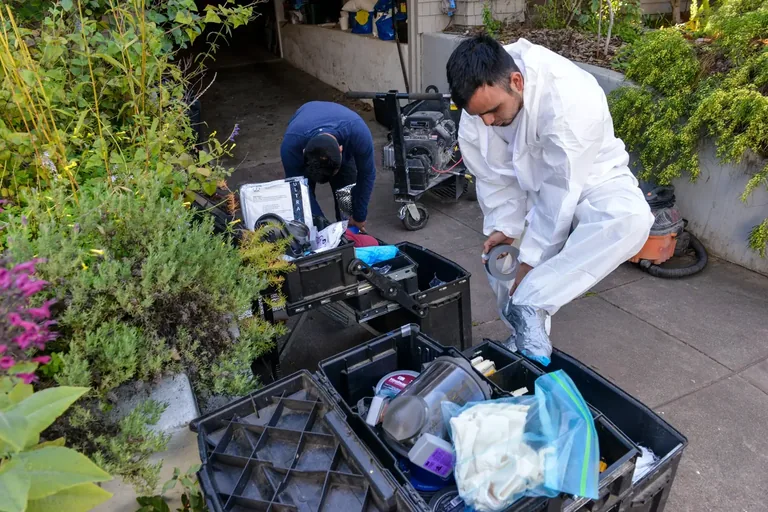
After approved work, specialists collect equipment and waste, review completed areas, and haul away scoped materials. Homeowners can confirm which cleanup, exclusion, reinforcement, trapping, and prevention steps were completed.
The wrap-up can also provide information about access limits, maintenance, food storage, water, vegetation, and new holes. This review gives homeowners a clear record of completed work and remaining priorities. Continued monitoring helps identify pests, new holes, and renewed rodent presence before another rodent infestation has developed.
Step 08 · Support
Customer Service
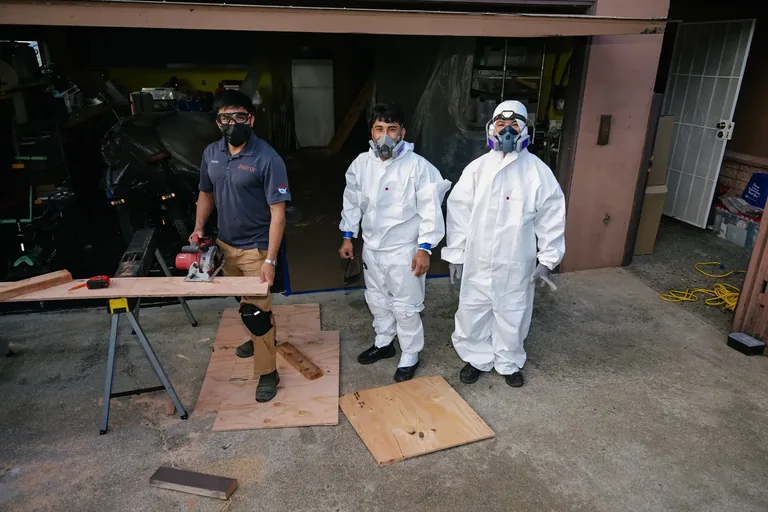
Rodent projects can involve multiple appointments, areas, and decisions. Alley Cat’s customer service team provides one point of contact for scheduling, documentation, trap checks, billing questions, project stages, and follow-up.
That support matters when work combines cleanup, exclusion, repairs, trapping, and monitoring. Homeowners and business clients do not have to coordinate separately with inspectors, field specialists, and administrative staff. We also explain documents, appointment timing, access needs, and who to contact when questions arise.
Solve the Rodent Problem
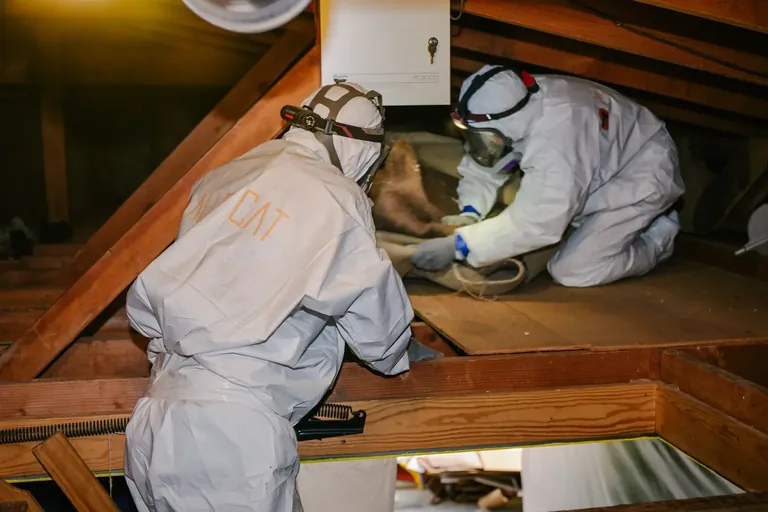
Use the resource center to identify signs, compare control options, and prepare better questions. When you need answers based on your home or business, schedule an Alley Cat inspection and receive recommendations tied to construction, contamination, damage, rodents, and openings. That inspection turns general research into a practical plan for the property.
Benefits of Rodent Guidance
These benefits provide practical information for every stage of the decision.
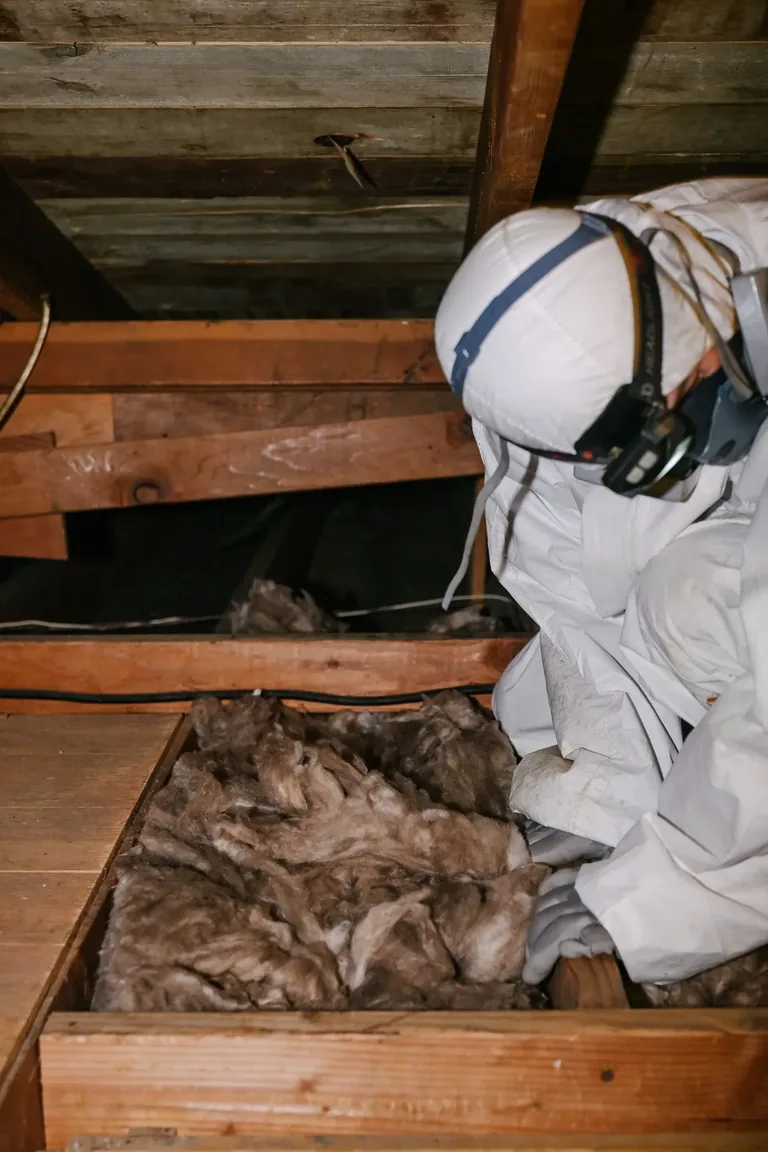
- Better AwarenessIdentify rodents through droppings, urine, odors, nesting material, marks, and holes.
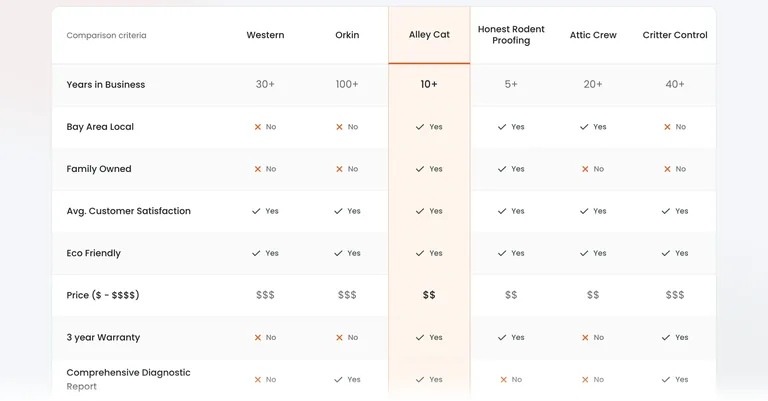
- Smarter ComparisonsCompare companies by scope, materials, reporting, effectiveness, and follow-up.
- Cost ContextUnderstand how recurring infestation, diseases, damage, and repairs affect value.
- Clear TermsDistinguish trapping, bait, removal, sanitation, exclusion, proofing, and prevention.
- Food ControlLearn how food and water sources feed rats, mice, and pests.
- Home InsightExplore rodents in attics, walls, floors, foundations, kitchens, and crawl spaces.
- Local RelevanceUse information developed around Bay Area buildings, density, and entry routes.
- Honest LimitsKnow when DIY control may help and when professional contact is important.
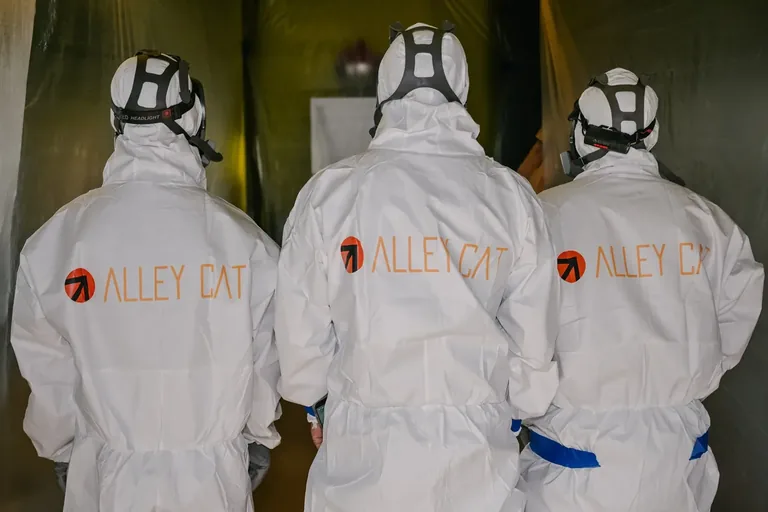
“Yonklin was very knowledgeable and answered all of my questions, but most importantly he identified where they were entering the house. He solved the problem swiftly. He is very kind and also super professional. Alley Cat is very lucky to have such a great employee like Yonklin, and I feel confident in his work as well as Alley Cat. You are all doing a great job. Alley Cat is a great company to work with, and they are highly recommended.”
Eric TsujimotoVerified Trustpilot review
-
4.9 / 5
1,240 reviews -
4.7 / 5
649 reviews -
 4.7 / 5
279 surveys -
 4.9 / 5
374 reviews

Explore Rodent Information
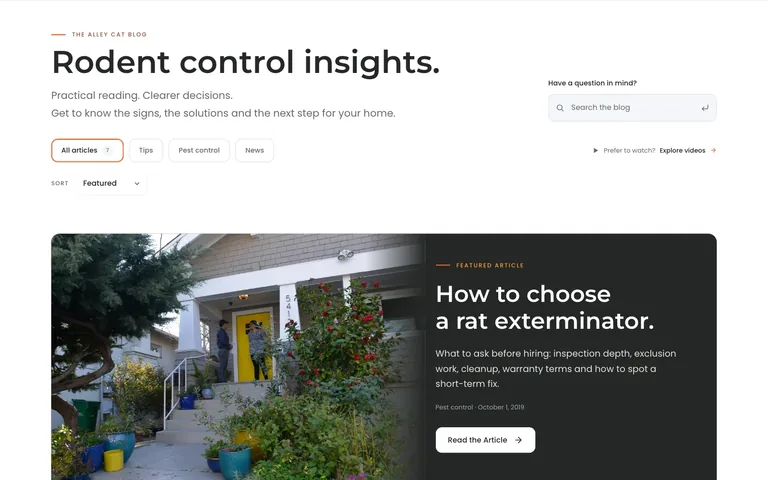
Use the article, comparison, FAQ, or video that matches your concerns. Use another video for visual context, or schedule an inspection for property-specific rodent control guidance.
Better Rodent Guidance
Useful details, not generic pest-control advice.
Service-Grounded Advice
Our guidance links education to inspection, cleanup, trapping, exclusion, bait limitations, and prevention without replacing specialized service pages.
Honest Cost Context
Cost evaluations consider rodent infestation size, access, contamination, repairs, materials, recurring pests, and delayed control.
Local Home Insight
Information reflects older foundations, shared walls, roof gaps, additions, and dense neighborhoods where rodents and other pests find access.
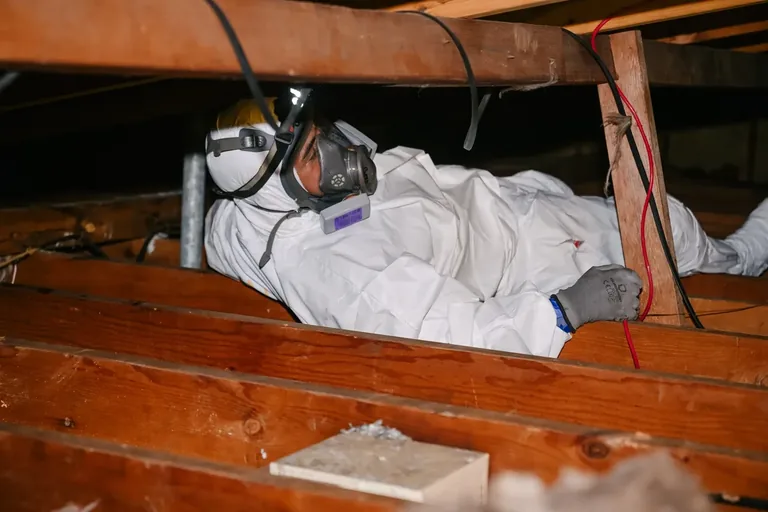
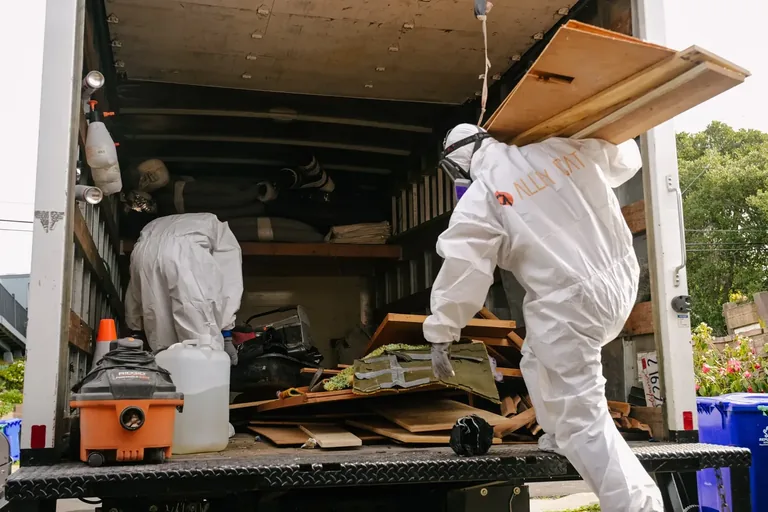
Information That Helps You Act
Each article, FAQ, or video should provide practical takeaways; a second video can show how evidence is found:
- Signs evidenced before professional contact, including pests inside the home.
- Questions to use when comparing proposals.
- Service stages that may apply to the rodent problem.
- Deeper pages and video explanations about rats and mice, cleanup, trapping, or exclusion.
This structure makes the hub a starting point rather than a substitute for specialized service. Professional inspections, diagnostic reports, customer support, 13,000+ satisfied clients, and a 97% satisfaction rating provide a transparent way to research rodents and choose the next step.
FAQs: Rodent Guidance

How do I identify rodent droppings and rodent presence?
Rodent droppings are often found in hidden areas. Gnaw marks indicate recent rodent activity in an area. Sebum marks are oily trails left by frequent rodent movement. Rodents can produce a foul odor when infestations are large. Live or dead rodents are obvious signs of an infestation.
Check near food, along walls, inside drawers, kitchen drawers, cabinets, beneath sinks, and other areas around floors. Other signs include urine, hairs, shredded paper, nesting material, and sounds at night. Before cleanup:
- Photograph evidence.
- Keep children and pets away.
- Avoid sweeping dry droppings.
- Contact a professional when rodent waste is extensive.
How do food and water sources affect a rodent infestation?
Food and water sources can feed rats and mice after traps are placed. Remove food crumbs, secure pantry goods, store pet feed in chew-resistant containers, repair leaks, remove standing water, and keep outdoor trash covered. Fallen fruit, bird seed, compost, and pet food can feed pests day after day.
These actions remove food, reduce shelter, help prevent pests, and improve trapping effectiveness. They do not replace sealing holes or managing rodents already inside. Taking out trash, taking time to inspect, and taking simple prevention steps can reduce risk.
Are rats and mice controlled the same way?
Rats and mice require related but different control because their size, behavior, pathways, traps, and bait response differ. Mice can use small holes; rats often create larger marks and follow established runways. Both animals need food, water, and shelter, but equipment should match the species.
A useful plan will identify rats and mice, match trapping equipment, remove food and water sources, and seal active entry points after interior rodents are addressed. Treating rats and mice as interchangeable pests can reduce effectiveness and leave the source unresolved in the home.
When does a rodent infestation require professional help?
A rodent infestation needs professional help when activity is recurring, widespread, difficult to locate, or connected to contamination, diseases, property damage, or risk. Contact a specialist when trapping captures rodents but signs continue, droppings occur in multiple areas, odors persist, or entry points cannot be identified.
Professional review is important when rodent waste affects insulation or air systems, animals appear inside walls or floors, or non target animals could contact bait. An inspection can determine the source, document conditions evidenced by signs at the property, and provide a rodent control plan built for the home or business.
Ready to Move Past Research?
Book a free inspection or explore Alley Cat's full range of rodent control services to find the right next step for your home or business.