Rodent Control · Bay Area, CA
How to Get Rid of Rats: A Step-by-Step Bay Area Guide
Inspection, cleanup, trapping, exclusion, and monitoring for Bay Area homes with a rat problem.
-
 4.9 / 5
1,240 reviews -
 4.7 / 5
649 reviews -
 4.9 / 5
374 reviews -
 4.7 / 5
279 surveys -
 Accredited
A+ BBB rating
How to Get Rid of Rats—and Keep Them Out
How to get rid of rats starts with more than setting a few rat traps. A lasting response identifies how rats enter, where they travel, and what damage or contamination they leave. Alley Cat combines inspection, cleanup, trapping, exclusion, and monitoring to address the full rat problem, not only the animal seen.
Our Bay Area process helps homeowners:
- Locate active runways, nests, gnaw marks, and entry routes
- Remove contaminated materials, dead rats, and damaged insulation when needed
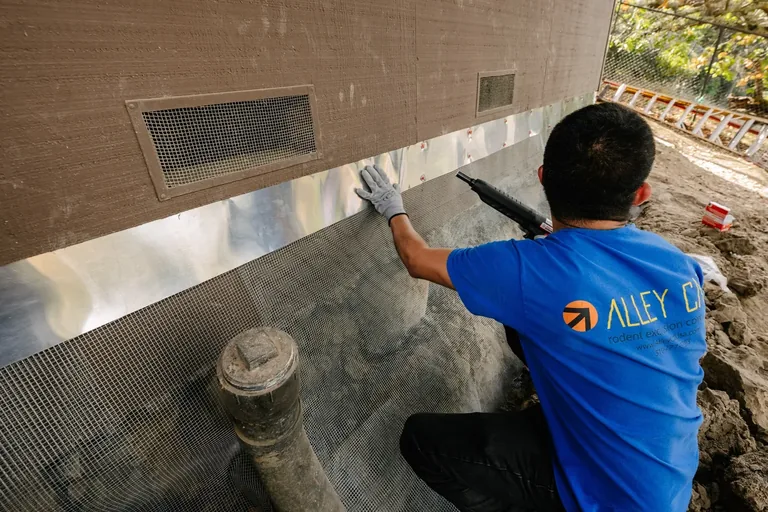
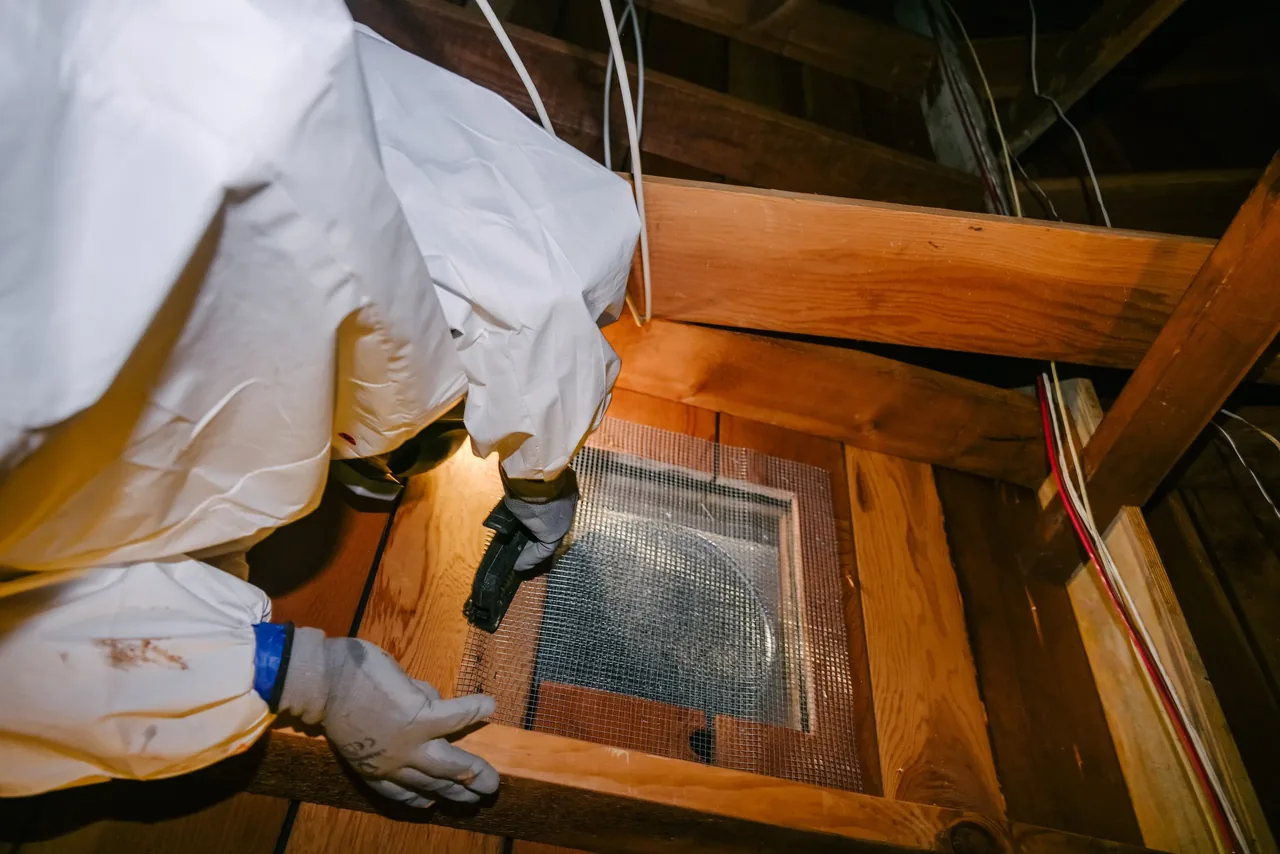
- Close vulnerable gaps with secured metal barriers and hardware cloth that rats cannot easily dislodge
- Reduce food sources, water, shelter, and other conditions that attract rodents
Download Alley Cat’s free illustrated PDF guide for the complete checklist you can carry through your home and yard.
Rat Droppings Reveal Entry Routes
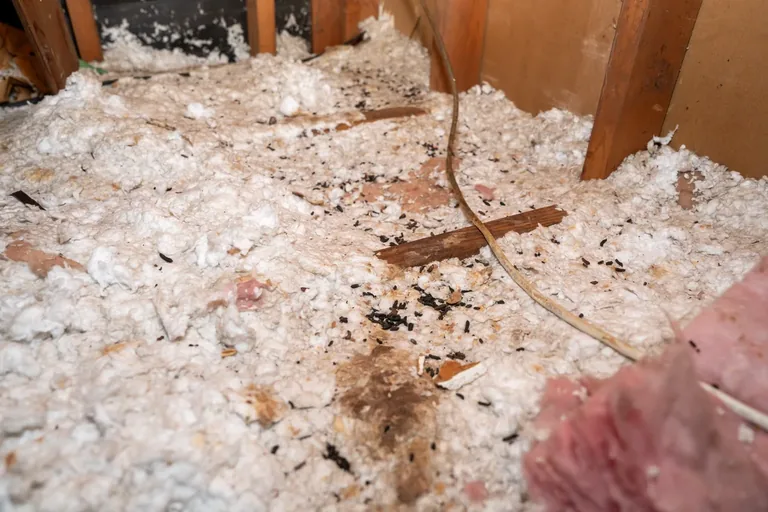
Rat droppings, urine staining, grease from body oils, scratching noises, and chewed materials are common signs of activity. Rat droppings are about the size of a raisin. Rats leave grease marks along their travel paths. Rats leave grease marks along their travel routes. Nocturnal sounds indicate rat activity at night. Chewed holes in walls and cabinets signal rat presence.
Food Sources Sustain the Rat Problem
Accessible pet food, food scraps, spilled birdseed, unsecured trash cans, garbage cans, fruits and vegetables, and standing water support a growing rat population. Rats may return nightly when dependable food and cover remain. Store pet food in airtight containers to deter rats. Clean beneath bird feeders, remove spilled birdseed, and pick produce from garden beds before it becomes an easy meal.
Rat-Proof Exclusion Stops the Cycle
Trapping may catch rats already inside, but rat proof construction helps prevent outside animals from replacing them. Rats can squeeze through holes as small as 1/2 inch. Rats can enter through holes as small as 1 inch wide. Because the smaller measurement is the safer standard, Alley Cat inspects gaps around pipes, doors, vents, utility lines, foundations, roof edges, and elevated areas.
How to Get Rid of Rats: The Best Way to Control Rodents
A practical plan from inspection through prevention.
The best way to get rid of rats is integrated pest management: identify activity, remove food and shelter, clean affected spaces, close entry routes, trap appropriately, and verify the result. Integrated pest management combines exclusion sanitation habitat reduction and trapping.
- Early activity: One rat, fresh feces, or light noises near a garage or kitchen
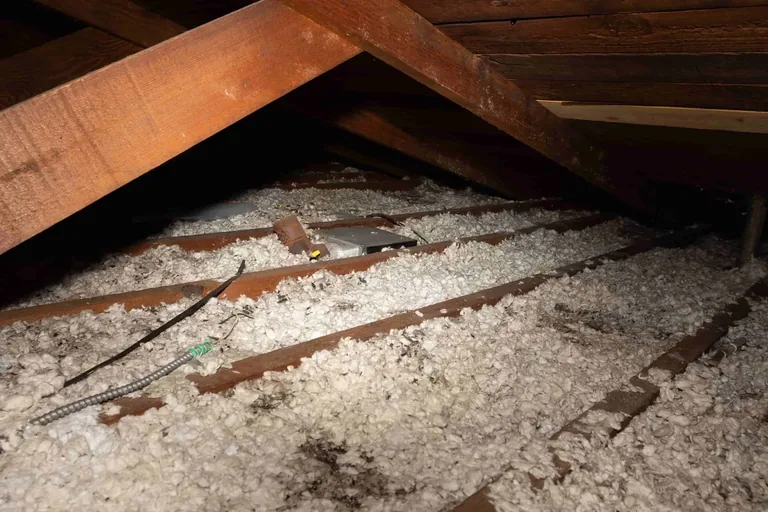
- Hidden infestation: Damaged insulation, nests, or scurrying in an attic, walls, or false ceilings
- Recurring activity: Traps remove rats, but open access lets the infestation return
How We Eliminate Rats and Treat an Infestation
Alley Cat follows an evidence-led sequence designed to control rats without treating every home or rat problem as interchangeable:
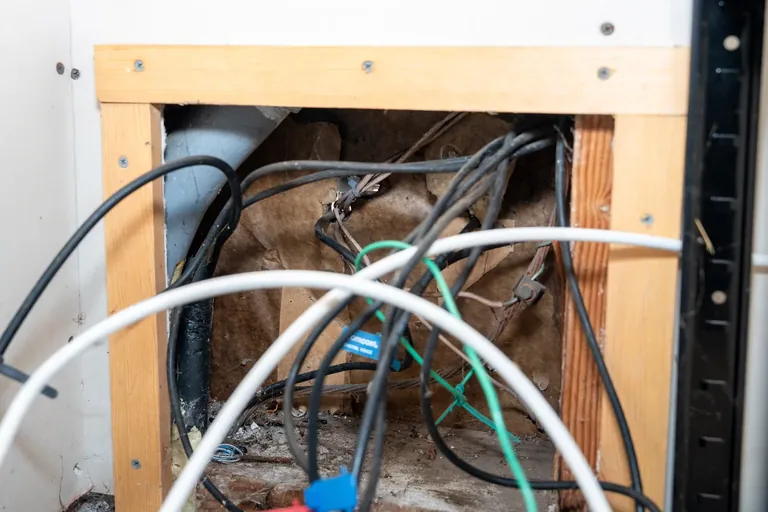
Step 01 · Inspect
Free Rat Infestation Inspection
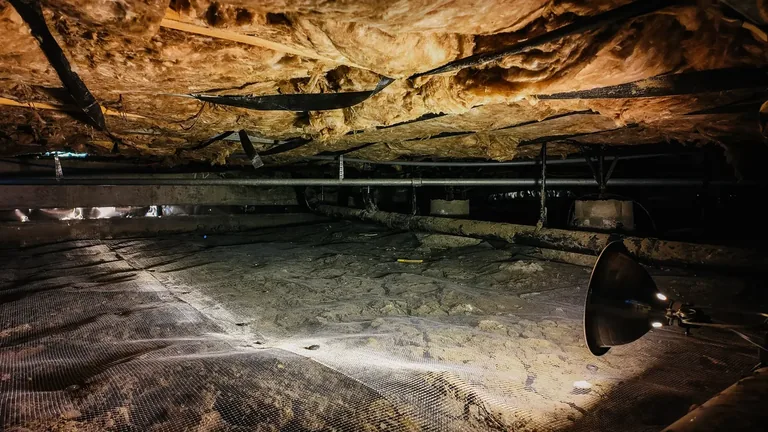
A free inspection begins where homeowners hear scratching noises, find fresh droppings, notice smell, find gnaw marks, or see damage. We inspect attics, crawl spaces, garages, cabinets, rooflines, foundations, vegetation, yard burrows, soil disturbance, wood piles, fallen leaves, and building gaps rats may use.
Species matters. Norway rats are stockier, often use burrows, and tend to stay near lower floors. Roof rats, also called black rats, are climbing animals that prefer trees, roofs, attic spaces, walls, and other elevated areas. Norway rats can grow up to 43cm long. Norway rats can grow up to 16 inches long. Norway rats weigh between 340g and 510g. Roof rats can reach lengths of 45cm. Roof rats typically weigh 255g to 340g. Roof rats have tails longer than their bodies.
For context, Woodrats are found in Yukon and Northwest Territories. Marsh Rice Rats are rare and seen in the Atlantic. Those statements do not diagnose Bay Area activity; roof rats and Norway rats are the primary structural concern. These rodents can share a neighborhood with mice. Because rats and mice are rodents, both can spread contaminants and diseases, but these rodents differ in behavior; rats need larger devices and stronger exclusion materials.
- Distinguishes active signs from old evidence
- Connects indoor activity to exterior entry and yard attractants
- Defines the scope before cleanup, rat control, or sealing begins
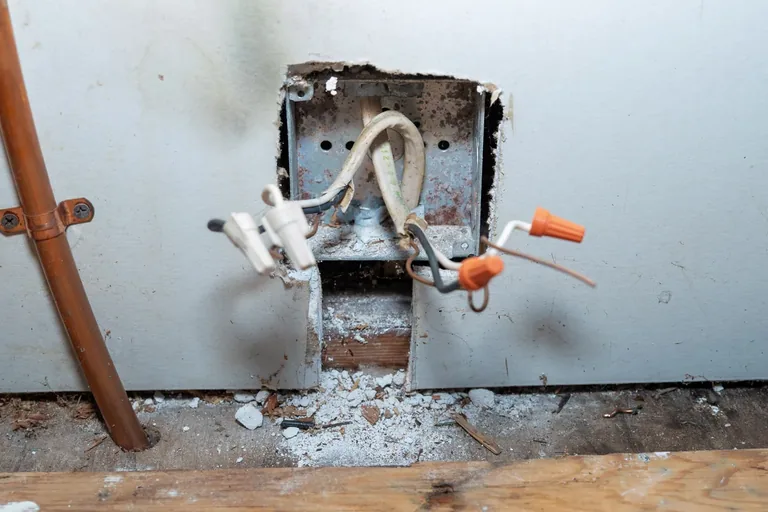
Step 02 · Diagnose
Diagnostic Report & Estimate
Alley Cat’s Comprehensive Diagnostic Report records signs found, likely routes, affected spaces, recommended work, and estimated cost. Photos show which conditions fit exclusion and which may require an electrician, HVAC contractor, roofer, or carpenter. Professional help may be required for large or persistent infestations.
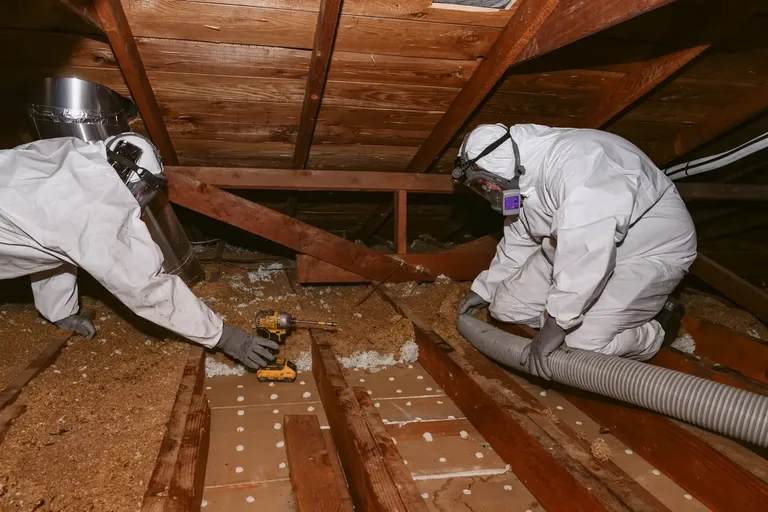
Step 03 · Clean
Cleanup, Dead Rats & Removal
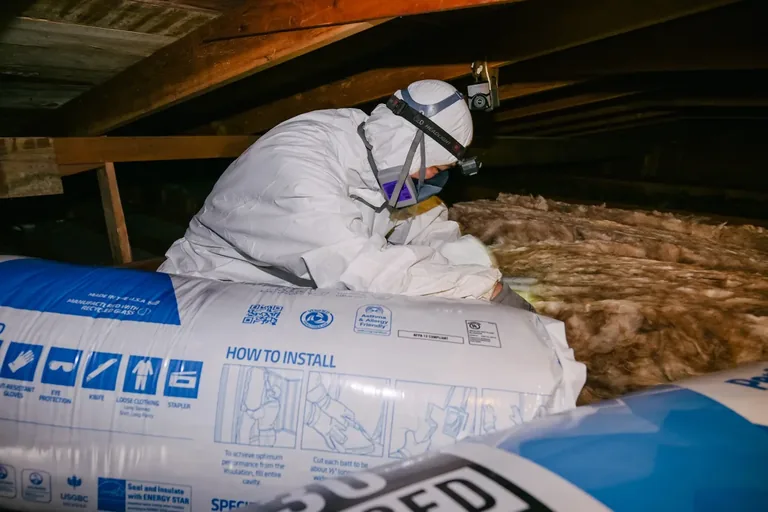
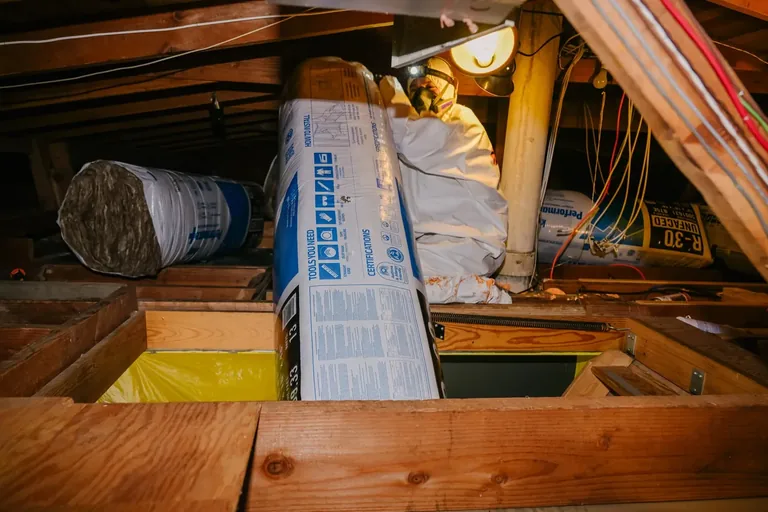
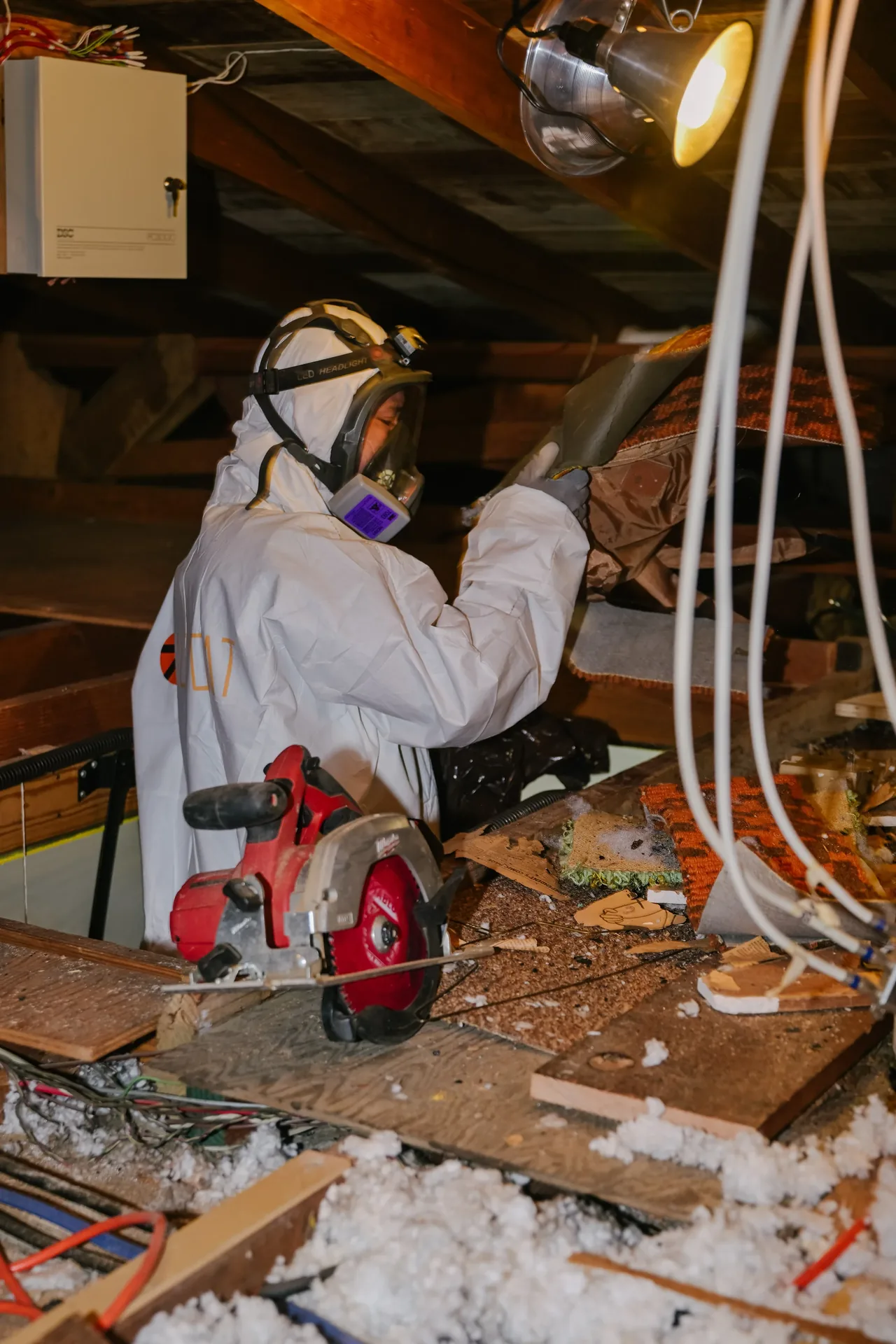
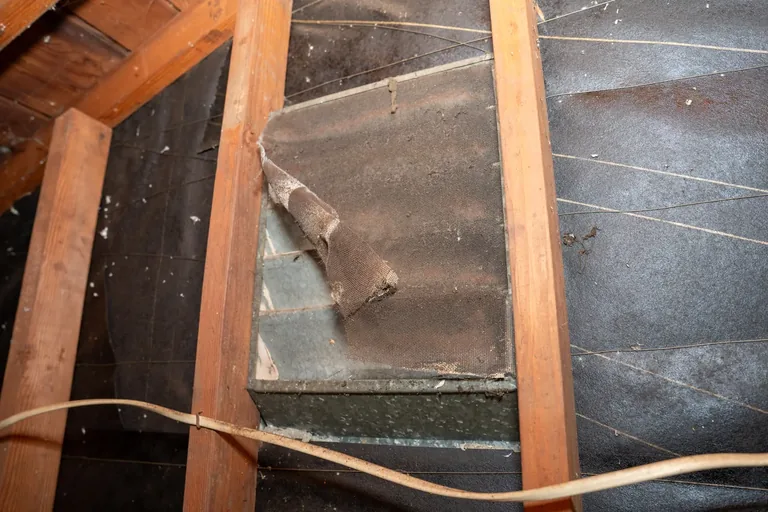
Cleanup addresses contaminated nests, feces, spoiled pantry material, dead rats, damaged ducts, debris, and insulation. Cleaning up after rats requires disinfecting all frequented areas. Controlled removal limits dust spread through the house.
Examples may include:
- Wet removal of accessible rat droppings and nesting material
- Double-bagging dead rats and waste for proper disposal
- Removing insulation that retains urine, bacteria, smell, or pheromone trails
This work addresses a potential health hazard; rodents can carry diseases that affect humans and pets, but the risk depends on species, region, exposure, and cleanup conditions.
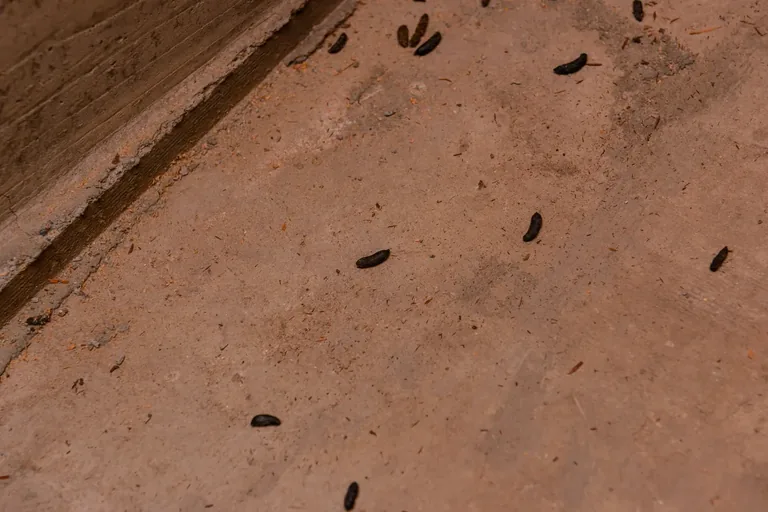
Step 04 · Sanitize
Sanitize Rodent Droppings
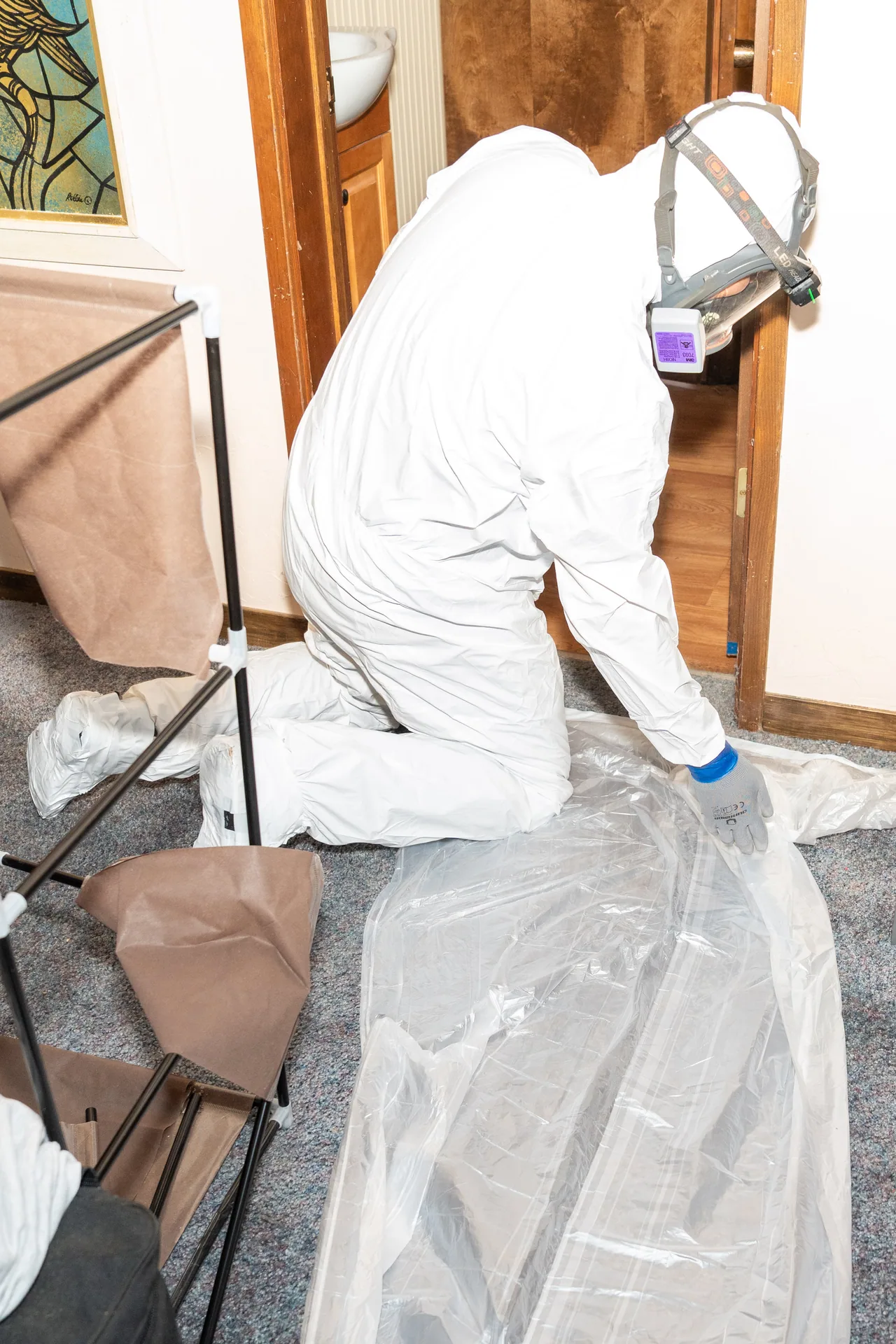
Our specialists use an appropriate disinfectant and follow label instructions for saturation and contact time. CDC guidance says not to sweep or vacuum untreated urine, feces, nests, or rodent droppings, because disturbing dry material can release contaminated particles into the air.
Heavy contamination may require containment, protective clothing, gloves, and respiratory protection, especially around ducts, insulation, children, pets, or vulnerable humans. Hantavirus, salmonella, and leptospirosis are among the diseases commonly discussed when rodents contaminate spaces used by humans, pets, or other animals. Other rodent-borne diseases vary by species, region, and exposure.
Step 05 · Seal
Seal, Reinforce & Prevent Rats
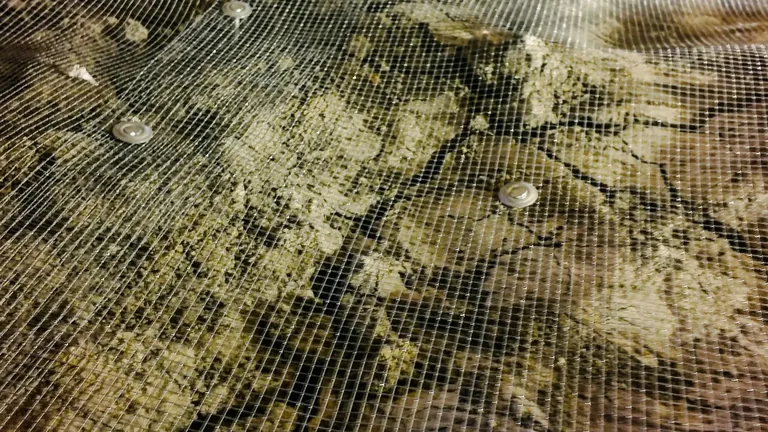
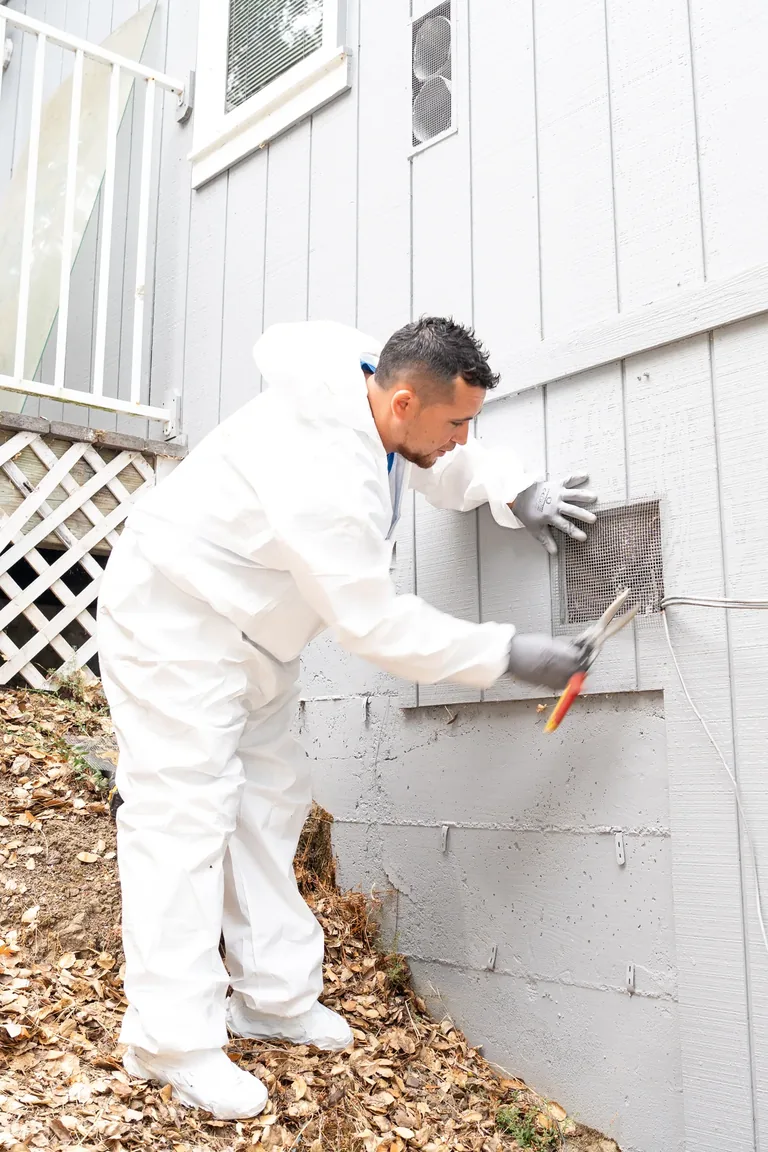
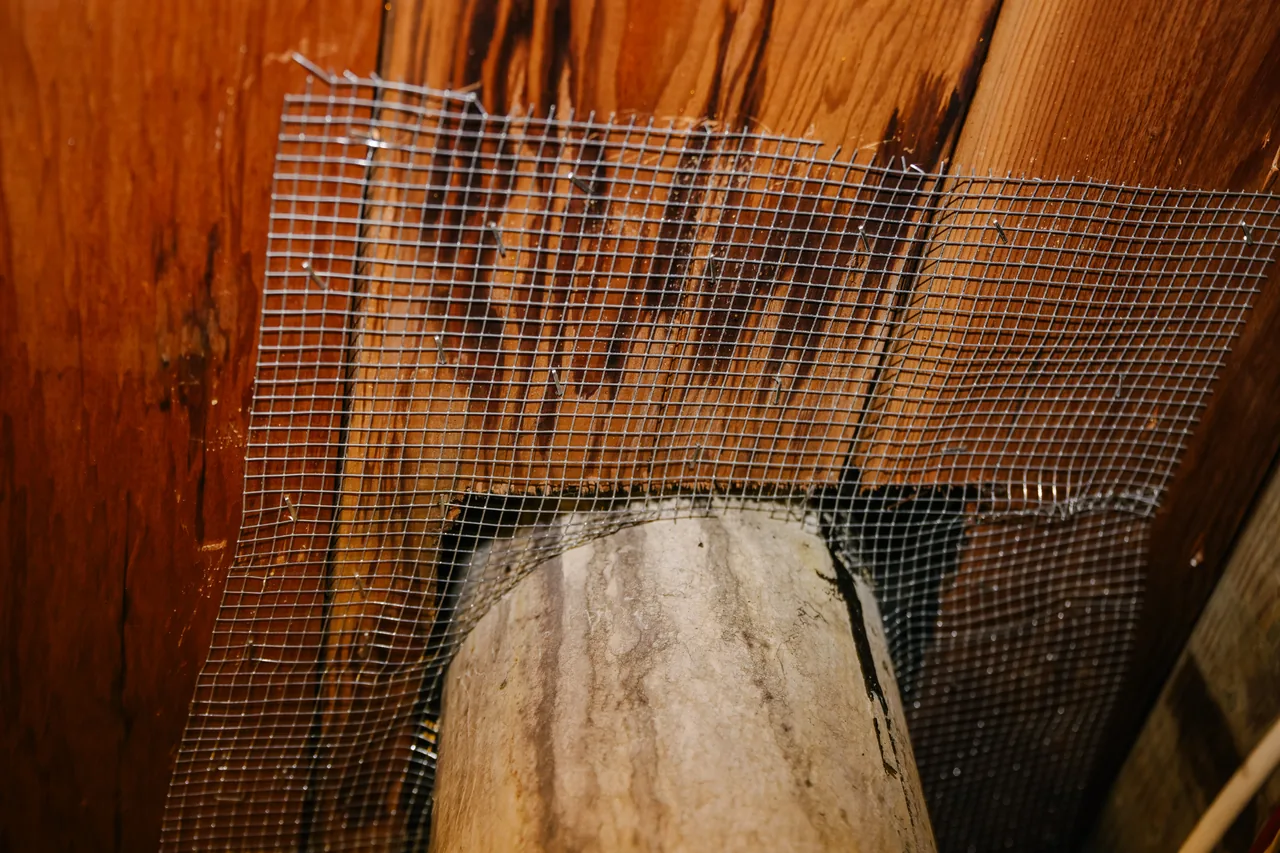
Sealing converts short-term removal into longer-term prevention. Seal gaps around pipes doors vents and utility lines using durable materials. Seal entry points as small as 1 inch wide. Rats can enter through holes as small as 1 inch. Alley Cat goes further by evaluating smaller gaps, weak materials, roof transitions, and routes that rats may enlarge through chewing. Rats test weak repairs repeatedly. Rats need barriers secured to sound material.
Methods may include:
- Utility penetrationsSecure steel wool only as backing where appropriate, then finish with durable materials rats cannot easily pull free.
- VentsFasten metal screening or hardware cloth without blocking required airflow.
- Roof routesUse metal flashing and mechanically secured barriers at eaves, returns, damaged screens, and roof intersections. Use metal flashing to block potential entry points.
- Doors and garagesAdd rodent-resistant sweeps where gaps, light, or marks show access.
- FoundationsPatch cracks, screen openings, and use barriers or trenching where needed to prevent burrowing.
- Yard reductionTrim vegetation at least 3 feet away from structures to reduce shelter. Trim trees and shrubs away from your roof.
Remove fallen fruit and pet food to discourage rat attractants. Store trash in tightly closed containers to eliminate food sources. Rats prefer areas with cover and avoid open spaces, making clutter control essential. Pick up dog waste immediately to prevent attracting rats. Secure bird feeders, clear spilled birdseed, mow grass, thin shrubs, and move woodpiles away from the perimeter.
Alley Cat serves Bay Area homes from San Francisco and Oakland to Berkeley, Concord, San Mateo, Novato, Fremont, Petaluma, Napa, Sonoma County, and Solano County. More than 13,000 satisfied clients and a 97% customer satisfaction rating reflect the value of combining diagnosis, cleanup, exclusion, and follow-through.
Step 06 · Check
Set Snap Traps and Checks
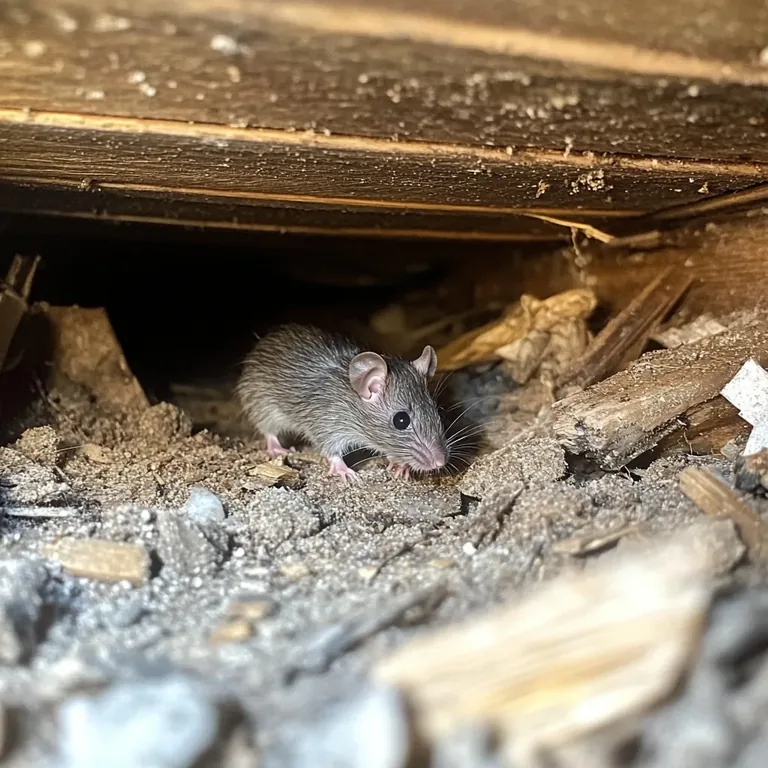
Snap traps are often the most effective way to kill rats already inside when they are selected and placed correctly. Use snap traps as an effective method for eliminating rats. Snap traps should be placed every 6 to 10 feet. That spacing is only a starting point; the final setting should follow walls, runways, fresh signs, and protected locations.
Alley Cat uses rat-sized traps, not mouse traps, with bait such as peanut butter when appropriate. Rats may avoid a new trap, so pre-baiting can help rats accept it while other rats remain cautious. Follow-up checks let us remove captures, refresh bait, reposition traps, and determine whether roof rats, Norway rats, other rats, or mice remain. Rats that avoid one location may use another.
Step 07 · Haul
Wrap Up & Haul Away
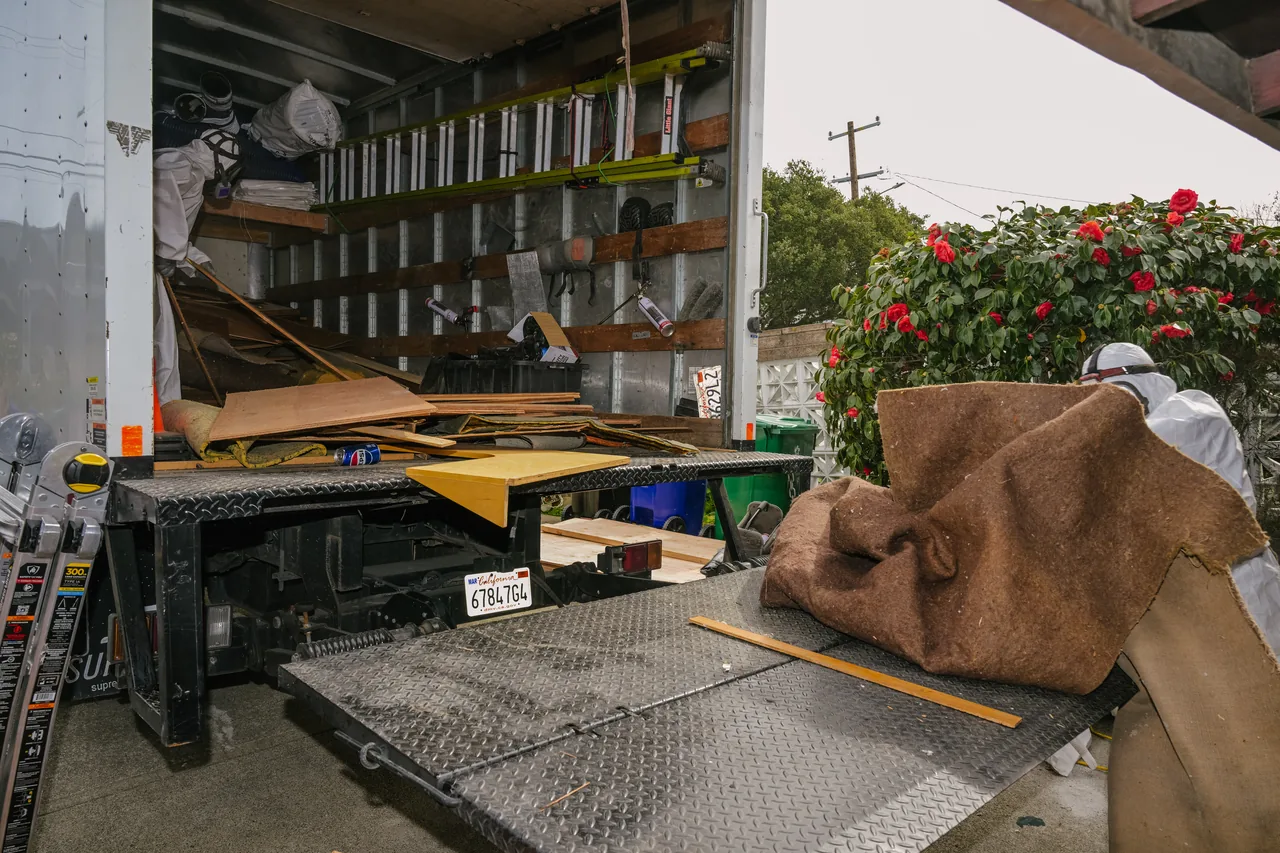
At wrap-up, we remove approved waste, used coverings, contaminated items, and debris, then review repairs, trap status, maintenance, and work assigned to another trade. The homeowner receives a clear end point instead of guessing whether the rat infestation is still active.

Step 08 · Support
Customer Service
Our team explains the report, answers questions, and keeps the family informed. New signs can be compared with the original findings when a rat problem crosses the attic, yard, roof, walls, and living spaces.
How Alley Cat Helps Get Rid of Rats
Practical guidance for the whole home and yard.
- Evidence-ledRecommendations connect signs, routes, damage, nests, and likely access.
- Species-awareRoof rats, Norway rats, black rats, and mice behave differently.
- Cleanup-consciousWork considers droppings, urine, bacteria, insulation, ducts, and odor.
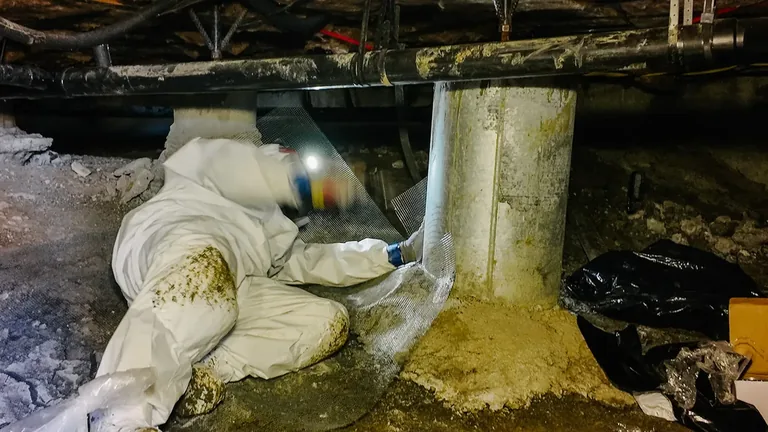
- Exclusion-focusedMetal, hardware cloth, screening, and flashing reinforce vulnerable surfaces.
- Pet-awareTraps, bait, and work areas are planned around pets and children.
- Yard-specificWe address vegetation, birdseed, garbage, fruits, vegetables, and water.
- Clearly reportedPhotos explain what was found, fixed, removed, and monitored.
- Locally experiencedBay Area construction and landscaping shape our recommendations.
“Excellent professional work. Found new rat holes. Informative. Great.”
David NoonanVerified Trustpilot review
-
4.9 / 5
1,240 reviews -
4.7 / 5
649 reviews -
 4.7 / 5
279 surveys -
 4.9 / 5
374 reviews
Download the Step-by-Step Rat Guide
Download the step-by-step PDF and use it while checking your attic, crawl space, garage, kitchen, roofline, foundation, backyard, and yard.
Get Rid of Rats Safely
Protect humans, pets, wildlife, and the final result.
Rat Poison and Bait Stations
Rat poison can kill rats but creates risks for pets, children, predators, and wildlife. California has restrictions on certain anticoagulant rodenticides to protect wildlife. Bait stations should be tamper-free to protect pets and children. More precisely, any poison bait must be used only in label-compliant, tamper-resistant bait stations appropriate to the product and setting.
Bait stations do not close holes or stop a new rat population. Poison may leave dead rats in inaccessible walls, creating odor and disposal problems. Alley Cat prioritizes inspection, sanitation, traps, and physical exclusion rather than presenting poison as a complete solution.
Glue Traps vs. Snap Traps
Glue traps may catch animals, but they can cause prolonged distress, collect dust, and capture non-target pests. Glue traps are not Alley Cat’s preferred answer for humane, lower-risk trapping. Well-positioned spring traps generally kill rats more quickly, while exclusion prevents replacement animals from entering.
Essential Oils and Repellents
Plant-based scents such as mint, peppermint, or lavender may change smell briefly, but they do not eliminate rats or seal access. Some homeowners soak cotton balls in oil and place the cotton balls near suspected routes. The phrase soak cotton balls describes a temporary scent tactic, not dependable rat control, and concentrated oils may be unsafe around some pets.
What Can Kill Rats—and What Actually Works
Products may exterminate pests, but the most effective way to kill rats indoors is not necessarily the best way to remain rid of rats. Snap traps can eliminate rats already present; bait stations may control rats in limited label-approved situations; glue traps can catch rats but raise welfare concerns; and rat poison can harm non-target animals.
The durable strategy is to eliminate food and water, close access, reduce shelter, use traps, and monitor. Rodents follow food, water, and shelter; rodents also adapt quickly, so rodents must be controlled by changing the property. Eliminating food and water sources is key to preventing rat infestations. Rats reproduce rapidly, producing up to 60 young per year. Results vary, but seeing one rat should prompt a search for additional signs.
FAQ’s: How to Get Rid of Rats
What gets rid of rats fast?
The fastest practical way to get rid of rats is to combine inspection, exclusion, sanitation, and correctly placed snap traps for rats. A single product rarely solves the first place rats entered, how rats are moving, or the conditions keeping them there.
Secure pet food, food scraps, trash, and water; inspect walls, pipes, vents, cabinets, roofs, and foundations; then place rat traps along active routes. Continue until traps remain empty and no fresh signs appear. Large, hidden, or recurring infestations generally need professional pest control.
What smell do rats absolutely hate?
Rats may avoid strong mint, peppermint, eucalyptus, or other essential oils temporarily, but no smell will permanently eliminate rats. Odors fade, rats adapt, and food or shelter can outweigh the deterrent.
Using scent pads near a suspected route may be a short-term test, but do not rely on it to prevent rats. Seal holes, remove attractants, clean contaminated areas, and use traps. Those steps address the environment rather than attempting to repel hungry rats or other animals with scent alone.
How to 100% get rid of rats?
No responsible company can promise to 100% get rid of rats forever, because nearby wildlife, changing buildings, landscaping, and new damage can create future access. The strongest plan combines structural exclusion, cleanup, habitat reduction, trapping, and repeated inspection.
Focus on:
- Removing food, standing water, garbage, clutter, and yard shelter
- Closing holes with metal and durable construction materials
- Using traps to remove remaining rats
- Monitoring for fresh droppings, noises, grease, or chewing
That process can remove rats from the current infestation and substantially reduce recurrence without making an unsupported permanent guarantee.
How can I permanently get rid of rats?
You can achieve long-term protection by maintaining a rat-proof building, removing attractants, and checking for new signs throughout the year. There is no one-time trick that permanently controls all rodents or every rat population in every environment.
Keep pet food sealed, use tight lids on garbage, clear fallen fruit and seeds, trim trees and plants, repair leaks, maintain bird feeders, and inspect after roof, plumbing, HVAC, or remodeling work. Keep protected traps or monitoring devices where appropriate. For a printable checklist, download Alley Cat’s free rat guide and follow the inspection, cleanup, exclusion, trapping, and prevention steps in order.
Download the Complete Rat Guide
Not ready to choose a service? Download Alley Cat’s free rat-removal PDF. The illustrated guide covers inspection, signs, cleanup precautions, trapping, food and water controls, sealing, yard maintenance, and monitoring.