
Bay Area Rodent Removal
Professional Rodent Removal Services in the Bay Area
Alley Cat finds how rodents get in, removes the animals and the contamination they leave, and seals the entry points so they stay out.
-
 4.9 / 5
1,240 reviews -
 4.7 / 5
649 reviews -
 4.9 / 5
374 reviews -
 4.7 / 5
279 surveys -
 Accredited
A+ BBB rating
Rodent Removal for a Safer, Healthier Home
Protect your property with rodent removal that addresses active animals and the conditions that let them enter. Alley Cat provides rodent removal services and professional pest control for Bay Area homeowners facing rats, mice, odors, contamination, or damage in an attic, basement, garage, wall, or crawl space.
Effective rodent removal is more than setting a trap. It identifies the species and severity, removes contaminated materials, improves sanitation, and closes entry points. Bay Area homes may encounter house mice, field mice, deer mice, roof rats, and other rats, plus squirrels, voles, and other wildlife requiring a different solution. A rodent infestation is a common problem, but every property needs a specific diagnosis.
Key highlights of Alley Cat’s service include:
Effective Rodent Removal Means Fewer Rodent Infestations
Dense neighborhoods, close proximity to restaurants and grocery stores, sewer lines, trees, and year-round food and water can support local rodent populations. Rodents can reproduce up to 10 times per year. Act quickly when you notice droppings, a smell, gnaw marks, scratching at night, or other signs.
A local pest control company such as Alley Cat offers a family-operated, hassle free approach designed to prevent future infestations. We remove waste and nesting materials, address the root cause, reinforce vulnerable areas, and help you avoid attracting rodents again.
Don’t let rodents carry contamination, contaminate food, or cause structural damage. Contact Alley Cat for a free inspection and a practical way to get rid of rodents.
Alley Cat's Rodent Removal Process: Start to Finish
Our removal process follows clear steps so homeowners know what is happening, why it matters, and what comes next.
Step 01 · Inspect
Free Inspection
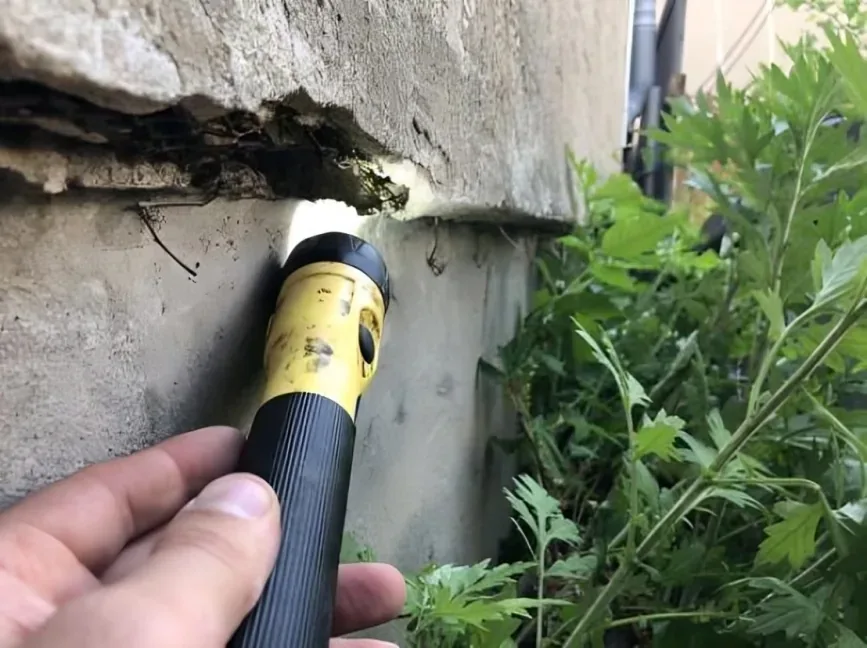
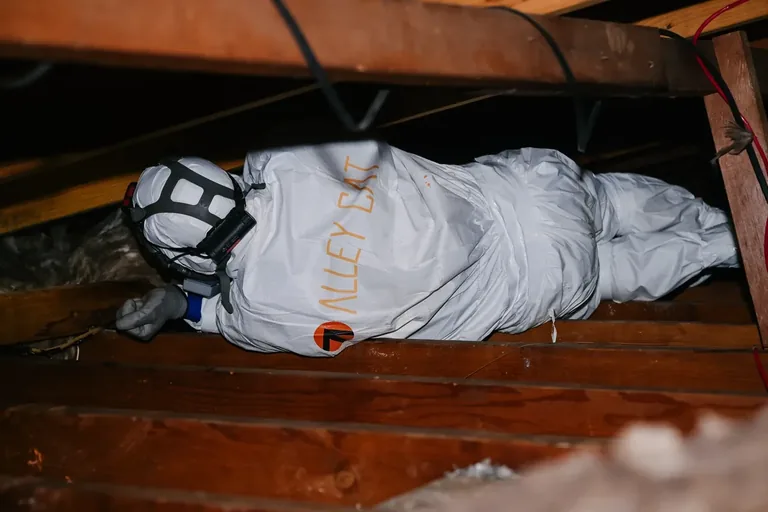
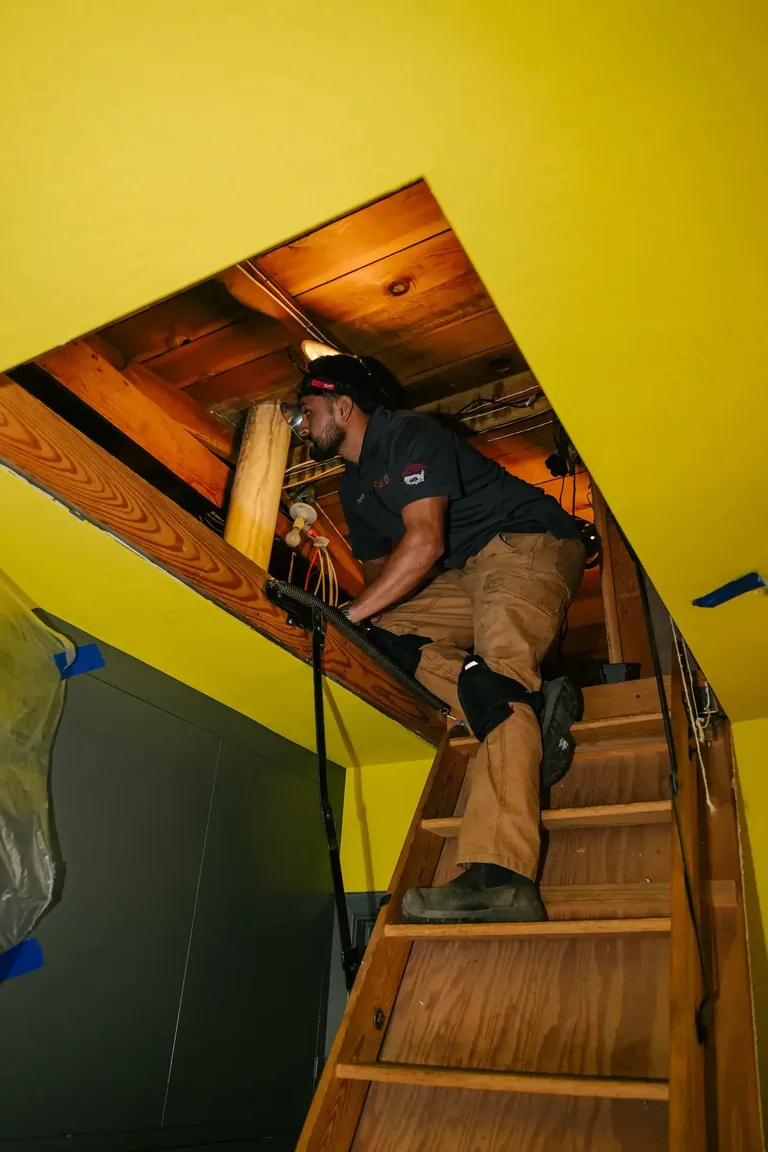
When you suspect a rodent problem, our Bay Area pest control experts inspect all the places rodents may enter, travel, eat, use as hiding places, or nest. We look for rodent droppings, rat droppings, urine, feces, fur, gnawing, tracks, holes, damaged insulation, unusual noises, and access around pipes, windows, doors, vents, roofing, and foundation cracks.
Mice can squeeze through openings as small as a dime. Rodents can squeeze through holes as small as 1/4 inch. Rodents can squeeze through openings as small as half an inch. Species and opening shape vary, so we seal gaps larger than 1/4 inch whenever materials and ventilation requirements allow.
The inspection distinguishes one rodent from larger infestations, a rat from a mouse, and rodent evidence from a squirrel, cockroach, insects, bugs, or other creatures. Rodents are common pests; squirrels and similar wildlife may be nuisance pests, so each case requires the right identification. Visible sightings of rodents during the day suggest a large infestation. If that happens, report rodent activity immediately.
Step 02 · Diagnose
Diagnostic Report & Estimate
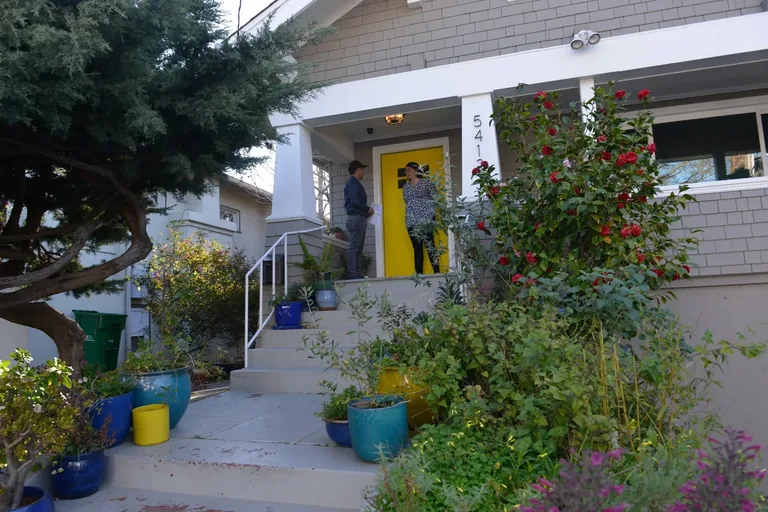
After inspection, Alley Cat provides a Comprehensive Diagnostic Report covering the infestation, potential entry points, damage, contamination, recommended rodent control methods, and the best course for the pest control plan. We assess wall voids, higher locations, basements, attics, the floor, storage areas, and exterior conditions such as overgrown vegetation, other plants, moisture, water damage, a yard, garden, or shed.
Rodents can cause significant property damage by gnawing. Chewed electrical wiring, electrical wires, wood, pipes, and insulation may lead to further damage, fire risk, or expensive repairs. Your estimate explains the job scope and rodent control cost so homeowners can compare companies without surprise add-ons.
Step 03 · Clean
Cleanup & Removal
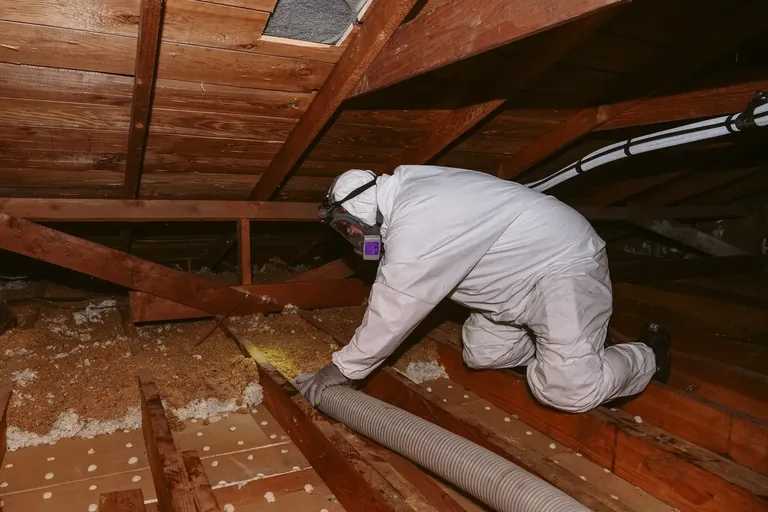
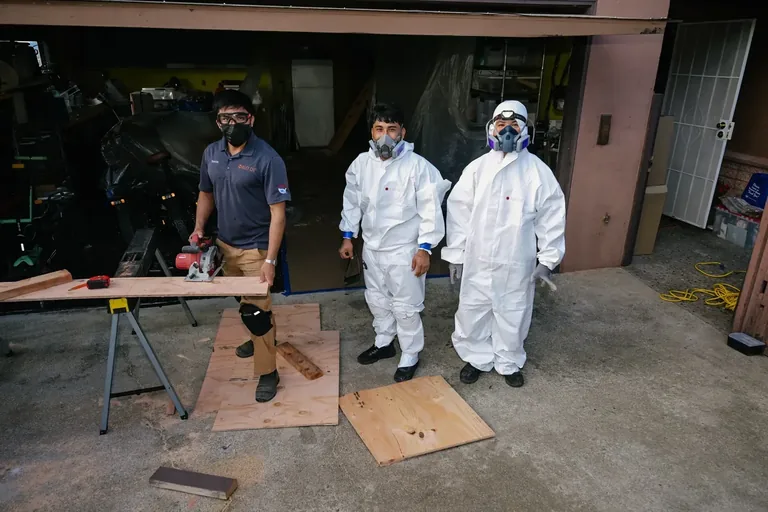
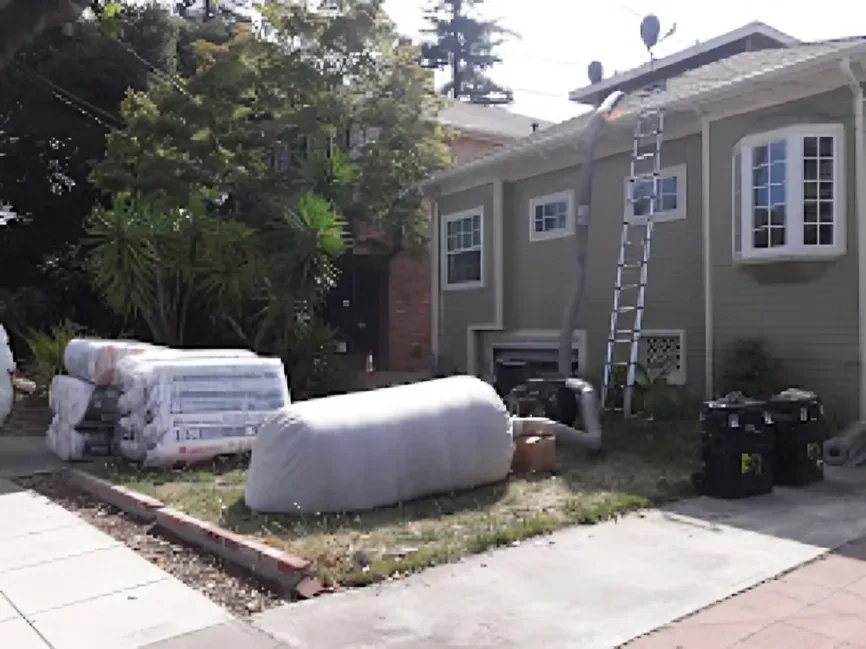
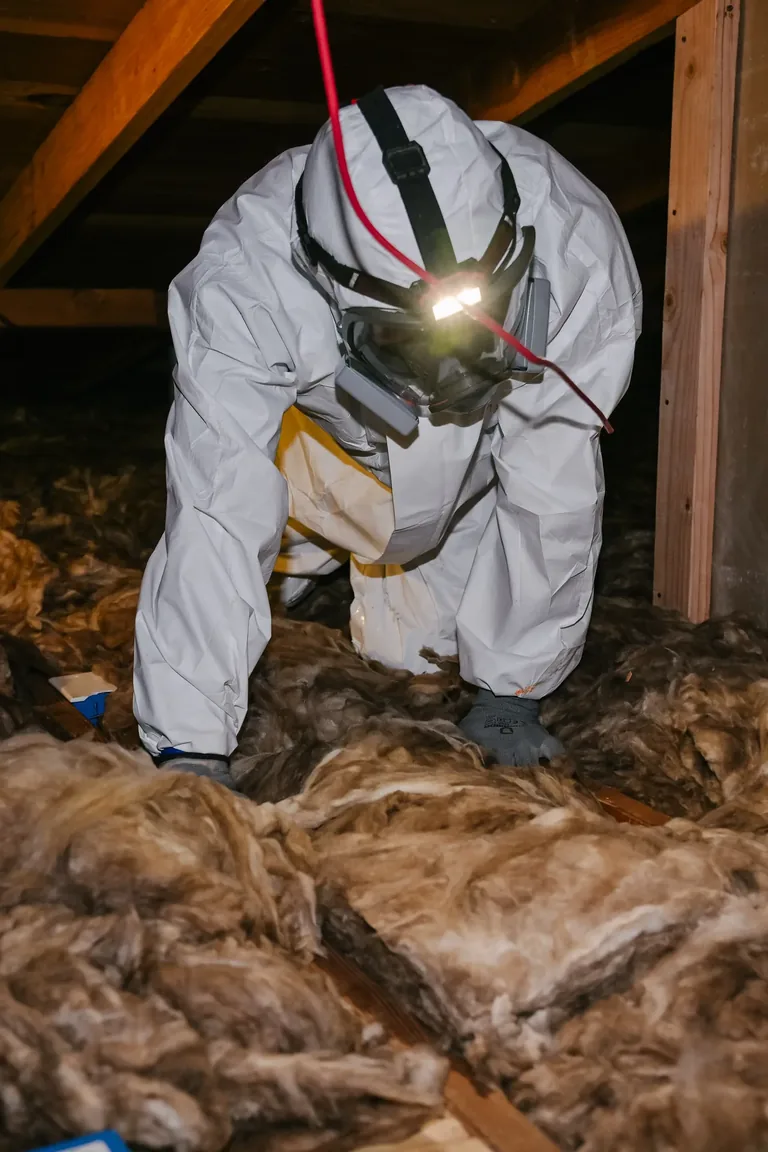
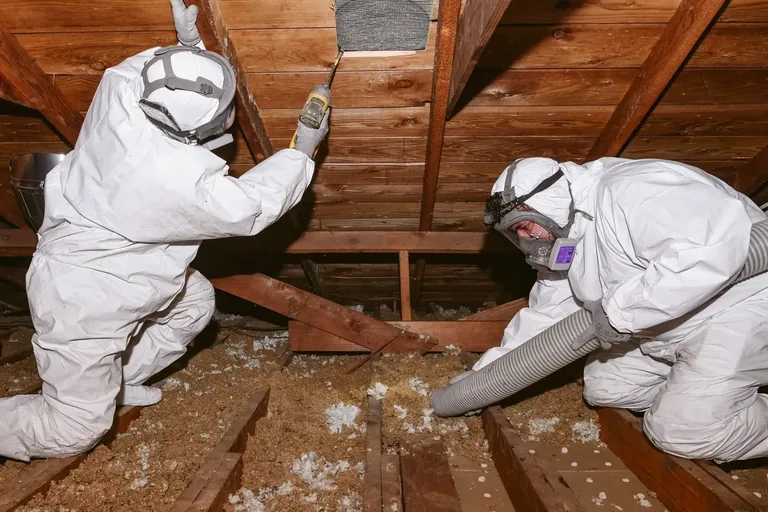
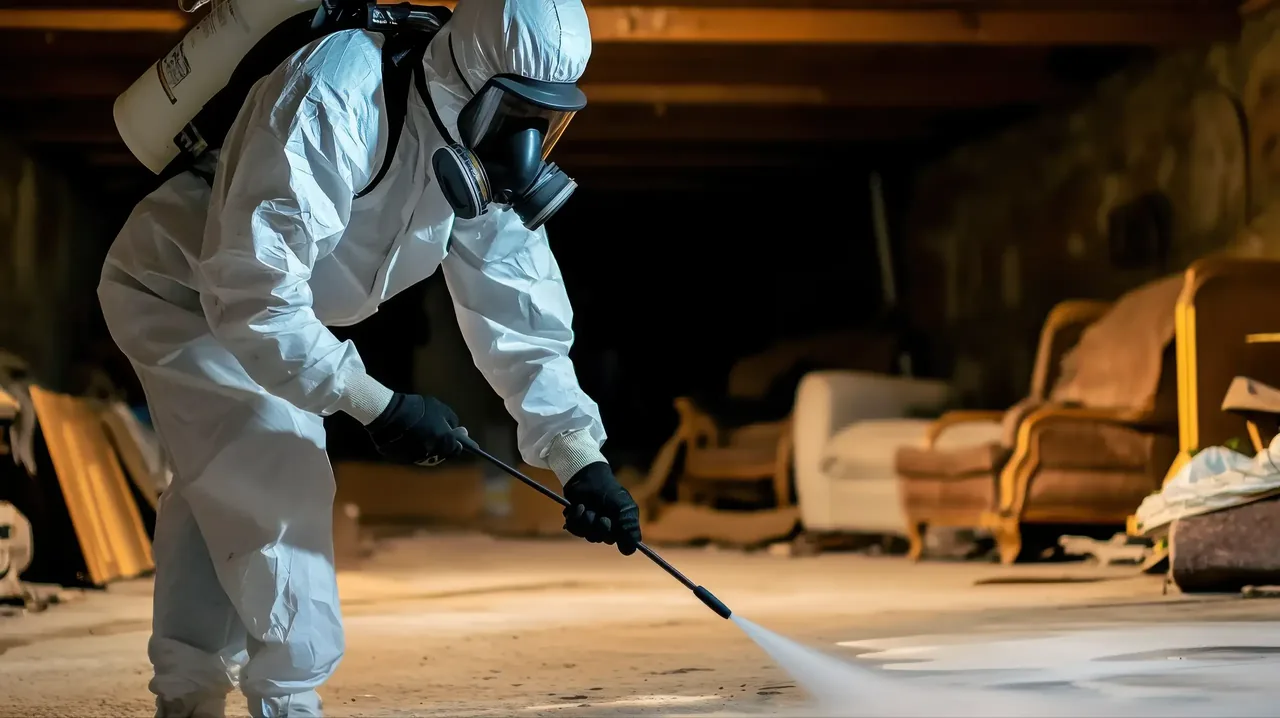
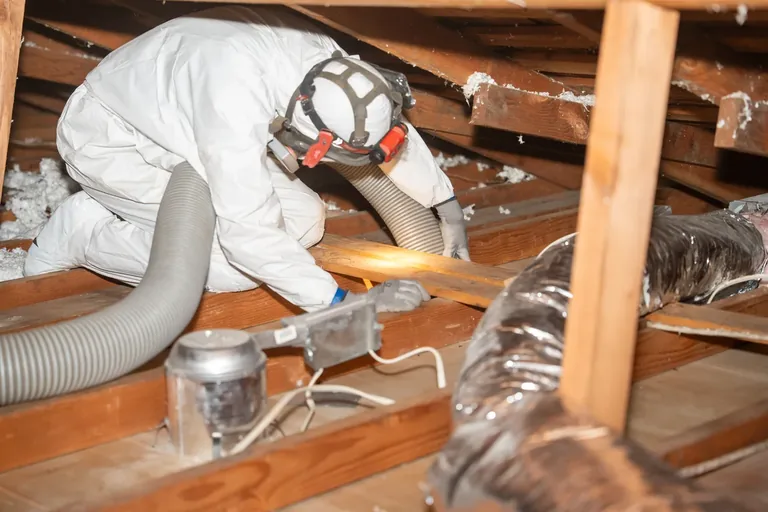
Technicians isolate infested areas where rodents live and, with protective equipment, use a HEPA-filtered heavy-duty vacuum cleaner to remove droppings, carcasses, debris, nests, and contaminated insulation. We remove dead rodents under local regulations, then prepare the space for treatment.
Rodent droppings are typically 1/4 inch for mice and 3/4 inch for rats. Nests made of shredded materials indicate active rodent infestations. Gnaw marks on furniture or walls indicate rodent activity. Scratching noises at night suggest rodent presence in walls or ceilings. These signs help determine whether individual rodents or large colonies are present.
Step 04 · Sanitize
Sanitize & Decontaminate
Alley Cat’s sanitation service targets contamination from urine, feces, saliva, and nesting debris. Rodent droppings can carry harmful viruses and bacteria. Rodents contaminate food with urine and feces, posing health risks. Rodents can transmit diseases like Hantavirus and leptospirosis. Rodents can carry fleas and ticks that transmit diseases to humans. Rodents can exacerbate asthma and allergy conditions in children.
These pathways can transmit disease, but risk depends on species, location, exposure, and cleanup method; not every sighting means disease is present. Fleas can transmit plague in rare circumstances, while a bite or direct skin contact is not the usual household route. We avoid dry sweeping, apply appropriate sanitation products, and support fresh air and safe re-entry so the environment is comfortable for family, children, and pets.
Step 05 · Seal
Seal, Reinforce, & Prevent
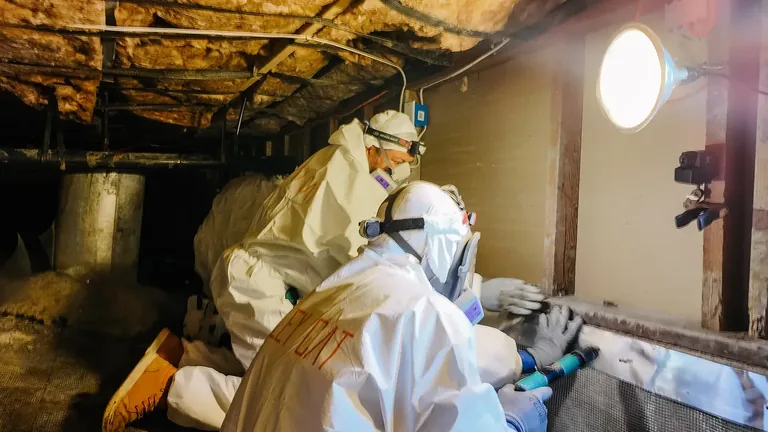
The most effective way to reduce repeat activity is to seal entry points and reinforce weak materials. We use steel wool where appropriate, hardware cloth or wire mesh, foam sealant, caulking, and customized solutions for small openings, crevices, vents, eaves, pipes, and roof transitions.
Exclusion methods prevent rodents from re-entering homes. Seal gaps larger than 1/4 inch to prevent rodent entry. Trim trees and shrubs to prevent rodent access to roofs. Store food in airtight containers to deter rodents. Regularly clean up crumbs and spills to reduce attractants. These prevention measures, combined with permanently sealing access routes, offer the best solution for lasting results.
Norway rats may use burrowing behavior, dig tunnels in the ground, or move near sewer lines. Roof rats are smaller than Norway rats and prefer higher locations. Deer mice have white underbellies and nest in rural areas. House mice are typically 3 to 4 inches long. Norway rats can grow up to 10 inches long, excluding the tail. Many types exist, and a light brown mouse with large ears may need different trap placement than a heavier rat. Species identification is crucial.
To eliminate potential food sources, we identify spilled food, crumbs, fallen fruit, open trash, bird seed, unsecured pet food, and boxed goods that are not stored properly. Rodents are attracted to these easy meals, and these conditions attract rodents. Even one open food source can sustain activity. Keep food in sealed containers or airtight containers, remove sources of easy meals, and use regular cleaning to reduce shelter.
Conditions near food sources matter. A home can be clean and still have access points, but eliminating attractants makes trapping efficient, keeps the home clean, and helps keep your home free of repeat activity.
Step 06 · Trap Check
Set Trap Checks
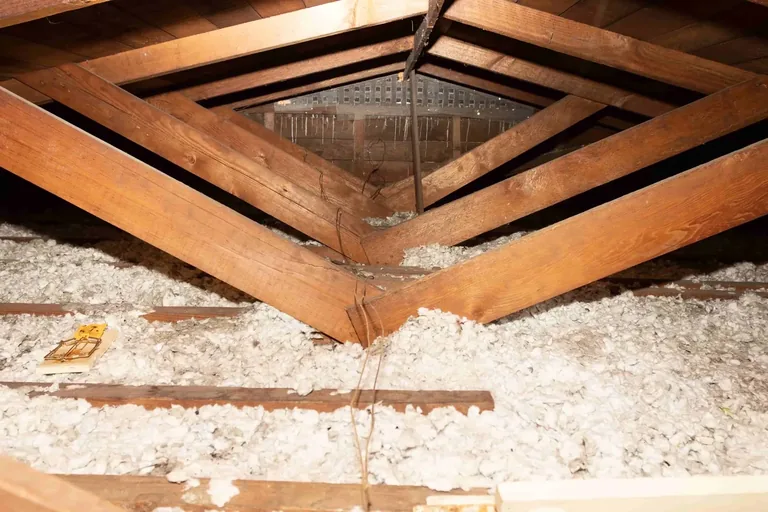
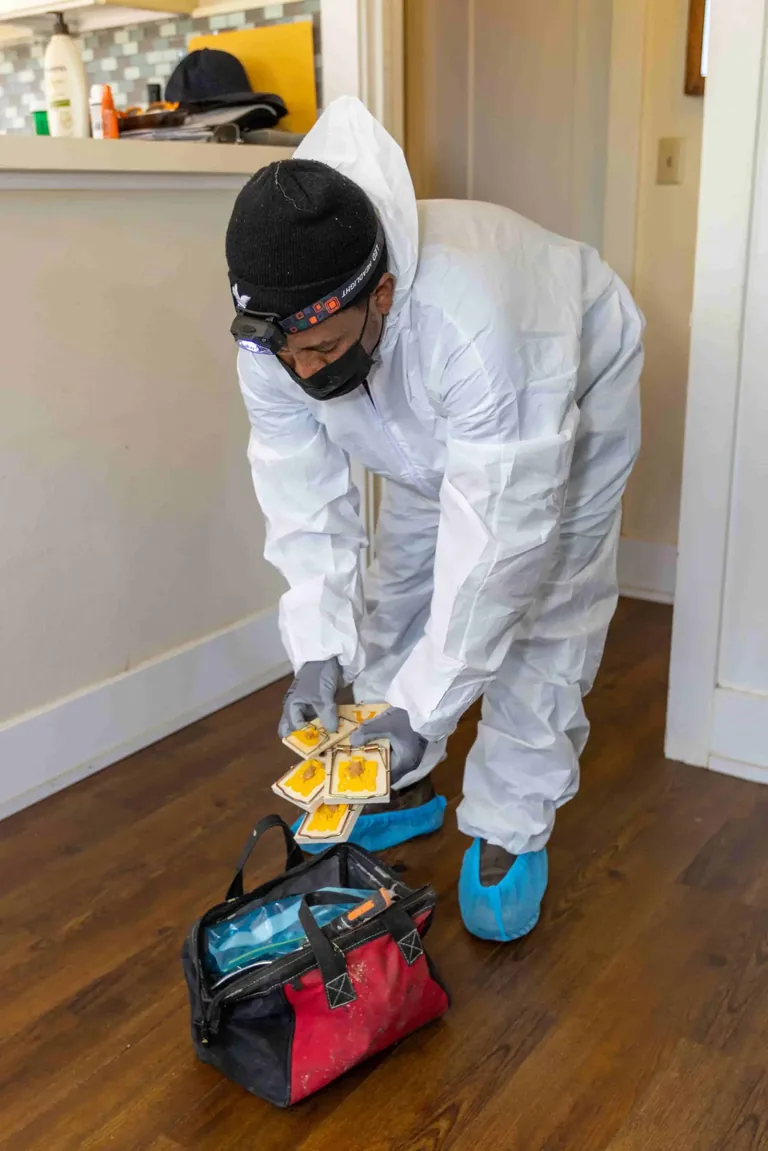
After exclusion, our professional rodent control team places rodent traps along travel routes. Rodent traps should be placed along their travel paths. Different types include snap traps, electronic traps, rat traps, glue traps, live traps, or other methods. Rodent traps require specific types for different species. Technicians decide by site and target animal.
Where lethal traps are appropriate, placement must protect children, pets, and non-target animals. A live rodent in a live trap requires prompt, lawful handling. Terms such as bait stations, bait, baits, poison, and poisons describe different products and strategies; none replaces exclusion, and poorly placed DIY methods can create hidden carcasses or expose wildlife. Ultrasonic devices and electronic devices using high frequency sounds are not a stand-alone cure.
We check traps, adjust placement, capture remaining animals, and confirm whether control is working effectively. The goal is not merely to kill or get rid of one rodent; it is to solve the complete rodent issue.
Step 07 · Wrap Up
Wrap Up & Haul Away
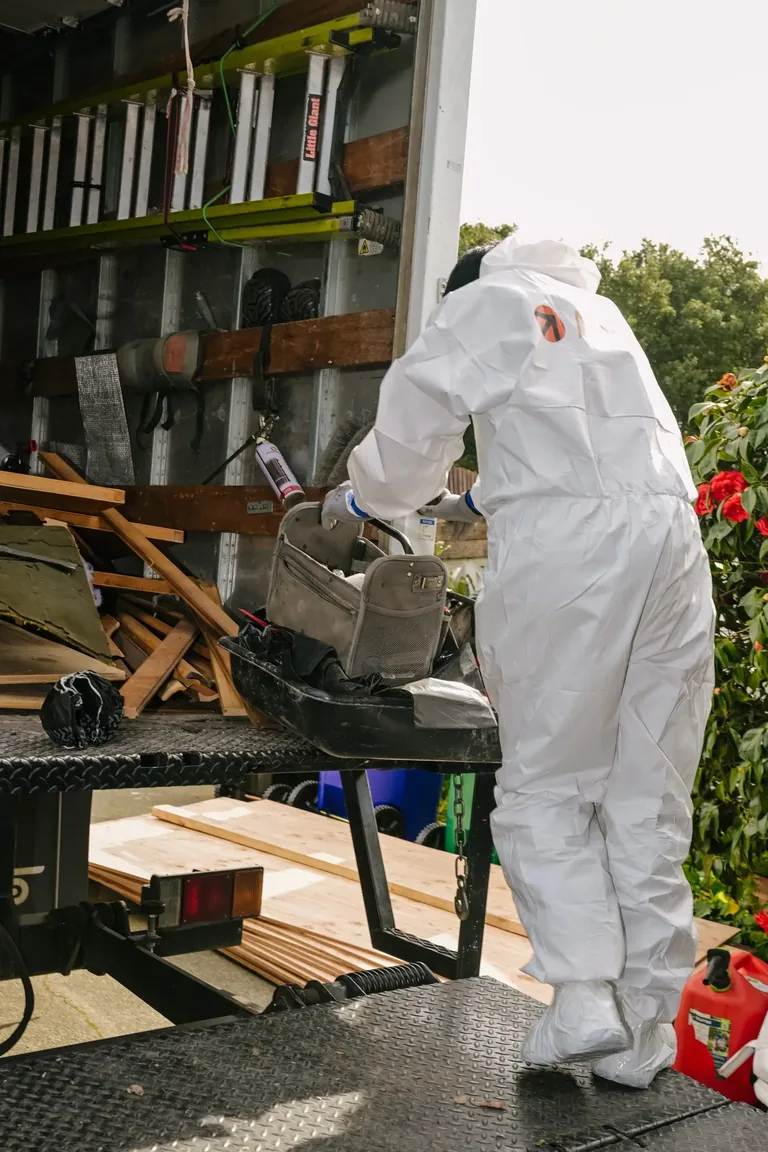
Once monitoring shows control, we remove traps, haul away debris, review repairs, and provide a few tips for ongoing rodent prevention. You will know what to inspect, wash, maintain, and when to call for professional assistance if new signs develop. Professional rodent control includes thorough home inspections. Rodent control services often include ongoing maintenance options. Professional exterminators use advanced tools for rodent removal. They also support pest control monitoring.

Step 08 · Support
Customer Service
Across the Bay Area—from Fremont and Oakland to Berkeley and San Francisco—Alley Cat provides attentive, efficient service. Our highly trained team explains the method, materials, cost, safety steps, and timeline. Concerned homeowners get a cost effective partner, not a one-size-fits-all exterminator.
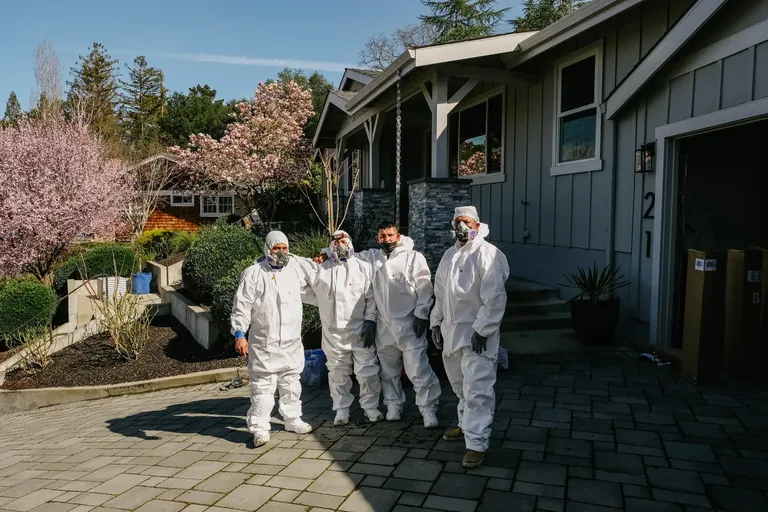
Take Back Your Home Against Future Infestations
Rodents may damage property, spread diseases, and create stress, but you do not have to keep dealing with unwanted guests. Contact Alley Cat to protect your home, get rid of rodents, and build a durable plan for future issues.
Book Free Inspection
Professional Rodent Control For Total Peace of Mind
Key advantages of our specialized service:

- Thorough InspectionIdentify active areas, access, contamination, and hidden rodent problems.
- Comprehensive ApproachInspection, trapping, cleanup, sanitation, repair, exclusion, and monitoring.
- Personalized PlansMatch the service to the species, location, severity, house, and family.
- Health ProtectionReduce exposure pathways that may spread disease or cause food poisoning.
- Future PreventionDefend the property with durable materials and practical prevention.
- Local ExpertiseUnderstand Bay Area buildings, rat behavior, mice and rats, and local regulations.
- Eco-Conscious MethodsUse targeted, effective services and avoid unnecessary poisons.
- Customer-Centric ServiceKeep homeowners informed throughout the pest control process.
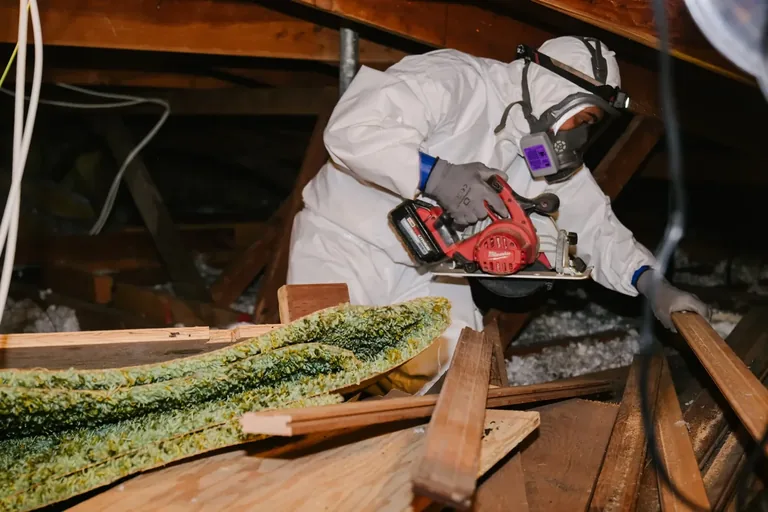
Trusted Expertise
Since 2016, Alley Cat has delivered professional rodent and pest control services with specialized training and proven tools.

Comprehensive Approach
Our combination of inspection, sanitation, trapping, and exclusion addresses the presence of rodents instead of masking it.
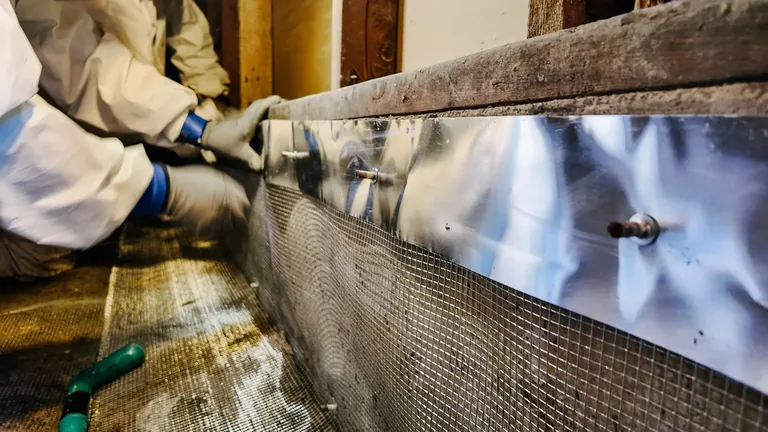
Lasting Results
We reinforce gaps, monitor activity, and provide strategies to keep most rodents and other pests away for good.

“Amazing professional crew that painstakingly and meticulously cleaned and sealed our home. They worked in absolutely sweltering conditions and were SO nice about it.”
Amber ReedVerified Trustpilot review
-
4.9 / 5
1,240 reviews -
4.7 / 5
649 reviews -
 4.7 / 5
279 surveys -
 4.9 / 5
374 reviews
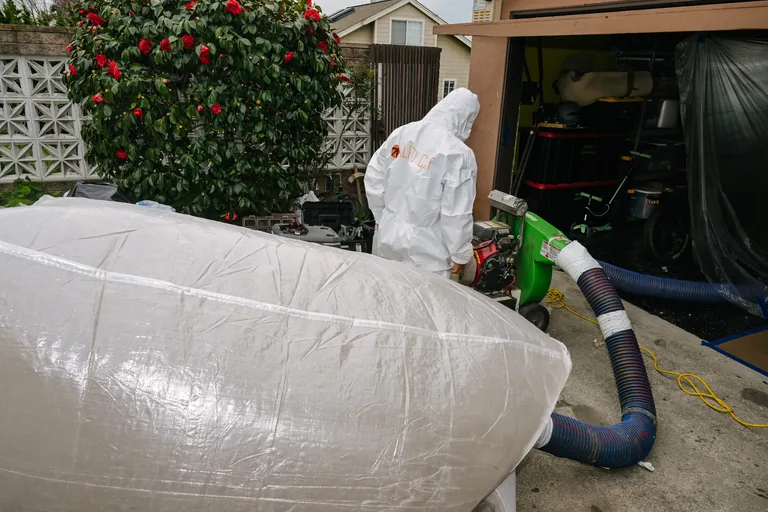
Professional Rodent Removal in the Bay Area
Professional service protects property from contamination and recurring infestations that may be causing damage. Alley Cat identifies how rats and mice enter homes, where they nest, and what attracts them in the first place.
Our service includes:
- A comprehensive home inspection to identify the infestation and access routes
- A customized rodent removal plan to eliminate current activity and prevent future infestations
- Cleanup, sanitation, repair, reinforcement, and follow-up control services
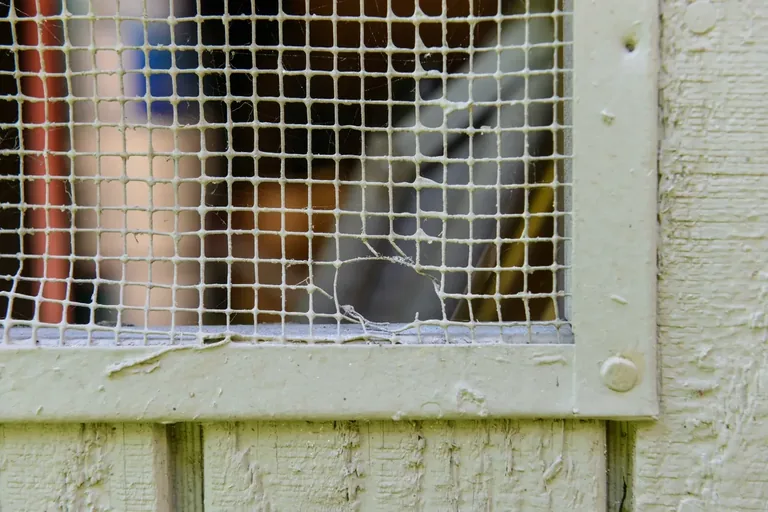
Why is rodent removal important?
Rodent removal matters because small rodents can carry diseases, gnaw materials, and create extensive damage. A professional rodent exterminator addresses the root cause and protects household well being.
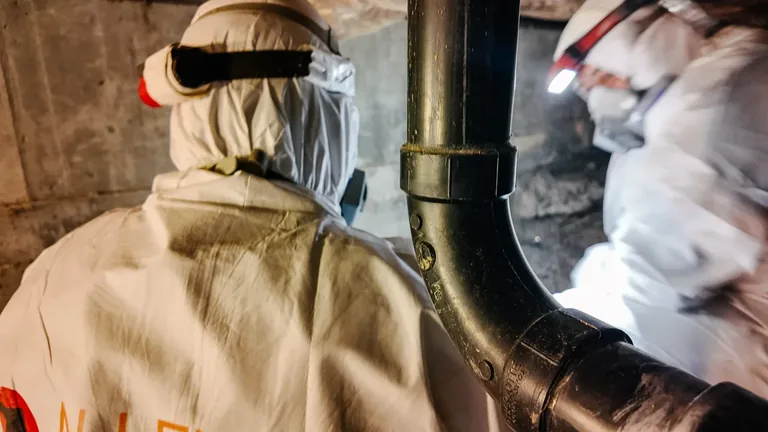
Customized Plan
We tailor the strategy to the building, species, active signs, and risk. The best solution may differ for an attic, crawl space, garage, restaurant-adjacent property, or home with pets.
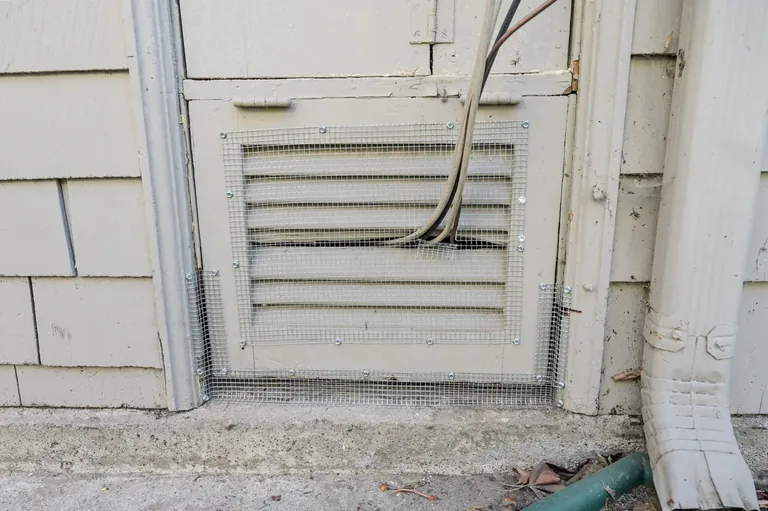
Long-Term Prevention
Beyond immediate removal, Alley Cat closes access routes, reduces attractants, and provides monitoring designed to prevent rodents from returning.
FAQ’s: Rodent Removal
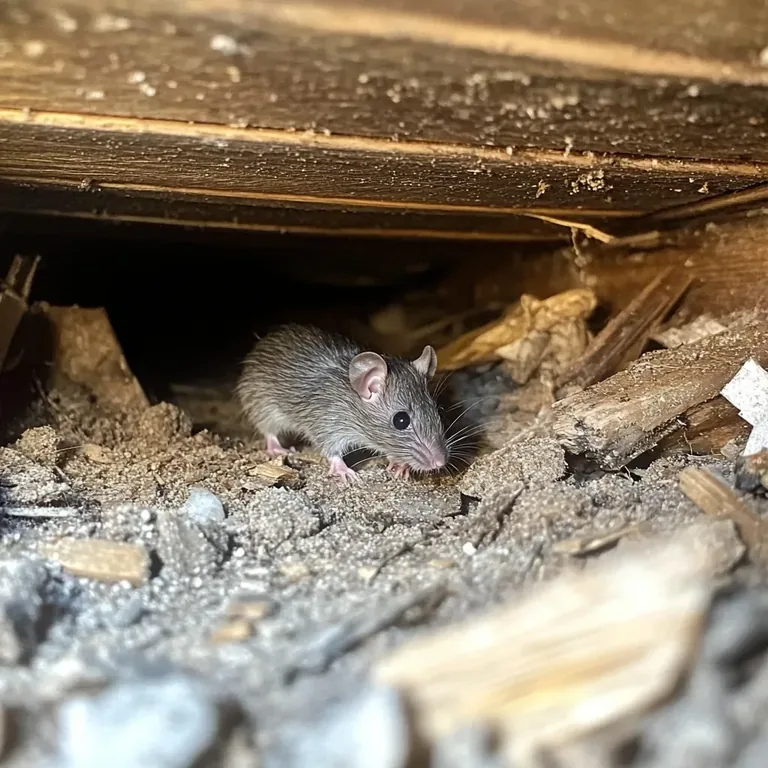
How do I get rid of rodents permanently?
To get rid of rodents permanently, combine inspection, trapping, sanitation, and exclusion. Close each hole, seal other gaps, remove food and shelter, and match traps to the species. A cat may catch prey or a mouse, but cannot inspect buildings, repair holes, or remove contamination.
Use a professional pest control assessment and customized plan. Keep food stored properly, place pet food in airtight containers, clear clutter, trim trees, and monitor new signs. This helps you get rid of active animals and reduce the chance of another infestation.
What is the best rodent control method?
The most effective method—and the best rodent control method—is integrated pest management: identify the rodent, remove food and shelter, trap active animals, sanitize, and complete exclusion repairs. Effective methods depend on species, location, and risk; no trap, bait, device, or poison is the effective method for every home.
Professional pest control determines when trapping, live capture, lethal traps, or secured bait stations are appropriate, while considering neighbors, connected buildings, roof access, and exterior shelter.
How long does it take to get rid of a rodent infestation?
Professional rodent removal can take 2 to 3 days for small infestations. That describes the active service window, not always the full monitoring period. A large infestation, inaccessible wall voids, multiple entry points, or extensive cleanup can be more time consuming and require follow-ups.
The timeline depends on severity, species, property condition, trap response, repairs, and whether new activity is present.
How to remove rodents from an attic?
To remove individual rodents or large colonies from an attic, the first step is inspection. Then trap active animals, clean contamination, and close exterior access in the correct sequence. A few tips: check vents, eaves, roof returns, utility gaps, insulation, and nearby trees; place traps on travel paths; never dry-sweep droppings; and seek professional assistance for extensive contamination.
Attic work must account for electrical wiring, insulation, heat, limited space, and safe access. Follow-up monitoring confirms that the attic remains clear before the job is closed.
What are the signs of a rodent infestation?
Signs include droppings, nests, gnawing, grease marks, urine odor, scratching noises, damaged packages, and sightings. Rodents hide by day, so seeing rats or mice in daylight can indicate a larger population. Inspect walls, basements, attics, and storage areas; avoid bare-skin contact.
What health risks are associated with rodents?
Rodents may carry disease directly or through contaminated urine, feces, saliva, fleas, mites, or ticks. They can spread disease by contaminating food and surfaces; however, the actual threat varies by species and exposure. Safe cleanup, sanitation, and exclusion reduce risk to humans and animals.
How much does rodent removal cost?
Published national ranges often state: Rodent removal costs $150 to $600 on average. Rodent inspection costs $75 to $150. Fumigation costs $2,000 to $6,500 for rodent control. Rodent cleanup service costs $600 to $1,000. Installing rodent-exclusion doors costs $200 to $400 each.
These are third-party national figures, not an Alley Cat quote. The low end may cover a limited visit, basic trapping, or a small accessible problem. Fumigation is not the usual first-line answer for a household rodent problem, and Alley Cat’s actual scope may include inspection, exclusion repairs, sanitation, contaminated-material removal, trap checks, and warranty coverage. Your written estimate reflects the property and recommended work.
Call Alley Cat Today
Let us handle your rodent issue. Schedule your free inspection and learn how Alley Cat can help you get rid of rodents.