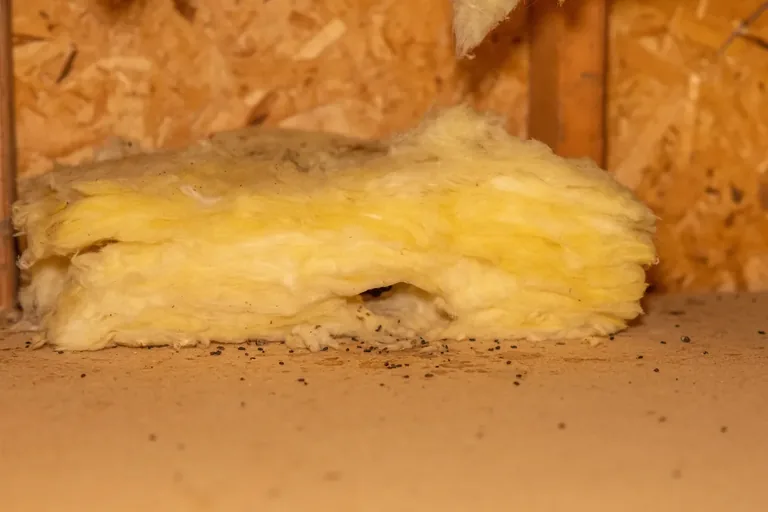
Localized Rodent Droppings
When rodent droppings or urine are limited to one travel route or nest, targeted attic cleaning and localized insulation removal may preserve attic insulation that remains clean.

Bay Area Attic Decontamination Service
Attic decontamination removes rodent droppings, urine, nesting materials, debris, and contaminated insulation from the space above your home.
 4.9 / 5
 4.7 / 5
 4.9 / 5
 4.7 / 5
 Accredited
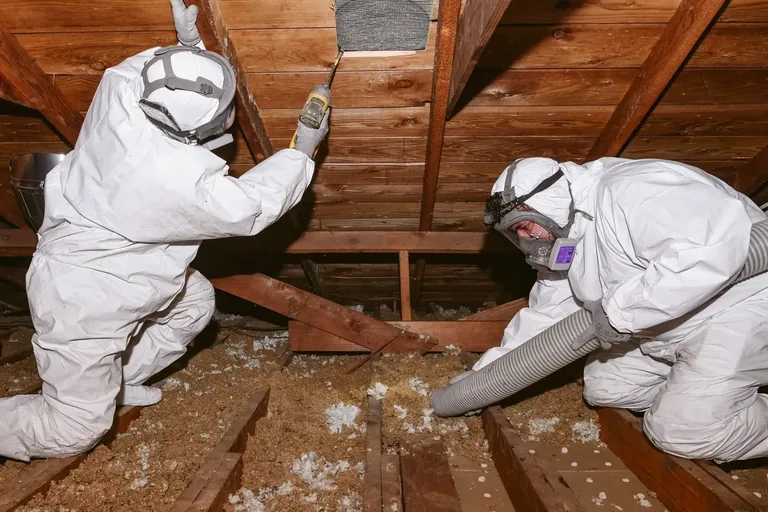
This service is for Bay Area homeowners who have found droppings, foul odors, damaged insulation, dead animals, or recurring rodent activity in the attic. Contamination left above ceilings can create odors, damage insulation, affect indoor air quality, and allow a rodent infestation to continue unnoticed.
Alley Cat’s attic cleaning services address both the mess and the cause:
Attic decontamination is professional cleanup and sanitation for waste left by rodents and other pests. It combines targeted attic cleaning, insulation removal, surface treatment, odor control, and prevention.
Our specialists identify where rats, mice, or other pests traveled, nested, urinated, and disturbed insulation. This keeps the attic cleaning process focused on evidence.
We determine whether attic insulation can remain, needs localized removal, or is damaged enough to justify broader attic insulation removal and later replacement.
Professional attic cleaning removes droppings, nests, dead carcasses, dust, and debris instead of leaving them to deteriorate above ceilings, ducts, and walls.
Source removal and attic sanitation services help reduce organic odors and contaminated dust that may affect indoor air quality and overall air quality.
Cleanup is coordinated with pest control, trapping, entry-point repairs, and rodent proofing so rodents are less likely to contaminate the attic again.
Professional attic cleaning services restore cleanliness, document damage, reduce health risks, and limit avoidable exposure without automatically discarding attic insulation that remains clean, dry, and serviceable.
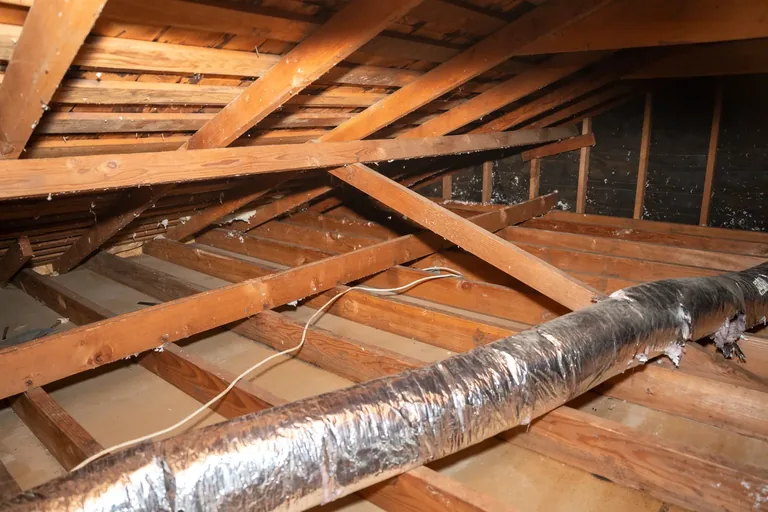
We clean up rodent feces, nests, food caches, carcasses, and heavily soiled insulation.
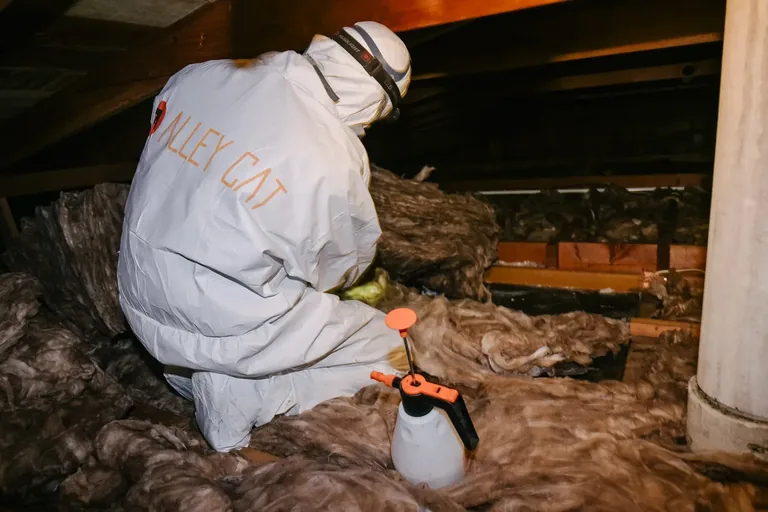
Attic cleaning targets urine and organic odors at the source instead of covering them with fragrance.
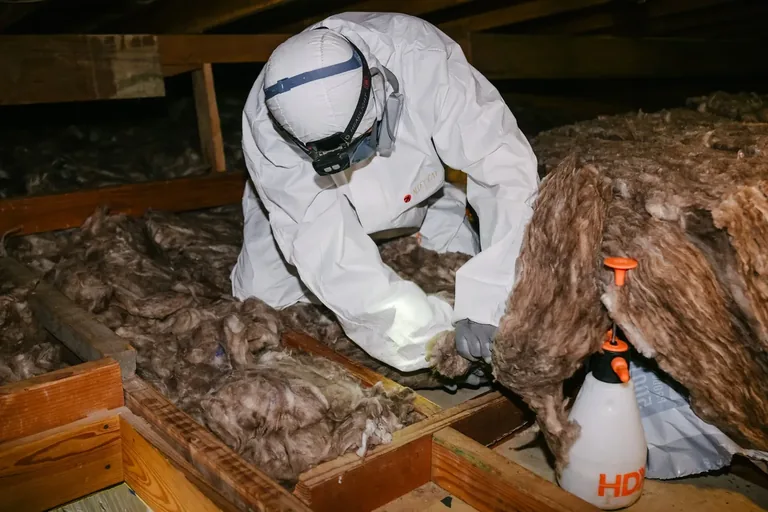
Localized insulation removal may preserve clean insulation and support energy efficiency.
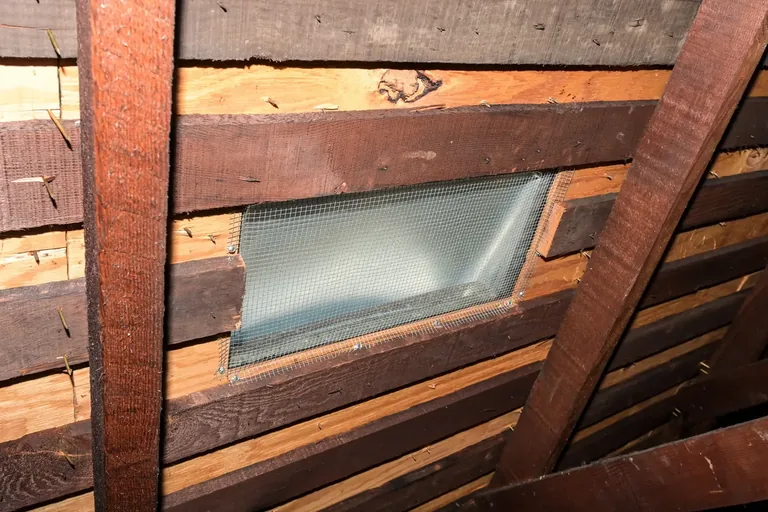
Reinforced entry points help protect the completed attic cleaning work from another infestation.
Alley Cat follows a deliberate sequence: inspect the infestation, define the cleanup scope, remove waste and insulation where necessary, sanitize accessible surfaces, repair entry points, monitor rodents, and haul away debris.
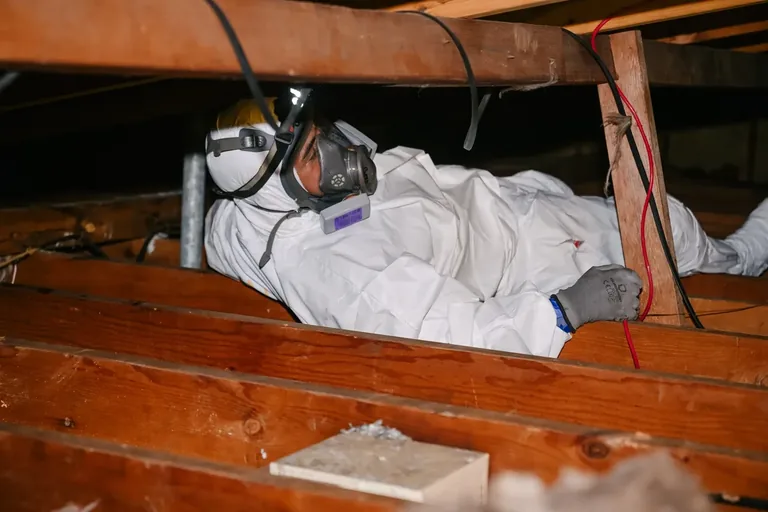
Step 01 · Inspect
Every project begins with a detailed attic inspection. We look for rodent droppings, urine staining, nests, tunnels through attic insulation, chewed wiring, damaged ducts, carcasses, moisture, mold growth, and concentrated pest traffic. We also note attic size, access limitations, hard-to-reach areas, and whether the infestation is active.
We inspect the roofline and exterior for entry points around eaves, soffits, vents, roof returns, siding transitions, utility penetrations, and construction gaps. This shows whether attic cleaning alone is appropriate or whether trapping, structural repairs, air sealing, or insulation removal is needed.
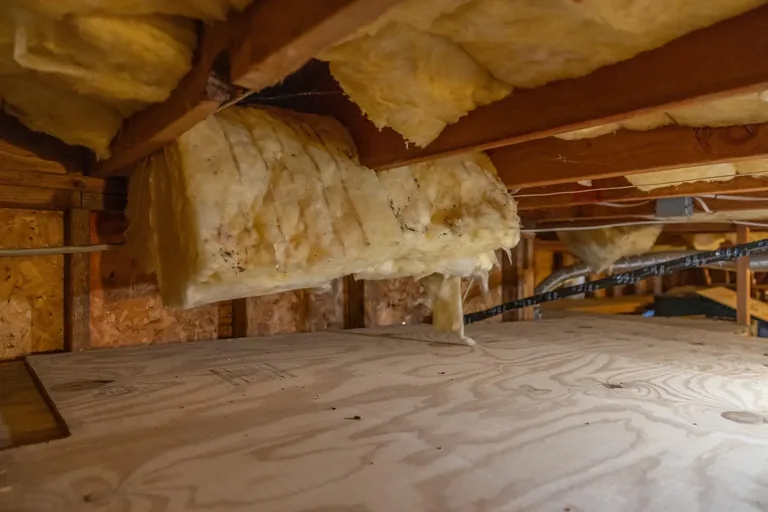
Step 02 · Diagnose
After the inspection, Alley Cat prepares a Comprehensive Diagnostic Report describing the infestation, affected areas, damaged insulation, likely entry points, and recommended attic cleaning services. The estimate separates cleaning, sanitation, insulation removal, exclusion, trapping, haul-away, and optional insulation installation so homeowners understand the proposed work and cost.
Step 03 · Clean
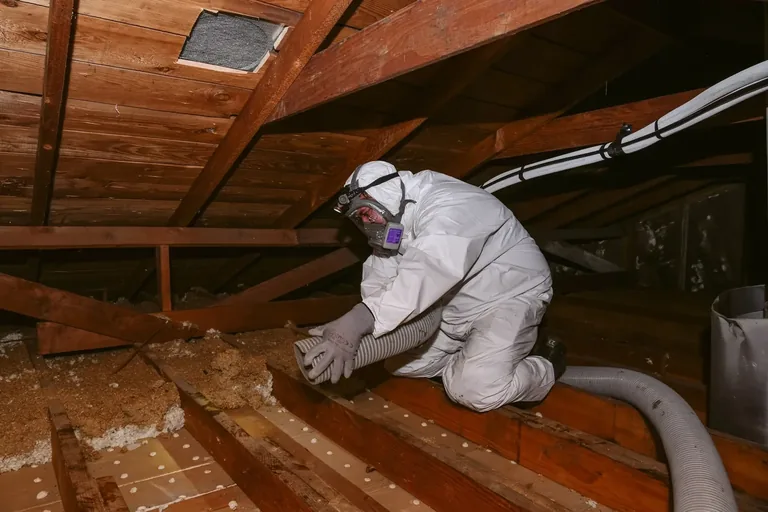
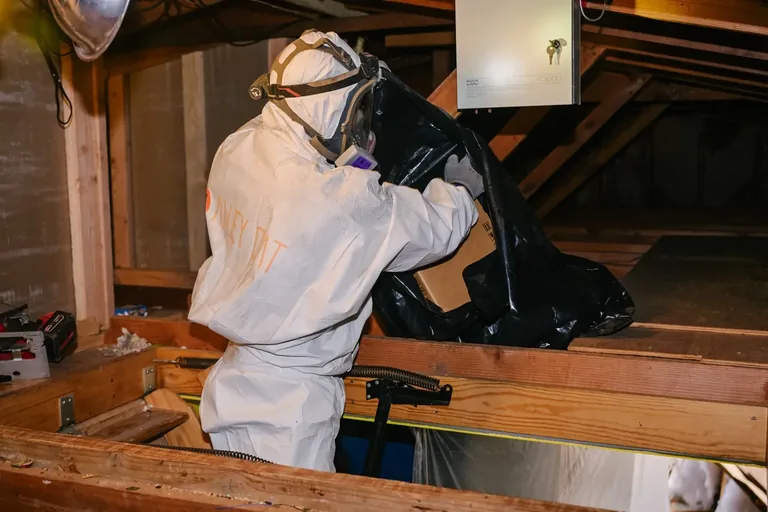
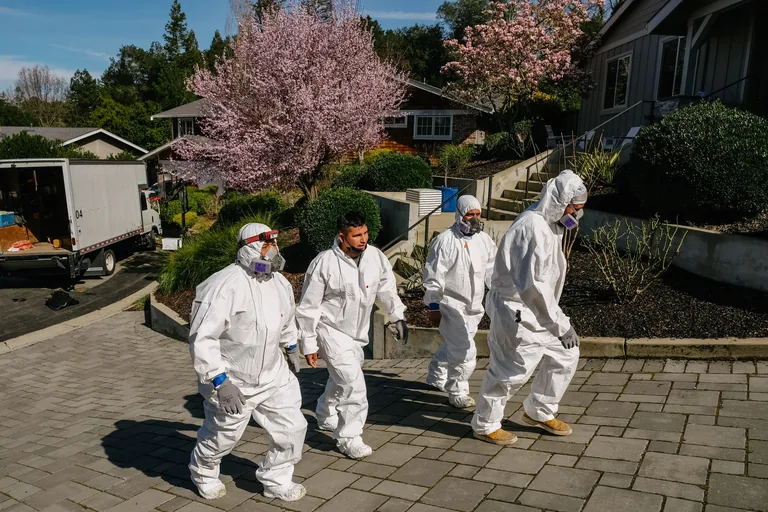
The cleaning stage begins by protecting the attic access and nearby living spaces. Our crew uses protective gear, containment bags, hand-removal methods, and appropriate commercial equipment to safely remove contamination without carelessly spreading dust through the house. Stored items may need to be moved or covered before cleaning begins.
Depending on attic conditions, our attic cleaning services may include:
Rodent waste should not be dry-swept or vacuumed with ordinary household equipment. Controlled cleaning methods and protective gear reduce avoidable health hazards and the chance that contaminated particles will become airborne. After debris removal, exposed surfaces are ready for sanitation. CDC guidance similarly warns against sweeping or vacuuming untreated rodent urine, droppings, and nesting materials because doing so can put contaminated particles into the air.
Step 04 · Sanitize
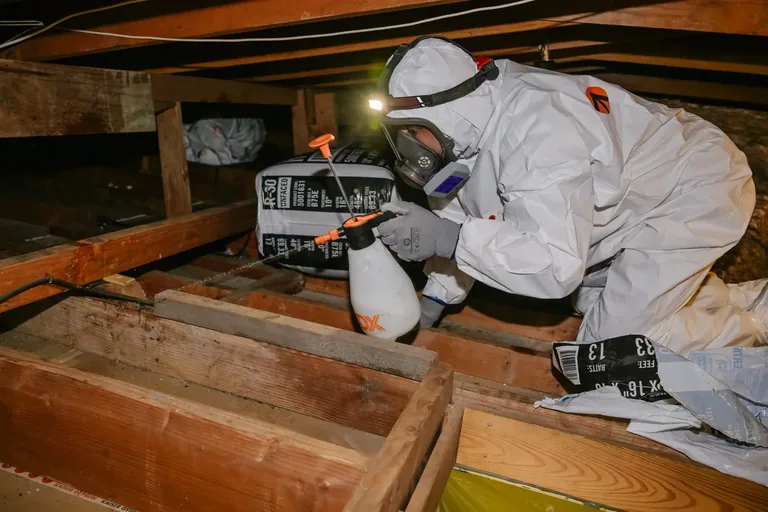
After physical attic cleaning, we apply appropriate sanitation and decontamination products to accessible affected surfaces. Removing droppings, nesting materials, old insulation fragments, and organic debris first allows the sanitation stage to address the exposed area more effectively.
Some contractors describe their protocol with this exact wording: A 6-step bio-remediation process includes Treat, Clean, Disinfect, Decontaminate, Steam, and Chemical Encapsulate. That is not a universal industry standard, and not every rodent-contaminated attic requires steam or chemical encapsulation. Alley Cat’s report identifies the specific cleaning, disinfecting, deodorizing, removal, and repair steps appropriate for the conditions found. Suspected asbestos, regulated hazardous waste, or extensive mold may require specialist evaluation before the attic is deemed safe for additional cleaning.
Step 05 · Seal
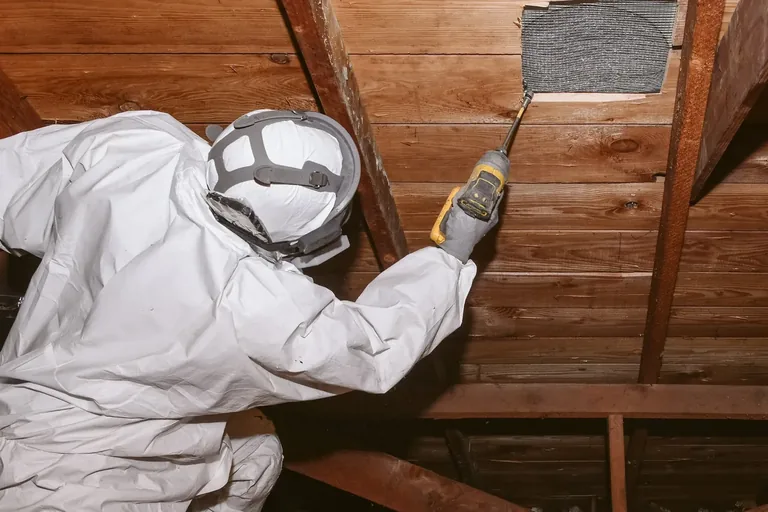
This attic cleaning has limited value while rodents and other pests can still enter. After contaminated material is removed, Alley Cat addresses exterior openings and weak building transitions. Rats and mice exploit small holes and cracks, while larger pests may enlarge damaged vents, fascia gaps, or roofline openings.
Common exclusion and air sealing tactics include:
Air sealing and insulation perform different jobs but work together. Sealing gaps reduces pest access and uncontrolled air movement. Properly installed new insulation helps limit temperature fluctuations, supports comfort, and enhances energy efficiency. When attic insulation removal is required, repairs and sealing are normally completed before new insulation installation covers the work area. ENERGY STAR likewise recommends completing attic air sealing before adding insulation.
We identify how rodents use the structure and reinforce the areas most likely to fail again. That integrated approach has helped Alley Cat serve more than 13,000 clients while maintaining a 97% customer satisfaction rating.
Step 06 · Check
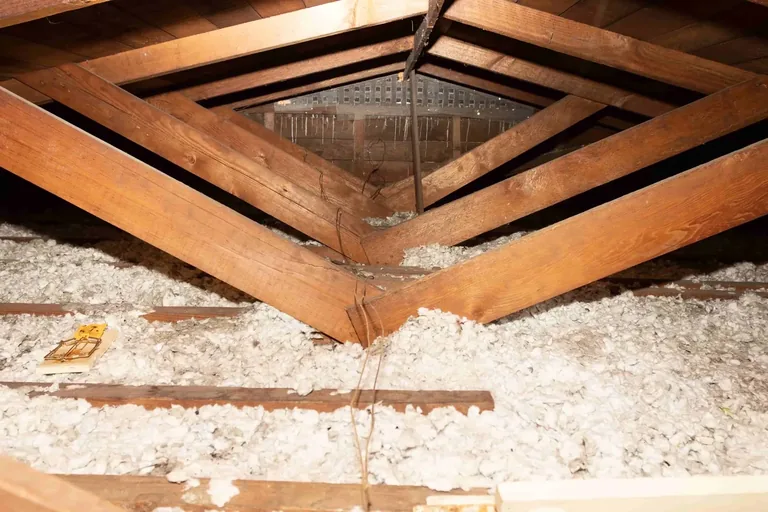
When rats, mice, or other rodents may remain inside, trapping is coordinated with exclusion and attic cleaning services. Traps are placed along documented travel routes rather than scattered randomly through the insulation.
Scheduled trap checks show whether rodent activity is declining and whether sealed entry points are working as intended. Cleaning may be timed around an active infestation so remaining rodents do not immediately recontaminate the attic.
Step 07 · Haul
At the end of attic cleaning, our team gathers bagged droppings, nesting material, old insulation, contaminated insulation, and disposable containment materials for proper disposal. We also review the path from the attic hatch to the exterior and remove work-related debris.
The crew confirms which cleaning, sanitation, exclusion, and insulation removal items were completed. When insulation installation, duct repair, electrical review, roof work, mold remediation, or structural repairs are advisable, the homeowner receives a clear next step.
Step 08 · Support
Attic cleaning services can involve inspection, pest control, trapping, insulation removal, sanitation, and new insulation. Alley Cat’s customer service team helps homeowners understand preparation, scheduling, report findings, cost questions, and follow-up recommendations throughout the entire process.
Clients receive a defined attic cleaning scope and one team to contact. Attic and crawl space cleaning are scoped separately. We explain preparation, access needs, and how trapping or follow-up visits fit into the schedule. When contamination also exists below the house, crawl space cleaning receives its own inspection and is priced separately from attic cleaning.
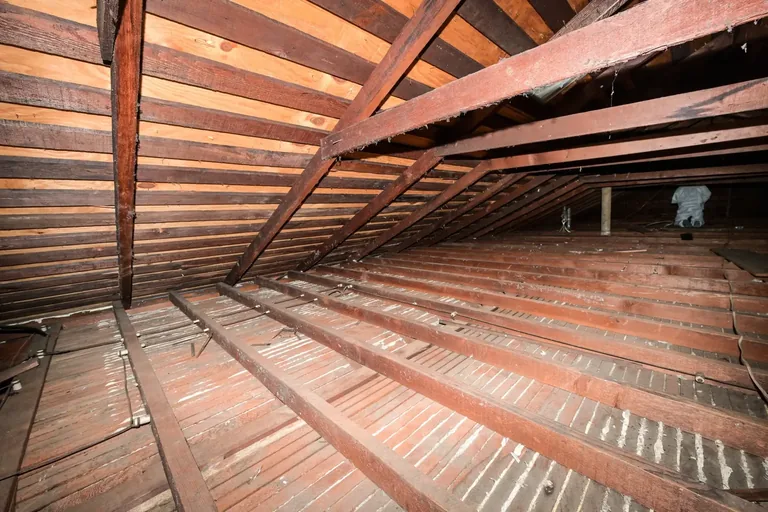
Rodent contamination does not improve while hidden beneath attic insulation. Schedule an inspection with Alley Cat to identify affected areas and receive a practical plan for attic cleaning services, sanitation, insulation removal, exclusion, and long-term prevention.
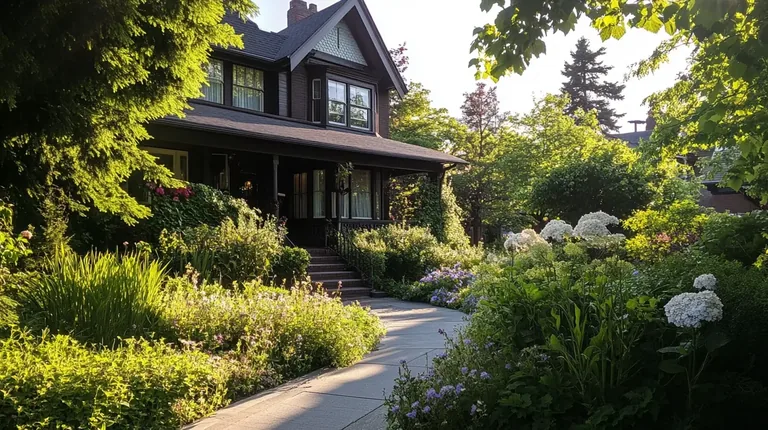
“Our experience has been positive and they have a good response time. They did what they were supposed to do in a timely basis.”
Dan P.Verified Diamond Certified survey
4.9 / 5
4.7 / 5 4.7 / 5
 4.9 / 5
Cleanup based on evidence, not assumptions.
When rodent droppings or urine are limited to one travel route or nest, targeted attic cleaning and localized insulation removal may preserve attic insulation that remains clean.
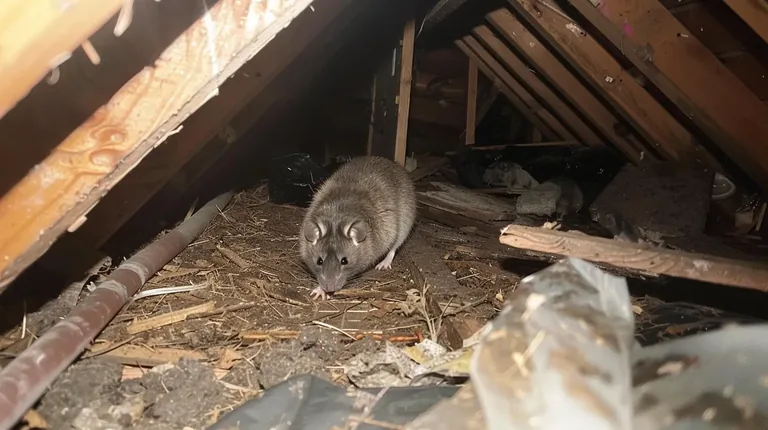
Multiple nests, widespread rodent droppings, urine staining, flattened insulation, and tunneling may justify broader attic insulation removal before sanitation and attic insulation replacement.
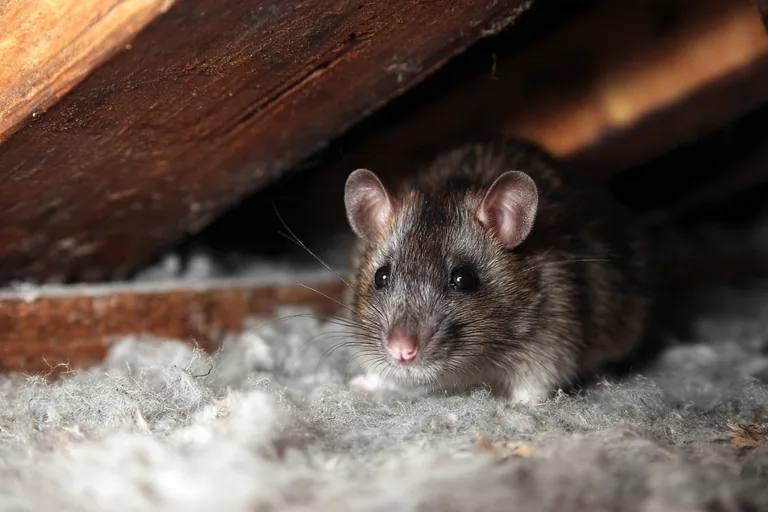
Persistent odors may come from carcasses, urine-soaked framing, contaminated insulation, food caches, or debris trapped near eaves, walls, and duct transitions.
The scope depends on attic size, access, contamination severity, insulation condition, disposal volume, and the number of entry points. National cost guides state that attic cleaning costs $100 to $500 on average, but that figure generally describes basic junk or debris removal—not Alley Cat’s combined rodent exclusion, trapping, sanitation, insulation work, and prevention service.
The same published guides state that rodent infestation cleanup costs $150 to $600 on average, attic insulation removal costs $1 to $2 per square foot, attic restoration costs $3.30 to $5.50 per square foot, and attic decontamination costs $5 to $30 per square foot. They also report that attic decontamination costs $700 to $11,000 depending on severity. These are broad national ranges, not Alley Cat price promises; Bay Area labor, access, disposal, repairs, and new insulation affect final cost.
A complete Alley Cat project may combine rodent exclusion, trapping, attic cleaning, sanitation, haul-away, and insulation work, so a realistic project can fall within a broader $1,000 to $10,000 service range depending on the home. Large attics, difficult access, structural damage, and extensive insulation removal increase cost. When hiring attic cleaning services, compare the actual scope rather than treating a low basic-cleaning figure as the cost of full restoration. Some cost tables use the awkward label service attic restoration; Alley Cat instead itemizes the work in a written estimate.
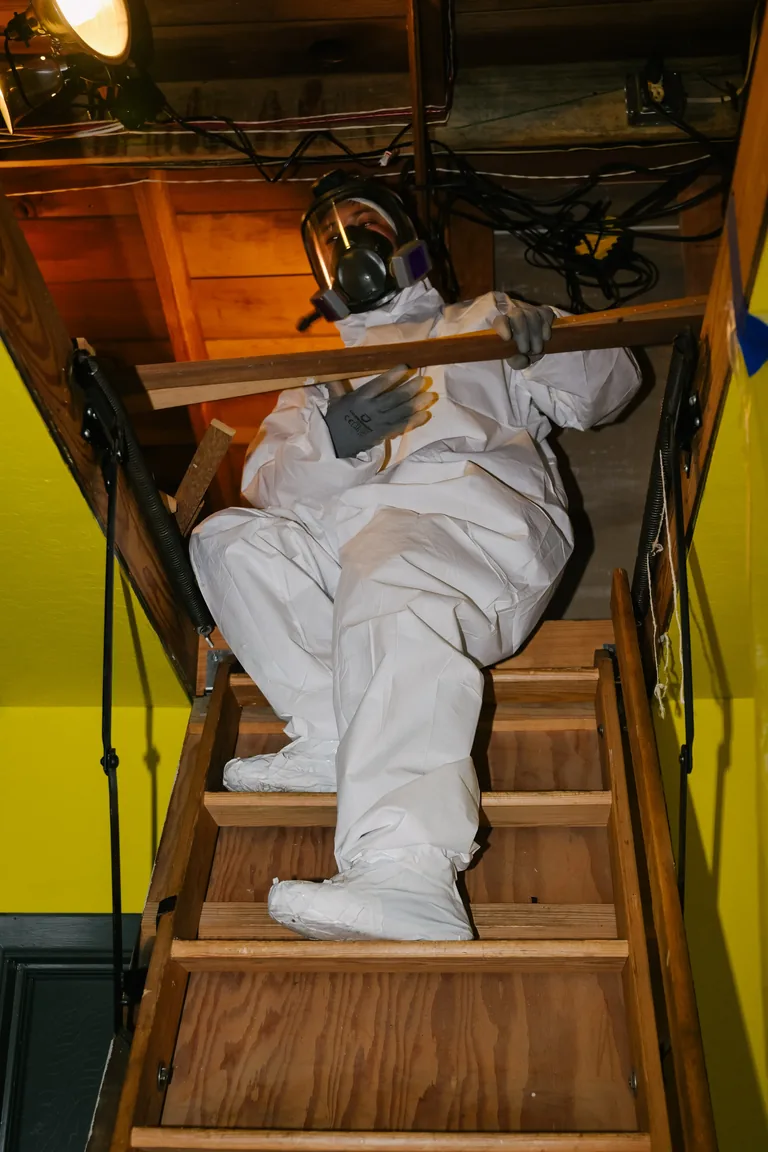
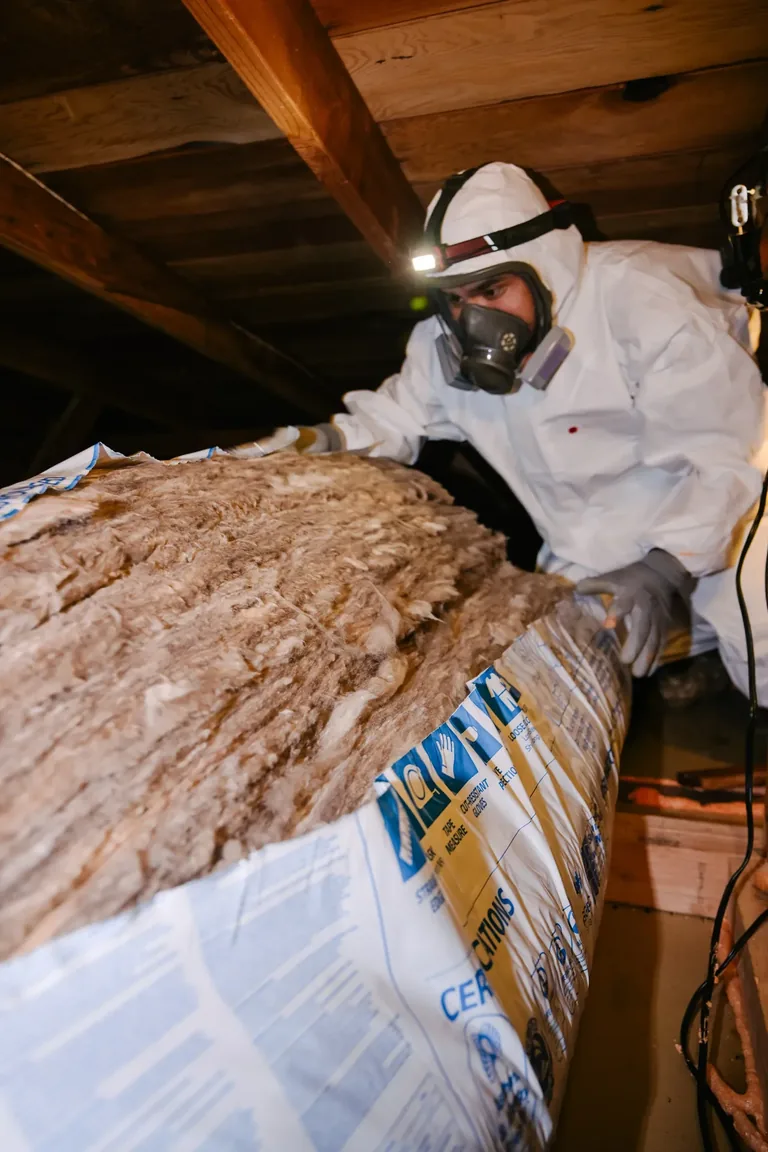
A clean attic supports a healthier starting point for repairs. Rodents can shred, tunnel through, and compress insulation, reducing its effectiveness. After old or damaged insulation is removed, correctly specified insulation installation and air sealing can restore coverage, support energy efficiency, reduce temperature fluctuations, improve air quality, and support a healthy home environment while easing avoidable strain on the HVAC system. ENERGY STAR identifies attic air sealing and insulation as important measures for reducing air leakage, improving comfort, and limiting energy waste.
Some maintenance articles say professional attic cleaning should occur every 2 years. Alley Cat treats that as a general inspection-and-maintenance guideline, not a rule requiring full decontamination every two years. Homeowners should request an earlier inspection when they notice odors, pests, droppings, moisture, damaged insulation, roof leaks, or unusual energy bills.
You may also see the claim that a clean attic can save homeowners over $10,000 on roof repairs. That should not be read as a guaranteed savings. The accurate takeaway is that cleaning may reveal leaks, damaged sheathing, blocked ventilation, or pest damage before major repairs are needed.
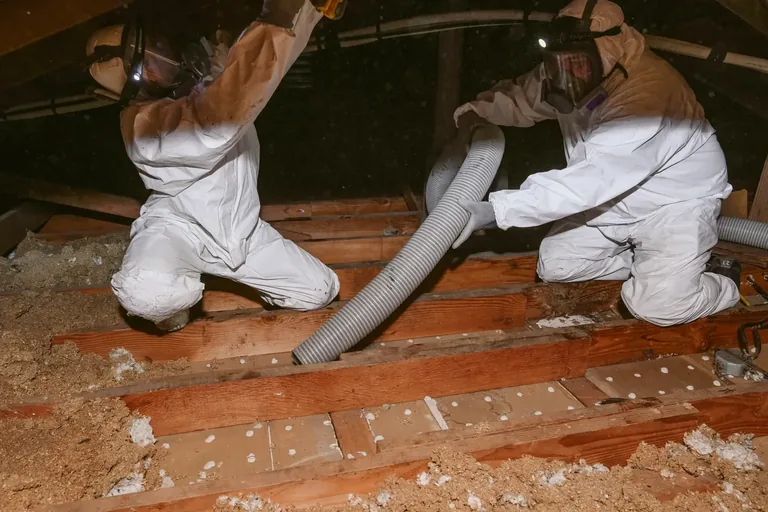
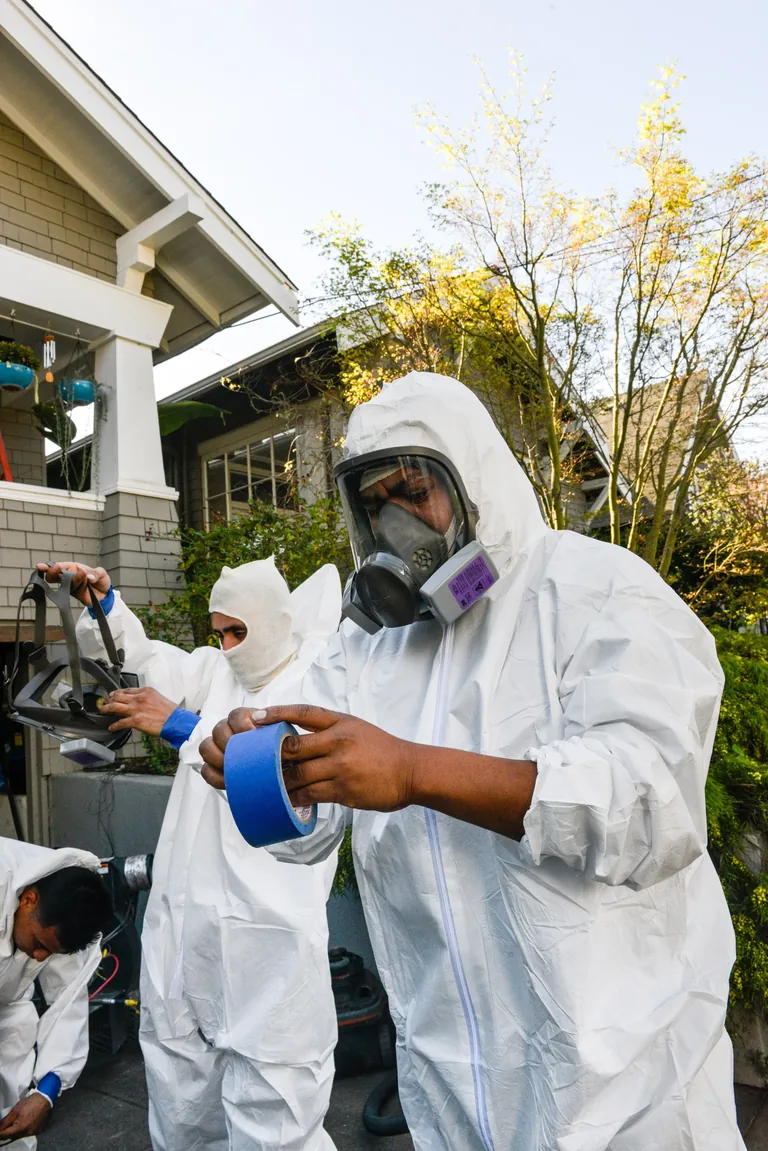
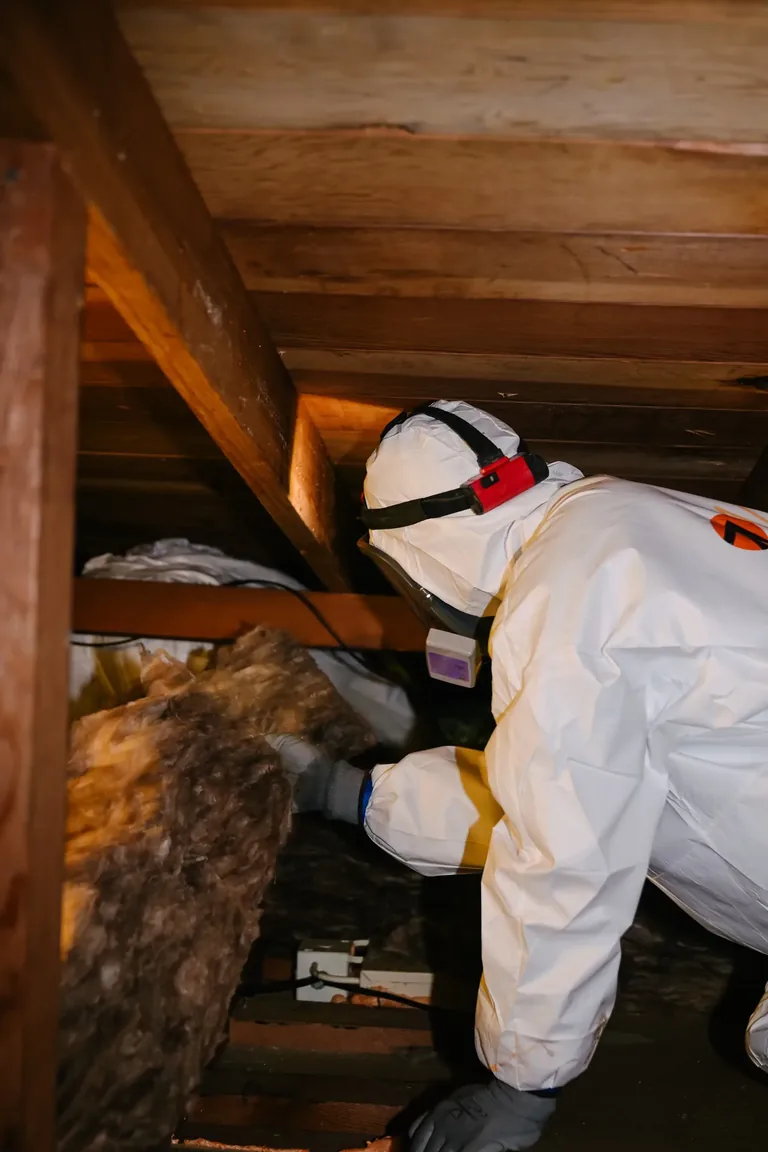
You decontaminate an attic by controlling access, removing physical waste, treating affected surfaces, and correcting the pest entry that caused the contamination. The decontamination process generally includes:
Rodent waste can contain harmful pathogens like hantavirus. CDC guidance explains that hantaviruses can spread through infected rodent urine, feces, and saliva, particularly when contaminated material becomes airborne. This is why heavy rodent contamination should not be dry-swept or handled casually.
In Bay Area homes, rats and mice are among the most common attic pests, although squirrels, raccoons, bats, birds, and other rodents may also enter. Nighttime scratching, small droppings, gnaw marks, nesting materials, tracks, and damaged vents can help identify the animal.
Different wildlife waste creates different concerns. Histoplasmosis is caused by inhaling spores from bat droppings when suitable fungal spores are present and contaminated material is disturbed. Raccoon roundworm can cause severe neurological symptoms in humans after infectious eggs from raccoon feces are accidentally swallowed. In that sense, wildlife waste carries diseases like histoplasmosis and raccoon roundworm, although the actual risk depends on the species, organism, exposure route, and conditions present.
The “7 and 7 rule” is commonly used as shorthand for dimensional requirements associated with converting an attic into habitable space. It generally refers to minimum floor-area, width, and ceiling-height concepts, not attic cleaning, rodent exclusion, or decontamination.
California requirements vary by project, building age, and jurisdiction, so homeowners planning a conversion should consult the local building department. California’s 2025 Residential Code, effective January 1, 2026, includes a 6-foot-8-inch minimum ceiling-height provision for certain habitable attics created in existing buildings, demonstrating why the familiar shorthand should not be treated as a complete local code answer. The rule does not determine whether attic insulation is contaminated, whether pests remain active, or what sanitation work is needed.
Black-colored mold is controlled by removing affected porous material when necessary, cleaning suitable surfaces, drying the attic, and correcting the moisture source. A chemical spray alone does not solve mold growth caused by roof leaks, condensation, blocked ventilation, or wet insulation.
Online summaries sometimes state, “Mold exposure can trigger asthma attacks and memory loss.” Mold can trigger asthma attacks in sensitive people, but major public-health guidance does not treat memory loss as a routine or firmly established result of ordinary indoor mold exposure. The more defensible phrase is: Mold exposure can cause severe health issues like asthma attacks, especially for sensitive individuals. Alley Cat addresses rodent contamination and reports visible moisture or mold concerns; extensive growth may require a qualified mold-remediation specialist.
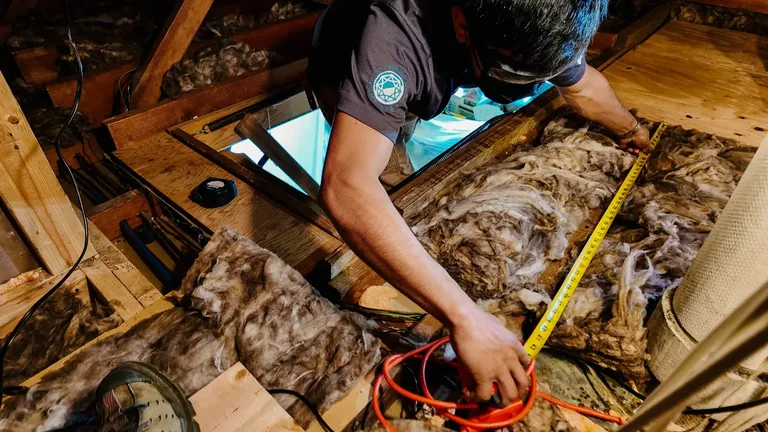
Choose attic cleaning services built around evidence, not a generic package. Contact Alley Cat for a San Francisco Bay Area inspection, written estimate, and clear plan to clean up contamination, close entry points, protect attic insulation, and help prevent rodents from returning.