Rodent Control · Bay Area, CA
How to Get Rid of Mice: A Step-by-Step Bay Area Guide
Inspect for droppings and access points, clean and seal the routes mice use, then set traps and watch for fresh evidence.
-
 4.9 / 5
1,240 reviews -
 4.7 / 5
649 reviews -
 4.9 / 5
374 reviews -
 4.7 / 5
279 surveys -
 Accredited
A+ BBB rating
How to Get Rid of Mice—and Prevent Future Mice Infestations
A practical plan from inspection through prevention.
How to get rid of mice starts with understanding that a mouse infestation is rarely solved by one trap or one sealed hole. To get rid of mice, you must identify how mice travel, remove contaminated nesting material, control indoor and outdoor food sources, close structural openings, and monitor the house after trapping. Alley Cat’s downloadable guide organizes the work into three connected priorities:
- Inspect: Find mouse droppings, gnawing, nesting sites, runways, and likely access.
- Remove and clean: Address active mice, urine, feces, odors, damaged materials, and debris.
- Exclude and monitor: Seal openings, set traps, and watch for fresh evidence.
Solve the Mouse Problem, Not Just the Sighting
A kitchen sighting may trace to a garage opening or an attic or wall nest. House mice are small, climb well, and can squeeze through openings as small as a quarter-inch. Mice can fit through openings as small as a dime. This common visual comparison is useful, although a quarter-inch gap is the more protective inspection standard.
A cause-focused plan can prevent mice from simply being replaced by new arrivals. It helps you:
- Find small cracks, pipe openings, damaged vents, and worn weather stripping
- Separate active evidence from old droppings or abandoned shredded paper
- Reduce contamination, odor, insulation damage, and health risks
- Decide when DIY pest control is reasonable and when a pest control specialist is needed
Download the guide before moving boxes, cleaning contamination, or sealing routes. It shows why inspection, exclusion, mouse traps, cleanup, and follow-up belong together.
Our Process to Get Rid of Mice in Your Home
Alley Cat treats mice in your home as a connected property problem. Cleaning can erase clues, sealing too soon can leave mice indoors, and trapping without exclusion may not stop new mice. Our process follows evidence from feeding and nesting areas to the exterior:

Step 01 · Inspect
Free Mouse Infestation Inspection
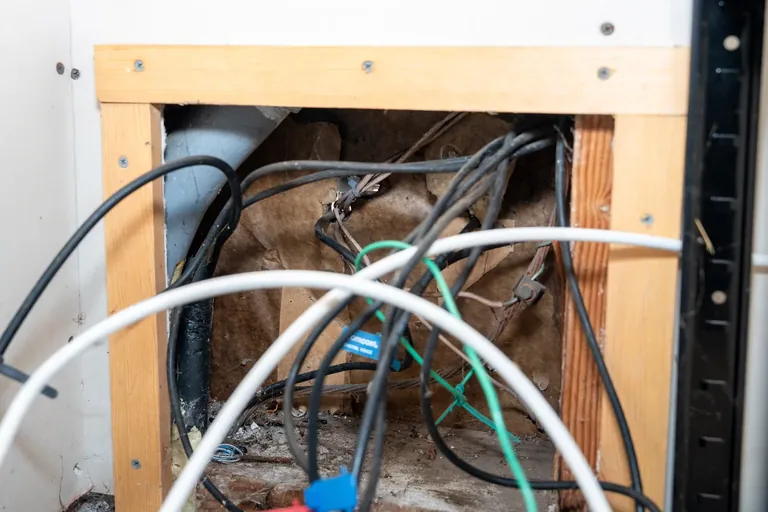
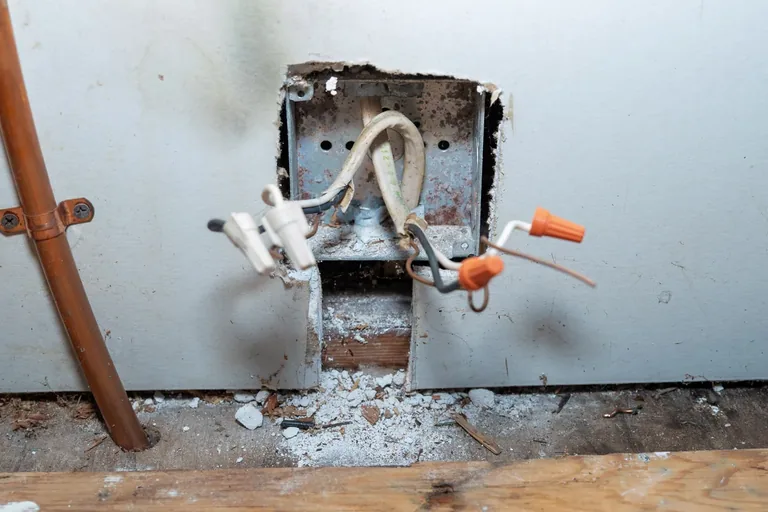
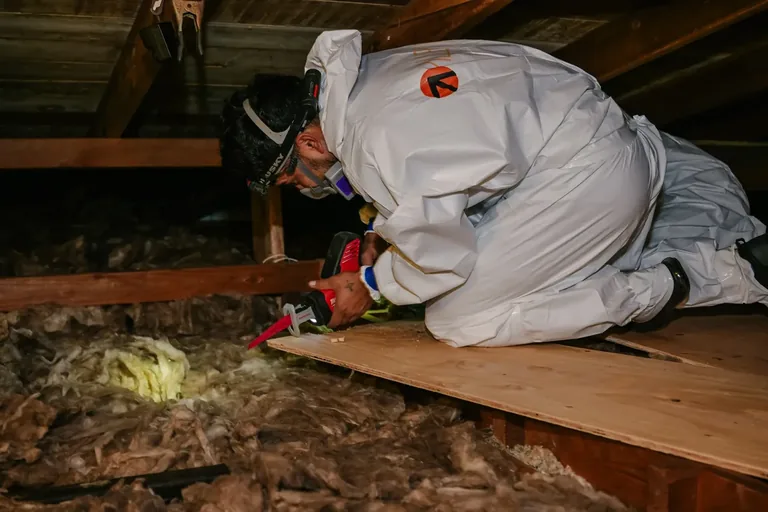
A free inspection starts where you noticed noises, smell, gnawed packages, or droppings. We check accessible kitchens, pantries, garages, attics, crawl spaces, basements, closets, utility areas, doors, vents, pipes, and appliances. Mice tend to travel along edges and hide in dark, warm storage areas, so we inspect corners, shelves, cabinet voids, and cluttered areas.
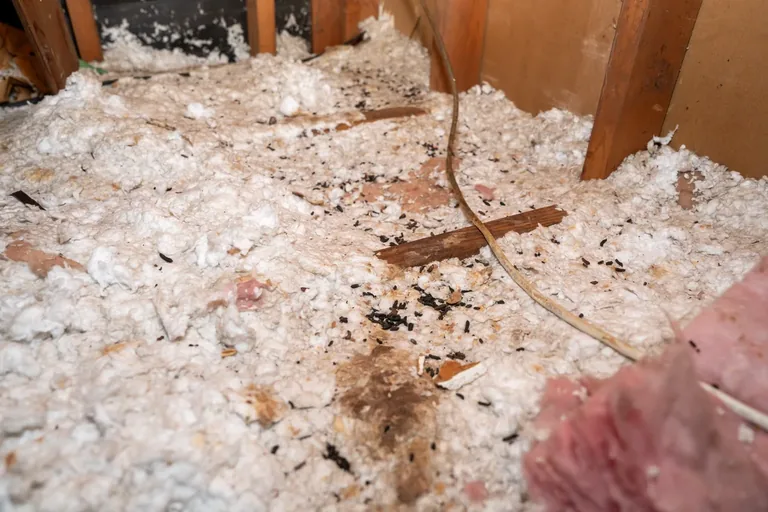
We look for urine stains, insulation damage, nests, and packaging damage. Mice droppings are about a quarter-inch long and dark. Look for gnaw marks on furniture and food packaging. Mice are most active during evening hours. Daytime sightings can indicate more mice or disturbed shelter.
- Distinguishes recent activity from older signs
- Connects indoor evidence with likely entry points
- Defines problem areas before cleanup, exclusion, or trapping
Step 02 · Diagnose
Diagnostic Report & Estimate
Alley Cat’s Comprehensive Diagnostic Report documents evidence, routes, affected rooms, contamination, and next steps. Photos show where house mice may enter, where mice naturally seek shelter and warmth, and which repairs need another professional. The estimate reflects the actual scope, not a generic exterminator package.
Step 03 · Clean
Cleanup & Removal
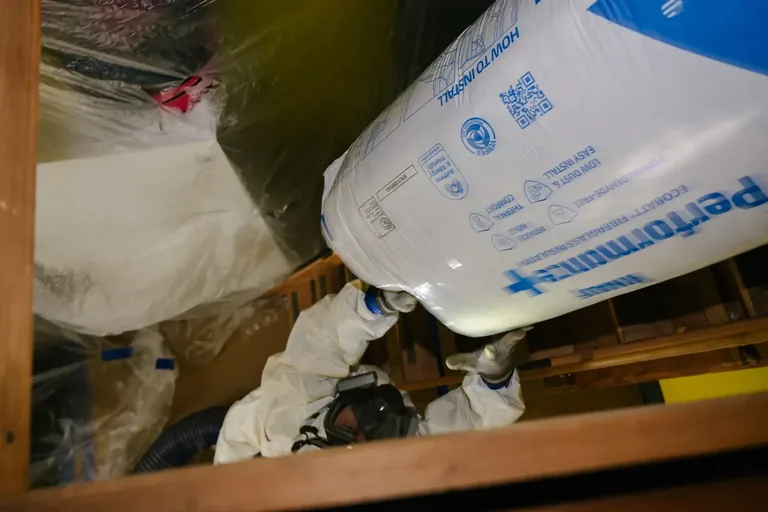
Cleanup addresses conditions that attract mice and other pests. Mice may choose a warm soft spot behind blankets, cardboard, dry goods, insulation, or furniture. Crumbs, water, clutter, and shelter can attract mice, rats, and other rodents to a pantry, attic, garage, crawl space, or utility room.
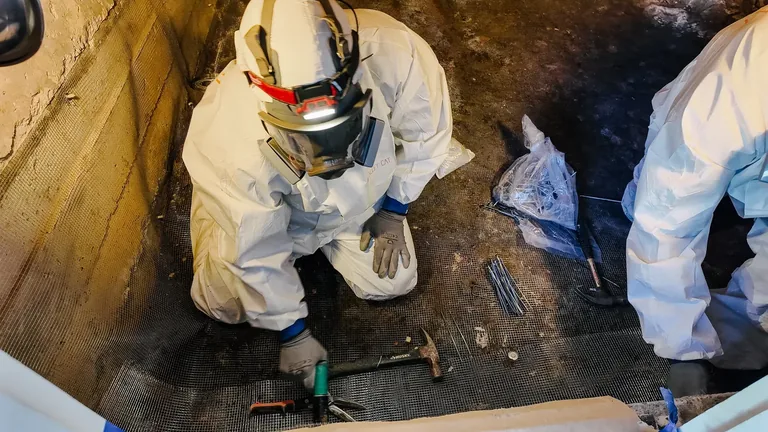
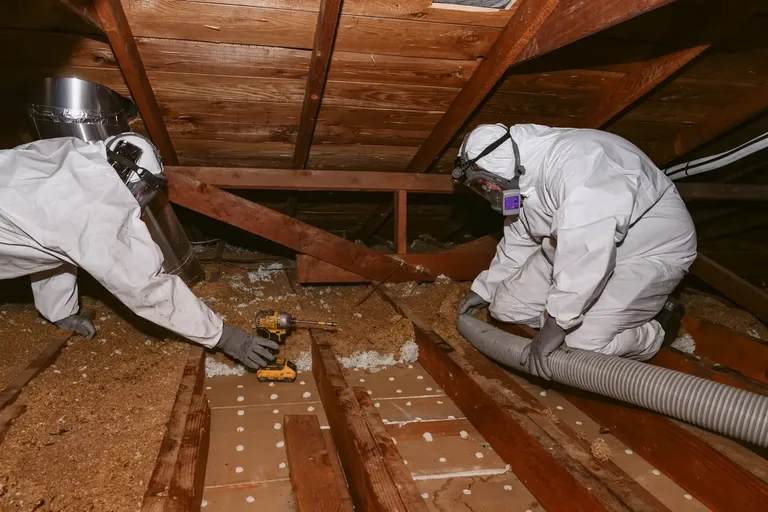
Removing nests and scent-marked material exposes new activity and reduces hiding places. Our specialists may handle:
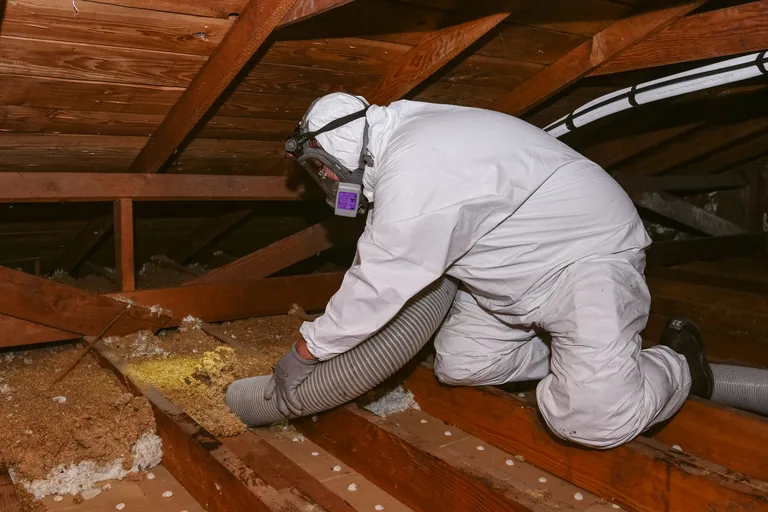
- Droppings, urine-marked debris, nests, and contaminated disposable items
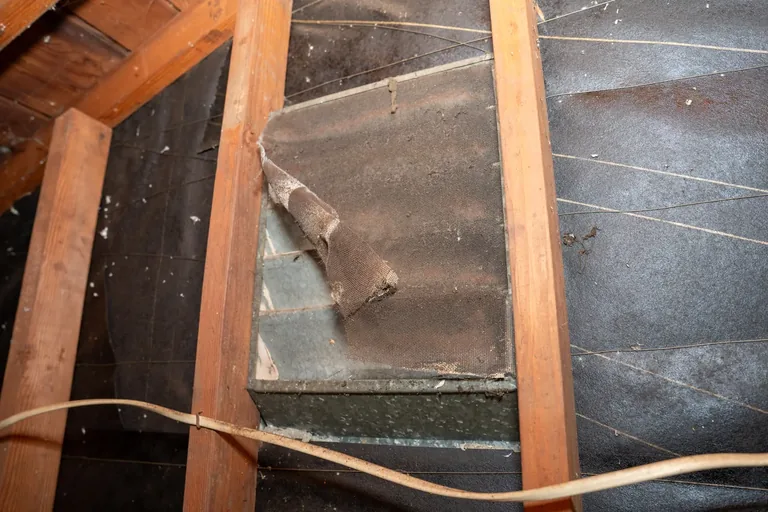
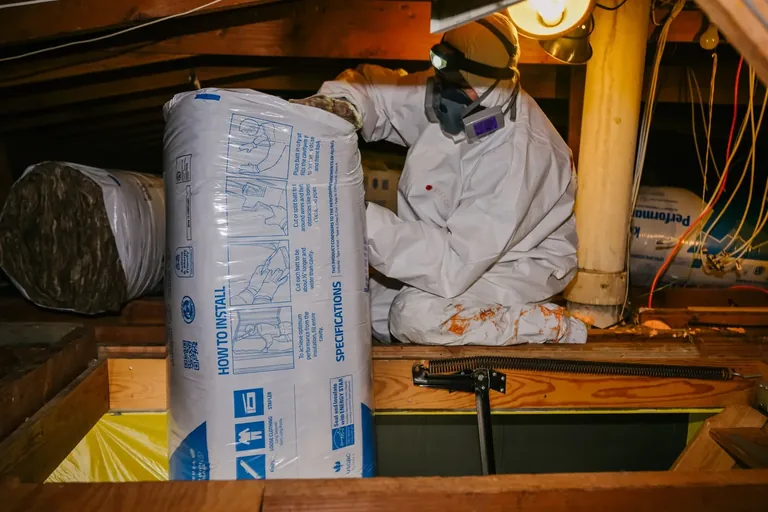
- Damaged or heavily soiled insulation
- Cardboard, fabric, or belongings concealing runways
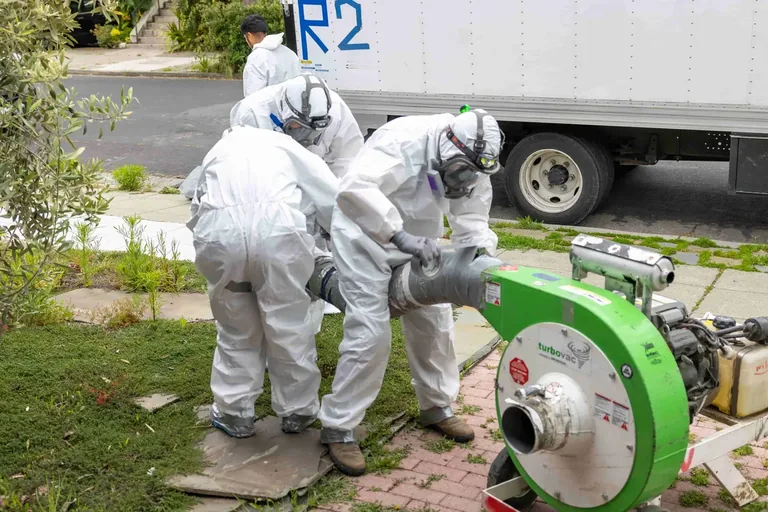
We contain approved waste and prepare the area for sanitation and exclusion.

Step 04 · Sanitize
Sanitize, Decontaminate, & Reduce Health Risks
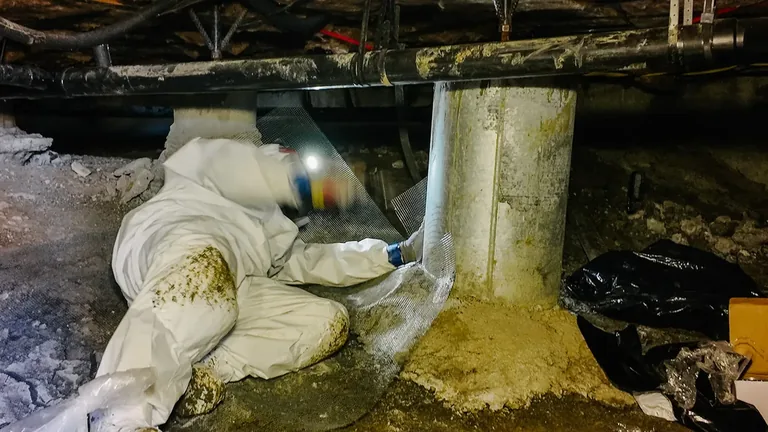
Mouse urine, droppings, dust, and nest material can become airborne when disturbed. Wear rubber gloves and appropriate respiratory protection; never dry sweep or use a normal household vacuum on contaminated material. Rubber gloves protect skin but do not replace ventilation, wet-cleaning methods, or containment.
Hard surfaces may be treated with an appropriate disinfectant spray, left for the required contact time, and wiped. Porous material is evaluated for cleaning or removal. This reduces allergens, bacteria, viruses, smell, and other health risks to humans, children, pets, and workers.
Step 05 · Seal
Seal Entry Points, Reinforce, & Mouse Proof the House
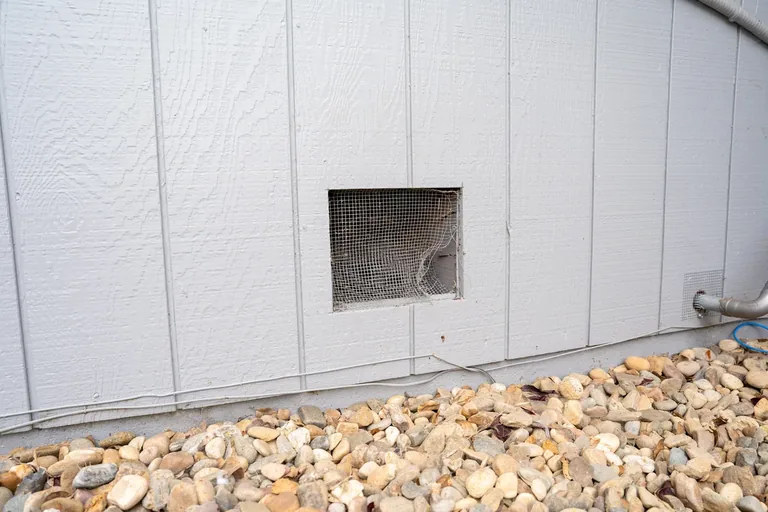
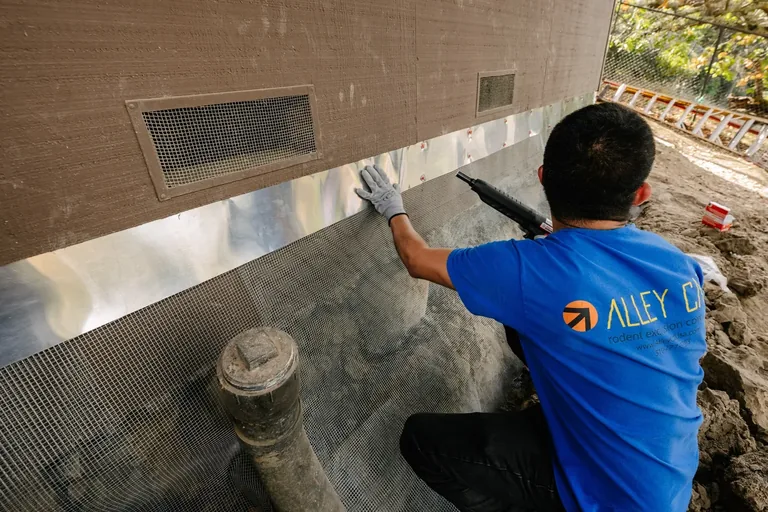
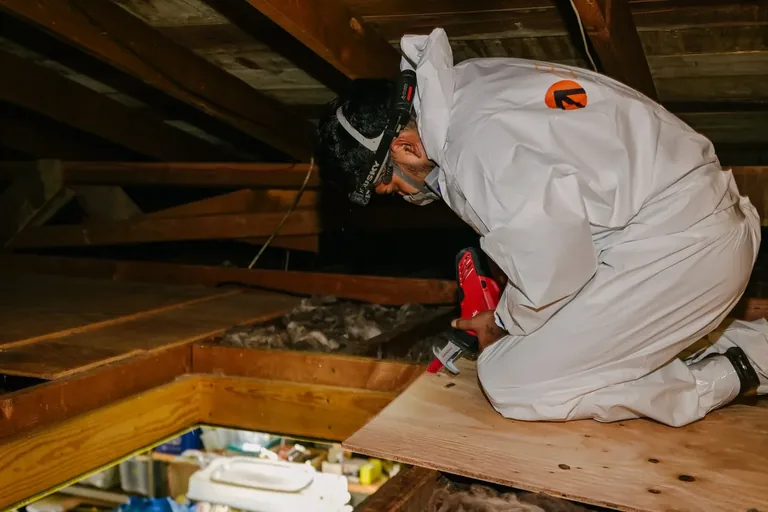
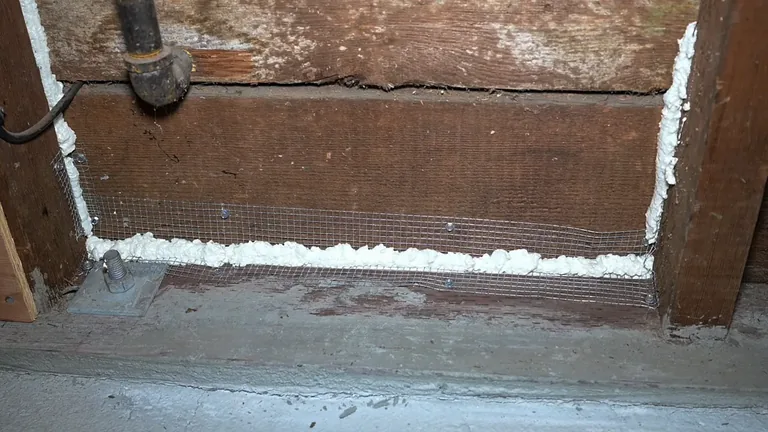
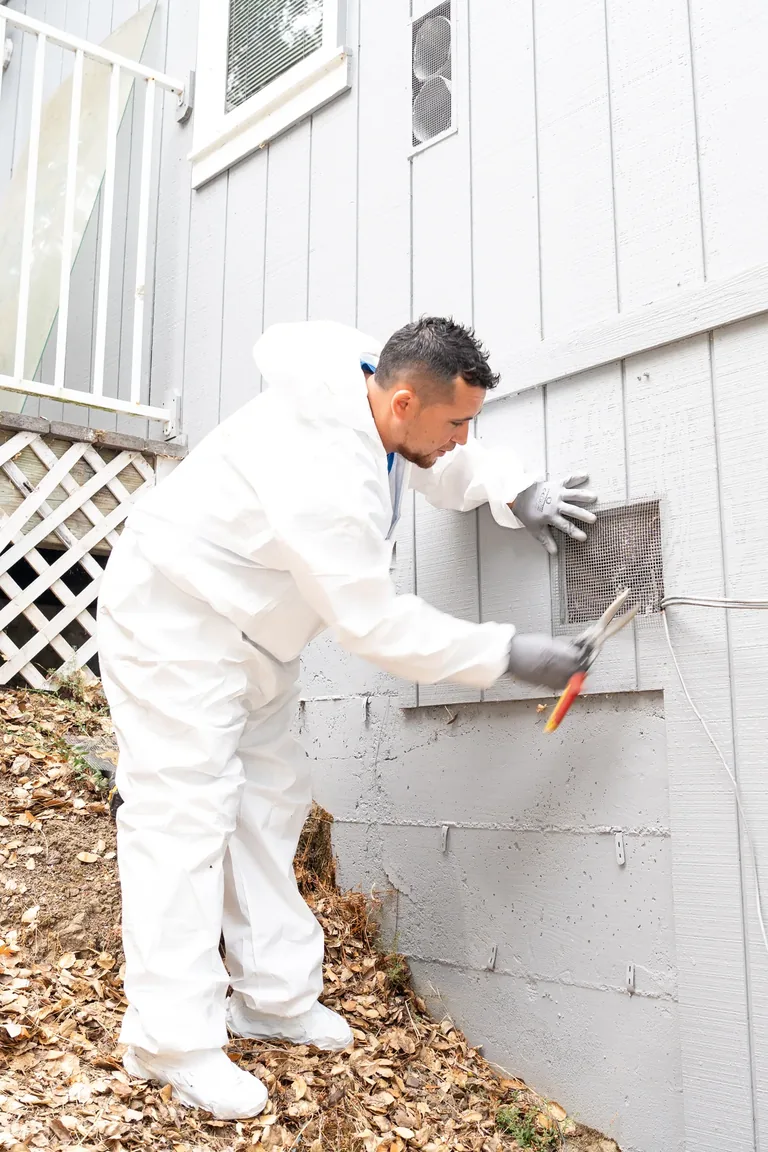
Exclusion addresses the cause. Mice enter around plumbing, cables, vents, doors, windows, foundations, siding, roof edges, crawl spaces, and garage corners. Mice can squeeze through openings as small as a quarter-inch. Small gaps matter. Seal exterior gaps using chew-proof materials like steel wool, hardware cloth, and silicone caulk. Seal gaps with steel wool and 100% silicone caulk. Seal gaps with steel wool and caulk to prevent mouse entry.
Alley Cat matches each repair to the surface:
- Steel wool and caulkPack narrow utility gaps with steel wool and finish appropriately; wool alone can rust or pull loose.
- Hardware clothScrew metal mesh over vents and irregular holes while preserving airflow.
- Door protectionAdd sweeps or rodent-resistant weather stripping where cold air or daylight reveals access.
- Garage reinforcementRepair corners, side seals, and wall transitions.
- Roofline protectionReinforce fascia, soffits, eaves, and roof transitions with metal.
- Interior blockingClose confirmed cabinet and appliance routes after exterior access is controlled.
A mouse proof house also needs upkeep. Eliminate water sources by repairing leaky faucets and pipes. Conduct regular inspections of your home's foundation and stucco for vulnerabilities. Trim branches at least 18 inches from your house. Keep the yard clean by removing woodpiles and debris to eliminate hiding spots. These steps discourage mice, rodents, and other pests. Alley Cat has helped more than 13,000 Bay Area clients and maintains a 97% customer satisfaction rating.
Step 06 · Check
Set Mouse Traps and Humane Trap Checks
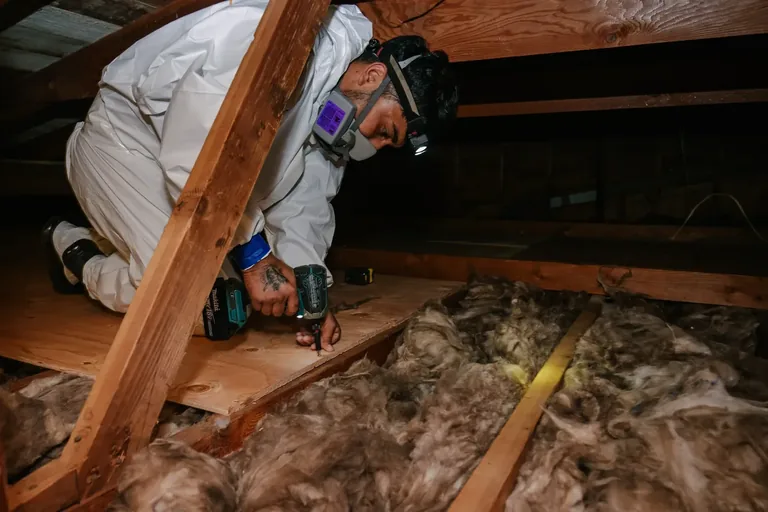
Mouse traps remove mice and verify sealing. We use snap traps, electric traps, or a humane trap based on the location, children, pets, and evidence. Use traps that are placed along walls with the trigger facing the wall. Place traps perpendicular to walls for better mouse capture. Live traps must be placed where mice frequently travel. A tiny amount of bait is enough. Bait for traps can include peanut butter or chocolate. Use high-value baits like peanut butter or chocolate for traps. Too much bait lets mice feed without springing traps. Good bait placement helps get rid of remaining rodents.
Catch-and-release traps allow relocation of live mice. Humane traps require checking at least every 24 hours. To release mice responsibly, consider weather, local rules, predators, and animal welfare. The Victor Tin Cat Multi-Catch Live Mouse Trap holds multiple mice. Every trap still needs prompt checks and a plan for captured mice.

Step 07 · Haul
Wrap Up & Haul Away
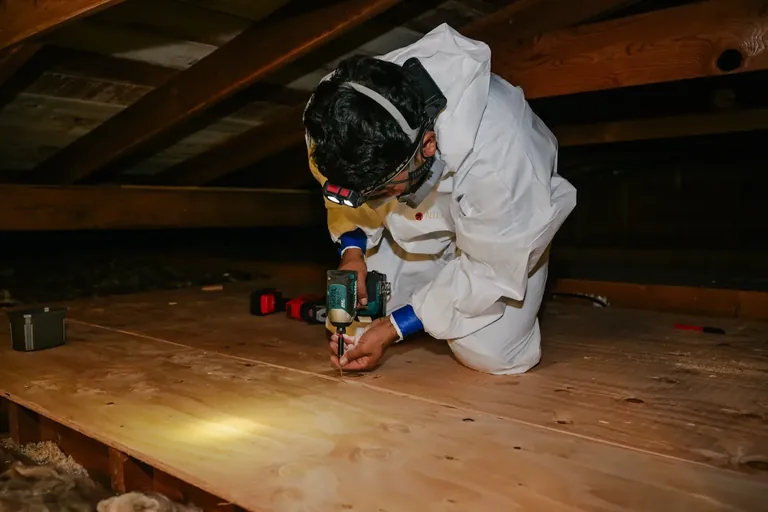
Approved contaminated material is sealed, hauled away, and disposed of appropriately. We review repaired openings and may flag chewed wires, ducts, roof defects, or appliance issues outside rodent work.
We check traps, compare activity with the inspection, and explain when to move or add traps. Traps offer verification but do not replace sanitation, exclusion, or attractant control.
Step 08 · Support
Customer Service
Alley Cat gives homeowners one contact for reports, trap checks, cleanup, and prevention. This is useful in older San Francisco homes, Oakland and Berkeley apartments, crawl-space properties in Concord or Novato, and Bay Area houses with hidden utility gaps.
Mice are rodent pests; the goal is to get rid of mice without exposing humans, pets, wildlife, other rodents, or non-target pests to unnecessary poison. We explain how to remove mice without overselling spray products or one-size-fits-all extermination. We also discuss risks to pets, children, wildlife, and other pests. When another trade is needed, our report gives that professional a starting point.
Download the Mouse Guide Before You Act
Download Alley Cat’s illustrated guide before disturbing droppings, buying poison, closing holes, or placing traps. It provides a checklist for protecting people and pets, reducing attractants, choosing mouse traps, and monitoring mice. Consider hiring a pest control company if you see multiple mice daily. Repeated sightings, damaged insulation, or a persistent smell can justify a professional assessment.
Benefits of Removing Food Sources and Blocking Entry Points
Every step supports the next one.
- Clear diagnosisTrace mice, droppings, gnawing, and travel paths to likely sources.
- Smarter trappingPlace traps where mice run instead of scattering traps randomly.
- Safer cleanupReduce exposure to feces, urine, dust, and contaminated mice nests.
- Better exclusionUse metal, mesh, caulk, and durable barriers against rodents and pests.
- Fewer attractantsStore pet food, grains, and dry goods in airtight containers.
- Safer householdPosition traps and bait away from children, pets, cats, and dogs.
- Less nestingDeclutter storage areas to reduce nesting sites for mice. Remove excess paper, fabric, and cardboard.
- Ongoing preventionMonitor pantry storage, water, repairs, traps, and signs of mice.
Evidence First
We inspect signs before recommending traps, barriers, or cleanup, helping avoid unnecessary work and missed routes.
Full-Problem Thinking
We connect active mice, contamination, structural openings, food, water, shelter, and monitoring instead of treating each symptom separately.
Durable Prevention
We use secured screening, metal reinforcement, sealing, sanitation, and follow-up—not scent products or temporary filler as the primary control.
“Atekhiti was very prompt. We had a hole that had not been covered and he covered it. He checked all the traps and explained how to address a new location the rodents have found. He was done in about 30 min and I was able to go back to work”
Shannon DonohoeVerified Trustpilot review
-
4.9 / 5
1,240 reviews -
4.7 / 5
649 reviews -
 4.7 / 5
279 surveys -
 4.9 / 5
374 reviews

Natural Remedies: Can You Get Rid of Mice Naturally—and Safely?
You can use natural remedies to temporarily repel mice, but they rarely solve an established infestation. Mice dislike the smell of peppermint oil. Cotton balls soaked in peppermint oil can repel mice. The scent fades and does not remove mice or close access. Ammonia's odor can repel mice effectively. It may discourage brief contact, but ammonia is hazardous and not a whole-house treatment. Cayenne pepper can deter mice due to capsaicin. Chili peppers or cloves are also short-lived deterrents. These scents may deter mice, not control mice.
- Use scents cautiously: Keep oils, cayenne pepper, and chemicals away from children, pets, and food.
- Do not rely on predators: Mice can be deterred by the scent of dogs and cats. However, cat urine products are unsanitary and unreliable.
- Fix the cause: Remove food, seal holes, and use traps to get rid of mice effectively.
Why Is Getting Rid of Mice Important?
Mice can contaminate food and surfaces, chew wires and insulation, spread allergens, and reproduce in a short time. A single female mouse can produce up to 100 young mice per year. A single female mouse can produce up to 100 young mice annually. These high-end estimates vary with food, shelter, and conditions.

Peppermint Oil Limits
Peppermint oil may help repel mice from a small spot for a short time, but it will not mouse proof a house, remove hidden animals, or prevent future mice infestations without exclusion and sanitation.

Food Sources Matter
To keep mice away, store food in airtight containers to deter mice. Keep pet food in sealed or metal containers. Clean up food debris immediately to eliminate food sources for mice. Clean spills immediately; secure garbage cans and trash cans with tight fitting lids. Outdoors, remove fallen fruit, clean seed beneath bird feeders, manage compost piles, and pick up pet food before nightfall.
FAQ’s: How to Get Rid of Mice

What Is the 5 Day Rule for Mice?
The “5 day rule for mice” is not a recognized professional standard or proof that a mouse infestation is gone. Some homeowners use five days without a sighting, sound, fresh dropping, or triggered trap as a checkpoint, but mice may remain quiet, use another route, or avoid a trap for longer.
A stronger verification process is to:
- Check traps daily and document catches or bait disturbance.
- Inspect for new droppings, gnawing, smell, or shredded paper.
- Confirm repaired openings remain intact.
- Keep food sealed and monitor for at least several weeks.
Do not wait five days to act quickly if you see fresh evidence. One quiet period is encouraging, but exclusion, sanitation, and repeated inspection better prevent mice from returning.
What Do Mice Hate Most?
Mice hate disruption, lack of food and shelter, and unsafe travel routes more reliably than any single smell. Strong scents such as peppermint, ammonia, cayenne pepper, dogs, and cats may repel mice temporarily, but mice naturally tolerate unpleasant conditions when food and warmth are available.
The best way to make a house unattractive is to remove food sources, repair leaks, reduce cluttered areas, secure garbage cans, and block access. Keep pet food in sealed containers, clean crumbs and spills immediately, and remove fallen fruit. Scent deterrents may support these steps, but traps and exclusion are the effective methods for established mice and other pests.
How Do the Amish Get Rid of Mice?
There is no single documented method that all Amish households use to get rid of mice. Online references often group together traditional methods such as barn cats, snap traps, bucket traps, peppermint oil, cayenne pepper, careful food storage, and sealing cracks. Practices vary by household, just as they do elsewhere.
Some other methods may catch mice, but safety and humane handling still matter. Avoid improvised devices that can drown, injure, or leave animals suffering. Use correctly sized mouse traps, keep traps away from children and pets, and check them often. Regardless of tradition, the durable approach remains the same: remove food and water, reduce hiding places, seal openings, trap remaining mice, and continue monitoring.
How Many Mice Are in Your House if You See One?
Seeing one mouse does not reveal the exact number of mice in your house; it may be one animal or evidence of a larger group. One mouse can enter alone, but repeated sightings, daytime activity, fresh droppings in several rooms, multiple nest sites, or quickly disappearing bait suggest more extensive activity.
Look for:
- New droppings along walls, cabinets, or appliances
- Gnawed packages, furniture, wires, or insulation
- Noises at night and movement between rooms
- More than one trap activated in a short time
Because mice reproduce quickly, act quickly rather than assuming the sighting is isolated. Download Alley Cat’s guide to inspect, clean, seal, set traps, and monitor before the problem becomes harder to control.
Download the Complete Guide
Use the guide to inspect carefully, choose protective equipment, identify signs, remove food, and plan your next step before disturbing contaminated materials or closing possible travel routes.