
Bay Area Pest Control Services
Bay Area Rodent Inspection Services
A free inspection finds where rodents enter, nest and feed, and hands back photographed findings you can act on.
-
 4.9 / 5
1,240 reviews -
 4.7 / 5
649 reviews -
 4.9 / 5
374 reviews -
 4.7 / 5
279 surveys -
 Accredited
A+ BBB rating
Rodent Inspection for Attics, Crawl Spaces, and Entry Points
A rodent inspection identifies where rodents enter, nest, feed, and cause damage. Alley Cat’s rodent inspection process turns evidence into a rodent control plan for removal, exclusion, cleanup, and prevention.
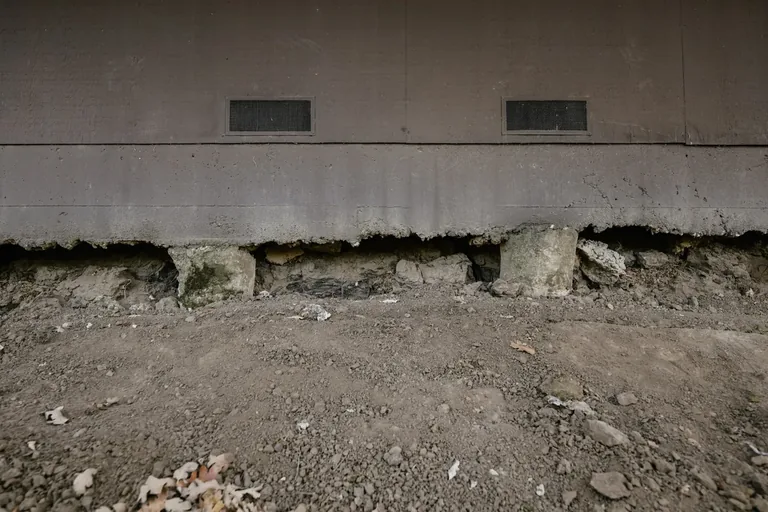
Entry Detection
Find roofline gaps, foundation cracks, vents, utility penetrations, garage openings, and entry points.
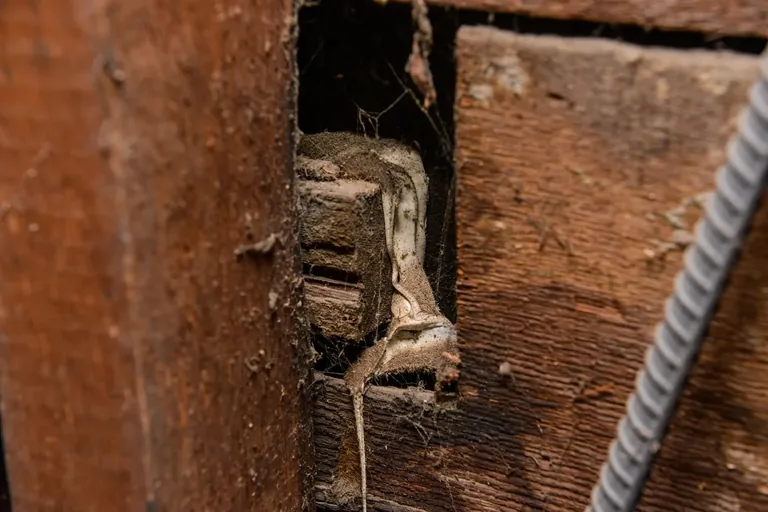
Damage Review
Document chewed wiring, disturbed insulation, contaminated surfaces, hidden nesting material, and signs of an escalating infestation.
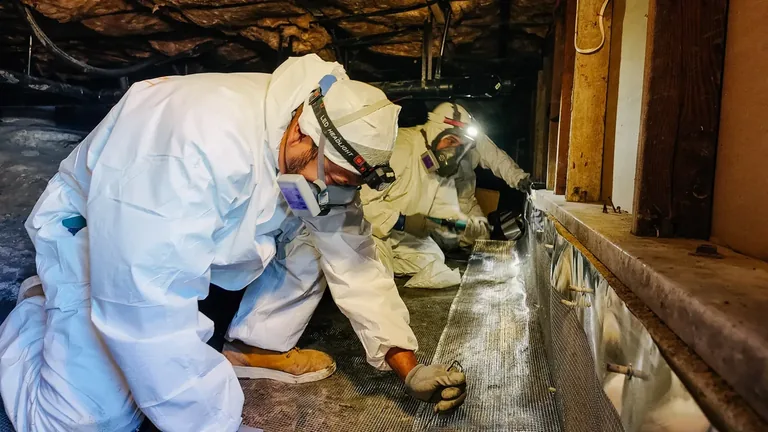
Action Plan
Prioritize trapping, cleanup, repairs, sealing, sanitation, and follow-up based on the rodent infestation.
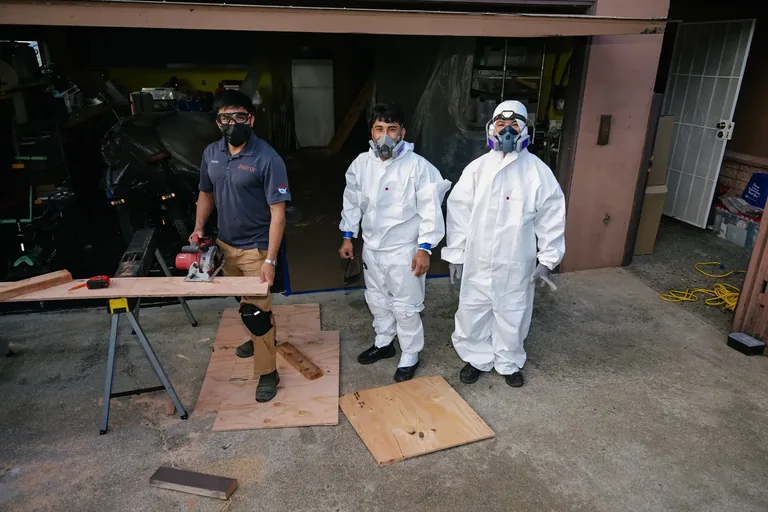
Local Expertise
Apply Bay Area building knowledge to older homes, additions, crawl spaces, mature trees, and complex rooflines.
A More Detailed Rodent Inspection
Clear findings and practical recommendations.
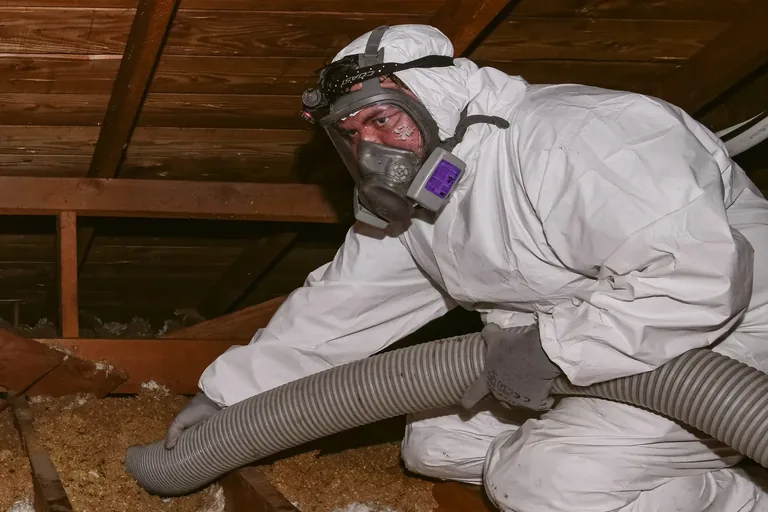
Whole-Home Rodent Infestation Diagnosis
We inspect beyond the first noises or droppings, connecting evidence left by rodents with exterior access, food sources, water, shelter, and travel routes used by rats and mice.
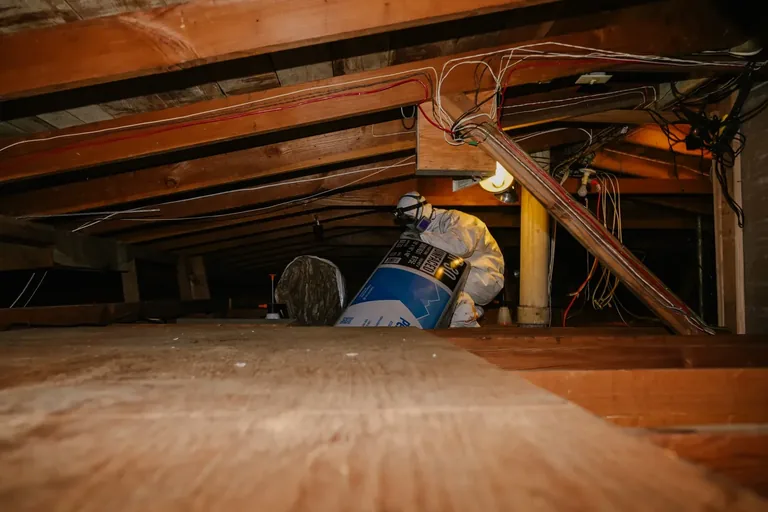
Photo-Based Findings
Homeowners receive findings showing droppings, nesting material, gnawed surfaces, contamination, suspected entry points, and the areas requiring correction.
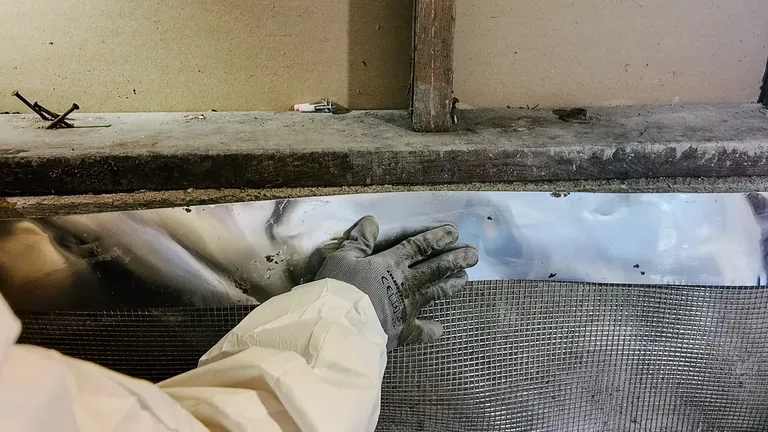
Exclusion-Focused Rodent Control Plan
Our rodent control service combines trapping, removal, cleanup, sealing, and prevention—not simply bait placement while rodents continue entering the home.
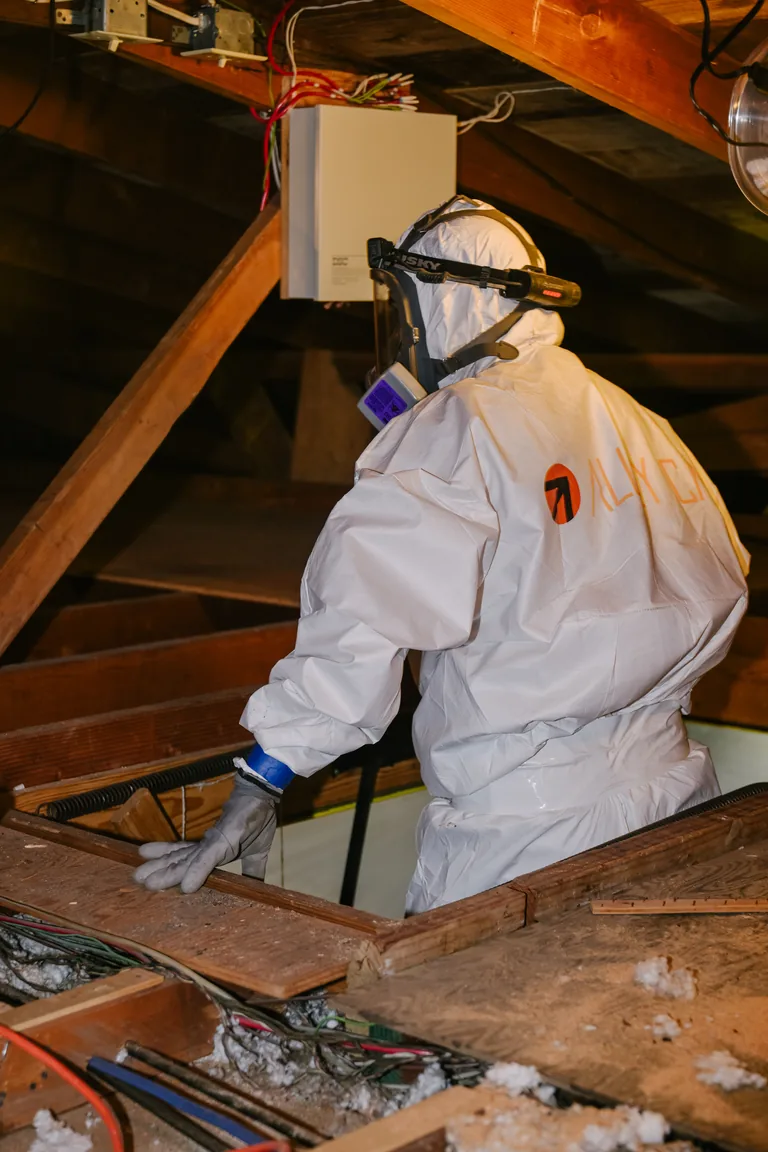
What Our Pest Control Inspection Reveals
A useful pest control inspection should answer the questions homeowners actually have:
- Where are rats and mice getting inside?
- Which areas show fresh signs of a rodent infestation?
- Have rodents contaminated food, insulation, surfaces, or storage?
- What action will get rid of current rodents and help prevent another infestation?
Alley Cat specialists connect attic, crawl space, garage, basement, kitchen, roofline, and exterior observations into one diagnosis. That matters in Bay Area cities, where aging foundations, additions, roof vents, hillside construction, and utility gaps create connected entry points. In San Francisco, Berkeley, Oakland, and other Alameda County cities, mature trees may also give roof rats access to upper roof areas.
A careful inspection can identify rats, mice, and other rodent pests before they cause extensive damage to insulation, walls, ducts, furniture, or wiring. It can also reveal droppings, urine, saliva, nesting debris, and contaminated food that create health risks. Rodents can spread diseases through direct contact or waste; potential diseases include hantavirus, Salmonella infection, and leptospirosis. Not every rodent carries these diseases, but recognizing evidence early helps protect individuals’ health in the home and reduce the threat from rodent-borne diseases.
Our Rodent Inspection and Control Service Process
An inspection is the starting point for understanding a rodent infestation and choosing effective rodent control steps. We use evidence from inside and outside the home to determine what rats and mice are doing, where rodents live, and which repairs should happen first:
Step 01 · Inspect
Free Inspection for Rats and Mice
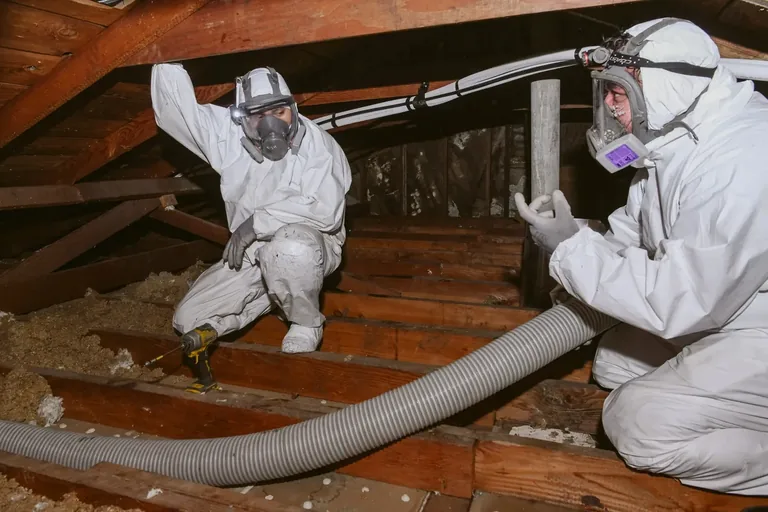
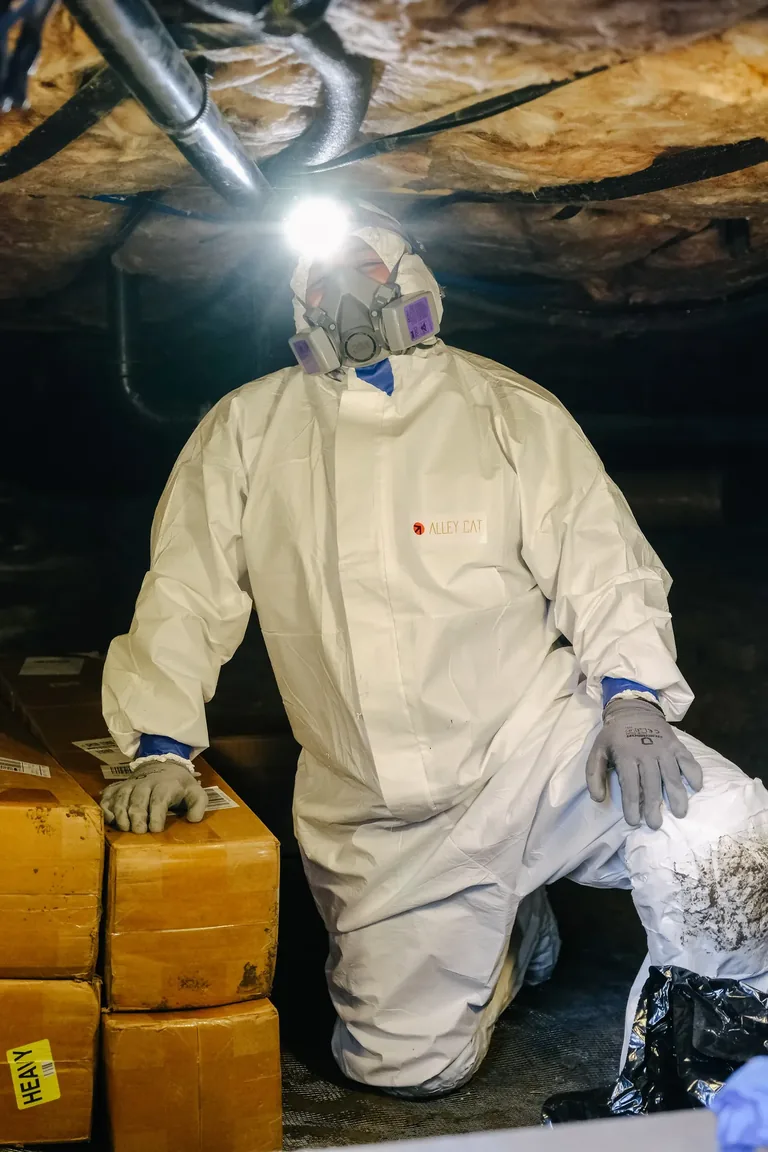
During the free inspection, an Alley Cat professional reviews areas most likely to contain rodents, including attics, crawl spaces, garages, basements, kitchens, utility rooms, roofs, vents, foundations, and exterior walls. We look for droppings, greasy marks, gnawing, nests made from shredded paper or fabric, scratching noises, odor, damaged materials, and openings used by rodents.
We compare interior signs with exterior conditions. Attic droppings may lead to a loose roof return, damaged vent screen, tree-adjacent roof edge, construction gap, or utility penetration. Mice often build nests near food sources, while rats may follow longer routes and act more cautiously around new traps. Inspection length depends on property size, access, and affected areas; our specialists gather enough evidence for an accurate scope, not an arbitrary time window. A smaller, accessible home may require a shorter visit.
- Identifies likely entry points, nesting areas, and travel routes
- Clarifies infestation size, contamination, and damage
- Determines the right sequence for trapping, cleanup, and exclusion
Step 02 · Diagnose
Diagnostic Report & Estimate
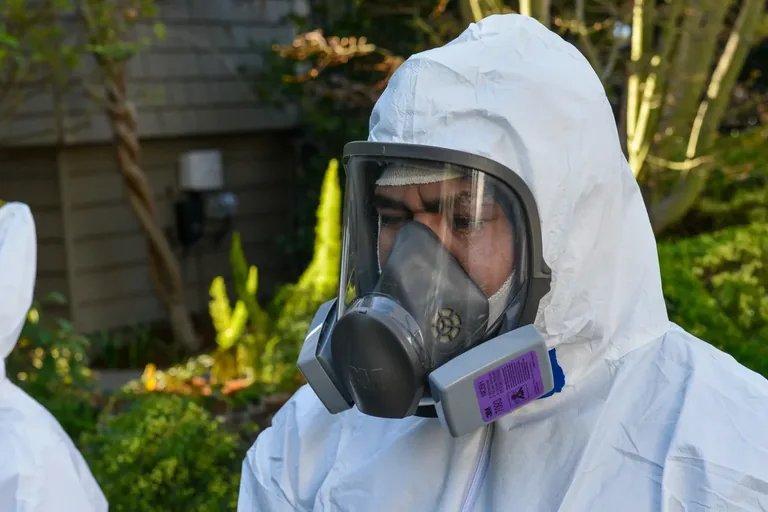
Afterward, we prepare a Comprehensive Diagnostic Report organizing photographs, entry points, contaminated areas, damaged materials, repairs, cleanup needs, trapping requirements, and pricing. It separates work needed to resolve the current rodent infestation from preventive improvements, giving the homeowner advice and a practical basis for action.
Step 03 · Clean
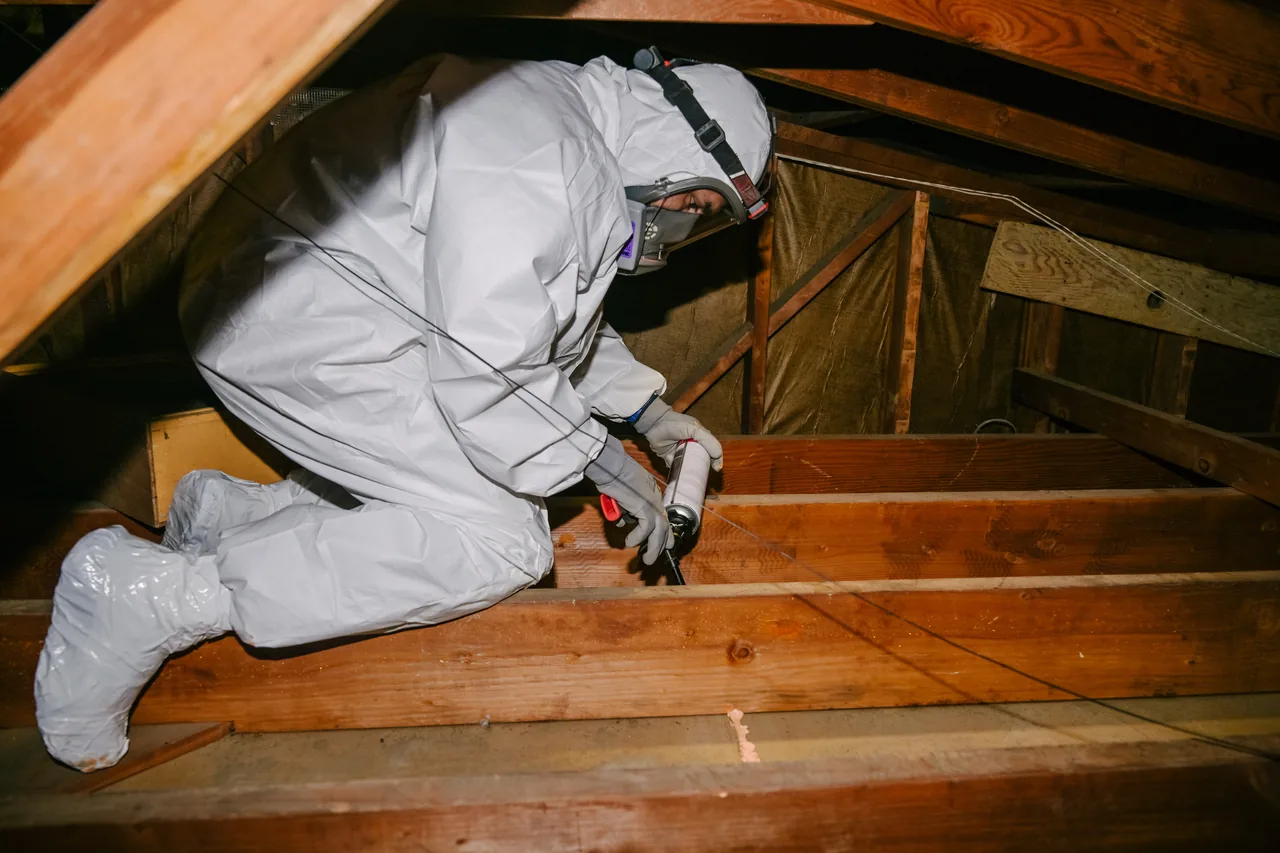
Cleanup & Removal
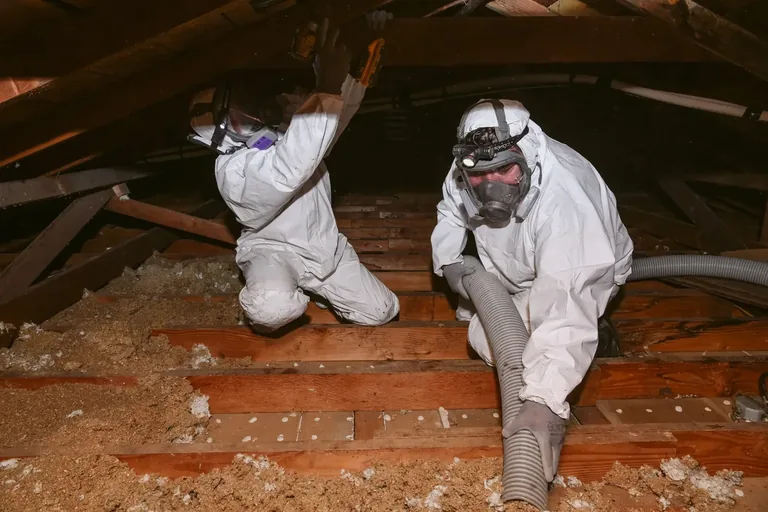
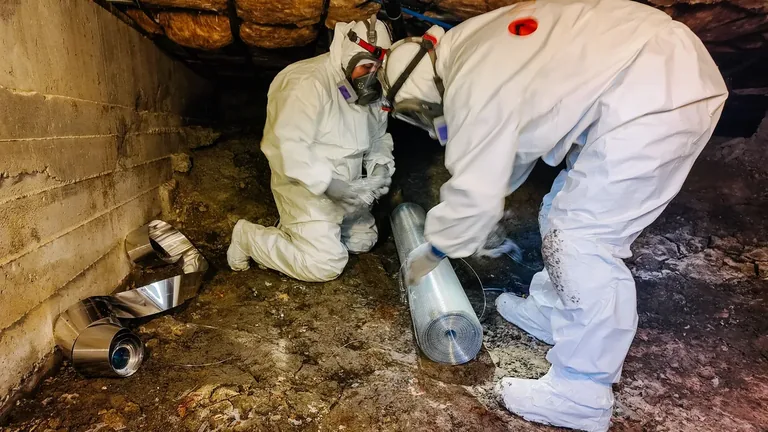
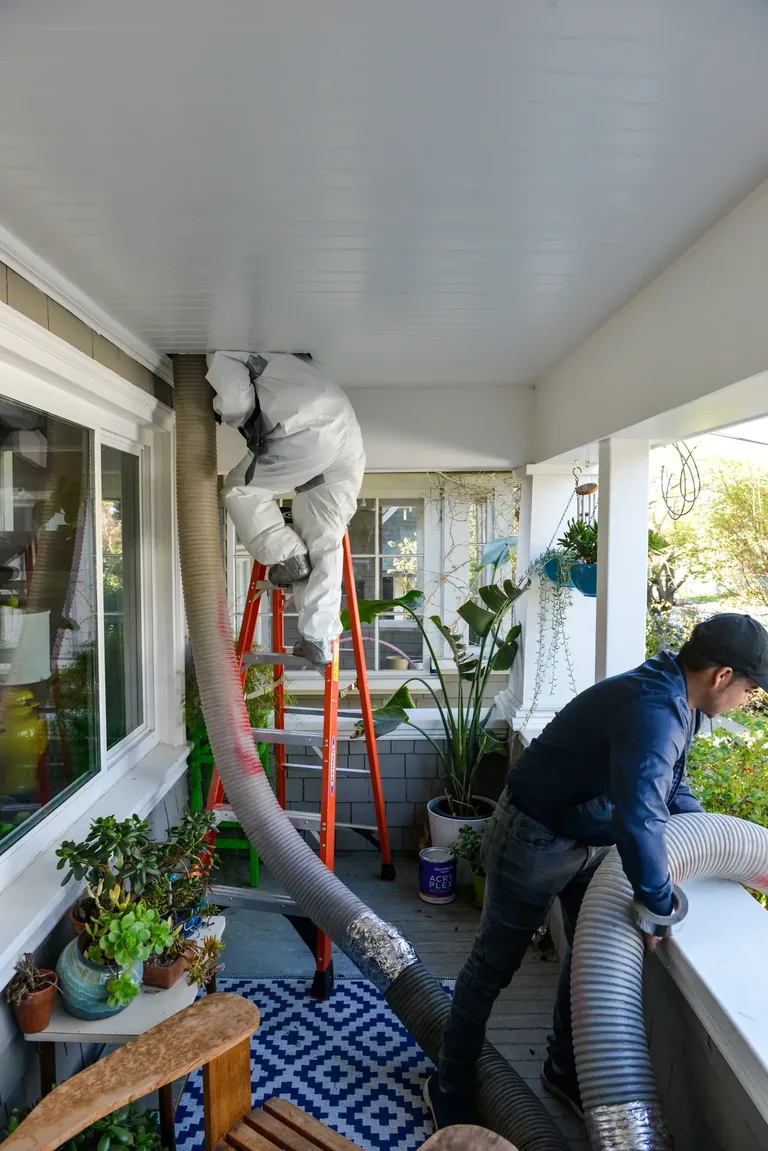
Inspection findings often reveal more than live rodents. Droppings, urine, nesting debris, food caches, dead rats or mice, and damaged insulation can remain after activity changes. Our rodent control service removes affected materials before sanitation and exclusion proceed. Professional specialists may handle:
- Removing droppings, nests, carcasses, and contaminated debris
- Extracting heavily soiled insulation or damaged vapor barriers
- Bagging and controlled haul-away of rodent-affected materials
Removing contamination reduces odor, exposes hidden damage, and may reveal additional entry points. It also prepares the home for the health, safety, and structural steps that follow.
Step 04 · Sanitize
Sanitize & Decontaminate
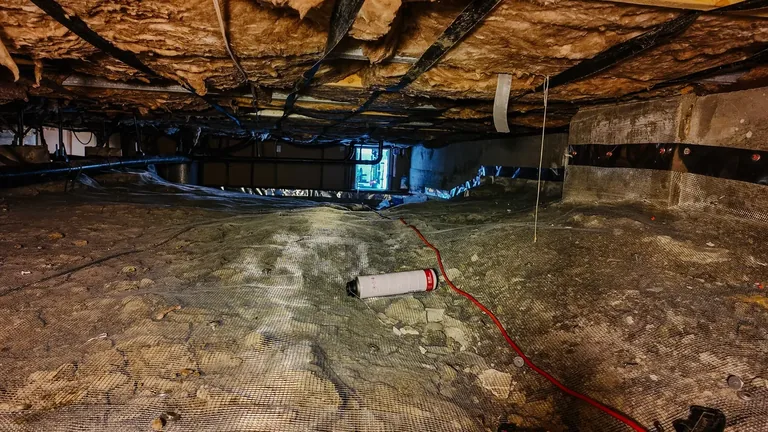
Sanitation targets surfaces and materials affected by rodents. After loose debris is removed, we treat areas to reduce odor, bacteria, and contamination associated with droppings, urine, nests, and carcasses.
A garage may need localized service; a contaminated attic or crawl space may require broader cleaning and porous-material removal. Waste from rats and mice can contaminate food and surfaces. Hantavirus, Salmonella, and leptospirosis are among the diseases addressed in public-health guidance, while mouse allergens can aggravate asthma or allergies in some individuals. Professional cleanup supports health and safety and reduces avoidable health risks.
Step 05 · Seal
Seal, Reinforce, & Prevent
The inspection becomes most valuable when findings lead to physical repairs. Alley Cat traces evidence left by rodents to openings that allowed rats or mice into the home, then creates a rodent control and exclusion plan based on construction, access, activity, and risk. Older Bay Area homes with foundation cracks, aging vents, attached garages, additions, and roof transitions often need several repairs.
Common inspection-driven methods include:
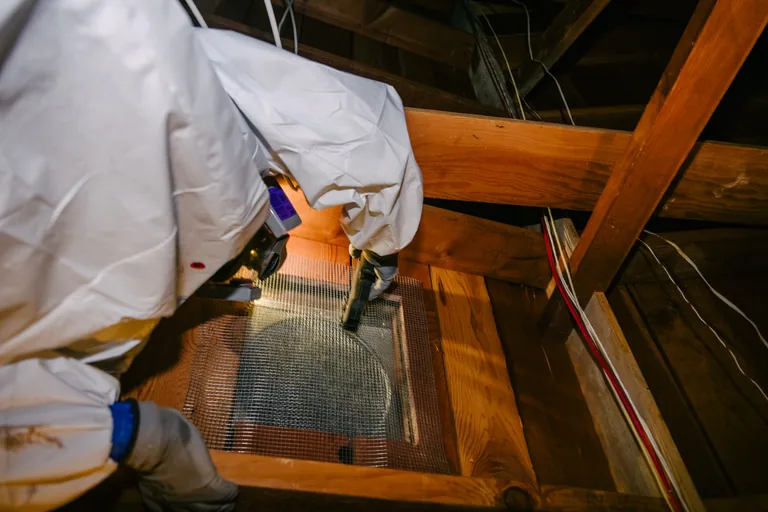
- Metal ScreeningSecure corrosion-resistant wire mesh over vents, openings, and gaps without blocking required airflow.
- Gap SealingClose openings around pipes, cables, siding, roof edges, and wall penetrations with rodent-resistant materials.
- Steel-Wool ReinforcementUse steel wool where appropriate as backing inside a finished repair, not as loose exposed filler.
- Foundation ProtectionRepair gaps at foundations, sill plates, crawl space doors, and utility entries used by rodents.
- Trenching and BarriersInstall below-grade barriers where burrowing lets rats move beneath structures.
- Roofline ProofingReinforce roof returns, eaves, fascia transitions, roof vents, and elevated entry points used by roof rats.
Effective prevention also means reducing what rodents need to live. EPA guidance recommends removing food and water sources, sealing holes, and using wire mesh or steel wool appropriately. Trimming vegetation away from roofs, securing garbage, storing pet food in sealed containers, and inspecting garages can protect the property. Peppermint oil may offer limited deterrence, but it will not remove rodents, eliminate nests, or replace structural rodent control.
Our goal is not to cover every surface with sealant. It is to correct the entry points that matter, reinforce weak construction details, and help prevent rodents from returning. This evidence-led service has helped Alley Cat protect more than 13,000 clients across the Bay Area while maintaining a 97% customer satisfaction rating.
Step 06 · Check
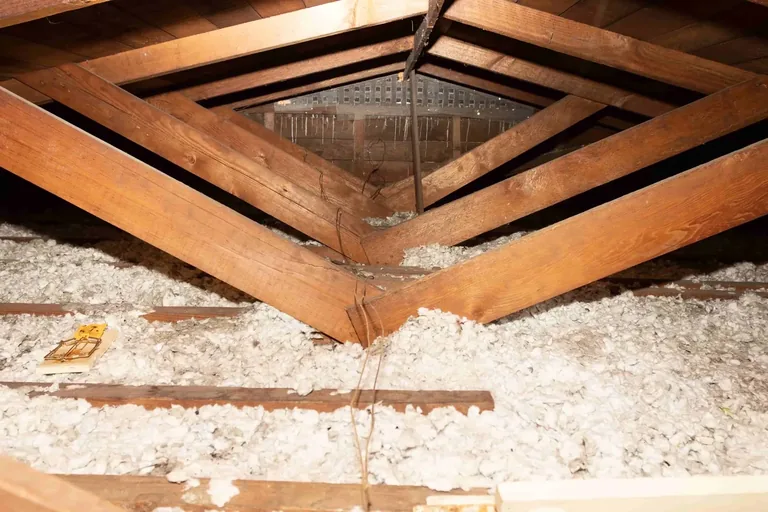
Set Trap Checks
When live rats or mice may remain inside, we use inspection findings to choose trap type, placement, and follow-up timing. Traps are set along travel paths, near nesting areas, or where fresh droppings and rub marks show repeated movement by rodents.
Scheduled trap checks let our team remove captured rodents, adjust tools, compare signs, and determine whether the infestation is declining. These visits support effective rodent control and reduce the risk of sealing rats or mice inside walls, attics, or crawl spaces.
Step 07 · Haul
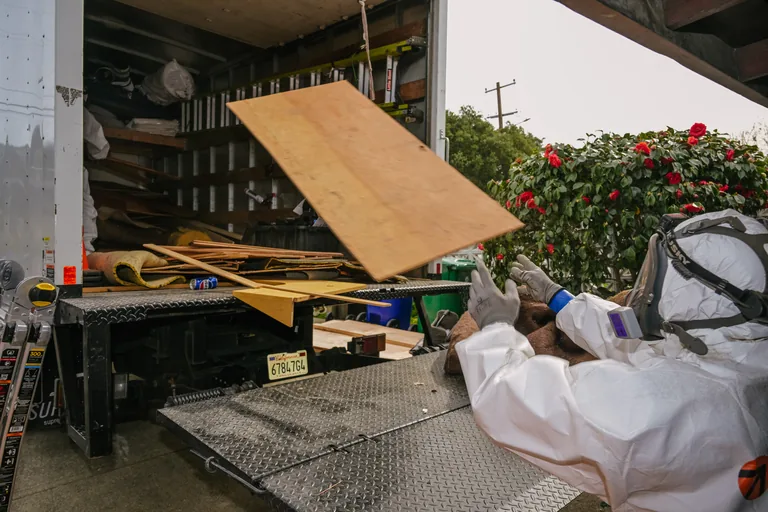
Wrap Up & Haul Away
At service closeout, our company reviews completed work and removes debris, discarded materials, used trapping tools, and job-related waste. We verify that recommended entry points have been addressed and serviced areas are orderly.
Homeowners can review repairs, ask questions, and learn which maintenance steps will protect the home. Clear closeout matters because a professional pest control inspection should lead to an understandable result—not unexplained patches.
Step 08 · Support
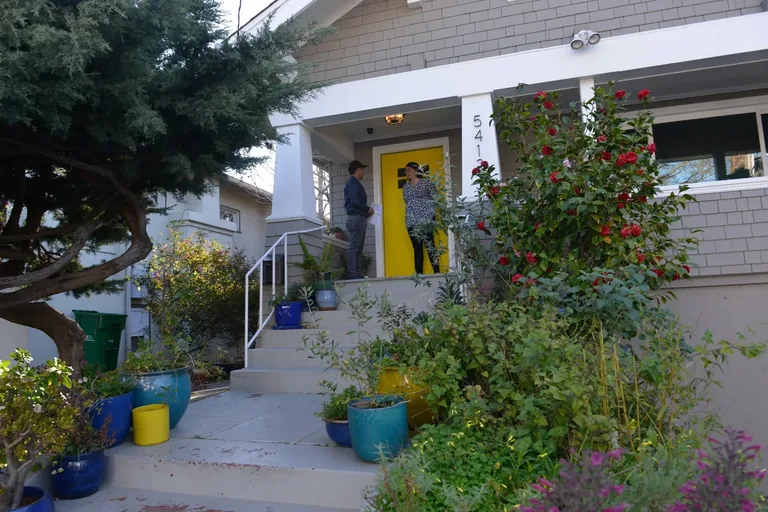
Customer Service
Alley Cat’s customer service team coordinates each rodent control service stage, including reports, scheduling, trap checks, cleanup, exclusion, and follow-up. Homeowners have a direct contact for updates, storage advice, and questions about the next phase.
That support matters when a rodent infestation involves several areas or service stages. We keep the process organized, ensuring the homeowner knows what is complete, what comes next, and who to contact.
Schedule Your Inspection
Find where rodents are entering, what damage they caused, and which steps can safeguard your home. When ready, contact Alley Cat to schedule your free rodent inspection.
What Makes Our Rodent Control Different
Specific evidence leads to better repair decisions.
Interior and Exterior Correlation
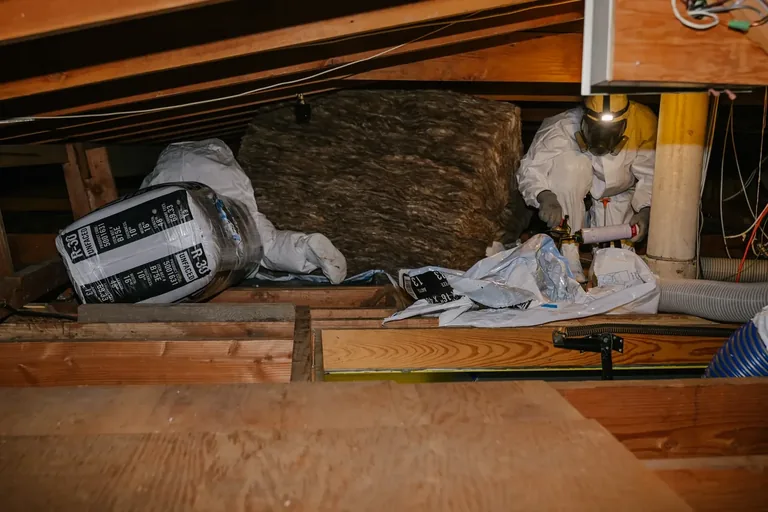
We compare droppings, noises, greasy marks, gnawing, nests, food sources, and damaged insulation with exterior entry points at roofs, foundations, vents, siding, garages, and utility lines. This helps find the route rats and mice use rather than treating only the area where evidence collected.

Building-Specific Entry Mapping
Housing across Bay Area cities ranges from older San Francisco properties and Berkeley bungalows to Oakland hillside homes, Concord suburbs, and San Mateo additions. Across these Bay Area cities, our specialists account for roof transitions, crawl space construction, garages, seismic gaps, vegetation, and foundation cracks. We also serve Petaluma, Napa, Sonoma County, Solano County, Novato, Mountain View, Hayward, Fremont, and nearby Alameda County cities.
Rat Treatments Based on Evidence
Our rat treatments are not one-size-fits-all. Roof rats in upper areas may require roofline exclusion and elevated traps, while Norway rats near foundations may lead to trenching, barriers, and ground-level sanitation. Mice can use smaller openings and often nest closer to food. We match each rodent control service to the rodents, the rodent infestation, and the building.

“They do a quality job and are very thorough, which alleviated our situation. Responsiveness, the quality of the treatment and the follow up”
John F.Verified Diamond Certified survey
-
4.9 / 5
1,240 reviews -
4.7 / 5
649 reviews -
 4.7 / 5
279 surveys -
 4.9 / 5
374 reviews
Rodent Inspection for Long-Term Prevention
A detailed inspection moves a homeowner from suspicion to an evidence-based plan. Alley Cat examines active areas, structural openings, attractants, water access, contamination, and damage so the next steps fit the home—not a generic pest control package. It helps prioritize:
- Entry-point correction at roofs, foundations, vents, doors, garages, and utility penetrations.
- Rodent control and cleanup for rats, mice, droppings, urine, nests, damaged insulation, and affected materials.
- Ongoing prevention through trapping, vegetation management, food-source reduction, monitoring, and exclusion.
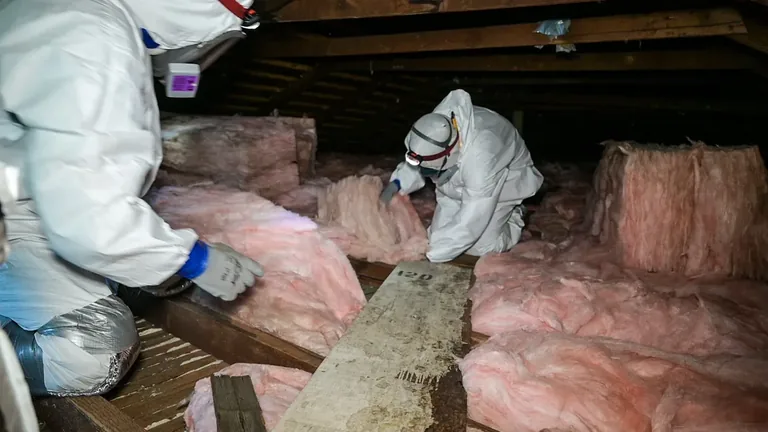
Why Is Rodent Inspection Important?
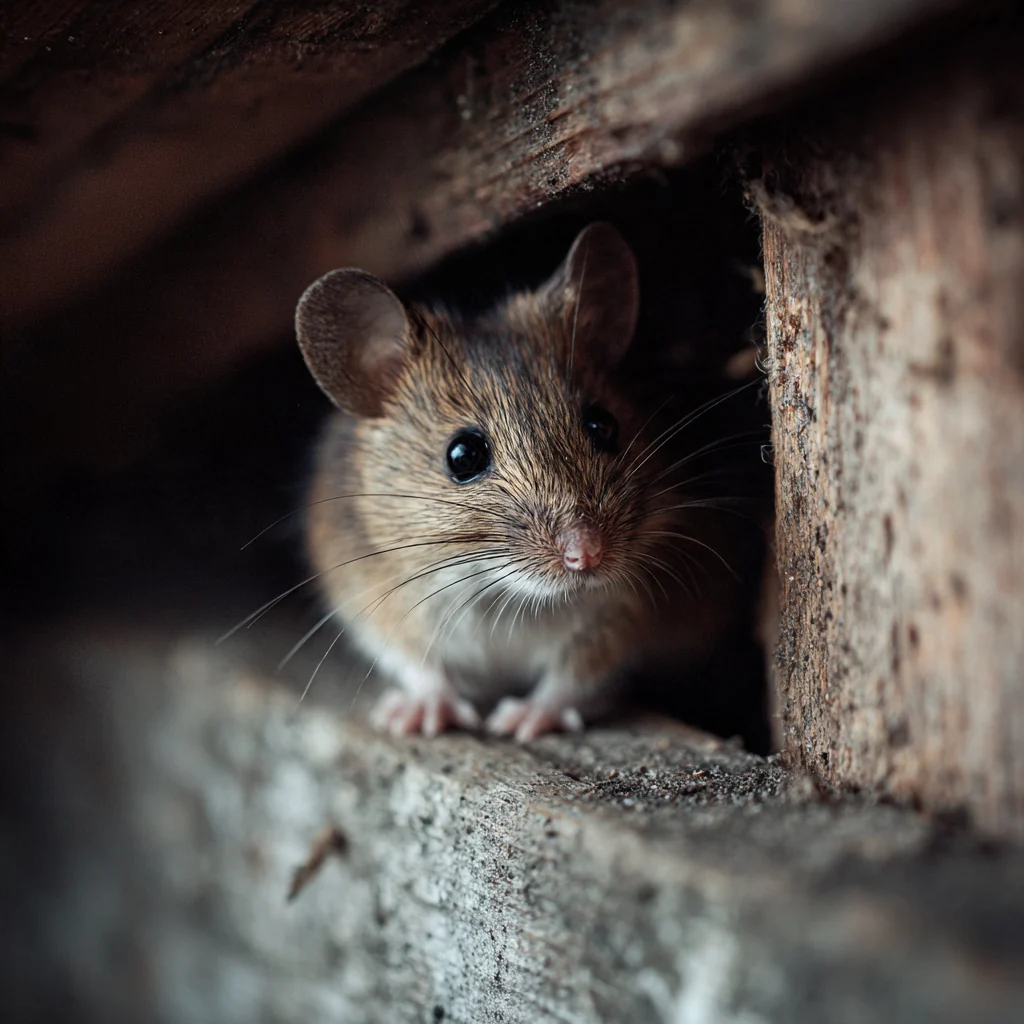
A rodent inspection can identify a rodent infestation before rats and mice multiply, spread contamination, or cause extensive damage. Early action gives pest control professionals stronger evidence for effective trapping, cleanup, and exclusion.
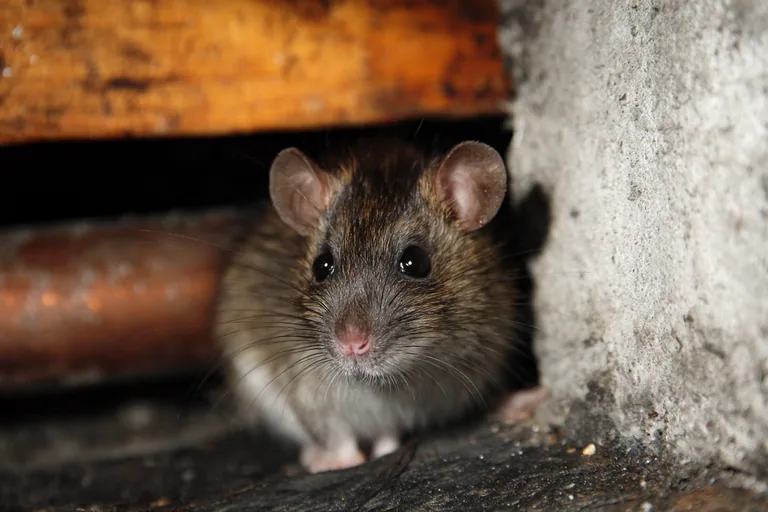
Hidden-Route Analysis
Rodents may move between walls, garages, attics, crawl spaces, ducts, cabinets, and utility chases. We inspect connected areas to find grease marks, droppings, nests, noises, and entry points hidden from a single room.
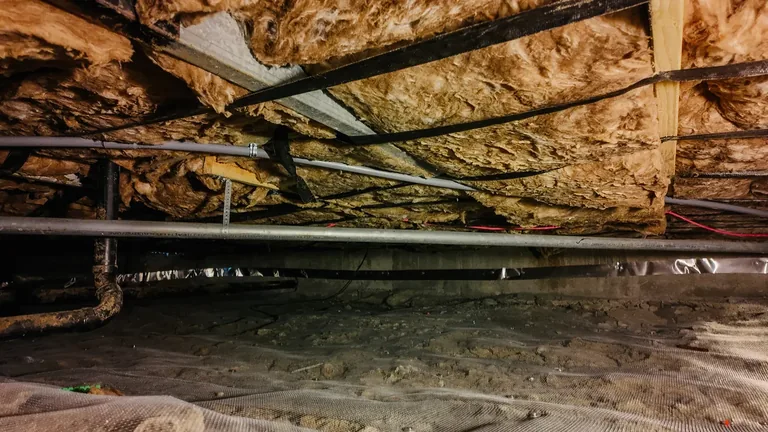
Priority-Based Recommendations
Our report distinguishes urgent rodent control, active health risks, contamination, repairs, and preventive improvements. This helps homeowners understand the threat, choose sensible steps, and move forward with peace of mind.
FAQ’s: Rodent Inspection
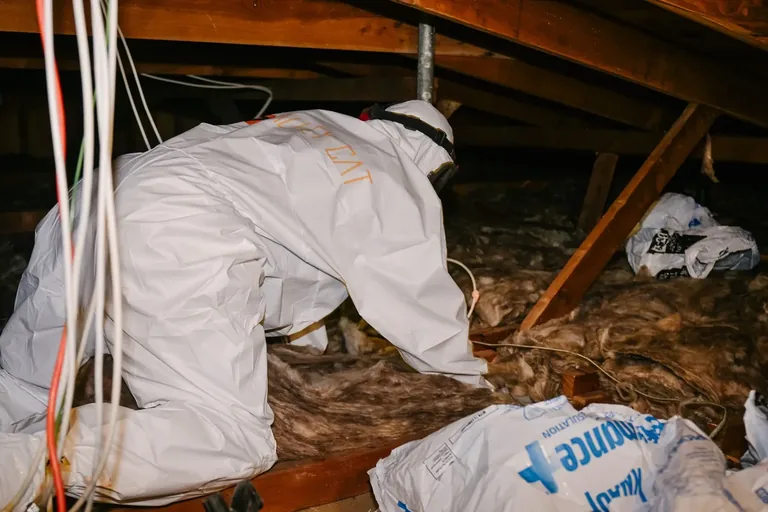
What Is a Rodent Inspection?
A rodent inspection is a professional visual and structural assessment used to find signs of rats and mice, identify entry points, estimate infestation extent, and determine appropriate rodent control services. Alley Cat checks accessible attics, crawl spaces, garages, basements, kitchens, utility areas, exterior walls, roofs, vents, foundations, and plumbing or wiring penetrations.
The inspection may document:
- Droppings, urine staining, odor, nests, and contaminated food
- Gnawed materials, greasy travel marks, noises, and damaged ductwork
- Gaps around roof vents, doors, siding, foundations, and utility pipes
- Property areas that provide food, water, shelter, or possible exposure to diseases
Before the appointment, clear access, secure pets, note the day and area where signs appeared, and share prior pest control history. Avoid sweeping away all evidence or sealing suspected holes first.
What Is the 5-Day Rule for Mice?
There is no universal five-day rule for mice that determines when every rodent infestation is gone. Online use is inconsistent: some pages mean acting within five days, while others connect the phrase to trap acclimation. Alley Cat does not rely on an arbitrary day count.
A better standard is fresh evidence. New droppings, disturbed food, gnawing, trap activity, or repeated noises may show mice are still present. Because mice multiply quickly, prompt action matters, but timing depends on infestation size, food sources, nesting areas, and whether entry points are sealed. Professional trap checks help determine when the problem is effectively resolving.
How Do the Amish Get Rid of Mice?
There is no single “Amish method” Alley Cat recommends for every home. The practical low-tech steps are familiar: seal food, clean spills, reduce clutter, use mechanical traps, and repair holes instead of relying only on chemical pest control.
Those habits can help prevent future activity, but they do not replace an inspection when mice are nesting in walls, attics, garages, or crawl spaces. Peppermint oil and other scent deterrents may offer limited temporary value, yet they do not effectively remove mice while food, water, shelter, and entry points remain. The dependable approach is to get rid of active rodents, clean contamination, seal openings, and monitor for evidence.
How Much Does a Typical Pest Inspection Cost?
A typical general pest inspection often costs about $50 to $200 nationally, although pricing varies by company, city, home size, inspection type, and whether the report supports a real-estate transaction. A pest control company may offer a no-cost inspection when preparing a treatment or exclusion estimate.
Alley Cat offers the free inspection described here so homeowners can understand the problem and recommended service before deciding how to proceed. Pricing for later work depends on entry points, rodent infestation severity, contaminated areas, access, trapping needs, and repair scope. For current Bay Area availability, including Alameda County, contact Alley Cat and schedule service for your home or business.

Book a Rodent Inspection
Contact Alley Cat to schedule a professional rodent inspection before rats or mice spread, contaminate stored goods, or cause more extensive damage.