10+ years experienceProfessional rodent exclusion specialists
13,000+ homes serviced97% customer satisfaction
Bay Area localFamily-owned & operated
3-Year WarrantyCoverage per location and written terms
4.9 / 5 1,240 reviews
4.7 / 5 649 reviews
4.9 / 5 374 reviews
4.7 / 5 279 surveys
Accredited A+ BBB rating
Protect Your Home With a Buried Barrier
It extends into the soil to close tunnels and holes that animals use to reach the house when surface patching is not enough. Waiting for a small burrow to become an infestation can lead to damaged insulation and contaminated crawl spaces.
Alley Cat inspects the structure, maps active burrows, and installs material where below-grade protection will do the most good. The service can:
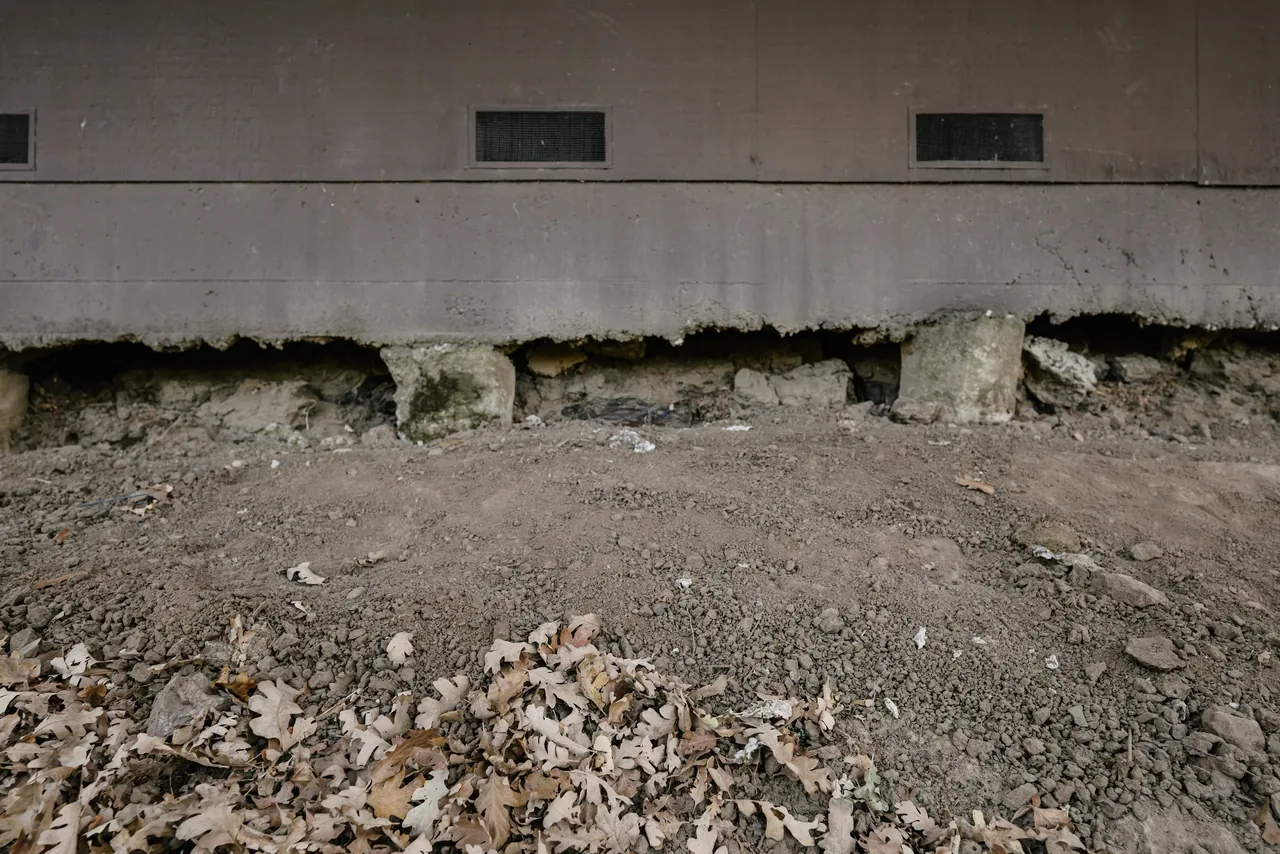
Protect foundations: Block animals that dig beneath crawl space walls and slab transitions.
Reinforce exterior gaps: Close a gap that caulk, foam, or a surface screen cannot handle alone.
Defend outdoor structures: Add protection beneath a deck, porch, shed, or fence line.
Support full exclusion: Pair the barrier with trap checks, cleanup, sealing, and sanitation.
Contact Alley Cat for a professional view of the problem and a clear next step.
Our specialists select double galvanized steel mesh, heavy-duty wire mesh, or another high quality material according to soil exposure, corrosion risk, mesh size, and the animals involved. Premium barriers are made from stronger, commercial-grade materials. No single product is a perfect choice for the great variety of Bay Area conditions. We keep drainage, service life, and peace of mind in view when making day-of installation decisions.
02
A Secure, Durable Trench
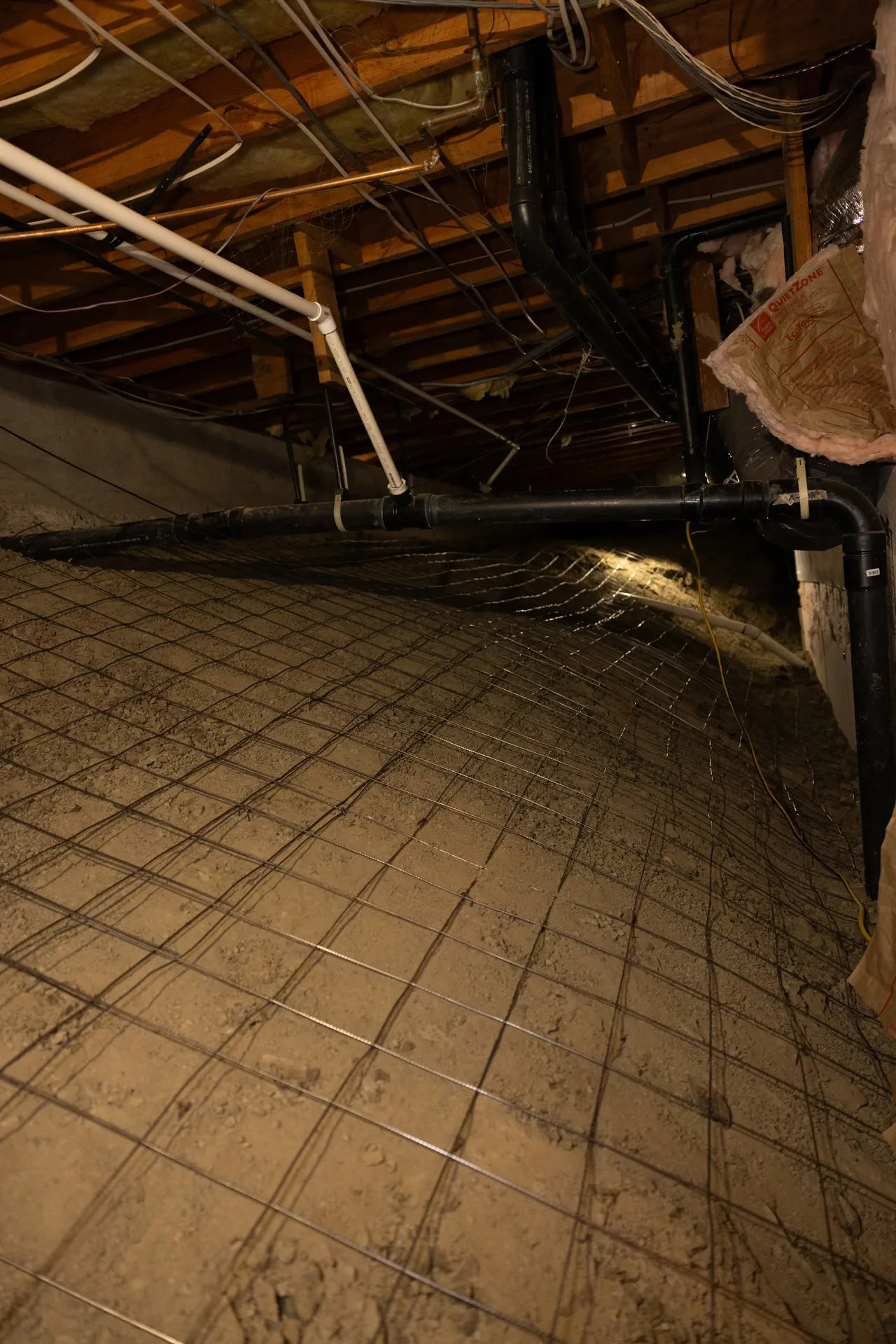
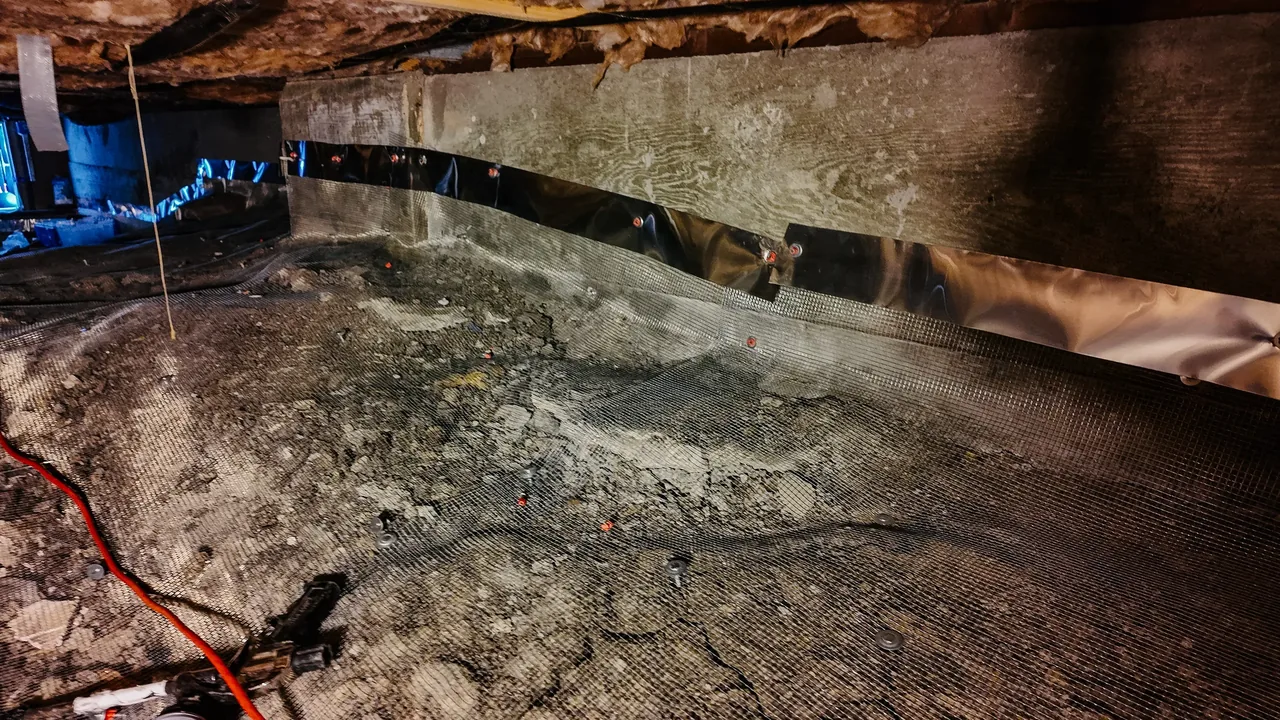
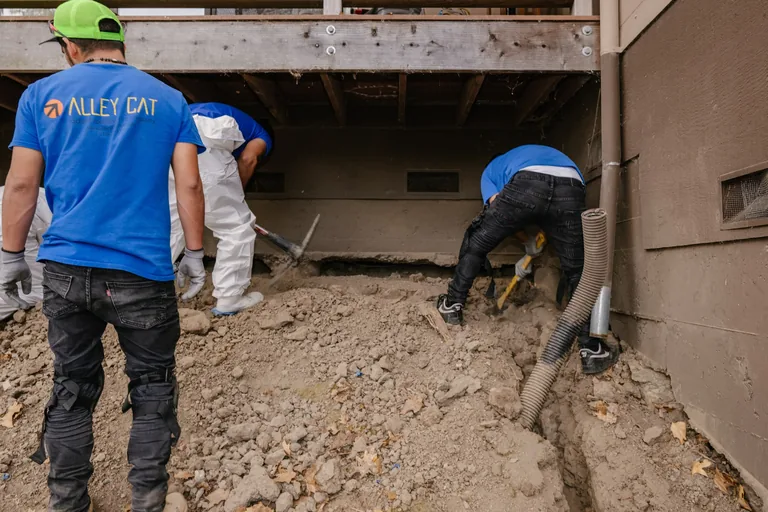
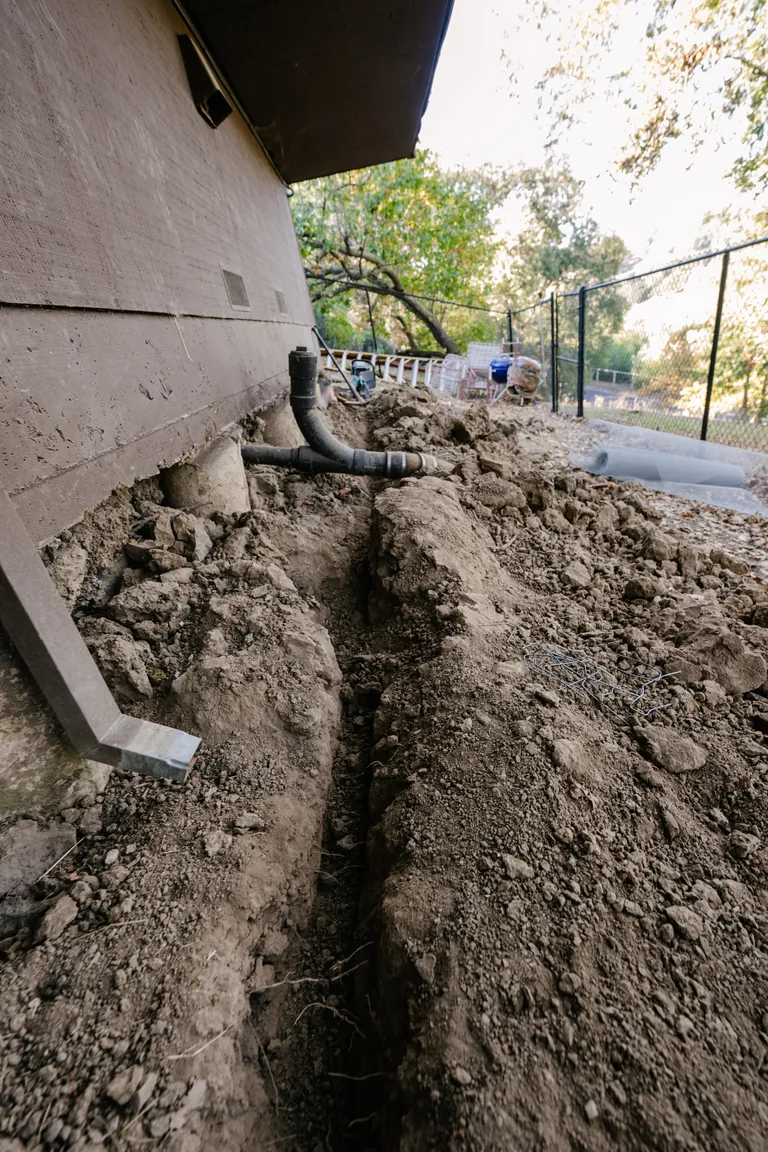
A secure, durable trench keeps the barrier aligned with the structure and ground. We account for roots, irrigation, concrete, fence posts, drainage, and fill before creating the route. Proper installation is crucial to prevent pest access. Corners, doors, utility openings, and transitions receive extra attention.
03
Hardware Cloth, Wire, and Mesh Size
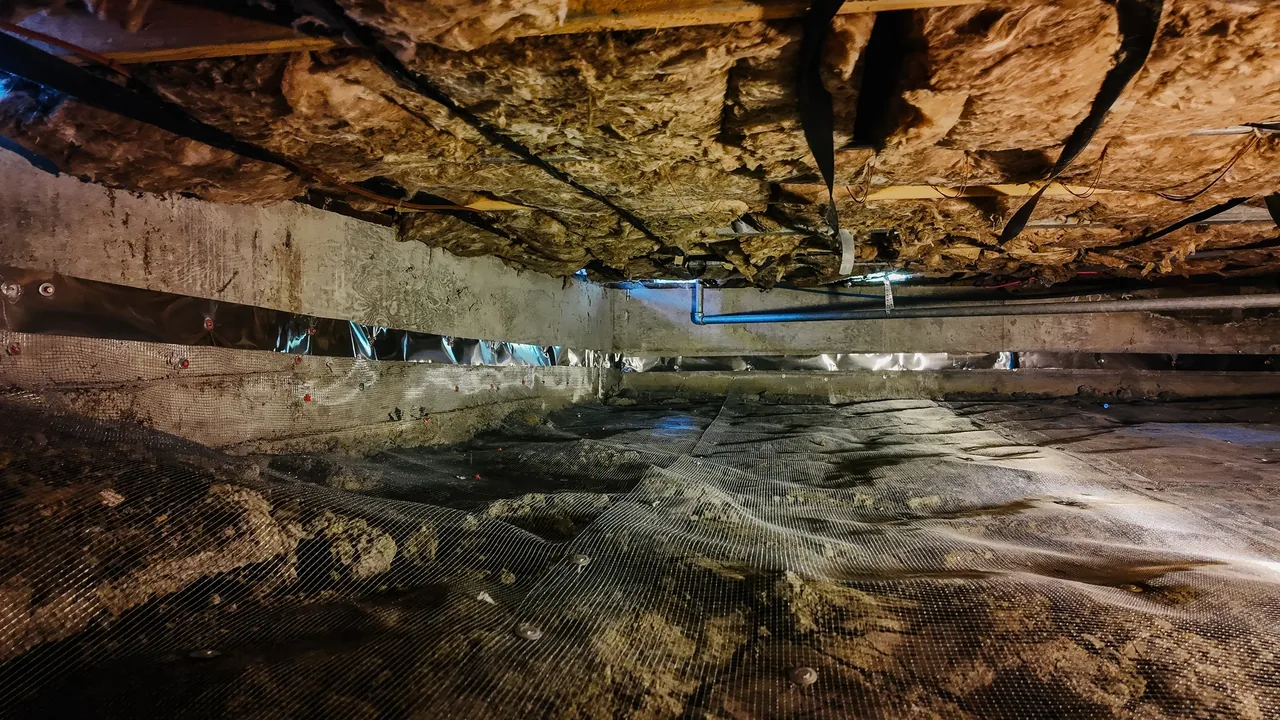
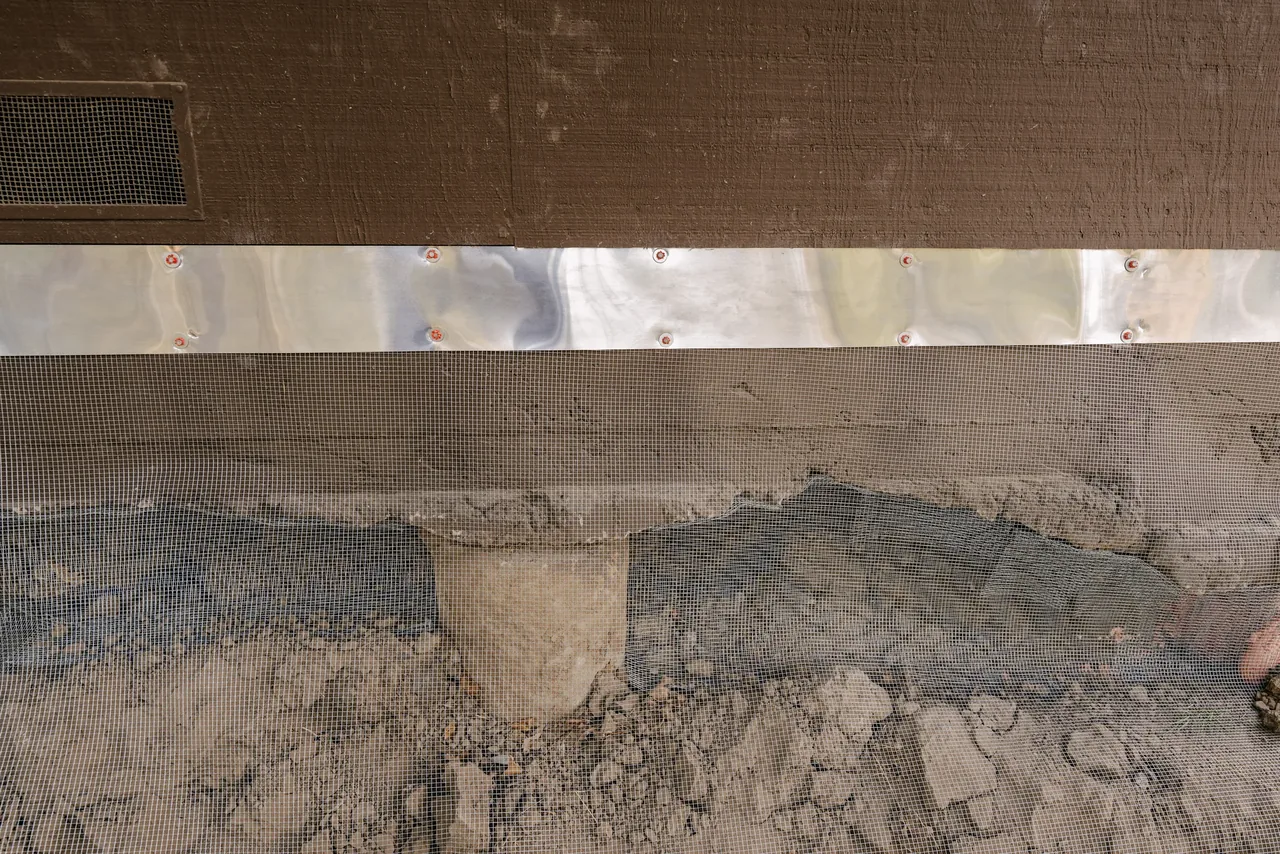
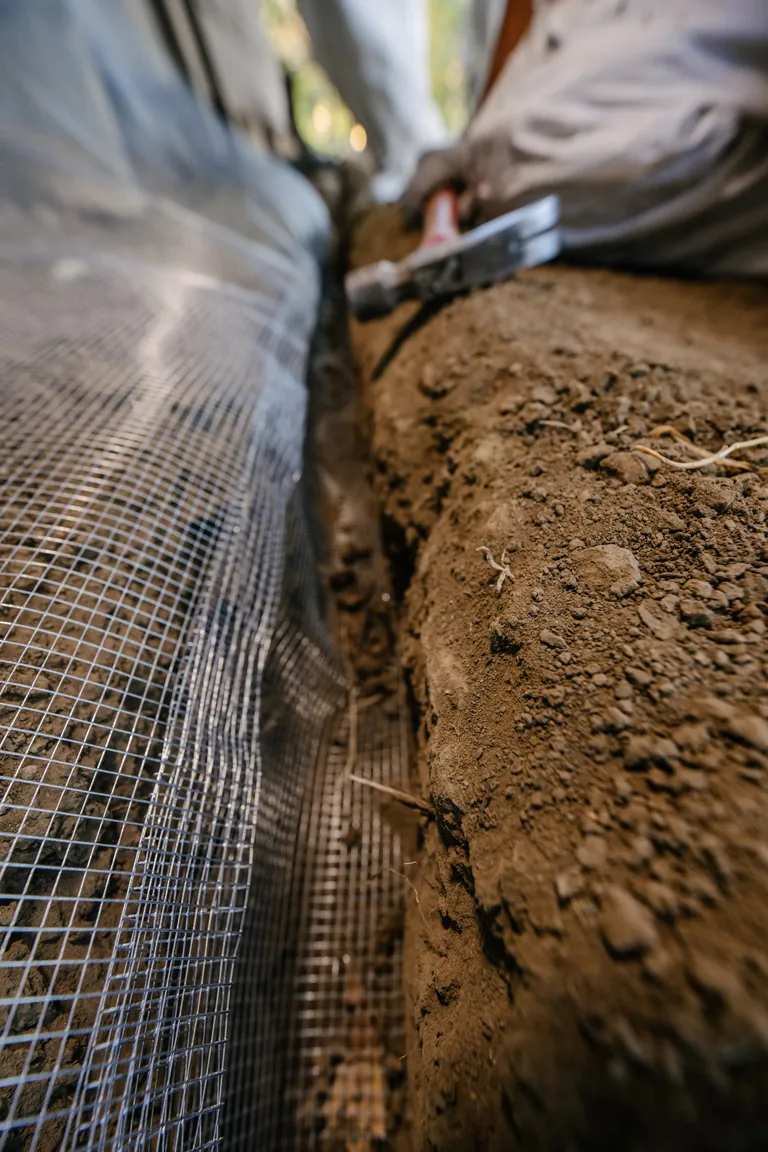
Hardware cloth is made from strong, commercial-grade wire. We also use commercial grade wire when needed. The correct mesh size blocks targeted animals without sacrificing durability. Galvanized hardware cloth or wire mesh is placed over and fastened so rats cannot dig around the edge.
What Is a Buried Rodent Barrier?
Below-ground defense for structural and garden edges.
A buried rodent barrier is a physical shield installed beside a foundation, crawl space, deck, fence, shed, or garden bed. An underground garden pest barrier is a physical shield. It is typically made of wire mesh buried around garden beds. The barrier prevents burrowing pests like gophers and moles. In home exclusion work, the same general method is adapted to the house, the active burrows, and the places animals are accessing.
Reinforcing a deck, fence, patio, or addition with recurring holes.
Lining raised gardens where gardeners need to protect bulbs and plants.
Our Below-Grade Installation Process
The installation process starts by finding where animals enter, how their burrows connect, and where wire mesh must join the structure. The most important step is diagnosing the complete route before work begins:
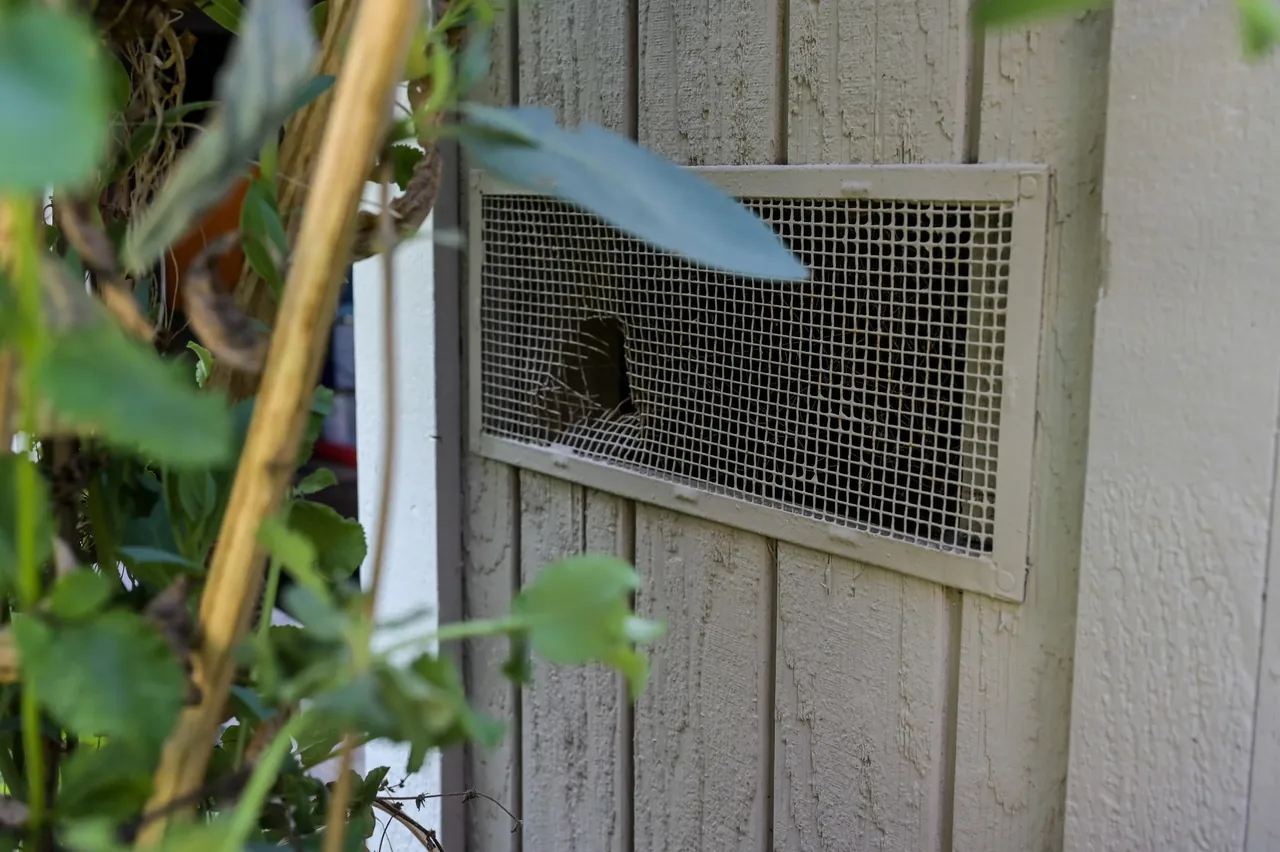
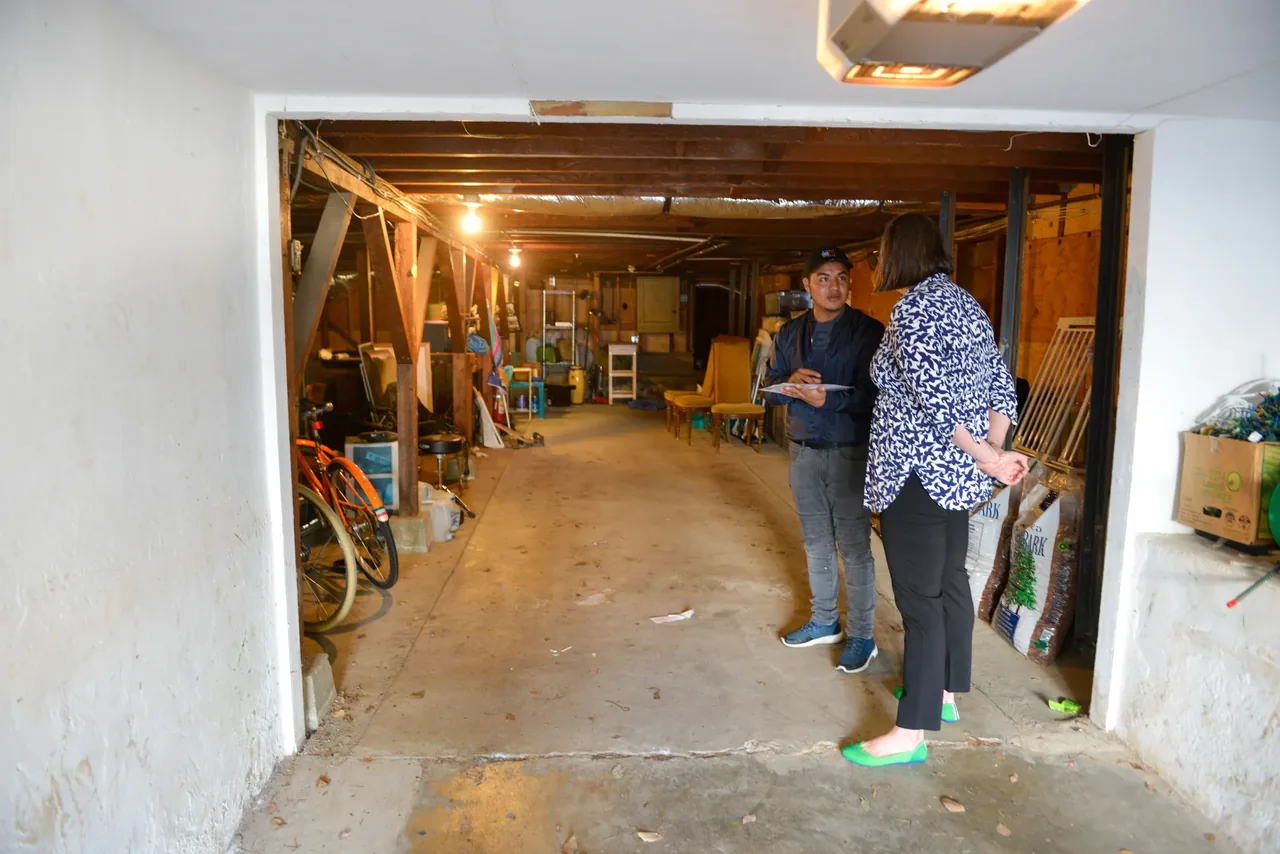
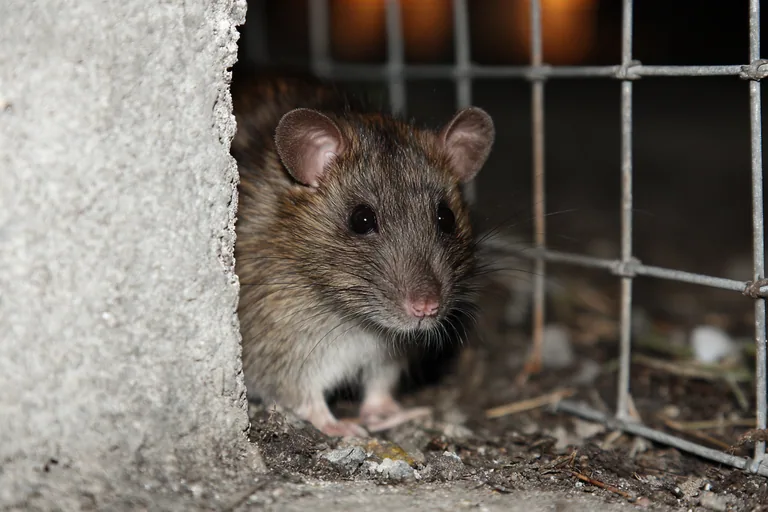
Our free inspection covers the soil line, crawl space vents, foundation gaps, deck edges, fence corners, garden beds, garage doors, and utility openings. We look for burrows, droppings, gnawing, holes near posts, and animals accessing protected areas, then inspect inside when signs suggest rats or mice reached the house.
Waiting for obvious damage can allow animals to establish more burrows. The inspection helps us find:
Active versus abandoned burrows
The ideal place to start and end the barrier
Whether trapping, cleanup, or interior sealing is also needed
Step 02 · Diagnose
Diagnostic Report & Estimate
The Comprehensive Diagnostic Report includes a picture of entry points, the recommended method, trench length, and areas where hardware cloth, concrete, or wire mesh may be installed. Homeowners can read the scope, understand the problem, and see how the work will protect the home.
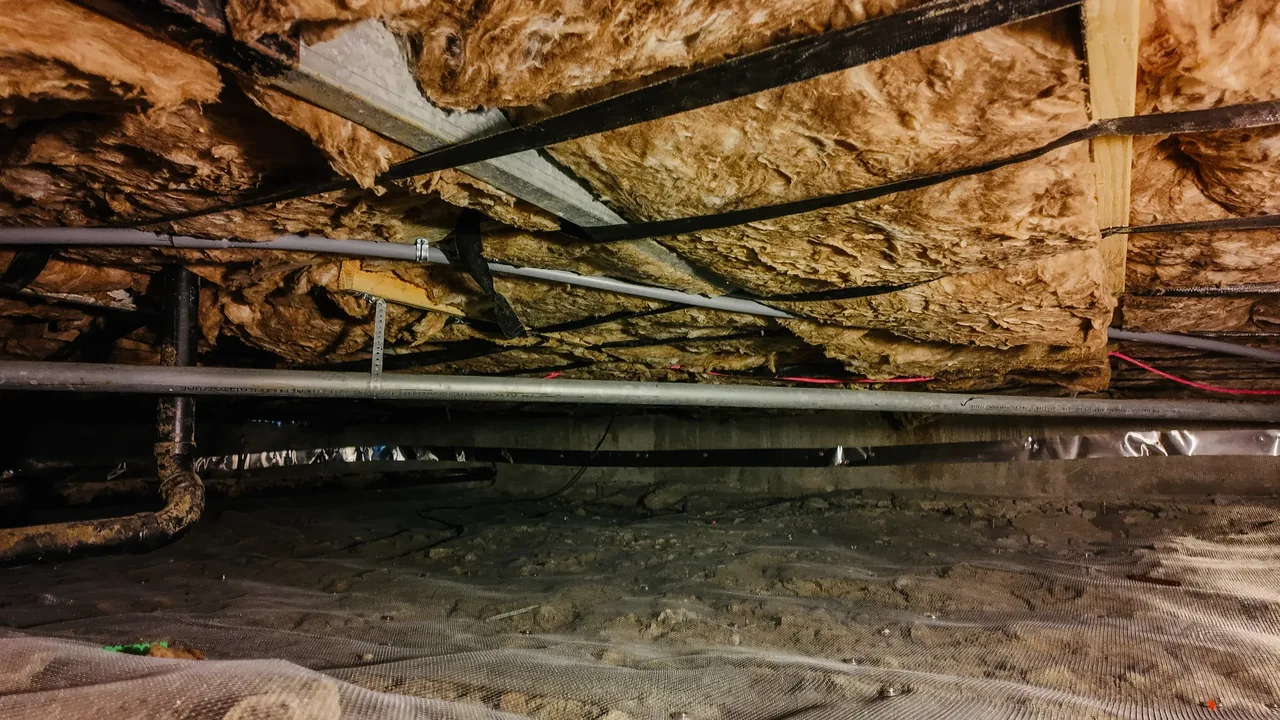
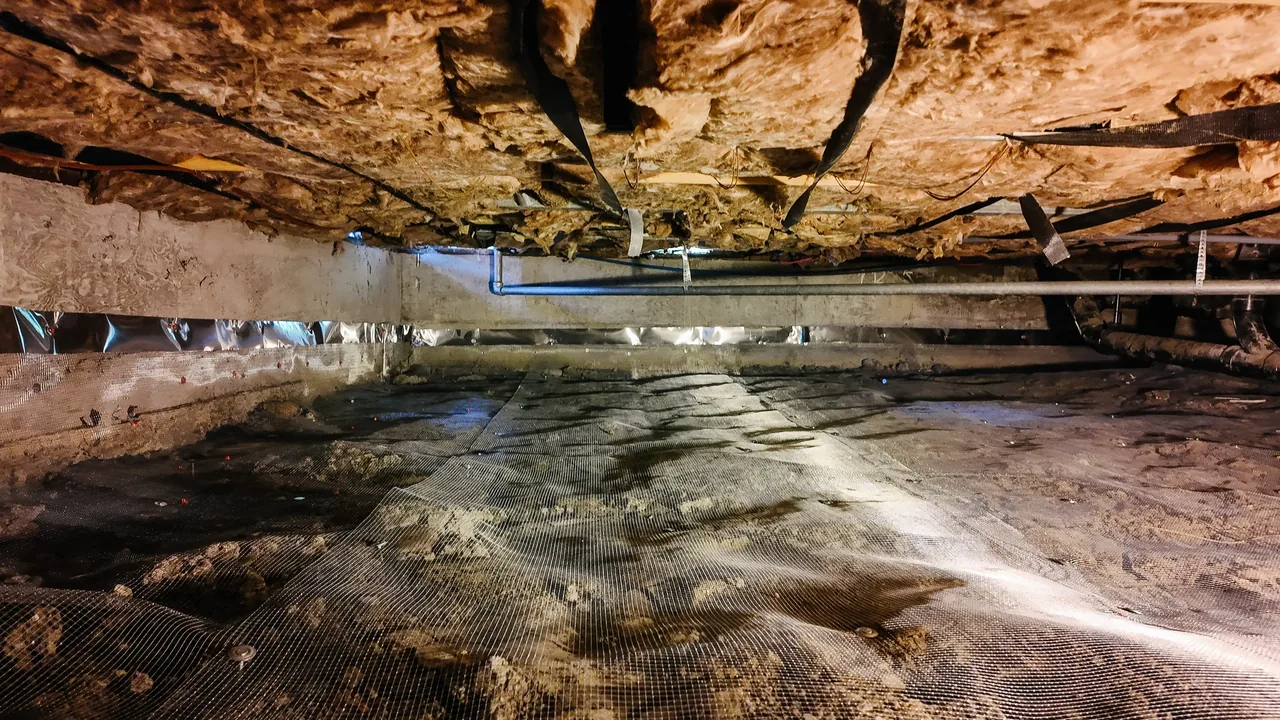
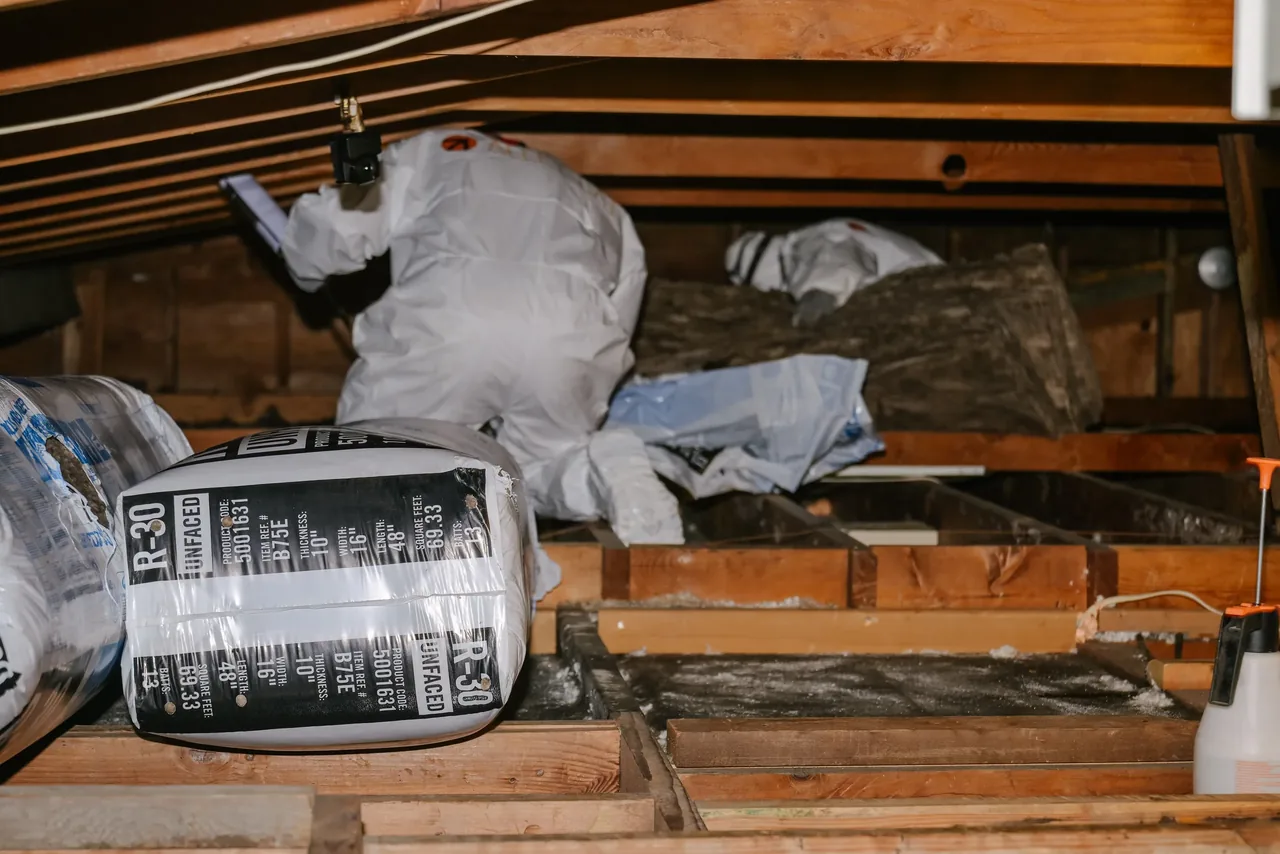
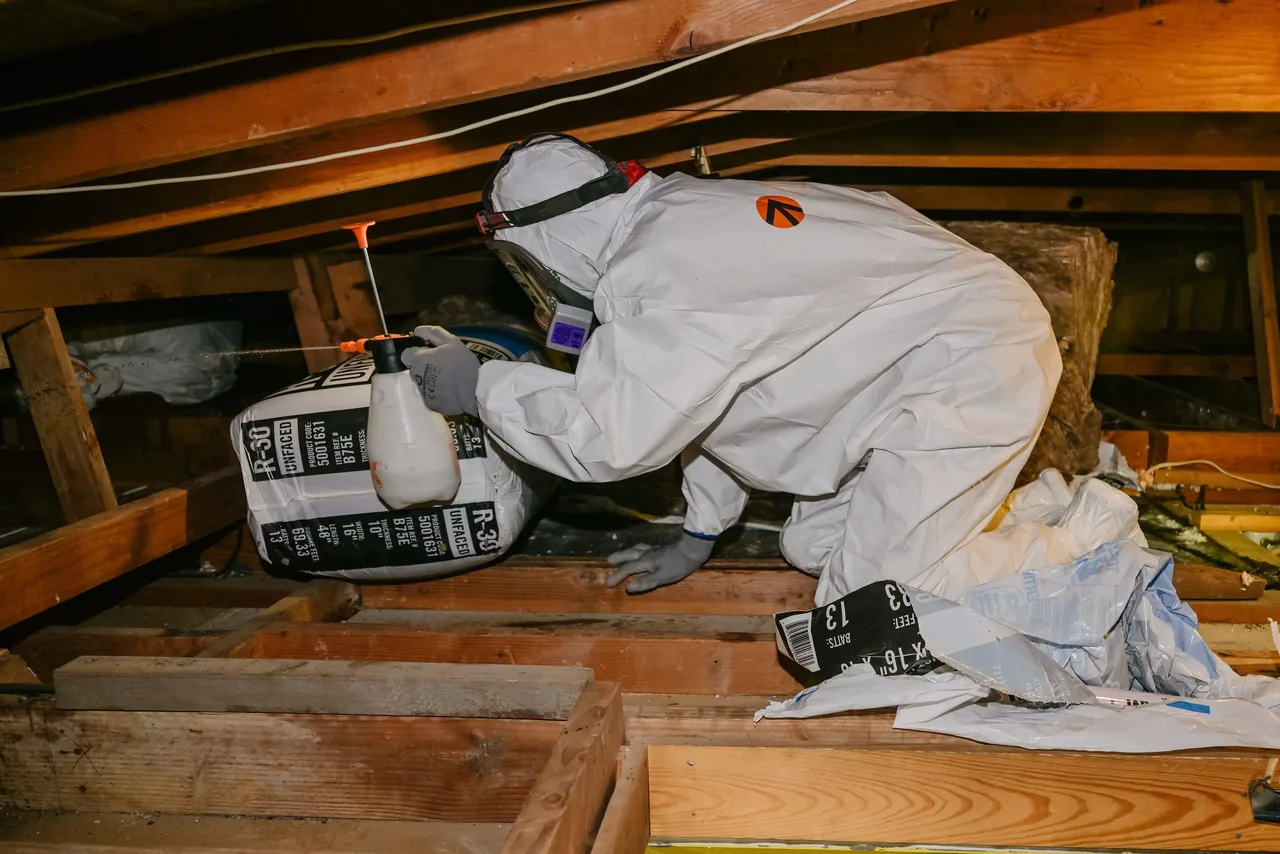
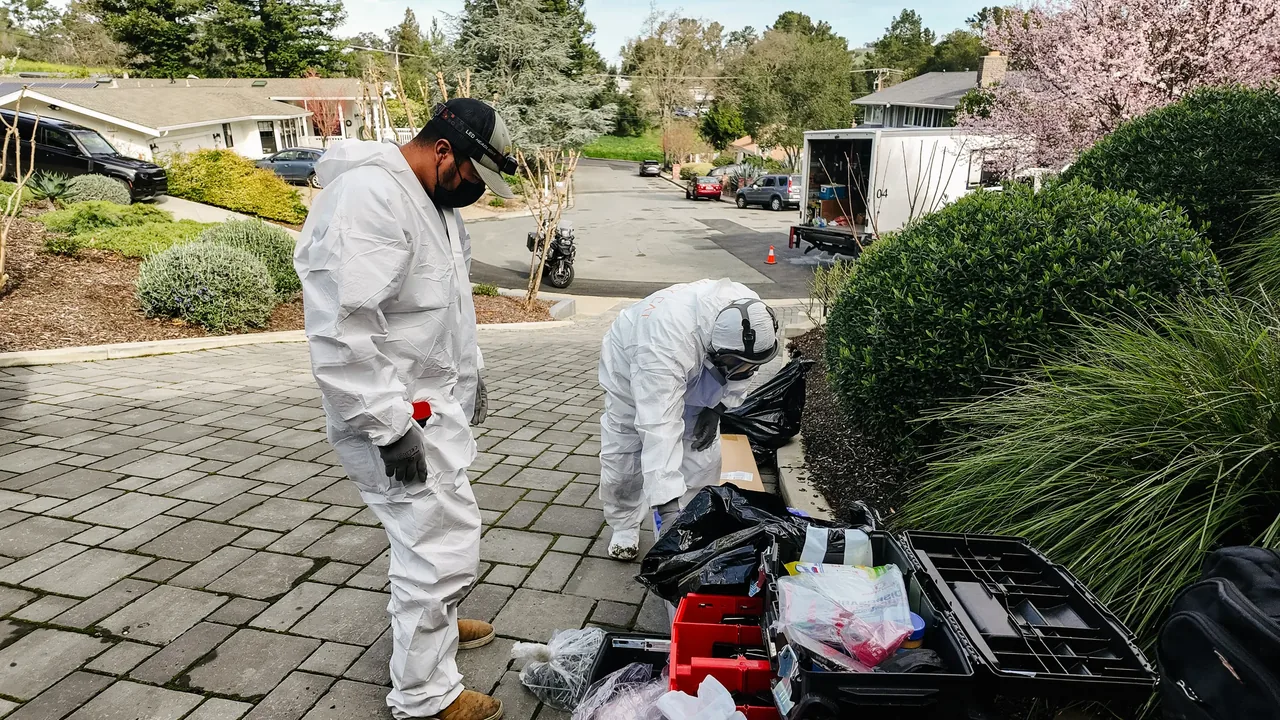
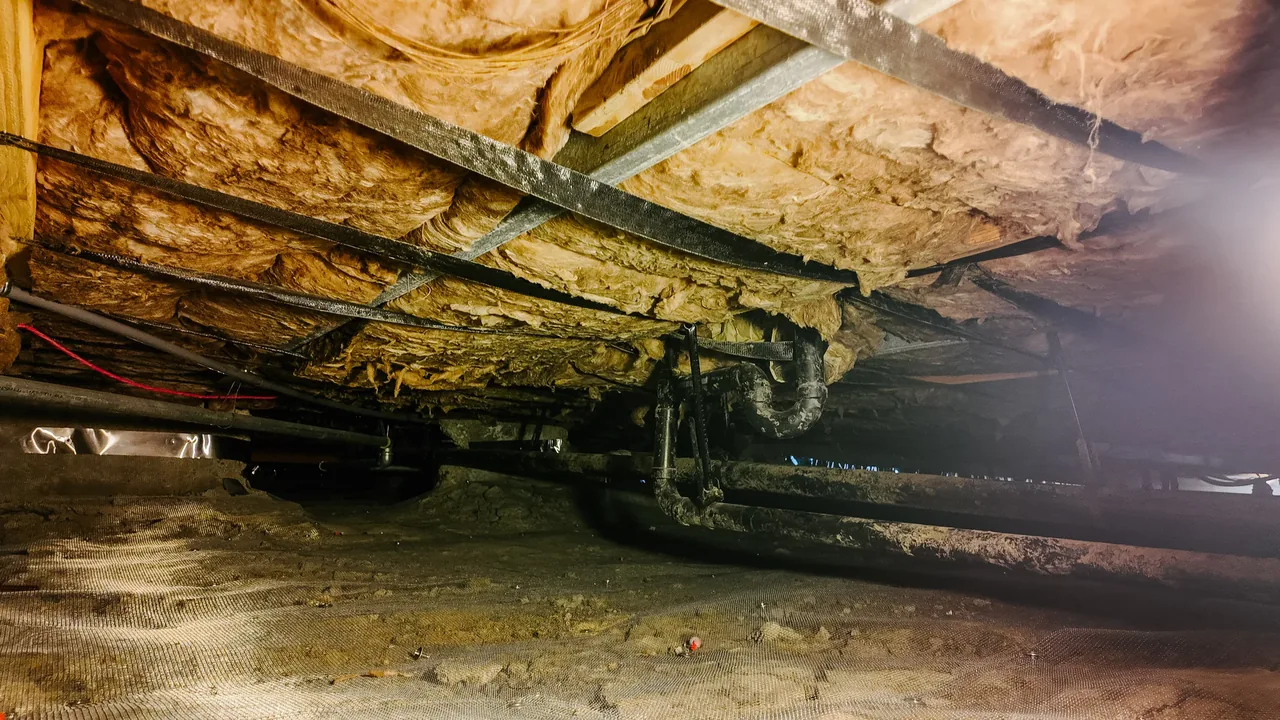
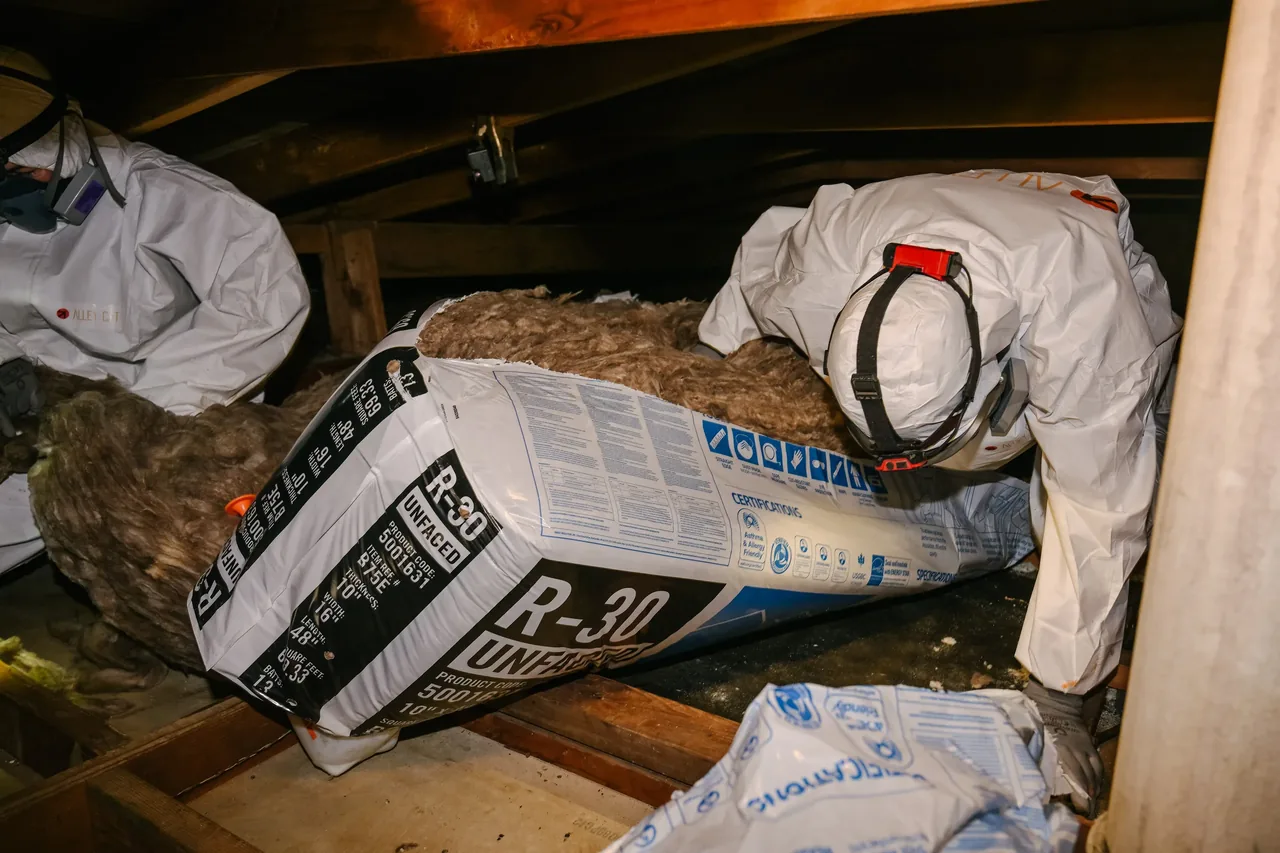
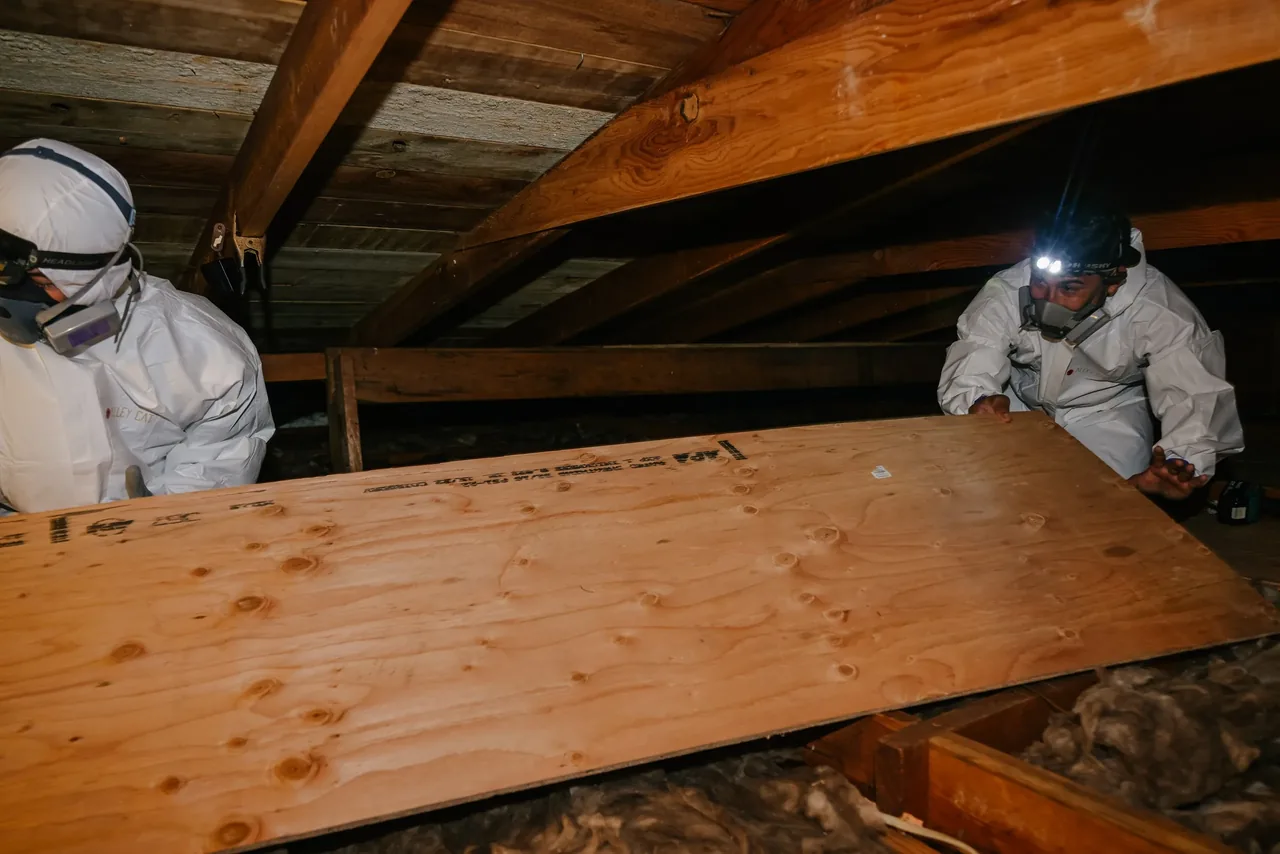
Before installation, we remove conditions that could leave an active infestation behind, including droppings, nesting, dead animals, contaminated insulation, or damaged vapor barrier material in a crawl space, shed, basement, or garage. Our specialists may handle:
Droppings, urine-contaminated debris, and nesting from rats or mice
Damaged insulation, vapor barrier sections, or stored material
Dead animals and odor-producing waste near burrows or trap locations
Waiting until every hole is sealed can make cleanup harder. Clearing the area creates a safer work zone and a better picture of animal travel.
Step 04 · Sanitize
Sanitize & Decontaminate
Where animals reached an enclosed area, Alley Cat can sanitize urine, droppings, nesting, and odor. This addresses contamination and health concerns but does not replace exclusion.
The barrier is installed after the route and trench are prepared. Published guidance often says: Install barriers at least 18 to 24 inches deep. Groundhogs require a deeper barrier of 18 to 24 inches. These national statements are not universal Alley Cat specifications; depth varies with animals, foundations, deck or fence construction, utilities, soil stability, and site conditions.
The most important step is connecting every section so animals cannot dig beside it, push above it, or use a nearby gap. Our installation method may include:
Heavy-Duty Wire MeshUse heavy-duty wire mesh for effective barriers.
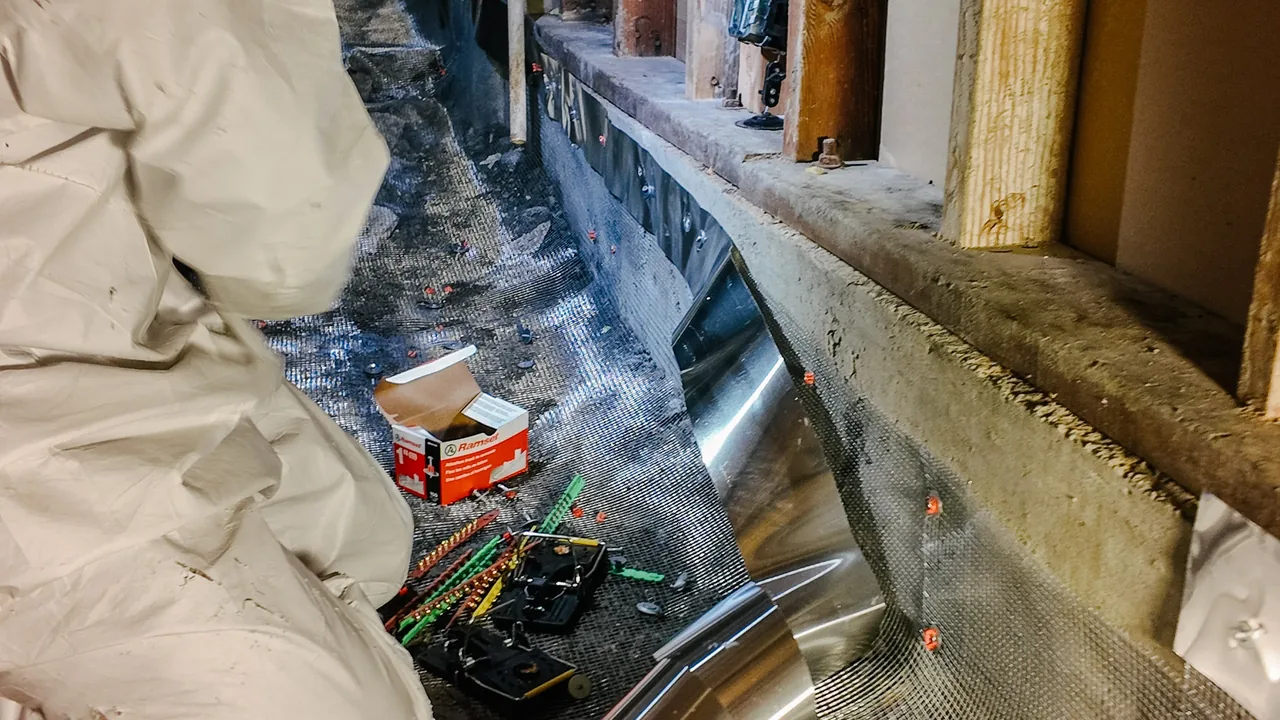
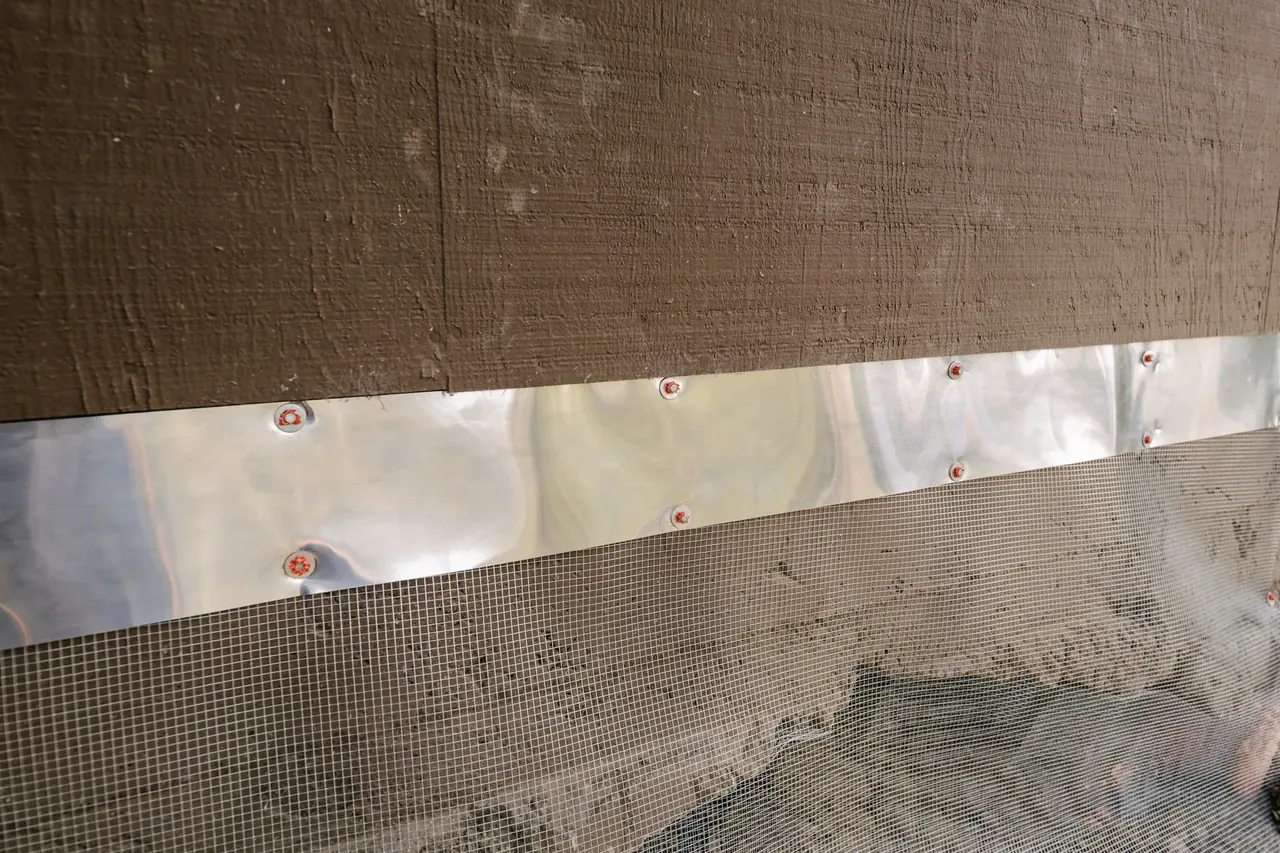
Vertical Hardware ClothInstalling hardware cloth vertically and angling the bottom outward stops burrowing.
Secured Top EdgeSecure the top edge to prevent pests from pushing through.
Reinforced SeamsOverlap edges by at least 4 to 6 inches.
Concrete Tie-InsConcrete barriers effectively block subterranean pests in urban settings.
Horizontal ApronsLay the wire outward, bend it away from the structure, and cover it with compacted fill where deep digging is limited.
Comprehensive barriers involve trenching and securing overlaps to prevent entry. Wire mesh may be installed along one deck, one fence run, or several house elevations. We account for drainage and the gap at adjoining construction. This detailed work has helped more than 13,000 satisfied clients and supports a 97% customer satisfaction rating.
Step 06 · Check
Set Trap Checks
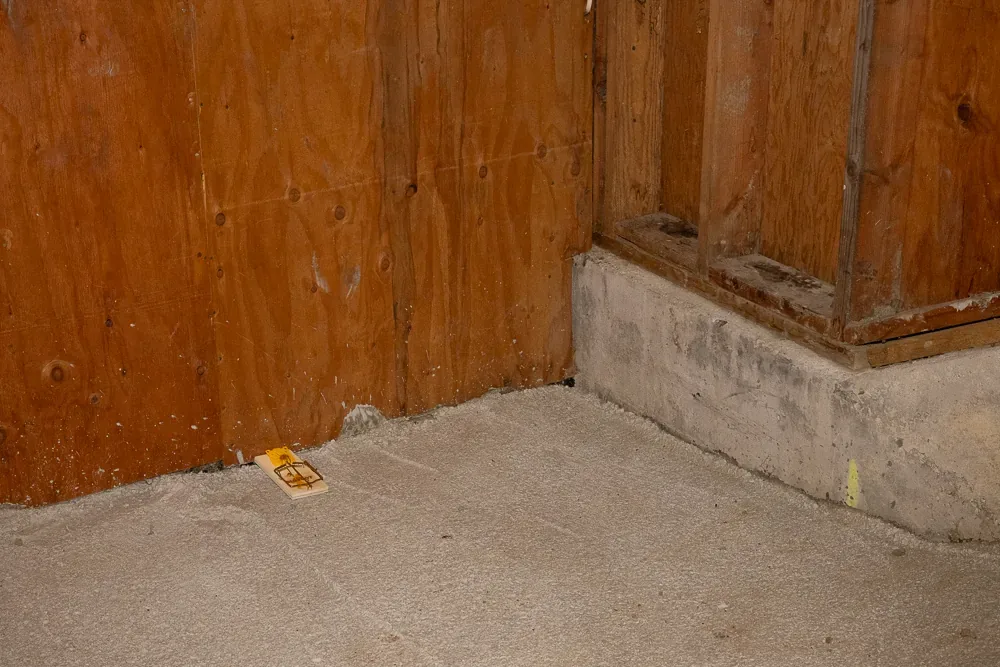
If rats or mice may be inside, sealing every opening without trapping could confine animals in a crawl space, attic, garage, or basement. We set each trap along travel routes and check whether activity is dropping.
Waiting between trap visits is purposeful. We look for droppings, opened holes, disturbed soil, new burrows, or animals accessing another door or gap. The results show whether the installed barrier and related work perform as designed.
Step 07 · Haul
Wrap Up & Haul Away
At wrap-up, we remove wire, mesh offcuts, packaging, contaminated debris, and damaged material in the approved scope. We fill and compact the trench with a suitable backfill mix, avoid rolling a cart across plants, and check the deck, fence, garden, or foundation edge.
Inspect barriers monthly for signs of damage or gaps. During the next few weeks, watch for a fresh hole, soil drop, bent wire, or new burrows near an unprotected edge.
Step 08 · Service
Customer Service
Our customer service team coordinates inspections, scheduling, trap checks, follow-up, and questions. Homeowners can contact Alley Cat rather than waiting and wondering whether movement is harmless, caused by raccoons, or another gap and access problem.
Burrows beside a house, deck, fence, or garden should not be ignored. Contact Alley Cat to find the route, protect vulnerable ground-level edges, and keep animals from creating a larger problem.
Alley Cat has helped more than 13,000 clients diagnose and correct rodent entry, including difficult below-grade burrows. We serve San Francisco, Oakland, Berkeley, Concord, Novato, San Mateo, Fremont, Mountain View, Napa, Solano County, Sonoma County, Petaluma, and nearby Bay Area communities.
“The technician found additional entry points and secured them and advised us to call the company office for further support. We appreciate the diligence and look forward to an end to this ordeal.”
★★★★★
Mary BruneVerified Trustpilot review
4.9 / 5 1,240 reviews
4.7 / 5 649 reviews
4.7 / 5 279 surveys
4.9 / 5 374 reviews
Where Buried Barriers Work Best
Targeted installation for persistent burrows and vulnerable edges.
A deck gives animals shade and easy house access. We may install mesh along deck skirting, beneath a patio transition, or beside a fence where animals dig around posts. A garden fence alone rarely stops burrowing pests; it needs a below-grade component, secure seams, and a strong top connection.
Garden Beds and Raised Gardens
Raised garden beds should have mesh lining to protect against rodents. In gardens, hardware cloth can protect plants, bulbs, and roots while draining water. Gardeners should close the gap where a bed meets a fence so animals cannot dig beside the box and grow burrows under plants.
Underground barriers effectively stop gophers and moles. That broad statement describes a well-designed garden application, not an absolute result. Oakland residents should expect ongoing gopher activity due to local climate. This is not a property-specific forecast; activity varies by block, soil, gardens, food, water, and neighboring conditions.
Rats, Protection, and a Neighbors Yard
The wording neighbors yard commonly describes burrows crossing from a neighbor’s yard. Animals do not recognize a fence as a boundary, so the accessible fence line may need protection without excavating outside the client’s property.
Published national comparisons state: Galvanized steel barriers last 6 to 10 years. Galvanized steel barriers last 6-10 years underground. Galvanized steel lasts 6 to 10 years underground. Stainless steel barriers can last over 25 years. Stainless steel barriers can last over 25 years underground. Stainless steel can last over 25 years underground. These are generalized statements, not warranties; water, corrosion, installation, and maintenance affect longevity.
Published national retail examples state: A 5-foot by 100-foot galvanized steel roll costs around $300. A stainless steel version of the same size costs about $430. These are material-roll figures, not an Alley Cat quote; they exclude inspection, trenching, deck or fence access, fastening, trap service, cleanup, fill, haul-away, and clean-up. Composite barriers like Xcluder Geo resist rodent chewing. Product selection remains site-specific.
Inspect the house, deck, fence, gardens, doors, and visible burrows.
Trap rats or mice already accessing enclosed spaces.
Close structural openings and install wire mesh below grade.
Remove food, water, shelter, and waste.
Monitor for fresh holes and new burrows.
Raccoons may dig in lawns and gardens, but a rodent mesh barrier is not a complete raccoon-control method. Raccoons can climb, lift weak panels, and access roofs, so the solution must match the animals present.
What ground cover do rats hate?
No ground cover reliably makes rats leave a property. Rats generally prefer concealment, so dense ivy, heavy mulch, stacked material, low plants, and unmanaged gardens may make travel easier rather than repel them. Gravel can improve visibility near a house, but it is not a stand-alone barrier.
You make a rodent barrier by selecting durable wire mesh, excavating a trench, attaching the upper edge to a stable structure, crossing seams, and restoring the soil without leaving gaps. Proper installation is the crucial difference between a barrier that is effective and a loose roll that animals can bypass.
For garden use, a person may line raised beds with hardware cloth. For a house, deck, or fence, the method is more complex because roots, utilities, concrete, drainage, posts, and doors affect placement. A simple field test is whether every edge is secured and whether animals can dig around, bend, lift, or access the mesh. Professional installation is often the safer choice when it touches foundations or contaminated burrows.
What smell do rodents hate the most?
No smell has been shown to provide dependable, long-term rodent exclusion by itself over time. Peppermint, ammonia, predator odors, and other strong scents may cause brief avoidance, but animals often return when the odor fades or when food and shelter remain available.
Use scent only, if at all, as a temporary supplement. The most important step is removing attractants and blocking access with physical material. Waiting for a smell to solve active burrows can allow rats to keep accessing the house, deck, fence, or gardens. A lasting plan focuses on sanitation, trap checks, sealed openings, and a securely installed barrier.
Request a Buried Barrier Inspection
Do not keep waiting for new holes to appear. Schedule an inspection so Alley Cat can identify the right barrier, wire, and exclusion method for your property.






Trusted Bay Area Exclusion Specialists
Alley Cat has helped more than 13,000 clients diagnose and correct rodent entry, including difficult below-grade burrows. We serve San Francisco, Oakland, Berkeley, Concord, Novato, San Mateo, Fremont, Mountain View, Napa, Solano County, Sonoma County, Petaluma, and nearby Bay Area communities.
★★★★★
Mary Brune Verified Trustpilot review
1,240 reviews
649 reviews
279 surveys
374 reviews