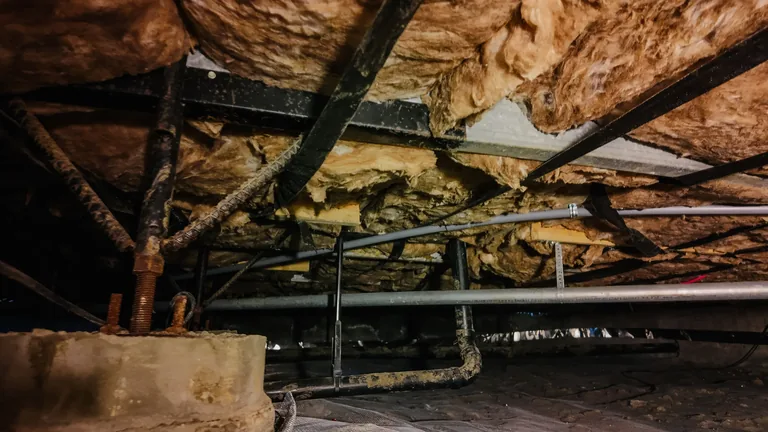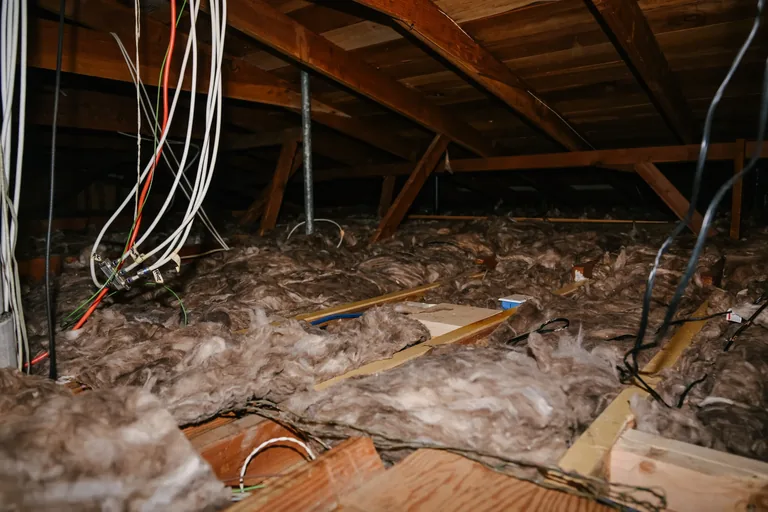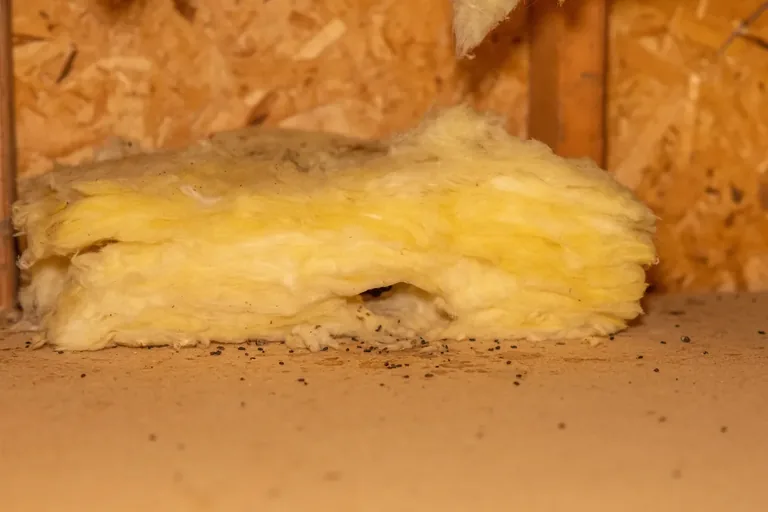
Attic Rodent Droppings Removal
Rodent control services can include attic cleaning and decontamination. We inspect insulation channels, eaves, ducts, recessed fixtures, nests, feces, and urine rather than treating the attic as one uniform area.
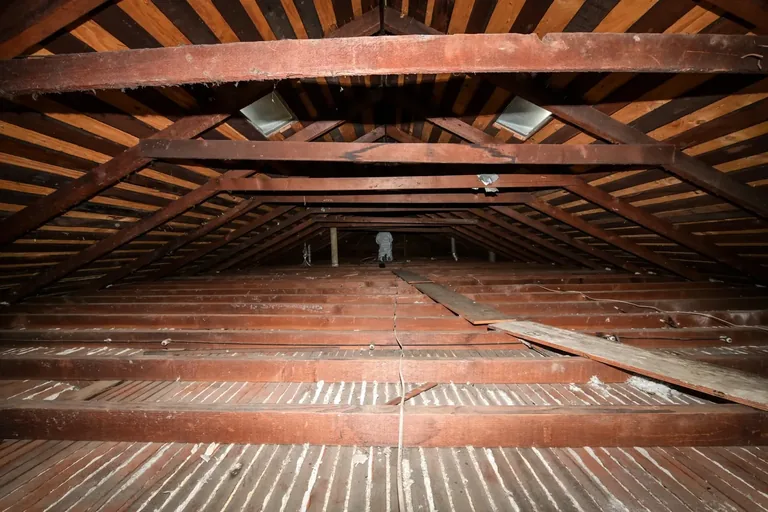
Rodent Cleanup & Attic Restoration
Professional rat cleanup removes rodent droppings, urine, feces, nesting debris, damaged insulation, odors, and contamination left by rats and mice.
 4.9 / 5
 4.7 / 5
 4.9 / 5
 4.7 / 5
 Accredited
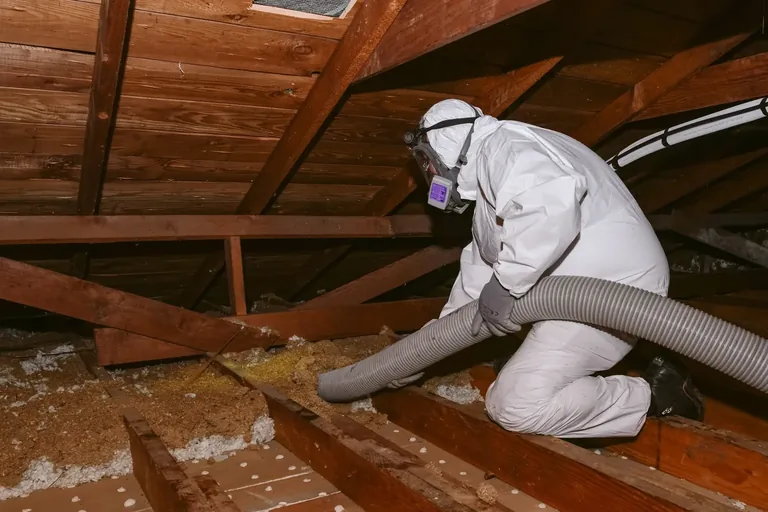
Alley Cat identifies where the rodent infestation spread, removes affected material, sanitizes reachable surfaces, and addresses the openings that allowed the animals inside. This matters because leftover contamination can affect your home’s cleanliness, comfort, and safety even after the rats are gone. For homeowners, landlords, businesses, and managers of commercial and industrial properties, our top priorities are:
A professional rodent clean is the controlled removal and sanitation of areas contaminated by rat droppings, mice droppings, urine, saliva, feces, nests, food caches, and odor.
We trace contamination beyond visible waste, including compressed attic insulation, crawl-space corners, greasy travel paths, duct crossings, utility routes, and nests left behind.
The service combines cleaning with rodent removal, trap checks, and rodent exclusion, helping remediate rodent infestations rather than leaving active animals or openings untreated.
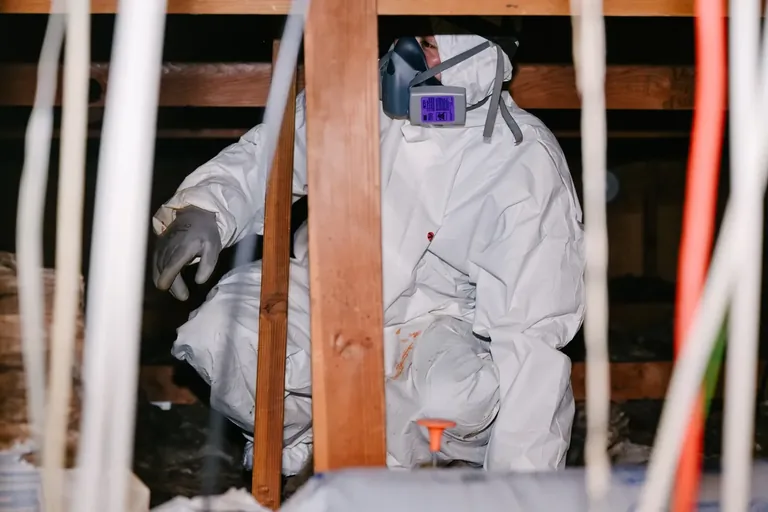
Our specialists use proper personal protective equipment, important safety protocols, controlled handling, and specialized equipment to avoid stirring or tracking contaminated dust.
We remove odor sources—including urine-soaked porous material, dead rats, nesting debris, and contaminated insulation—before applying products intended to disinfect areas affected.
Cleanup becomes more valuable when professional rodent proofing services reinforce vents, foundations, doors, roof returns, plumbing routes, and other entry points.
Every rodent clean plan reflects the affected space, contamination level, surrounding materials, and whether an ongoing infestation is present. A comprehensive cleanup includes removal of waste, dead rodents, and contaminated insulation.
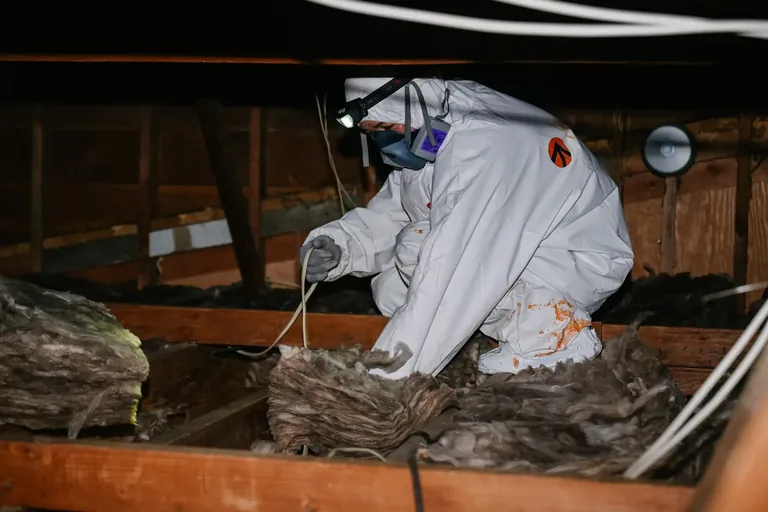
We collect rodent droppings, feces, nesting debris, food caches, and disposable contaminated materials.
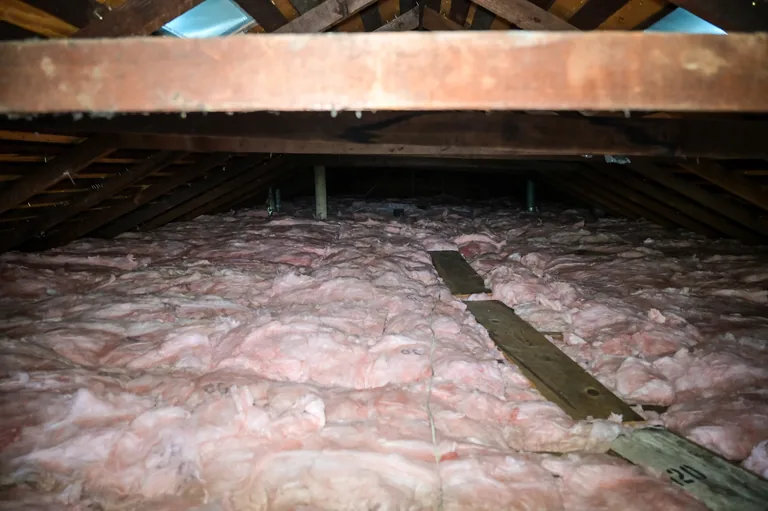
Cleanup services often include repairing or replacing insulation and damaged wires. Electrical repairs may require the appropriate licensed trade.
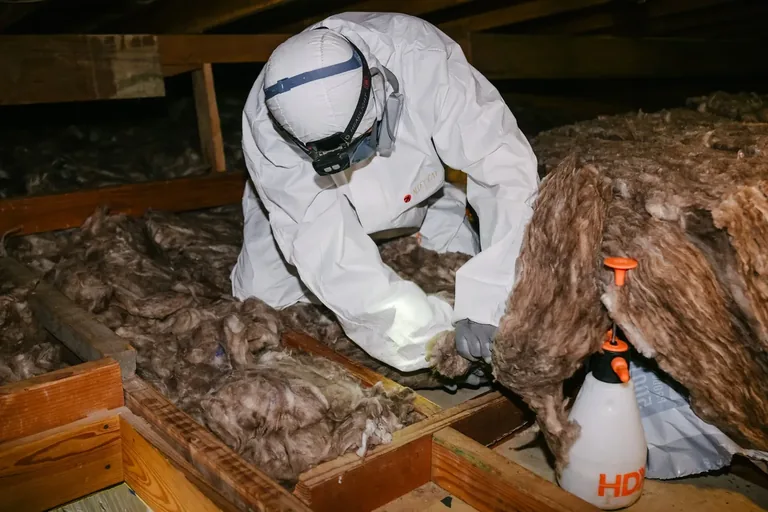
Technicians perform sanitization and decontamination with disinfectants. Physical debris is removed first.
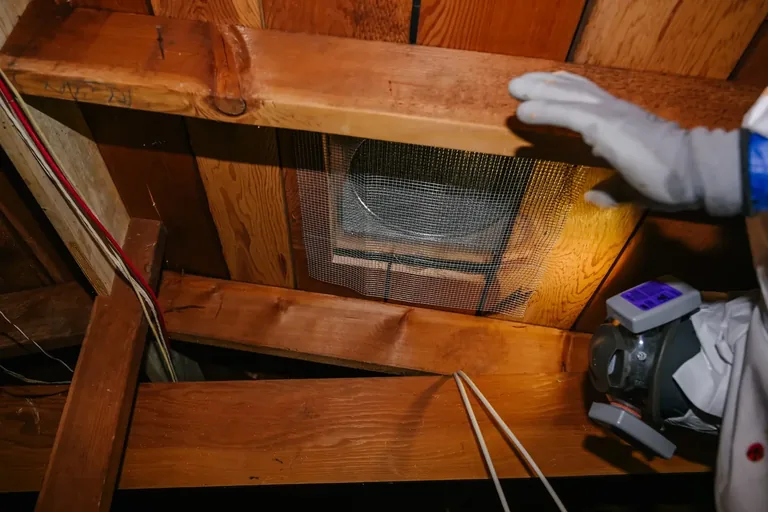
Openings, damaged screens, air systems, utility gaps, and structural vulnerabilities are documented for sealing.
Effective long-term rodent control requires sealing entry points and cleanup work. Alley Cat’s process addresses the contamination you can see, hidden affected areas, active rodents, and the exterior conditions that can restart the problem:
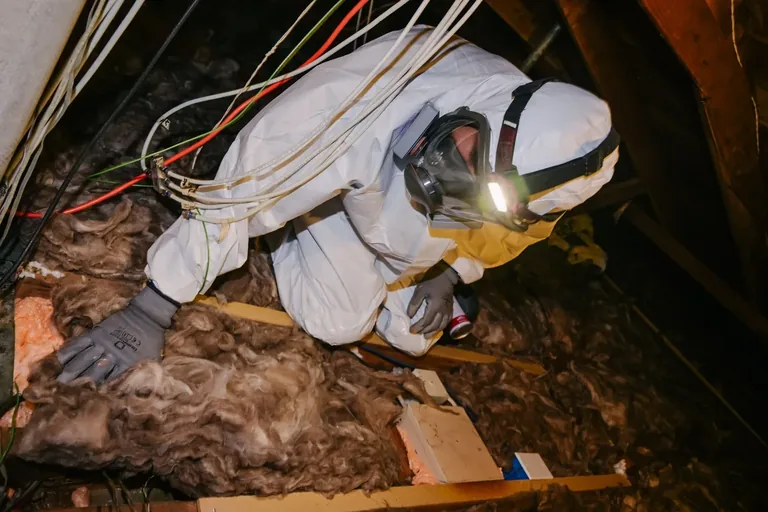
Step 01 · Inspect
The job begins with a detailed inspection for droppings, urine staining, nests, scratching routes, gnawing, chew damage, odor, compromised ducts, and openings between the living space, attic, crawl space, garage, or basement. Inspectors identify nests, entry holes, and damaged insulation during assessments. A thorough inspection identifies entry points and evaluates damage.
Rodent-proofing starts with a thorough home inspection. In San Francisco, that may mean foundation vents and utility penetrations; in Oakland CA, Berkeley, Alameda, Hayward, San Leandro, or San Bruno, it may include crawl-space doors, roof edges, garages, apartment utility lines, and additions.
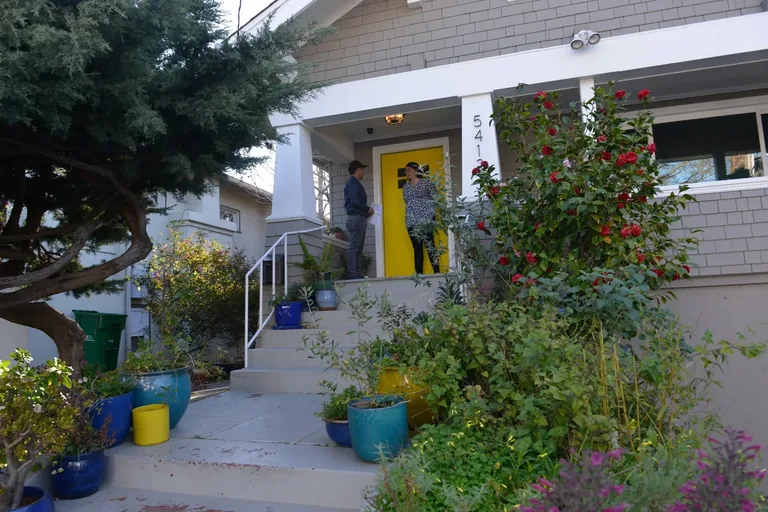
Step 02 · Diagnose
Alley Cat provides a Comprehensive Diagnostic Report that documents rodent problems, suspected travel zones, damaged materials, active entry points, and recommended work. The estimate separates removal, sanitation, trapping, sealing, and protection so homeowners can navigate the plan with confidence.
The report also clarifies cost, priorities, and timing. It is not a generic page displayed on a website; it reflects the situation located at your property and provides a practical way to get started.
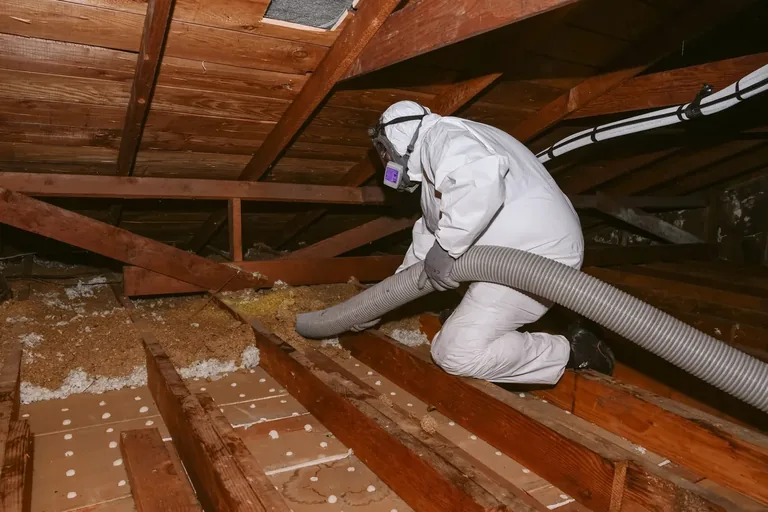
Step 03 · Clean
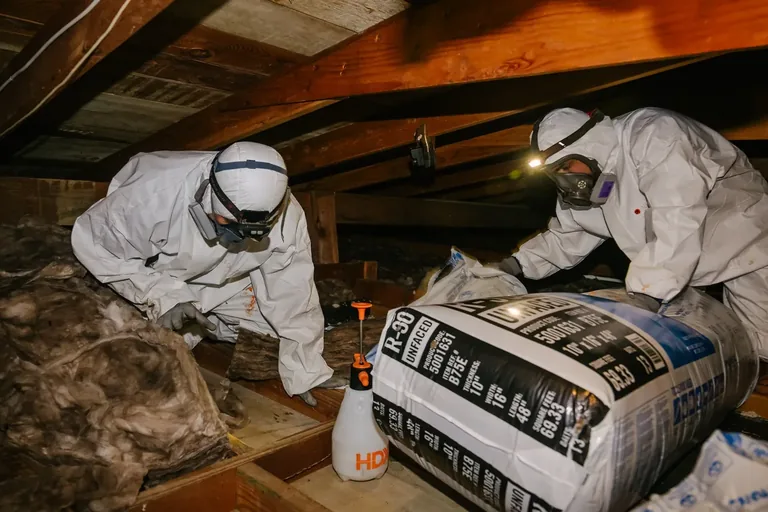
The rodent clean starts with physical removal—not a quick pass with a household vacuum. Professional cleanup services utilize specialized vacuums instead of dry vacuuming. Using HEPA vacuums is essential to prevent airborne contaminants during cleanup. However, safe sequencing still matters, and dry droppings should first be handled according to appropriate wet-cleaning protocols.
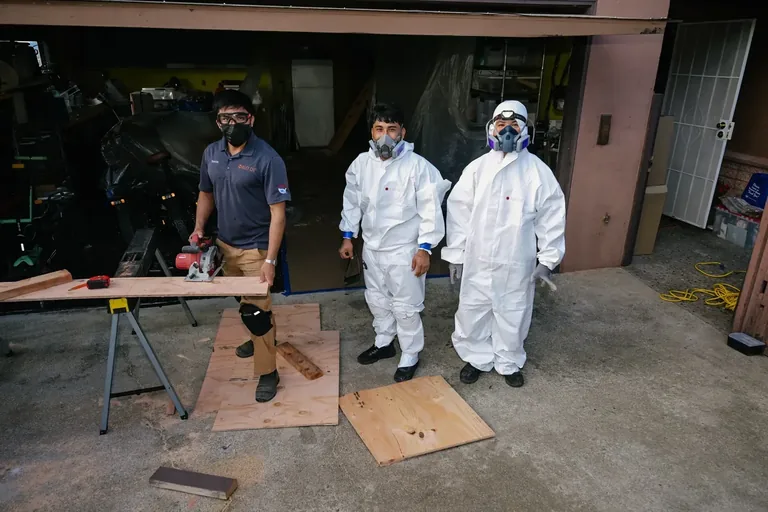
Our highly skilled professionals ready the work area, contain debris, and remove material without relying on fragrance to hide the source. Depending on the job, specialists may handle:
Many providers follow safety protocols with personal protective equipment during cleanup. Alley Cat uses PPE and care appropriate to the work while keeping workers, family members, pets, and other pests away from the active job area.
Step 04 · Sanitize
Sanitation follows debris removal because disinfectant cannot replace removing biohazards. Professional cleanup services can disinfect areas affected by rodents. After cleanup, odor control involves applying disinfectants to affected areas. The product and method depend on whether the surface is framing, concrete, metal, subfloor, duct material, or another porous or nonporous substrate that could host contamination.
Rodent droppings cleanup is considered a biohazard remediation task. That does not mean every dropping contains a virus or that every home requires a full bioremediation industry response. It means a bio hazard should be handled with sensible health and safety controls.
Rodent droppings can carry harmful diseases like Hantavirus. CDC guidelines advise avoiding contact with rodent urine, droppings, saliva, and nests. Hantavirus pulmonary syndrome, or HPS, is serious, but the harmful diseases found in rodent waste vary by species and location; phrases such as deadly diseases or many other harmful diseases should not imply that every infestation carries the same disease risk.
Step 05 · Seal
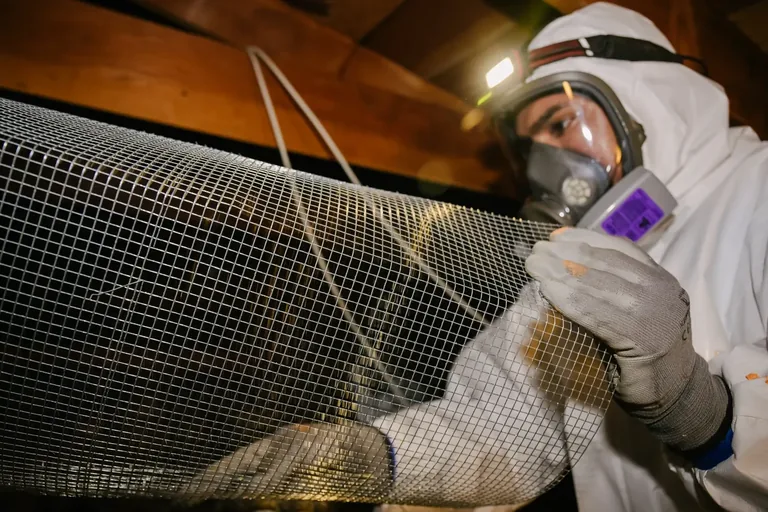
Cleanup is incomplete while rodents can return. Professional rodent control includes sealing entry points. Alley Cat’s rodent exclusion work protects the home by correcting access around foundations, rooflines, vents, doors, garages, pipes, conduits, ducts, and remodeling transitions.
Our rodent proofing services use fitted, location-specific repairs:
Sealing gaps and holes is essential for rodent exclusion. Steel is recommended for sealing rodent entry points. Steel must be selected and installed for the particular opening rather than stuffed loosely into a gap. Sealing entry points prevents rodents from returning to homes. That result is most likely when all practical routes are addressed and trapped animals are cleared first; no responsible company should promise permanent security against every future animal.
Rodents can enter and squeeze through openings the size of a dime. Those broad statements are most accurate for mice; adult rats generally require a larger opening, although chewing can enlarge gaps. Alley Cat matches the repair to the animal, building, and access route.
A Victorian in San Francisco may need different sealing than a hillside home in Oakland, a Berkeley crawl space, or a property in Napa or Sonoma County. Alley Cat has served 13,000+ customers and maintains a 97% customer satisfaction rating, reflecting our focus on detailed rodent exclusion, reliable support, and long-term protection.
Step 06 · Check
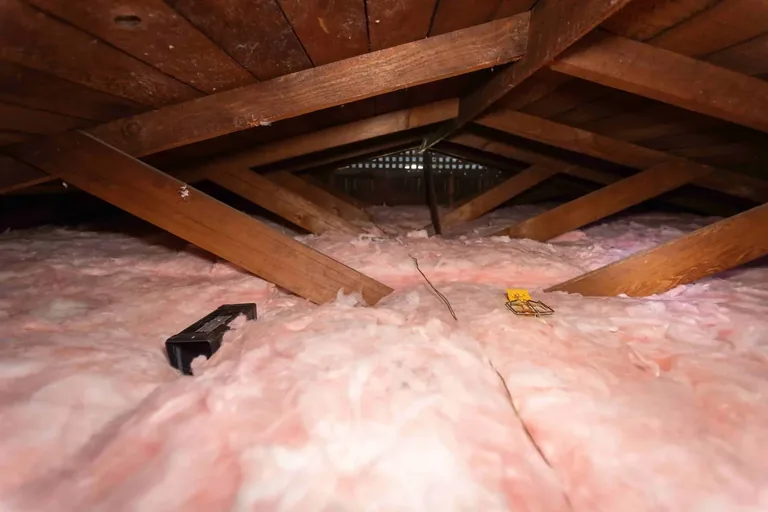
When rodents may remain inside, traps are placed along runways, nesting zones, edges, and travel routes. Scheduled checks support humane rodent removal, document activity, remove captured rats or mice, and verify whether exclusion work changed movement.
Rodents can reproduce every four to six weeks. Rodents can reproduce every four to six weeks with large litters. Actual breeding cycles vary by species, age, food, shelter, and conditions, but waiting can allow an infestation to grow. “Rodent infestations can occur every four to six weeks.” That is an imprecise phrase; infestations do not occur on a fixed schedule, although reproduction can accelerate rodent problems.
Step 07 · Haul
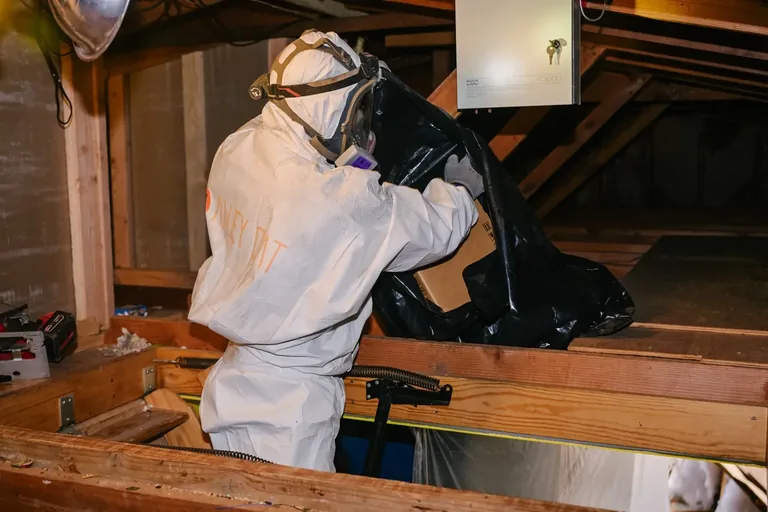
At the end of the rodent clean, bagged waste, nests, dead rats, disposable biohazards, and job debris are hauled away. The team reviews the scope, confirms which materials were retained, and notes any remaining repairs or monitoring.
The final rodent clean is intended to quickly restore a cleaner, more usable space—not promise the exact original condition when rodents have caused permanent damage, fire risk, or a compromise to wiring and building material.
Step 08 · Support
Rat contamination can be stressful. Our company coordinates the inspection, service schedule, trap-check week, access questions, concerns, phone updates, and follow-through so you feel comfortable with what happens next. We aim to make a difficult job a pleasant experience.
Our website can help you call us or schedule, but the inspection verifies the actual conditions. Whether the service is for homeowners, landlords, businesses, vehicles, or industrial properties, our highly skilled professionals are ready to explain the contract, warranty, prices, and every important aspect of the plan.

Droppings, odor, damaged insulation, and hidden nests become harder to ignore over time. Call us to arrange an inspection and create a removal, sanitation, rodent control, and prevention plan that protects your home or helps ensure your business remains safe.
“Atekhiti was early for the appointment, cleaned up perfectly. Thank you for the quick response”
Brian KentVerified Trustpilot review
4.9 / 5
4.7 / 5 4.7 / 5
 4.9 / 5
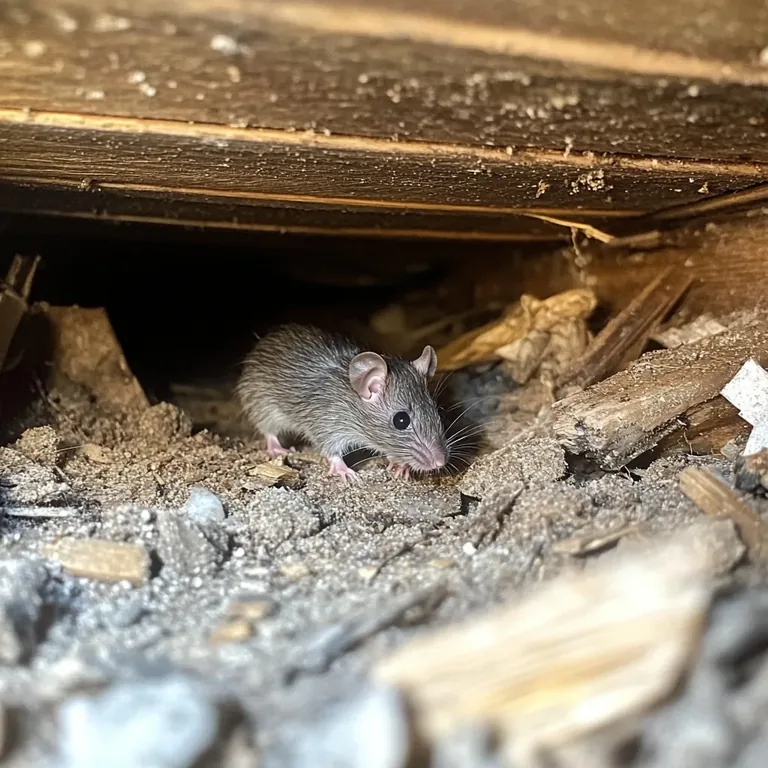
Alley Cat helps remediate rodent infestations by combining cleanup, rodent removal, and rodent proofing services. The service is available for residential and commercial properties, including selected commercial and industrial properties where access and scope fit our capabilities.
For San Francisco and Oakland homeowners dealing with rats, mice, droppings, or recurring pests, the fastest responsible path is inspection, trapping, cleanup, and sealing—not a shortcut that leaves the source untreated.
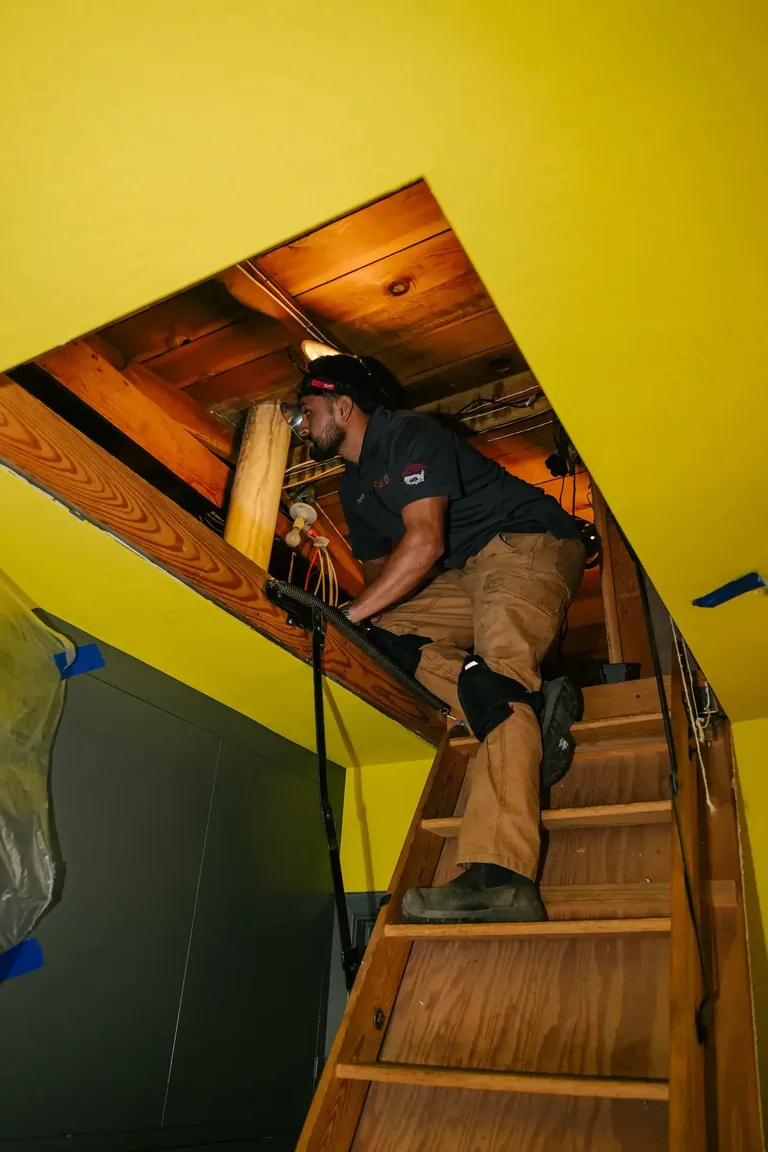
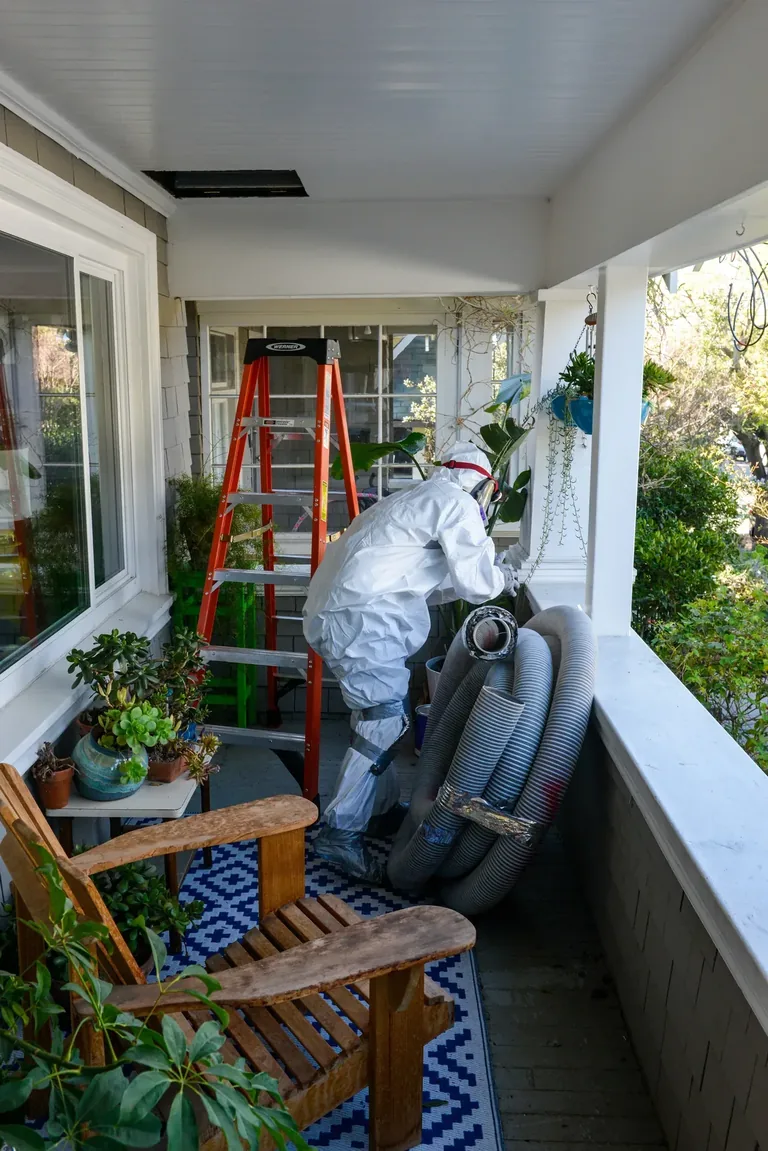
Published national price guides commonly place basic rat extermination around $189 to $655. The low end generally covers a limited visit, basic trapping, or simple removal. Generally speaking, comprehensive rat exclusion and cleanup services range between $1,000 to $10,000 based on a number of different factors, including but not limited to the severity of the infestation, home size, access, number of entry points, contamination, repairs, and follow-up.
San Francisco and Oakland CA projects can differ substantially from national prices. Alley Cat inspects first, then provides an itemized estimate for the work your property needs.
Companies typically offer warranties for exclusion work lasting a year, but Alley Cat's coverage lasts 3 years. Coverage varies by company, service, maintenance duties, and contract, so homeowners should review what is included rather than comparing warranty length alone.
Some exterminators clean rat poop, but many pest control companies focus only on trapping, baiting, or rodent removal. A dedicated cleanup service addresses rodent droppings, rat and mice droppings, urine, feces, nests, dead rodents, odor, and contaminated insulation.
Ask whether the company will:
Alley Cat combines professional rodent cleanup with inspection and prevention when appropriate. This matters because removing droppings without sealing openings can leave the home exposed to returning rodents.
The fastest responsible way is to inspect the property, set traps in active travel routes, seal confirmed entry points in the correct sequence, and remove contamination after activity is controlled. Poison alone may leave dead rats in inaccessible spaces, while cleanup alone does not stop an ongoing infestation.
A professional rodent plan should:
Speed depends on the size of the infestation, building layout, food sources, and access. The goal is not merely to shut one hole but to resolve the full problem.
The cost to clear a rat infestation depends on whether the job involves simple trapping or a larger service with cleanup, repairs, sanitation, and rodent proofing. National extermination figures are not reliable quotes for a Bay Area house, apartment, or business.
Pricing commonly changes with:
A low advertised price may cover only initial pest control. Alley Cat’s diagnostic report shows the complete recommended process so you can compare scope, not just the first number.
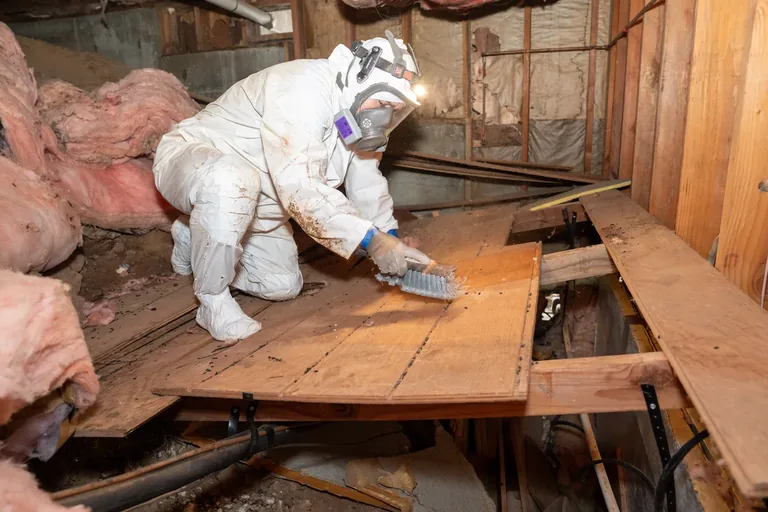
Contact Alley Cat for a clear assessment of contamination, entry points, and next steps. Our Bay Area team is ready to provide cleaning, rodent exclusion, rodent control, and customer support from inspection through the end of the job.