10+ years experienceProfessional rodent exclusion specialists
13,000+ homes serviced97% customer satisfaction
Bay Area localFamily-owned & operated
3-Year WarrantyCoverage per location and written terms
4.9 / 5 1,240 reviews
4.7 / 5 649 reviews
4.9 / 5 374 reviews
4.7 / 5 279 surveys
Accredited A+ BBB rating
Rodent Control for Palo Alto Homes
Effective rodent control identifies how rats and other rodents entered, where the rodents travel, and which repairs can reduce another rodent infestation. Alley Cat provides inspection-led rodent control services for homes, rentals, and residential properties.
Homeowners call us when they find:
Rats moving through an attic, garage, crawl space, walls, or utility room
A mice infestation affecting a kitchen, pantries, cabinets, or storage room
Rodent droppings, urine, nesting debris, noises, odors, or disturbed insulation
Entry points at vents, roof edges, foundations, doors, pipes, cracks, and holes
Schedule a rodent inspection for a plan built around your property’s specific needs.
Our rodent control work focuses on openings that let rats and other rodents enter. Rodents remain difficult to control when rats still have food, shelter, or an unsealed route indoors. Effective rodent control relies on exclusion sanitation and targeted trapping. That practical combination helps eliminate active rodents while addressing food, shelter, and access:
Identify active and potential entry points
Seal openings with durable, rodent-resistant materials
Pair structural control with targeted trapping and monitoring
02
Built for Palo Alto Homes
Palo Alto includes historic residences, mid-century homes, remodeled properties, detached garages, and newer additions. A raised foundation may need crawl-space control, while a slab home may need closer attention around utility lines, attached garages, roof returns, and walls. Our professionals adapt rodent control to the structure, family, pets, landscaping, and signs left by rodents.
03
One Coordinated Service
Alley Cat coordinates removal, cleanup, repairs, and rodent control services in one sequence:
Discover and document the full infestation
Eliminate rats or other rodents already inside
Clean affected areas and reinforce entry routes
Pest Control for a Rodent Infestation
Local rodent control service focused on rats, rodents, and prevention.
General pest control services may treat many pests, but Alley Cat specializes in rodent control services, rat control, cleanup, structural sealing, and prevention for rodents. A professional rodent control plan connects indoor signs with exterior entry. Signs of rodent infestation include droppings and gnaw marks. Other signs include noises that interrupt sleep, nests in insulation, damaged food, and grease marks along walls.
Roof rats entering an attic from a tree, fence, roofline, or vent
Norway rats using lower entry points, burrows, foundations, or a crawl space
House mice entering a kitchen, room, pantry, or cabinet through small gaps
This rodent control page addresses residential rodent problems. Pest control services include bed bug treatment and termite inspections. That statement describes broader pest control services; Alley Cat’s services here focus on rats and other rodents rather than treatment for other pests.
Our Rat Control and Mice Infestation Process
Every rat control, mice infestation, or wider rodent infestation begins with evidence, not assumptions. Our professionals inspect, identify the likely species, and create a rodent control plan around active routes, contamination, access, and the customer’s specific needs:
The initial consultation is the first step toward confident rodent control. A specialist asks what the family has seen, which room is affected, when noises occur, whether pets are present, and whether earlier baiting or trapping failed to control the rodents. We then schedule the on-site rodent inspection.
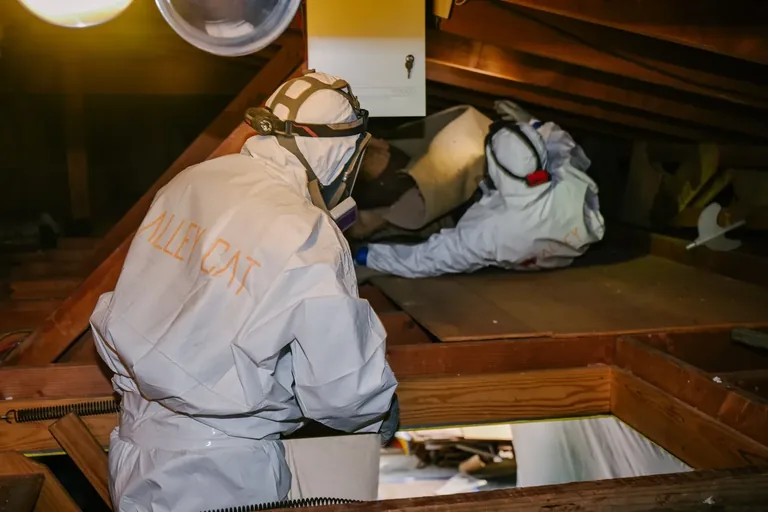
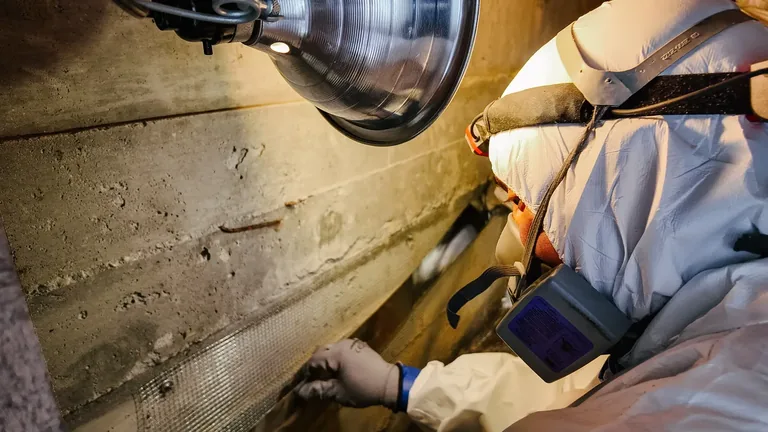
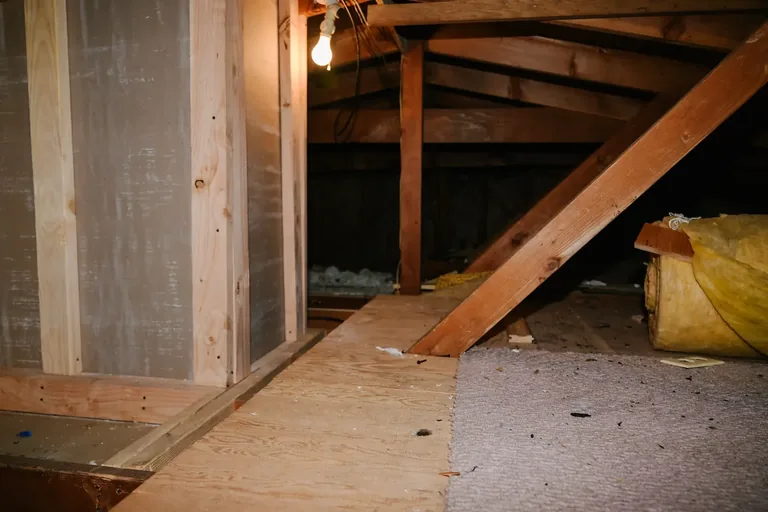
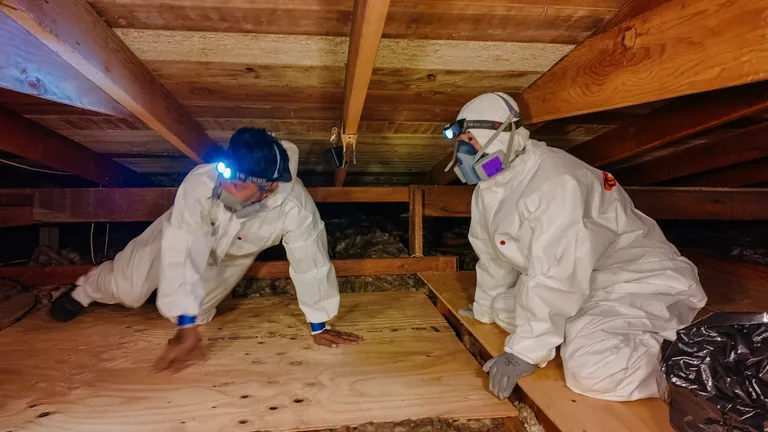
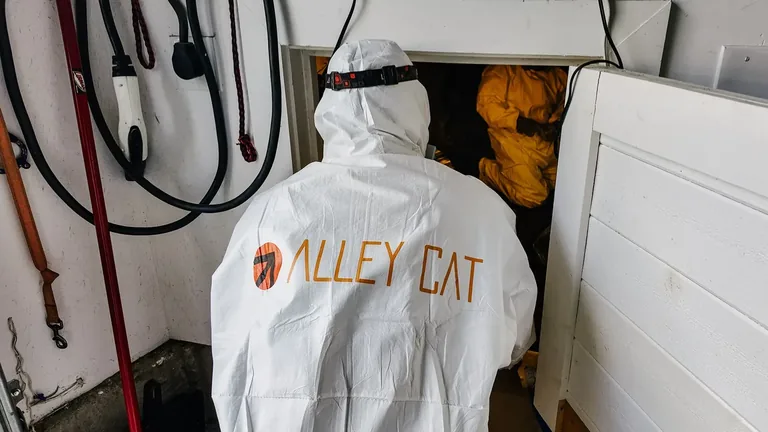
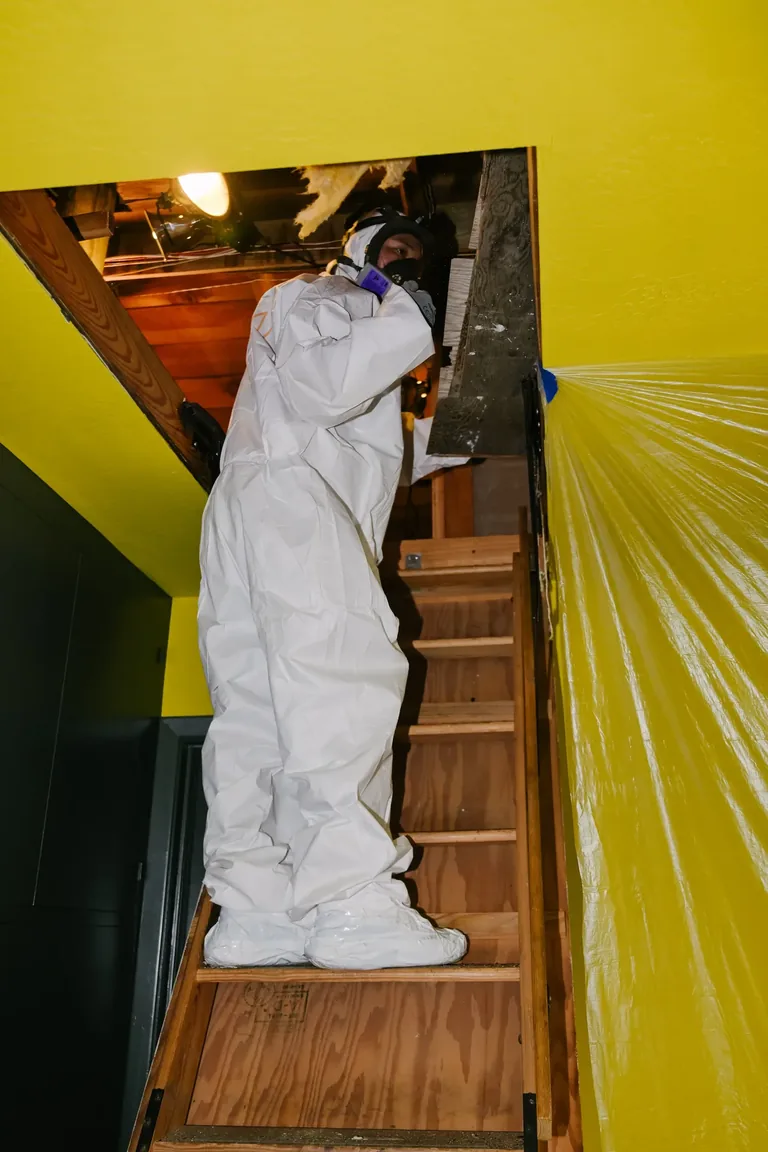
Inspection of the attic crawl space roofline vents and foundations locates nesting sites and entry points. The specialist also checks garages, utilities, kitchens, pantries, tree access, cracks, holes, and marks along walls. This first step helps customers:
Identify likely entry and nesting areas
Understand the stage and extent of the rodent infestation
After the rodent inspection, Alley Cat prepares a Comprehensive Diagnostic Report with photos, entry points, signs, affected rooms, recommended rodent control methods, and proposed services. The estimate explains what is covered, what the team will treat, and what may require a separate request. Customers can ask questions before work starts.
Step 03 · Clean
Cleanup & Removal
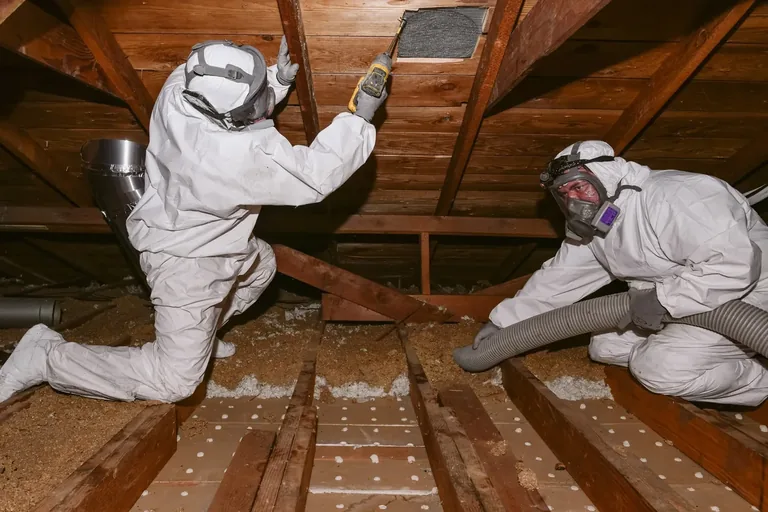
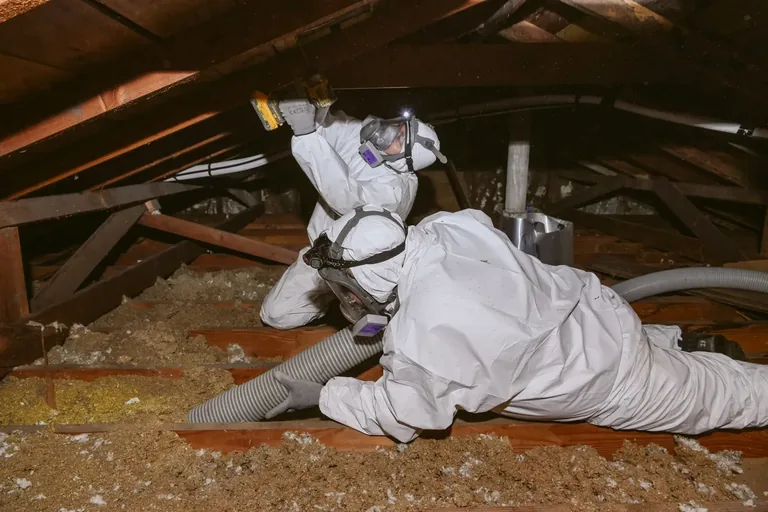
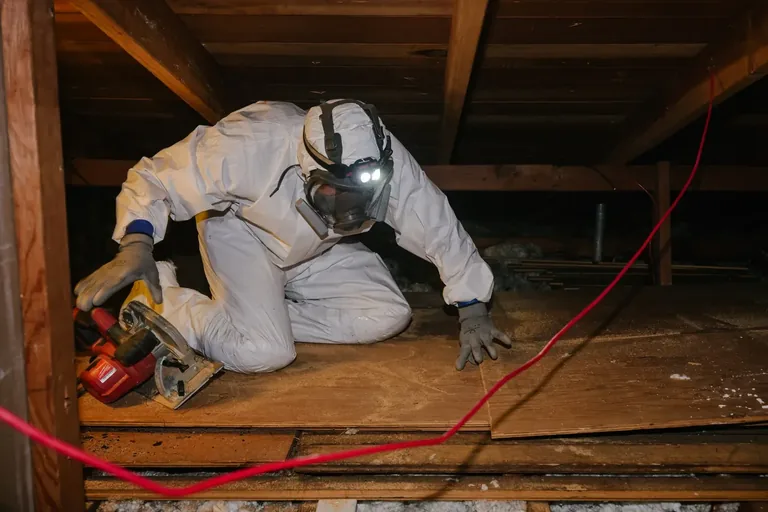
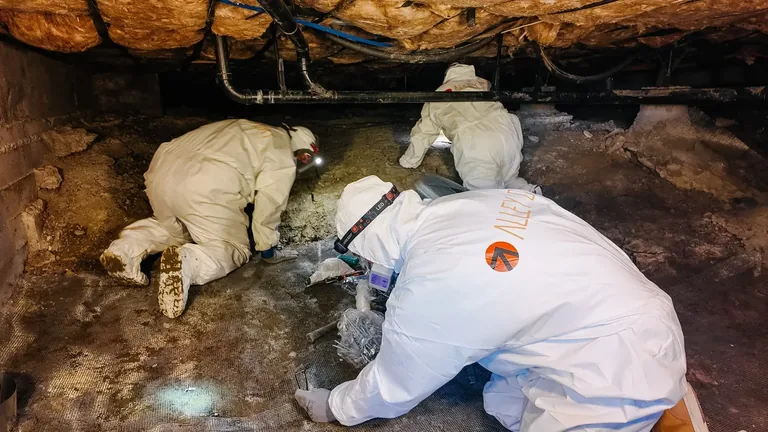
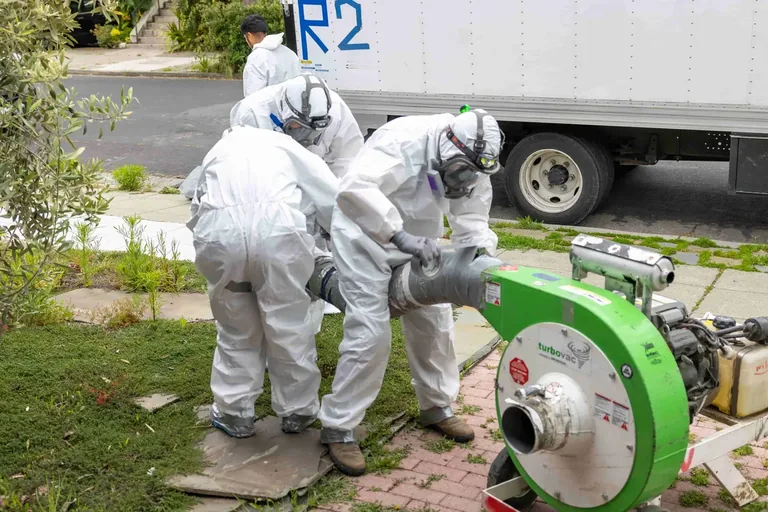
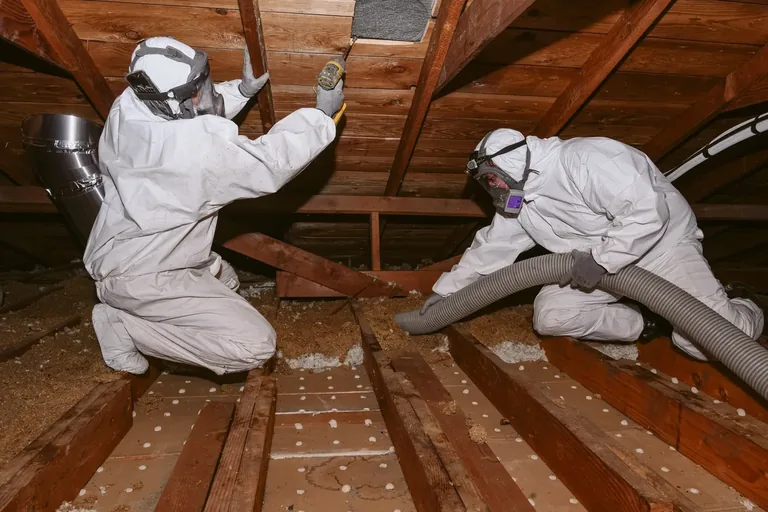
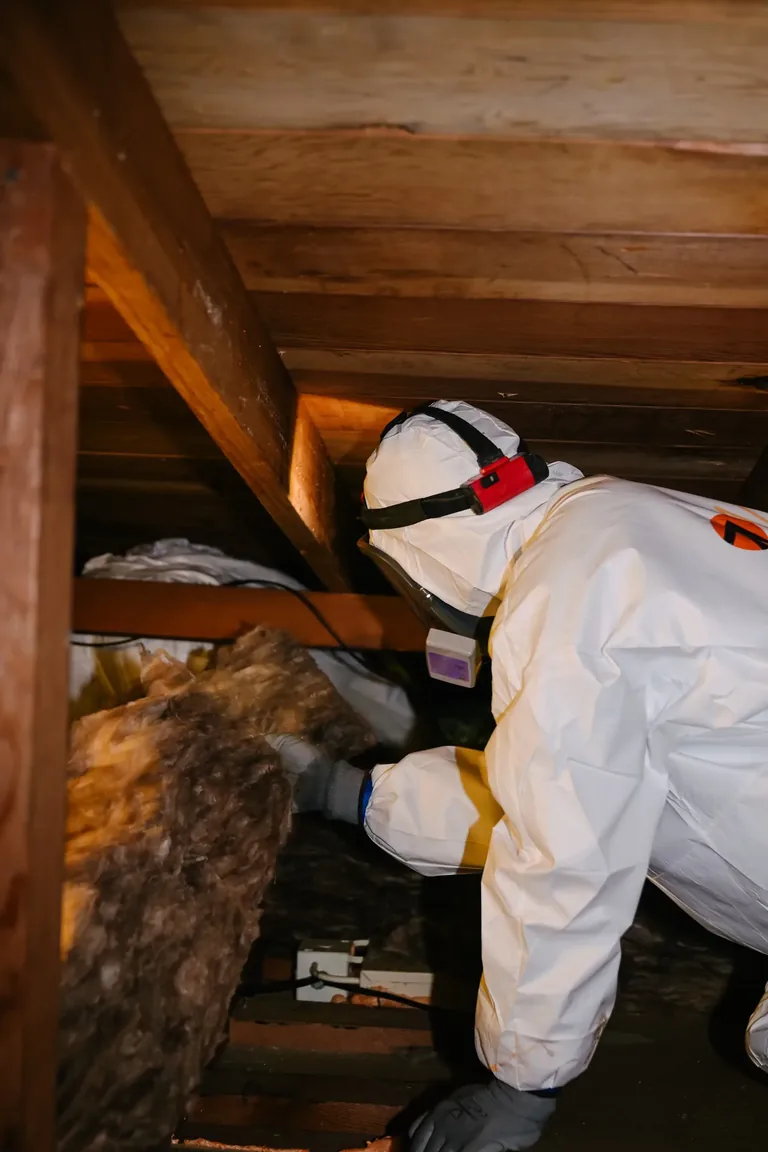
When rats or other rodents have occupied an attic, crawl space, garage, kitchen void, or storage room, the team removes accessible debris and damaged material. This stage exposes a rodent infestation and prepares the property for sanitation and rodent control.
Depending on the infestation, professionals may remove:
Droppings, nesting debris, accessible carcasses, and contaminated food
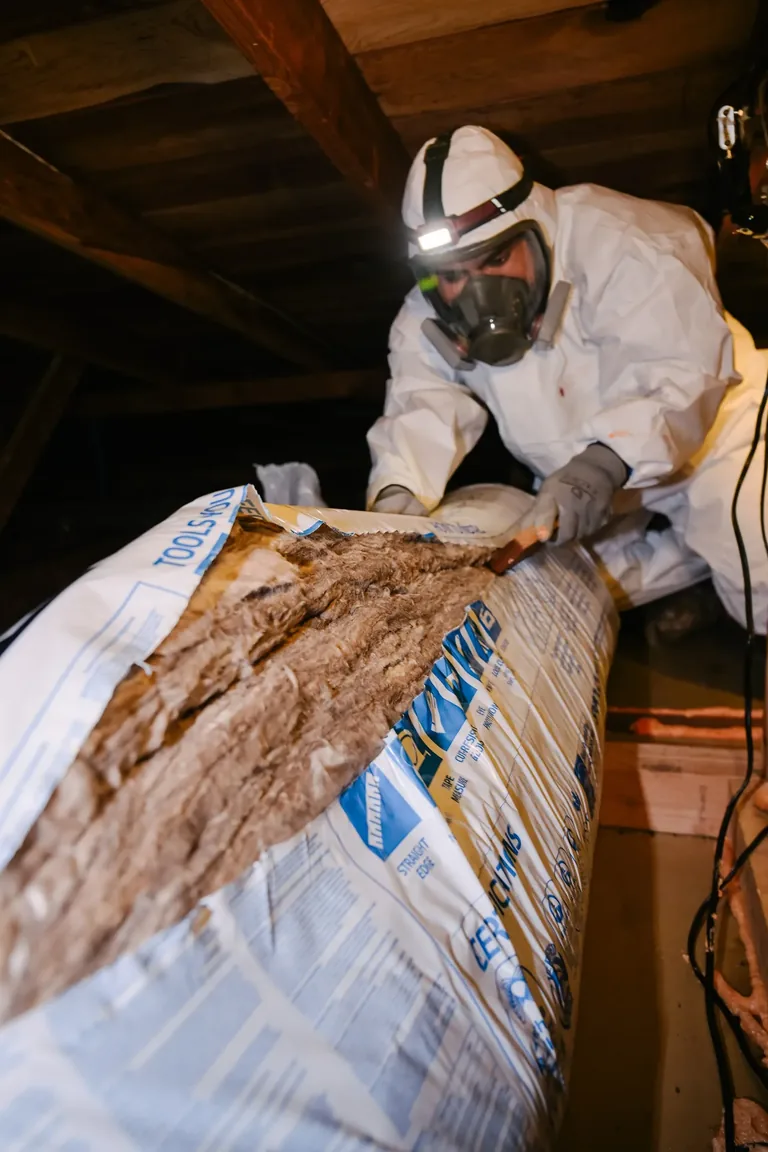
Heavily disturbed or infested insulation
Soiled vapor-barrier material, waste, and damaged stored items
Rodent droppings can contaminate food and surfaces.Rodents can cause property damage by gnawing on wires and insulation. These facts support prompt action, although cleanup and property damage vary by rodent infestation.
Step 04 · Sanitize
Sanitize & Decontaminate
Sanitation addresses urine, droppings, odor sources, and residue in accessible approved areas. Our team applies the approved cleaning process after removal rather than a generic spray.
Rodents can carry diseases like salmonellosis and hantavirus. The supported point is that some rodents can transmit disease; it does not mean every rodent infestation carries either disease. Customers should avoid dry sweeping contaminated areas and contact professionals when the extent or safe cleanup method is uncertain.
Step 05 · Seal
Seal, Reinforce, & Prevent
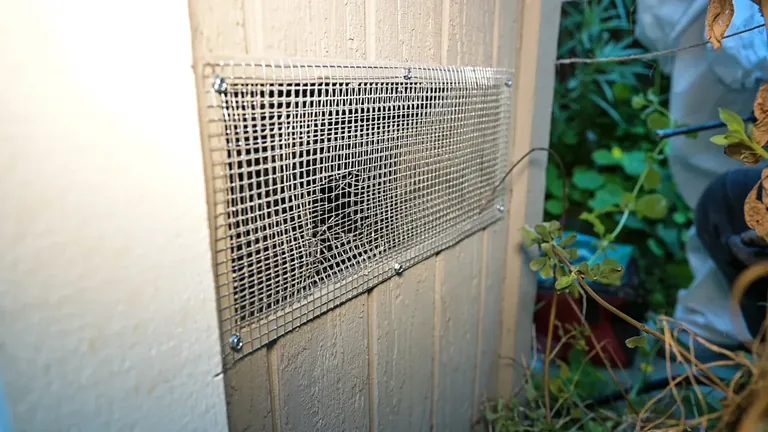
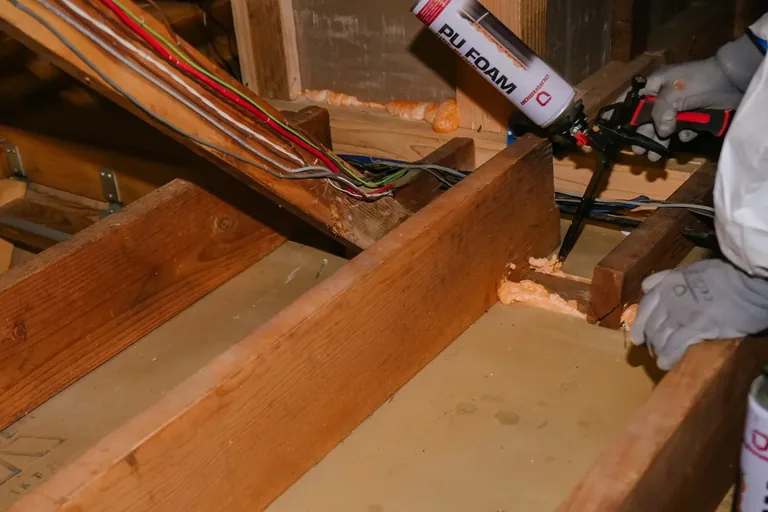
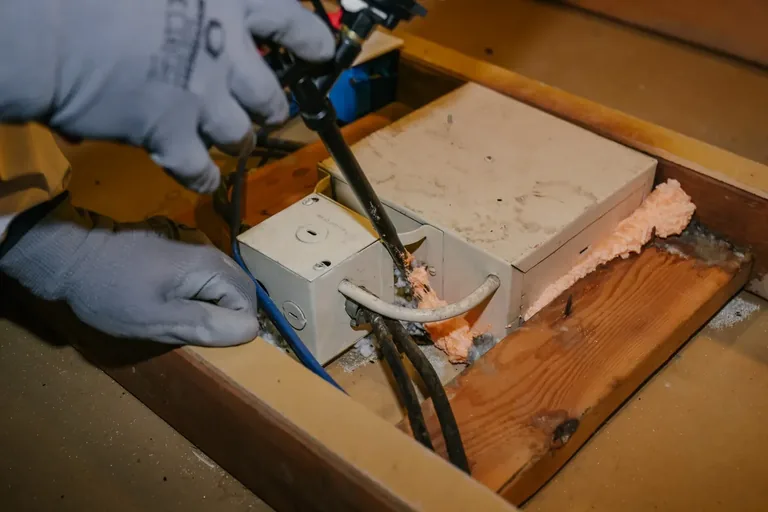
Structural rodent control is crucial because trapping alone does not prevent new rats or other rodents from entering. Sealing openings with rodent-resistant materials is essential for long-term rodent-proofing. We match repairs to the opening, airflow, and construction detail.
Our rodent control methods may include:
Roofline controlReinforce eaves, fascia returns, roof intersections, and elevated gaps used by roof rats.
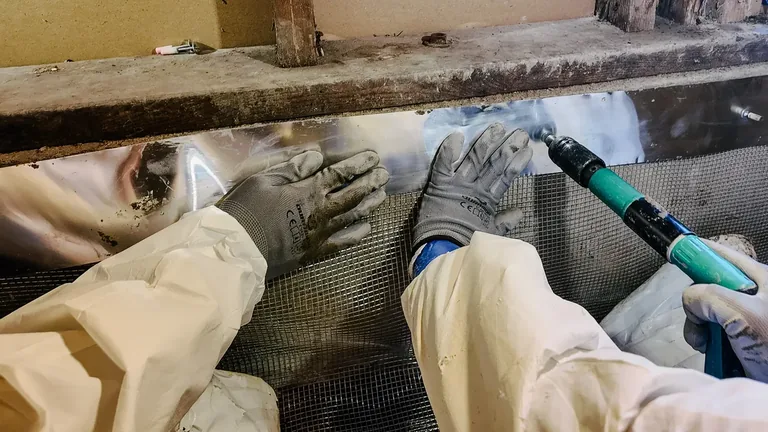
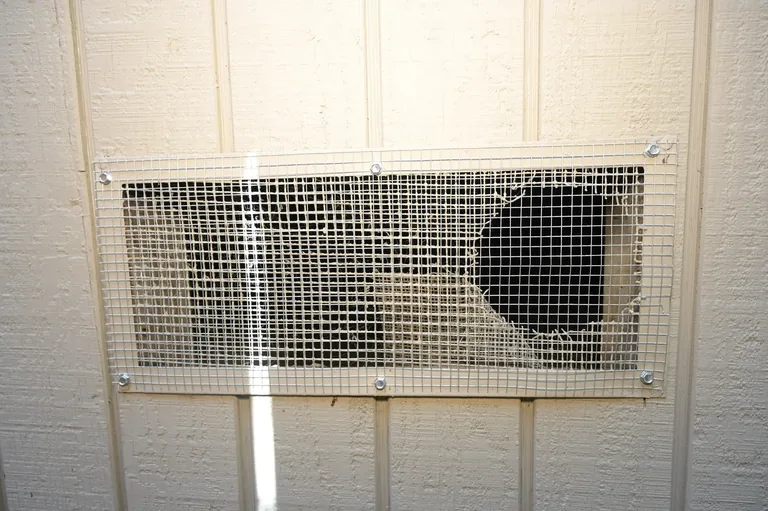
Vent screeningReplace failed screens with fitted metal screening while preserving required airflow.
Utility repairsClose entry around plumbing, cables, conduit, refrigerant lines, and wall penetrations.
Foundation controlRepair crawl-space vents, access doors, sill gaps, and vulnerable lower openings.
Garage controlAddress door corners, side seals, framing gaps, and connections to an interior room.
Trenching and barriersInstall below-grade protection where rats burrow along selected foundations or structures.
Block entry points by sealing gaps larger than a pencil diameter. This rule does not replace identifying rodents or protecting ventilation. It is important to identify the type of rodent as different species require different trapping strategies.
Palo Alto homes often combine original construction with later additions. Roof rats may move from green landscaping or a tree canopy into an attic, while smaller rodents use entry around cabinets or utilities. Key methods include sealing structural entry points and removing food and shelter attractants.Remove attractants by storing food in airtight containers and clearing fallen fruit.
Rodent trapping and exclusion methods often lead to more durable solutions than bait-only strategies. Alley Cat has served 13,000+ customers with a 97% customer satisfaction rating, helping families choose documented rodent control over stand-alone baiting.
Step 06 · Trap Check
Set Trap Checks
After entry repairs begin, professionals place traps based on droppings, walls, runways, the suspected nest, and the rodents involved. Snap traps are the most common and effective method for immediate rodent removal. They are positioned where children and pets cannot reach them.
Professional rodent control includes trapping, baiting, and exclusion. Alley Cat’s preferred combination depends on the property and safety concerns; baiting is not treated as the complete solution. Avoid using glue boards as they can trap non-target wildlife. Follow-up checks help the team discover remaining rats or rodents and adjust rat control or mouse control.
Step 07 · Wrap Up
Wrap Up & Haul Away
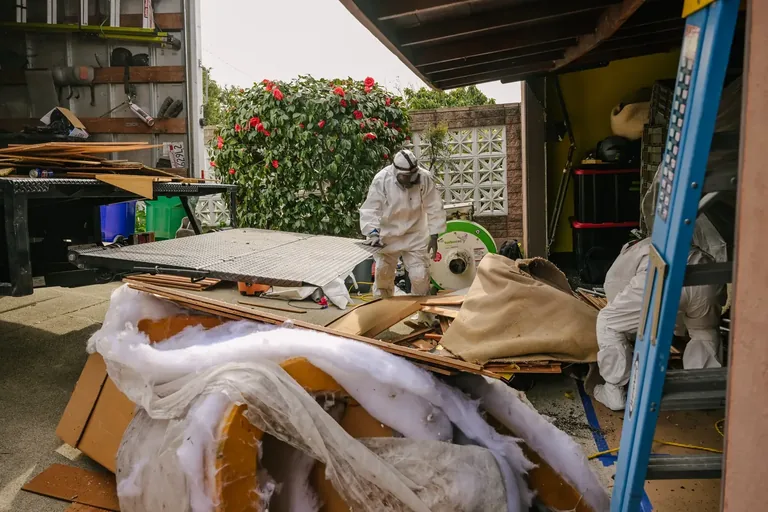
The team collects debris, job materials, and approved waste for haul-away. Customers receive a review of completed rodent control services, repaired entry areas, remaining concerns, and maintenance actions that can help prevent another infestation.
The goal is a clean property and practical record of the job. If a room, wall void, inaccessible nest, or unrelated condition was not covered, we note it clearly rather than allowing customers to assume it was treated.
Step 08 · Support
Customer Service
Rodent problems create stress, especially when rats make noises at night, rodents enter food areas, or a family cannot sleep. Alley Cat’s customer service team helps schedule appointments, answer questions, clarify the report, and coordinate each rodent-control stage.
Customers can contact us throughout rodent control work. Our team takes pride in arriving prepared and helping customers understand the rodents found, services completed, and next action.
Do not let droppings or attic noises develop into a larger rodent infestation involving more rats or rodents. Contact Alley Cat today to schedule a rodent inspection, identify openings, and build a rat control or mice-infestation plan that helps eliminate active rodents and reduce future risk.
Alley Cat is proud to have helped 13,000+ customers throughout the Bay Area with rodent control services. Our professionals provide detailed reports, practical rodent control services, and customer care for families facing rats and recurring rodents. That experience and knowledge help customers make confident decisions without unsupported guarantees.
“We’re having a problem with rats in our house, and I am happy with the service that Alley Cat is providing for us. We started with an estimate to determine the scope of the problem, and they identified the problem areas and came up with a clear action plan. The service was provided on time and with clear communication of the results.”
★★★★★
Jennifer ButlerVerified Trustpilot review
4.9 / 5 1,240 reviews
4.7 / 5 649 reviews
4.7 / 5 279 surveys
4.9 / 5 374 reviews
Rodent Control Specialists
Local conditions shape every control plan.
Neighborhood-Specific Inspections
A roofline in Crescent Park can present different rat entry than a slab home in Greenmeadow or a raised-foundation property near Downtown North. Our specialists inspect the actual structure rather than assuming every infestation follows the same pattern.
Remodeling Gap Detection
Additions, converted garages, utilities, and wall transitions can leave entry points missed during quick treatment. Identifying these hidden connections is crucial to durable control.
Tree-to-Roof Pressure
A mature tree can give roof rats and other rodents access to fences, garages, roofs, and attic openings. Branches, fallen fruit, and dense green shelter can increase pressure from rodents.
Palo Alto and East Palo Alto Conditions
Homes in Palo Alto and nearby East Palo Alto can share pressure from rats and other rodents involving trees, close property lines, garages, food, and shelter. Confirm service availability for the specific address. For control in Palo Alto, our professionals connect exterior entry with signs inside the property:
Roof edges, vents, chimneys, solar penetrations, and tree access
Crawl spaces, slab transitions, garages, sheds, and foundations
Kitchens, pantries, utility rooms, walls, and attic insulation
Remodeling gaps, cracks, holes, droppings, and gnaw marks
This helps customers discover why rats and rodents are present, not only where one was caught.
FAQ’s: Rodent Control in Palo Alto
What is the 5 day mouse rule?
The 5 day mouse rule is an informal monitoring guideline, not an official law or universal professional standard. The 5-day rule helps monitor if a rodent infestation has been managed effectively. After traps and repairs are in place, five days without fresh droppings, food disturbance, noises, or trap activity may be encouraging, but it does not prove every mouse or other rodent is gone, as they can live comfortably for years with enough proper access to food, water, and shelter.
Professionals check a combination of evidence:
No new droppings or gnaw marks
No trap activity or fresh food disturbance
No new noises, nesting, or entry signs
A mice infestation can involve hidden rooms or walls, so monitor beyond five days. Call us when signs continue, when the home remains infested, or when you are not confident that entry points were sealed.
What is the hardest rodent to get rid of?
The hardest rodent to get rid of depends on the building, food, shelter, and entry routes, although roof rats are often especially hard to control near trees. Roof rats can nest above ceilings, travel along fences and branches, and move between an attic and exterior shelter. House mice and other rodents can also remain close to food and use small holes.
Successful rodent control requires:
Correctly identifying rats versus mice
Finding every crucial entry route
Using enough properly positioned traps
Removing food and shelter attractants
Monitoring after repairs
No professional should promise to eliminate every rat or rodent infestation with one fast treatment. Durable rat control requires a combination of rodent control, sanitation, trapping, and follow-up.
Is it worth hiring rodent control?
Yes, professional rodent control is often worth it when rats or other rodents are inside, contamination is widespread, DIY trapping has failed, or customers cannot identify entry points. Professionals bring inspection knowledge, species-specific methods, repair experience, and coordinated rodent control services.
Search results mix rodent specialists with broad pest-control businesses:
Palo Alto pest control companies average 4.6 stars from 1345 reviews, which reflects one directory’s 32 rated companies, not every provider or Alley Cat’s rating.
ATCO Pest Control has been locally owned since 1985.
Killroy Pest Control offers monthly and quarterly service plans.
Pest control companies use Integrated Pest Management (IPM) techniques.
Those statements describe the market. Alley Cat centers services on rats, rodents, repairs, cleanup, and long-term rodent control, not monthly treatment for other pests.
How do the Amish get rid of mice?
There is no single verified “Amish method” that all Amish families use to get rid of mice or other rodents. Online answers describe storing food, cleaning pantries, reducing clutter, maintaining buildings, using cats, and setting traps. Those habits may help, but cultural labels do not prove a method can control a serious rodent infestation.
For a modern home, the useful principles are straightforward:
Keep food and pet food in sealed containers
Remove fallen fruit and accessible water
Seal structural entry points with durable materials
Use targeted traps in protected locations
Contact professionals when signs continue
These steps support practical rodent control, but a Palo Alto home with roof rats, contaminated insulation, or repeated rodent entry needs a property-specific assessment.
Request a Free Quote
Contact Alley Cat for a free quote and rodent control appointment. The initial consultation records concerns before a professional prepares a specific rodent control plan.









Trusted by Bay Area Customers
Alley Cat is proud to have helped 13,000+ customers throughout the Bay Area with rodent control services. Our professionals provide detailed reports, practical rodent control services, and customer care for families facing rats and recurring rodents. That experience and knowledge help customers make confident decisions without unsupported guarantees.
★★★★★
Jennifer Butler Verified Trustpilot review
1,240 reviews
649 reviews
279 surveys
374 reviews