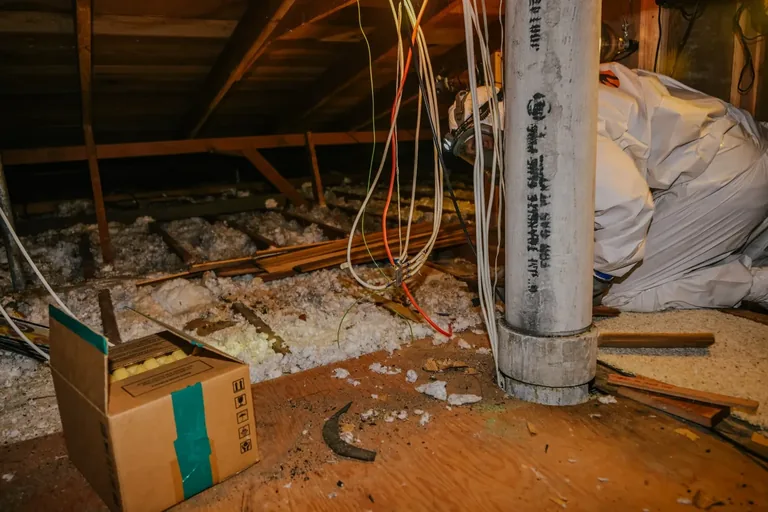
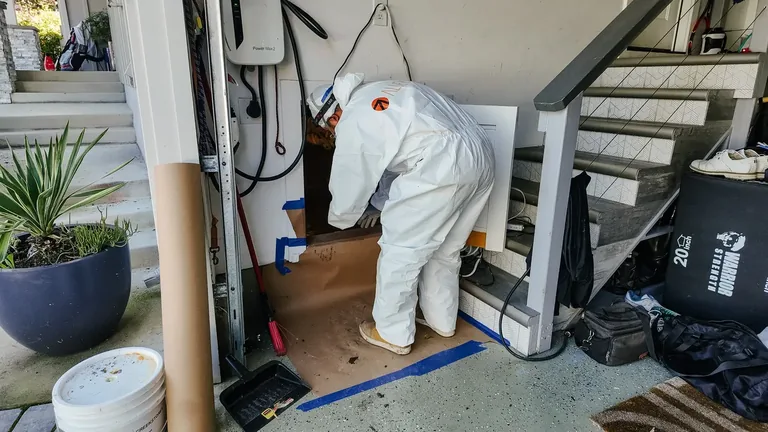
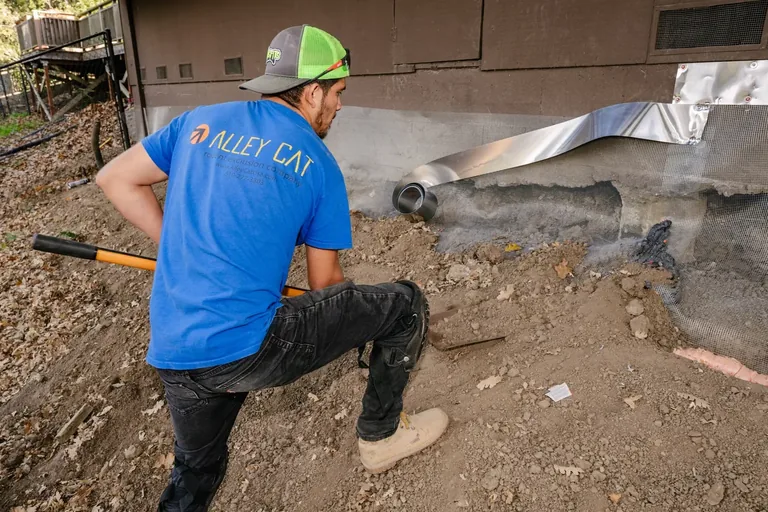
Rodent control Santa Rosa homeowners can rely on is more than setting a few traps or applying a quick spray. Rodent control Santa Rosa service identifies how rats or mice entered, removes active rodents, cleans contaminated areas, and reinforces the structure.
Rodent Control Santa Rosa for Lasting Home Protection
Local exclusion, cleanup, removal, and prevention
In practical terms, rodent control in Santa Rosa addresses both the immediate rodent infestation and the conditions that can lead to future infestations.
We find and reinforce the entry points rodents use, helping protect the home or business instead of depending on short-term pest control treatments alone.
02
Detailed Reporting
Customers receive photographs, priorities, and an estimate explaining what should be cleaned, removed, sealed, reinforced, treated, or monitored.
03
Full Restoration
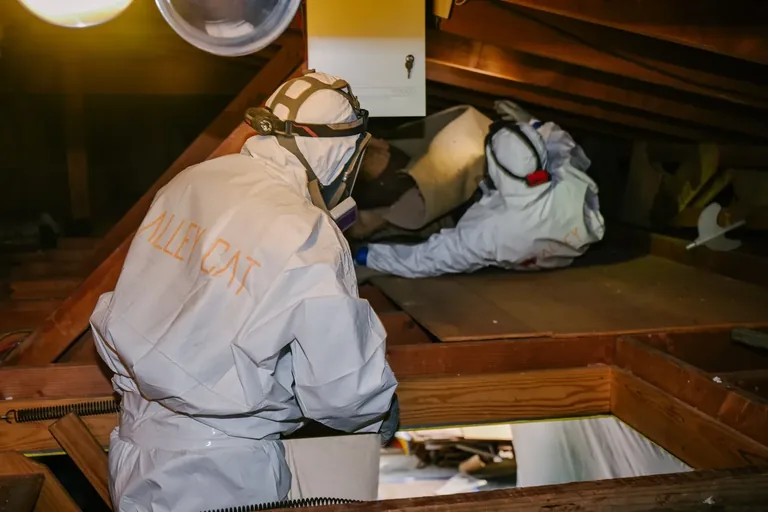
One coordinated service can combine trapping, rodent removal, contamination cleanup, sanitation, structural exclusion, monitoring, customer assistance, and responsible haul-away.
Santa Rosa is a varied community, with people living and working in homes and commercial buildings that range from older cottages and downtown bungalows to hillside properties, rebuilt neighborhoods, apartments, and newer developments. Our approach adjusts to the structure, species, severity, entry points, contamination, and site conditions:
Step 01 · Inspect
Free Inspection
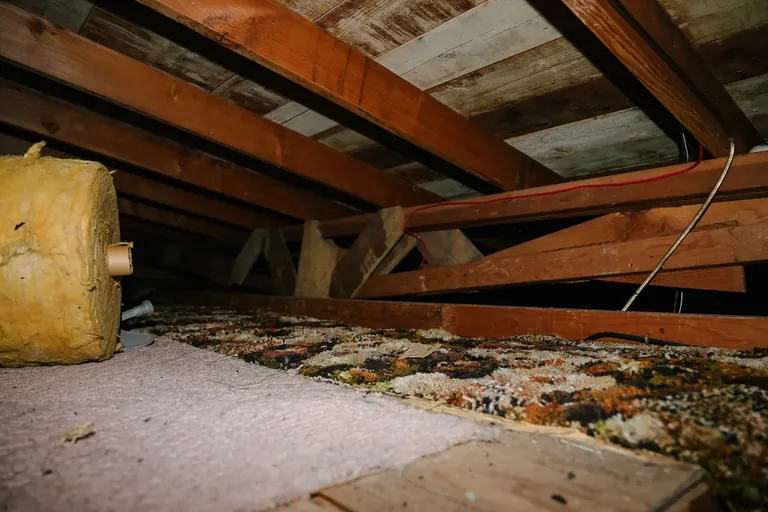
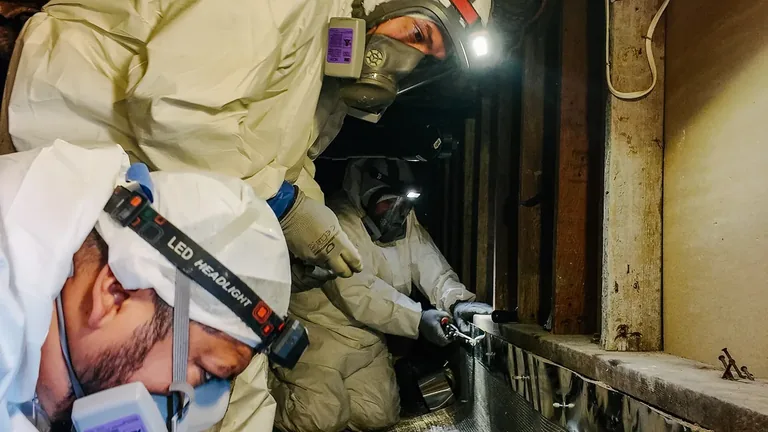
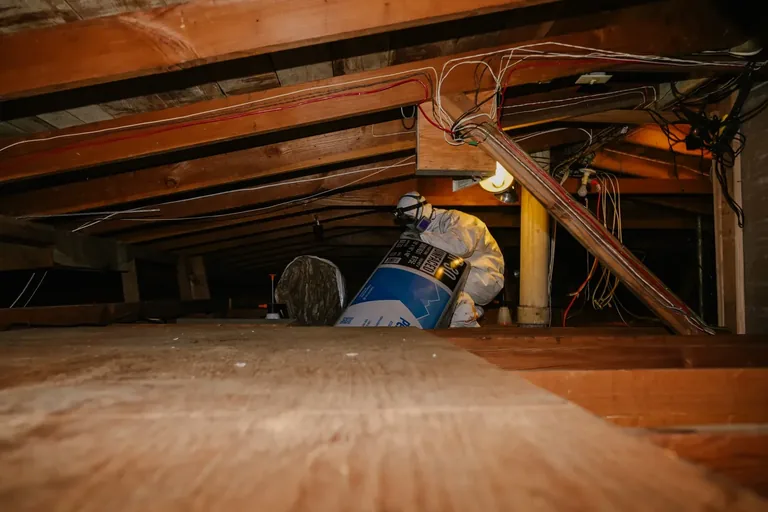
The free inspection begins with what you have seen, heard, or smelled and where the activity appears strongest. We inspect roof returns, eaves, vents, garage-door edges, crawl spaces, foundation transitions, plumbing penetrations, siding gaps, decks, chimneys, sheds, gardens, and tree branches touching the roof.
Inside, we look for droppings, rub marks, nesting, chewed food, damaged attic insulation, wall activity, and routes between pantries, basements, floors, and the garage.
Identifies likely entry points and active travel paths
Separates cleanup needs from structural exclusion work
Gives the property owner a clear basis for deciding what to do next
Step 02 · Diagnose
Diagnostic Report & Estimate
After the free inspection, Alley Cat prepares a Comprehensive Diagnostic Report documenting rodent activity, contamination, structural damage, conducive conditions, and the entry points rats or mice may be using. Photographs and written findings show customers where rodents are traveling or nesting and whether the property needs trapping, monitoring, cleanup, sanitation, material removal, or exclusion services.
Integrated Pest Management (IPM) uses targeted, need-based applications, and focuses on preventing reinfestations, not just removing pests.
IPM combines inspection, monitoring, and targeted treatments, and is environmentally responsible and family-safe (which describes an objective rather than an absolute safety guarantee; products and methods must still be selected and used correctly around family members and pets.)
IPM has been used for over 100 years in pest control, though modern IPM developed into a formal framework more recently, its inspection-led and prevention-focused principles are well established.
For Alley Cat, this means using the inspection findings to decide where traps should be placed, which contaminated materials require attention, and which structural openings should be sealed to help prevent future infestations. Rodent control includes trapping and monitoring techniques.
Residential pest control services are tailored to local pest issues. Our residential service is performed by professionals who understand California structures and common pests. Alley Cat’s professional pest control services offer a narrower, more structural pest control approach: we inspect, monitor, remove contamination, seal entry points, and help prevent future infestations. Regular inspections help prevent rodent infestations.
The estimate separates each stage so customers can see what addresses active rodents, restores contaminated spaces, and protects the structure. It provides clearer details than a vague treatment proposal or recurring general pest control service.
Step 03 · Clean
Cleanup & Removal
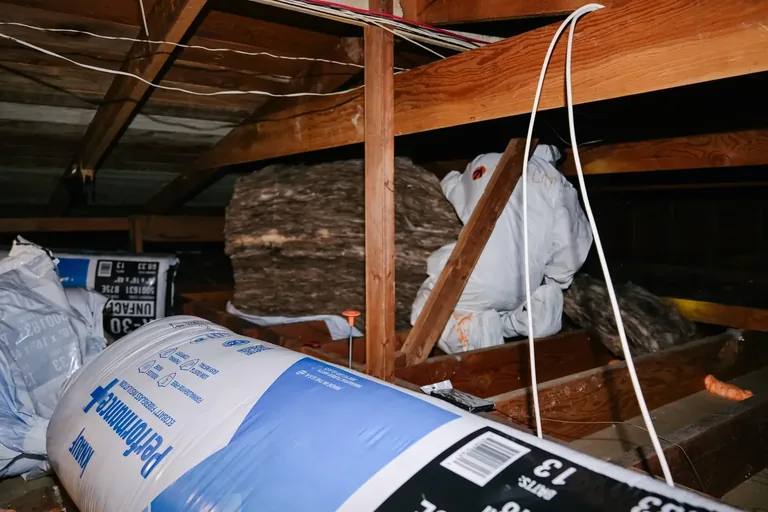
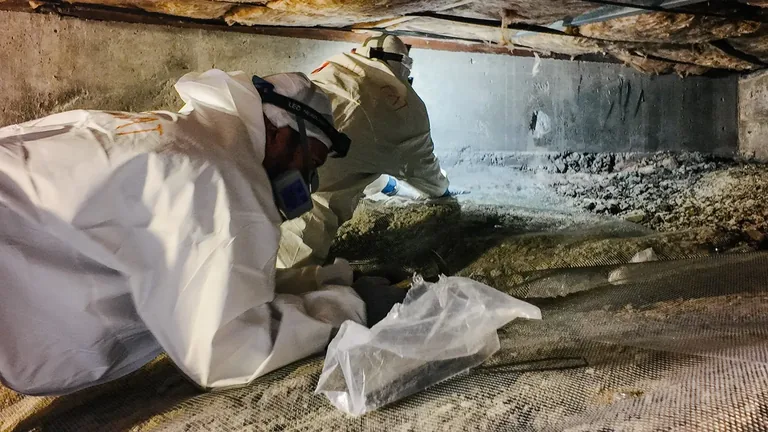
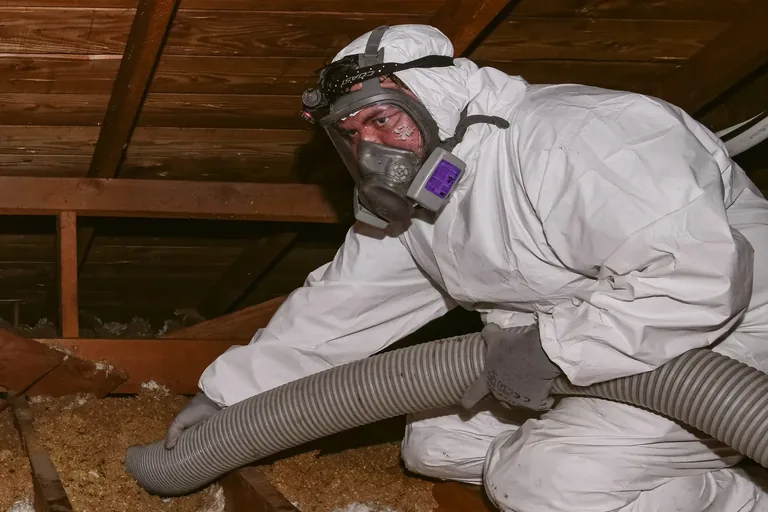
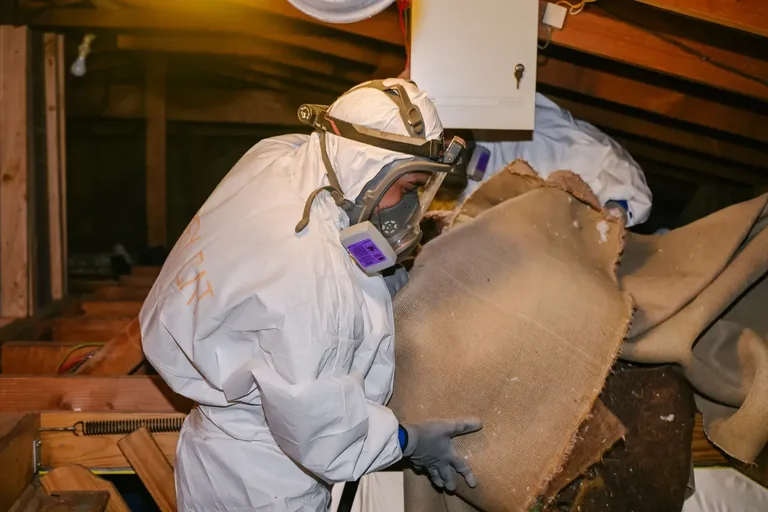
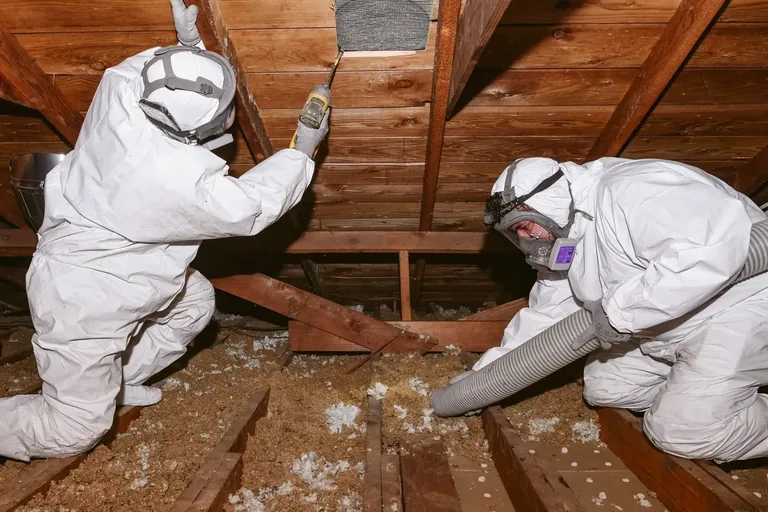
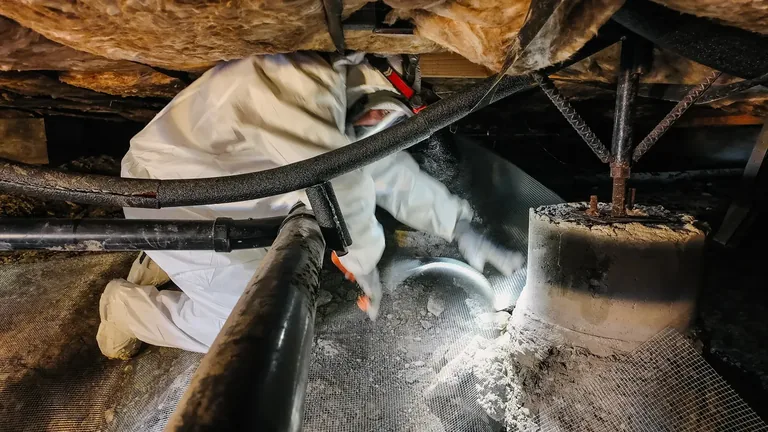
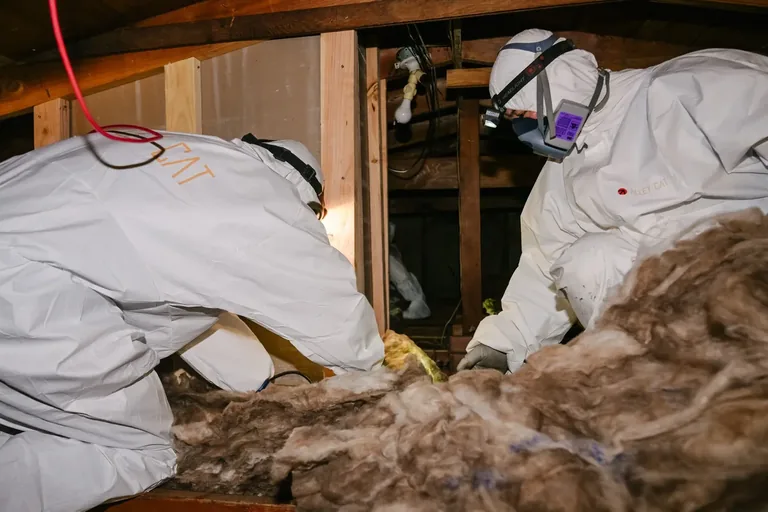
Cleanup removes materials rodents contaminated or used for nesting, whether the property needs localized debris removal or a larger attic, basement, garage, or crawl-space cleanup.
Damaged attic insulation, torn duct wrap, soiled vapor-barrier sections, or ruined belongings
Dead rodents, odor sources, disposable removal materials, and service-related waste
Rodent waste can spread diseases through contaminated air or food, and rodents may carry ticks, mites, or fleas. Our team works carefully to avoid spreading contaminated particles.
Step 04 · Sanitize
Sanitize & Decontaminate
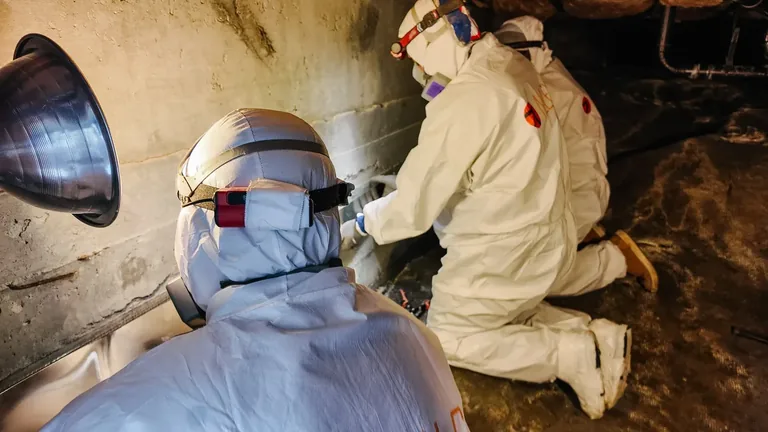
Sanitation and decontamination address residue left after rats or mice have occupied the property. Our team applies appropriate products and methods to affected surfaces, focusing on droppings, urine, nesting, grease marks, food contamination, and odor.
This stage matters in attics, crawl spaces, basements, garages, pantries, and utility spaces. Cleanup leaves them cleaner, but it cannot prevent future infestations while holes or damaged vents remain open.
Step 05 · Seal
Seal, Reinforce, & Prevent
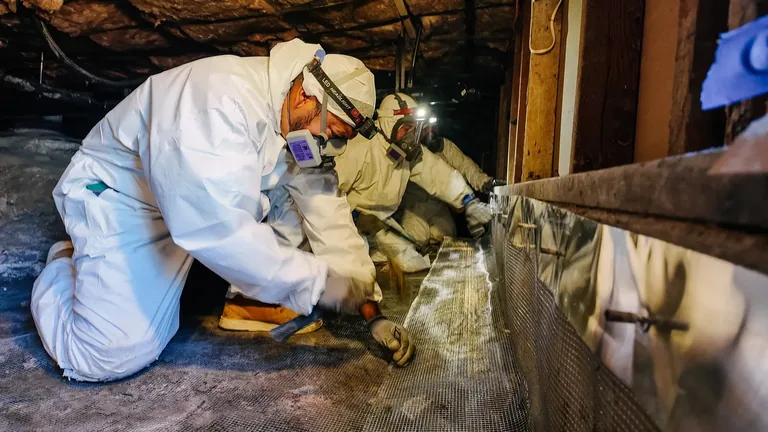
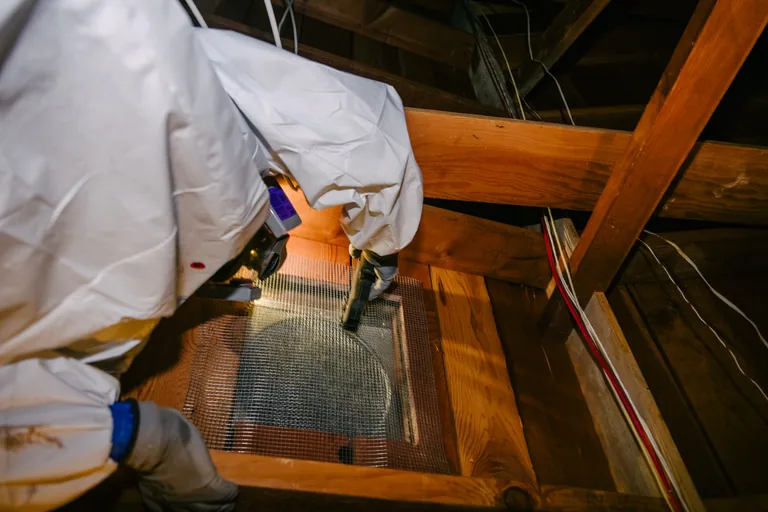
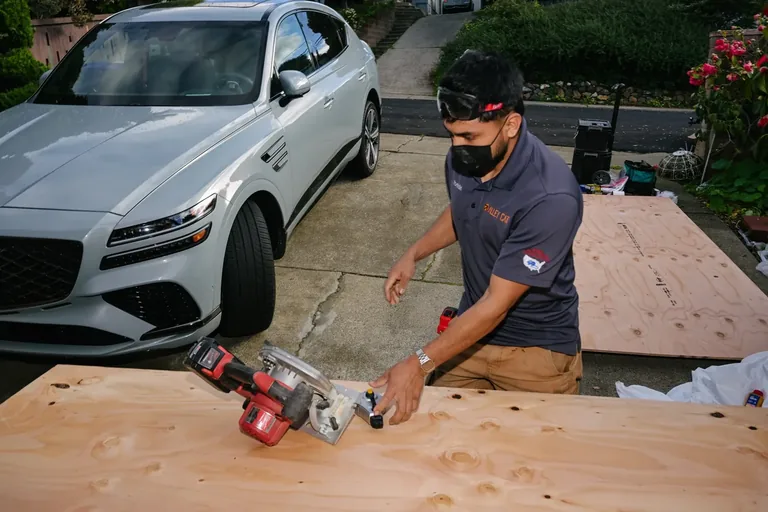
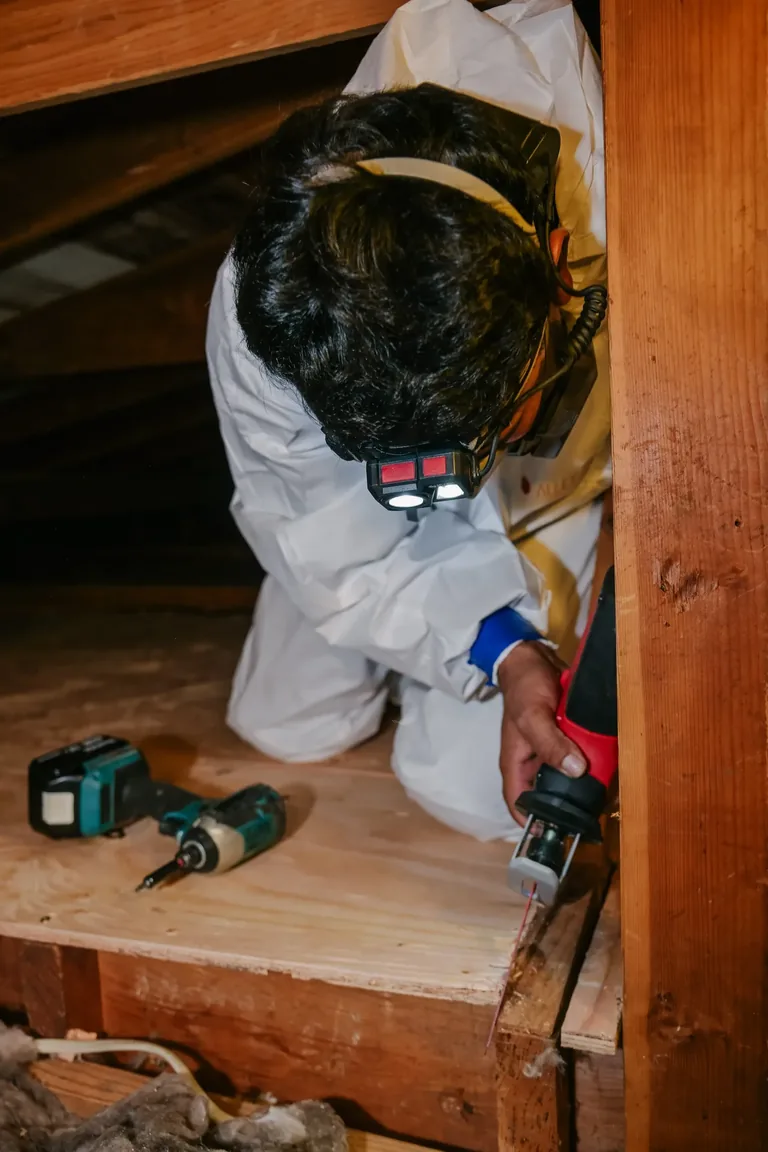
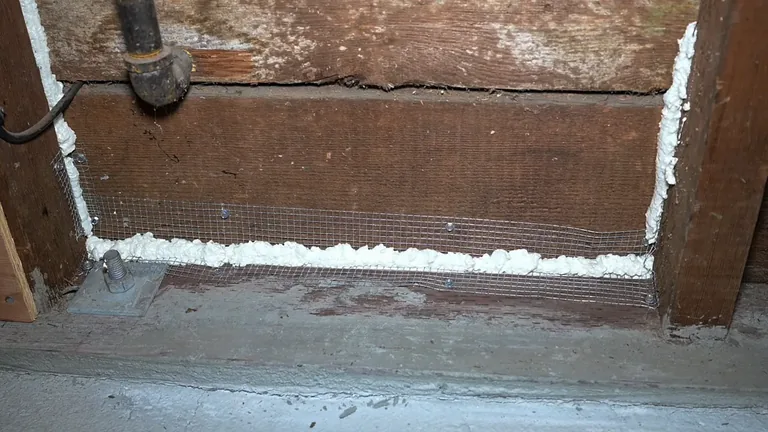
Effective rodent control typically involves exclusion sanitation and trapping. Our specialists trace each opening to the building component involved and choose a repair that fits the material, exposure, and pressure at that location. Exclusion involves sealing gaps cracks and holes in structures. A mouse-sized plumbing gap requires a different repair than rats entering beneath a roof edge or rodents using a route beside the foundation.
Common Santa Rosa exclusion methods include:
Galvanized ScreeningDurable metal mesh is secured over vents and openings while preserving required airflow.
Metal FlashingCut flashing closes irregular roofline gaps, siding transitions, door edges, and larger entry points.
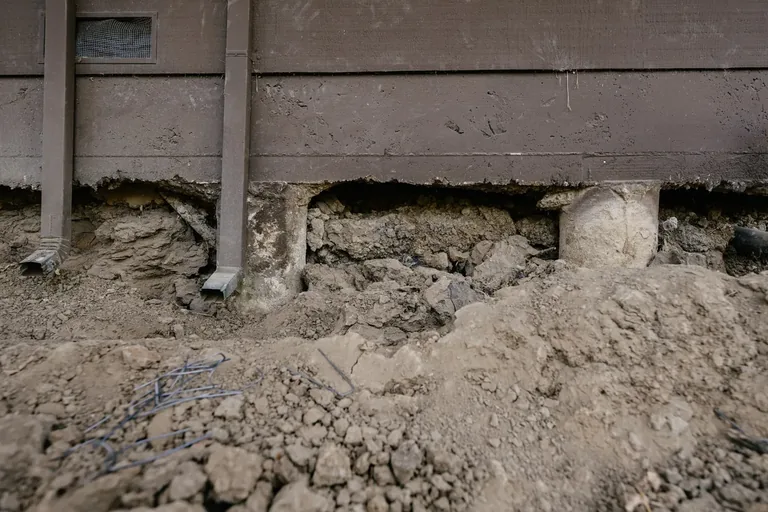
Mortar and Concrete RepairSurface-appropriate masonry work reinforces foundation holes and penetrations.
Roof and Eave ReinforcementFascia returns, soffit intersections, roof vents, chimneys, and gaps beneath roofing components are reinforced.
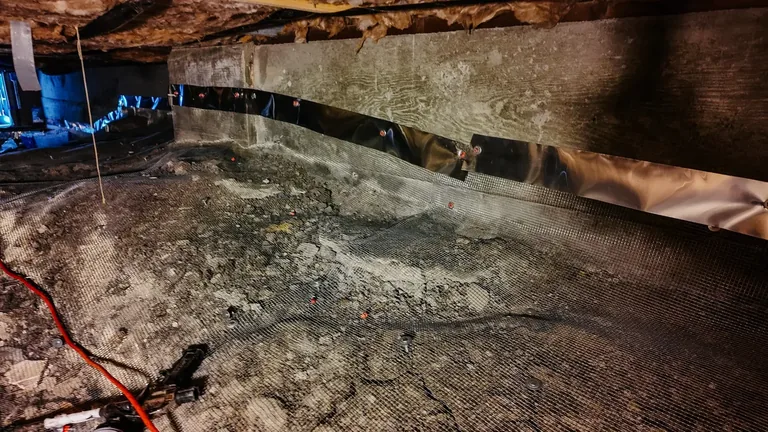
Crawl-Space BarriersSecured screening, trenching, or an underground barrier may address routes beneath or beside the foundation.
Utility-Penetration SealingRodent-resistant materials close spaces around pipes, conduit, refrigerant lines, cables, and other service entries.
A combined approach of inspection exclusion and targeted trapping is often the most effective solution for rodent problems. Integrated Pest Management focuses on sealing entry points. Rodent inspections should identify entry points and recommend exclusion work to prevent future infestations. Habitat modification involves keeping vegetation trimmed away from structures and removing clutter that provides nesting sites.
A historic home in Railroad Square or the West End may have aging penetrations, while a property in Bennett Valley, Coffey Park, or Fountaingrove may need closer roofline, garage, and landscaping review. This site-specific work is a major reason customers choose Alley Cat.
Our company has served 13,000+ customers with a 97% customer satisfaction rating. The work is backed by experience, clear reporting, and repairs with a defined purpose.
Step 06 · Check
Set Trap Checks
Rodent control includes trapping and monitoring techniques. Traps are placed according to rodent species, droppings, rub marks, food access, and likely travel routes. Trapping includes using snap traps electric traps or glue boards for indoor infestations. That sentence describes general industry options; Alley Cat’s technicians select site-appropriate methods and do not assume all trap types fit every property, family, or pet situation.
Scheduled trap checks remove captures, reset equipment, count activity, and reveal signs of another route. Non-lethal or mechanical exclusion methods should be prioritized for homes with pets or children. Rodenticides are used as a secondary option when traps are insufficient and should be managed carefully. They do not replace structural sealing.
Step 07 · Haul
Wrap Up & Haul Away
At the end of service, the team removes job debris, discarded nesting, approved contaminated materials, and related waste. We review repairs, clean the immediate work areas, and leave the property ready for normal life.
The final walkthrough covers pet food, bird seed, fallen tree fruit, compost, yard clutter, vents, garage doors, and conditions that attract pests or create shelter.
Step 08 · Support
Customer Service
Rodent work can involve multiple visits and several areas of the property. Our customer-service team coordinates the inspection, schedule, documentation, field service, and follow-up.
We pair field experience with friendly assistance. Customers can contact people who understand the property, completed work, and reason for each recommendation.
Schedule your free inspection today to identify active rodents, entry points, contamination, and structural work. This exclusion-led approach helps families stay protected and provides peace of mind year round.
Alley Cat helps customers move from recurring infestations to a clear long-term plan through inspection, cleanup, removal, exclusion, prevention, and responsive support.
“They were on time and did what they were supposed to do. I could count on them. I was happy they did the job. I have no more rats. They did it in a timely fashion, and if there was a problem, they came back right away and resolved it.”
★★★★★
Virginia B.Verified Diamond Certified survey
4.9 / 5 1,240 reviews
4.7 / 5 649 reviews
4.7 / 5 279 surveys
4.9 / 5 374 reviews
Rodent Control Santa Rosa Homes Need
Protection designed around local structures
Roof Rats in Attics
Roof rats and house mice seek shelter in attics. They can also nest in wall voids, cabinets, and roof cavities, making the attic and roofline important places to inspect.
Creek-Edge Entry Points
Properties near creeks, drainage routes, and mature vegetation benefit from inspection of foundations, garages, tree contact, exterior storage, and crawl spaces.
Rainy-Season Mouse Pressure
Rodents like roof rats and mice invade during rainy weather. Rodents often invade homes during cooler months. During winter, they may seek food, water, warmth, and shelter inside attics, walls, basements, and other protected spaces.
Exclusion Services Built for Santa Rosa CA
Focused protection for local homes and businesses
Our services in Santa Rosa start with the structure rather than a preset spray program:
Older buildings may need inspection of additions, subfloors, original vents, and foundation transitions.
Open-space properties may need closer roof, deck, yard, tree, and garage review.
Crawl-space properties may require screening, trenching, vapor-barrier cleanup, or below-floor reinforcement.
Homes with pet food, bird seed, compost, gardens, or fallen fruit may need sanitation and habitat changes.
Cherry Street, Railroad Square, St. Rose, West End, Bennett Valley, Coffey Park, and Fountaingrove reflect different building eras. Alley Cat also serves nearby Sonoma County, Napa, Petaluma, Novato, and other communities, but this page focuses on rodent control Santa Rosa property owners need.
Professional Pest Control Services in Santa Rosa
Rodent expertise within the broader pest-control market
Rodent and Pest Control in Santa Rosa
Rodents are among the most disruptive pest problems affecting Santa Rosa properties because rats and mice can enter attics, walls, crawl spaces, garages, kitchens, and other protected areas. Alley Cat’s approach to rodentpest control in Santa Rosa centers on identifying those entry points, removing active rodents, cleaning contaminated spaces, and reinforcing the structure to help prevent future infestations.
Common pests in Santa Rosa include ants, rodents, and termites, which thrive in Santa Rosa's older homes and damp conditions. Cockroaches prefer warm, humid environments such as kitchens, and bed bugs are increasingly common in Santa Rosa's hotels and apartments. These broader pest issues provide useful local context, but Alley Cat is not a general pest treatment company. We specialize in rats, mice, rodent cleanup, structural exclusion, and long-term prevention.
Structural Rodent Expertise
Many local pest control companies address numerous pests through recurring treatments. Alley Cat focuses specifically on rats, mice, contaminated areas, and the structural openings that allow them into a home or business.
Our local team uses inspection findings to recommend only the trapping, cleanup, sanitation, monitoring, and exclusion work the property needs. This approach addresses the current rodent infestation and conditions that contribute to future infestations.
Local Team, Clear Support
Our local team serves residential and commercial customers across Santa Rosa CA with clear reporting and support. We help protect homes and businesses without repeated broad treatments that leave entry points open.
FAQ’s: Rodent Control Santa Rosa
These frequently asked questions explain costs, difficult species, mouse-monitoring timelines, and when professional service makes sense.
How much does it cost to get rid of rodents?
The cost to get rid of rodents depends on infestation severity, property size, entry points, access, contamination, and repairs, though general rodent exclusion work that is comprehensive in nature can run anywhere from $1,000 to $10,000. A garage mouse problem may cost less than rats nesting in an attic with damaged insulation and several roof openings. This is why it's so important to get an initial inspection completed.
Pricing usually reflects:
Inspection findings and the number of active areas
Trap placement, follow-up checks, and monitoring time
Cleanup of droppings, nests, food contamination, and debris
Exclusion at the roof, walls, vents, crawl spaces, or foundation
Sanitation, damaged-material removal, and haul-away
Any low-end online price may cover limited treatment; it is not an Alley Cat quote. Our free inspection explains the scope before customers schedule service.
What is the hardest rodent to get rid of?
The hardest rodent to get rid of is usually one with hidden access, abundant food, and an undetected nest. Roof rats use tree and roof routes, while mice fit through small holes and can nest inside walls or attic insulation.
Ultrasonic and most scent-based repellents have not been proven to provide reliable long-term control. Sanitation eliminates food sources by storing items in airtight containers and cleaning regularly. Effective control also requires finding where rodents enter, sealing those points, setting appropriate traps, and monitoring for new signs.
What is the 5 day mouse rule?
The 5 day mouse rule is an informal pest control phrase, not a scientific rule or guarantee. If traps remain untouched and no fresh droppings, gnawing, noises, or food disturbance appear for roughly five days, indoor activity may have declined. However, it should not be taken as evidence of absence, as rats and mice can live comfortably for weeks or even years with appropriate food, water, and shelter.
Homeowners should still:
Continue monitoring likely travel spots.
Inspect and seal small entry points.
Remove accessible food and secure pet food.
Check the attic, garage, walls, and crawl spaces for a hidden nest.
Arrange expert assistance if signs return.
The goal is not merely to get rid of visible mice quickly; it is to address access and prevent future infestations.
Is it worth hiring rodent control?
Yes, hiring rodent control is often worthwhile when rodents are inside, contamination is present, entry points are difficult to find, or do-it-yourself work has failed. Professional service can connect indoor signs to exterior access, protect the family during cleanup, and provide a repair plan and peace of mind.
Homeowners comparing pest control services in Santa Rosa may encounter broader provider claims from local exterminators:
Western Exterminator has over 100 years of experience.
Clark Pest Control offers same-day service in Santa Rosa.
Spidexx provides site-specific pest management for homes and businesses.
Advanced IPM has been serving Santa Rosa since 1981.
Those statements describe other businesses, not Alley Cat recommendations or guarantees of results. The difference is scope - Alley Cat focuses on rodent exclusion, cleanup, sanitation, removal, monitoring, and structural prevention for Santa Rosa CA homes and businesses.
Get a Clear Rodent Plan
Contact Alley Cat today for pest control in Santa Rosa focused on rodents. Receive a free inspection, documented findings, and a practical plan for removal, cleanup, exclusion, and protection.