Rodent Control · Bay Area, CA
Rodent Pest Control Methods for Lasting Home Protection
Match the method to the evidence, from inspection and trapping to cleanup, sanitation, and proofing.
-
 4.9 / 5
1,240 reviews -
 4.7 / 5
649 reviews -
 4.9 / 5
374 reviews -
 4.7 / 5
279 surveys -
 Accredited
A+ BBB rating
Rodent Pest Control Methods and Services
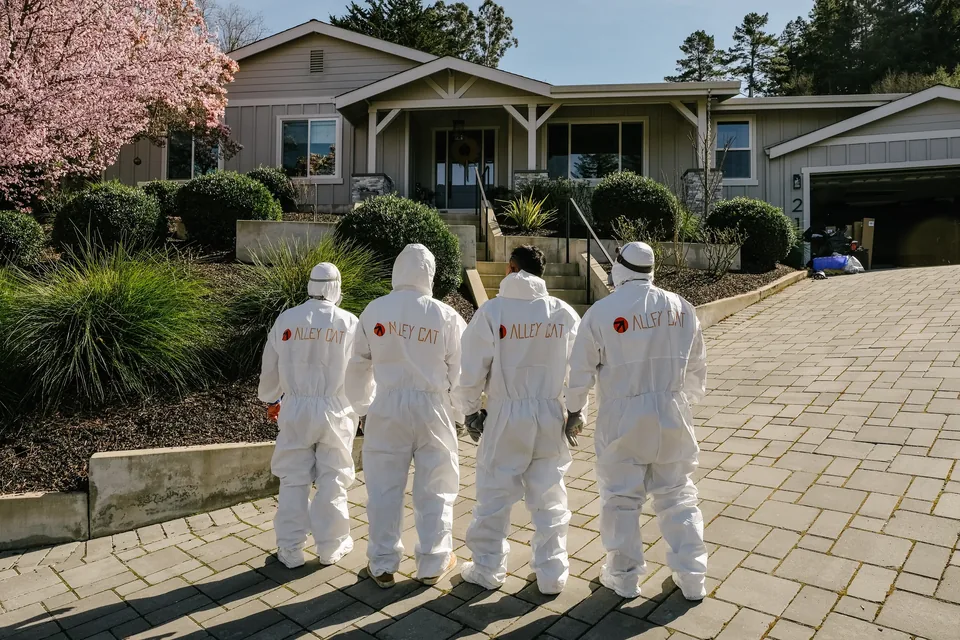
Rodent pest control methods work best when the right service is matched to the evidence found in the home. Alley Cat’s rodent pest control methods connect inspection, cleanup, sanitation, decontamination, proofing, trapping, eco-friendly options, and trenching so Bay Area homeowners can understand which next step fits the activity, contamination, entry points, and structural conditions found on the property. Effective rodent control, which even Integrated Pest Management methods confirm, involves structural sealing, sanitation, and targeted trapping.
-
-
-

-
-
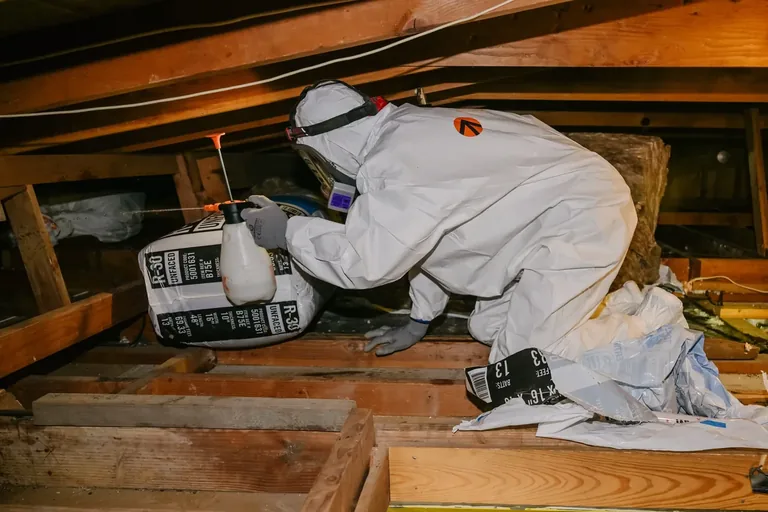
-
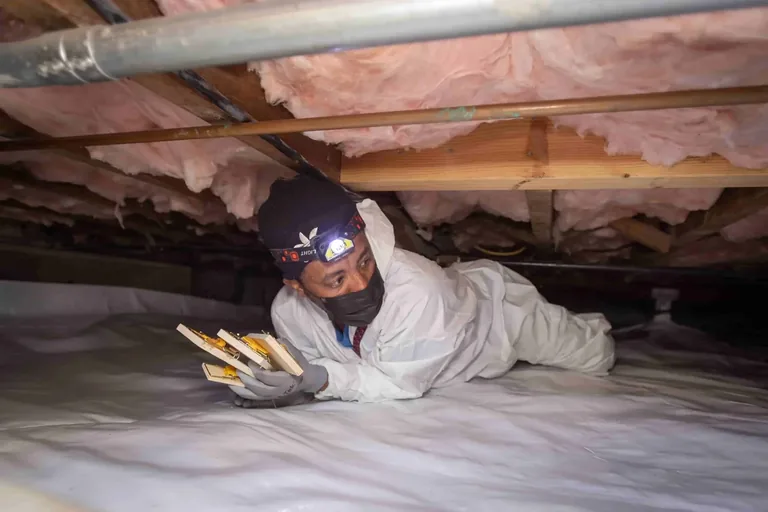
Other Treatment & Exclusion Methods
How Rodent Control Methods Prevent Rodent Infestations
How inspection, removal, cleanup, and structural exclusion work together.
Professional rodent control combines diagnosis, trapping, rodent removal, sanitation, exclusion, monitoring, and prevention. It determines which species is present, where rats or mice feed and nest, how they entered, and what could support future infestations.
Alley Cat selects each method according to the evidence:
- Inspect and diagnose: Identify rodent activity, damage, nesting sites, and vulnerable routes.
- Remove and restore: Remove rodents, dead rodents, droppings, nests, and contaminated materials.
- Reinforce and prevent: Use screening, proofing, barriers, trap checks, and preventive measures.
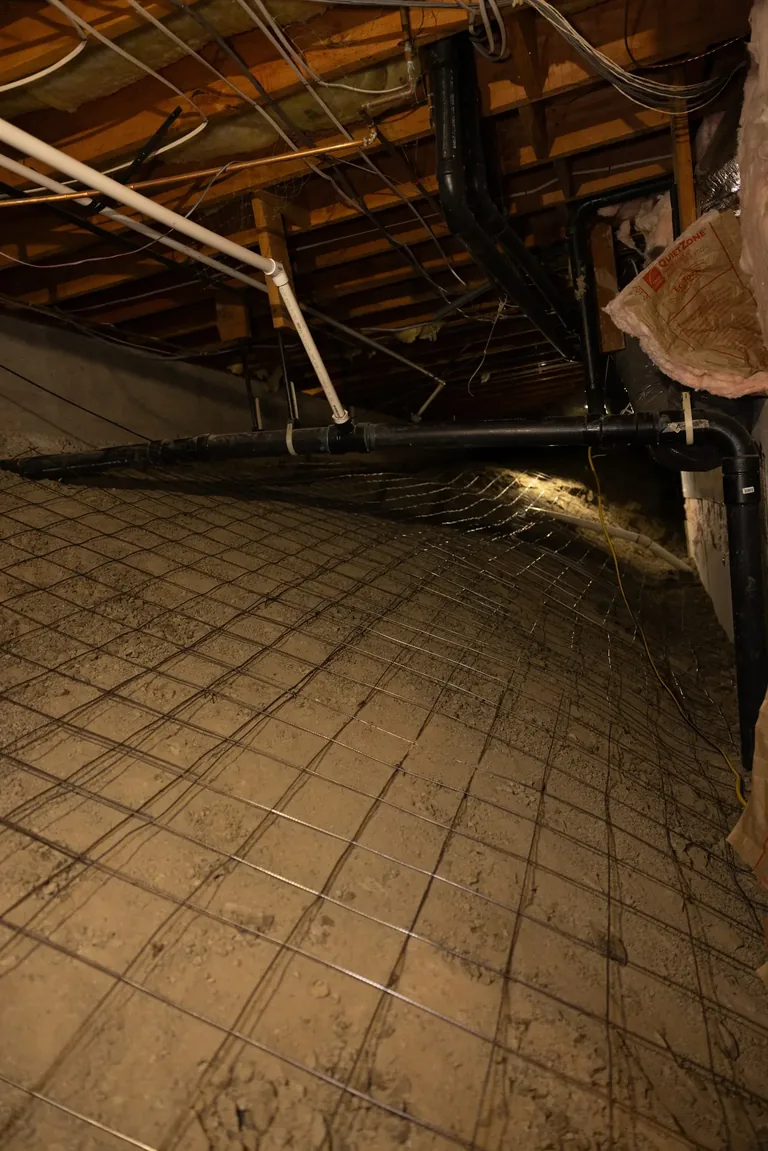
How the Right Methods Control Rodent Populations
Catching one rat or mouse may provide temporary relief, but it does not show whether more rodents remain in the attic, crawl space, garage, walls, or pantry. Alley Cat treats rodent problems as building problems, connecting each sign to a travel route, nesting area, food source, or structural weakness.
Signs include rodent droppings near food, gnaw marks on food packaging, oily sebum trails, fur, and nesting material made from shredded paper, cardboard, insulation, or fabric. Rodents may also scratch at night, chew wires, damage property, or leave urine and carcass odors.
Open pet food, bird feeders, compost piles, standing water, and other protected places can support rodent populations. Removing food and water sources helps prevent rodent infestations, but sanitation cannot close entry points or eliminate rodents already found indoors.
Heavy rains can increase rodent populations as they seek shelter in homes. More precisely, cool or wet conditions can shift rat and mouse activity toward dry buildings, making inspection especially useful after storms.
Hardware stores sell rat traps, live traps, glue traps, ultrasonic devices, poison bait, bait stations, pellets, and other baits. These products may reduce visible activity, but they cannot repair holes, remove contamination, or explain why rodents entered.
How Alley Cat Combines Rodent Control Methods
An effective rodent control method works best within a coordinated plan. Alley Cat adapts each stage to the building, species, environmental conditions, contamination, high-activity areas, and likely travel routes:
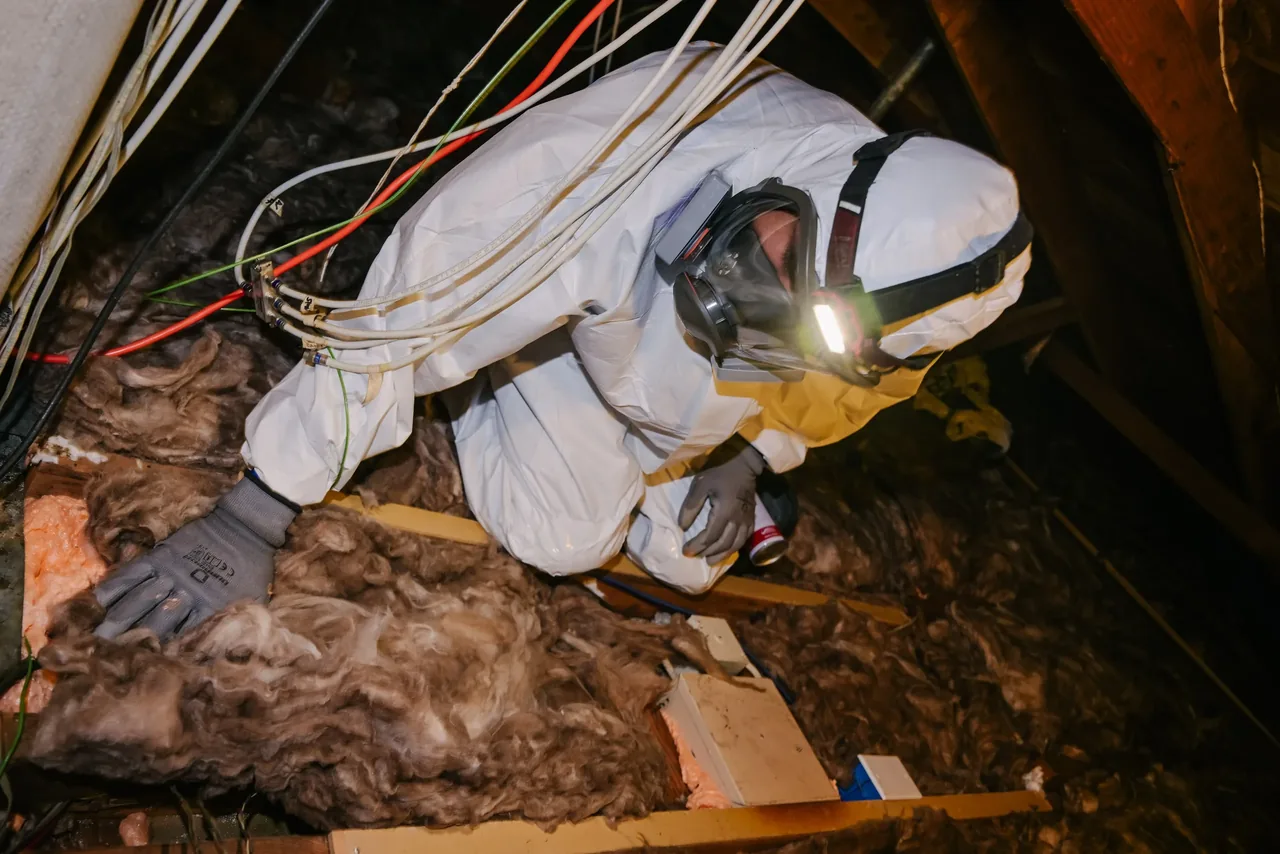
Step 01 · Inspect
Free Inspection of Entry Points
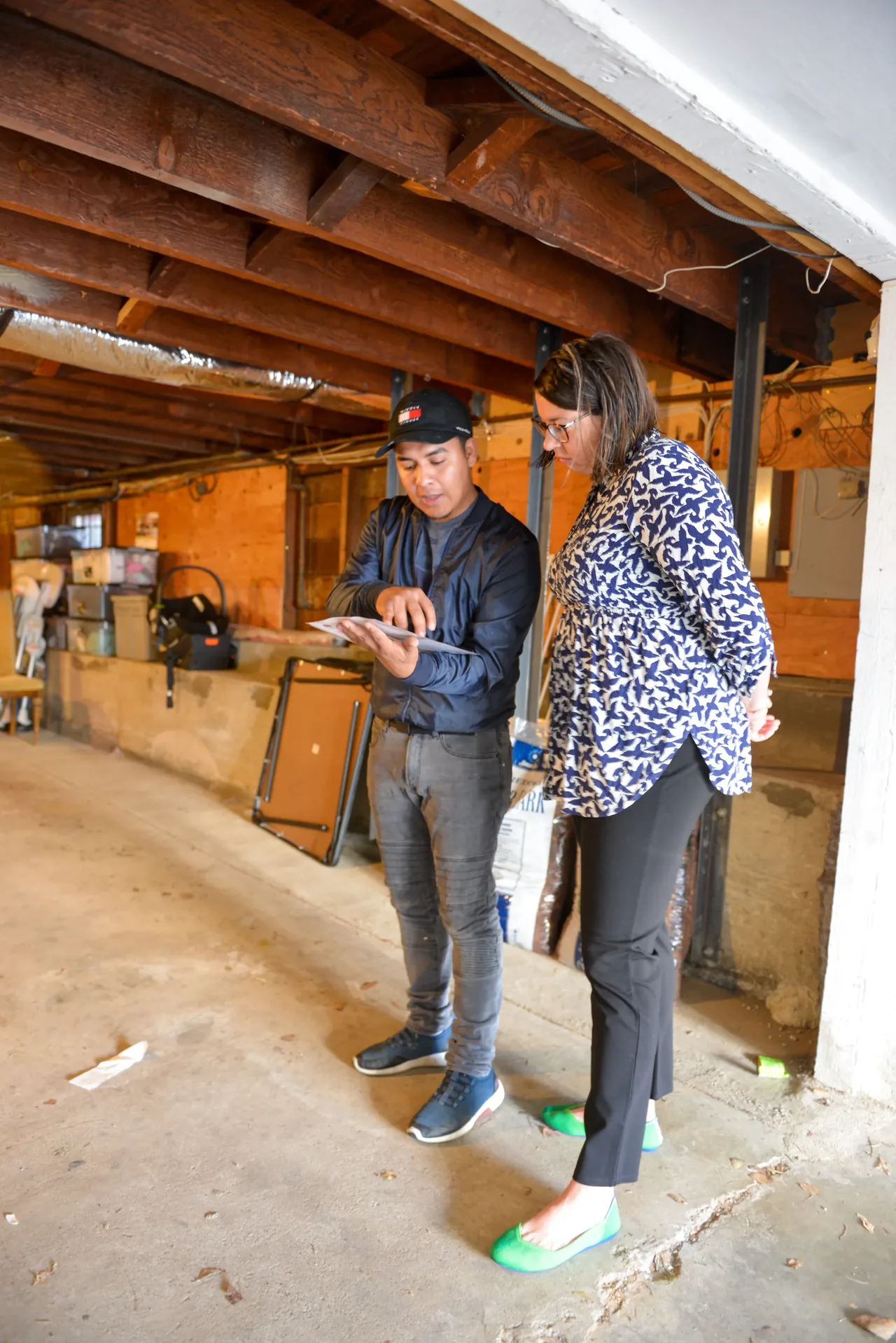
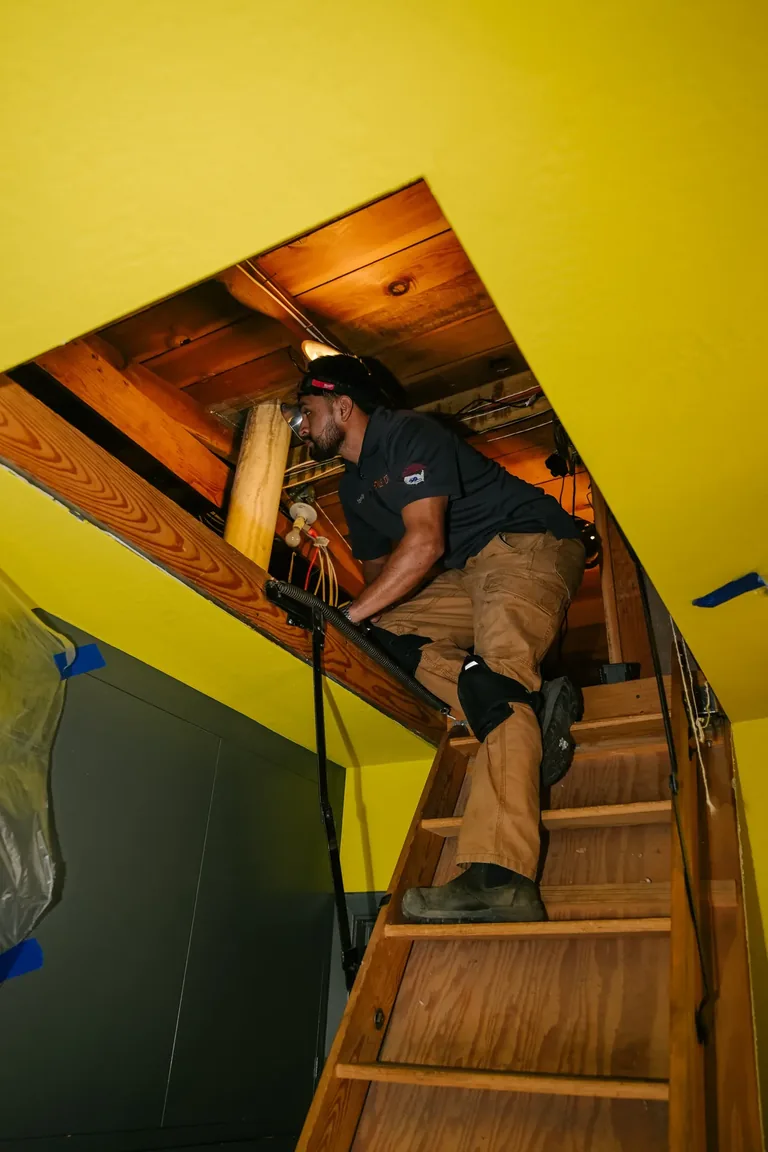
Our free inspection covers where rodents hide, feed, nest, and travel, including attics, crawl spaces, basements, garages, kitchens, cabinets, rooflines, foundations, doors, windows, vents, pipes, and appliances.
We look for rat activity, mouse droppings, burrows, gnaw marks, odors, damaged insulation, disturbed vapor barriers, and nesting material. These signs help distinguish roof rats, Norway rats, house mice, a deer mouse, or other pests.
- Find active zonesIdentify where rodents feed, nest, and travel.
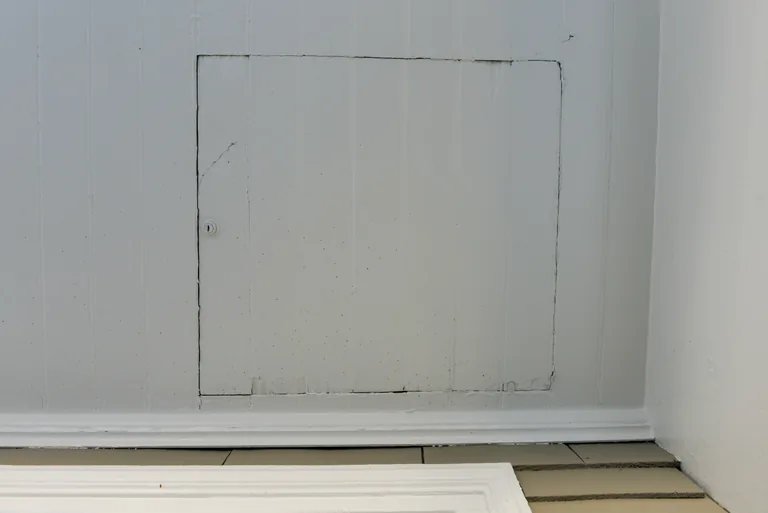
- Trace entry pointsDocument holes, cracks, structural openings, and each common entry point.
- Match the responseDetermine which trapping, cleanup, sanitation, and repair work is justified.
Step 02 · Diagnose
Diagnostic Report & Estimate
Homeowners receive a Comprehensive Diagnostic Report with photos and detailed information about contamination, rodent damage, and structural weaknesses. It explains the recommended method for each location and provides an estimate for trapping, cleanup, decontamination, screening, proofing, or barrier work.
Step 03 · Clean
Cleanup & Rodent Removal
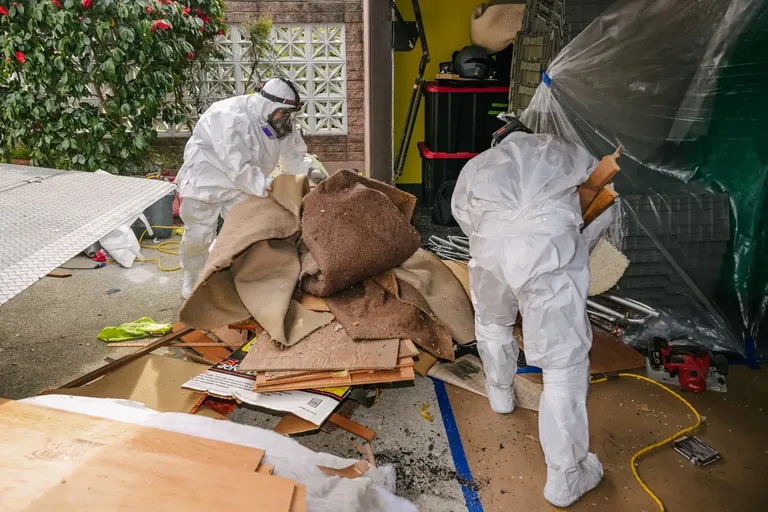
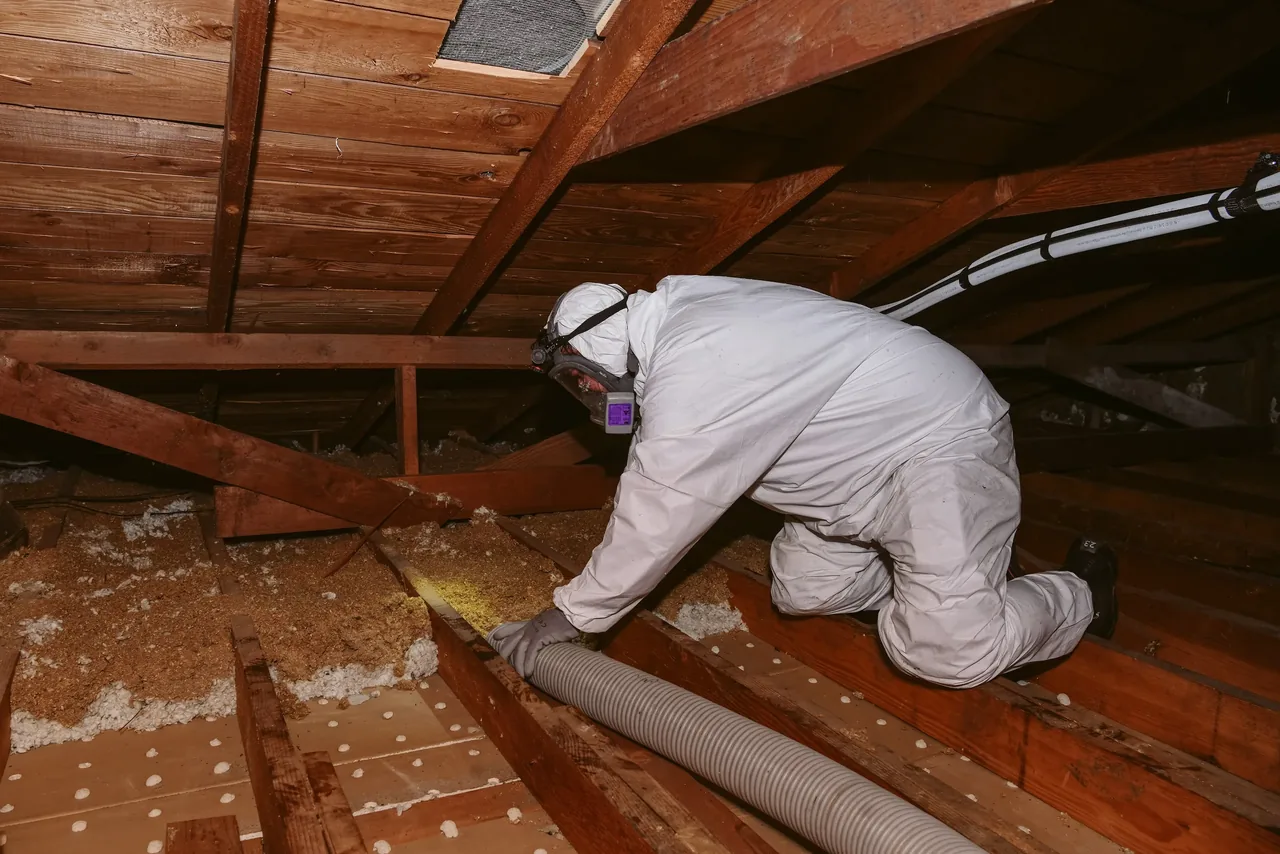
Droppings, urine, shredded insulation, food debris, nesting material, dead rodents, and gnawed objects may remain after captures. In large quantities, this waste can produce odors, attract other pests, and contaminate storage areas.
Depending on scope, our specialists may handle:
- Waste and carcassesRemove droppings, nests, packaging, and rodent bodies.
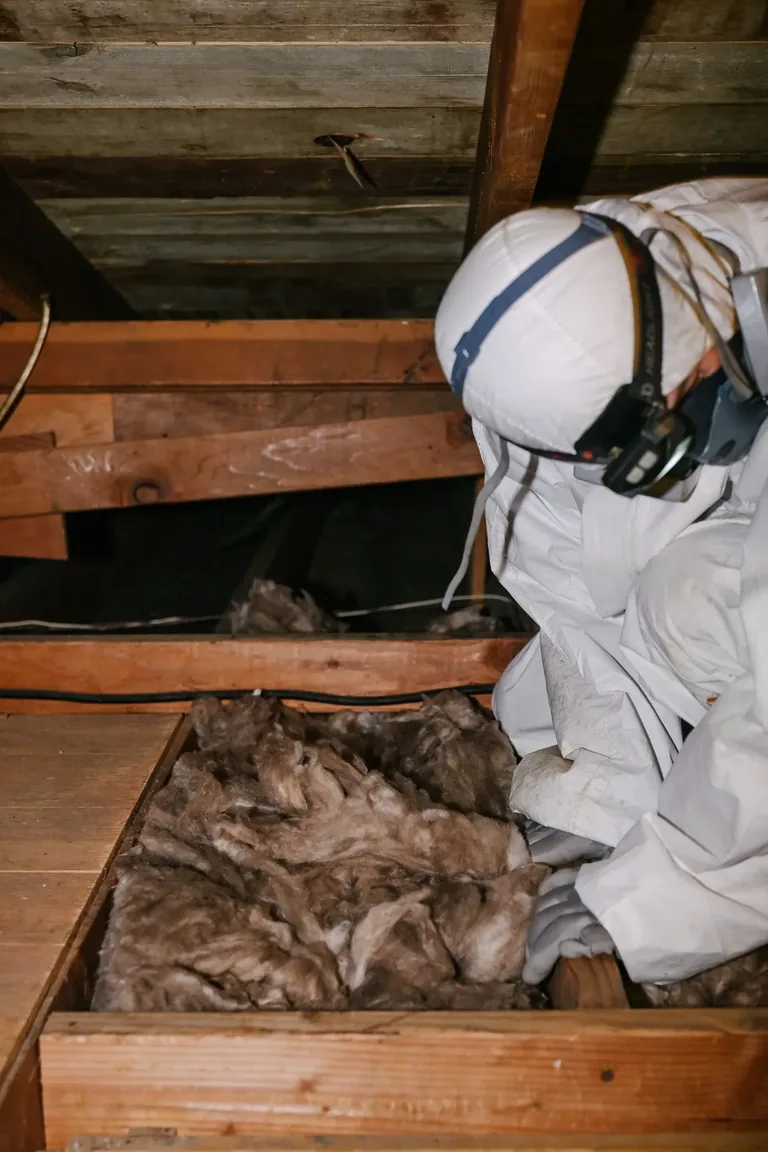
- Damaged componentsExtract soiled insulation or vapor-barrier sections.
- Hidden shelterClear cardboard, clothing, and reachable debris concealing rodents.
Technicians collect and dispose of approved material using appropriate safety practices before sanitation and repair begin.
Step 04 · Sanitize
Sanitize & Decontaminate
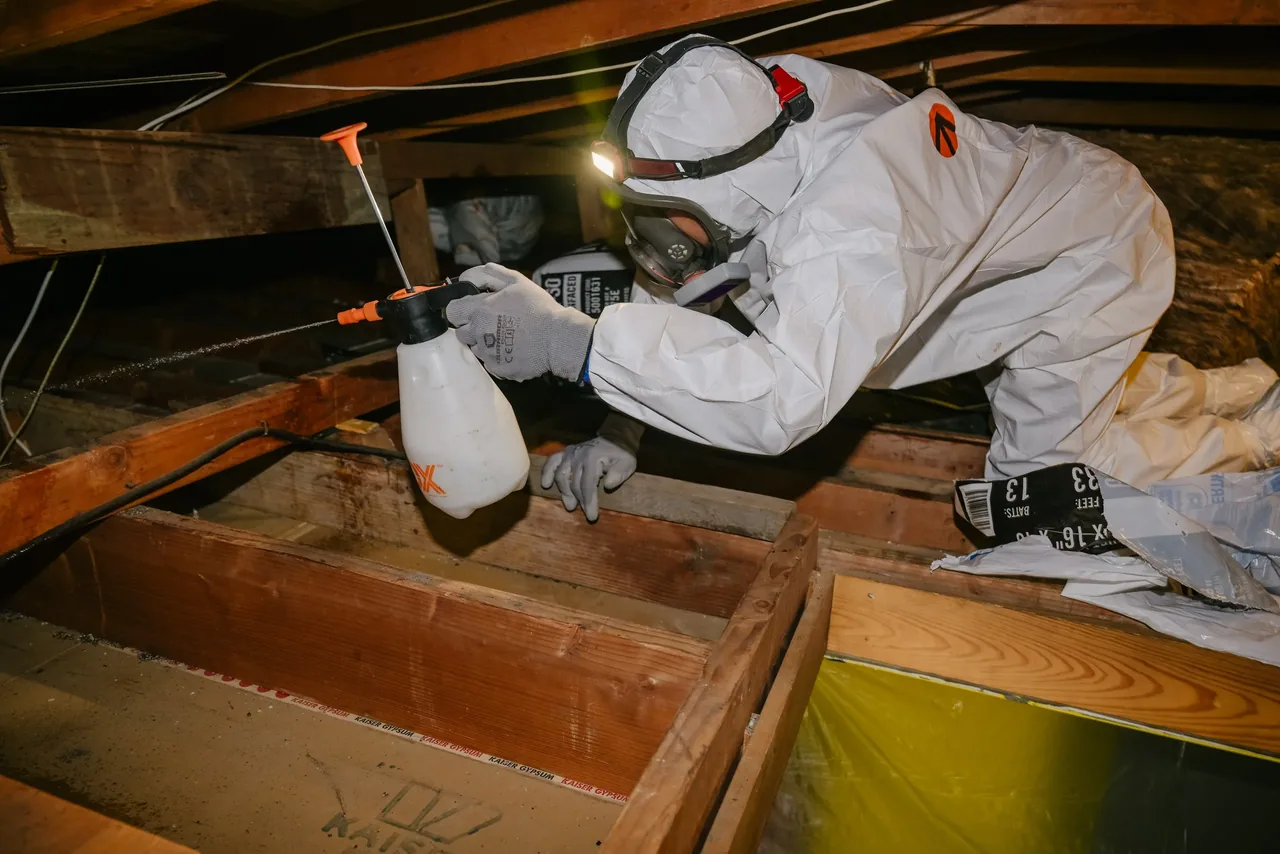
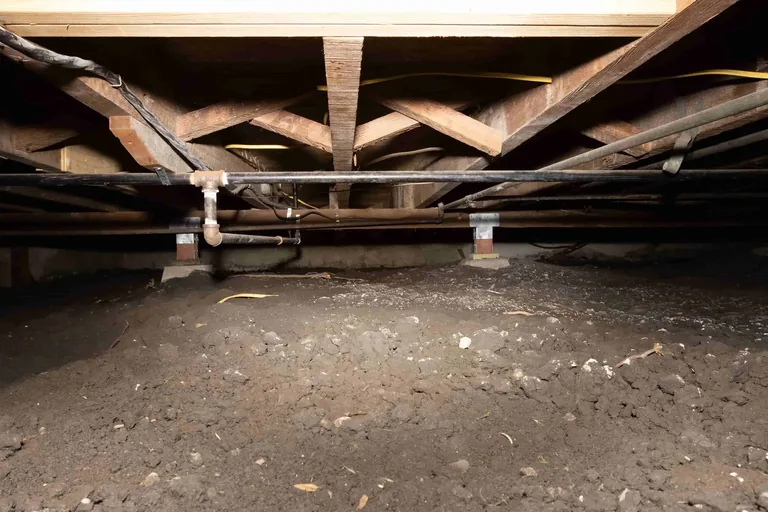
Alley Cat treats affected attic, crawl space, garage, pantry, and basement surfaces according to the contamination level.
This stage supports disease control by reducing contact with urine, droppings, saliva, nesting material, and contaminated dust. Rodents can spread diseases and carry organisms associated with many diseases, including hantavirus, leptospirosis, and salmonella. Effective cleanup and monitoring improve safety for humans, children and pets, and technicians working inside the affected environment.
Step 05 · Seal
Seal, Reinforce, & Prevent
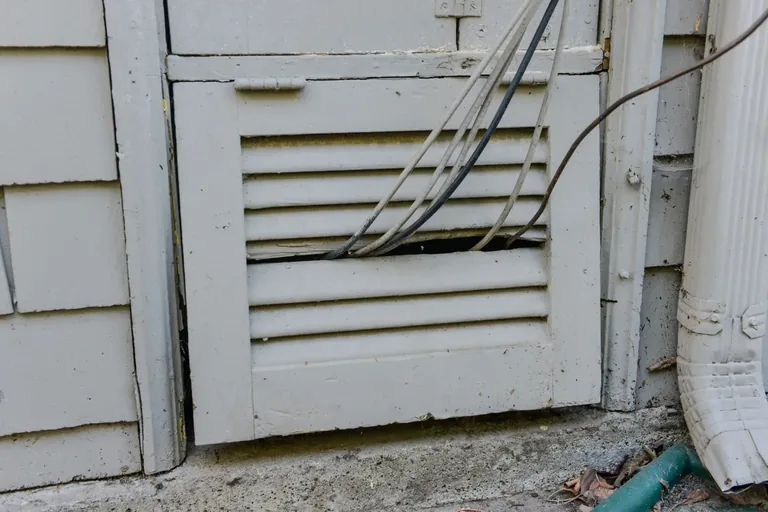
Structural repair is crucial because it addresses rodent routes. Roof rats may climb trees, tree branches, shrubs, fences, or utility lines to reach eaves. When controlling rats, technicians consider whether roof rats are traveling above ground or Norway rats are using burrows, foundation openings, and holes. House mice use small openings around pipes, siding, doors, floors, and garage framing.
Rodents can fit through openings the size of a nickel. This warning is useful, but species and age matter: mice can use very small holes, while adult rats generally require more space. Inspecting every plausible route is more reliable than relying on one measurement.
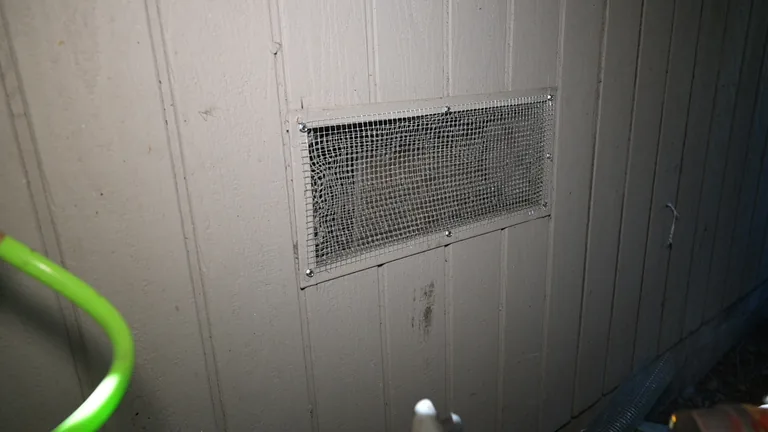
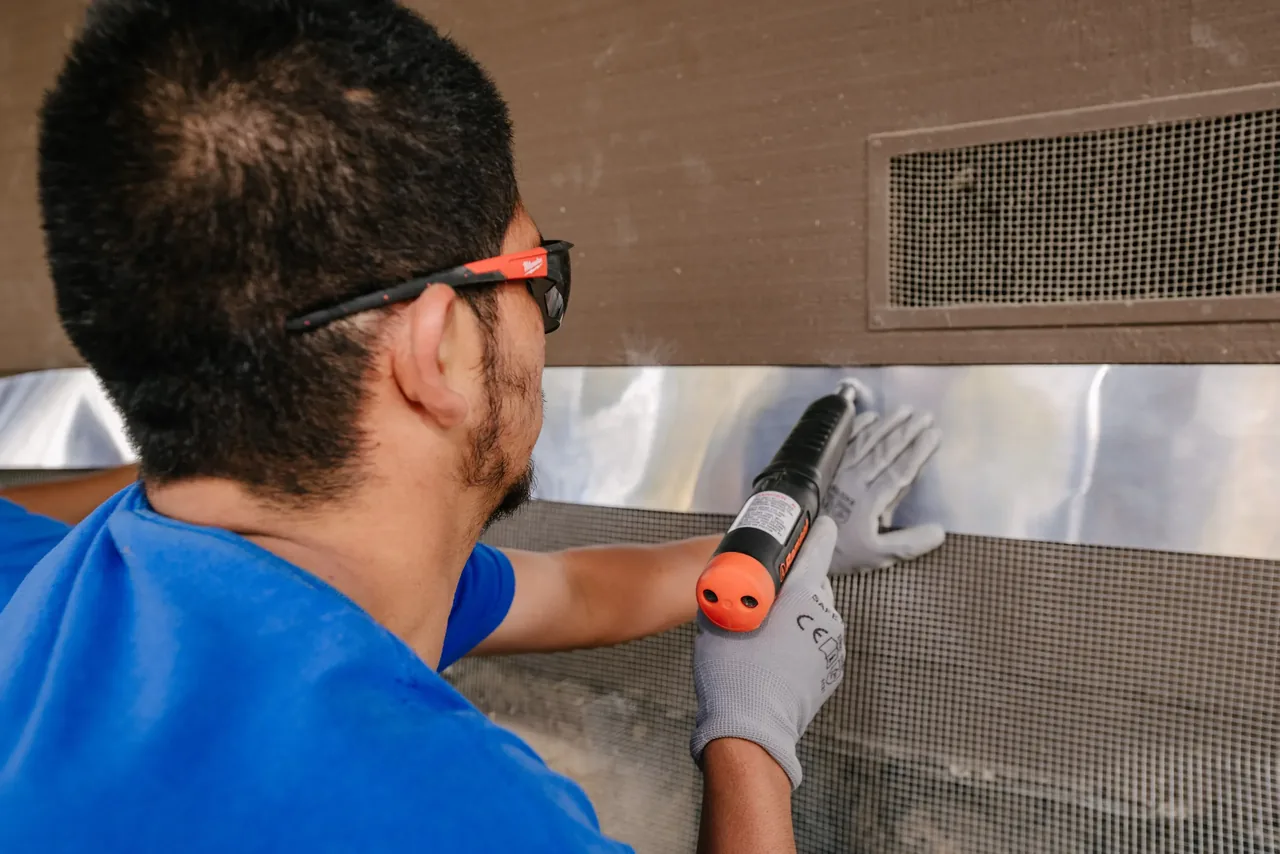
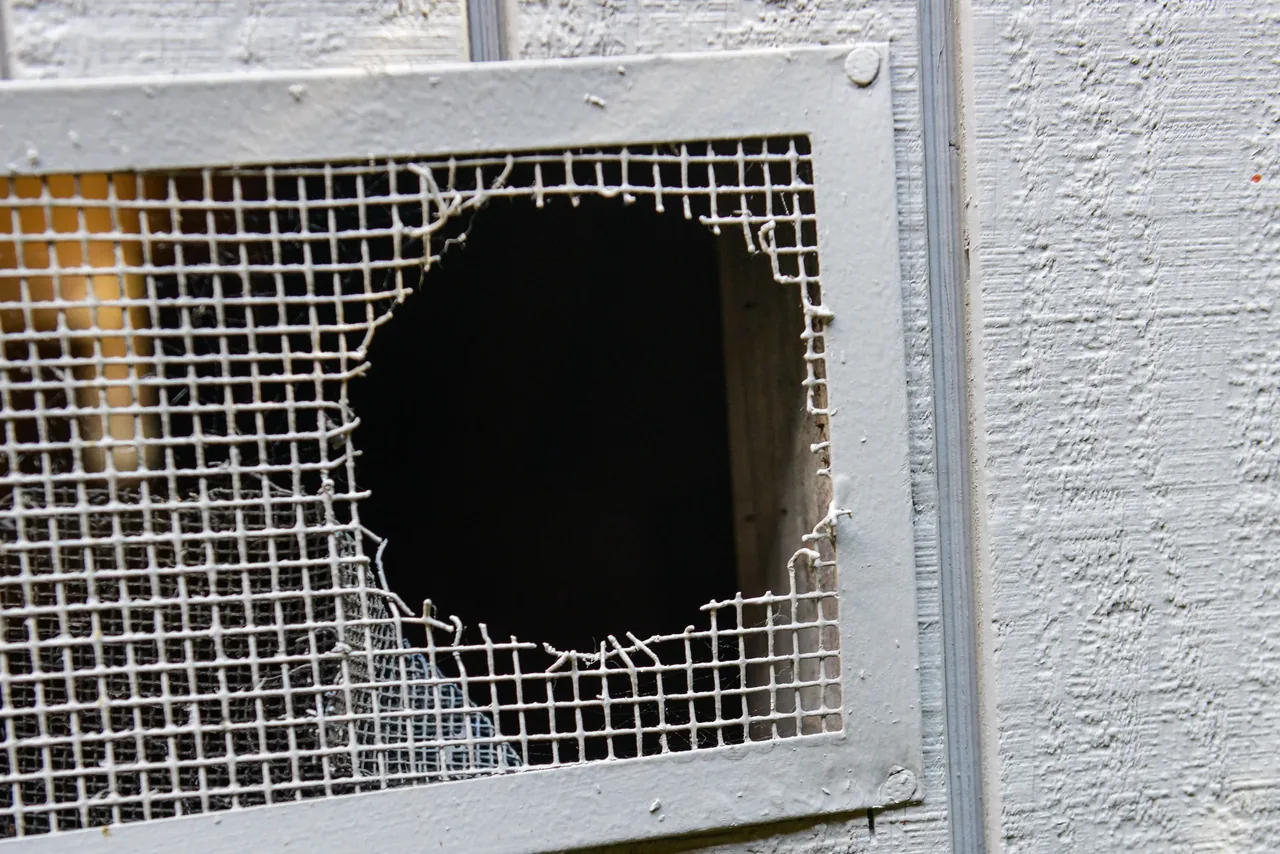
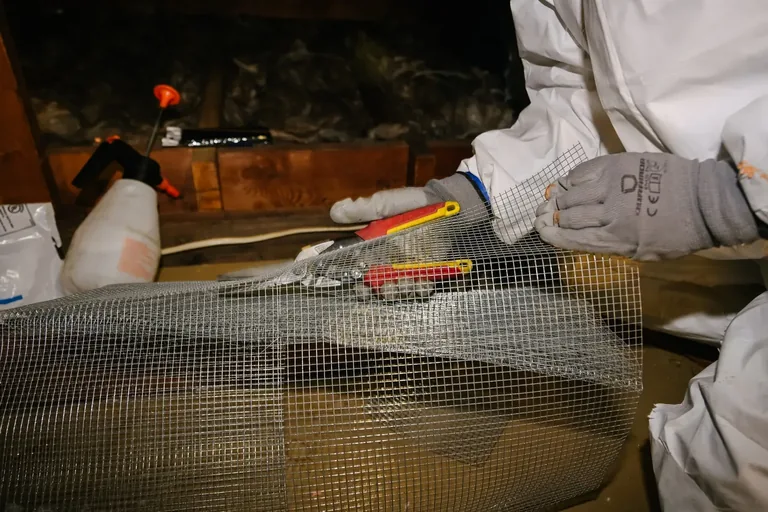
Seal entry points with 1/4" x 1/4" metal mesh, steel wool and caulk, hardware cloth, wire mesh, or other sound methods. This recommendation may suit some vents or openings, but it is not a universal Alley Cat specification. Repairs may require fitted metal, hardware cloth, cement, flashing, screening, or another material selected for airflow, moisture, location, and chewing pressure. Steel wool and caulk may suit some small interior gaps, but not every repair.
Common tactics include:
- Metal ScreeningProtect crawl space and roof vents while preserving airflow.
- Utility ProofingReinforce openings around pipes, conduit, siding, and framing.
- Roofline RepairAddress eaves, fascia, roof returns, and screens used by roof rats.
- Foundation BarriersCorrect vulnerable edges, discourage burrowing Norway rats, and help prevent rats from returning.
- Door ReinforcementFit door sweeps or durable closures across low gaps.
- Habitat ReductionTrim trees and shrubs, move firewood and bird feeders, and manage compost piles.
Bay Area construction requires local judgment. San Francisco Victorians may have aging roof penetrations, while Petaluma, Napa, Sonoma County, and Solano County homes may have raised foundations or exposed ground. Oakland, Berkeley, Concord, Mountain View, Hayward, Fremont, Novato, and San Mateo properties often combine additions, garages, and utility openings.
Alley Cat links every repair to evidence rather than sealing random holes. With 10+ years of professional rodent experience, more than 13,000 satisfied clients, and a 97% customer satisfaction rating, our team helps protect Bay Area houses against future infestations.
Step 06 · Check
Set Trap Checks
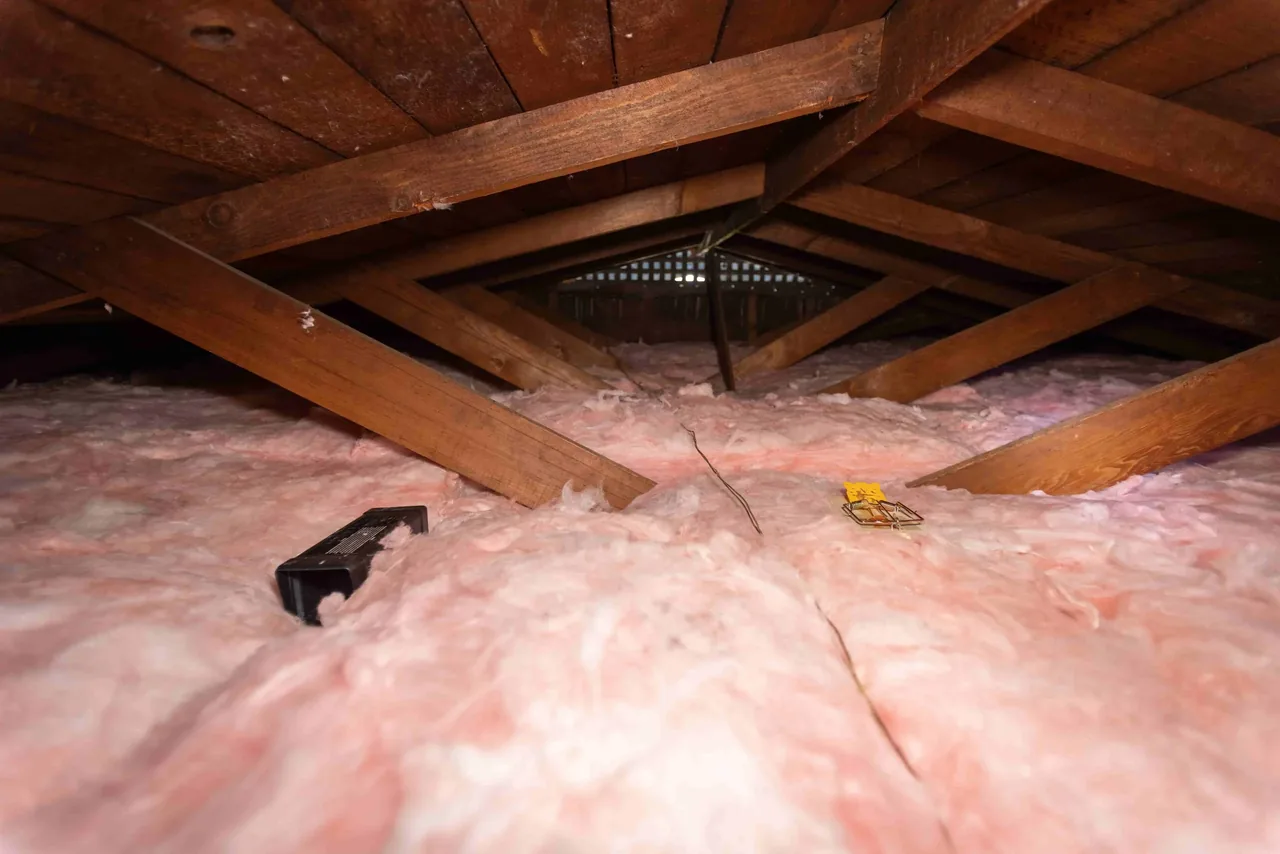
Technicians place traps along walls, runways, droppings, feeding zones, and dark edges where rats and mice travel.
Humane traps allow for capturing rodents without killing them. That describes live-capture traps, but they may not be appropriate for every residential situation. Snap traps kill rodents on contact using a spring-loaded bar and should be correctly sized and kept away from children and pets. Electronic traps deliver a quick electric shock to rodents. They are another retail option, but no trap substitutes for exclusion.
Scheduled checks let specialists remove dead rodents, reset equipment, and assess fresh signs. Continued activity may reveal another food source or overlooked route. Ongoing monitoring also helps measure the effectiveness of the selected control method.
Step 07 · Haul
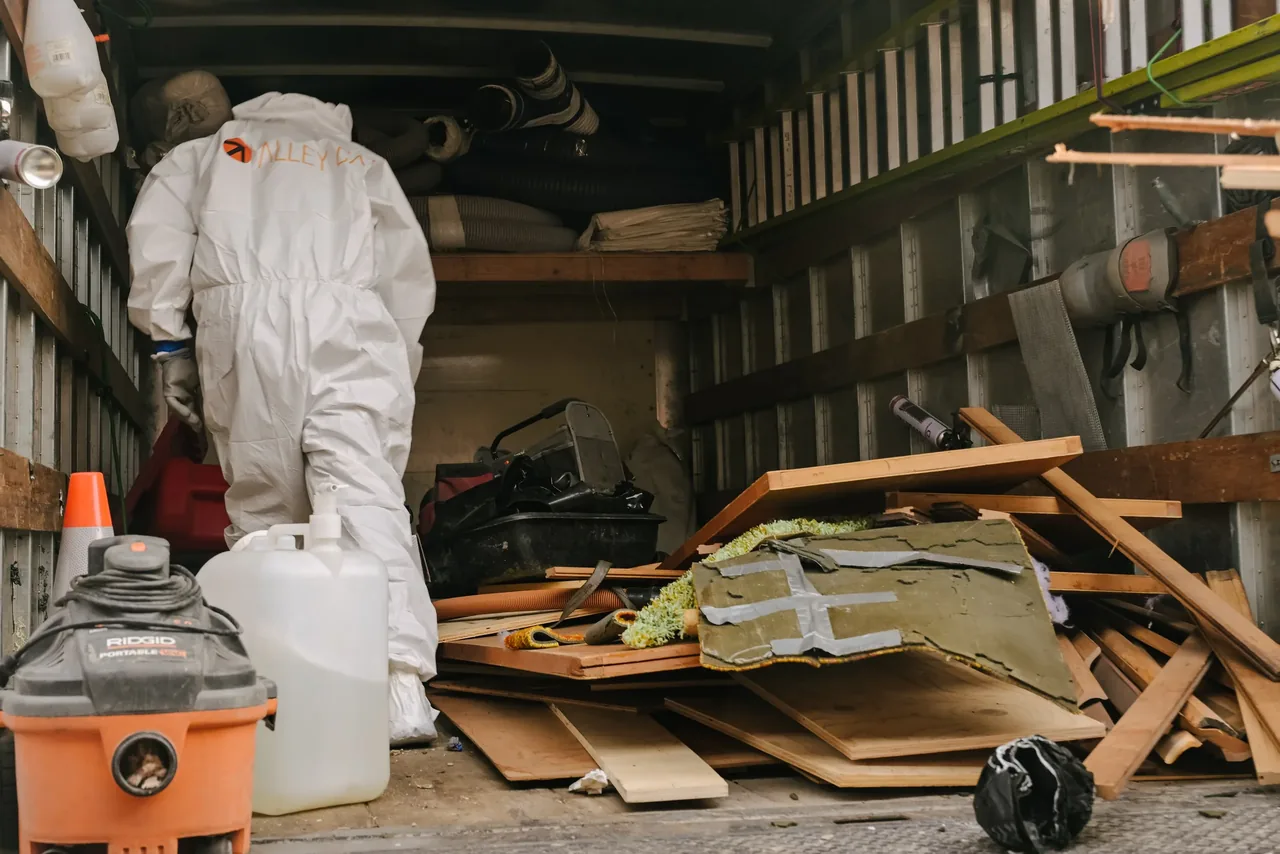
Wrap Up & Haul Away
Alley Cat reviews repairs and trap results, then hauls away approved waste such as damaged insulation, soiled vapor barriers, nests, food debris, broken screens, and dead or poisoned rodents resulting from prior bait use.
We also provide practical tips: store pet food in sealed containers, clean bowls, repair leaks, remove standing water, wipe spills, and reduce exterior shelter.

Step 08 · Support
Customer Service
Our customer service team coordinates the report, estimate, trapping visits, cleanup, repairs, and follow-up so the family understands what comes next.
Unlike pest control companies that leave only a treatment notice, Alley Cat provides photos, a defined scope, clear cost information, scheduling assistance, and a consistent contact.

When to Call a Professional Rodent Exterminator
A professional rodent exterminator is appropriate when rodents return, appear on several levels, cause extensive damage, contaminate large areas, or use a complex roofline or crawl space. Schedule a free Alley Cat assessment to determine whether the house needs trapping, cleanup, repair, or coordinated rodent control.
Benefits of Professional Pest Control Methods
Protection that extends beyond a temporary catch.
- Clear DiagnosisDetermine species, infestation extent, activity, and likely routes.
- Targeted TrappingPlace traps where rats and mice travel, feed, and hide.
- Structural ProtectionReinforce roofs, foundations, doors, vents, siding, and utilities.
- Contamination RemovalRemove droppings, nests, dead rodents, insulation, and debris.
- Food ManagementReduce pet food, pantry goods, garbage, and outdoor feeding.
- Property ProtectionLimit chewing of wires, ducts, wood, and belongings.
- Ongoing Follow-UpDetect signs that another route remains active.
- Long-Term PreventionCorrect conditions that allow recurring infestations.
Building Focus
We trace rodents from exterior routes to feeding, nesting, and contaminated areas instead of treating one room in isolation.
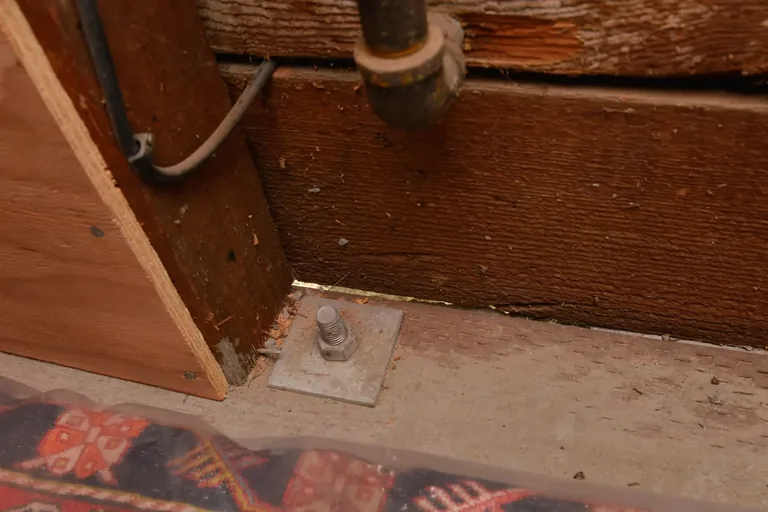
Detailed Reporting
Our report gives homeowners photos, repair priorities, cleanup recommendations, and a defined scope before work begins.
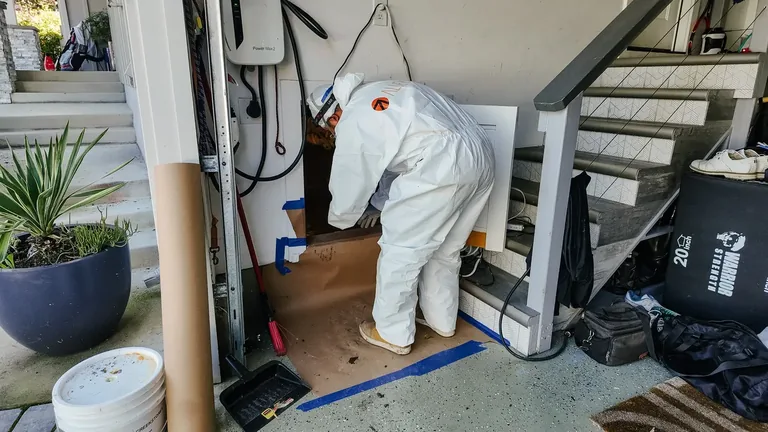
Local Experience
Our technicians understand Bay Area foundations, rooflines, crawl spaces, additions, garages, and closely spaced buildings. That experience supports practical repairs instead of a one-size-fits-all product.
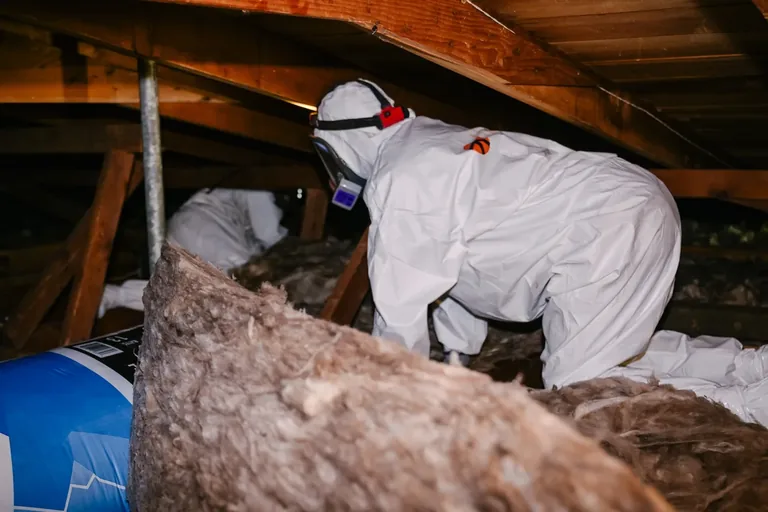
Photos, a Defined Scope, and Clear Cost
Unlike pest control companies that leave only a treatment notice, Alley Cat provides photos, a defined scope, clear cost information, scheduling assistance, and a consistent contact.

“They were thorough, professional, really comprehensive and actually solved our problem that nobody has ever been able to, so that's very exciting. They solved the problem.”
M.Z.Verified Diamond Certified survey
-
4.9 / 5
1,240 reviews -
4.7 / 5
649 reviews -
 4.7 / 5
279 surveys -
 4.9 / 5
374 reviews
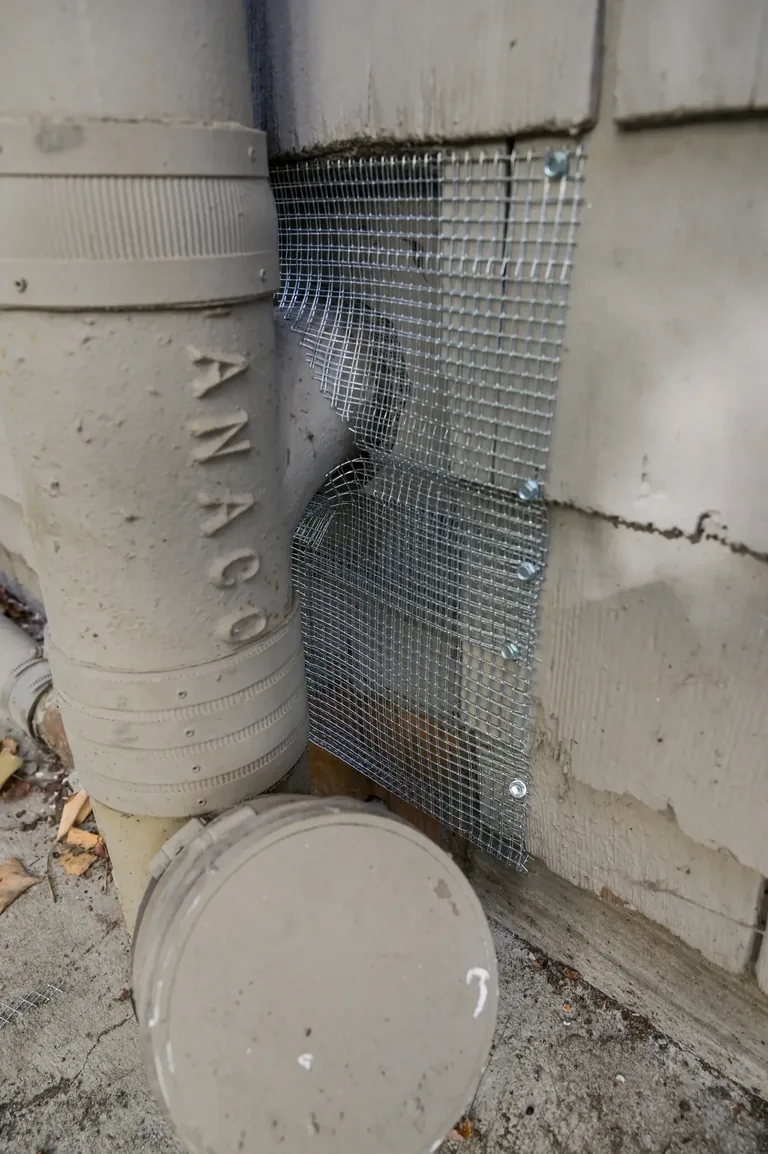
Choosing a Rodent Control Method: Food Source Control, Bait Stations, and Door Sweeps
Choosing a method should begin with evidence, not packaging. Bait stations can contain rodent bait and reduce access to baits when used correctly, but bait stations cannot repair a wall, retrieve poisoned rats, or close an entry route. Alley Cat emphasizes inspection, trapping, cleanup, and non-toxic structural prevention rather than relying on poisons or toxic chemicals.
California banned common rodenticides in 2020 due to ecological concerns. More precisely, California restricted many uses of several second-generation anticoagulant rodenticides beginning in 2021 while retaining certain exemptions. The word “ban” should not be understood as covering every rodenticide or every use.
Rodent baits may contain chemical active ingredients intended to disrupt biological processes. Some single-feed baits are designed to deliver a lethal dose after one feeding. Homeowners should never place bait carelessly or leave loose bait where small children, pets, domestic animals, or non-target animals could encounter it. Direct consumption can cause primary poisoning, while predators and scavengers may be harmed through secondary poisoning after eating poisoned rodents. Always follow current label instructions and applicable safety requirements.
Food-source control also matters. Store grains and pet food in sturdy containers, secure garbage lids, clean bowls, and correct moisture near sinks. Door sweeps can close an even low opening but cannot repair rotten wood or broken concrete.
- Remove active rodents with targeted traps and documented checks.
- Remove food and water sources and reduce protected shelter.
- Reinforce the structure with repairs suited to the actual route.
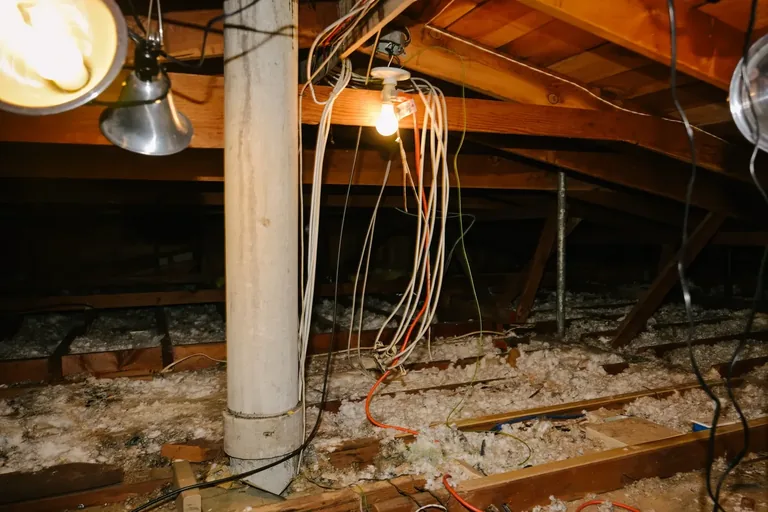
Why Rodent Control Methods Matter
Rodents are not just a nuisance. They can contaminate food, spread diseases, damage property, chew wiring, ruin insulation, and nest in attics, walls, crawl spaces, closets, and garages. Early action reduces risk and makes control more effective.
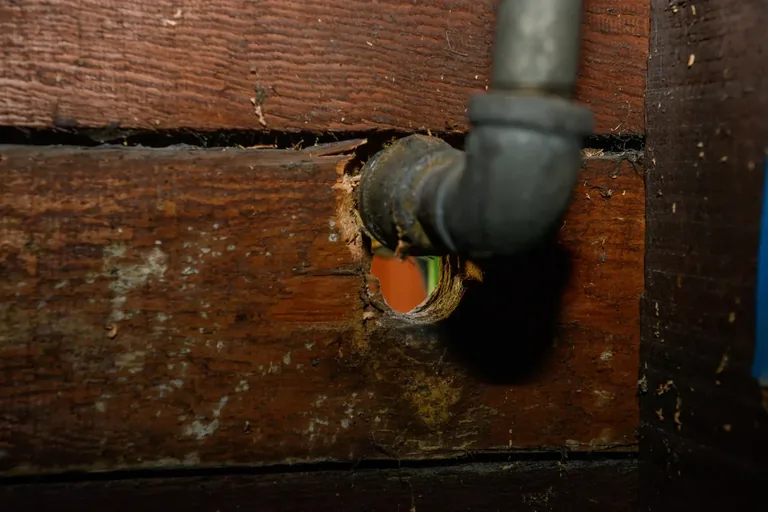
Rodent Activity: Where Most Rats and Mice Travel
Most rats and many mice follow walls, foundation edges, pipes, and protected routes. Rats repeat familiar runways and may initially avoid new objects. Roof rats travel above ground, while Norway rats favor burrows. Understanding rodent behavior makes a difference when deciding where to inspect, place traps, and repair access.

Managing Rodents With Fertility Control and Natural Predators
Integrated pest management combines sanitation, trapping, structural prevention, and selected tools. Fertility control may have a role in some large-scale programs, while natural predators contribute outdoors.
- A family of barn owls can eat 3,000 mice yearly. This is a commonly repeated estimate, although published figures vary by region, prey availability, and nesting season.
- Introducing barn cats can help manage rodent populations. Cats may catch individual rodents but cannot eliminate a structural infestation.
- Wild predators like hawks and snakes control rodent populations. They add population pressure, although predators generally cannot control prolific rats alone.
- Avoid using rodenticides when encouraging natural predators. This reduces the chance that predators encounter poisoned prey.
FAQs: Choosing Rodent Control Methods
What Are the Best Rodent Control Methods?
The best methods combine inspection, sanitation, targeted trapping, cleanup, structural repair, and follow-up. No single device removes all rodents or corrects the conditions supporting rodent infestations.
A professional plan generally includes:
- Assess signs: Locate droppings, gnaw marks, nests, smells, and wall sounds.
- Remove resources: Secure food, pet food, garbage, and water.
- Place traps: Use a suitable trap where rodents are active.
- Clean safely: Remove carcasses, nests, and contamination.
- Close routes: Seal entry points with materials suited to the building.
Bait stations, live traps, glue traps, electronic traps, and ultrasonic devices have limitations. Severe rodent infestations or complex structures usually require professional pest control.
What Is the 5-Day Rule With Mice?
The “5-day rule” is not a universal professional standard. Online sources use it to mean either acting within five days of finding signs or treating five quiet days as evidence of trapping success.
Alley Cat evaluates captures and fresh evidence instead of time alone. New droppings, gnaw marks, sounds, or odors may show that mice remain. Five quiet days do not prove every mouse or opening has been addressed.
How Do the Amish Get Rid of Mice?
There is no single verified “Amish” method. The phrase is widely used online for bucket traps, barn cats, peppermint, vinegar, and housekeeping tips rather than one recognized process.
Useful habits include storing food in containers, removing water, reducing clutter, protecting animal feed, and placing traps along walls. A home remedy cannot inspect a roof, clean contaminated insulation, or repair holes used by rodents. Persistent mice call for professional assistance.
What Are the Most Effective Pest Control Methods for Mice?
The most effective methods for mice are structural prevention, sanitation, well-placed snap traps, cleanup, and continued checks. House mice need little food and hide inside narrow spaces, so the response must address resources and entry routes.
- Inspect: Check cabinets, appliances, doors, pipes, attics, garages, and floor-level holes.
- Remove food: Seal grains and pet food, discard gnawed packages, and clean crumbs.
- Place traps: Position suitable traps along walls, away from children and pets.
- Repair: Use fitted metal, hardware cloth, door sweeps, or structural materials.
- Recheck: Look for fresh droppings, chewing, sounds, and other signs.
Trying only to kill rodents may reduce the visible population, but correcting the building helps prevent another infestation.
Get Rid of Rodents at the Source
To get rid of rodents, address the animals and the conditions supporting them. Start with a free assessment of rodent activity, contamination, structural access, food, water, and shelter.