10+ years experienceProfessional rodent exclusion specialists
13,000+ homes serviced97% customer satisfaction
Bay Area localFamily-owned & operated
3-Year WarrantyCoverage per location and written terms
4.9 / 5 1,240 reviews
4.7 / 5 649 reviews
4.9 / 5 374 reviews
4.7 / 5 279 surveys
Accredited A+ BBB rating
Mice in Air Ducts and Indoor Air Quality
Focused help for ductwork, vents, and connected spaces.
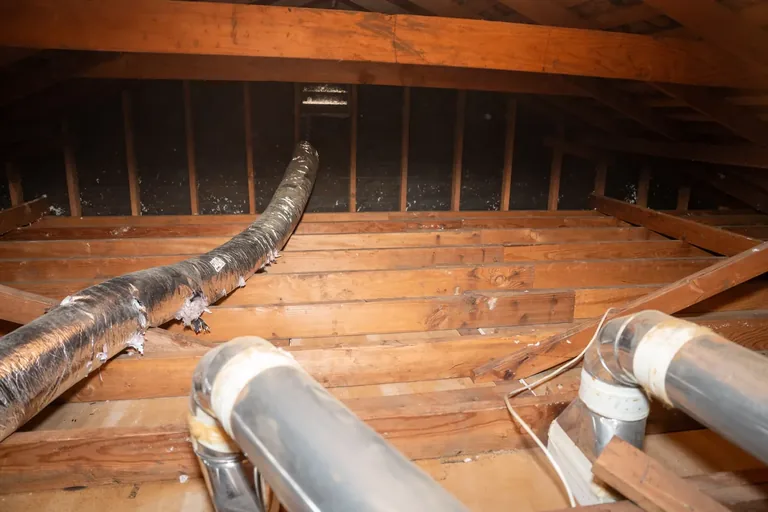
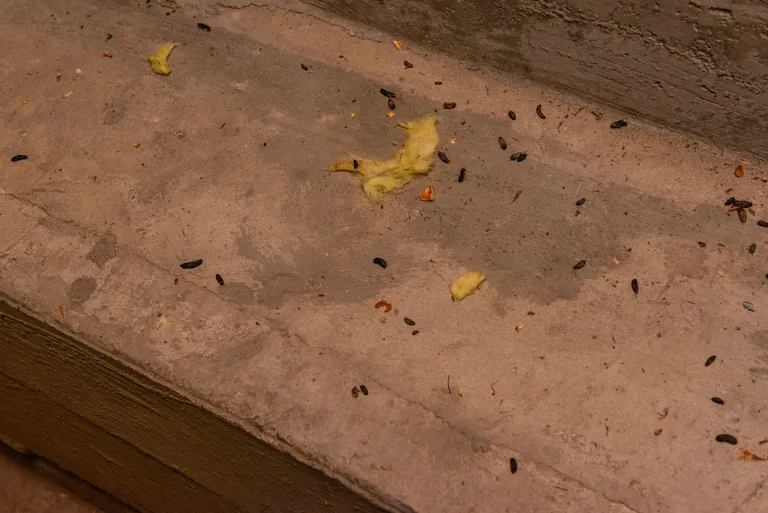
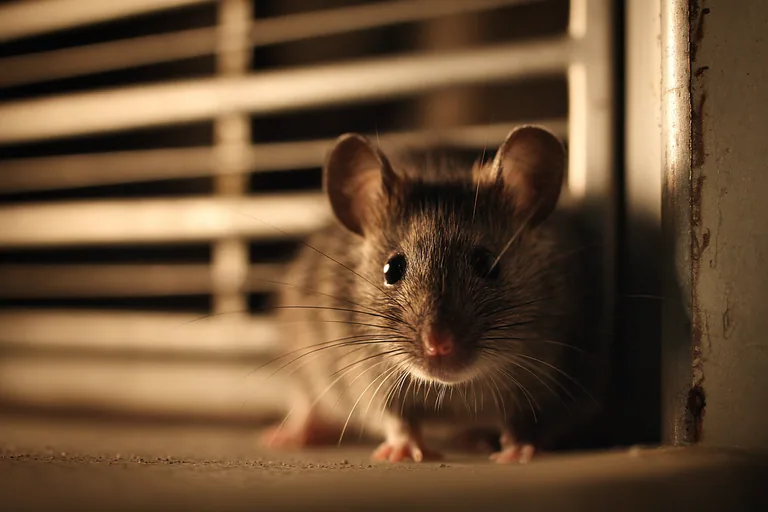
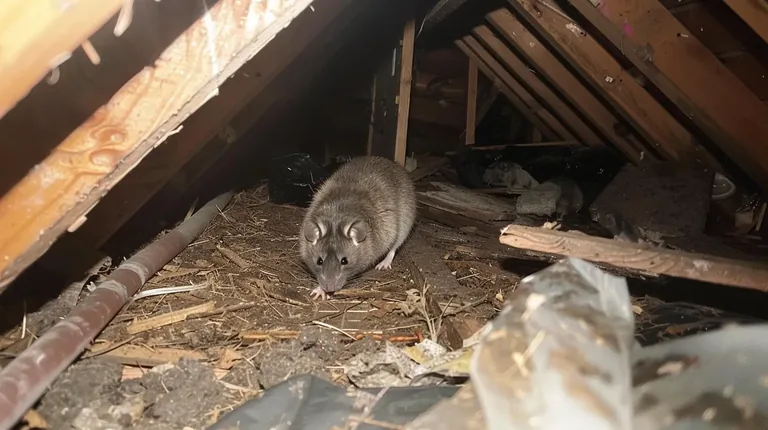
Common signs include scurrying noises, strong urine odors, and small droppings beneath vent covers, especially when homeowners hear scratching at night. We determine whether mice are inside air ducts or traveling through an attic, crawl space, wall cavity, or floor void. Sound carries through air ducts, so rodents may seem to occupy vents while crawling beside the ductwork.
Alley Cat connects evidence from rodents to the larger rodent problem and separates rodent pests from mechanical noise:
Route identification: Trace noise, odor, and rodent droppings from registers to structural entry points.
Targeted removal:Set traps in accessible locations along runways.
Cleanup and exclusion: Remove debris, address contamination, and seal openings that let rodents and other pests return.
Inspection replaces guesswork with a clear solution.
We inspect accessible air ducts, registers, mechanical-equipment areas, walls, attics, and crawl spaces before recommending repairs, cleanup, or specialized HVAC work for these rodents.
Our specialists protect airflow, heating equipment, and service access while identifying damaged ducts, hidden holes, and the routes rodents and other pests use through the house.
How We Fix a Rodent Problem in Ductwork
Resolving activity around an HVAC system requires more than placing a trap beside one room. Alley Cat follows the evidence from vents and ducts to nearby walls, structural entry points, and exterior openings used by rodents through these stages:
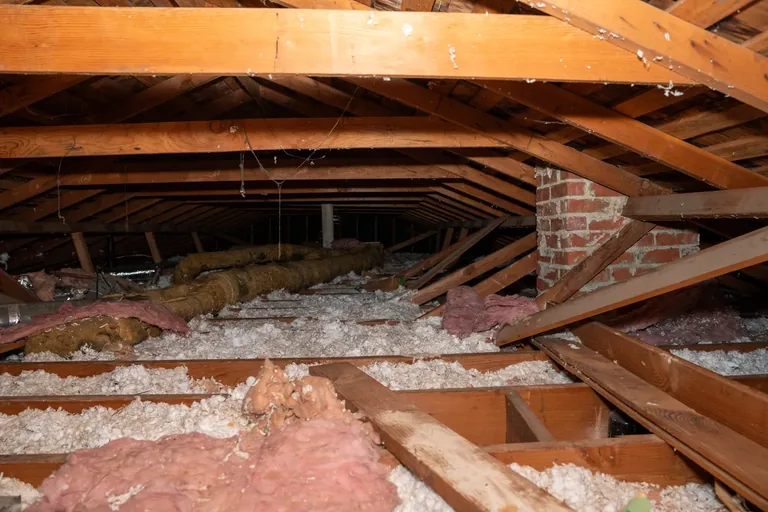
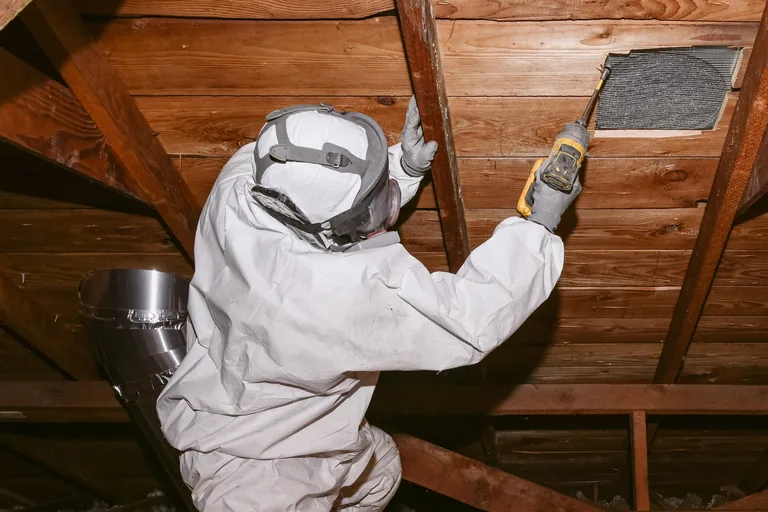
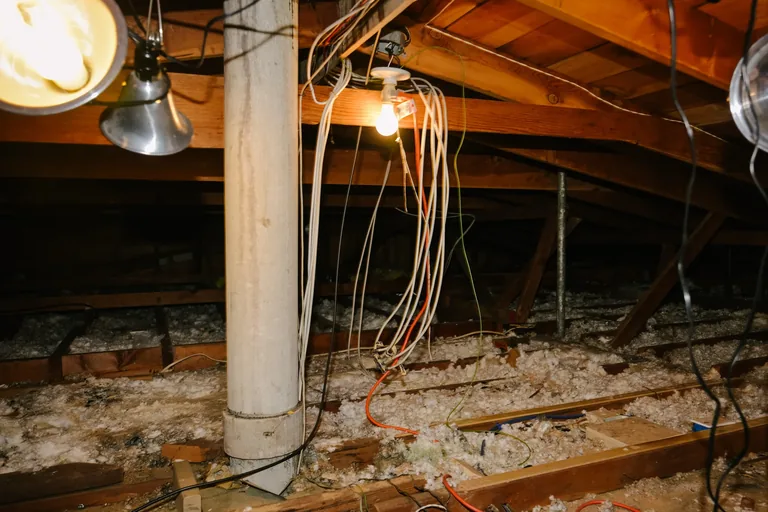
Our free inspection begins where you hear scratching, detect urine, or find droppings. We inspect air ducts, register boots, vent covers, equipment platforms, attic runs, crawl-space ductwork, wires, and heating-line holes. Mice and some other rodents are most active at night, so timing and noise help narrow the route through the ducts.
Identifies likely travel routes used by mice and other rodent pests
Locates visible contamination, chew marks, and damaged ducts
Connects interior evidence to structural entry points
Step 02 · Diagnose
Diagnostic Report & Estimate
Alley Cat prepares a Comprehensive Diagnostic Report describing evidence from rodents, the probable route, affected air ducts, damaged insulation, entry points, and specific recommended service. The estimate separates trap checks, cleanup, sanitation, exclusion, vent-cover work and barriers around ducts, and any HVAC referral so the scope and purpose are clear.
Step 03 · Clean
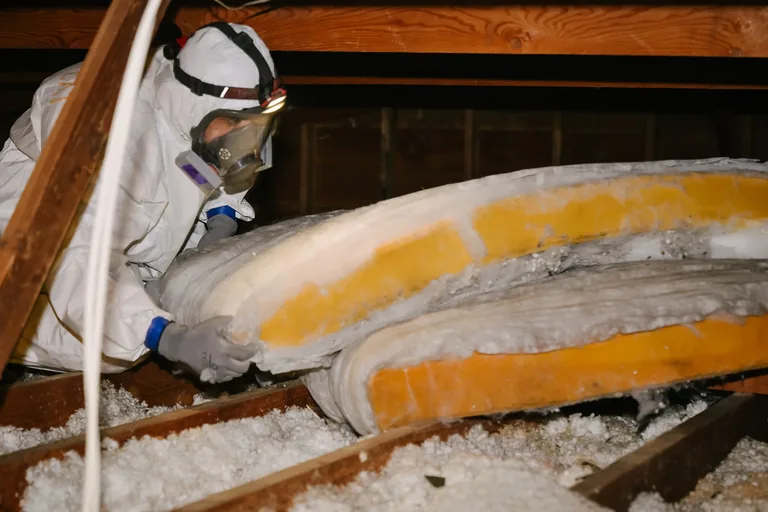
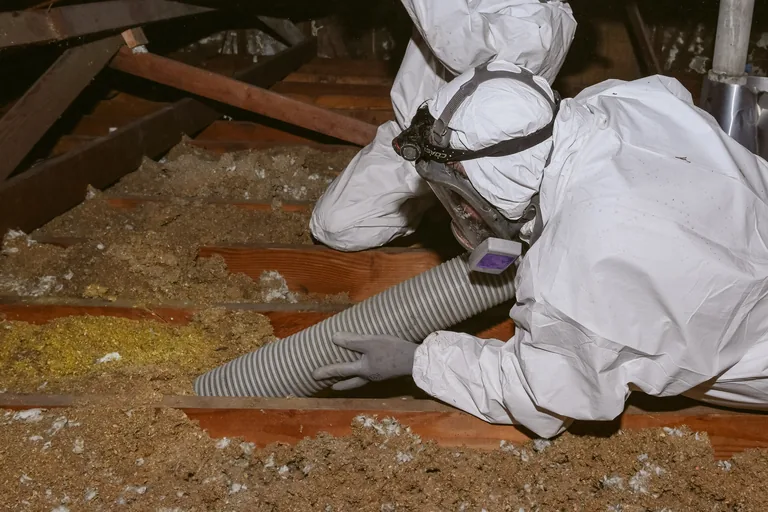
Cleanup & Removal
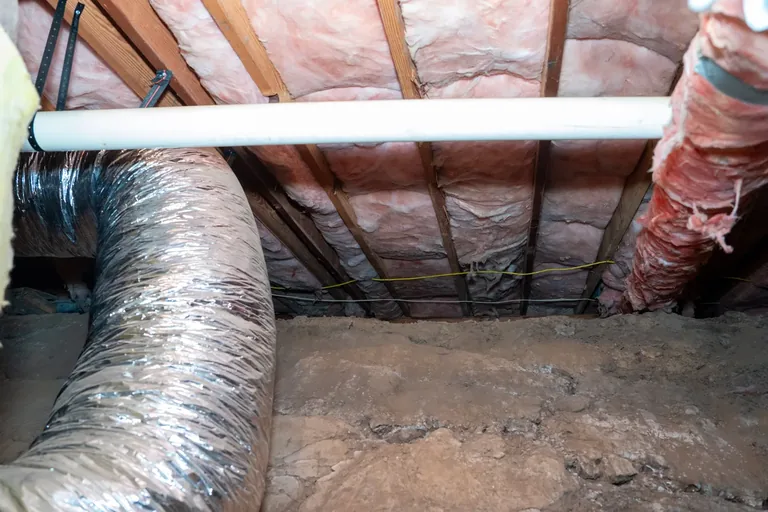
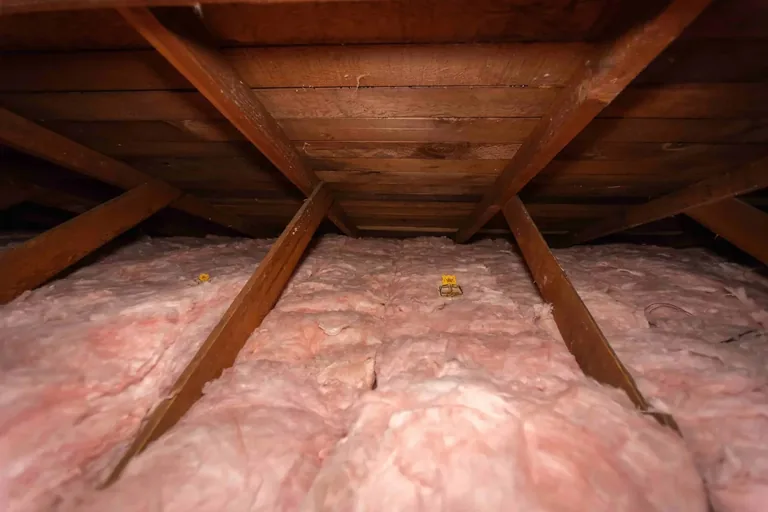
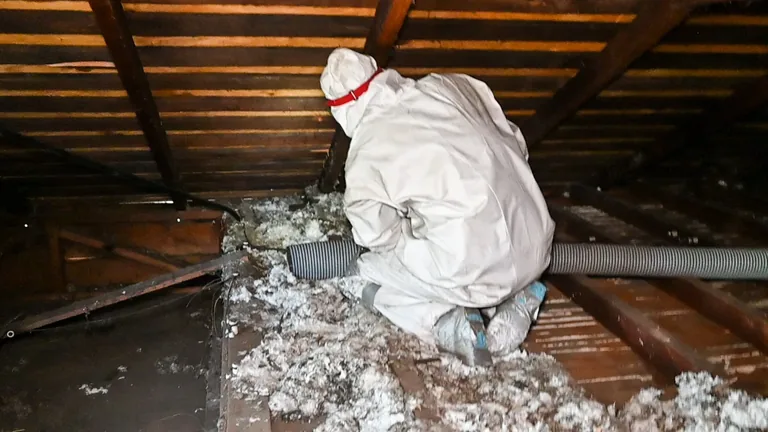
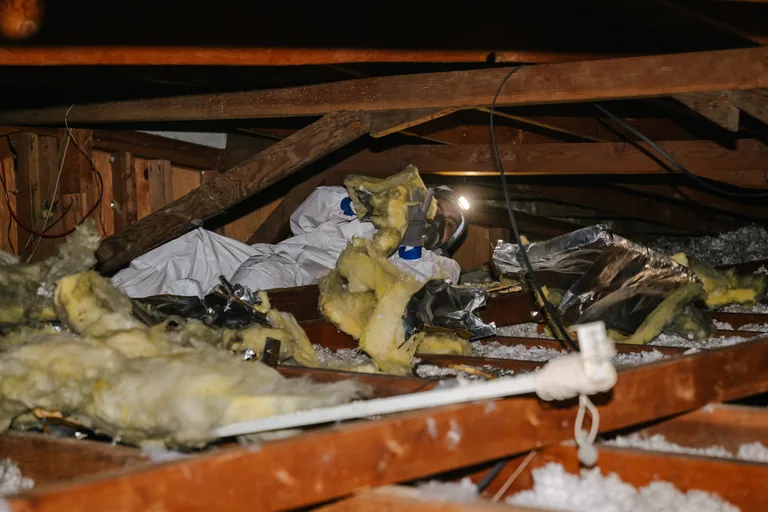
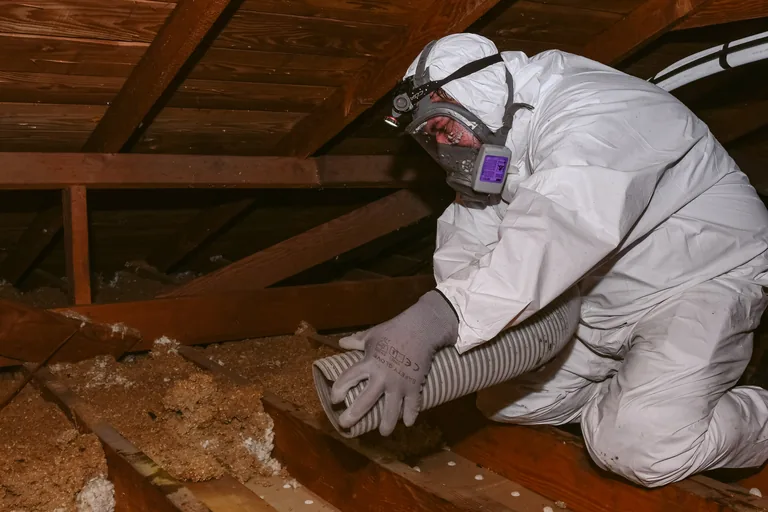
Cleanup focuses on accessible contamination around vents, duct chases, equipment closets, attics, crawl spaces, and register openings. Mice and other rodent pests can leave rodent droppings, urine, food debris, shredded insulation, and other nesting materials beside ducts. Insect activity often increases with rodent infestations in ducts because warm nests, food debris, and carcasses can support other pests.
Our specialists may:
Remove accessible droppings, nests, and contaminated debris
Bag damaged insulation, nesting materials, or duct-wrap included in the scope
Remove captured mice or accessible dead mice and haul away job waste
If contamination extends deep into the air ducts, Alley Cat may recommend professional duct cleaning after the active rodents and entry route are controlled. This keeps cleanup from being undone.
Step 04 · Sanitize
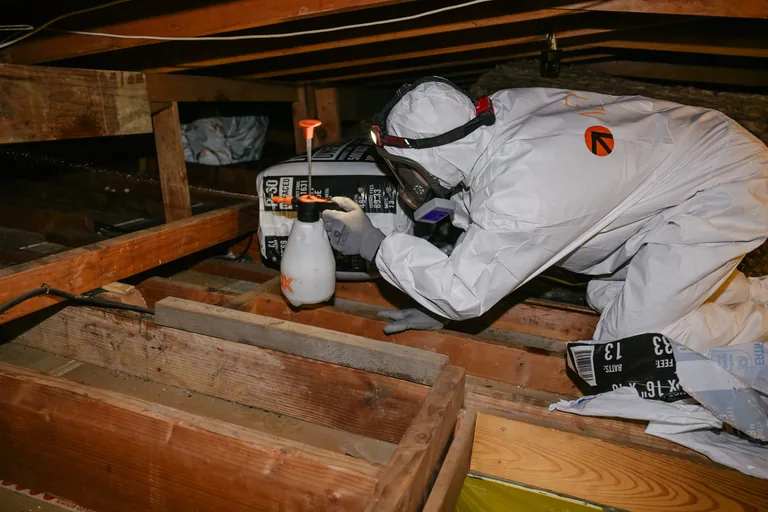
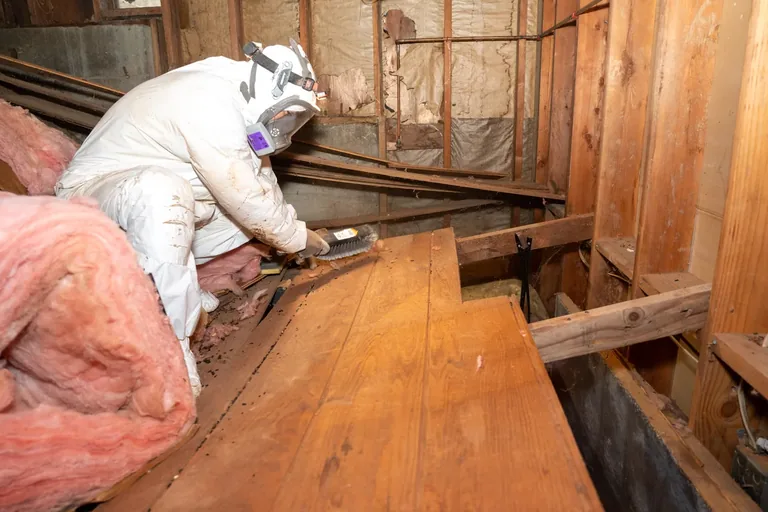
Sanitize & Decontaminate
Sanitation addresses urine residue, bacteria, allergens, and unpleasant odors around duct boots, vents, equipment, insulation, and walls. Rodent droppings can trigger allergies and asthma symptoms, and mice can carry pathogens associated with salmonellosis and hantavirus. Disturbed debris may contribute to health issues; health risks depend on exposure and cleanup.
We remove affected materials before treating appropriate surfaces. We do not spray chemicals indiscriminately through the HVAC system. If airborne contaminants may affect indoor air quality, a qualified HVAC or duct-cleaning professional may be needed after exclusion.
Step 05 · Seal
Seal, Reinforce, & Prevent
Long-term prevention begins by closing the route mice and other rodents use to reach the ducts or surrounding cavities. Mice and other small rodents can fit through holes around one-quarter inch and may enter through foundation gaps, damaged crawl-space vents, garage corners, roofline openings, or spaces around refrigerant lines, drains, wires, and heating equipment. Once inside the house, these rodents can follow framing, plumbing, walls, and ductwork toward warm rooms and food.
Depending on the home, Alley Cat may use these methods:
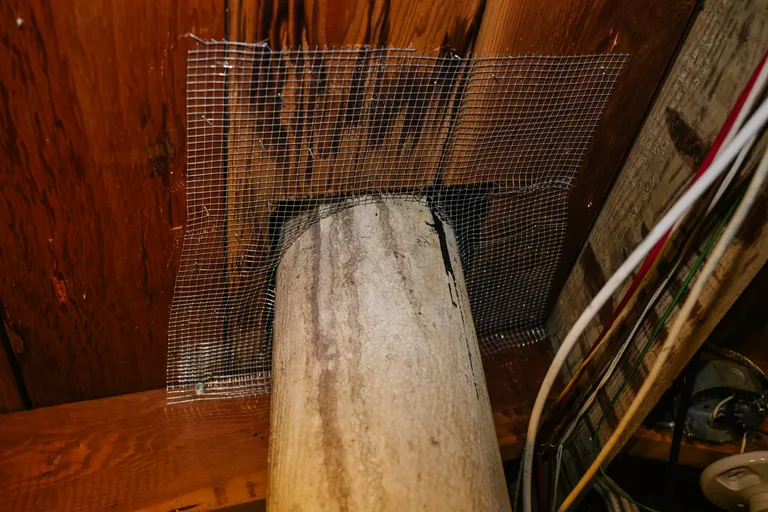
Register and Boot ReinforcementSecure openings where wall, floor, or ceiling registers meet unfinished framing; replace damaged vent covers when appropriate.
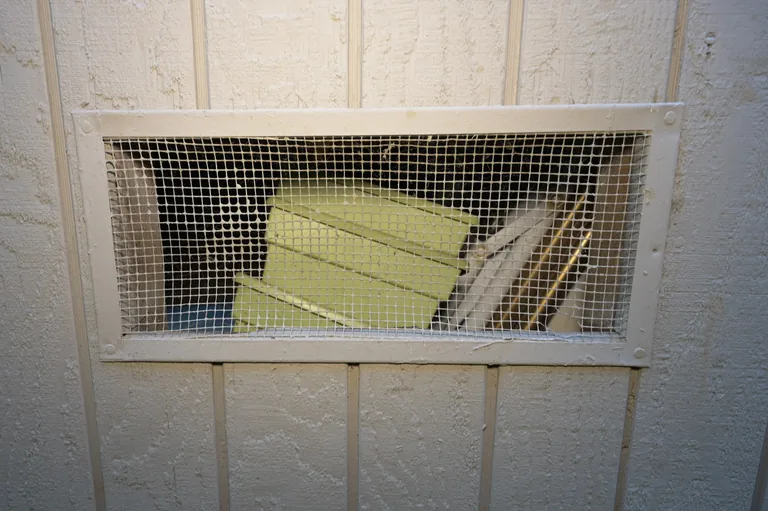
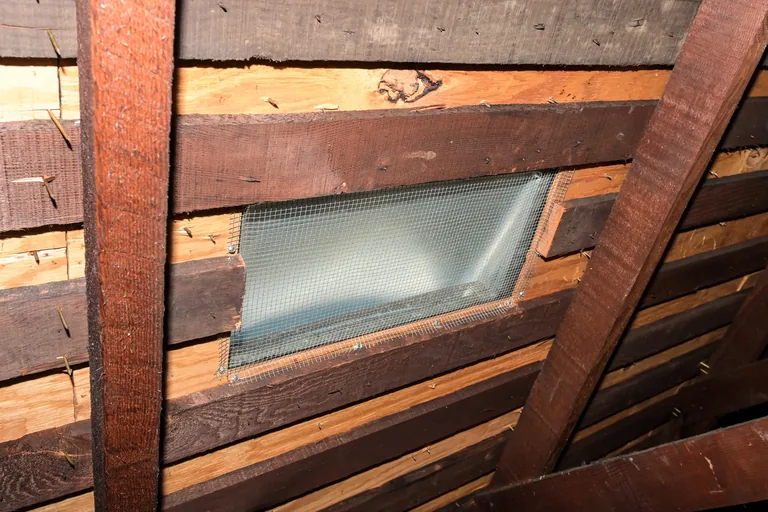
Vent ScreeningInstall or reinforce metal screening at foundation, attic, roof, and crawl-space vents while maintaining required air movement.
Duct-Area BarriersReinforce vulnerable areas near accessible air ducts without crushing ductwork, restricting heating, or compromising the system.
Foundation and Roofline RepairsClose cracks, soffit gaps, siding transitions, and roof returns that provide access for rodents to ducts and walls.
Garage and Crawl-Space ProofingRepair door corners, access panels, pipe holes, and perimeter weaknesses used by mice, rats, other rodents, and other pests.
Repairs are coordinated with trap checks so rodents are not sealed inside. We also recommend securing food rodents eat, including pet food and pantry staples, in rodent-resistant containers, cleaning crumbs behind the fridge and stove, reducing cardboard near the furnace, and maintaining filters and equipment access. With more than 13,000 Bay Area customers and a 97% customer satisfaction rating, Alley Cat combines diagnosis, removal, cleanup, and exclusion to protect the living space and reduce repeat activity from rodents and other pests.
Step 06 · Check
Set Trap Checks
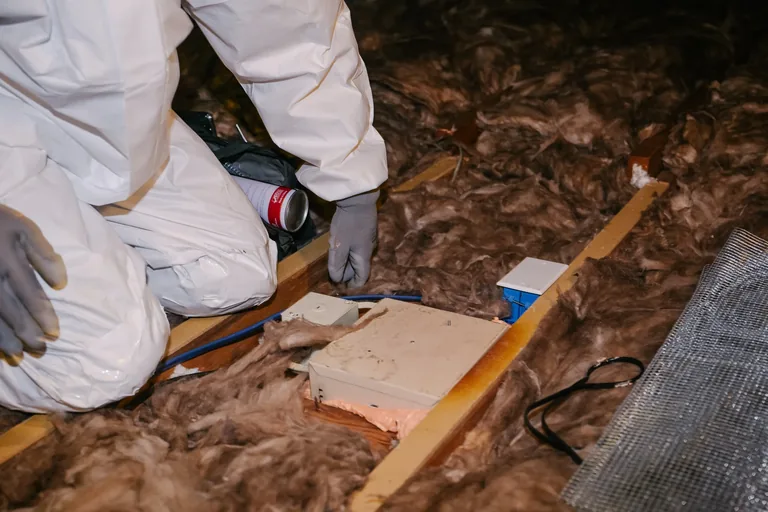
Trap placement follows evidence rather than convenience. We may set traps along attic joists, crawl-space foundations, garage walls, furnace-room edges, or other serviceable routes connected to the ducts. Properly placed snap traps can catch mice efficiently, but the phrase “snap traps are effective for catching mice in ducts” needs context: traps should not be dropped loose into active air ducts where they can block air, become inaccessible, or affect the HVAC system.
Technicians check each trap, remove captured rodents, reset equipment, and look for fresh droppings or nesting. Daily trap checks may be recommended in accessible, active areas so dead mice are removed promptly and the rodent problem can be reassessed.
Step 07 · Haul
Wrap Up & Haul Away
At completion, Alley Cat removes captured mice, disposable trap materials, contaminated insulation included in the scope, nests, and project debris. We review repaired entry points, replaced vent covers, sealed holes, and any damaged ducts that require an HVAC contractor.
Homeowners dealing with rodents also receive practical advice on maintaining the result: change and maintain the HVAC filter, keep vegetation and garbage away from air intakes, secure pet food, keep pets away from traps, and watch for fresh droppings or noise. A system-compatible high-capacity filter may reduce particles in circulating air; an HVAC professional should confirm fit and airflow.
Step 08 · Support
Customer Service
Sounds can travel through air ducts and make movement seem as though it is in a different room. Our customer service team coordinates inspections, trap checks, field questions, and follow-up so homeowners understand what the evidence does—and does not—show.
A home security service alert, security sensor, or security video may help establish timing, especially near a garage or utility area. However, security technology is not a substitute for opening accessible covers, inspecting ducts, and tracing structural routes. Alley Cat provides a written scope instead of asking you to bet on the source of the noise.
Schedule an Alley Cat inspection to locate mouse activity, remove accessible contamination, seal structural routes, and protect your air ducts, heating equipment, and living space.
More than 13,000 Bay Area customers have trusted Alley Cat for rodent exclusion, trapping, cleanup, and prevention. Our 97% customer satisfaction rating reflects detailed diagnostics, careful fieldwork, practical recommendations, and responsive support from initial inspection through final review.
“Mario arrived on time, closed entry points other technicians had missed and provided education re: “the process” of rodent removal. He was also very courteous and friendly.”
★★★★★
CMBVerified Trustpilot review
4.9 / 5 1,240 reviews
4.7 / 5 649 reviews
4.7 / 5 279 surveys
4.9 / 5 374 reviews
What Makes Our Duct Service Different?
Diagnostics and repairs built around the HVAC ductwork pathway.
Unpleasant Odors Traced
Mice leave unpleasant odors that may worsen when the HVAC system is running. We trace the smell to urine, insulation, nests, or dead mice.
Furnace closets, equipment platforms, and accessible wires
Exterior HVAC, plumbing, roofline, and foundation entry points
This prevents a superficial fix. A husband may hear scratching near a bedroom vent while someone else finds droppings by the fridge; both signs may trace to one crawl-space opening. Security video may capture rodents at night, but the solution still requires inspection, trapping, cleanup, and sealing.
Bay Area construction makes this diagnosis important. Older San Francisco, Oakland, and Berkeley houses may have remodel gaps, while homes across the North Bay, Peninsula, and East Bay may have extensive attic or crawl-space ducts.
Protect comfort, cleanliness, and connected structural spaces.
Protect Indoor Air Quality
Rodents can contaminate indoor air with allergens and bacteria when debris enters an active return-air path or is disturbed during cleaning. Urine, droppings, and nesting debris can also affect indoor air quality. Removal, replacing filters, sanitation, and targeted duct cleaning address the source instead of covering unpleasant odors.
Reduce Noise and Uncertainty
Scurrying, crawling, or gnawing can echo through metal ducts and make the issue sound worse or appear to come from the wrong area. Alley Cat inspects the system, checks nearby walls and attic spaces, and uses trap evidence to identify the likely route. This reduces guesswork when homeowners are dealing with recurring nighttime noise.
Prevent Repeat Entry
Removing one mouse does not fix the holes that allowed it into the house. Our exclusion work addresses crawl-space vents, roofline gaps, garage corners, utility penetrations, and duct-area openings. Regular HVAC maintenance can detect damaged ducts early, while sealing duct leaks and exterior entry points helps prevent future rodents and nuisance pests from reaching the system.
FAQ’s: Mice in Air Ducts
What Should You Do if You Have Mice in Your Ductwork?
Turn the heating or air system off if debris or a strong odor is blowing from a vent.
Keep children and pets away from droppings, traps, and open registers.
Do not vacuum dry droppings with an ordinary household vacuum.
Inspect the attic, crawl space, furnace area, and house perimeter.
Set traps along accessible runways, not loose inside active ducts.
Arrange professional cleaning if contamination is confirmed inside the air ducts and vents.
Professional cleaning helps ensure accessible contaminants are removed safely, but hidden surfaces still require access and verification. Rodents can chew ducts, insulation, and wires, so early action limits damage.
What Should You Do if Mice Are in the Vents?
If mice appear to be in the vents, remove the vent cover only when it is safe and useful for inspection, then have the route professionally diagnosed. Removing vent covers may improve visibility, but it does not by itself catch the animals or fix the rodent problem.
The “5 day rule for mice” is not a formal industry standard and should not be used to declare a house rodent-free. Some online advice suggests that five days without a catch, noise, or fresh droppings may indicate reduced activity, but mice and other rodents can avoid a trap, shift routes, or remain quiet for short periods.
A better clearance decision uses several checks:
No fresh droppings, urine, chewing, or nesting
No catches after traps have remained properly placed and serviced
No new noise at night near vents, walls, or the attic
Confirmed sealing of entry points and damaged ducts
Follow-up inspection of the HVAC system and surrounding spaces
In short, five quiet days are encouraging, not proof. Maintain monitoring and exclusion rather than relying on a calendar rule.
Does Two Mice Mean an Infestation?
Two mice do not automatically prove a large infestation, but they strongly justify an inspection for more animals, nests, and repeat entry. Mice and other rodents can reproduce quickly, and two sightings may represent separate visitors, a breeding pair, or only the visible part of a larger issue.
Look for:
Repeated droppings near vents, food, or furnace areas
Several nests or nesting materials in insulation
Multiple trap catches over several days
Nighttime crawling or scratching in more than one area
Chew damage to ducts, wires, food packaging, or vent covers
Other pests and insects can increase around nests made by rodents because they use the same debris and food. A professional pest control company should identify the species, inspect the system, remove the active mice and other rodents, and complete exclusion rather than assuming that two animals are either harmless or proof of a major infestation.
Get Rid of Duct Activity
Arrange a professional inspection to identify the source, set traps, clean accessible contamination, repair structural entryways, and protect the HVAC system from repeat rodent activity.