One Team, Full Scope
We provide rodent control, inspection, trapping, removal, cleanup, sanitation, exclusion, and haul-away through one team. This makes it easier to schedule work, ask questions, and ensure each step supports the next.

San Mateo County · San Mateo, CA
Rodent control in San Mateo is a coordinated service for identifying how rats and mice enter a house, removing active pests, cleaning contamination, and reinforcing the property against reentry.
 4.9 / 5
 4.7 / 5
 4.9 / 5
 4.7 / 5
 Accredited
Local exclusion, cleanup, and prevention specialists
A successful rodent control plan should address the current rat or rodent infestation, not just catch a few rats or other pests. It should also reduce the conditions that could support a future rodent infestation, including exposed food, damaged vents, open utility gaps, garbage access, and shelter around the yard.
Alley Cat provides local rodent control and pest control focused specifically on exclusion, trapping, cleanup, decontamination, and prevention. We serve homeowners, rental properties, and businesses across the city and nearby San Mateo County communities. Our service may include:
Rodent control services include inspection, exclusion, and trapping.
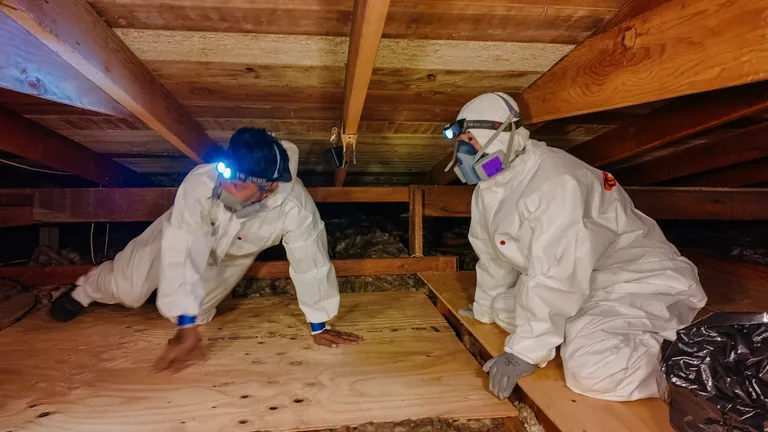
When noises, droppings, odors, gnawing, or sightings indicate a rodent problem, the first step in rodent control is to schedule a free inspection and get clear information about what is happening inside the property.
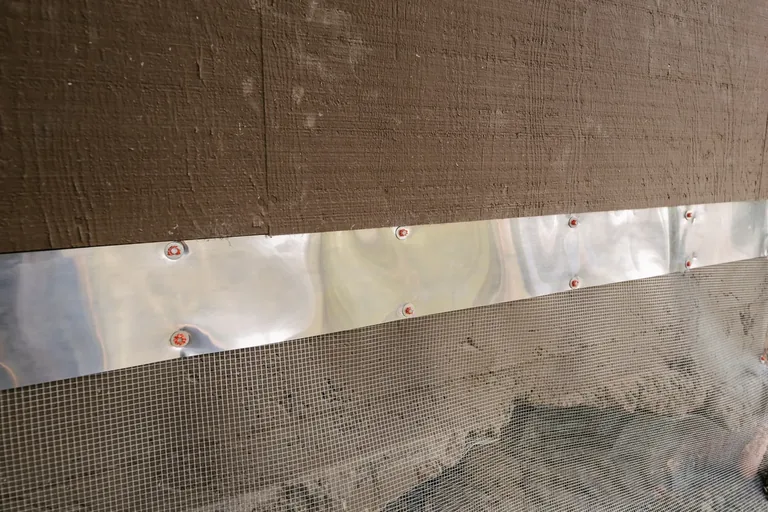
We identify and seal points where destructive pests enter, reducing reliance on baiting or temporary treatments that leave the structure vulnerable to future infestations.
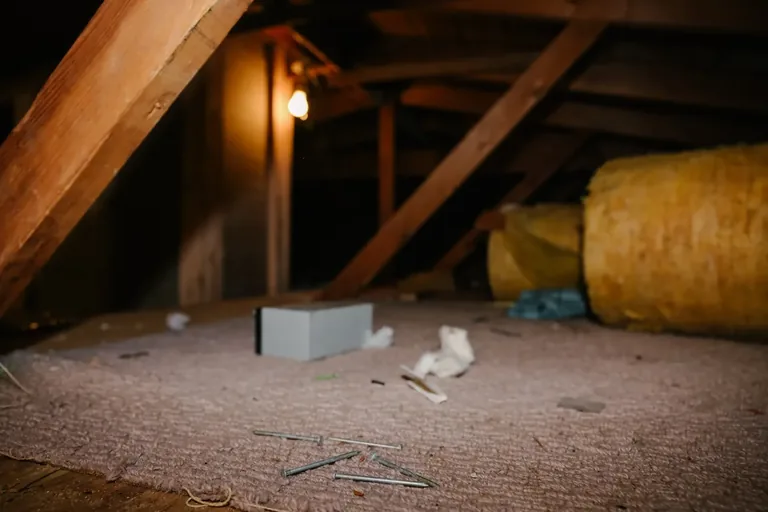
Our knowledgeable team provides photos, findings, safety concerns, repair recommendations, and a written plan so customers understand what was inspected and what work is needed.
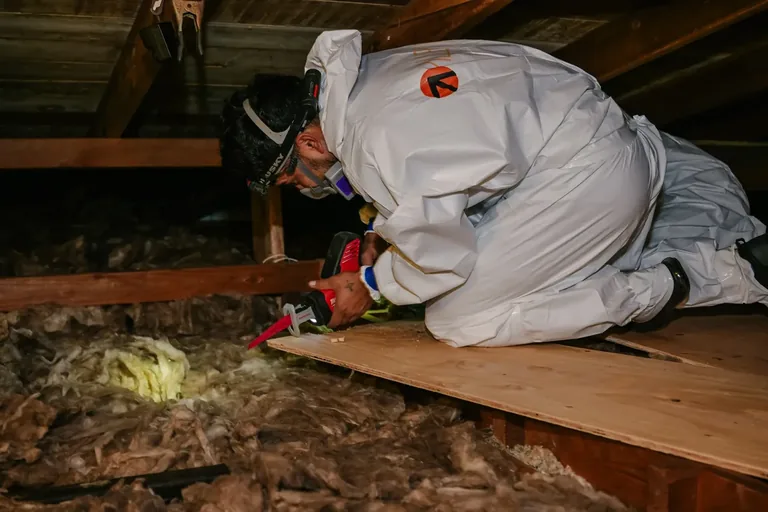
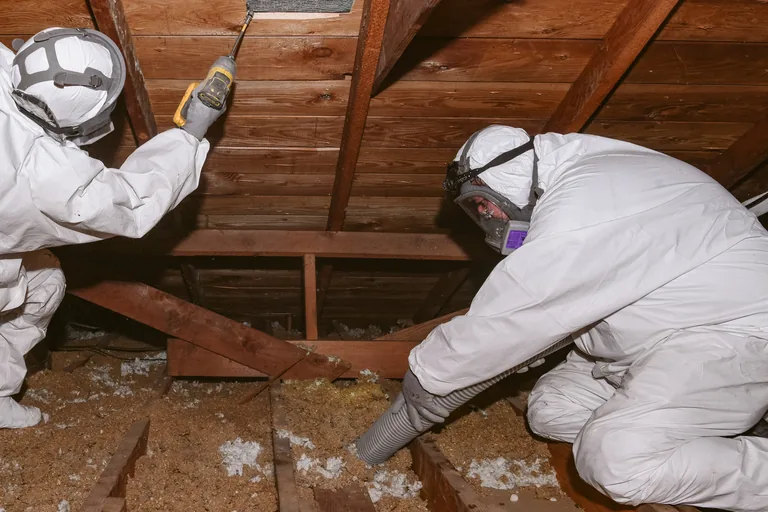
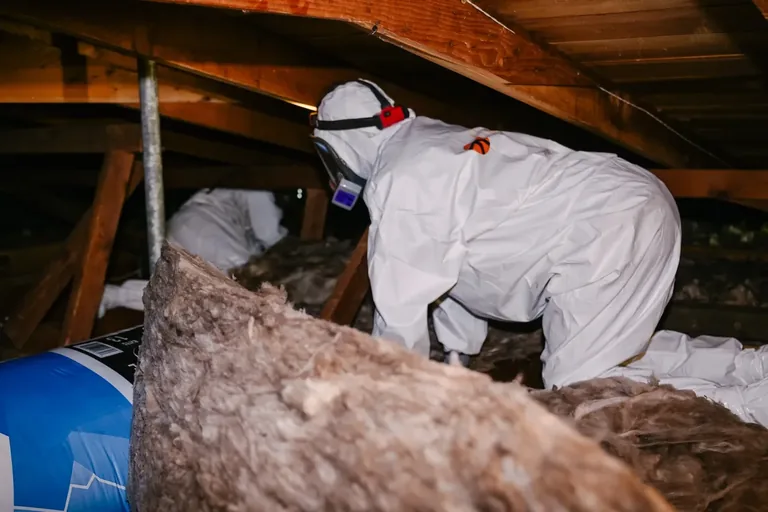
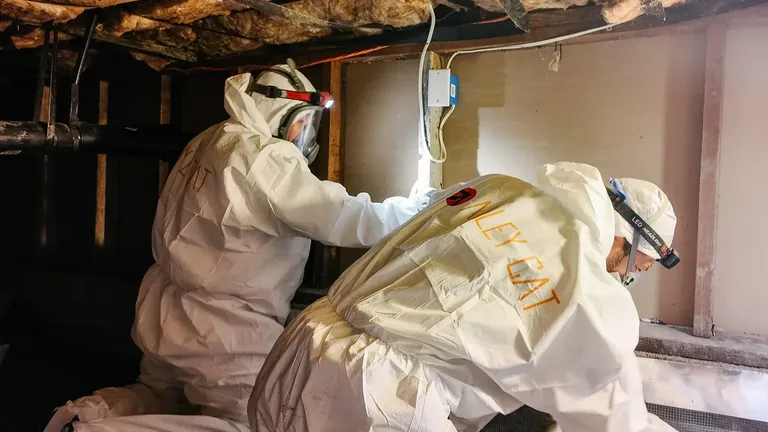
We remove waste, nesting, damaged materials, and contaminated insulation before treating affected areas and preparing them for repairs or replacement when appropriate.
Homes throughout San Mateo County differ in age, roof design, crawl space access, foundation condition, and nearby vegetation. Our professional rodent control and pest control service follows the evidence found at each property rather than applying one treatment to every rodent infestation:

Step 01 · Inspect
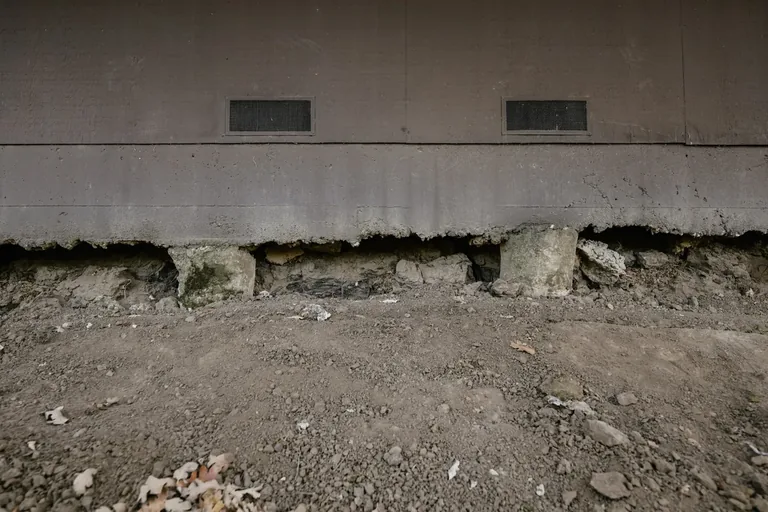
Our free pest inspection starts in the attic, crawl space, garage, kitchen, utility areas, basements, roofline, and exterior. We look for signs such as droppings, rub marks, gnawing, nesting, odor, damaged wood, disturbed insulation, water access, and travel routes along walls. We also identify whether the activity suggests a mice infestation, a roof-rat issue, a Norway-rat problem, or what a homeowner may broadly call a rat and mice infestation.
Outside, we inspect vents, siding, eaves, deck transitions, foundations, doors, pipes, and conduits. Professional inspections can help identify hidden rodent entry points. No automated technology replaces a careful hands-on rodent control review of the house. The inspection helps us:
Step 02 · Diagnose
Alley Cat prepares a Comprehensive Diagnostic Report describing the rodent infestation, property damage, active routes, contamination, and structural conditions that support the pest problem. The report provides a free estimate for recommended rodent control, exclusion, cleanup, trapping, treatment, or barrier work. It is not a generic price range; it explains the actual scope needed to address the property and reduce future issues.
Step 03 · Clean
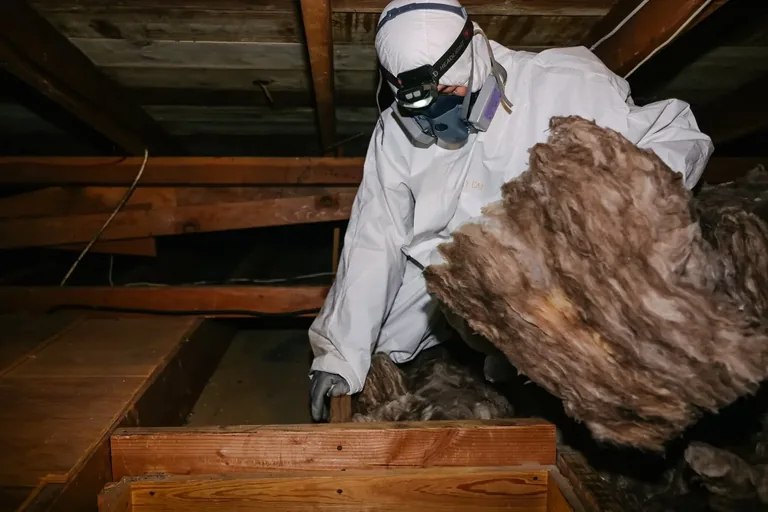
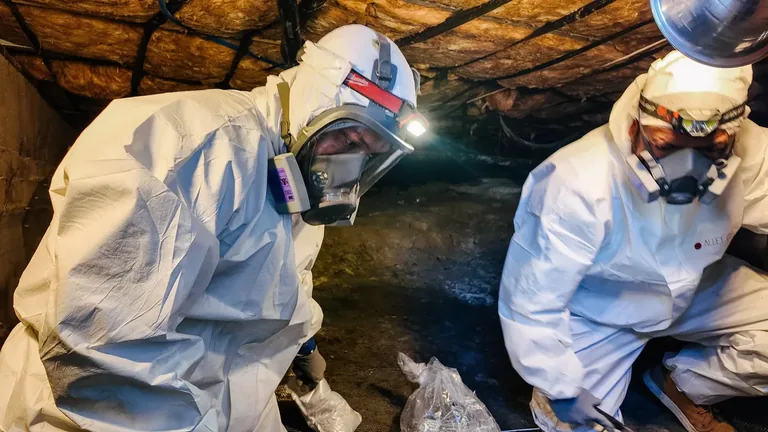
A rodent infestation may leave urine, feces, nests, carcasses, food debris, odors, and damaged insulation in an attic, crawl space, garage, storage area, or wall-adjacent void. Rats can cause property damage and spread diseases. Rats can also gnaw wiring, duct materials, wood, and stored belongings. Rats can cause wiring issues and potential fires.
Our professional specialists remove affected materials safely and prepare the area for sanitation. This stage may include:
Rodent debris may trigger allergies or worsen respiratory irritation for some people, but symptoms are nonspecific and should be discussed with a medical professional. Once the area is clean, we can continue with decontamination and exclusion.
Step 04 · Sanitize
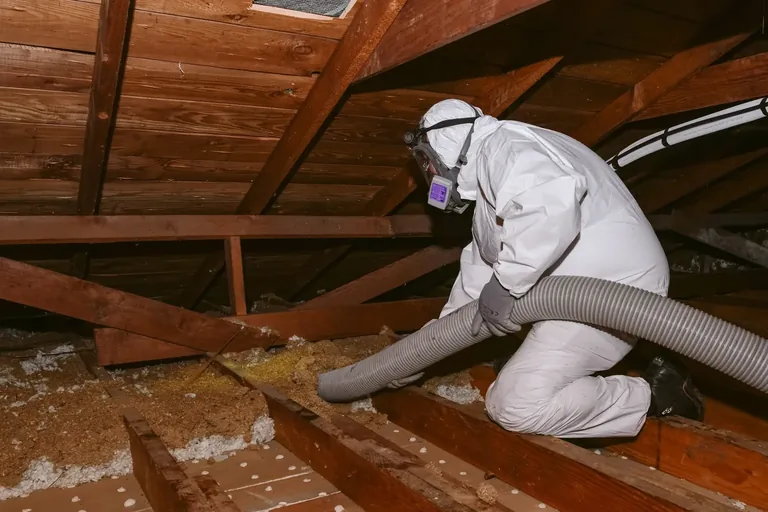
After removal, we treat appropriate surfaces to reduce odor and contamination where rodents have traveled or nested. Rats can spread diseases through waste and urine. Rodent urine, droppings, and nesting can contaminate surfaces and stored food, so the work must be performed with attention to health and safety rather than dry sweeping waste into the air.
Decontamination may be localized or may cover a larger attic or crawl space, depending on the condition found. Our pest control team explains what will be treated, what materials must be removed, and what the homeowner can expect at the end of the service.
Step 05 · Seal
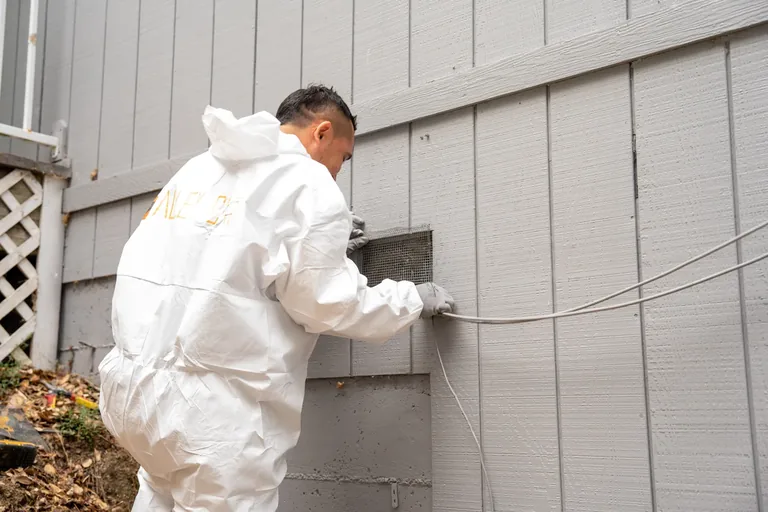
Effective rodent control involves an integrated approach combining exclusion sanitation and trapping. Exclusion, sometimes called structural proofing, is the central part of long-term control because trapping alone does not stop new rodents from entering. San Mateo, California, homes can develop openings around aging vent screens, roof returns, garage framing, foundations, utility lines, and additions built at different times.
Common exclusion and prevention methods include:
Rodents can squeeze through gaps as small as 1/4 inch to enter buildings. Exclusion is the most effective long-term method for preventing rodent infestations. Maintaining a clean environment can help prevent rodent infestations. Sanitation cannot compensate for open entry points. With more than 13,000 customers served and a 97% customer satisfaction rating, Alley Cat combines repair knowledge, pest inspection, cleanup, and trapping in one coordinated service.
Step 06 · Check
When rats or these pests remain inside, we set traps according to travel evidence, rodent type, and safe access. Identifying the rodent type is crucial for effective control strategies. Trapping using snap traps is widely recommended as a humane control method. Traps should be placed perpendicular to walls in known runways and dark corners. Baiting traps with peanut butter hazelnut spread or bacon can attract rodents. Placement and trap selection matter more than any single bait.
Effective rodent control requires ongoing monitoring and follow-up inspections. Our rodent control trap checks allow us to catch and remove rodents, reset equipment, and respond to new signs. Safety measures should include using pet-proof traps to avoid accidental poisonings. Rodenticides should only be used in child-proof and pet-proof bait stations outdoors, if at all; At Alley Cat, we remain completely eco-friendly and do not engage in inhumane behavior, such as using rodenticides. Alley Cat’s emphasis remains exclusion-led control, not routine indoor poison use around children, pets, a dog, or family living areas.
Step 07 · Haul
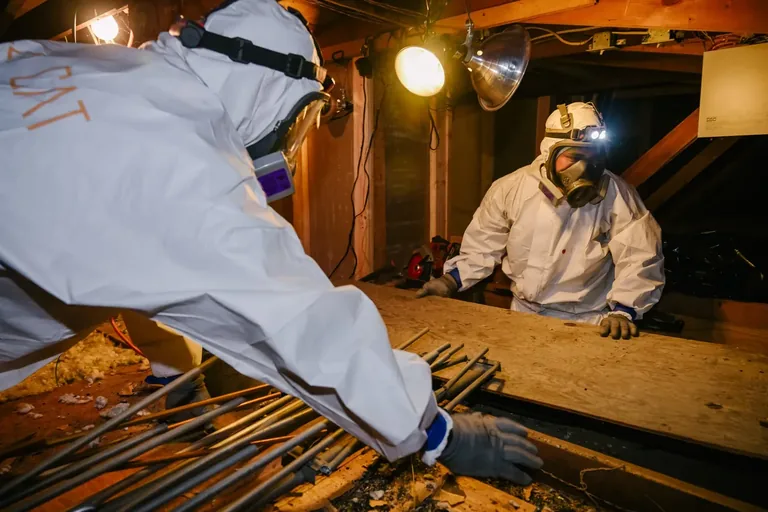
At wrap-up, our pest control team removes project debris, contaminated materials, and covered waste. We review completed repairs, explain which entry points were addressed, and provide practical rodent prevention tips for food storage, garbage, trees, shrubs, the yard, and exterior maintenance.
Here are some maintenance tips we provide moving forward:
These pest prevention steps cannot replace structural rodent control repairs, but they help protect the work and reduce future problems.
Step 08 · Support
Dealing with a rat problem can be frustrating, especially when activity affects sleep, pets, children, tenants, or daily life. Our friendly customer care team can respond to questions, coordinate an appointment, provide phone assistance, explain the report, and help customers understand what happens next. Customers can contact us before or after service, with one clear point of contact throughout the work.
We stand apart from general pest control companies by coordinating rodent control, inspection, removal, cleanup, repairs, trapping, and follow-up. Whether the service request comes from a homeowner, a property manager, or local businesses, our goal is respectful communication and reliable service from the first contact through the end of the project.
Contact Alley Cat today to schedule a San Mateo inspection, identify hidden entry points, address health concerns and risk, and receive a clear plan for rodent removal, cleanup, exclusion, and prevention.
“The service was professionally performed and completed as l hoped. I am very pleased with their work. All the technicians were very polite and professional. I have used Alley Cat on several projects and have been very satisfied with their work. I highly recommend Alley Cat.”
Robert JohnsonVerified Trustpilot review
4.9 / 5
4.7 / 5 4.7 / 5
 4.9 / 5
Protection designed for local houses and buildings
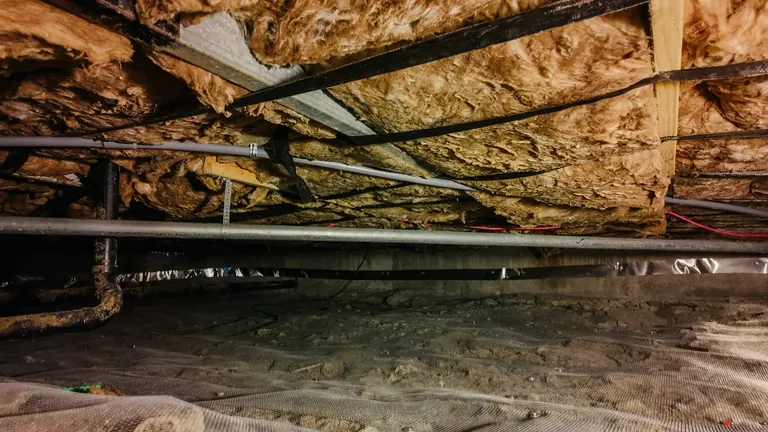
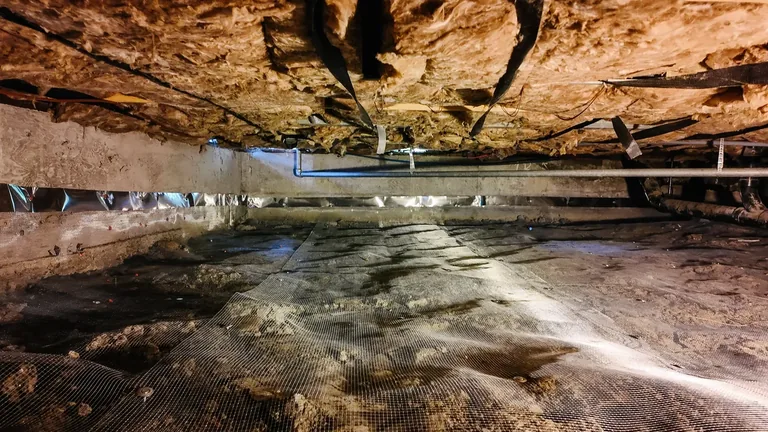
Low or segmented crawl space areas may contain broken vents, pipe gaps, torn barriers, and hidden rodent runways beneath a house.
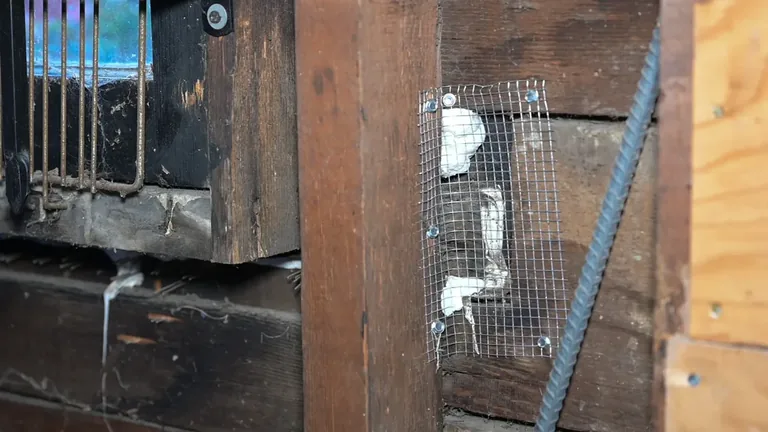
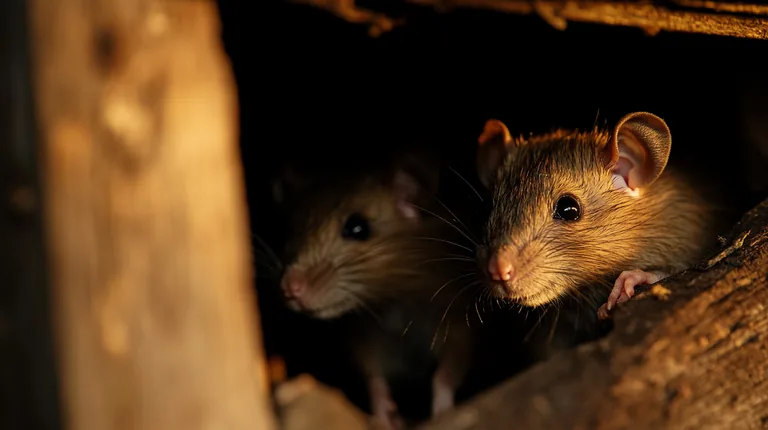
Rats and mice can move through garage corners, stored food, door framing, and wall penetrations before coming inside kitchens or living areas.
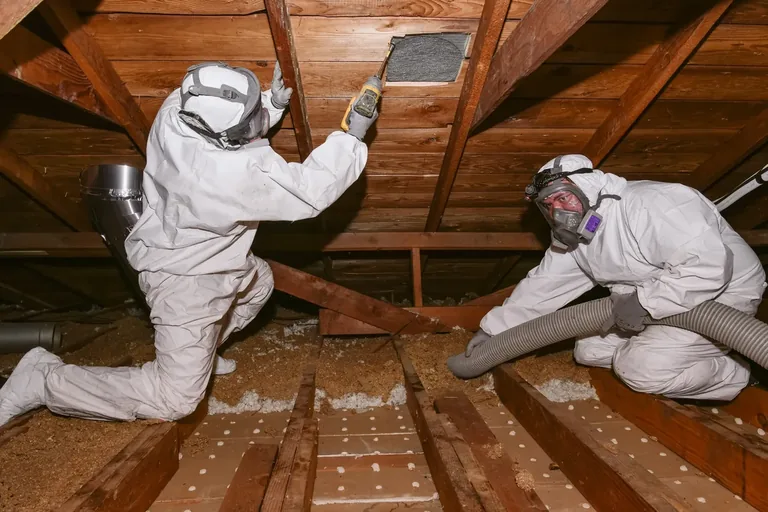
A tree, fence, deck, or adjoining structure can give roof rats access to eaves, fascia, vents, and attic openings above ground level.
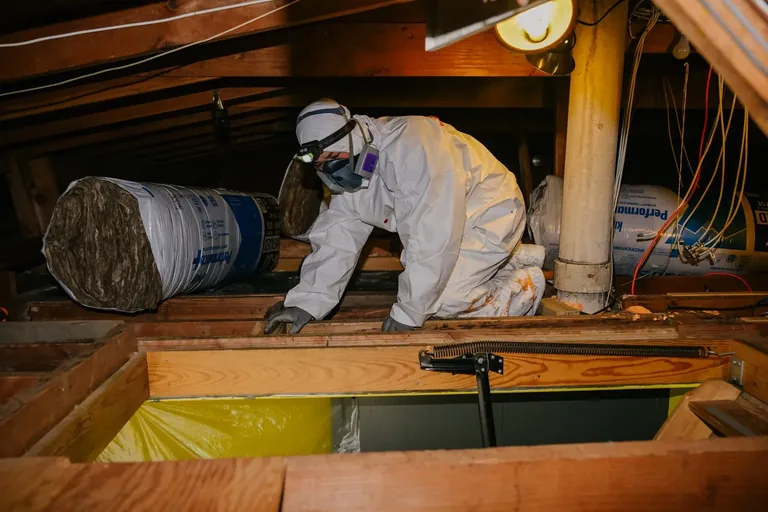
A city rodent infestation often involves several connected entry points rather than one obvious hole. Our technicians inspect:
The City of San Mateo Public Works information notes that these pests seek food, water, and shelter, and the San Mateo County Mosquito and Vector Control District provides community education for local neighborhoods and neighbors. Those public programs do not replace private structural rodent control or pest control inside a property. Alley Cat provides the inspection, trapping, cleanup, decontamination, and exclusion work needed for an individual home or business.
More than setting traps and waiting
We provide rodent control, inspection, trapping, removal, cleanup, sanitation, exclusion, and haul-away through one team. This makes it easier to schedule work, ask questions, and ensure each step supports the next.
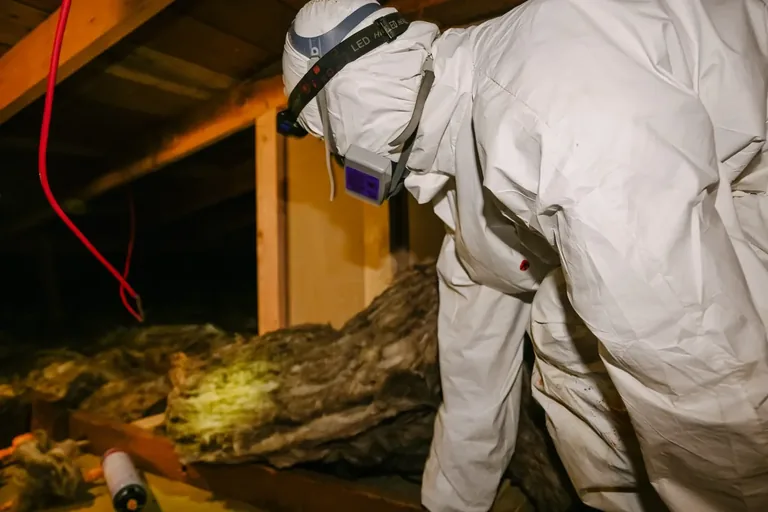
We identify droppings, gnawing, rub marks, nests, odors, and access routes before choosing materials or treatment. That evidence helps us eliminate active pathways rather than paying to seal random areas that rodents may not use.
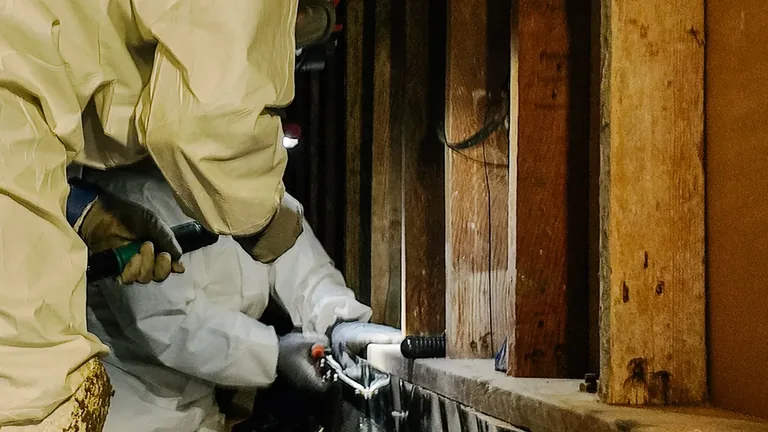
Professional assistance may be needed if there is a significant infestation. We combine structural repairs, sanitation, monitoring, and homeowner action to protect against future infestations and protect the property from destructive pests.
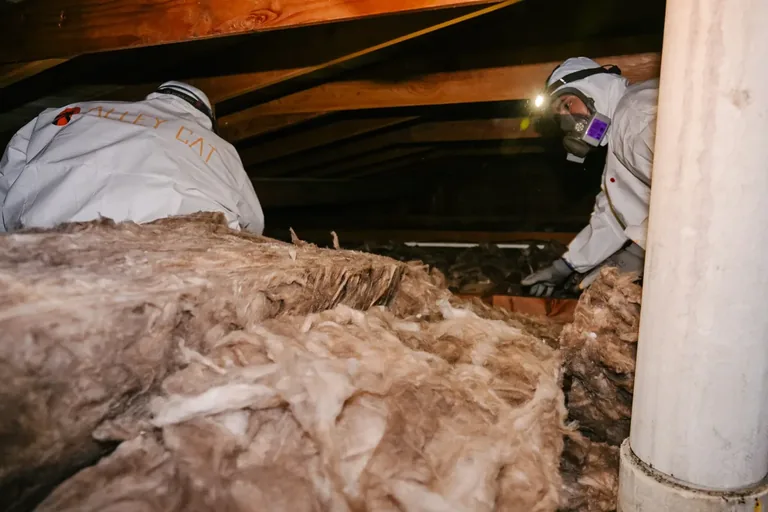
The cost depends on the size of the infestation, number of entry points, accessibility, contamination, trapping needs, and repair scope. A free pest inspection and written estimate are the most reliable way to understand what you may pay, however, comprehensive exclusion work can range anywhere from $1,000-$10,000 based on the aforementioned factors. A minor mouse problem in a garage may cost less to address than a rat problem involving an attic, crawl space, damaged insulation, and multiple exterior openings.
The most important cost factors are:
Online prices are not an Alley Cat quote; low-end figures often cover traps rather than exclusion, sanitation, and repair.
The hardest rodent to get rid of is usually the one whose entry route has not been found, although roof rats can be especially challenging because they climb, avoid new objects, and use elevated access. Norway rats measure 7 to 9.5 inches long. Roof rats are typically 6 to 8 inches long. Measurements vary, so identification should also use droppings, nesting, travel patterns, and building location.
Rodent droppings measure between ½ to ¾ inch long. That broad statement generally describes rat droppings, not mouse droppings. Rat droppings are between 0.5 to 0.75 inches long; mice droppings are smaller. A knowledgeable technician can identify whether you need to fight rat activity at the roofline, ground level, or both.
The “5 day mouse rule” is an informal online phrase, not a dependable scientific deadline for proving that every mouse is gone. The better standard is to continue monitoring for fresh droppings, urine spots, gnawing, sounds, trap activity, and newly disturbed food. A quiet period helps, but a hidden mice infestation may remain in basements, an attic, or a crawl space for years as long as they have access to food, water, and shelter.
For a reliable result:
Do not cancel follow-up simply because one trap check is clear. Continued monitoring helps catch future issues before another rodent infestation becomes established.
Nobody can honestly guarantee that these pests will be eliminated permanently, but rodent control, exclusion, sanitation, trapping, and ongoing inspection provide the strongest long-term protection. The goal is to capture and eliminate active rats and mice, close entry points, remove attractants, and identify new activity quickly, regardless if it's for a residential property or businesses.
San Mateo pest control companies are rated 4.6 out of 5 stars based on a broad third-party marketplace statement. Review sources and service quality vary. Xpert Rodent & Wildlife Solutions serves only San Mateo County. That describes another company; Alley Cat serves San Mateo and the broader Bay Area.
When comparing companies, read what each service includes and which service best fits the property. Look for a confident professional inspection, exclusion, trapping, cleanup, safety measures, clear contact information, and follow-up—not just baiting. The best plan is one that addresses the source, protects people and pets, and reduces the risk of a future rodent infestation.
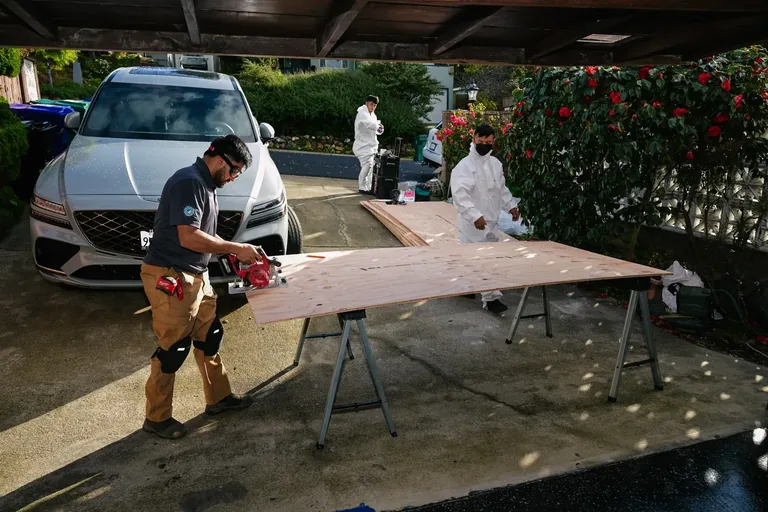
Contact Alley Cat today for a free rodent inspection and estimate. We will inspect the property, explain the rodent problem, and provide a practical plan without pressuring you to choose work you do not understand.