
Rodent Control · Bay Area, CA
Mice Problem in House: Find the Source and Protect Every Area
Start where you noticed signs, and Alley Cat can inspect that zone and trace the adjoining routes.
-
 4.9 / 5
1,240 reviews -
 4.7 / 5
649 reviews -
 4.9 / 5
374 reviews -
 4.7 / 5
279 surveys -
 Accredited
A+ BBB rating
Mouse Problem in House Services by Home Area
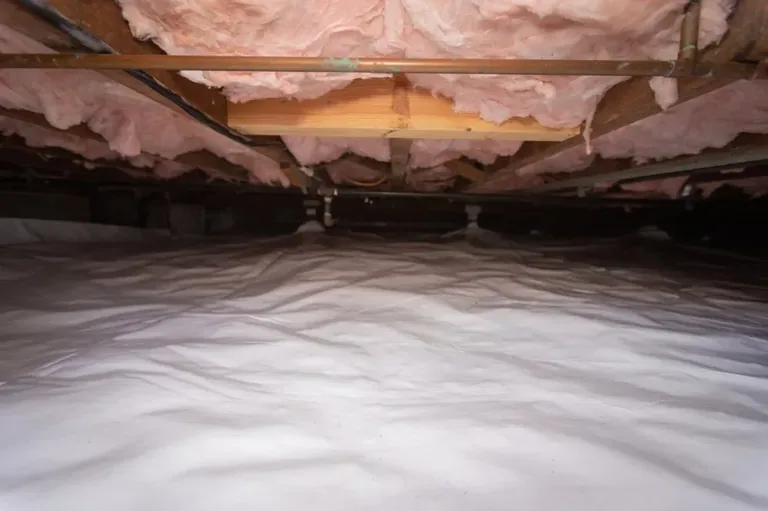
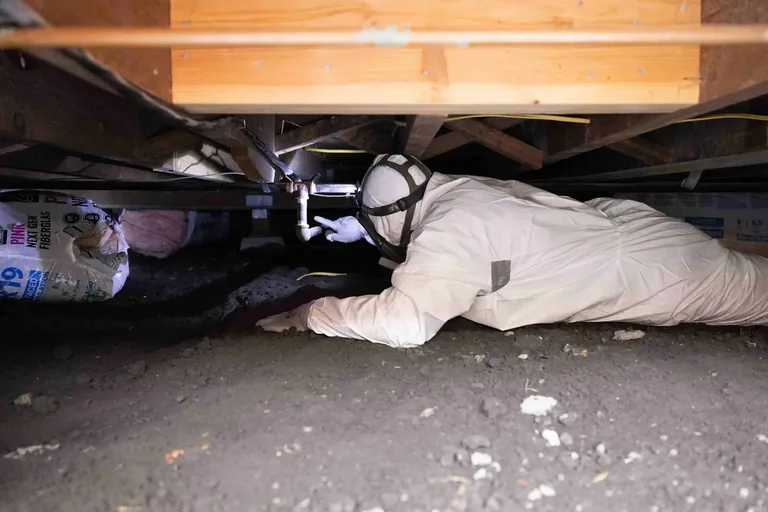
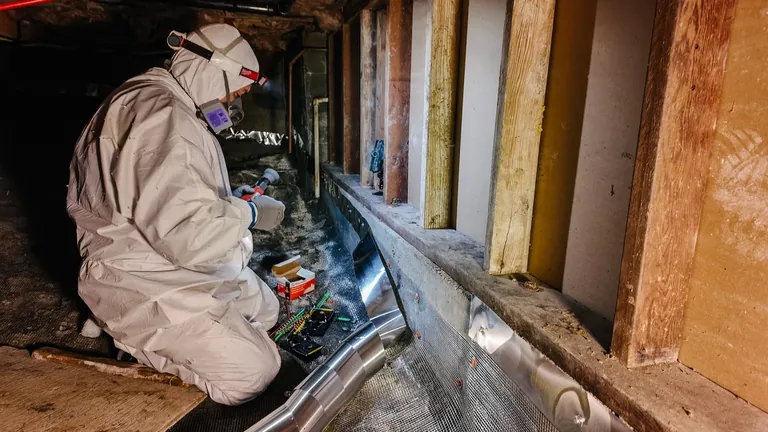
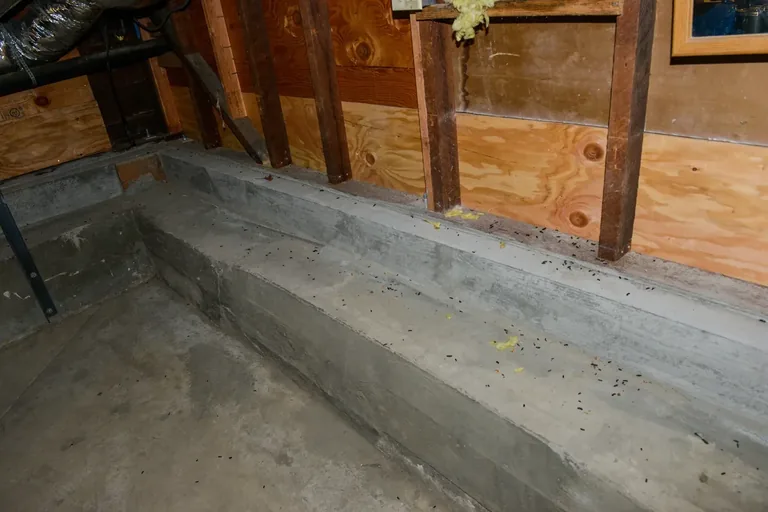
A mice problem in your house can begin in one component and become visible somewhere else. Because a mice problem in house may involve connected attics, crawl spaces, garages, kitchens, ducts, insulation, or foundation gaps, start with the area that best matches the signs you have found. Alley Cat can inspect that zone, trace adjoining routes, and direct the problem to the appropriate service.
-
-
-

-

-
-
Other Home Component Related Services
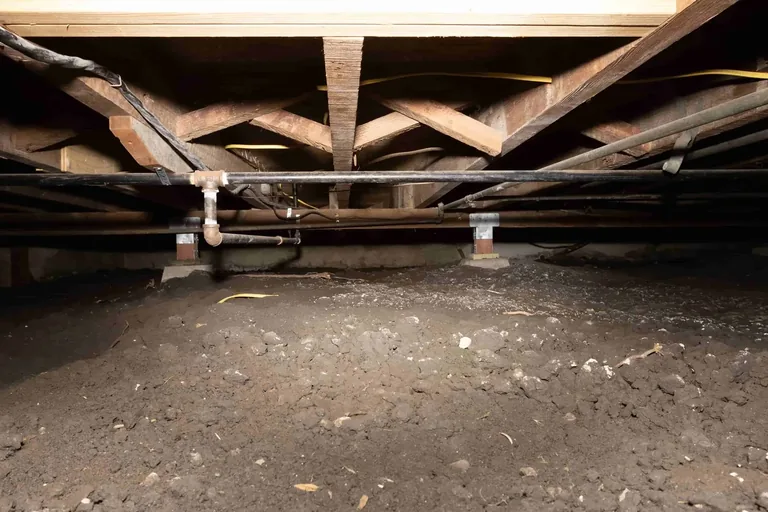
What House Mice in Your Home Can Mean
Signs, hiding places, and the right next step
House mice may feed, nest, or move through a structure before being seen. This page is for Bay Area homeowners who suspect a mouse infestation, find mouse droppings, or hear movement without knowing the source. It explains signs, entry routes, and what to expect from trapping, cleanup, exclusion, and prevention.
A mouse infestation may appear as scratching, chewed packages, gnaw marks, oily rub marks, or a characteristic musky odor. House mice, or _Mus musculus_, are small rodents a few inches long, with relatively large ears, small eyes, gray or brown fur, pointed noses, and long tails.
With keen senses, house mice are excellent climbers. Mice cross wire cables, climb a rough vertical surface, run horizontally along pipes, reach a flat surface, and jump a short distance. Easily frightened, mice tend to follow edges and sheltered locations. Mice build mouse nests from paper, cloth, insulation, and other fibrous material.
- Locate activity: Check rooms, upper voids, a crawl space, a garage, and a basement.
- Trace entry: Identify holes and routes mice travel through the house.
- Match the service: Determine whether trapping, cleaning, exclusion, or sanitation fits the findings.
House Mouse Control That Protects More Than One Room
Mice seen in a kitchen may cross a crawl space, follow water pipes, pass directly through a plumbing chase, then hide behind a refrigerator or furniture. Mice need only a few places to find shelter, eat, and reach a food supply. Mice can live in very small areas behind appliances even when a homeowner keeps the home clean.
A house-first approach offers several advantages:
- Better diagnosis: Connect signs to nests and exterior openings.
- Focused work: Direct professional cleaning and sealing where it is needed.
- Fewer attractants: Address food sources, water, clutter, warmth, and garbage.
- Longer-term prevention: Use mouse proofing to help prevent mice.
House mouse control combines inspection, sanitation, trapping, and exclusion instead of treating mice in one room.
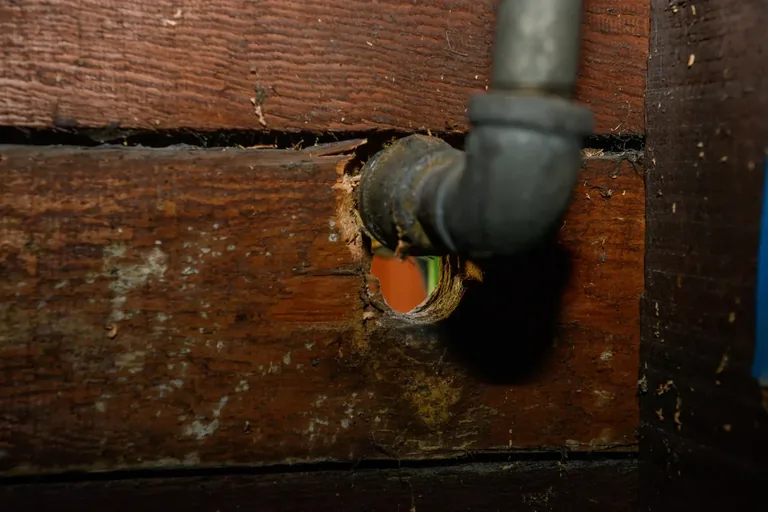
How Alley Cat Helps Control Mice Throughout Your House
Mouse activity can increase in intensity quickly when food and shelter are plentiful. We follow mice from exterior openings to nests and contamination, then may remove mice, clean, set traps, reinforce the property, and control mice:
Step 01 · Inspect
Free House-Zone Inspection
During the free inspection, a specialist reviews the roofline, attic, crawl space, garages, kitchen, basement, exterior doors, windows, vents, nearby plants, and utility penetrations. We inspect behind accessible appliances and stored objects. If you suspect mice in one room, the search extends a short distance into adjacent wall voids and connected areas.
We listen for strange or unfamiliar noises, including regularly repeated sounds at night. Some movement falls outside human hearing, so we also look for mouse droppings, tracks, footprints, nesting materials, and rub marks. House mice can squeeze through a one-quarter-inch hole, so crevices and openings larger than that receive particular attention. We distinguish house mice from rats, deer mice, and other species.
- Connect signsLink interior findings to likely entry points.
- Confirm presenceSeparate current infestation signs from old waste or other animals.
- Prioritize workIdentify locations needing professional service.

Step 02 · Diagnose
Diagnostic Report & Estimate
A Comprehensive Diagnostic Report narrows the search by documenting the infestation, access points, contamination, and priorities. It explains whether the property needs crawl-space work, door proofing, trapping, cleaning, or staged service, with a clear estimate.
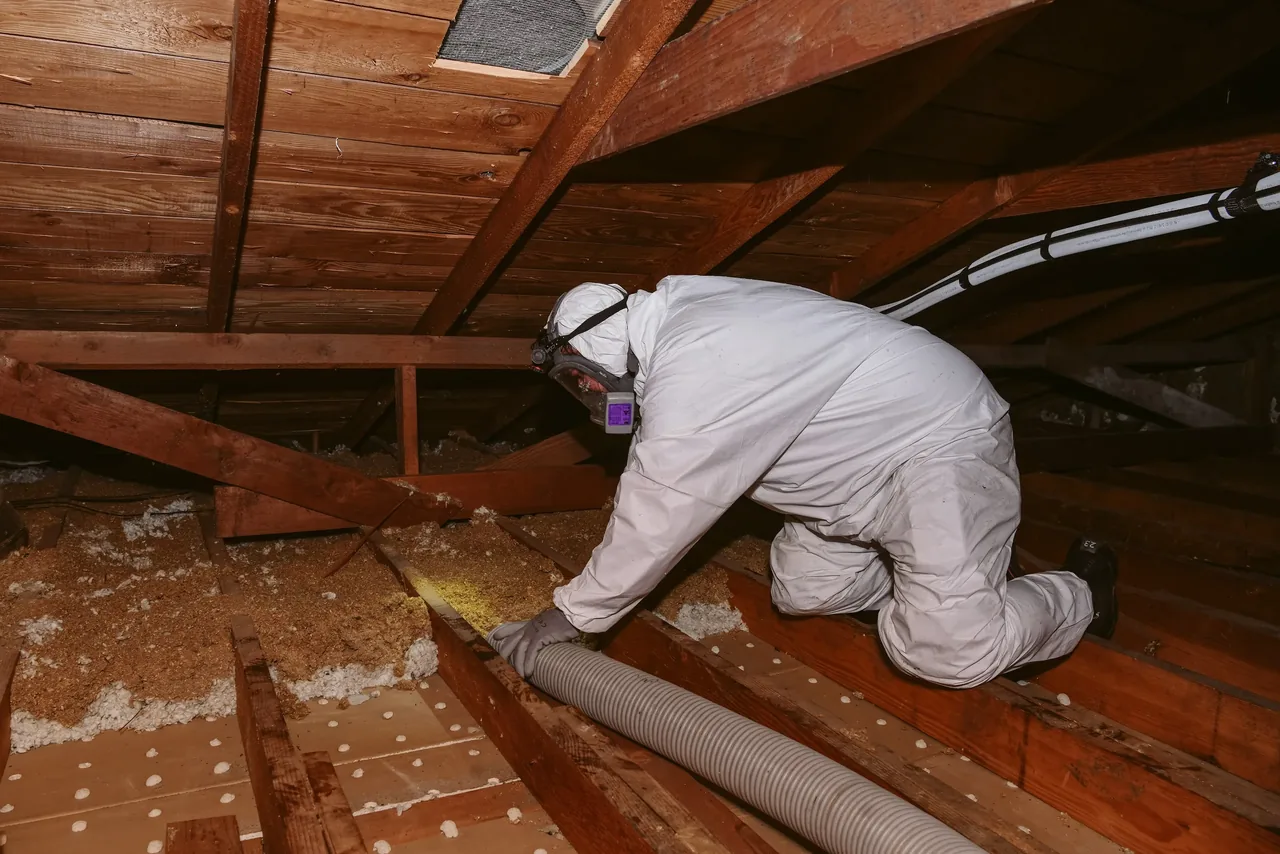
Step 03 · Clean
Cleanup & Removal of Dead Rodents
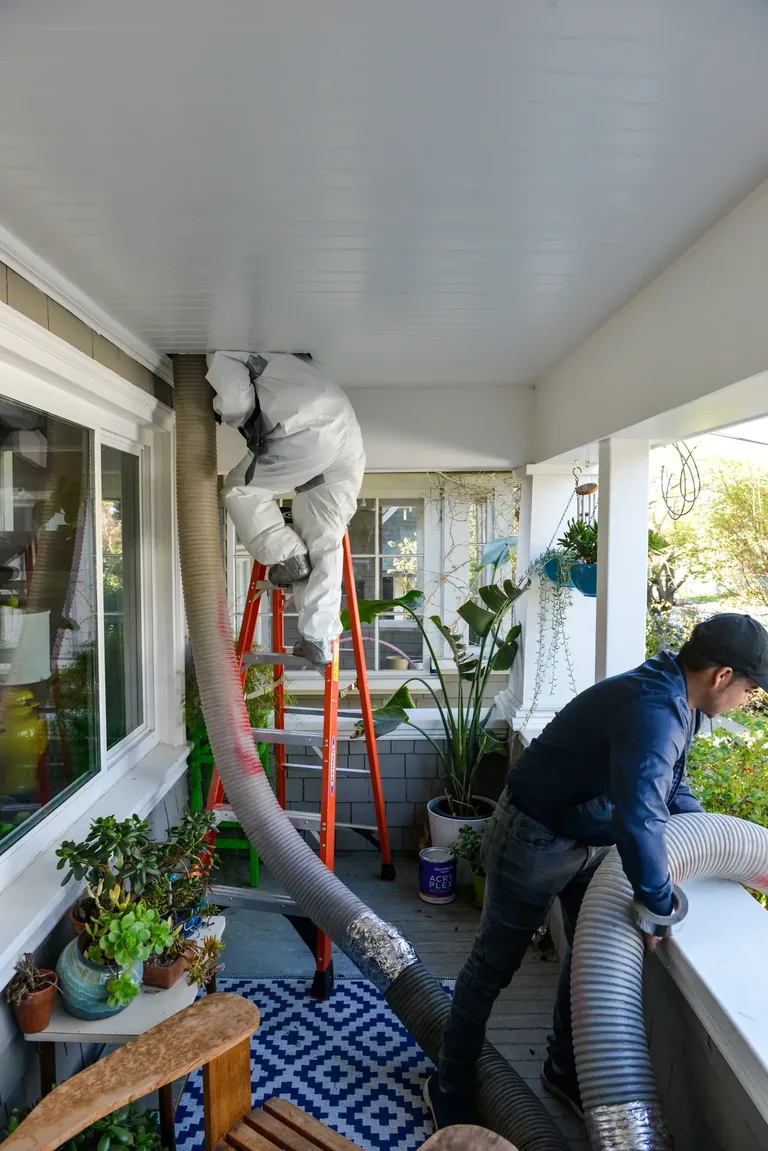
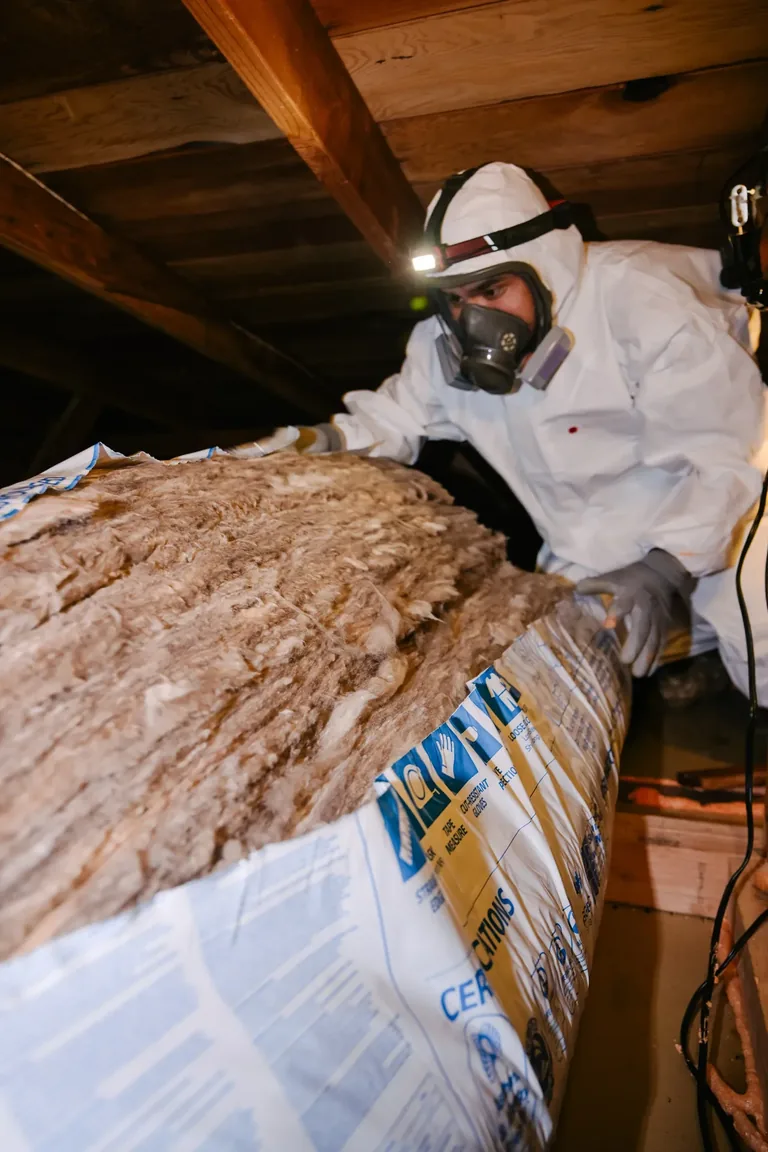
Where mice build nests, droppings, feces, damaged insulation, and dead rodents may require removal. The scope follows the findings instead of treating every mouse infestation alike.
Our specialists may handle:
- Contaminated nestingMouse nests and stored materials in cabinets, roof voids, or a crawl space.
- Damaged componentsSoiled insulation, wood, cardboard, or vapor-barrier materials included in the scope.
- Careful disposalPlace dead rodents and waste in a plastic bag, then a sealed second bag, for proper disposal.
Avoid contact, keep children, cats, dogs, and other animals away, and do not dry sweep. Wet cleaning limits airborne dust; wash with soap and warm water afterward. Follow bleach directions per gallon of water to avoid an unsafe mixture.
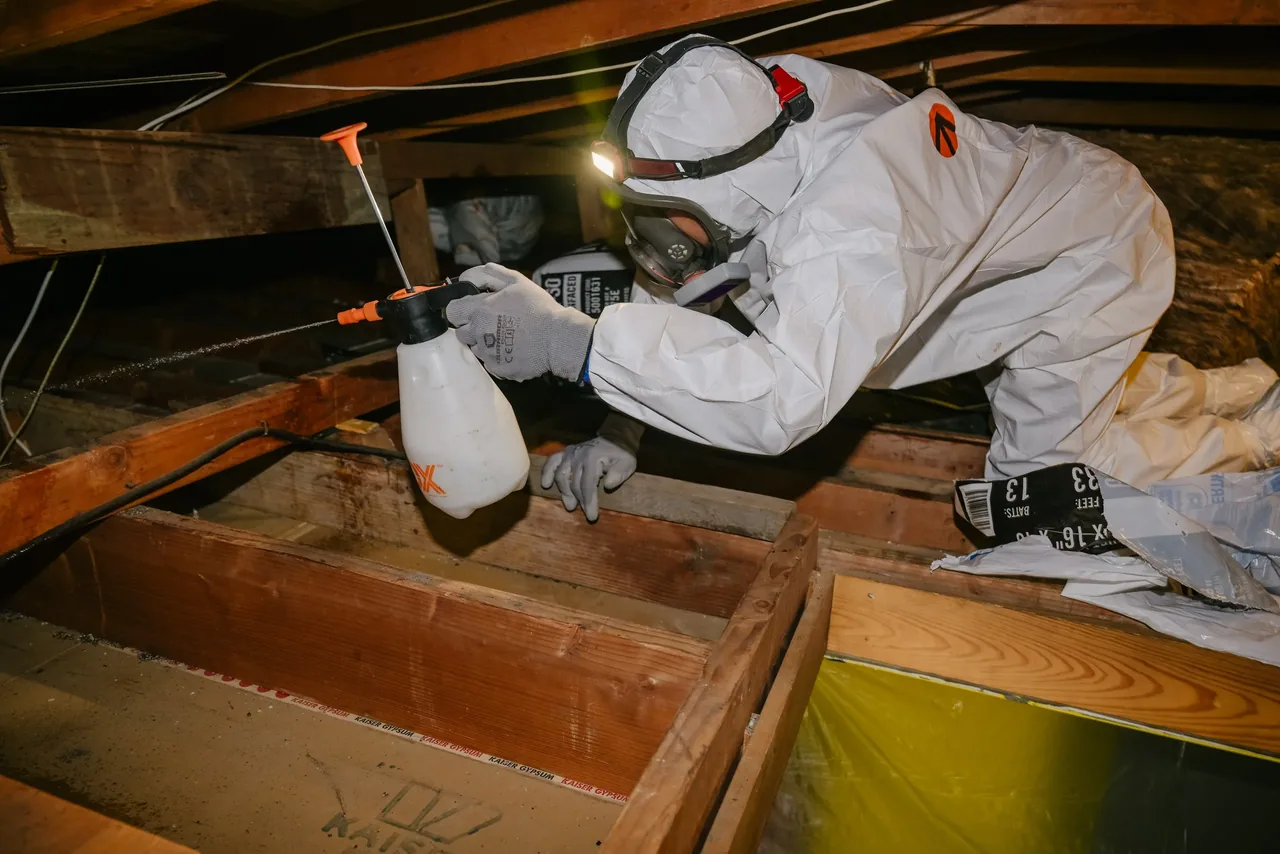
Step 04 · Sanitize
Sanitize & Decontaminate
Professional sanitation treats accessible surfaces contaminated by droppings, saliva, nests, and house mouse urine rather than trying to cover the smell. Mouse urine can trigger asthma and allergic reactions in children. Mice can contaminate food that humans or pets eat.
Cleaning focuses on contacted cabinets, roof voids, crawl spaces, or service areas. It is not a broad spray for unrelated pests; it supports repair, monitoring, and prevention.
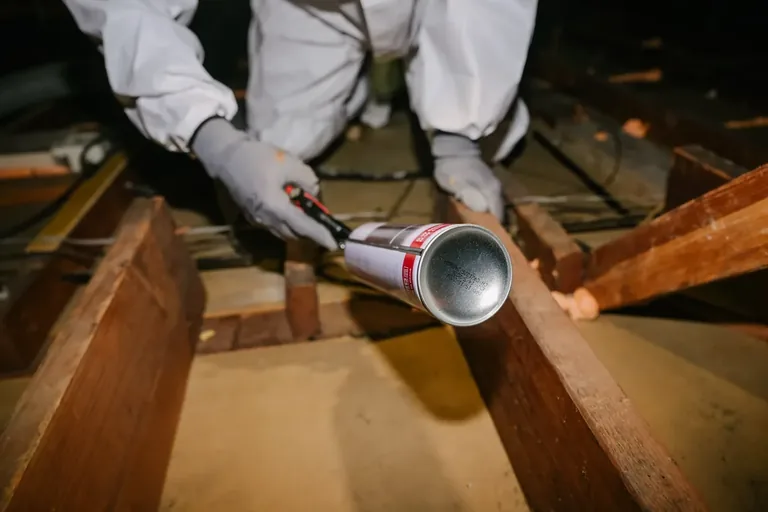
Step 05 · Seal
Seal, Reinforce & Mouse Proofing
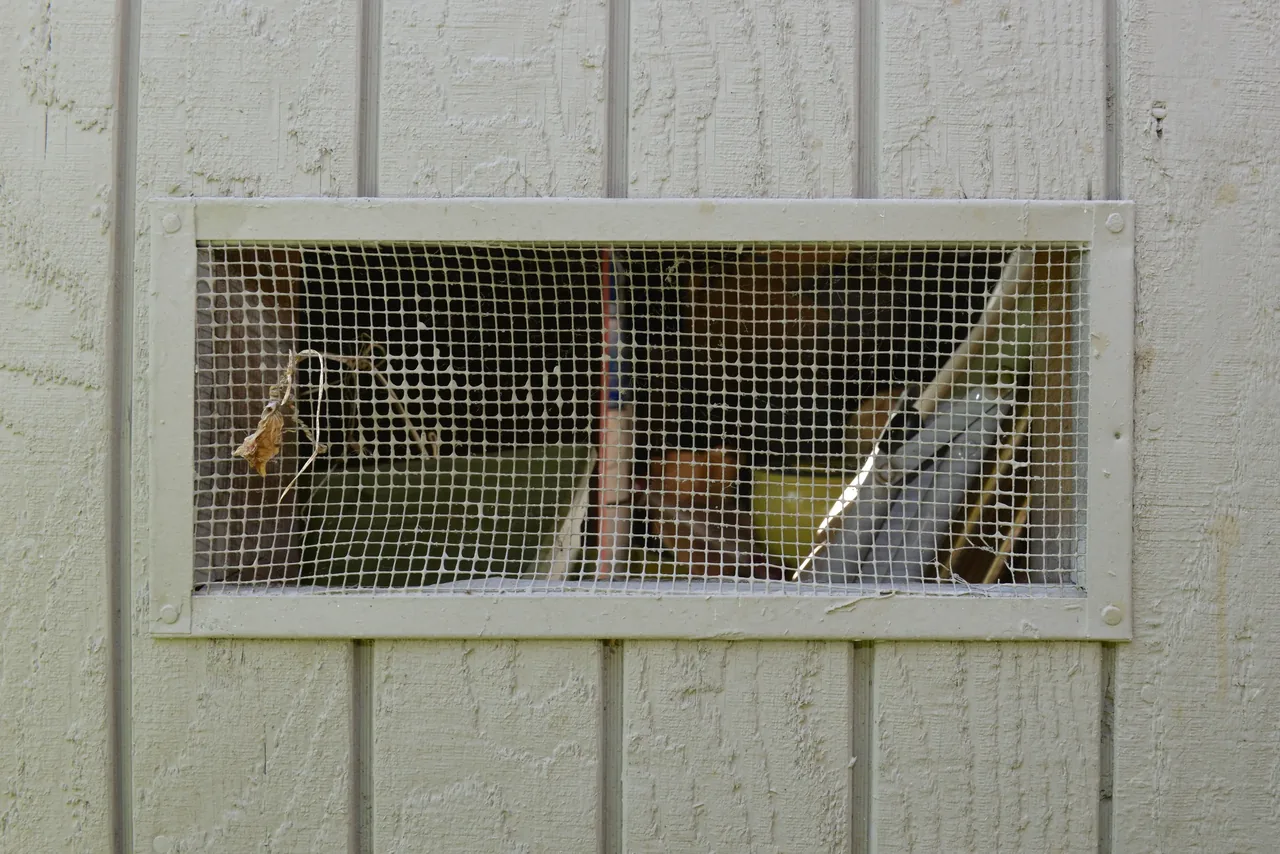
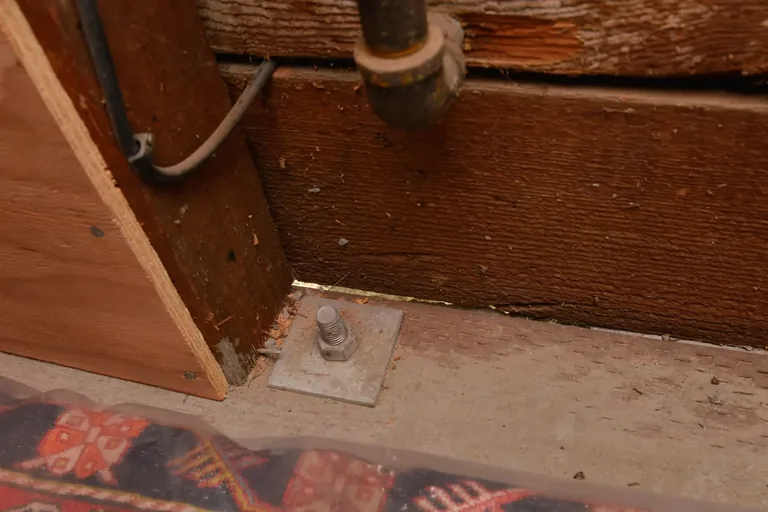
Mice exploit gaps, holes, cracks, damaged screens, worn rubber sweeps, and openings around utilities. Alley Cat prioritizes durable mouse proofing over foam patches. House mice may enter at a roofline, garage frame, siding transition, window, pipe, or wire.
Common methods include:
- Foundations and sill sealingWe seal cracks with mesh, sealant, or mortar. Steel wool and caulking can assist with plugging holes, but loose material is not a permanent form of exclusion.
- Roofline screeningWe secure eaves, roof vents, fascia gaps, and chimneys, noting tree branches that may help excellent climbers reach the roof.
- Door proofingWe correct garage corners and exterior doors that do not fit tightly with metal-backed or rubber components.
- Crawl-space barriersWe reinforce screens and ground-level openings near outdoor burrows.
- Wire and pipe protectionWe close gaps around electrical wires, other wires, ducts, conduits, and water pipes while preserving safe service access.
- Storage guidanceWe organize boxes, furniture, seeds, grains, pallets, and pet food to reduce shelter.
Mice have teeth capable of chewing wood, rubber, packaging, and other gnawable materials. Metal-backed repairs help prevent gnawing, strengthen mouse proofing, and reduce routes used by mice, rats, and other pests.
Alley Cat serves San Francisco, Berkeley, Oakland, Petaluma, Napa, Novato, Concord, Mountain View, San Mateo, and nearby communities. More than 13,000 satisfied clients and a 97% satisfaction rating reflect professional work.
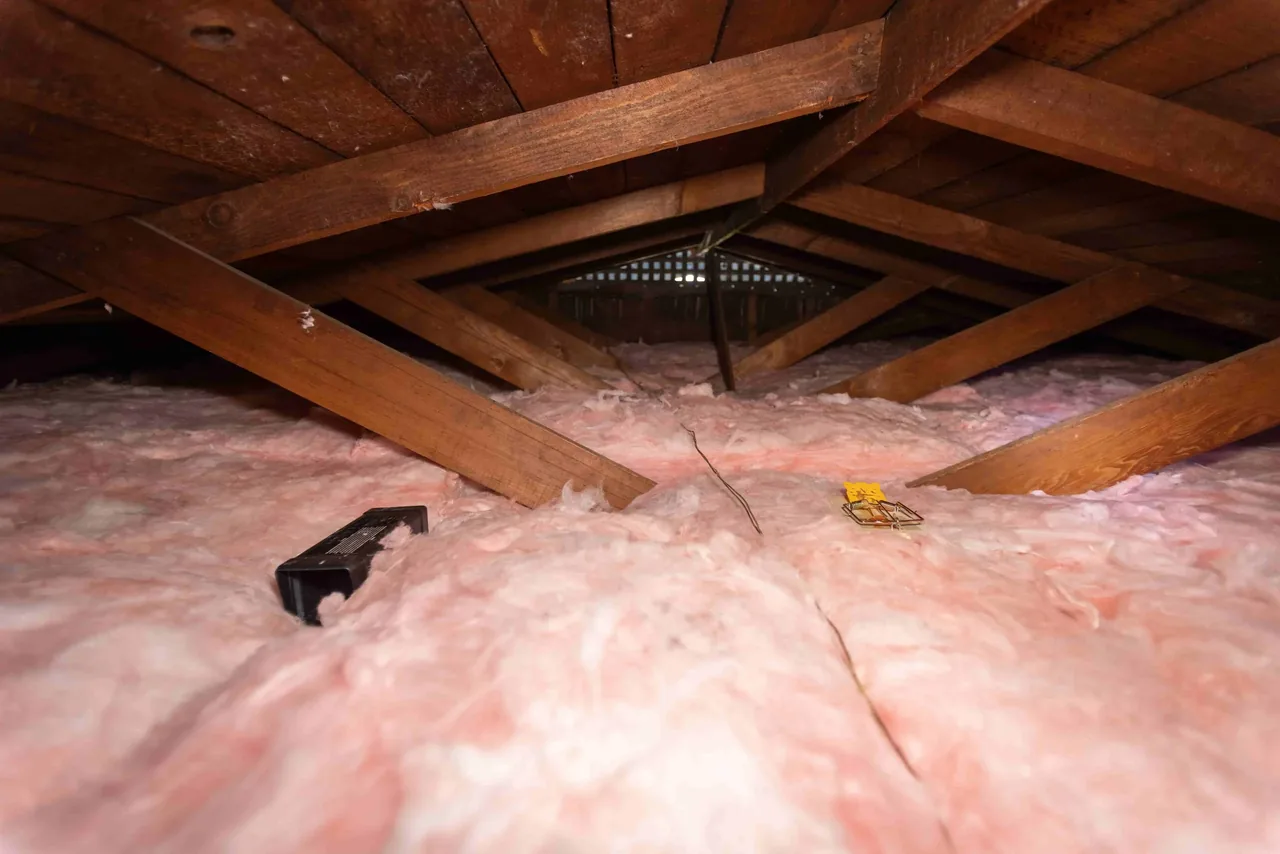
Step 06 · Check
Set Snap Traps & Trap Checks
In most situations, correctly sized snap traps and bait are the preferred indoor mouse traps. Technicians place traps along runways beside a wall, near dark corners, with the trigger facing the travel path. Enough traps may be placed no more than about 10 feet apart or in pairs to cover both directions. Limited amounts of bait—often peanut butter as fresh bait—help house mice work the trigger.
Trap checks catch mice, remove captures, refresh bait, and measure population reduction while protecting non-target animals. A glue board is not our primary tool. Another glue board cannot replace well-positioned mouse traps, and glue boards lose effectiveness in dust. They resemble flypaper and have very limited use in an exclusion-led plan.
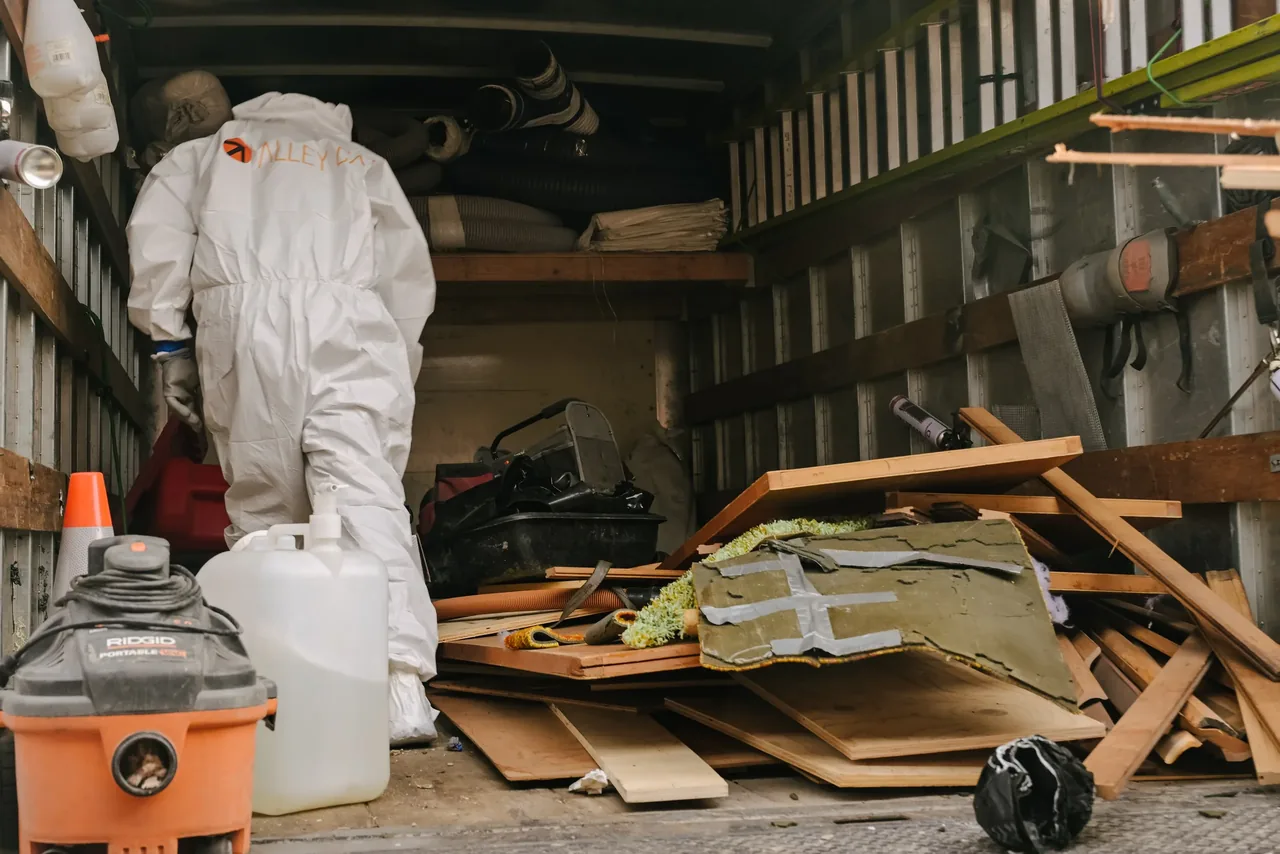
Step 07 · Haul
Wrap Up & Haul Away
At wrap-up, the team removes contaminated waste, scoped materials, used traps, captured mice, and debris. We dispose of it properly rather than leaving an uncovered bag near household garbage.
Your specialist notes conditions that attract pests, including leaks, pet food, clutter, vegetation contact, or open trash. These preventive measures support effective control after trapping.

Step 08 · Support
Customer Service
From the first call through follow-up, our team coordinates scheduling, report questions, trap checks, and next steps. Homeowners get one professional contact instead of relying on generic pest control products, poison, or guesswork.
When house mice affect several areas, Alley Cat routes the project to the relevant crawl space, kitchen, basement, or exterior service.
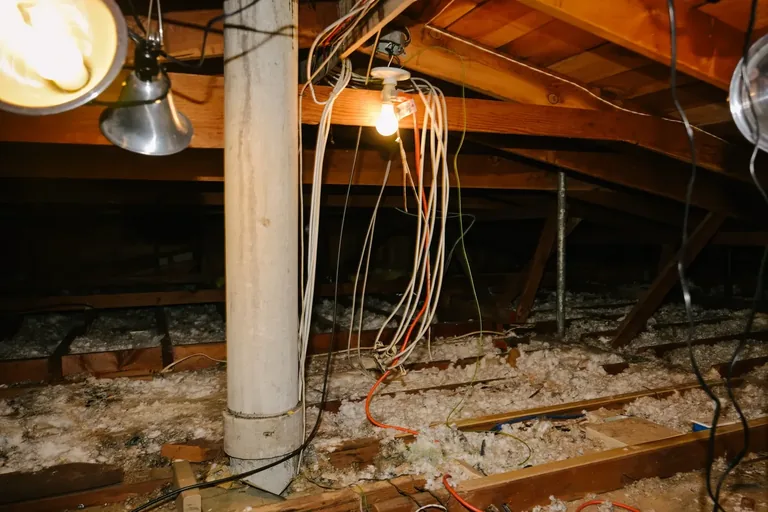
Stop Chasing Mice Room to Room
Moving mouse traps from room to room does not reveal how house mice entered. Alley Cat maps where mice travel and builds a plan for removal, cleaning, exclusion, and prevention. Do not wait for a small infestation to grow into greater numbers; act before mice become harder to get rid of.
Benefits of Professional Rodent Control
Clear findings, targeted work, and stronger prevention
- Source FindingConnects droppings and sounds to exterior holes and hidden wall routes.
- Whole-Home ViewChecks linked areas instead of treating one sighting of mice alone.
- Targeted SealingReinforces rooflines, vents, doors, pipe entries, and structural cracks.
- Cleaner AreasRemoves accessible nests, odor, contamination, and waste where included.
- Purposeful TrappingUses bait and traps according to activity rather than guesswork.
- Food ProtectionReduces exposure to crumbs, grains, trash, pet food, and water.
- Durable PreventionUses screening, barriers, and sealants to help prevent mice.
- Local ExperienceApplies Bay Area knowledge to recurring structural problems and pests.
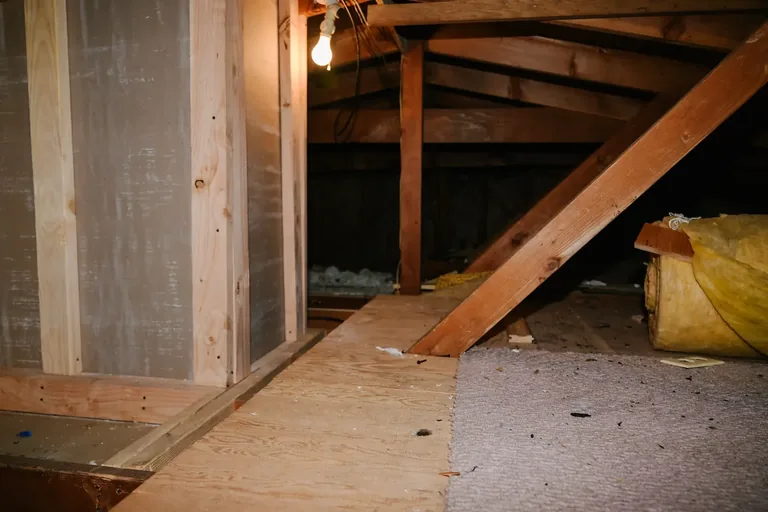
House-First Diagnosis
We trace house mice across connected areas so the work addresses the route behind a mouse infestation, not only the room where signs became visible.
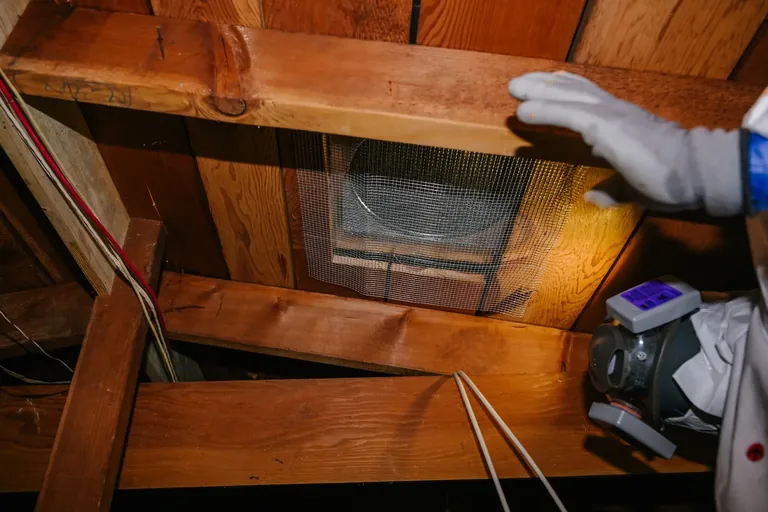
Exclusion Specialists
Alley Cat focuses on professional sealing, trapping, cleaning, sanitation, barriers, and prevention—not interchangeable pest control treatments for every type of pest.
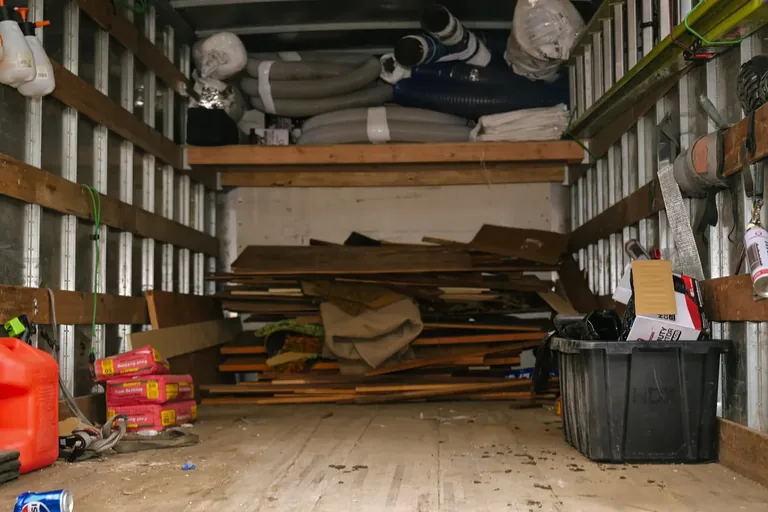
Clear Follow-Through
Detailed reports, trap checks, haul-away, and professional support explain completed work and what the homeowner should watch after house mice are removed.

“Luisvin was great at cleaning our attic and crawl space from multiple mice. He took time to look around and was diligent at making sure to check each entry point.”
Tatiana SVerified Trustpilot review
-
4.9 / 5
1,240 reviews -
4.7 / 5
649 reviews -
 4.7 / 5
279 surveys -
 4.9 / 5
374 reviews
Where Rodent Infestations and Mouse Activity Usually Start
Rodent infestations often begin outdoors but become visible in one home component. A roof opening may lead house mice into an attic; a damaged vent may lead to crawl-space activity; a garage corner may connect to cabinets and interior wall cavities. In the Bay Area’s mild temperature range, mice can live and remain active year-round.
- Upper structure: Rooflines, eaves, vents, chimneys, and upper cavities.
- Lower structure: Slab lines, crawl spaces, basements, leaks, and pipe entries.
- Transition areas: Garages, additions, kitchens, windows, and shared partitions.
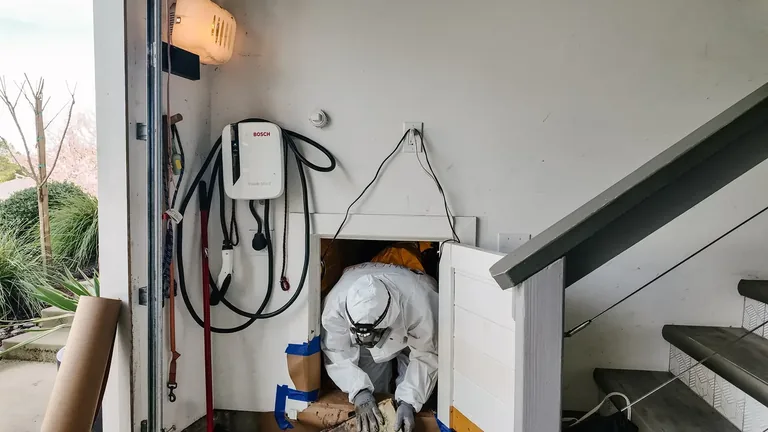
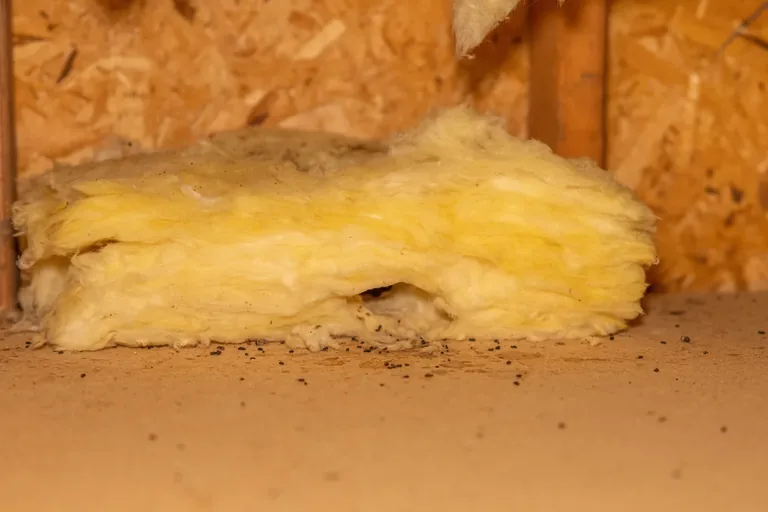
Why Is House Mouse Control Important?
One female mouse can produce five to ten litters in a single year. After mating, a female mouse can give birth to young, and those young may begin reproduction within the same short life span. Even with a limited life span, house mice can thrive and create an infestation where food, warmth, and shelter remain plentiful.
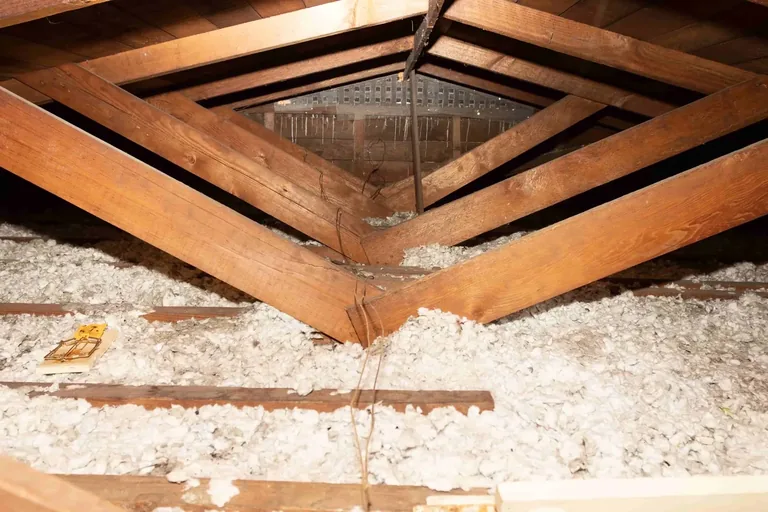
How to Get Rid of Mice
To get rid of mice, combine exclusion, good sanitation, and monitored trapping. Traps catch current mice; sealing can eliminate places to feed, rest, or build nests and reduce rodent infestations. Limit nests by organizing storage areas and removing clutter. Trim vegetation away from the foundation to reduce rodent populations. And store any dry goods in airtight metal, glass, or plastic containers.
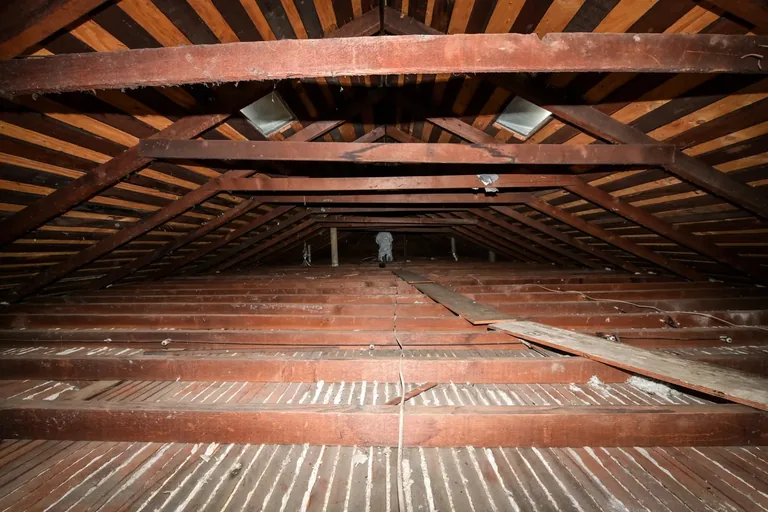
Raccoons in the Attic or Mice?
Heavy footsteps, daylight movement, or a large opening may indicate raccoons in the attic rather than house mice. Smaller tracks and light movement at night may indicate mice, rats, or another species. A professional inspection identifies the animal before work begins.
FAQs: Getting Rid of Mice in the House
How Do I Know If I Have a Mouse Infestation?
You may have a mouse infestation if you find fresh mouse droppings, hear movement, notice chewed packaging, discover nesting material, or see house mice indoors. Mouse droppings show where mice are active, but one sign may provide little evidence about the nest or entry hole.
Look for patterns:
- Droppings along cabinets, garage perimeters, drawers, or boxes.
- Sounds at night in ceilings, partitions, or beneath the floor.
- Gnawing on food packages, wires, wood, or cardboard.
- Pet attention focused behind an appliance or furniture.
House mice are nocturnal but occasionally appear during daylight hours. Because mice tend to hide when humans enter, one sighting does not reveal how many mice are present. Recurring signs justify a professional inspection.
What Is the Best Way to Kill Mice in Your House?
The best indoor approach combines snap traps, sanitation, and sealing. Snap traps can kill rodents quickly, confirm captures, and avoid odor from mice dying inside inaccessible cavities.
For better success:
- Set traps about 10 feet apart in active areas.
- Face the trigger toward the wall and add a small amount of bait.
- Check mouse traps, refresh bait, and protect children and pets.
Snap traps are inexpensive and sold at most hardware stores and some grocery stores. Peanut butter often stays on the trigger better than bacon.
Avoid using rodenticides inside homes as they create odor problems. Rodenticides should be used only to supplement trapping methods. Do not rely on a poison-only plan; mice may die inside a cavity. Poison is toxic to humans, pets, predators, and desirable wildlife. Use tamper-resistant bait stations only as a supplement. For any bait stations, review active ingredients and follow Environmental Protection Agency label instructions. Ultrasonic sounds are not a reliable alternative.
What Diseases Do House Mice Carry?
House mice can be associated with several diseases, including leptospirosis, salmonellosis, and lymphocytic choriomeningitis. 5% of house mice in the U.S. carry lymphocytic choriomeningitis virus. Diseases may spread when humans contact contaminated urine, saliva, feces, food, nesting material, or airborne dust.
Deer mice are a different species and can carry hantaviruses. Deer mice often have a white underside and a sharply bicolored tail, while common house mice are usually more uniformly gray or brown. Because appearance cannot show whether disease organisms are present, do not touch droppings or dry-vacuum them. Professional cleaning reduces contact with contaminated waste.
Can Mice Find Their Way Back to Your House?
Yes. House mice can return when the same holes, food sources, and sheltered locations remain available. The concern is less about guaranteed homing and more about a property that stays attractive to nearby pests.
Mice travel along pipes, ledges, vegetation, and familiar routes. Mice may penetrate roof openings, cracks, garage corners, windows, or exterior doors. To prevent mice, seal gaps and holes larger than one-quarter inch, trim plants, organize storage, repair water leaks, use airtight containers, and remove food after a single feeding. Trapping without mouse proofing may control temporary population reduction while leaving the route open.
Do All Houses Have Mice?
No. Not every house has mice, and a mouse infestation does not prove poor sanitation. House mice can enter a clean property when a one-quarter-inch hole provides warmth and shelter. Neighboring structures, construction changes, and outdoor food can also attract pests.
Good sanitation still matters. Keep garbage covered, move cereals, grains, seeds, and food from cardboard into metal or glass containers, and store items off the floor. House mice eat small amounts repeatedly and can live on very little food and water. Successful pest control works to eliminate feeding opportunities, catch existing mice, and seal the openings that admitted them.

Get a Clear Starting Point
Book an inspection to learn where house mice are active, how mice enter, and which service can help you get rid of mice while reducing return risks.