10+ years experienceProfessional rodent exclusion specialists
13,000+ homes serviced97% customer satisfaction
Bay Area localFamily-owned & operated
3-Year WarrantyCoverage per location and written terms
4.9 / 5 1,240 reviews
4.7 / 5 649 reviews
4.9 / 5 374 reviews
4.7 / 5 279 surveys
Accredited A+ BBB rating
Professional Squirrel Removal and Wildlife Removal in the Bay Area
Alley Cat helps homeowners address squirrels in the attic, chewed eaves, soiled attic material, nesting debris, and repeat access at vents or fascia gaps. Our squirrel removal service combines targeted wildlife removal, sanitation, structural sealing, and prevention—not a temporary repellent treatment from a generic pest control company. We trace the animal’s route through the house and build the plan around the property:
Identify: Confirm the animal, den area, activity pattern, and entry points.
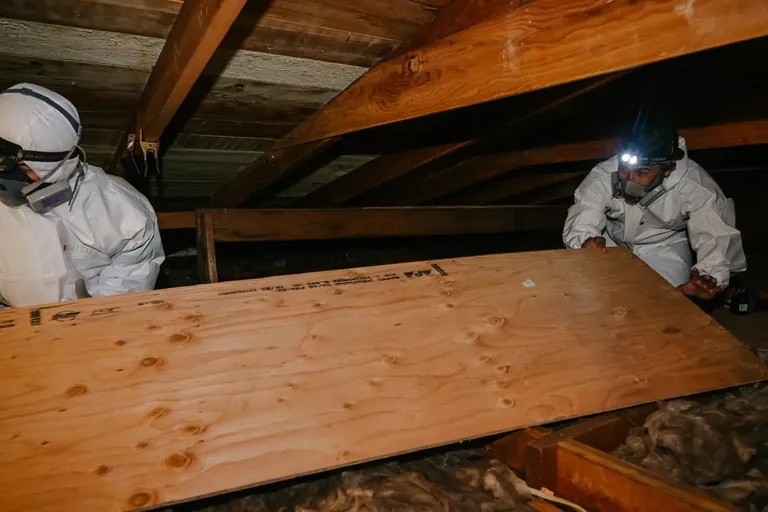
Restore: Remove squirrels, debris, waste, odors, and damaged materials within scope.
Protect: Reinforce vulnerable upper-exterior areas with squirrel-resistant barriers.
Professional squirrel removal combines animal removal, sanitation, reinforcement, and exclusion. It addresses unwanted nuisance wildlife inside a home—not normal outdoor activity—and reduces reuse by another wild animal.
Attic Nest Removal
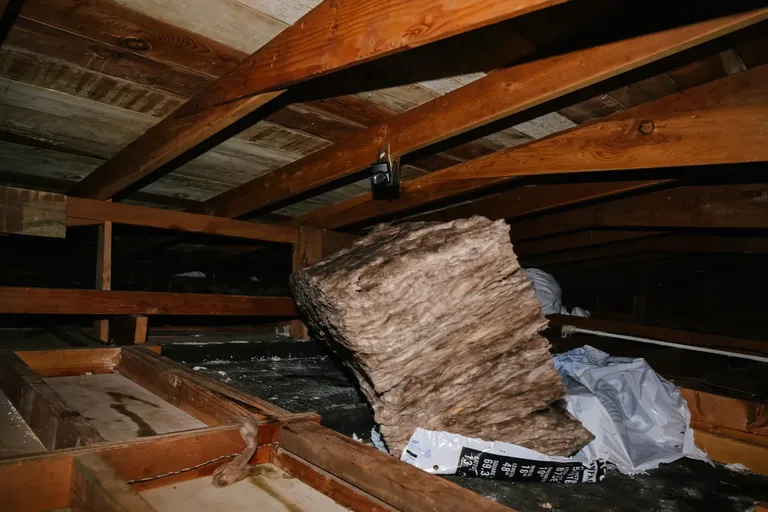
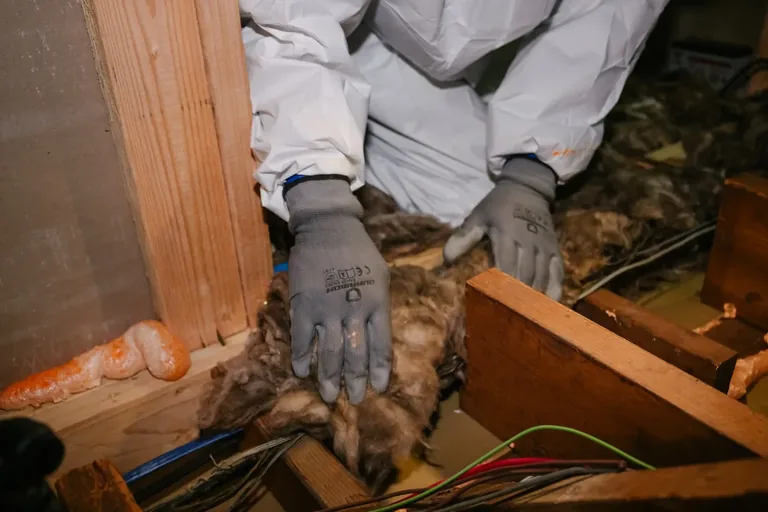
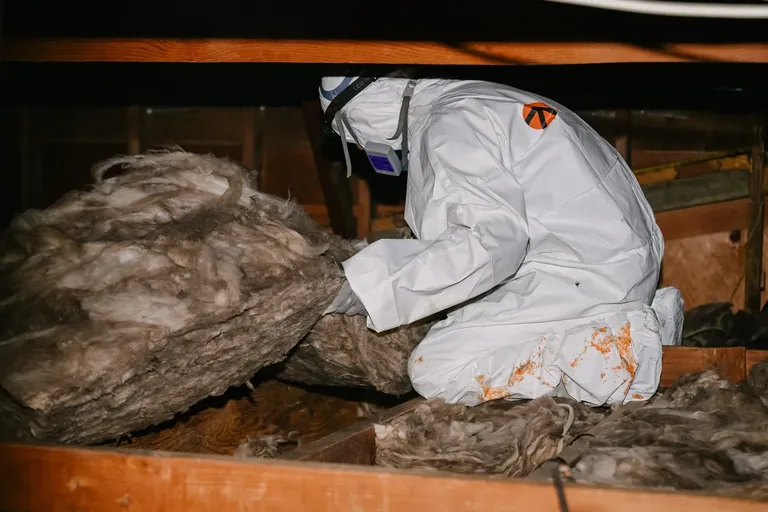
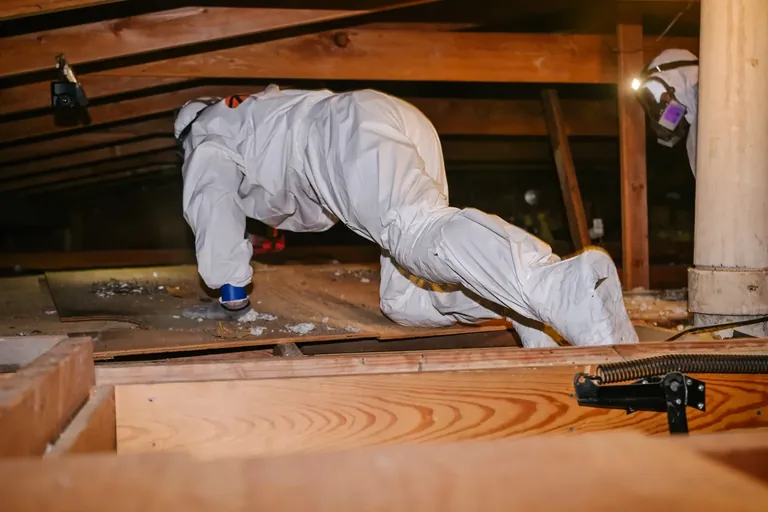
Squirrels create nests from leaves, twigs, paper, and attic material. We locate den pockets in soffits and wall transitions, then remove accessible debris, feces, urine-soiled material, and damaged material included in the approved scope.
Roofline Exclusion
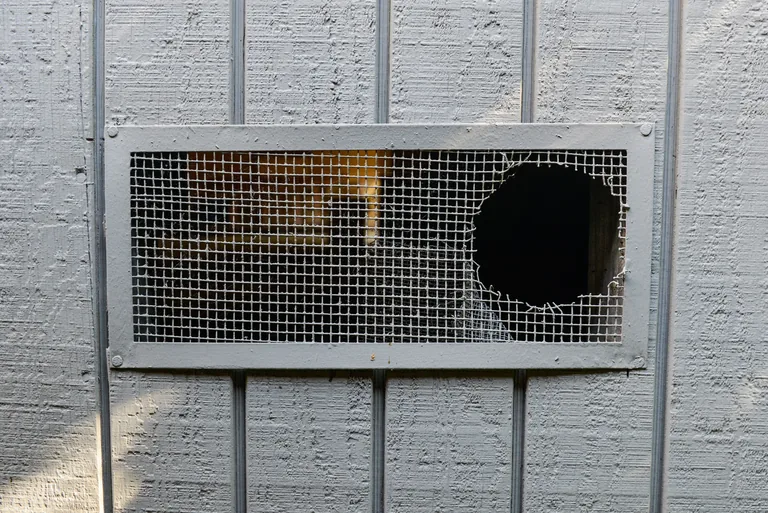
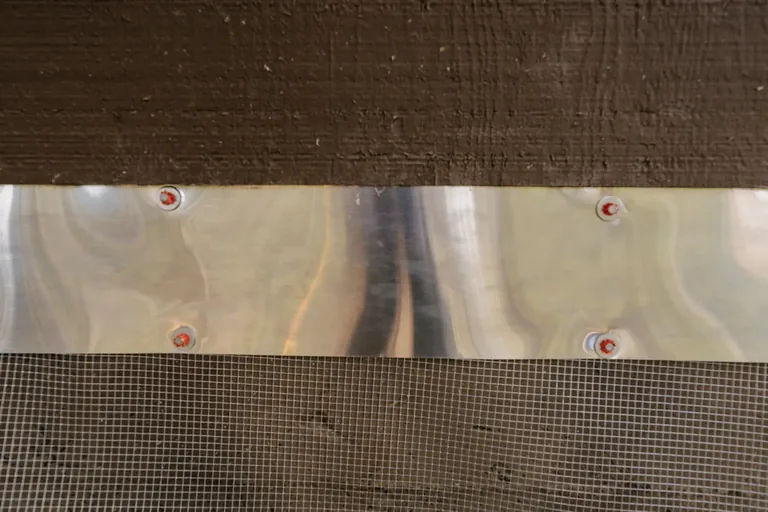
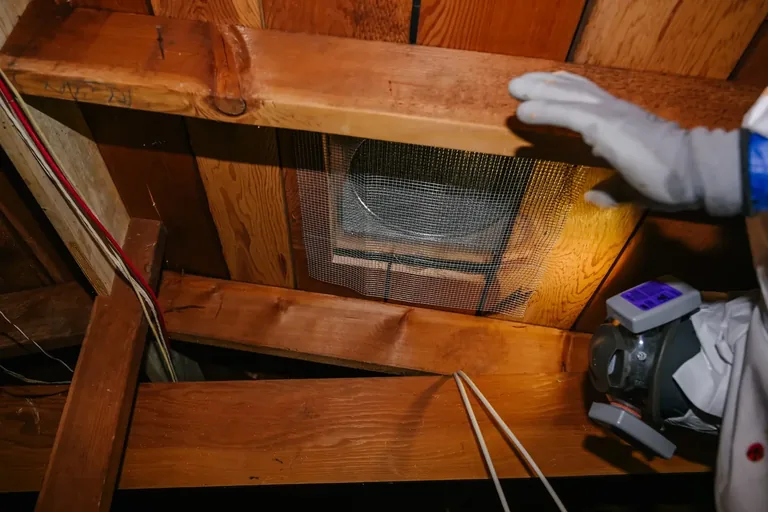
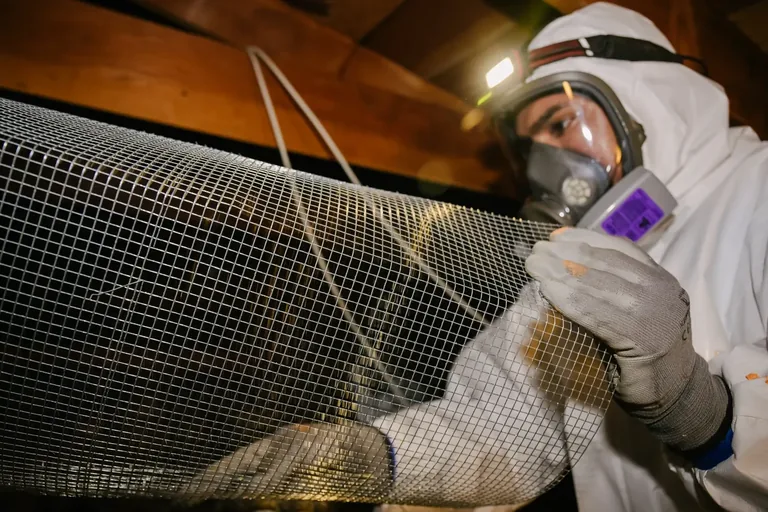
Squirrels can reopen weak patches. Alley Cat reinforces chewed eaves, fascia gaps, upper returns, and vents with fastened screening or formed metal rather than foam or thin plastic.
Humane Methods
Our humane methods begin with correct identification and a review for dependent young, using humane trapping or controlled exits to remove wildlife humanely when appropriate.
Clear Diagnosis
Daytime noise can point to squirrels, but rats, mice, and other critters may sound similar; our inspection uses physical evidence to identify the animal accurately.
Durable Exclusion
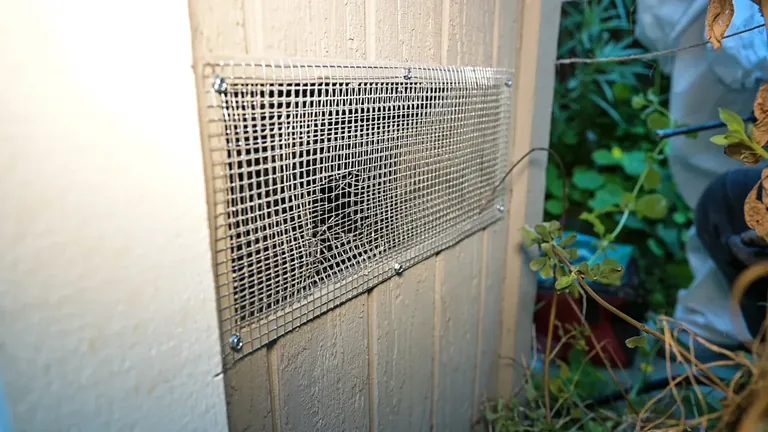
Mechanically fastened mesh and formed metal protect weak eaves and entry holes more effectively than foam, thin plastic, or temporary deterrents alone.
Benefits of Professional Squirrel Control
A complete squirrel control service addresses the noise, waste, damage, access route, and nearby weaknesses that can turn a limited squirrel problem into recurring activity throughout the home and property.
Quieter Home
Resolve daytime scampering, scratching, and chewing above living areas.
Damage Control
Identify gnawed vents, disturbed ducts, and chewed wires; damaged electrical wires may create a fire hazard.
Cleaner Attic
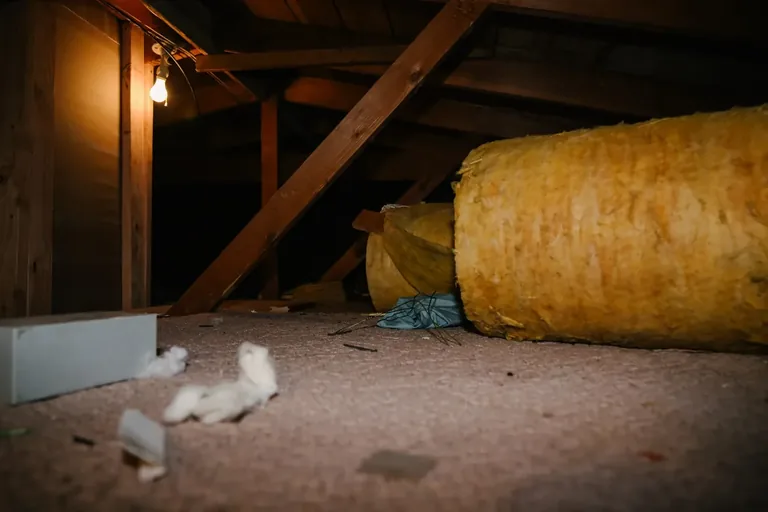
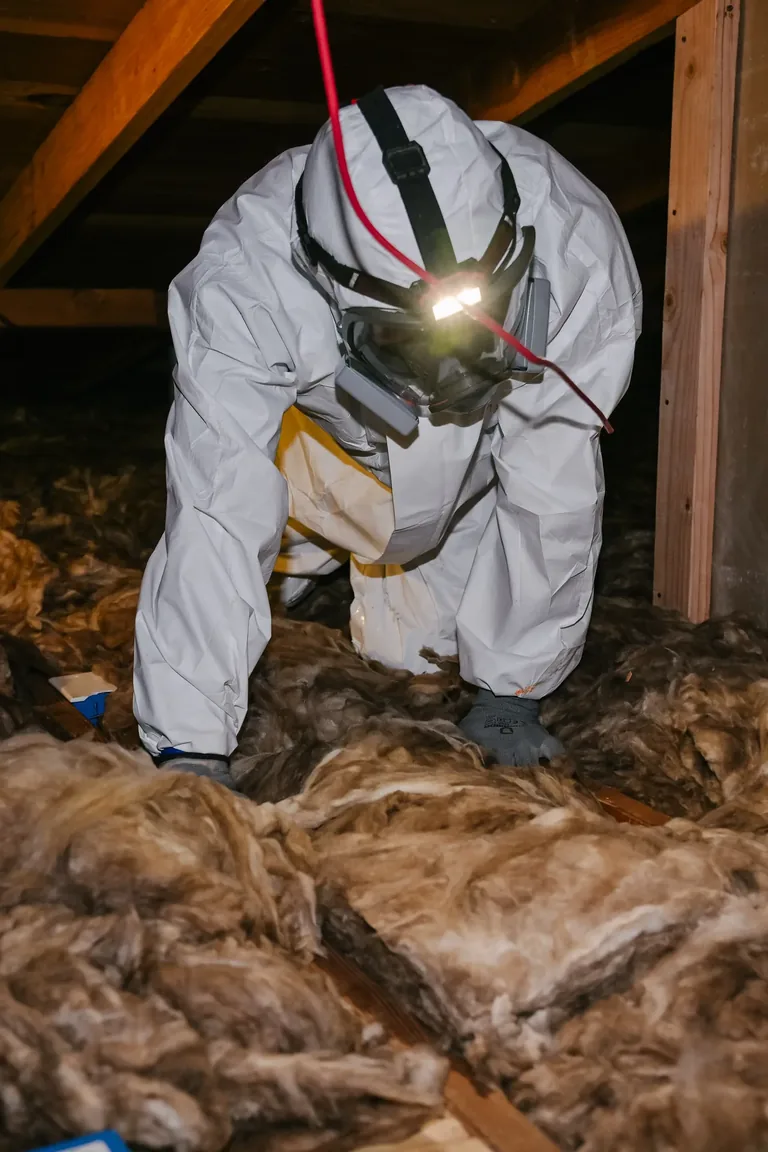
Remove den material, droppings, soiled debris, carcasses when present, and odor sources.
Return Resistance
Close vulnerable gaps with materials selected for persistent gnawing.
The free inspection begins outside, where we examine eaves, fascia, soffit returns, gable vents, dormers, chimney transitions, and gnawed edges. We also note trees, fences, utility lines, feeders, pet food, and unsecured garbage cans that may attract activity around the house and yard.
We then inspect inside for obvious and subtle signs, including droppings, tracks, tooth marks, den material, and disturbed attic fill. Scratching in walls may indicate squirrel activity, but other rodents can create a similar home problem. The inspection distinguishes squirrels from rats and mice before work begins.
Confirms the likely animal and active den area
Finds primary and secondary entry holes
Defines the safest removal, cleaning, and sealing sequence
Step 02 · Diagnose
Diagnostic Report & Price Quote
Our Comprehensive Diagnostic Report turns the free inspection into a written plan and price quote. It documents entry holes, den locations, soiling, damaged attic material or ducts, removal techniques, exclusion materials, and priorities. Photos separate immediate work from prevention.
Step 03 · Clean
Cleanup, Removing Wildlife & Dead Animal Removal
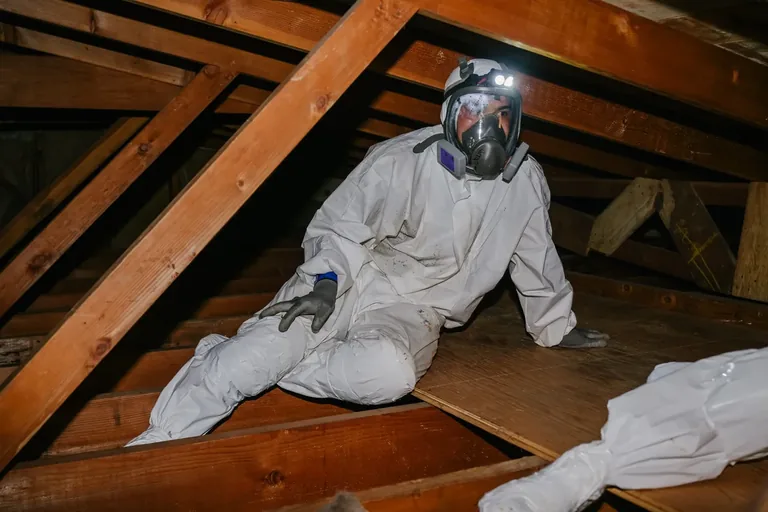
After approval, specialists begin removing wildlife with site-appropriate trapping or controlled exit methods. Equipment is placed from physical evidence, not scattered indiscriminately, and the sequence is adjusted when young may be present.
The approved cleaning can include:
Leaf, twig, paper, and shredded-insulation material
Droppings, urine-soiled debris, and concentrated odor sources
Damaged insulation, duct material, or dead animal removal when remains are found within scope
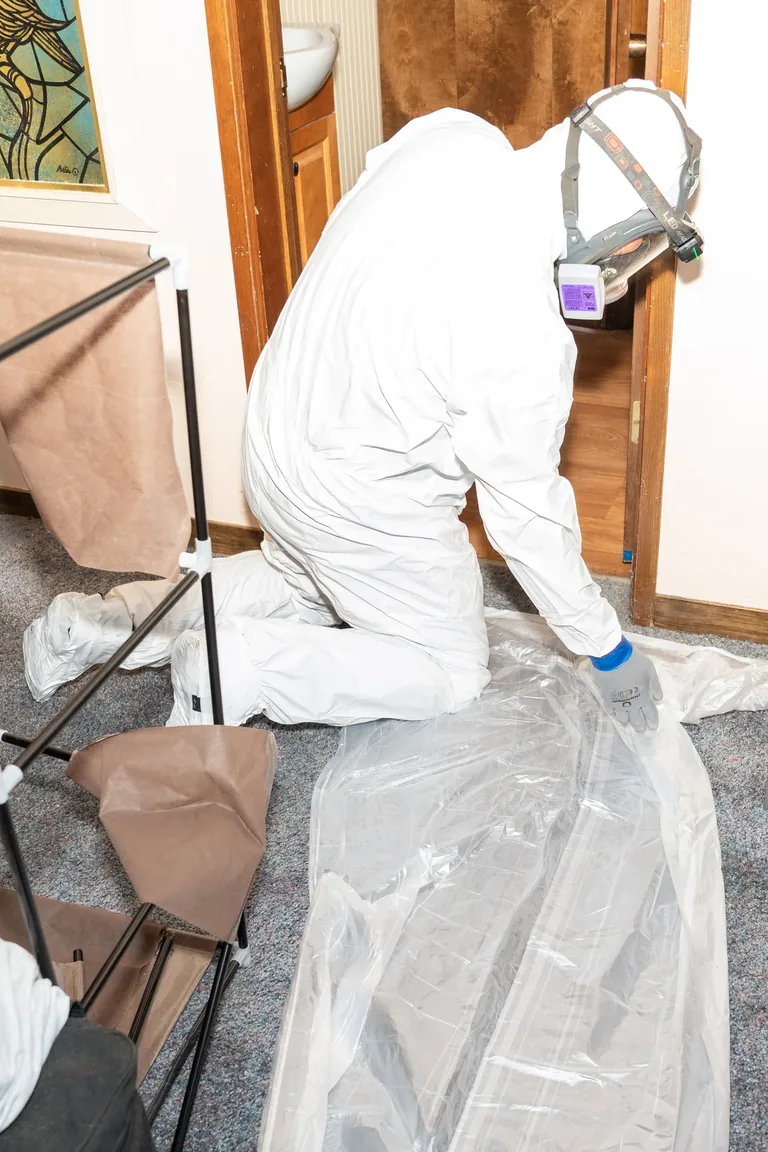
Once active animals and debris are addressed, we prepare affected areas for sanitation. Coordinating removal, cleaning, and reinforcement helps solve the whole problem instead of leaving the original route open.
Step 04 · Sanitize
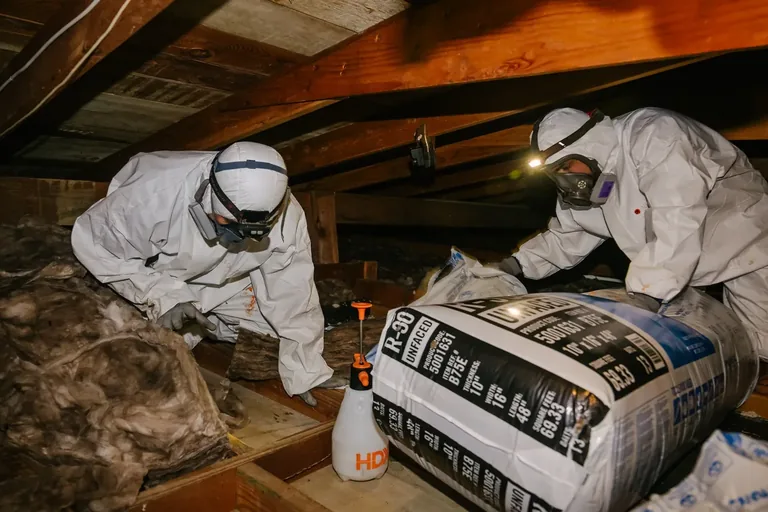
Sanitize & Decontaminate
Squirrel droppings and urine commonly collect near den areas, travel routes, wall gaps, and compressed insulation. Because critters leave droppings in different patterns, our team treats the affected area according to the soiling found rather than applying a one-size-fits-all pest control spray.
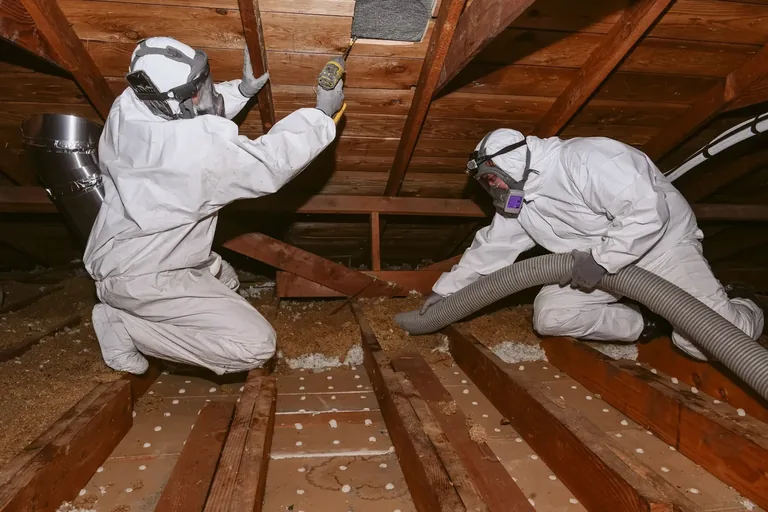
Specialists remove accessible residues, treat appropriate surfaces, and perform targeted odor control to reduce soiling and related health risks for humans and pets. When findings warrant, we can offer attic restoration or full cleaning services, including replacement of affected insulation.
Step 05 · Seal
Seal, Reinforce & Prevent
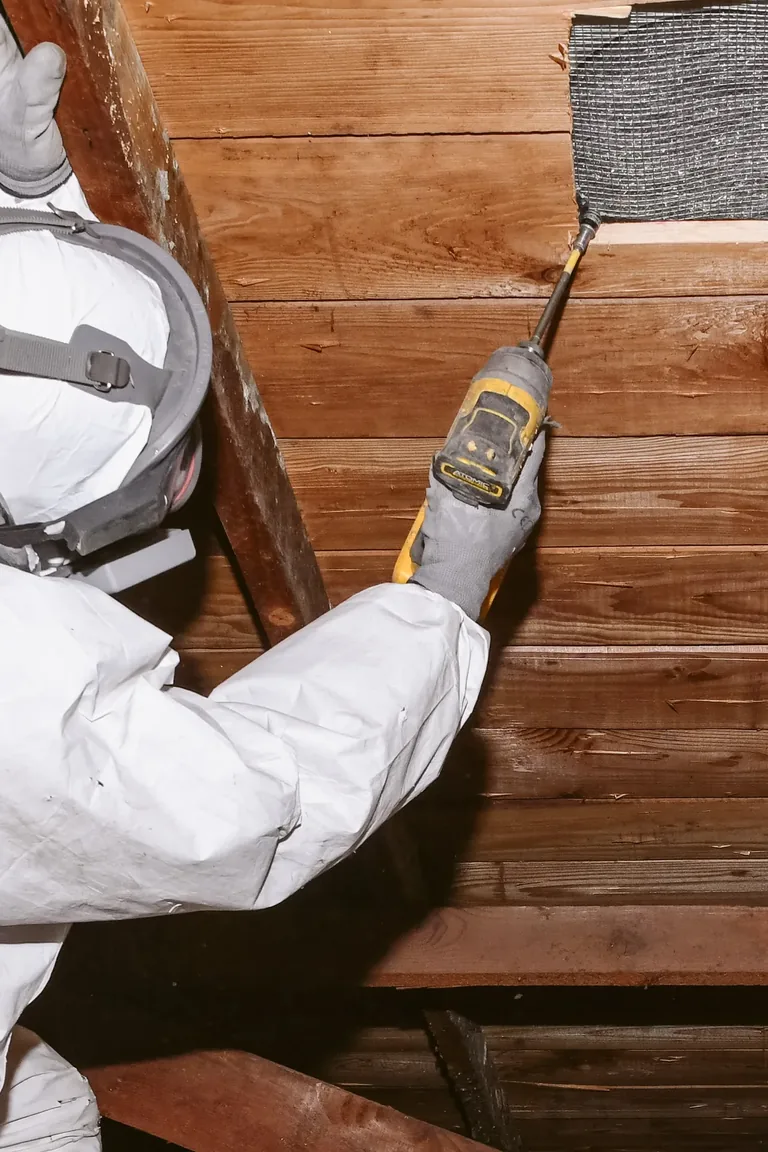
Exclusion turns removal into longer-term squirrel control. Because squirrels climb and gnaw persistently, foam, loose screening, or thin plastic may fail. We account for active animals and dependent young before closing the primary access point and strengthening nearby weak areas.
Depending on the house and access conditions, methods may include:
Heavy-Gauge ScreeningGalvanized mesh mechanically fastened over gaps while preserving airflow.
Formed Metal FlashingSheet metal secured across chewed fascia, eaves, and upper transitions.
Protected VentsDurable guards fitted without blocking intended airflow.
Controlled Exit DevicesTemporary one-way exits used only when lawful and appropriate for den conditions.
Eave RebuildsWeak closure material restored and reinforced against renewed gnawing.
The most effective long-term approach is usually exclusion paired with habitat modification. Sealing shut an active gap before accounting for young can make the problem worse. Motion-activated sprinklers may discourage ground visits, but gadgets do not replace wire mesh or metal. When animals destroy a screen or chew wood, we repair damage for the situation.
We do not promise permanent removal under every future condition. We perform professional repairs to reduce repeat access and address the damage wildlife cause. The team explains maintenance that can prevent another home infestation. This differs from routine pest control because the service must match squirrel behavior. The process is backed by 13,000+ satisfied clients and a 97% customer satisfaction rating.
Monitoring helps confirm when activity has stopped before final closure. If evidence instead points to rat and mouse problems, we redirect the scope to the appropriate rodent removal service and explain how rodents enter the house differently.
Step 07 · Haul
Wrap Up & Haul Away
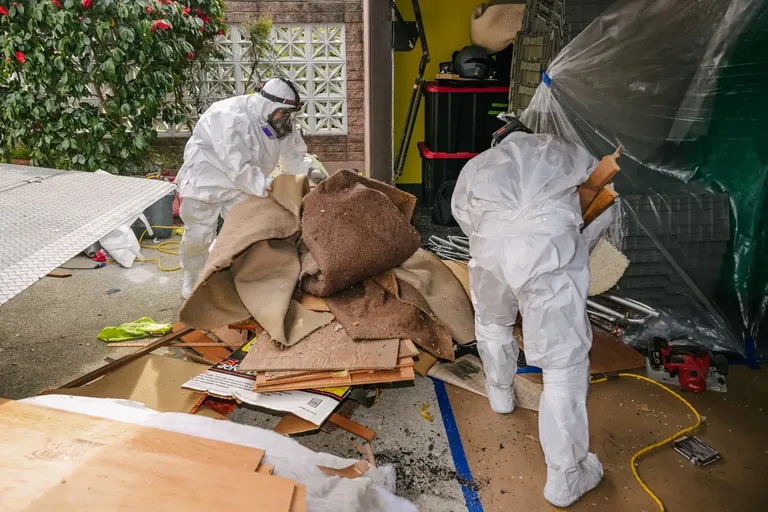
At the end of the service, we collect den material, soiled debris, damaged insulation, containment, and other waste within scope. Homeowners are not left with feces, soiled material, or carcasses to handle.
We review removal, sanitation, and exclusion items and discuss maintenance. Final documentation closes the complete job and notes areas of the house and property to watch.
Step 08 · Support
Customer Service
Squirrel sounds can disrupt bedrooms, offices, tenants, pets, and sleep. The customer service team coordinates access, explains the report, schedules monitoring, and answers questions as the service moves from removal to reinforcement.
Homeowners receive a clear point of contact. Availability for a same-day or next-day appointment depends on route capacity and property access, but the company can discuss scheduling during a phone consultation.
Scratching, chewing, or rolling sounds rarely improve while an attic remains accessible. Schedule a free inspection to identify the animal, locate its route, assess the den area and waste, and receive a practical squirrel removal plan for removal, sanitation, professional repairs, and prevention.
Alley Cat brings exclusion experience to California wildlife removal services without treating every call as generic pest control. Our wildlife experts document the evidence and provide support through trapping, cleaning, reinforcement, and closeout.
When comparing a California wildlife removal company, request a written scope, methods, licensing, and insurance information. Hire a licensed and insured provider, and verify that fully California licensed, fully licensed, or fully licensed and insured claims apply. This helps evaluate insured humane removal without vague promises.
“They were great, on time, easy to deal with, and professional for sure. Nothing in particular, we were satisfied with the overall service.”
★★★★★
M.S.Verified Diamond Certified survey
4.9 / 5 1,240 reviews
4.7 / 5 649 reviews
4.7 / 5 279 surveys
4.9 / 5 374 reviews
Oakland Wildlife Control Services for Squirrels
For an Oakland wildlife concern, the neighborhood and building style matter. Mature trees, overhead lines, older eaves, additions, and closely spaced buildings can create multiple travel routes. Our Oakland wildlife control services remain focused on the animal, active access point, and structural fix—not a generic treatment for every creature in the yard.
Oakland Squirrel Signs and Alameda County Nesting Checks
Tree squirrels are a common animal around mature landscaping. When homeowners hear animals scurrying during the day, squirrels in the attic or an Oakland soffit may be responsible. For an Oakland home, we look for entry holes, chewed wood, compressed insulation, and other signs of an unseen problem.
Oakland Raccoon Removal Is Different
Oakland raccoon removal is not interchangeable with Oakland squirrel removal. Raccoons commonly live in chimneys, crawl spaces, under decks, or garages and require different equipment. If homeowners encounter animals inside, they should avoid contact and let experts identify the critter. Different critters require different handling; this service stays centered on squirrels.
Oakland and Alameda County Entry Routes
Across Oakland CA and Alameda County—including Berkeley, Piedmont, Alameda, San Leandro, Castro Valley, Ashland, Union City, Fremont, and Hayward—we inspect exterior routes and den evidence. On the east side of Oakland and elsewhere in Alameda County, squirrels may use trees or utility lines before entering through a loose screen or large hole.
Why an Oakland Wildlife Problem Needs Species-Specific Work
An Oakland wildlife problem cannot be diagnosed from sound alone. Squirrel service differs from rodent removal: rat entry holes may be smaller and nighttime activity more common. We do not provide general critter trapping instead of an inspection; we identify the animal before recommending wildlife control or squirrel control.
Many critters—including rats, mice, raccoons, and opossums—leave overlapping signs. Rats and mice are rodents, and other rodents may use the same hole. A trained company considers the full range of evidence before selecting an Oakland wildlife removal method.
Wildlife Control Services Beyond the Attic
Removing the squirrel is only part of resolving the wildlife conflict. Our company connects inspection, wildlife control, sanitation, exclusion, monitoring, haul-away, and optional attic restoration so homeowners solve the problem across the home and property in sequence.
That approach helps protect:
Eaves, soffits, fascia, vents, and attic transitions
Stored belongings, ducts, and accessible wiring
Living areas affected by recurring daytime sounds
Homeowners who want clear findings and prevention guidance
For a wildlife issue in San Francisco, Oakland, Petaluma, Napa, Sonoma County, Solano County, Novato, Concord, Mountain View, Berkeley, Alameda, San Leandro, Castro Valley, Union City, Hayward, Fremont, or San Mateo, start with an inspection that explains the activity and structural fix.
The fastest responsible approach is to identify the species and active opening, account for young, remove the animals lawfully, and seal the structure in the correct sequence. Repellents may change activity briefly, but they rarely solve an accessible attic.
A professional plan usually includes:
Inspecting the roofline and attic for nests and entry points
Using lawful trapping or controlled-exit methods suited to the situation
Cleaning contaminated nesting areas
Sealing openings with durable mesh, flashing, or reinforced repairs
For ground-squirrel programs, UC guidance notes that trapping is often most effective between February and October because winter dormancy reduces activity. That timing should not be generalized to every attic tree-squirrel case, where breeding status and building use determine the safest schedule.
A free inspection allows Alley Cat to provide a site-specific price quote rather than guessing by phone. The estimate should separate removal, trap checks, cleanup, sealing, and optional restoration so you can see what is necessary, what is preventive, and what affects the total.
Is it illegal to remove squirrels in California?
It is not universally illegal to remove squirrels, but California laws vary by species, method, location, and whether property damage is occurring. California distinguishes among ground squirrels, native gray squirrels, and nonnative fox squirrels, and some actions may require a depredation permit or compliance with local restrictions.
Do not assume a captured wild animal can be driven away and released, and do not handle animals or move traps without guidance. Off-property relocation of a live-captured ground squirrel without authorization is prohibited, while tree-squirrel rules differ. For injured wildlife or safety questions, contact CDFW, local animal control, the appropriate Alameda County animal services resource, or Alameda County Vector Control.
Seal roof and vent openings after confirming no animals remain inside
Trim branches that provide easy roof access
Secure garbage cans, bird seed, and outdoor pet food
Remove brush piles or dense cover used by ground squirrels
Use motion-activated sprinklers for selected yard activity
Avoid poison that may harm other animals or leave hidden carcasses and odor problems
Squirrels and many animals love easy food. If they are stealing pet food or repeatedly reaching an attic, exclusion and habitat modification are more dependable than sprays, ultrasonic devices, or home remedies.
Schedule Oakland CA Squirrel Removal
For Oakland CA squirrel removal or service elsewhere locally, contact Alley Cat for a free inspection and written plan. If you hear activity, get help solving the home problem—not just a trap or short-term pest control treatment. Call today to discuss an appointment, protect the property, and help prevent recurrence.