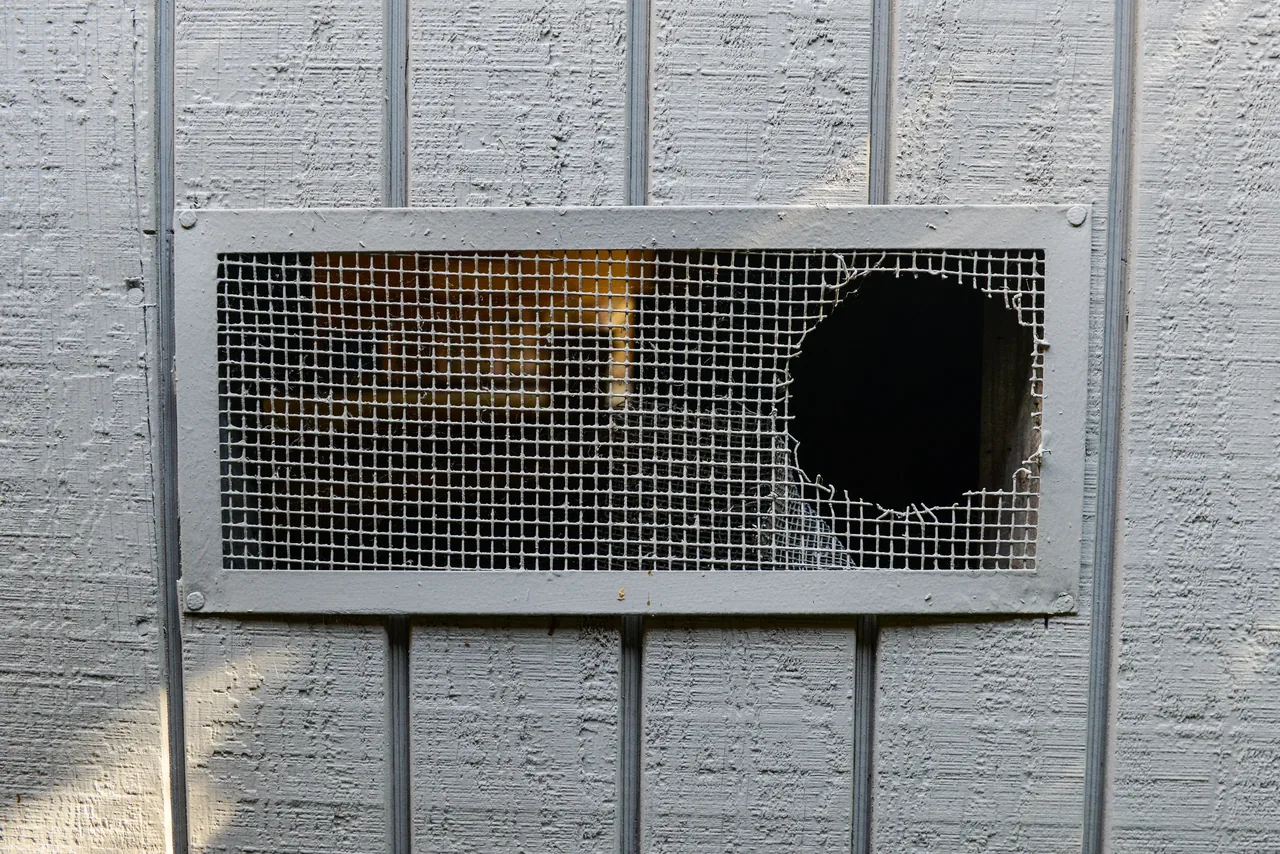
Vent Covers That Breathe
We fit metal vent covers to block rodents and pests without closing the crawl space ventilation needed to manage air and humidity below the floor.

Bay Area Crawl Space Rodent Services
A rodent-proofed crawl space keeps rodents, rats, mice, and other pests from using the dark area beneath your floor to reach walls, ducts, kitchens, and garages.
 4.9 / 5
 4.7 / 5
 4.9 / 5
 4.7 / 5
 Accredited
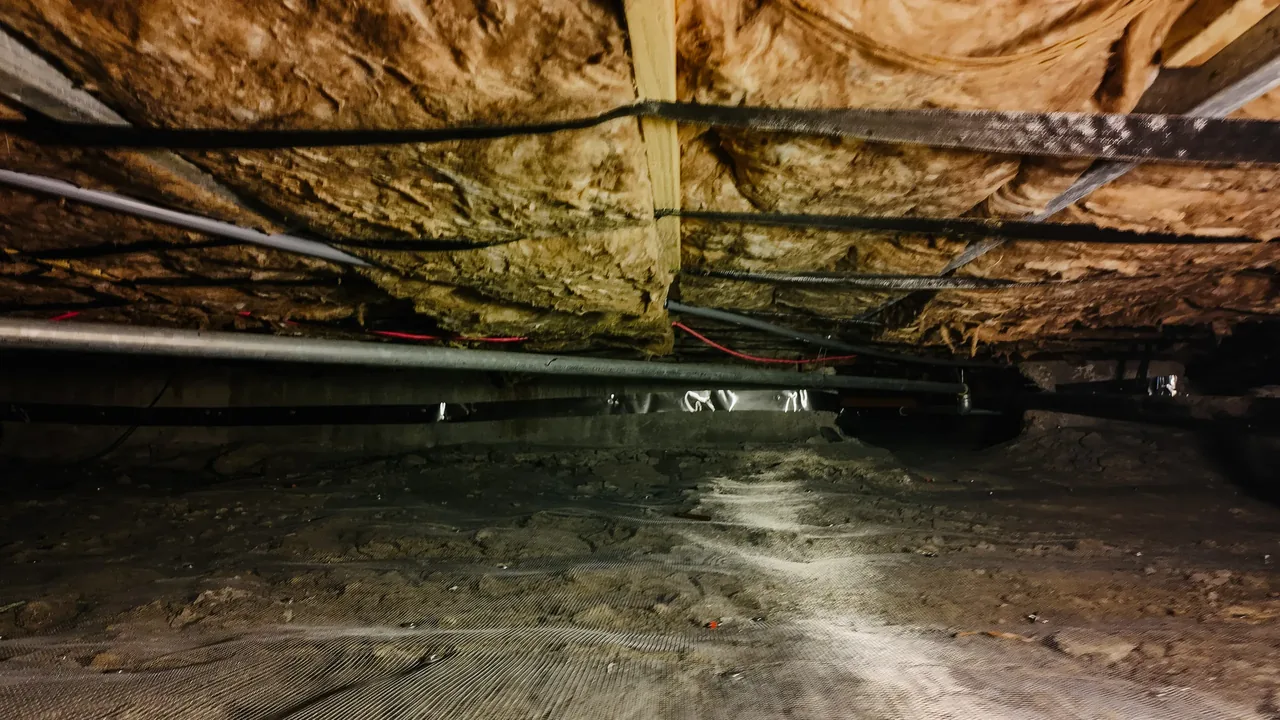
Alley Cat addresses crawl space conditions that let rodents and pests create pest problems: damaged vent covers, pipe and wire gaps, cracks in concrete foundation walls, contaminated insulation, and nests near warm ducts.
A practical crawl space plan may include:
Schedule a crawl space inspection to discover how rodents and pests enter and which repairs should come first.
Rodents rarely rely on one obvious hole. In the crawl space, we follow rub marks, droppings, gnawing, damaged insulation, and daylight at the foundation perimeter. Those clues identify entry points rodents and pests use around pipes, crawl doors, and deck or addition junctions.
A damaged vapor barrier can collect food debris, urine, nesting material, and moisture. When included in the scope, Alley Cat addresses torn or contaminated sections. A vapor barrier supports moisture control, but it does not replace trapping rodents, sealing holes, or repairing vents.
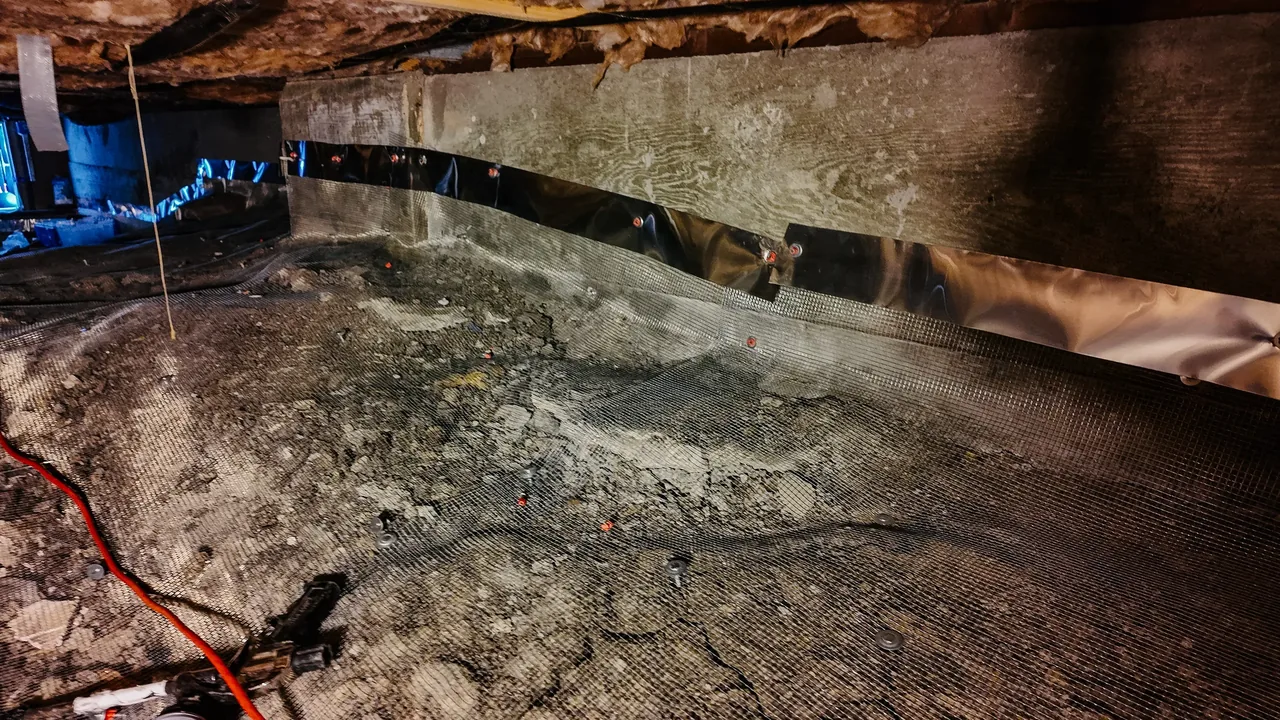
Missing or weak vent covers let rodents and other critters pass through foundation vents. We fasten corrosion-resistant metal mesh to concrete, masonry, or wood framing. Proper vent covers block pests while preserving designed crawl space airflow.
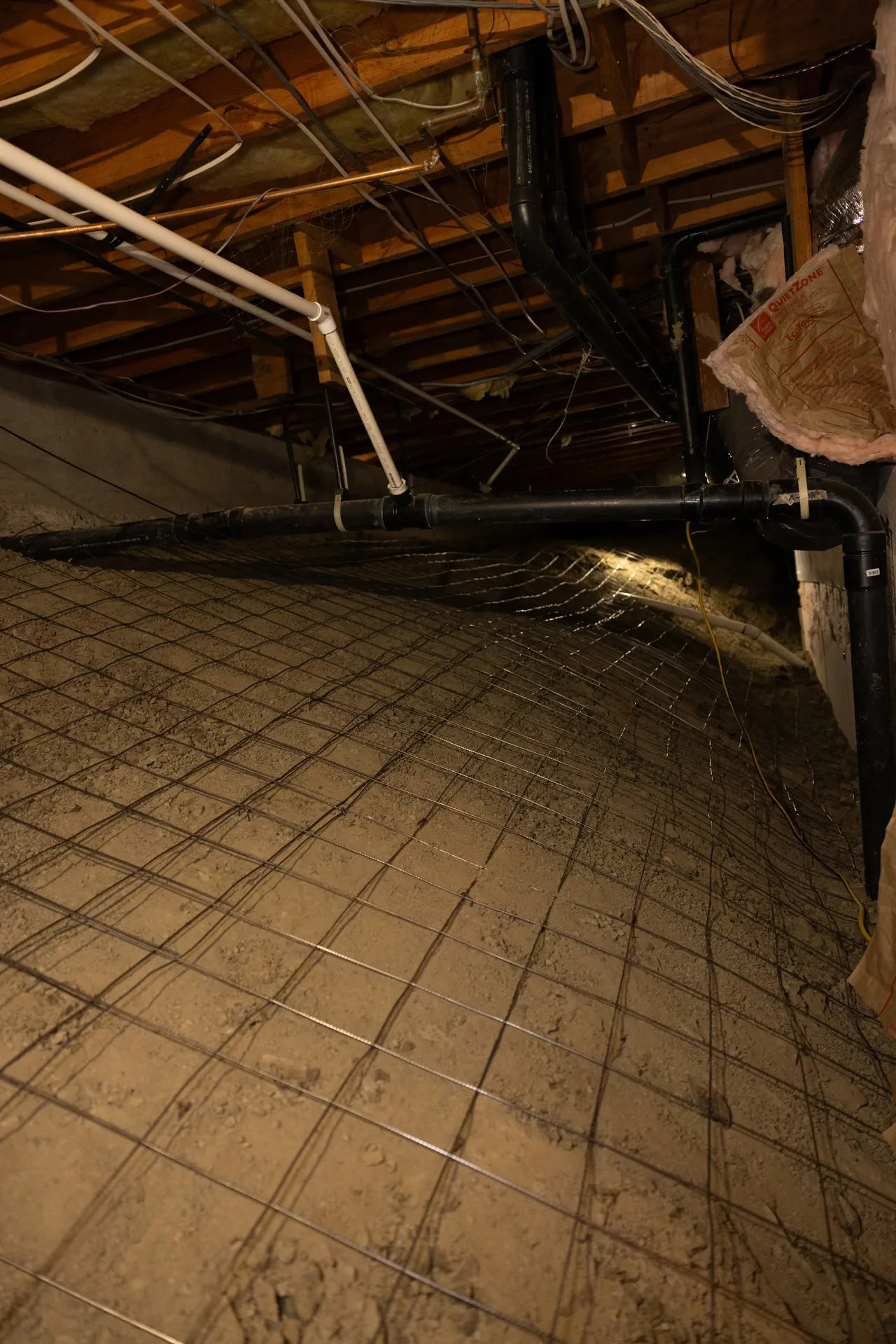
Darkness, dampness, shelter, and easy access.
Most crawl spaces offer the conditions rodents and other pests seek: a dark, protected area, warm pipes, nesting insulation, exposed soil, and nearby food or water sources. The problem is widespread. According to the 2019 American Housing Survey, nearly 14.8 million occupied U.S. housing units reported seeing rodents during the previous 12 months. In other words, more than 14 million U.S. homes reported rodent activity within a single survey year.
Small openings make these infestations difficult to prevent without a detailed inspection. Rodents can enter through gaps as small as half an inch, while mice may squeeze through openings as narrow as one-quarter inch. That is why Alley Cat checks crawl space vents, foundation walls, utility penetrations, doors, sill transitions, cracks, and adjoining construction instead of repairing only the most obvious hole.
Crawl space rodent proofing combines inspection, trapping, cleanup, a durable seal, and prevention without blocking drainage, ventilation, or utility access. The plan may also consider crawl space encapsulation when ground moisture or humidity helps rodents and pests thrive.
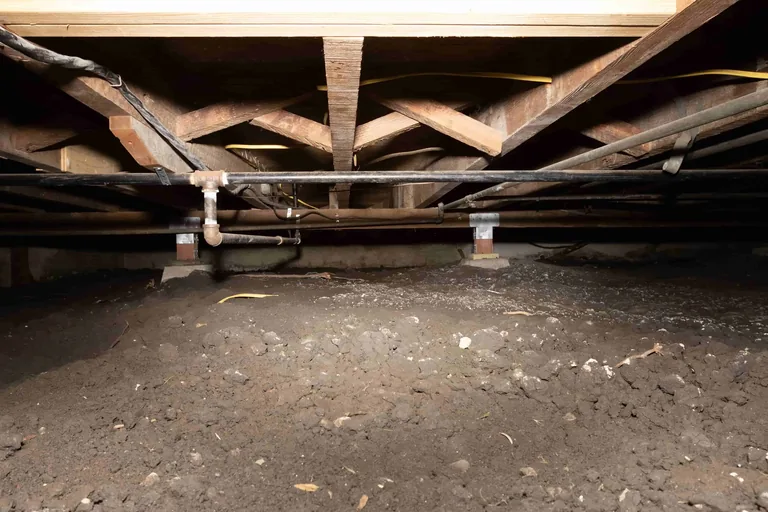
This crawl space service is useful for:
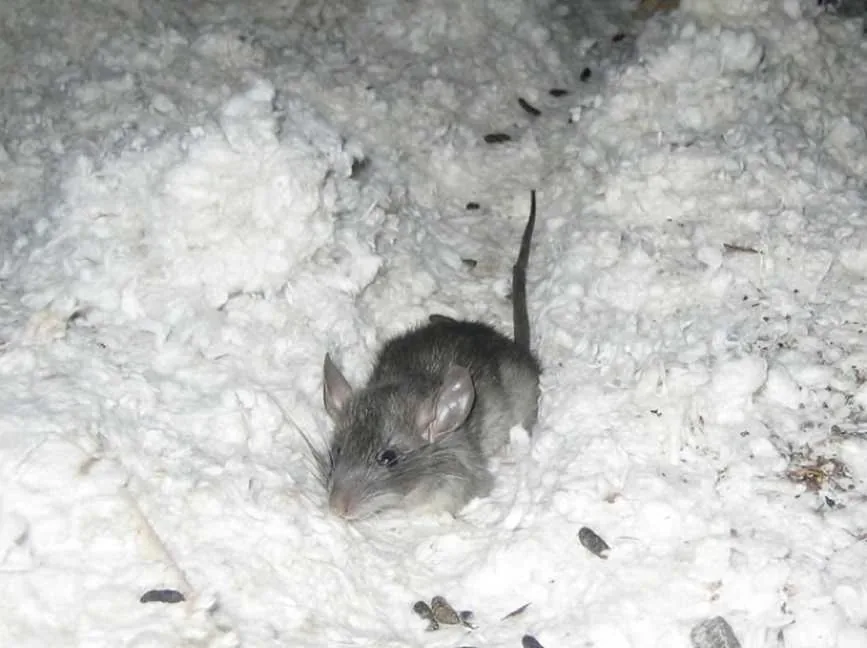
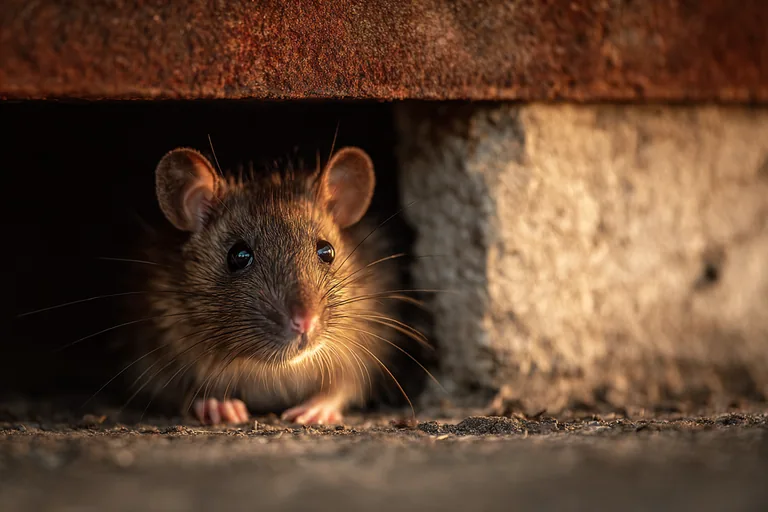
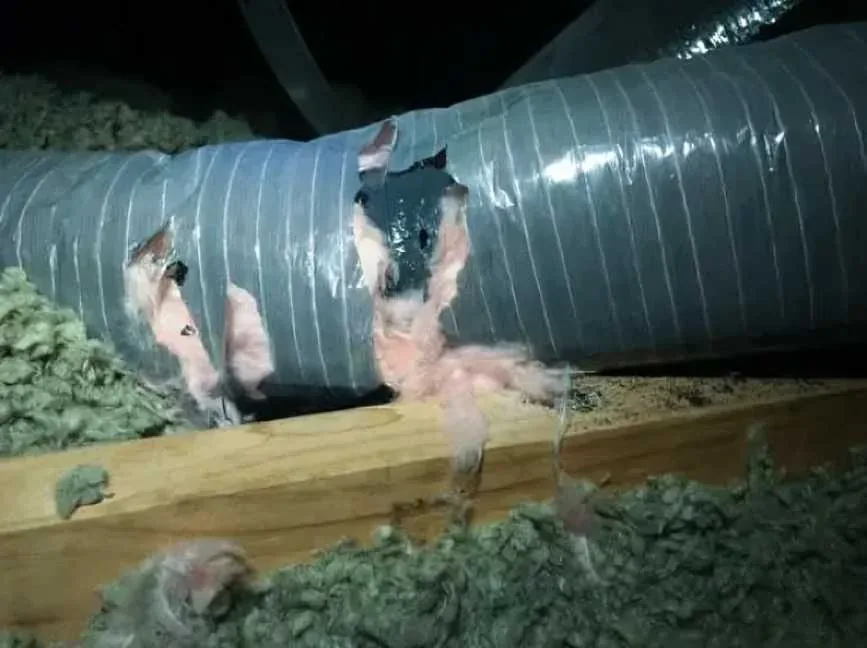
Alley Cat treats crawl space openings, routes, utilities, vents, insulation, moisture, and air as one system. Our rodent control process uses Integrated Pest Management (IPM) to coordinate exclusion, cleanup, trapping, and crawl space encapsulation when appropriate:
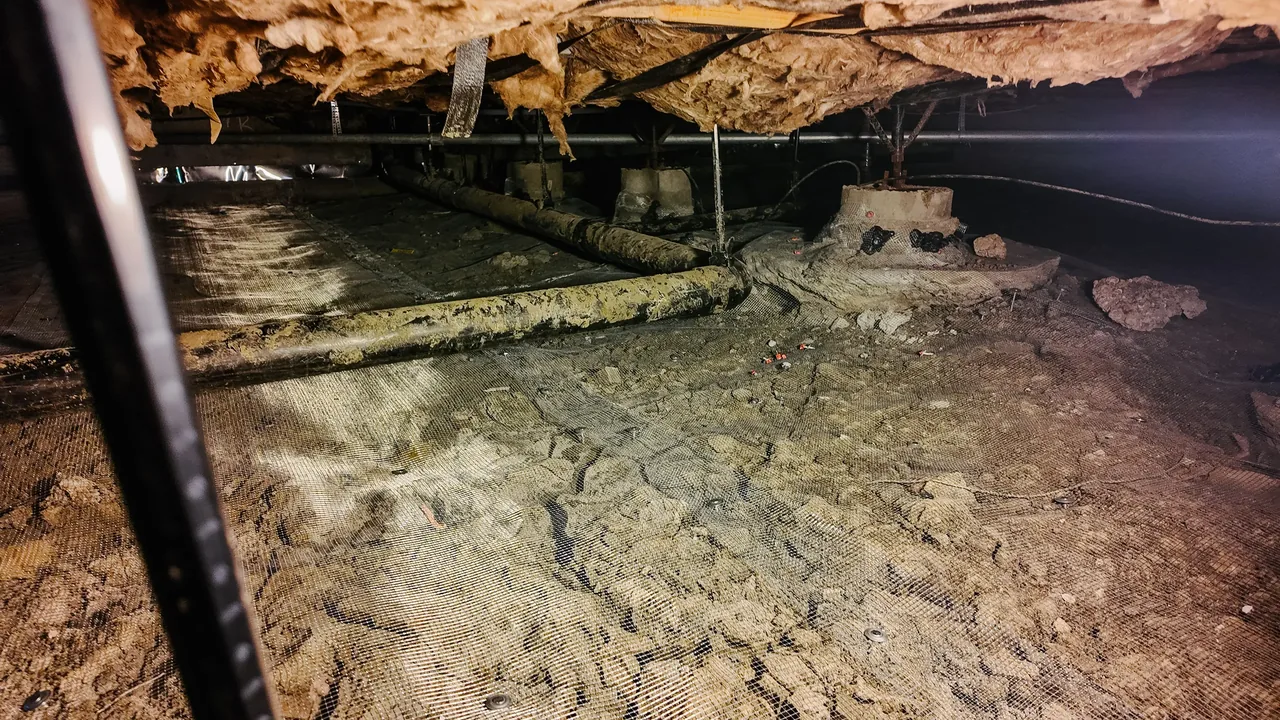
Step 01 · Inspect
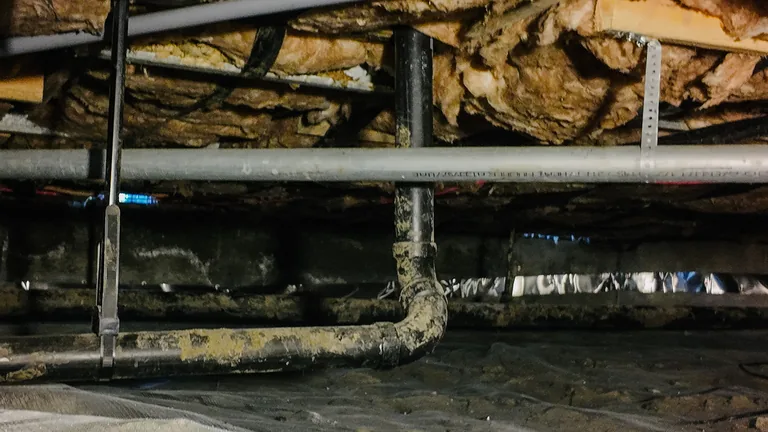
A specialist checks accessible crawl space areas and the exterior perimeter for rodents, rats, pests, droppings, holes, burrowing, damaged vent covers, loose doors, and pipe or wire gaps. We inspect foundation walls for cracks and note standing water, moisture, humidity, exposed wiring, damaged wood, and low-clearance sections.
The crawl space inspection gives homeowners:
Because rats may use openings around one-half inch and mice can enter through even smaller gaps, the inspection includes cracks and penetrations that many homeowners might overlook.
Step 02 · Diagnose
The Comprehensive Diagnostic Report documents rodents, pests, entry points, affected crawlspace materials, and recommended work. Photos explain why a vent, concrete opening, sill gap, pipe penetration, or crawl space door matters. The estimate separates rodent control, trapping, cleanup, sanitation, exclusion, and encapsulation so homeowners understand the scope.
Step 03 · Clean
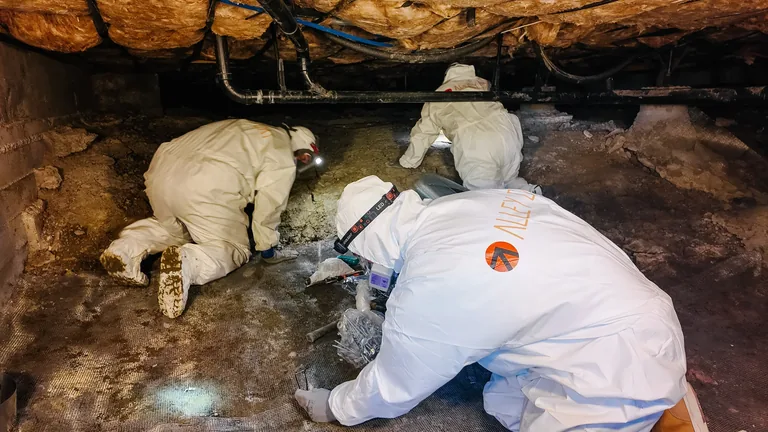
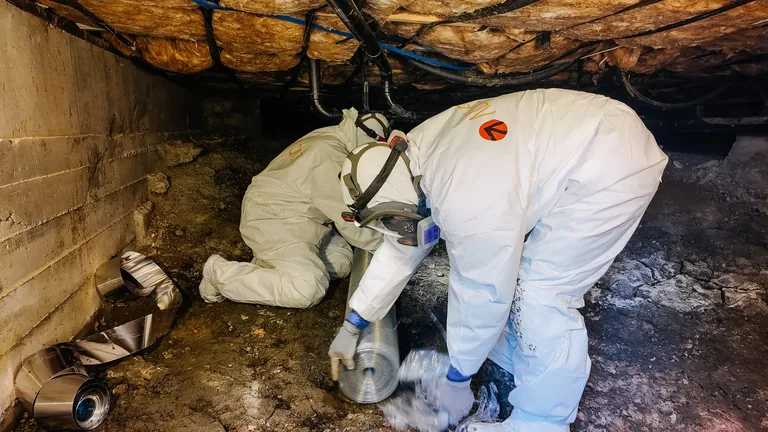
Cleanup begins with materials rodents have soiled, shredded, or used to build a nest. The scope depends on crawl space clearance, contamination, insulation type, moisture, and damage to a vapor barrier or duct wrap. Removing debris also makes fresh signs of rodents and pests easier to spot during later checks.
Our specialists may handle:
This stage helps rid the crawl space of odor sources and prepares the floor framing and ground for reliable seals.
Step 04 · Sanitize
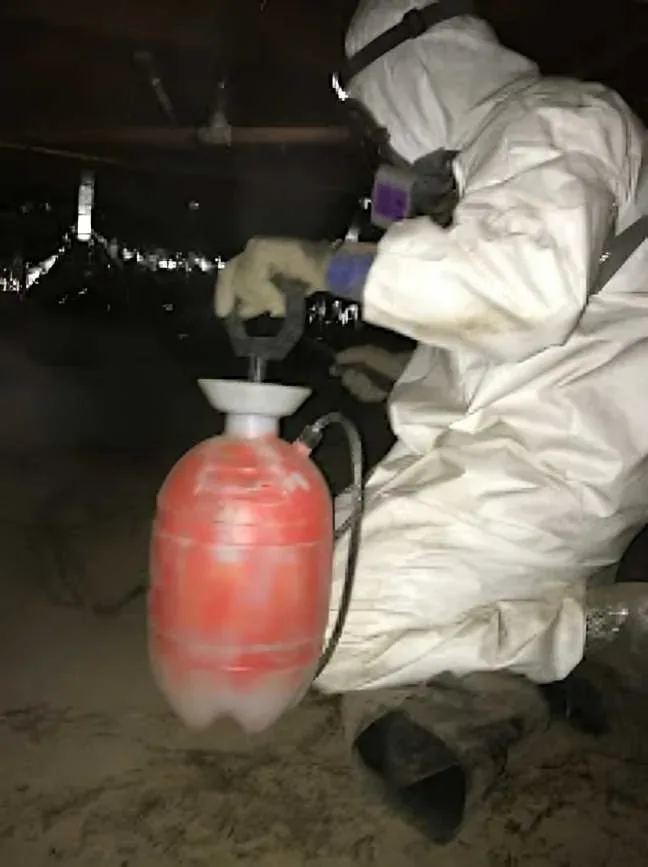
Sanitation targets accessible crawl space surfaces affected by urine, fecal residue, nesting, or decomposition odor. After removal, technicians treat approved wood, ledges, liner surfaces, and the crawl space work zone. They do not spray over debris or present sanitation as a substitute for controlling rodents and pests.
Decontamination can reduce odor and address contamination-related health risks, but durable crawl space protection must also include trapping, moisture correction, and secure exclusion. Worldwide, rats and mice can spread more than 35 diseases that affect people, either directly through contact with rodents, droppings, urine, saliva, contaminated food, or bites, or indirectly through fleas, ticks, and mites. For that reason, Alley Cat’s process emphasizes physical debris removal and appropriate sanitation rather than spraying over contaminated insulation, nesting material, or soil.
Step 05 · Seal
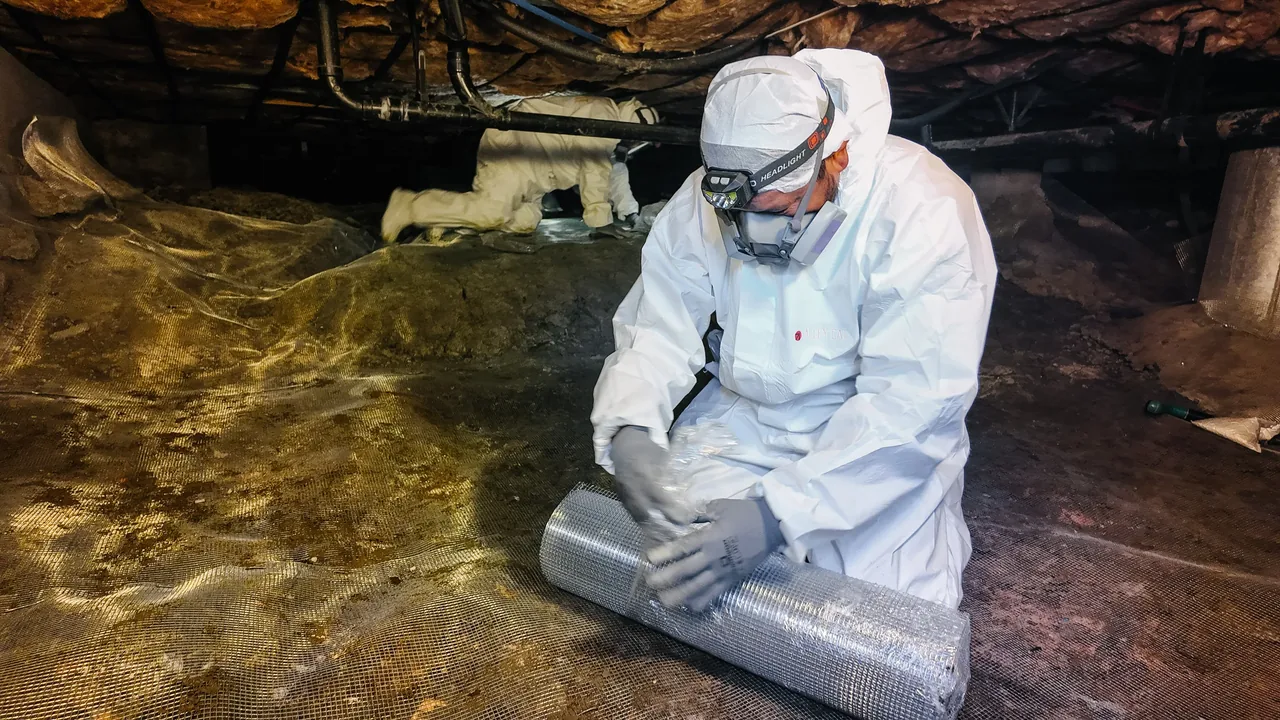
Sealing starts outside and follows the routes rodents use to move from the ground into the crawl space, walls, ducts, or attic pathways. We match each crawl space repair to the material, hole size, exposure, and future access. The goal is to seal the route, not only the most visible hole. Active rats and other rodents are considered before final closure so animals are not trapped inside the house.
Common crawl space methods include:
Loose steel wool can rust or be pulled aside, and expanding foam alone is easy for rodents to chew. Foam and spray foam may close air leakage when protected, but cement, metal, hardware cloth, and secured vent covers create stronger crawl space seals. We also recommend removing food, correcting water sources, and trimming shrubs or branches about three feet from the house where practical.
Every crawl space seal is checked for unfinished edges, missed openings, moisture conflicts, and ventilation needs. This detail has helped Alley Cat serve more than 13,000 satisfied clients while maintaining a 97% customer satisfaction rating across Bay Area homes.
Step 06 · Check
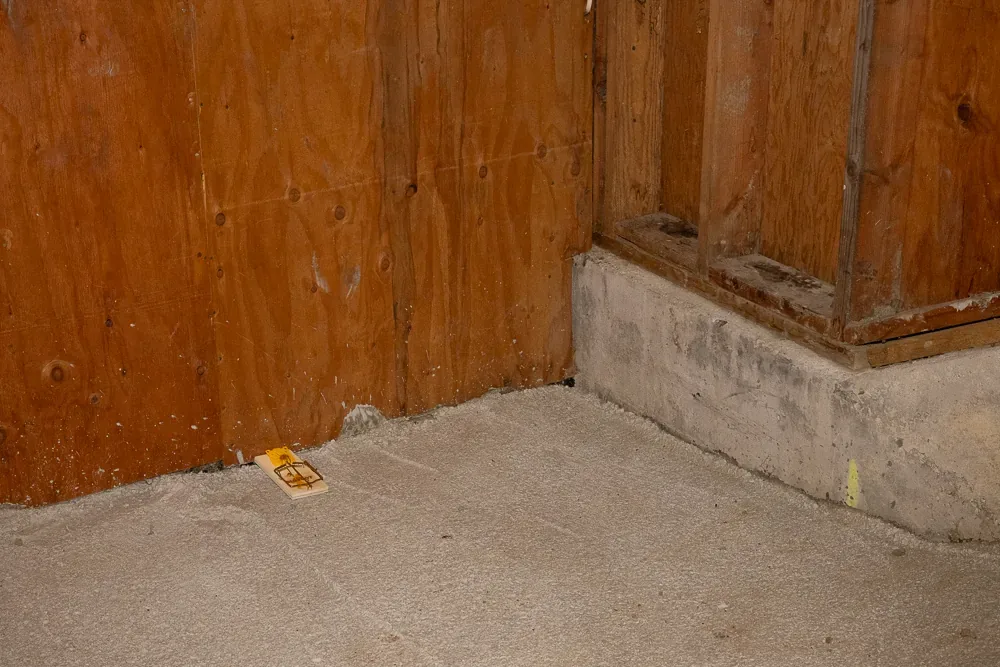
When crawl space evidence shows active rats or mice, traps are placed along protected runways and near confirmed activity. Placement is coordinated with each crawl space seal so the team can reduce rodents without closing the final route too early.
Checks let technicians remove captures, reset equipment, identify fresh droppings, and adjust control methods for rodents and pests. Monitoring is the most effective way to distinguish active infestations from historical evidence and helps avoid sealing animals into inaccessible walls or floor voids.
Step 07 · Haul
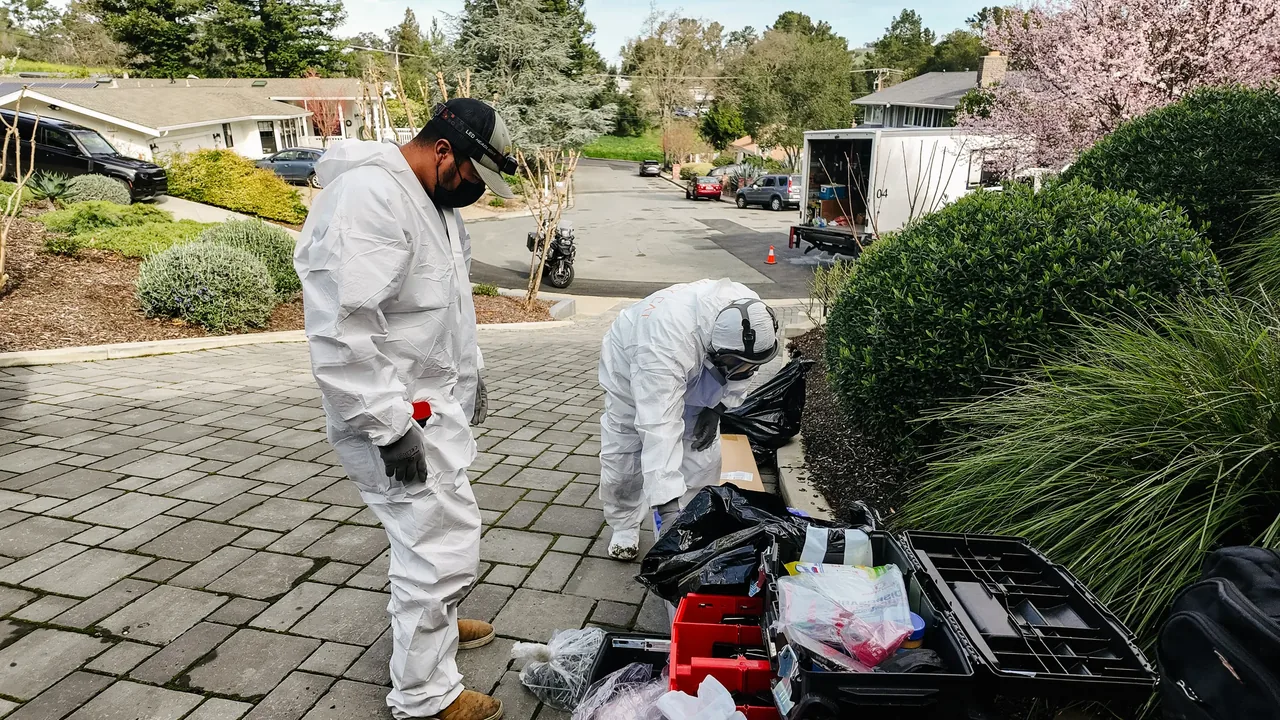
After the approved crawl space work, technicians collect removed insulation, nests, contaminated debris, damaged vent covers, protective materials, and job-related waste. The crawlspace access route is checked so tools, sharp screening, fasteners, and temporary products are not left on the property.
The wrap-up confirms which crawl space openings were sealed, where traps remain, and whether follow-up visits are scheduled. Homeowners receive a record of crawl space changes and conditions that could attract rodents and pests.

Step 08 · Service
Crawl space projects can require tight access, several visits, and decisions about insulation, ducts, vapor barrier installation, or crawl space encapsulation. Alley Cat’s customer service team coordinates the schedule, explains the diagnostic report, communicates access needs, and keeps homeowners informed through final trap checks.
For homeowners dealing with rodents and pests, we connect the rodent problem, crawl space repair methods, cleanup priorities, and next steps in plain language. That support differs from one-visit pest control.
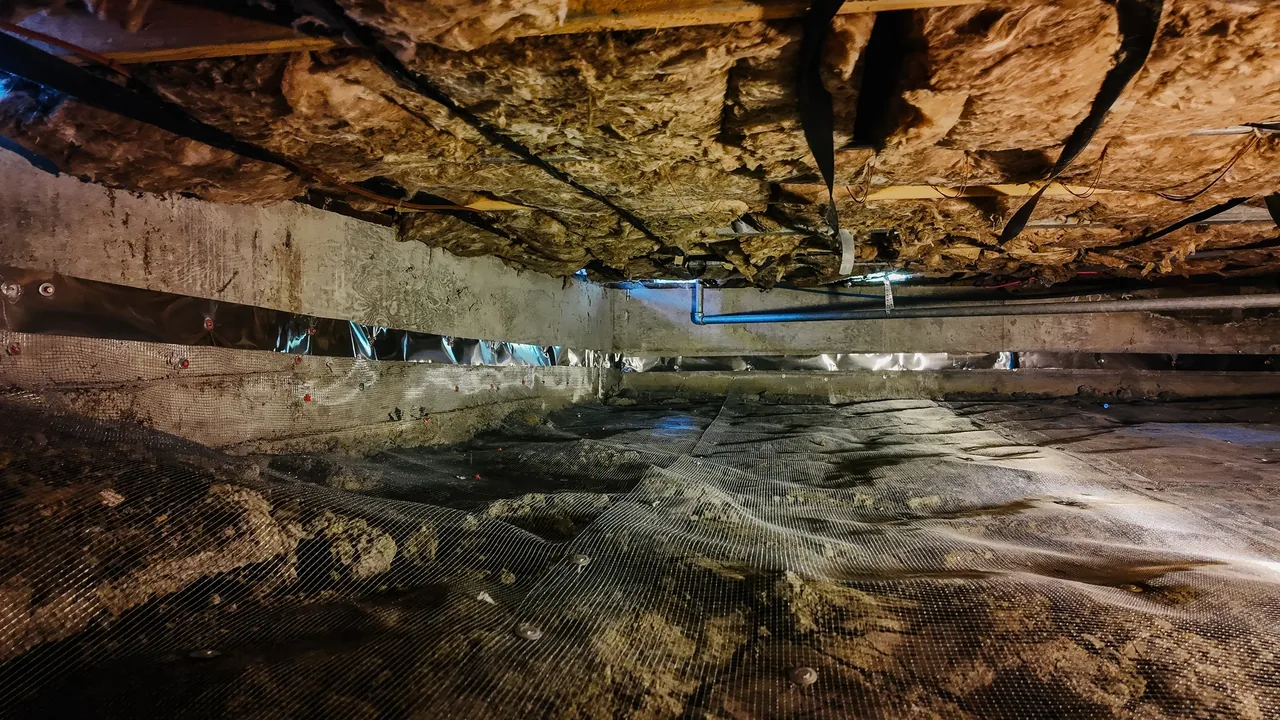
Scratching below the floor, recurring droppings, damaged vents, chewed wires, or a musty crawl space are signs worth investigating. A focused inspection can identify where rodents, rats, mice, and other pests enter before they spread into kitchens, garages, walls, or ducts. Early crawl space work can reduce damage, contamination, and repeat infestations.
Drier conditions support stronger rodent prevention.
Small under-home details determine whether repairs hold.
We fit metal vent covers to block rodents and pests without closing the crawl space ventilation needed to manage air and humidity below the floor.
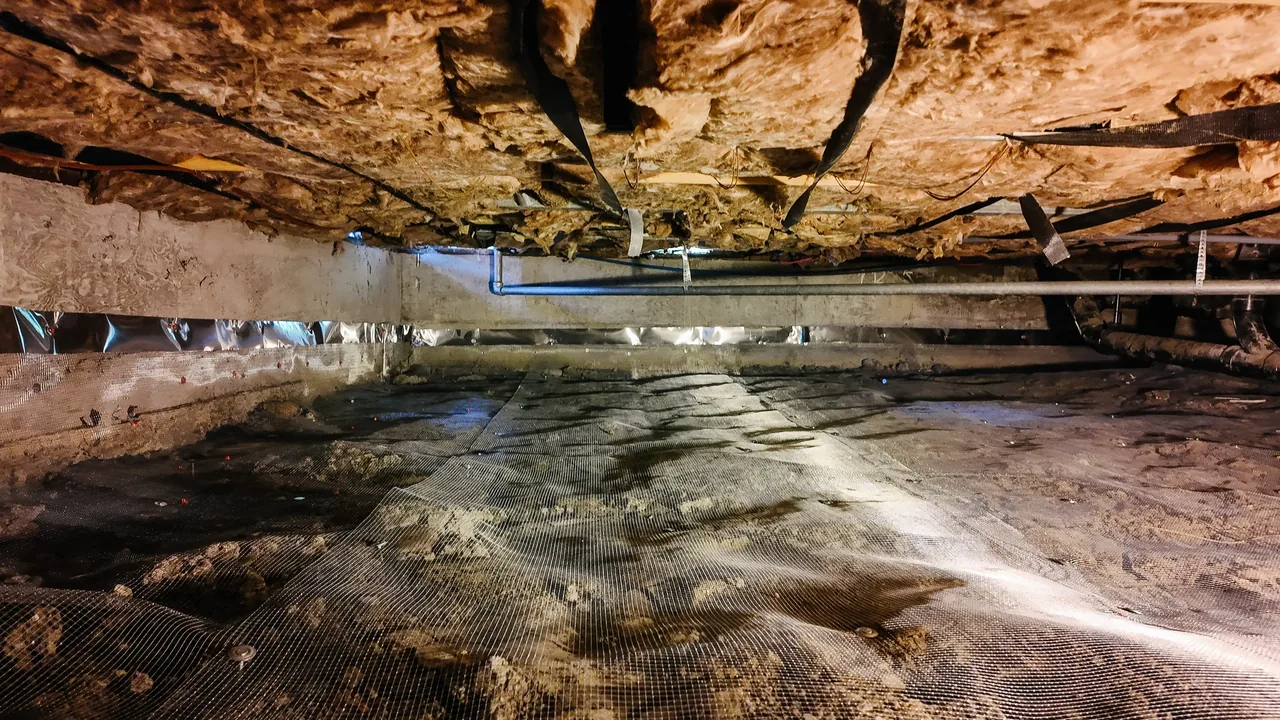
We explain when crawl space encapsulation supports crawl space conditions and when sealing entry points, repairing vents, or correcting drainage must happen first.
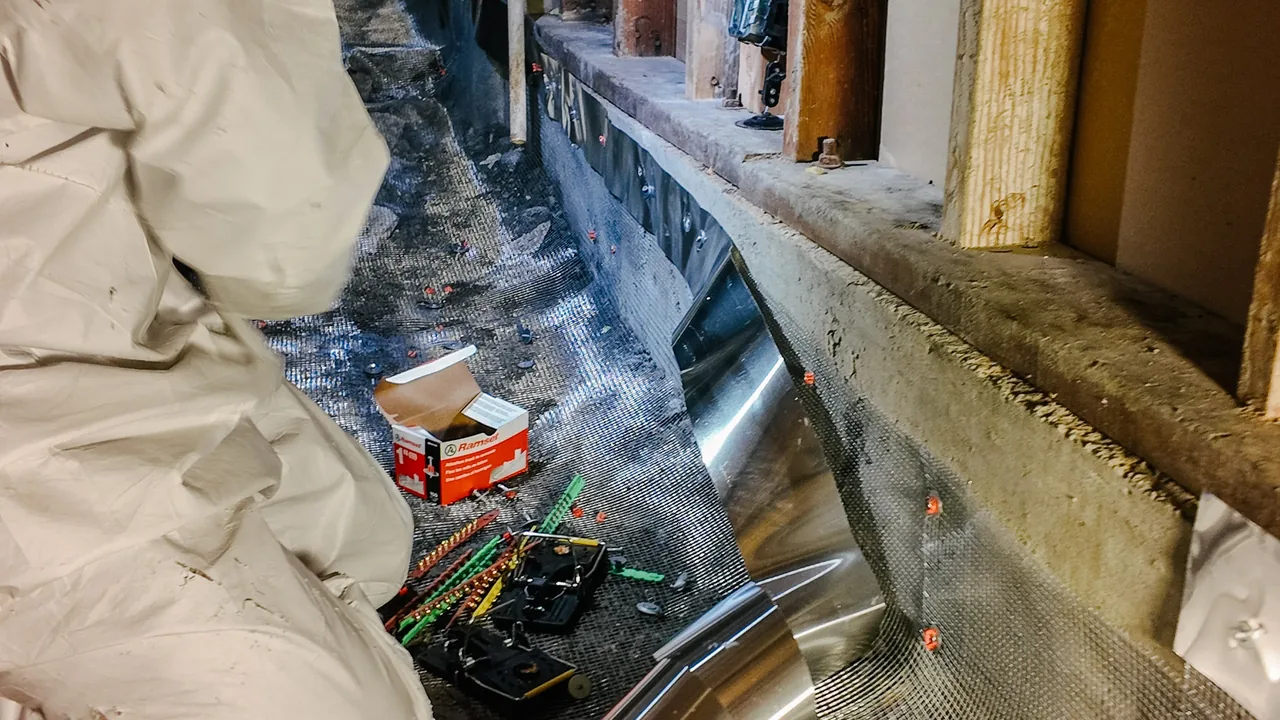
We separate old debris from fresh activity and stage traps, cleanup, steel wool reinforcement, screening, and final seals so rodents and other animals are not trapped inside.
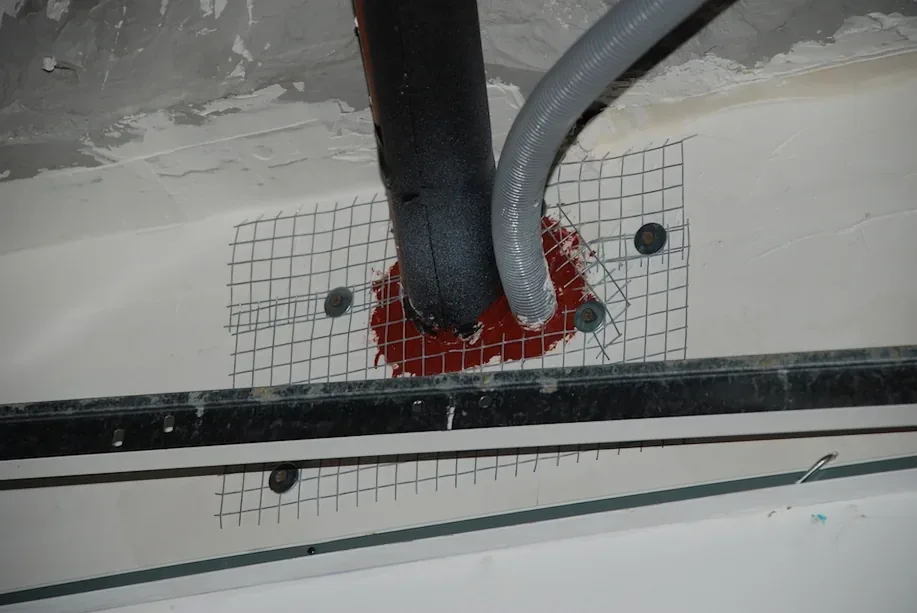
A lasting crawl space control plan looks beyond one visible hole. We evaluate:
Crawl space encapsulation typically uses a reinforced vapor barrier across the ground and may include sealed wall transitions or dehumidifiers. Encapsulation can make the crawl space drier and less inviting to rodents, pests, and other critters, but it is not a stand-alone way to get rid of rats or mice. Crawl space entry points still require durable repair.
That distinction matters in San Francisco, Mountain View, Fremont, Hayward, Napa, Sonoma County, and Solano County, where crawl space height, soil, concrete construction, and humidity vary. Alley Cat helps homeowners choose exclusion, cleanup, environmental control, or crawl space encapsulation in the right order.
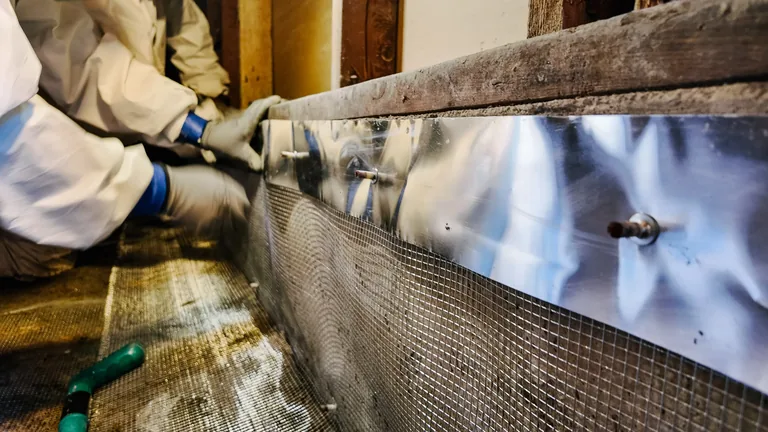
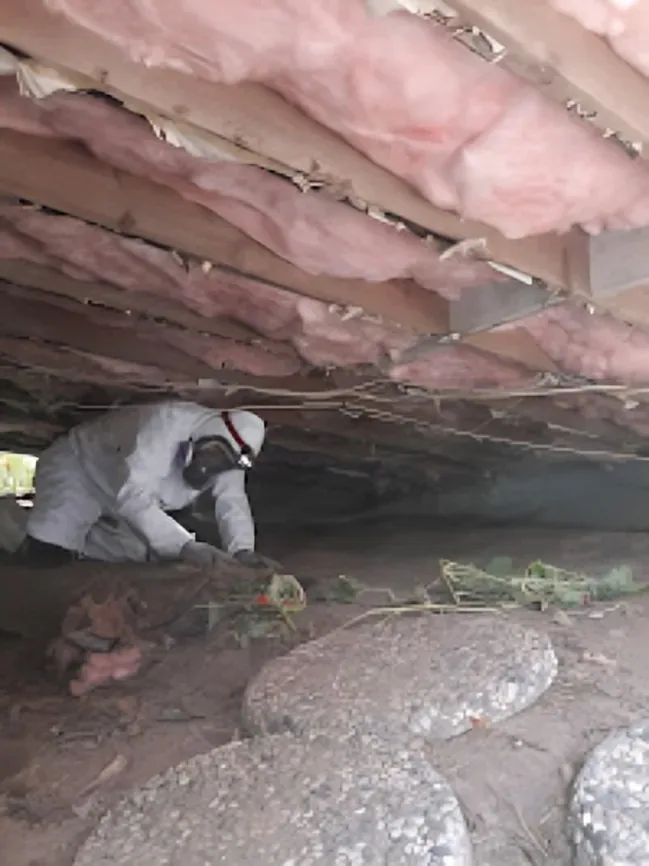
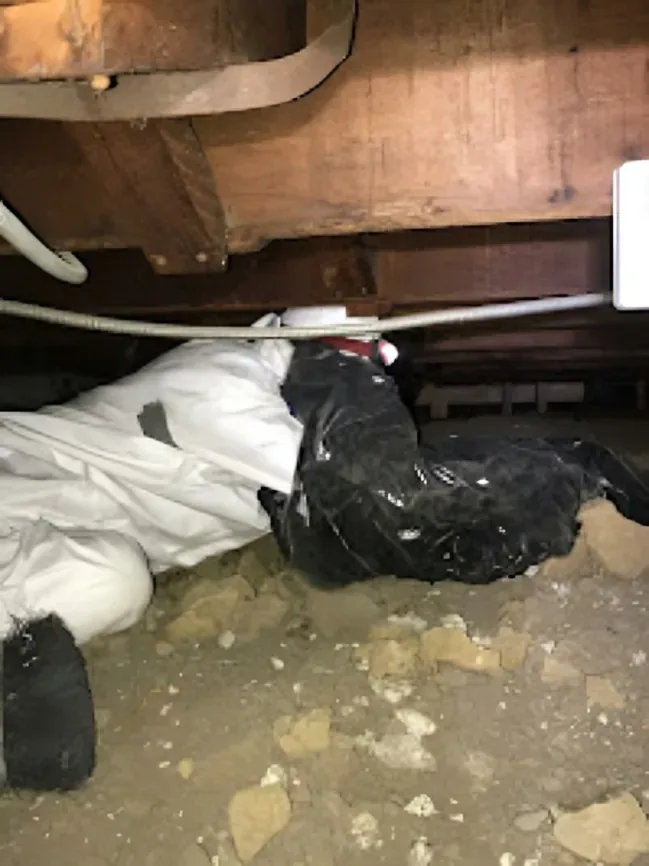
Use 1/4-inch hardware cloth, metal vent covers, copper mesh, stainless steel wool, concrete-compatible patching, and durable sealant to keep mice out of a crawl space. Mice can exploit holes around the size of a dime, so inspect crawl space vents, doors, pipes, wires, sill plates, and wall openings rather than relying on one product.
Use the materials in this order:
Crawl space encapsulation may make the space drier, but exclusion is still required.
There is no universal “Amish method” for getting rid of mice; Amish households differ, and effective steps are the same ones used elsewhere. People dealing with mice commonly remove accessible food, store feed in sealed containers, set mechanical traps along walls, clear nest material, and seal entry points with metal or hardware cloth.
For a house with a crawl space, identify active rodents, trap them, inspect the outside, and repair holes before pests reuse them. Cats, other animals, natural scents, and homemade remedies may affect a few critters, but they do not replace exclusion. Professional rodent control is useful when rodents have reached crawl space insulation, ducts, walls, or inaccessible crawlspace sections.
A rat’s biggest practical enemy in a house is a maintained exclusion and control system, not one predator or repellent. Owls, hawks, snakes, cats, and other animals catch rats outdoors, but they rarely resolve crawl space infestations. Rats thrive where the crawl space provides food, water, shelter, and openings around half an inch or larger.
Effective control combines:
This integrated approach controls rodents without depending on critters that can create other pest problems.
No, dryer sheets do not reliably repel rats or permanently protect a crawl space. A strong scent may make one crawl space spot less inviting briefly, but rodents can move around it, tolerate the odor, or build a nest elsewhere. Dryer sheets do not seal holes, remove food, repair vents, or control dampness.
Many homeowners dealing with rats get better results by trapping active rodents, sealing gaps around pipes and wires, repairing vent covers, and closing openings with chew-resistant materials. Crawl space encapsulation can support humidity control, while exclusion keeps pests outside. Scented products alone can delay the crawl space work needed to solve the underlying rodent problem.
Schedule a crawl space inspection for clear findings, prioritized repairs, and practical control built around your Bay Area home—not a generic spray-and-leave treatment.
Trusted Across Bay Area Homes
From older houses in Berkeley and Oakland to tight crawl space areas in Novato, Petaluma, Concord, and San Mateo, Alley Cat understands how aging vents, utility upgrades, and concrete repairs create openings for rodents and pests. Rats, mice, and other rodents are adaptable animals that remain active year-round in the Bay Area’s mild climate, making crawl space control important for limiting repeat infestations.
Our process combines local experience, professional diagnostics, durable exclusion, customer support, more than 13,000 satisfied clients, and a 97% customer satisfaction rating.
★★★★★
BP Verified Trustpilot review
1,240 reviews
649 reviews
279 surveys
374 reviews