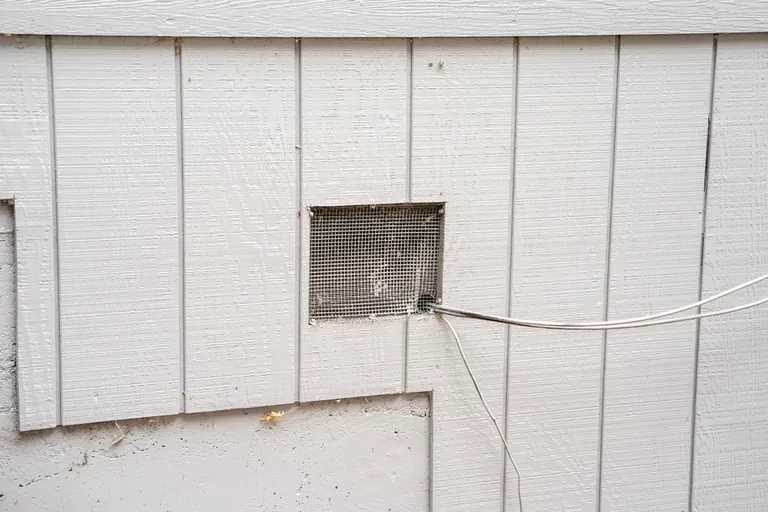
Exclusion Before Chemicals
We focus on closing the structure instead of relying on short-term extermination treatments, baiting, poisons, or fumigation as the first resort.

Bay Area Rodent Control Services
A rat exterminator should do more than place traps and leave.
 4.9 / 5
 4.7 / 5
 4.9 / 5
 4.7 / 5
 Accredited
Alley Cat provides rat exterminator services for Bay Area homes dealing with a rat infestation, roof rats, scratching at night, gnaw marks, damaged insulation, and openings that let rodents move into the house. Our rat control service is designed to remove active rodents, address contamination, and reinforce the structure so the same rodent problem is less likely to return.
Alley Cat specializes in rodent control, rat removal, cleanup, sanitation, decontamination, proofing, trapping, and exclusion. Our work focuses on:
Schedule a professional pest inspection and get a rat control plan built around your home, your location, and the way rats are actually getting inside.
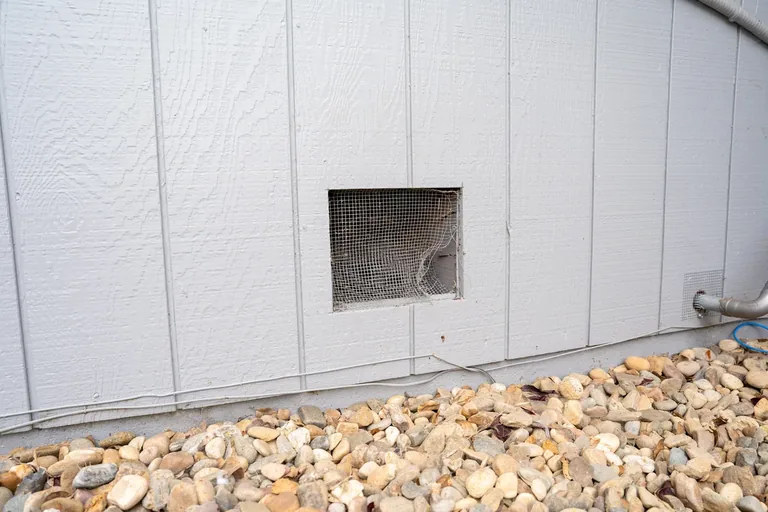
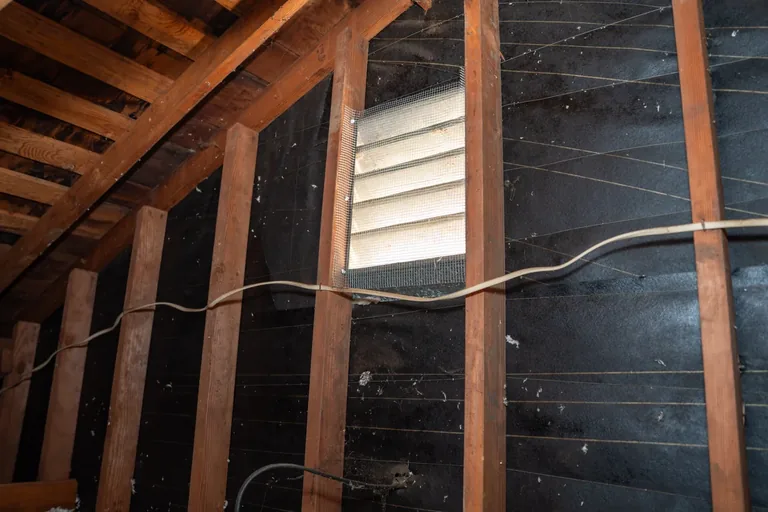
Most people searching for a rat exterminator want the rat problem gone fast, but lasting relief starts with the openings that let more rats enter. Alley Cat inspects foundation cracks, crawl space vents, roof returns, upper vents, pipe gaps, garage edges, wall gaps, and damaged screens before recommending treatment.
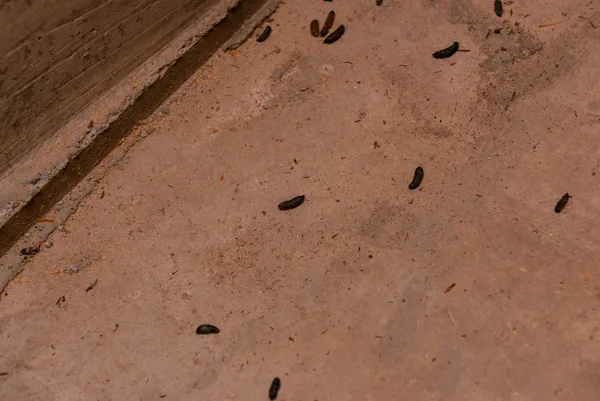
A rat infestation is often noticed before a live animal appears. Dark, pellet-like droppings, gnaw marks on furniture or food packaging, scratching in walls at night, nests made from shredded paper or fabric, and a urine smell near a crawl space or attic can all point to rat activity and pests drawn to contaminated areas. Seeing one rat during the day may be a sign of a more significant infestation, especially when food and shelter are available.
Roof rats are common in dense Bay Area neighborhoods because they climb trees, vines, fences, utility lines, and neighboring buildings to reach attics and rooflines. A roof rat may enter through a small hole at an eave, return, vent, or utility opening. Homes in San Francisco, Oakland, Berkeley, and San Mateo often need roofline repairs along with interior trapping.
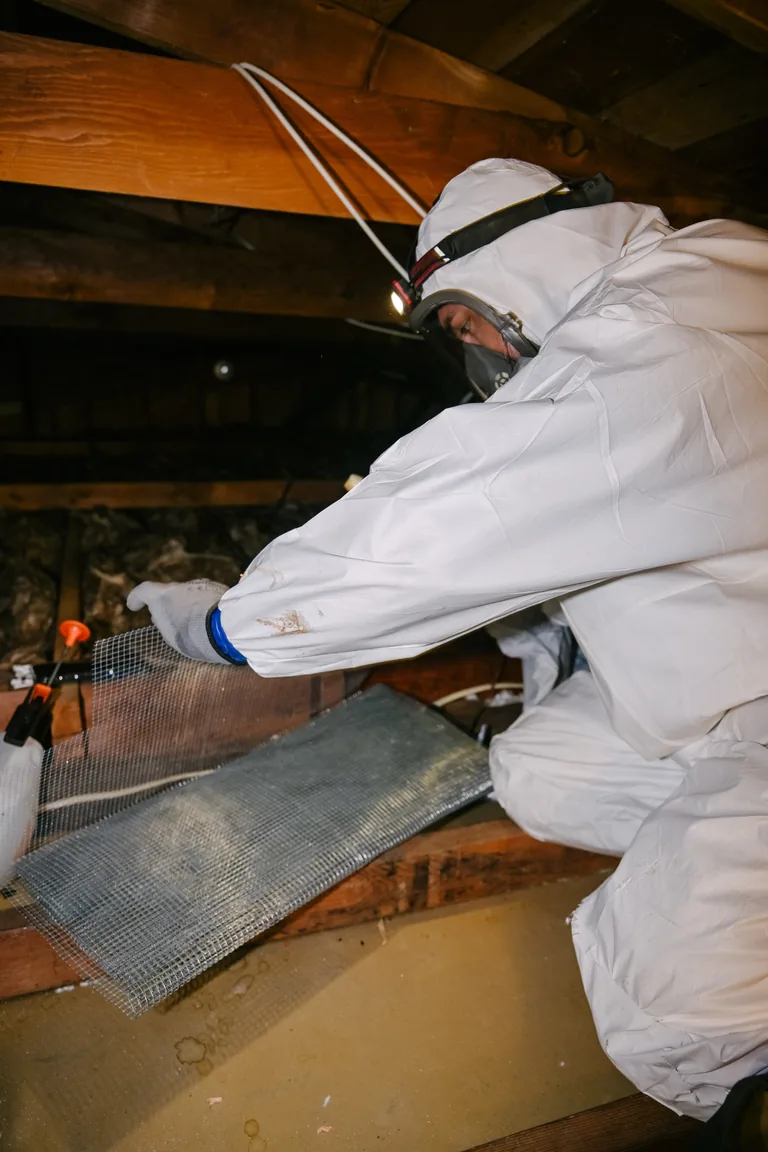
Removal, exclusion, cleanup, and prevention together.
A rat exterminator is a professional who identifies rat activity, removes active rodents, and helps stop rats from re-entering the structure. At Alley Cat, rat extermination includes more than bait or basic pest control treatment. We inspect the property, determine the likely species, document holes and damaged areas, clean affected spaces when needed, and seal openings with rodent-resistant methods.
Homeowners typically call when they need help with:
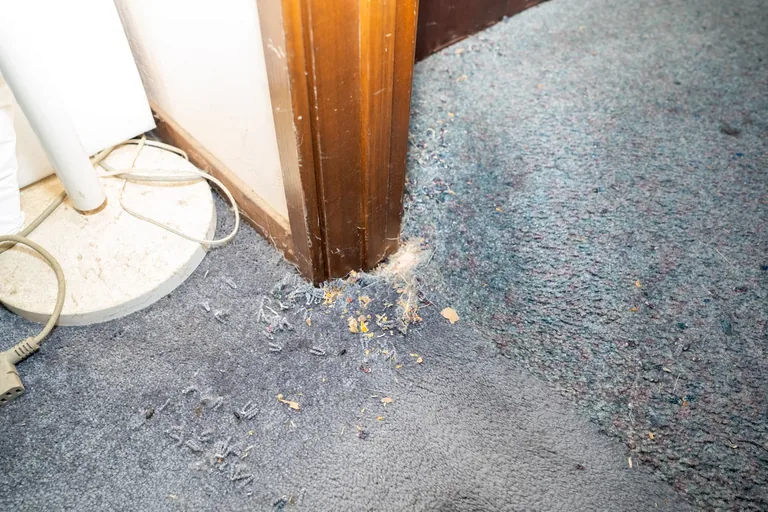
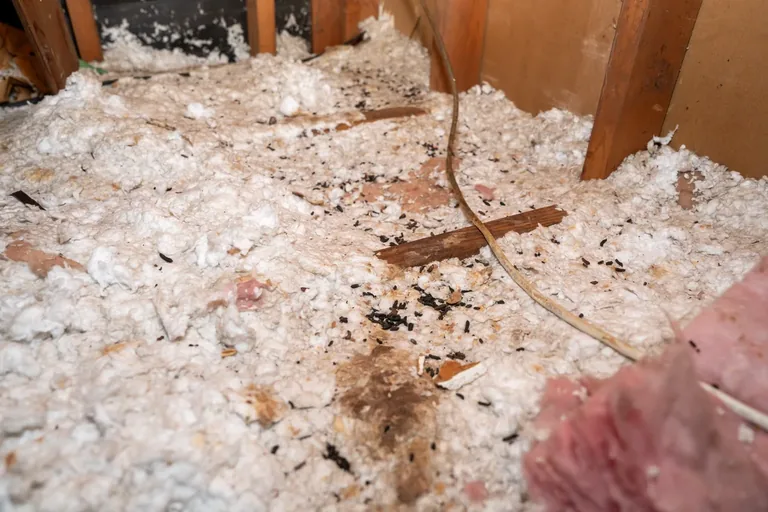

Different species behave differently, and identification matters for rat control. In metric and imperial units, Norway rats can grow about 13–16 inches long, or roughly 33–41 centimeters, and they tend to nest in basements, ground-level voids, and lower areas. Roof rats weigh about 5–10 ounces, or roughly 142–283 grams, and prefer attics and upper levels of buildings.
Roof rats are also called black rats or ship rats. Norway rats are often called brown rats or sewer rats. Mice are smaller, but mice can create a serious rodent problem too, especially around kitchens, stored food, garages, and wall voids. Alley Cat can help with rat control, rodent control, and mouse control when the signs overlap.
Alley Cat’s process is built for people who need rat removal now and rodent control that addresses how rats got inside in the first place:
Step 01 · Inspect
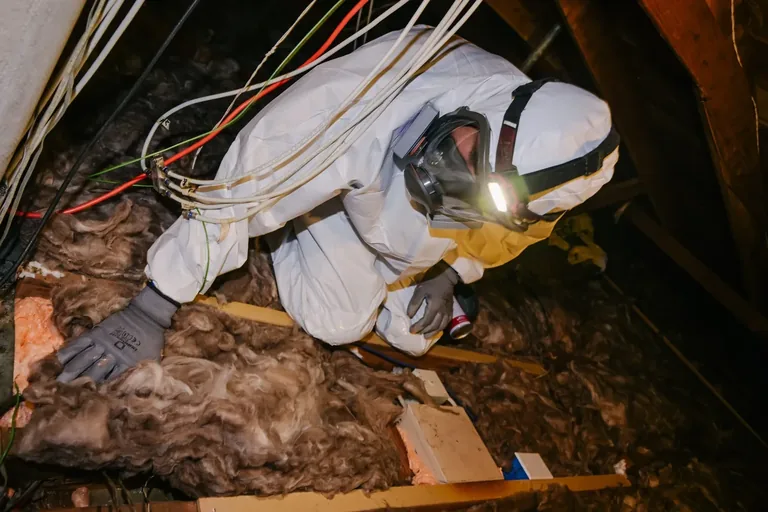
During the free inspection, an Alley Cat specialist performs a thorough inspection for signs of rat activity and structural openings. We check crawl space vents, roof returns, garage gaps, utility penetrations, foundations, upper vents, siding transitions, basements, and places where previous repairs may have failed.
We also look for evidence that shows severity and location. Rub marks, gnawing, urine smell, damaged insulation, nests, scratching near ceilings or walls, and chewed food packaging can point to where rats are traveling.
Step 02 · Report
After the inspection, Alley Cat provides a Comprehensive Diagnostic Report with findings, photos when appropriate, recommended repairs, cleanup needs, and an estimate. Rat exterminator cost depends on the size of the affected area, square foot considerations, the severity of the infestation, the number of entry points, the amount of cleanup, and whether the job involves roof, upper-level, basement, crawl space, or exterior repairs.
Published industry cost guides often cite rat extermination costs from $172 to $1,200, with an average cost around $342. Initial pest control visits are often listed around $150 to $300, while monthly rat control treatments may be listed around $40 to $70. Those numbers are general benchmarks, not an Alley Cat quote, because every house and rodent infestation is different.
Step 03 · Clean
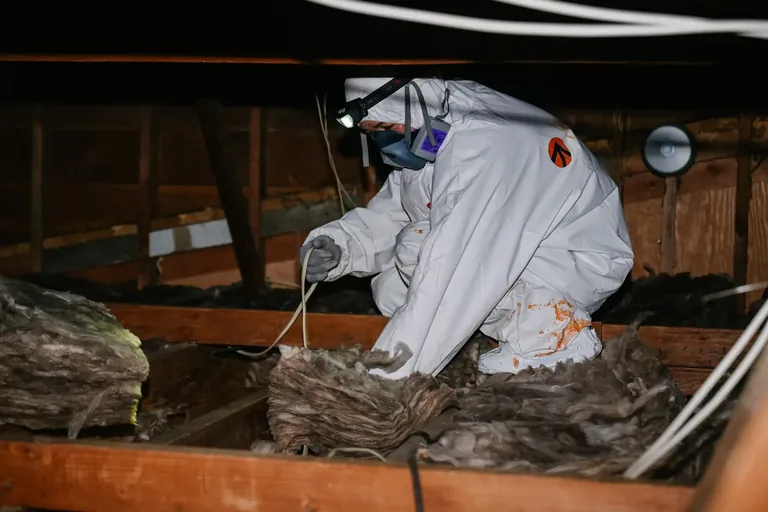
Cleanup and removal focus on the mess left behind and the materials that may support odor, insects, contamination, or continued rodent activity. Our specialists remove accessible rodent debris and affected materials based on the condition of the space and the approved scope of work.
In attics and crawl spaces, this may involve contaminated nesting material, damaged insulation, and loose debris. In garages, basements, kitchens, and utility areas, we may address activity behind stored food, near water heaters, under floorboards, or around drywall and wiring gaps.
Our professional specialists may handle:
Once visible contamination is addressed, the next stage helps reduce odor and residue in hard to reach places.
Step 04 · Sanitize
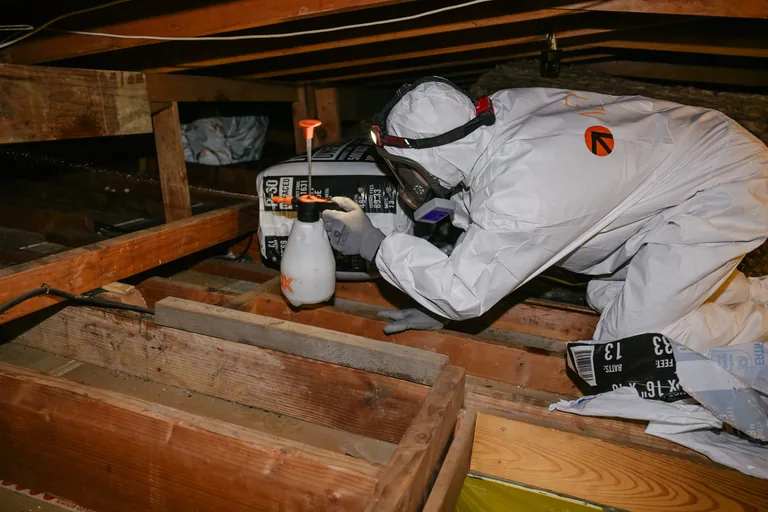
Sanitizing and decontamination help address areas where rats have nested, traveled, urinated, or left waste. This step is important in enclosed areas where contamination can sit undisturbed and odors can move into living spaces.
Alley Cat applies sanitation and decontamination steps based on the affected area and approved scope. The goal is to restore cleaner conditions after rat removal, reduce odor sources, and support a safer environment for humans, children, and pets. Rat activity can be associated with health risks and diseases, including leptospirosis, so cleanup is more than cosmetic.
Step 05 · Seal
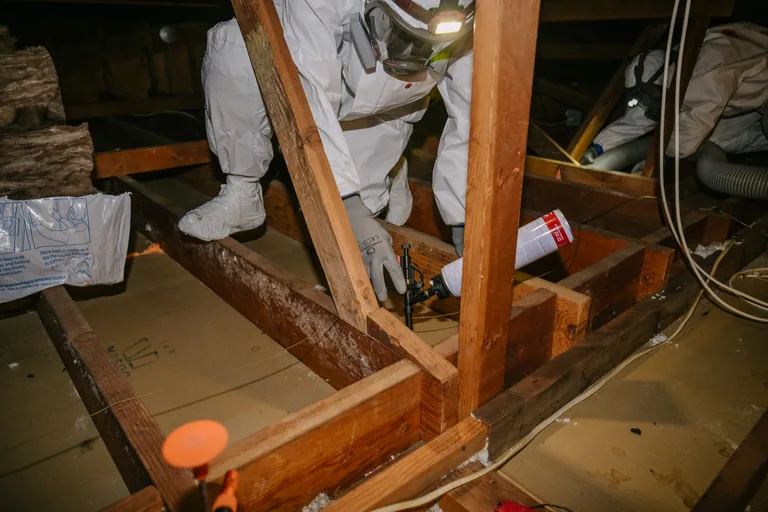
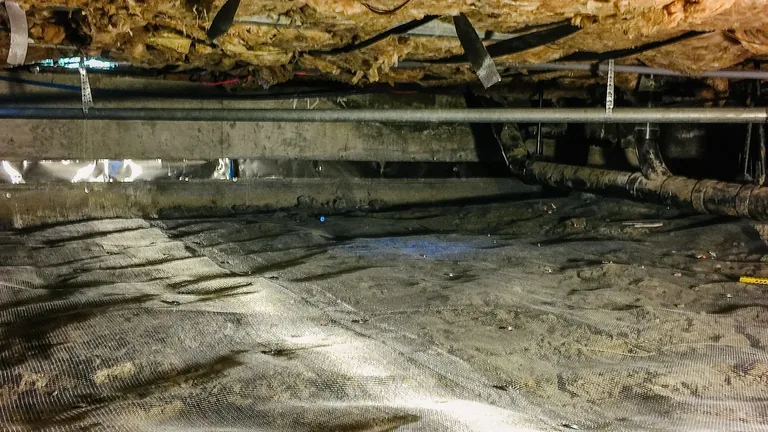
Sealing and exclusion are the heart of Alley Cat’s rodent control work. Rats can squeeze through small holes, chew weak materials, climb rough surfaces, jump from trees, and reuse scent trails once they find shelter. Trying to kill rats without closing the structure can leave the house ready for more rats, so we focus on eliminating the route, not just the active rodents already inside.
Our team uses practical, structure-specific methods, including:
Preventative measures are tailored to the home. A Napa property with open crawl space vents may need different repairs than a San Francisco County row home with roof gaps or a Concord garage with utility penetrations. Alley Cat’s value is diagnosing the route, cleaning the evidence, and reinforcing the structure with a practical solution. That process has helped us serve 13,000+ satisfied clients while maintaining a 97% customer satisfaction rating.
Step 06 · Trap
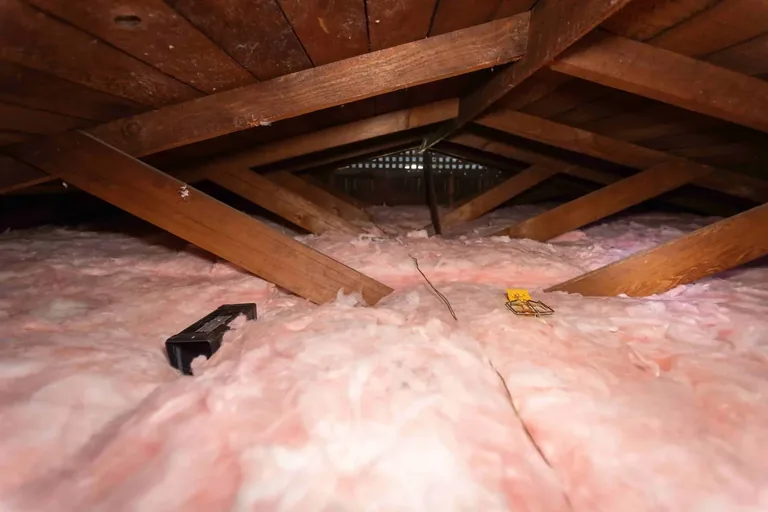
Trap checks determine whether active rats remain after removal and exclusion work begins. Alley Cat places traps in targeted areas based on inspection findings, not randomly throughout the home. Placement may include attics, crawl spaces, garages, basements, utility rooms, wall-adjacent travel paths, or other activity zones.
Snap traps are often considered one of the fastest methods for minor infestations, and a single snap trap may be placed along a travel lane when conditions fit. Baited traps, bait stations, live traps, glue traps, and poison are not one-size-fits-all remedies; some options are a last resort. Bait stations may support interior and exterior rodent control in the right setting, but they do not replace exclusion.
Step 07 · Haul
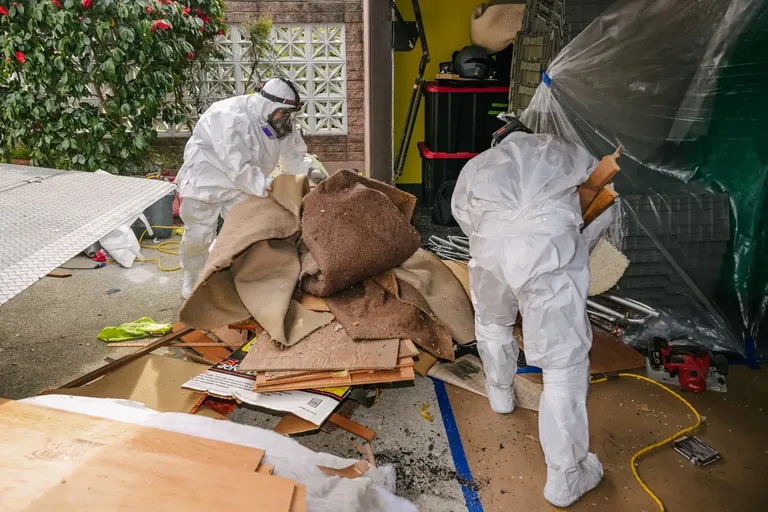
The wrap-up stage is where Alley Cat removes approved waste, used materials, contaminated items, and job-related material from the property. We want the home cleaner, easier to inspect, and ready for the next step.
Our team also reviews the completed work, confirms key repairs, and explains what was handled. For larger crawl space or upper-level jobs, this may include haul-away of damaged insulation, nesting material, old vapor barrier, damaged screens, or components included in the scope.
Step 08 · Service
Good rat control requires communication. Alley Cat’s customer service team helps clients understand scheduling, reports, estimates, trap checks, cleanup stages, and follow-up needs.
Many exterminators focus narrowly on traps. Alley Cat stands out from many pest control companies because our business is built around rodent exclusion, cleanup, and structural protection. If you are comparing a pest control company, exterminators, or pest control experts on review platforms like Yelp, look for evidence that they inspect, clean, seal, monitor, and explain the full job.
Follow-up visits are often necessary because rat control is a process, not a single visit. In some minor cases, trapping can eliminate activity within a week, but severe infestations may require more time, added trap checks, repairs, cleanup, and monitoring.
Our technicians remove anything caught, adjust trap locations, look for new signs, and confirm whether activity is controlled. This step helps clients avoid wasting money on a remedy that captures a few rodents while leaving the building open.

Rats rarely stay outside once they find warmth, food, shelter, and an opening into your home. Alley Cat helps Bay Area residents move from stressful pest issues to a clear plan for rat removal, cleanup, sealing, and rodent control, not generic pest control. We do not want you to be stuck dealing with recurring scratching, gnaw marks, or new activity every few weeks.
Local pest control companies are often preferred for rodent problems because building styles, city blocks, vegetation, and crawl space conditions vary across California. A San Francisco flat, a Petaluma crawl space home, and a Mountain View garage may need different rodent control methods.
Practical protection for real Bay Area homes.

The best way to repel rats is to remove what attracts them and block the routes they use. We do not recommend relying on either scents or ultrasonic noise as the main solution; repelling rats is more effective when sanitation, exclusion, and habitat reduction work together.
Helpful steps include:
These steps can reduce risk, but a recurring infestation usually needs inspection, rodent control repairs, and professional treatment.
Not just traps. A full-home plan.
We focus on closing the structure instead of relying on short-term extermination treatments, baiting, poisons, or fumigation as the first resort.
Scents and DIY tips may feel helpful, but sealing, screening, sanitation, and habitat reduction are better structural deterrents.
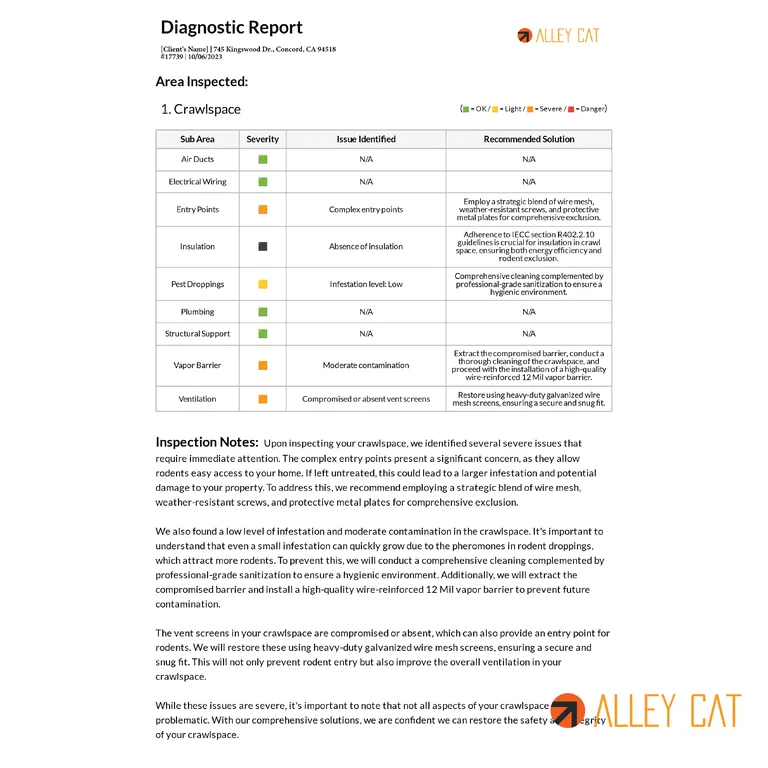
You receive clear findings and recommendations so you can understand the problem, compare solutions, and approve the right work.
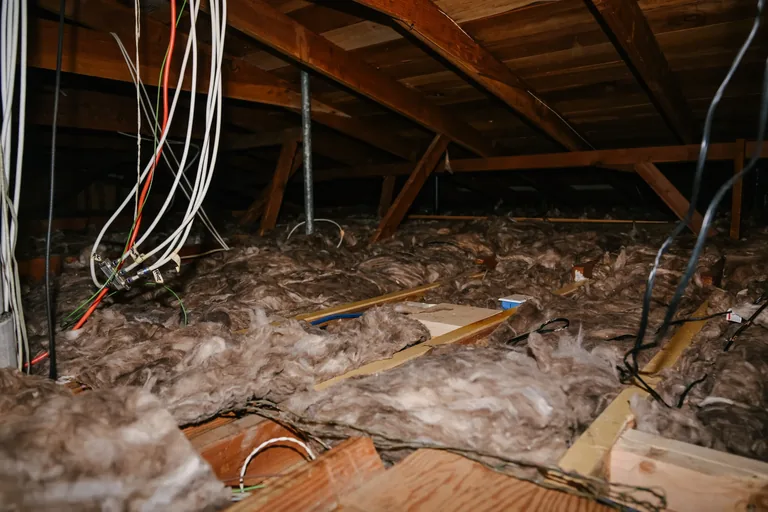
Rodent infestations in the Bay Area are often tied to structure, terrain, moisture, vegetation, neighboring buildings, and older construction details. Alley Cat looks beyond the obvious sign and evaluates:
That deeper view matters. A simple trap-only service may reduce activity for a week or two, but it may not solve roofline openings, crawl space gaps, vent damage, or contaminated insulation. Alley Cat combines rat extermination, rat removal, exclusion, cleanup, sanitation, and support so you get a more complete path forward.
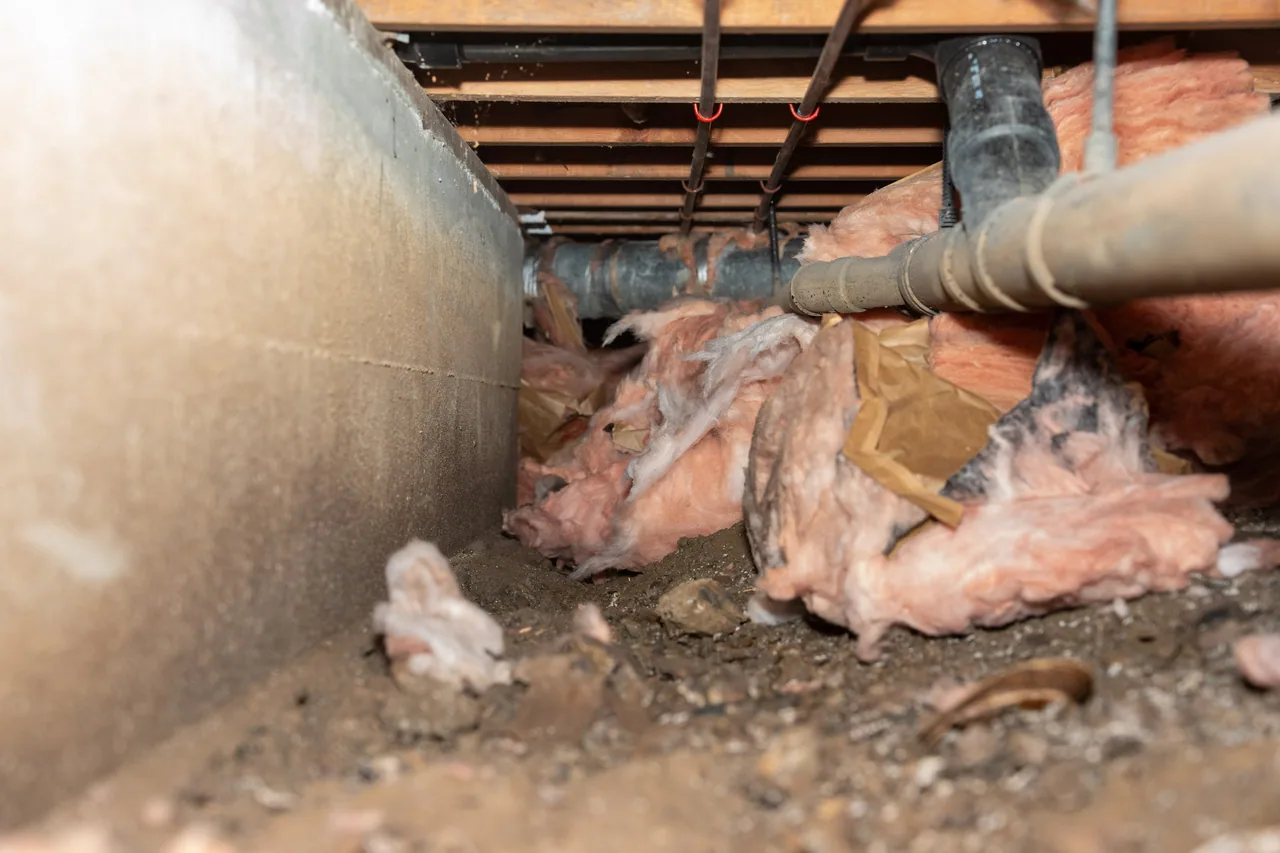
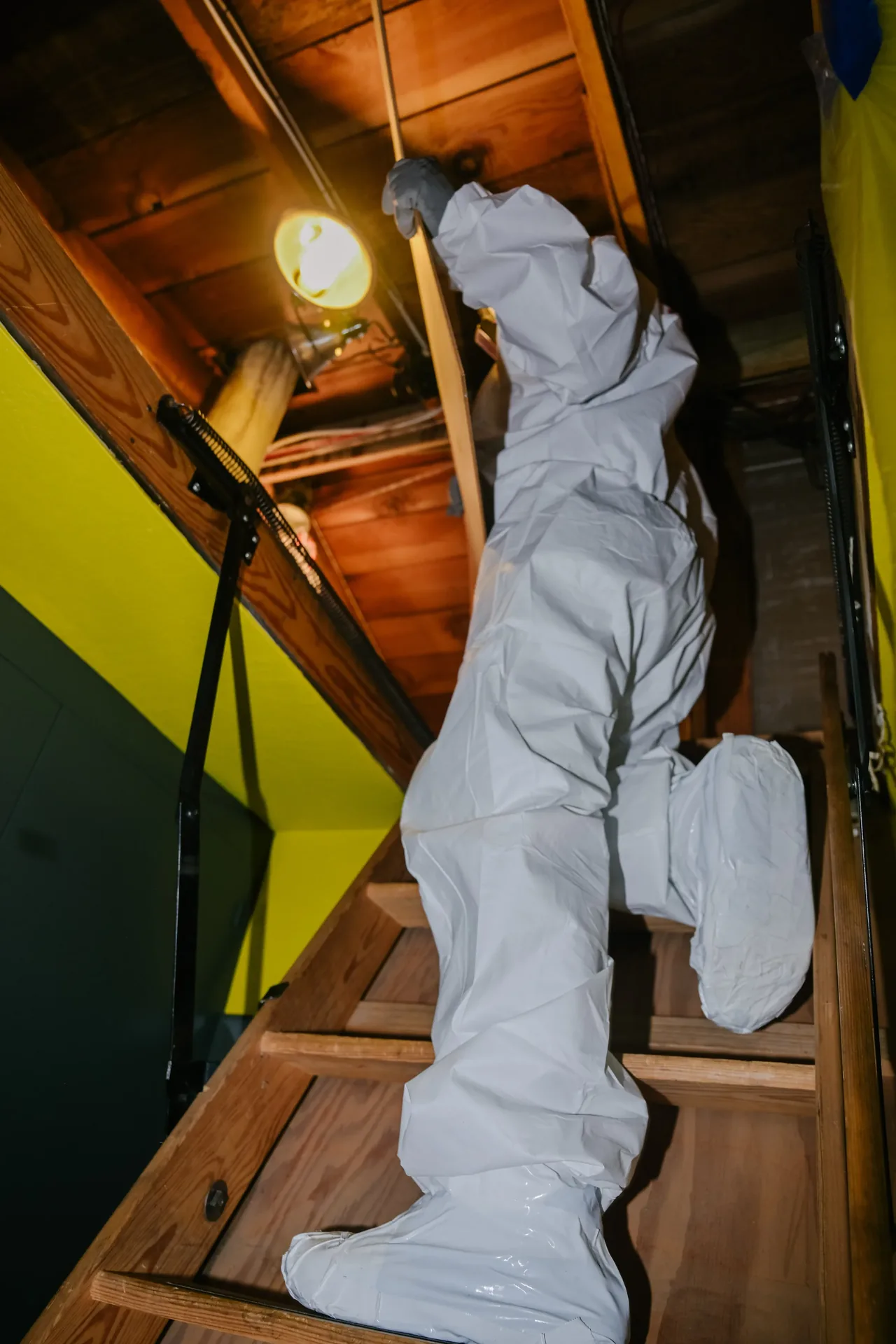
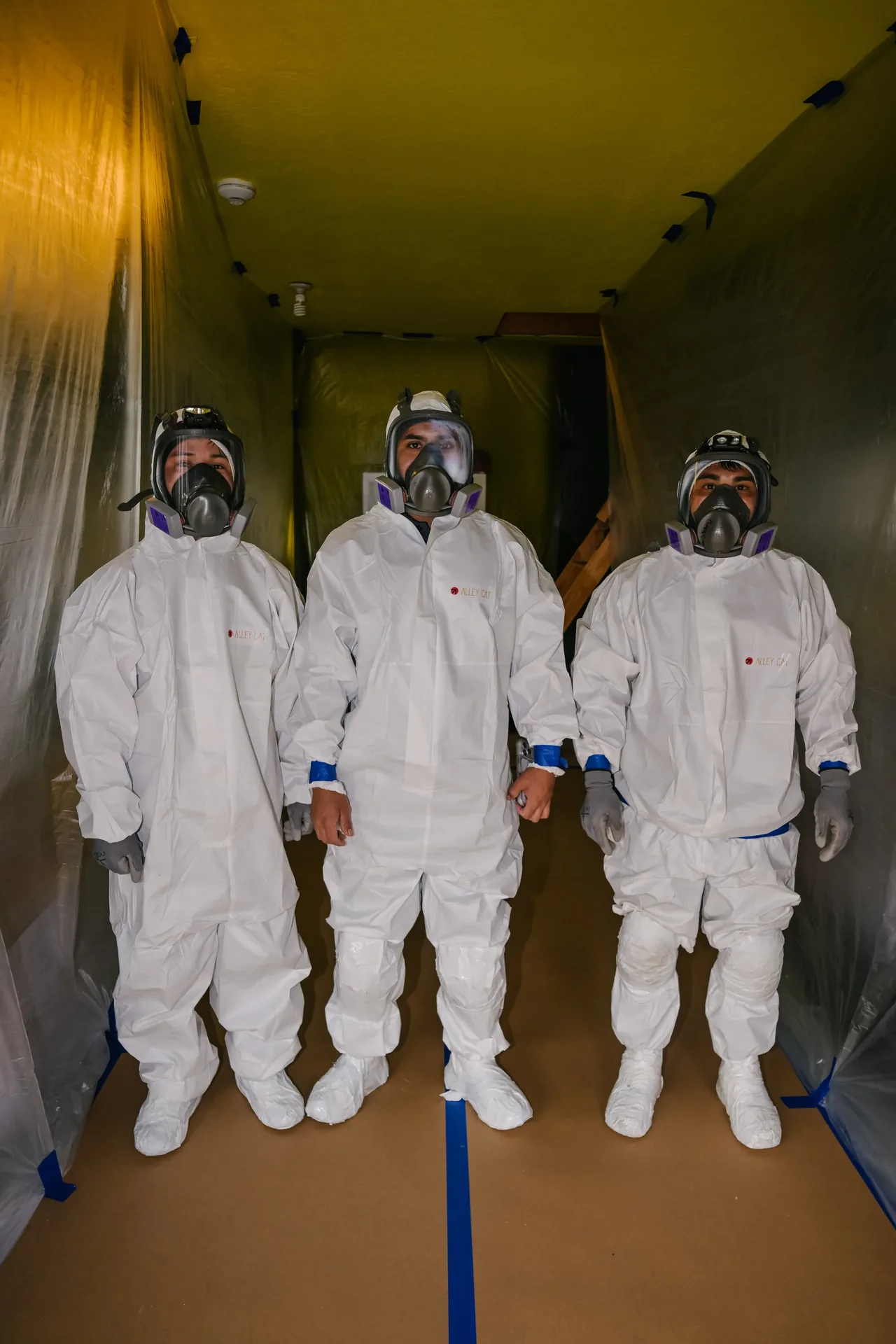
A rat exterminator removes active rats and helps stop them from returning by identifying openings, placing traps, cleaning affected areas, and sealing vulnerable parts of the building. At Alley Cat, the process starts with a pest inspection so we can determine where rats are entering, where they are nesting, and what areas have been affected.
A complete rat extermination service may include:
This approach is helpful when DIY tips, ultrasonic noise, scents, or basic bait stations have failed to get rid of rats or keep a rat infestation from returning.
The cost to treat a rat infestation depends on severity, property size, location, cleanup needs, and the repairs needed to eliminate entry points. General industry ranges often place rat extermination between $172 and $1,200, with an average cost around $342.
More involved work can cost more. Fumigation for rats is often quoted between $2,000 and $6,000 and is typically discussed only for severe infestations, not as the first step for most homes. Alley Cat provides an estimate after inspection so you can make an informed decision.
Getting rid of rats can become expensive when the infestation has spread into attics, basements, insulation, wall voids, or hard to reach places. One rat with one accessible hole is a different job than a long-running rodent infestation involving roof gaps, odor, wiring damage, and repeated activity.
The most expensive approach is often paying for short-term trapping again and again while entry points stay open. Alley Cat focuses on the full rodent control process so the money goes toward solving the route, not only catching the rodents visible today.
A professional exterminator can eliminate rats inside the home, but no responsible company should guarantee that rats will never approach the property again. The stronger long-term strategy is to remove active rodents, clean affected areas, close openings, and reduce the food and shelter that attract rodents.
Alley Cat focuses on that full sequence. We do not treat trapping, baiting, or poison as the entire solution because rats can return when holes, roof gaps, vents, or garage edges remain open. Exclusion and cleanup make the house harder for rats, mice, and other rodents to re-enter.
Professionals get rid of a rat infestation by inspecting the home, identifying the species, setting appropriate traps, removing active rats, cleaning affected areas, and closing the structural openings that allowed entry. A good plan may include bait stations, snap traps, exclusion repairs, sanitation, and follow-up visits.
The exact method depends on the severity, the access, and the location of the activity. For instance, roof rats in an attic may require roofline repairs and trap checks, while Norway rats in a basement or yard may require ground-level exclusion, food source reduction, and closer attention to foundations.
Roof rats often require different rat control because they climb, nest high, and commonly enter through roofline gaps rather than only ground-level holes. In Bay Area homes, roof rats may use trees, vines, fences, utility lines, or adjacent buildings to reach attics and upper vents.
Alley Cat’s roof rat work may include:
The goal is to get rid of rats already inside while reducing the routes that let roof rats come back.
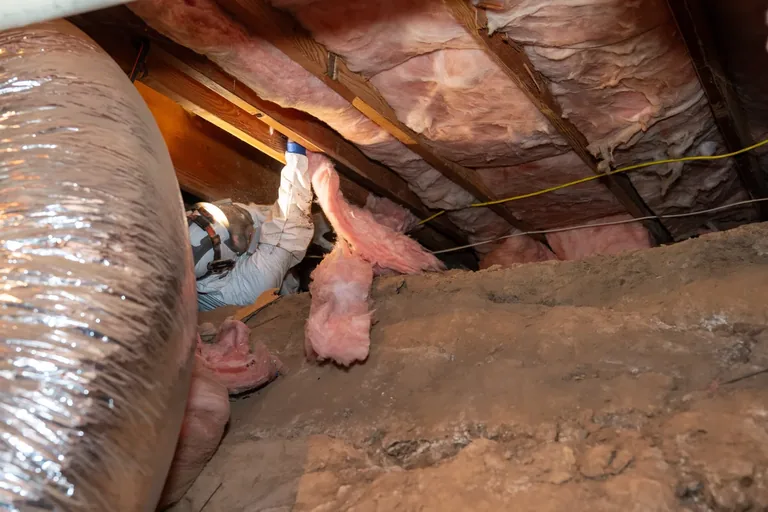
Need a rat exterminator who handles rat removal, cleanup, sealing, rat control, and rodent control? Contact Alley Cat to schedule your Bay Area inspection.
Professional Exterminators, Local Service
Alley Cat has helped homeowners throughout San Francisco, Sonoma County, Solano County, Novato, Mountain View, Oakland, Hayward, Fremont, San Mateo, and nearby communities solve rat problems with professional inspections, detailed reports, cleanup, exclusion, and pest control service.
★★★★★
ES Verified Trustpilot review
1,240 reviews
649 reviews
279 surveys
374 reviews