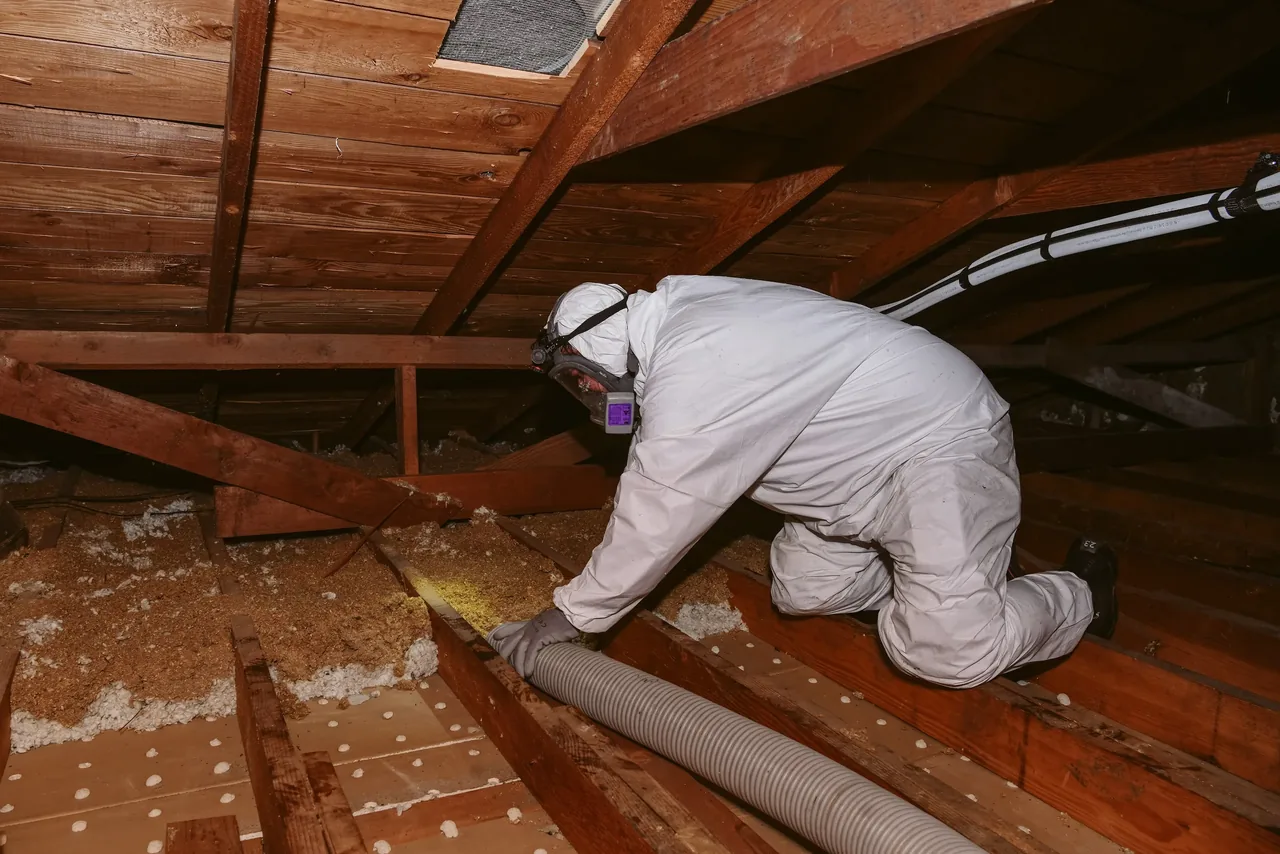
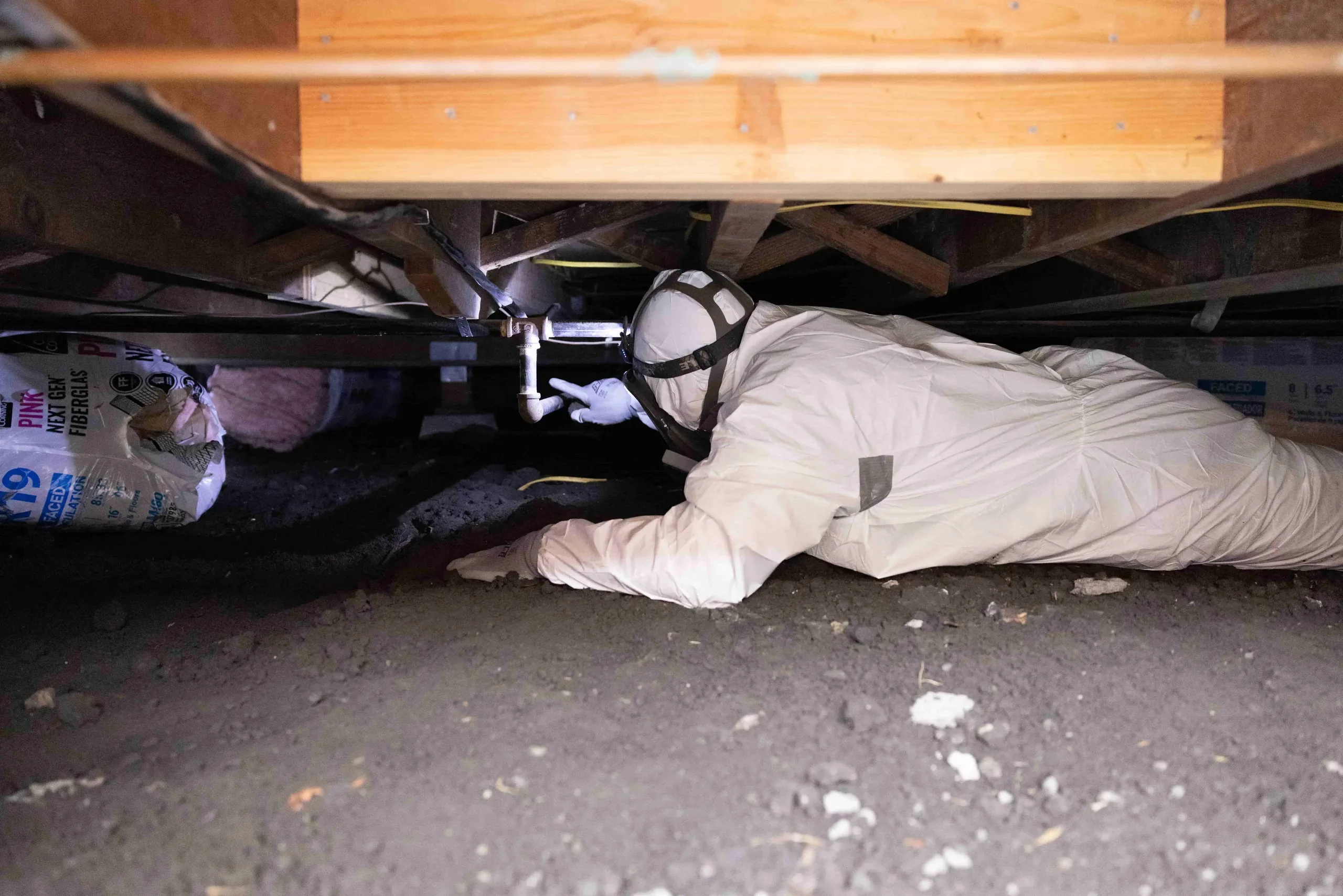
Alley Cat technician in a white protective suit and respirator inspecting a plumbing penetration in a Bay Area crawl space

Professional Rodent Specialists

Rodent Control & Exclusion,
Done Right.

We find how rats and mice get in, close the routes, and stand behind the work. Get a professional plan built around your home.

Book Free Inspection Call 510-277-3303
10+ years experienceProfessional rodent exclusion specialists
13,000+ homes serviced97% customer satisfaction
Bay Area localFamily-owned & operated
3-Year WarrantyCoverage per location and written terms
Google Reviews4.9 / 5
1,240 reviews
Yelp4.7 / 5
649 reviews
Trustpilot4.9 / 5
374 reviews
Diamond Certified4.7 / 5
279 surveys
BBB Accredited Business, A+ ratingAccredited
A+ BBB rating

Whole-Home Service

Yes. We do that.

Whether you know the rodent, the help you need, or just where the problem is showing up, start here.

By Service

Start with the rodent you are dealing with.

A small grey-brown house mouse looking out from a gap between old timber beams (an illustration, not a photograph of a customer's home)

Mouse Control & Exclusion

Locate small openings, nesting areas, food access, and hidden mouse control routes through attics, walls, garages, and kitchens.

By Need

Choose the kind of help you are looking for.

Three technicians in white coveralls and respirators vacuuming soiled insulation from a dark attic

Cleanup & Removal

Remove droppings, nests, carcasses, debris, odors, and affected materials as part of cleanup and removal when included in the approved scope.

By Problem Area

Go directly to the part of the property you are concerned about.

Two Alley Cat technicians in white coveralls and respirators working in an attic, one driving a fastener into the roof sheathing with a cordless driver while the other works a vacuum hose over the joists

Attics & Rooflines

Evaluate insulation pathways, vents, roof transitions, utilities, and hidden travel routes.

Explore service
Technician passing a tool bag out through a crawl space hatch in a stucco foundation wall to a colleague

Basements & Crawl Spaces

Inspect foundation transitions, vents, utilities, moisture conditions, storage areas, and contaminated materials.

Explore service
Technician driving a screw with a cordless drill to fix hardware cloth over a foundation vent

Exterior & Foundation

Address exterior routes, door gaps, siding transitions, damaged vents, utility openings, and underground access.

Explore service

Why homeowners
choose Alley Cat.

✓Bay Area local &
family operated

✓No poisons or
toxic chemicals

✓One-time
exclusion approach

✓Fast appointment
availability

Map of pinned Bay Area cities in Alley Cat's rodent control service area, from Santa Rosa south to Sunnyvale

Local People. Local Homes.

Bay Area homes.
A local team.

Explore service information for your area, then see the available free inspection times for your property.

13,000+Homes serviced
10+ yearsProfessional experience
97%Customer satisfaction
Book Free Inspection

Coverage and appointment eligibility are confirmed during booking.

The Alley Cat Method

A complete rodent
control process.

Five clear chapters summarize the full eight-step service process. Your inspection connects the relevant work to the conditions at your property.

  1. 01

    Inspect & Scope

    Assess relevant, safely accessible areas. Explain the findings and recommended scope.

  2. 02

    Remove & Cleanup

    Remove affected material and address the activity covered by the approved plan.

  3. 03

    Sanitize & Decontaminate

    Treat affected service areas where sanitation is included in the scope.

  4. 04

    Seal & Reinforce

    Close relevant access points with materials and repair details suited to the property.

  5. 05

    Wrap Up & Haul Away

    Remove job debris, review the completed work and explain the next steps.

Hand holding a yellow flashlight up to a dark gap where the concrete lip of a foundation wall has broken away, weeds growing beside the wall
01 Access detail / the route into the property
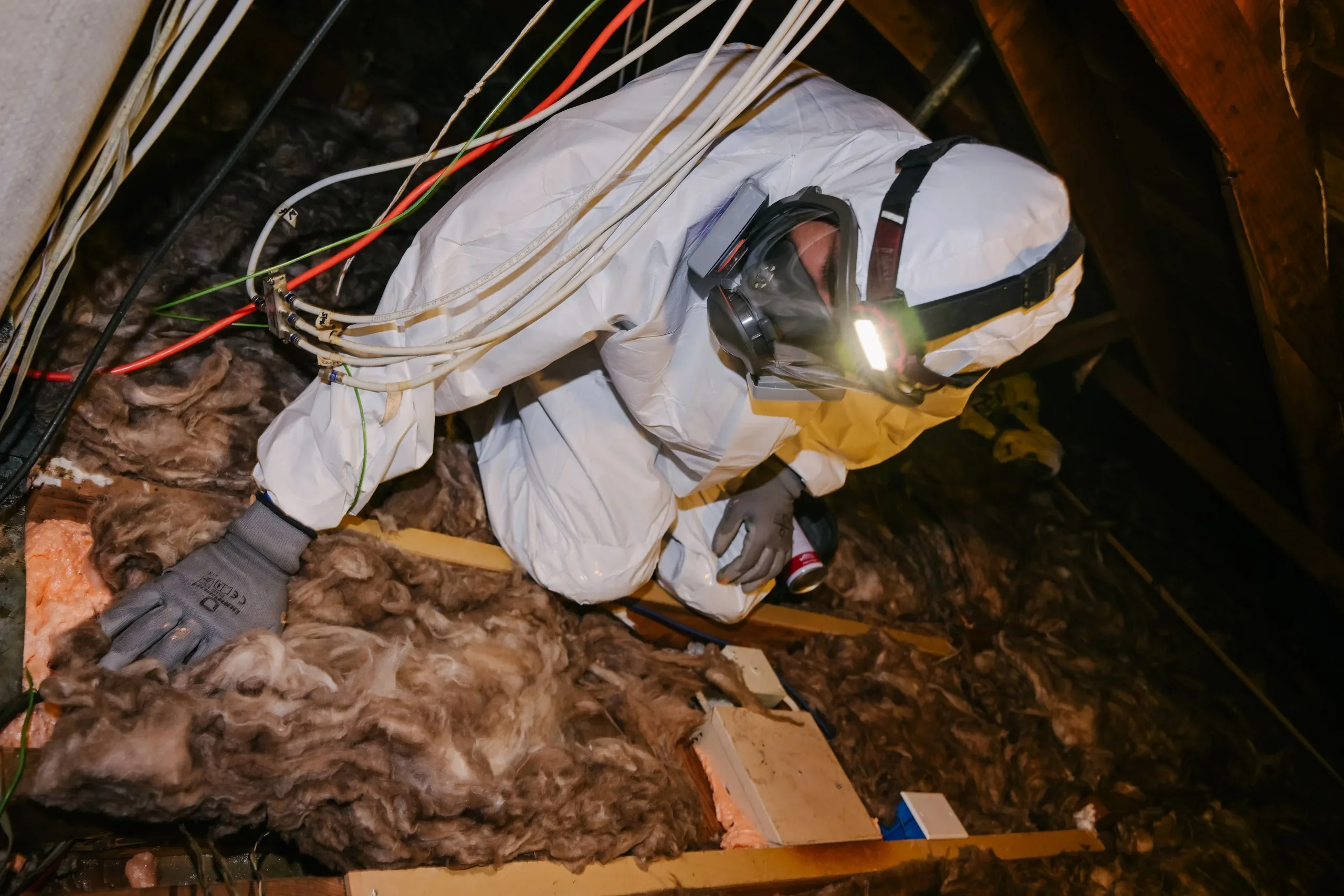
Technician in a white suit and half-mask respirator kneeling between attic joists, hauling a grey insulation vacuum hose across the framing
02 Removal & cleanup / affected material
Technician in a respirator gunning expanding foam into a gap where wiring runs through attic framing
04 Spotlight: Seal & Reinforce / exclusion work

A homepage overview. The full process includes inspection, follow-through and customer service.

Book Free Inspection See Our Process
Bay Area Victorian home with bay windows and a flowering front garden in warm evening light

Customer Proof

Social Proof

Customer feedback, current platform ratings, and independent certification give homeowners a clearer picture of the service experience. Final ratings and review totals remain managed fields and are verified before launch.

“They do a thorough job and keep coming back to make sure it is done right. Kept me informed.”

John W. Diamond Certified Verified Diamond Certified survey
Google Reviews 4.9 / 5
1,240 reviews
Yelp 4.7 / 5
649 reviews
Diamond Certified 4.7 / 5
279 surveys
Trustpilot 4.9 / 5
374 reviews

Find your next step

Find your next step

  1. ProblemCurrent step
  2. LocationNot started
  3. SignsNot started
  4. Next stepNot started

You do not need to locate the entry point before asking for help.

01 / 04

What are you dealing with?

Start with your best guess. You can always choose "Not sure" and keep going.

No pressure to be exact

The next questions are about location and signs. Those usually tell us more about the likely service path than species alone.

Need help instead?
510-277-3303

Find your next step

  1. ProblemCompletedSkipped — nothing chosen
  2. LocationCurrent step
  3. SignsNot started
  4. Next stepNot started

You do not need to locate the entry point before asking for help.

02 / 04

Where are you noticing the problem?

Choose the area that best matches where you are seeing, hearing, or finding signs.

Need help instead?
510-277-3303

Find your next step

  1. ProblemCompletedSkipped — nothing chosen
  2. LocationCompleted
  3. SignsCurrent step
  4. Next stepNot started

You do not need to locate the entry point before asking for help.

03 / 04

What have you seen, heard, or noticed?

Choose everything that applies. "I'm not sure" is always valid.

Need help instead?
510-277-3303

Find your next step

  1. ProblemCompletedSkipped — nothing chosen
  2. LocationCompletedSkipped — no area chosen
  3. SignsCompletedSkipped — nothing chosen
  4. Next stepCurrent step

You do not need to locate the entry point before asking for help.

04 / 04

Your result

Your browser does not support the selector this module uses to filter results, so every area is shown below. Find the one that matches your home — the next steps and the booking link are the same either way.

General path — choose an area for a tailored answer

Tell us where you are noticing it and we can get more specific.

You have not chosen an area yet, so this is the general path rather than a tailored one — go back a step and pick the area that best matches, and this panel gets specific about what the inspection covers. Whichever area it turns out to be — attic, crawl space, basement, garage, inside the home, the roofline, or a space that does not have a tidy name — the work follows the same shape: find the route in, document what is driving the recommendation, and explain the scope before you decide. Rats travel higher and chew larger openings than mice, so the inspection weights the roofline, vents and upper transitions accordingly. Mice need a far smaller gap than most homeowners expect, so the inspection includes the small penetrations that usually get overlooked. We do not need you to identify the species — the evidence and the entry routes tell us that during the inspection. Damaged insulation is both a contamination question and a materials question, so we document affected material, what cleanup or replacement would involve, and what you would need to prepare beforehand. If you can already see an opening, that gives us a confirmed entry route to start from — we still check for the others, because sealing one visible gap rarely closes the whole path. A strong musty or dead-animal odor points at nesting material, urine saturation, or a carcass in a void or duct, so the inspection includes locating and scoping that as well as closing the route. Nesting material means shelter, not just traffic, so we look for what is supplying it and what is being nested in — insulation, stored paper, or soft goods. Droppings tell us where activity is concentrated and roughly how recent it is, which is often what separates a current route from an old one. Disturbed food or stored goods tells us what is drawing activity in, so the recommendation covers the attractant and the access route together rather than one of the two. Seeing a rodent in the open usually means the population is established rather than passing through, which raises how thoroughly we check connected spaces. Sounds give us a place and a schedule, so it helps to note the room, the time of night, and the direction the noise travels. Not being sure what you are looking at is normal and it does not slow the inspection down; identifying the evidence is our job, not yours.

  1. 01Tell us what you have noticed.You do not need to know the entry point or species with certainty.
  2. 02Choose a free inspection time online.See the next available appointments and put yourself directly on the schedule.
  3. 03We inspect the relevant structure.A specialist reviews the areas that may be involved and documents what is driving the recommendation.
  4. 04Review a clear scope before deciding.We explain what we found, what we can address, and anything that falls outside the service.

In scope

Yes — this is work Alley Cat handles.

For attic activity, we inspect the attic itself along with the roofline, eave and soffit transitions, gable and dormer vents, roof-to-wall junctions, the chimney chase, insulation, ductwork, and the attic hatch or access route that connects it to the living space. Attic activity is usually reached from outside, so the exterior conditions feeding it are inspected with it rather than after it. Rats travel higher and chew larger openings than mice, so the inspection weights the roofline, vents and upper transitions accordingly. Mice need a far smaller gap than most homeowners expect, so the inspection includes the small penetrations that usually get overlooked. We do not need you to identify the species — the evidence and the entry routes tell us that during the inspection. Damaged insulation is both a contamination question and a materials question, so we document affected material, what cleanup or replacement would involve, and what you would need to prepare beforehand. If you can already see an opening, that gives us a confirmed entry route to start from — we still check for the others, because sealing one visible gap rarely closes the whole path. A strong musty or dead-animal odor points at nesting material, urine saturation, or a carcass in a void or duct, so the inspection includes locating and scoping that as well as closing the route. Nesting material means shelter, not just traffic, so we look for what is supplying it and what is being nested in — insulation, stored paper, or soft goods. Droppings tell us where activity is concentrated and roughly how recent it is, which is often what separates a current route from an old one. Disturbed food or stored goods tells us what is drawing activity in, so the recommendation covers the attractant and the access route together rather than one of the two. Seeing a rodent in the open usually means the population is established rather than passing through, which raises how thoroughly we check connected spaces. Sounds give us a place and a schedule, so it helps to note the room, the time of night, and the direction the noise travels. Not being sure what you are looking at is normal and it does not slow the inspection down; identifying the evidence is our job, not yours.

  1. 01Tell us what you have noticed in the attic.You do not need to know the entry point or species with certainty.
  2. 02Choose a free inspection time online.See the next available appointments and put yourself directly on the schedule.
  3. 03We inspect the attic and the roofline that feeds it.A specialist reviews the attic, its vents and transitions, and the exterior access routes above, documenting what is driving the recommendation.
  4. 04Review a clear scope before deciding.We explain what we found, what we can address, and anything that falls outside the service.

In scope

Yes — this is work Alley Cat handles.

For crawl-space activity, we inspect the crawl space itself along with the sub-floor framing and insulation, the foundation vents and their screens, the crawl-space access door, the vapor barrier, plumbing and utility penetrations through the sub-floor, pier and post bases, and the perimeter grade where the structure meets the ground. A crawl space is usually entered at its edges, so the foundation line is inspected with the space. Rats travel higher and chew larger openings than mice, so the inspection weights the roofline, vents and upper transitions accordingly. Mice need a far smaller gap than most homeowners expect, so the inspection includes the small penetrations that usually get overlooked. We do not need you to identify the species — the evidence and the entry routes tell us that during the inspection. Damaged insulation is both a contamination question and a materials question, so we document affected material, what cleanup or replacement would involve, and what you would need to prepare beforehand. If you can already see an opening, that gives us a confirmed entry route to start from — we still check for the others, because sealing one visible gap rarely closes the whole path. A strong musty or dead-animal odor points at nesting material, urine saturation, or a carcass in a void or duct, so the inspection includes locating and scoping that as well as closing the route. Nesting material means shelter, not just traffic, so we look for what is supplying it and what is being nested in — insulation, stored paper, or soft goods. Droppings tell us where activity is concentrated and roughly how recent it is, which is often what separates a current route from an old one. Disturbed food or stored goods tells us what is drawing activity in, so the recommendation covers the attractant and the access route together rather than one of the two. Seeing a rodent in the open usually means the population is established rather than passing through, which raises how thoroughly we check connected spaces. Sounds give us a place and a schedule, so it helps to note the room, the time of night, and the direction the noise travels. Not being sure what you are looking at is normal and it does not slow the inspection down; identifying the evidence is our job, not yours.

  1. 01Tell us what you have noticed in the crawl space.You do not need to know the entry point or species with certainty.
  2. 02Choose a free inspection time online.See the next available appointments and put yourself directly on the schedule.
  3. 03We inspect the crawl space and the foundation line around it.A specialist reviews the sub-floor, vents, barrier and penetrations, and documents what is driving the recommendation.
  4. 04Review a clear scope before deciding.We explain what we found, what we can address, and anything that falls outside the service.

In scope

Yes — this is work Alley Cat handles.

For basement activity, we can inspect the space itself along with relevant foundation, utility, wall, crawl-space, garage, and exterior conditions that may be feeding activity into it. That includes the foundation wall and its cracks or cold joints, the sill plate, utility and conduit penetrations, floor drains and sump openings, stairwells and exterior basement doors, and any unfinished storage that is acting as cover. Rats travel higher and chew larger openings than mice, so the inspection weights the roofline, vents and upper transitions accordingly. Mice need a far smaller gap than most homeowners expect, so the inspection includes the small penetrations that usually get overlooked. We do not need you to identify the species — the evidence and the entry routes tell us that during the inspection. Damaged insulation is both a contamination question and a materials question, so we document affected material, what cleanup or replacement would involve, and what you would need to prepare beforehand. If you can already see an opening, that gives us a confirmed entry route to start from — we still check for the others, because sealing one visible gap rarely closes the whole path. A strong musty or dead-animal odor points at nesting material, urine saturation, or a carcass in a void or duct, so the inspection includes locating and scoping that as well as closing the route. Nesting material means shelter, not just traffic, so we look for what is supplying it and what is being nested in — insulation, stored paper, or soft goods. Droppings tell us where activity is concentrated and roughly how recent it is, which is often what separates a current route from an old one. Disturbed food or stored goods tells us what is drawing activity in, so the recommendation covers the attractant and the access route together rather than one of the two. Seeing a rodent in the open usually means the population is established rather than passing through, which raises how thoroughly we check connected spaces. Sounds give us a place and a schedule, so it helps to note the room, the time of night, and the direction the noise travels. Not being sure what you are looking at is normal and it does not slow the inspection down; identifying the evidence is our job, not yours.

  1. 01Tell us what you have noticed in the basement.You do not need to know the entry point or species with certainty.
  2. 02Choose a free inspection time online.See the next available appointments and put yourself directly on the schedule.
  3. 03We inspect the relevant structure.A specialist reviews the areas that may be involved and documents what is driving the recommendation.
  4. 04Review a clear scope before deciding.We explain what we found, what we can address, and anything that falls outside the service.

In scope

Yes — this is work Alley Cat handles.

For garage activity, we inspect the garage door seal, side jambs and threshold, the wall the garage shares with the house, the ceiling or attic above it, utility and conduit penetrations, the slab-to-frame transition, exterior service doors, and the stored material that may be giving rodents cover or nesting supply. A garage often sits between the outside and the living space, so we trace the route in both directions. Rats travel higher and chew larger openings than mice, so the inspection weights the roofline, vents and upper transitions accordingly. Mice need a far smaller gap than most homeowners expect, so the inspection includes the small penetrations that usually get overlooked. We do not need you to identify the species — the evidence and the entry routes tell us that during the inspection. Damaged insulation is both a contamination question and a materials question, so we document affected material, what cleanup or replacement would involve, and what you would need to prepare beforehand. If you can already see an opening, that gives us a confirmed entry route to start from — we still check for the others, because sealing one visible gap rarely closes the whole path. A strong musty or dead-animal odor points at nesting material, urine saturation, or a carcass in a void or duct, so the inspection includes locating and scoping that as well as closing the route. Nesting material means shelter, not just traffic, so we look for what is supplying it and what is being nested in — insulation, stored paper, or soft goods. Droppings tell us where activity is concentrated and roughly how recent it is, which is often what separates a current route from an old one. Disturbed food or stored goods tells us what is drawing activity in, so the recommendation covers the attractant and the access route together rather than one of the two. Seeing a rodent in the open usually means the population is established rather than passing through, which raises how thoroughly we check connected spaces. Sounds give us a place and a schedule, so it helps to note the room, the time of night, and the direction the noise travels. Not being sure what you are looking at is normal and it does not slow the inspection down; identifying the evidence is our job, not yours.

  1. 01Tell us what you have noticed in the garage.You do not need to know the entry point or species with certainty.
  2. 02Choose a free inspection time online.See the next available appointments and put yourself directly on the schedule.
  3. 03We inspect the garage and its transitions to the house and the outside.A specialist reviews the door seals, shared wall, ceiling and penetrations, and documents what is driving the recommendation.
  4. 04Review a clear scope before deciding.We explain what we found, what we can address, and anything that falls outside the service.

In scope

Yes — this is work Alley Cat handles.

For activity inside the living space, we inspect the kitchen and pantry first — cabinet and appliance voids, under-sink and dishwasher plumbing penetrations, the cabinet kick space, and food storage — then the wall, ceiling and floor voids those rooms share with the attic, crawl space or garage. Interior sightings are almost always the visible end of a route that starts somewhere structural, so the connected spaces are inspected with the room. Rats travel higher and chew larger openings than mice, so the inspection weights the roofline, vents and upper transitions accordingly. Mice need a far smaller gap than most homeowners expect, so the inspection includes the small penetrations that usually get overlooked. We do not need you to identify the species — the evidence and the entry routes tell us that during the inspection. Damaged insulation is both a contamination question and a materials question, so we document affected material, what cleanup or replacement would involve, and what you would need to prepare beforehand. If you can already see an opening, that gives us a confirmed entry route to start from — we still check for the others, because sealing one visible gap rarely closes the whole path. A strong musty or dead-animal odor points at nesting material, urine saturation, or a carcass in a void or duct, so the inspection includes locating and scoping that as well as closing the route. Nesting material means shelter, not just traffic, so we look for what is supplying it and what is being nested in — insulation, stored paper, or soft goods. Droppings tell us where activity is concentrated and roughly how recent it is, which is often what separates a current route from an old one. Disturbed food or stored goods tells us what is drawing activity in, so the recommendation covers the attractant and the access route together rather than one of the two. Seeing a rodent in the open usually means the population is established rather than passing through, which raises how thoroughly we check connected spaces. Sounds give us a place and a schedule, so it helps to note the room, the time of night, and the direction the noise travels. Not being sure what you are looking at is normal and it does not slow the inspection down; identifying the evidence is our job, not yours.

  1. 01Tell us which rooms and what you have noticed.You do not need to know the entry point or species with certainty.
  2. 02Choose a free inspection time online.See the next available appointments and put yourself directly on the schedule.
  3. 03We inspect the rooms and the spaces they connect to.A specialist reviews the cabinet and wall voids, penetrations, and the attic, crawl space or garage beyond them, and documents what is driving the recommendation.
  4. 04Review a clear scope before deciding.We explain what we found, what we can address, and anything that falls outside the service.

In scope

Yes — this is work Alley Cat handles.

For exterior and roofline activity, we inspect the eaves, fascia and rake boards, soffit and gable vents, roof-to-wall junctions and valleys, the chimney chase, plumbing vents and dryer and utility penetrations, foundation vents and grade-level gaps, plus the landscaping, overhanging limbs, outbuildings and ground burrows that put pressure on the structure. This is where most routes begin, so the findings usually explain what is happening inside. Rats travel higher and chew larger openings than mice, so the inspection weights the roofline, vents and upper transitions accordingly. Mice need a far smaller gap than most homeowners expect, so the inspection includes the small penetrations that usually get overlooked. We do not need you to identify the species — the evidence and the entry routes tell us that during the inspection. Damaged insulation is both a contamination question and a materials question, so we document affected material, what cleanup or replacement would involve, and what you would need to prepare beforehand. If you can already see an opening, that gives us a confirmed entry route to start from — we still check for the others, because sealing one visible gap rarely closes the whole path. A strong musty or dead-animal odor points at nesting material, urine saturation, or a carcass in a void or duct, so the inspection includes locating and scoping that as well as closing the route. Nesting material means shelter, not just traffic, so we look for what is supplying it and what is being nested in — insulation, stored paper, or soft goods. Droppings tell us where activity is concentrated and roughly how recent it is, which is often what separates a current route from an old one. Disturbed food or stored goods tells us what is drawing activity in, so the recommendation covers the attractant and the access route together rather than one of the two. Seeing a rodent in the open usually means the population is established rather than passing through, which raises how thoroughly we check connected spaces. Sounds give us a place and a schedule, so it helps to note the room, the time of night, and the direction the noise travels. Not being sure what you are looking at is normal and it does not slow the inspection down; identifying the evidence is our job, not yours.

  1. 01Tell us where on the outside and what you have noticed.You do not need to know the entry point or species with certainty.
  2. 02Choose a free inspection time online.See the next available appointments and put yourself directly on the schedule.
  3. 03We inspect the exterior envelope and the roofline.A specialist reviews the vents, junctions, penetrations and grade-level conditions, and documents what is driving the recommendation.
  4. 04Review a clear scope before deciding.We explain what we found, what we can address, and anything that falls outside the service.

Likely in scope — let's confirm the space

Probably — tell us the space and we will confirm before you book.

Rodent activity does not always start in a named room. We regularly inspect sheds, outbuildings, additions, decks and porch voids, utility closets, ducts, and the spaces between floors — and we inspect the structural route into them rather than treating the space in isolation. Because we cannot see your property from here, the honest next step is a short conversation so we can tell you whether Alley Cat is the right call before you take an appointment. Rats travel higher and chew larger openings than mice, so the inspection weights the roofline, vents and upper transitions accordingly. Mice need a far smaller gap than most homeowners expect, so the inspection includes the small penetrations that usually get overlooked. We do not need you to identify the species — the evidence and the entry routes tell us that during the inspection. Damaged insulation is both a contamination question and a materials question, so we document affected material, what cleanup or replacement would involve, and what you would need to prepare beforehand. If you can already see an opening, that gives us a confirmed entry route to start from — we still check for the others, because sealing one visible gap rarely closes the whole path. A strong musty or dead-animal odor points at nesting material, urine saturation, or a carcass in a void or duct, so the inspection includes locating and scoping that as well as closing the route. Nesting material means shelter, not just traffic, so we look for what is supplying it and what is being nested in — insulation, stored paper, or soft goods. Droppings tell us where activity is concentrated and roughly how recent it is, which is often what separates a current route from an old one. Disturbed food or stored goods tells us what is drawing activity in, so the recommendation covers the attractant and the access route together rather than one of the two. Seeing a rodent in the open usually means the population is established rather than passing through, which raises how thoroughly we check connected spaces. Sounds give us a place and a schedule, so it helps to note the room, the time of night, and the direction the noise travels. Not being sure what you are looking at is normal and it does not slow the inspection down; identifying the evidence is our job, not yours.

  1. 01Tell us about the space and what you have noticed.A short description is enough. You do not need to know the entry point or species with certainty.
  2. 02Call us, or choose a free inspection time online.Either works. A call is faster if you are not sure the space is something we cover.
  3. 03We confirm scope, then inspect the relevant structure.If it is work we do, a specialist reviews the areas that may be involved and documents what is driving the recommendation. If it is not, we say so and point you somewhere useful.
  4. 04Review a clear scope before deciding.We explain what we found, what we can address, and anything that falls outside the service.

Vehicles: out of scope. Structure: in scope.

We do not service vehicles — but we may be able to address the source.

Alley Cat does not provide automotive rodent control or vehicle repair. If rodents are reaching a vehicle parked in your garage, we can inspect the garage and surrounding structure for openings, access routes, and conditions that may be allowing rodents into that space — the garage door seal and jambs, the shared wall with the house, the ceiling above, and the utility penetrations and exterior doors around it.

Inspect the structure, not the car

Any repair to the vehicle is work for an automotive shop. What we can change is whether rodents keep getting into the space it is parked in.

  1. 01Tell us where the vehicle is parked and what you have noticed.Wiring damage, nesting material under the hood, droppings on the seats or floor — all of it helps.
  2. 02Book a free inspection of the garage and property.See the next available appointments and put yourself directly on the schedule.
  3. 03We inspect relevant structural access routes and explain the findings.The inspection covers the garage and the structure around it, not the vehicle.
  4. 04If exclusion makes sense, you receive a clear property-level scope.We explain what we found, what we can address, and what stays outside the service — including the vehicle itself.

Vehicles: out of scope. Structure: in scope.

We do not service vehicles — but the structure nearby is usually the reason.

Alley Cat does not provide automotive rodent control or vehicle repair. A vehicle parked in a driveway, carport or on the street is usually being reached from something structural close by — a crawl-space or foundation vent, a shed or outbuilding, dense landscaping, a woodpile, or an open garage. We can inspect the property for those routes and conditions, and tell you plainly what changing them would and would not do for the vehicle.

Inspect the structure, not the car

A vehicle away from the building is harder to influence structurally than one in a garage. We would rather tell you that up front than after.

  1. 01Tell us where the vehicle is parked and what you have noticed.Distance from the house, what is stored nearby, and where else you have seen signs all matter.
  2. 02Book a free inspection of the property.See the next available appointments and put yourself directly on the schedule.
  3. 03We inspect the structure and the conditions around the parking area.A specialist documents the access routes and harborage near where the vehicle sits.
  4. 04You receive a clear property-level scope — and an honest limit.We will say directly if the source is outside anything we can close, rather than selling a scope that will not change the outcome.
Not seeing your exact situation?

Homes — and rodent problems — do not always fit neatly into a category.

Give our team a call, explain what you have been seeing or hearing, and we will help you determine whether Alley Cat is the right next step.

Take the 2-Minute Inspection Test.

Learn what a thorough rodent inspection should include.

Answer 8 quick questions to see what your inspection covered — and what may have been missed.

8 questions · Under 2 minutes · Free to use

Take the Test

Cover page of the Alley Cat guide How to Evaluate a Rodent Inspection the Right Way, with its 8-question table

Prefer the complete guide?

Get the Checklist

The 8-point check

  1. Current step. Question 1 of 8: Entry points
  2. Question 2 of 8: Your situation
  3. Question 3 of 8: Areas inspected
  4. Question 4 of 8: Documentation
  5. Question 5 of 8: Service day and warranty
  6. Question 6 of 8: Safety gear
  7. Question 7 of 8: Informed and confident
  8. Question 8 of 8: Full scope

Answers stay in this browser. Nothing is submitted and nothing is stored.

01 / 08 · Entry points

Did the inspector find the real entry points, or only the obvious ones?

Rodents rarely use the opening you noticed. They travel in along roofline junctions, vents, utility penetrations, garage door seals and crawl space screens. Finding the openings is only half of it — you should have been shown where they are and told what keeps re-opening them.

What a strong “yes” looks like

The inspector worked methodically around the whole property — inside and out, high and low — to find every current and potential entry point, then showed you what was found and explained the conditions behind it.

What “partly” usually looks like

You were shown one or two openings, usually near where you heard the noise, but nobody walked the full exterior with you and the roofline, vents and utility lines never came up.

The 8-point check

  1. Completed. Question 1 of 8: Entry points
  2. Current step. Question 2 of 8: Your situation
  3. Question 3 of 8: Areas inspected
  4. Question 4 of 8: Documentation
  5. Question 5 of 8: Service day and warranty
  6. Question 6 of 8: Safety gear
  7. Question 7 of 8: Informed and confident
  8. Question 8 of 8: Full scope

Answers stay in this browser. Nothing is submitted and nothing is stored.

02 / 08 · Your situation

Did the technician take time to understand your situation and concerns?

The right scope depends on details only you can supply: where you hear activity and when, pets and children in the house, a crawl space nobody has opened in years, what is stored in the attic. A technician who asks builds the plan around your home.

What a strong “yes” looks like

The technician asked about your situation, where activity is happening and what matters most to you — and what you said showed up in what was recommended.

What “partly” usually looks like

A couple of questions at the door, then straight to the quote. What you told them about your home never came back in the recommendation.

The 8-point check

  1. Completed. Question 1 of 8: Entry points
  2. Completed. Question 2 of 8: Your situation
  3. Current step. Question 3 of 8: Areas inspected
  4. Question 4 of 8: Documentation
  5. Question 5 of 8: Service day and warranty
  6. Question 6 of 8: Safety gear
  7. Question 7 of 8: Informed and confident
  8. Question 8 of 8: Full scope

Answers stay in this browser. Nothing is submitted and nothing is stored.

03 / 08 · Areas inspected

Did the technician get into the attic, crawl space, garage and other relevant areas — or look in from the opening?

Rodent routes are inside the spaces, not at their entrances. Getting into the attic and the subarea is how a technician sees the runways, the damaged insulation, the chewed ducting and the gaps that are still open. Some spaces genuinely are unsafe to enter, and a good technician will say so and tell you what that leaves unverified.

What a strong “yes” looks like

The technician carefully inspected all relevant areas of the home, including hard-to-reach spaces, rather than only checking where you had already noticed activity.

What “partly” usually looks like

They entered one space and checked the rest from the opening, or they inspected the room you pointed at and the nearest hatch and stopped there.

The 8-point check

  1. Completed. Question 1 of 8: Entry points
  2. Completed. Question 2 of 8: Your situation
  3. Completed. Question 3 of 8: Areas inspected
  4. Current step. Question 4 of 8: Documentation
  5. Question 5 of 8: Service day and warranty
  6. Question 6 of 8: Safety gear
  7. Question 7 of 8: Informed and confident
  8. Question 8 of 8: Full scope

Answers stay in this browser. Nothing is submitted and nothing is stored.

04 / 08 · Documentation

Did you receive clear documentation of the findings — photos, video or written notes?

Almost everything a technician finds sits where you cannot easily see it, and it disappears from view the moment the work is done. Photos and notes are how you check the recommendation against the evidence, compare two proposals fairly, and show later what the house looked like before anyone touched it.

What a strong “yes” looks like

Photos, videos, notes and the proposal clearly showed what was found, why it matters, and how the recommended work fits together into a complete solution.

What “partly” usually looks like

You got a few photos or a verbal rundown, but nothing that connects a specific finding to a specific line on the proposal.

The 8-point check

  1. Completed. Question 1 of 8: Entry points
  2. Completed. Question 2 of 8: Your situation
  3. Completed. Question 3 of 8: Areas inspected
  4. Completed. Question 4 of 8: Documentation
  5. Current step. Question 5 of 8: Service day and warranty
  6. Question 6 of 8: Safety gear
  7. Question 7 of 8: Informed and confident
  8. Question 8 of 8: Full scope

Answers stay in this browser. Nothing is submitted and nothing is stored.

05 / 08 · Service day and warranty

Did the technician clearly explain what to expect from the job and from the warranty?

Two things tend to stay vague until it is too late: what the crew will actually do in your home, and what the warranty does if rodents come back. Length on its own is not coverage. What matters is what it covers, what voids it, what you have to maintain, and how you request a return visit.

What a strong “yes” looks like

The technician explained the service process in specific, practical terms — what happens on service day, what commonly comes up, how the warranty works, what it covers, what it does not cover, and what you need to maintain for coverage to stay valid.

What “partly” usually looks like

One half was clear and the other was not: a good walk-through of service day but “we guarantee our work” in place of written warranty terms, or full warranty paperwork with no idea what the day itself involves.

The 8-point check

  1. Completed. Question 1 of 8: Entry points
  2. Completed. Question 2 of 8: Your situation
  3. Completed. Question 3 of 8: Areas inspected
  4. Completed. Question 4 of 8: Documentation
  5. Completed. Question 5 of 8: Service day and warranty
  6. Current step. Question 6 of 8: Safety gear
  7. Question 7 of 8: Informed and confident
  8. Question 8 of 8: Full scope

Answers stay in this browser. Nothing is submitted and nothing is stored.

06 / 08 · Safety gear

Was the technician properly equipped — mask or respirator, gloves, coveralls and proper lighting?

Rodent droppings, urine, nesting material and debris can carry hantavirus, salmonella and other health risks when they are disturbed. Protective gear keeps the technician safe and keeps contamination from being tracked through the rest of your home. It is also the easiest standard on this list to judge — you either watched the gear go on or you did not. If no contaminated space was opened during the visit, there was nothing to gear up for; count that as a yes.

What a strong “yes” looks like

The technician put on proper protective gear — mask or respirator, gloves and coveralls — and used proper lighting and tools before going into contaminated areas.

What “partly” usually looks like

Gloves and a flashlight but no respirator or coveralls, or gear worn for one space and not for the next.

The 8-point check

  1. Completed. Question 1 of 8: Entry points
  2. Completed. Question 2 of 8: Your situation
  3. Completed. Question 3 of 8: Areas inspected
  4. Completed. Question 4 of 8: Documentation
  5. Completed. Question 5 of 8: Service day and warranty
  6. Completed. Question 6 of 8: Safety gear
  7. Current step. Question 7 of 8: Informed and confident
  8. Question 8 of 8: Full scope

Answers stay in this browser. Nothing is submitted and nothing is stored.

07 / 08 · Informed and confident

Could you explain the plan, and why it is needed, to someone else in your household?

Feeling confident is not a soft measure — it is a test of whether the explanation landed. If you can say what is wrong, why it is happening and what the work will do about it, you were taught something. If you can only repeat the price, the explanation did not land.

What a strong “yes” looks like

The technician explained what is happening, why it matters and what to expect in language you could follow, and you finished the visit feeling informed and reassured.

What “partly” usually looks like

You understand what they want to do, but not why it costs what it costs, or what happens if the rodents come back. You could repeat the quote but not the reasoning behind it.

The 8-point check

  1. Completed. Question 1 of 8: Entry points
  2. Completed. Question 2 of 8: Your situation
  3. Completed. Question 3 of 8: Areas inspected
  4. Completed. Question 4 of 8: Documentation
  5. Completed. Question 5 of 8: Service day and warranty
  6. Completed. Question 6 of 8: Safety gear
  7. Completed. Question 7 of 8: Informed and confident
  8. Current step. Question 8 of 8: Full scope

Answers stay in this browser. Nothing is submitted and nothing is stored.

08 / 08 · Full scope

Did the inspection leave you understanding the full scope of the problem, not only the part being quoted?

The most expensive outcome in rodent work is a partial solution: the easy part gets done, the route stays open, and the rodents come back after the money is spent. Understanding the whole problem is what lets you tell whether a lower price is a better deal or a smaller scope.

What a strong “yes” looks like

You left with a clear understanding of the full scope of the issue, how each problem area connects, why the recommended work is needed, and how the solution supports long-term protection and warranty coverage.

What “partly” usually looks like

You understand the work being quoted, but not whether it covers the whole problem — or you were told there is more to do and never told what it would take.

The 8-point checkYour answers

  1. Question 1 of 8: Entry points
  2. Question 2 of 8: Your situation
  3. Question 3 of 8: Areas inspected
  4. Question 4 of 8: Documentation
  5. Question 5 of 8: Service day and warranty
  6. Question 6 of 8: Safety gear
  7. Question 7 of 8: Informed and confident
  8. Question 8 of 8: Full scope

Y = yes · P = partly · N = no. Answers stay in this browser. Nothing is submitted and nothing is stored.

Your result

Your eight-point inspection checklist

That is the whole check.

The score is worked out in your browser, and that calculation is not running here — so rather than show a number we cannot stand behind, use the answers themselves. Every question you answered Partly or No is a place to ask for more detail before you approve any work.

Or call 510-277-3303

Every result ends at a free Alley Cat inspection — only the reason changes.

Or call 510-277-3303

Every result ends at a free Alley Cat inspection — only the reason changes.

An Alley Cat technician in a white hooded suit and full-face respirator kneeling between attic rafters, drawing a vacuum hose across loose insulation

Your Next Step

A clearer picture.
A practical plan.

Choose a free inspection time online. We will look at the relevant areas, explain the findings, and help you understand the work before you decide.

Book an available appointment online. Confirmation follows by email.

The Right Content, Before You Need It

Find answers. Choose your next step.

Practical tips, clear guides, and useful advice for understanding rats, mice, and prevention around your home.

Featured / Prevention Guidance

Pro Tips & Advice

Spot it early.
Stop it for good.

Practical rodent tips, prevention guidance, and illustrated answers built for Bay Area homeowners.

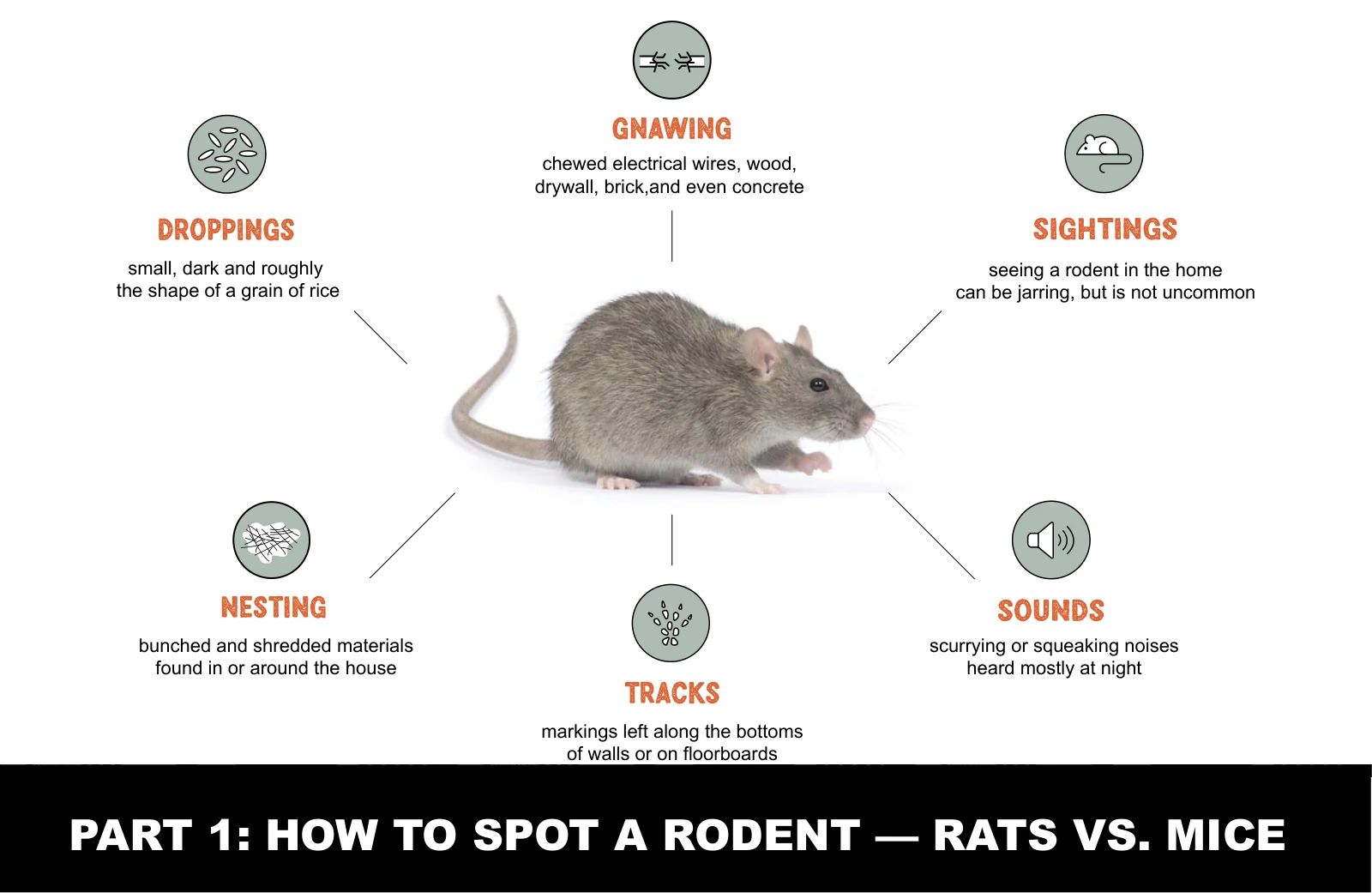
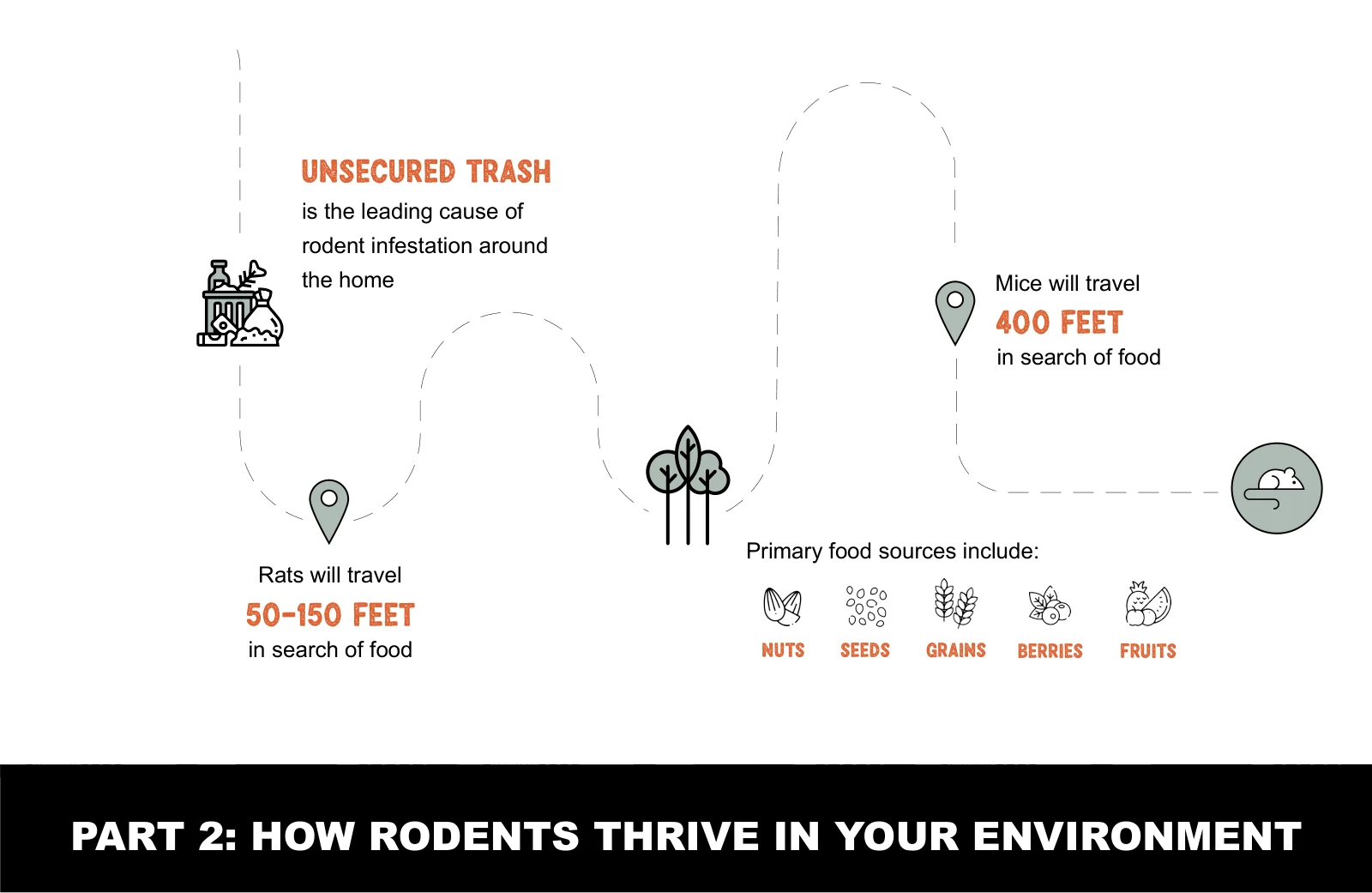
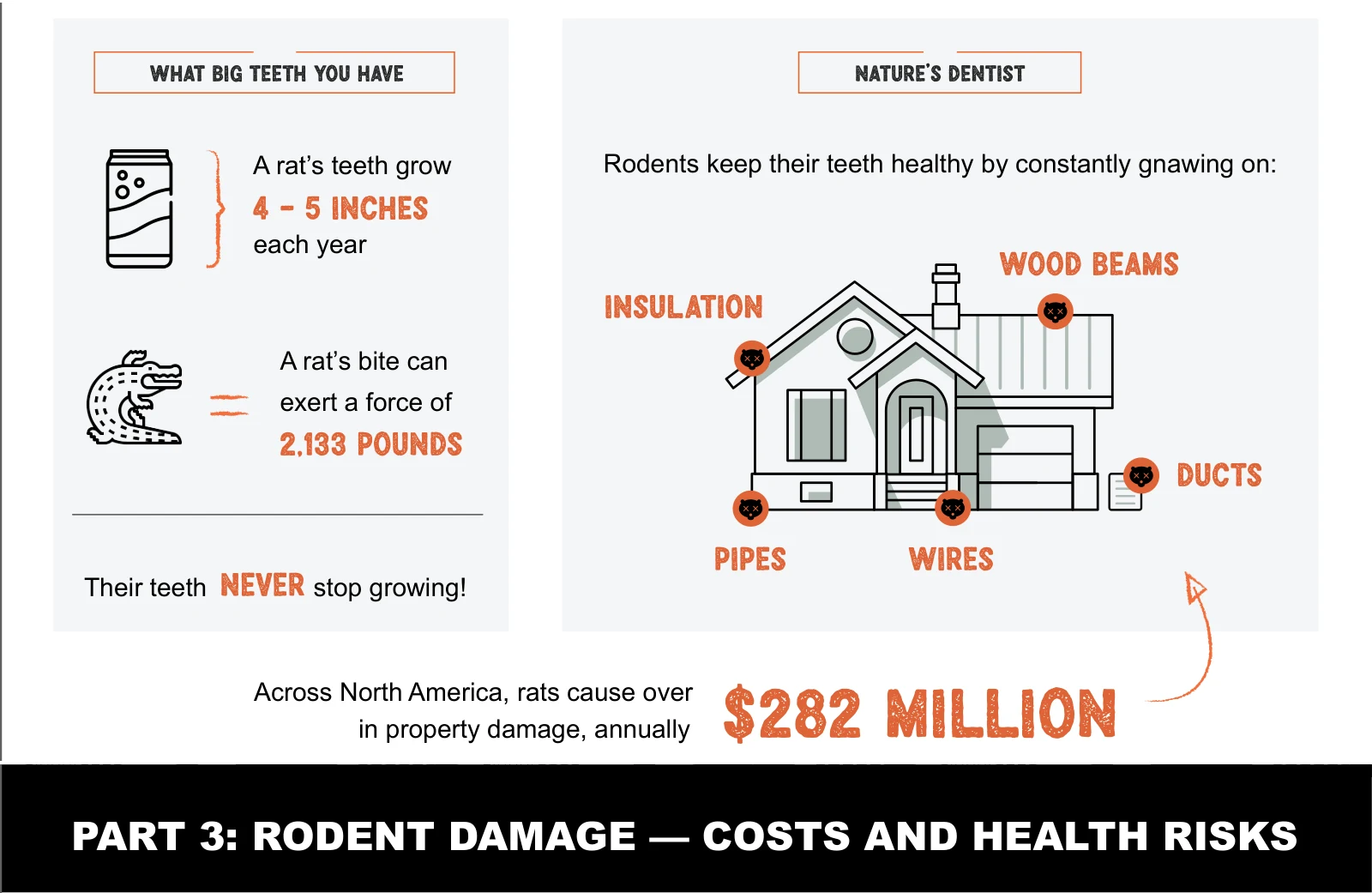
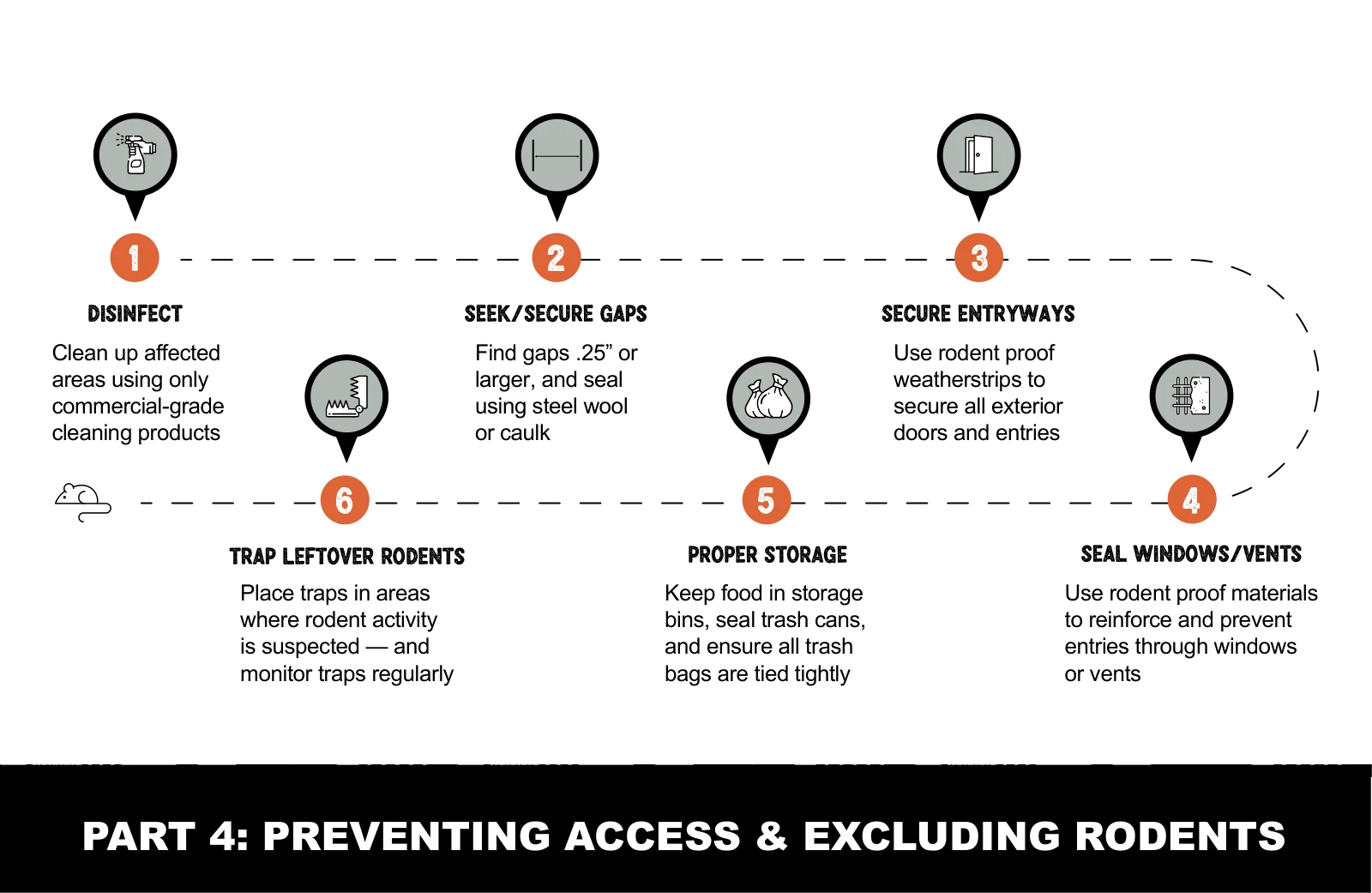
Four illustrated parts — how to spot a rodent, how they thrive around a home, what the damage actually costs, and how to shut the access off — plus sixteen expandable answers in plain language and five cited public-health and industry sources.

Read the Pro Tips

Inside the guide / Selected previews

Masters of small spaces: a U.S. quarter measured at 0.96 inches beside a dime at 0.71 inches. Rats can squeeze through openings about the size of a quarter; mice through openings about the size of a dime.
The front cover of the Alley Cat guide "How To Get Rid of Rats: A Step-By-Step Guide", showing the Alley Cat logo over a dark photograph of rats
Guide

How to Get Rid of Rats

A step-by-step guide to the signs, the routes, and practical prevention. Preview: inspection and possible entry points.

Read the Rat Guide
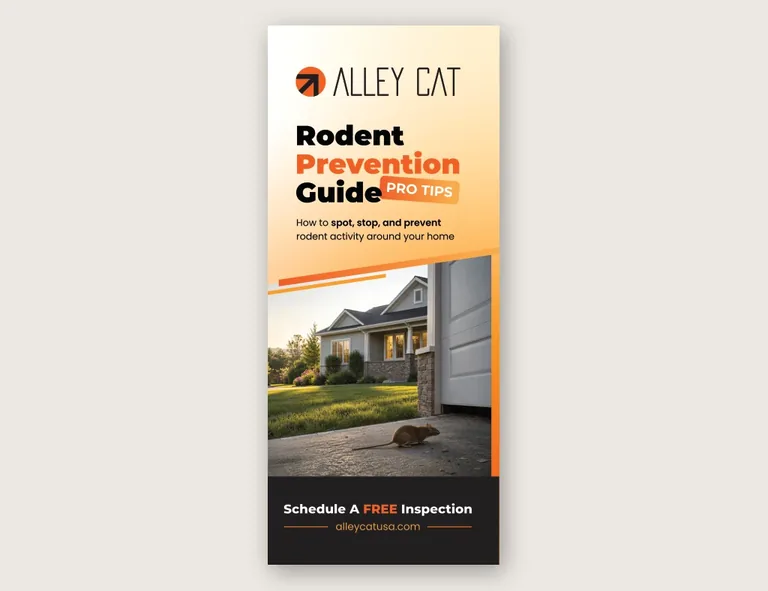
The front cover of Alley Cat's Rodent Prevention Guide Pro Tips leaflet, headed "Rodent Prevention Guide" with a Pro Tips flash, over a photograph of a rat on a driveway beside a house at dusk

Prevention

Rodent Prevention Pro Guide

Simple, practical ways to reduce food, water, shelter, and access around your home.

Get Prevention Tips

Already an Alley Cat customer?

Warranty support  /  Contact the team

Compare the Complete Scope

Compare complete plans.
Not just prices.

Price matters, but it is only part of the comparison. Ask what is diagnosed, removed, sealed, documented, verified, warranted, and supported after the work.

Cost-benefit page screenshot: the Professional Rodent Control Experts panel, with a technician photo, a Primary Use Case list, and a factor rating table where each High or Low rating carries a scale bar

Decision Tool

Cost-Benefit Comparison

Compare DIY work, recurring control, handyman repairs, and specialized exclusion by scope, responsibility, and long-term value.

Compare Options
Competitor comparison table with the Alley Cat column highlighted in orange, rated against Western, Orkin, Honest Rodent Proofing, Attic Crew, and Critter Control on years in business, local and family ownership, pricing, and warranty

Decision Tool

Provider Comparison

Use the same questions when evaluating a specialist, general pest company, national chain, handyman, wildlife operator, or DIY plan.

Compare Companies

Alley Cat + All Pests

Kick them out.
Then help keep them away.

Getting rodents out is one problem. Keeping pressure away from the home is another.

Aerial view of a house ringed by a yellow glow at the structure and a blue glow out across the property
Alley Cat

Kick them out.

Alley Cat addresses rodent access into the structure through inspection and exclusion.

All Pests (opens allpests.com)

Keep them away.

Rodent Defense addresses exterior pressure around the property, complementing exclusion.

Alley Cat

Rodent exclusion

+ =

A more complete,
comprehensive rodent solution.

Exclusion closes the routes into the home. Rodent control addresses activity around it. Together, they tackle access and outside pressure to help reduce the chance of the same problem returning.

Explore Complete Protection Download Infographic
More about All Pests at allpests.com  (opens in a new tab)
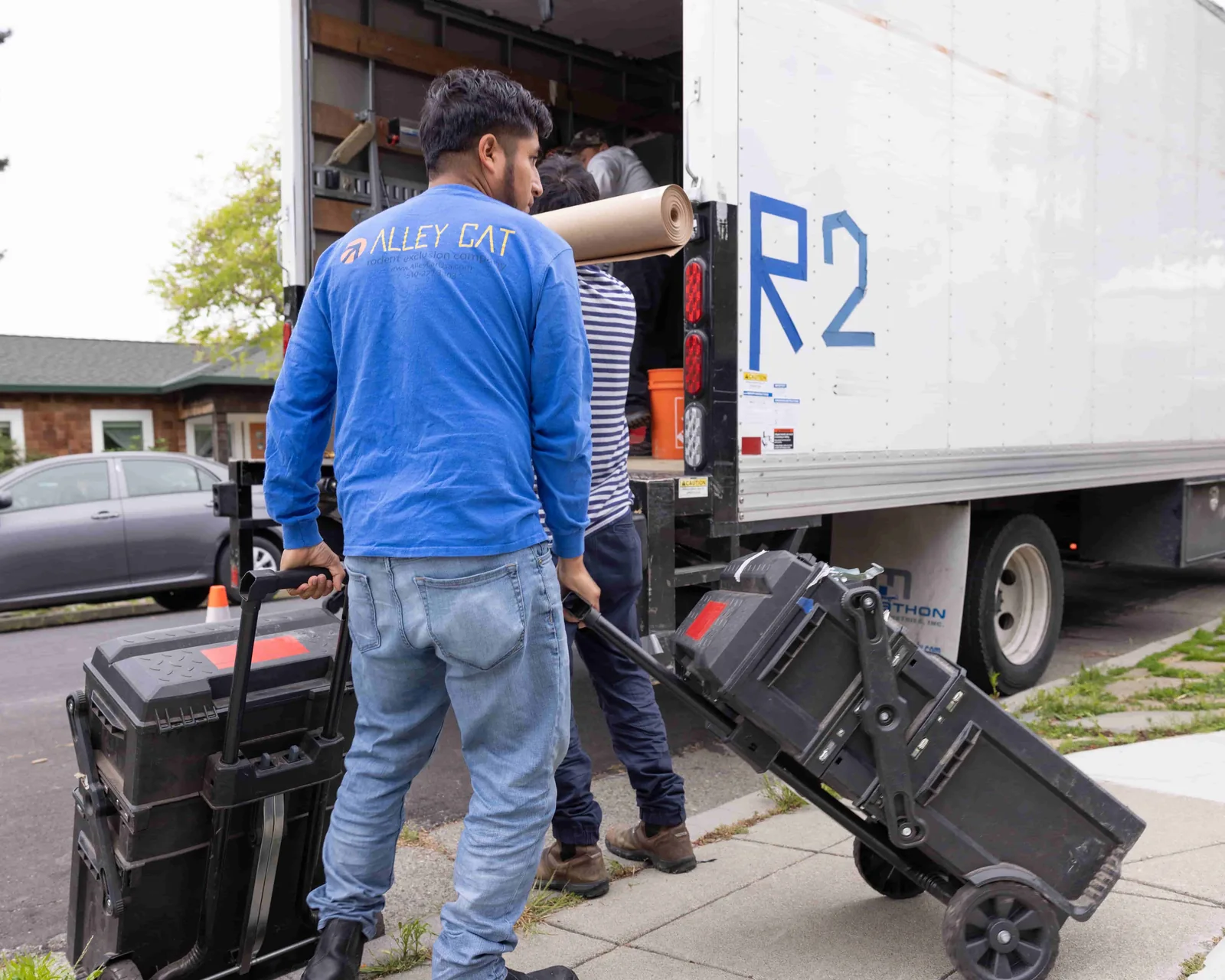
Alley Cat crew member wheeling tool cases in from the branded box truck outside a home

A Clear Next Step

Review the findings with an exclusion specialist.

See the available free inspection times and choose what works for your property.

Book Free Inspection

Why Alley Cat

The standard starts before the crew arrives.

Alley Cat's advantage is a connected system of inspection, materials, field execution, training, documentation, and follow-through.

A low view along a crawl space: a grey conduit and a bare metal pipe run beneath sagging fibreglass insulation held up with black strapping, above a concrete stem wall with a thin cable and the dirt floor below
Look closely. Understand the route.
Technician kneeling in a crawl space, sealing along mesh and metal flashing fitted to the foundation wall
Match the response to the property.
The Alley Cat crew in branded white coveralls and half-face respirators, geared up to one shared standard
Bring the team into the same standard.

01 / Focus

Rodent exclusion is the core discipline.

Rats, mice, access routes and building conditions shape the work from the start. Inspection, cleanup, proofing and verification are connected in one plan, with the recommendations tied to the property rather than a generic treatment package.

02 / Detail

See what the surface-level response misses.

Entry routes, visible evidence, structural conditions and affected materials are documented together. Photos and findings help explain how activity may connect across the property, why each recommendation matters, and what could not be inspected safely or accessed during the visit.

03 / Field Testing

Test before it reaches the home.

Recurring field problems become material trials, repair comparisons and mockups. Testing helps the team understand where a method works, where it has limits, and what should change before that learning becomes updated guidance and training for the crew.

See 03 in practice

04 / Coordination

One team. A clearer handoff.

Homeowners, tenants and property managers need to know what happens next. Access requirements, preparation, scheduling and the right point of contact belong alongside the work plan, so the people responsible for the property can coordinate with the team.

05 / Prevention

An exclusion-first approach.

A complete recommendation connects structural access with the activity and affected areas found during inspection. Physical barriers, removal, cleanup and monitoring are coordinated where the scope calls for them, with practical guidance on conditions that could contribute to recurrence.

06 / Accountability

Document, verify, and follow through.

Photos, a written scope and clear follow-up expectations make the handoff understandable. The detail below shows what homeowners and property managers should be able to take away from the project.

See 06 in practice
06 IN PRACTICE / What does accountable closeout include?

A clear handoff keeps the customer informed without turning the homepage into a project manual.

What was found
Photos and findings connect the recommendation to the observed conditions, including relevant access limits.
What was agreed
The written scope distinguishes included work, exclusions and the next step before the project moves ahead.
Who needs to know
Homeowner, tenant and property-manager coordination keeps preparation, access and follow-up responsibilities clear.

03 In Practice / Field Testing & Training

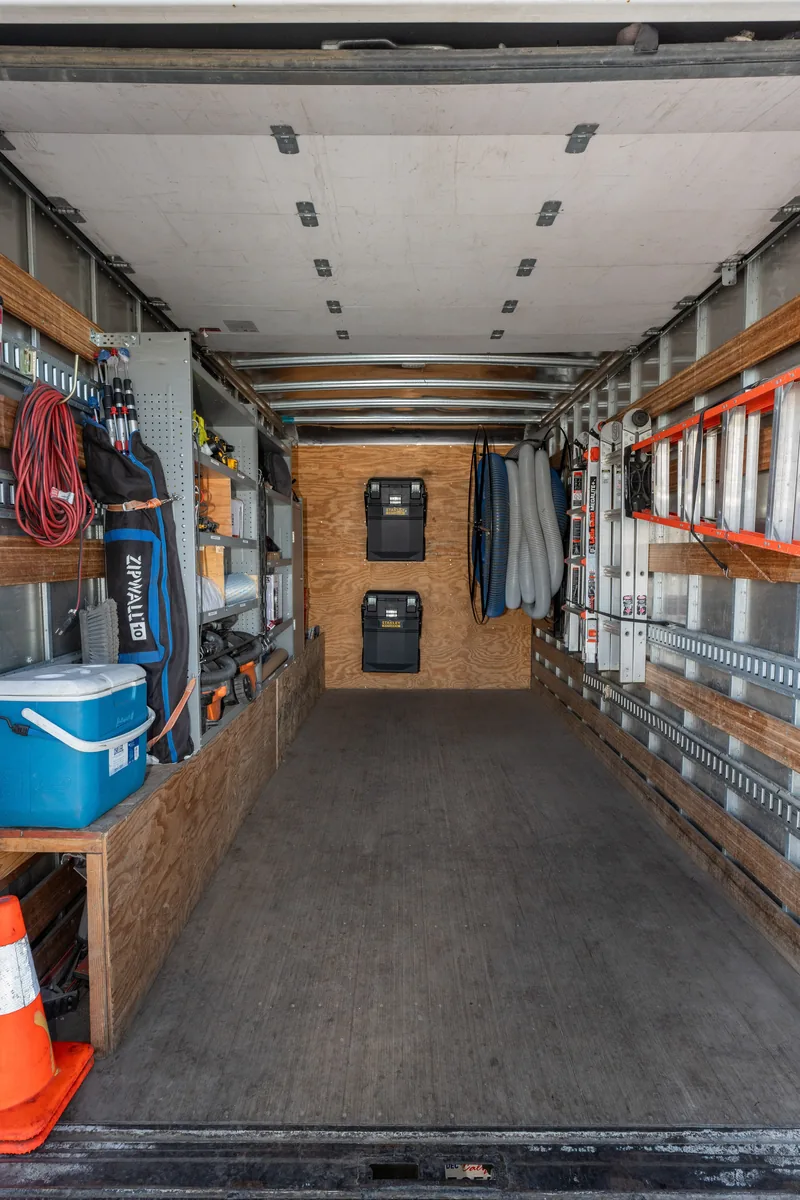
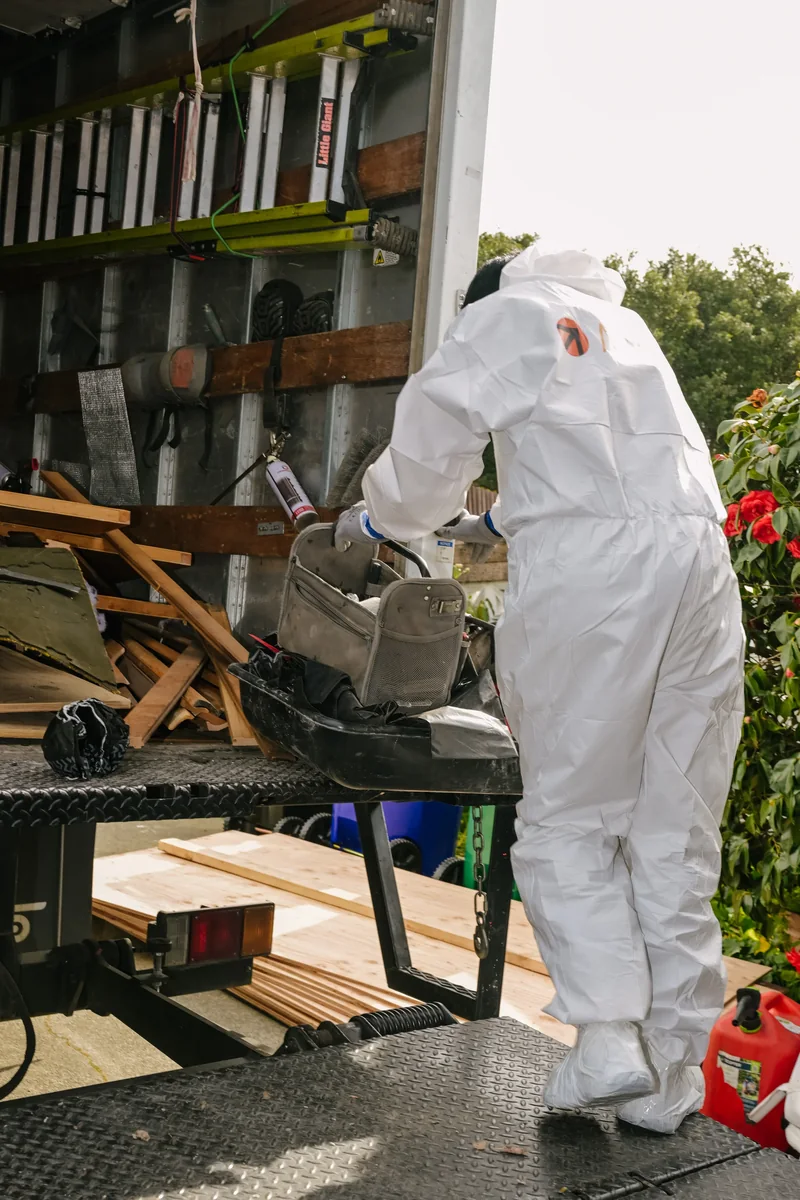
Organised Alley Cat work truck interior with wall racking, ladders, ZipWall barriers and material cases Alley Cat technician in white coveralls loading equipment from an organized work truck before a rodent exclusion job

A higher standard is built before the crew arrives.

Recurring field problems become material trials, mockups, repair comparisons and documented limits. The learning is translated into updated methods and team training before it is taken back into the field.

  • ObserveRecord the issue
  • PrototypeTry a repair
  • TestCheck performance
  • DocumentUpdate methods
  • DeployTrain the team
See Our Process
Handshake between two men on a home's front porch steps, one in work clothing, one in a jacket

Property Professionals

Documentation and coordination matter.

For property managers, landlords, real estate professionals, and portfolio owners, the record of the work matters as much as the work itself.

Documented findings

Photos, entry points, priorities, scope, and exclusions.

Predictable coordination

Scheduling, access needs, milestones, and closeout.

Defensible recommendations

Why each action is needed and what it does not include.

Tenant and owner respect

Professional communication, privacy, and property care.

Request Support

Understand the Difference

Rodent control manages activity. Exclusion addresses access.

What is the difference between rodent control and rodent exclusion? A complete plan makes the role of each part clear.

Control addresses the activity. Trapping and monitoring may be part of managing rodents already present. Those actions do not, by themselves, close the openings that allow another animal into the building.

Exclusion addresses the access. The work focuses on finding and closing relevant structural entry routes with repairs suited to the building. Inspection connects those recommendations to observed evidence and the areas that can be safely accessed.

Cleanup addresses what is left behind. Where included in the scope, removal, cleaning and sanitation address affected materials and service areas. The plan should explain what is included, what needs preparation and what falls outside the proposed work.

Prevention connects the pieces. Verification, property upkeep and follow-up help support the result. Exterior rodent control through All Pests can complement exclusion by addressing pressure around the home. Ask how the proposed services work together, rather than comparing a trapping visit with a complete exclusion project as though they were the same thing.

Rodent exclusion prevention methods
Crew opening equipment cases on a driveway and pulling out respirators before going into a home
Suited technician fixing mesh over an opening in the attic roof boards to close a rodent entry route Front elevation of a grey shingled Craftsman bungalow with a yellow front door and planted garden steps

Frequently Asked Questions

Clear answers before the inspection.

What happens during a free inspection?

A specialist reviews the relevant, safely accessible parts of the property, explains the evidence and likely access routes, and discusses a recommended scope. Access limitations are part of that conversation.

Can you help with a basement?

Do you work on vehicles?

How do I see the next available appointment?

What does the warranty cover?

Alley Cat technician in a respirator and headlamp inspecting rodent-soiled attic insulation during a home inspection

The Next Step Is Simple

Find the route.
Close the gap.

Schedule a free inspection and see the next available appointment times. Get a clearer picture of the problem and a plan built around your property.

Book Free Inspection Call 510-277-3303

Choose a time online. Confirmation by email.