Bay Area Crawl Space Services
Vapor Barrier Installation Near Me for Bay Area Crawl Spaces
We inspect the crawl space first, deal with what the barrier should not cover, and then install it.
-
 4.9 / 5
1,240 reviews -
 4.7 / 5
649 reviews -
 4.9 / 5
374 reviews -
 4.7 / 5
279 surveys -
 Accredited
A+ BBB rating
Professional Vapor Barrier Installation for a Cleaner Crawl Space
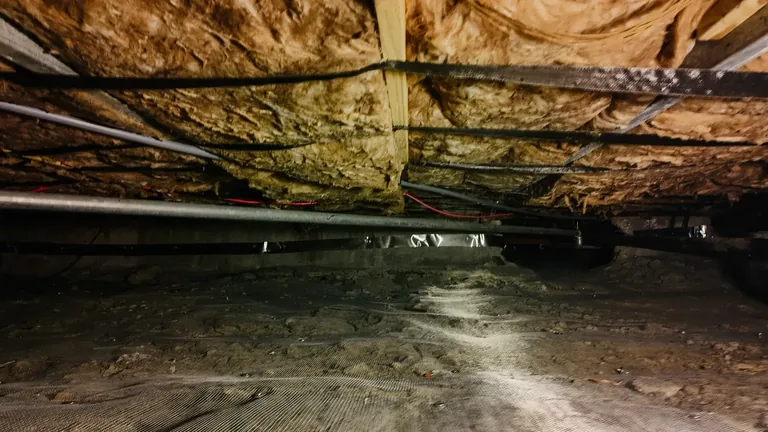
A professionally installed vapor barrier helps control ground moisture, protect the area beneath your home, and create a cleaner surface for inspection. Alley Cat combines vapor barrier installation, crawl space preparation, rodent exclusion, and contamination cleanup so new material is not placed over unresolved damage.
Moisture Control
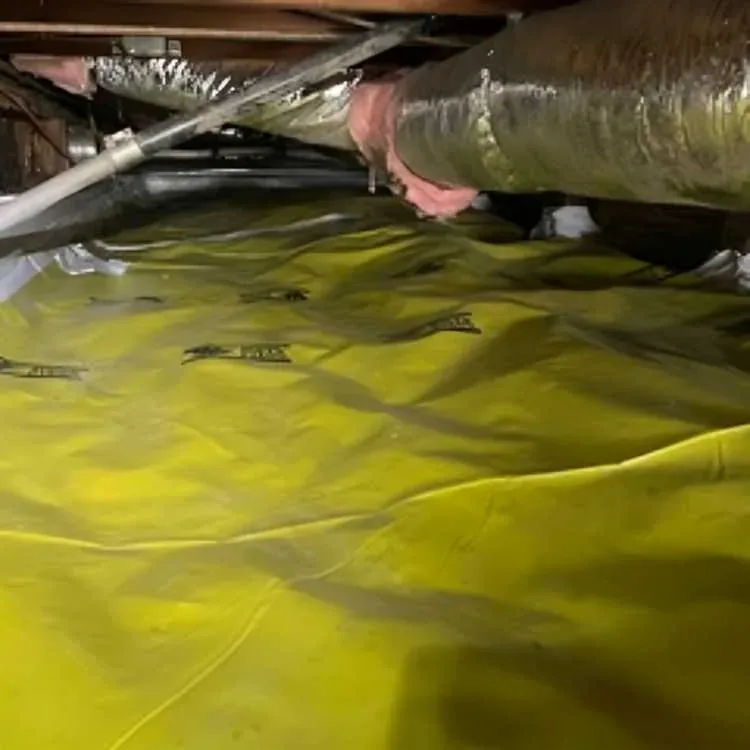
Cover exposed soil to reduce moisture, water vapor, humidity, condensation, and damp air entering the crawl space.
Cleaner Conditions
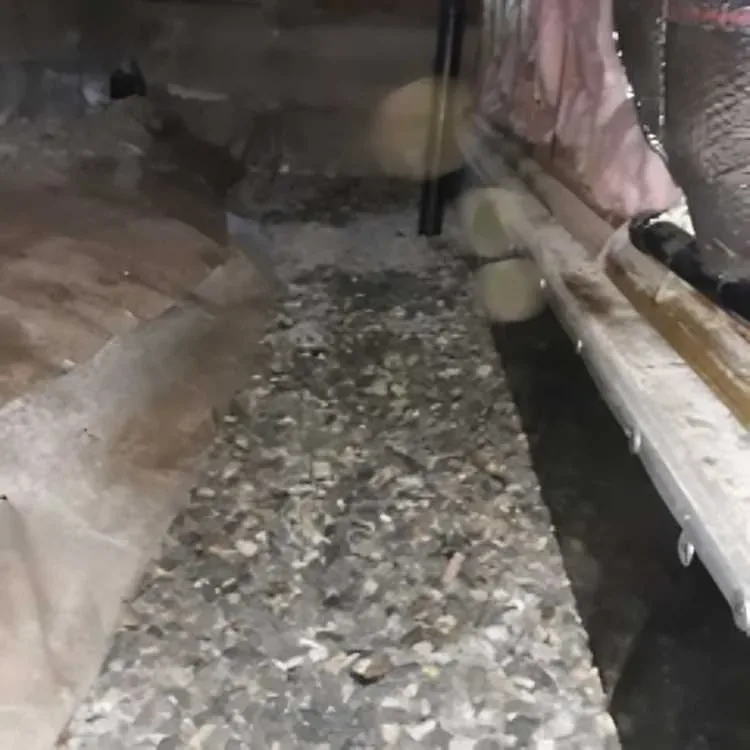
Remove approved debris and contaminated material before the new barrier is installed across the crawl space floor.
Rodent-Aware Work
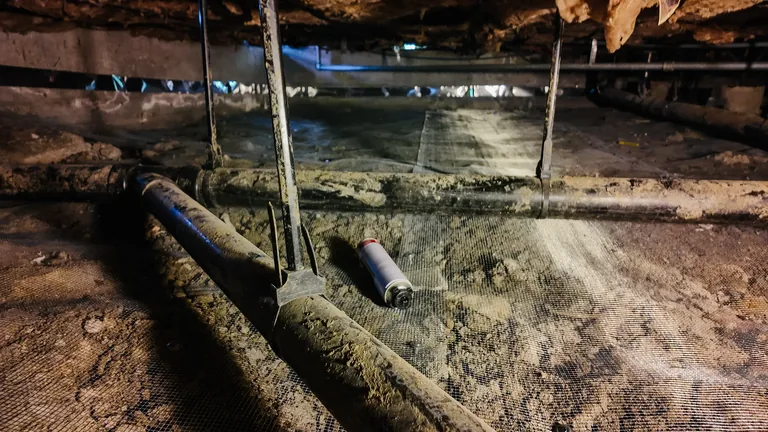
Identify droppings, nesting, gnawing, holes, gaps, and damaged insulation that ordinary installers may overlook.
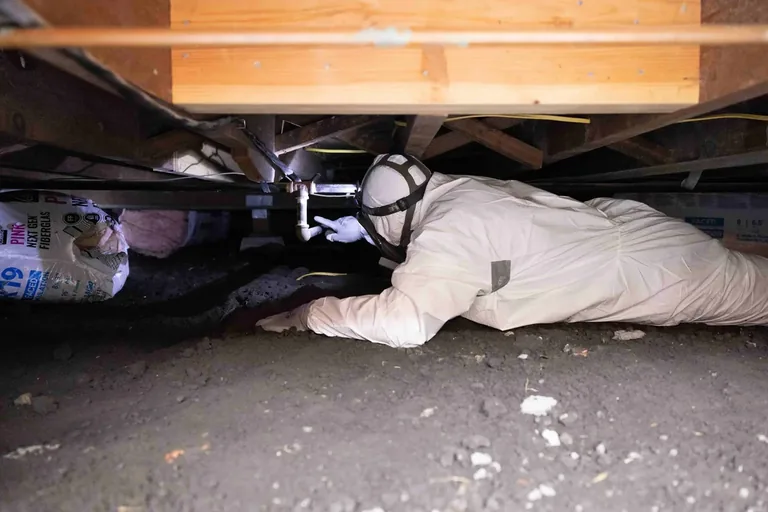
Bay Area Experience
Adapt the installation to wet winters, coastal humidity, concrete foundations, older houses, and tight access conditions.
Why Choose Our Vapor Barrier Installation Service?
Protection begins before the plastic goes down.
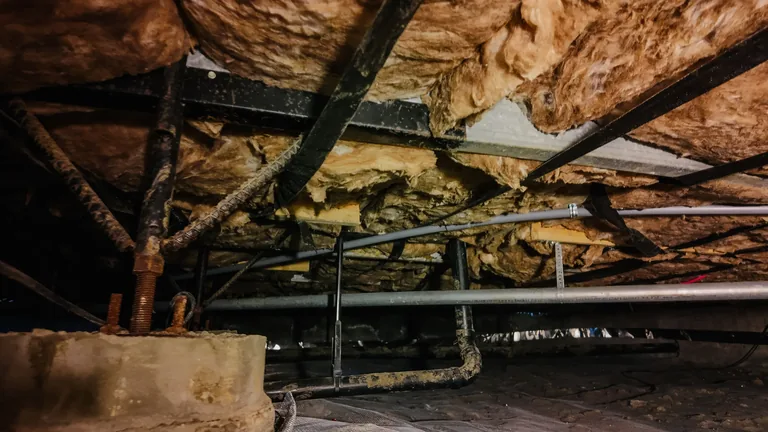
Crawl Space Preparation
We inspect the soil, foundation walls, floor joists, plumbing, ductwork, insulation, and existing vapor barrier to determine whether cleanup, moisture repairs, mold remediation, or rodent exclusion should happen first.
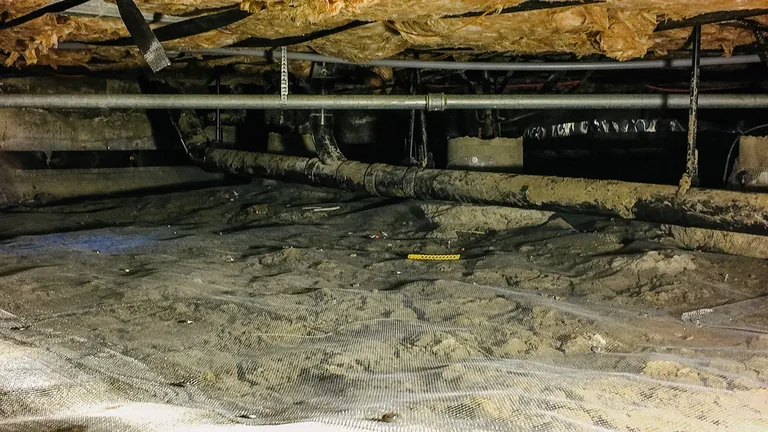
Rodent-Aware Installation
Alley Cat specializes in rodent conditions. We look for droppings, urine, nesting, gnawing, insects, torn material, and entry points before installing a moisture solution over affected areas.
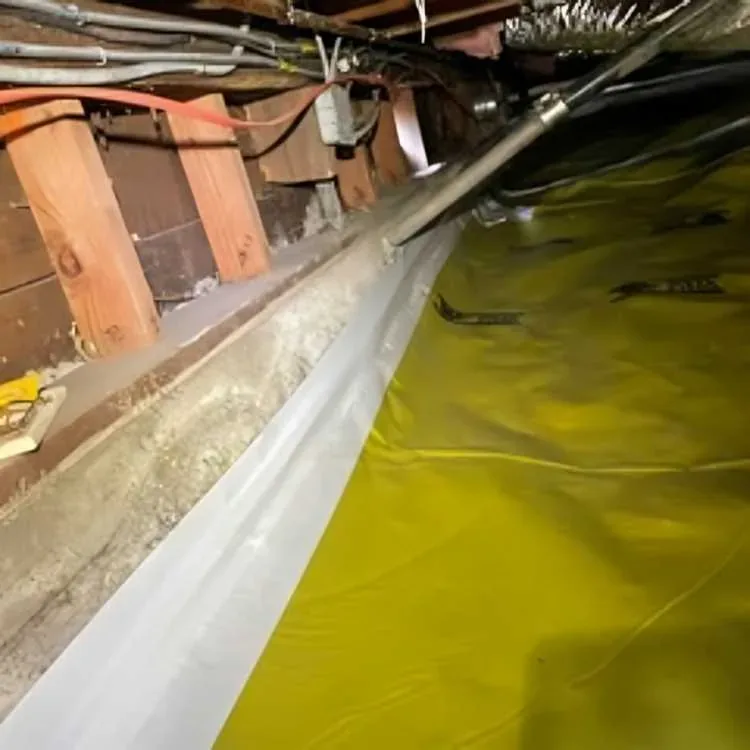
Detailed Barrier Placement
We fit, overlap, secure, and seal the vapor barrier around posts, pipes, concrete footings, ducts, and crawl space walls. Careful sealing helps maintain a more continuous barrier with fewer loose seams and exposed sections.
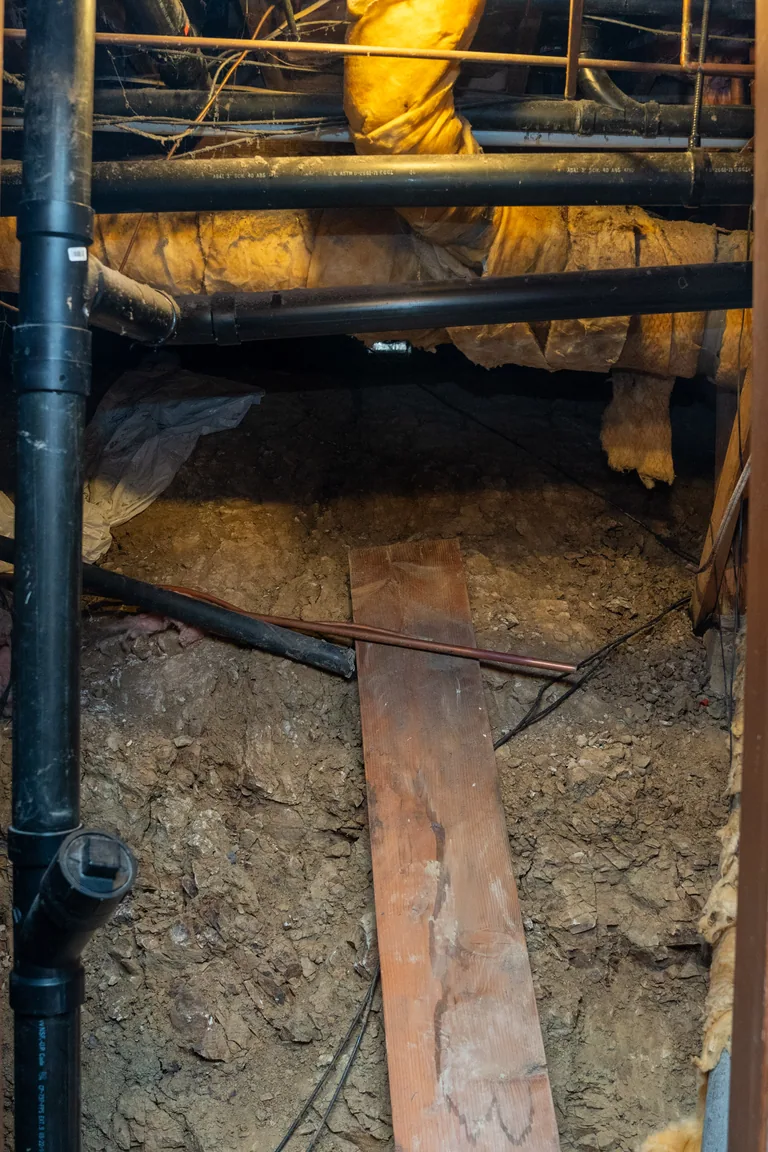
Moisture and Structural Issues Come First
A useful crawl space vapor barrier depends on what happens before and beneath the material. A rushed job may hide moisture, damaged insulation, mold, mildew, rot, or rodent contamination.
Our specialists evaluate conditions that can shorten the life of the barrier or reduce moisture control:
- Active or previous rodent and pest contamination
- Torn, displaced, or deteriorated polyethylene plastic
- Open foundation vents, utility holes, and access gaps
- Standing water, drainage failures, plumbing leaks, or water intrusion
- Mold growth, condensation, sagging insulation, or visible rot
Alley Cat provides a coordinated solution when the crawl space needs cleanup, sealing, decontamination, trapping, exclusion, insulation removal, or outside repairs. The goal is a durable vapor barrier solution that manages moisture instead of hiding a moisture problem.
Our Vapor Barrier Installation Process
Our vapor barrier installation process is based on the actual crawl space, not a one-size-fits-all roll of plastic. This moisture-control process helps us choose a barrier solution that can be properly installed. Depending on the home, the service may include:
Step 01 · Inspect
Free Inspection
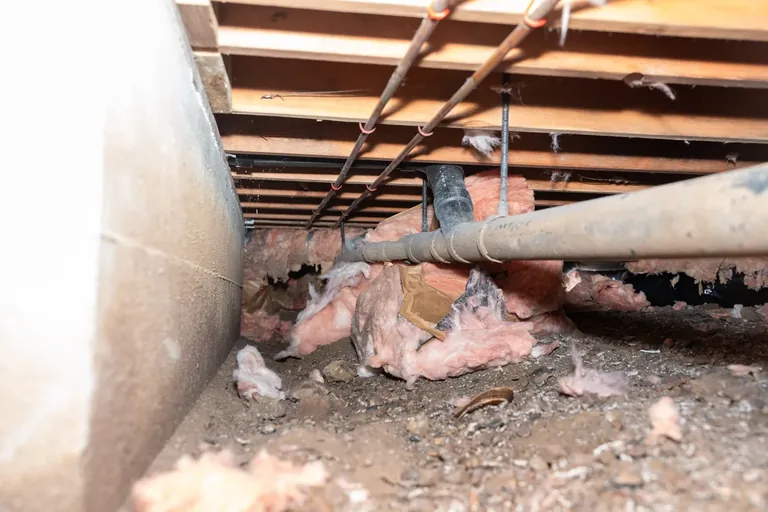
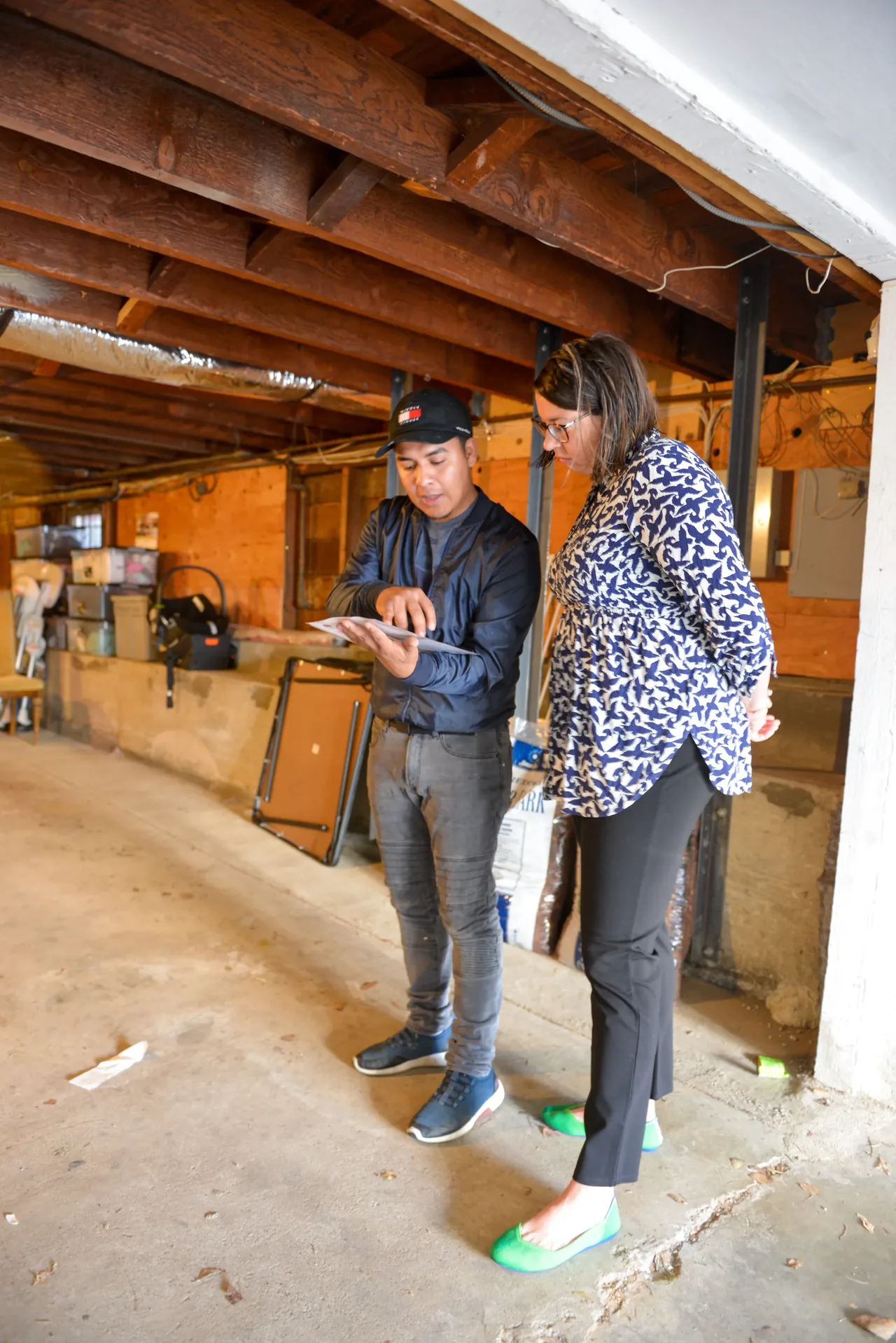
During the free inspection, an Alley Cat specialist enters accessible sections of the crawl space. This inspection process evaluates the exposed earth, current barrier, foundation walls, floor joists, support posts, plumbing, ductwork, vents, insulation, and common rodent routes.
We also inspect for moisture staining, standing water, high humidity, condensation, mold, mildew, wood rot, damaged insulation, chewed ducts, droppings, nesting, and open holes. The inspection helps identify whether the crawl space is ready for installation or whether another moisture solution must come first.
- Identifies contamination that should not be covered
- Documents moisture damage and potential entry points
- Determines the appropriate material and installation scope
Step 02 · Report
Diagnostic Report & Estimate
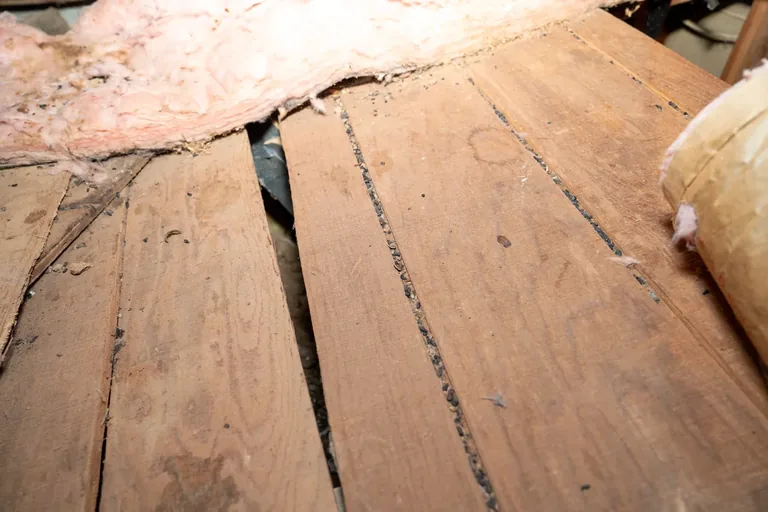
After the inspection, we prepare a Comprehensive Diagnostic Report explaining the crawl space conditions and proposed service. It may document damaged barriers, mold, moisture, contaminated insulation, structural issues, drainage concerns, and rodent access points.
The estimate separates cleanup, sealing, repairs, and vapor barrier installation whenever practical. Homeowners receive fair pricing based on access, square footage, material thickness, and preparation needs.
Step 03 · Clean
Cleanup & Removal
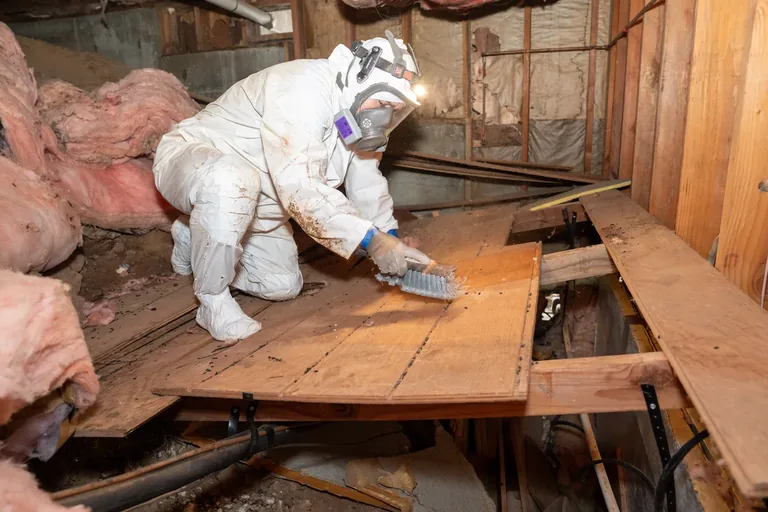
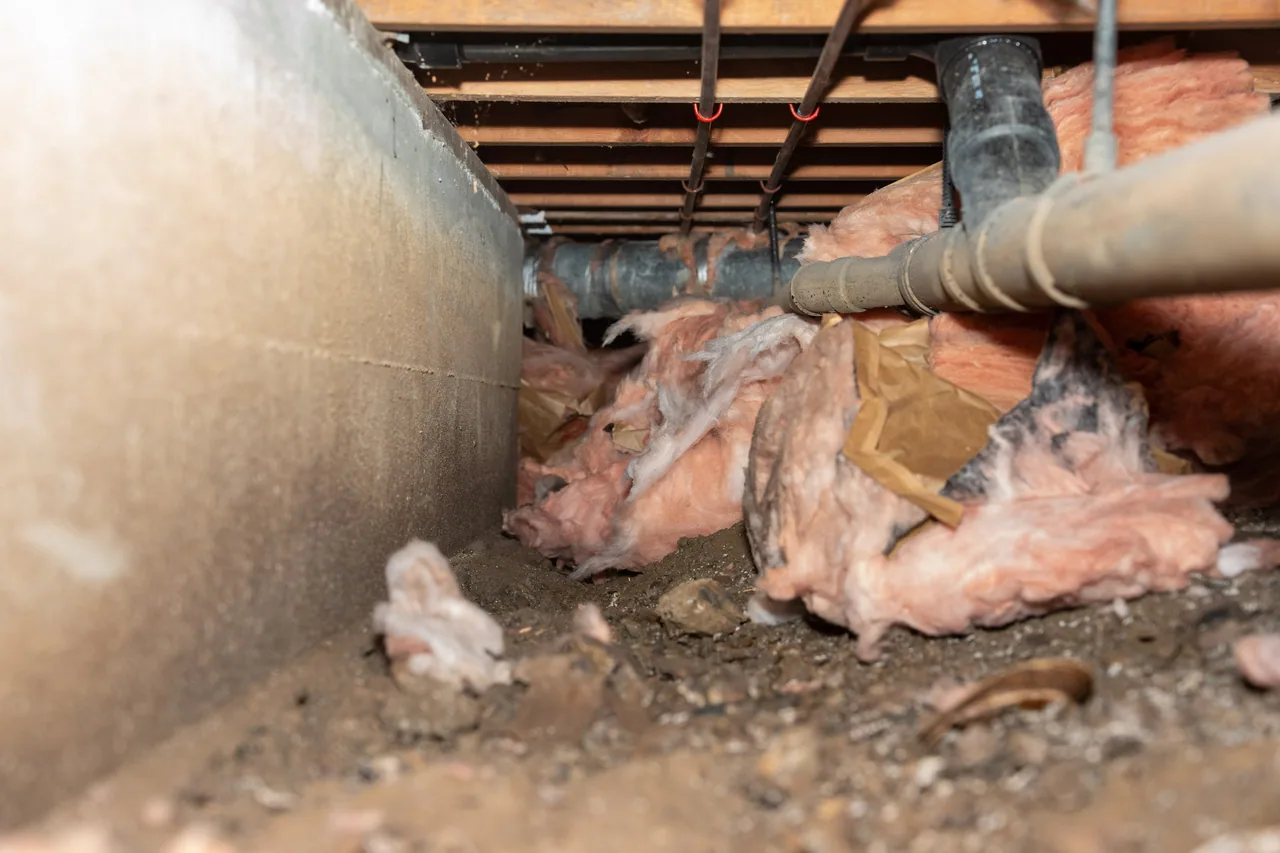
A new vapor barrier should not cover droppings, nesting, urine-contaminated debris, wet insulation, or deteriorated plastic. Those materials can hold moisture, odor, mold spores, insects, and other pests beneath the installation.
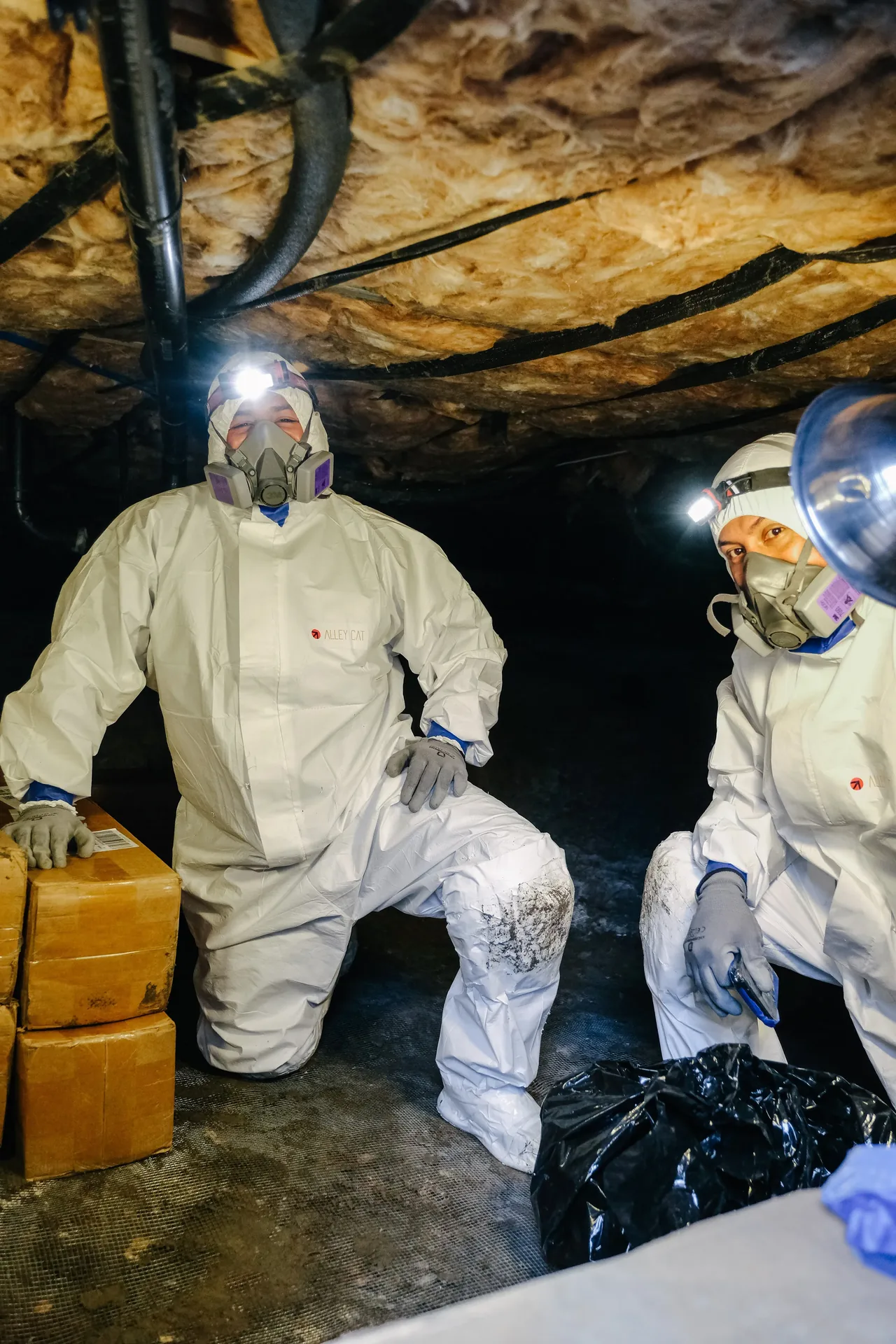
Our technicians remove approved debris while protecting wood framing, plumbing, wiring, ductwork, concrete supports, and the crawl space floor. The cleanup may include:
- Removing torn or contaminated vapor barrier material
- Collecting droppings, nesting, loose debris, and accessible pest waste
- Hauling away approved insulation or damaged materials
Once the crawl space is prepared, installation can continue without trapping avoidable contamination beneath the new barrier.
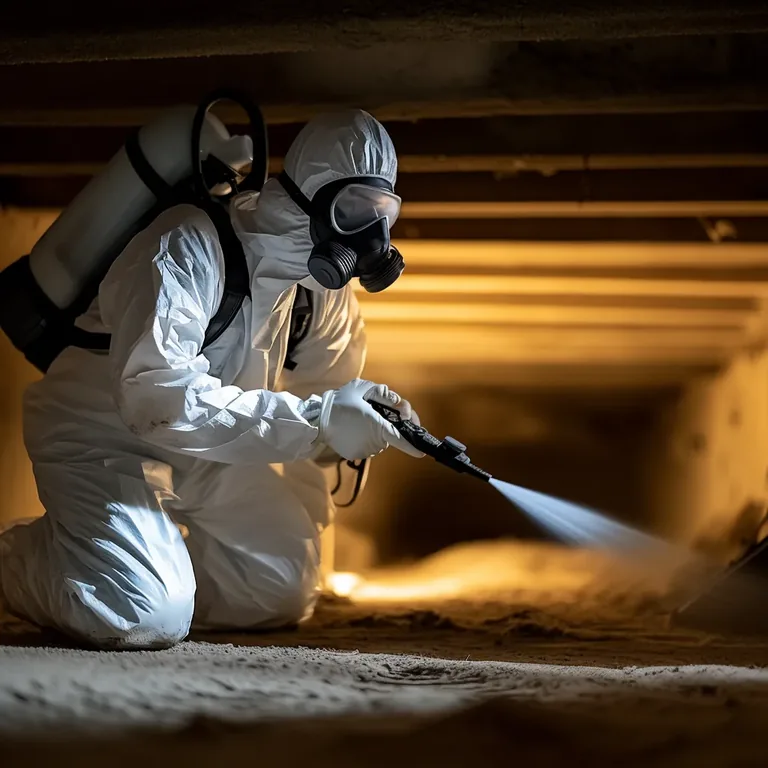
Step 04 · Sanitize
Sanitize & Decontaminate
When rodents contaminate the crawl space, Alley Cat can sanitize affected areas after loose waste is removed. Treatment targets droppings, urine, nesting, animal traffic, and odor.
Decontamination does not fix leaks or structural mold, but it addresses residue before the vapor barrier covers the earth floor. Recommendations depend on contamination, air movement, humidity, and repair needs.
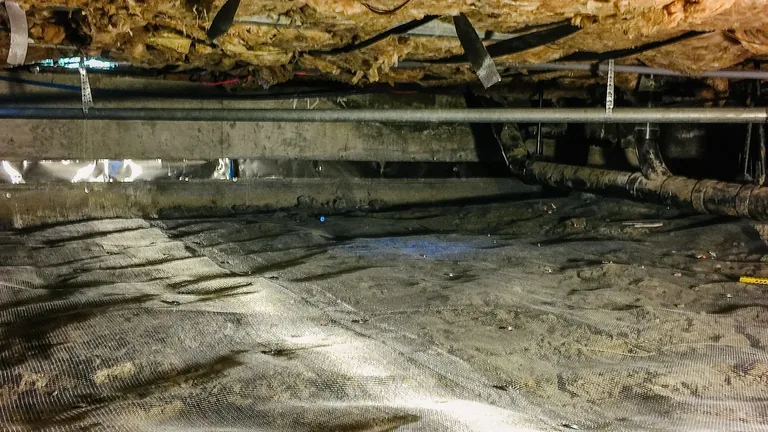
Step 05 · Seal
Seal, Reinforce, & Prevent
Before installing the vapor barrier, we address approved rodent access points and installation vulnerabilities. A crawl space moisture barrier can protect the floor area, but it does not stop rats, mice, or insects from entering through vents, utility openings, damaged doors, foundation gaps, or holes in the surrounding structure.
Our specialists choose sealing methods for each opening and install the barrier around permanent crawl space features without excessive folds, loose edges, or exposed soil.
Common methods include:
- Foundation Gap SealingClose accessible gaps along framing transitions, sill areas, and foundation walls with durable exclusion materials.
- Vent ReinforcementAdd or reinforce metal screening where damaged vents allow rodents or larger insects to enter.
- Utility Penetration SealingSecure openings around pipes, conduits, drain lines, and cables without interfering with their use.
- Barrier Overlap and SeamingOverlap adjoining sections and seal the seams to support continuous moisture control.
- Pier and Post DetailingFit the material around piers, posts, concrete footings, and plumbing instead of leaving exposed floor sections.
- Access-Point ReinforcementRepair or reinforce vulnerable crawl space doors, hatches, and framing openings included in the service.
Proper drainage must come before installation. A vapor barrier cannot conceal active water intrusion or hold standing water against the foundation. We explain which moisture repairs should be completed first.
The completed vapor barrier is installed and secured for the crawl space design. Because Bay Area homes range from tight Oakland foundations to larger spaces in Petaluma, Napa, Novato, and Sonoma County, each solution must reflect the house. Alley Cat has served more than 13,000 satisfied clients with a 97% customer satisfaction rating.
A sump pump may be part of the moisture solution when water collects at a low point. The vapor barrier controls ground vapor, while the sump pump moves liquid water away.
Alley Cat can identify when a sump pump, drainage correction, or plumbing repair should be evaluated first. A sump pump is not necessary for every crawl space and must discharge to an appropriate location.

Step 06 · Trap
Set Trap Checks
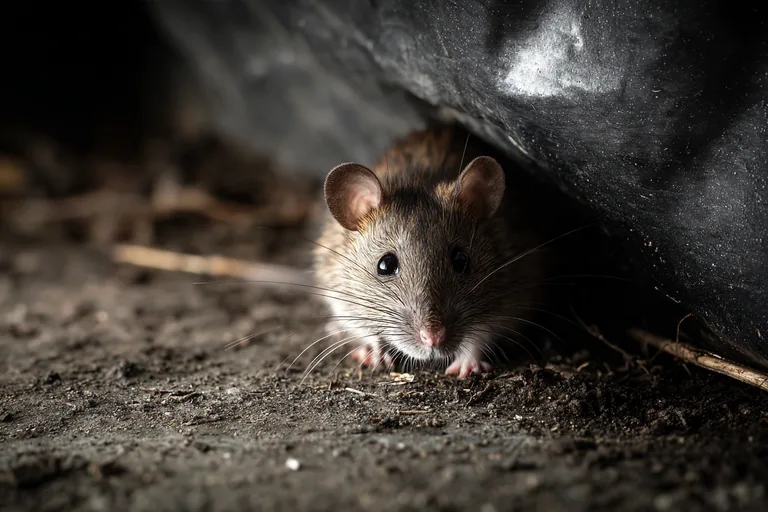
When the inspection finds active or recent rodent activity, vapor barrier installation may be coordinated with trapping and monitoring. Traps are placed in accessible, protected areas based on droppings, rub marks, nesting, travel routes, and other evidence.
Scheduled trap checks help confirm rodents were not sealed inside the crawlspace and monitor new activity. Trapping matters when rats or mice are present beneath the house.
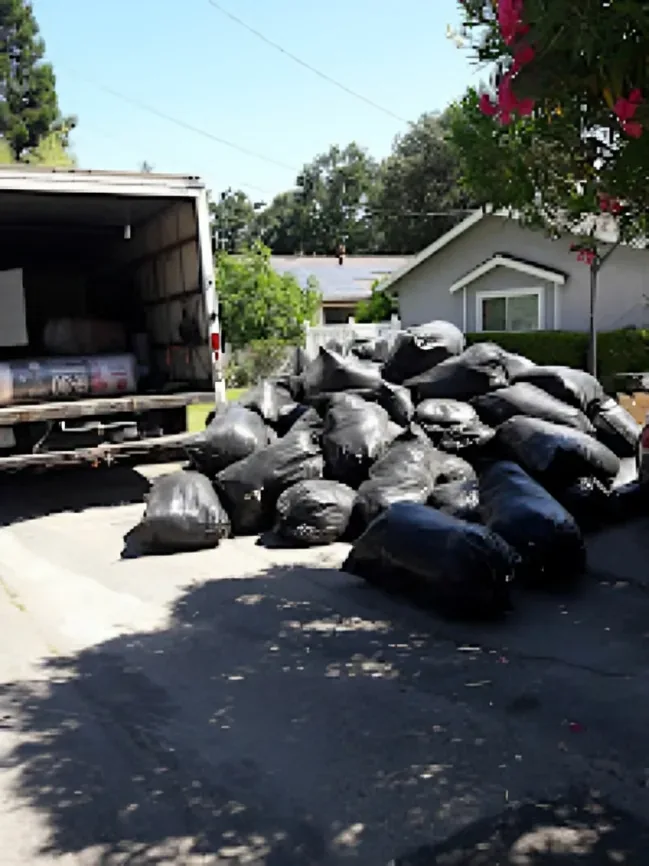
Step 07 · Haul
Wrap Up & Haul Away
After installation, our team reviews seams, edges, penetrations, and exposed areas, then hauls away installation scraps, old plastic, approved debris, and contaminated material.
We confirm crawl space access is closed and equipment remains reachable, then explain leaks, drainage, insulation, mold, structural issues, or outside repairs.
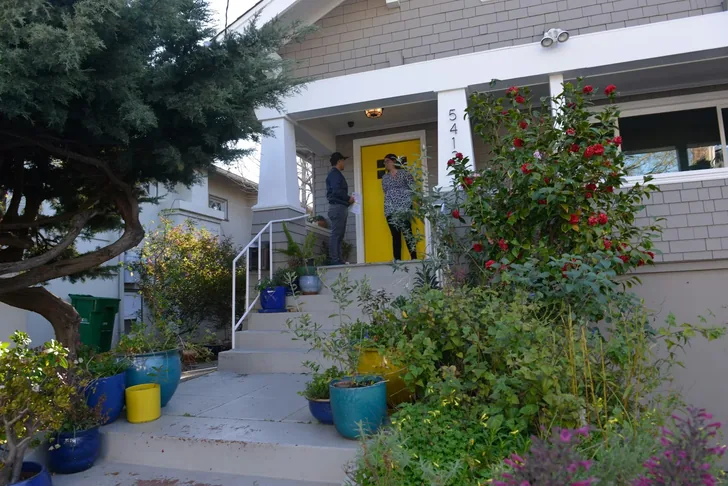
Step 08 · Support
Customer Service
Our customer service team schedules inspections, explains the report, coordinates preparation, and arranges follow-up appointments. One point of contact keeps a multi-stage service easier to manage.
We explain what the service includes, what another contractor must handle, and how to maintain the installed barrier, helping Bay Area homeowners avoid wasting time or money.
Protect Your Crawl Space
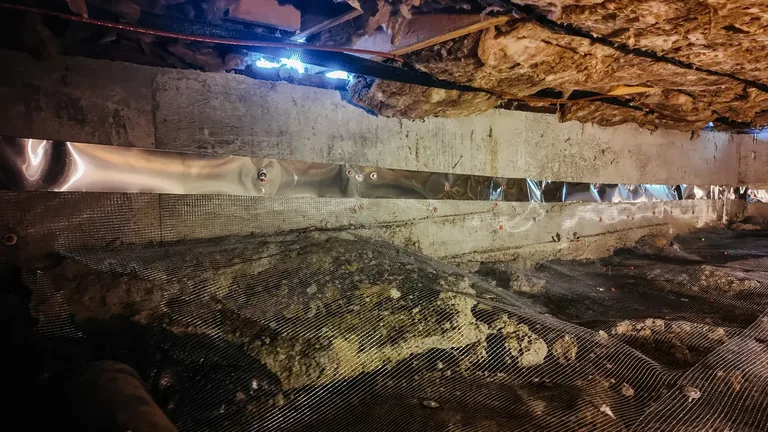
Schedule a professional crawl space inspection to determine whether cleanup, rodent exclusion, drainage correction, and vapor barrier installation are appropriate for your Bay Area home.
Moisture Control Benefits of a Properly Installed Vapor Barrier
A properly installed vapor barrier supports a cleaner crawl space and helps maintain a dry crawl space.
Helps Keep the Home Dry
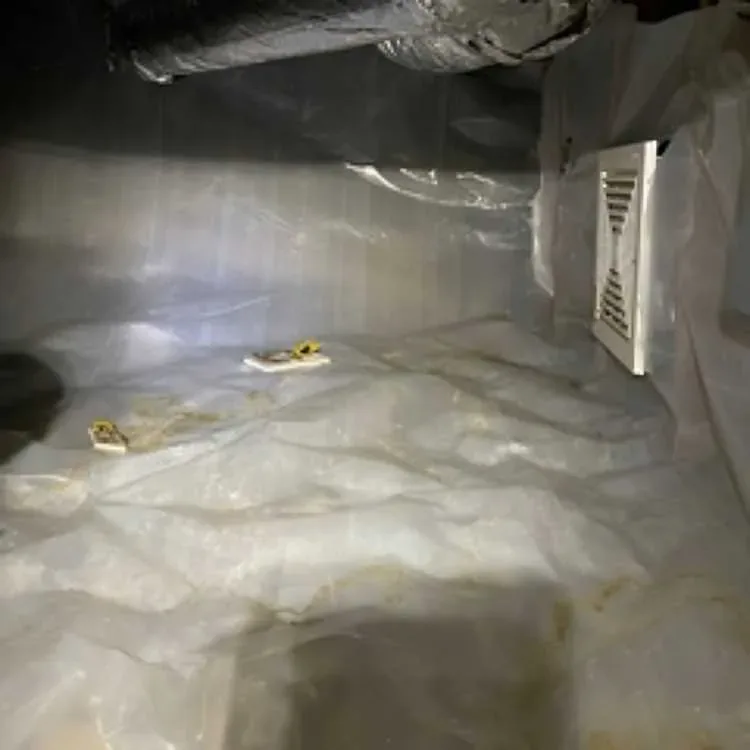
Exposed earth releases ground moisture into the crawl space. Covering the entire floor with a sealed polyethylene barrier reduces that vapor movement, helps keep the home dry, and limits humidity that can contribute to condensation, mildew, mold growth, and wood rot. It also helps prevent mold growth when other water sources are corrected.
The barrier cannot fix flooding or leaks, but it supports moisture control after liquid water sources are handled.
Protects Insulation and Framing
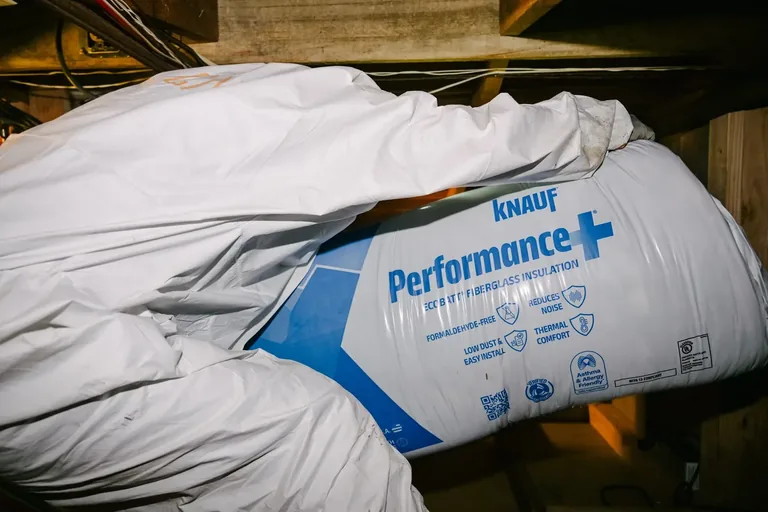
A crawl space vapor barrier protects insulation by reducing exposure to moisture rising from the ground. A six-inch layer of fiberglass insulation can lose R-value when wet, while prolonged dampness may affect wood framing, floor joists, and the structural integrity of the house.
Reducing moisture also lowers the risk of sagging insulation, rot, and structural damage. Existing damage should be evaluated before installation.
Supports Indoor Air Quality
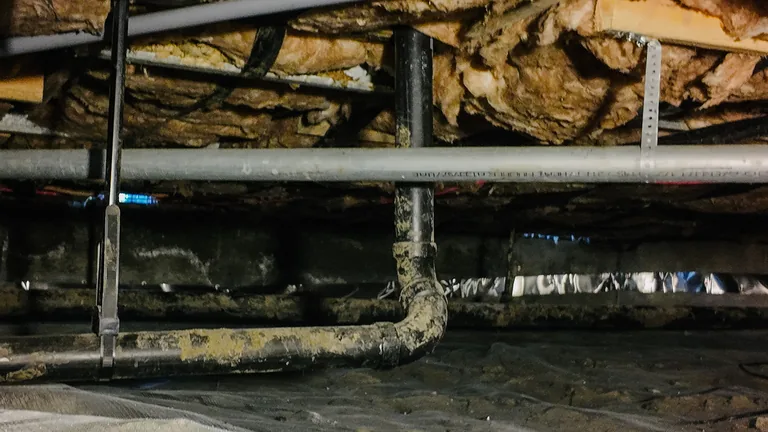
Air from the crawl space can enter occupied areas around plumbing, wiring, ducts, and framing. Reducing humidity, mold, mildew, and contaminated dust may support better indoor air quality.
A clean barrier also makes new droppings, pests, tears, or moisture damage easier to see during future inspections.
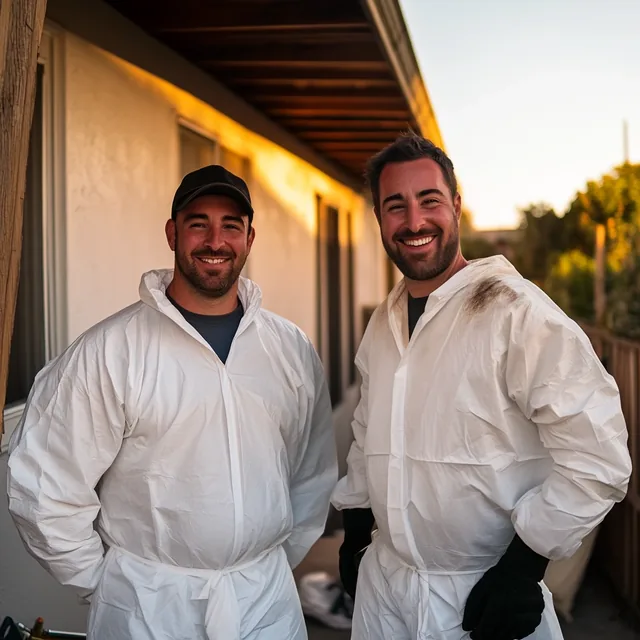
East Bay and Contra Costa County Crawl Space Experience
Alley Cat works throughout the Bay Area, including the East Bay and Contra Costa County, where Oakland, Berkeley, Concord, and nearby communities can have different foundations, soil conditions, and moisture patterns. Across the Bay Area, each crawlspace requires its own moisture solution.
Wet winters, hillside drainage, coastal air, aging concrete, and older vents can change the right solution. We identify when installation is suitable and when water intrusion, mold remediation, foundation repairs, or a sump pump should come first.

“They were very professional and knowledgeable. They addressed all of our concerns. The foreman was clear and outlined the follow up steps. We are satisfied thus far and would recommend your business.”
Michael DennisVerified Trustpilot review
-
4.9 / 5
1,240 reviews -
4.7 / 5
649 reviews -
 4.7 / 5
279 surveys -
 4.9 / 5
374 reviews
What to Expect From Crawl Space Barrier Installation
Professional installation includes more than pushing plastic across the floor. Alley Cat evaluates what may tear the barrier and whether rodents, insects, water, or mold could keep causing damage.
Service highlights include:
- Crawl Space Diagnosis: Inspect ground moisture, humidity, contamination, insulation, foundation walls, and existing materials.
- Detailed Preparation: Remove approved debris and identify drainage, sump pump, sealing, or repair needs.
- Careful Installation: Fit, overlap, and secure the barrier around supports, penetrations, walls, ducts, and access areas.
Material Thickness Options
Most barriers use polyethylene plastic. Ten-mil material is common in a crawl space, while reinforced 20-mil material may suit heavier-duty installation or encapsulation.
Lighter 6-mil material may suit a smooth attic floor, but it can tear more easily under crawl space traffic. The right barrier depends on access, soil, use, and budget.
Sealed Around Obstacles
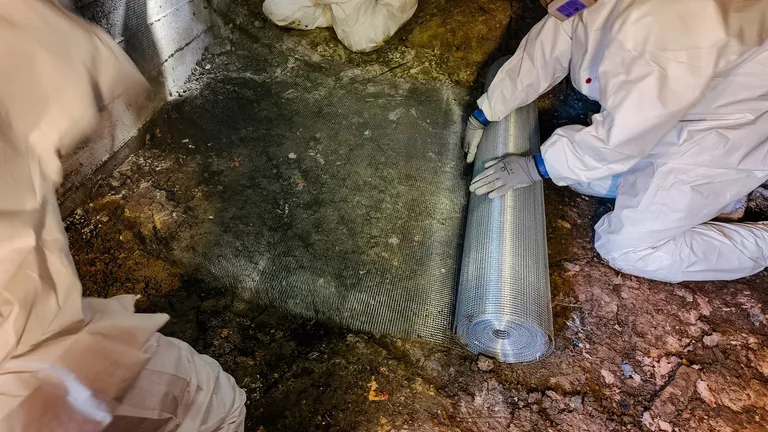
Our technicians fit the barrier around supports, plumbing, and concrete piers. Seams are overlapped and sealed so exposed soil is not left between loose sheets.
Overlaps may range from 6 to 12 inches; material specifications, crawl space design, and applicable code determine the final method.
Built for Future Access
We install the barrier for future access to plumbing, ductwork, electrical lines, and structural components without unnecessarily destroying the installation.
Expected life varies with material and conditions. Lighter or damaged barriers may need replacement within 10 to 20 years, while a reinforced, properly installed barrier may last 20 to 30 years or longer. Periodic checks maintain seams and catch a tear early.
FAQs: Crawl Space Vapor Barriers
How Much Does It Cost to Install a Vapor Barrier?
Cost depends on square footage, access, material thickness, cleanup, and crawl space condition. A clean area generally costs less than a low crawlspace containing old plastic, rodent waste, wet insulation, mold, or many supports.
Pricing may include removal, sealing, decontamination, drainage, or repairs. Alley Cat provides a written estimate showing what belongs to the barrier job and what requires another company.
Can I Install a Vapor Barrier Myself?
Yes, some homeowners can install a basic vapor barrier, but professional installation is safer with contamination, water intrusion, mold, damaged wiring, low clearance, or structural issues.
A DIY job requires protective equipment, full floor coverage, overlapped seams, and sealing around walls and penetrations. Covering droppings, wet insulation, water, or mold hides the problem. Professional service is recommended when moisture repairs, decontamination, encapsulation, or exclusion must happen first.
How Much Does It Cost to Encapsulate a 1,500-Square-Foot Crawl Space?
Encapsulating a 1,500-square-foot crawl space costs more than a basic ground barrier because it is a broader moisture control system. It may include reinforced 20-mil material, sealed walls, closed vents, conditioned air, drainage, a sump pump, insulation changes, and repairs.
Price depends on crawl space height, water, mold, structural damage, access, and labor. Alley Cat can explain whether basic installation or encapsulation appears appropriate; specialized mechanical or structural work may require another contractor.
Is a Vapor Barrier Required by Code in a Crawl Space?
A vapor barrier is required in some crawl spaces, but the requirement depends on the design, permit scope, and local code. California’s current Residential Code requires exposed earth in an unvented crawl space to be covered with a continuous Class I vapor retarder, with sealed or taped joints overlapping at least six inches and edges extended and sealed up the stem wall.
Requirements for vented crawl spaces, remodels, and existing homes can differ. Homeowners should confirm the applicable rule with the local building department or project professional before the vapor barrier is installed. Alley Cat can document crawl space conditions, but code interpretation and permit approval remain with the responsible authority.
Schedule Professional Vapor Barrier Installation
Contact Alley Cat to schedule a crawl space inspection and receive a clear Bay Area plan for preparation, moisture control, rodent exclusion, and barrier installation.