
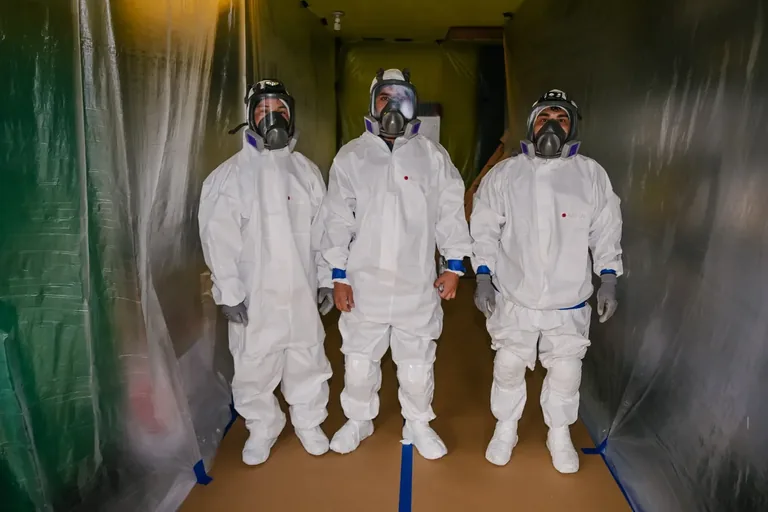
Highly Trained Team
Our experienced specialists identify roof rat, Norway rat, and mouse activity across attics, foundations, garages, kitchens, and commercial areas.

San Mateo County · Redwood City, CA
Redwood City rodent control should do more than remove the animal a homeowner hears at night.
 4.9 / 5
 4.7 / 5
 4.9 / 5
 4.7 / 5
 Accredited
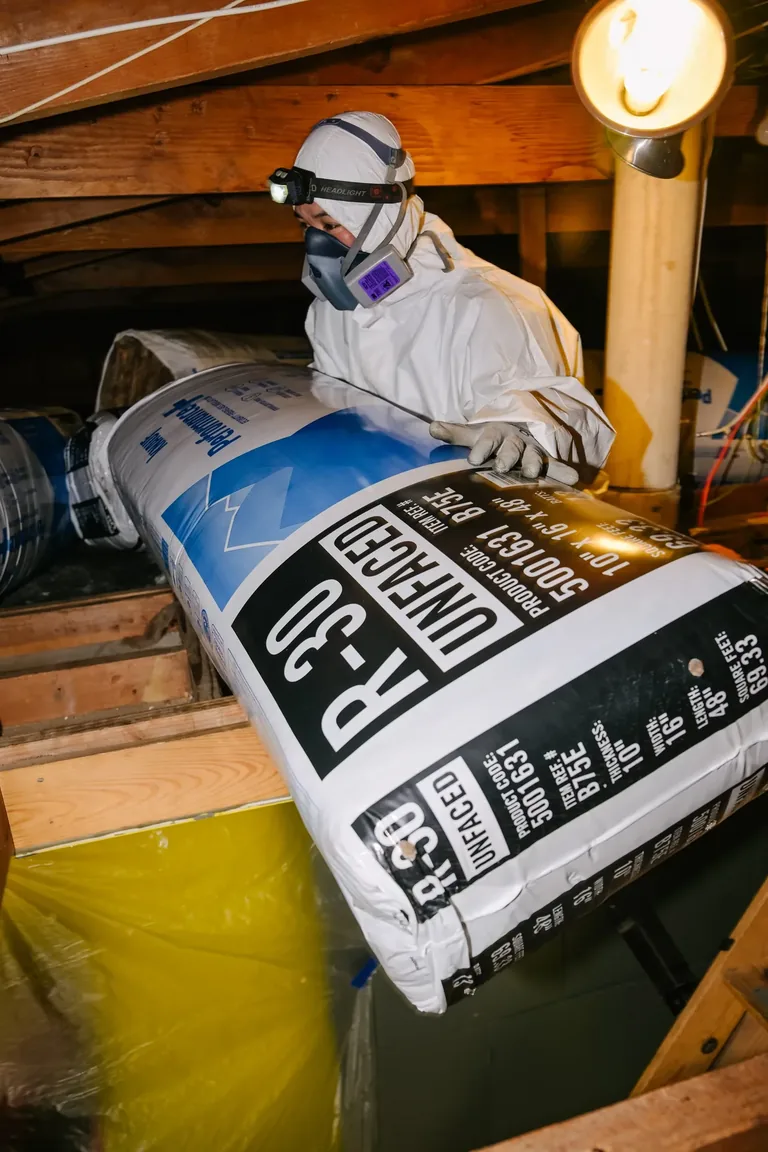
Alley Cat provides exclusion-led rodent control for homes and businesses in Redwood City, CA, with recommendations based on the structure rather than a generic pesticide treatment. Homeowners across Redwood City CA receive service shaped around the house itself.
Our local pest control approach helps customers:
Contact our team to schedule a free inspection and learn what it will take to solve rodent problems correctly.
An exterminator may focus on killing rodents already inside, but Alley Cat focuses first on how the house was invaded. Our specialists connect rodent control, trapping, cleanup, and repairs so customers are not calling again for the same open route.
Redwood City includes older homes, remodeled houses, apartments, restaurants, offices, and newer buildings. Landscaping in Farm Hill or Woodside Plaza can create roof rat routes, while garages, utility pipes, and denser areas near Downtown or Friendly Acres affect how rats, mice, and other rodents move between shelter, food, and water. Our experienced team adapts the service to each home or business.
Customers receive useful information, not a vague message that the home was “treated.” Alley Cat explains the rodent problems, affected areas, treatments, and repairs, then provides an estimate and step-by-step plan for peace of mind before work begins.
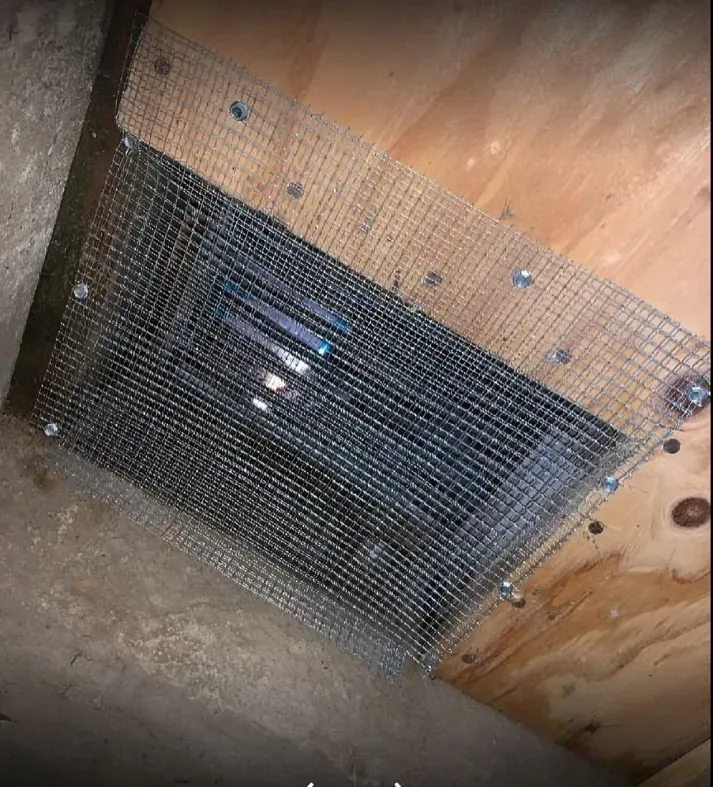
Inspection, trapping, cleanup, sealing, and prevention.
Rodent control is the process of identifying activity, removing rodents, cleaning contaminated areas, and closing the openings that support an infestation. The best method for controlling rodent infestations is a combination of inspection, trapping, and exclusion. Exclusion-focused services combine sealing with trapping for effective rodent control.
These pest control and exclusion services are commonly needed when a rodent infestation affects a home or business:
Every rodent infestation requires a different balance of trapping, cleanup, exclusion, and follow-up. Alley Cat organizes professional pest control services into clear stages, helping home and business customers know what to expect from first contact through project completion:
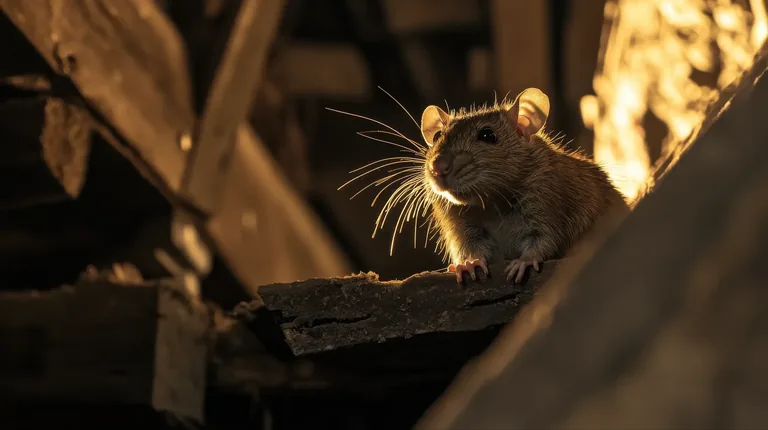
Step 01 · Inspect
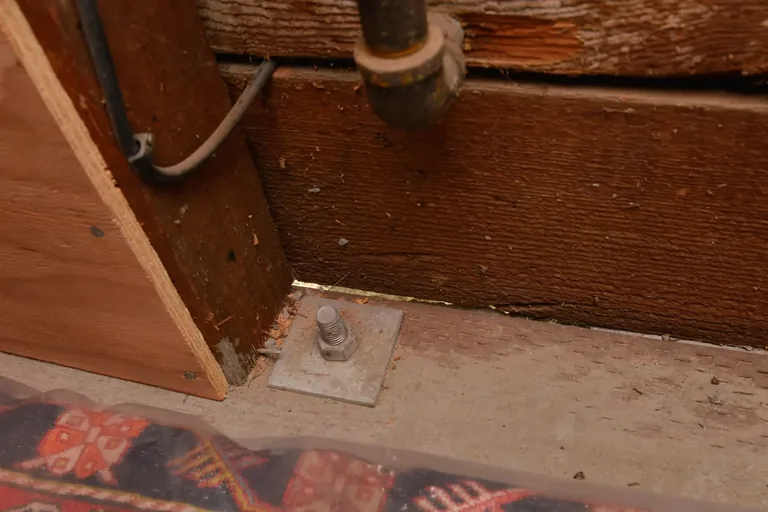
The service begins by identifying where customers have heard, seen, or smelled rodents. Our highly trained specialists examine accessible roof edges, attics, vents, garages, foundations, utility penetrations, storage areas, and the crawl space. Trained eyes look for droppings, gnaw marks, body oils, disturbed insulation, food debris, and each likely entry point.
Whether the home is in Redwood Shores, Roosevelt, Downtown, Farm Hill, or elsewhere on the Peninsula, the free consultation helps:
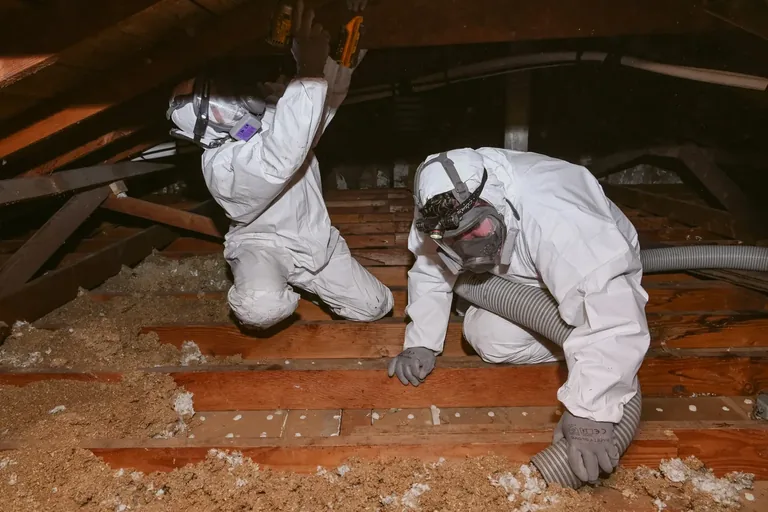
Step 02 · Diagnose
Alley Cat prepares a Comprehensive Diagnostic Report describing rodents, each visible entry point, contamination, damage, and conditions supporting the pest infestation. The estimate explains recommended control services, cleanup, sanitation, trapping, barriers, and repairs. Customers can ask questions, compare the plan with basic pest control treatments, and choose the work that fits the situation. The report also helps ensure customers understand the scope, offer, and next step before crews are ready to begin.
For a commercial business, the report can also address food storage, waste areas, delivery doors, shared walls, operating hours, and monitoring needs. This keeps the recommendation connected to how the business actually functions.
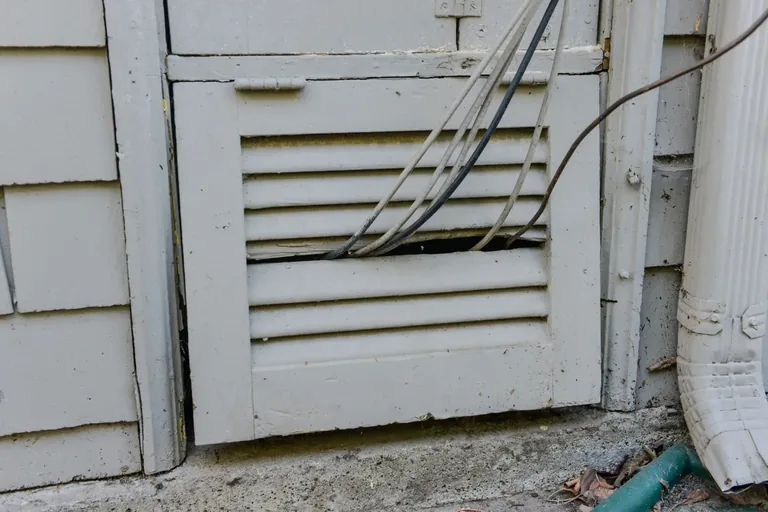
Step 03 · Clean
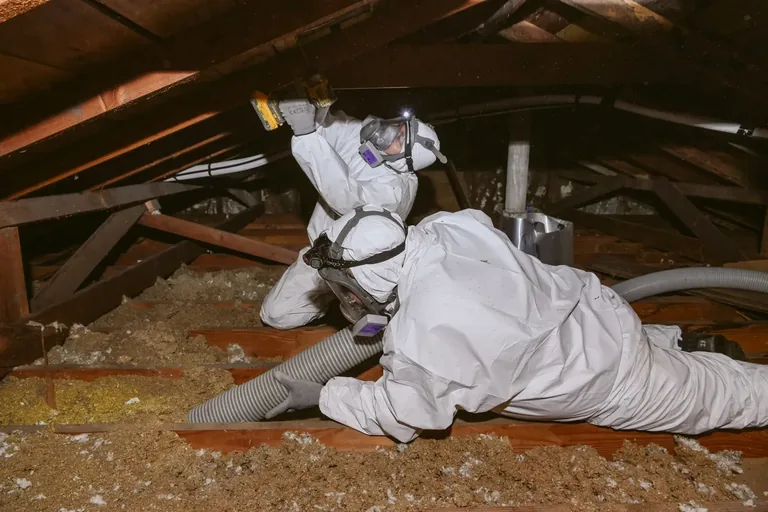
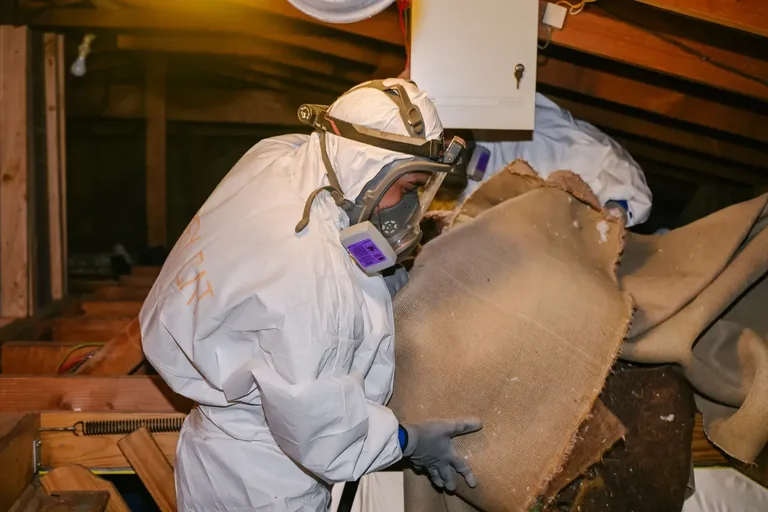
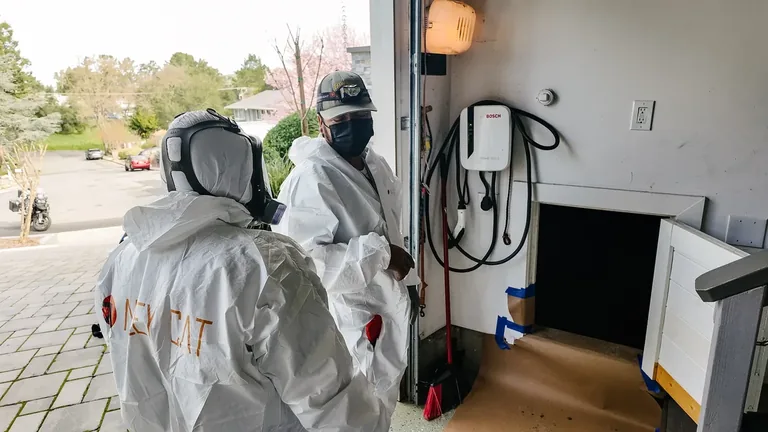
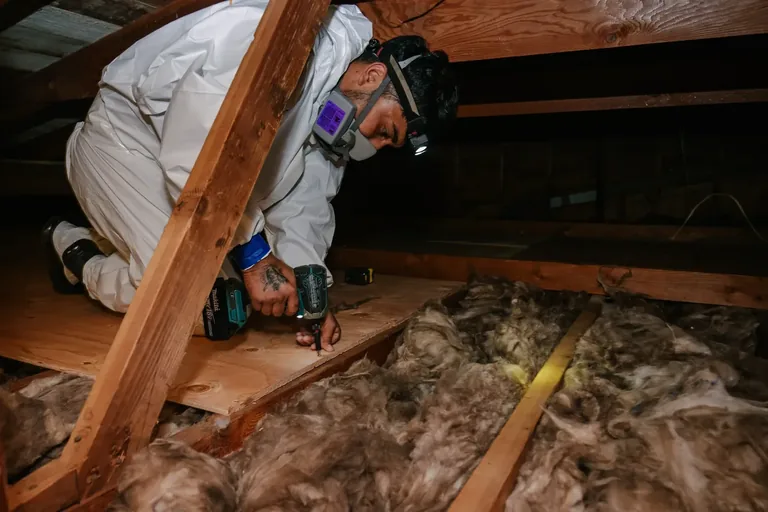
Cleanup addresses what rodents leave after a rodent infestation: droppings, urine residue, nests, damaged insulation, gnawed products, food contamination, and odor. Depending on the infestation, our team may remove affected insulation, damaged vapor barrier material, dead rodents, or debris.
Professional cleanup may include:
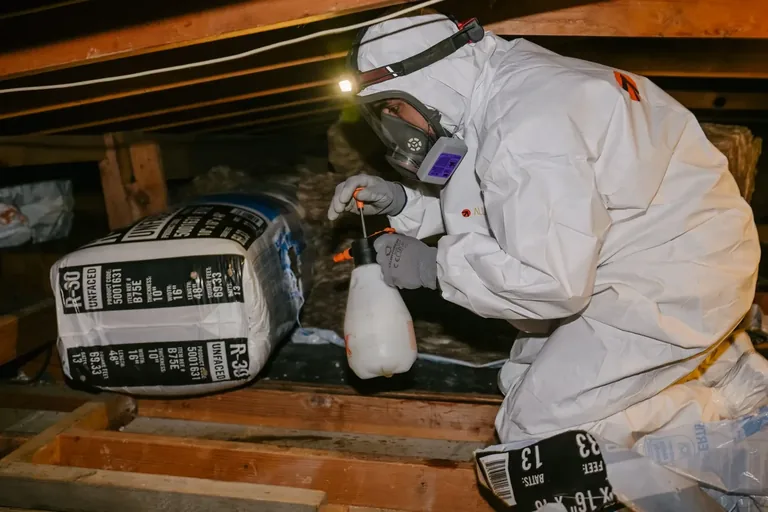
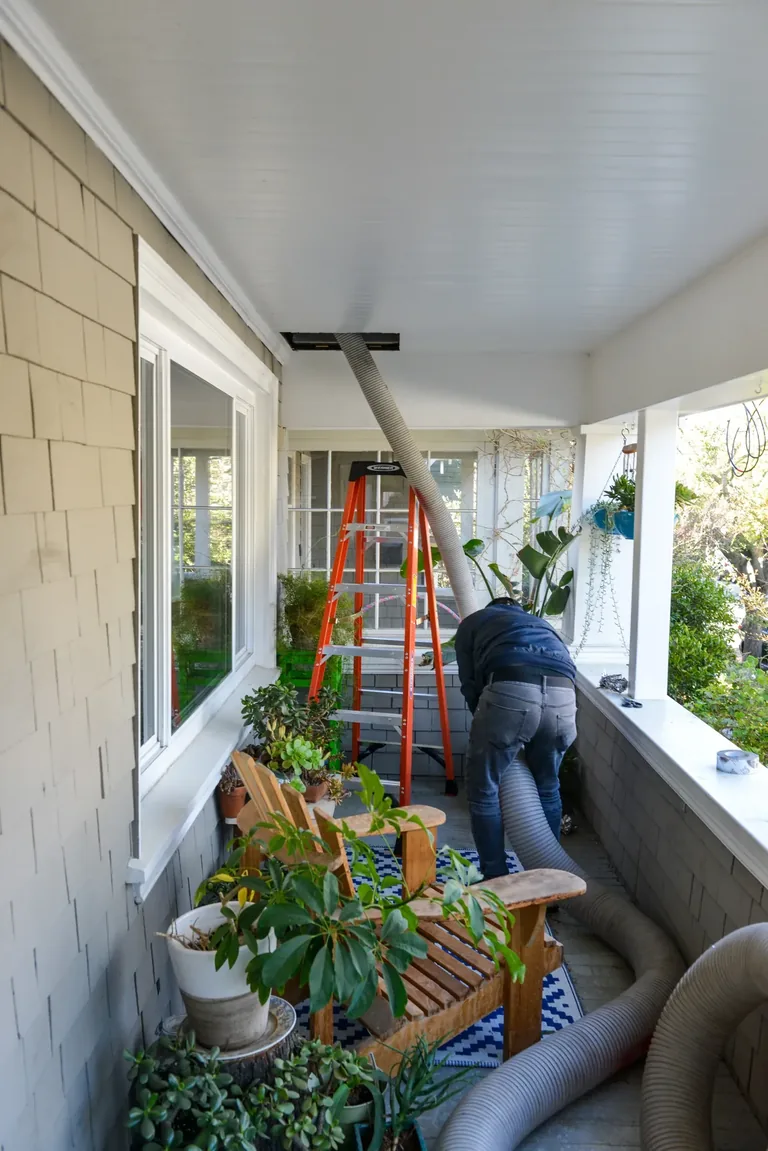
Using HEPA vacuums is critical for cleaning contaminated areas after rodent removal. That statement needs context: droppings should first be wetted and disinfected, not swept or dry-vacuumed. HEPA equipment belongs within a professional cleanup process after materials are treated.
Step 04 · Sanitize
Rodents can transmit diseases like Hantavirus and Salmonellosis. This does not mean every rodent infestation carries disease, but contact with urine, droppings, saliva, or nests can create an exposure concern for adults, children, and pets. Our specialists sanitize accessible surfaces after contamination is removed, applying products according to the area and approved scope. In difficult cases, the team can handle additional containment or material-removal needs.
Cleanup methods reduce dust and cross-contamination. Contact a healthcare professional immediately with health questions after direct exposure; Alley Cat provides pest management and decontamination, not medical diagnosis or advice about tenant rights.
Step 05 · Seal
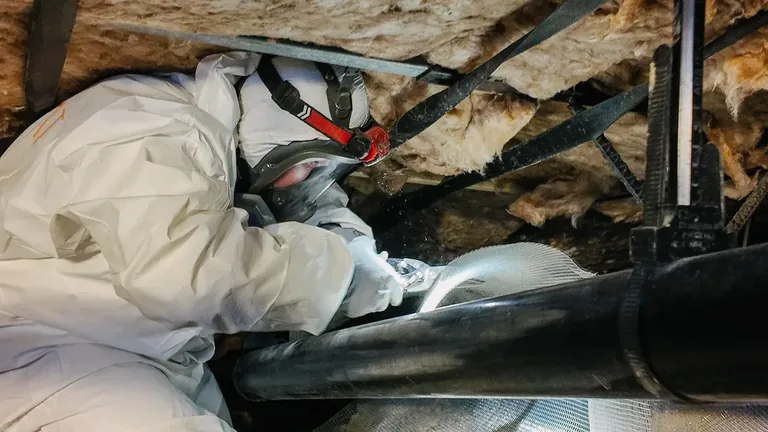
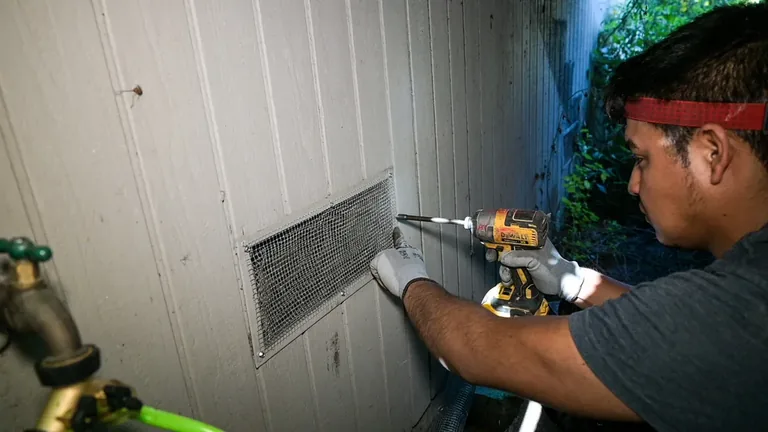
Sealing entry points is crucial for long-term rodent control. Professional rodent exclusion services can identify hidden access points in structures. These include gaps at eaves, siding transitions, foundation vents, garage corners, roof returns, and utility pipes. Rodents can enter homes through holes the size of a quarter. Mice can fit through holes the size of a dime. Those comparisons are general guides, so our team checks small openings throughout the house, including routes that rats, mice, and other rodents use.
Methods may include:
Common materials for sealing entry points include steel wool and hardware cloth. Steel wool alone can loosen or corrode, so durable repairs may pair metal mesh with sealant or use a more rigid barrier. Effective rodent control combines professional exclusion services and habitat modification. Removing food and water sources is essential for effective rodent control. Avoiding clutter and trimming vegetation can help make properties less attractive to rodents.
Many local homeowners avoid traditional poisons in favor of natural baits. Alley Cat does not treat natural bait, green products, or non toxic claims as substitutes for closing the home. Pesticides and control products require careful selection around people, pets, and wildlife. Natural deterrents like peppermint oil may deter mice but are not reliable for established infestations.
The goal is to eliminate active access, reduce conditions attracting rodents, and make the home harder to invade again. This exclusion-based control has supported more than 13,000 customers and a 97% customer satisfaction rating.
Step 06 · Trap Check
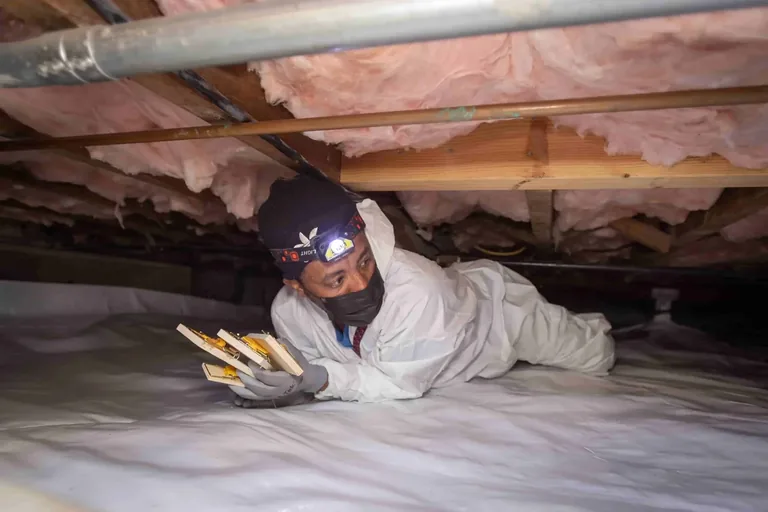
Trapping and removal are key methods in rodent control. Snap traps are considered an effective method for eliminating rodent infestations. Proper placement of traps is critical for effective rodent control and management. Our experts place traps along identified travel routes, near rub marks, and where rodents are most likely to encounter them—not where children or pets can reach them.
Scheduled checks let the team remove captures, reset traps, identify new signs, and determine whether rodents remain inside. Calling after a missed appointment or moving traps can slow control, so contact us before changing the setup.
Step 07 · Wrap Up
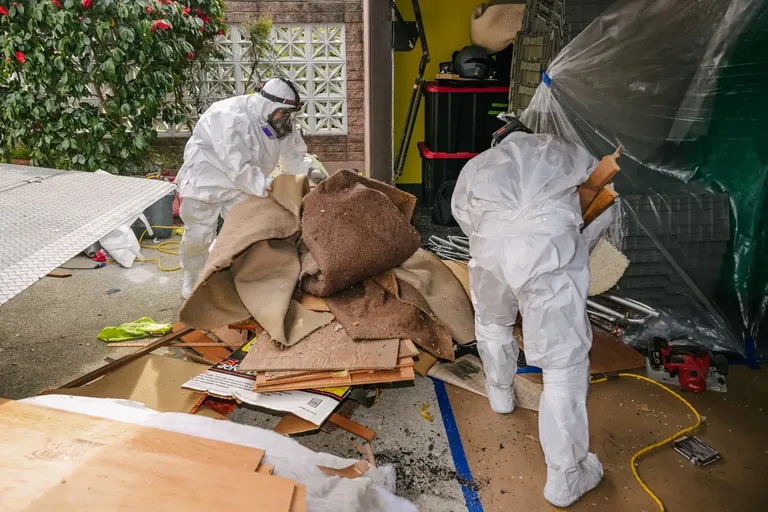
At wrap-up, the team removes job debris, captured rodents, discarded insulation, and approved waste. We review accessible work areas so customers know what was removed, treated, and repaired.
We also provide prevention information and lookout signs. Calling us quickly after new droppings, scratching, or damage helps determine whether rodents used the treated route or a different entry point.
Step 08 · Support
Rodent control can involve several visits and more than one area of a home or business. Our customer service team coordinates the schedule, answers questions, and provides information through trap checks and haul-away.
Contact Alley Cat by calling, sending a message, or using the website form. Calling early can save time, and calling with photos can help our team understand the situation before the next visit.
Most people call after hearing scratching, finding droppings, or seeing a critter in the kitchen or garage. Do not let a small rodent problem become a larger rodent infestation. Call us today to protect your family and family members while getting a clear exclusion-led plan.
Practical benefits for homes and businesses.
Specialized work beyond generic exterminator treatments.
Our experienced specialists identify roof rat, Norway rat, and mouse activity across attics, foundations, garages, kitchens, and commercial areas.
Customers searching for green or non toxic pest control can discuss options, product limitations, pets, and why structural exclusion remains the priority.
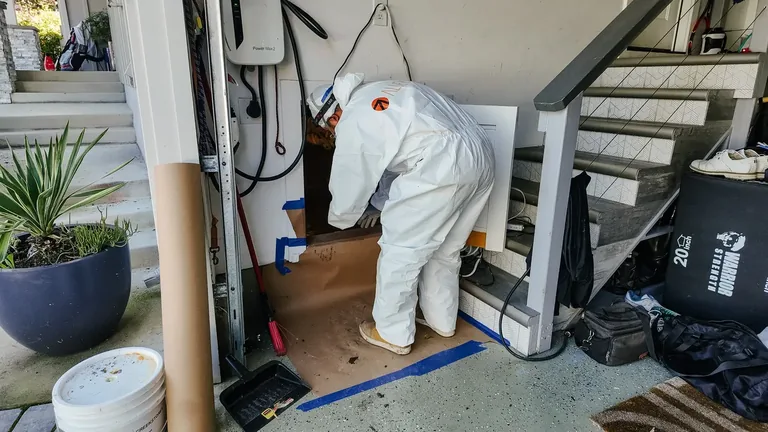
We provide control for family homes and business properties, accounting for access, sanitation, operating hours, and customer-facing needs.

The most effective home prevention plan combines several things:
Rodents often enter homes during fall when outside food becomes scarce. Female roof rats can have up to four litters a year. Rodents are nocturnal and can cause major property damage. These facts explain why early action matters, but they do not replace identifying rodents, evaluating the home, and selecting repairs that fit. Alley Cat’s experts provide professional control and customer support to solve rodent problems without pretending one treatment fits every infestation.
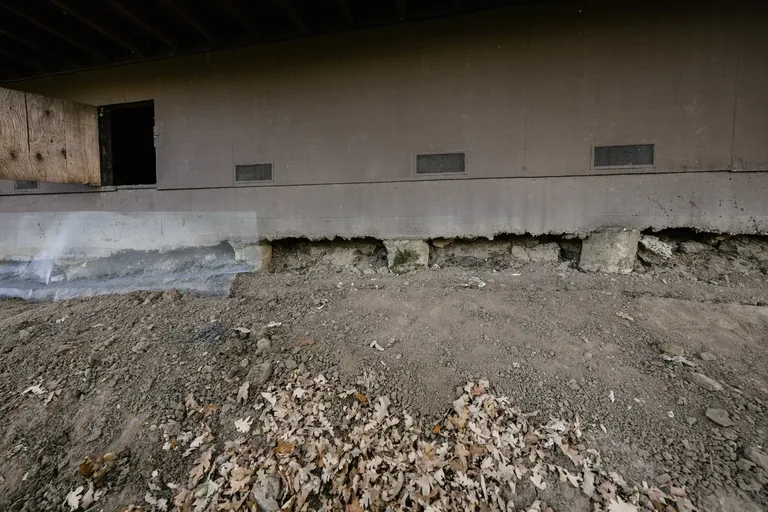
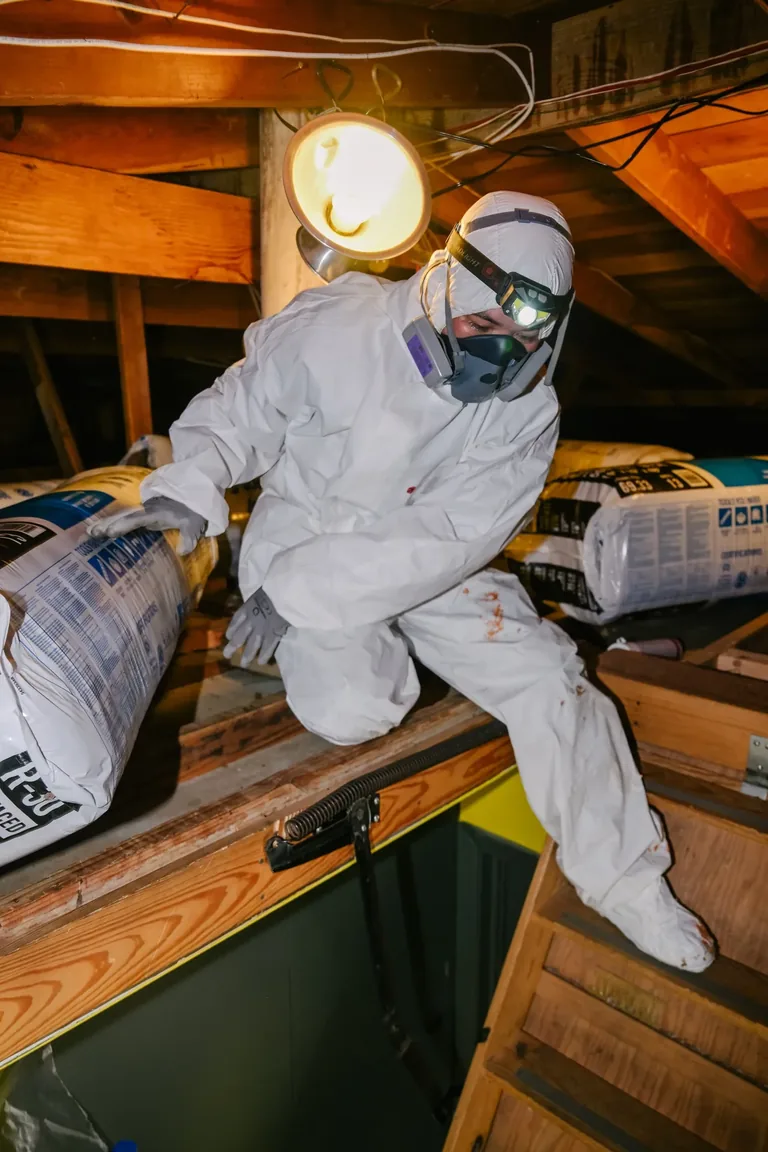
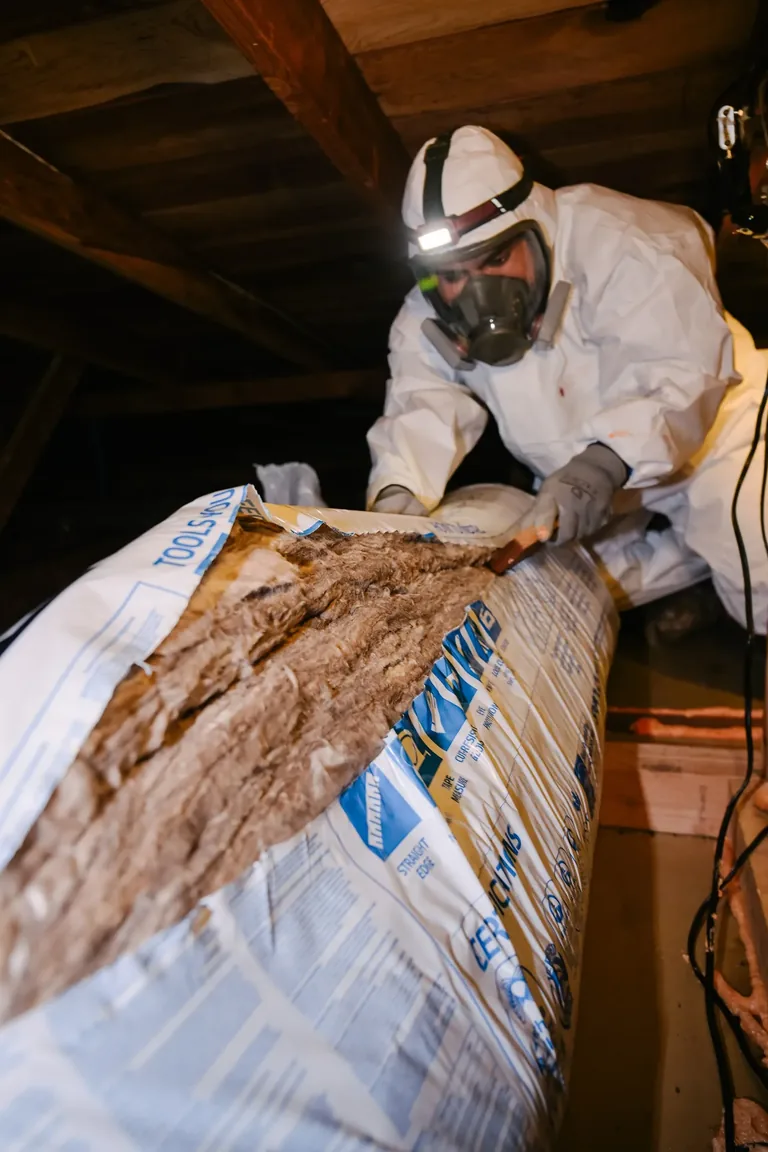
There is no single hardest rodent to get rid of in every situation, but roof rats can be difficult because they climb and use hidden roofline openings. Roof rats tend to travel above ground, and their body size does not reveal every gap they can use. Norway rats may be hard to control around a concealed burrow, while mice use small gaps and reproduce quickly.
The most important step is identifying rodents and their route. Calling an exterminator only for bait or traps may reduce activity without fixing entry. When hiring pest control companies or certified exterminators, ask whether experts inspect the exterior, make repairs, schedule checks, and provide a written plan. Choose service that addresses the whole rodent infestation rather than promising to eliminate every animal with one treatment. Keep in mind that the best experts stand behind both the service plan and the repairs.
The “5 day mouse rule” is not a universal scientific or pest control standard. Online sources use it for waiting before cleanup, giving rodents time to approach traps, acting quickly after signs, or treating five quiet days as evidence mice are gone. None proves that a rodent infestation has ended, as mice and rats can live comfortably as long as they have access to food, water, and shelter.
Alley Cat relies on signs, correct trap placement, repeated checks, and exclusion repairs. Calling the job complete after five days can miss mice inside a wall, attic, bathroom, or cabinet void. If droppings return or rodents are eating stored food, contact the team. Control should end when evidence supports it—not on an arbitrary date.
Yes, hiring professional rodent control is often worth it when rodents are inside the home, contamination is present, DIY traps have not solved the problem, or the entry point is hard to find. The value is combining trapping, cleanup, and repairs rather than repeating isolated pest control treatments.
Broad online rates can be misleading. National average pest control cost ranges from $80 to $130. That low-end figure generally describes a basic visit and is not an Alley Cat quote or a full rodent infestation project. Bed bug extermination costs average between $320 and $400. Termite colony elimination costs range from $240 to $400. Wildlife removal services start at $250 and can exceed $500. Those figures concern different pests and scopes. Pest management costs vary based on pest type and infestation extent. Redwood City customers receive a home- or business-specific estimate after inspection.
There is no single authoritative “Amish method” for getting rid of mice. Online articles attribute peppermint oil, cats, natural baits, traps, tidy grain storage, and sealing holes to Amish households, but practices vary. Evaluate each method on evidence rather than a cultural label.
Habitat modification involves keeping outdoor grills clean and using secure trash bins. Avoiding clutter and trimming vegetation can help make properties less attractive to rodents. Those steps help, but an established rodent infestation generally requires traps, removal, sanitation, and exclusion. If your house or business has been invaded, contact Alley Cat rather than relying on scent products. Call us today to discuss signs and schedule a professional inspection.
For reliable rodent control in Redwood City, CA, contact Alley Cat. Call us for a free inspection and a home or business plan built around exclusion, cleanup, and prevention.
Trusted San Mateo Pest Control Experts
Alley Cat is proud to have served more than 13,000 Bay Area customers. Home and business customers choose our professional team because this way of working makes each step clear: identify the rodent infestation, remove rodents, clean affected areas, repair the entry point, and provide support.
★★★★★
Deb Hummel Verified Trustpilot review
1,240 reviews
649 reviews
279 surveys
374 reviews