
Service Area · Santa Clara County, CA
Rodent Control Santa Clara County Homeowners Can Rely On
We serve five communities in Santa Clara County, not the whole county, and our work starts by finding how rats or mice got in.
-
 4.9 / 5
1,240 reviews -
 4.7 / 5
649 reviews -
 4.9 / 5
374 reviews -
 4.7 / 5
279 surveys -
 Accredited
A+ BBB rating
Rodent Control Santa Clara County Services
Rodent control Santa Clara County homeowners can depend on requires more than setting a few traps. Alley Cat provides rodent control Santa Clara County services focused on finding how rats or mice entered, removing contamination, closing access points, and reducing the risk of another infestation.

Most Popular Cities
- Palo Alto Explore service
- Sunnyvale Explore service
- Mountain View Explore service
- Los Altos Explore service
Other Service Areas Within Santa Clara County
- Stanford
Our Santa Clara County coverage is limited to the five areas listed above. We do not currently service the City of Santa Clara or other municipalities elsewhere in the county.
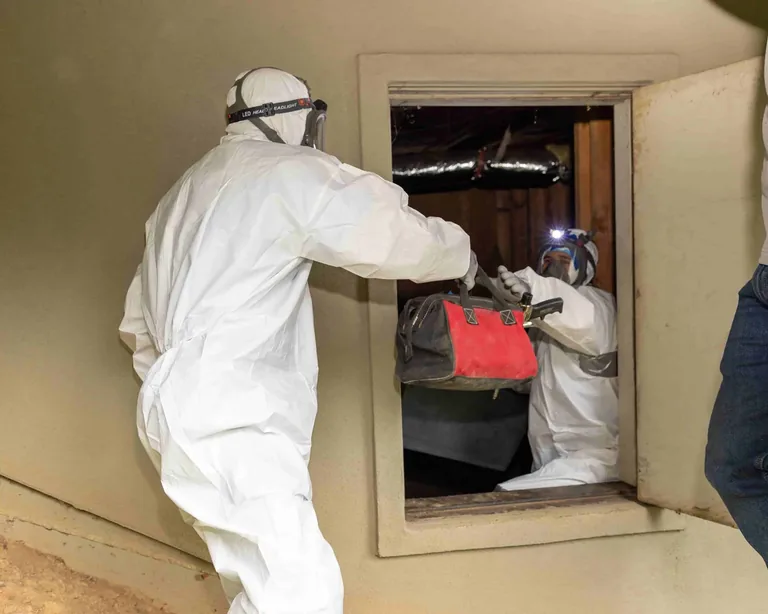
What Rodent Control in Santa Clara County Includes
Inspection, removal, restoration, control, and prevention.
Santa Clara County rodent control identifies activity, removes rats, mice, and contaminated materials, and corrects structural openings. Unlike broad pest control services for many pests, this home service focuses on rodent pests, cleanup, proofing, and monitoring. Rodents commonly identified include roof rats, Norway rats, and house mice. Rodent control is a common service provided by pest control companies. Alley Cat treats the infestation as a connected home problem, not a one-visit treatment from general exterminators.
Our control work focuses on three outcomes:
- Identify the problem: Find pests, damage, food, cover, travel routes, and entry points.
- Restore affected spaces: Remove waste, nests, odors, carcasses, and damaged material.
- Prevent recurrence: Use barriers, monitoring, and strategies around the home.
Effective Treatments for Rats and Mice
Many general exterminators treat visible pests; some rat exterminators or mouse exterminators set devices without correcting the structure. Alley Cat’s effective treatments combine professional inspection, targeted control, cleanup, and physical proofing. Rodents can live in attics, basements, crawl spaces, garages, wall voids, or a kitchen while entering elsewhere. Rodents reproduce quickly, leading to rapid infestations.
Homeowners receive:
- Identification of the rats or mice, home routes, and affected area
- Treatment selected for the Santa Clara County property
- Professional removal and sanitation for indoor pests
- Structural control to protect the home after active rodents are addressed
For help dealing with scratching, droppings, odor, or repeat pests, request a rodent inspection today.
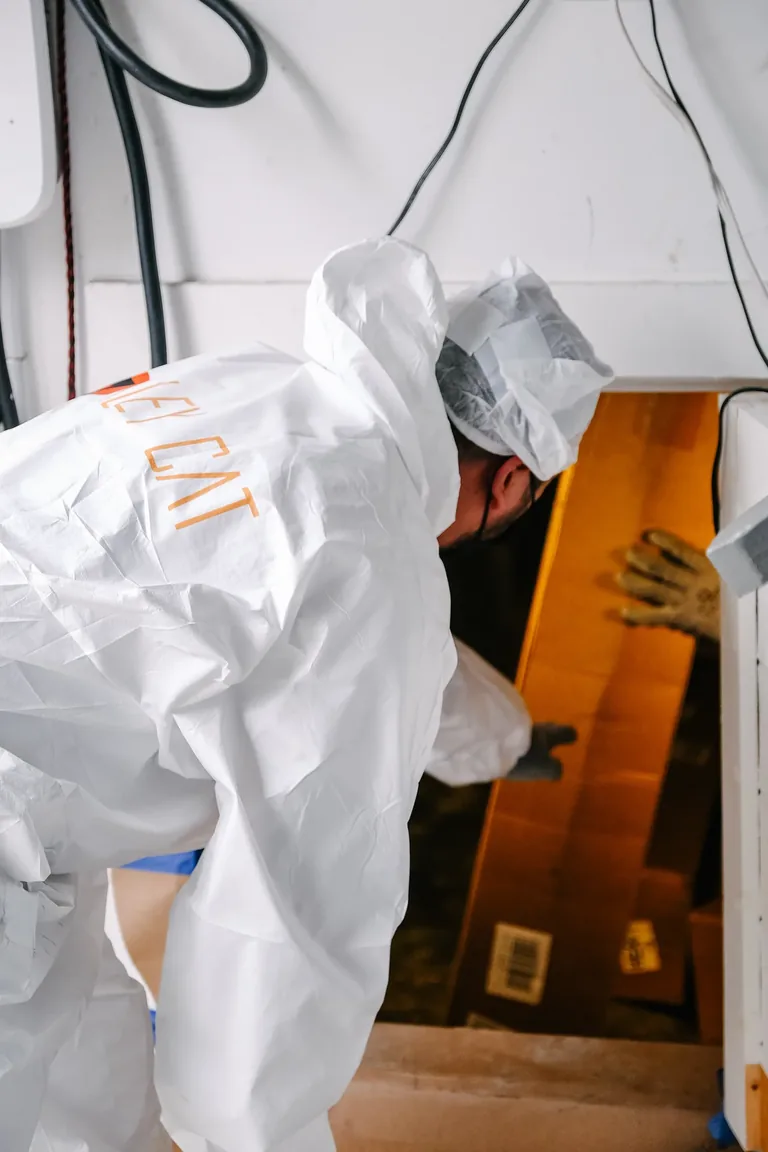
Our Santa Clara County Rodent Control Process
Every Santa Clara County home has a different construction type, access, and infestation conditions. Alley Cat adapts each review, treatment, and control plan to the evidence, then coordinates the required action through these stages:
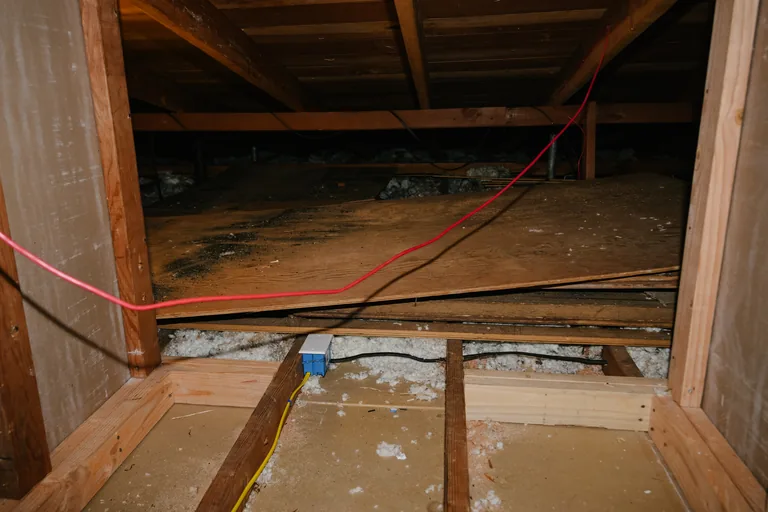
Step 01 · Inspect
Free Rodent Inspection
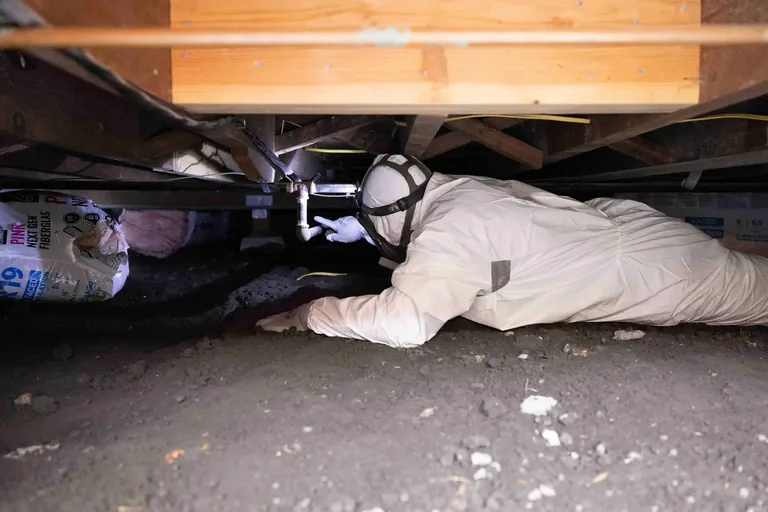
A professional rodent inspection reviews home and exterior spaces where rats, mice, or other pests may feed, nest, travel, or enter. The team may check attics, basements, crawl spaces, the garage, roofline, foundation, vents, utilities, yard edges, and additions. We identify droppings, rub marks, gnawing, damaged insulation, food, cover, and entry points.
Free exterior rodent inspections are offered by the Santa Clara County Mosquito and Vector Control District. That offer is exterior-only; it excludes indoor review, removal, cleanup, attic or crawl-space entry, roof work, and repairs. Alley Cat’s visit determines whether private pest control service is needed.
- Locate suspected rodent routes
- Identify contamination, pests, damage, and conducive conditions
- Clarify which treatment, cleanup, or repair action may be required

Step 02 · Diagnose
Diagnostic Report & Estimate
Alley Cat prepares a Comprehensive Diagnostic Report describing observed rats or mice, active zones, suspected openings, contamination, and recommended control work. It may identify vulnerable vents, foundation gaps, roof transitions, damaged material, food sources, shelter, and other conditions contributing to the infestation. You receive an estimate based on the property rather than a phone-only guess from exterminators.
The report also explains why particular treatment strategies are recommended. In the broader pest-control industry, EcoWise-Certified companies use environmentally conscious pest treatments, Integrated Pest Management (IPM) strategies reduce chemical use, and GreenPro certification ensures environmentally responsible pest control services under their respective third-party standards. This page does not claim that Alley Cat holds either certification.
Statements such as “eco-friendly pest control protects families and pets from harmful chemicals” are too absolute because even lower-impact methods require responsible use. Low-impact removal techniques avoid harmful poisons in pest control where appropriate, and Alley Cat prioritizes mechanical trapping, physical exclusion, sanitation, and structural repairs rather than relying on poison as the primary solution.
Before authorizing work, read the estimate, confirm the property scope, and ask whether the recommended plan addresses active rodents, contamination, entry points, and the conditions that could allow the problem to return.
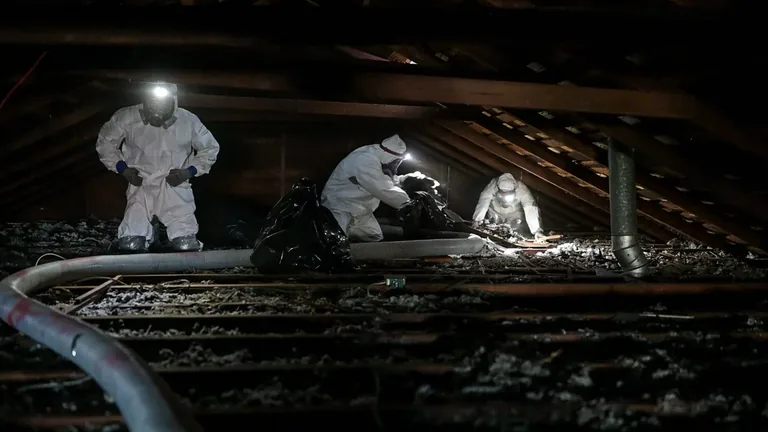
Step 03 · Clean
Cleanup & Removal
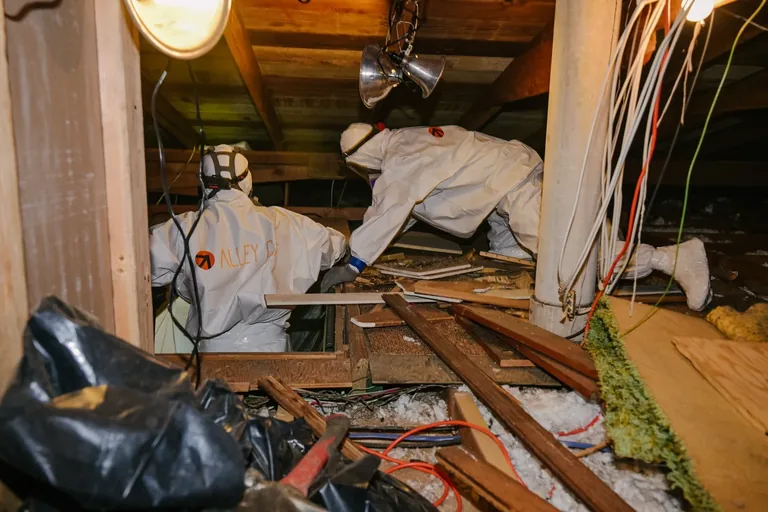
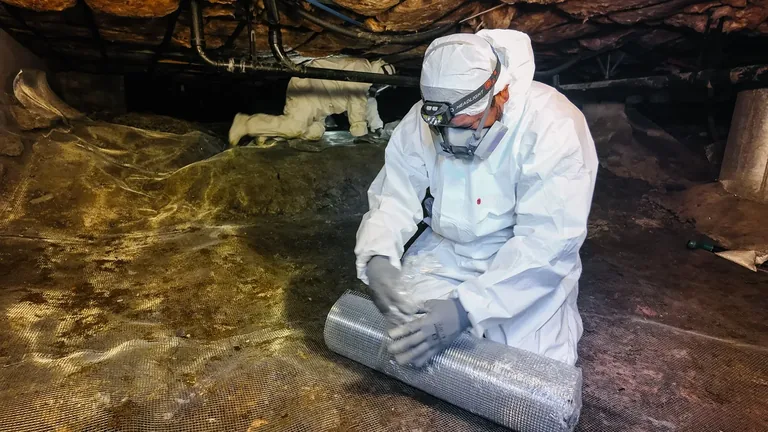
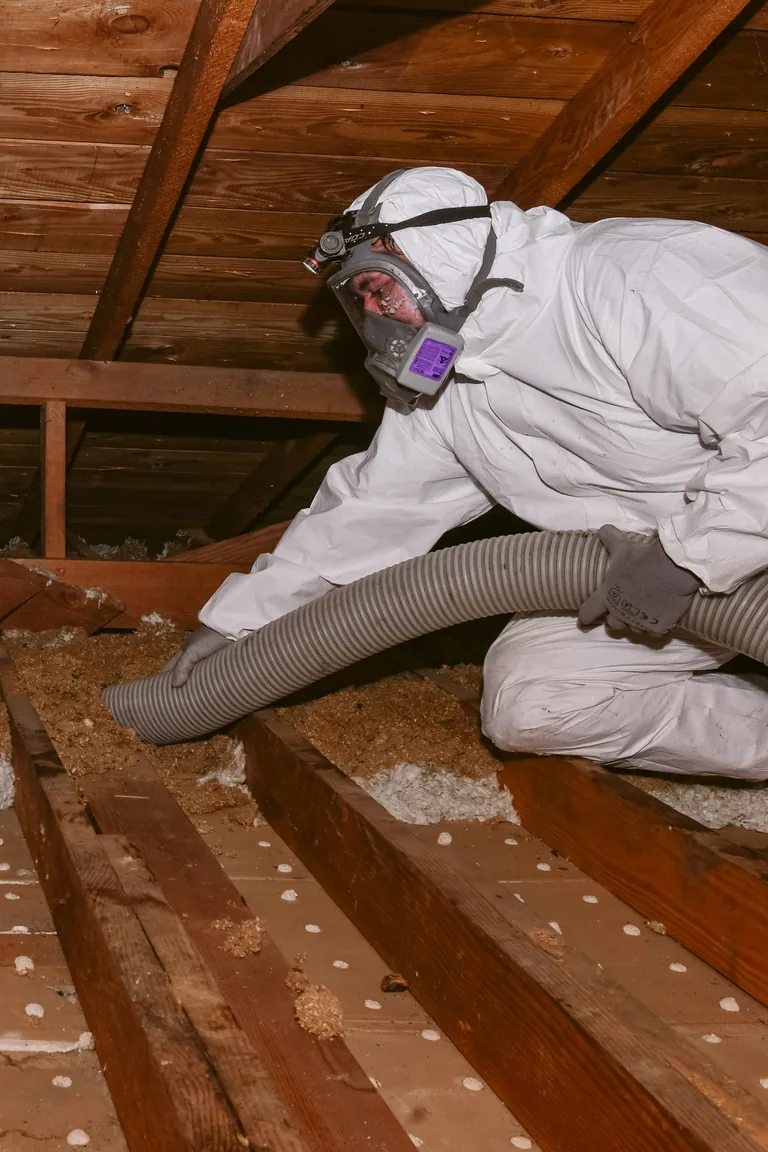
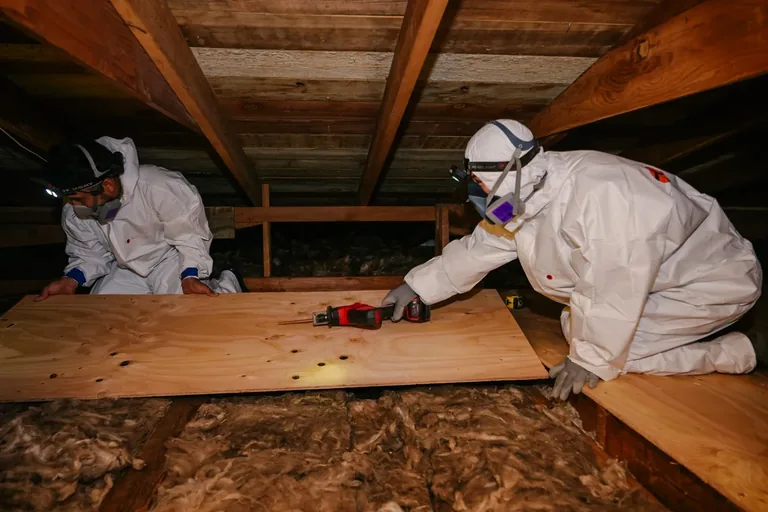
Rodent cleanup addresses what rodents and other pests leave after an infestation. Effective cleanup after an infestation requires protective measures and proper removal methods. Our professional team contains debris instead of asking the homeowner to manage contaminated material.
Specialists may handle:
- Droppings, nesting material, carcasses, and loose debris
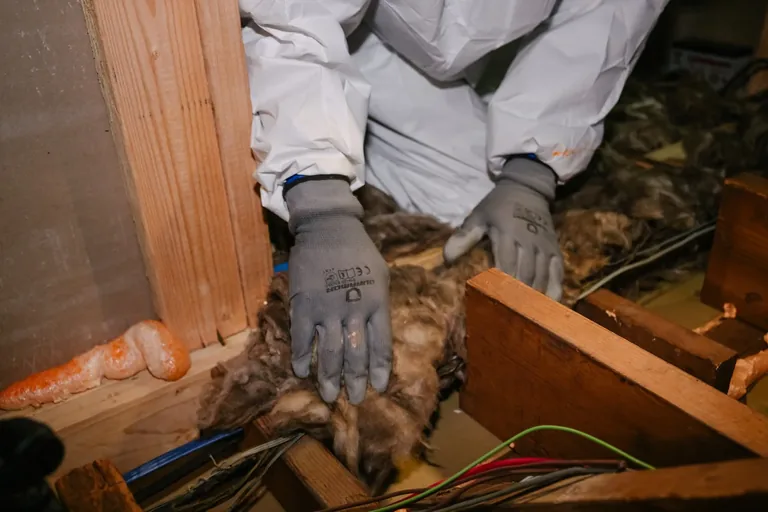
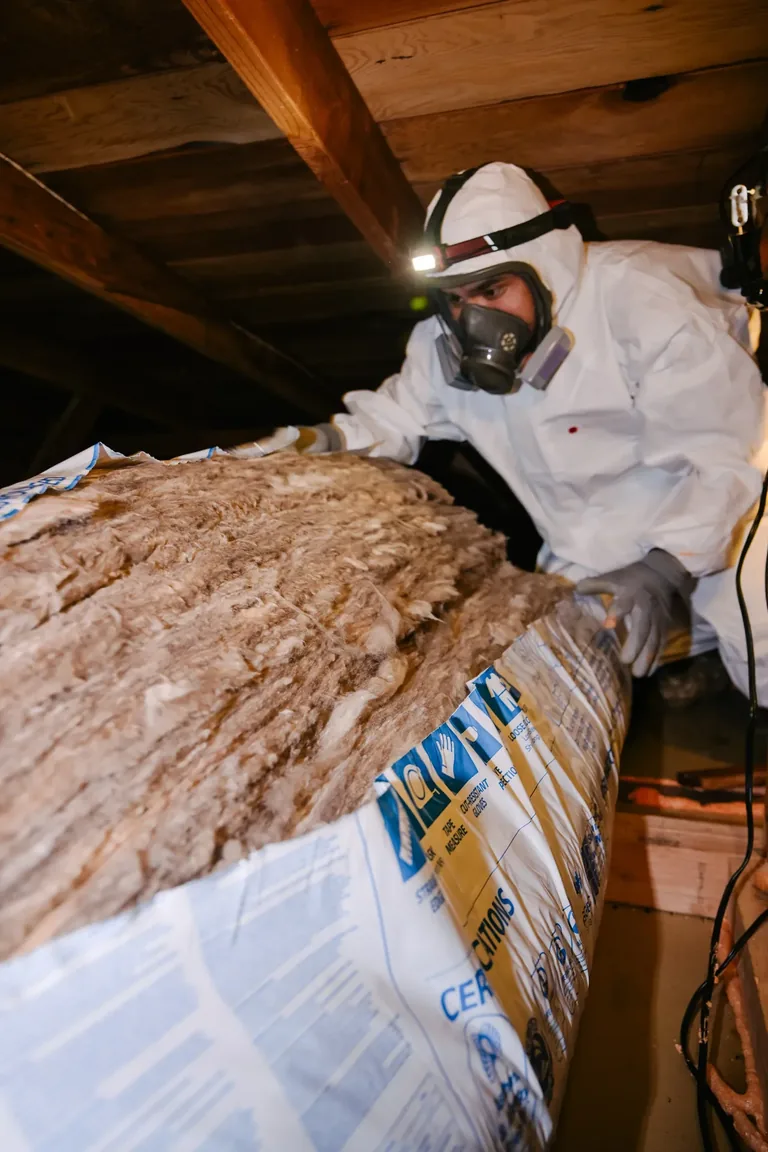
- Contaminated insulation or damaged vapor-barrier material
- Bagging, controlled removal, and haul-away from the home
Attic and crawlspace sanitation removes droppings and nests to eliminate scent trails. More precisely, sanitation reduces contamination and odor cues; it cannot guarantee removal of every microscopic trace.
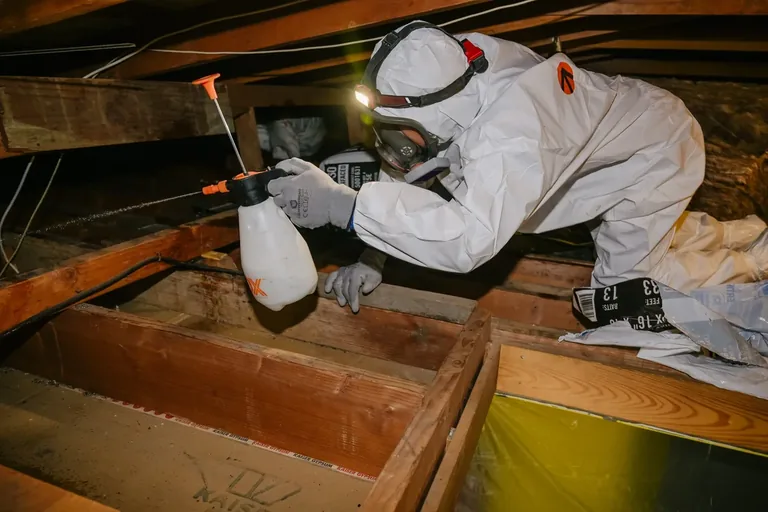
Step 04 · Sanitize
Sanitize & Decontaminate
Sanitation and decontamination address urine, fecal residue, nests, odor, and contamination left by rats and mice indoors. Treatment follows debris removal, especially in attics, basements, crawl spaces, garages, and enclosed home voids where pests may live.
The health point is specific: contact with rodent urine, droppings, saliva, nesting material, or contaminated food can expose people to pathogens. Decontamination supports safer restoration, but does not replace repairs, medical advice, or continued control.
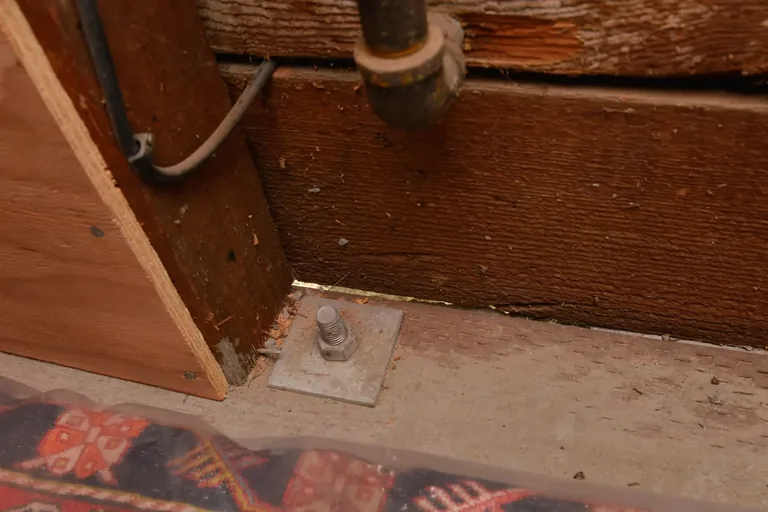
Step 05 · Seal
Seal, Reinforce, & Prevent
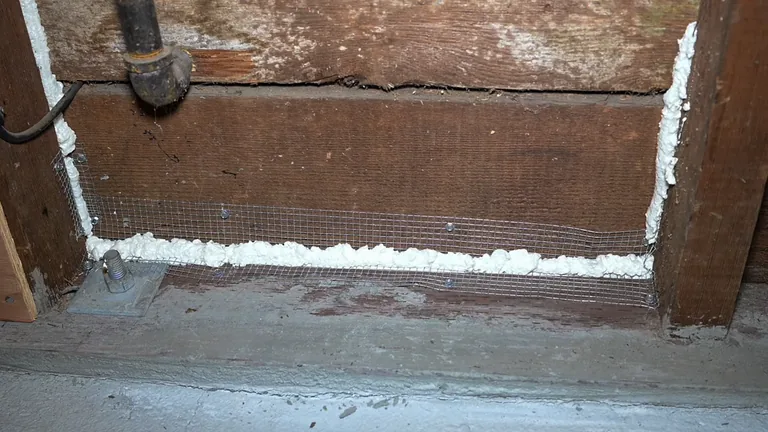
Physical proofing separates durable control from temporary removal by exterminators. Rodents can enter homes through gaps as small as a quarter. Openings around one-quarter inch can matter, especially for mice. Sealing entry points prevents rodents from entering structures. Repairs reduce access for pests, but no pest control company can guarantee against new damage.
Depending on the Santa Clara County home, the service may offer:
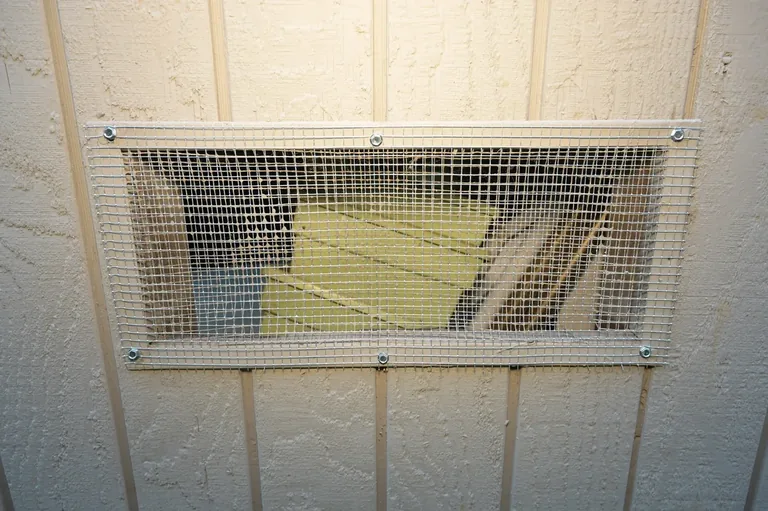
- Vent screeningFit metal screening over attic, roof, foundation, and crawl-space vents.
- Utility-gap sealingClose openings around plumbing, cables, conduits, and refrigerant lines.
- Roofline reinforcementRepair eaves, fascia, soffits, returns, and separated joints.
- Foundation barriersReinforce gaps between concrete, framing, siding, and soil.
- Door protectionCorrect exterior and garage-door gaps with fitted barriers.
- Targeted trenchingInstall below-grade barriers where rats are moving beneath an edge.
Structural repairs address construction gaps to deter rodent access. Professional rodent proofing is considered the most effective method to stop infestations permanently. More accurately, proofing is the strongest long-term strategy when paired with removal, sanitation, monitoring, and maintenance; exterminators cannot promise pests will never exploit a future opening.
Environmental control matters too. Managing food sources like pet food and outdoor areas decreases rodent attraction. Environmental modification includes landscaping and sanitation to prevent re-infestation. Creating a clear perimeter of at least two feet prevents access for pests. A clear zone reduces harborage but cannot prevent every pest. Trimming tree branches keeps them at least four feet away from the roofline. UC IPM recommends three feet; four is conservative where tree health allows.
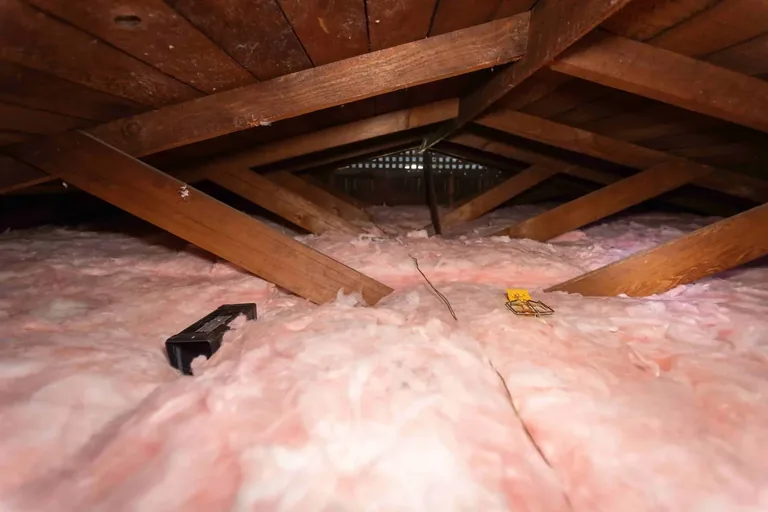
Step 06 · Check
Set Trap Checks
Targeted trapping maximizes results by placing traps at specific entry points. Placement is also drawn from droppings, rub marks, gnawing, nests, and food activity. Professional trapping and removal services are more effective than DIY methods. For an established infestation, trained exterminators can identify rat and mouse routes and monitor pests more reliably than random devices.
Prioritizing mechanical trapping over poison minimizes risks to pets and wildlife. It does not eliminate all risk, so devices are placed with children, pets, and non-target animals in mind. Checks show whether rats or mice remain indoors after openings are corrected.
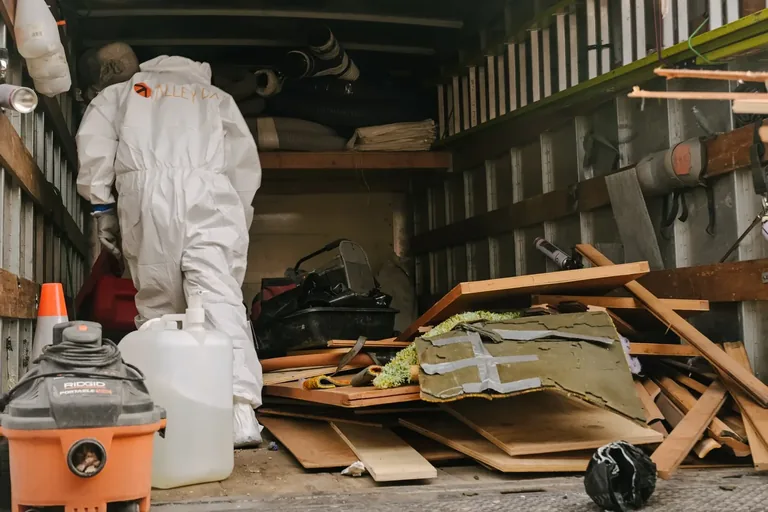
Step 07 · Haul
Wrap Up & Haul Away
The team contains and hauls away insulation, nests, protective material, packaging, and job debris, so the homeowner is not left dealing with contaminated bags.
Good documentation explains the work and unresolved issues. Clients can read the report, read notes for coming months, and understand which problem signs justify a same-day phone call.

Step 08 · Support
Customer Service
A rodent problem can involve several treatments, home areas, and field visits. Alley Cat customer service helps schedule appointments, coordinate checks, and connect the homeowner with the team. We provide updates about what to expect from each treatment and inspection, offer time for questions, and address time-sensitive business or rental issues.
Our goal is good communication through the final day. Rather than managing separate exterminators, cleaners, and repair crews, clients receive one coordinated service path.

Stop Rodents at the Source
Traps can remove individual rats or mice, but they cannot solve an open vent, roof gap, foundation opening, or utility penetration. Schedule a free rodent inspection today to find the source, understand the treatment, and receive a Santa Clara County home estimate.
Book Free Inspection
Benefits of Local Santa Clara County Pest Control
Practical control for the home, family, and property.
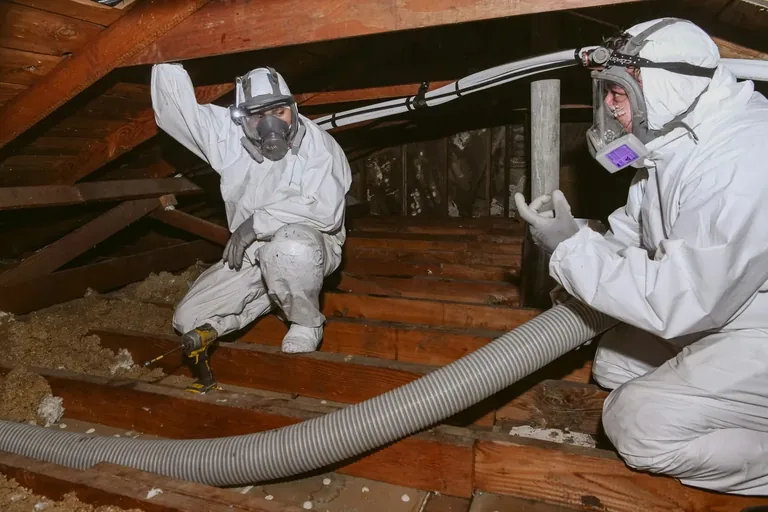
- Local ScopeService covers five approved Santa Clara County communities.
- Rodent FocusControl addresses pests, contamination, damage, routes, and prevention.
- Detailed FindingsThe review identifies rodents before treatment is recommended.
- Targeted MethodsStrategies match the infestation and affected home area.
- Physical ProofingBarriers reduce opportunities for rats, mice, and other pests.
- Contamination CareProfessional cleanup addresses nests, waste, odor, and damage.
- Monitoring ScheduleChecks measure control after home repairs.
- Clear SupportOne team coordinates work, schedule, report, and follow-up.
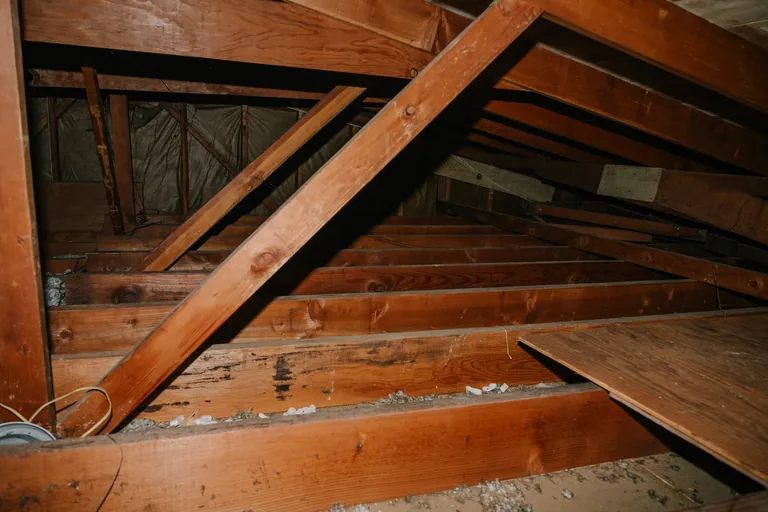
Structural Focus
Alley Cat looks beyond what general exterminators treat. We identify how pests move through a home, where rodents find shelter, and which repairs reduce access.
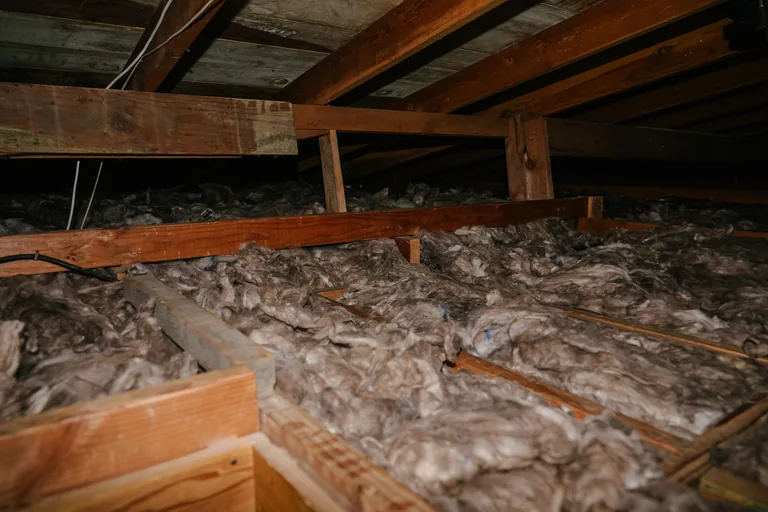
Documented Findings
The report explains what was found, which control strategies are recommended, and why this rodent service differs from routine pest control services for insect pests.
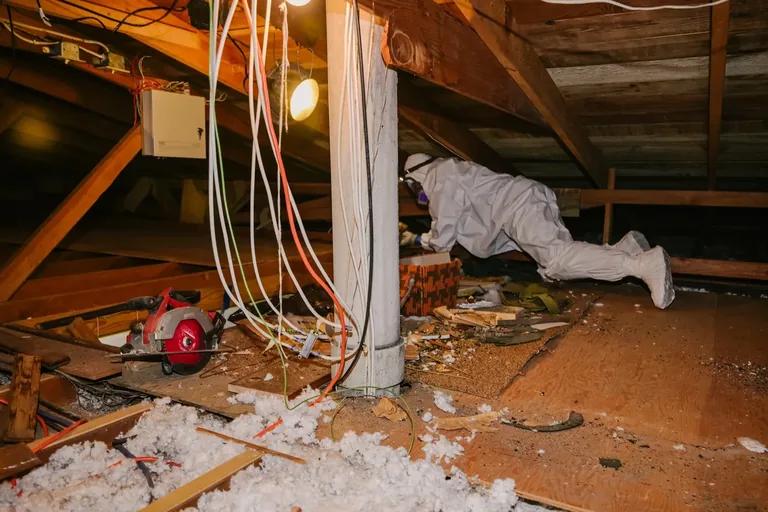
Full-Service Care
Alley Cat coordinates the major stages of rodent control through one experienced team. Instead of asking homeowners to separately manage exterminators, insulation contractors, cleanup crews, and repair companies, we connect the inspection findings to the work required inside and outside the home. That coordinated service may include rodent inspection, targeted trapping, contaminated-material removal, sanitation, entry-point sealing, structural reinforcement, trap checks, and haul-away. The result is a clearer scope, fewer handoffs, and a treatment plan built around how rats or mice are actually using the property.

“The Alley Cat team was able to easily identify entry points into my home and went above and beyond in their service, addressing items that were not originally scoped in the contract. The communication was excellent and left the place spotless. Would highly recommend”
Mark GuintibanoVerified Trustpilot review
-
4.9 / 5
1,240 reviews -
4.7 / 5
649 reviews -
 4.7 / 5
279 surveys -
 4.9 / 5
374 reviews
Request Your Free Inspection
Call or submit a request for service in approved Santa Clara County cities. A Santa Clara CA search can lead here, but coverage remains limited. Our team identifies the rodents and recommends the next treatment action.
Santa Clara CA Rodent Treatment: County Search Clarification
Santa Clara CA is a search phrase, not a statement that Alley Cat serves the City of Santa Clara. Here, Santa Clara CA applies only to five approved cities. Results for Santa Clara CA mix county and city pages, exterminators, wildlife providers, and business pest control.
Alley Cat does not serve the City of Santa Clara, Milpitas, or unlisted cities. Santa Clara CA, Milpitas, warehouses, business properties, and exterminators appear only to clarify scope. This Santa Clara County service covers home needs in these cities.
The service centers on:
- Professional review and rodent identification
- Treatment, removal, cleanup, and monitoring
- Structural repair and prevention strategies
Why Is Rodent Control Important?
Rats and mice can contaminate food, damage insulation or ducts, and create health concerns. Professional rodent control helps maintain compliance with sanitation codes. That industry point is relevant to a business, rental, food facility, or warehouses; it does not expand Alley Cat’s stated home service scope.
How Exclusion Helps Get Rid of Rodents
How exclusion helps get rid of rodents is straightforward: remove active pests, close openings, reduce food and shelter, and monitor. Rodent control services often include trapping and exclusion methods. The mix must fit the Santa Clara County infestation.
County-Specific Coverage
Pest control companies in Santa Clara offer wildlife removal services. A Santa Clara CA result may surface wildlife providers, but that broad statement does not describe this service. Alley Cat offers rodent-focused home control in five Santa Clara County communities—not wildlife or insect treatment, or service in all county cities.
FAQ’s: Santa Clara County Rodent Control
What is the most effective rodent control?
The best rodent control combines professional proofing, targeted trapping, sanitation, and environmental modification. Exterminators who only treat visible rats or mice may reduce pests without correcting the home. A sound plan starts with a rodent inspection, identifies rodents, removes active pests, cleans affected areas, and repairs openings connected to the infestation.
The plan should reduce food, water, and harborage. Keep pet food sealed, manage waste, and thin dense vegetation. No treatment can guarantee permanent results, but proofing plus monitoring is more durable than traps alone. Alley Cat combines pest control, cleanup, and prevention for Santa Clara County homes.
What month are rats most active?
Rats are active all year, so there is no single month when every Santa Clara County property has peak activity. In these cities, homeowners may notice more rodents indoors during cooler fall and winter conditions, while heat, drought, landscaping, and food can shift pest activity from year to year.
Watch for scratching, droppings, gnaw marks, disturbed insulation, and food damage. Roof rats often travel above ground; Norway rats more often use lower areas and burrows. A quiet day does not prove pests are gone. Contact professional exterminators when signs appear.
How do I get rid of rodents permanently?
You cannot honestly guarantee that rodents will be gone permanently, but professional proofing and maintenance can greatly reduce return risk. Identify rodents, remove active pests, clean contamination, and close current openings. Then manage food, water, shelter, vegetation, screens, doors, vents, and new home gaps.
Be cautious of exterminators promising a forever guarantee without explaining maintenance or new damage. A good Santa Clara County plan includes:
- Mechanical trapping and checks
- Durable repairs at confirmed openings
- Sanitation for nests and droppings
- Review after remodeling or roof work
Call Alley Cat for repeat rats, mice, or pests in a covered Santa Clara County community today.
How much is pest control for rats and mice?
The price of pest control for rats and mice depends on infestation size, access, treatment type, cleanup, repairs, and follow-up. Published national ranges place basic one-time rodent extermination around $150–$600; the low end covers limited trap work, not Alley Cat’s full cleanup, structural control, and prevention scope. This is not an Alley Cat quote.
Costs rise when rats or mice live in attics, basements, walls, ducts, or crawl spaces, or when insulation and openings require work. General exterminators may quote one treatment; rodent exterminators may include reporting, checks, sanitation, and repairs. Request a Santa Clara County assessment for a specific estimate.
Serving the Santa Clara County Communities We Cover
Schedule a free inspection, or call the local team to talk through what you are seeing before you book.