
Customized, Local Approach
We tailor the service to the home, rodent species, access, contamination, family routine, and local conditions—not a one-size exterminator package.

Bay Area Pest Control Services
Rat pest control may involve several different services depending on where rats are living, how they are entering, and the extent of the infestation.
 4.9 / 5
 4.7 / 5
 4.9 / 5
 4.7 / 5
 Accredited
Alley Cat’s rat pest control services help Bay Area homeowners identify active rat problems and choose the appropriate next step. Explore our rat control and exclusion, extermination, and removal services below.

Rat pest control from Alley Cat combines rat-specific rodent control, cleanup, trapping, exclusion, and prevention for Bay Area homes. Since 2016, we have serviced 13,000+ Bay Area homes, including San Francisco, Oakland, and Alameda County, with 97% customer satisfaction. Instead of treating the symptom alone, our rat pest control team identifies the rat infestation, removes contamination, closes access, and reduces conditions that invite rats and mice back.
Contact Alley Cat for a free inspection and the right rat control service for your house.
Our specialists choose traps after reading travel paths, nesting signs, and the location of people and pets. Snap traps are an effective method for indoor rat elimination. Mechanical traps are effective for rat removal. Trapping is a preferred method over using poison for rats. Rodenticides pose risks to pets and wildlife and should be used cautiously. Glue traps can leave rodents stuck; bait or poison is considered only when the situation, target rodent, and rules support it.
Rats are attracted to food substances left accessible. Pet waste can attract rats to your property. Rats are drawn to trash cans for food scraps. Dripping pipes provide a water source for rats. Unsealed pet food, birdseed, fallen garden fruit, and garbage also attract rodents. Rats eat and drink what is easy to reach; even scraps on counters matter. Products marketed to repel rodents do not close an entry route, so remove attractants and block access.
Lasting rodent control means changing the environment instead of repeatedly setting a trap. Trimming vegetation 4 feet from the house reduces rat access. Local guidance uses different clearances; the goal is keeping limbs and vines from becoming a bridge. The rodent control plan focuses on:
Rat-specific protection, cleanup, and prevention.
What is rat pest control? It is the coordinated process of finding rodents, understanding how they live on the property, completing rodent removal, cleaning contaminated areas, and preventing reentry. This subcategory page focuses on rats; Alley Cat scopes mouse, mice, attic, crawl-space, squirrel, and other wildlife problems separately. Norway rats can grow to lengths of 13-16 inches. Roof rats weigh about 5-10 ounces as adults. Norway rats are also known as brown or sewer rats. Roof rats are commonly referred to as black rats. Norway rats prefer to nest in basements or ground floors. Roof rats prefer aboveground nesting locations like trees. Both typically live near people; repeated litters can raise activity, although litters vary by year and conditions.
On a city block or open land, use cases include:
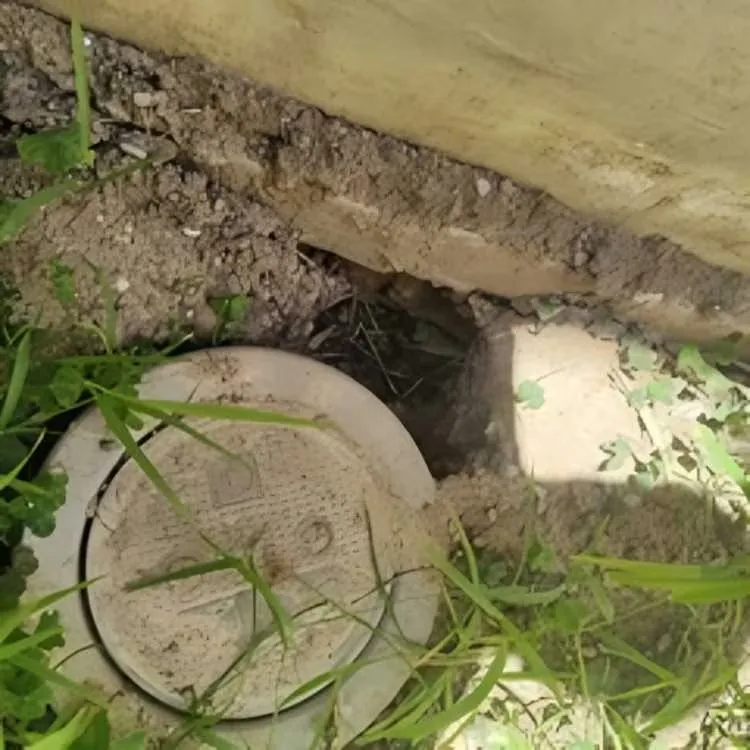
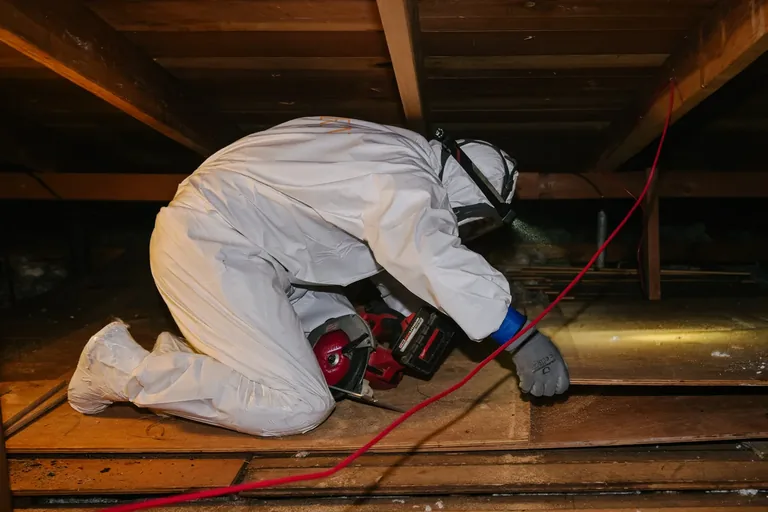
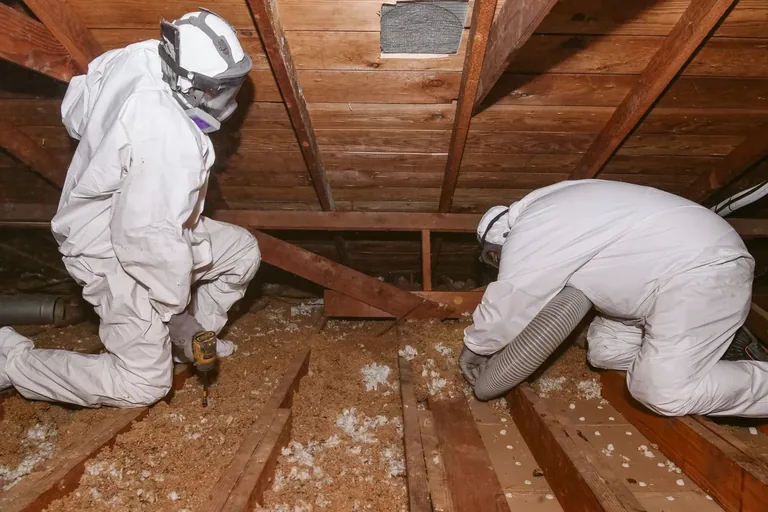
Our process addresses rodents, contamination, and the access points behind the infestation. Every project starts with a property-specific plan:
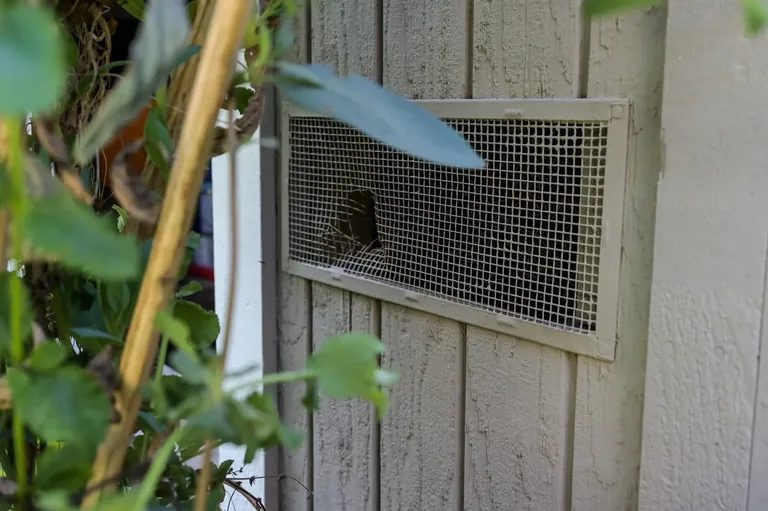
Step 01 · Inspect
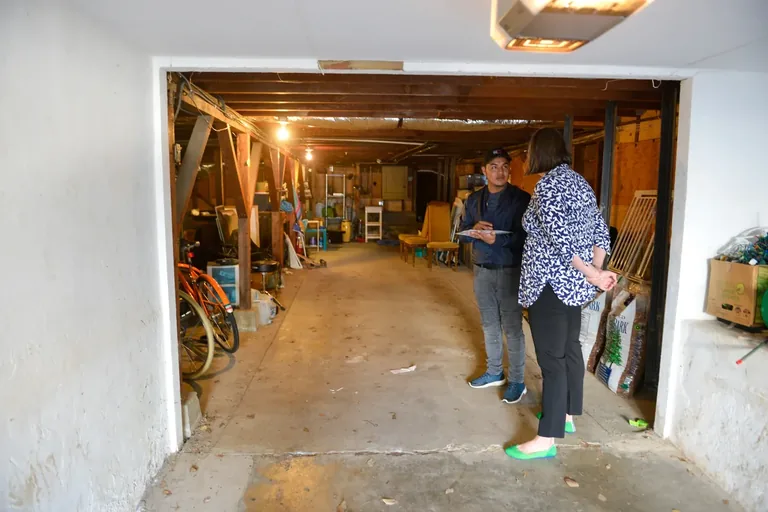
The first thing our specialist does is inspect exterior and interior areas related to rodent movement. A thorough inspection may cover the attic, crawl space, wall lines, foundation, siding, vents, roof returns, garage, cabinets, yard, and a hole connected to sewers or ground burrows. In Oakland and elsewhere, we search for evidence: scratching at night, tracks, gnawing, rub marks, droppings, feces, nesting material, smell, and damage.
Professional inspection can help identify rat entry points. Rats can enter through openings as small as half an inch. The visit helps you:
Step 02 · Diagnose
The Comprehensive Diagnostic Report, commonly called the CDR, provides a description, useful photos, and tailored estimate. It identifies the rodent type and whether the job calls for trapping, cleanup, sealing, reinforcement, or repairs. Unlike a generic exterminator quote, it explains scope, expense drivers, materials, and order so you can ensure the issue is clear before hiring the company.

Step 03 · Clean
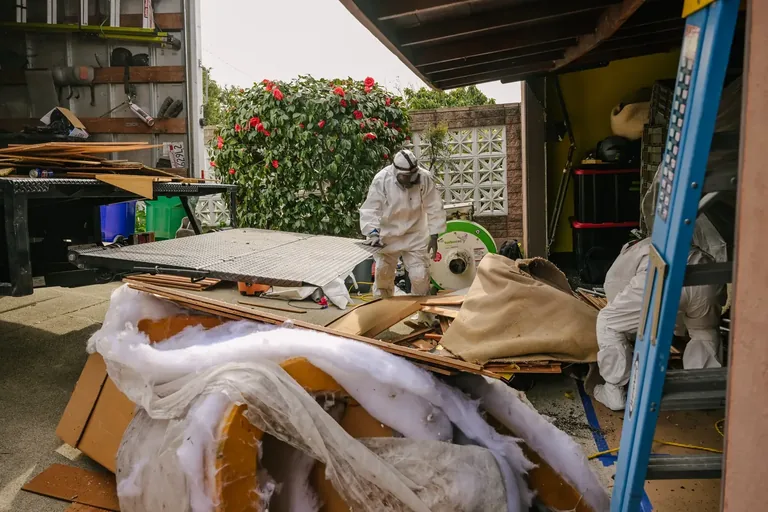
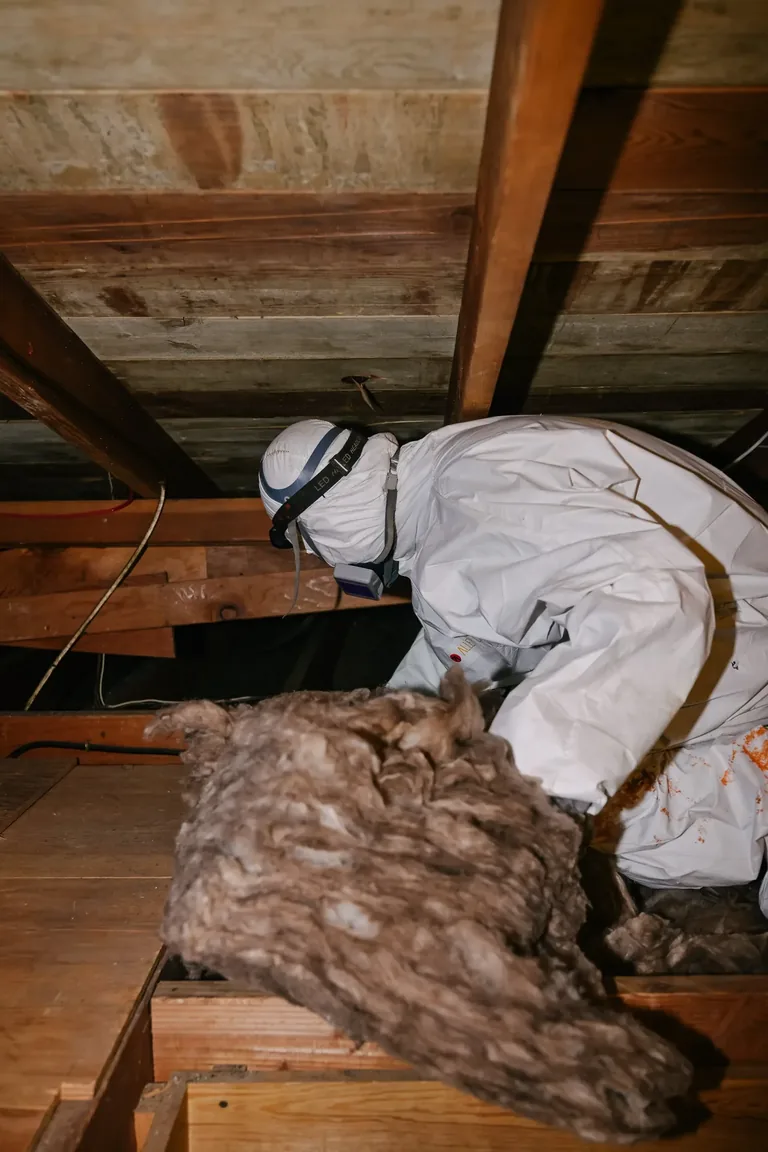
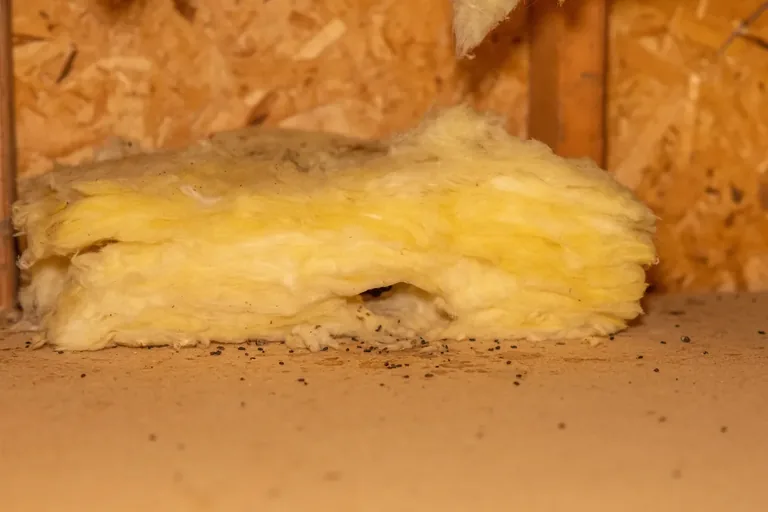
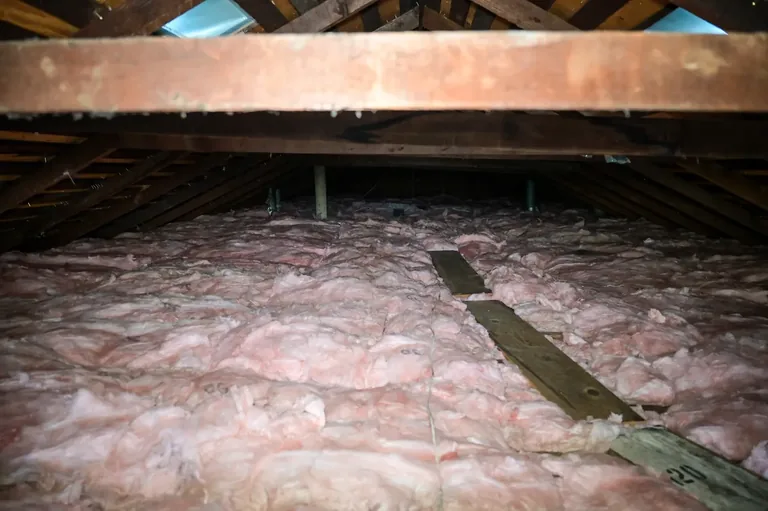
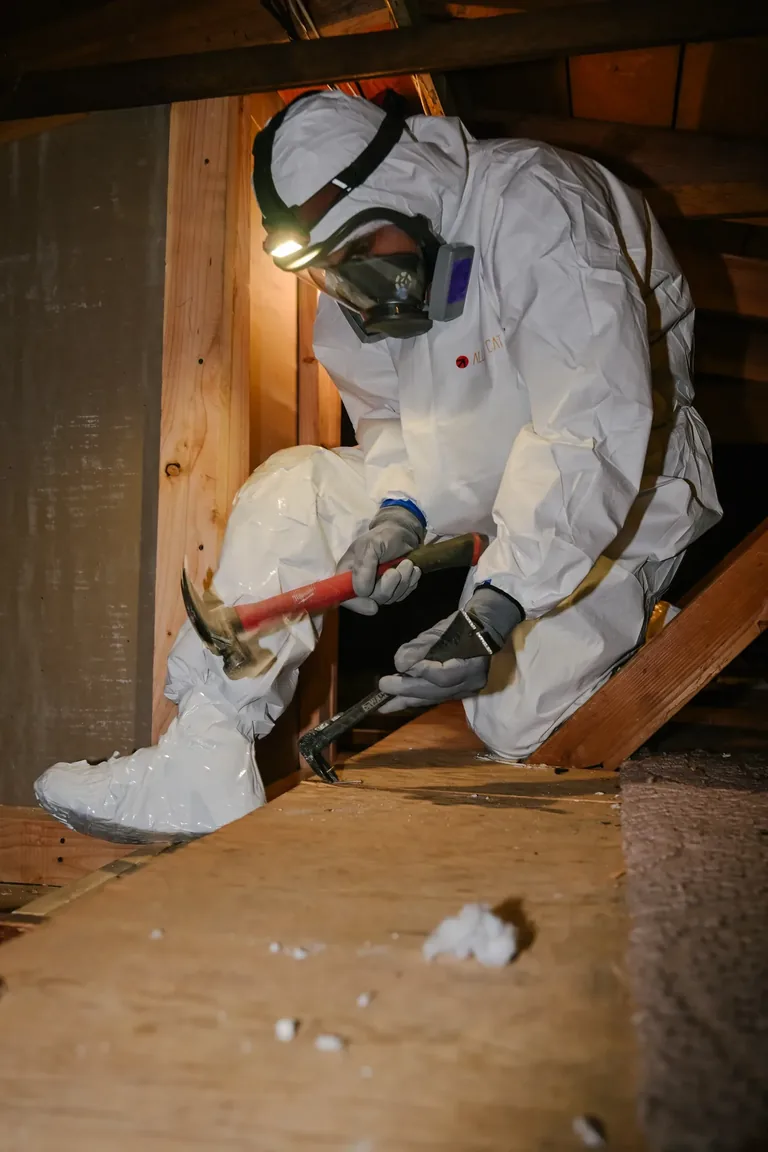
Cleanup safely removes dead rodents, contaminated insulation, nesting debris, cardboard, wood, damaged plastic, and broken glass found around the infestation. Rats contaminate food with feces and urine, posing health risks. Rodents such as rats and mice may leave smell inside difficult wall voids, cabinets, attics, or storage areas.
Our rodent exterminator and cleanup specialists handle:
After visible debris is removed, treatment turns to contamination and prevention.
Step 04 · Sanitize
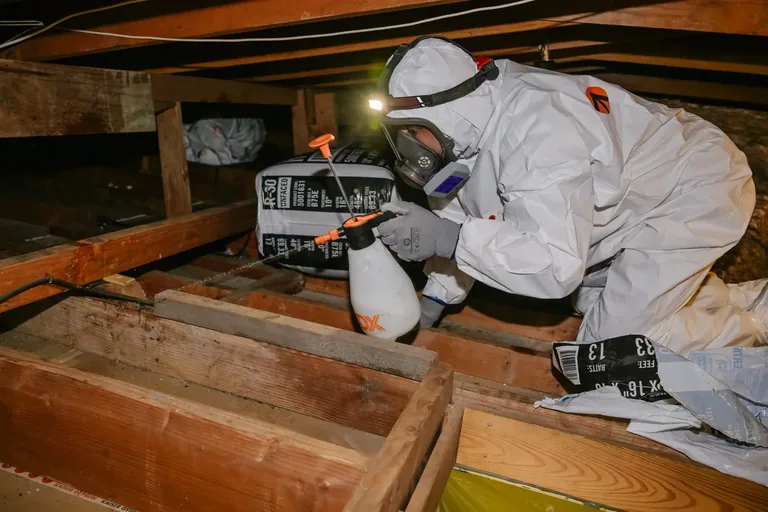
We treat surfaces with professional methods suited to the material and contamination. The goal is to reduce bacteria, viruses, parasites, and urine residue without letting dust or related pests spread.
Rats can transmit diseases like leptospirosis and hantavirus. Leptospirosis is linked to infected animal urine; hantavirus risk varies by virus and rodent species, so this is a general exposure warning, not a diagnosis. Rodent bites can transmit hazardous diseases through saliva. Rodents can carry fleas that transmit diseases like the bubonic plague. Bites require medical advice, while urban rats are not currently California’s primary plague concern; wild squirrels and other rodents are more commonly involved. Rats can reproduce rapidly, increasing health risks from infestations.
Step 05 · Seal
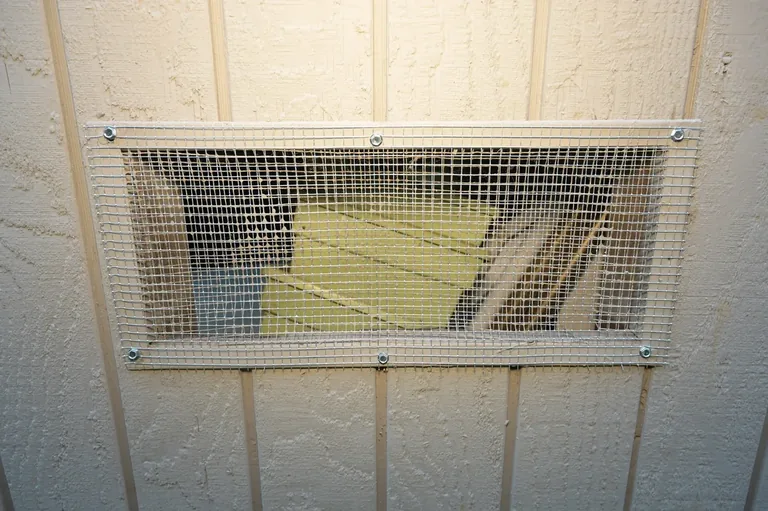
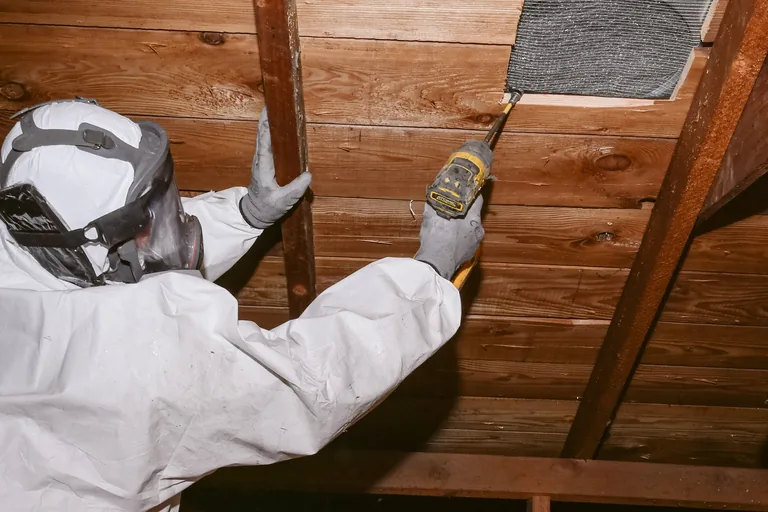
Exclusion is where rodent control becomes durable. Rodents are capable climbers and burrowers that gnaw persistently. Rodents chew because their front teeth keep growing; those teeth can chew and gnaw wood, plastic, caulk, and soft metal. We search for holes under siding, gaps beside pipes, worn door edges, vent corners, roof intersections, foundation cracks, and utility penetrations. We also review yard cover, raised decks, garbage storage, pet food, birdseed, and fallen fruit that may feed or shelter rodents.
Our technicians may use:
Effective sanitation removes food water and shelter for rats. Seal entry holes with steel to prevent rodent access. Seal entry holes with steel to prevent rat access. Store food in sealed containers to deter rats. Dispose of trash regularly to avoid attracting rats. Fix leaking pipes to eliminate water sources for rats. These principles work together; no single tactic will solve every infestation. Across Oakland, Novato, Concord, Mountain View, and San Mateo, Alley Cat adapts barriers to different kinds of buildings. More than 13,000 Bay Area homes and a 97% satisfaction rating reflect that care.
Step 06 · Check
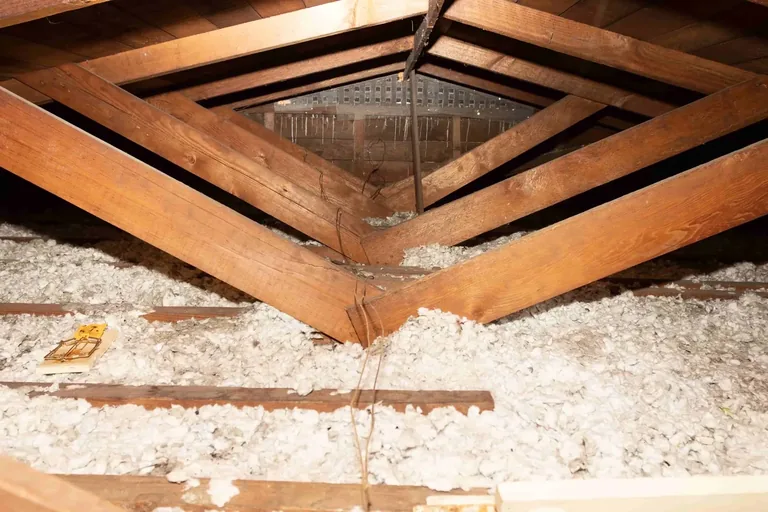
After access points are addressed, we place and check traps along rodent travel paths. The most effective rat control methods involve exclusion sanitation and trapping. Combining exclusion sanitation trapping and monitoring yields better long-term results. We may use snap traps, another mechanical trap, or a protected bait system, then record whether rodents, rats, or mice are caught and whether fresh signs appear.
Professional pest control can eliminate rats in about a week. That may happen with a small problem, but it is not an Alley Cat guarantee; large infestations, trap-shy Norway rats, hidden walls, or repairs can take longer. Rodents tend to live where cover remains, so checks help us respond before more rats settle in.
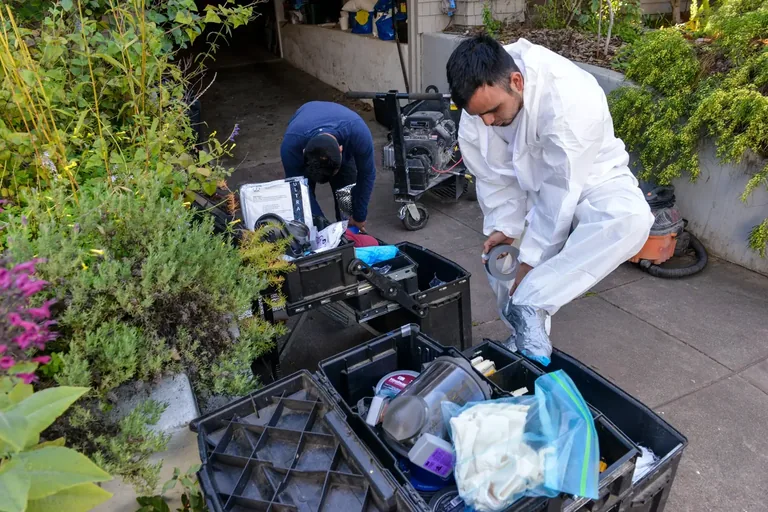
Step 07 · Haul
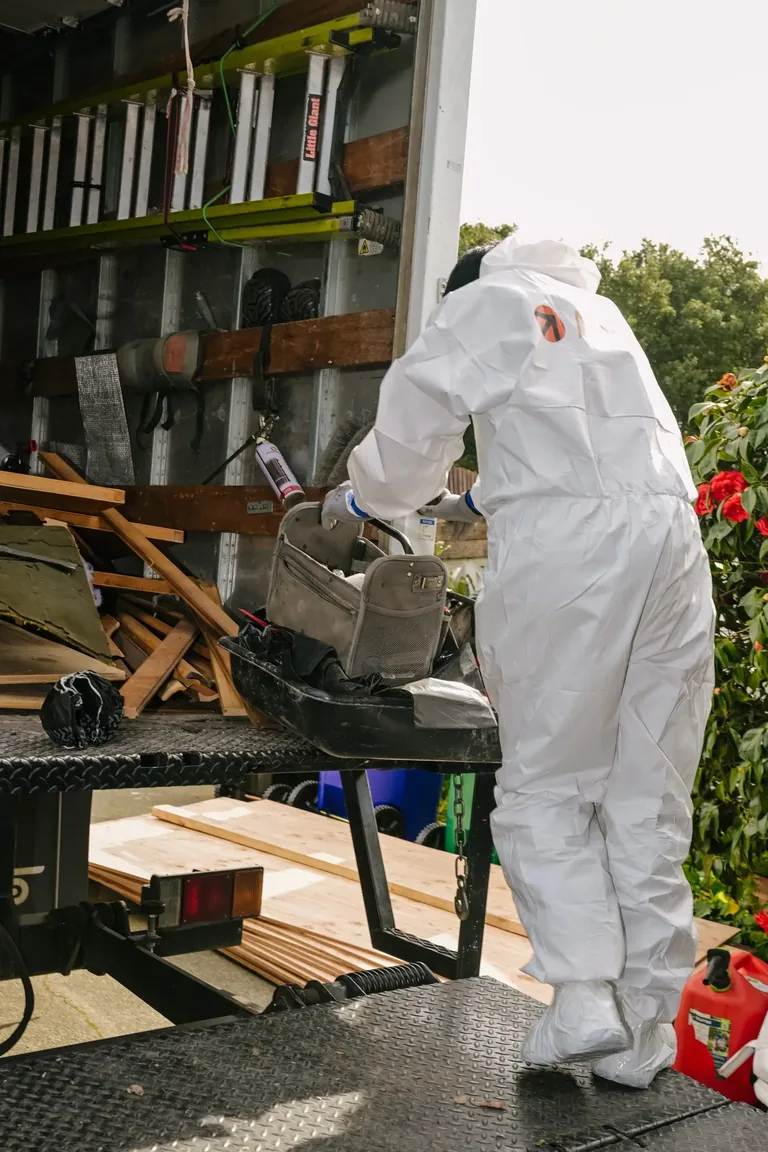
When trap activity stops and the inspection shows no fresh signs, we collect equipment and remove remaining job waste. The team checks that areas are orderly, barriers remain sealed, and no fresh signs of rats or mice remain in the work zone.
Before we leave, we review what was found, what was removed, and what the homeowner should maintain. You can feel comfortable and rest easier knowing the infestation, access issues, and cleanup needs were addressed as one coordinated service rather than disconnected visits.

Step 08 · Service
Contact Alley Cat by phone, email, or the website form. Submit a short description, and a coordinator will read it, assign a job number, and help sort and deal with the next step. An email update makes it easy to stay informed about timing and practical things to prepare at home.
Thanks to clear communication, homeowners do not worry about being passed between exterminators. Every issue is considered with thought and care; we run through questions, explain things the right way, and keep good information on hand at all times.
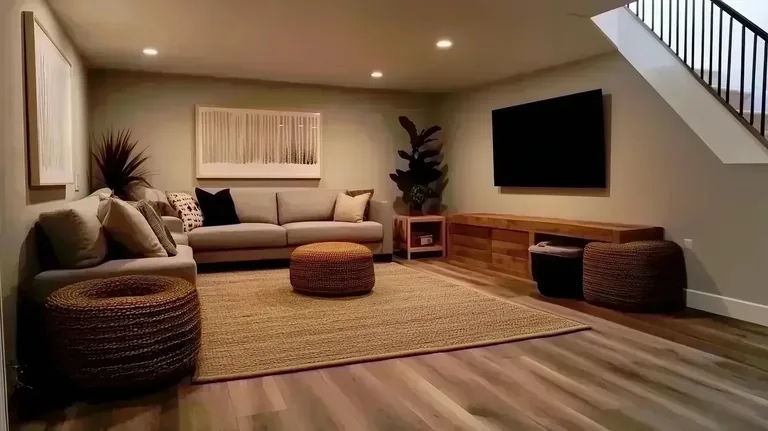
Do not let rats, mice, rodents, insects, or other pests keep damaging your home. Schedule a free Bay Area inspection and choose practical rat pest control from a local team that specializes in exclusion, cleanup, trapping, and prevention.
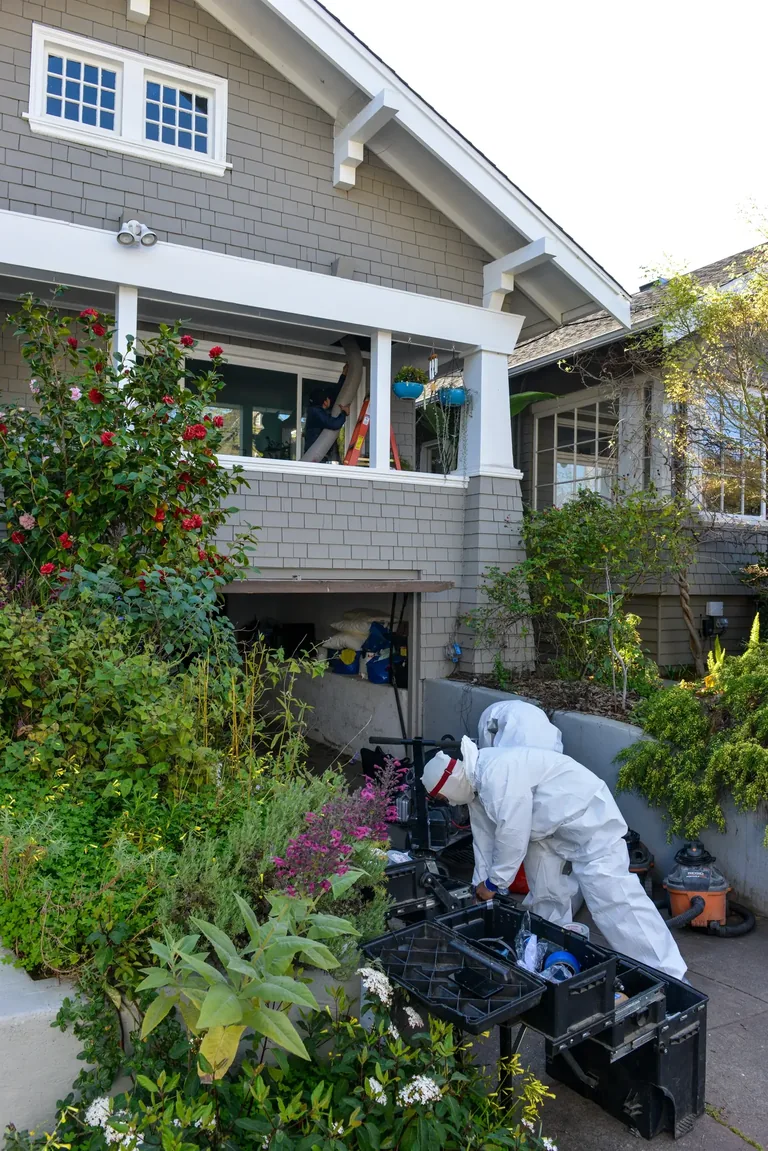
Protection for the animal, access, and aftermath.
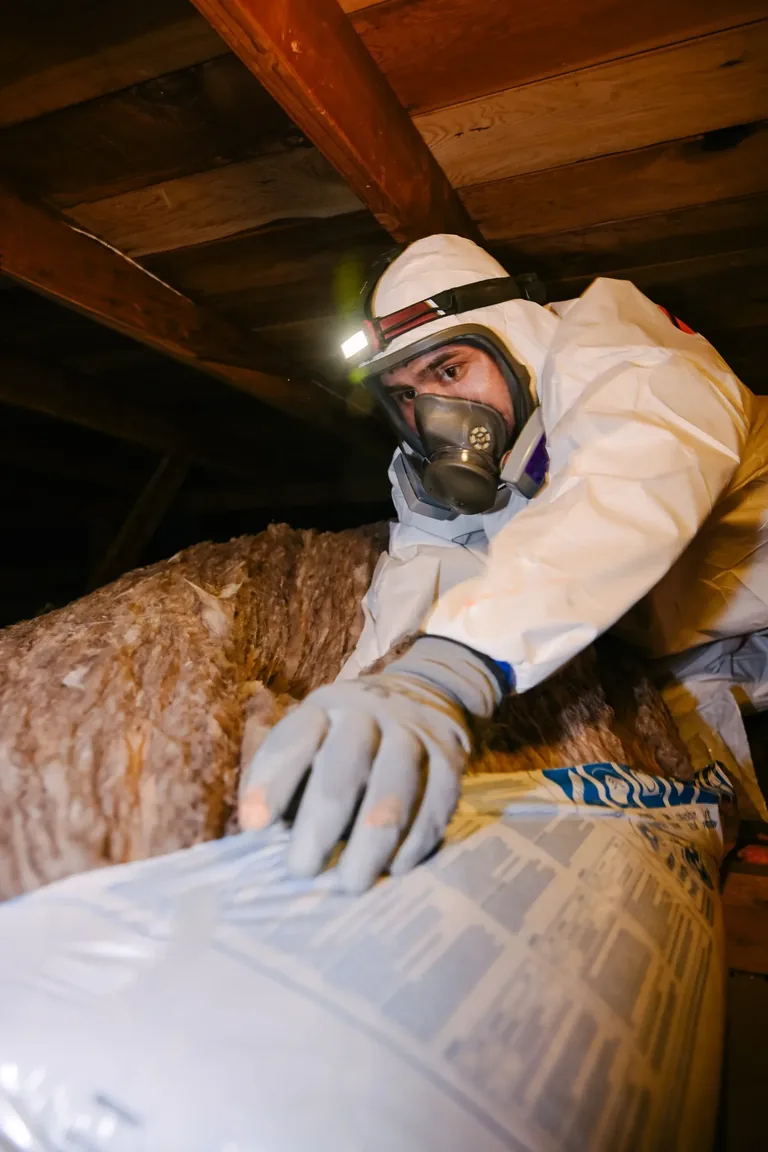
Rat-specific service shaped by Bay Area homes.
We tailor the service to the home, rodent species, access, contamination, family routine, and local conditions—not a one-size exterminator package.

Trap checks, prevention guidance, and responsive follow-up help homeowners maintain protection and catch rodents or pests coming back before a larger problem develops.
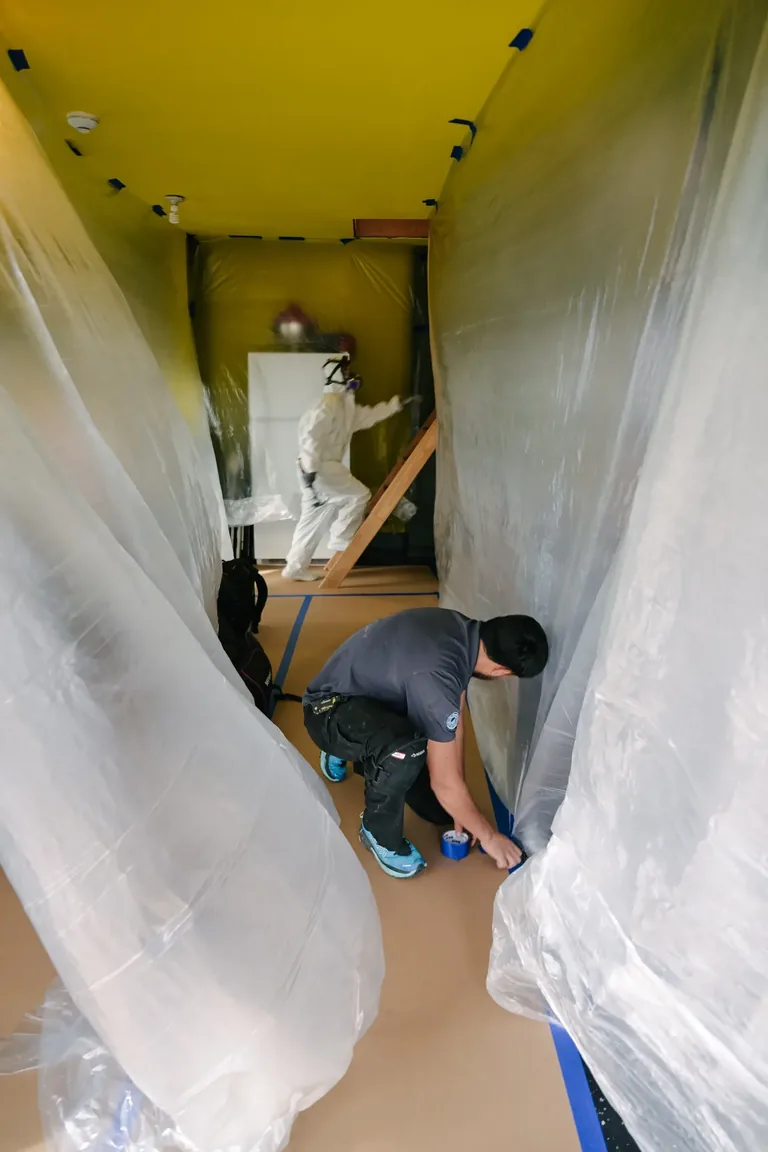
Our rodent exterminator team stays current on exclusion materials, trapping methods, California requirements, building codes, and safer pest practices around people, pets, and wildlife.
Your plan may include:
That care matters in a San Francisco wall cavity, an Oakland or Berkeley attic, a Napa garden, a Sonoma County addition, or a Solano County home. Buildings change a lot over time, so Alley Cat combines local judgment, concrete service, and support that fits the home.
The best way to get rid of rats for the long term is to combine inspection, exclusion, sanitation, trapping, and monitoring; no responsible company can promise rodents will never approach a home again. Homeowners should:
Monitoring helps find changes before a new population grows. A professional can find difficult gaps around attics, foundations, utilities, and older additions, then choose a plan that fits the home.
Yes, specialized pest control can help rid a house of rats, but a general spray service is not enough. Rats are mammals, not insects, so effective rodent work centers on signs, traps, rodent removal, cleanup, sanitation, and structural exclusion.
A capable exterminator should inspect the house, identify why rodents were attracted, set the right trap in the right place, remove contaminated materials, and close access. Bait alone may reduce activity without solving the route into the home. Alley Cat helps Oakland and Bay Area owners deal with the full rat problem, while a mouse problem, recurring mice activity, crawl-space, attic, wildlife, insects, and other pests receive their own scope. Mice in the home are scoped separately.
The most effective rat control system combines exclusion, sanitation, trapping, and ongoing monitoring. The most effective rat control methods involve exclusion sanitation and trapping. Combining exclusion sanitation trapping and monitoring yields better long-term results. Each part solves a different condition:
A trap without exclusion can leave the house open to rodents; exclusion without trapping can leave an animal inside. The right order depends on the home, species, infestation size, and where rodents tend to eat, climb, nest, and live.
Published national data lists professional rat extermination at $189–$655, averaging $395, and separately budgets $200–$600 for exclusion. These figures are not Alley Cat quotes. The low end generally covers limited trapping or removal for a smaller, accessible problem—not complete cleanup, decontamination, insulation removal, repairs, and whole-home exclusion.
Price depends on access points, attic or crawl-space conditions, contaminated materials, trap-check visits, height, damage, and rodents living inside walls. An Oakland or Bay Area inspection and diagnostic report are the best way to understand the actual scope. Before you buy bait or hire an exterminator on price alone, compare whether prevention, haul-away, and follow-up are included.
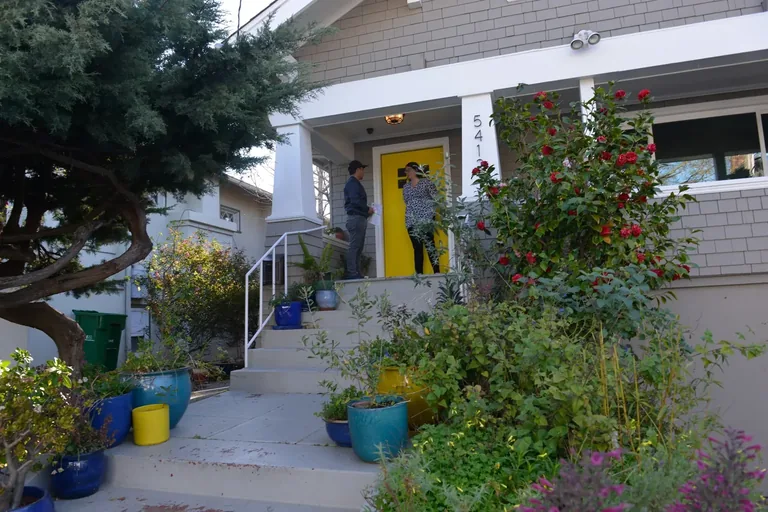
Call or submit the online form for a free inspection to find the right tailored plan for your home, solve the rodent problem, and reduce related pest damage.
Bay Area Results You Can Trust
Alley Cat customers value rodent control that does more than drop bait and leave. Diagnosis, cleanup, exclusion, trap checks, and communication have helped us serve 13,000+ homes—including Oakland homes—with 97% customer satisfaction.
★★★★★
Marie M. Verified Diamond Certified survey
1,240 reviews
649 reviews
279 surveys
374 reviews