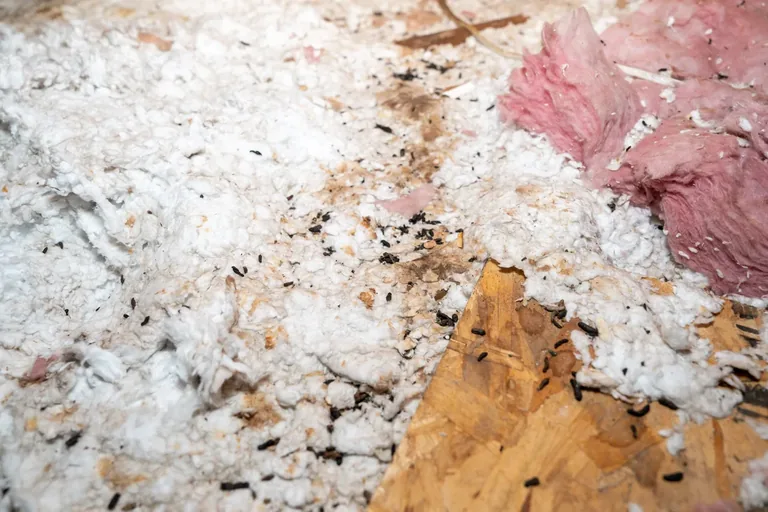
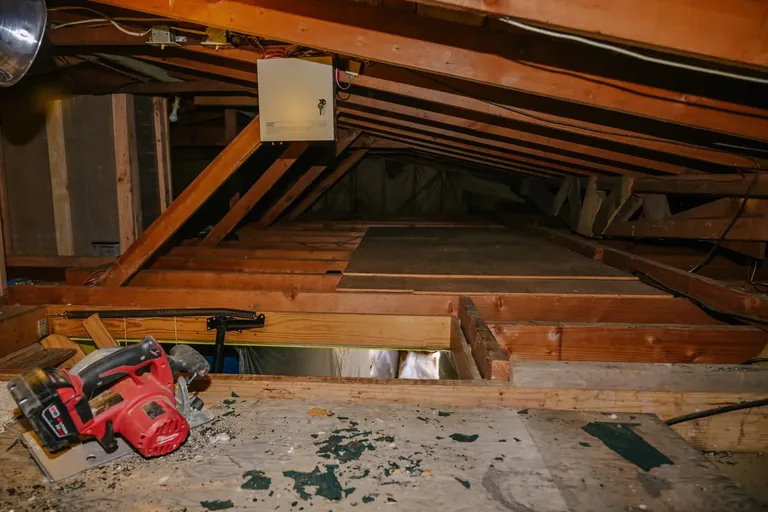
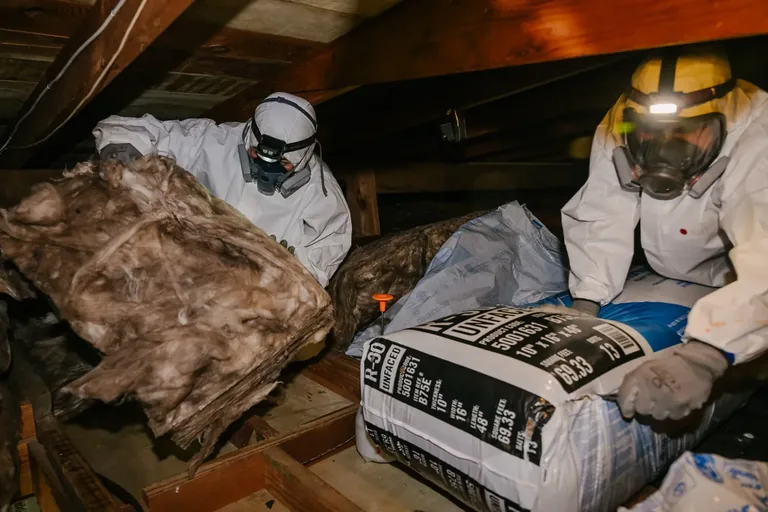
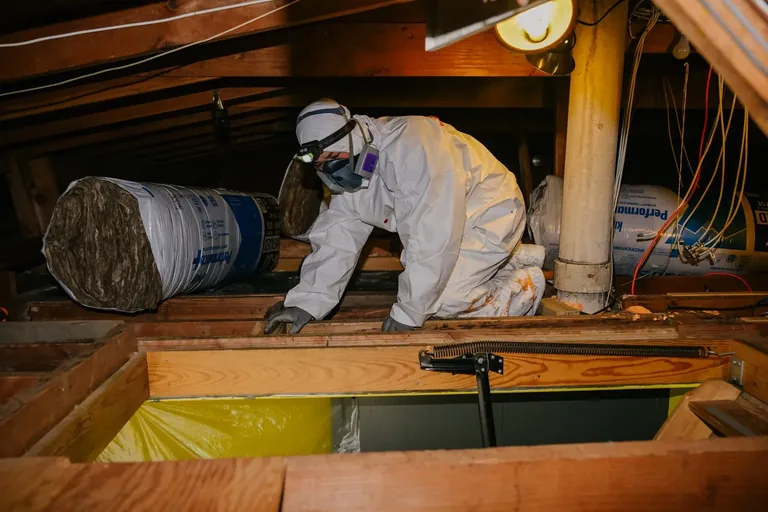
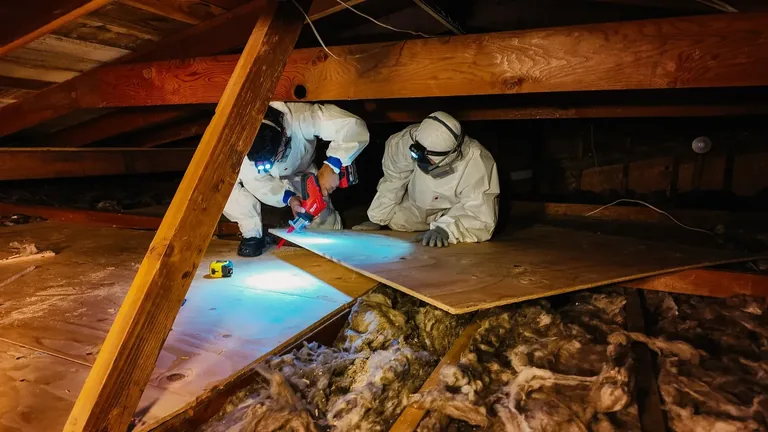
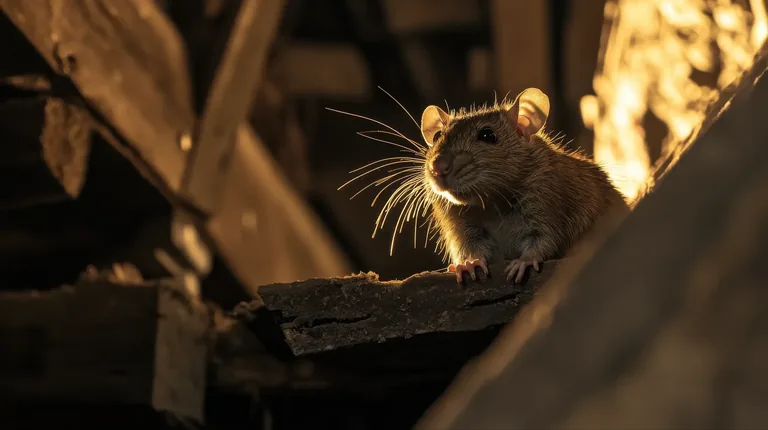
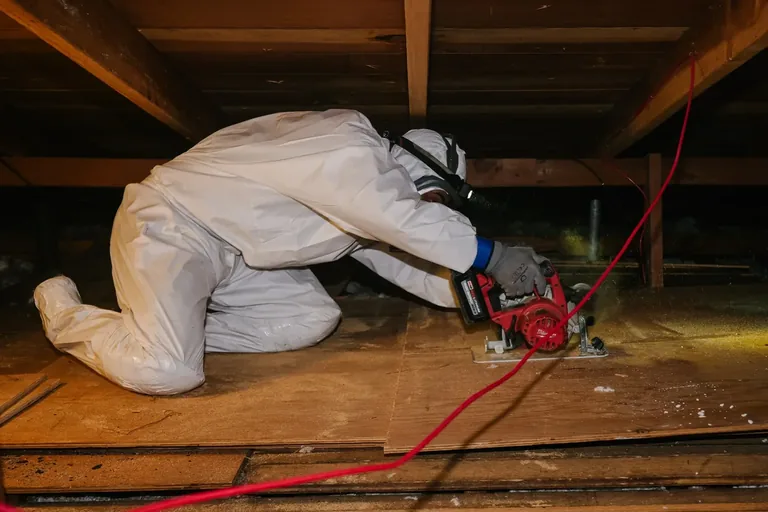
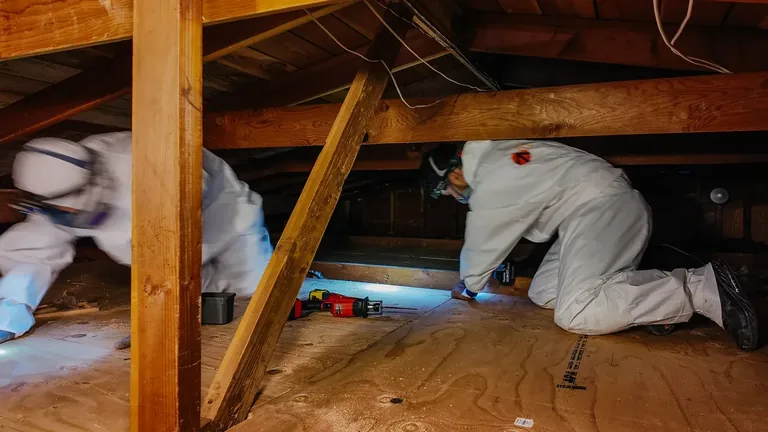
Attic rodent removal is the process of removing rodents—especially rats and mice—from the attic, cleaning their contamination, and closing the roofline openings they used.
10+ years experienceProfessional rodent exclusion specialists
13,000+ homes serviced97% customer satisfaction
Bay Area localFamily-owned & operated
3-Year WarrantyCoverage per location and written terms
4.9 / 5 1,240 reviews
4.7 / 5 649 reviews
4.9 / 5 374 reviews
4.7 / 5 279 surveys
Accredited A+ BBB rating
Attic Rodent Removal and Rodent Control for the Whole Attic Problem
Removal, cleanup, sealing, and prevention under one roof.
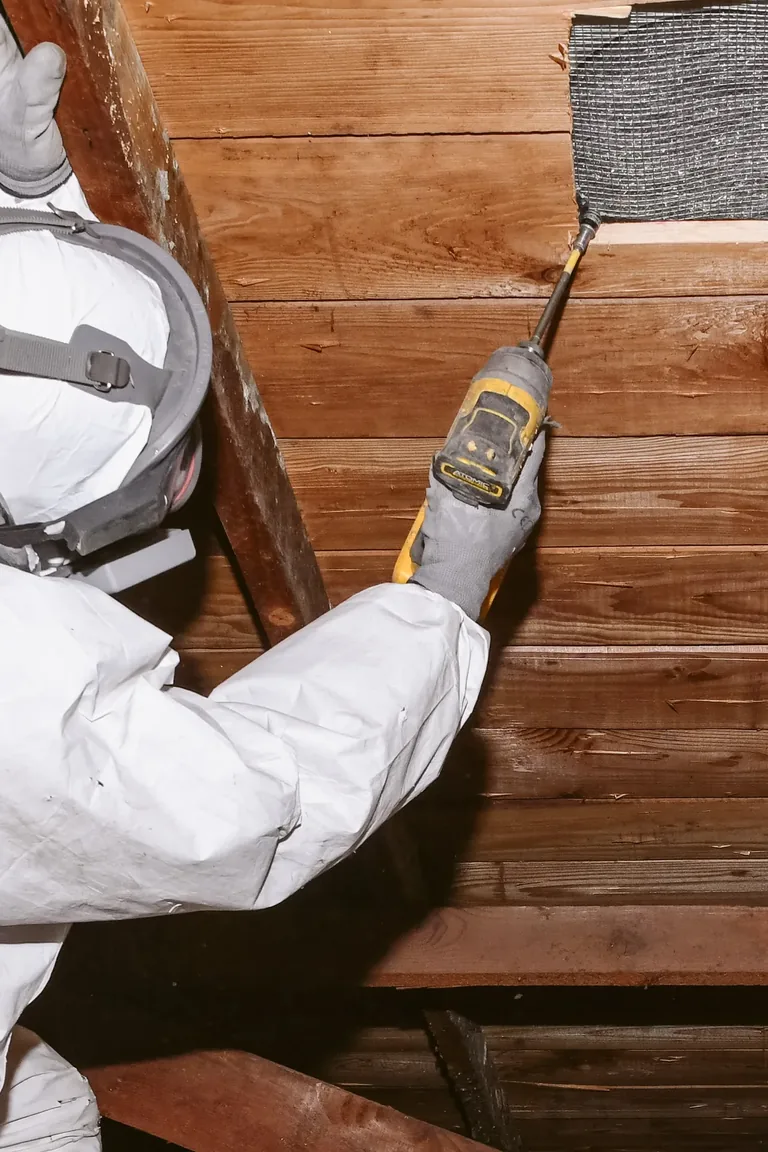
Effective attic rodent removal goes beyond traps: Alley Cat inspects the attic and outside of the house, identifies nesting areas and travel routes, removes affected material, sanitizes surfaces, and reinforces entry points.
For Bay Area homeowners who hear scratching, squeaking, or scurrying noises above the ceiling, the service focuses on:
Current rodent activity from rodents such as rats and mice.
Removal of rodents, nests, feces, and contaminated waste.
Durable rodent proofing and monitored prevention.
Squirrels, mice, rats, and other rodents can infest attics, but signs left by rats differ from evidence of squirrel activity. An inspection identifies the pests and the right next step.
Our specialists read droppings, rub marks, gnawing, damaged attic insulation, and runways to determine where rodents—particularly rats or mice—are living and entering.
02
Exclusion First
Rodent removal pairs with roofline exclusion, addressing entry holes and weak points instead of relying on traps or poison while rodents reuse the same openings.
03
Clean Finish
From nests and contaminated insulation to used traps and debris, Alley Cat removes the mess created by rodents and other attic pests instead of leaving it behind.
Our Attic Rodent Removal and Attic Removal Process
Because an attic infestation can spread from the roof through insulation, ducts, walls, and the living space below, each step follows evidence left by rodents and pests in the house. Our attic removal process moves from diagnosis to rodent removal, restoration, and prevention:
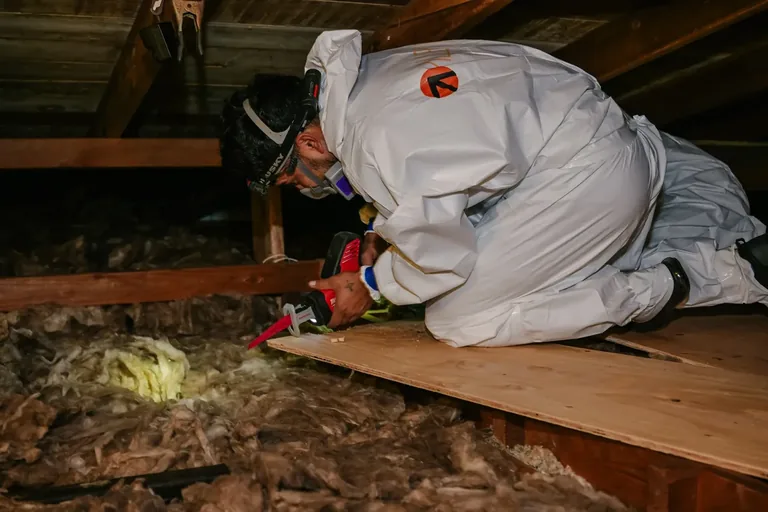
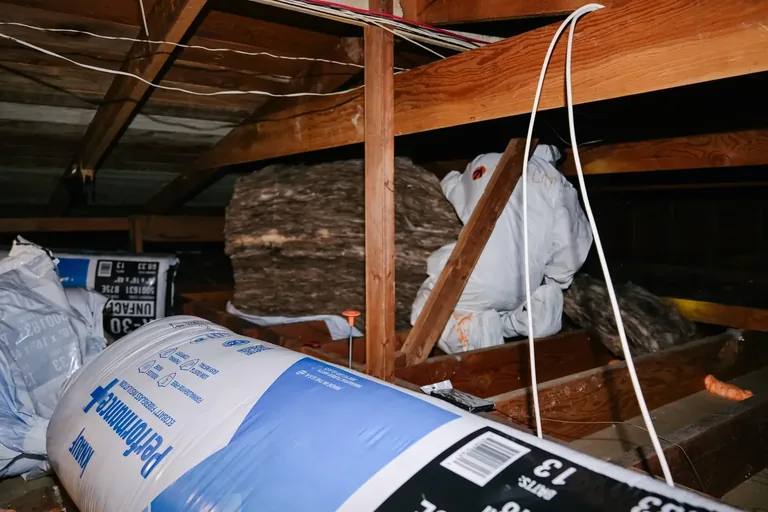
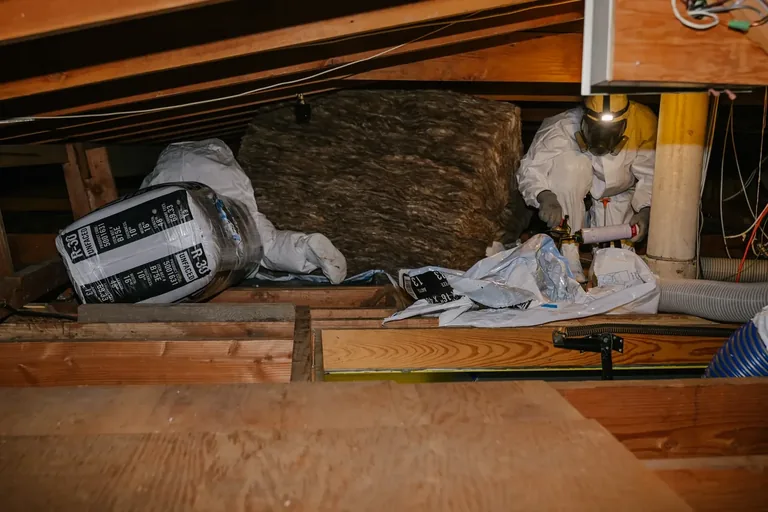
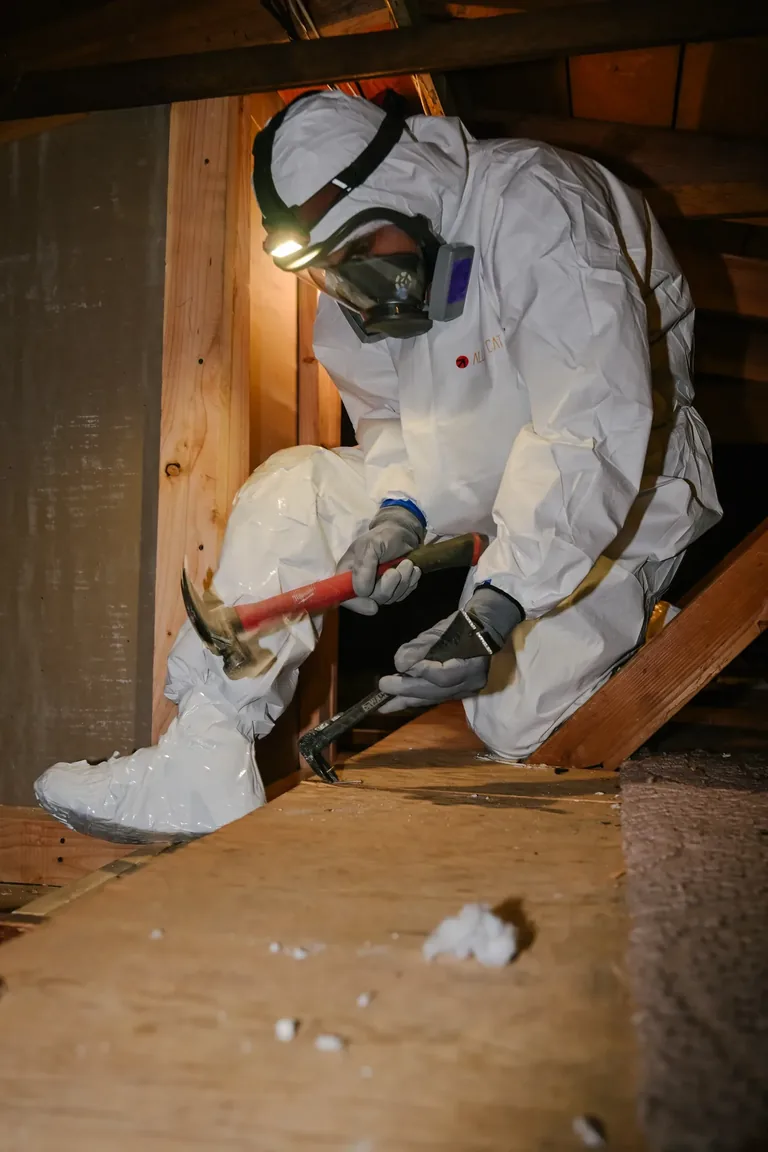
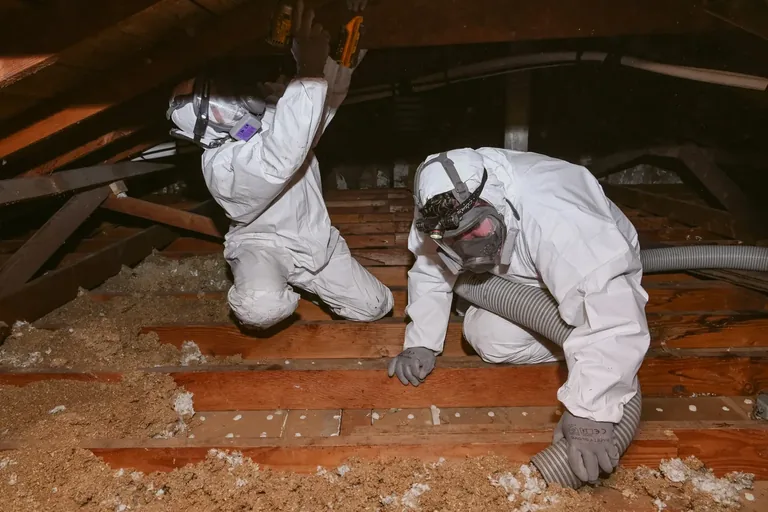
Attic restoration and rodent proofingFilmed on a job in Oakland
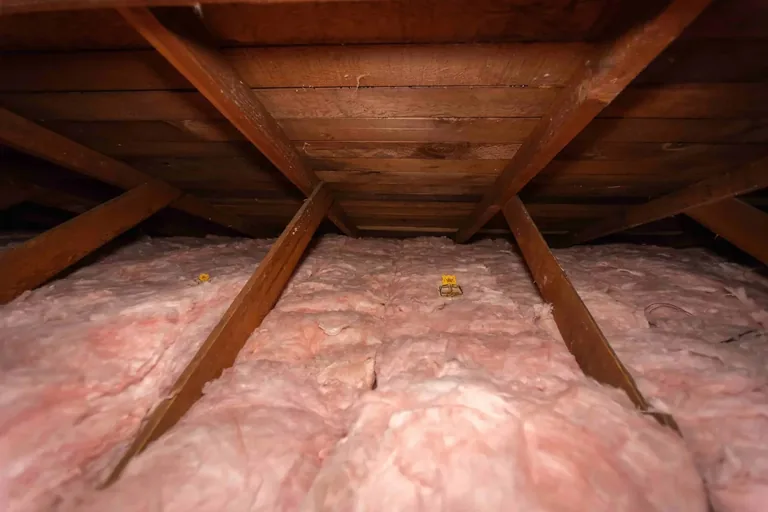
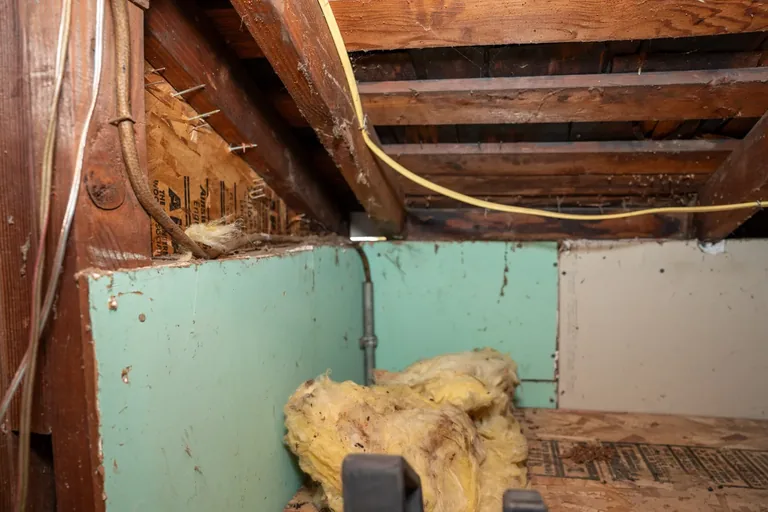
A free attic inspection begins where noises, odors, or droppings appear. A technician checks for fresh feces, urine, nesting material, chewed wiring, compressed insulation, food caches, and tracks. We also inspect attic vents, plumbing penetrations, soffits, eaves, siding transitions, and garages where rodents such as rats and mice gain easy access.
Interior findings are compared with exterior roofline conditions. A trap may remove one rat, but broken vents, loose shingles, small gaps, or an unsealed hole can let roof rats, Norway rats, house mice, or other rodents enter attics again.
Confirms signs of active rodents and where the infestation is concentrated.
Identifies entry points and weak spots before the repair scope is written.
Separates localized attic cleanup from widespread insulation contamination.
Step 02 · Diagnose
Diagnostic Report & Estimate
The Comprehensive Diagnostic Report turns inspection findings into a clear attic-specific plan. It distinguishes rats and mice from squirrels and other animals, then documents affected insulation and wiring, probable entry points, recommended rodent proofing, sanitation needs, and the proposed trapping schedule. The estimate explains the work by stage so homeowners can see what will be removed, repaired, treated, sealed, and monitored.
Step 03 · Clean
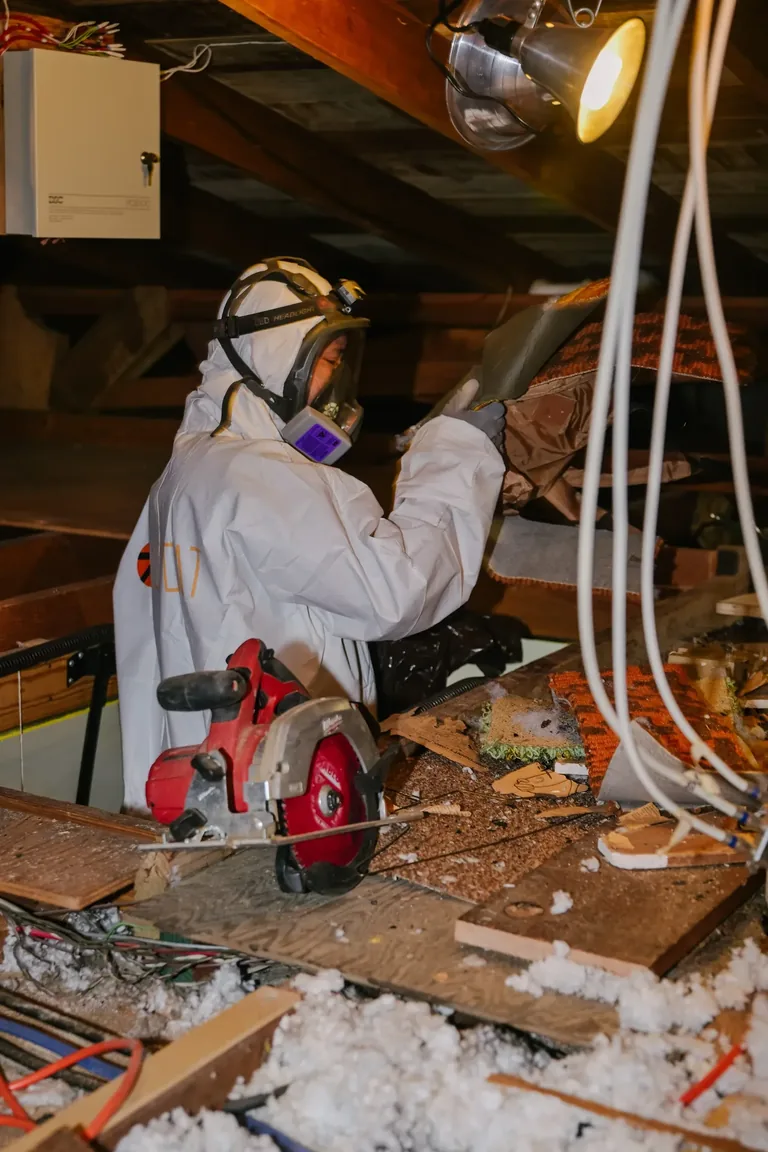
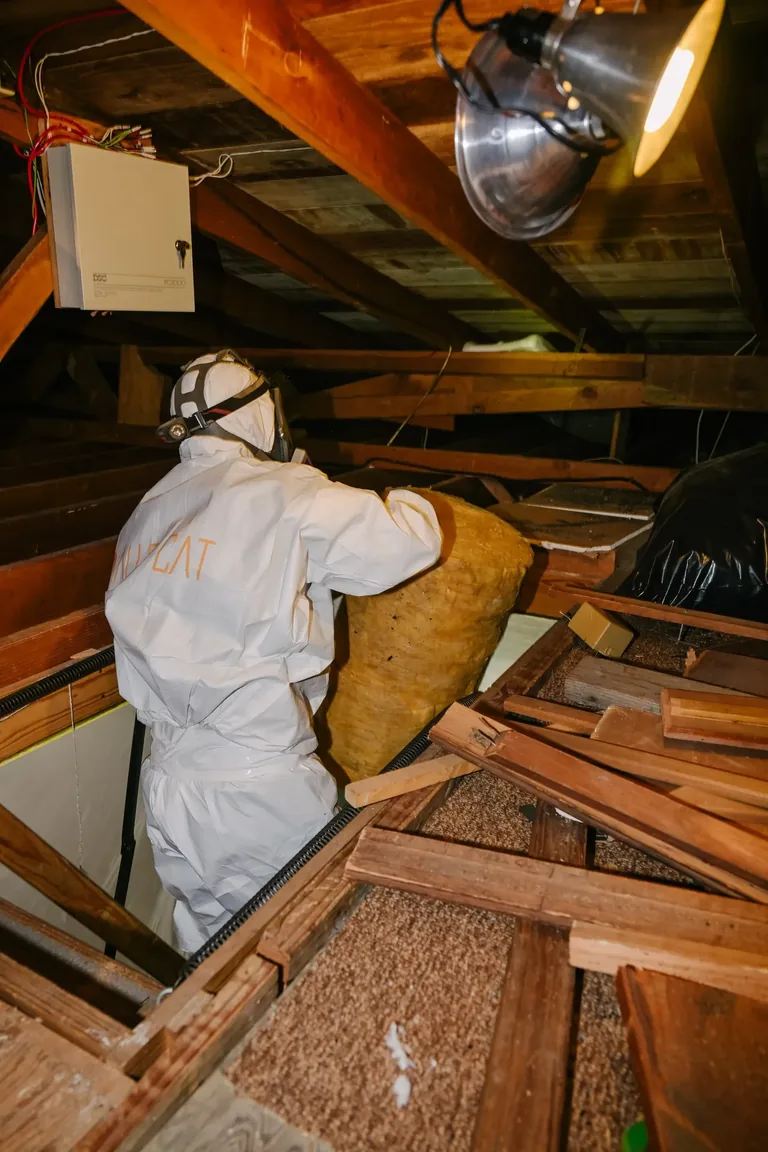
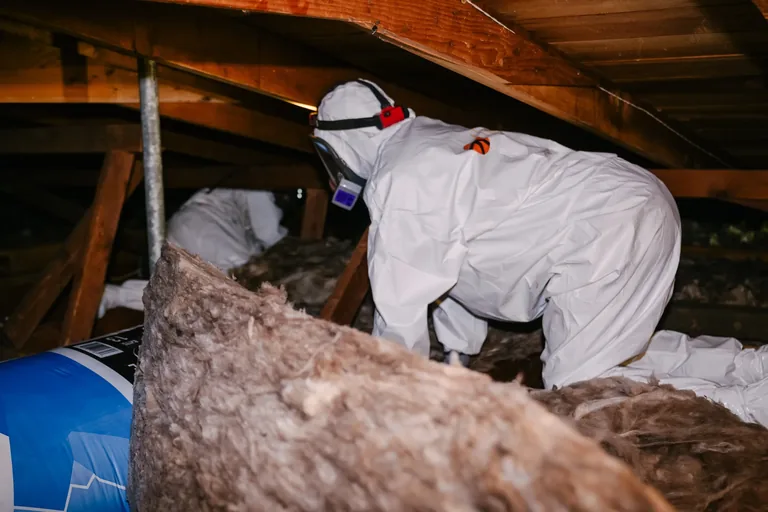
Attic Cleanup, Rat Removal & Debris Removal
Attic cleanup and rat removal begin with strategically placed traps along confirmed runways. Trapping is an effective rodent removal method when devices are selected and positioned for the rodents and pests actually present. The scope may be limited to one nest or expanded when rodents, including rats and mice, have spread droppings, urine, and nesting debris across the attic insulation.
Technicians contain debris and work carefully around rafters, lights, ducts, wiring, and stored contents. The approved attic removal scope may include:
Nests and carcasses from rats or mice, concentrated feces, and food caches.
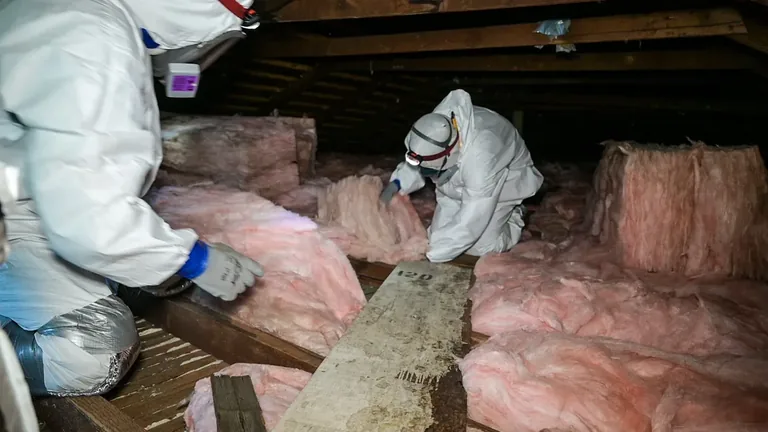
Soiled insulation, chewed duct wrap, or damaged wood.
Used traps and bagged contaminated material.
With physical waste removed, the attic is ready for sanitizing, exclusion, and insulation treatment.
Step 04 · Sanitize
Sanitize & Decontaminate
Droppings from rodents such as rats and mice can carry bacteria and pathogens, so they should not be swept or vacuumed without proper protective equipment. Alley Cat uses contained collection and targeted sanitation to address accessible urine residue, feces, nesting debris, and odors while reducing unnecessary disturbance of contaminated dust.
Decontamination is based on the documented infestation rather than sprayed blindly across the attic. Professional treatment helps reduce contact with contaminated dust associated with Salmonella, hantavirus, and broader bacterial infection risks while protecting ducts, vents, electrical components, and the living space below.
Step 05 · Seal
Seal, Reinforce & Prevent Rodents
Effective rodent control requiresremoving active rodents, including rats and mice, then sealing entry points and correcting attractants. Alley Cat traces runways to eaves, roof vents, soffits, plumbing stacks, utilities, fascia, siding, and garage connections. Roof rats climb trees or utility lines; Norway rats often approach from lower levels, and both types of rats exploit overlooked openings. Mice can squeeze through dime-size holes, and rodents may use gaps as small as a quarter-inch.
Common rodent proofing tactics include:
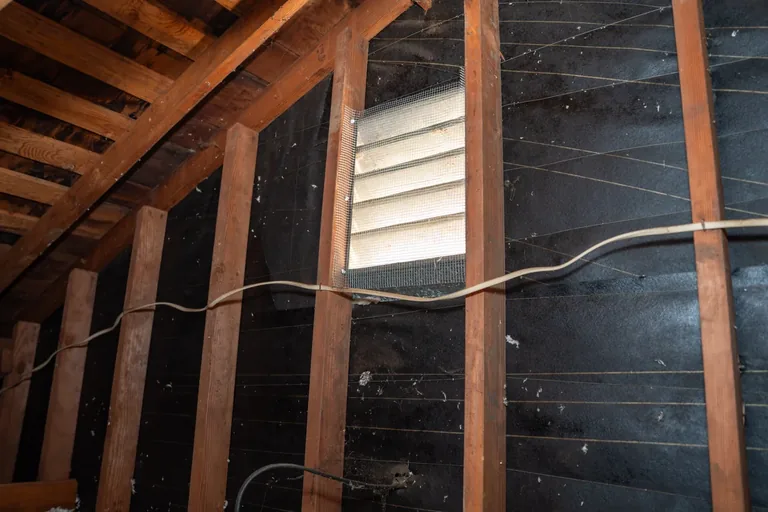
Metal Vent GuardsInstall corrosion-resistant hardware cloth behind vulnerable roof and gable vents without restricting airflow.
Eave and Roof-Return ClosureFasten shaped metal barriers at open returns, fascia gaps, and protected framing cavities.
Utility-Penetration SealingCap gaps around pipes, conduit, cables, and refrigerant lines with copper mesh, rodent-resistant screen, and compatible sealant.
Tile and Flashing ReinforcementClose voids beneath tile edges, flashing, shingles, and penetrations with fitted materials rather than loose caulk or foam.
Garage-to-Attic ProofingReinforce shared-wall channels and openings that let rodents or pests climb from an attached garage.
Tree-Access ReductionTrim tree branches at least three feet from the roof; where practical, six feet offers stronger protection from roof rats, other rats, and squirrels.
Exclusion is coordinated with trapping so animals are not sealed inside and rodents retain a controlled removal path. We also address unsecured pet food, bird seed, fallen fruit, and clutter that support rodents, insect pests, or future infestations. Regular inspections maintain rodent proofing, protect attic insulation, and preserve energy efficiency while denying pests new access. This combination helps seal the structure against rodents and provides long term solutions instead of repeated emergency pest control. Alley Cat has served 13,000+ satisfied clients and maintains a 97% customer satisfaction rating.
Step 06 · Check
Set Trap Checks
After technicians place traps along joist edges, wall plates, duct chases, and protected corners, Alley Cat schedules follow-up visits. Depending on the animal and location, professionally positioned snap traps may be more appropriate than live traps, which can be ineffective or impractical when dealing with rats in an attic infestation. Poison is discouraged because poisoned rats or mice may die in an inaccessible wall or ceiling and create a persistent smell.
During trap checks, technicians remove captured rats or mice, reset devices, and look for fresh droppings, disturbed insulation, gnaw marks, or new noises. Follow-up visits help confirm that rodents, including rats and mice, have been removed effectively while exclusion repairs are taking effect.
Step 07 · Haul
Wrap Up & Haul Away
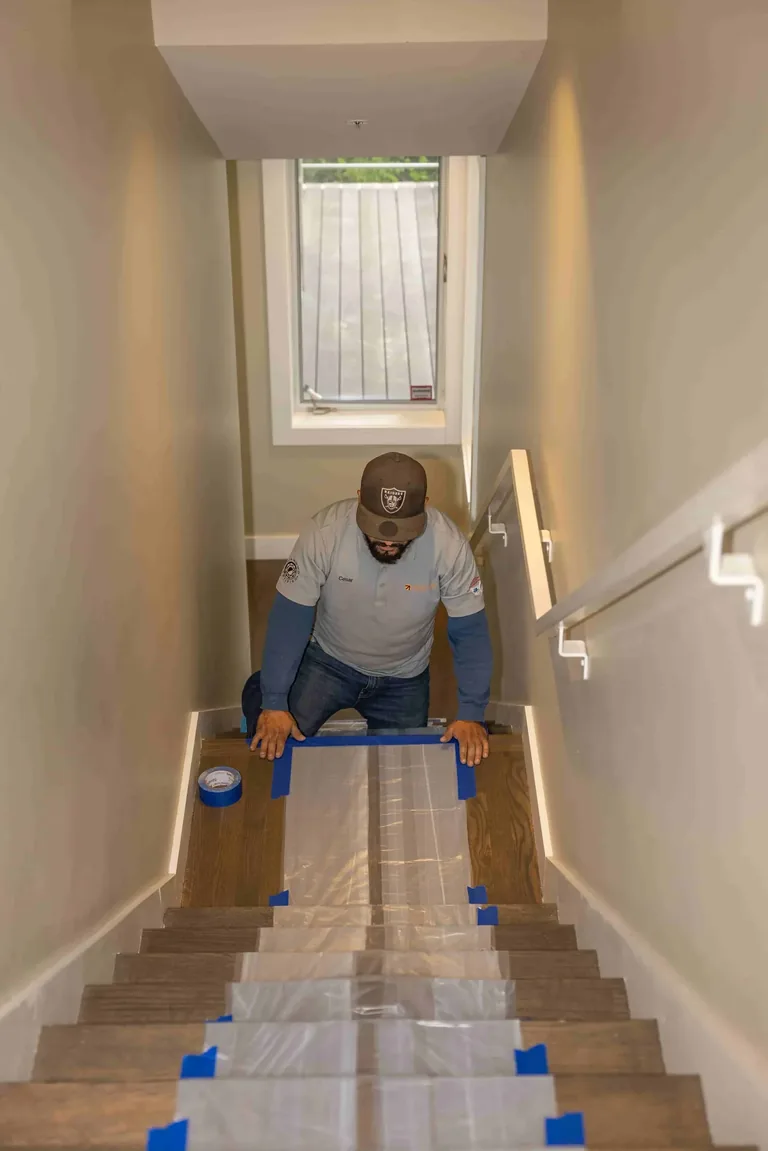
At wrap-up, Alley Cat removes trapping equipment, bagged nests, contaminated debris, and other approved waste from the attic service. Access routes are checked so loose insulation, feces, or debris are not left in closets, hallways, garages, or around the attic access hatch.
The homeowner receives a review of completed cleanup and rodent proofing, plus notes about conditions to monitor, such as nearby trees, aging roof materials, or future openings that could admit rodents or pests. Clear documentation helps protect the property and reduces the chance that small entry points will lead to more repairs later.
Step 08 · Support
Customer Service
Attic projects can involve multiple visits and decisions about insulation, sanitation, and repair, especially for homeowners dealing with an established rodent infestation. Alley Cat’s customer service team helps homeowners understand the report, coordinate entry to the attic, review appointment timing, and follow each stage of professional rodent control.
That continuity matters when the hatch is inside a closet, tenants need notice, or roofing work overlaps with exclusion. Contact our office to confirm scheduling, prepare the work area, and understand each visit.
Do not ignore scratching, odors, or waste above your ceiling. Contact Alley Cat for a clear plan to get rid of rodents, including rats and mice, clean the attic, and seal their access.
Unlike general pest control aimed at insects and other pests, Alley Cat provides specialized rodent control: rat and mouse removal, trapping, sanitation, attic insulation care, and structural exclusion. Homeowners throughout San Francisco, Berkeley, Oakland, Novato, Petaluma, Napa, and San Mateo rely on documented findings and attentive follow-through.
“I thought they were professional. They did the job quickly and at a reasonable price. They did the whole thing well. I was really happy with what they had done.”
We distinguish isolated nesting areas from widespread attic insulation contamination so removal recommendations match the actual damage instead of defaulting to full replacement.
Systems-Aware Work
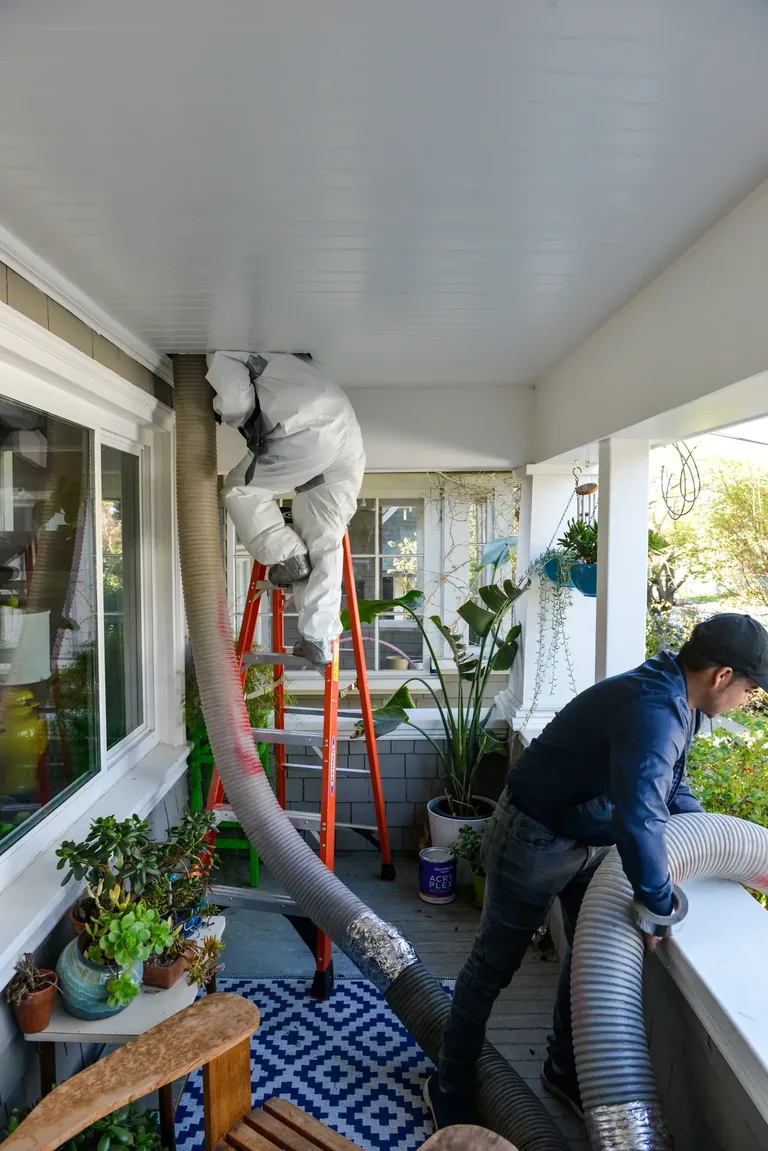
Technicians protect wiring, recessed lights, ducts, vents, framing, and the ceiling below while completing cleanup, insulation removal, and rodent proofing.
Why Attic Rodent Proofing Details Matter
Rodents such as rats, mice, and squirrels hide beneath insulation, travel along pipes, chew wood or wiring, and move toward the living space. Their nests hold urine, food, and moisture; gnawed wiring can create a fire hazard.
Attic-specific pest control for rodents and other attic pests must account for:
Insulation that conceals nests, waste, and travel routes used by rodents, especially rats.
Duct chases that connect the attic to walls and rooms below.
Vents that require screening without blocking airflow.
Roof intersections and small gaps that can reopen after weak repairs.
A Mountain View home with one conduit gap needs a different solution than a Napa or Sonoma County property with open returns. Professional rodent proofing keeps recommendations tied to visible conditions.
Alley Cat uses signs, species behavior, trapping results, and exterior defects to get rid of rodents such as active rats and mice. One documented plan connects inspection, rodent removal, sanitation, insulation treatment, sealing, and follow-up. This is more dependable than hiring separate pest control, cleanup, and repair companies that may not share the same evidence about the rodents or pests involved.
Recommendations Based on Attic Conditions
Not every noise requires full attic insulation replacement, and not every visible gap explains the infestation. Alley Cat evaluates droppings distribution, nests, urine, damage, attic access, and roof defects to define the scope. A severe rodent infestation may require more sanitation, insulation removal, and structural repair, while localized activity may call for targeted attic removal.
Long-Term Rodent Infestation Prevention
The lasting value comes from correcting how rodents reached the attic, not only removing the rats present today or reacting after another rodent infestation begins. Metal screening, fitted barriers, vent guards, trimmed tree branches, food-source control, and periodic checks work together to prevent rodents, seal out pests, and reduce future infestations. Proper exclusion also helps protect wiring, insulation, family comfort, and the property below.
FAQ’s: Attic Rodent Removal
How Much Does It Cost to Get Rid of Rodents in the Attic?
The cost to get rid of rodents in an attic varies by species, attic size, access, contamination, and the number of entry points the rodents are using. General market ranges—not an Alley Cat quote—often place mice removal at $250 to $600, rat removal at $400 to $1,200+, initial inspection fees at $99 to $250, and full rodent removal packages at $650 to $2,500+.
Several factors can raise the cost:
A large population of rats or multiple nests.
Widespread urine, feces, and damaged insulation.
Difficult roof access or many openings to seal.
Chewed wiring, ducts, or structural damage requiring more repairs.
Alley Cat provides an inspection and written estimate tied to the actual house. Severe infestations generally cost more because removing rodents may require additional trapping, sanitation, attic insulation work, and exclusion.
What Should I Do if I Hear an Animal in My Attic?
If you hear an animal in your attic, avoid entering the space or attempting to corner it; note when and where the noises occur, secure food, and schedule a professional inspection. Scratching, squeaking, or scurrying noises at night often point to rats or mice, while heavier daytime movement may indicate squirrels or other animals.
Do not handle droppings with bare hands, and do not immediately seal the only visible hole. An animal could become stuck inside the house. A technician can inspect the attic and roof, identify the animals or pests involved, find entry points, assess insulation and wiring damage, and decide whether trapping, wildlife relocation, sanitation, or another treatment is appropriate.
Will Rodents Leave an Attic on Their Own?
Rodents usually will not leave an attic permanently on their own when it provides warmth, shelter, nesting material, and access to food or water. Rodents such as rats and mice may travel outside nightly, but they often return to the same nests. Rats can breed quickly, creating a larger infestation, and house mice—the most common rodent overall—can reproduce throughout protected attic areas.
Rodents, especially rats, can stay in an attic for months or longer if they have shelter, nesting sites, and a dependable route to food and water. Roof rats are skilled climbers that commonly enter from branches, fences, and utility lines, while Norway rats may climb from lower openings or move through walls. Both species of rats can return repeatedly until technicians seal the access route and exclude the rodents.
The timeline for professional rat removal depends on infestation size and the number of entry points. A typical process includes:
Inspect the attic and locate openings.
Place and monitor traps.
Remove waste, sanitize, and complete rodent proofing.
Follow-up is essential because quiet for one night does not prove every rat or all rodents are gone. Contact Alley Cat when you first notice signs rather than waiting for the infestation to grow.
Protect Your Alameda County Attic
For attic rodent removal in Oakland, Berkeley, Hayward, Fremont, elsewhere in Alameda County, and nearby Bay Area communities, contact Alley Cat to schedule an inspection and receive a documented next-step plan.