
Bay Area Kitchen Rat Removal
Rat in Kitchen Removal and Prevention
Alley Cat finds the route rats use to reach your kitchen, removes the rats and what they left behind, and closes the openings behind them.
-
 4.9 / 5
1,240 reviews -
 4.7 / 5
649 reviews -
 4.9 / 5
374 reviews -
 4.7 / 5
279 surveys -
 Accredited
A+ BBB rating
Rat in Kitchen Problems Need Targeted Rat Control
Protect food, appliances, surfaces, and your home.
A rat in kitchen problem usually means rats have found food, water, shelter, and a hidden route into the house. Effective rat control does more than place a few traps. It identifies where the rats are traveling, removes active rodents, cleans contaminated materials, and closes the openings that made the kitchen accessible. Alley Cat addresses the entire pathway, not only the animal seen near the stove.
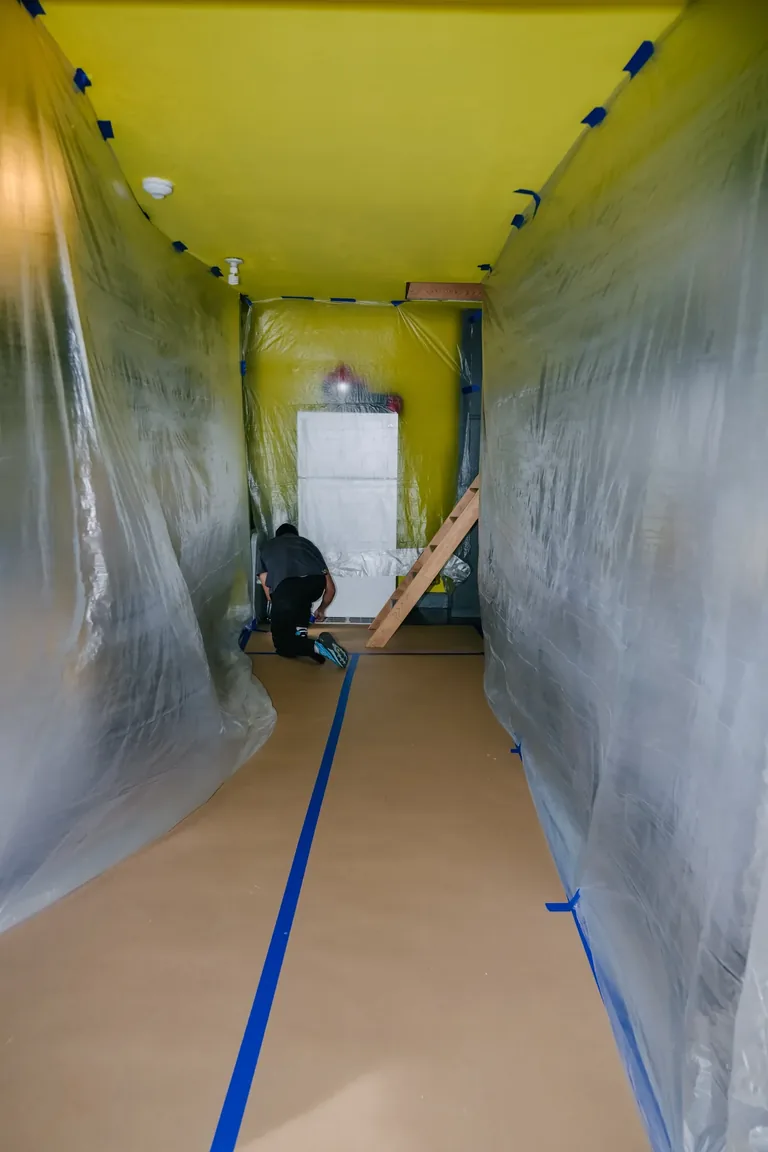
Restore a Cleaner, Safer Kitchen
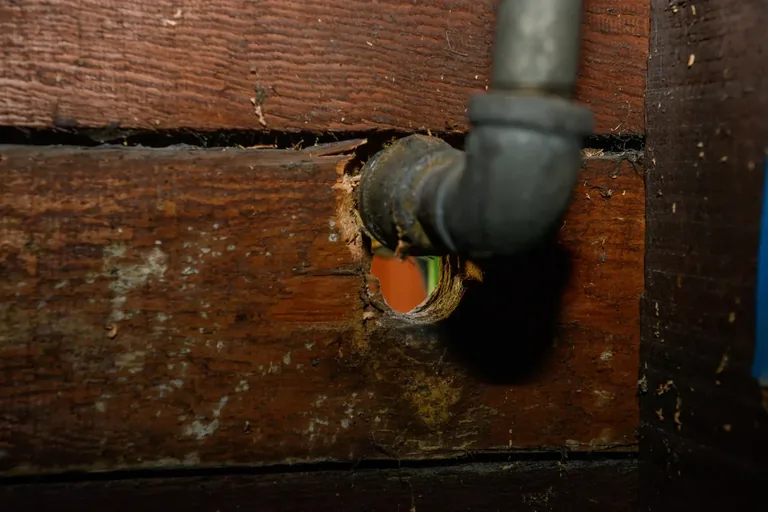
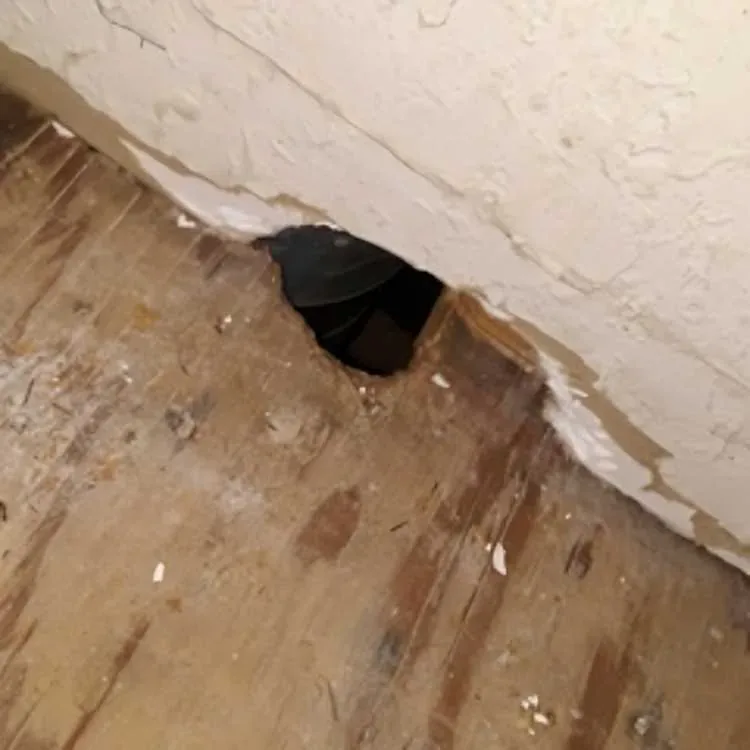
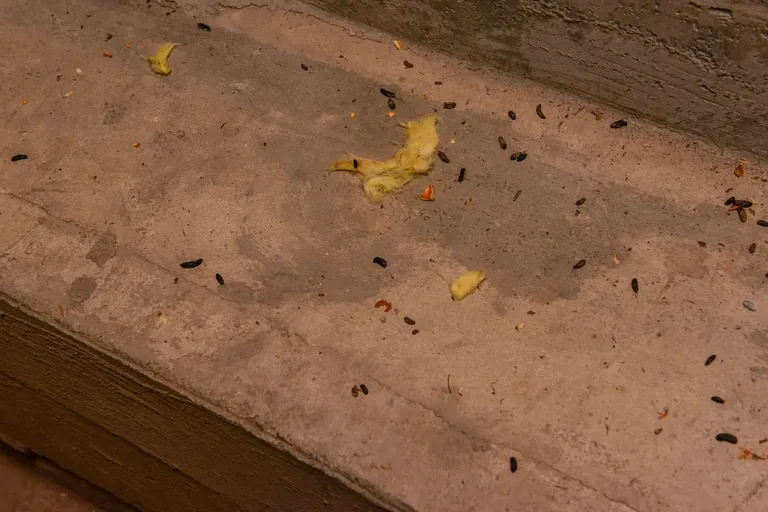
Seeing rats in the kitchen is alarming because the room contains food, water, cupboards, counters, and warm appliances. Rats may move through walls, cabinets, plumbing gaps, crawl spaces, floor openings, and cavities beneath a stove or oven. Along the way, they can leave urine, feces, rat droppings, grease marks, gnaw marks, and nesting debris.
Rats can also contaminate food, carry disease through waste and dirty surfaces, and chew electrical cables behind appliances. Alley Cat’s kitchen-focused service helps homeowners:
- Find the structural route bringing rats into the kitchen
- Remove active rats and contaminated nesting materials
- Clean and sanitize affected areas
- Reinforce vulnerable walls, pipes, vents, floors, and utility openings
Our Kitchen Rat Control Process
Kitchen rats may enter from a crawl space, garage, attic, basement, exterior wall, or small utility opening hidden behind an appliance. Our rat control process follows that route from the kitchen back to the exterior, then combines monitored removal, sanitation, sealing, proofing, and prevention:
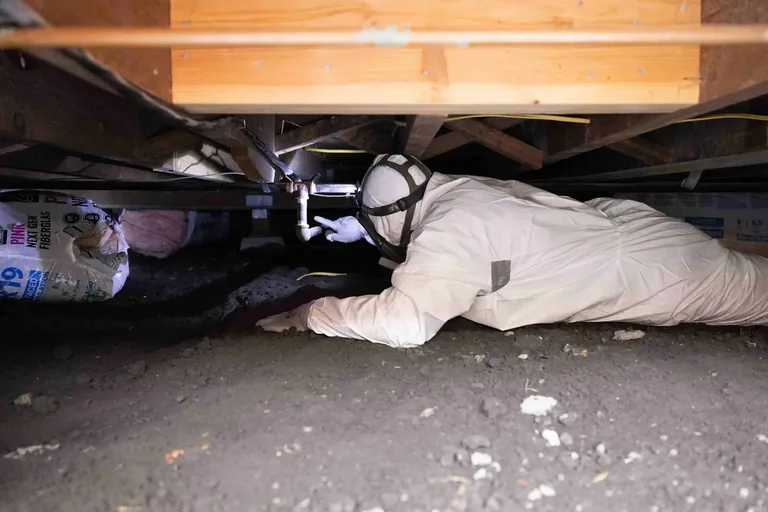
Step 01 · Inspect
Free Inspection for Kitchen Rats
We inspect beneath the kitchen sink, behind accessible appliances, inside lower cabinets and cupboards, along toe kicks, and around gas, water, electrical, and drain-line penetrations. We may also inspect the kitchen floor, connected walls, crawl space, garage, foundation perimeter, and roofline when those areas may be feeding rodents into the room.
Rats can enter through holes as small as a 2p coin, roughly comparable to a U.S. quarter, and they may gnaw softer openings wider. Rats can also enter through damaged air bricks and wall vents. In Bay Area homes, comparable vulnerabilities often include damaged crawl-space vents, foundation vents, siding gaps, and screened wall openings that connect to subfloors or wall cavities.
Our team also inspects dark spots where food may accumulate, including spaces behind the stove, beneath the refrigerator, around the oven, under cabinet toe kicks, and in corners near the sink. Crumbs, grease, cereal, rice, bread, grains, and pet food may attract rats, but the goal is to trace those signs back to the structural opening that gave them access.
- Identifies likely travel routes and entry points
- Documents droppings, gnaw marks, contamination, and food sources
- Determines which trapping, cleanup, and exclusion repairs are needed

Step 02 · Diagnose
Diagnostic Report & Estimate
After the inspection, Alley Cat prepares a Comprehensive Diagnostic Report explaining the evidence found, suspected access routes, contaminated areas, and recommended repairs. The report separates immediate needs, such as trapping or droppings removal, from structural work needed to close holes and help keep rats out of the house.
Homeowners receive a clear estimate instead of a vague one-visit exterminator treatment. The report also helps determine whether the kitchen activity is isolated or connected to a larger rodent problem.
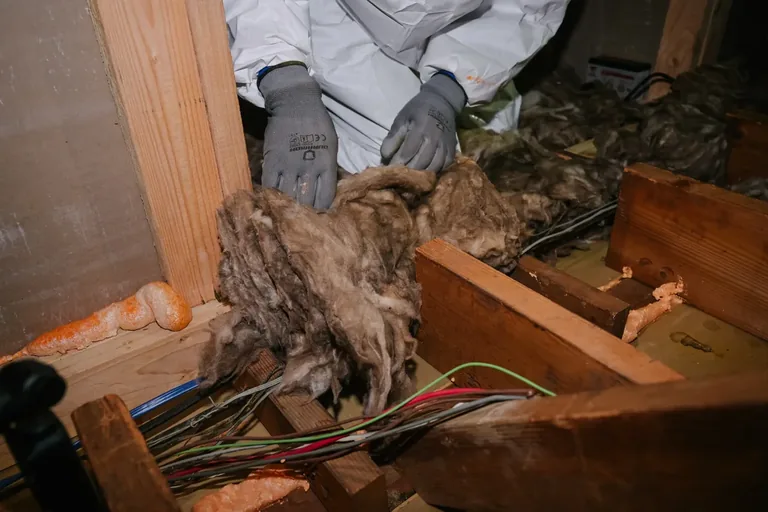
Step 03 · Clean
Cleanup & Rat Droppings Removal
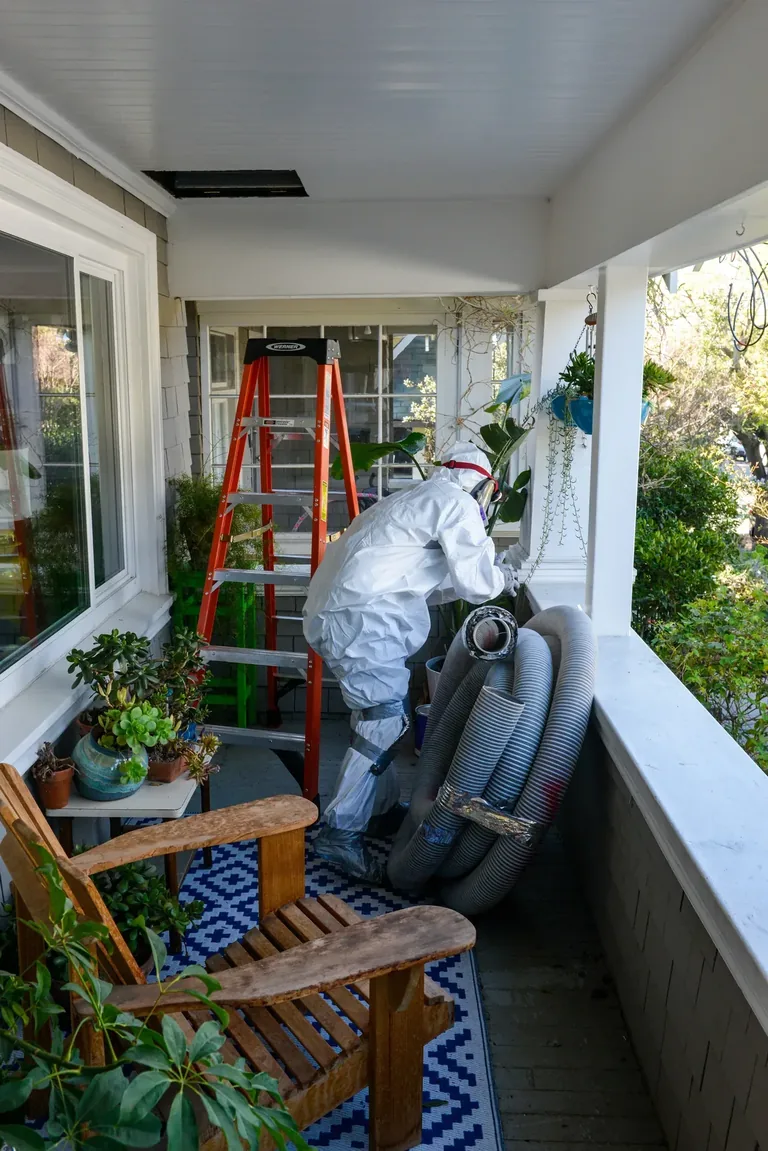
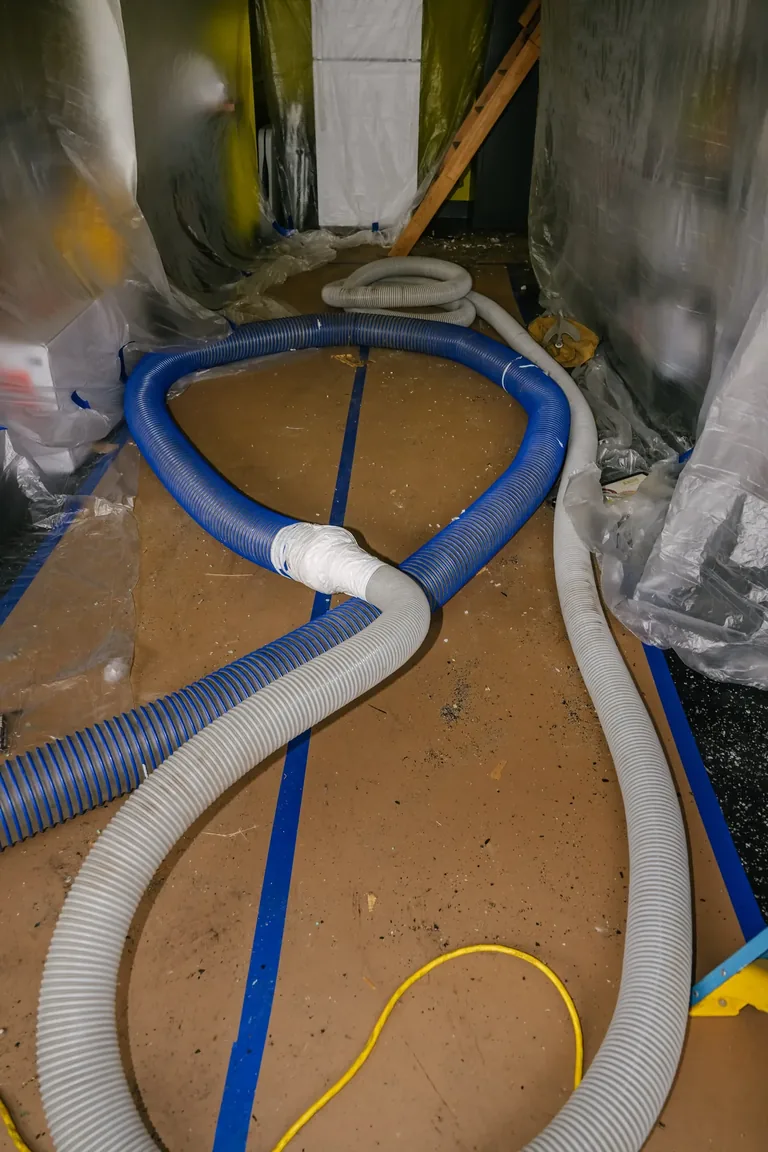
Cleanup may include droppings, feces, nesting material, damaged food packaging, and debris left beneath a stove, oven, refrigerator, cabinet base, or kitchen sink. If rats traveled below the room, our specialists may also remove contaminated insulation or vapor-barrier material from the crawl space beneath the kitchen.
Safe cleanup is more than sweeping. When appropriate, the area is ventilated, dry droppings are treated with disinfectant before collection, and technicians wear gloves and protective equipment.
Our specialists may handle:
- Accessible droppings, nests, and food debris
- Contaminated insulation or vapor-barrier material
- Gnawed cereal boxes, food packaging, and nesting material
Once loose contamination has been removed, the area is ready for sanitation and structural proofing.

Step 04 · Sanitize
Sanitize & Decontaminate
Alley Cat treats accessible areas affected by urine, feces, nesting, and odor with professional sanitation methods appropriate to the material and location. Special attention may be given to cabinet bases, appliance cavities, subfloors, crawl-space framing, and connected walls where rats may have traveled or nested.
Food touched, gnawed, or contaminated by rats should be discarded. Affected hard surfaces can then be sanitized to reduce bacteria, parasite exposure, disease risk, and odor.
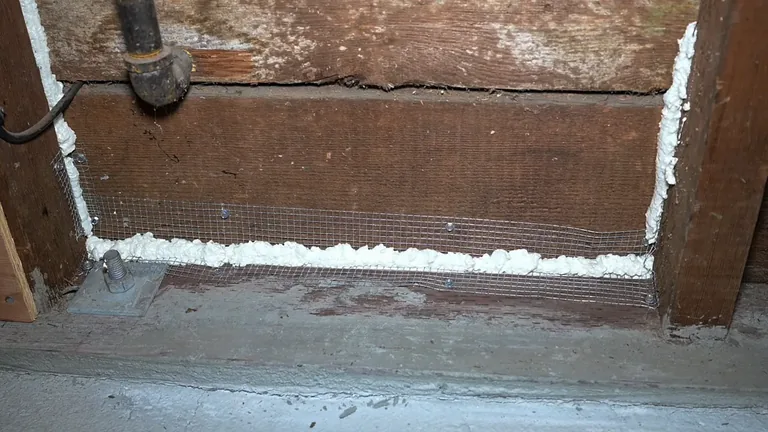
Step 05 · Seal
Seal Entry Points, Reinforce, & Prevent
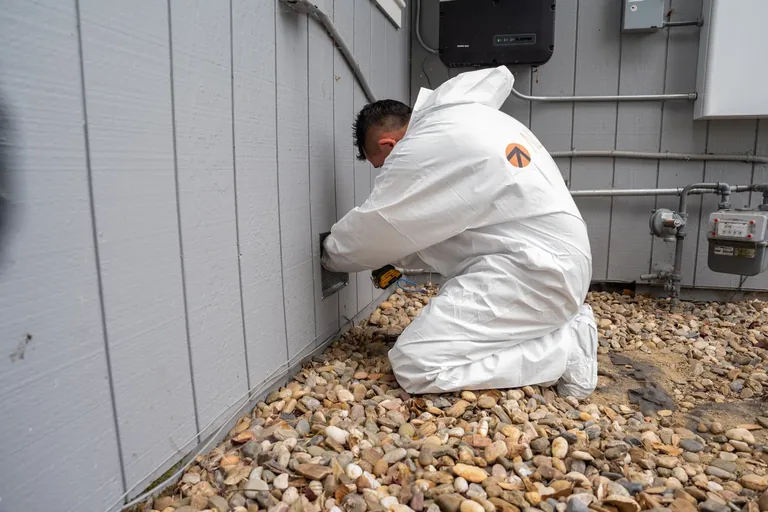
Catching a rat does not repair the route that brought it inside. Rats can squeeze through small holes around pipes, vents, doors, siding, foundations, and floor-to-wall transitions. An opening about the size of a 2p coin is already large enough to demand attention, and damaged air bricks, crawl-space screens, foundation vents, or wall vents may provide direct access into concealed areas of the house.
Kitchen entry points often hide beneath the sink, behind a dishwasher, around a gas line, under a toe kick, or beside the stove. Alley Cat traces the route through walls, crawl spaces, garages, foundations, and utility chases before selecting the right exclusion material.
Our exclusion work may include:
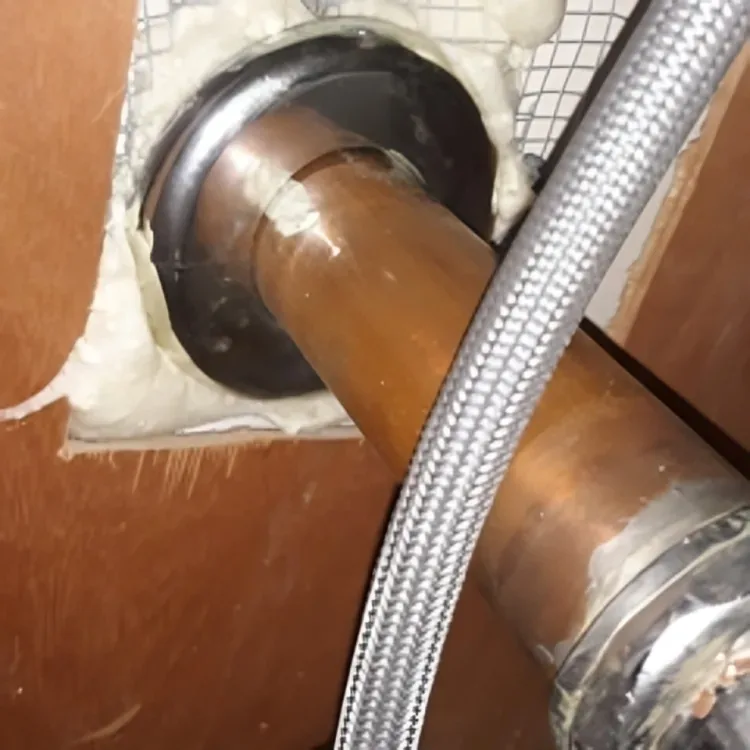
- Plumbing-Penetration SealingClose gaps around drainpipes, water lines, dishwasher hoses, and sink plumbing with rodent-resistant mesh, steel wool, sealant, or cement suited to the surface.
- Appliance-Cavity ReinforcementSecure openings behind the stove, oven, refrigerator, and dishwasher that connect to walls, floors, or crawl spaces.
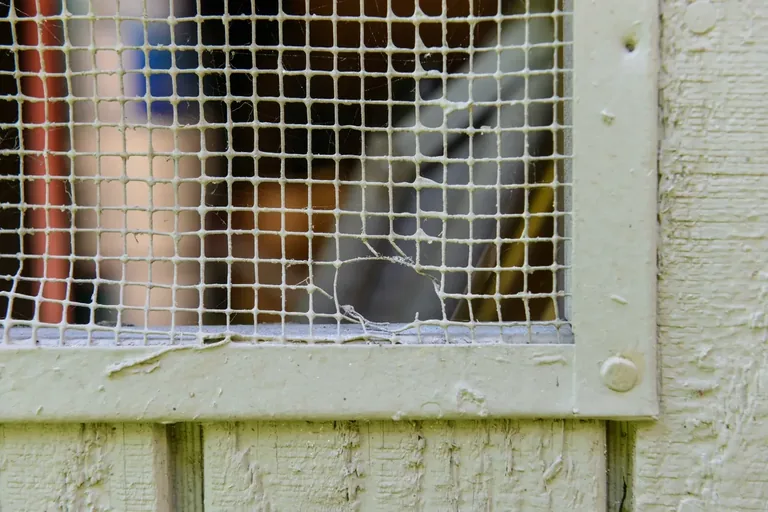
- Vent and Foundation ProofingRepair damaged wall vents, crawl-space screens, sill gaps, and foundation openings with secured metal mesh.
- Metal Flashing and BarriersInstall metal flashing, hardware cloth, or formed barriers where rats could chew through foam, wood, or weak patching materials.
- Door and Garage RepairsCorrect door edges, garage gaps, and other easy access points into the house.
- Roofline and Vegetation ControlRecommend trimming vegetation that gives rats pathways to roofs, windows, vents, or upper walls.
We do not rely on foam or loose steel wool alone where rats can pull or chew through it. Our goal is a continuous exclusion line using materials matched to each opening. This approach has helped Alley Cat serve more than 13,000 satisfied clients with a 97% customer satisfaction rating.
Step 06 · Trap Check
Set Trap Checks: Snap Traps
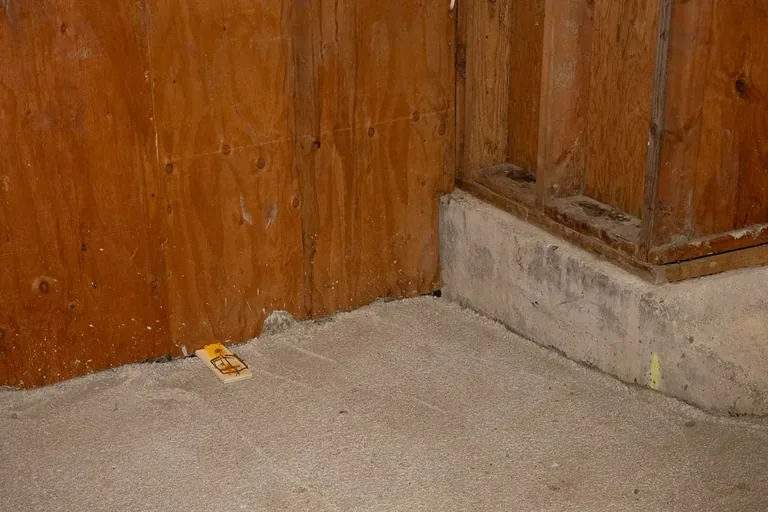
When rats may still be inside, Alley Cat places traps in secure, easy-to-monitor locations along confirmed travel routes. Snap traps are considered the safest and most effective method for indoor rat control when they are properly sized, correctly placed, and protected from children and pets. A small amount of bait may help, but placement along a known pathway matters more than bait choice.
Even effective snap traps only catch rats already inside. They do not seal entry points, remove contaminated nesting material, or stop another rat from using the same opening. Alley Cat treats trapping as one stage of a larger rodent exclusion process.
Glue traps are not a complete solution. Glue boards must be checked every 24 hours where legally required, and they require frequent monitoring because an animal may remain alive after becoming stuck. We prioritize monitored snap traps and structural exclusion over a set-it-and-forget-it approach.
We also avoid relying on indoor poison when rats could die inside walls or appliances and create foul odors. Scheduled checks let us remove each catch, reset traps, and determine whether activity is declining after exclusion.
Step 07 · Wrap Up
Wrap Up & Haul Away
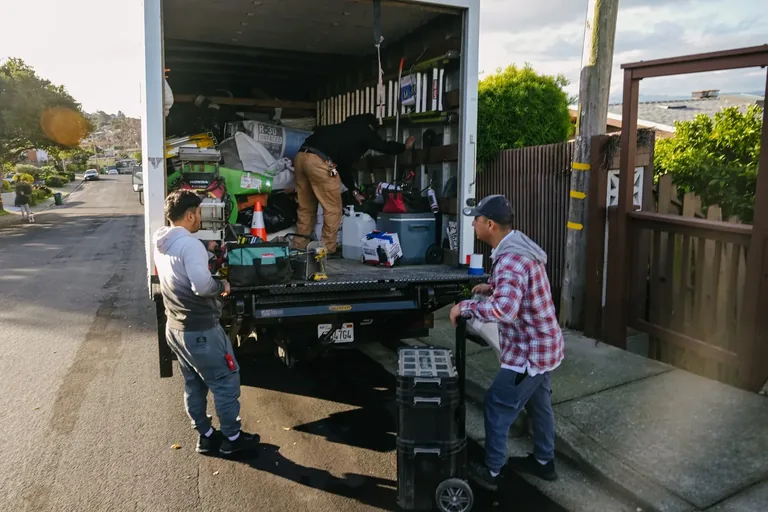
At the end of the project, removed insulation, screening, nests, contaminated debris, and other project waste are bagged and hauled away. We explain which walls, pipes, appliances, and exterior entry points were involved, what was repaired, and which signs should be monitored.

Step 08 · Support
Customer Service
Rats in a kitchen cause real distress because the activity affects food storage and meal preparation. Alley Cat’s customer service team coordinates inspections, scheduling, trap checks, report questions, and follow-up concerns. Our documented findings and responsive support are greatly appreciated when the situation feels urgent or uncertain.

Take Back Your Kitchen
For urgent help, Alley Cat can inspect the kitchen, trace entry points, remove active rats, clean affected areas, and complete the exclusion work needed to reduce the risk of another infestation.
Book Free Inspection
Benefits of Removing Kitchen Rats
Focused protection for the room at the center of your home.
- Source DetectionTrace rats from the visible room to hidden structural access.
- Food ProtectionReduce contact with pantry goods, pet food, counters, and shelves.
- Targeted CleanupRemove droppings, nests, urine-soaked debris, and damaged materials.
- Kitchen-Specific SealingClose holes around sinks, cabinets, pipes, and appliances.
- Structural ExclusionRepair exterior entry points connected to walls and crawl spaces.
- Strategic TrappingPlace and monitor traps along documented travel routes.
- Odor ReductionRemove contaminated material contributing to a persistent smell.
- Long-Term PreventionEliminate food sources and reinforce vulnerable openings.
Root-Cause Focus
We investigate why rats reached the kitchen instead of treating the sighting as an isolated event or relying only on bait, poison, or one trap.

Detailed Reporting
Your diagnostic report documents signs, contamination, entry points, recommended repairs, and estimated work so you can make an informed decision about how to get rid of the problem.

Local Experience
Our team understands Bay Area foundations, crawl spaces, utility penetrations, older walls, remodel gaps, and roof access conditions that often lead rats toward kitchens. Alameda County Vector Control provides pest control services and guidance for residents, which can be useful for general public information and local vector concerns.
Alley Cat’s role is property-specific: we inspect the structure, document the pathway, remove contamination, monitor traps, install barriers, seal entry points, and complete hands-on rodent exclusion.

“Luisvin came on time. He was cordial and went straight to work. He find the issues in our kitchen, in the crawlspace, and around the perimeter of the house. Alley Cat is the best.”
Eric CheliniVerified Trustpilot review
-
4.9 / 5
1,240 reviews -
4.7 / 5
649 reviews -
 4.7 / 5
279 surveys -
 4.9 / 5
374 reviews
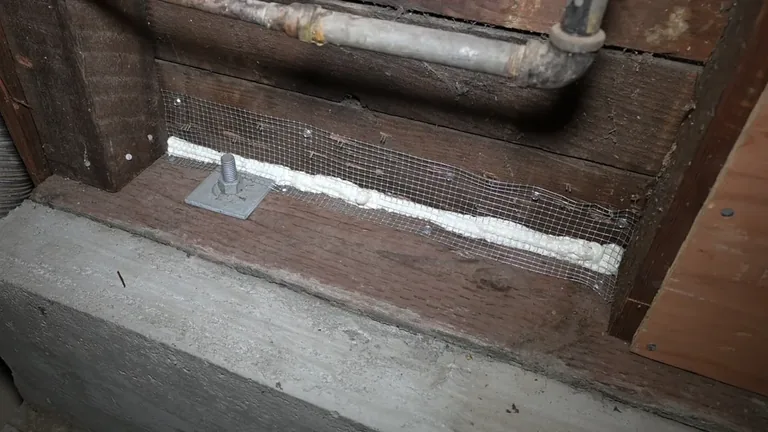
How to Get Rid of Rats in the Kitchen
To get rid of rats in the kitchen, address active animals, contamination, and structural access together. Traps may catch rats already inside, but trapping alone does not remove food sources or seal entry points.
Alley Cat combines the necessary steps into one kitchen-specific plan:
- Inspect the kitchen and connected areas for signs and entry points
- Catch active rats and remove nests, droppings, and contaminated materials
- Seal holes, sanitize surfaces, and monitor traps until activity has stopped
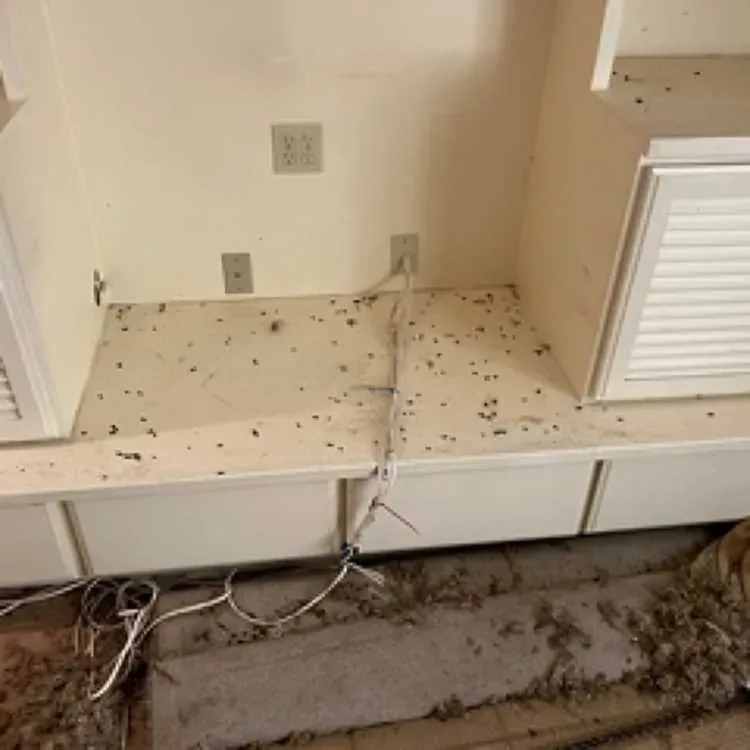
Why Are Rats in the Kitchen Important?
Rats in the kitchen can contaminate food, chew wiring, and spread waste across counters, floors, cupboards, and appliances. Early action helps protect people, pets, and property.
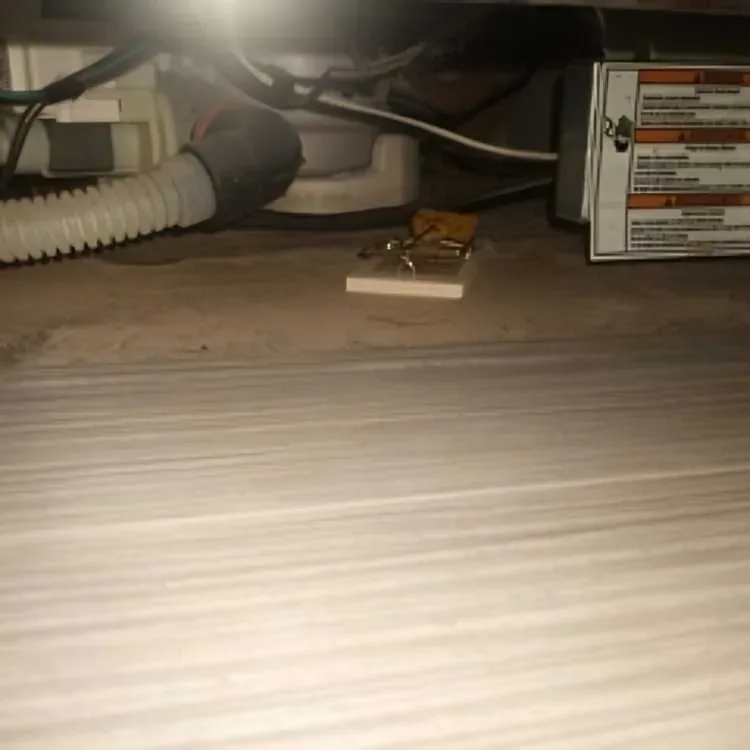
Behind-Appliance Access
Spaces behind a stove, oven, refrigerator, or dishwasher can connect directly to pipes, subfloors, and walls. Rats may use these enclosed areas for shelter, nesting, food, and water.
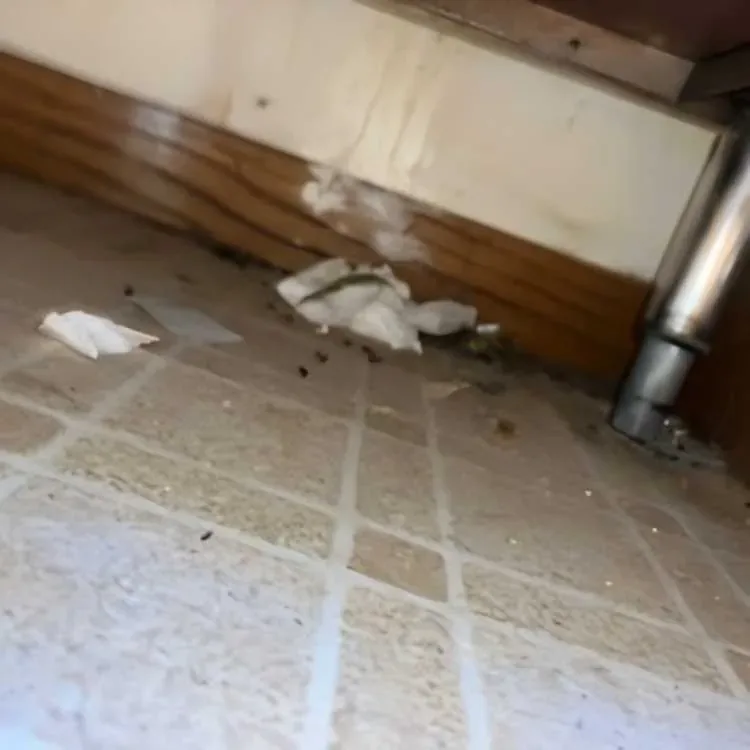
Whole-Route Exclusion
Sealing one visible hole may simply redirect rats to another room. Alley Cat follows the route outward, repairs exterior entry points, and monitors traps to confirm that the infestation is being managed at its source.
FAQ’s: Rat Control for Rats in the Kitchen
What Should I Do If I See a Rat in the Kitchen?
If you see a rat, do not panic; secure exposed food, keep pets and children away, and arrange a professional inspection. Note where the rat appeared and where it ran—behind the stove, beneath the sink, into cupboards, or through a floor gap—because that location can help trace the route.
Take these immediate steps:
- Store food in sealed glass, metal, or thick plastic containers
- Discard gnawed cereal boxes, bread, rice, grains, or exposed food
- Put pet food away and cover garbage with a tight-fitting lid
- Wear gloves and avoid sweeping dry droppings
- Disinfect counters after contamination is safely removed
Avoid scattering poison indoors; rats may die inside walls and create odor problems. Close the room when practical, document the signs, and schedule rat control.
Does One Rat Mean an Infestation?
One rat does not automatically prove a large infestation, but it does confirm that a rat found a usable route into the house. There is a good chance that additional signs are present in walls, beneath the floor, near the stove, or around outside entry points even if only one animal has been seen.
Inspectors assess repeated droppings, gnaw marks, urine smell, tracks, feeding areas, nests, or babies. Rat droppings are generally larger than mouse droppings. Do not assume one catch solved the issue; trap monitoring and fresh-sign checks support a better assessment.
What Does a Rat in the Kitchen Mean?
A rat in the kitchen usually means the animal has found food, water, shelter, and a usable opening into the structure. Crumbs, uncovered garbage, pet food, leaky pipes, or a dripping faucet may attract rats, but the lasting problem is often a gap around the sink, floor, vent, door, wall, or appliance cavity.
In dense Bay Area communities such as Oakland, San Francisco, Berkeley, Hayward, and San Mateo, rats readily use human food sources and small structural spaces. Adult rats may measure roughly 7 to 10 inches through the body, yet squeeze through much smaller holes. The route should be found and sealed.
Will a Rat Go Away on Its Own?
A rat may leave the kitchen temporarily, but it is unlikely to stay away while food, water, shelter, or open entry points remain. Rats often return at night, move into walls, build a nest, feed, and continue searching for food even when the homeowner does not see them for several days.
The reliable way to get rid of rats is to combine traps, cleanup, sanitation, and exclusion. Professionals place traps along travel routes, remove contamination, and seal pipes, vents, floor gaps, and exterior holes with mesh, cement, steel wool, or metal barriers.
Homeowners should store food securely, clean spills, manage garbage, and put pet food away. Alley Cat provides kitchen-focused exclusion in Napa, Sonoma County, Solano County, Novato, Concord, Mountain View, Fremont, Hayward, San Mateo, and nearby communities.
Schedule Your Free Inspection
Whether you found droppings beneath the sink or watched a rat run behind the stove, an inspection can reveal where it came from and what must be repaired.