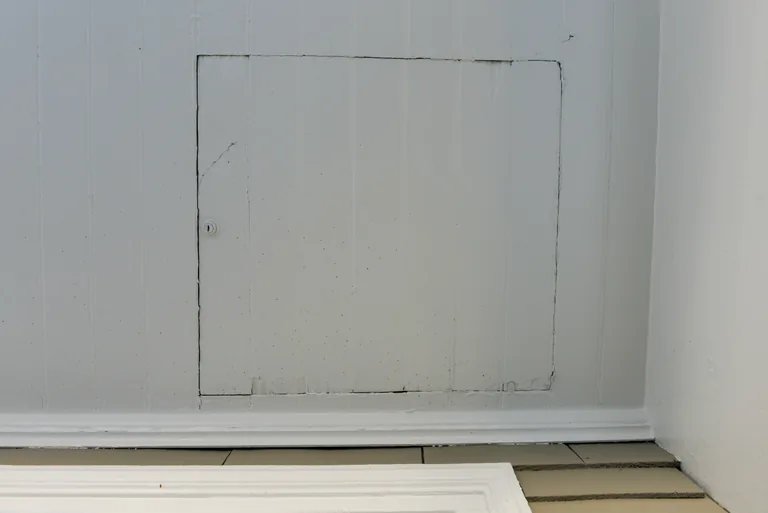
Rats in basement areas are rodents that live, nest, feed, or travel through a home’s lowest level after basement rats enter through foundation cracks, utility openings, vents, doors, or crawl spaces.
10+ years experienceProfessional rodent exclusion specialists
13,000+ homes serviced97% customer satisfaction
Bay Area localFamily-owned & operated
3-Year WarrantyCoverage per location and written terms
4.9 / 5 1,240 reviews
4.7 / 5 649 reviews
4.9 / 5 374 reviews
4.7 / 5 279 surveys
Accredited A+ BBB rating
Rats in Basement: What the Problem Means
Basement-focused removal, cleanup, sealing, and prevention.
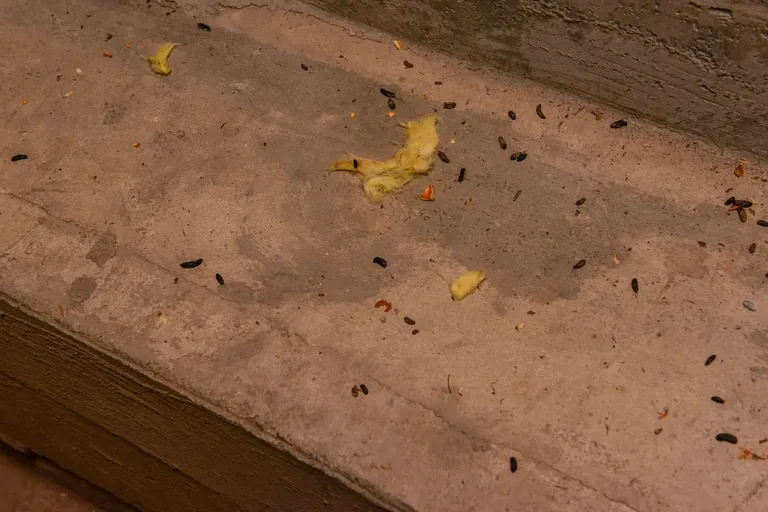
Homeowners dealing with these pests may hear scratching at night, find rat droppings near boxes, notice a urine smell, or see chewing around pipes, wiring, insulation, wood, or food packaging.
Many Bay Area basements attract Norway rats, which tend to burrow and use lower-level routes. An inspection also distinguishes rats from mice: a house mouse leaves smaller pellets, while larger rats use different holes and travel paths.
Alley Cat treats the basement as both a harboring space and an access point:
Find low-level entry points, runways, and concealed routes
Remove rats, nests, droppings, and contaminated materials
Seal holes, screen vents, reinforce weak areas, and monitor activity
A basement inspection shows what is happening below the living area and what must be corrected to keep rats and other rodents from reaching walls, kitchens, garages, or attics.
We inspect foundation interfaces, basement walls, mechanical zones, drains, shelves, storage edges, and connected cavities—the features most likely to hide rats, mice, and other rodents or conceal rat activity.
02
Evidence-Led Repairs
Every repair recommendation follows physical evidence such as droppings, grease marks, gnawing, tracks, nests, disturbed dirt, and exterior holes that match the routes rats use.
03
One Coordinated Team
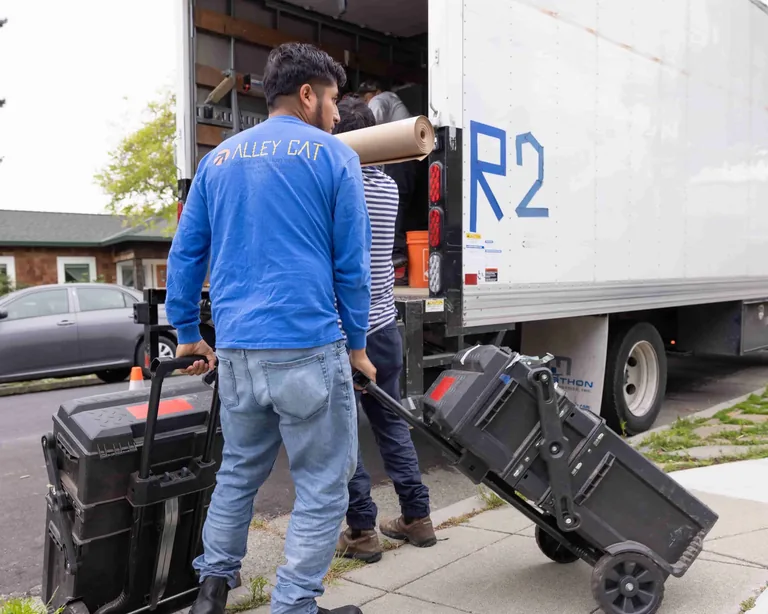
Removal of rats, mice, and other rodents is coordinated with cleanup, sanitation, sealing, trap checks, haul-away, and prevention, so homeowners are not managing disconnected pest control vendors.
How We Resolve a Basement Rat Infestation
To get rid of a basement rat infestation, Alley Cat addresses the rats present, their contamination, and the openings rats use through a deliberate pest control process:
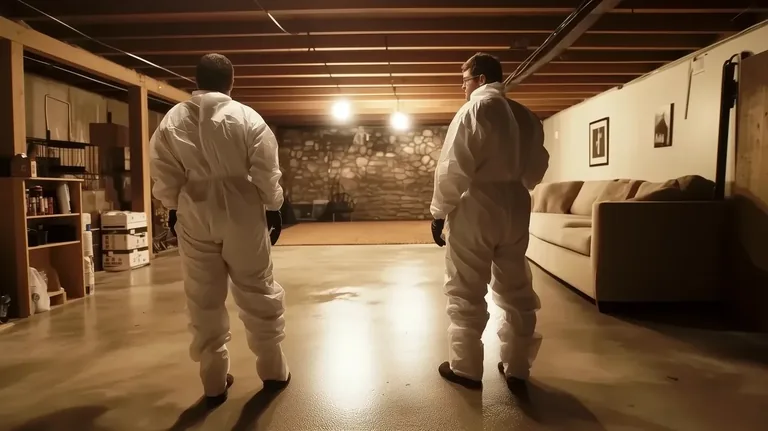
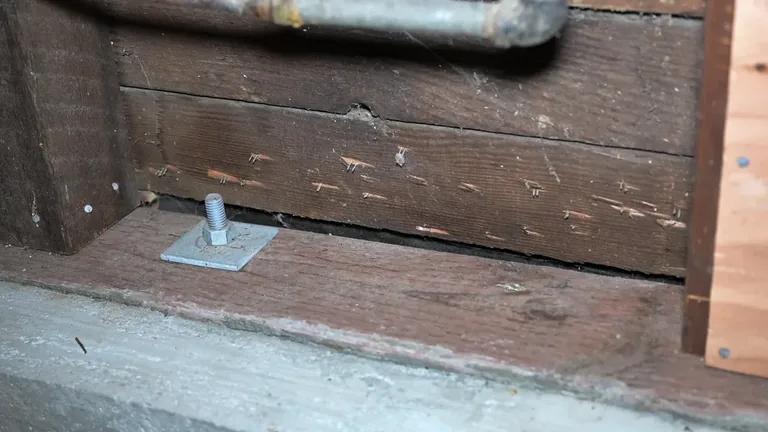
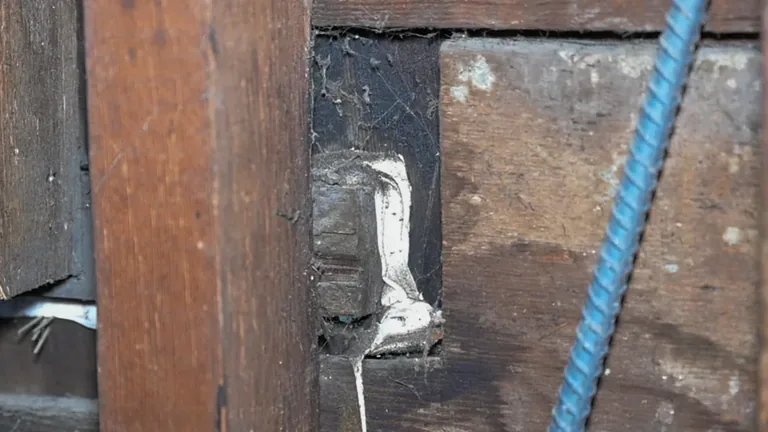
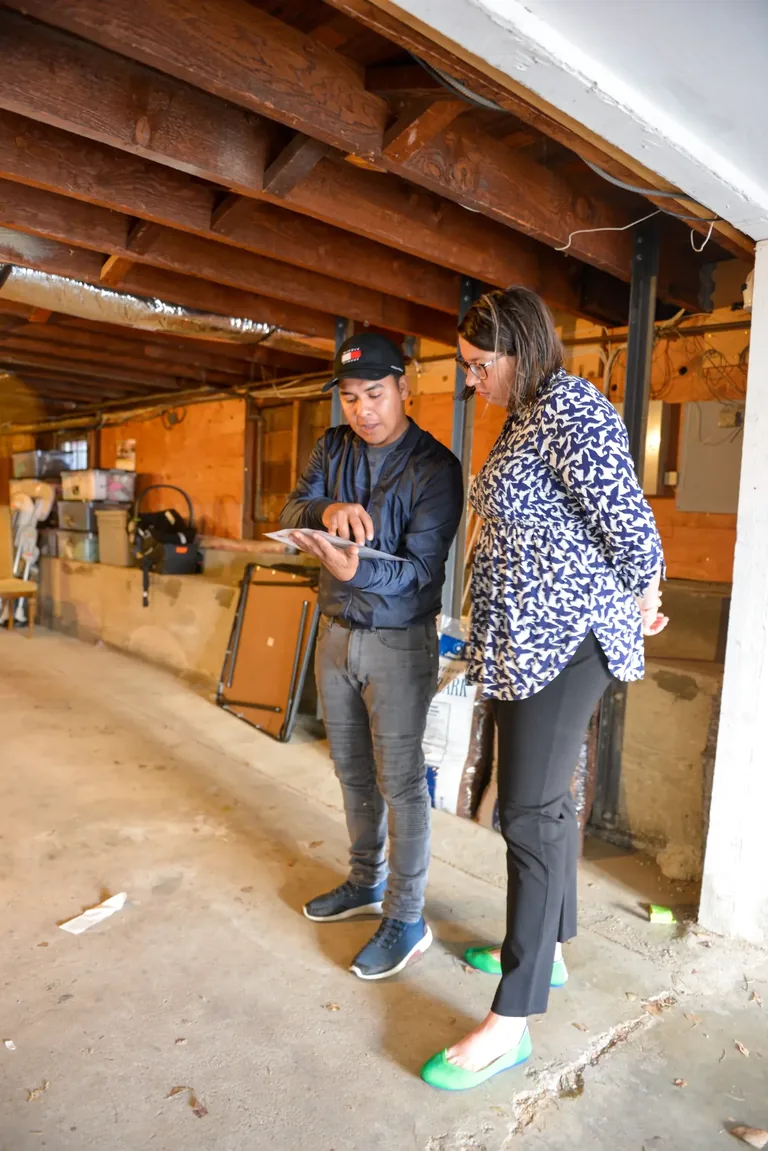
The free inspection starts inside. A specialist checks slab edges, sill plates, basement walls, drains, windows, vents, pipes, wall voids, areas where residents store food, and transitions to garages or crawl spaces. We document pellet-shaped droppings, oily rub marks, gnawing, urine, nests, unusual sounds, and scratching behind walls. These signs help distinguish rats from mice and identify where a trap is likely to catch rats.
A clearer picture of likely access and established runways
Priorities for trapping, cleanup, repair, and exclusion
A practical scope based on evidence rather than guesswork
Step 02 · Diagnose
Basement Diagnostic Report & Estimate
Your Comprehensive Diagnostic Report, or CDR, organizes the findings by location and connects signs left by rats to exterior entry points. It may include photographs, measurements of gaps or holes, contamination notes, recommended trap placement, sealing materials, cleanup priorities, and a site-specific estimate. The report also identifies inaccessible areas or structural work outside the approved service, giving the homeowner a clear decision point before work begins.
Depending on conditions, our specialists may handle:
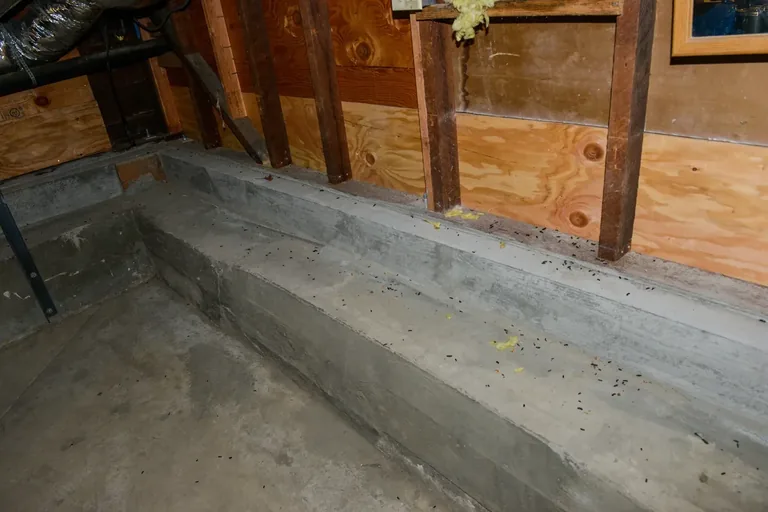
Removing nests and loose fecal debris from accessible surfaces
Bagging fouled insulation, cardboard, or disposable stored items
Containing debris and waste for professional haul-away
This is not ordinary sweeping. Removing bulk contamination first gives the team a cleaner environment for sanitation and makes fresh signs from rats or mice easier to recognize during post-cleanup trap checks.
Step 04 · Sanitize
Sanitize & Decontaminate
After physical debris is removed, Alley Cat treats affected, accessible surfaces with professional sanitation and decontamination products. Attention may be given to floor edges, joists, utility platforms, shelves, and basement walls marked by urine or fecal residue.
Rats can carry bacteria and organisms linked to disease, creating health risks for people and pets. Exposure to rats or their waste has been associated with leptospirosis, salmonellosis, tularemia, and rat bite fever; rodents can also carry fleas. Proper sanitation includes fixing water leaks to reduce moisture in the area, since damp basement conditions can attract rodents and allow contamination to persist longer. Treatment helps reduce odor and related disease risks without claiming the basement is sterile.
Step 05 · Seal
Seal, Reinforce, & Prevent
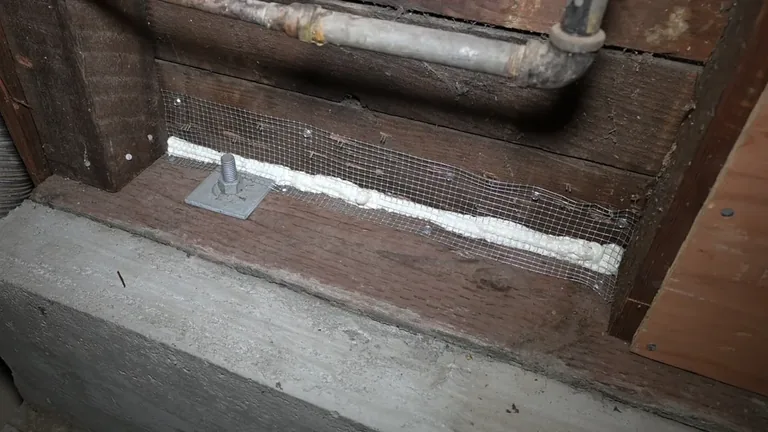
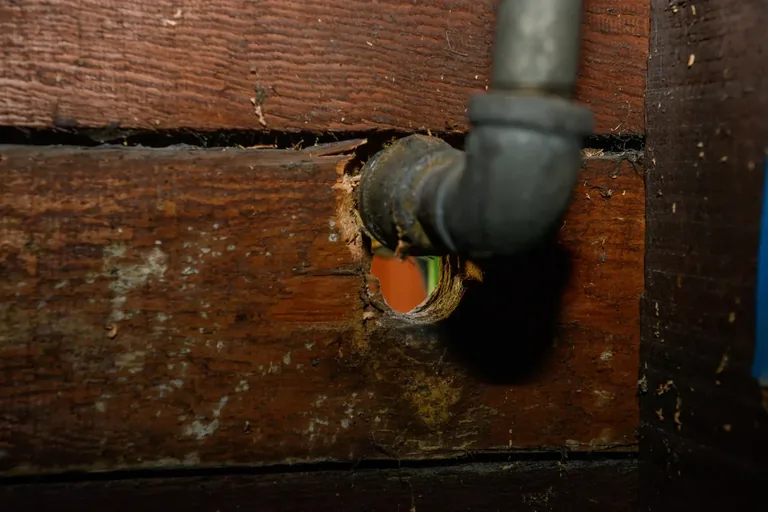
Basement prevention focuses on the structure near ground level. Rats can squeeze through holes about half an inch wide—roughly coin-sized—and mice through smaller holes. Openings often appear where masonry meets wood, pipes cross foundations, utilities enter walls, or old vents and doors deteriorate. Each seal or barrier is matched to the opening, moisture, ventilation, and surrounding material.
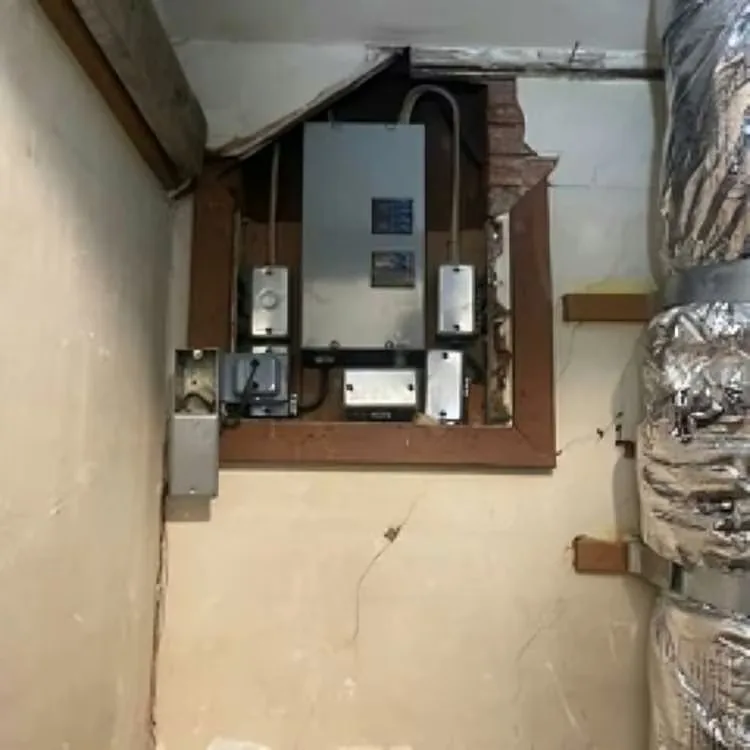
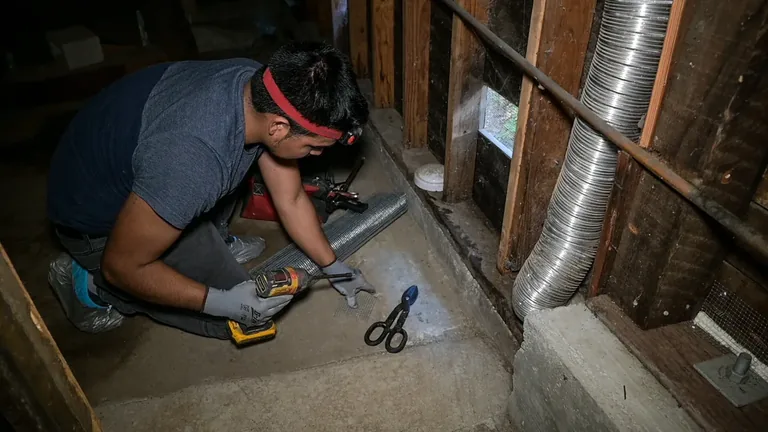
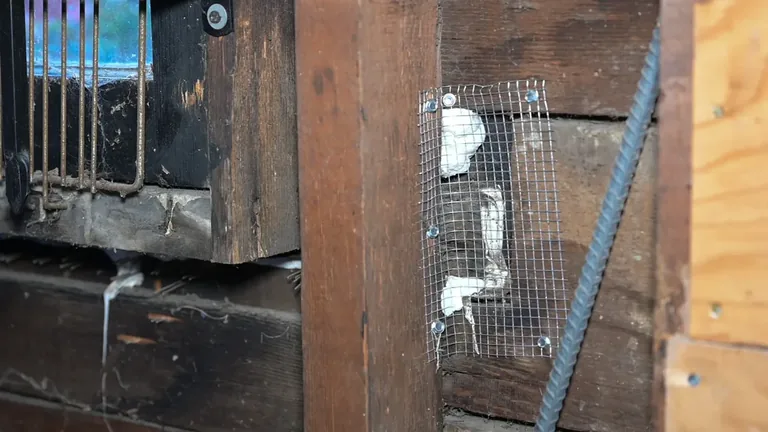
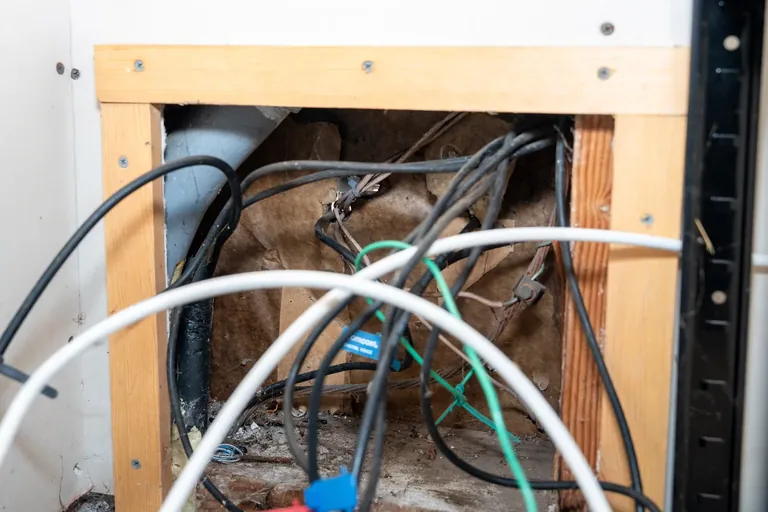
Utility Penetration ReinforcementGaps around plumbing, gas, cable, electrical, and HVAC pipes are screened or packed, then capped without blocking access.
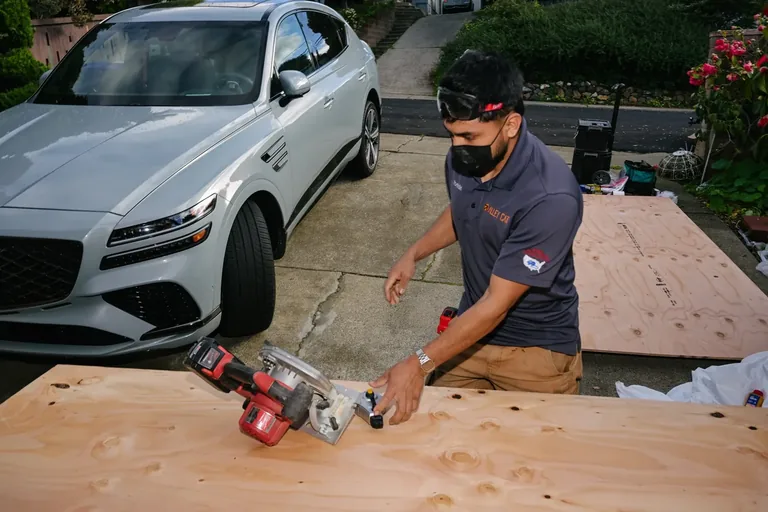
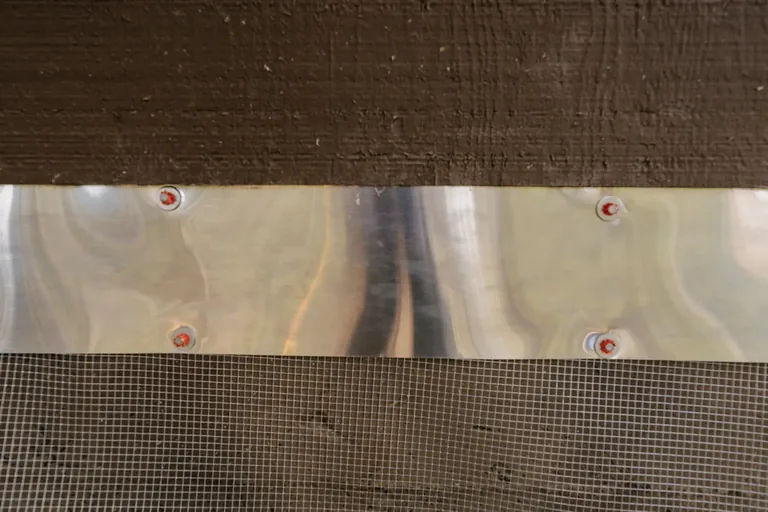
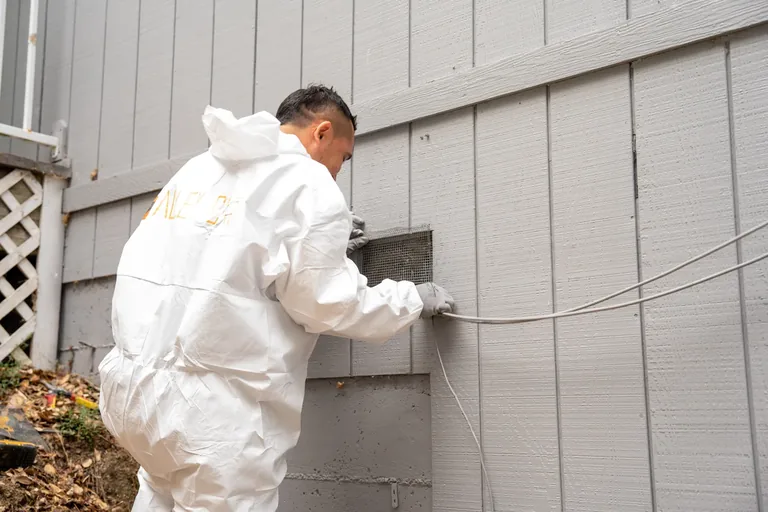
Hardware-Cloth ScreeningHeavy-gauge hardware cloth covers vulnerable vents and larger openings while preserving airflow. Thin screen that rats, mice, and other pests can tear is replaced.
Steel Wool BackingSteel wool can fill irregular gaps as backing, but it is secured and capped with durable material rather than left loose.
Door and Bulkhead ProofingFitted sweeps, thresholds, flashing, or chew-resistant components close holes below exterior doors, hatch doors, and cellar entries.
Transition BarriersOpenings between the basement, underfloor area, garage, walls, and under-stair voids are closed so rats cannot shift into other areas of the house.
We also identify attractants that draw rats and other pests back: food for pets, open trash, seeds, leaking fixtures, standing water, clutter, and vegetation against the foundation. Store food and pet supplies in airtight containers, store trash in sealed containers, remove places where rats hide in the yard, and leave wall edges visible for inspection. These steps protect the house without blocking drainage or ventilation. This rodent-focused pest control approach has helped Alley Cat serve 13,000+ satisfied clients and maintain a 97% customer satisfaction rating.
Step 06 · Check
Set Basement Trap Checks
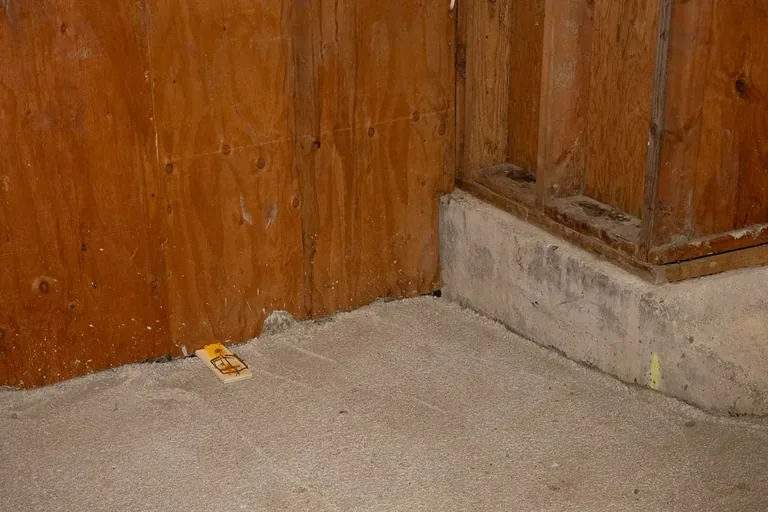
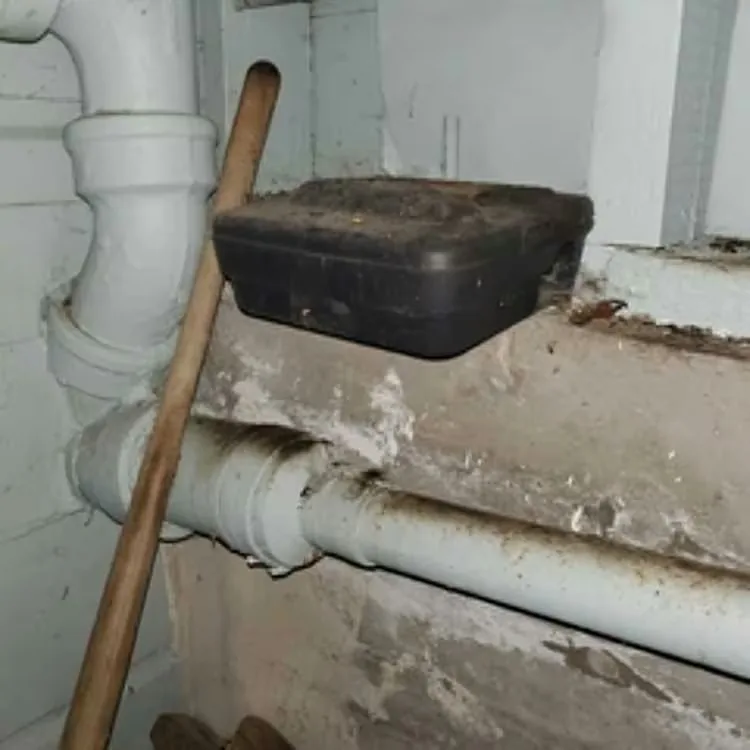
Trap placement follows confirmed runways. We may set snap traps along walls, behind stored items, near droppings, or at a point beside utility chases where rats turn. Each trap is positioned with household safety in mind, especially near children or pets. Properly sized snap traps can kill individual rats quickly, helping remove rats without relying only on poison.
Depending on site conditions, tamper-resistant bait stations may be considered for controlled locations. A bait station and poison do not replace sealing; poison may kill rats inside walls, cause odor, or expose pets and wildlife when misused. During scheduled checks, we record what was caught, reset or move each trap, and look for fresh signs. The goal is to confirm that activity is becoming quiet.
Step 07 · Haul
Wrap Up & Haul Away
At wrap-up, Alley Cat removes approved waste, caught rodents, and used service materials from the basement work area. We review repaired holes, completed seals, trap results, and any inaccessible conditions or building defects that remain outside the scope.
The homeowner receives a practical handoff rather than a vague “all done.” We explain which entry point was corrected, what was removed, where traps or bait stations were monitored, and what food, water, storage, or sanitation changes can reduce the chance of another infestation. The goal is a cleaner, quieter lower level and a clear prevention plan.
Step 08 · Support
Customer Service
Our customer service team coordinates inspection times, reports, approvals, trap-check visits, and questions throughout the project. Homeowners know what is included, what requires access, and how cleanup, exclusion, and monitoring fit together.
That support matters in occupied Bay Area homes, rental properties, and multifamily buildings where basement access may involve residents, neighbors, shared doors, pets, or utility schedules. Clear communication keeps the work organized from the first visit through haul-away and follow-up.
Scratching, droppings, gnawing, or odor below your living space should not be ignored. Schedule a basement rat inspection to identify active routes, contamination, and the next practical steps.
From older San Francisco foundations to Berkeley basements, Oakland utility rooms, and lower levels in Sonoma County, Alley Cat understands how local construction affects access for rats and other rodents. Our diagnostic process, coordinated field service, and record of 13,000+ satisfied clients give homeowners confidence. The testimonial below reflects that property-specific care.
“The work was done efficiently and in a timely manner. The technician was knowledgeable. I like the expertise.”
★★★★★
Karen B.Verified Diamond Certified survey
4.9 / 5 1,240 reviews
4.7 / 5 649 reviews
4.7 / 5 279 surveys
4.9 / 5 374 reviews
Basement Rats Need Targeted Repairs
The lowest level has its own vulnerabilities.
Foundation Entry Mapping
We connect indoor signs with exterior cracks, vents, pipe gaps, door holes, burrows, and crawl-space transitions instead of treating each clue as an isolated pest control problem.
Utility Zone Protection
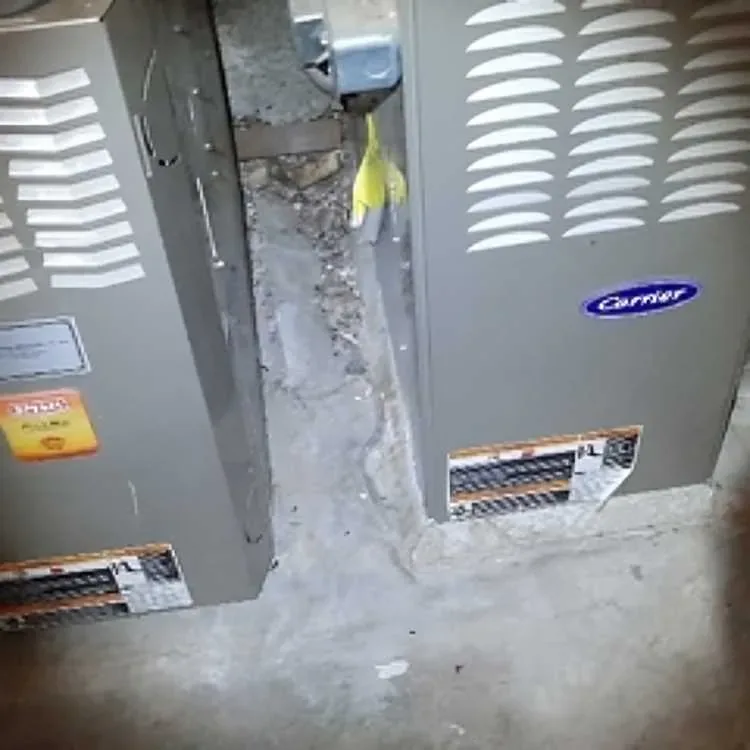
Plumbing, electrical, furnace, and laundry penetrations receive close attention because clustered pipes can create concealed routes from the ground into walls, upper floors, and attics.
Floor-Level Contamination
Droppings, urine, nests, damaged food, and gnawed items often collect behind shelves, along the floor, under stairs, and around equipment where routine cleaning misses them.
Why Basement Entry Points Change the Scope
Basement conditions shape how rats enter, hide, eat, and move through the structure. Important variables include:
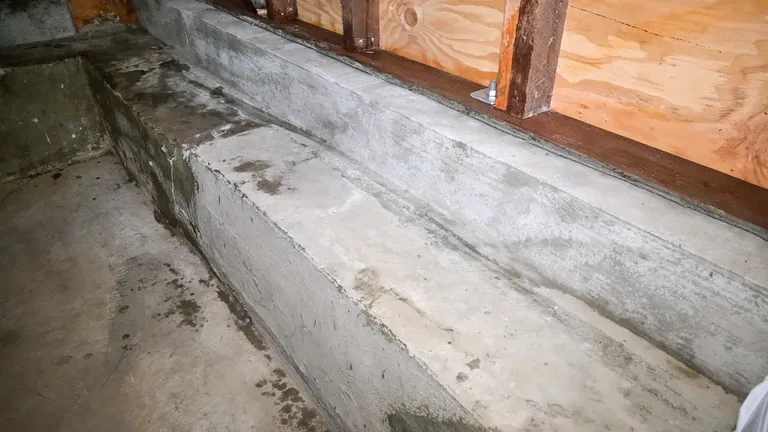
Unfinished slab edges, foundation cracks, and open sill gaps
Laundry drains, sump areas, water leaks, and plumbing chases
Stored items and food that conceal runways or nests
Shared openings to garages, crawl spaces, walls, and attics where rats or other pests may travel
A narrow San Francisco house may have different holes and rat routes than a daylight basement in Novato or a mechanical room in Concord. Norway rats also tend to stay close to the ground, while mice can explore smaller openings throughout the building and create quiet routes for other pests. Alley Cat uses evidence found at that property to prioritize each seal, repair, trap, and cleanup task instead of applying a generic pest control checklist.
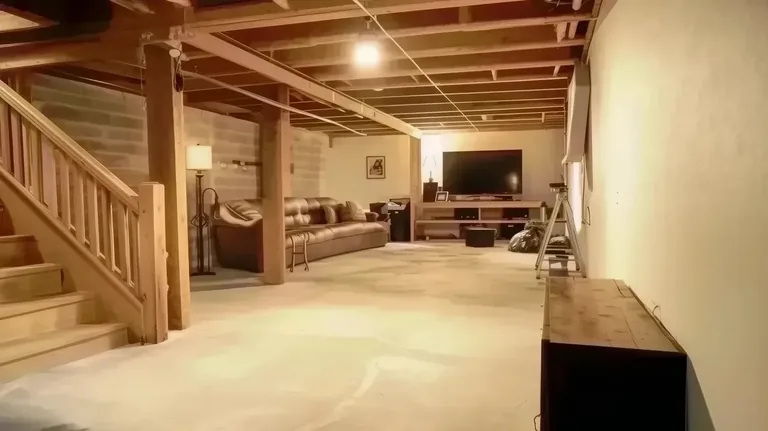
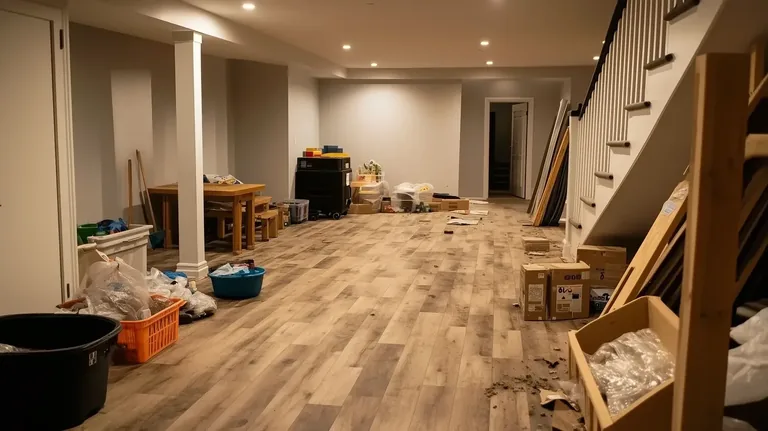
A basement with droppings, odor, nests, or carcasses can become a space the family avoids. Removal, sanitation, and haul-away make storage, laundry, workshop, and utility areas more practical to use again while identifying damaged wood, insulation, drywall, or wiring that may need separate repair.
The most effective way to get rid of basement rats is to combine trapping, cleanup, sanitation, and exclusion rather than relying on one product. Start by removing accessible food and water, then identify the holes and runways that rats use.
A professional plan usually includes:
Inspect the basement and exterior foundation.
Place correctly sized snap traps near walls and fresh droppings to kill rats quickly.
Check each trap regularly and document what is caught.
Remove nests, waste, and contaminated porous materials.
Seal cracks, vents, pipe gaps, and other access points.
Seeing one rat does not reveal an exact number, but it is enough to justify an inspection because rats are social, mostly active at night, and skilled at hiding. One sighting may mean a lone rat, several rats using the same runway, or a larger nest nearby.
Look for the amount and freshness of evidence: dark pellet-shaped droppings, oily grease marks, gnawing, scratching behind walls, disturbed insulation, repeated trap activity, and more than one nest. Rats caught on separate days or in separate parts of the basement can indicate broader activity. Smaller droppings and nibble marks may point to mice instead. Do not estimate the population from droppings alone; old waste can remain after rodents leave, while active rats may stay quiet and out of sight.
What repels rats immediately?
No household scent or spray reliably repels rats immediately and keeps them out of a basement. As prey animals, rats may react briefly to predators, strong smells, lights, or ultrasonic devices, but hungry rats often return when food, water, shelter, and open holes remain.
For immediate control, remove exposed food, secure pet food, clean spills, fix leaks, reduce clutter, and set protected snap traps along confirmed runways. Steel wool may help fill a small opening temporarily, but a permanent seal should use secured metal and a compatible finish. Avoid placing loose poison where pets, children, or wildlife could reach it. Effective control comes from making the environment unrewarding, trapping active rats, and sealing the structure—not from trying to scare pests away.
What month are rats most active?
Rats can be active in every month, but homeowners often notice more indoor pressure in fall and winter when rain, colder nights, and reduced outdoor food push rodents toward dry shelter. Bay Area activity can also rise whenever construction, flooding, vegetation removal, or nearby pest control disturbs established nests.
Do not wait for a particular month if droppings, sounds, chewing, or odors are already present. In spring and summer, rats may still live near water, trash, gardens, pet food, and shaded foundation areas; in fall, they may begin testing openings before winter. Regular checks of vents, doors, pipes, cracks, and storage are useful year-round. Early action gives a homeowner a better chance to get rid of rats before they spread into walls or other areas.
Stop Basement Rats at the Source
For a Bay Area basement with scratching, droppings, nests, or repeat activity, contact Alley Cat for rodent removal, cleanup, exclusion, trap checks, and prevention based on the site conditions in your home.