Bay Area Rat Removal
Rats Inside the House: Removal, Cleanup, and Prevention
Alley Cat traces rats from the room you see them in to the opening they came through, cleans what they left behind, and closes the route.
-
 4.9 / 5
1,240 reviews -
 4.7 / 5
649 reviews -
 4.9 / 5
374 reviews -
 4.7 / 5
279 surveys -
 Accredited
A+ BBB rating
Rat Droppings, Gnaw Marks, and Other Common Signs of Rats Inside the House
Targeted help for rats entering occupied living areas.
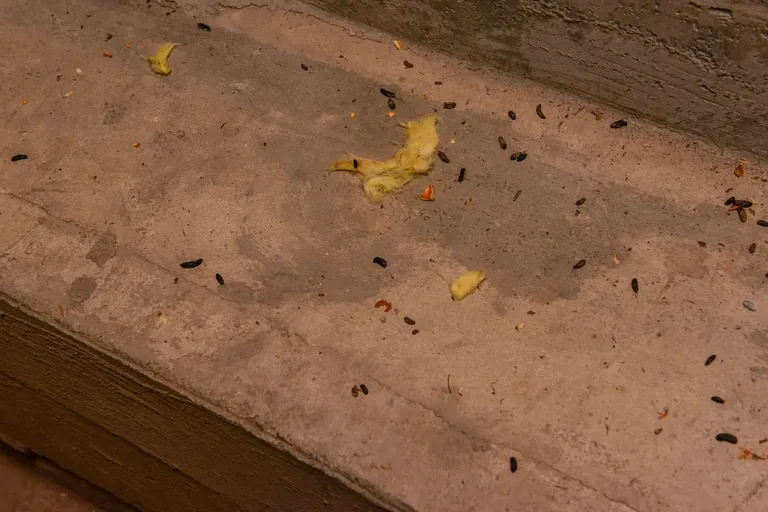
Rats inside the house means rats have moved beyond an attic, crawl space, garage, or exterior opening and use interior rooms for food, water, shelter, or travel. Signs of rats commonly include rat droppings, fresh gnaw marks, scratching sounds, greasy rub marks, and unusual pet behavior near walls or appliances. Unlike mice, rats leave pellet-shaped rat droppings that can exceed half an inch; smaller pellets may look rice-like but remain larger than typical mouse droppings. One rat may follow an established route, or the evidence may indicate a larger infestation.
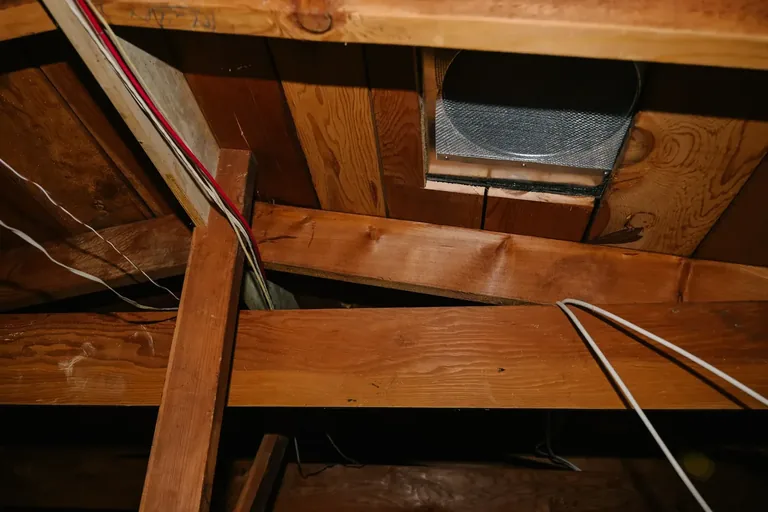
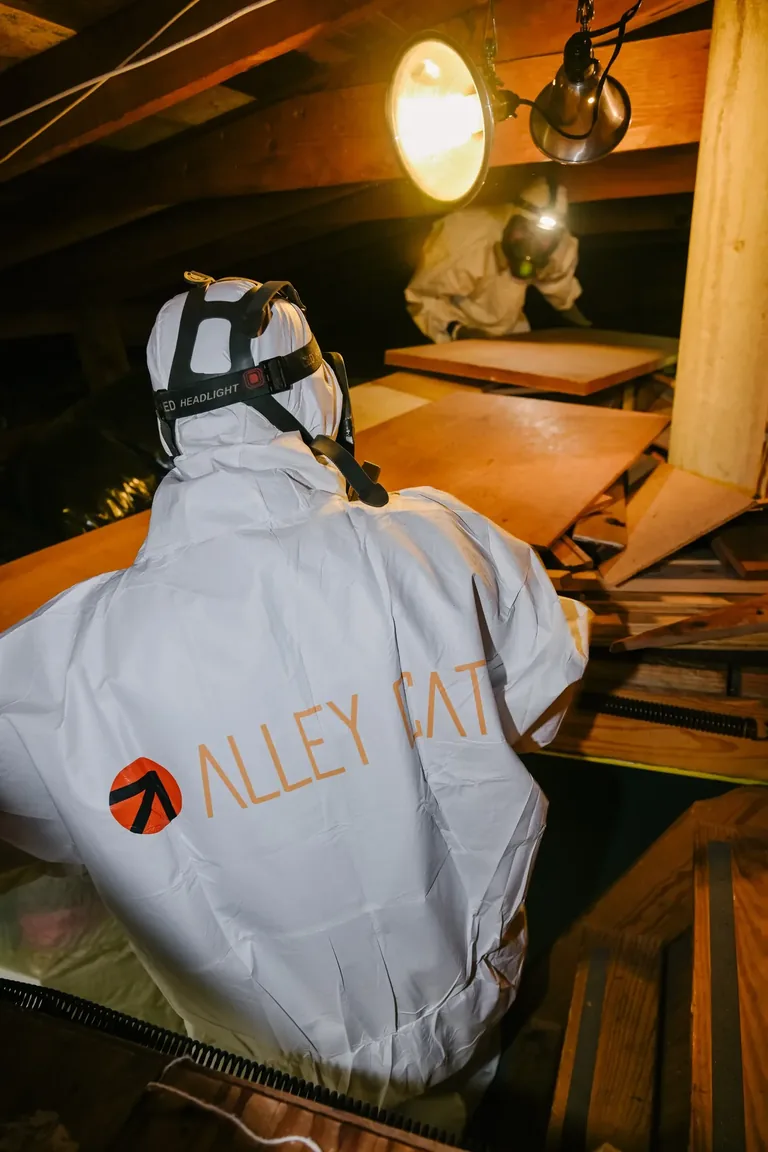
A Rat Infestation Requires More Than Generic Pest Control
An indoor rat infestation is a structural rodent problem, not only a trapping issue. Rats can contaminate food, chew electrical wires, damage insulation and ducts, and leave rodent urine in hidden areas. Because rats gnaw constantly, continued activity can cause costly structural damage inside walls, cupboards, basements, or storage areas.
Alley Cat focuses on conditions that support rats:
- Interior diagnostics for droppings, tracks, nests, noise, and damage
- Removing rats with evidence-based trap placement and scheduled checks
- Cleanup and sanitation for accessible waste, urine residue, and nesting material
- Excluding rats by closing entry points with durable metal-based repairs
Schedule an inspection to determine whether the evidence reflects one recent visitor, an active infestation, or activity across connected spaces.
Our Professional Pest Control Process for Rats Inside the House
Alley Cat provides rodent-focused professional pest control, not a spray-first treatment. We trace rats from the affected room to the exterior weakness, then coordinate removal, cleanup, decontamination, exclusion, and monitoring through these stages:
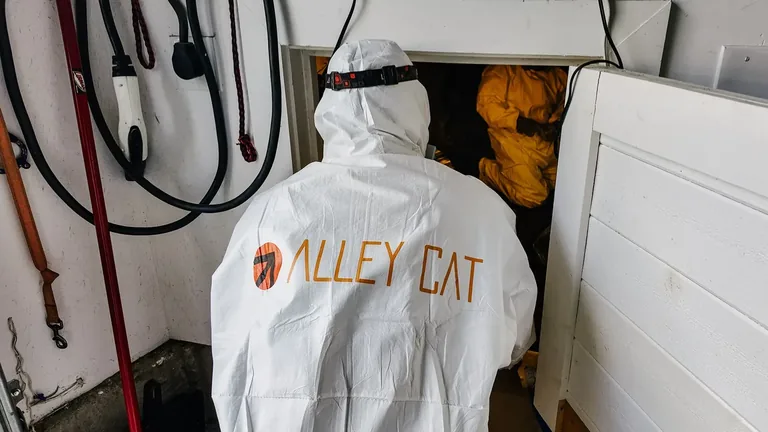
Step 01 · Inspect
Free Inspection for Rat Holes and Entry Points
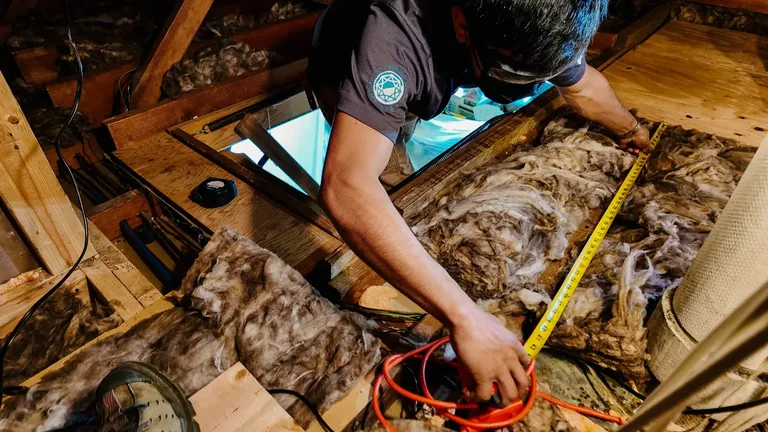
Our inspection begins where you have seen rats or noticed sounds and odors. We check kitchens, pantries, cupboards, garages, laundry rooms, lower levels, attics, crawl spaces, basements, and wall voids. We look for rat droppings, gnaw marks, footprints in dusty areas, tail drag marks, dark smudges, nesting debris, and scurrying sounds coming from walls during quiet hours.
Outside, we inspect rat holes, building foundations, roof returns, vents, garage corners, utility lines, pipes, and gaps beneath doors. We also note dense vegetation, vines, and tree branches that can give roof rats easy access to the roof.
- Identifies likely entry points and established routes
- Distinguishes a potential infestation from old evidence
- Defines which rooms need trapping, cleanup, or repair
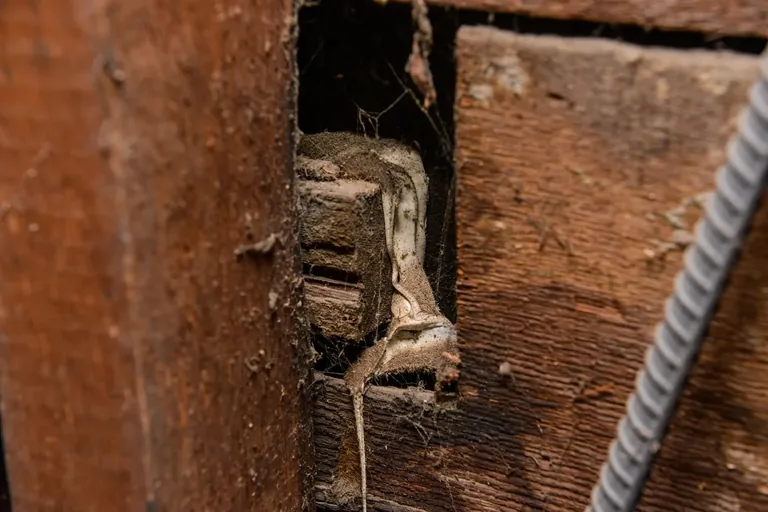
Step 02 · Diagnose
Diagnostic Report & Estimate
Alley Cat’s Comprehensive Diagnostic Report documents visible signs of rats, probable travel pathways, contaminated areas, structural openings, and recommended work. The estimate separates trapping, cleanup, sanitation, barriers, screening, and repairs so the homeowner understands the scope, priorities, and cost before service begins.
Step 03 · Clean
Cleanup & Removal
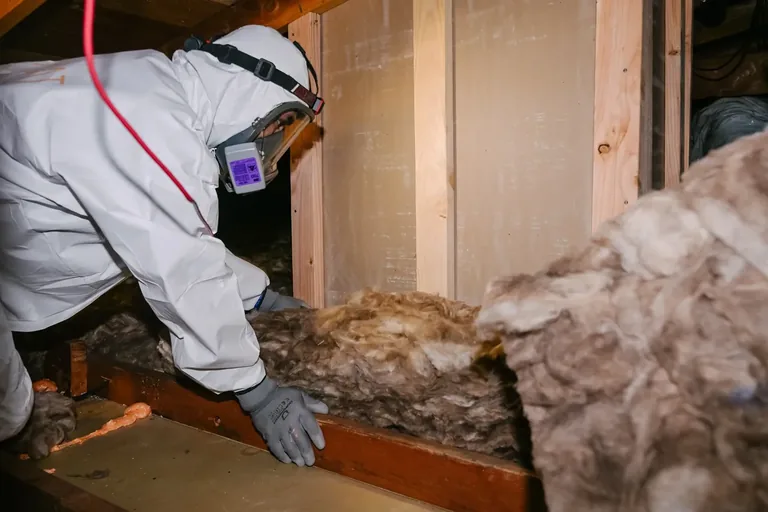
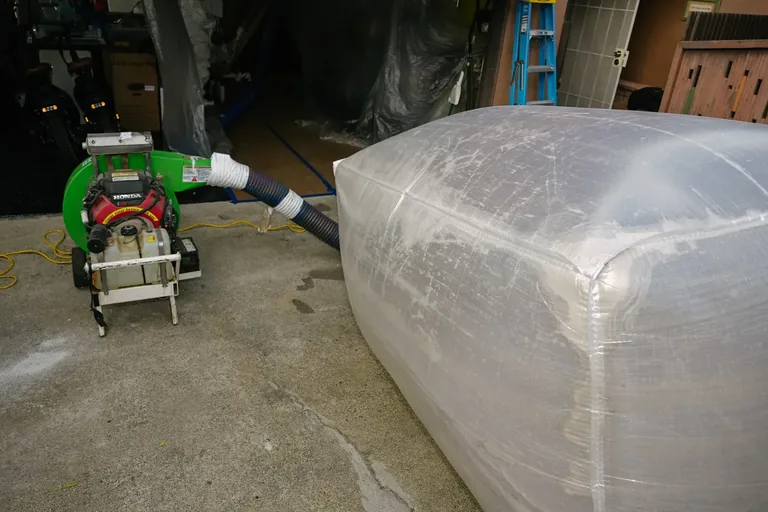
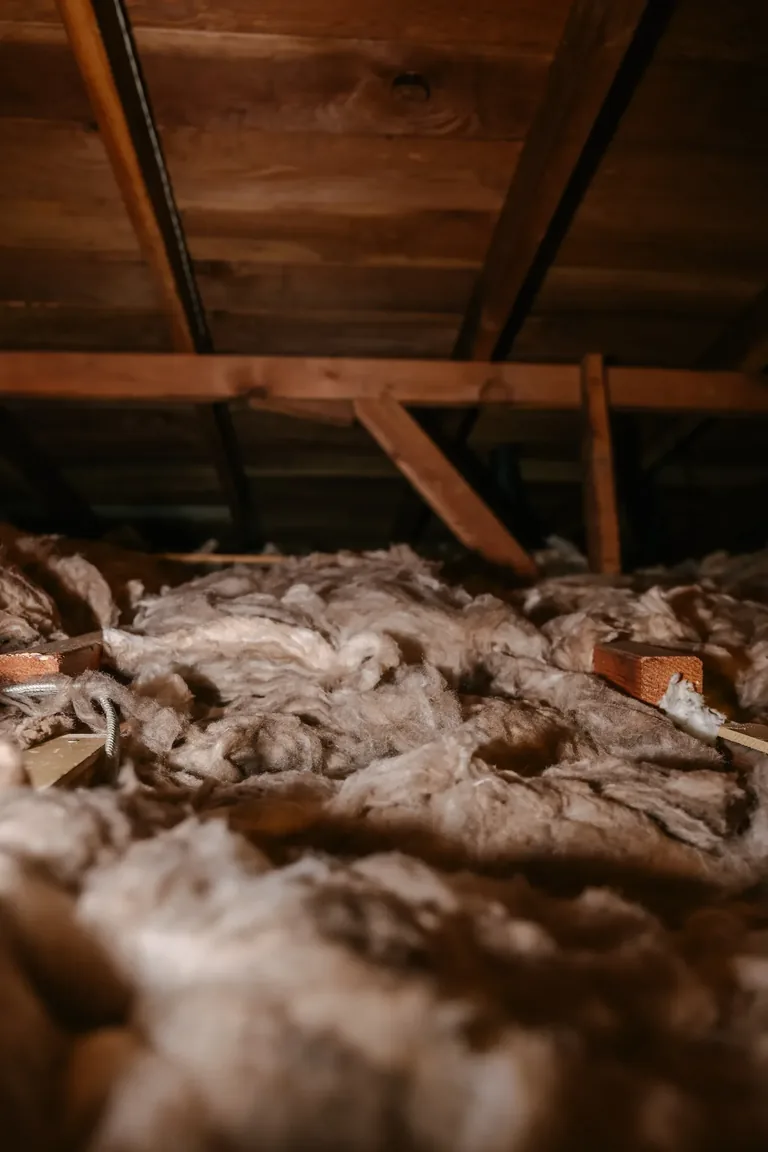
Cleanup addresses the accessible mess left when rats establish a rat infestation. Our specialists may remove rat droppings, contaminated debris, damaged insulation, shredded paper, fabric, twigs, and other nesting material. Rats may gather shredded paper or pull shredded materials from cardboard boxes to build nests in undisturbed locations behind stored items.
Depending on the scope, our team can:
- HEPA-vacuum and remove accessible droppings and nesting debris
- Bag contaminated insulation, damaged vapor barrier material, or dead rodents
- Haul away affected materials and food waste included in the work area
Do not handle droppings or dead rats with bare hands. After removal, the area is ready for sanitation and exclusion work.
Step 04 · Sanitize
Sanitize & Decontaminate
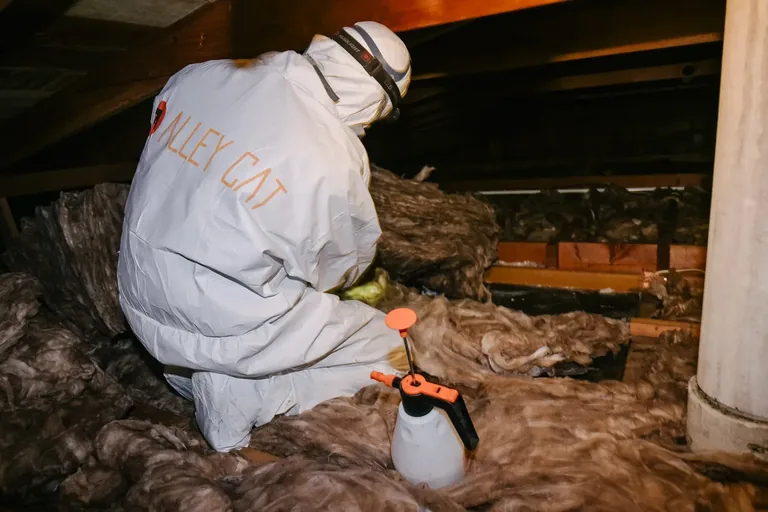
Sanitation helps reduce residue, odor, bacteria, and contamination on accessible surfaces. Waste from rats can create health risks, and rodent exposure is associated with numerous diseases, including leptospirosis; concerns such as hantavirus depend on the rodent species and exposure circumstances. Our team applies professional-grade products using methods appropriate for each surface rather than simply spraying.
This stage is especially important where rats have repeatedly traveled, nested, or left urine with a noticeable ammonia-like smell. Proper disinfection supports a cleaner restoration before exclusion repairs are completed.
Step 05 · Seal
Seal Entry Points, Reinforce, & Prevent
Long-term control means closing routes from outdoors into the structure and onward into occupied rooms. Rats can exploit small holes, imperfect construction joints, damaged vents, loose crawl space doors, roofline openings, and gaps around plumbing. Adult rats may use openings around one-half inch to 0.8 inches, roughly the size of a quarter in some conditions. We inspect and seal vulnerable openings above one-quarter inch because softer edges can be gnawed wider.
Depending on the home, Alley Cat may use these exclusion methods:
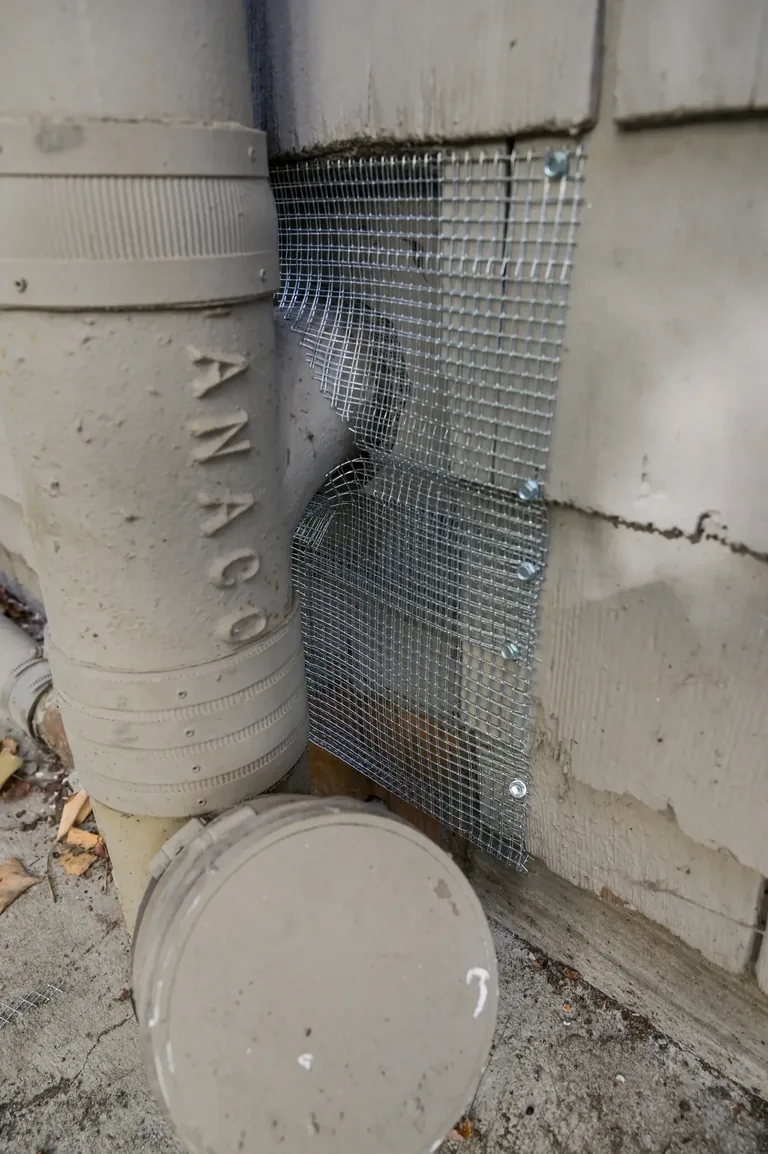
- Foundation and Pipe SealingClose cracks and penetrations with sheet metal, mortar, cement, sealant, or hardware cloth. Steel wool alone can rust or be pulled apart, so it is not treated as a stand-alone permanent repair.
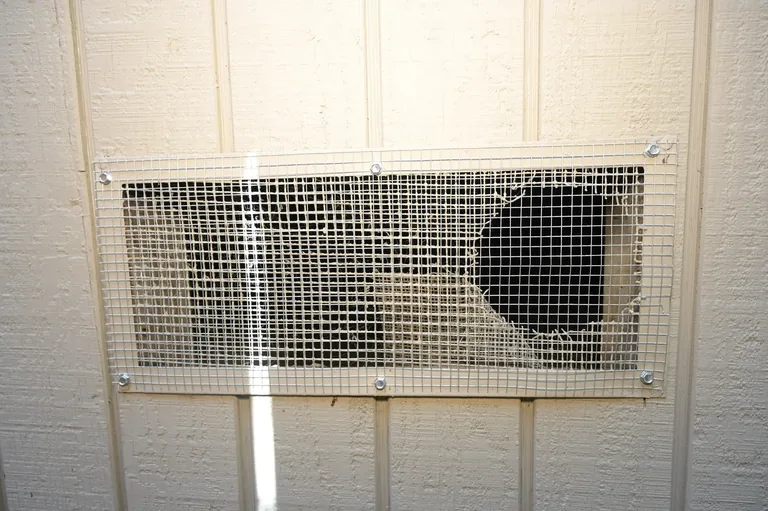
- Vent ScreeningReinforce attic, foundation, roof, and crawl-space vents with properly fastened metal screening while preserving necessary airflow.
- Garage Door ProofingRepair worn bottom seals, side gaps, and corner openings that connect attached garages to interior walls.
- Roofline ReinforcementSecure eaves, soffits, fascia transitions, and roof returns used by roof rats, also called black rats.
- Trenching and BarriersInstall below-grade barriers where Norway rats, or brown rats, burrow beside foundations, decks, sheds, and vulnerable crawl spaces.
- Vegetation and Access ReductionTrim overhanging tree branches, manage dense vegetation, clear yard debris, and remove fallen fruit that supports foraging near the house.
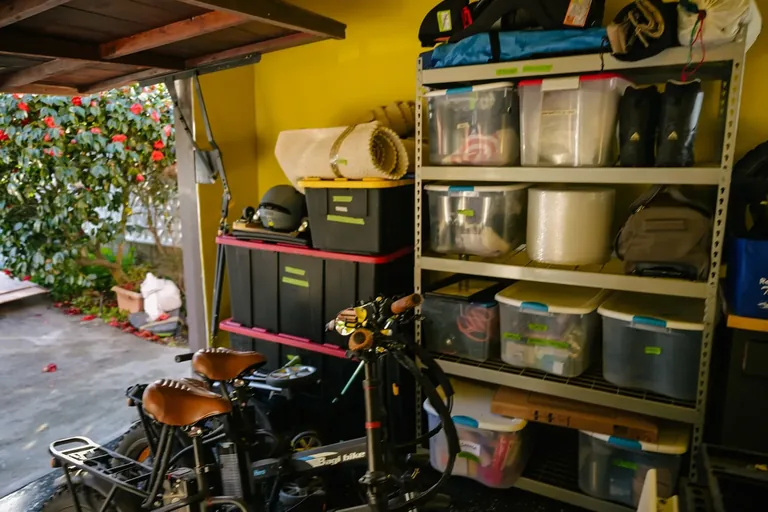
Inside, we may close cabinet penetrations, appliance-line gaps, and gnawed holes after the primary exterior route is controlled. We also recommend securing garbage, correcting water leaks, removing standing water, and storing food and pet food in airtight containers. Reducing these food sources, water, and shelter helps prevent rats and lowers the risk of future infestations. This evidence-based work has helped Alley Cat serve 13,000+ satisfied clients while maintaining a 97% customer satisfaction rating across the Bay Area.
Step 06 · Trap Check
Set Trap Checks
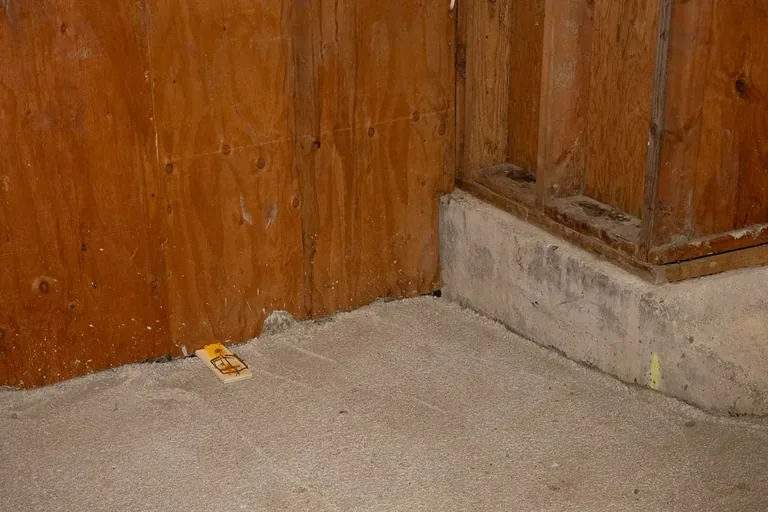
Trap placement follows how rats travel. Rats have poor eyesight and often travel along walls, baseboards, and familiar runways, so we position snap traps near confirmed pathways rather than scattering traps randomly. Trap checks allow our technicians to remove captured rats, reset equipment, and adjust placement as the activity changes.
We do not treat glue traps, indoor poison, or bait stations as substitutes for exclusion. Rodenticides used indoors can leave dead rats in inaccessible walls and create odor problems. Scheduled monitoring supports effective rat control while repairs reduce the chance of new rats entering.
Step 07 · Wrap Up
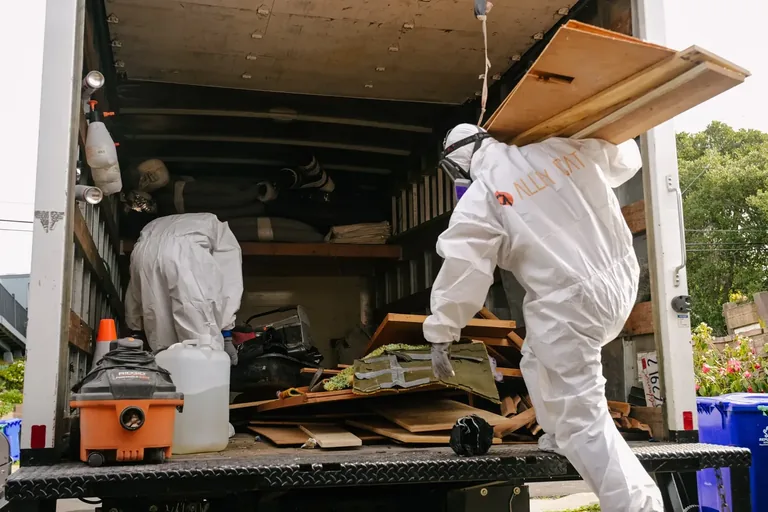
Wrap Up & Haul Away
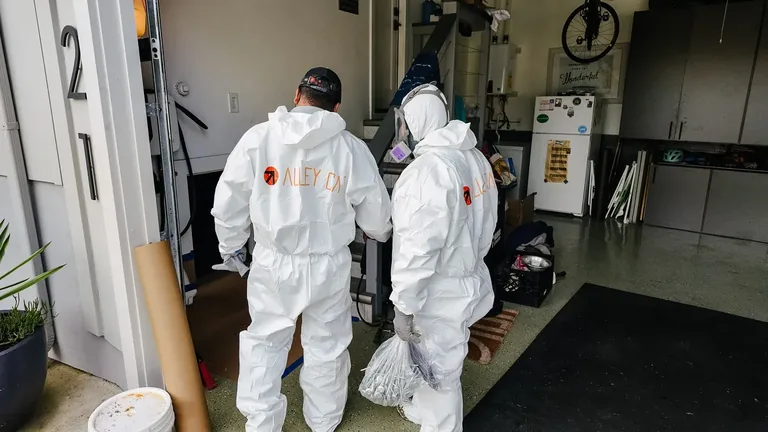
At project completion, Alley Cat removes service debris, captured rats, discarded nesting material, and contaminated materials included in the approved scope. We review repaired openings and explain any homeowner actions that can make the property less attractive to rats.
Those actions may include moving cardboard boxes off the floor, securing garbage, cleaning crumbs, storing grains and pet food, removing fallen fruit, and fixing plumbing leaks. You receive a clear summary of completed work, remaining observations, and the signs of rats to monitor.

Step 08 · Support
Customer Service
Rats indoors create a stressful rat problem, especially when scratching sounds occur near bedrooms, kitchens, or children’s spaces. Our customer service team coordinates inspections, trap checks, scheduling, field questions, and follow-up communication so each next step is clear.
Alley Cat combines detailed diagnostics with responsive local support. Homeowners receive a defined scope, a documented plan, and practical explanations instead of vague, interchangeable pest control recommendations.
Get Rats Out of Your Living Space
Do not wait for another sighting, new gnaw marks, or scratching behind a wall. Schedule an Alley Cat inspection for rats inside the house to identify the route, remove active rats, clean accessible contamination, and build a prevention plan around the rooms and structural pathways involved.
Book Free Inspection
Benefits of Addressing an Indoor Rat Problem
Focused protection for living areas and connected pathways.
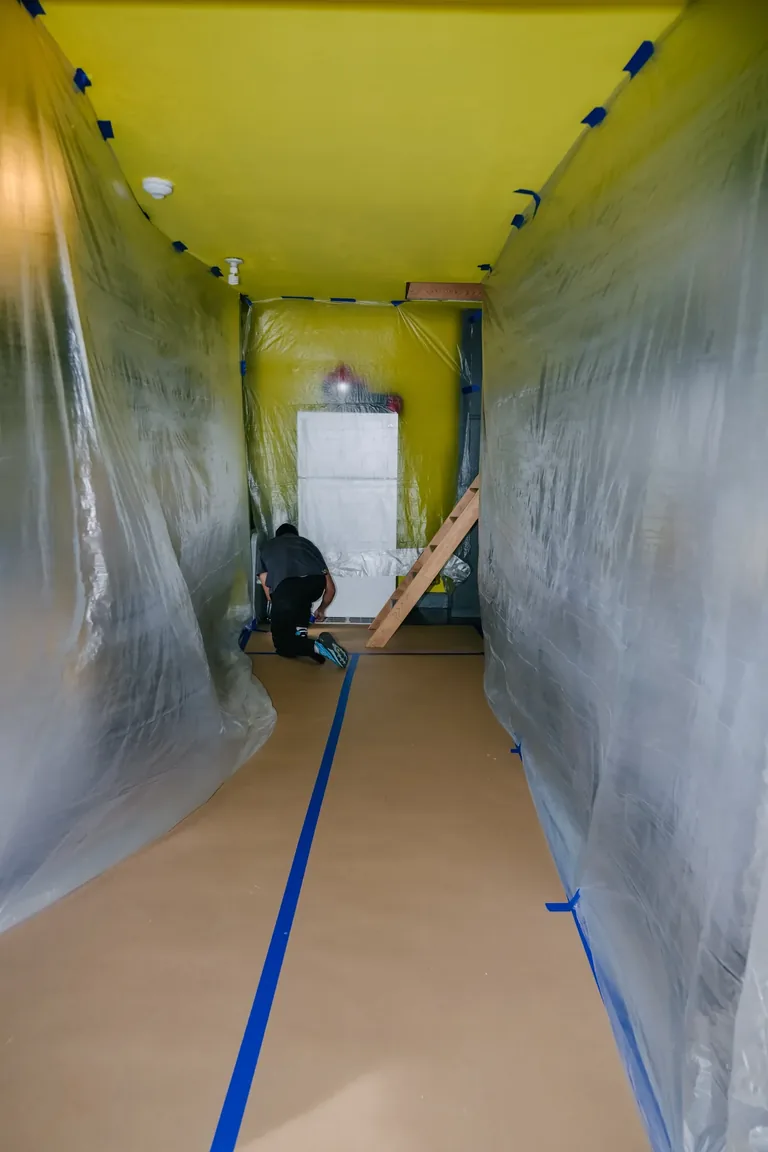
- Cleaner roomsRemove accessible droppings, urine residue, nests, and contaminated debris.
- Safer storageProtect cupboards, pantries, counters, and food from rodent activity.
- Targeted trappingPlace snap traps according to evidence, runways, and feeding behavior.
- Entry controlRepair exterior openings that let rats reach walls and rooms.
- Damage reductionAddress chewing around electrical wires, ducts, wood, and plastic.
- Odor improvementRemove contaminated materials contributing to persistent rodent smells.
- Clear documentationReceive findings, priorities, repair details, and a written estimate.
- Long-term preventionReinforce weak points and reduce conditions supporting rats and future infestations.

Professional Pest Control Company
Alley Cat goes beyond a general professional pest control company by specializing in rodent exclusion, trapping, sanitation, decontamination, proofing, and structural prevention.
Detailed Diagnostics
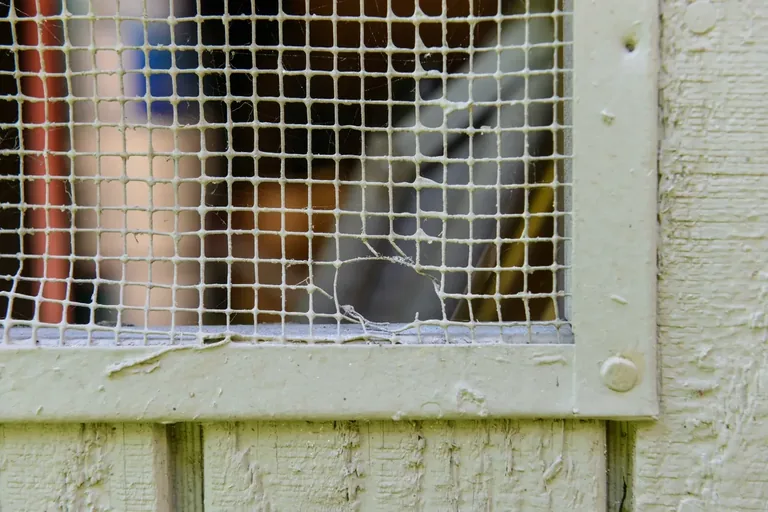
Our inspections connect indoor evidence to exterior access, showing not only where rats appear, but how they reached kitchens, garages, walls, or ceilings.

Bay Area Experience
We understand older San Francisco foundations, Oakland and Berkeley additions, North Bay crawl spaces, hillside homes, attached garages, and remodel gaps throughout nearby communities.

“They do a thorough job and keep coming back to make sure it is done right. Kept me informed.”
John W.Verified Diamond Certified survey
-
4.9 / 5
1,240 reviews -
4.7 / 5
649 reviews -
 4.7 / 5
279 surveys -
 4.9 / 5
374 reviews
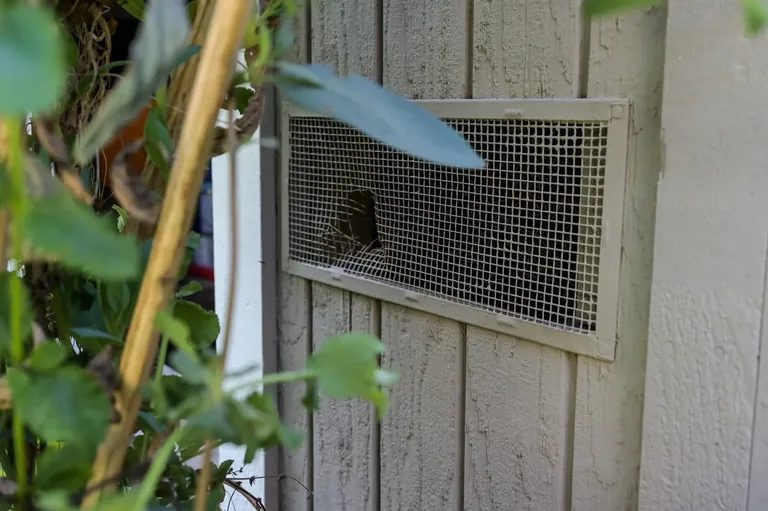
Solving an Indoor Rat Infestation at the Source
A rat infestation inside living areas usually involves exterior access, hidden travel routes, and dependable food sources. Alley Cat does not treat the problem as a kitchen-only nuisance. We inspect the full pathway, identify the species when evidence allows, remove accessible contamination, close vulnerable openings, and monitor trapping activity. That process addresses both the rats you notice and the conditions supporting a larger infestation in walls, attics, garages, basements, or crawl spaces.
- Trace the route from the affected room to exterior entry points.
- Remove activity and contamination with trapping, cleanup, and sanitation.
- Reinforce the structure to prevent rats and reduce repeat access.
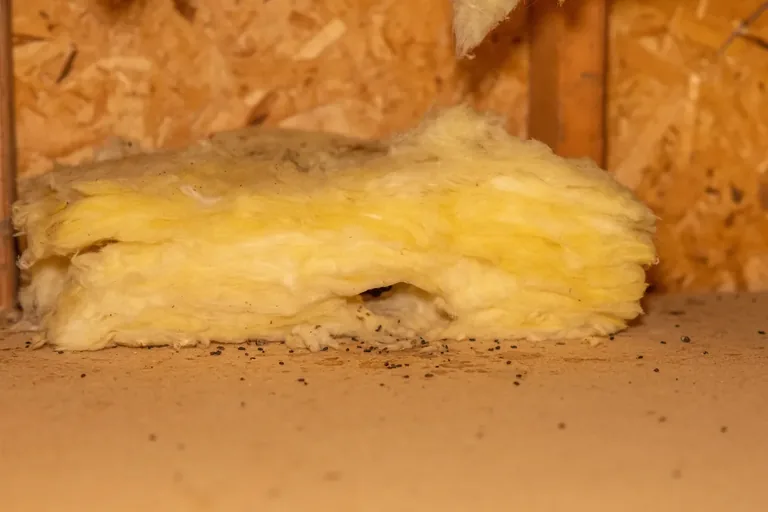
Why Is a Rat Infestation Important?
A rat infestation can expose food and surfaces to contamination, create serious health risks in some circumstances, and damage property through chewing, nesting, and repeated travel.
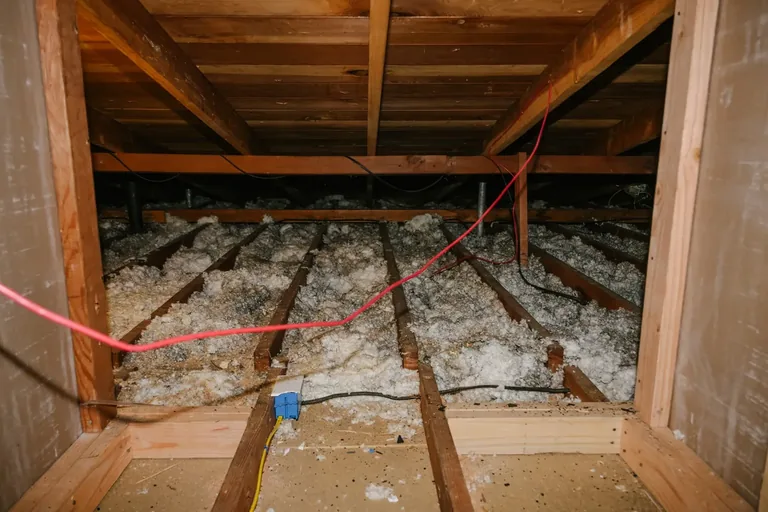
Norway Rats and Roof Rats
Norway rats (_Rattus norvegicus_), also called brown rats, are robust, dark brown rats that burrow and enter lower levels; a female may produce 8 to 12 young per litter. Roof rats, also called black rats, are agile climbers that favor attics, trees, rooflines, and upper voids.
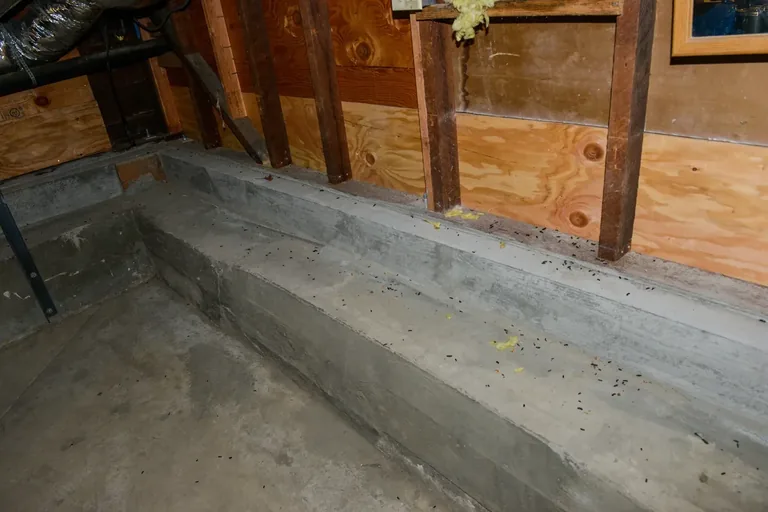
Common Rats in Bay Area Homes
The common rats found around Bay Area buildings differ in habits, body length, nesting height, and access routes. Unlike mice, they are significantly larger, but both species can leave similar signs that require careful identification.
FAQ’s: Rats Inside the House
What Do I Do If There Are Rats in My House?
Secure food, limit access to the affected room, and arrange a professional inspection promptly. Do not chase rats through the house or seal random interior holes before the travel route is understood, because that can move activity into another room or trap rats inside wall voids.
Take these immediate steps:
- Put food, grains, and pet food in airtight containers.
- Clean crumbs and remove accessible water sources.
- Keep children and pets away from traps, droppings, and damaged areas.
- Photograph rat droppings, tracks, or gnaw marks without touching them.
- Wear gloves; never handle feces, nesting material, or dead rodents with bare hands.
For an indoor rat infestation, professionally placed snap traps, cleanup, and structural exclusion are generally more useful than repellent scents or indoor poison. Call Alley Cat when the evidence persists or you need the entry route identified.
What Smell Do Rats Absolutely Hate?
No smell reliably removes rats from a house or solves an established infestation. Strong odors such as peppermint, ammonia, vinegar, or predator scents may briefly change rat behavior, but rats often tolerate or avoid the treated spot while continuing to use another route.
The best way to control a rat problem is to remove food sources, secure garbage, correct water leaks, reduce shelter, set appropriate traps, and seal entry points. An ammonia smell may actually indicate rodent urine rather than a repellent effect. If scratching sounds, fresh droppings, or new gnaw marks continue, the home needs inspection and professional pest control focused on removal and exclusion—not additional fragrance.
How Many Rats Do I Have If I See One?
Seeing one rat does not reveal the exact number, but rats should be assumed to have an access route until the home is inspected. Rats are nocturnal, social creatures, and usually stay in hidden areas during the day. When rats appear during the day, the sighting can have several explanations and may, but does not always, indicate a larger infestation.
Look for these common signs:
- Fresh rat droppings; rats may produce up to 40 droppings in a night
- Scratching sounds or scurrying after dark
- Greasy rub marks or other dark marks along walls
- Gnaw marks on wood, plastic, pipes, or electrical wires
- Nests made from shredded paper, fabric, or insulation
A professional inspection can determine whether rats entered recently or whether several rats are using established routes.
Is It Normal for Rats to Be in Your House?
No, rats living inside a house are not normal and should not be ignored. Rats are common in urban and suburban environments, but indoor activity means they have found entry points plus food, water, or shelter. Without correction, rats can spread from one part of the home into storage areas, attics, walls, kitchens, and lower levels.
In Bay Area homes, roof rats may enter from trees, vines, utility lines, and roof gaps, while Norway rats often approach from the ground, burrows, drains, or foundation openings. Homeowners in San Francisco, Petaluma, Napa, Sonoma County, Solano County, Novato, Concord, Mountain View, Berkeley, Oakland, Hayward, Fremont, and San Mateo can encounter either species. Prompt inspection, targeted trapping, sanitation, and exclusion provide more reliable control than waiting for rats to leave on their own.
Schedule Your Indoor Rat Inspection
Get a clear plan to address rats inside the house, clean affected areas, seal structural openings, and protect the rooms your household uses every day.