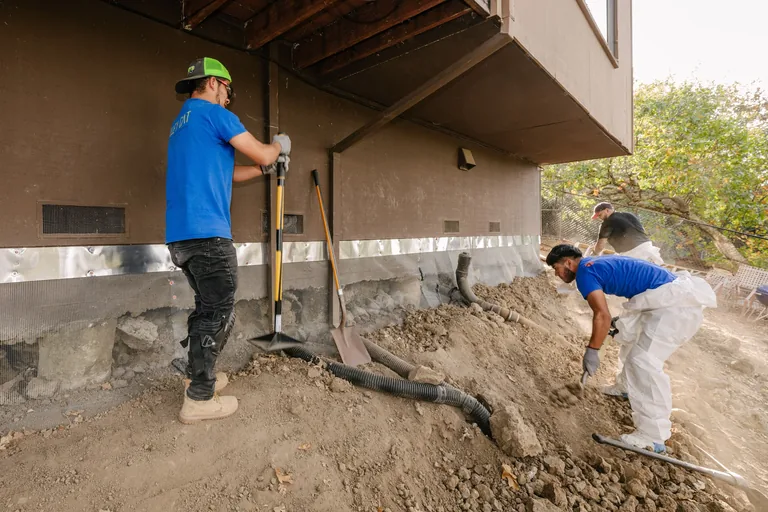
Below-Grade Protection
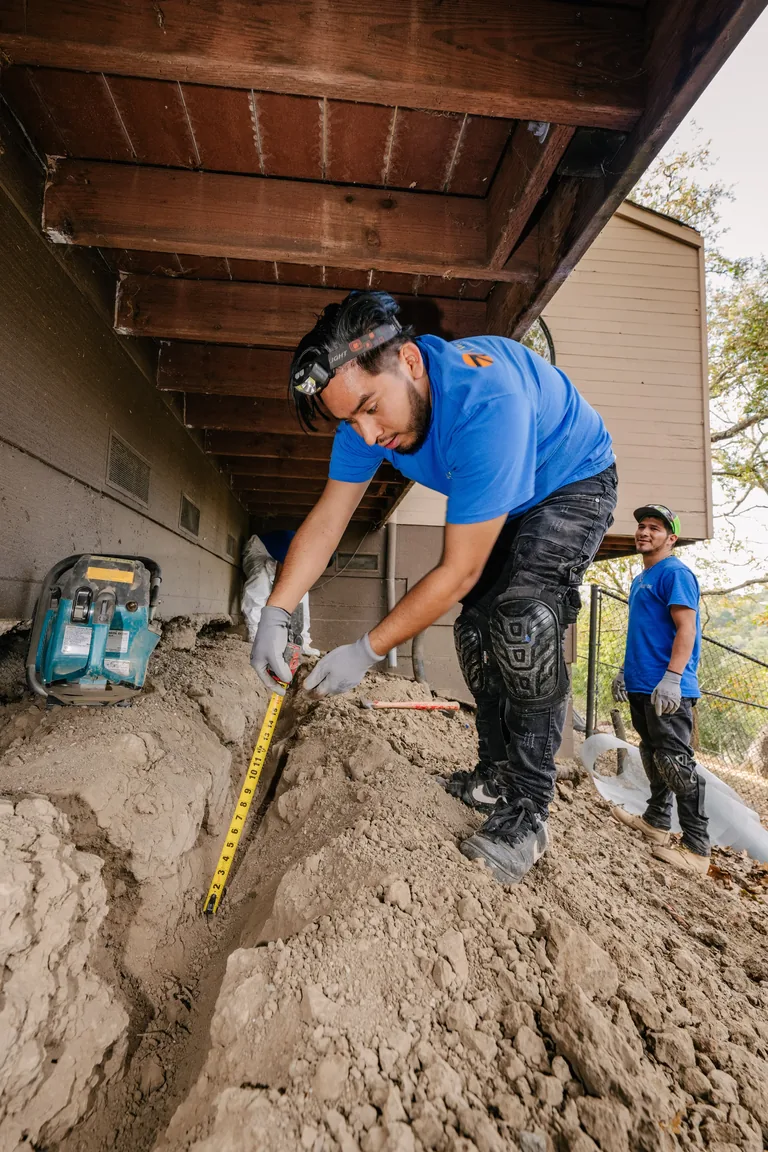
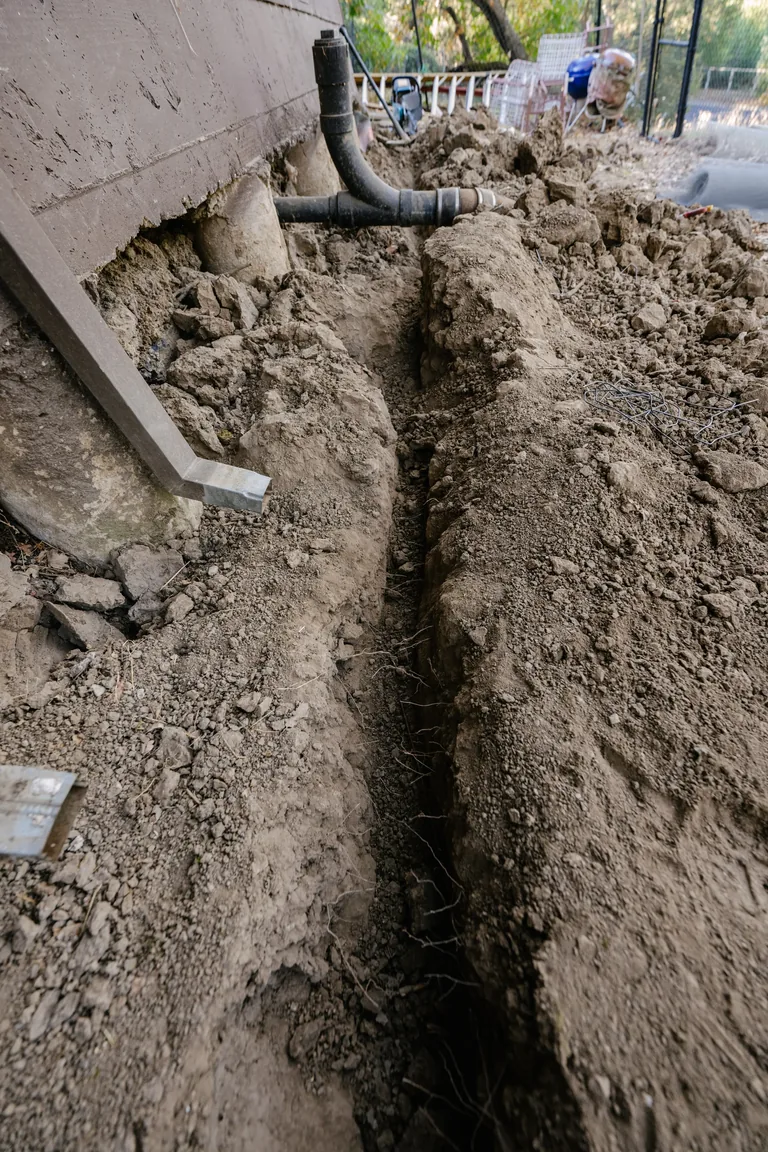
A buried galvanized-steel barrier can deter rats, mice, and burrowing wildlife from moving beneath a vulnerable foundation edge. The required depth, return, and length depend on soil, drainage, and the exact entry point.

Bay Area Rodent Exclusion Services
A properly built rodent barrier blocks rats, mice, and other rodents from gaps at the base of a home.
 4.9 / 5
 4.7 / 5
 4.9 / 5
 4.7 / 5
 Accredited
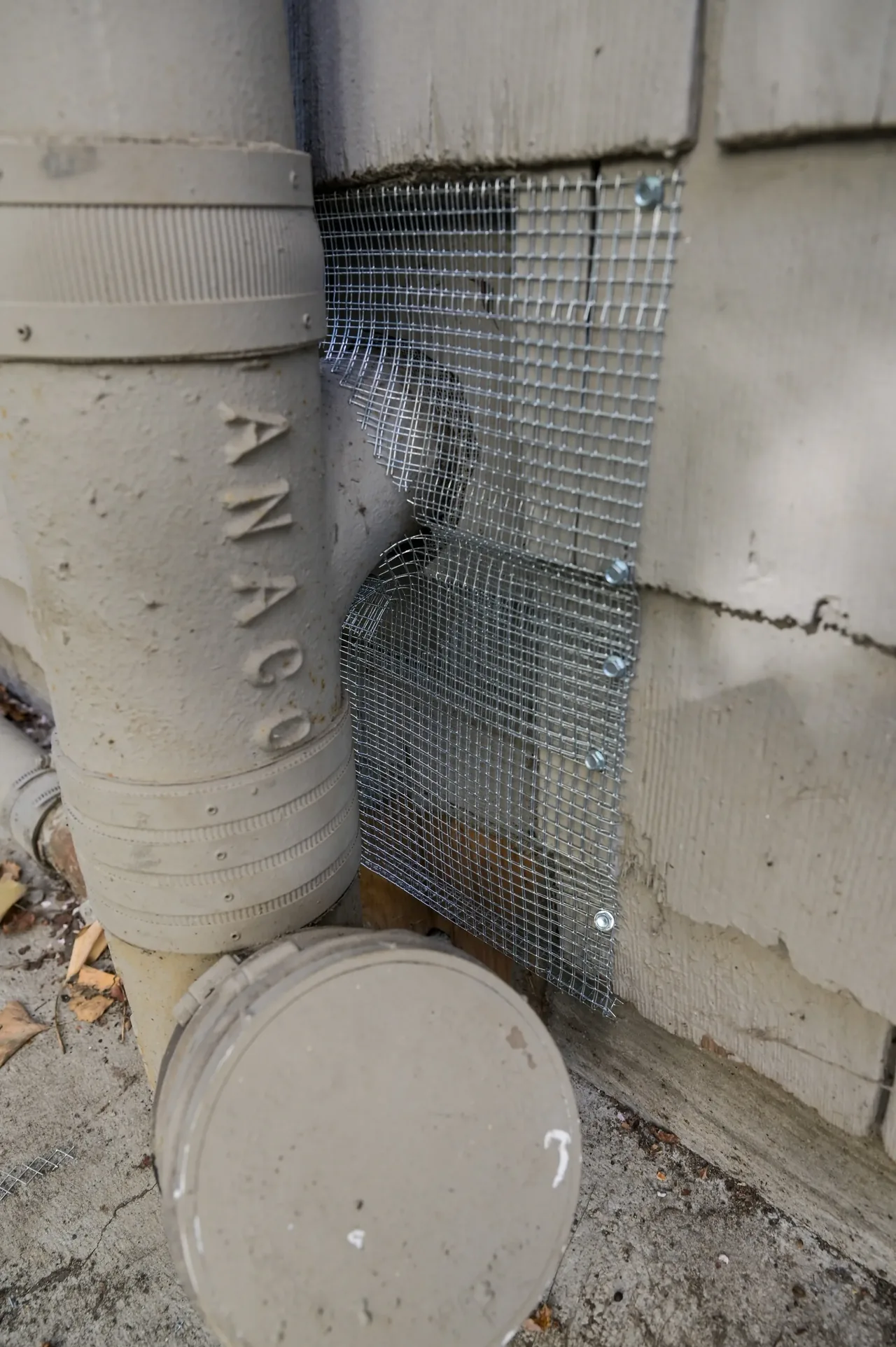
Alley Cat reinforces crawl-space openings, sill-plate gaps, utility penetrations, vents, and soil-level seams where the foundation meets siding. Instead of treating only the pest activity heard at night, we correct the access that lets rodents enter the home.
Our foundation-focused service gives each customer:
Worried about scratching below the floor? Schedule a free inspection before contamination and nesting spread through the house.
Rodents can enter where concrete, framing, vents, pipes, soil, and siding meet. We inspect the length of these transitions and reinforce them with components selected to resist gnawing, movement, and Bay Area weather. This foundation-specific work helps prevent mice and other rodents from reaching crawl spaces, garages, and lower wall cavities through small gaps that can be easy to miss from outside the house.
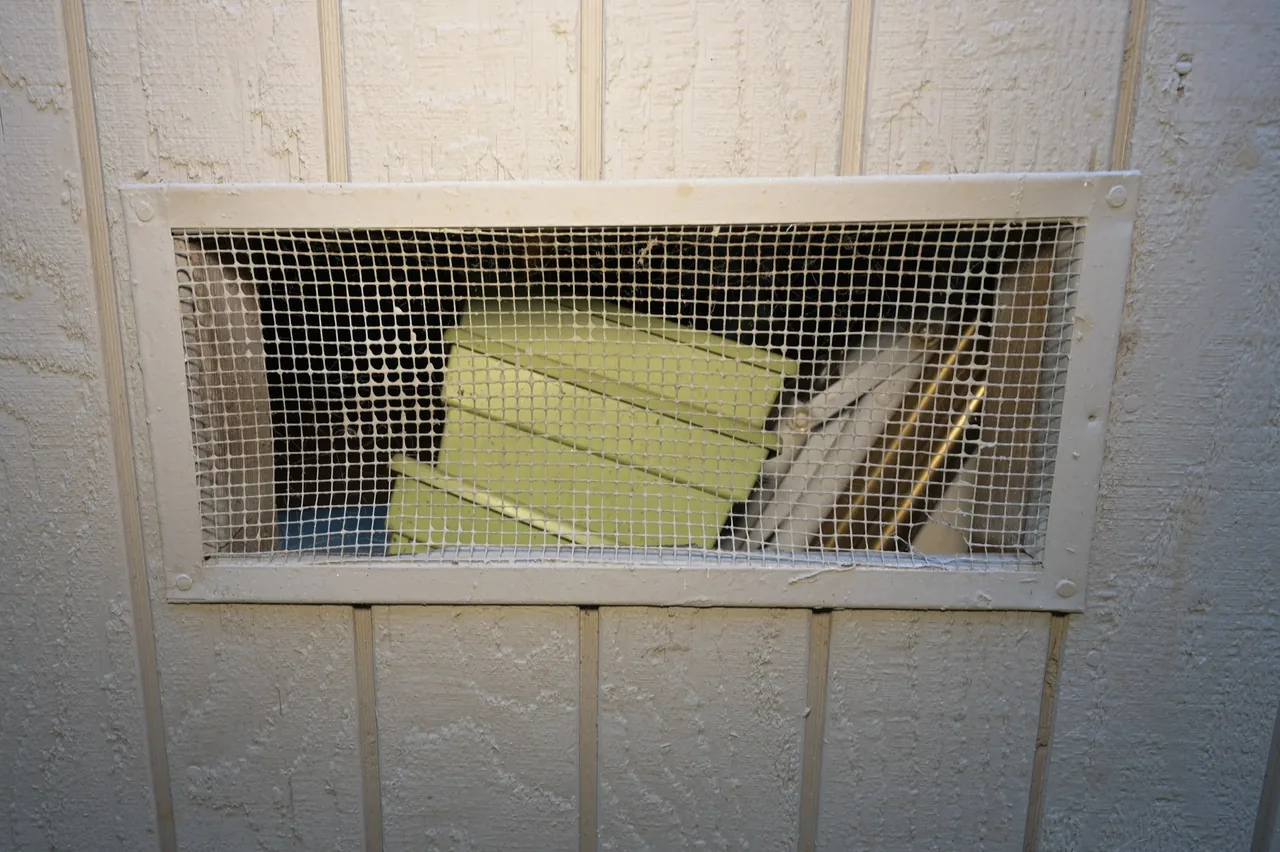
Heavy-duty hardware cloth is effective for foundation pest exclusion because galvanized steel is difficult for mice and other rodents to chew through. We cut it to fit and fasten it to sound construction. Gaps stuffed with expanding foam or loosely stuffed with mesh can reopen, so flashing, mortar, or sealant may also be needed.
Retail products sold across the country may use aluminum alloy and advertise baffle heights of 40 cm, 50 cm, or 60 cm. Some product pages and installation videos claim installation in about 10 minutes. A product can have great user feedback, and online content can explain basic terms. However, website content and sales content—including user-submitted videos—cannot determine the number and length of gaps, whether mice and other rodents are still entering, or how a barrier should attach to the house. Before you buy, an on-site field inspection can find each hidden entry spot; that matters more than a product display.
Many pest control companies focus on bait, poison, or a temporary trap box. Alley Cat is an exclusion business. Exclusion means finding the entry point, removing pest contamination, and sealing the home with durable materials. The customer receives a repair plan instead of another recurring product application:
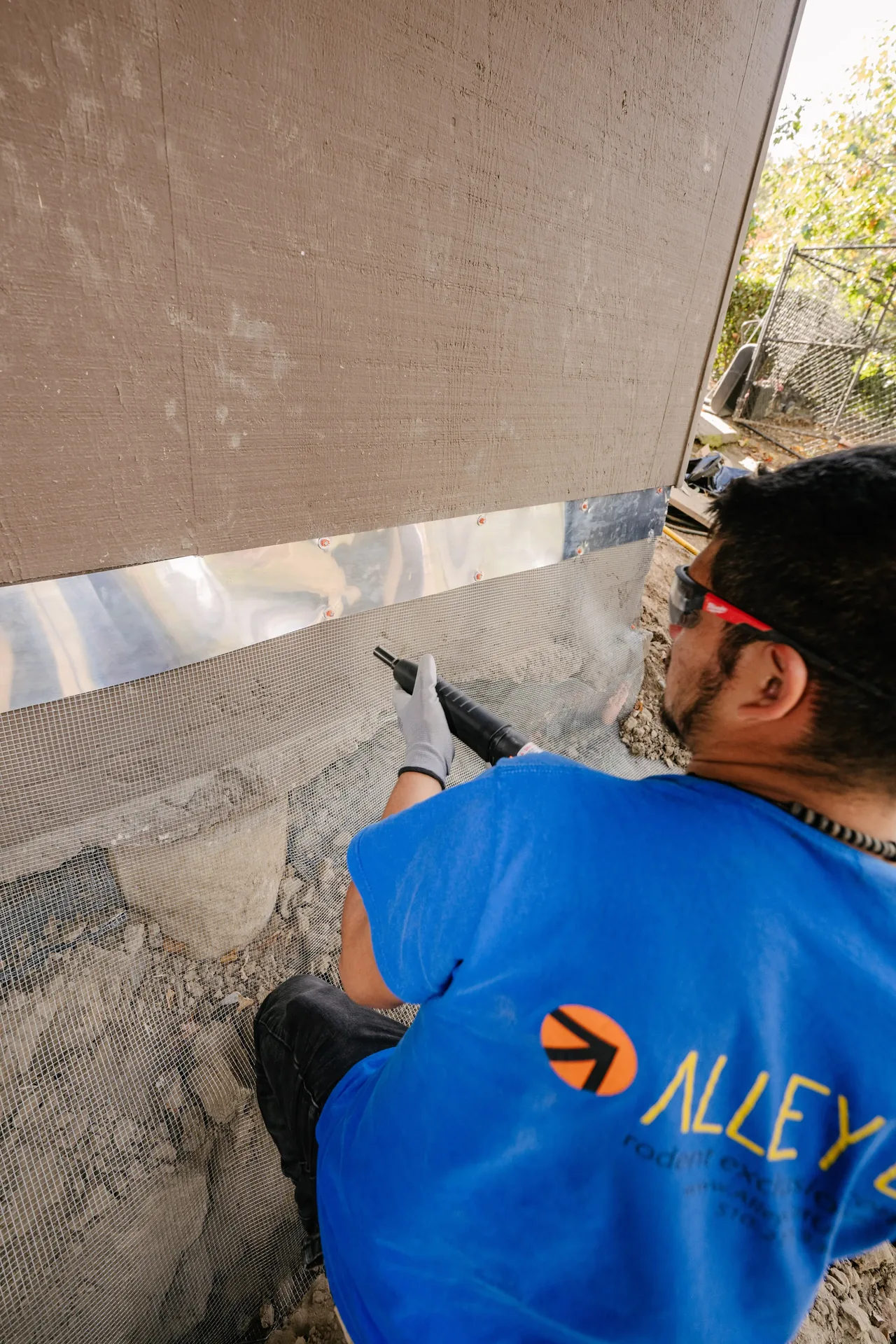
Physical protection where rodents reach the house.
A foundation barrier is a durable pest-exclusion system installed along vulnerable areas near a home’s base. It may cover one entry point, reinforce vents, or protect a longer section where rodents climb siding or dig below the foundation. Three things shape the design: foundation type, soil and drainage, and evidence found during inspection.
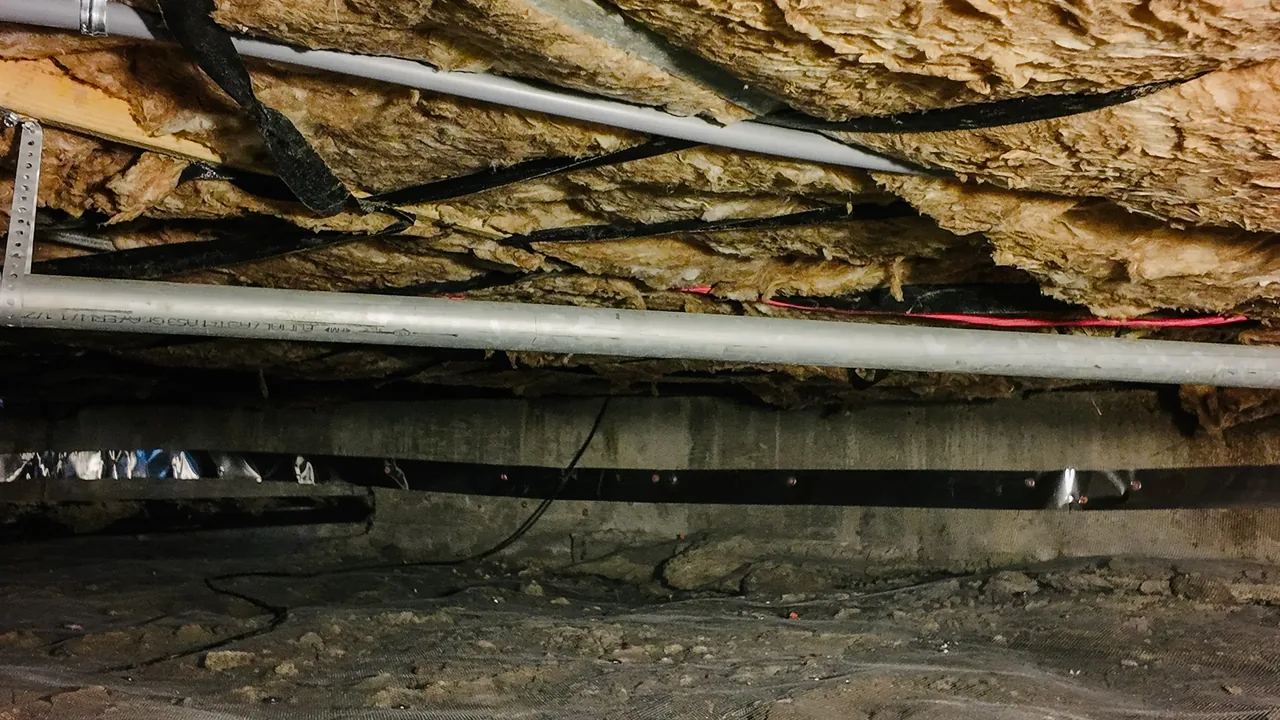
Common situations include:
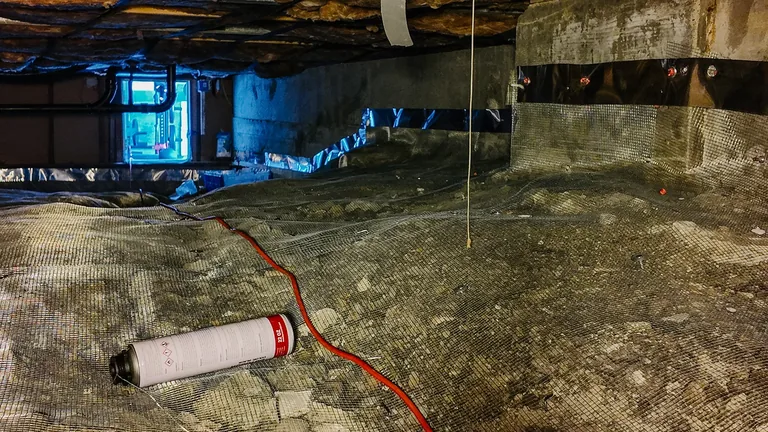
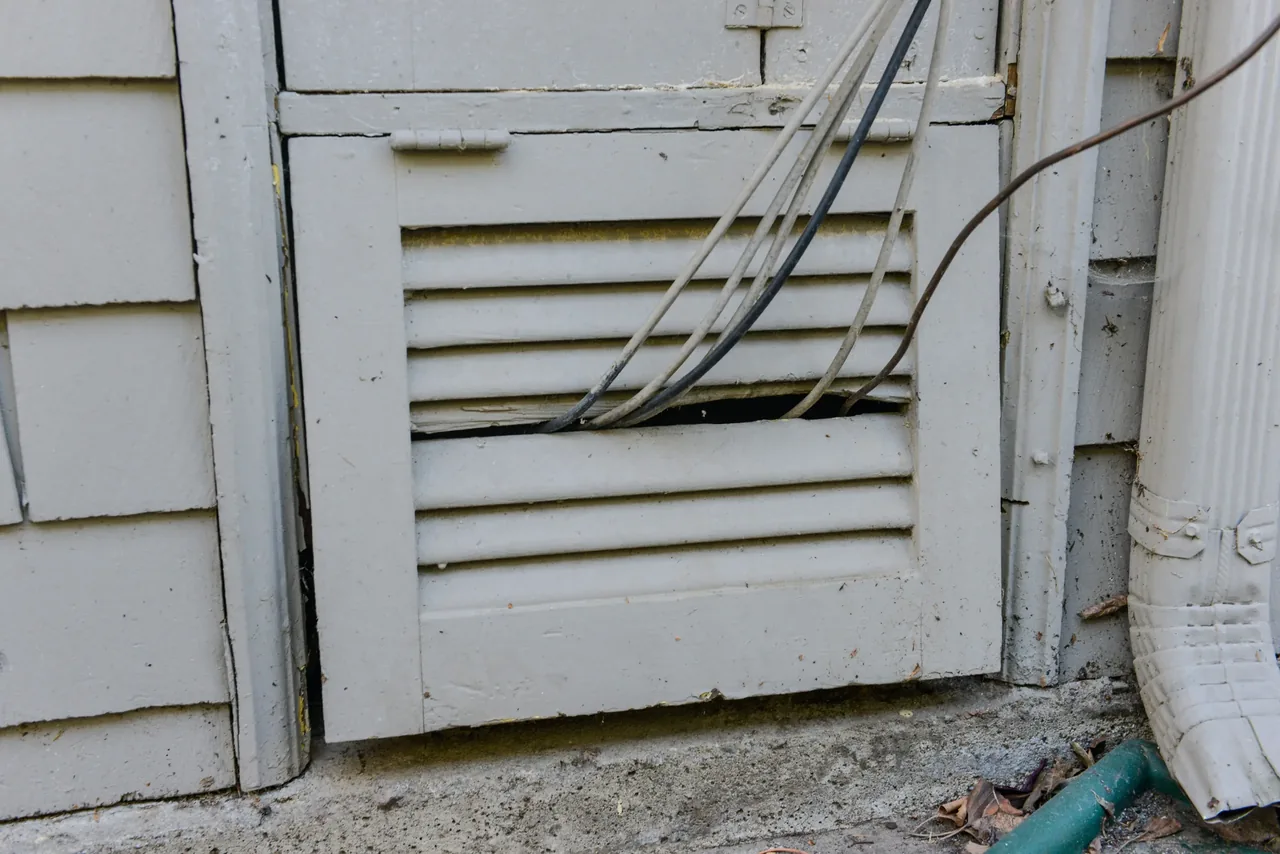
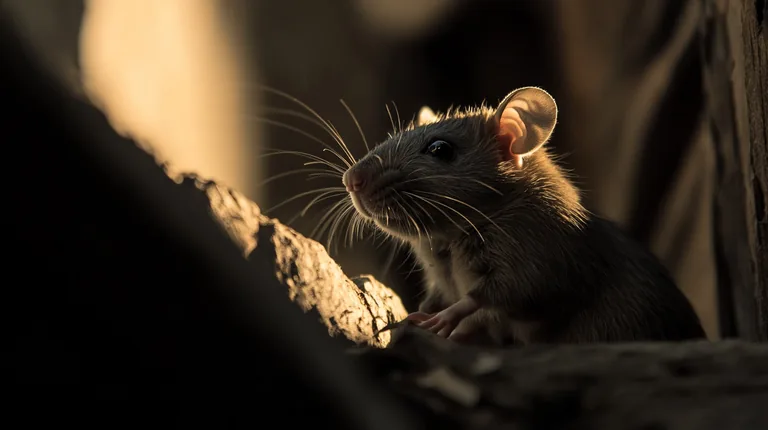
Alley Cat combines pest inspection, removal of rodents, cleanup, and structural reinforcement so the barrier addresses both the opening and related activity. Because foundation entry can lead into crawl spaces, garages, basements, and walls, we complete the work in this order:
Step 01 · Inspect
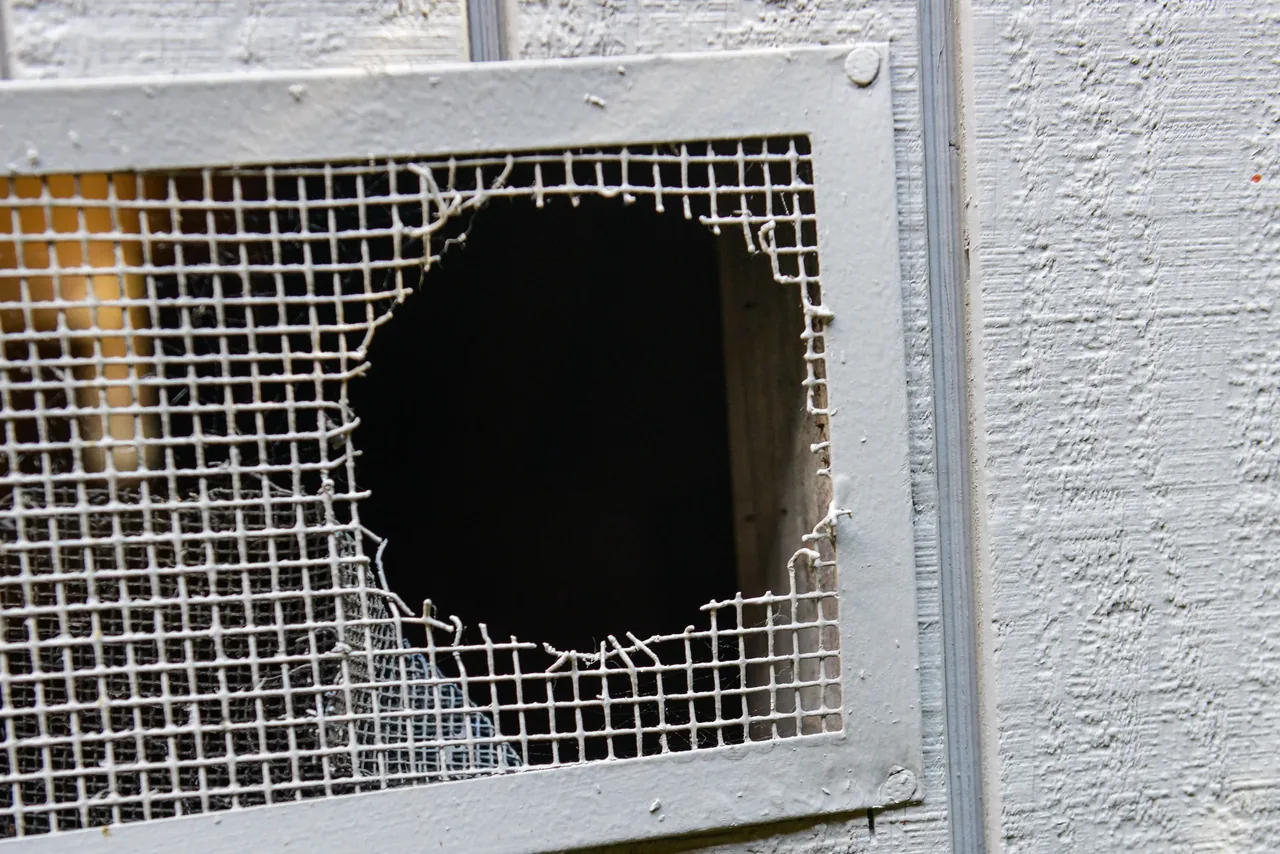
Our free inspection begins at the exterior foundation line. A specialist checks vents, doors, crawl-space edges, jack posts, pier blocks, concrete joints, siding clearances, utility penetrations, garage corners, and areas hidden by decks or vegetation. We look for rub marks, droppings, gnawing, burrows, nesting, and pest trails.
When interior access is available, we compare outside evidence with activity in the crawl space, basement, garage, or lower walls. The customer learns:
Step 02 · Diagnose
Alley Cat prepares a Comprehensive Diagnostic Report documenting foundation gaps, damaged siding transitions, pest evidence, sealing, and cleanup needs. Photos display each home entry point so the customer can read and understand the findings. The estimate identifies what we plan to install, seal, screen, trench, clean, trap, or haul away.
Step 03 · Clean
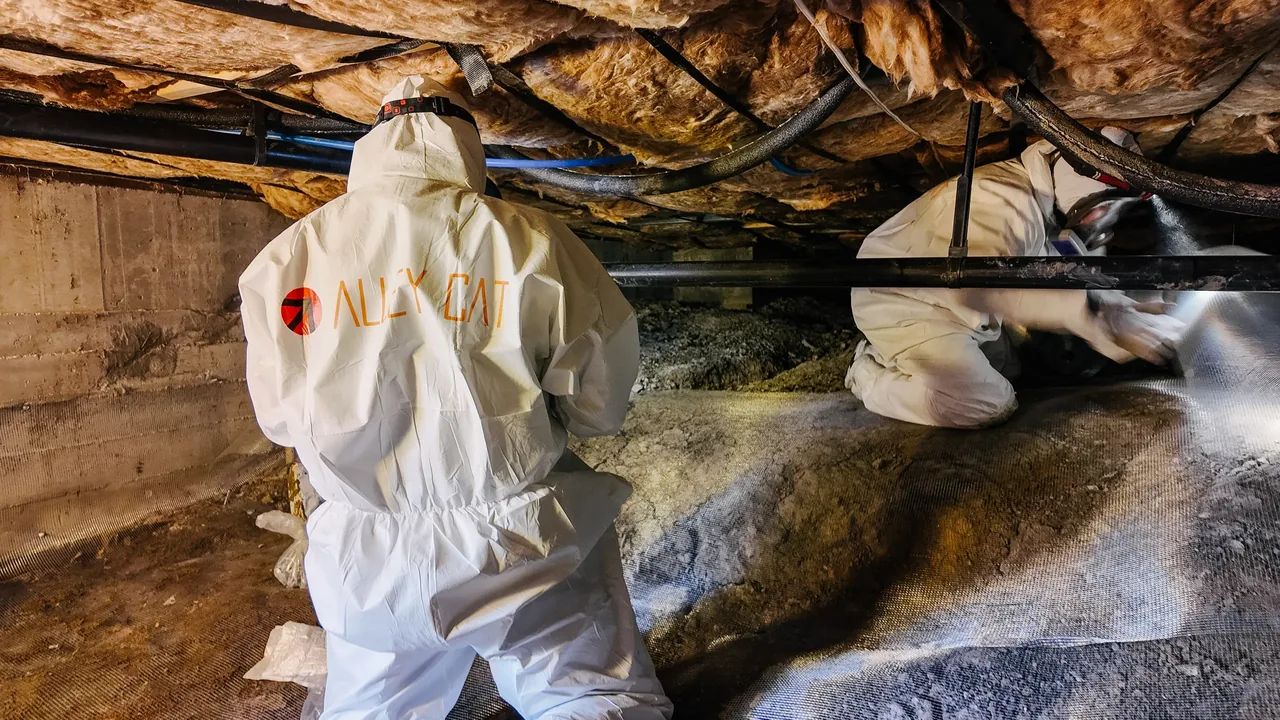
Before permanent sealing, we address conditions tied to the entry point. Rodents may leave droppings, urine, food debris, damaged insulation, or nesting along the foundation and inside the crawl space. Rats, mice, and other rodents may also shred stored items.
Our specialists may handle:
Removal prepares the home for sanitation, trapping, and barrier installation. Once the area is cleared, we can seal the foundation without hiding evidence or leaving contaminated objects behind.
Step 04 · Sanitize
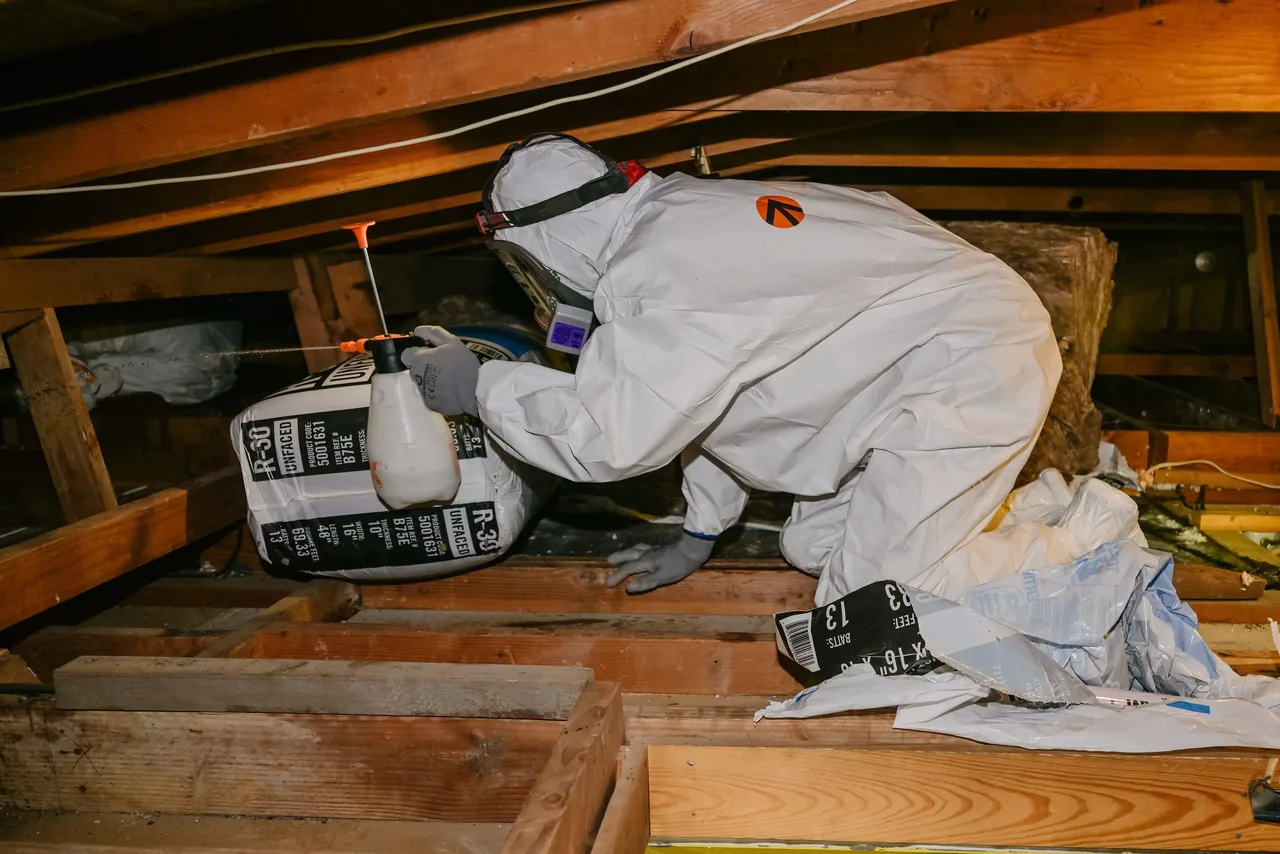
Rodents leave urine, feces, body oils, nesting debris, and odor along the home’s foundation and in connected spaces. Alley Cat applies sanitation products suited to the surface and contamination.
In crawl spaces or basements, treatment may focus on ledges, framing, utility runs, and soil covers where rats or mice traveled. This helps reduce pest residue and odor after removal. Sanitation and sealing work best in combination.
Step 05 · Seal
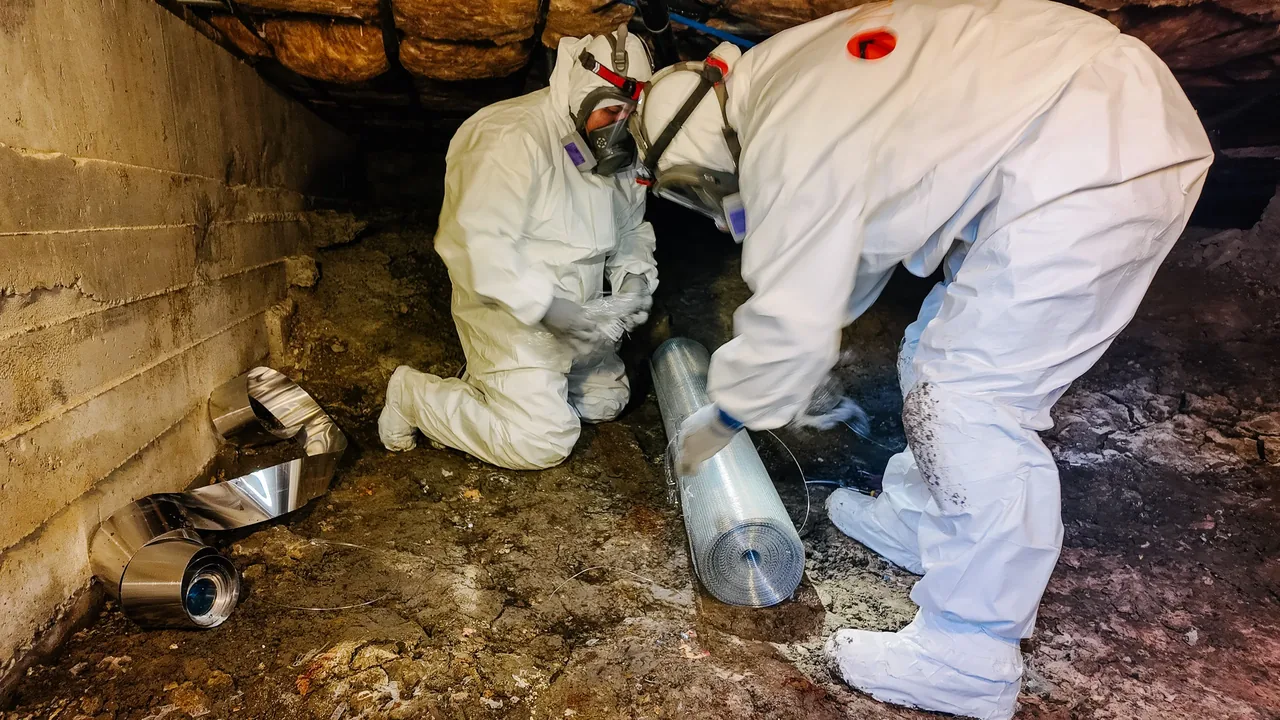
This is where Alley Cat builds the physical barrier. We match each repair to the opening instead of using one pest product throughout the home. A pipe gap may need metal mesh and sealant; a long soil-level opening may require trenching and fastened hardware cloth. Damaged vents may need new screens, while loose siding may require flashing to prevent rodents from entering.
Common methods include:
After installation, we review vegetation, stored boxes, drainage, soil buildup, firewood, and damaged siding that could lead rodents to another spot. Customers learn the best ways to maintain the repair, what not to store against the home, and which conditions deserve inspection. This effort has helped Alley Cat serve more than 13,000 satisfied clients with a 97% customer satisfaction rating.
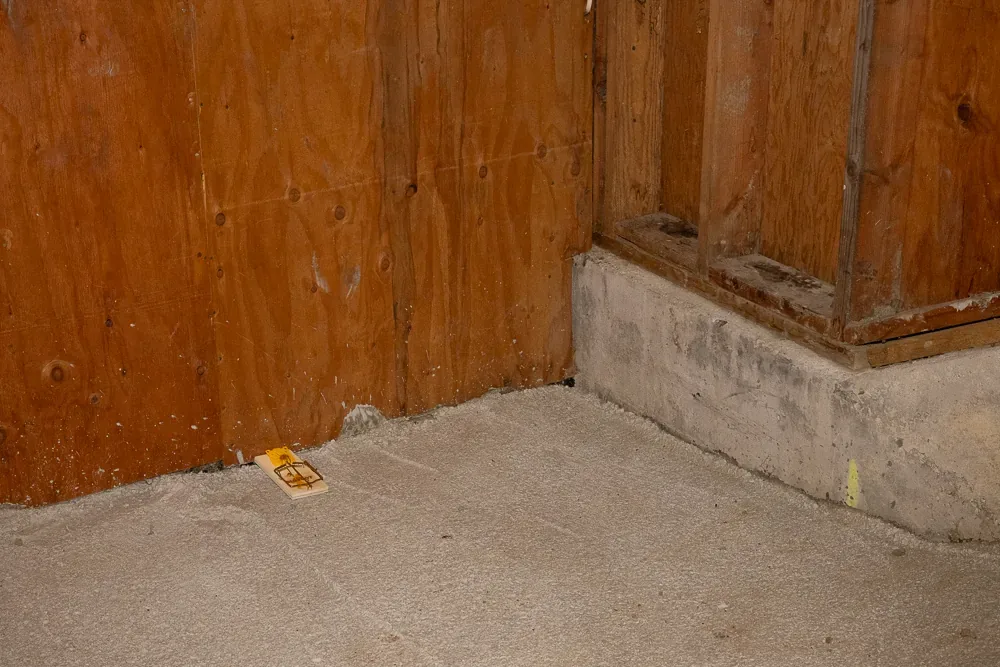
Step 06 · Check
When activity from rodents remains inside the home, we place traps along confirmed pest paths in crawl spaces, garages, basements, or other areas, then return to monitor results. Placement reflects the situation rather than scattering traps around the house.
Follow-up checks show whether mice or rats remain inside after entry points are closed and reduce the risk of trapping wildlife or rodents behind the installed barrier.
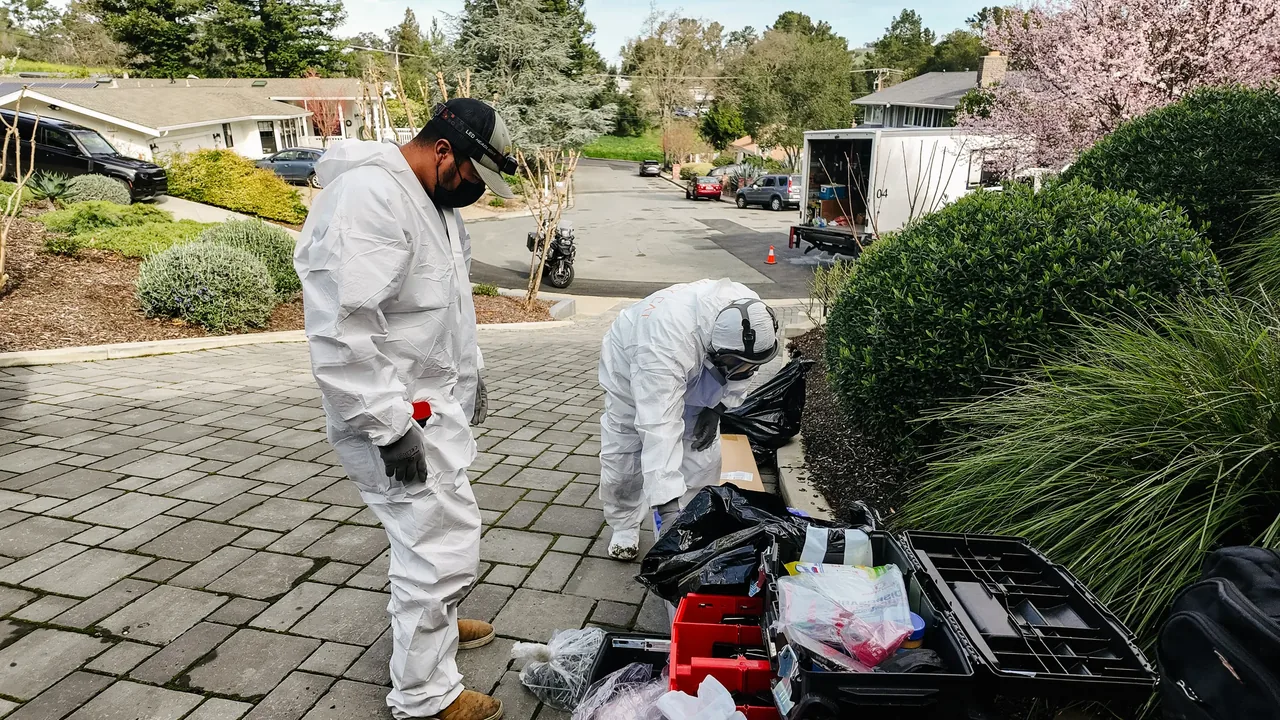
Step 07 · Haul
At the end, Alley Cat removes discarded screening, cut metal, contaminated debris, damaged insulation, nesting, broken boxes, and approved waste. We check the site so fasteners, packaging, and loose debris are not left around the home.
We show the customer completed home foundation, siding, vent, and utility repairs and identify vegetation, soil, drainage, or later construction that could affect performance.

Step 08 · Service
Foundation work can involve several materials, specialists, and return visits. Alley Cat coordinates inspections, field technicians, trap checks, questions, and follow-up.
Customers receive a defined scope rather than vague pest language. We explain the report, gather feedback, and clarify easy maintenance steps and practical ways to support exclusion. That support helps thousands of Bay Area homeowners choose Alley Cat over general pest control companies.
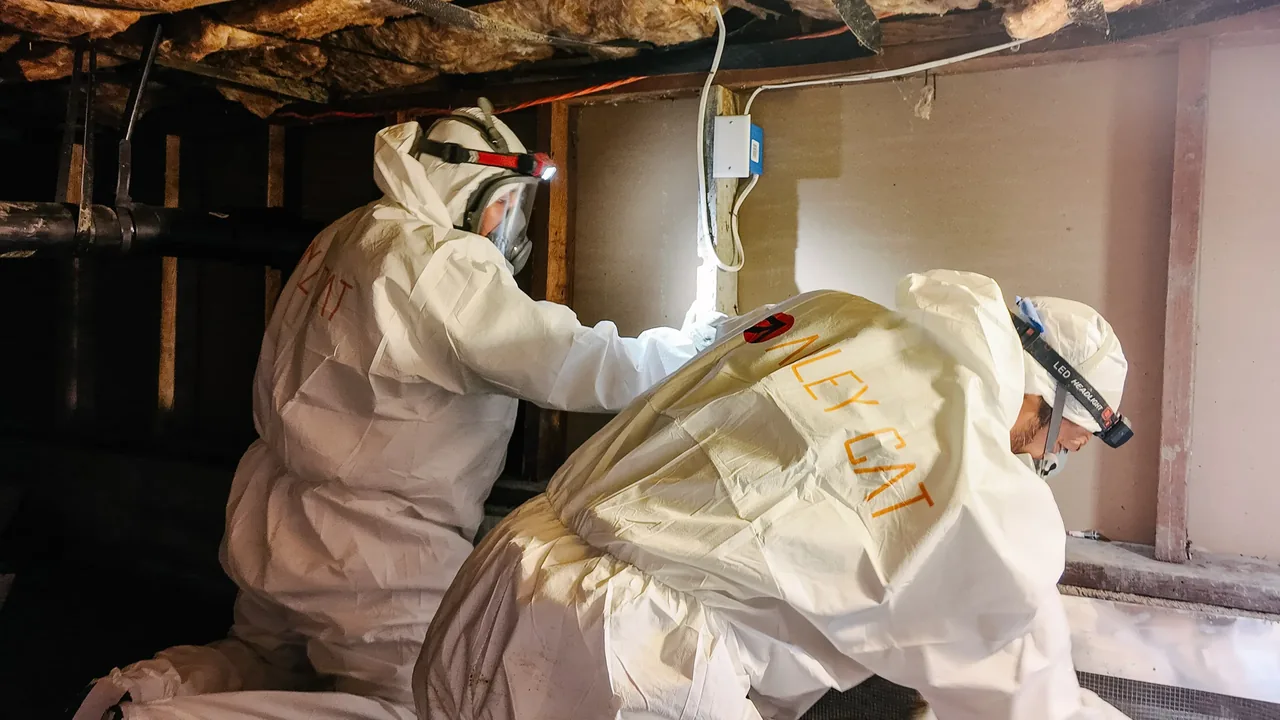
Scratching below the floor at night, mouse droppings in a crawl space, rat burrows beside the house, or chewed vent screens usually point to a structural pest-access problem. A free inspection can find where the route begins, what conditions help rodents enter, and which barrier method can help prevent rodents from entering and provide durable protection without relying on bait alone.
Stronger pest protection at the base of the home.
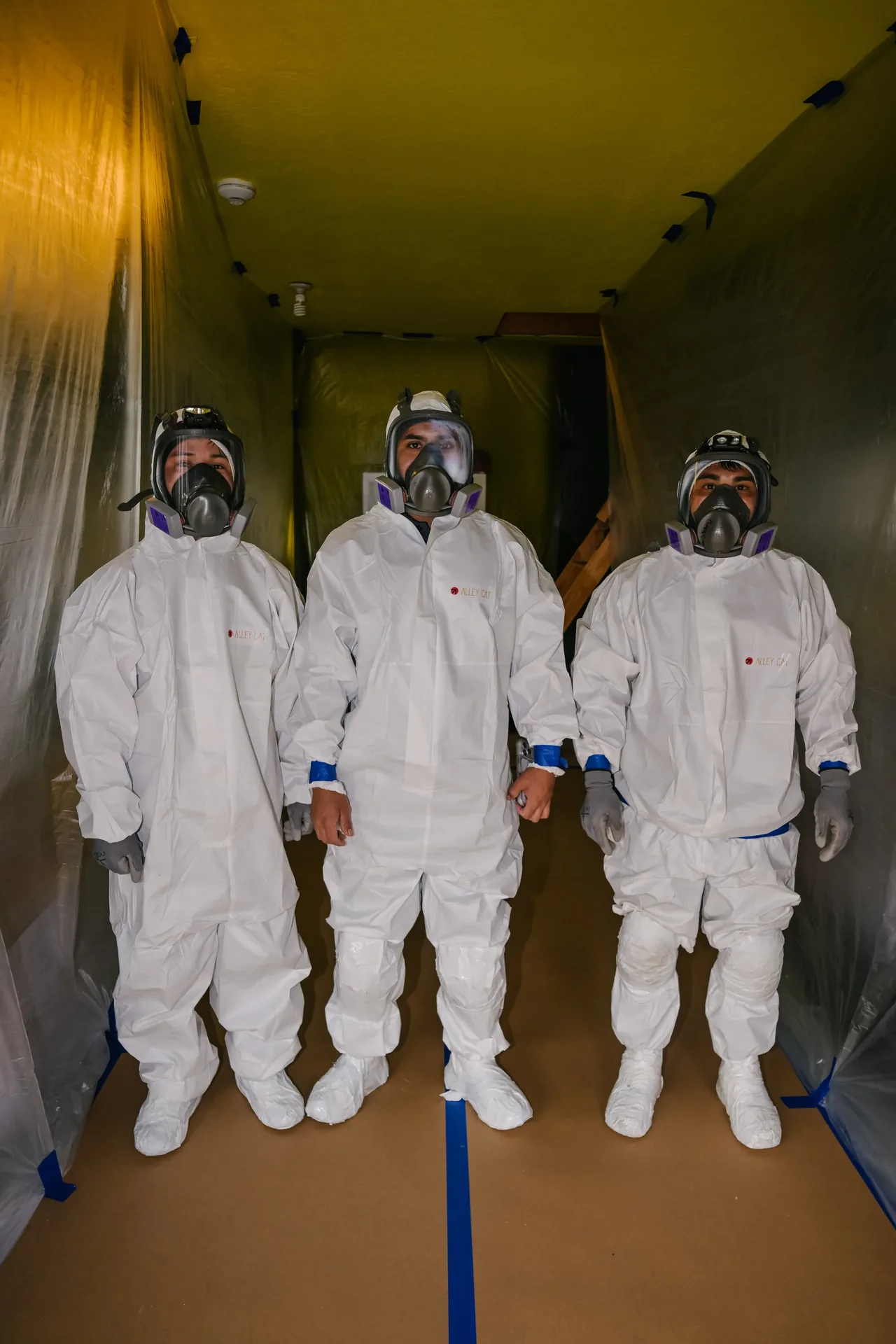
Designed around the gap, not a generic product.
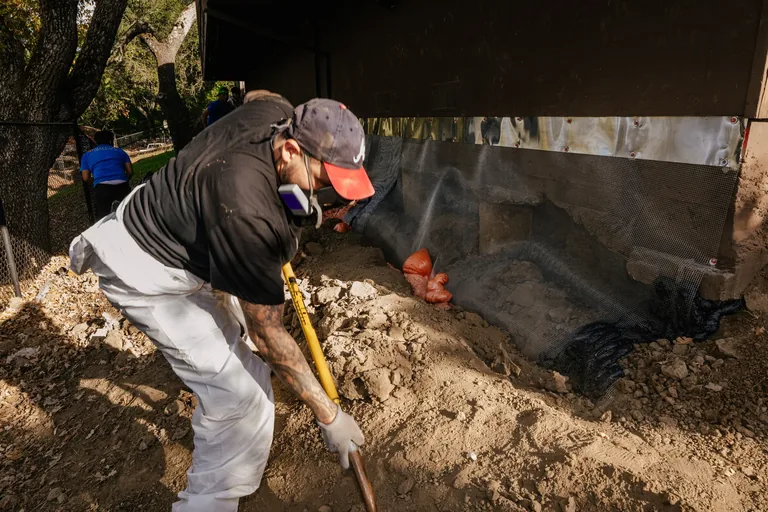
A buried galvanized-steel barrier can deter rats, mice, and burrowing wildlife from moving beneath a vulnerable foundation edge. The required depth, return, and length depend on soil, drainage, and the exact entry point.
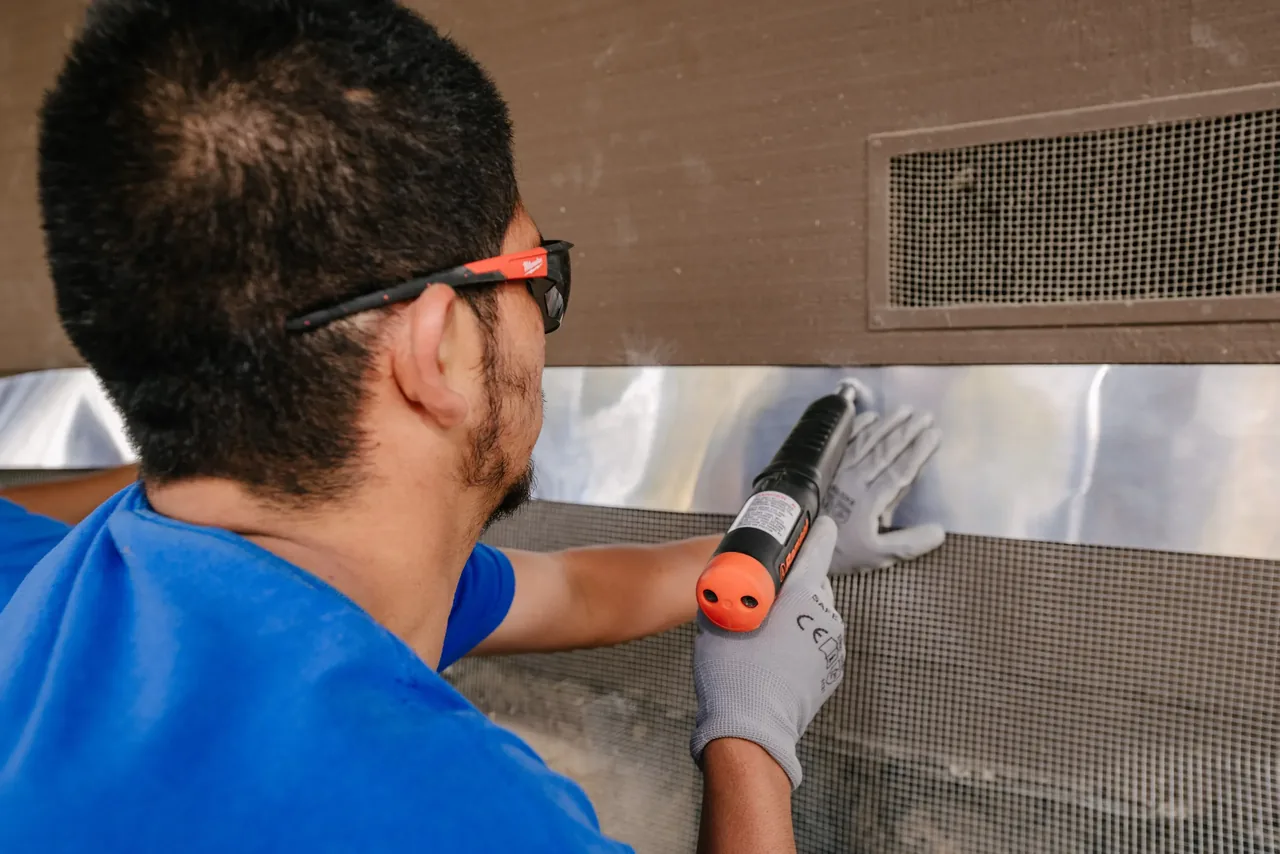
We install secured, pest-resistant screens over vulnerable foundation and crawl-space vents while preserving needed airflow. These shields can also help prevent mice and other rodents from entering garages through damaged lower vents or adjacent siding gaps.
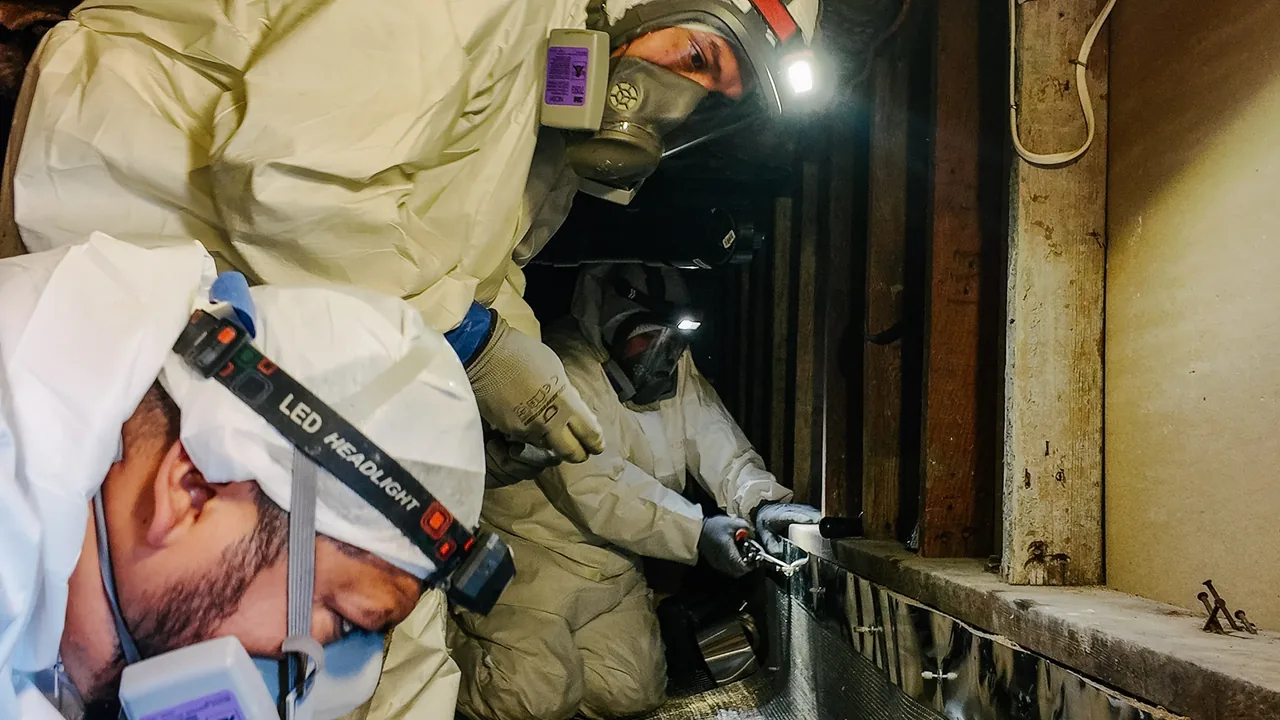
We close irregular seams around siding, additions, garage framing, pipes, sill plates, and concrete using a combination of flashing, hardware cloth, mortar, and compatible sealant. The repair must hold to the home structure, not just fill the visible gap.
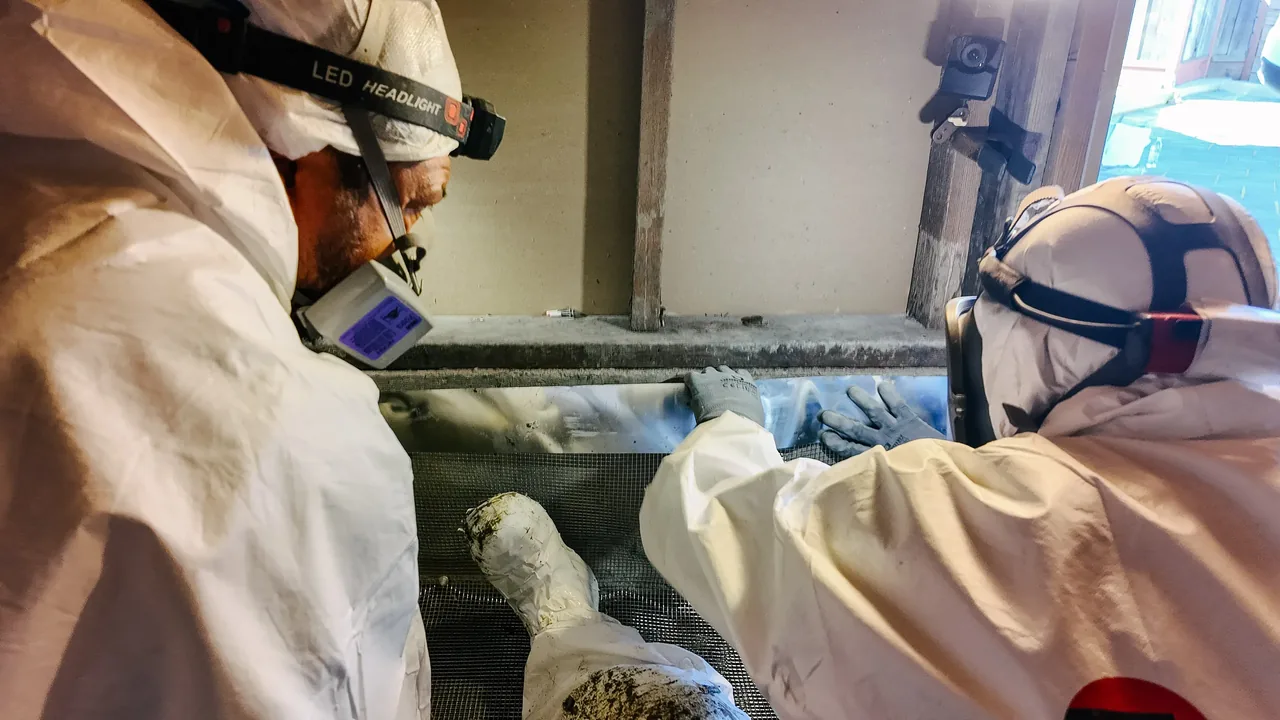
A lasting barrier depends on how the opening formed and how rodents are reaching it. During inspection and installation, Alley Cat evaluates:
This matters in older Bay Area homes, where settling can separate siding from framing and create concealed pest entry. Most homes need sealing, screening, removal, and perimeter maintenance rather than one store-bought product. Alley Cat’s report, installation, trap checks, and customer support provide a clearer solution than surface patching.
The most reliable way to keep mice out is to use galvanized hardware cloth, metal flashing, mortar, and compatible sealants to close foundation gaps and protect vents. Heavy-duty steel is more durable than expanding foam or plastic because mice and rats can chew through soft products.
An effective plan should:
Do not stuff a hole with loose mesh. Cut and mechanically fasten the barrier, then confirm whether rodents must be trapped before final sealing.
Rats do not have one universal “biggest fear,” and fear should not be treated as a reliable pest-control method. They are cautious around sudden movement, predators, unfamiliar objects, and abrupt changes, but they can become comfortable when food, water, shelter, and easy access remain available.
Ultrasonic products, scents, predator replicas, and other store-bought deterrents may alter behavior briefly, but they do not seal foundation gaps or prevent rodents from entering. Remove attractants, trap active rats, protect food, and install a durable barrier product at each entry point rather than hoping fear moves the pest elsewhere.
Rats are generally most active from dusk through the night, but they may move during the day when disturbed, crowded, hungry, or accustomed to people. Rats or mice in an attic may travel down wall cavities and exit through roof, siding, garage, or foundation gaps to find food and water.
Time of day does not reveal the route. Technicians inspect the house from roofline to foundation and learn where rodents move, read droppings and rub marks, and determine whether mice or rats move between levels. Trapping and exclusion should occur in the proper order before all entry points are sealed.
Stop rodents from digging under a foundation by installing a buried galvanized-steel barrier connected to the structure and extended through the vulnerable soil zone. Depth, shape, and length depend on the foundation, burrow, drainage, and construction.
A professional plan may include:
Trenching works best with vent and siding sealing, rodent removal, and follow-up monitoring.
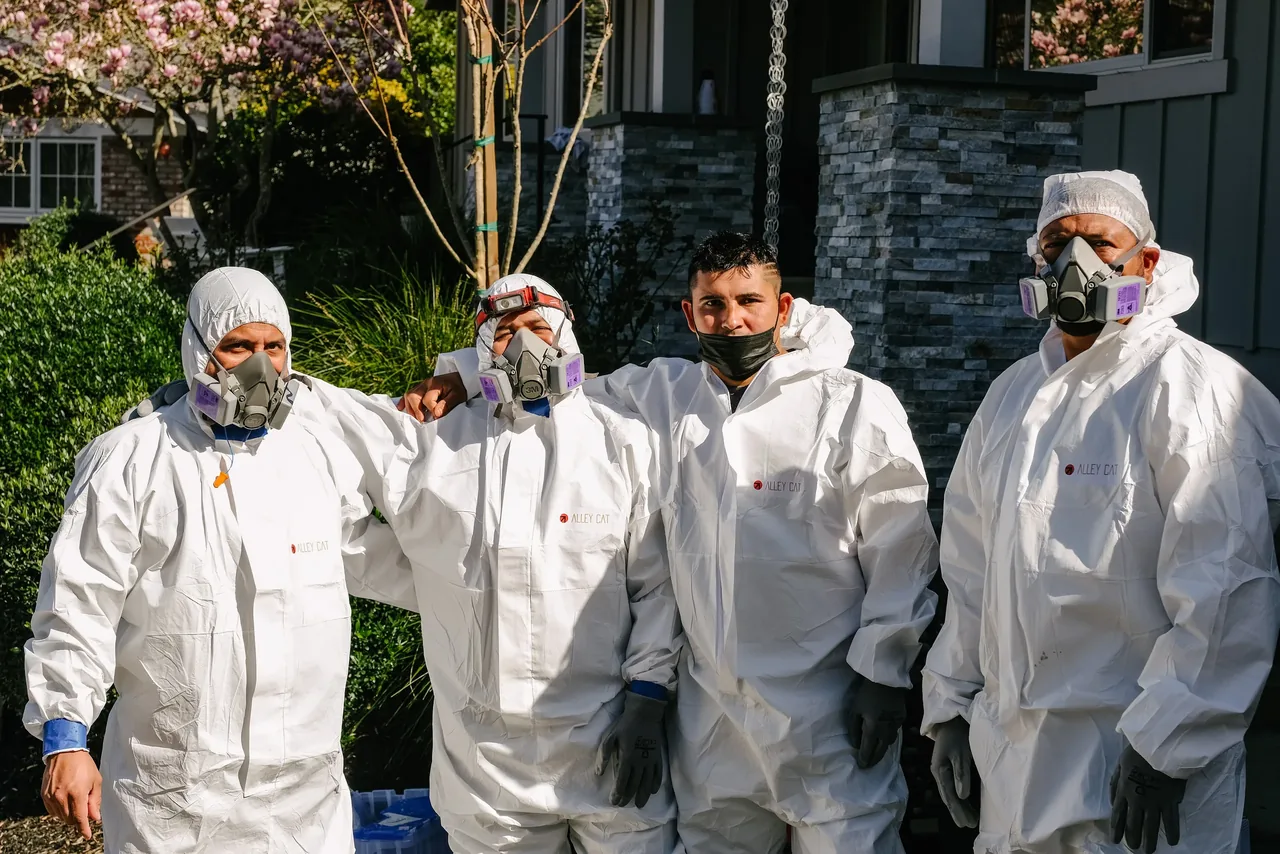
Protect your home with a professional foundation review, photo-documented report, and site-specific plan to prevent mice, rats, and other rodents from entering.
Trusted Exclusion, Not Generic Pest Control
Alley Cat provides rodent exclusion, cleanup, and prevention in San Francisco, Oakland, Berkeley, Petaluma, Napa, Novato, Concord, Mountain View, Fremont, San Mateo, and nearby communities. We understand how older foundations, hillside lots, additions, siding, and crawl spaces affect entry into a Bay Area home, and we welcome customer feedback.
★★★★★
Priscilla W. Verified Diamond Certified survey
1,240 reviews
649 reviews
279 surveys
374 reviews