Kitchen Mouse Signs
Droppings behind appliances, gnawed packaging, and sounds inside walls may reveal a route from crawl spaces, garages, or food storage areas. Sealed food containers and pet food reduce an easy food source.

Bay Area Mice Removal Service
A mouse infestation requires more than a few traps and a quick pest control visit.
 4.9 / 5
 4.7 / 5
 4.9 / 5
 4.7 / 5
 Accredited

Alley Cat professionals offer exclusion-led mouse removal for Bay Area homeowners needing removal, cleanup, and home reinforcement against repeat entry. We inspect attics, crawl spaces, garages, kitchens, rooflines, walls, and utility penetrations to learn where mice live and enter the home. The service supports three practical outcomes:
Mouse removal combines inspection, trapping, cleanup, sanitation, and rodent exclusion. The goal is to get rid of mice while correcting access, shelter, and food conditions that help an infestation grow.
We trace pest activity to cracks, pipes, siding transitions, vents, garage-door edges, roof returns, holes, and hard to reach places where rodents can squeeze into a home.
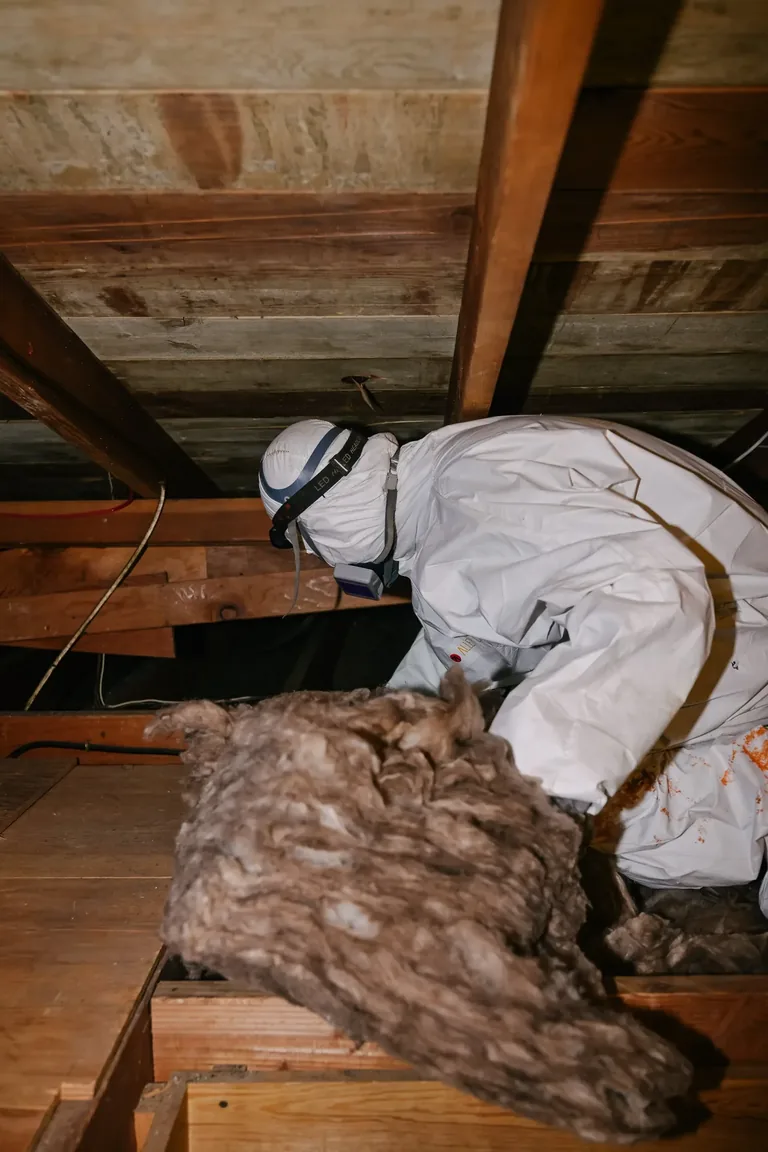
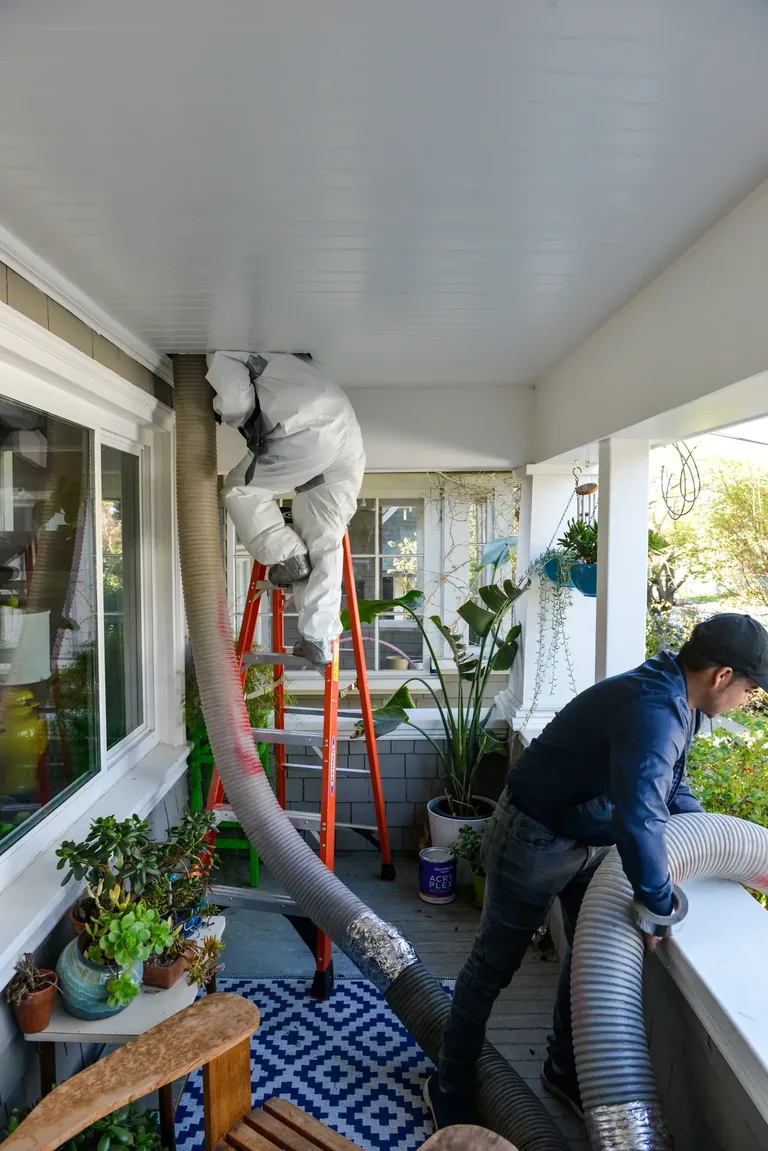
When mice contaminate an attic, crawl space, garage, or basement, we remove droppings, feces, soiled nesting material, damaged insulation, and debris that can hold a persistent smell.
Our rodent control approach addresses the immediate mouse problem and the pathways behind it, helping reduce scratching, constant gnawing, food damage, noises at night, and recurring nests.
Older San Francisco houses and Bay Area properties present unique problems as weather, additions, and settling create new home access.
Homeowners receive a detailed report describing signs, rodent routes, contamination, common entry points, recommended repairs, treatment factors, and estimated control services.
A mouse exterminator may focus on one animal. Alley Cat treats the infestation as a home-wide rodent control problem involving mice, rats, pests, food sources, nests, contamination, and structural access.
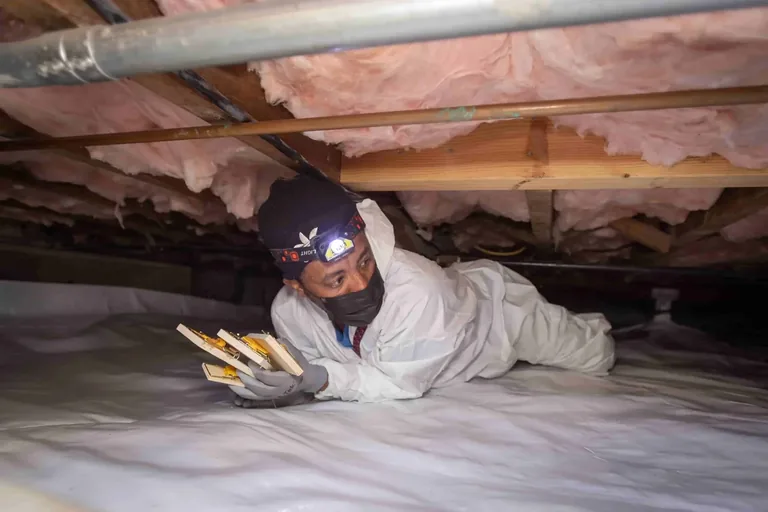
Targeted trapping follows runways beside walls, appliances, cabinets, attics, crawl spaces, and garages.
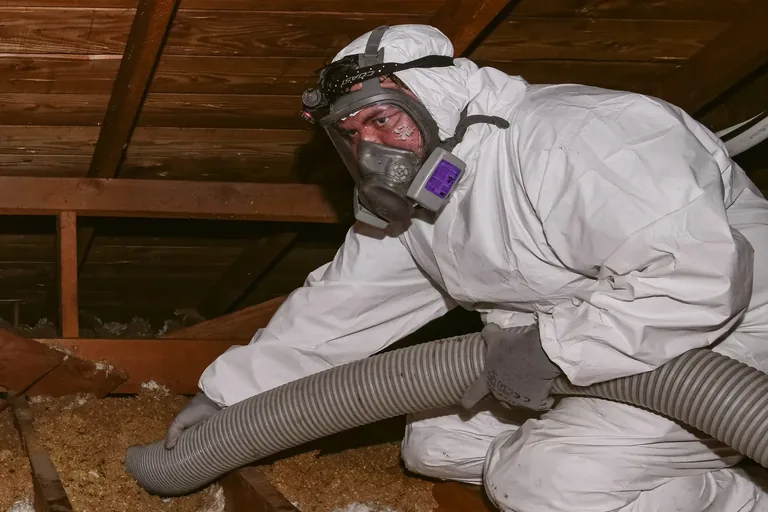
Trained specialists inspect droppings, rub marks, gnawing, damaged wood, holes, and cracks.
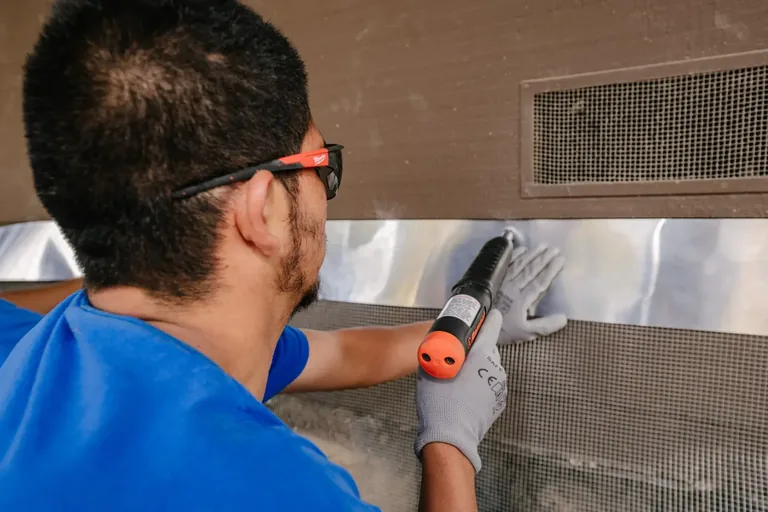
Durable materials reinforce common weak points around the home perimeter.
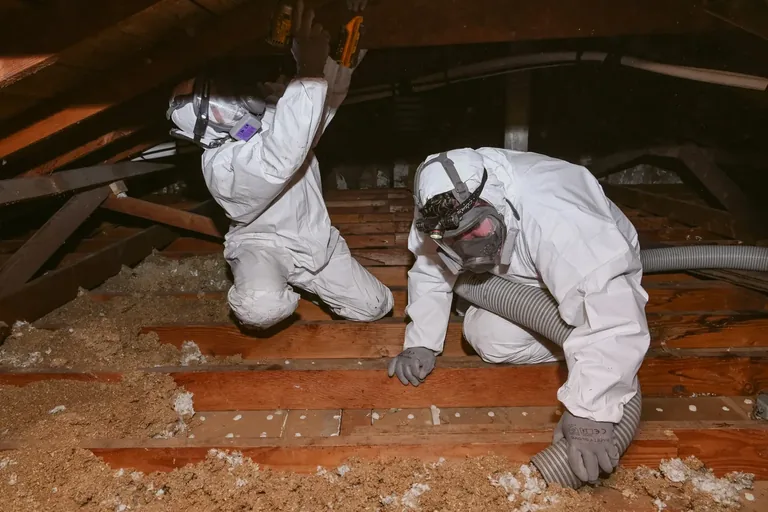
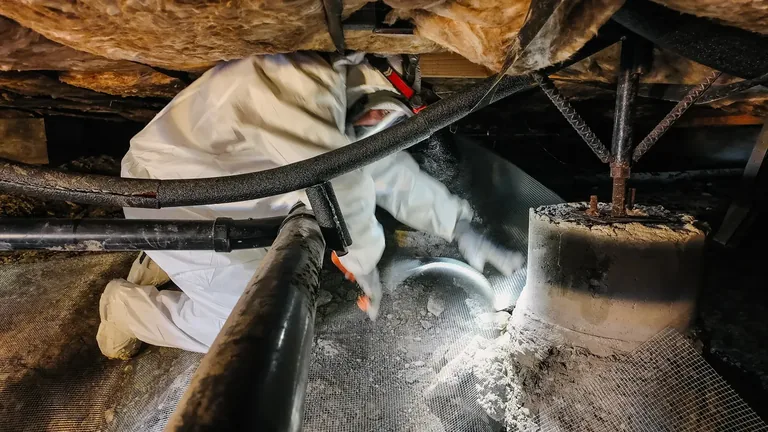
Contaminated items can be bagged, hauled away, sanitized, and prepared for restoration.
Signs from rodents often extend beyond the first room. Our professional mouse control process follows evidence from food storage areas into cavities, nests, and exterior access routes:
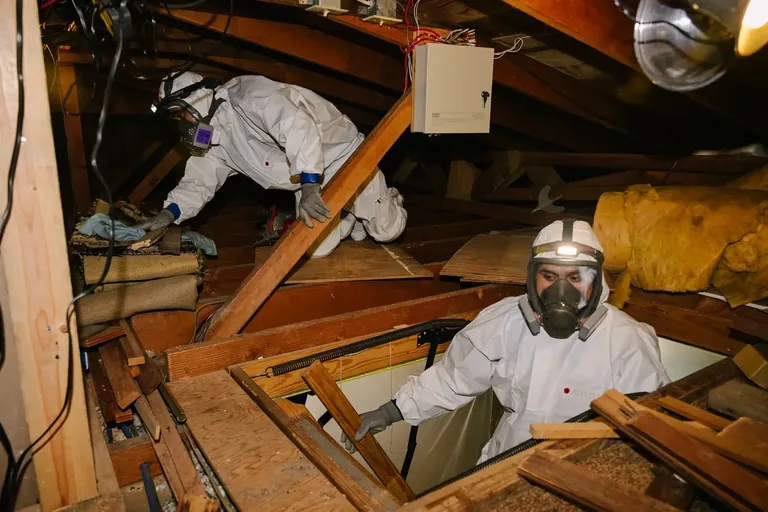
Step 01 · Inspect
The free inspection determines whether droppings, chewing, scratching, squeaking, or the noises mice make at night suggest a house mouse, a rat, multiple rats, or other pests. A trained specialist reviews the kitchen, garage, attic, crawl space, basement, cabinets, yard, and home perimeter.
Identifying the species matters. A house mouse has a small body, large ears, small eyes, brown or gray fur, and a thin tail. Mice can climb, jump, and squeeze through openings as small as 1/4 inch (about the size of a dime). This remarkable ability is one of the primary reasons a thorough exterior inspection is critical for identifying hidden entry points before they become a larger mouse infestation. We inspect common routes used by mice entering the home and confirm:
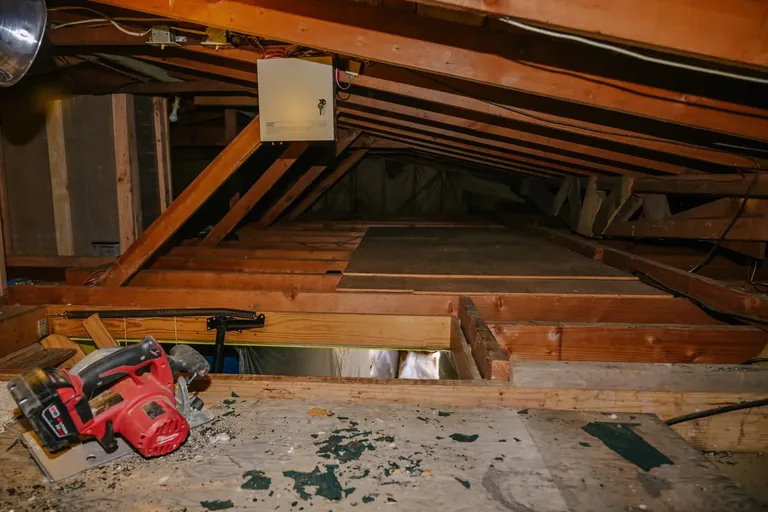
Step 02 · Diagnose
Alley Cat’s Comprehensive Diagnostic Report documents the suspected species, infestation level, droppings, nests, routes, damage, and recommended rodent control methods. Your free quote separates removal, cleanup, entry repair, monitoring, sanitation, and restoration instead of providing a vague pest control treatment.
Step 03 · Clean
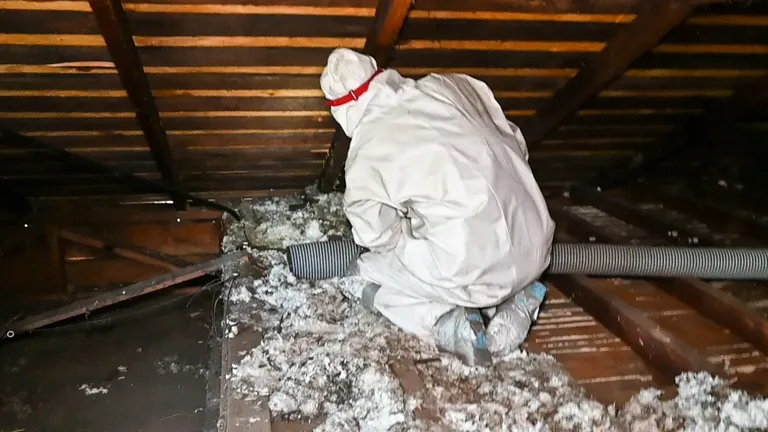
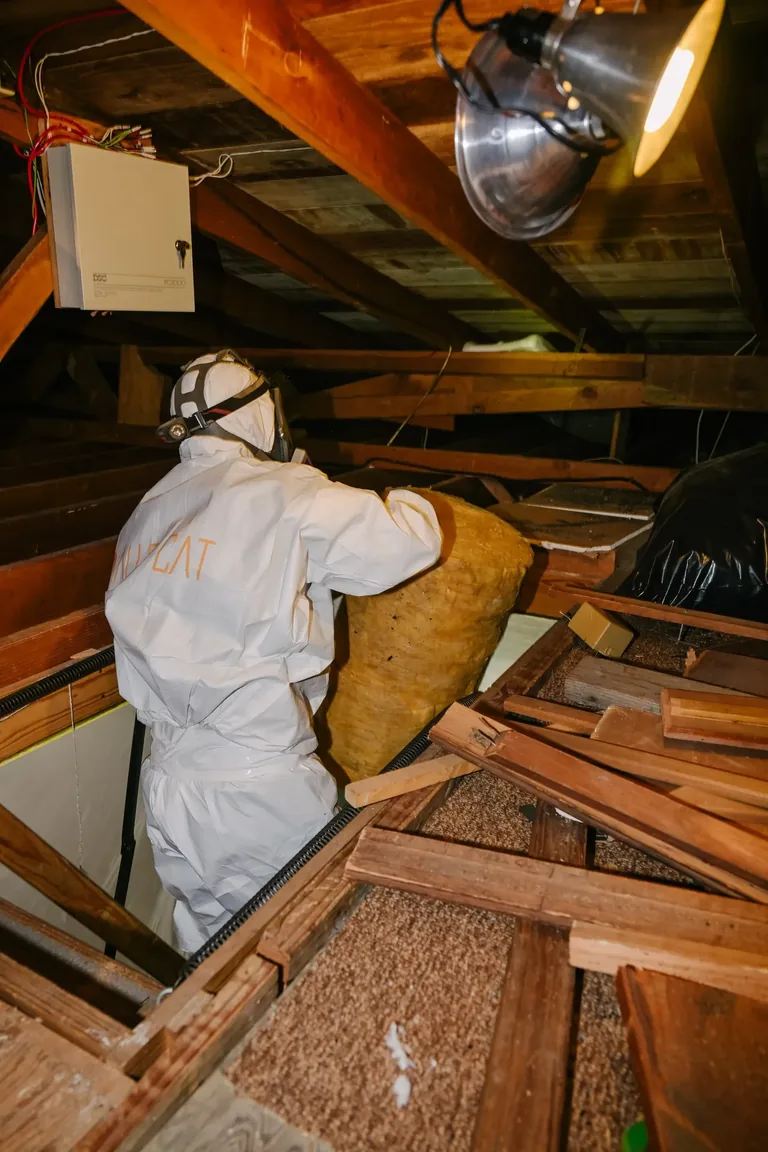
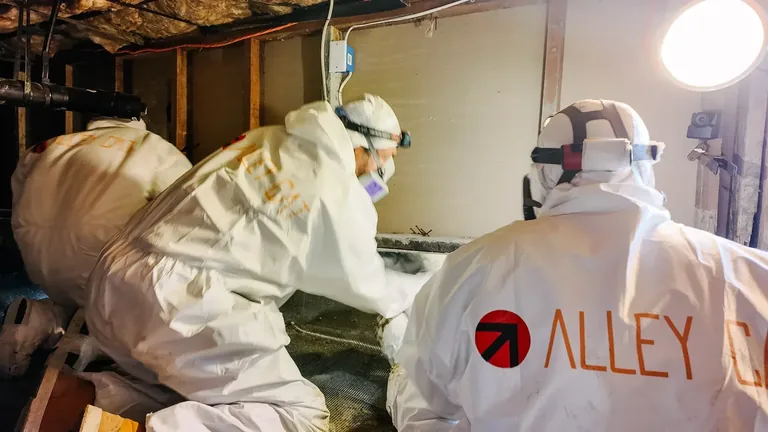
Cleanup begins with contamination mice leave behind. Depending on severity and location, the service may include removing active rodents, collecting droppings, bagging nesting debris, extracting contaminated material, and clearing cardboard, paper, or stored goods that provide hiding places.
Our trained technicians protect finished surfaces while clearing damaged barriers. Typical work includes:
Once the area is accessible, sanitation and repair can continue safely.
Step 04 · Sanitize
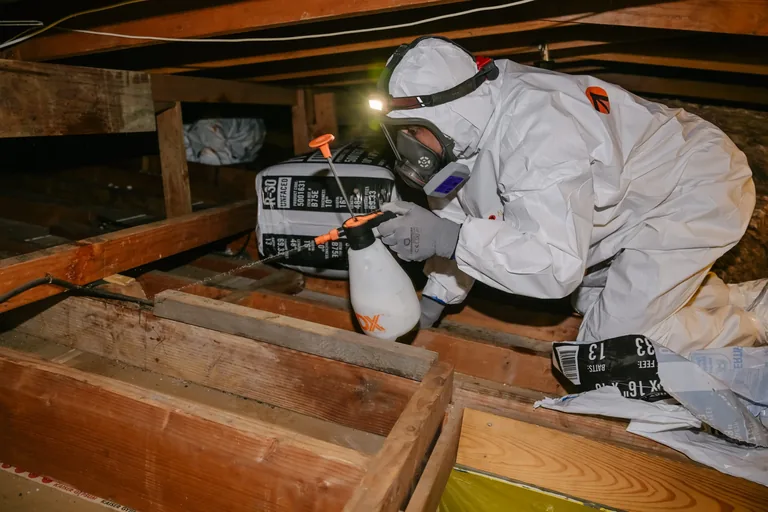
Sanitation addresses residue left after visible debris is removed. A high contamination level may require treatment of surfaces exposed to droppings, urine, saliva, and odors.
People asking, “Are mice dangerous?” should understand that some rodents carry diseases and may spread diseases through contaminated food or surfaces. Health risks may involve waste, fleas, ticks, insects, or bites. Safe treatment reduces exposure to diseases and helps protect the family, including humans, children, dogs, and other pets.
Step 05 · Seal
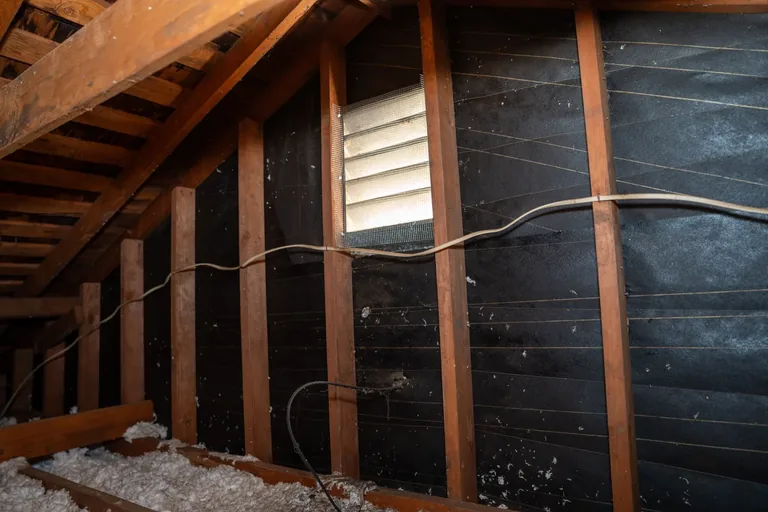
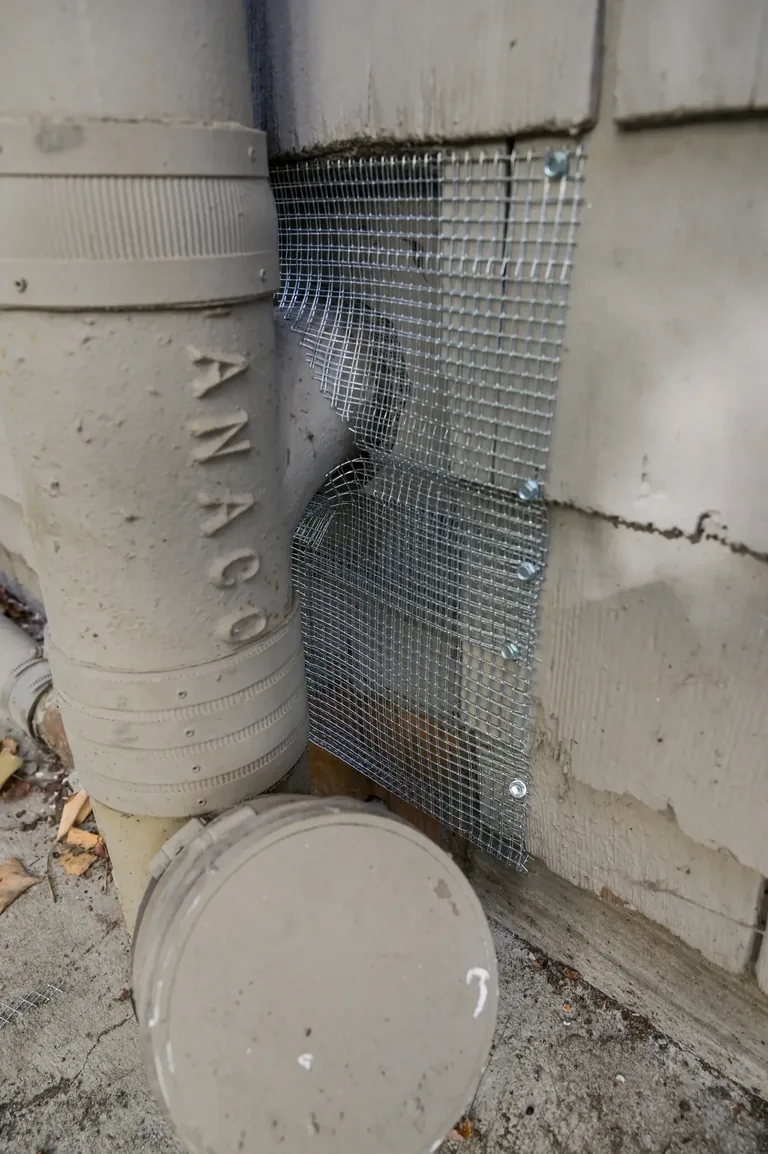
Mice may travel through wall cavities before appearing in occupied rooms. Alley Cat follows exterior access to interior runways and selects methods that fit each gap, including areas with high rodent pressure. Unlike pest control treatments centered only on poisons, bait, or scents, rodent exclusion physically blocks mice, rats, and rodents.
Our structural methods may include:
One way doors can fit certain wildlife projects, but they are not usually the right tool for a house mouse. These small creatures use a variety of routes, so effective mice control depends on finding the full access range.
Prevention addresses pet food, seeds, crumbs, leaky faucets, food containers, yard debris, and shelter. Mice prefer a warm home with dependable food and water. In fall, rodents may move toward houses as weather changes. Trimming trees and clearing dense growth make the home less attractive.
Combining monitored trapping, cleanup, structural sealing, and follow-up provides a more effective result than trap-only pest control. This approach has served more than 13,000 satisfied customers and supports Alley Cat’s 97% customer satisfaction rating.
Step 06 · Check
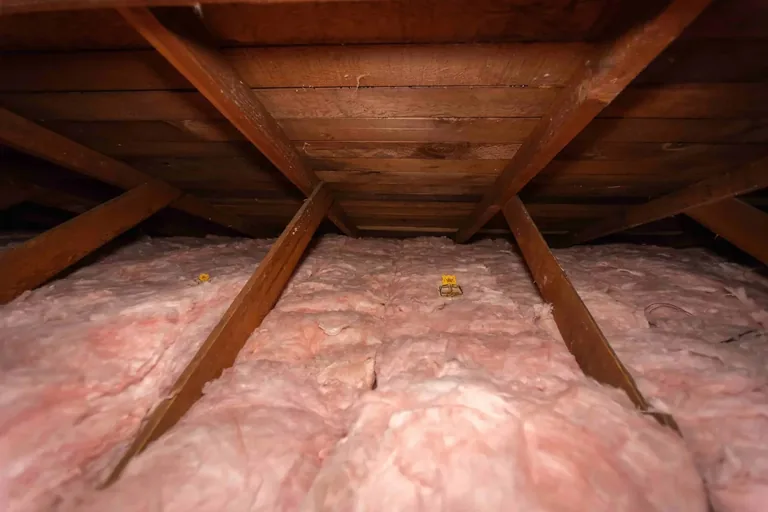
Devices are placed where evidence shows mice run. Common locations include baseboards, behind an appliance, attic runways, crawl-space ledges, garage storage lines, and utility routes.
Scheduled visits ensure technicians remove captured mice humanely, reset equipment, and check results. Continued catches may confirm an overlooked entry point, secondary nest, or deeper mice infestation requiring structural repair instead of more traps.
Step 07 · Haul
At completion, our team reviews repairs, collects debris, and clears equipment according to the final activity level. The home is left orderly.
You receive a summary of what was found, what was removed, and which conditions require monitoring throughout the year. When restoration involves ducts, drywall, or other home components, we explain the scope and protection needed over the years.

Step 08 · Support
A mouse problem is stressful because rodents hide inside walls and difficult places. Alley Cat coordinates inspections, reports, scheduling, project questions, and follow-up so people understand the plan and who will handle it.
We align service, estimates, and communication when mouse control services involve a landlord, manager, contractor, or business owner. Prompt calls and updates provide peace of mind.
Do not let limited signs grow into a full blown infestation with contaminated food, costly damage, or chewed electrical wiring. Schedule an Alley Cat inspection to identify the problem, get rid of mice, correct access, and build a practical plan that helps protect your Bay Area home and family.

“Great communication, fast, knowledgeable, and they put up with all of my schedule constraints. It's an awesome service.”
David D.Verified Diamond Certified survey
4.9 / 5
4.7 / 5 4.7 / 5
 4.9 / 5
Trap-only service may reduce visible mice, but it does not eliminate the structural problem, nest, contamination, or defect behind the infestation. Alley Cat’s exclusion-led plan may require:
The best way to get rid of an infestation combines removal with physical barriers. Different rodent problems require different methods and treatment types. Technicians build a home-specific plan, find weak points, and monitor results to ensure current rodents and future access are addressed.

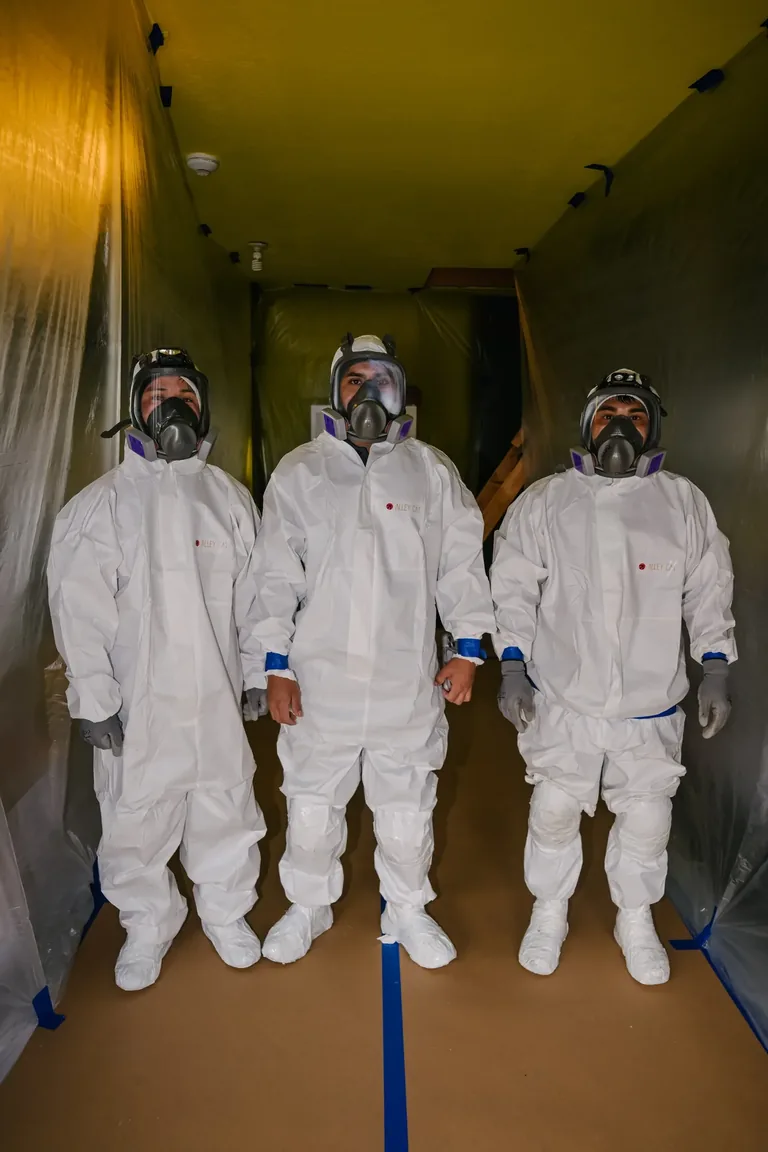
The cost to get rid of mice depends on infestation size, property type, number of entry points, and cleanup needs. A single garage opening costs less to treat than a rodent problem found across an attic, crawl space, kitchen, and walls.
Important cost factors include:
A commonly cited estimate is that mice cause $20 billion in damages annually in the U.S. across homes, farms, and businesses. Whatever the exact total, delay can raise cost as a mouse infestation grows and damage becomes worse over time.
The best company should identify the species, inspect the entire home or business, remove current rodents, clean contamination, and provide repairs that fit each access point. Professional exclusion is recommended if an infestation persists despite trapping, because continued presence often signals an unresolved route into the building.
Look for trained inspectors, documented findings, follow-up, cleanup options, and rodent control expertise. Alameda County Vector Control provides education and integrated pest management services for rodent issues at a home or business. Alley Cat’s unique advantage is an exclusion-first service that treats the immediate problem and corrects how mice enter homes. A qualified provider should offer both removal and structural prevention.
The fastest responsible way combines prompt trapping with identifying access, food sources, and nests. Initial results are often seen within one to two weeks, although each home and rodent problem takes a different amount of time. Professional mouse removal can take one to two weeks; complete control may take three to six weeks when repairs, cleanup, and monitoring are required.
Snap traps are considered the most effective and humane method for killing mice when correctly sized, positioned, and checked each day. Glue devices can prolong distress. Rodenticides can pose risks to pets, children, and wildlife. They may also allow mice or rats to die inside walls or other inaccessible areas, creating odor, insect activity, and cleanup challenges. Because of these limitations, Alley Cat prioritizes rodent exclusion, targeted trapping, and long-term prevention over relying primarily on rodenticides. A professional can handle equipment humanely while investigating each unresolved access route.
You can eliminate a current mouse infestation and reduce return risk, but no responsible pest control company should promise permanent results. Rodent exclusion methods help prevent future infestations by sealing holes, screening vulnerable areas, reinforcing doors, and repairing weak points around utility lines and the roofline.
Mice, rats, and pests can climb, jump, squeeze, chew, and adapt. Weather, remodeling, settling, or damaged materials can create new access. Continued monitoring is critical because mice reproduce about every 21 days. Year after year, weather and property changes can open new routes. Structural prevention changes the house instead of only reducing rodents already inside.
Integrated rodent management includes eliminating access, removing food and shelter, trapping existing mice, and monitoring. These methods work together: repair blocks entry, sanitation removes attraction, trapping addresses rodents that live in the home, and follow-up checks for fresh signs.
Food and water sources should be removed to prevent mice. Store food securely, clean crumbs, repair leaks, organize storage, secure garbage, and clear yard clutter. A variety of treatments and methods may be required depending on home size, construction type, infestation level, and factors found during inspection.
Yes, mice can create serious health risks and property problems. Mice can transmit diseases like hantavirus and leptospirosis. Mice can contaminate food with their urine and droppings. Hantavirus risks may involve inhaling contaminated dust, while leptospirosis may spread through contact with infected urine. Salmonellosis can involve contaminated food, feces, or animal contact.
The potential for contracting diseases depends on the rodent species and exposure types. Lyme disease reaches humans through infected tick bites rather than directly from mice, although rodents can carry ticks, fleas, and other insects. Avoid handling droppings, urine, nests, or rodent bodies with bare hands.
Mice also use their teeth to chew and gnaw, which may lead to damaged wires, furniture, stored goods, and structural materials. If you hear noises day or night or worry about a hidden infestation, trained technicians can provide safe cleanup and an effective rodent control plan.
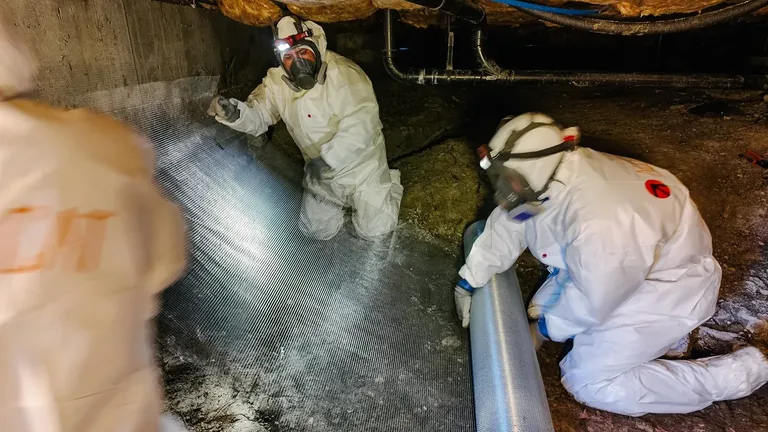
Your search for a mouse exterminator should lead to more than bait. Contact Alley Cat for professional pest control expertise focused on rodent entry, contamination, structural sealing, and prevention.