Exclusion-Led Service
We focus on closing home access that lets mice, rats, and rodents return, not only setting traps.

Bay Area Mouse Extermination Services
A mouse exterminator should do more than leave traps.
 4.9 / 5
 4.7 / 5
 4.9 / 5
 4.7 / 5
 Accredited
Alley Cat combines mouse control, pest control, cleanup, rodent control, exclusion, and repair for Bay Area homes with mice in kitchens, walls, crawl spaces, and attics. This page includes how experts remove mice and block routes used by rats and rodents.
Alley Cat serves San Francisco, Petaluma, Napa, Sonoma County, Solano County, Novato, Concord, Mountain View, Berkeley, Oakland CA, Hayward, Fremont, San Mateo, and nearby communities.
Schedule a free inspection to start a good, clear plan for getting rid of mice and keeping mice and rodents outside the home.
Alley Cat is not a generic pest control company. Our mouse control service connects traps with proofing because mice and rodents return when holes, gaps, and garage edges stay open.
A mouse infestation can leave droppings, urine, nesting, damaged food, and contaminated insulation. Alley Cat explains the right level of care when mice or rodents are present—from removal and sanitation to deodorizing or haul-away. This protects the home and family without treating every mouse problem alike.
Older house foundations, hillside buildings, trees, garages, and utility retrofits create routes for mice, rats, and rodents. Our rodent control professionals understand Oakland home construction, weather changes, and fall or winter movement that pushes house mice, rats, and rodents indoors.
Diagnosis, removal, cleanup, and exclusion.
A professional mouse exterminator should inspect the home, confirm signs, remove mice, and close routes supporting an infestation. Effective rodent management combines removal with prevention methods. Good pest control should solve the mouse problem instead of repeating trap visits while rodents keep returning.
People commonly call for:
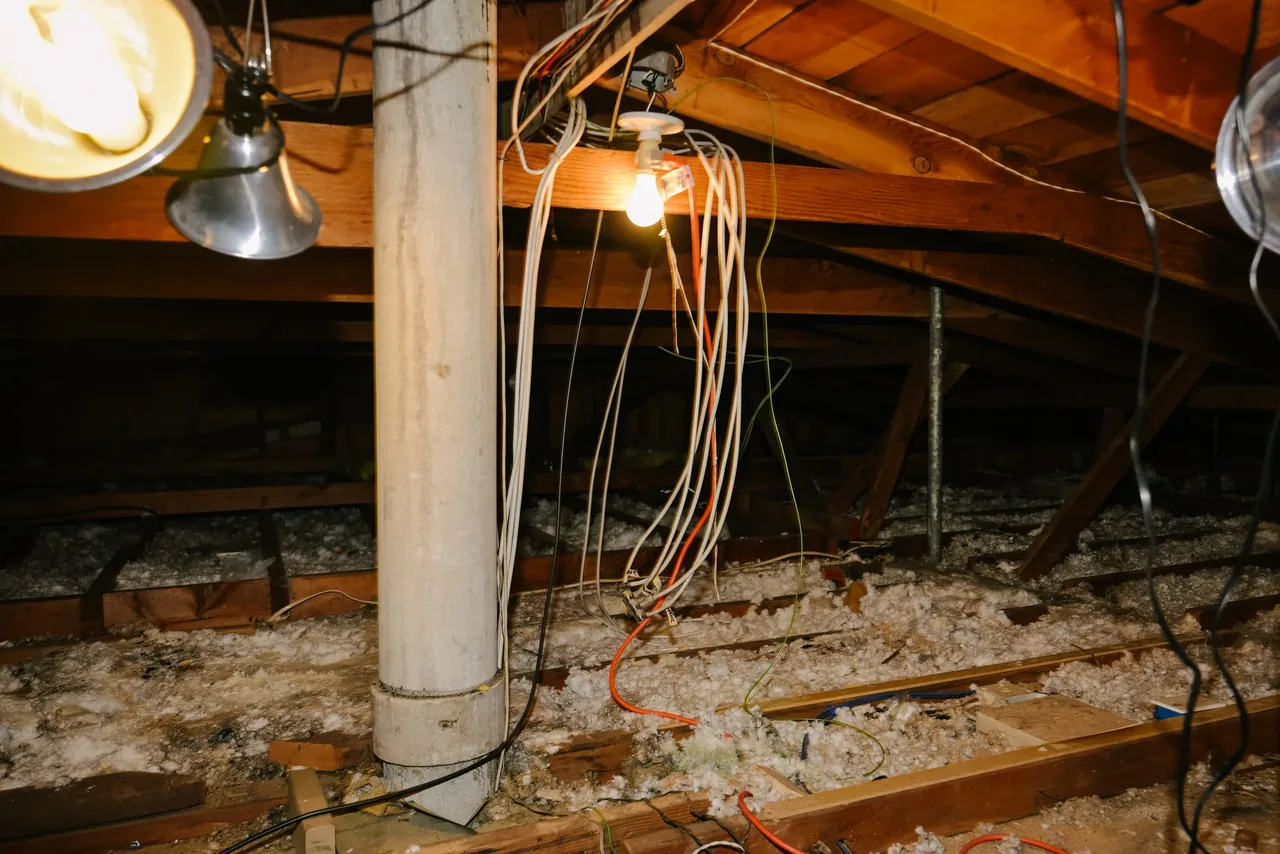
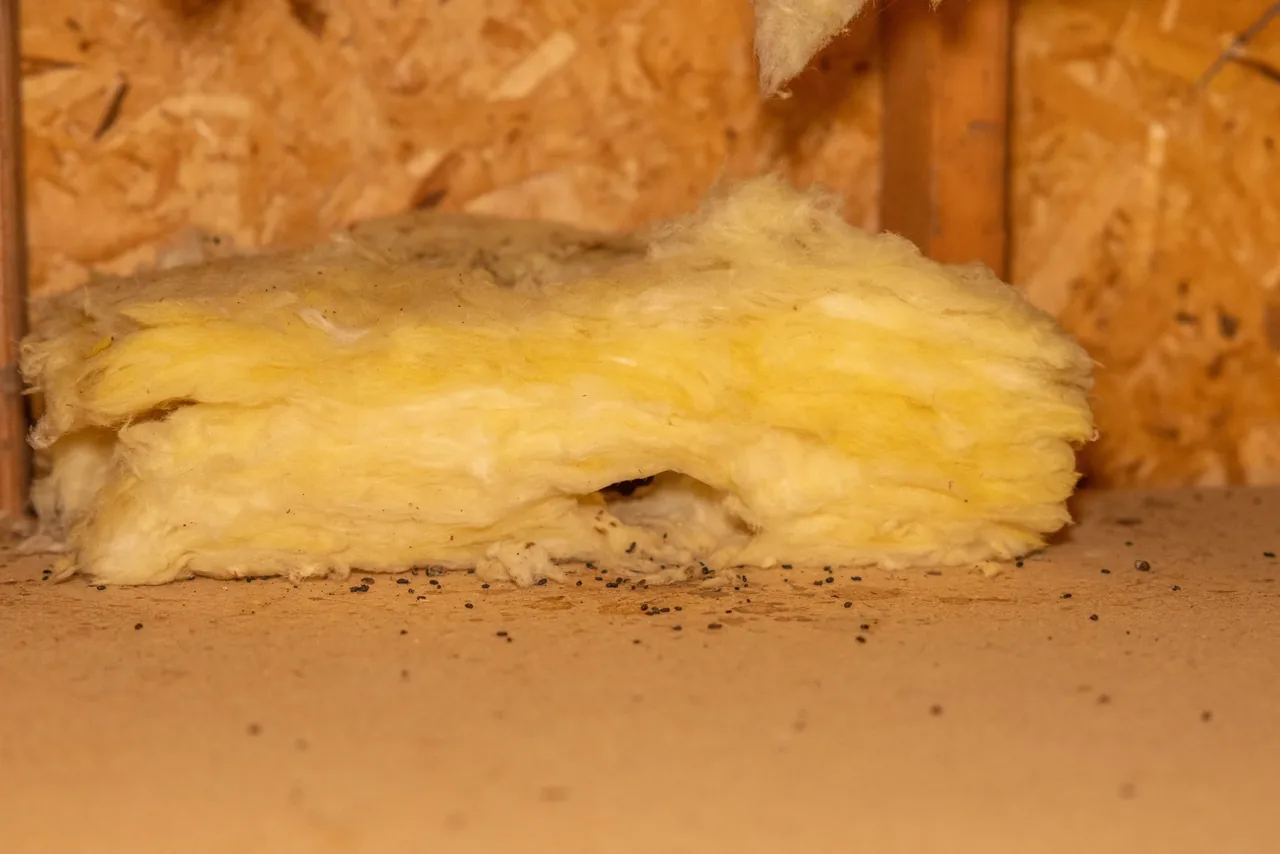
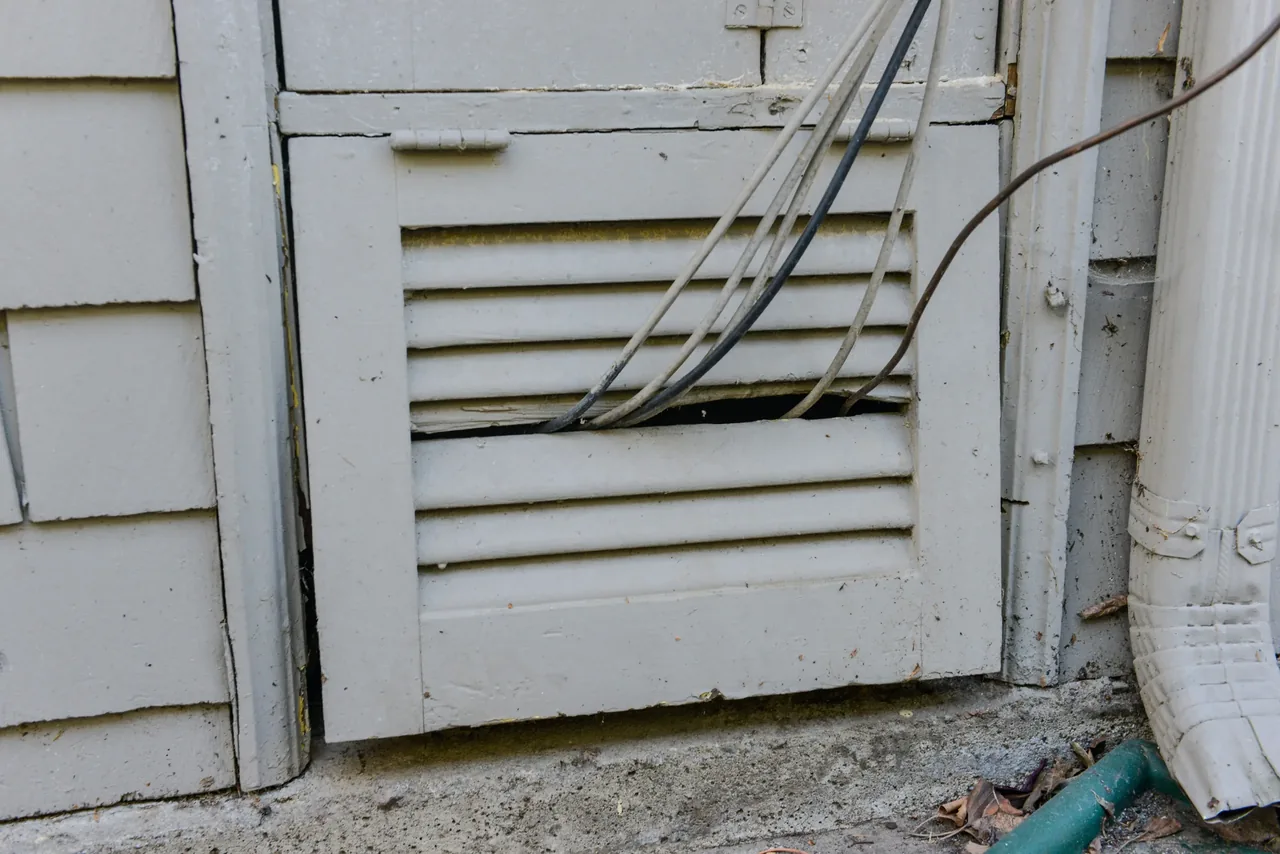
Alley Cat’s mouse control process combines traps, cleanup, rodent control, repair, and follow-up so the service addresses mice, rats, rodents, and the conditions supporting a rodent infestation:
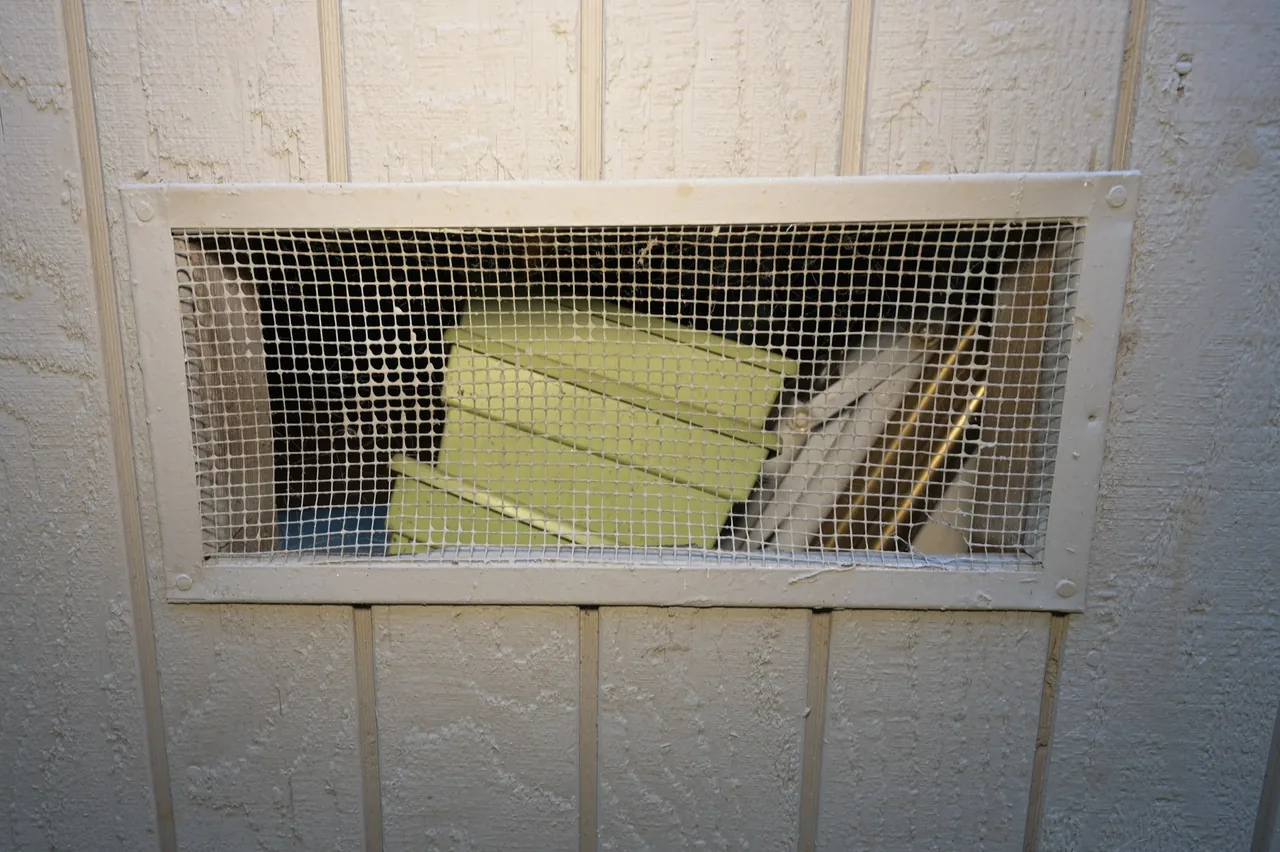
Step 01 · Inspect
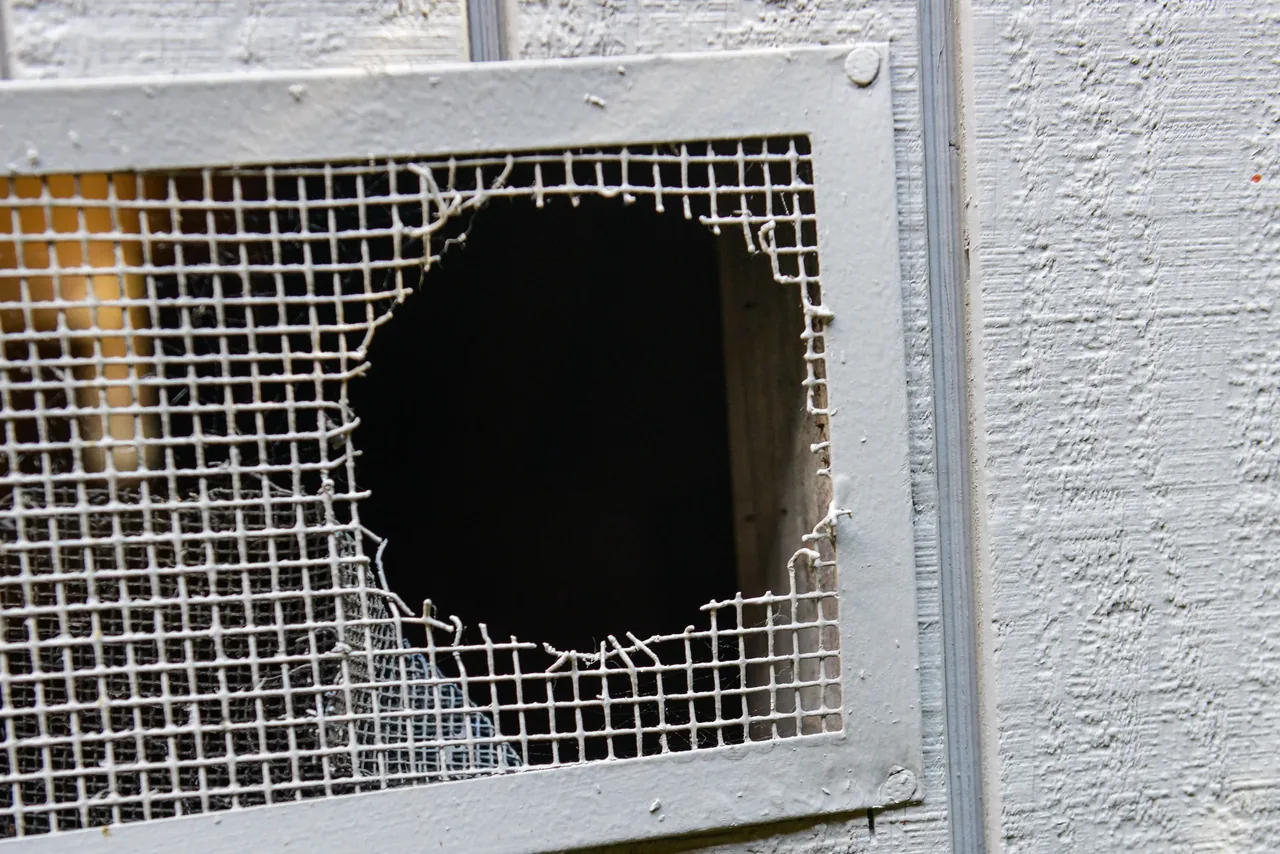
We begin at the home perimeter, foundation, crawl space, garage, roofline, and attics. Inside, we review cabinets, appliances, storage, walls, and places with mice droppings, gnawing, odor, or nesting. A good inspection separates mice and rodents from rats, squirrels, insects, and other pests with similar signs.
Alley Cat identifies rodents by species, body size, droppings, nesting, and location. House mice are gray-brown with long hairless tails. Deer mice have white undersides and tails less than half their body length. That short-tail claim more often describes voles; deer mice usually have furred, bicolored tails. White-footed mice are larger than deer mice and have similar coloration. That comparison is not reliable field identification for an Oakland CA home. House mice breed year-round with 5-10 litters annually. Deer mice reproduce less in winter, with 1-11 offspring per litter. White-footed mice breed 2-4 times a year with 2-9 young per litter. Reproduction varies by species and environment.
Step 02 · Diagnose
The Comprehensive Diagnostic Report (CDR) shows active areas in the structure, contaminated insulation, needed repair, and recommended rodent control treatments and solutions. Mouse extermination costs vary based on the situation. Professional mouse control services can include trapping and prevention. Estimates for rodent control services are typically provided after inspection. Costs depend on the type of services needed for rodent removal.
The estimate explains scope, schedule, materials, cost, and time to ensure clarity.
Step 03 · Clean
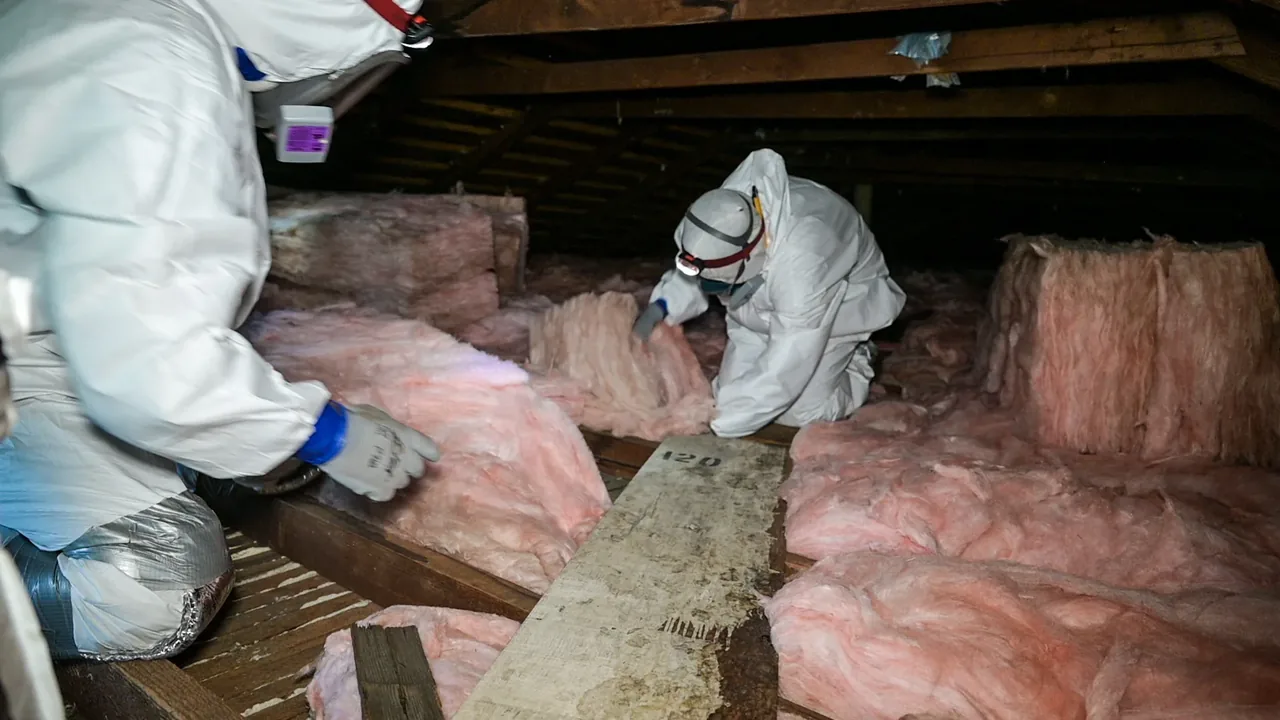
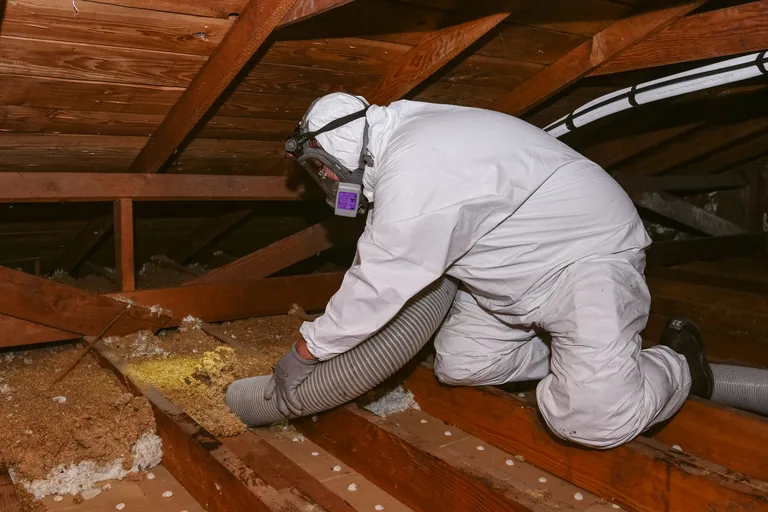
Cleanup and removal reduce pressure from mice and rodents and clear contaminated material. Our professionals set traps, remove nesting created by mice, collect dead rodents, and clean attics, crawl spaces, garages, kitchens, or storage. We use care around belongings, pets, and non-target animals.
Mice can cause significant damage to homes by gnawing on structures. Mice, rats, and rodents may damage packaging, wood, ducts, and wiring. Their high reproduction rate makes waiting risky: Mice reproduce every three weeks with 5-10 litters per year. That fact is general; reproduction varies from year to year by species, shelter, and food.
Our specialists handle:
Step 04 · Sanitize
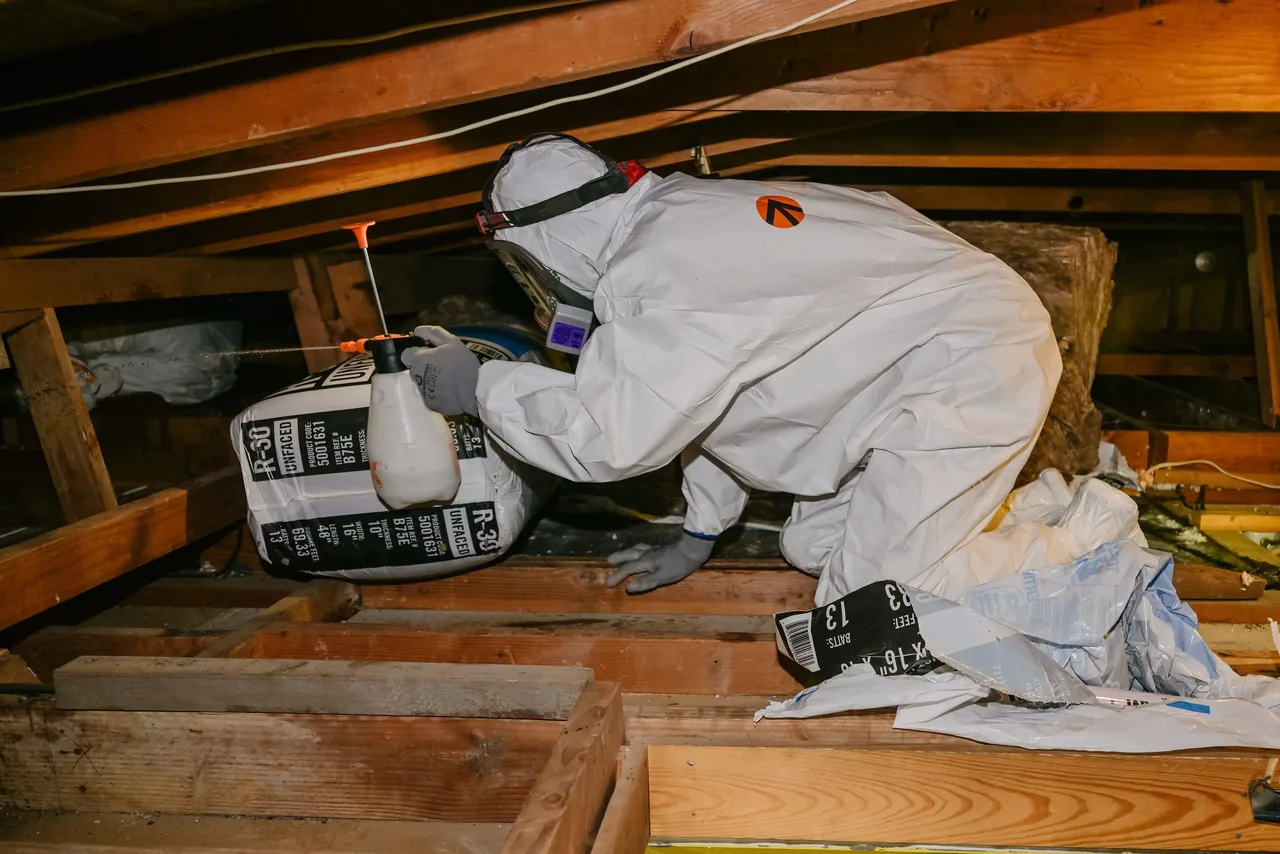
Sanitation treats residue where mice, rats, and rodents travel, feed, nest, and hide. Alley Cat may disinfect hard surfaces, deodorize affected areas, and remove material. Do not dry sweep or vacuum droppings; disturbing urine or feces can increase risk.
Mice are known carriers of over 60 diseases affecting humans. That phrase does not mean every mouse carries dozens of diseases. Risk depends on species, exposure, and environment, but mice, rats, and wild rodents can be associated with hantavirus, salmonellosis, leptospirosis, lymphocytic choriomeningitis, and other diseases. Our service supports a cleaner home environment.
Step 05 · Seal
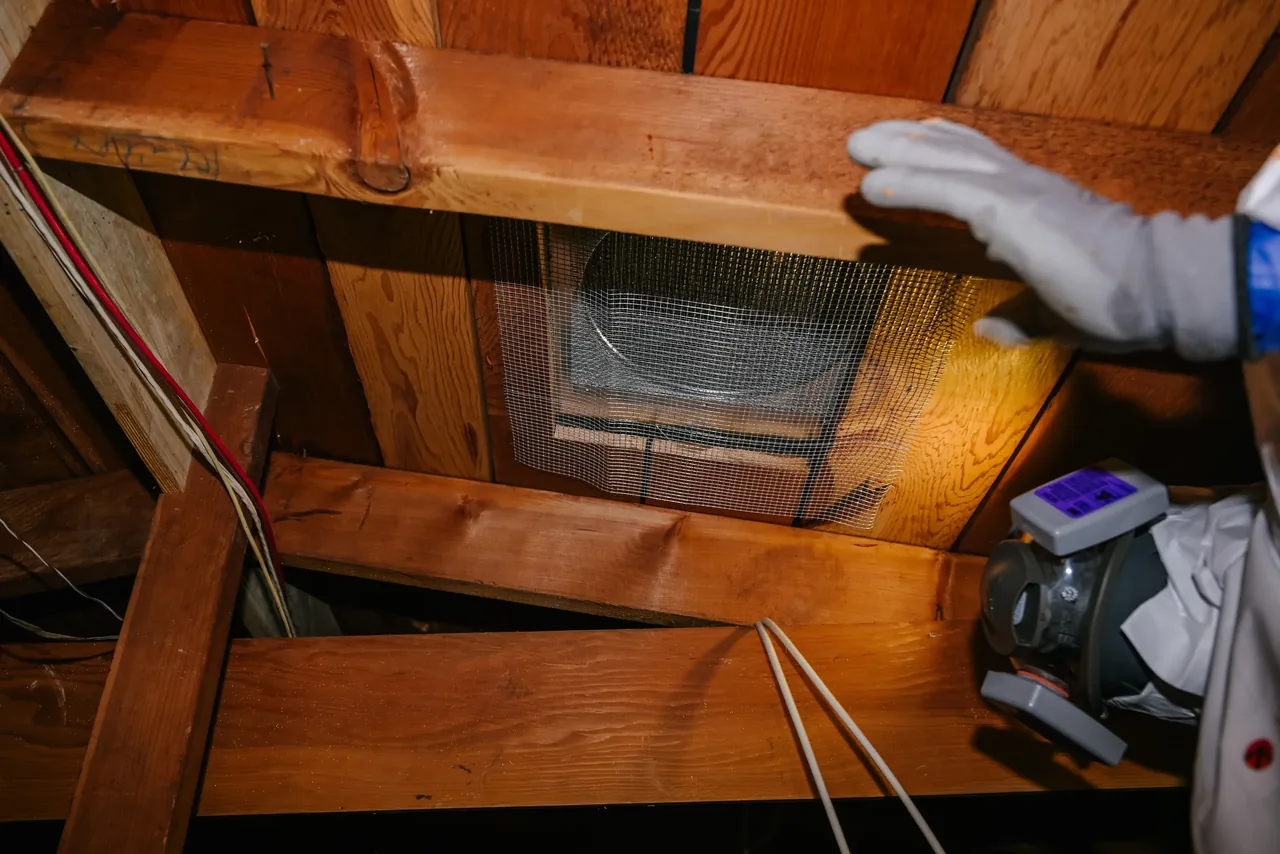
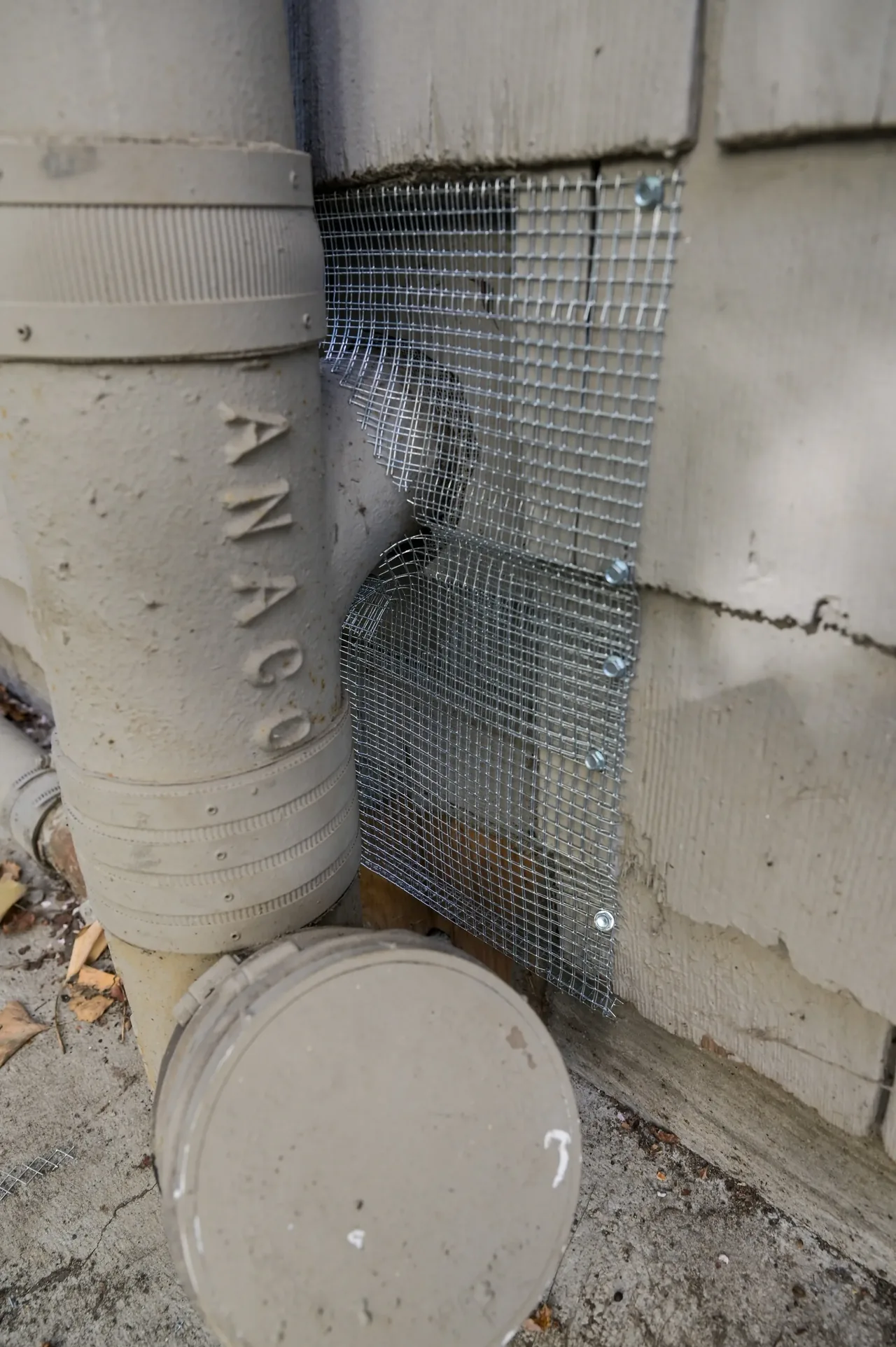
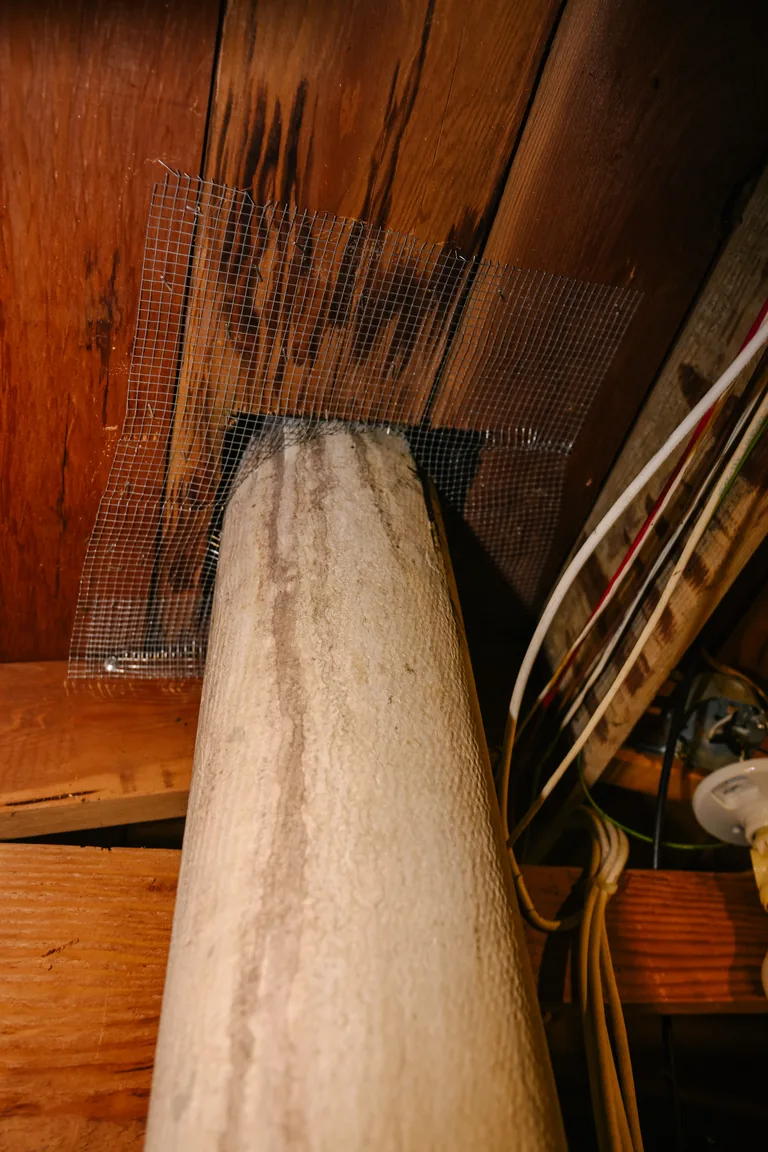
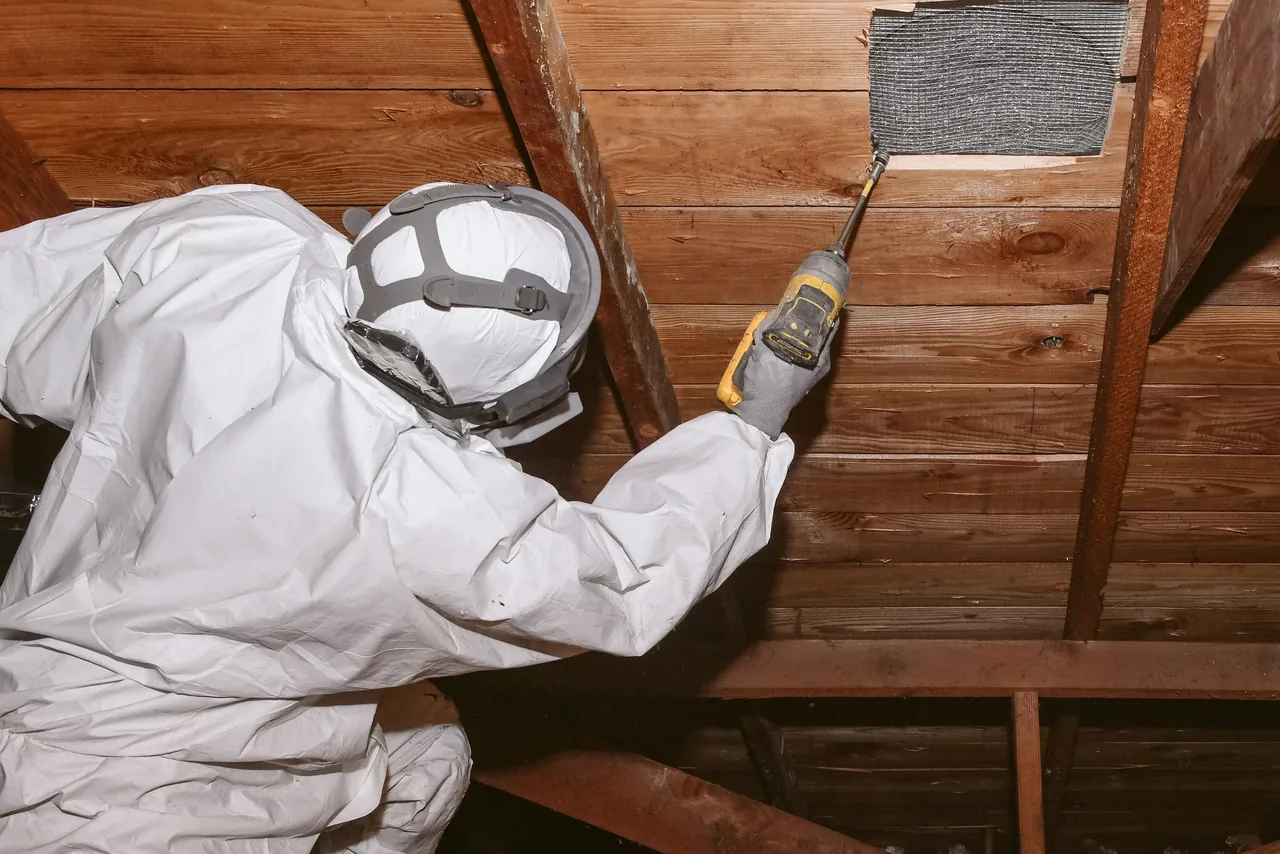
Sealing is central to mouse control because traps do not stop mice, rats, or rodents. Pest control services should perform a full inspection to identify entry points. Sealing entry points is crucial for preventing mice infestations. Mice squeeze through small spaces around foundations, pipes, vents, siding, garages, and roofs. Mice can squeeze through openings the size of a dime. House mice may use one-quarter-inch openings, so Alley Cat examines smaller gaps too.
Alley Cat uses six practical ways to block mice and rodents:
Prevention inside the home matters. Food storage in airtight containers prevents attracting mice. Store food in glass or metal containers with tight lids. Clean up crumbs and food particles to deter mice. Keeping outdoor debris cleared reduces nesting sites for mice. Inspect your home for potential rodent entry points regularly. Some advice says, Seal gaps larger than a pen cap with cement. Cement is wrong for some joints; use metal, mortar, flashing, or sealant. Ultrasonic repellents are generally ineffective for mice control. Good housekeeping strengthens these steps.
These techniques protect the home better than foam, which may not hold over time. Alley Cat’s 13,000+ clients and 97% rating reflect diagnosis, removal of mice and rodents, and structural work.
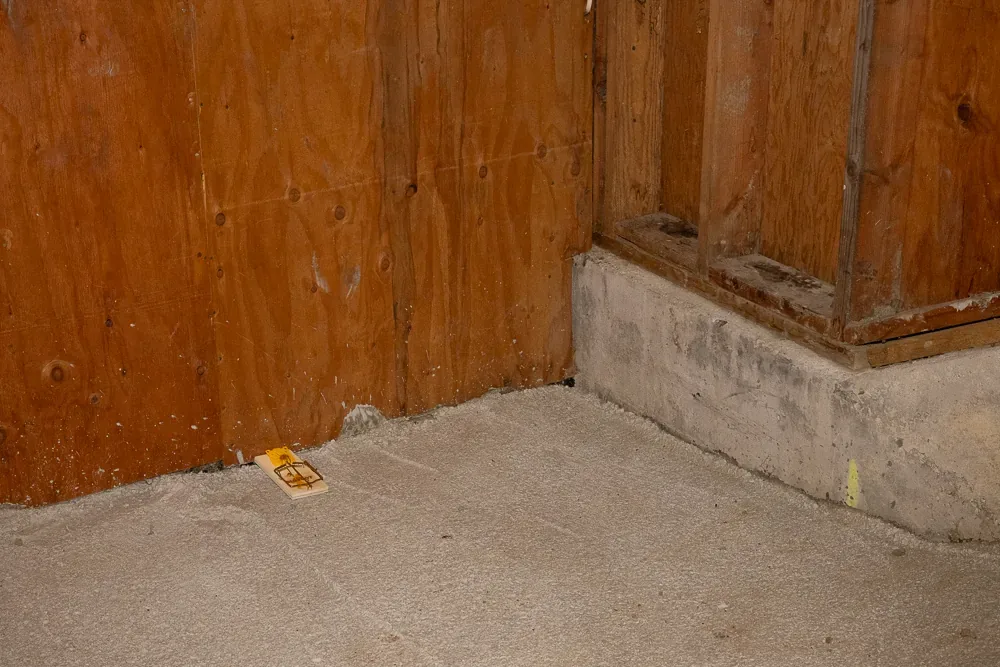
Step 06 · Trap
Using traps is an effective method for rodent control. Alley Cat places mouse traps along walls, behind objects, near attics, and on verified paths. Traps must be set correctly; one in open space is rarely effective. We check captures, monitor signs, and move traps when mice, rats, or rodents change routes.
Snap traps can kill mice quickly. A trap may kill one mouse, but it does not seal the home. We use bait strategically; loose bait or an unprotected bait station is not better. Use of poison can pose risks to pets and children. Poison may kill mice or rats in voids and expose wild animals. Professional pest control placement must protect non-target animals.
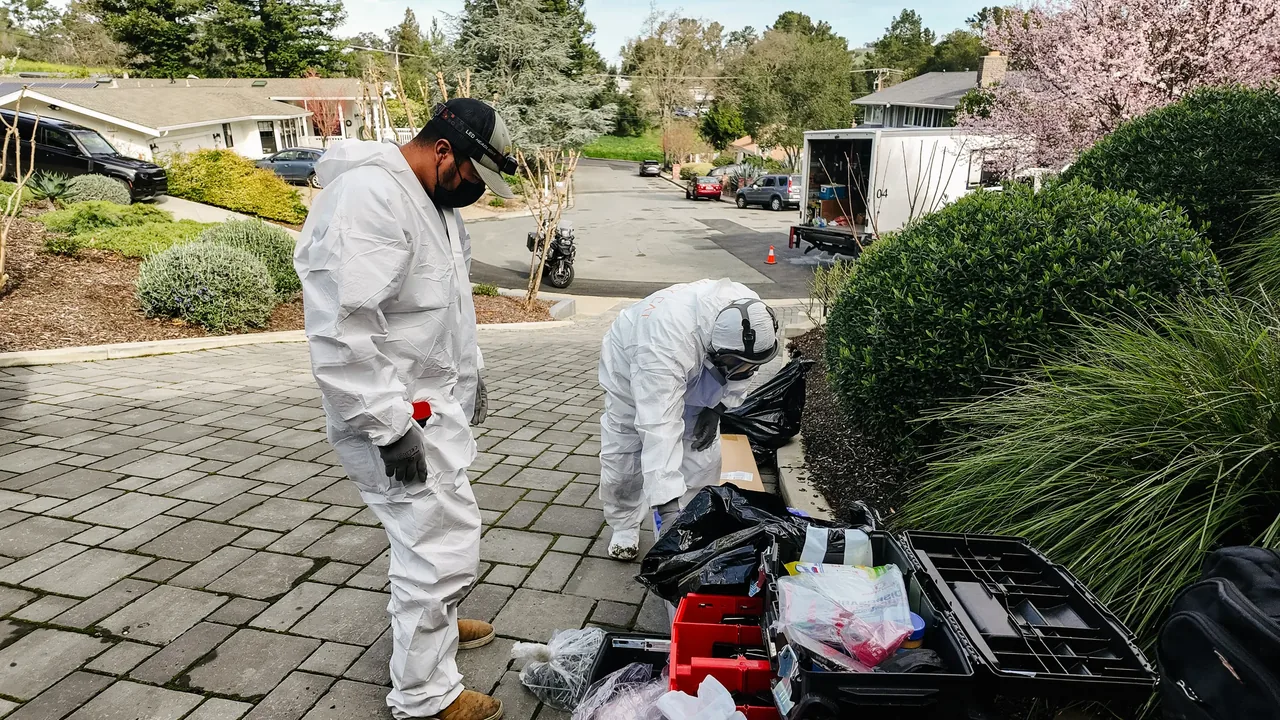
Step 07 · Haul
Alley Cat removes traps, captured mice, rats, rodents, nesting, and waste from attics, crawl spaces, garages, and the home. We check entry points and review keeping food secure to ensure the home is ready.
The infestation is not resolved when one mouse is gone. Good follow-up evidence should show activity from mice and rodents declining over time, helping prevent a small nuisance from becoming another rodent infestation.
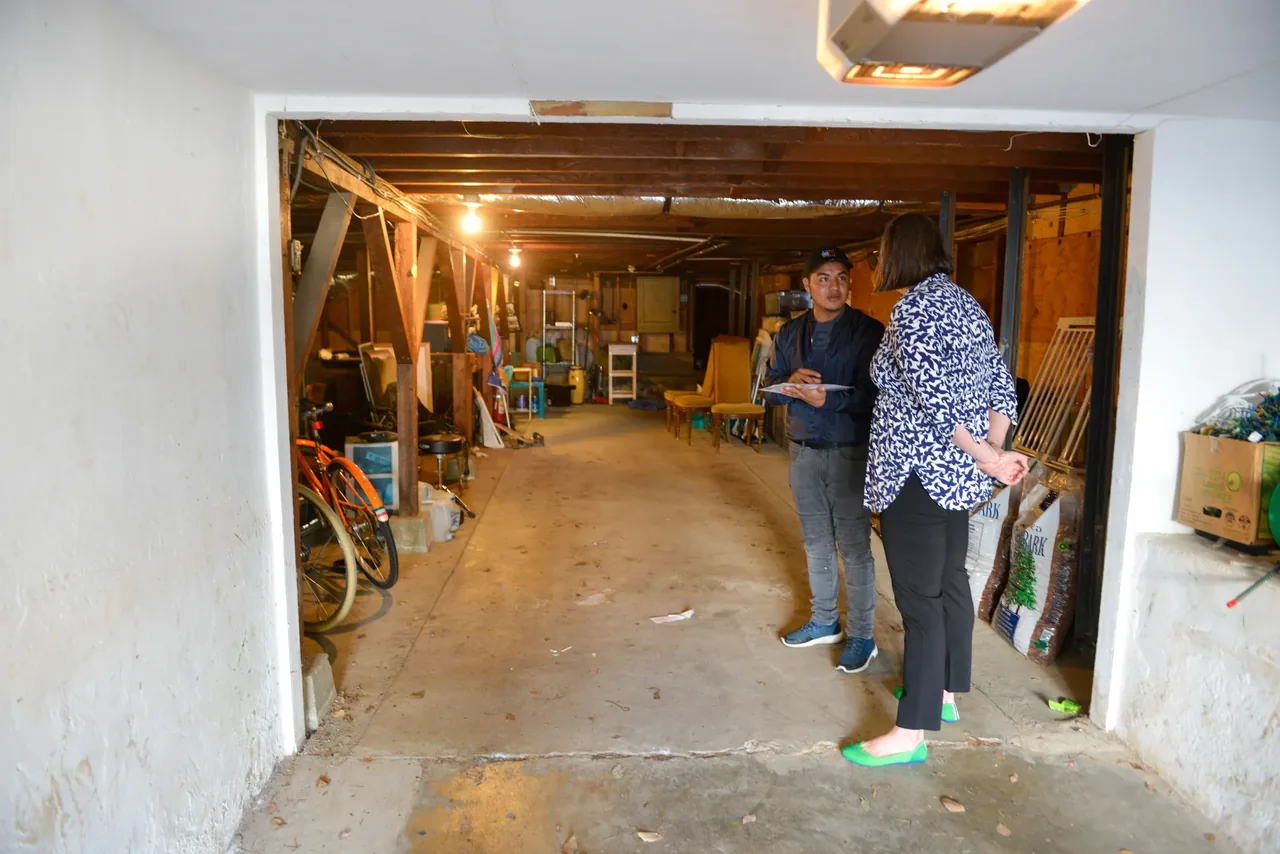
Step 08 · Service
Our customer service professionals help homeowners learn the findings, schedule visits, prepare the home, and read the estimate. In Oakland, Oakland CA, Berkeley, San Mateo, Napa, or Petaluma, our experts provide time for questions.
Alley Cat’s rodent experts explain rodent control treatments and remaining proofing. We explain each charge and do not recommend work that does not fit the house.
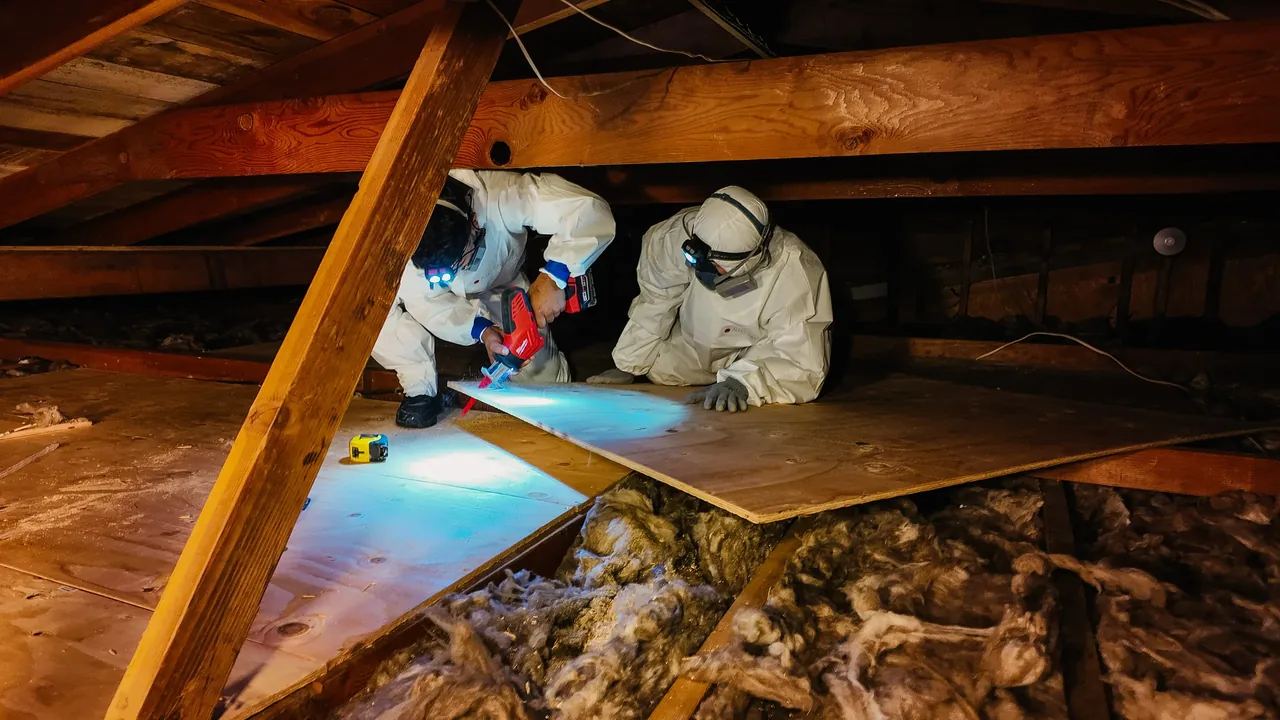
A few signs can indicate a larger mouse infestation or rodent infestation in walls, attics, a garage, or crawl space. Waiting gives mice, rats, and rodents time to reproduce, spread contamination, and enlarge holes. Schedule Alley Cat for mouse control, cleanup, removal, sealing, and exclusion that addresses mice and rodents in the home.
Removal, proofing, cleanup, and practical protection.
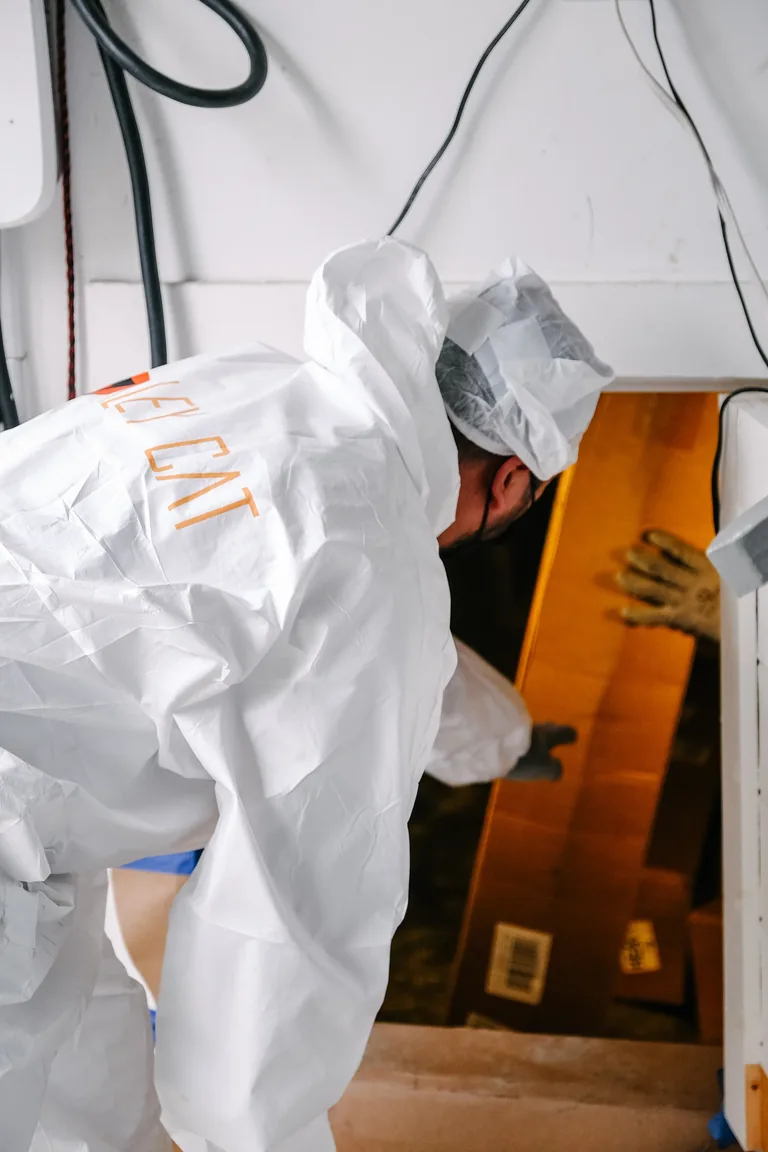
Built for real Bay Area mouse issues.
We focus on closing home access that lets mice, rats, and rodents return, not only setting traps.
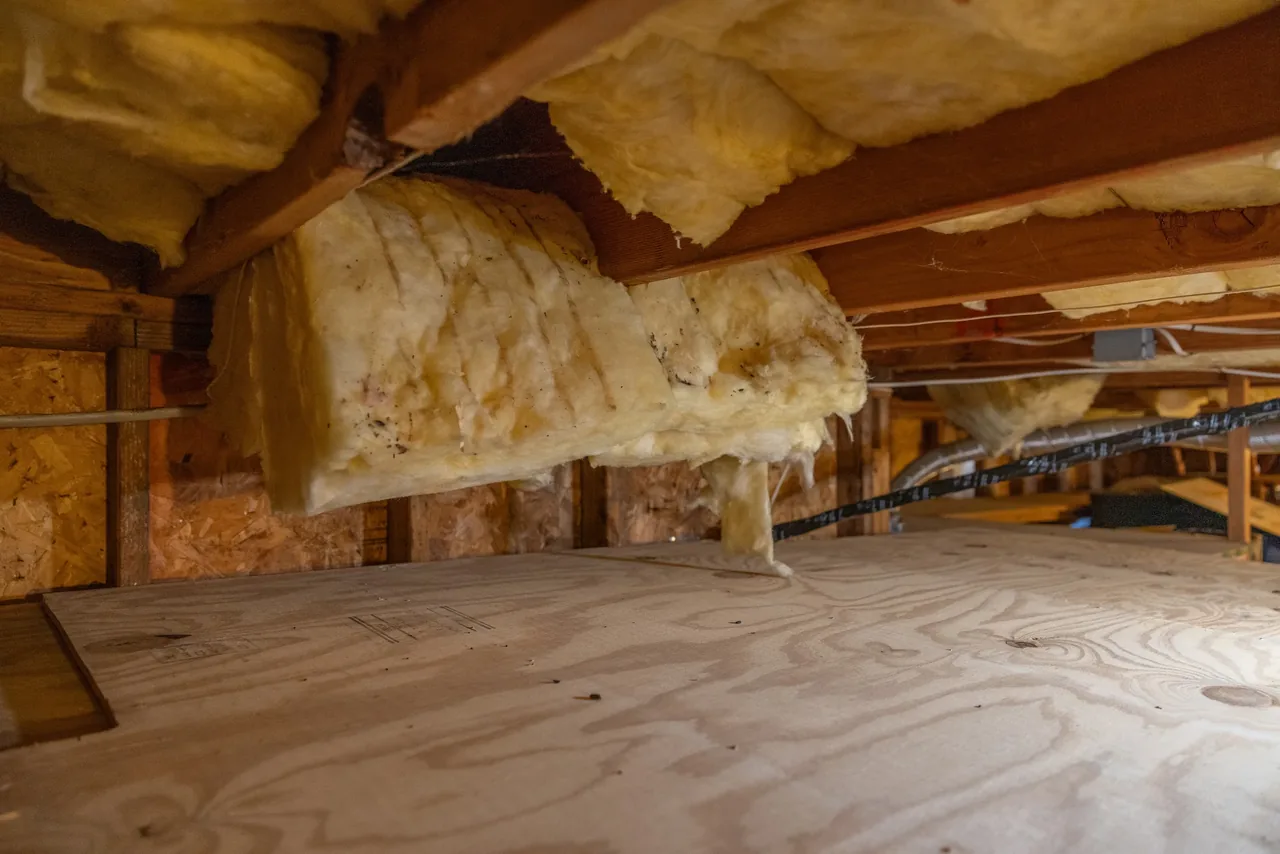
We assess nesting, insulation, mice droppings, urine, and disease risk before cleanup.
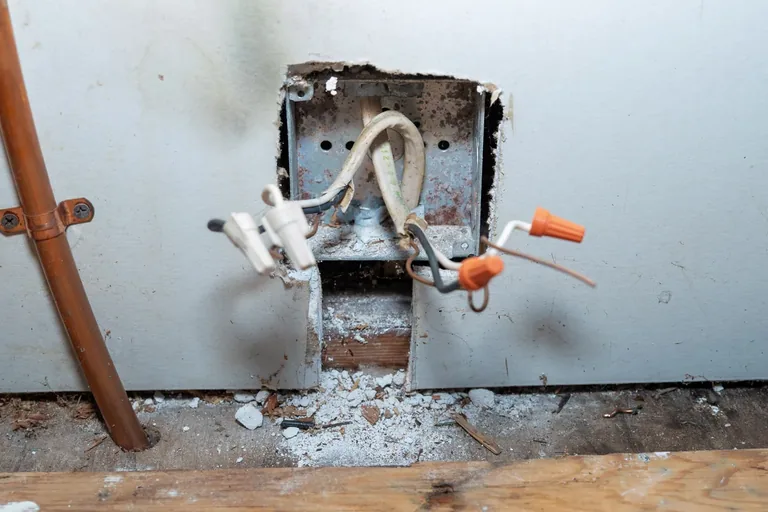
You receive findings, solutions for the home structure, schedule details, and clear cost context.
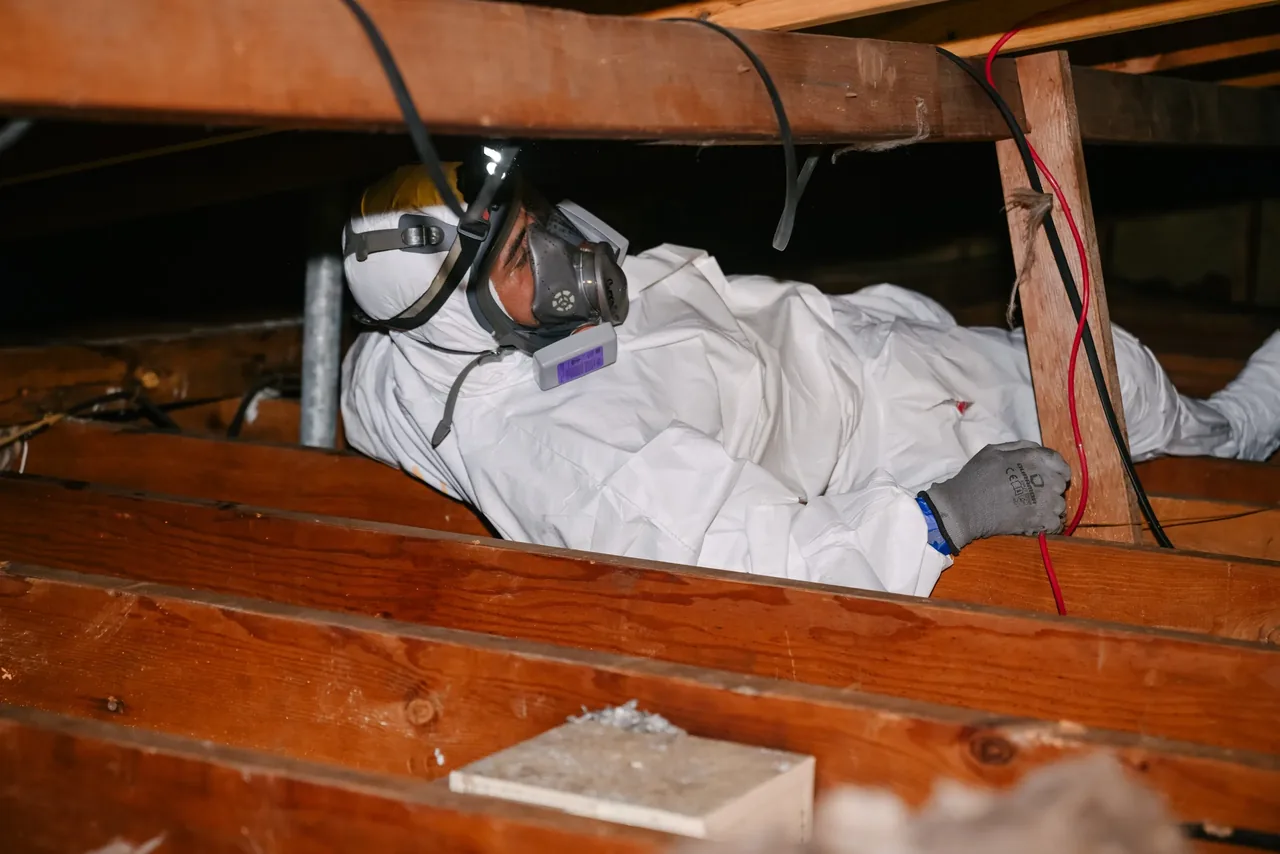
A recurring mouse problem is a home access problem. The key is connecting two things: mice inside and rodents outside. Alley Cat’s mouse control process follows the full chain:
Use this page to learn why diagnosis, removal, sealing, and follow-up are good ways of keeping mice and rodents out of homes in San Francisco, Berkeley, Oakland, Oakland CA, Hayward, Fremont, San Mateo, Napa, and Petaluma.
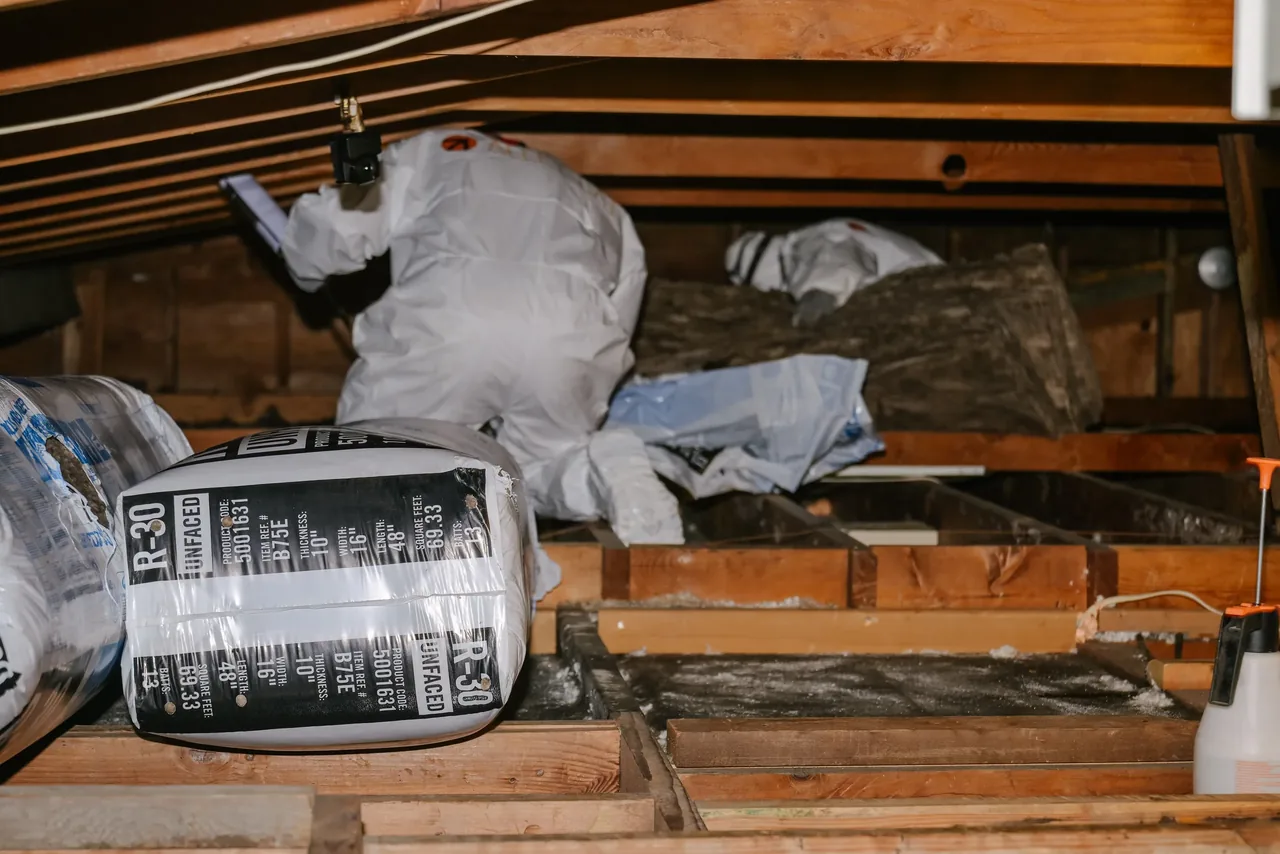


Yes, hiring an exterminator is worth it when mice return, signs appear in several areas, or the entry route is unclear. A pest control professional can inspect hidden space, distinguish house mice from rats, squirrels, insects, or other pests, set mouse traps, and recommend exclusion solutions.
Professional help is also a good choice when children, pets, tenants, or vulnerable people could contact droppings, urine, poison, bait, or dead animals. Professional services should offer rodent proofing and exclusion. Ask professionals how traps will be checked, monitored, and matched to the infestation.
The 5 day rule for mice is an informal rule, not proof that a home is clear. It commonly means checking or moving traps after five days without captures or fresh signs. That fact is only a rule of thumb; mice and rodents may remain hidden.
Continue monitoring for mice droppings, scratching, gnawing, or disturbed bait. Signs of mice include noises like scratching in walls. If signs return within weeks, mice are entering or the mouse infestation remains active. Ensure openings are sealed before removing traps.
The best ways to get rid of mice for the long term combine removal, sanitation, proofing, and exclusion. No responsible company should promise that wild rodents never approach a home, but these things reduce repeat entry while keeping the home protected:
Mice can reproduce every four to six weeks with up to 12 pups. This broad range explains why quick action is effective and why a small mouse issue can expand as rodents reproduce within one year.
The average cost to get rid of mice depends on infestation size, home size, access, visits, cleanup, and repair. Fixr’s 2025 national guide lists a $450-$600 average range, an average of $525, and a $250 low end for a consultation, traps, and sealant. Those figures are not an Alley Cat quote and may not reflect Bay Area labor or full exclusion.
For Oakland CA and other Bay Area homes, the estimate should reflect mouse traps, bait, sanitation, insulation removal, sealing, or broader rodent control. A low price to kill mice with poison is not the same service as diagnosis, cleanup, and home protection.

Need help in Oakland CA or Oakland? Schedule a mouse exterminator inspection for mice findings, mouse traps, cleanup, removal, sealing, and protection.
Trusted Oakland CA Mouse Experience
Alley Cat helps solve rodent problems in Oakland. From Oakland hills homes to Oakland flatland duplexes, our experts and professionals use CDR findings, mouse traps, cleanup, proofing, and exclusion. More than 13,000 satisfied clients and a 97% customer satisfaction rating support our service across Oakland, Oakland CA, and the Bay Area.
★★★★★
Greg Verified Trustpilot review
1,240 reviews
649 reviews
279 surveys
374 reviews