
Bay Area Humane Rodent Control
Humane Rodent Control for Bay Area Homes
Remove rodents responsibly. Prevent the next infestation.
-
 4.9 / 5
1,240 reviews -
 4.7 / 5
649 reviews -
 4.9 / 5
374 reviews -
 4.7 / 5
279 surveys -
 Accredited
A+ BBB rating
Humane Rodent Control and Humane Methods That Solve the Real Problem
Humane rodent control is rodent control that removes rats and mice while reducing unnecessary suffering and correcting how rodents entered. Alley Cat combines humane methods, inspection, targeted traps, cleanup, exclusion, and prevention. Humane rodent control avoids causing unnecessary suffering to animals. The goal is to stop the cycle in attics, crawl spaces, garages, kitchens, basements, and walls.

A Safer Way to Protect Wild Animals, Other Animals, and the Environment
A humane approach protects the home, wild animals, other animals, wildlife, and the shared environment. Rodenticides can cause significant suffering and are dangerous to pets. Avoiding rodenticides prevents harm to wildlife and pets. Rodenticides can cause internal bleeding in pets and wildlife. Rodenticides kill rodents slowly, causing significant suffering. Anticoagulant poisons can expose predators that consume poisoned animals.
Homeowners gain:
- Lower exposure risk: Fewer poisons near children, dogs, cats, wildlife, and companion animals.
- Fewer carcasses: Targeted trapping lowers hidden death and odor risk when rats remain inside walls.
- Cleaner conditions: Droppings, urine, nests, insulation, and food are addressed.
- Long-term control: Exclusion corrects access instead of repeating treatment.
Natural predators like owls help control rodent populations in urban settings. Owls, coyotes, and cats may help, but these animals cannot replace exclusion; non target species may encounter poisons through prey. California restricts many anticoagulant uses because of wildlife risk.
Our Humane Rodent Process for Rodent Infestations
This service works best when removal, cleanup, and prevention operate together. Our process identifies rodent infestations, selects a controlled method, and reduces the food, water, cover, and openings that sustain a population:
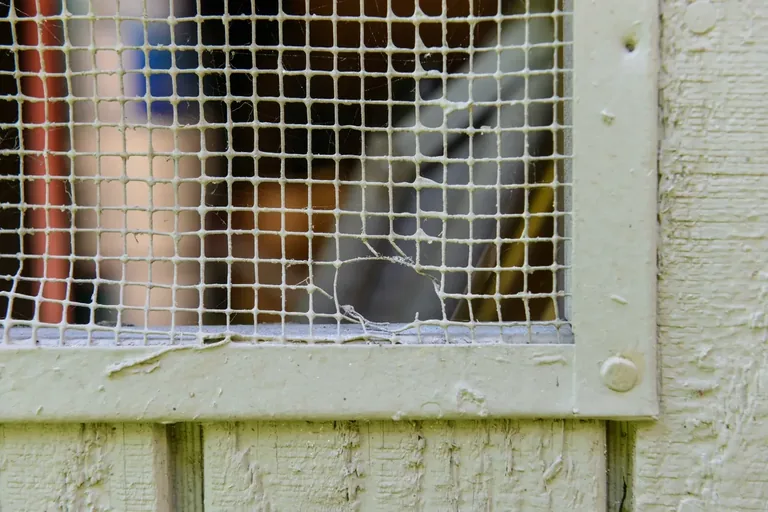
Step 01 · Inspect
Find Every Entry Point
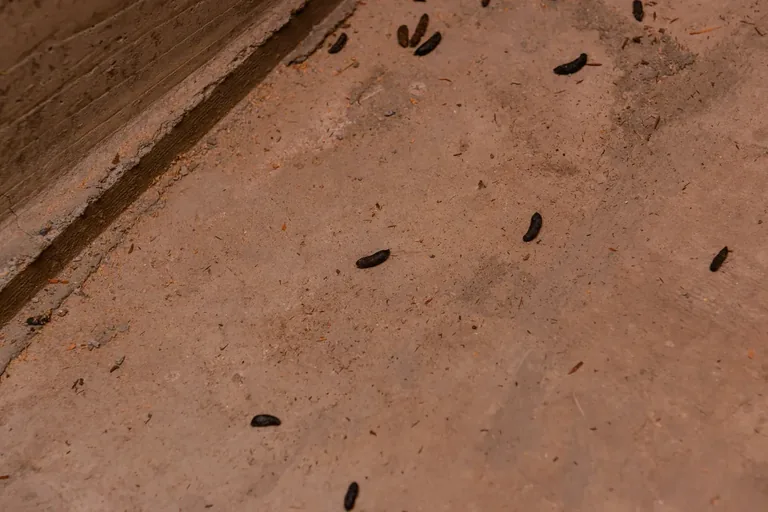
Our free inspection checks attics, crawl spaces, garages, foundations, rooflines, vents, doors, cabinets, and water pipes for rats, mice, nests, burrows, rub marks, gnawing, urine, and damage. Monitoring rodent activity with droppings and burrows helps target pest control efforts.
Mice are nocturnal and most active at night. Mice can squeeze through holes as small as 6mm. Rats are naturally suspicious of new foods, known as neophobia. Rats typically stay within 300 feet of their burrow. That distance varies; UC reports Norway rat foraging of about 100 to 500 feet. Rats can recognize their names and learn tricks. For these animals, “recognize” means learned cue association, not human-like self-concept.
- Identifies roof rats, Norway rats, mice, or mixed activity
- Locates each entry point and high-use route
- Avoids poorly placed traps, poisons, and repairs
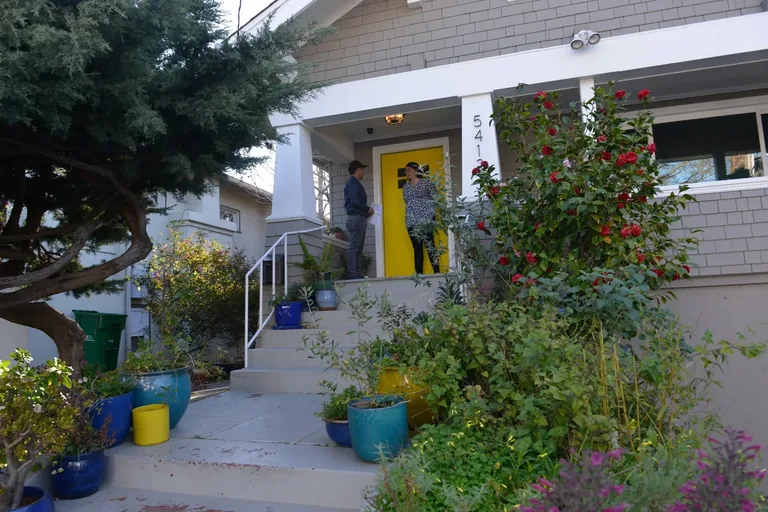
Step 02 · Diagnose
Diagnostic Report & Estimate
Alley Cat prepares a Comprehensive Diagnostic Report, or CDR, mapping activity, contamination, structural vulnerabilities, and recommended work. It shows where rodents entered, which entry point needs sealing, where traps belong, and whether cleanup is warranted. The report separates immediate population reduction from durable exclusion.
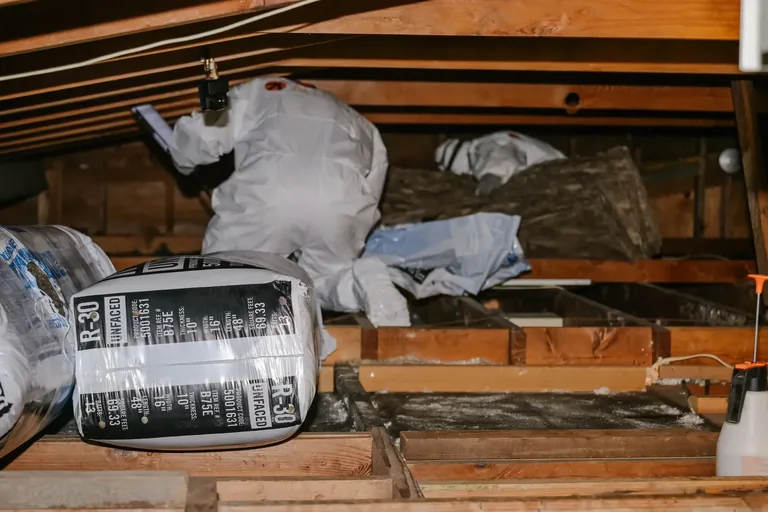
Step 03 · Clean
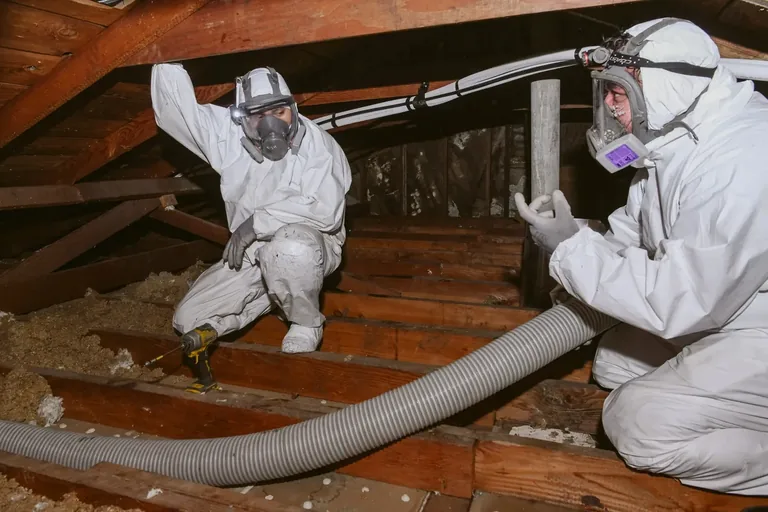
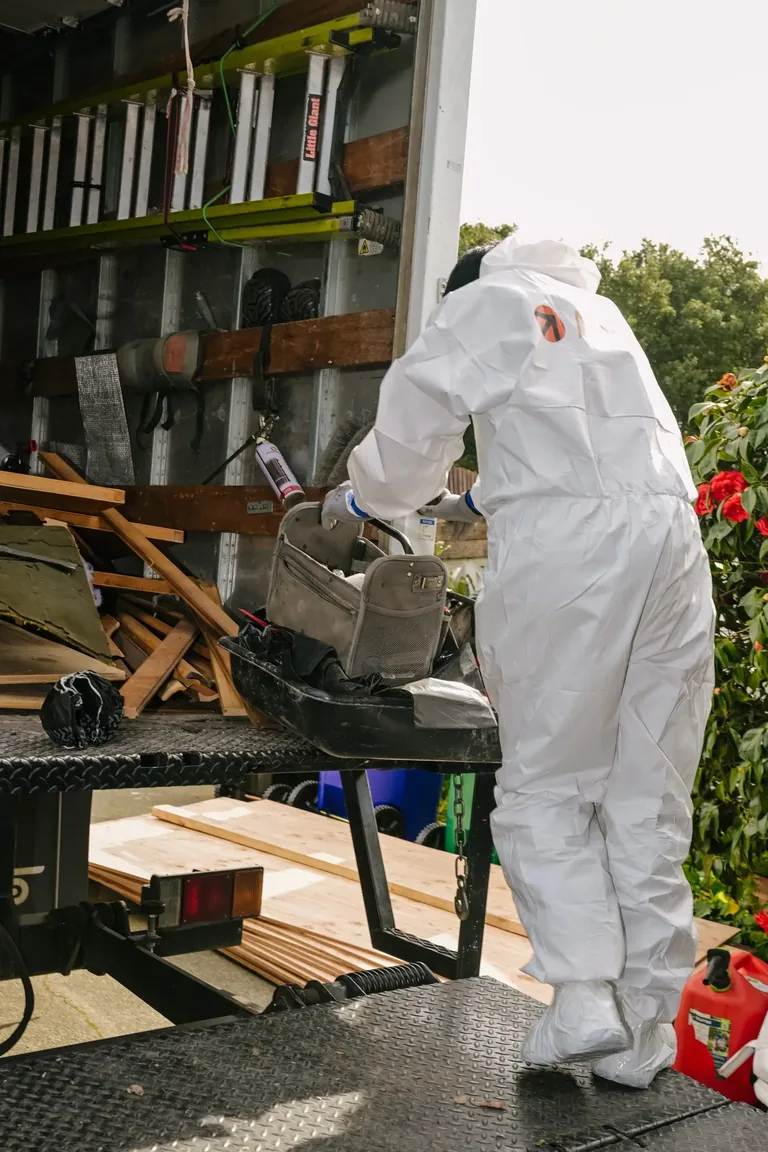
Cleanup & Removal
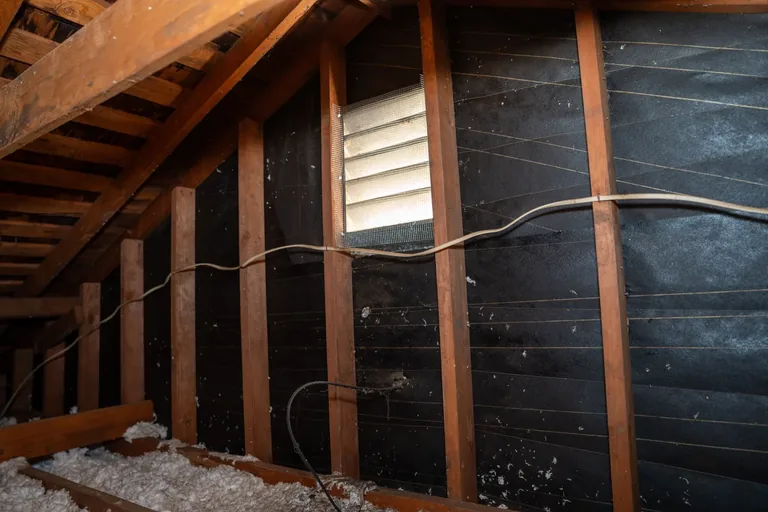
Humane control includes removing materials that keep a rodent problem active. Our specialists may remove droppings, urine-soaked nesting, carcasses, contaminated insulation, food caches, damaged vapor barriers, or accessible duct debris. Decomposing rodents release allergens and odors for weeks. The exact duration varies with temperature, moisture, carcass location, and airflow, but prompt removal helps reduce odor and contamination.
- Contaminated debrisRodent nests, faeces, crumbs, paper, cardboard, and damaged insulation
- Odor sourcesAccessible dead rodents and urine-affected materials
- Damaged componentsApproved duct, vapor-barrier, or storage materials requiring haul-away
Once affected materials are cleared, the space is ready for sanitation, decontamination, and structural prevention.
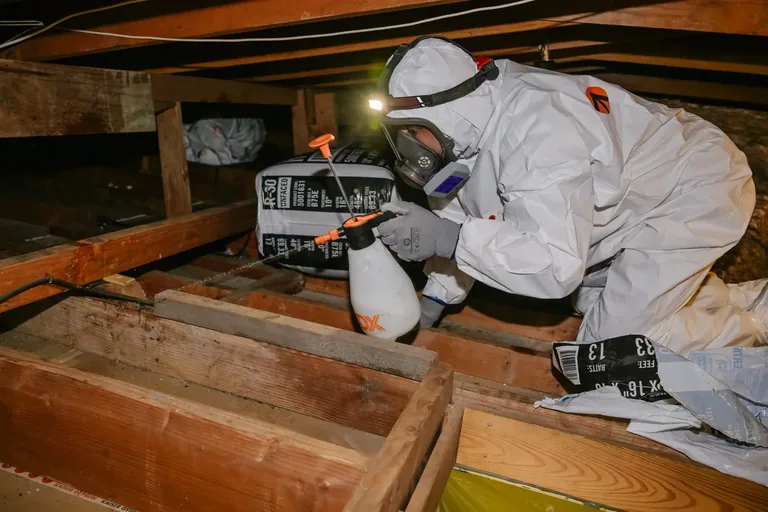
Step 04 · Sanitize
Sanitize & Decontaminate
Alley Cat sanitizes affected surfaces after removal using products and application methods appropriate to the area. Proper sanitation involves securing food sources and maintaining clean environments. Remove food sources to deter rodents from entering homes. Store pantry goods and pet food in thick plastic, metal, or glass containers, clean dishes and spills promptly, and secure garbage.
Sanitation reduces attractants but does not seal a building. Rodent urine, droppings, saliva, and nesting material may carry disease organisms or allergens, so homeowners should avoid sweeping or vacuuming dry contamination without appropriate precautions. CDC recommends wet-cleaning methods for rodent waste.
Step 05 · Seal
Seal, Reinforce, & Prevent
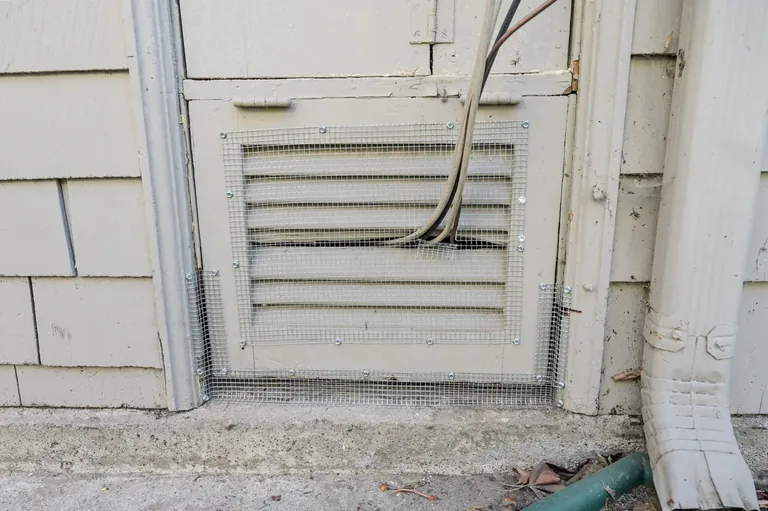
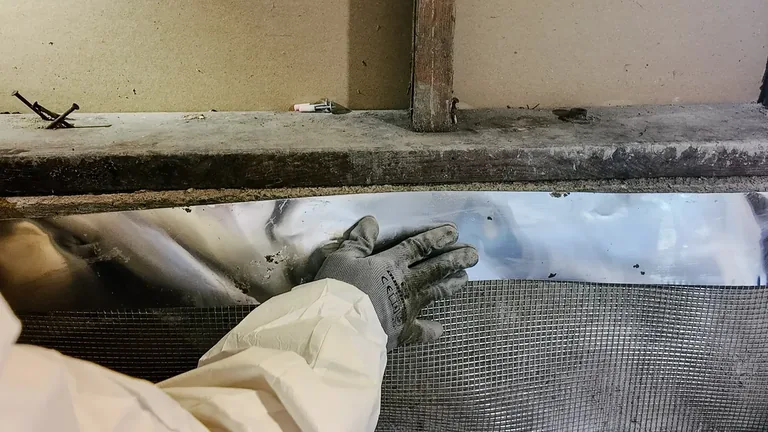
Exclusion is one of the most important long-term solutions in rodent management. Controlling rodent populations requires a proactive approach focusing on exclusion and habitat modification. Alley Cat closes routes between the exterior and interior using materials selected for the opening, building surface, and pressure from rats or mice.
- Metal barriersUsing heavy-duty materials like metal flashing or wire mesh prevents rodent access.
- Small-gap reinforcementUse steel wool to seal gaps as rodents cannot chew through it. That absolute depends on installation; we secure steel wool with caulk or pair it with hardware cloth, flashing, or concrete.
- Vent and roofline proofingScreen vents; reinforce eaves, soffits, fascia, roof returns, and gaps near trees.
- Foundation workRepair low openings, access doors, utility penetrations, and below-grade routes; trench where needed.
- Door and garage protectionCorrect worn sweeps, side gaps, thresholds, and chewable edges.
- Habitat changesEliminating yard clutter and tall vegetation reduces shelter for rodents. Move piles, trim plants, secure trash, and manage bird feeders and bird baths.
Rodents can fit through openings as small as a dime. Seal holes smaller than 6mm to prevent rodent entry. The second sentence is commonly repeated but imprecise: CDC states that mice can fit through a 6mm opening, so the safer instruction is to seal openings 6mm and larger, plus smaller cracks that rodents could enlarge. CDC recommends metal, hardware cloth, cement, or secured steel wool for appropriate gaps.
This work fits urban areas such as San Francisco, Oakland, Berkeley, and San Mateo as well as properties in Petaluma, Napa, Novato, Concord, Mountain View, Hayward, Fremont, Sonoma County, and Solano County. Alley Cat has served 13,000+ satisfied clients with a 97% customer satisfaction rating.
Step 06 · Trap Check
Humane Traps, Snap Traps, and Trap Checks
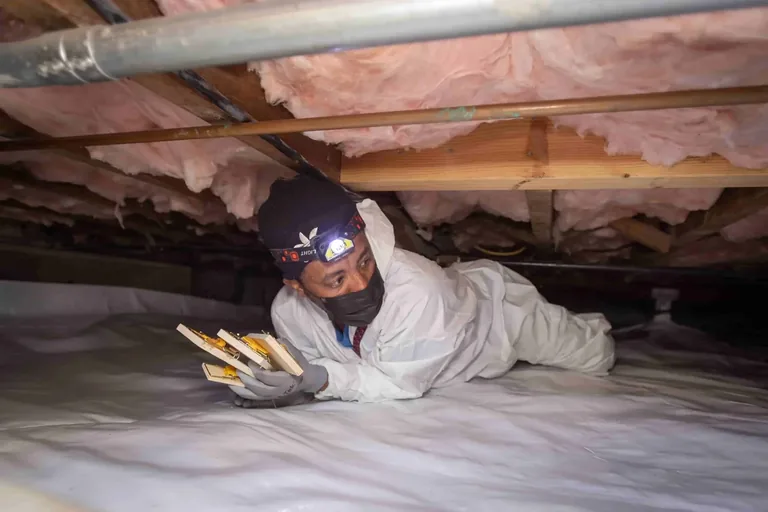
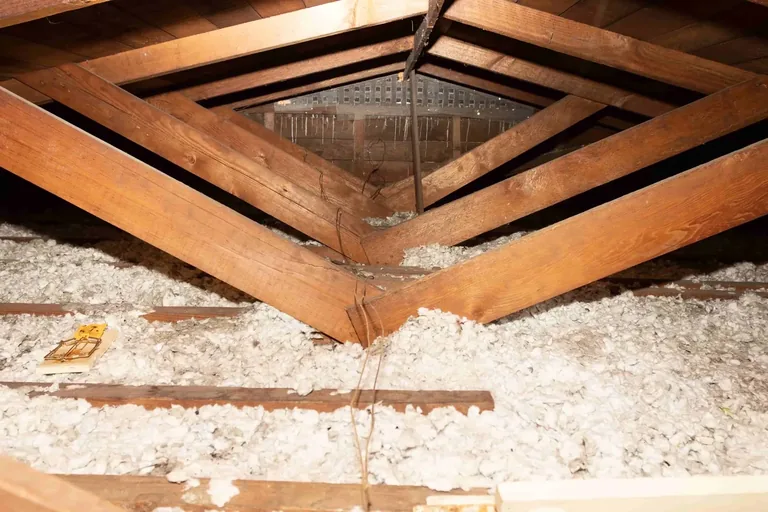
Alley Cat traps strategically so active rodents are not sealed inside. High-activity areas are ideal locations for setting traps. Humane traps use food bait like peanut butter to attract rodents. Snap traps can kill rodents instantly if high quality. “Instantly” is intended, not guaranteed; size, placement, and species matter. Keep traps away from children and pets.
Humane traps should be checked every 12 hours. Humane traps should be checked at least every 12 hours. Regularly check traps at least every 12 hours to prevent suffering. This is guidance, not California law; conditions may require faster checks. Visits remove caught rodents and adjust placement rather than leaving trapped animals unattended.
Step 07 · Wrap Up
Wrap Up & Haul Away
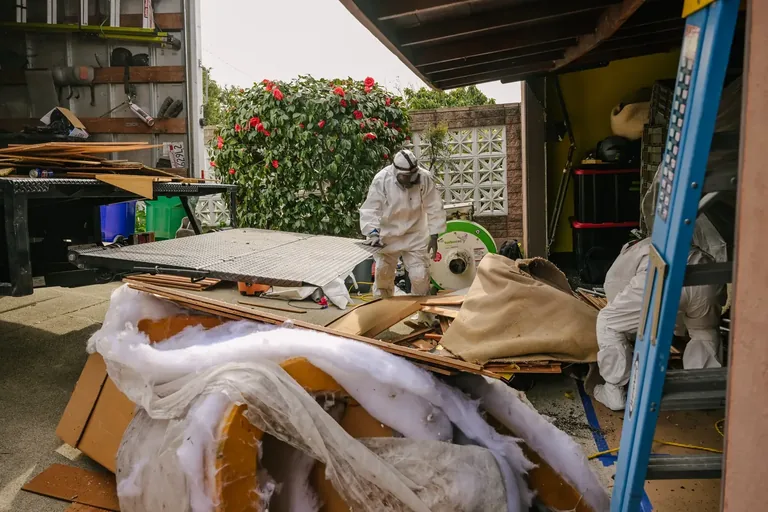
At completion, our team removes approved debris, trapping materials, nesting waste, and damaged project materials. Work areas are reviewed, accessible openings are checked, and homeowners receive practical advice on food storage, pet bowls, trash, vegetation, bird feeders, bird baths, sheds, and garage doors.
We also explain what to watch for: new droppings, gnaw marks, disturbed seals, odor, nighttime noise, or fresh burrows. A quiet week is encouraging, but decisions should follow evidence.
Step 08 · Support
Ongoing Customer Service
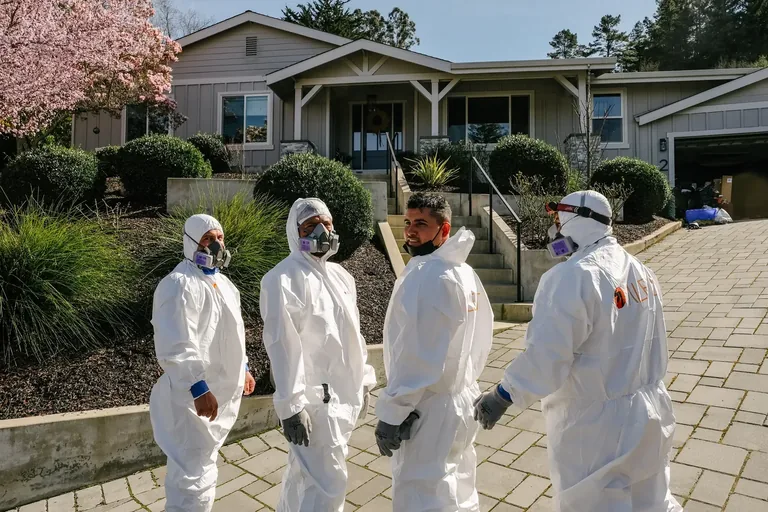
Our customer service team coordinates inspections, estimates, trap checks, cleanup, exclusion work, documentation, and follow-up visits. Homeowners get a responsive contact who explains each method and service stage.
Alley Cat stands apart from a generic pest business by connecting diagnosis to physical repairs. That continuity helps the client understand the root cause, the remaining risk, and the steps that can reduce future rodent activity.

Solve Your Rodent Problem Humanely
Scratching at night or cupboard droppings do not mean poisons or improvised lethal methods are the only choices. Alley Cat can inspect the property, remove active rodents, clean affected spaces, and reinforce the home. Professional pest control companies can assist with significant rodent infestations. Schedule a free inspection for a clear family plan to solve the rodent problem humanely.
Book Free Inspection
Benefits of Humane Rodent Control
Responsible removal with stronger long-term prevention.
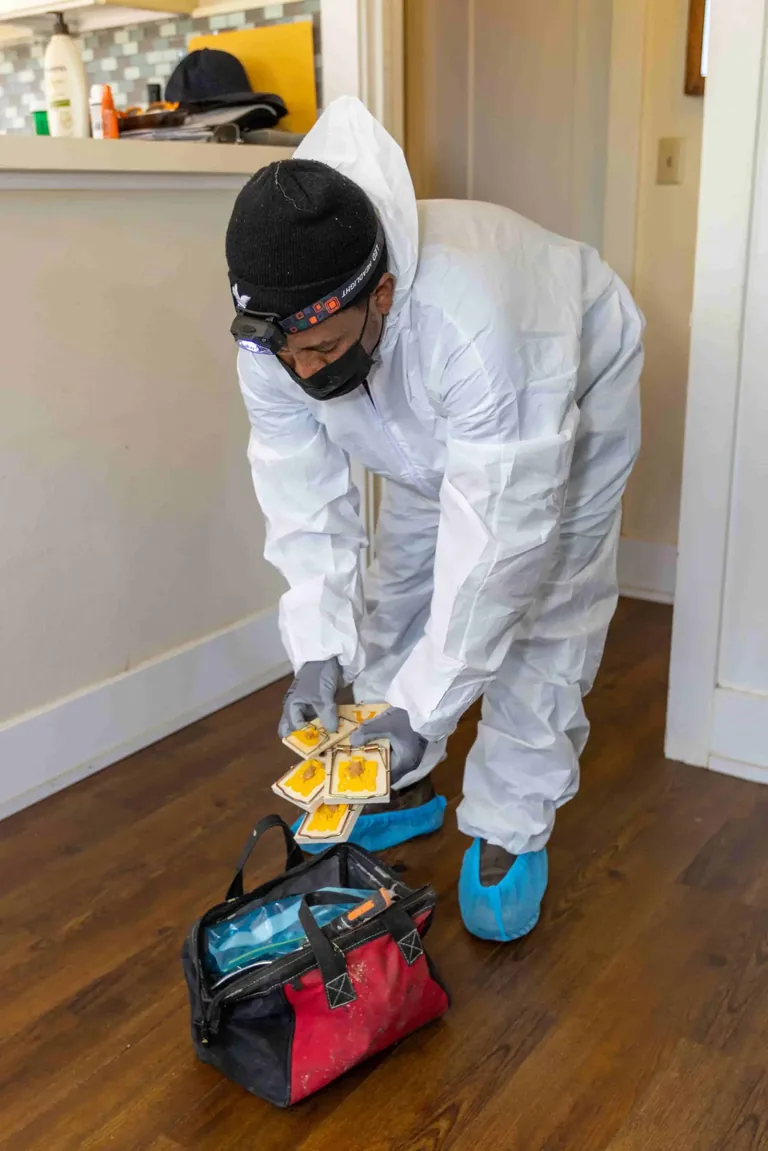
- Less poison riskReduces poisons around kids, pets, wildlife, humans, and shared Bay Area spaces.
- Fewer carcassesTargeted traps lower the chance rodents die behind walls.
- Source identificationInspection reveals entry points, nests, burrows, food, water, and shelter.
- Structural protectionExclusion protects wires, ducts, insulation, foundations, and stored property.
- Cleaner spacesCleanup removes droppings, urine, nesting debris, fur, and odor sources.
- Species-aware workRats and mice require different traps, placement, and sealing priorities.
- Long-term preventionDurable barriers reduce repeated population growth inside the house.
- Clear documentationThe CDR explains findings, scope, method, estimate, and follow-up.
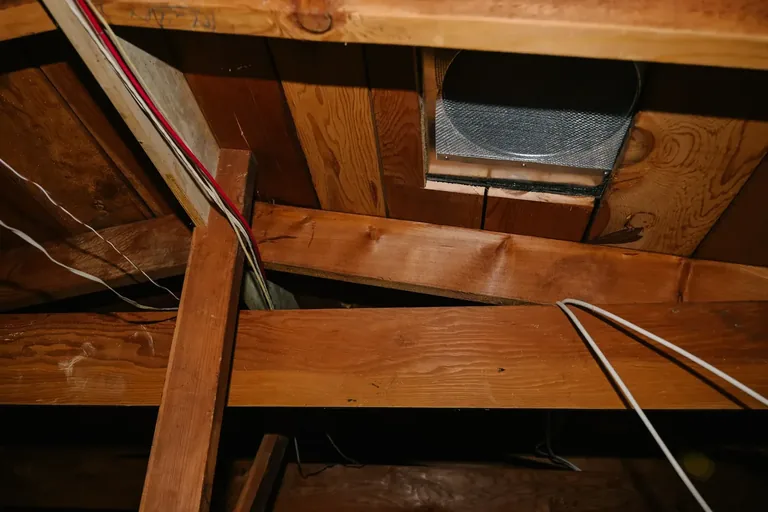
Prevention First
Our number-one advantage is exclusion: repair the building, modify habitat, and make the environment less supportive before relying on repeated population control.
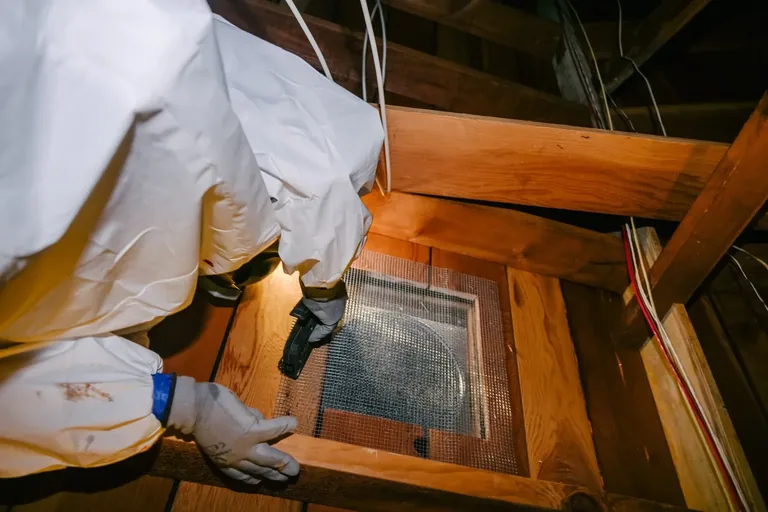
Targeted Methods
Alley Cat selects traps and repairs according to activity, species behavior, access limits, and safety around children, dogs, cats, rabbits, and companion animals.
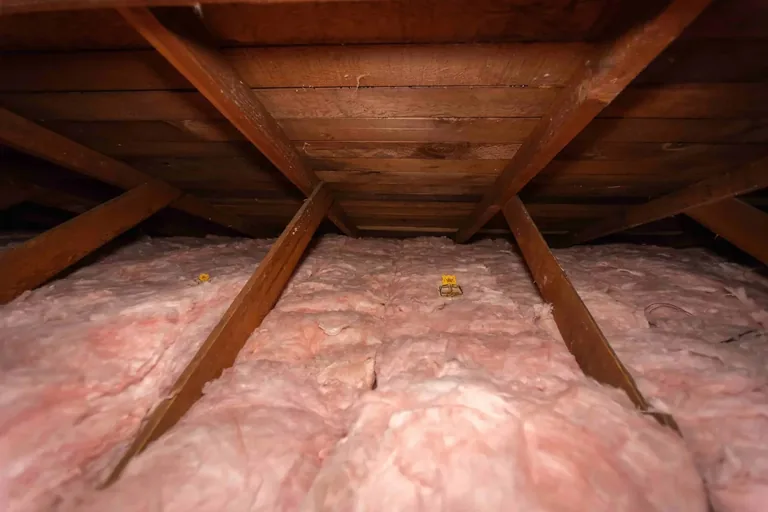
California Expertise
Bay Area buildings vary widely. Our California experience helps us address roof rats in attics, rodents near kitchens, and Norway rats around foundations without treating every house alike.

“Fernando from Alley Cat was very good. He explained everything he and his team were going to do and was very careful not to make a mess in our house. He checked in with us periodically to report on the progress. All of the team were good, professional workers.”
Elizabeth PhillipsVerified Trustpilot review
-
4.9 / 5
1,240 reviews -
4.7 / 5
649 reviews -
 4.7 / 5
279 surveys -
 4.9 / 5
374 reviews

Humane Rodent Control for Long-Term Protection
Humane rodent control combines responsible removal with structural work that lowers repeat activity. It gives homeowners a humane alternative to temporary baiting while still taking rats, mice, damage, contamination, and health seriously. Integrated Pest Management (IPM) focuses on preventing rodent issues rather than eliminating all rodents. In practice, effective control manages the population threatening the building while reducing food, water, shelter, and access in the surrounding environment.
- Inspect activity, contamination, and every entry point
- Remove rodents with targeted, monitored traps
- Seal and reinforce the structure against return
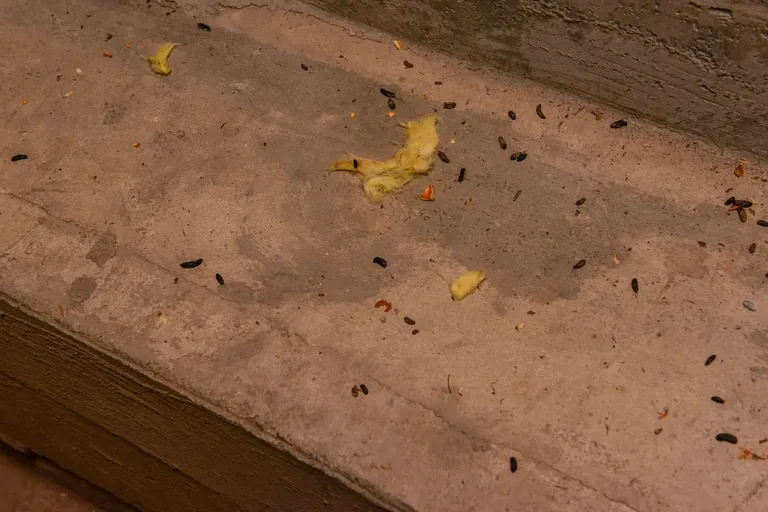
Why Is Humane Rodent Control Important?
Humane rodent control balances animal welfare, family safety, property protection, and wildlife risk. It aims to stop indoor conflict without causing unnecessary suffering or pretending every animal in the wider environment can be eradicated.
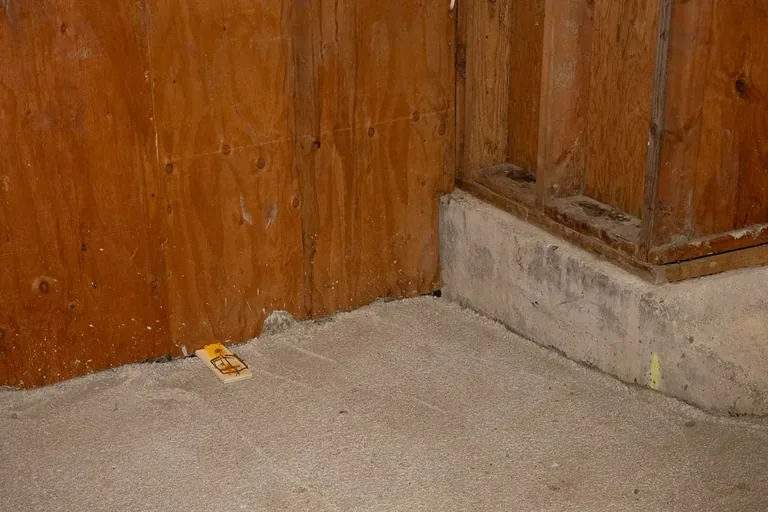
Why Alley Cat Avoids Glue Traps
When dealing with indoor rodents, Alley Cat does not present glue traps as humane traps. Glue traps may not quickly kill; glue boards and sticky boards can hold rodents by fur or limbs, causing stress, dehydration, injury, suffocation, or a painful death. They may catch squirrels, rabbits, dogs, other pets, wildlife, and other animals. Any method that can kill animals or restrain caught animals should minimize suffering, escape risk, and harm to non target species.
Glue traps are illegal for public use in England from July 2024. England’s rule took effect July 31, 2024, making unlicensed setting a criminal offence except under narrow professional licenses. It does not make glue traps universally illegal in California. The federal animal welfare act covers certain regulated activities; it is not a household rodent-control code and includes statutory exclusions.
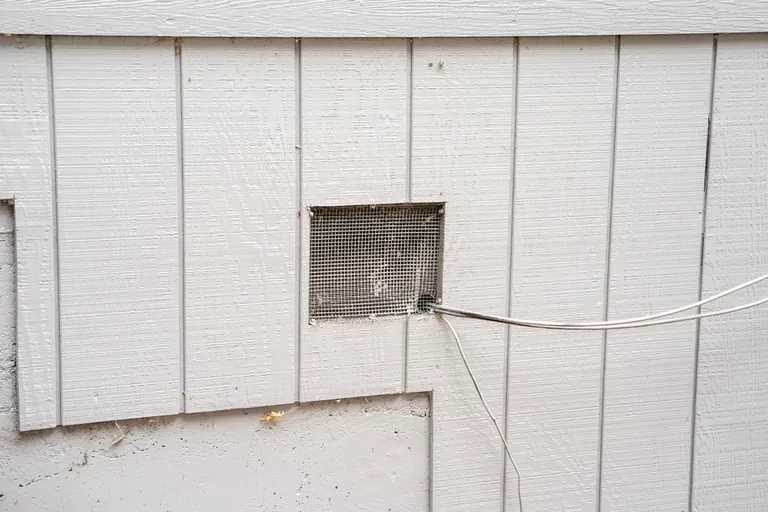
Whole-Home Diagnosis
A durable plan connects attics, crawl spaces, garages, kitchens, rooflines, foundations, yards, and neighboring pressure. It also separates non toxic prevention from poisons and explains when a legally permitted control method may still create risk for animals, humans, or wildlife.
FAQ’s: Humane Rodent Control

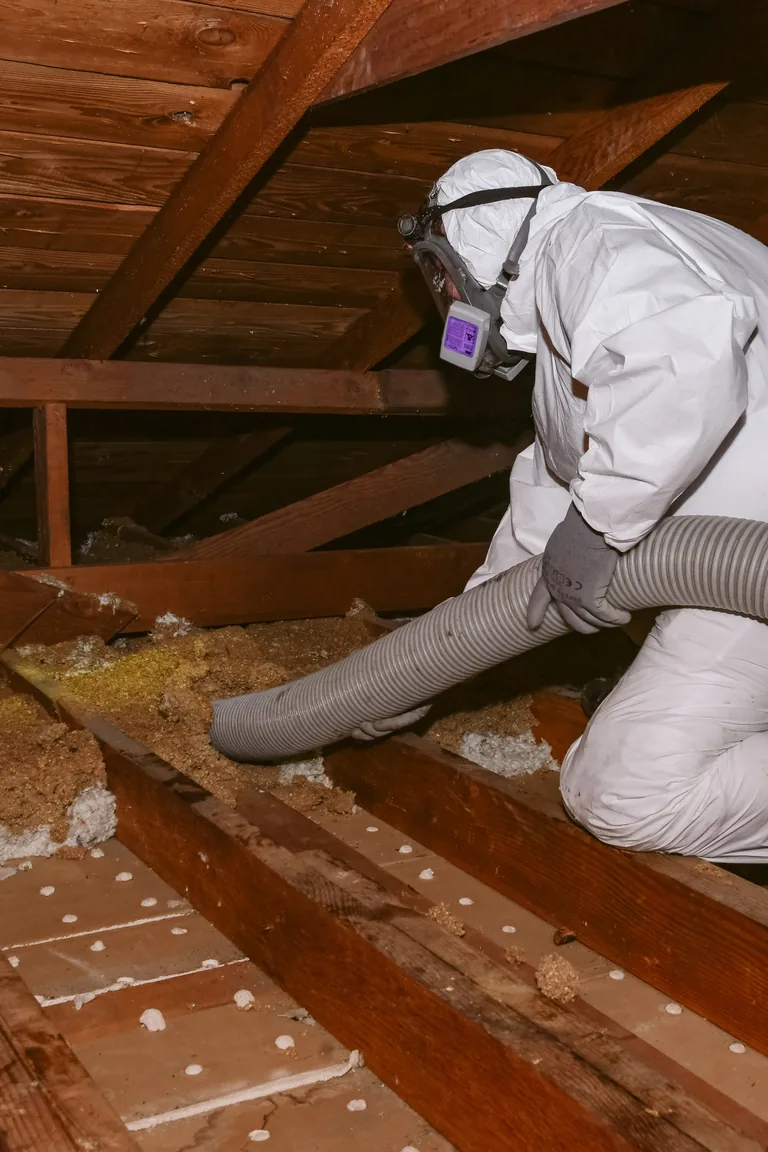
What is the most humane rodent control?
When dealing with an indoor infestation, the most responsible answer is prevention-first exclusion combined with targeted, frequently monitored trapping for rodents already indoors. These humane ways reduce repeat entry and avoid leaving caught animals stuck or poisoned inside hidden spaces.
A responsible plan includes inspection, sanitation, habitat modification, durable sealing, and trap checks. Live trapping is a recommended humane method for rodent control. Live traps capture rodents without causing injury. Those statements describe the intent of cage traps, not a guaranteed outcome. CDC advises against live traps in homes because frightened rodents may urinate, while California generally prohibits relocating live wildlife, including house mice, off the capture property without a permit. Handling live animals therefore creates disease, legal, release, and welfare questions.
How to get rid of rodents humanely?
To get rid of rodents humanely, identify how they entered, reduce attractants, seal the structure, and use monitored traps for animals already inside. Do not release captured rodents casually into a new environment. Releasing captured rodents nearby often leads to their return. Relocated rodents may fail to survive because of territorial conflict, weather, predators, or lack of shelter.
Use these steps:
- Remove accessible food, water, crumbs, garbage, and nesting piles.
- Seal cracks, doors, vents, roofs, foundations, and openings near pipes.
- Place appropriate traps along confirmed travel routes and check them promptly.
- Clean urine, droppings, and nests using safe procedures.
- Continue monitoring until fresh signs stop.
What is the best humane rodent deterrent? Does peppermint oil work?
The best humane rodent deterrent is physical exclusion plus sanitation, not scent alone. Peppermint oil can deter rodents due to its strong smell. It may offer a temporary sensory effect, but it is not an effective deterrent once mice or rats have reliable food, shelter, and an open route indoors.
Online suggestions may tell homeowners to fill a spray bottle, soak rags with peppermint oil or eucalyptus oil, or place cayenne pepper near corners. These mixtures can irritate people, dogs, cats, and other pets; oils can also affect surfaces. Use them, if at all, only as a limited supplement—not as a substitute for metal screening, sealing, cleanup, or professional control. UC IPM describes the oil as something that _may_ repel vertebrate pests, which is a narrower claim than guaranteed prevention.
How do the Amish get rid of mice?
No single verified Amish method exists. Online claims attribute peppermint, cats, glass containers, food storage, snap traps, or tidy barns to “Amish” practice, but households differ and no one tradition should be assumed.
Useful prevention means secure food, clean crumbs, reduce clutter, repair doors, seal holes near water pipes, and monitor traps. Using tamper-resistant bait stations protects non-target wildlife. However, stations contain poisons, can kill, and must follow labels; they are not automatically humane or non toxic. Rodenticides pose risks of accidental ingestion by children. The claim “Hundreds of non-target species in LA tested positive for rodenticide exposure.” is inaccurate: National Park Service reporting described 140 individual bobcats, coyotes, and mountain lions, with 88% testing positive—not hundreds of species.
Start Humane Rodent Control
Schedule a free inspection and receive a responsible humane rodent control plan for active rodents, contaminated areas, structural entry points, and prevention—without defaulting to broad poison placement.