
Rodent Control · Bay Area, CA
Mice Pest Control for Bay Area Homes
Whether you need mice control, extermination, or removal, the work centers on finding entry points and sealing the home.
-
 4.9 / 5
1,240 reviews -
 4.7 / 5
649 reviews -
 4.9 / 5
374 reviews -
 4.7 / 5
279 surveys -
 Accredited
A+ BBB rating
Mice Pest Control Services
Mice pest control helps Bay Area homeowners choose the right solution for their rodent problem. Whether you need mice control, mice removal, or mice extermination, Alley Cat focuses on finding entry points, removing active mice, sealing the home, and helping prevent future infestations. Explore the services below to find the approach that best fits your situation.
-
-
-
What Mice Pest Control Should Include
Mouse removal, sealing, cleanup, and prevention
A strong pest control plan for mice finds how they enter, removes active activity, cleans contaminated areas, and seals the structure so the problem is less likely to return. Alley Cat treats this as rodent control, not a quick trap visit. It is a complete service for Bay Area homes dealing with scratching at night, pantry damage, nesting material, and gaps around foundations, garages, crawl spaces, attics, and utilities.
Our mouse-focused service helps homeowners address:
- Mouse activity in kitchens, garages, crawl spaces, walls, and attics
- Entry point risks around pipes, vents, siding gaps, doors, and foundation cracks
- Contamination and prevention through cleanup, sanitation, sealing, and trap checks
Stop a Mouse Infestation Before It Spreads
A mouse infestation can start with one small sign, then grow quickly behind walls, appliances, and insulation. The first sign may be droppings in a cabinet, squeaking in walls, gnaw marks on food packaging, or a musty smell near the garage. Because house mice can reproduce rapidly, one litter can turn into growing populations, and mice may produce up to 60 babies per year.
Alley Cat helps Bay Area homeowners move beyond temporary pest control by finding why mice got inside. We inspect for common signs, travel paths, food sources, and structural access. Waiting can mean more rodents, wider contamination, and a harder job.
With an efficient mice-focused exclusion plan, you get:
- Thorough inspection for mouse-sized holes, rub marks, nests, and gnaw marks
- Targeted mouse control using professional traps and follow-up checks
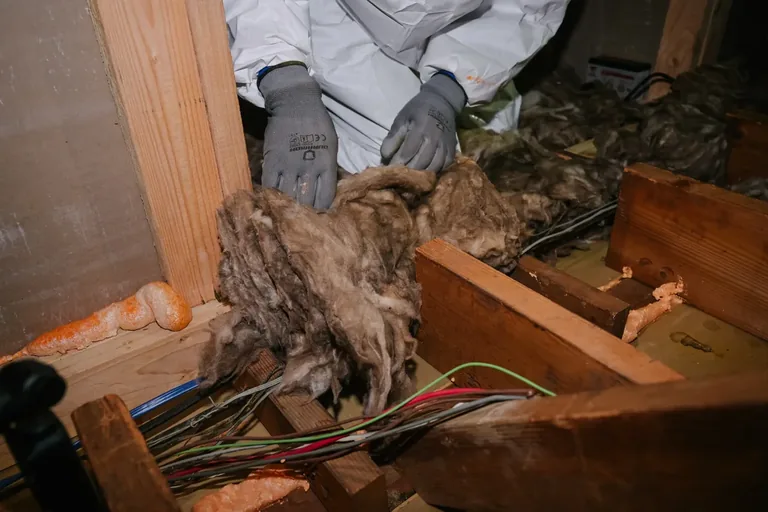
- Contamination cleanup for urine, feces, nesting debris, and damaged materials
- Exclusion repairs that help block mice, rats, and other rodents
When pests invade, we explain the issue and build pest control solutions around your specific needs.
Our Rodent Control Process for Mice
Alley Cat’s rodent control process is built for homeowners who want activity removed and the building protected. Every home is different, so our specialists look at evidence indoors and access outdoors before recommending the right sequence of pest control services:
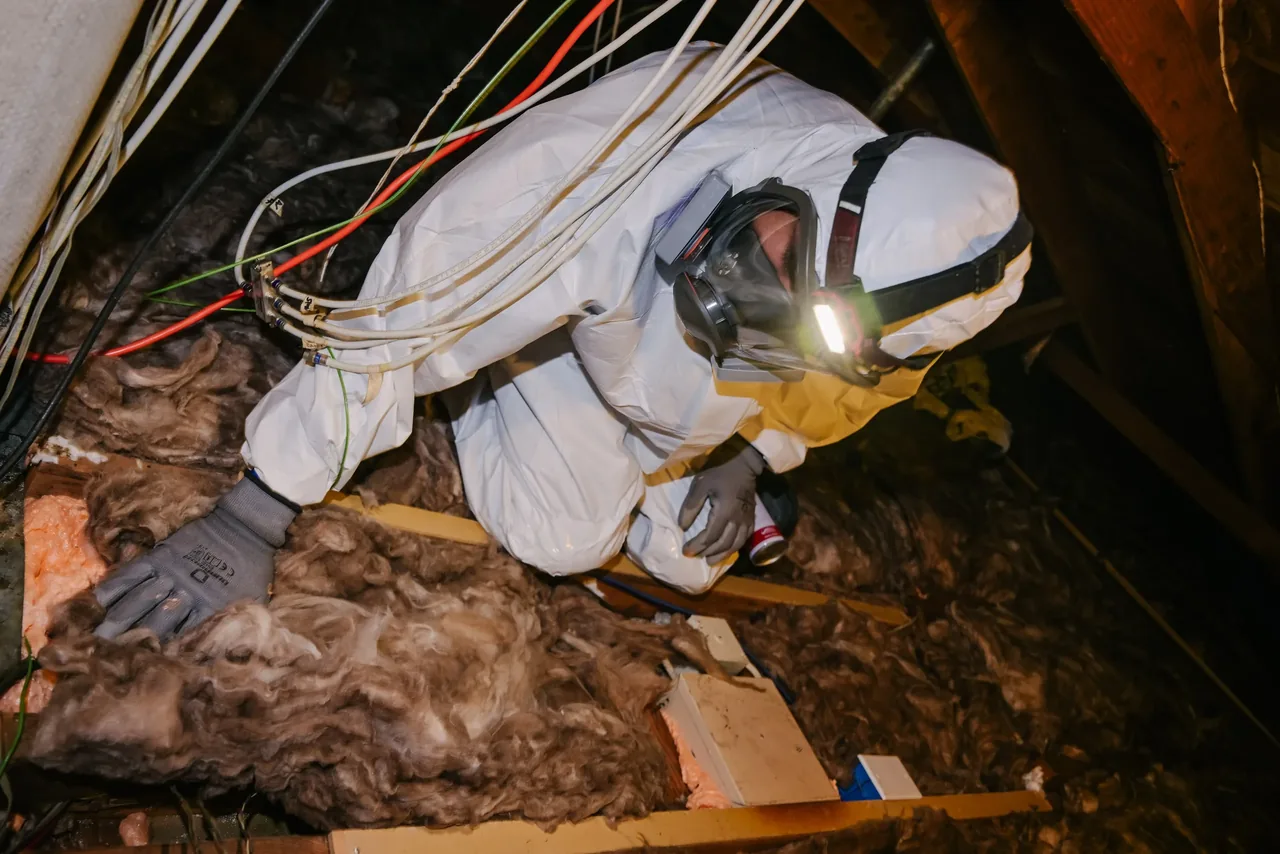
Step 01 · Inspect
Free Inspection
Our free inspection starts with the signs you have noticed, such as pantry evidence, scratching in the wall, garage odor, or chewed plastic and paper. From there, we inspect likely mouse routes: garage corners, crawl space openings, attic edges, foundation gaps, utility lines, exterior vents, and door sweeps.
During this free visit, we compare body size, tail length, ears, dropping shape, and chewing patterns to help detect whether the presence is a house mouse, rats, or other rodents. House mice are often about 5½ to 7½ inches long including the tail, while a young rat may show a different body size, tail proportion, feet, and ears.
Benefits of this free visit include:
- Clear evidence review so you know whether the issue involves mice, rats, or multiple rodents
- Entry point identification around small gaps that are easy to overlook
- Practical next steps based on infestation level, home layout, and contamination

Step 02 · Diagnose
Diagnostic Report & Estimate
After the visit, Alley Cat provides a Comprehensive Diagnostic Report, or CDR, that explains what we found and what the recommended work includes. For this pest control service, the detailed report may identify active mouse zones, likely entry point locations, damaged materials, contaminated insulation, recommended traps, sanitation needs, and exclusion repairs.
The estimate, prepared after the free visit, gives you a clear scope before work begins, so you know what is urgent, what is preventive, and able to reduce the possibility of future activity.
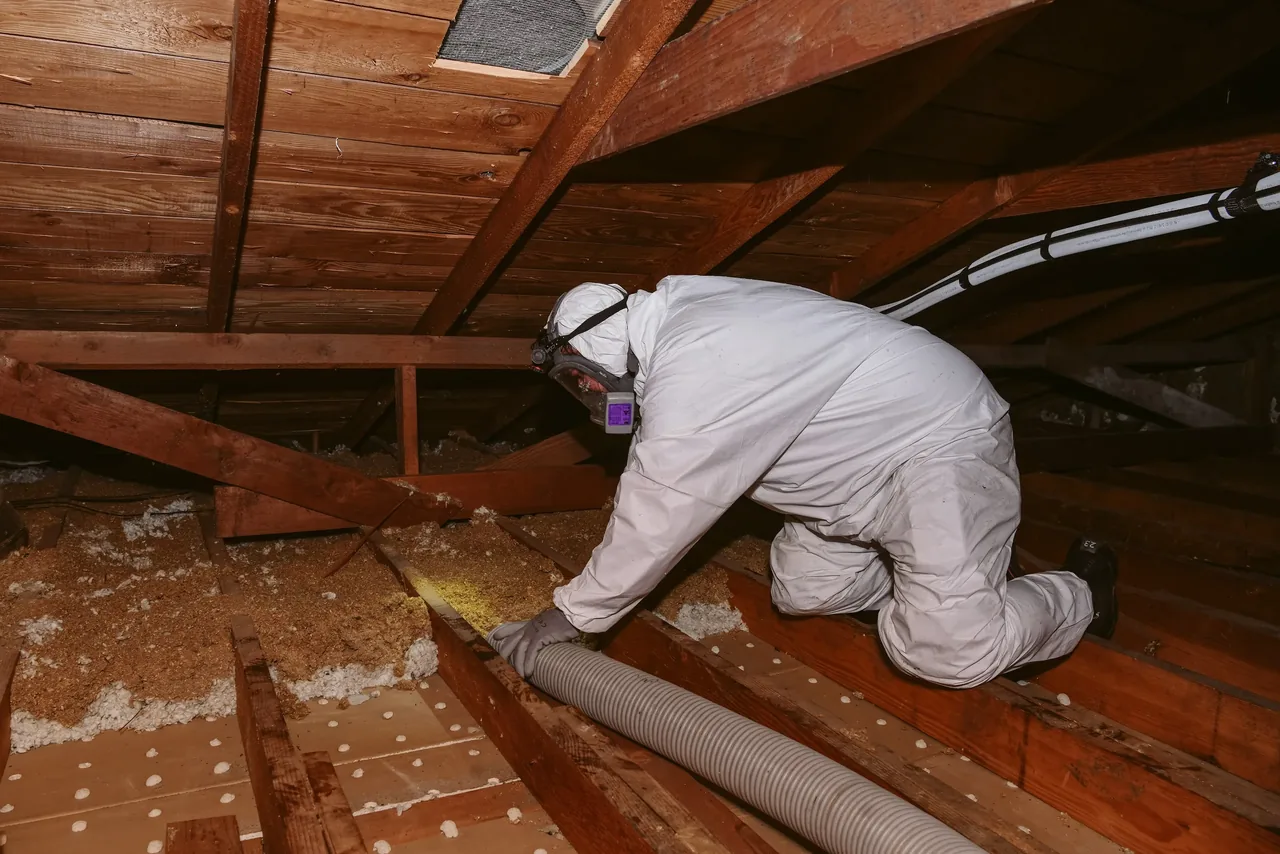
Step 03 · Clean
Cleanup & Removal
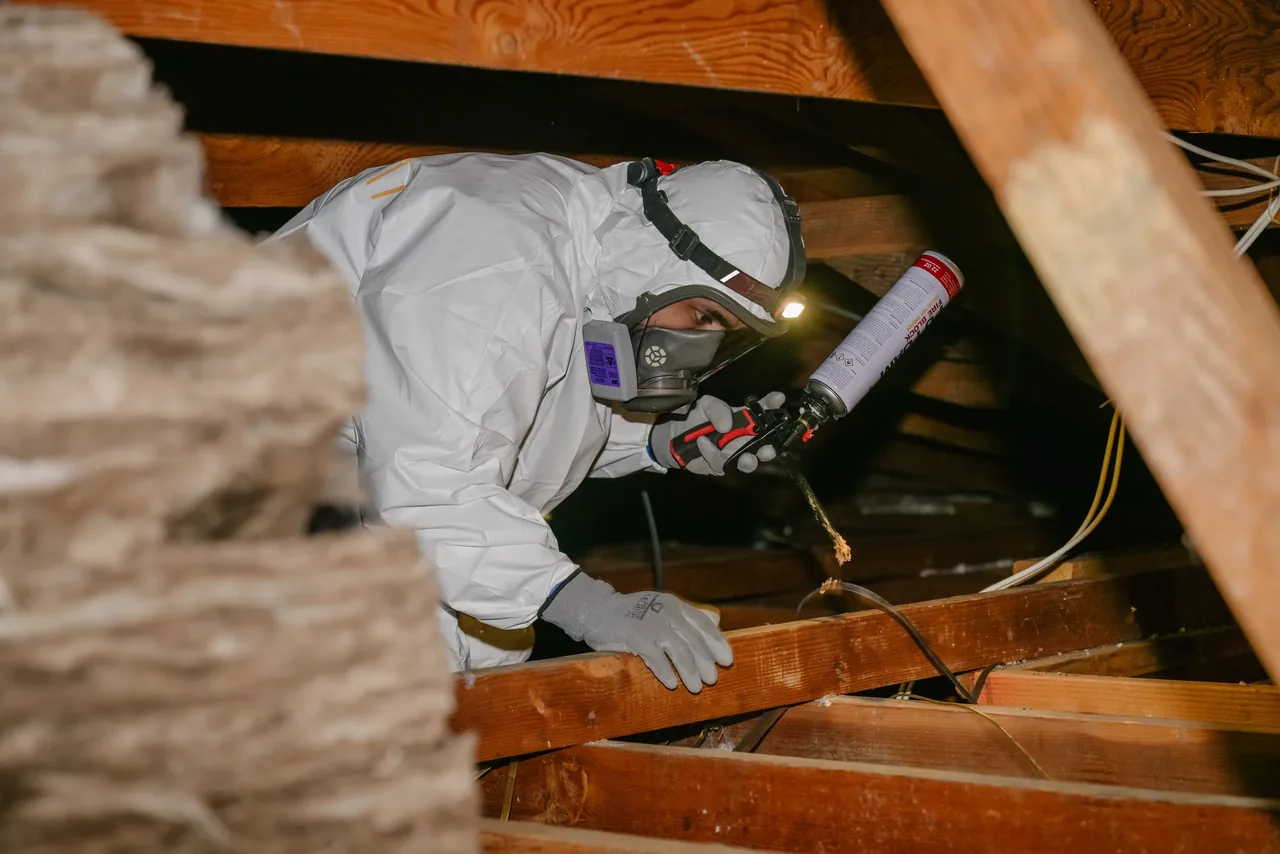
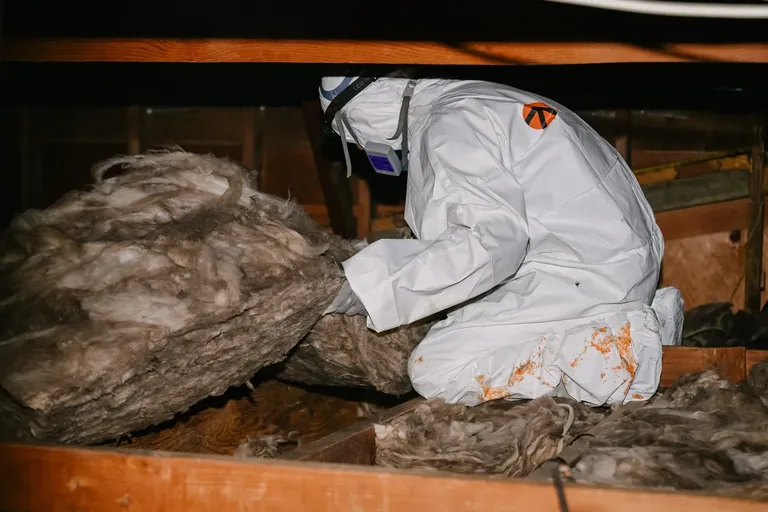
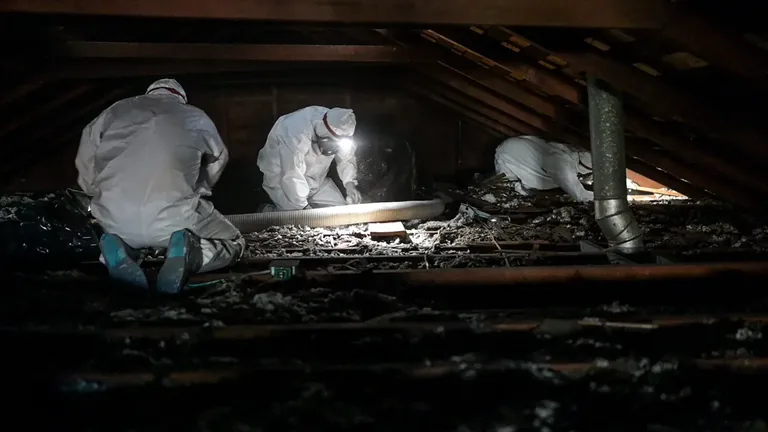
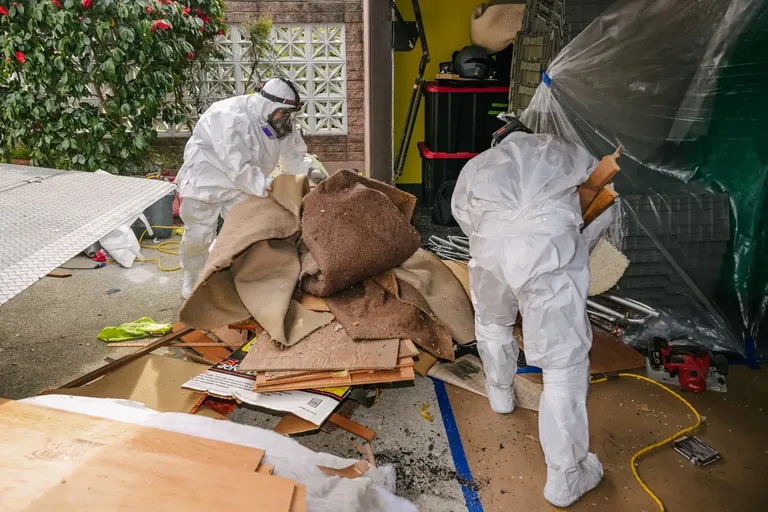
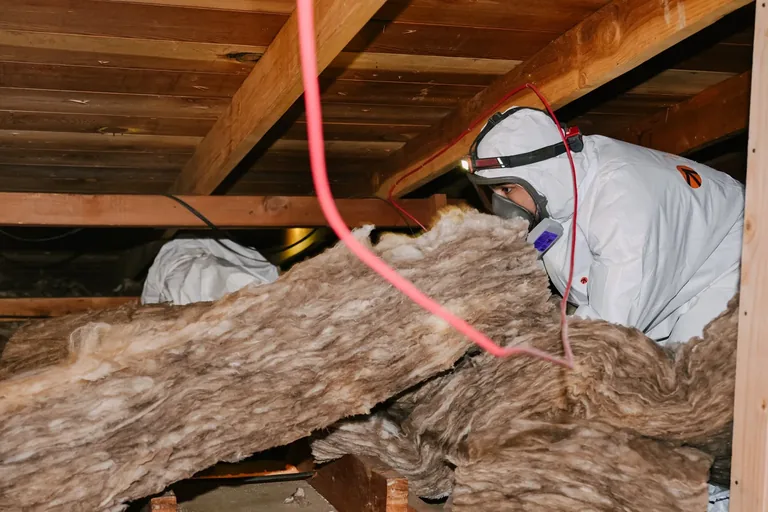
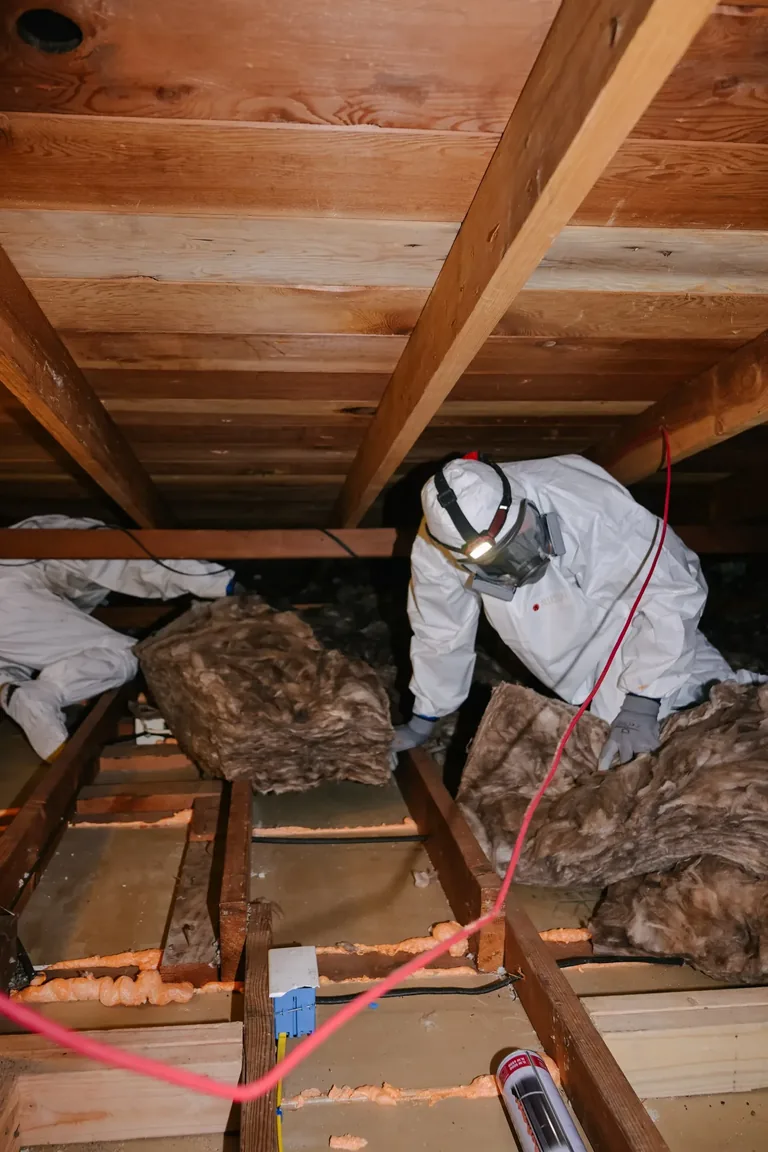
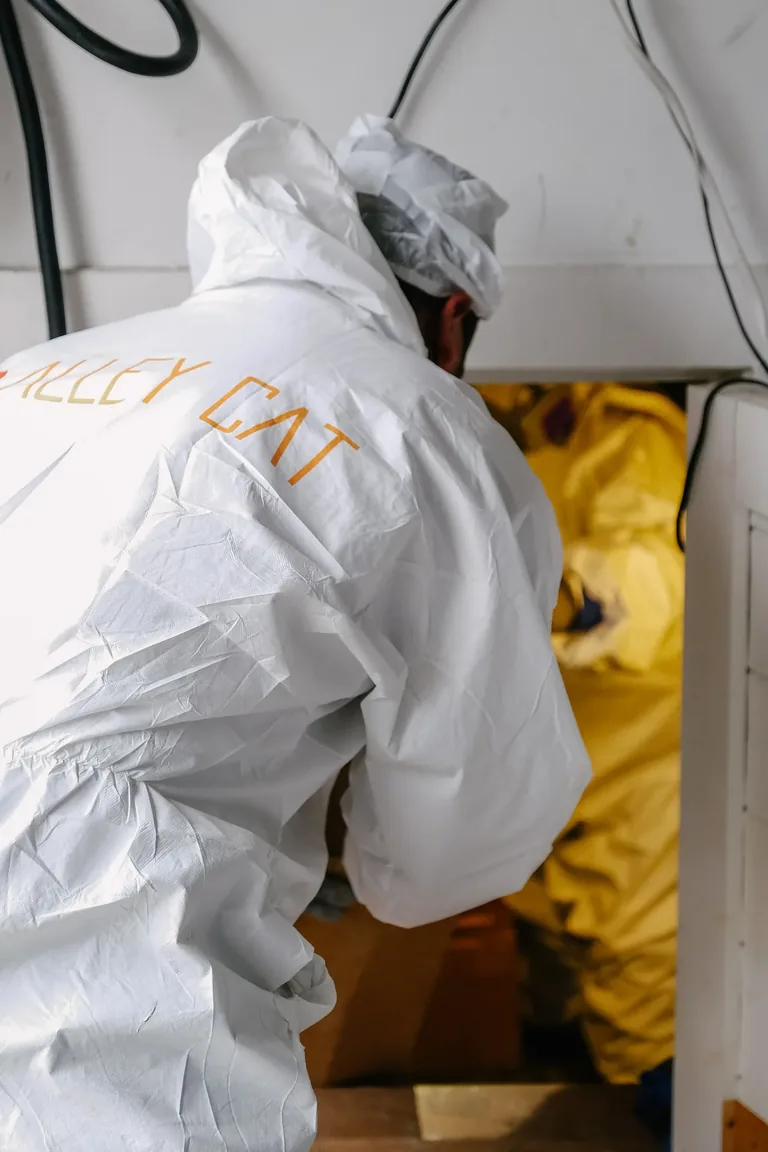
Cleanup and removal focus on areas where mice have left evidence behind. In the house, that may include cabinet voids, garage edges, crawl space floors, attic insulation, utility closets, or hiding places where a nest has collected. Our specialists safely remove accessible contaminated materials.
This stage matters because mice leave odor trails that can attract more rodents. Rodents can also carry diseases, fleas, ticks, viruses, and bacteria such as hantavirus, salmonella, and leptospirosis that may affect humans and pets; these diseases make proper cleanup important.
Our professional specialists may handle:
- Rodent debris in garages, attics, crawl spaces, and utility areas
- Chewed insulation, vapor barrier sections, wood, or stored materials
- Odor sources that linger after visible mice are gone
Once cleanup and removal are complete, the home is better prepared for sanitation, sealing, and long-term rodent control.
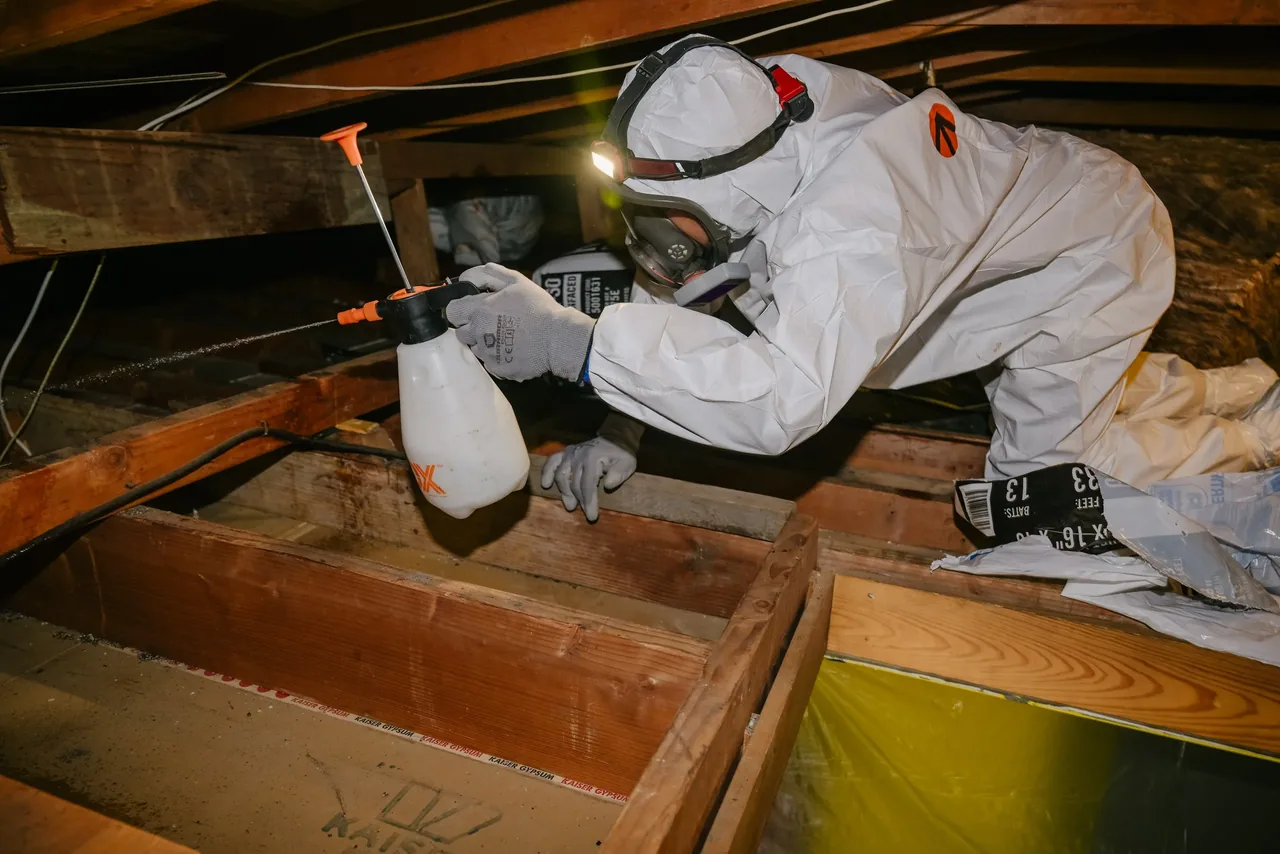
Step 04 · Sanitize
Sanitize & Decontaminate
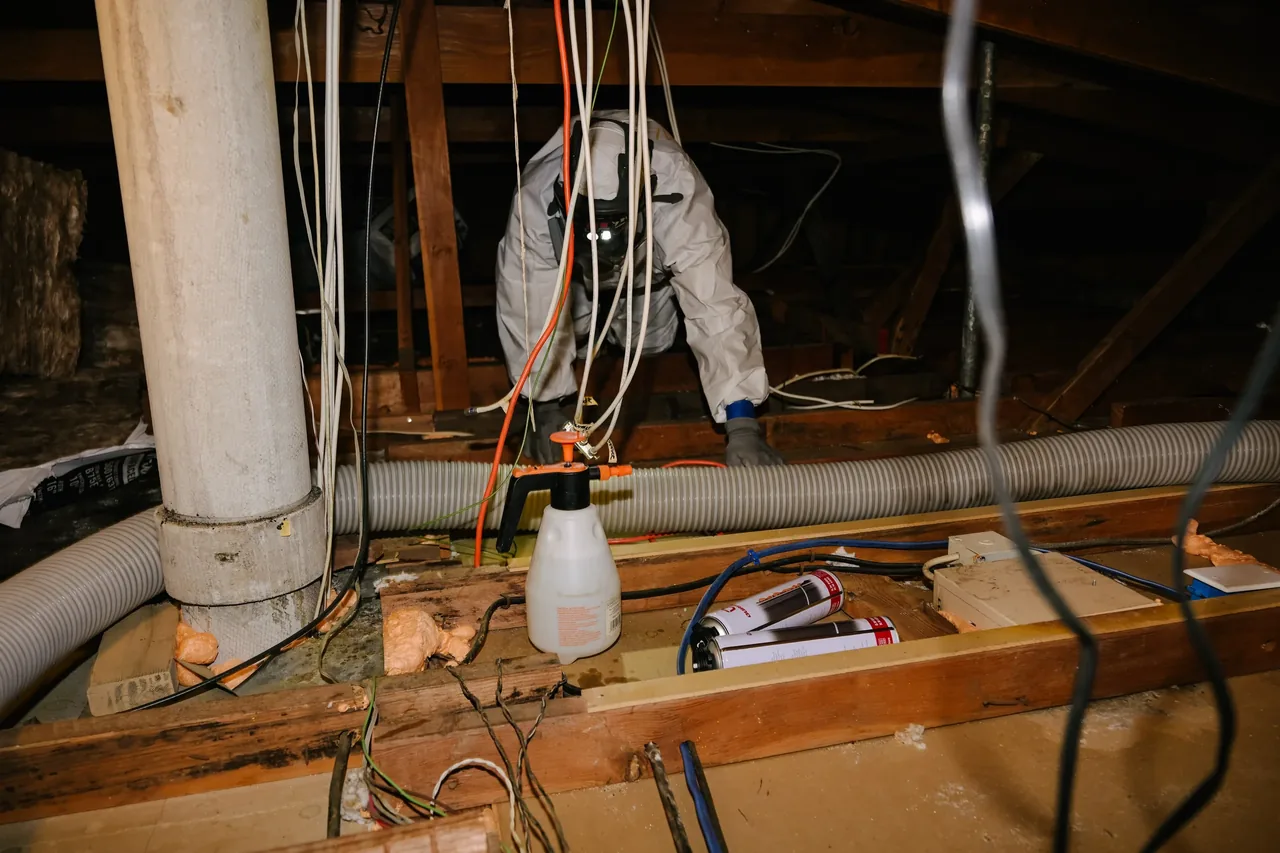
Sanitizing and decontaminating helps address residue mice leave behind. Alley Cat applies professional sanitation practices in affected areas where contamination, nesting, odor, or the presence of rodents has been found, including attic bays, crawl spaces, garage perimeters, and utility areas.
This step supports a cleaner environment after removal and helps reduce scent trails that guide mice and rodents back. It also helps homeowners feel comfortable after a mouse infestation involving food storage, pets, or HVAC components.
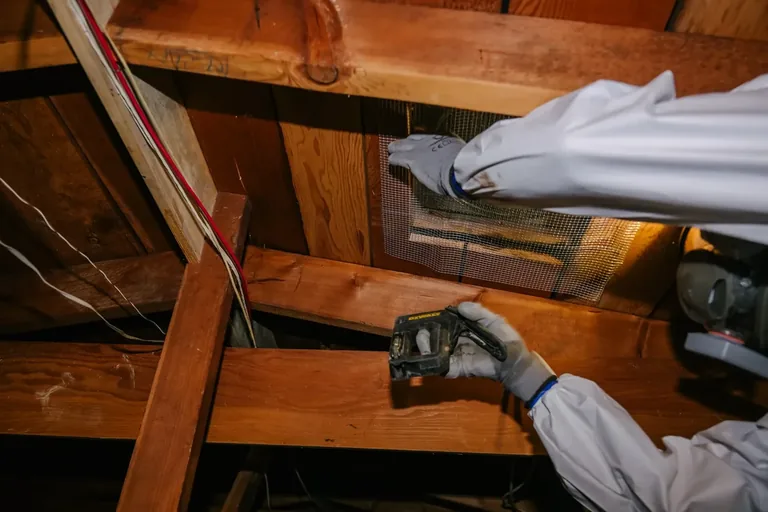
Step 05 · Seal
Seal, Reinforce, & Prevent
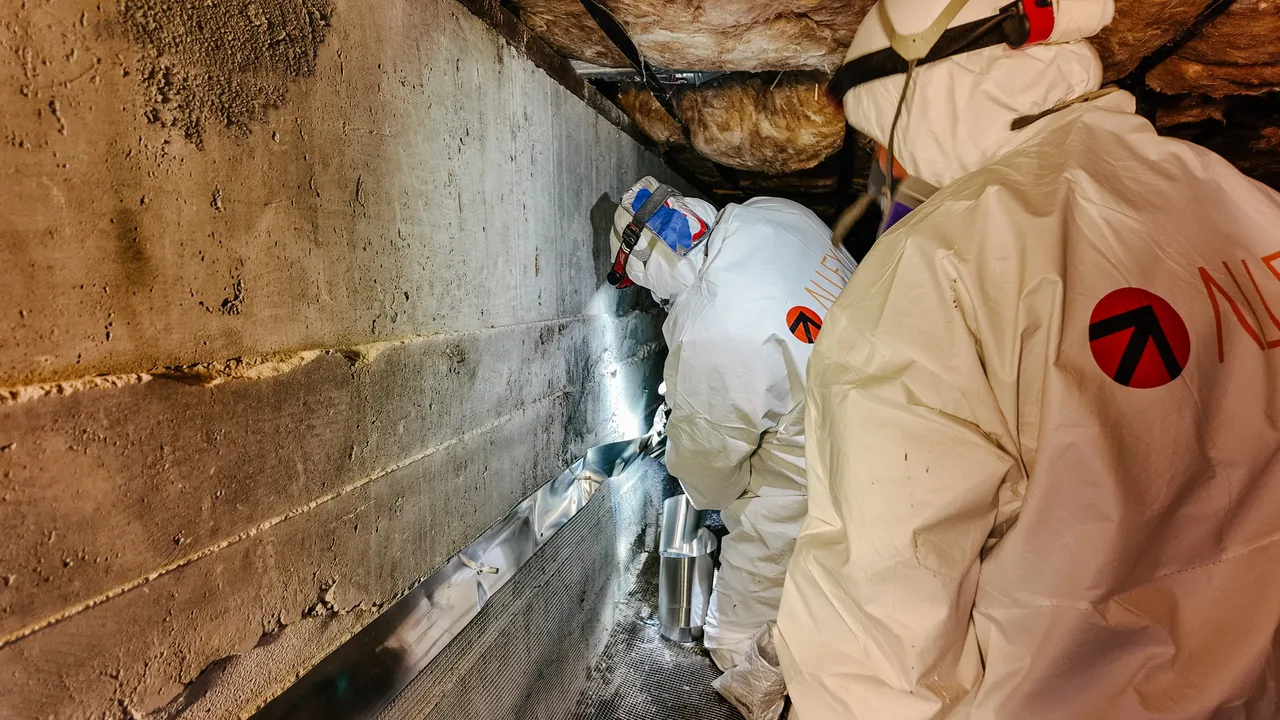
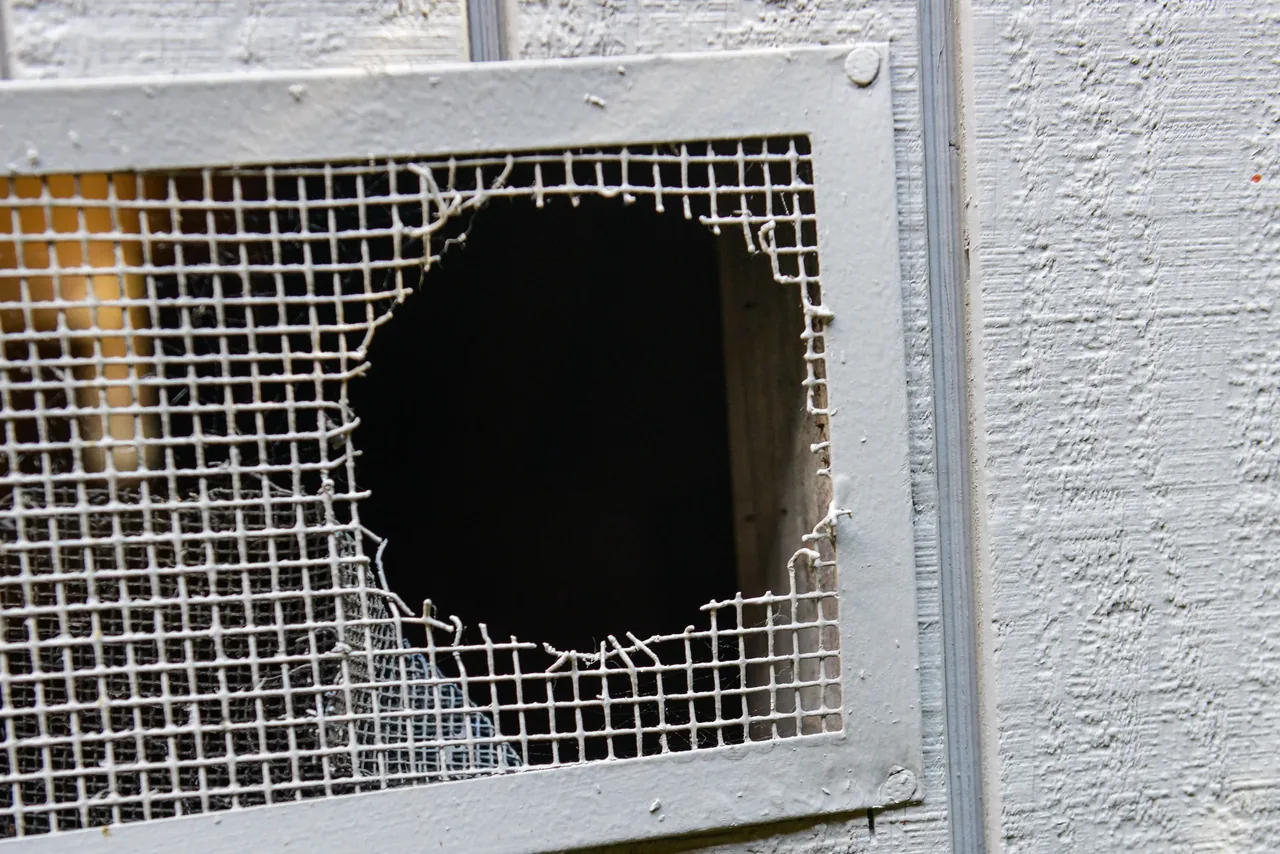
Sealing is the difference between temporary pest control and a prevention-focused rodent control plan. Mice are capable of squeezing through openings that look too small to matter, including quarter-inch gaps, holes larger than a pen cap, and dime-sized openings. Common entry point locations include utility lines, crawl space vents, garage doors, foundation cracks, siding transitions, roof-to-wall intersections, and weather-worn trim.
Our specialists use industry-leading exclusion techniques based on structure, activity, and risk areas:
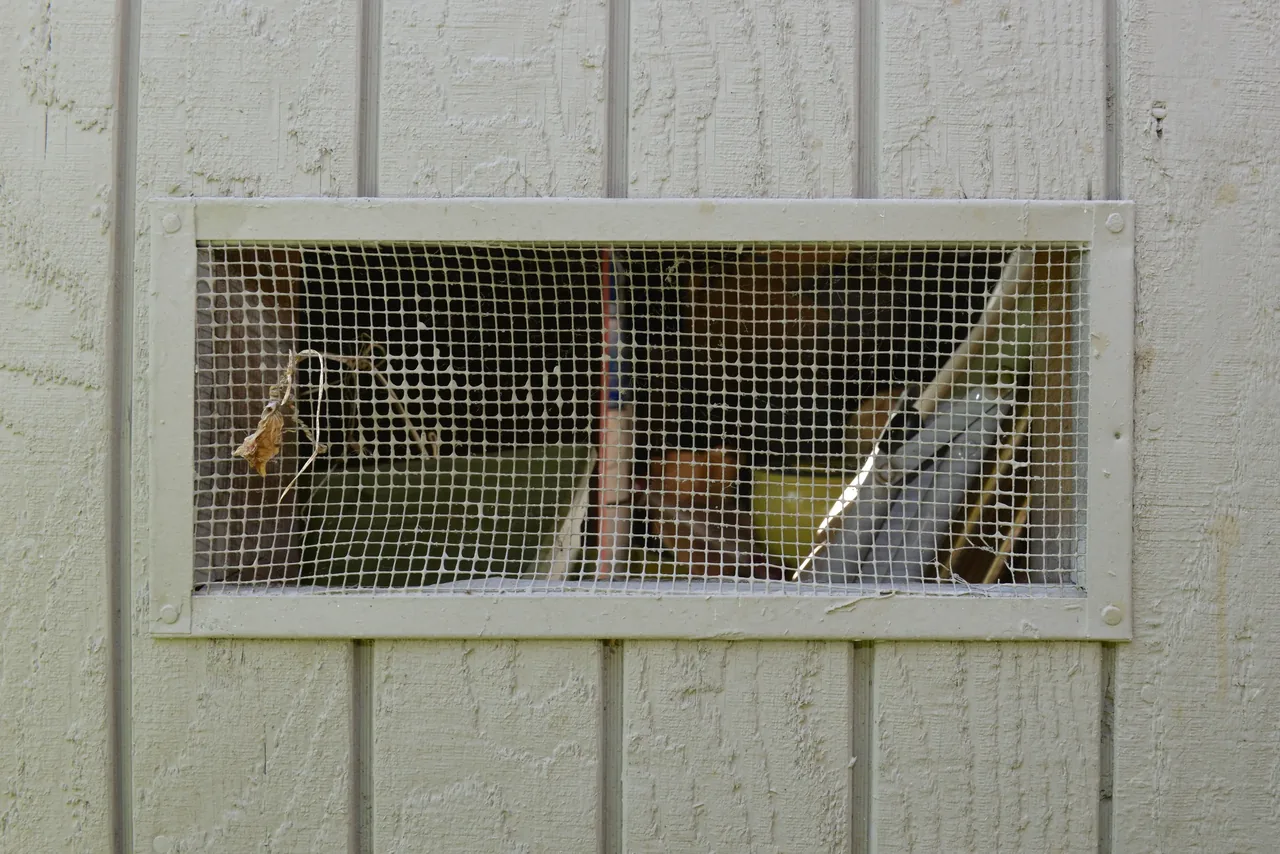
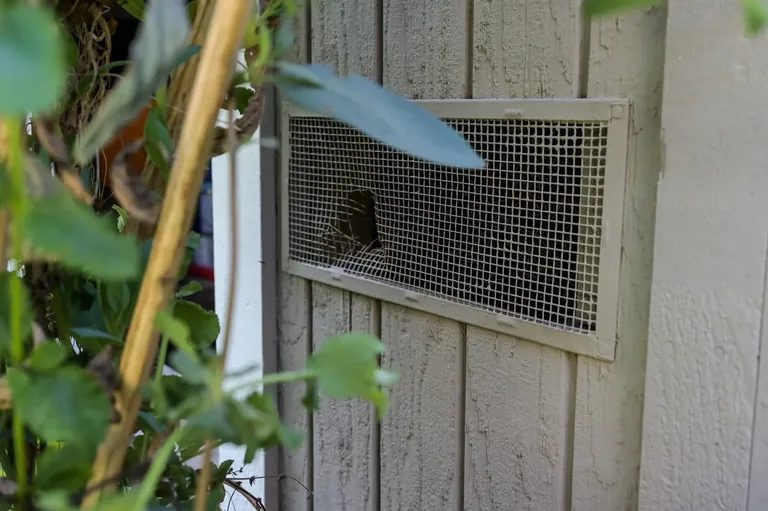
- Hardware Cloth ScreeningWe install durable metal screening over vents and openings where mice can chew through softer materials.
- Foundation Gap SealingWe close cracks, pipe gaps, burrow edges, and construction openings with rodent-resistant materials.
- Door Sweep ReinforcementWe address door gaps under worn rubber, uneven thresholds, or damaged trim.
- Utility Penetration ProofingWe seal around gas lines, electrical conduits, plumbing penetrations, and cable entries.
- Crawl Space Barrier RepairsWe reinforce access points, vent screens, and perimeter sections leading into subfloor areas.
- Exterior Habitat ReductionWe identify clutter, vegetation contact, firewood, water sources, and debris sheltering pests and rodents.
Prevention is also about sequencing. If adult mice are inside, sealing must be coordinated with trapping and checks so rodents are not trapped inside inaccessible voids. Because California restricts certain residential rodenticide products, Alley Cat emphasizes exclusion, cleanup, monitoring, and properly placed traps over bait alone. When baits are appropriate, they should be placed in tamper-proof stations.
This is where Alley Cat stands apart from a generic pest control company. Our team specializes in rodent exclusion, cleanup, decontamination, sealing, barriers, and prevention, backed by local experience, 13,000+ satisfied clients, and a 97% customer satisfaction rating.
Step 06 · Check
Set Trap Checks
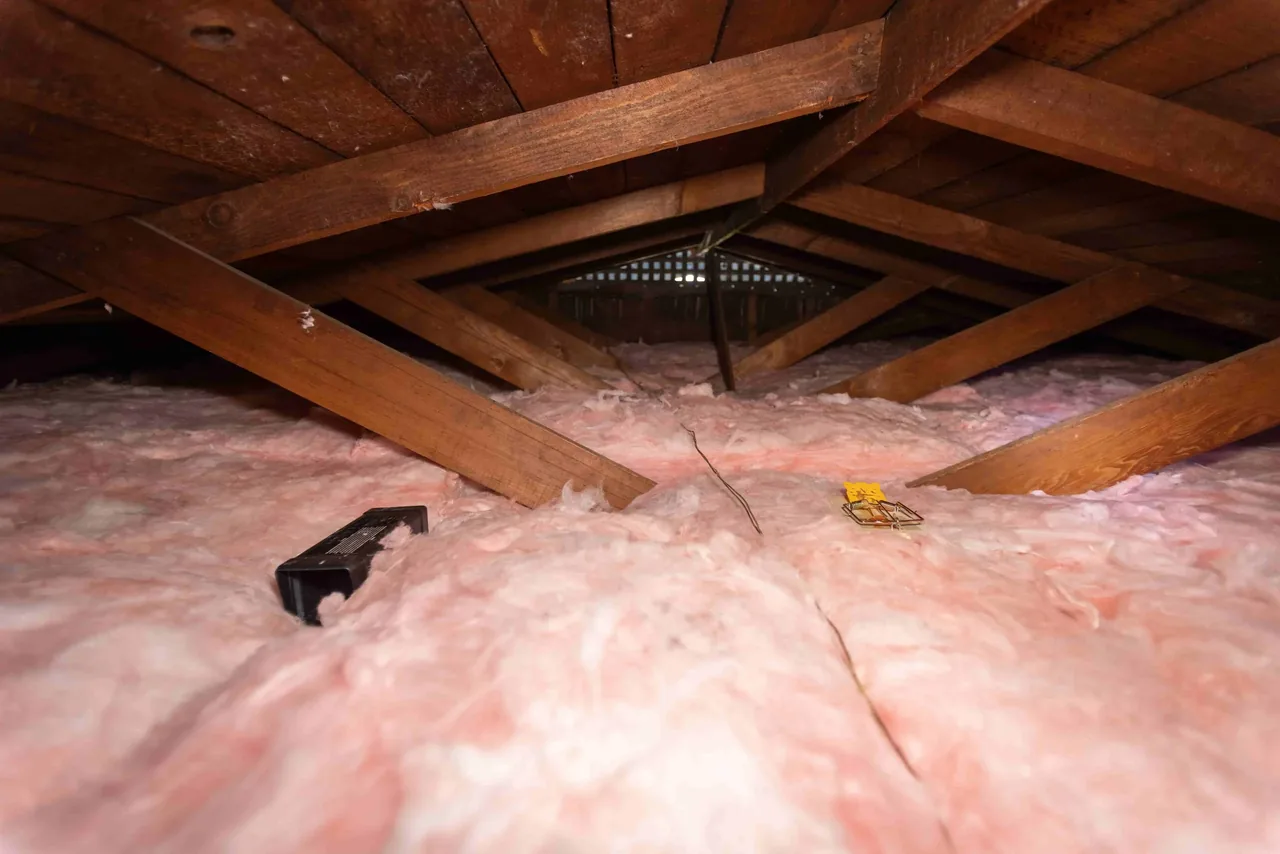
Trap checks confirm that active mice are being removed and help measure whether the exclusion plan is working. Instead of placing traps randomly, Alley Cat sets them where mouse behavior points us: walls, rub marks, garage storage, crawl space access points, and attic travel paths.
Professionally placed snap traps are often the quickest and most effective option for indoor mouse control. Glue traps and live traps may be used or discussed in limited situations, but they do not replace sealing cracks, removing food access, and closing every entry point.
Step 07 · Haul
Wrap Up & Haul Away
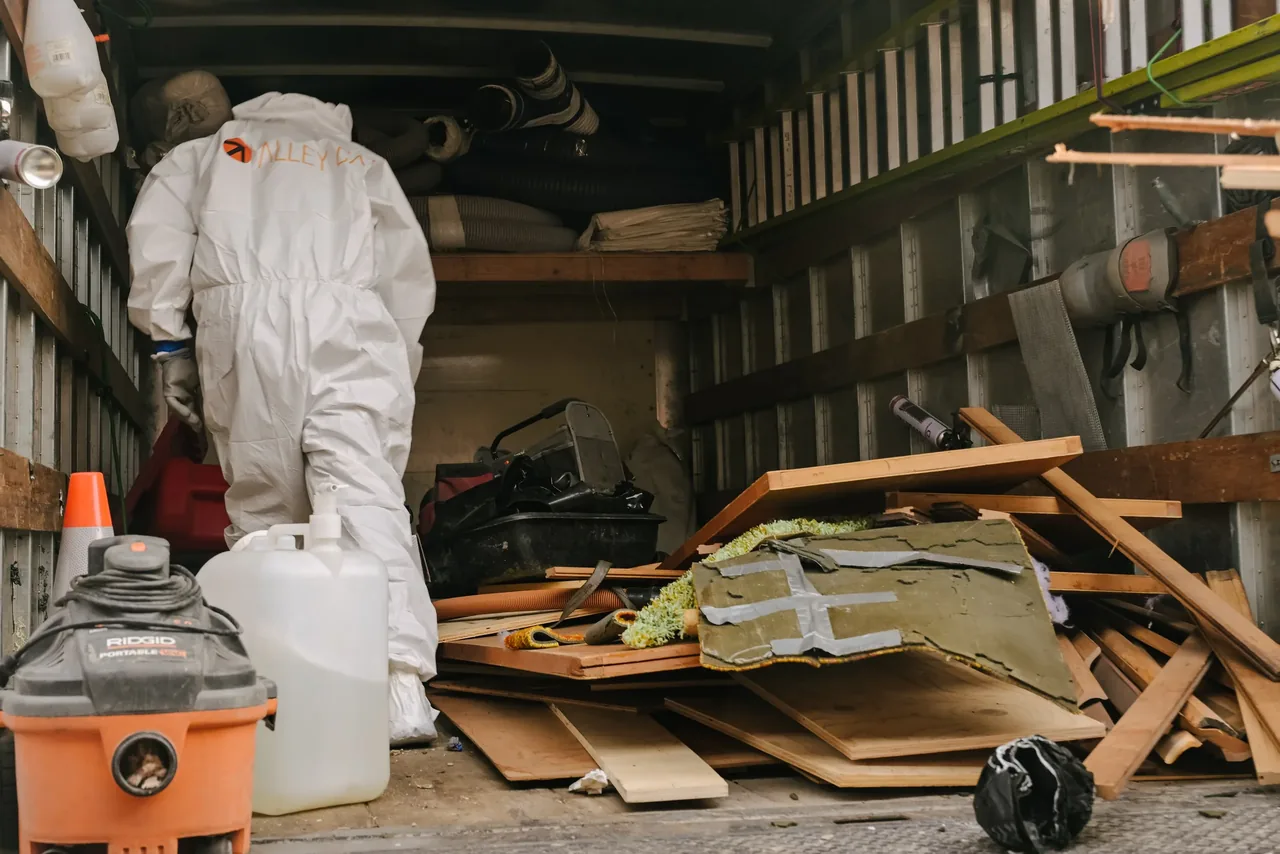
At the end of the service, Alley Cat wraps up affected work areas and hauls away materials related to the rodent control scope. That may include nesting debris, contaminated insulation, damaged vapor barrier material, soiled protective materials, and rodent waste.
We leave homeowners with a clearer understanding of what was done, where mice were likely entering, and which conditions should be watched over time. The goal is a clean home better defended against future pests, rats, and rodents.

Step 08 · Support
Customer Service
Alley Cat’s customer service team helps make pest control easier from the first call through final follow-up. Homeowners often call after scratching at night, kitchen food damage, or contamination worries in a crawl space, attic, garage, or utility area.
Our friendly team helps schedule free inspections, explain our services, coordinate trap checks, and answer questions about cleanup and prevention. We also explain service terms, including any applicable satisfaction guarantee, so you know what to expect when the job is complete.
Schedule Your Free Inspection
Mice rarely stay in one small area for long. If you are seeing evidence, hearing scratching, smelling urine odor, or finding chewed food packaging, schedule a free pest control inspection with Alley Cat. We will identify the likely infestation source, explain the entry point risks, and recommend trapping, cleanup, sealing, and prevention to protect the house from pests.
Benefits of Solving a Mouse Problem
Protection for living spaces, storage, and structure
- Mouse RemovalHelps get rid of active mice through strategic trapping and follow-up checks.
- Entry SealingCloses small holes around vents, pipes, doors, foundations, and siding.
- Cleaner SpacesAddresses contamination, nesting material, and rodent-related debris.
- Odor ReductionTargets sources that can create lingering mouse smells indoors.
- Attic ProtectionHelps protect insulation, duct areas, stored furniture, and food storage.
- Crawl Space DefenseReduces access through vents, utility penetrations, and subfloor gaps.
- Kitchen ReliefHelps keep mice away from food, pantries, crumbs, spills, and appliances.
- Long-Term ControlCombines exclusion, sanitation, monitoring, and homeowner guidance.
Rodent Specialists
Alley Cat focuses on rodent control services, cleanup services, sanitation, removal, and prevention instead of treating mice like ordinary pests.
Bay Area Experience
Our skilled team understands older foundations, hillside homes, crawl spaces, garages, attics, and utility gaps common in California and Bay Area neighborhoods.

Clear Reports
Our diagnostic reports show owners what we found, why it matters, and what work is recommended before any pest control service begins.

“They did a good job on my property. They got rid of the mouse problem. They did a good job.”
Gene M.Verified Diamond Certified survey
-
4.9 / 5
1,240 reviews -
4.7 / 5
649 reviews -
 4.7 / 5
279 surveys -
 4.9 / 5
374 reviews
Mouse Infestation and Rodent Control for Lasting Prevention
A mouse infestation should be handled as a building issue, not just a trap issue. Alley Cat’s pest control services focus on how mice got inside, where they are nesting, what contamination remains, and how the home can be reinforced against repeat access. For owners across San Francisco, Oakland, Fremont, Napa, Sonoma County, San Mateo, and nearby Bay Area communities, our service connects removal with exclusion and cleanup.
- Find the source through inspection and activity mapping
- Remove and clean affected areas where mice have traveled or nested
- Seal and prevent with barriers, screening, repairs, and monitoring
Why is rodent control important?
Rodent control is important because mice and rats can contaminate food preparation areas, chew wiring and insulation, carry diseases, and create safety concerns for humans and pets.

What Mice Eat Indoors
Mice eat seeds, grains, crumbs, pet food, pantry goods, and anything easy to gnaw. Store food in airtight containers and clean spills quickly to minimize food sources.
Eliminate Entry Paths
The best way to eliminate repeat activity is to close access routes, reduce shelter, and manage exterior conditions so mice cannot keep coming back.
FAQ’s: Mouse Infestation and Rodent Control
What is the best pest control for mice?
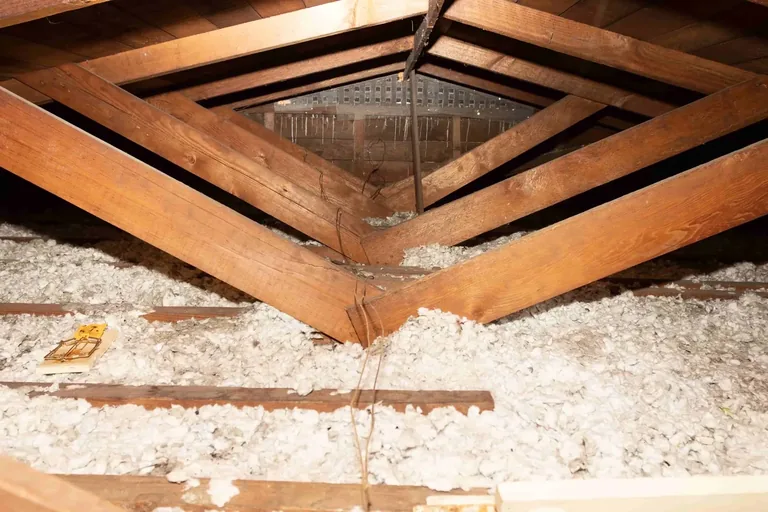
The best pest control for mice combines trapping, exclusion, cleanup, and prevention. Snap traps are generally the quickest indoor mouse control method, but traps alone do not solve a mouse infestation if access holes remain open.
A strong pest control plan should include:
- A thorough inspection of interior evidence and exterior entry risks
- Strategic traps along walls, cabinets, attic edges, and garage paths
- Cleanup of contamination, odor, and damaged materials
- Sealing cracks, utility holes, vents, and door gaps to prevent return
Alley Cat focuses on full-service rodent control because it addresses active mice and entry conditions.
How does pest control get rid of mice?
Pest control gets rid of mice by identifying where they live, travel, eat, and enter. Alley Cat uses findings to place traps effectively, remove contamination, and close access points so the same mouse problem is less likely to return.
We also look for details that help separate mice from rats, including body size, droppings, tail length, ears, gnaw patterns, and crawl space activity. A house mouse usually has a smaller body size than a rat, a slender tail, rounded ears, and the ability to fit through very small holes. Rats require different exclusion, and a rat opening is often larger. Tail shape helps us treat the right rodent problem.
How much is pest control for mice?
The cost of pest control for mice depends on infestation size, entry points, cleanup needs, and whether attic, crawl space, garage, or exterior exclusion work is needed. A small mouse problem with limited traps and sealing differs from a long-term infestation with contaminated insulation and multiple access points.
Alley Cat starts with a free inspection and provides a detailed report and estimate, so owners know the service scope, safety steps, and solutions for their house.
What types of mice might be around a home?
The most common indoor mouse is the house mouse, but nearby outdoor species can also affect rodent control decisions. House mice are typically 5½ to 7½ inches long, including the tail, and can produce up to 8 litters annually when food, shelter, and hiding places are available.
Other mice are identified by appearance and habitat:
- Deer mice: Often have white undersides and white feet, with a two-tone tail.
- Field mice: Commonly known for brown coloration and outdoor nesting behavior.
- White-footed mice: More common in eastern hardwood forests, but useful for comparison when identifying mice.
A professional inspection helps identify species, body size, ears, tail, nesting habits, and whether the activity is a mouse infestation, rat issue, or broader wildlife problem.
What is the most extreme way to get rid of mice?
The most extreme way to get rid of mice is full structural exclusion with professional trapping, cleanup, sanitation, and ongoing prevention. Heavy bait use, random glue traps, and ultrasonic devices are not best; ultrasonic devices have little evidence of effectiveness for serious infestations.
For long-term control, remove access and attractants:
- Seal cracks, holes, vents, door gaps, and utility penetrations
- Remove food access by cleaning crumbs and storing pantry items properly
- Reduce shelter such as clutter, vegetation contact, and exterior debris
- Use professional traps and follow-up checks to monitor populations
That approach helps get rid of mice safely while reducing repeat infestation.

Get Rid of Mice Safely
Do not wait for activity to spread from the garage to the kitchen. Contact Alley Cat to get rid of mice with cleanup, sealing, and prevention for your home.