Cost-Benefit Evaluation
Rodent exclusion.
Cost & benefit.
Evaluate and learn more
about available methods
Initial costs, complexity, risk, effectiveness and recurrence — four approaches, side by side.

On this page

Approach 01: Do it Yourself (DIY)
Approach 01: Do it Yourself (DIY)
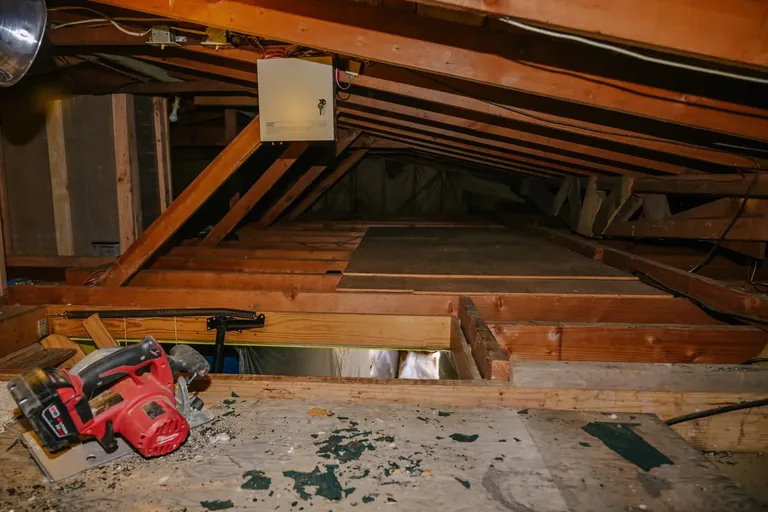
Primary Use Case
- Small infestations.
- Budget constraints.
- Immediate action needed.
Overall Recommendation
DIY methods can be useful for minor infestations and immediate action. However, they often fall short in effectiveness and long-term solutions. Best suited for those with time and willingness to research and execute multiple methods.
| Factor | Rating | What it means |
|---|---|---|
| Initial Costs | Low — favourable for initial costs | Typically involves buying traps, wire mesh, foam, steel wool, peppermint oil, and sealants. The upfront number is genuinely low; it is the repeat attempts that accumulate. |
| Complexity | High — unfavourable for complexity | Requires a solid understanding of rodent behavior, cleanup strategies, prevention tactics, and control methods just to start. A severe infestation adds wiring expertise, HVAC repair, structural repair, and insulation replacement on top. |
| Risk | High — unfavourable for risk | Improper methods can lead to airborne contaminants and health hazards such as salmonella and hantavirus, and the physical hazards you are not looking for — damaged wiring, compromised structure — bring further potential harm into account. |
| Effectiveness | Low — unfavourable for effectiveness | Often less effective without professional expertise and tools: solutions tend to hold for a while rather than settle the problem. |
| Recurrence | High — unfavourable for recurrence | Pheromone trails left behind and sealing done without experience leave the same routes open, so rodents commonly return to a house that was treated once. |
Pros
- Cost-effective: Typically lower upfront costs, as materials are the only expense.
- Immediate action: Can start work immediately without waiting for others.
- Learn through experience: Opportunity to gain knowledge about rodent behavior and control.
Cons
- Limited effectiveness: Without professional expertise, solutions may be temporary.
- High recurrence: Higher likelihood of rodent return due to incomplete removal of pheromones and non-experienced sealing methods.
- Health risks: Higher potential exposure to rodent-borne diseases and improper handling of contaminants.
Discussion
DIY approaches might save money initially but often lead to recurring issues and additional costs, especially in moderate-to-high infestations. Furthermore, the lack of professional-grade equipment and expertise usually results in a poorly executed eradication, making this a high-risk, high-reward option.
Approach 02: Handyman
Approach 02: Handyman
Primary Use Case
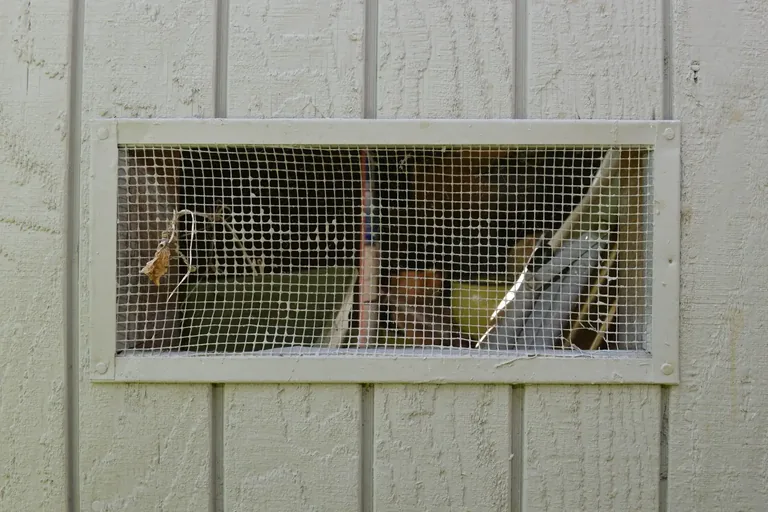
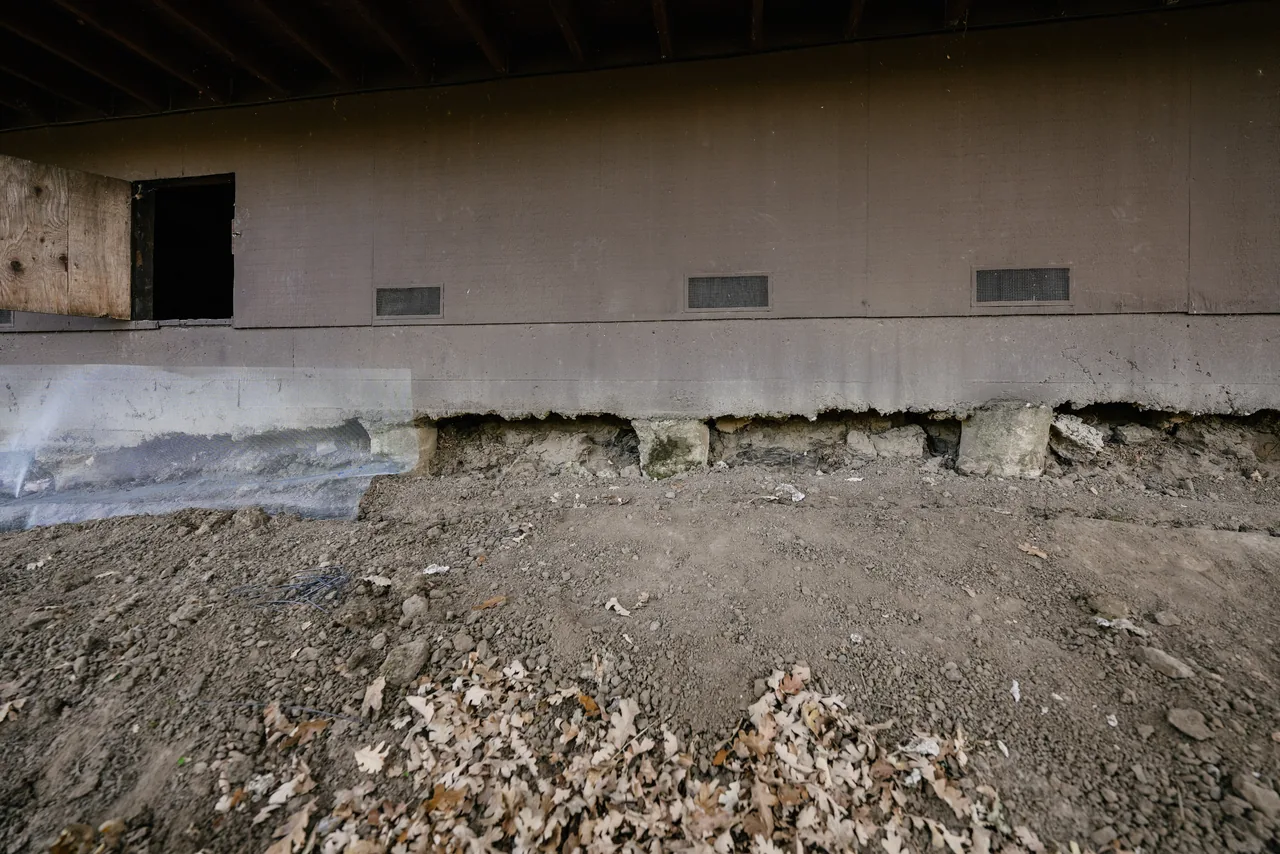
- Minor infestations.
- Structural repairs needed.
- Budget-conscious but want more than DIY.
Overall Recommendation
Handyman services offer a middle ground between DIY and professional services. Useful for minor repairs and quick fixes, but may not provide a comprehensive long-term solution for rodent control.
| Factor | Rating | What it means |
|---|---|---|
| Initial Costs | Moderate — middling for initial costs | Moderate cost for basic repairs and control measures; likely a small amount of labor and materials. Cheaper than professional services, more than doing it yourself. |
| Complexity | Moderate — middling for complexity | Easier than DIY because someone else does the work, but it still takes rodent-specific knowledge and experience to implement correctly — and that is exactly the part that varies. |
| Risk | High — unfavourable for risk | Higher risk, as handyman’s skill, expertise, and methods are all variable, and likely not professional-standard. Subpar work lengthens eradication and leaves the health risks in place. |
| Effectiveness | Low — unfavourable for effectiveness | Usually marginally better than DIY and well short of professional work: fixes address what is visible rather than the full set of entry points. |
| Recurrence | High — unfavourable for recurrence | High chance of recurrence from less comprehensive solutions — closing some entry routes while leaving others open buys quiet weeks rather than a resolved problem. |
Pros
- Moderate cost: Cheaper than professional services but more effective than DIY.
- Convenient: Can address minor structural, wiring, HVAC, and insulation issues.
- Availability: Generally faster than waiting for specialized services.
Cons
- Limited expertise: Handymen often lack specific expertise and knowledge about rodent behavior, leading to subpar solutions, longer eradication times, and potential health risks.
- Temporary Solutions: Fixes may not be comprehensive, leading to recurrence.
- Inconsistent Quality: Varies widely based on individual skill levels.
Discussion
While handymen can handle basic repairs and minor infestations, their lack of specialized training in rodent control should cause hesitation. This option works best for minor issues but is less reliable for severe cases, as it often results in incomplete solutions and limited deterrence or prevention of rodent activity.
Approach 03: Pest Control Services
Approach 03: Pest Control Services
Primary Use Case
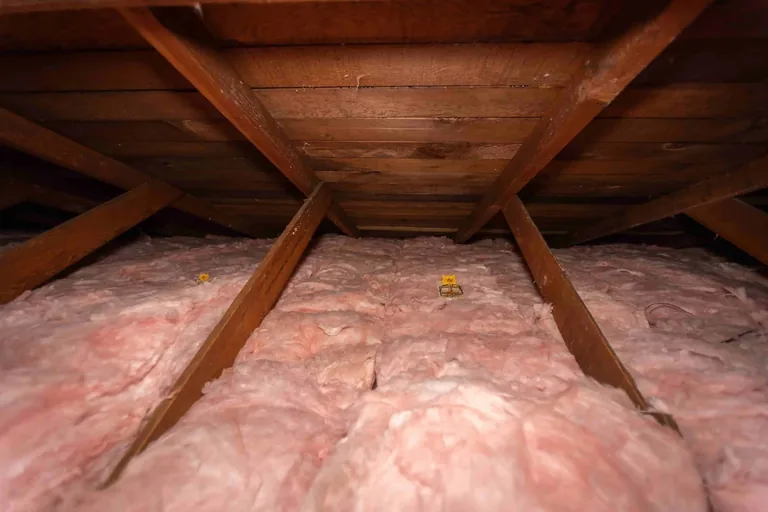
- Recurring small rodent issues.
- Less severe infestations, and minimal property damage.
- Preference for professional maintenance.
Overall Recommendation
Pest control services combine professional-grade chemicals with regular maintenance. They are effective for ongoing control of small nests (i.e., a few mice) but can be costly in the long run, especially if infestations aren’t fully resolved.
| Factor | Rating | What it means |
|---|---|---|
| Initial Costs | Moderate — middling for initial costs | Moderate upfront costs for professional monthly/quarterly treatments. It is the recurring contract, rather than the first visit, that makes this expensive over time. |
| Complexity | Low — favourable for complexity | Managed by professionals, low complexity for homeowners. Homeowners should still check for activity levels and monitor known spots for debris and evidence of rodents. |
| Risk | Moderate — middling for risk | Lower overall risk due to professional handling. The hesitation is scope: moderate-to-severe infestation levels, and damage already done to wiring, HVAC ducts, insulation, and a property’s structure, sit outside the usual treatment. |
| Effectiveness | Moderate — middling for effectiveness | Good at repelling rodents short-term. A general pest program is not built around sealing and reinforcing, so rodents are managed rather than shut out. |
| Recurrence | Moderate — middling for recurrence | Regular maintenance reduces but doesn’t eliminate recurrence risk — the visits keep numbers down, and the entry points that let rodents in stay where they are. |
Pros
- Professional-grade chemicals: Access to stronger and more effective sanitation products.
- Scheduled maintenance: Regular visits to maintain control, oversight, and management of the situation.
- Enhanced Knowledge: Pest control technicians often have more experience in rodent control, but may lack the comprehensiveness needed to completely seal off and prevent rodents from returning.
Cons
- Recurring costs: Ongoing service contracts can be expensive in the long run, especially if the infestation is merely “managed” rather than removed entirely.
- Inconsistent technicians: Different technicians on each visit may lead to inconsistent service quality, specific property knowledge, and customer service.
- General approach: May not focus specifically on rodents, impacting the effectiveness of sealing, reinforcing, and prevention methods.
Discussion
While pest control services provide regular maintenance, they may not offer the comprehensive, targeted approach needed for moderate-to-severe rodent infestations. Regular costs can add up, making this a less economical option in the long run.
Approach 04: Professional Rodent Control Experts
Recommended Top Choice
Approach 04: Professional Rodent Control Experts
Recommended Top Choice
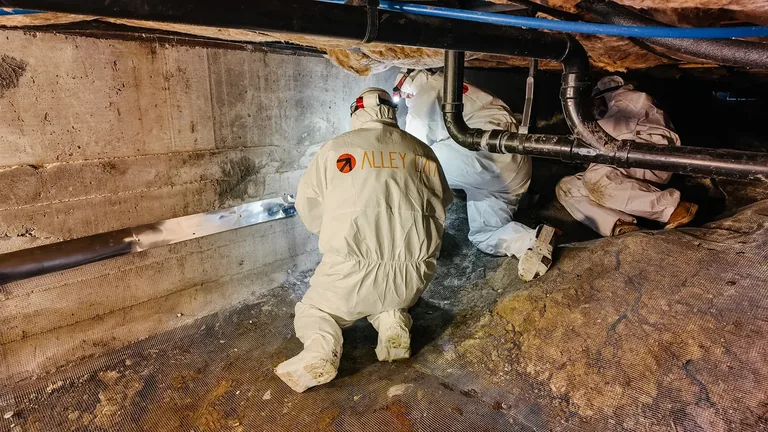
Primary Use Case
- Moderate-to-severe infestations.
- Long-term, effective control.
- Homeowners willing to invest in quality.
- Expedited removal and protection against rodents.
Overall Recommendation
Professional rodent exclusion experts provide the most comprehensive and effective solution for severe infestations. The higher cost is justified by the swift removal of rodents, long-term effectiveness, reduced recurrence, and peace of mind with the warranty.
| Factor | Rating | What it means |
|---|---|---|
| Initial Costs | High — unfavourable for initial costs | Higher initial costs for comprehensive service: inspection, cleanup, sanitization, sealing, and prevention carried out as one engagement rather than a bill that repeats. |
| Complexity | Low — favourable for complexity | Managed entirely by professionals, so no part of rodent behavior, sealing method, or cleanup sequencing becomes something you have to learn. What is asked of you is access and cooperation. |
| Risk | Low — favourable for risk | Minimal risk due to expert handling: contaminants and physical hazards are dealt with by specialists trained to spot them, and problems are anticipated before they begin rather than discovered mid-job. |
| Effectiveness | High — favourable for effectiveness | Highly effective with specialized methods, because the work covers the whole sequence — removal, sanitization, sealing, and prevention — with tactics built to last rather than to get through the season. |
| Recurrence | Low — favourable for recurrence | Low chance of recurrence with thorough exclusion and prevention: the aim is every route in, not only the ones currently in use. Guarantees and follow-up service are often included. |
Pros
- Comprehensive solutions: Thorough inspection, cleanup, sanitization, sealing, and prevention methods.
- High expertise: Specialists in rodent behavior and control, and hyper attentive to detail. Can help anticipate and remediate problems before they begin, and accelerate the removal & prevention processes.
- Long-term effectiveness: Reduced recurrence with thorough, professional methods and tactics that are built to last.
- Warranty: Often include guarantees and follow-up services.
Cons
- Higher initial costs: More expensive upfront in order to expedite the removal of rodents and their deterrence.
- Longer lead times: May have to wait for availability due to high demand.
- Commitment needed: Requires homeowner engagement and cooperation.
Discussion
Investing in professional rodent exclusion services ensures a thorough and effective solution. While the initial cost is higher, the long-term savings from preventing recurrence and property damage make this the most viable option for severe infestations.
Bring it together
Cost-Benefit At a Glance
| Comparison criteria | Professional Rodent Control Experts | Do it Yourself (DIY) | Handyman | Pest Control Services |
|---|---|---|---|---|
| Recurrence | Low | High | High | Moderate |
| Risk | Low | High | High | Moderate |
| Complexity | Low | High | Moderate | Low |
| Effectiveness | High | Low | Low | Moderate |
| Initial Costs | High | Low | Moderate | Moderate |
Source: Alley Cat’s existing cost-benefit evaluation. These are qualitative ratings, not numerical scores or service quotes.
The complete picture
Consider the
whole solution.
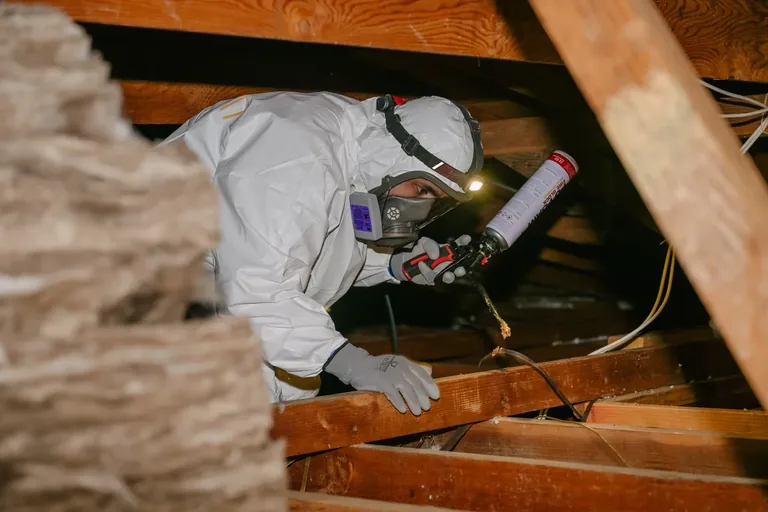
When choosing a rodent control solution, it’s important to consider several key factors to ensure the best value. Alley Cat, a professional rodent control expert, effectively addresses these five critical elements. While initial costs with professionals may be higher than DIY methods, their comprehensive services prevent costly future issues. They expertly handle the complexity of various infestations with tailored solutions.
Risk is minimized using safe, proven methods that protect your home and family from health hazards and damage. Their services are highly effective, employing advanced techniques and skilled professionals to ensure lasting results. Focusing on prevention, professionals reduce the chance of recurrence, providing robust solutions that offer peace of mind and long-term savings. By addressing these crucial factors, Alley Cat is a trusted choice for both immediate and long-lasting rodent control.
For more information, see T&C Section 10C.

Your next step
Start with your home.
Get a clear plan.
Book your free inspection online or speak with our team.
Customer Proof
What it looks like when it’s done right.
The ratings above are Alley Cat’s own judgment. These reviews are independently verified by each platform.
1,240 reviews
649 reviews
279 surveys
374 reviews