
Bay Area Pest Control Services
Outside Rodent Control for Bay Area Homes
We stop rats and mice at the perimeter, sealing vents, utility gaps and foundation openings before they reach the garage, crawl space or attic.
-
 4.9 / 5
1,240 reviews -
 4.7 / 5
649 reviews -
 4.9 / 5
374 reviews -
 4.7 / 5
279 surveys -
 Accredited
A+ BBB rating
Effective Rodent Control Starts at the Perimeter
Exterior rodent management reduces pressure from rats, mice, and other exterior pests before rodent activity reaches garages, crawl spaces, attics, or walls. Alley Cat connects evidence to structural rodent control.
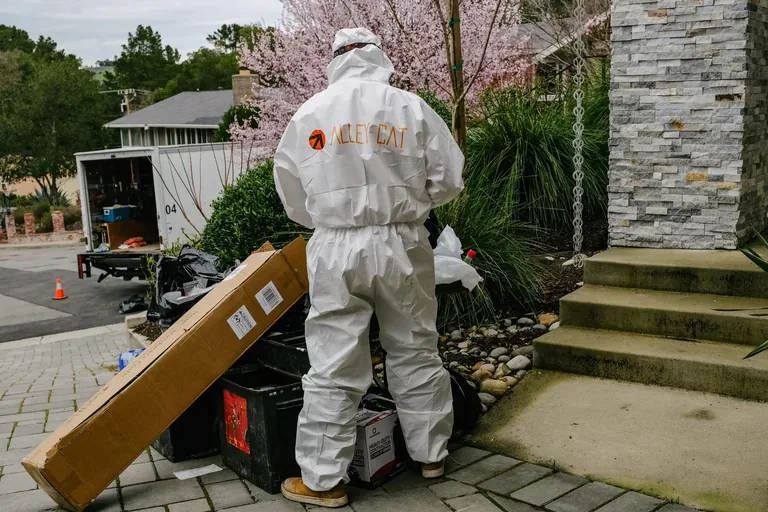
Exterior protection
Address burrows, runways, nests, and climbing routes around the home.
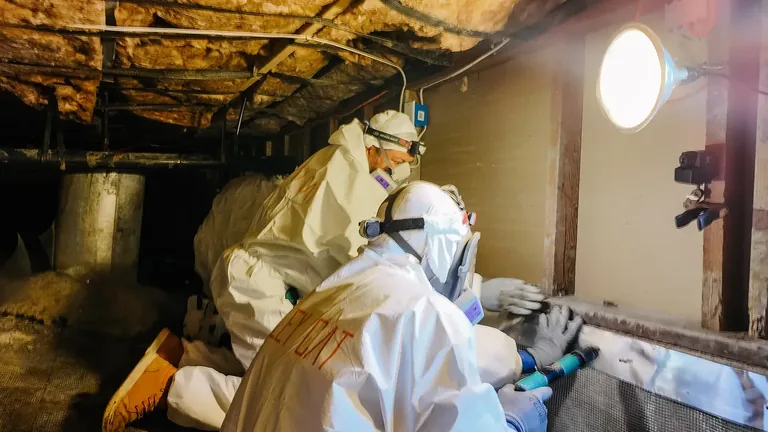
Entry reduction
Reinforce vents, doors, utility penetrations, foundation gaps, and roofline openings.
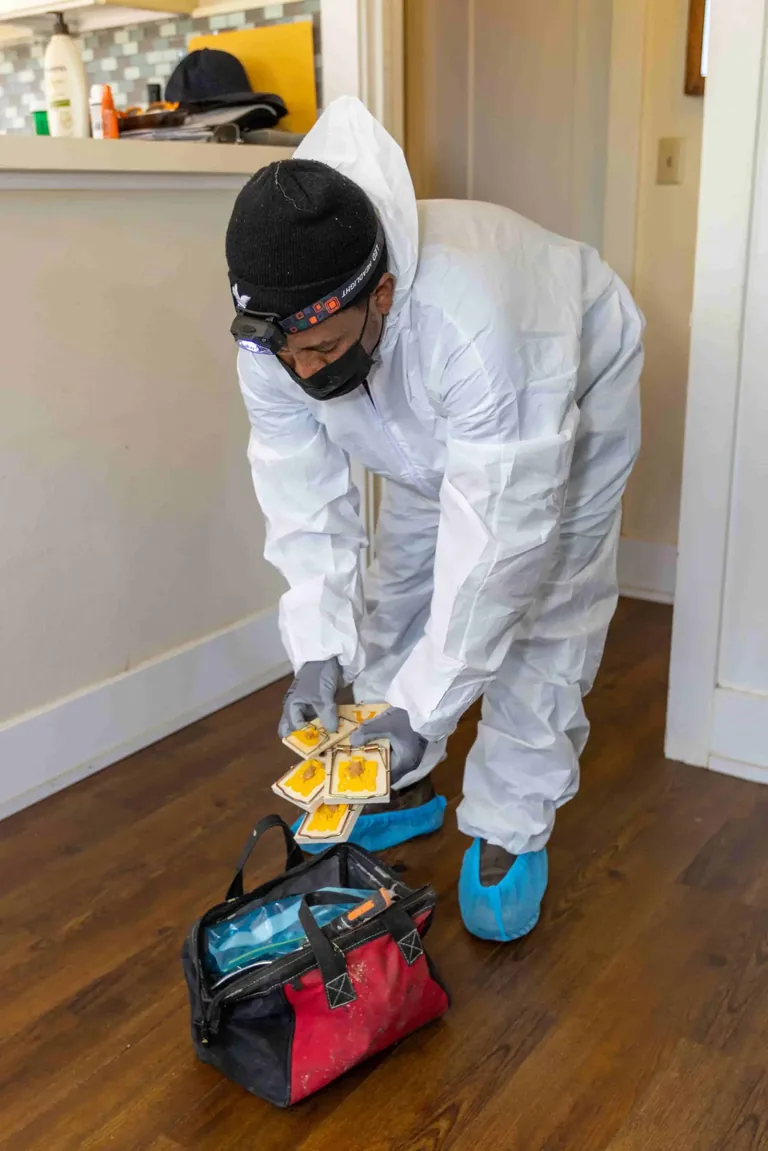
Active removal
Place monitored rodent traps where evidence shows rats and mice traveling.

Long-term prevention
Reduce food, water, shelter, and access that support rodent infestations.
Why Choose Alley Cat for Exterior Rat and Mouse Control?
Exterior diagnostics, exclusion, cleanup, and prevention.

Beyond DIY Pest Control
DIY pest control and generic rodent control videos cannot inspect hidden routes, distinguish species, or identify the construction gaps allowing activity to continue. Other rodent control videos may demonstrate products, but they cannot diagnose a specific Bay Area property.
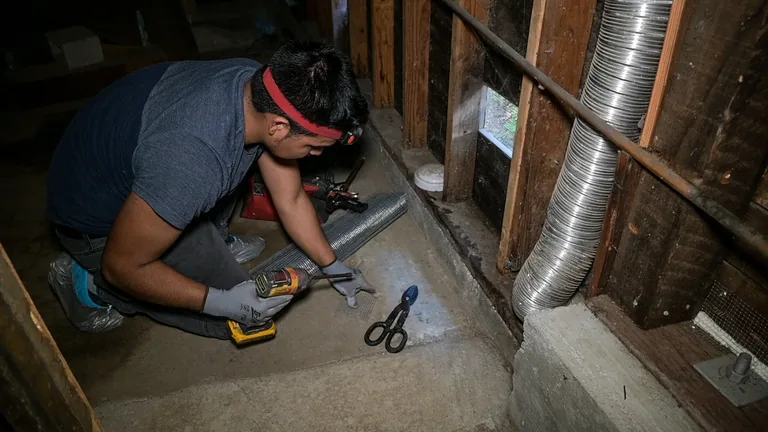
Entry Points First
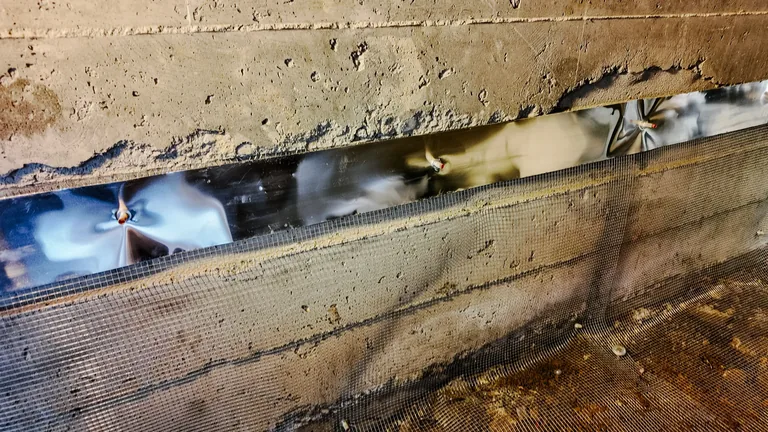
We trace entry points from yards, garages, crawl-space perimeters, roofs, and landscaping to the openings that let rats and mice approach or enter the structure.
Durable Pest Management
Our pest management combines metal screening, barriers, trenching, sanitation, habitat correction, and monitored traps rather than routine spraying around the property.
Food Sources, Habitat, and Property-Wide Rodent Control
Outdoor rodent activity from rats and mice rarely depends on one condition. Alley Cat evaluates the property as a connected system and looks for conditions that attract rodents, provide food, or make repeat access easier:
- Shelter: Burrows, wood piles, overgrown grass, ivy, sheds, decks, and clutter
- Roof access: Trees, vines, fences, and utility lines used by roof rats
- Food sources: Pet food, bird feeders, fallen fruit, garbage, and open compost piles
- Water and access: Leaks, standing water, damaged vents, door gaps, and foundation openings
These findings shape a pest control scope designed to prevent rodents and control pests without relying on one product. San Francisco, Oakland, and Berkeley homes may have aging foundations, while North Bay, Peninsula, and East Bay properties often combine landscaping, sheds, crawl spaces, garages, and roof-access routes.
With specialized pest control experience serving 13,000+ Bay Area customers and a 97% customer satisfaction rating, Alley Cat provides professional rat control, mouse control, cleanup, exclusion, and prevention based on the conditions actually found at the property.
Our Exterior Rodent Control Process
Effective rodent control combines inspection, sanitation, structural exclusion, trapping, and environmental changes. Alley Cat adapts each stage to the yard, foundation, roofline, outbuildings, and travel routes involved:
Step 01 · Inspect
Free Inspection for Entry Points
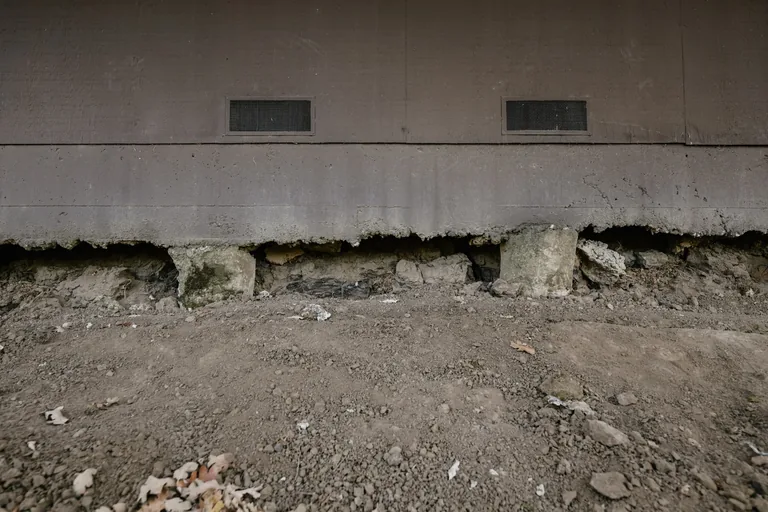
Our free inspection begins around the perimeter and wherever you have noticed rats and mice, droppings, burrows, gnaw marks, tracks, or nesting debris. We inspect foundations, crawl-space vents, garage doors, decks, eaves, roof returns, utility penetrations, sheds, retaining walls, fences, and landscaping. Burrowing rats, climbing roof rats, and mice often leave different evidence.
We also look for common signs, including rat droppings, disturbed soil, nighttime rodent activity, pet food, bird feeders, food waste, overgrown grass, leaks, and nesting material in wood piles or exterior storage.
- Identifies travel routes, burrows, and protected hiding areas
- Locates structural openings that may lead indoors
- Clarifies where cleanup, barriers, rodent traps, or sealing are appropriate
Step 02 · Diagnose
Diagnostic Report & Estimate
Alley Cat’s Comprehensive Diagnostic Report documents evidence, likely species, structural vulnerabilities, and recommended pest control services. The estimate separates cleanup, trenching, screening, sealing, rat traps, garage proofing, and roofline repairs.
Step 03 · Clean
Cleanup & Dispose of Dead Rodents
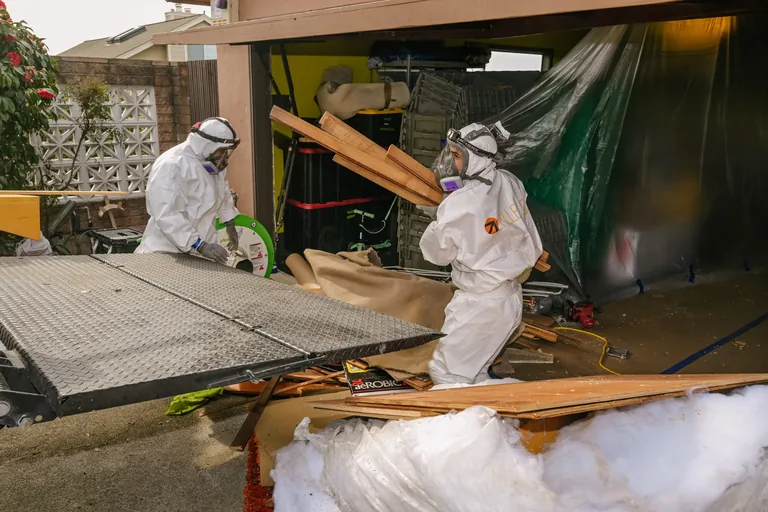
Exterior rodent control may require removing contamination and shelter that allow rats and mice to remain close to the house. Depending on the approved scope, our specialists clear accessible droppings, contaminated cardboard, shredded paper, damaged insulation, and other nesting material from garages, crawl-space entries, sheds, or covered utility areas.
Our team may:
- Bag contaminated debris and nesting material from approved service areas
- Remove captured rodents and accessible dead rodents
- Safely haul away project waste and dispose of dead rodents according to the service scope
Do not handle dead rodents or droppings with bare hands, and keep children and pets away. Once the contaminated material is removed, the area is ready for sanitation and reinforcement.
Step 04 · Sanitize
Sanitize & Decontaminate
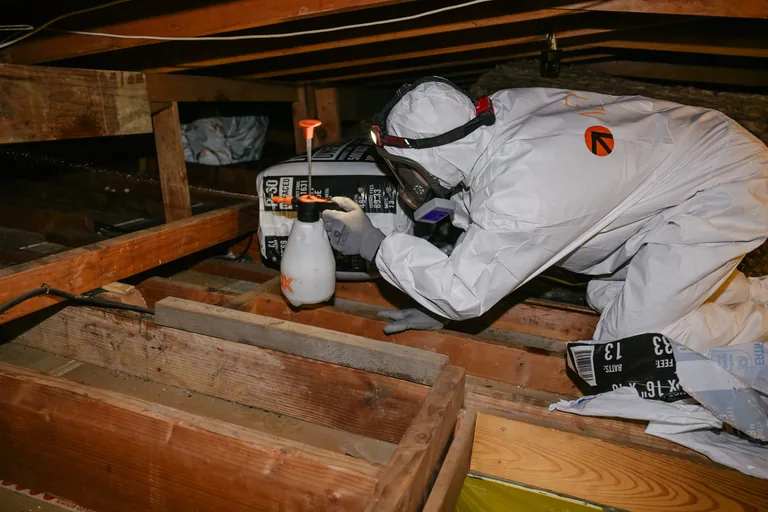
Sanitation is appropriate where rats and mice have contaminated accessible garages, sheds, covered patios, crawl-space entries, or utility zones. Alley Cat applies professional-grade products according to the surface and approved scope instead of treating the entire yard indiscriminately.
This stage addresses rodent droppings from rats and mice, urine residue, odor, and scent trails. It is especially useful when activity has damaged food packaging, contaminated stored materials, or moved from exterior openings toward adjoining walls or areas inside cabinets.
Step 05 · Seal
Seal, Reinforce, & Prevent
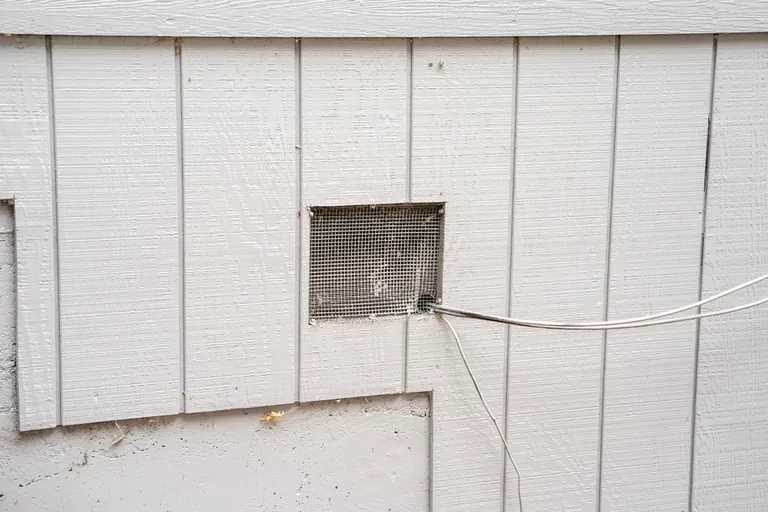
The core of exterior rat control and mouse control is reducing how rodents approach, shelter beside, climb onto, or enter the home. Rats and mice exploit worn doors, damaged vents, utility gaps, roof transitions, and openings hidden behind siding or vegetation. Rodent traps and bait cannot provide durable pest control while food, shelter, and structural access remain available.
Depending on the property, Alley Cat may use these preventative measures:
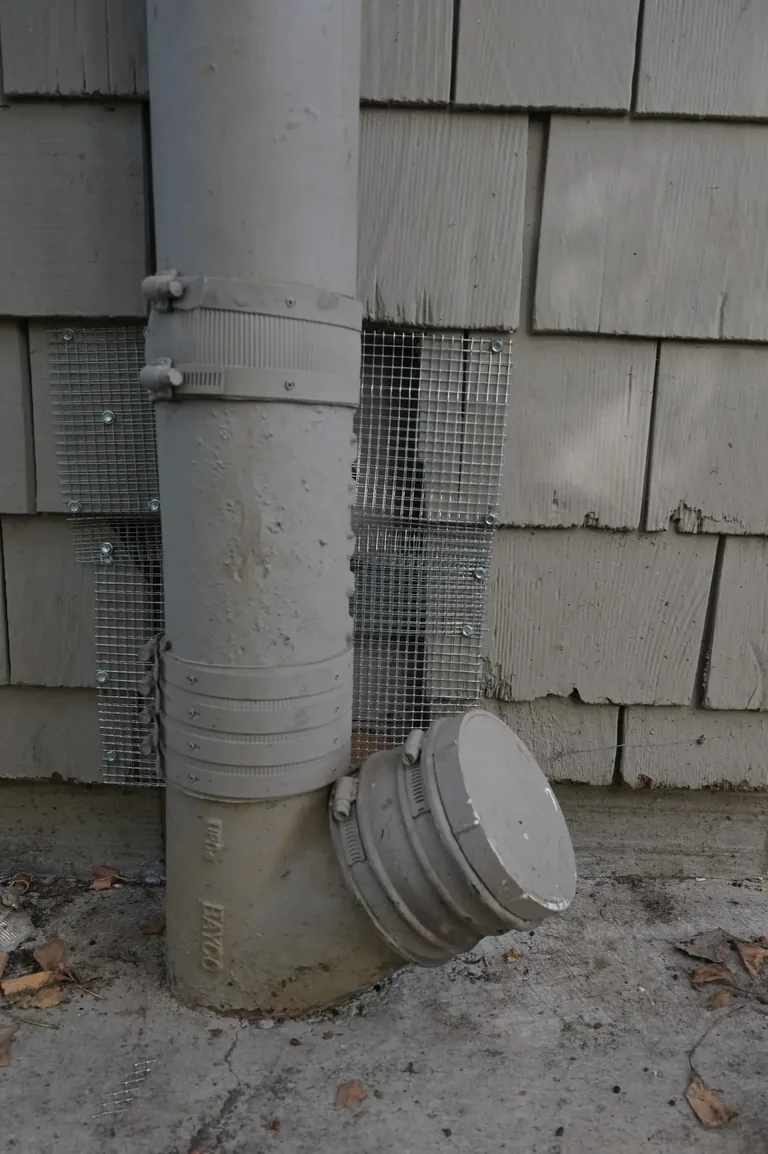
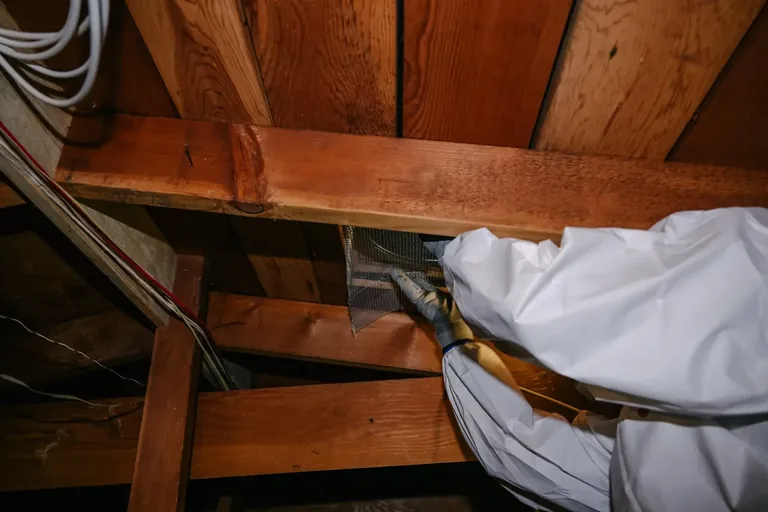
- Foundation sealingClose cracks, pipe gaps, and other entry points with sheet metal, mortar, sealant, or heavy-duty mesh. Steel wool may be temporary, but long-lasting repairs use materials that cannot be pulled apart easily.
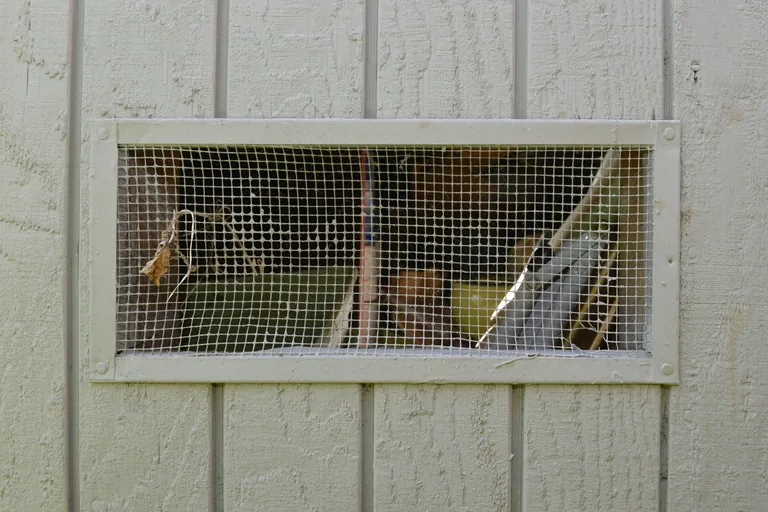
- Vent screeningReinforce foundation, crawl-space, attic, roof, and utility openings with properly fastened metal screening.
- Trenching and barriersInstall below-grade barriers where rats burrow beside foundations, decks, sheds, fences, or crawl spaces.
- Garage proofingRepair sweeps, side gaps, corners, and thresholds to prevent access and protect areas used by pets.
- Roofline reinforcementSecure eaves, soffits, fascia gaps, and roof returns used by roof rats.
- Attractant reductionSecure garbage and compost containers, bring pet food inside, clean beneath bird feeders, collect fallen fruit, move wood piles, and correct leaks.
We aim to seal entry points larger than one-quarter inch where construction allows. Trapping is coordinated with repairs so rodents are not sealed inside. These long term solutions help prevent rodents from returning and reflect Alley Cat’s work for more than 13,000 Bay Area customers.
Step 06 · Check
Rodent Traps and Bait Station Checks
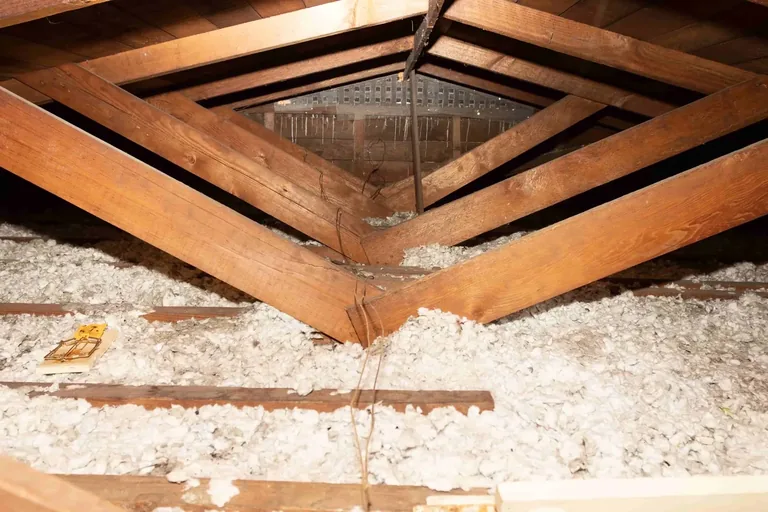
For active rodent pressure, Alley Cat places rodent traps along confirmed runways, near burrows, or in protected garages. Snap traps with a spring loaded bar provide chemical-free removal when correctly sized and positioned. Electronic traps may suit enclosed settings, while live traps require frequent inspection. We avoid glue traps because they can prolong distress.
A bait station is not the same as a trap. Rodenticides should be placed in tamper-resistant bait stations and used only according to the product label. A secured bait station limits access, while professional rodent bait stations and other tamper resistant bait stations help control bait around children, pets, wildlife, and non-target animals. The Environmental Protection Agency likewise emphasizes tamper resistant bait stations, label-compliant placement, and precautions.
Scheduled checks remove captured rodents, reset snap traps, inspect each bait station and soft bait placement, and refine the customized treatment plan. Monitoring shows whether rodent activity remains active after repairs and whether another bait station or trap adjustment is warranted.
Step 07 · Haul
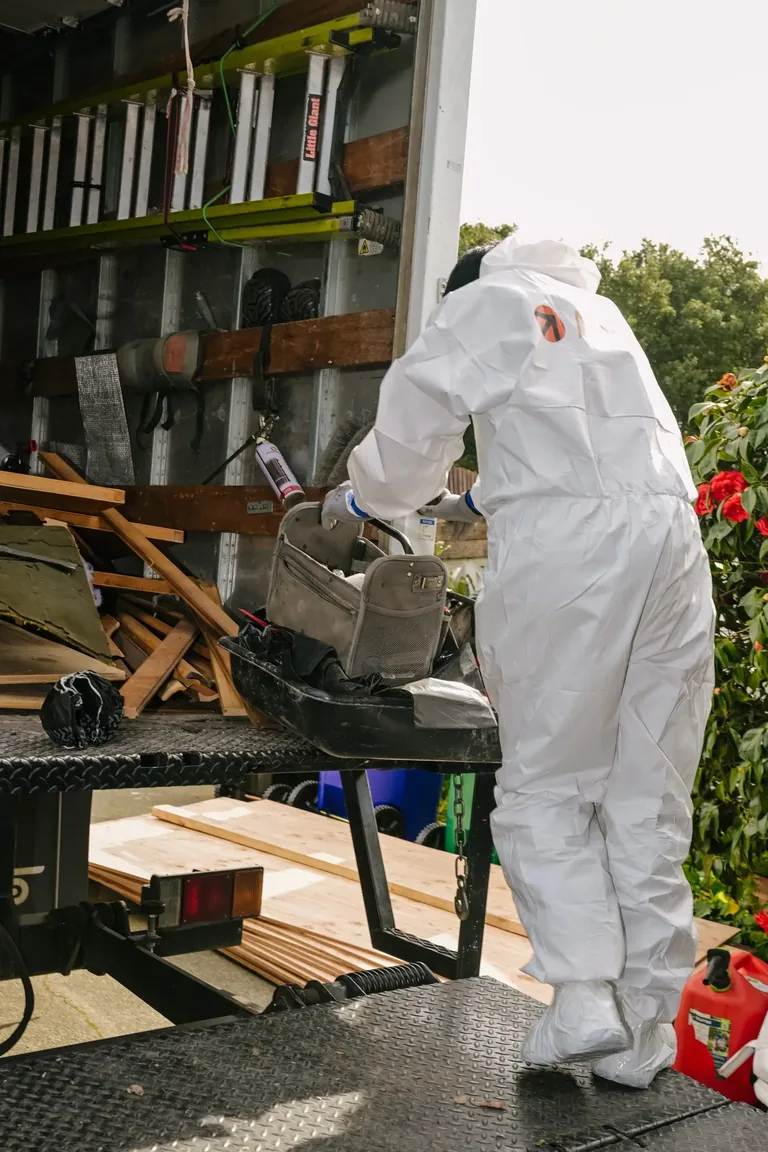
Wrap Up & Haul Away
At completion, our team removes captured rodents, discarded screening, contaminated materials included in the scope, and job-related waste. We safely dispose of dead rodents and review repaired openings, traps, and unresolved property conditions.
You receive guidance on fresh burrows, droppings, gnaw marks, disturbed soil, damaged screens, and renewed activity around compost piles. Prompt carcass removal also reduces the chance that pets or wildlife will contact dead rodents.

Step 08 · Support
Customer Service
Exterior rodent problems can involve yards, garages, rooflines, crawl-space perimeters, and neighboring routes. Our team coordinates inspections, trap checks, scheduling, and follow-up while helping homeowners understand which signs point to rats, mice, or other rodent pests.
Unlike broad pest control companies and other pest control companies that default to routine bait placement, Alley Cat pairs field diagnostics with a written scope, responsive support, and pest control recommendations tied to the structural conditions on your property.

Protect Your Home’s Exterior
Schedule an inspection to locate travel routes, reduce conditions that attract rodents, reinforce vulnerable openings, and build a practical rodent control plan that helps prevent rodents from reaching the structure.
Benefits of Professional Rat and Mouse Control
Protection that begins before activity reaches interior spaces.

Outdoor Mouse Control
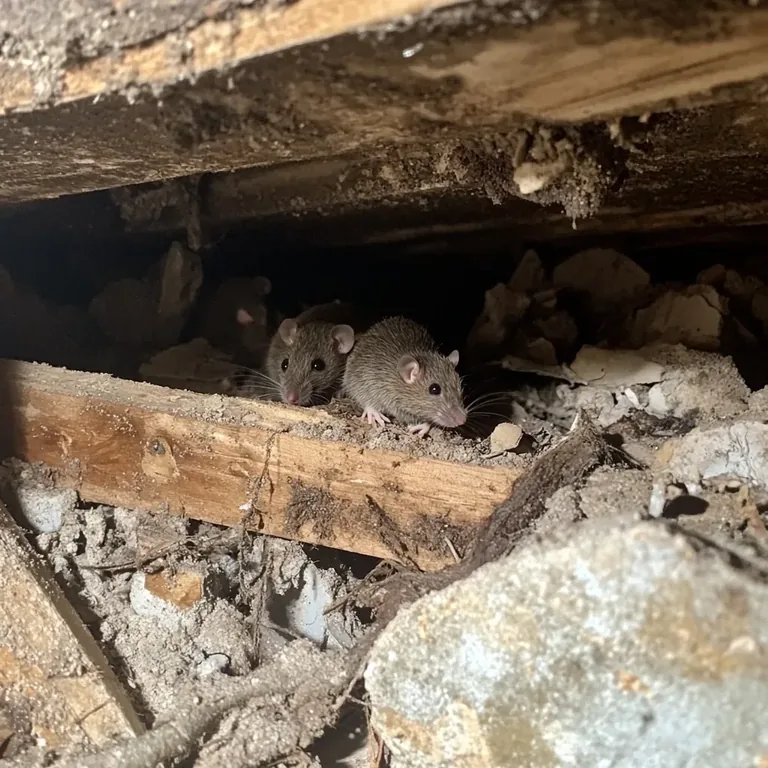
Effective mouse control accounts for the small openings mice use, low runways, and nests made from shredded paper. Alley Cat combines exclusion with well-placed snap traps or electronic traps in protected areas, plus sanitation that removes food and shelter.
Fertility Control Facts
Fertility control baits can reduce rodent populations over time, but results depend on placement, consumption, site conditions, and integration with other methods. The statement “fertility control bait can reduce rat populations by 94%” comes from a study in which rat activity fell 94% over one year at a poultry facility—not a guaranteed result for every home.
Fertility control baits can reduce rat populations by 94% is therefore best read as a site-specific outcome, not a universal promise. Rodent fertility control is a humane alternative to poisons is also a common description, but fertility control still does not seal openings, remove existing rodents, or correct food and shelter conditions. EPA labeling confirms that registered products must be used only as directed.
Natural Predators and Habitat
Some sources claim, “A single family of barn owls can eat 3,000 mice yearly,” or “Barn owls can eat up to 3,000 mice annually.” California DPR instead estimates about 3,000 gophers per family yearly and lists several prey species. Natural predators may help, but they do not replace exclusion, sanitation, or trapping.

“My service provider was great! He’s been here before and is familiar with my basement and exterior space. He quickly located a new entry point and patched it up!”
Alicia TaylorVerified Trustpilot review
-
4.9 / 5
1,240 reviews -
4.7 / 5
649 reviews -
 4.7 / 5
279 surveys -
 4.9 / 5
374 reviews
Rodent Control That Addresses the Source
Rodent control works best when it addresses the route between the yard and the building. Alley Cat uses integrated pest management principles: inspect evidence, correct sanitation and habitat conditions, remove active rodents, and reinforce structural weaknesses. Environmental modification is a long-term strategy for rodent control in California, and UC IPM defines long-term prevention through habitat modification and related methods as a central part of IPM.
- Inspect: Locate burrows, droppings, travel routes, food sources, and structural openings.
- Correct: Clean affected areas, set traps, and complete exclusion repairs.
- Prevent: Reduce shelter, water, and landscaping conditions that support rodent infestations.

Why Is Rodent Control Important?
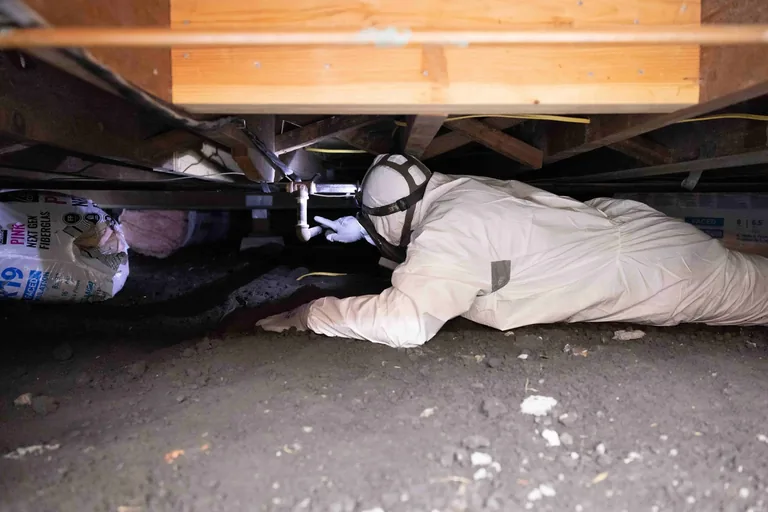
Rats and mice may look like no big deal, but they are not just a nuisance. Rats can contaminate stored goods, damage property, and turn an exterior issue into activity inside garages, crawl spaces, attics, or walls.

Natural Repellents
Natural repellents such as peppermint oil create a strong scent, but their effect is usually limited and temporary. They should support—not replace—sanitation, traps, and exclusion.
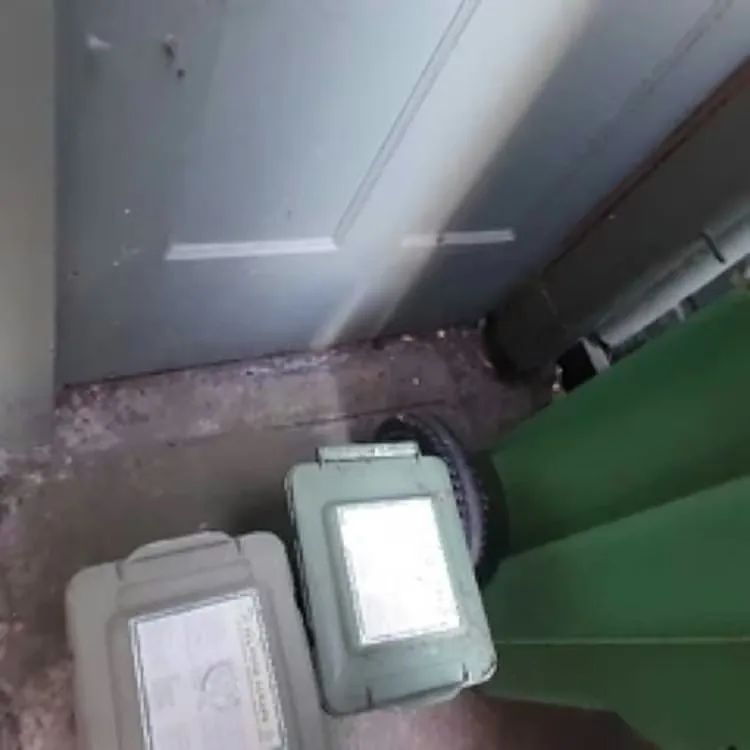
Bait Traps and Control Bait
“Bait traps” may refer to baited snap traps or poison stations, which are different tools. Professionals control bait placement, secure every bait station, and account for nearby pets and wildlife.
FAQ’s: Exterior Rodent Control



How Do You Get Rid of Rodents Outside?
The best approach combines sanitation, habitat reduction, exclusion, mechanical trapping, and monitoring. This integrated pest management approach is more durable than relying on poison alone because it removes the conditions supporting rat and mouse activity.
Start with these steps:
- Secure garbage, pet food, birdseed, and food waste.
- Use tight-lidded compost containers instead of open compost piles.
- Cut overgrown grass, thin ivy, move wood piles, and clear yard debris.
- Repair leaky faucets to eliminate water sources.
- Trim tree limbs so they are at least 3 feet away from rooflines to prevent rodent access.
- Set rat traps or mouse-size snap traps along confirmed runways.
- Seal entry points with metal screening or other resistant materials.
DIY pest control may address a small problem, but persistent rodent problems need inspection. Hearing nocturnal scurrying noises can signal rodent activity near walls, decks, garages, or rooflines.
What Is the Best Rodent Repellent for Outside?
No repellent is as dependable as removing food, water, shelter, and access. Peppermint oil, mint, lavender, ultrasonic devices, and similar products may create a temporary strong scent, but rodents can adapt or choose another route.
A stronger plan removes conditions that attract rodents, secures pet food, cleans beneath bird feeders, maintains compost containers, fixes leaks, and trims vegetation away from the structure. Rats can chew through plastic containers therefore food should be stored in rodent-proof bins. That wording is practical guidance, not a claim that every plastic container will fail. Repellents are not effective rodent control by themselves.
What Is the Hardest Rodent to Get Rid Of?
The hardest rodent problem is the one whose routes, nesting areas, and resources remain unidentified. Roof rats are challenging because they climb trees, vines, fences, and utility lines. Mice can also persist because they fit through small openings and may nest close to stored food.
Professional rat control begins with identification. Rat traps sized for adult rats may not trigger for mice, and mouse traps may be too small for rats. Fertility control can support certain professional programs, but sanitation, immediate removal, and exclusion remain essential.
What Do Rodents Hate the Most?
Rats and mice avoid properties that deny them dependable food, water, shelter, and safe routes. No single odor, plant, electronic device, trap, or bait replaces those conditions.
Focus on four actions:
- Remove attractants: Secure garbage, outdoor feed, bird feeders, and compost piles.
- Remove shelter: Reduce clutter, nesting material, overgrown vegetation, and wood piles.
- Block access: Repair doors, vents, roof gaps, and foundation entry points.
- Apply pressure: Use suitable snap traps or live traps and keep pets away from each device.
The phrase “a single-feed rodenticide is lethal after one feeding” describes products formulated so a lethal dose may be consumed during one feeding period; it does not mean every product works identically or that death is immediate. EPA labels note that some products may deliver a lethal dose in one night but take days to act, reinforcing why bait must be label-compliant and secured in tamper-resistant bait stations.

Schedule Exterior Rodent Control
Arrange an inspection to learn where rodent pests are active, which openings matter, and what combination of removal, cleanup, exclusion, and prevention fits your property.