
Bay Area Pest Control Services
Mouse Control for Bay Area Homes
We trace how mice get in, remove them with traps, clean what they left behind, and seal the routes so they stay out.
-
 4.9 / 5
1,240 reviews -
 4.7 / 5
649 reviews -
 4.9 / 5
374 reviews -
 4.7 / 5
279 surveys -
 Accredited
A+ BBB rating
Mouse Control That Finds, Removes, and Prevents Mice
Alley Cat provides mouse control that finds how mice enter, removes active mice, cleans contamination, and seals routes that sustain a mouse infestation. Bay Area homeowners get more than a quick trap visit. That means fewer hidden health concerns, less property damage, and a more reliable way to keep mice from returning.
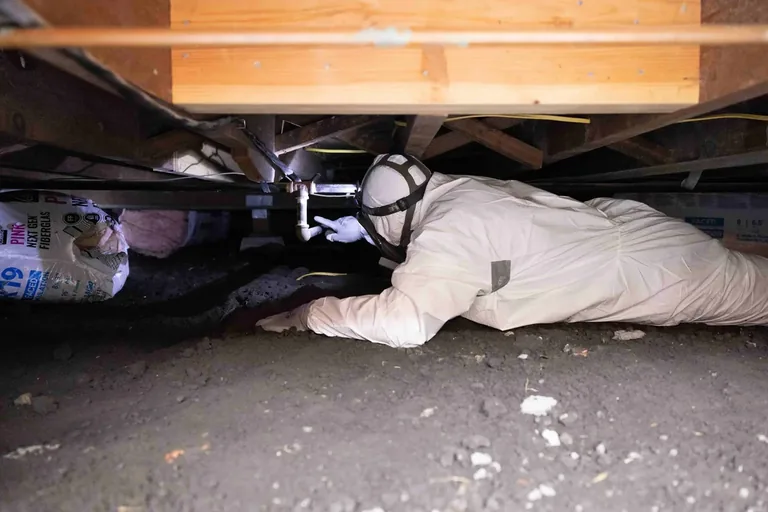
Whole-House Inspection
We trace mice evidence through kitchens, garages, walls, attics, crawl spaces, vents, and exterior openings.
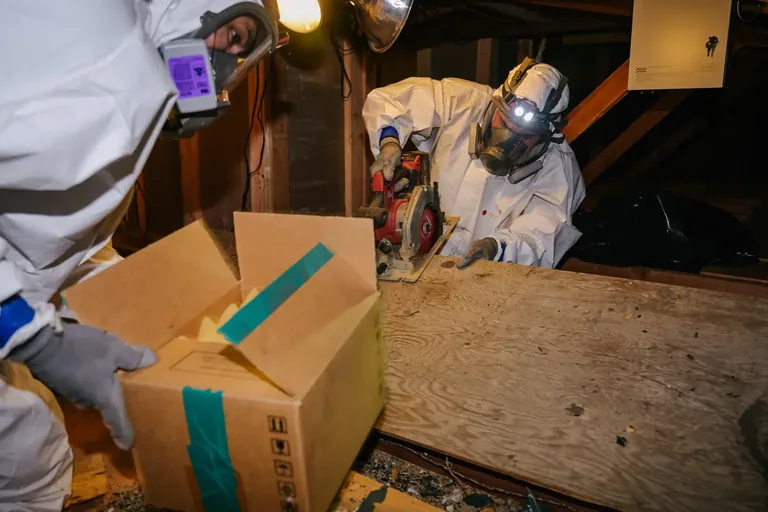
Active Removal
Strategic, effective traps catch mice inside without random bait or routine spraying.
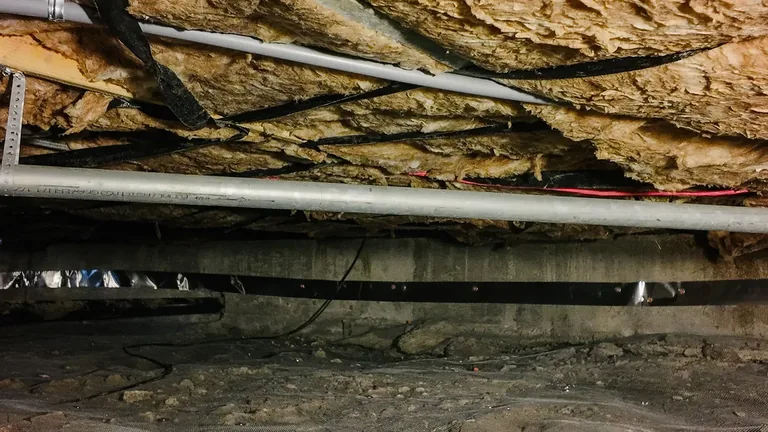
Mouse-Proof Exclusion
Durable metal and screening close entry points, eliminate access, and help prevent mice from returning.
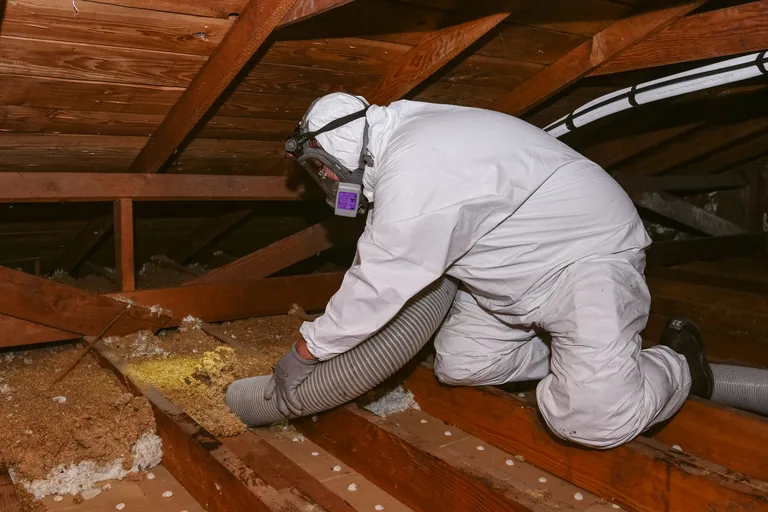
Cleanup and Monitoring
We address mouse droppings, odor, contamination, and damaged materials, then verify the result.
Why Alley Cat Mouse Control Works
Exclusion, diagnostics, and cleaner results.
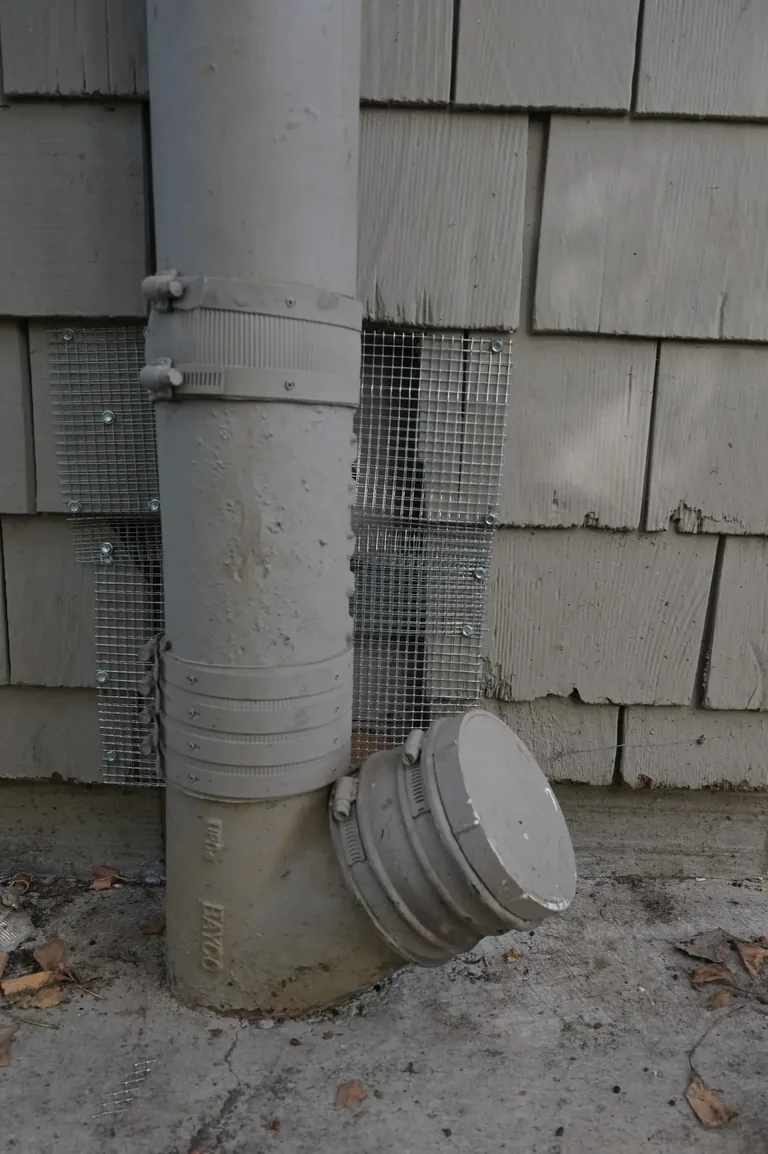
Exclusion First
Our mouse control focuses on where mice enter the home, not just where mice run, so control continues after removal.
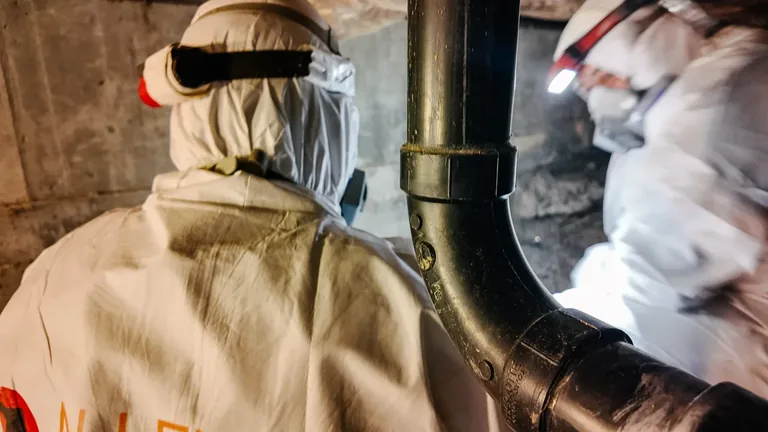
Local Diagnostics
Bay Area buildings vary. We inspect each property for foundations, crawl spaces, garages, rooflines, pipes, doors, windows, and crevices before we use mice exclusion methods.
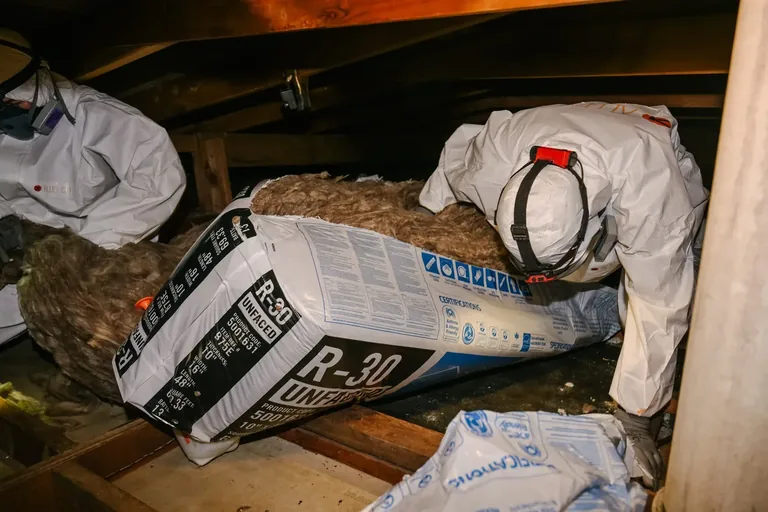
Cleaner Results
Alley Cat addresses rodents, bacteria, smell, chewing, and residue left by mice, so the home is not left with hidden feces or nesting matter.
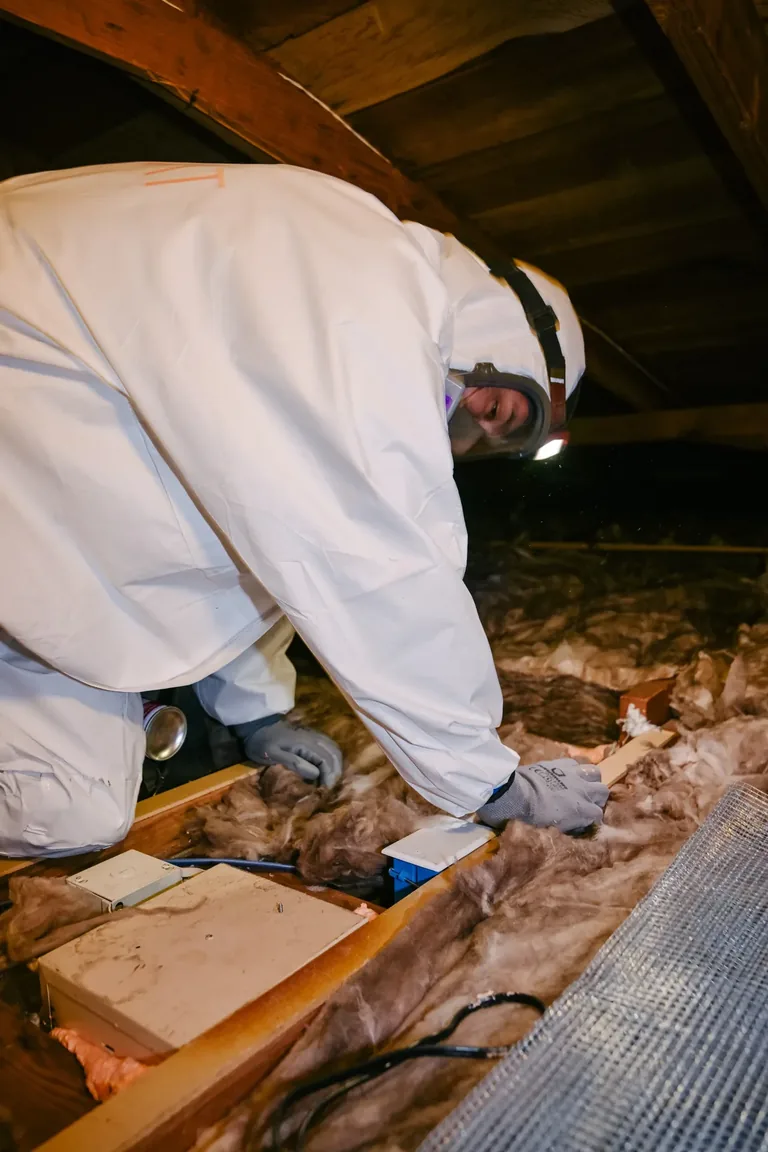
Mouse Infestation Clues Our Team Connects
A mouse infestation may first appear as:
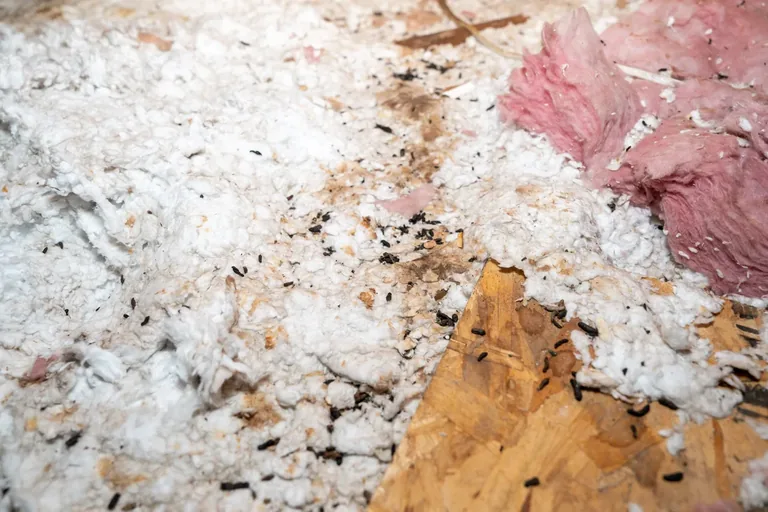
- Small, dark droppings in cabinets, drawers, or boxes
- Gnawing or chewing on packaging, insulation, furniture, or wires
- Scratching that people hear at night in walls or the attic
- Tracks, shredded bits, or a nest behind a refrigerator or stored items
Rodent droppings and gnaw marks are common signs of infestations. Mice leave droppings everywhere they go. In practice, droppings cluster where mice travel, eat, hide, or rest. Mice often make nests from shredded paper or cloth. Mice can also leave pheromones in their urine and droppings. These signs help connect indoor mice to exterior holes.
How Our Mouse Control Service Removes Mice
Effective mouse control combines diagnosis, removal, cleaning, exclusion, and monitoring. Alley Cat adapts the steps to the home layout, number of signs, pets, and locations with mouse activity:
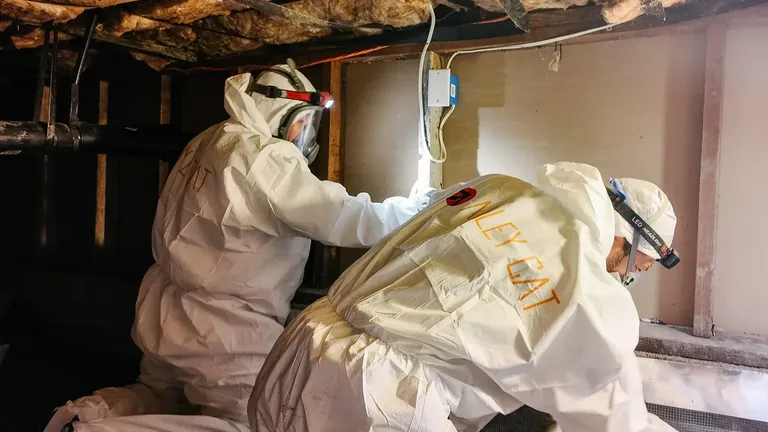
Step 01 · Inspect
Free Inspection: Mouse Droppings and Entry Points
A free inspection starts with what people see, smell, or hear. We use a flashlight around cabinets, appliances, garages, foundations, vents, pipes, crawl spaces, and other locations. Mice can fit through openings as small as 1/4 inch. Mice can enter through openings as small as 1/4 inch. A dime is not a safe size or diameter gauge; holes smaller than a dime may admit mice, while openings larger than that are clear priorities.
We also check for fresh mouse droppings, gnawing, pantry disturbance, nesting material, holes, and the presence of mice. Benefits include:
- Clear identification of entry points and ways mice enter
- Plain information about contamination, damage, and safety
- A home service plan based on the house, not guesswork
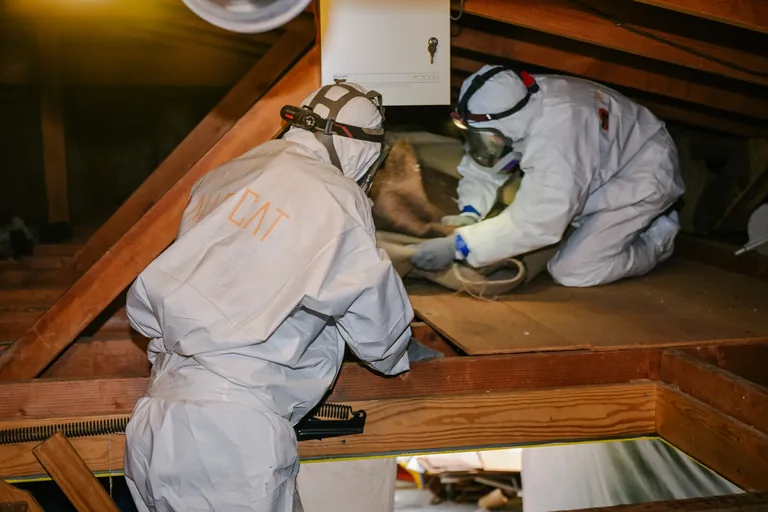
Step 02 · Diagnose
Diagnostic Report & Estimate
Alley Cat’s Comprehensive Diagnostic Report organizes evidence, entry points, cleanup needs, and work. Published national pages may list one treatment around $152, quarterly pest control services around $125 per treatment, weekly pest control services around $39, and a single visit at $300 to $500. A mouse inspection service typically costs around $179.
These low-end cost figures are not Alley Cat quotes. They may cover inspection or traps, but not sealing, sanitation, repairs, haul-away, or weeks of monitoring.
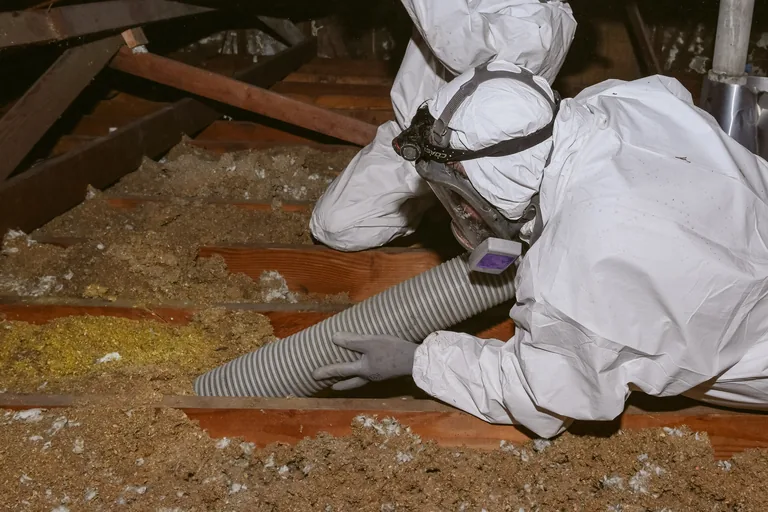
Step 03 · Clean
Cleanup & Removal of Dead Rodents
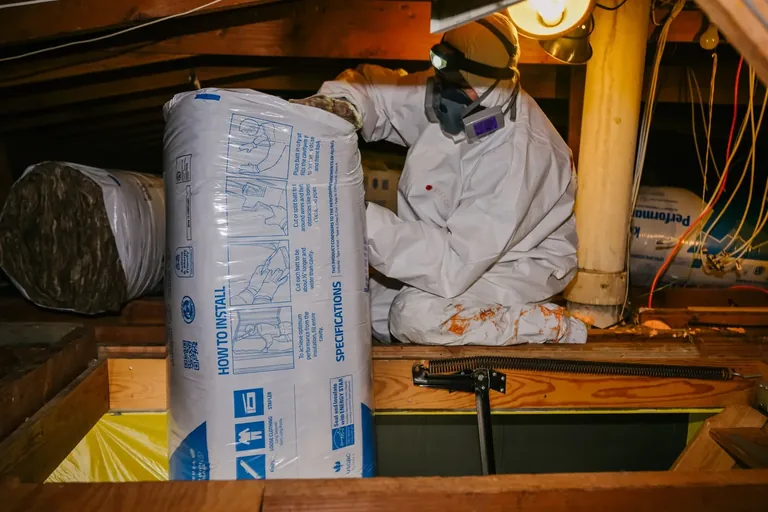
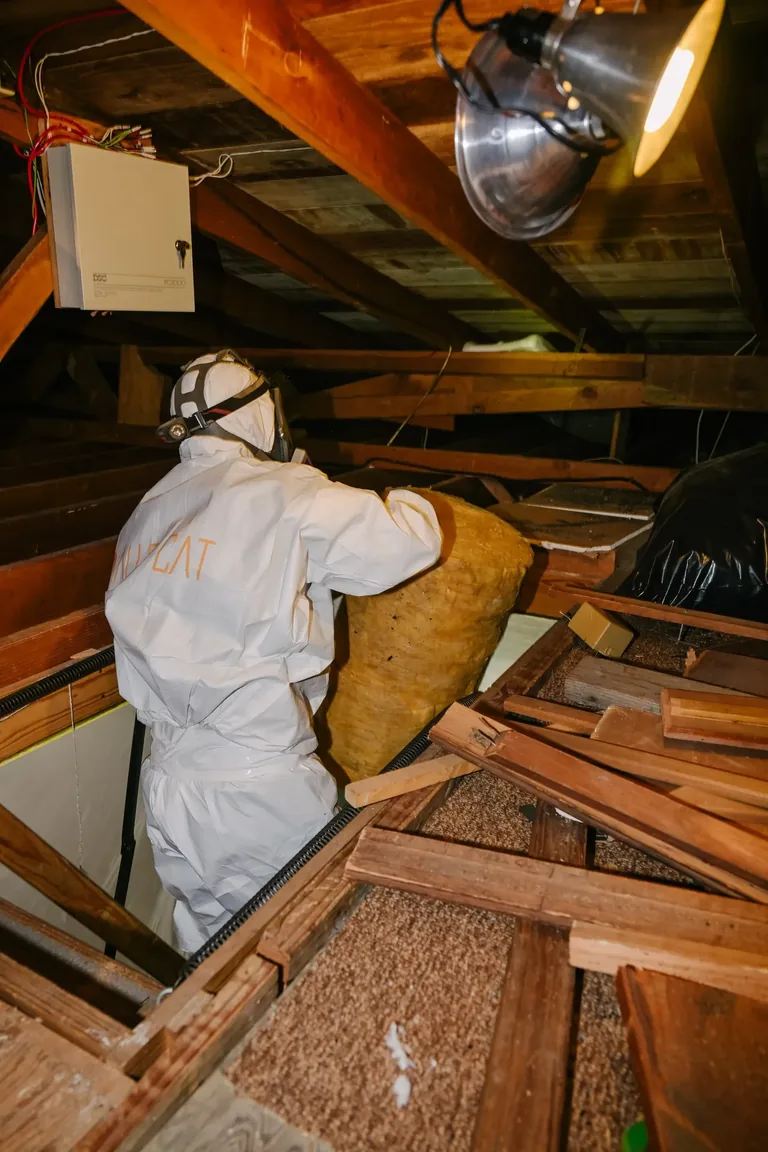
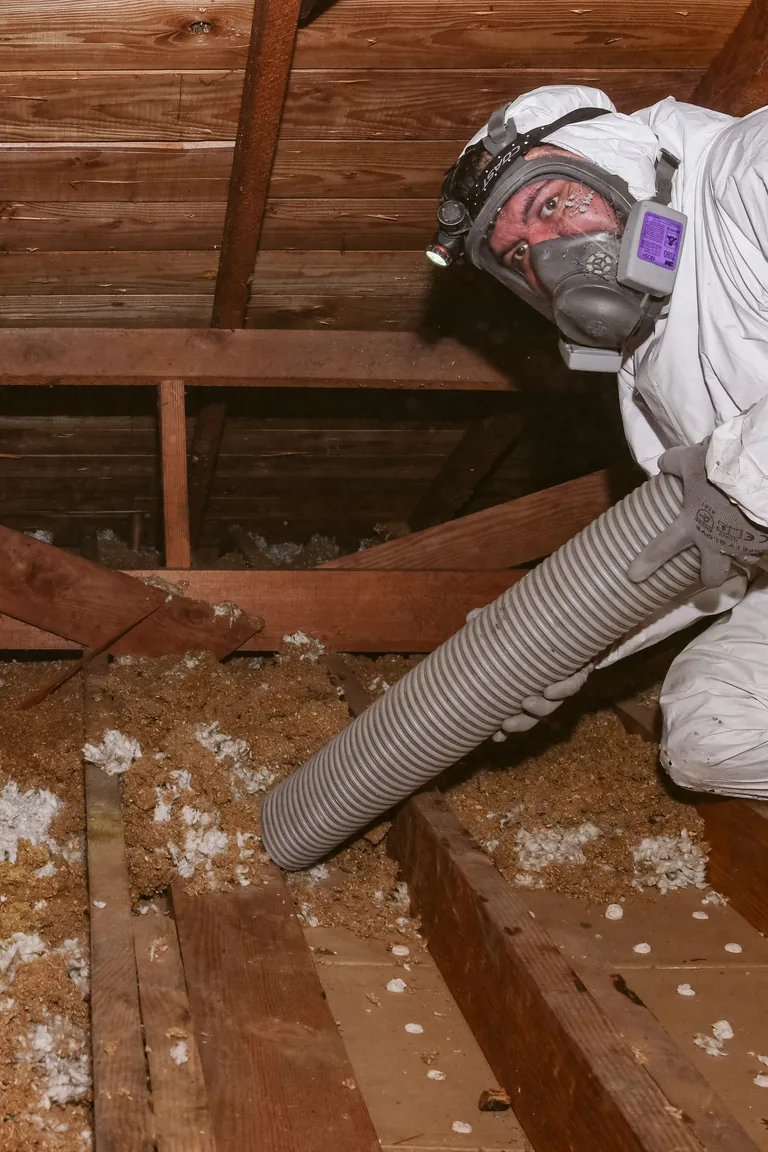
Cleanup removes mouse droppings, dead mice, nesting debris, damaged boxes, and edible waste that can attract mice. Specialists work carefully in an attic, crawl space, garage, cabinets, and utility zones.
They may handle:
- Dead rodents, old traps, nesting material, and odor sources
- Paper, cloth, plastic, insulation, and porous items affected by contamination
- Chewed wires, framing, stored goods, or access areas
Public health guidance favors wet disinfection, not dry sweeping. Wear plastic gloves; place dead mice and any used trap or device in a plastic bag, seal it, then place that bag in a second bag made of plastic for disposal. Heavy contamination needs professional cleaning.
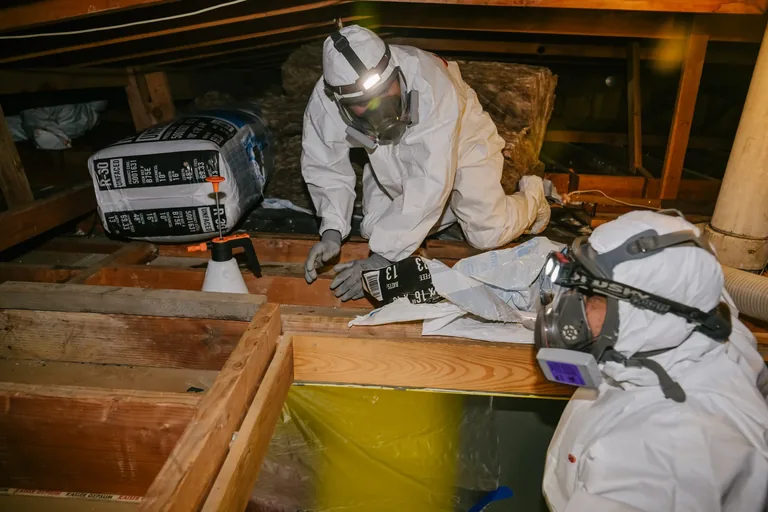
Step 04 · Sanitize
Sanitize Droppings and Nests
Sanitation reduces bacteria, viruses, and residue as mice travel and nest. Mice leave droppings and urine that can spread illness. Mice can transmit diseases like salmonella and hantavirus. Infected mice and other rodents can carry pathogens, but in California, hantavirus is associated primarily with deer mice, not all house mice. Species and exposure to rodents matter for humans.
Alameda County provides guidance on safe rodent cleanup due to disease risks. More precisely, local assistance differs from state and federal cleanup guidance. Gloves and masks should be worn when cleaning areas contaminated by rodents. Masks are particularly important for heavy, high-volume, or dusty contamination.
Never vacuum dry droppings. Read label instructions, wet the area, allow adequate contact time, and follow the stated dilution. Some guidance describes mixing bleach in a gallon of water. Wash hands after cleaning.
Step 05 · Seal
Seal, Reinforce, and Mouse-Proof
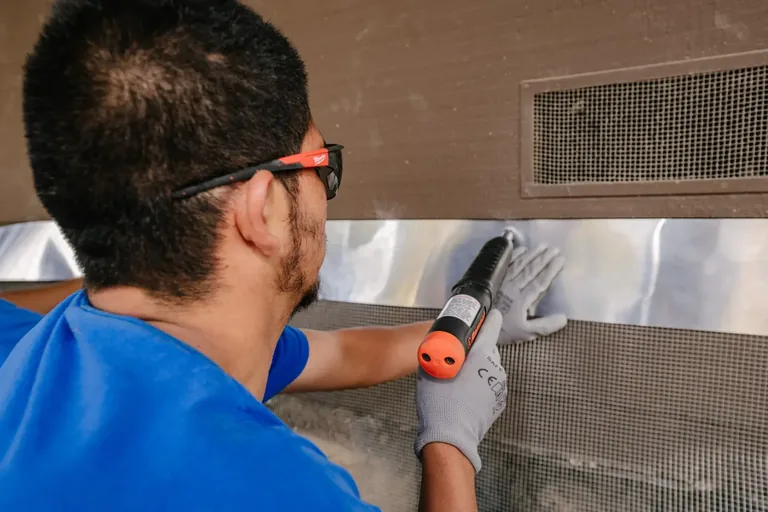
Mouse-proof construction is crucial for lasting rodent control. Alley Cat uses evidence to trace mice from the exterior into the home, then our technicians mouse-proof the routes with building-appropriate materials. Seal any entry points larger than a quarter-inch to exclude mice. Openings larger than that are priorities, but smaller cracks also matter.
Our exclusion methods include:
- Foundation SealingSeal cracks and holes with steel or concrete. We use metal flashing or mortar-compatible repair where framing and concrete meet.
- Utility ProofingWe seal gas, plumbing, cable, electrical, and HVAC penetrations while preserving safe access.
- Vent ScreeningCorrosion-resistant screen can cover vents while maintaining airflow.
- Door ReinforcementDoor sweeps and weather stripping can prevent rodent entry. We correct garage thresholds, side gaps, and worn seals.
- Targeted Gap FillingSteel wool mixed with caulking compound effectively seals gaps. This is generally a temporary DIY method because steel wool can rust; Alley Cat favors durable steel, mesh, flashing, or concrete.
- Interior Route ReductionWe close cabinet, baseboard, and utility openings so mice cannot move into pantries.
Prevention also matters. Proper sanitation and clutter reduction make homes less appealing to mice. Eliminating food and water sources is critical in rodent control management. Sanitation practices include cleaning up crumbs and fixing leaks to prevent mice.
Food sources should be stored in airtight containers to prevent infestations. Store food in metal or glass containers with tight lids. Vegetation should be trimmed away from the home to reduce rodent access. Daily sanitation practices are essential to prevent mouse infestations. Keep your home uncluttered to deter mouse nesting. Mice can reproduce rapidly, complicating infestations.
These methods create an effective, durable solution. Alley Cat has helped more than 13,000 satisfied customers and maintains a 97% customer satisfaction rating through exclusion, sanitation, and monitoring.
Step 06 · Check
Set Trap Checks: How We Trap Mice
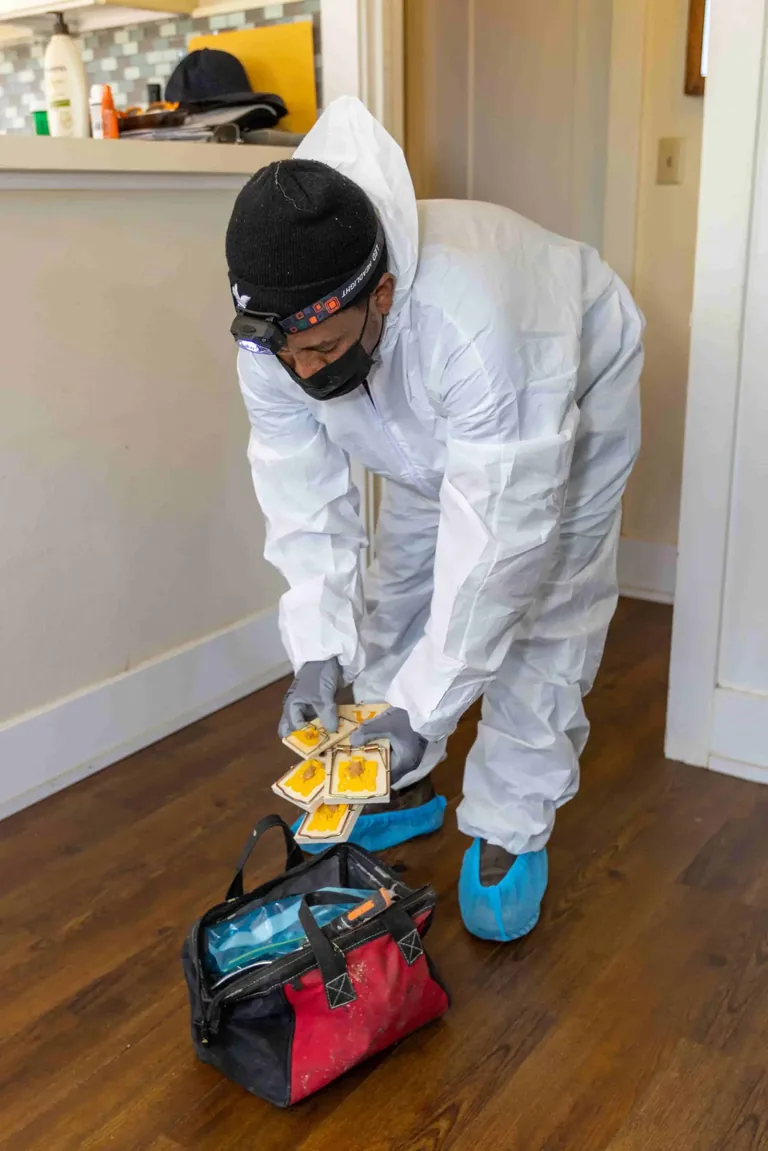
Snap traps are a highly effective method for mouse control. Trapping mice is more effective when multiple traps are used at strategic locations. Snap traps can be set 6 to 10 feet apart. Actual spacing depends on evidence, trap size, home layout, pets, and where mice travel; proper placement along walls matters more than following one fixed number.
We place traps on confirmed routes, use fresh bait, and aim the baited trigger toward the wall when appropriate. A large amount of bait may allow mice to eat without activating the trigger. A placement error, stale bait, competing attractants, or a device that fails to operate reduces effectiveness.
We check traps, refresh bait, and move traps as tracks change. Sticky traps are less effective in dirty or moist conditions. Alley Cat avoids random poison to kill mice in walls, where poison can result in death, dead mice, odor, and additional risk.
Step 07 · Haul
Wrap Up & Haul Away
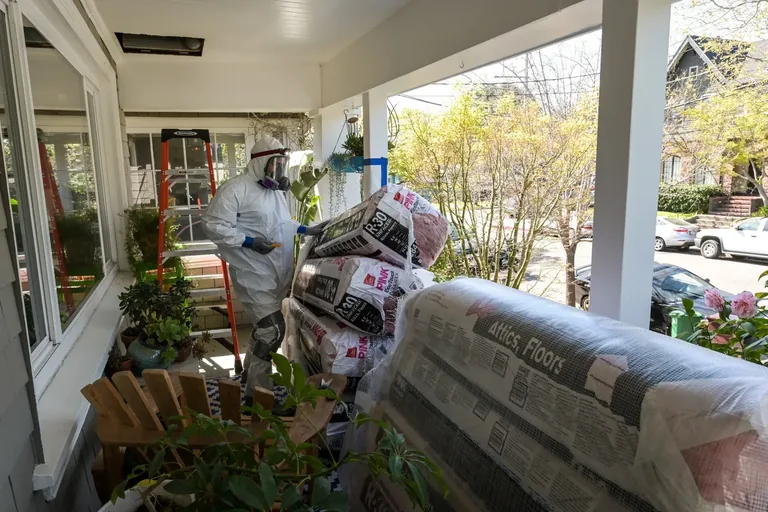
After trapping and sealing, Alley Cat removes debris, mice-affected boxes, used traps, and approved materials. We dispose of dead rodents carefully, review sealed holes, and explain what should remain secure to support a good result.
Monitoring for signs of mice should continue even after an infestation is eliminated. We watch for new droppings, chewing, noises, or bait disturbance. A week without a catch is encouraging, but mice should remain under observation for additional weeks when the infestation was established.

Step 08 · Support
Customer Service
Commercial services should include inspections, trapping plans, and sanitation. Alley Cat helps homeowners read the report, understand the work order, and learn which conditions to watch. Comments about where and what time homeowners hear mice can improve follow-up.
Some national listings state that mouse control professionals can schedule same-day or next-day appointments. That is not a universal Alley Cat promise; availability varies. Professional services can provide a unique mouse control plan. Alley Cat bases its plan on the home and mice evidence, not generic product packages used by some pest control companies.
Get Rid of Mice Early
A mouse problem can quickly spread from one cabinet into the home, attic, or crawl space. Schedule a Bay Area inspection to get rid of mice through removal, sealing, cleanup, and mouse control.
Mouse Control Experience Bay Area Homeowners Trust
Local knowledge, measurable trapping, and durable exclusion.

House Mice Diagnostics
House mice live close to humans with little food or water. Mice reproduce rapidly, with females having 5–10 litters per year. Mice can weigh about 1 ounce as adults. These repeated facts show how one sign can turn into a larger problem.
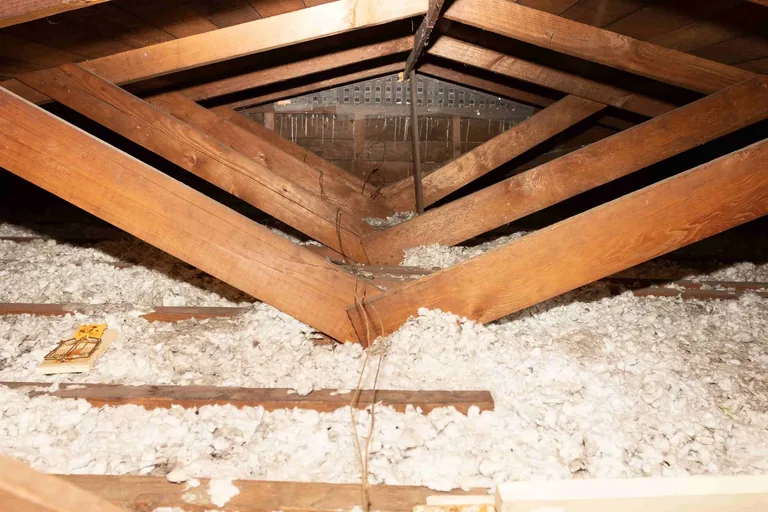
Snap Traps With Proper Placement
Alley Cat teams use a variety of traps along active routes, check which traps trigger and which bait disappears, and note each catch. We trap mice efficiently while keeping traps away from pets and children. Covered devices or secure locations fit trap placement to the house.
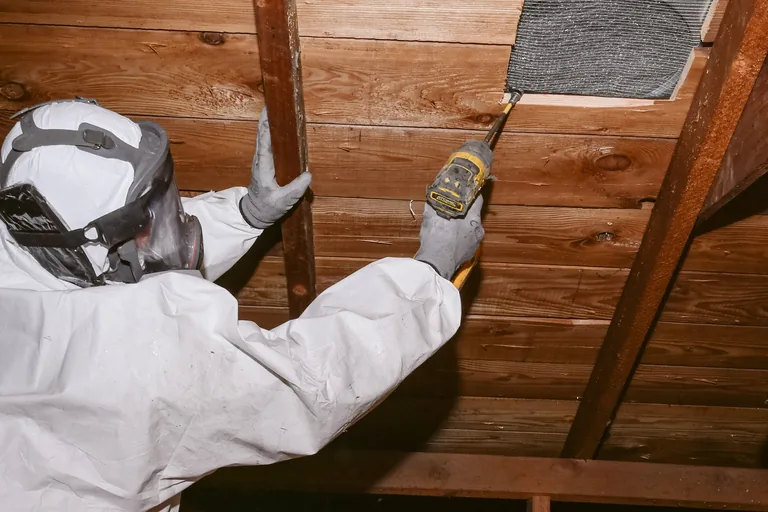
Attic and Wall Exclusion
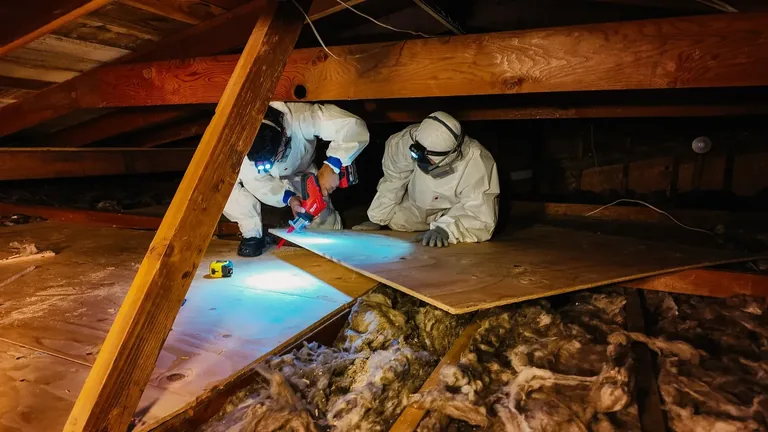
Mice may hide in insulation, walls, cabinets, and attic corners, then run through roofline openings. We trace mice to entry points and seal the property with chew-resistant metal, screen, or concrete-compatible repair instead of hoping repellent will drive mice out.

“They have good customer service. They're very responsive and very busy, so book early. I liked the customer service and I thought they did a very thorough job as well.”
Tania V.Verified Diamond Certified survey
-
4.9 / 5
1,240 reviews -
4.7 / 5
649 reviews -
 4.7 / 5
279 surveys -
 4.9 / 5
374 reviews
Mouse Control and Rodent Control With Real Exclusion Work
Mouse control should reduce mice inside and make the structure harder to re-enter. We do not promise to exterminate or eradicate future rodents. Instead, practical methods improve long-term control:
- Inspect the house and map entry points
- Place and monitor traps with suitable bait
- Seal openings, clean contamination, and explain prevention
That scope separates Alley Cat from pest control companies offering only recurring bait. Mouse control services include sealing entry points to prevent infestations. The service keeps Bay Area construction and each mouse infestation in mind.

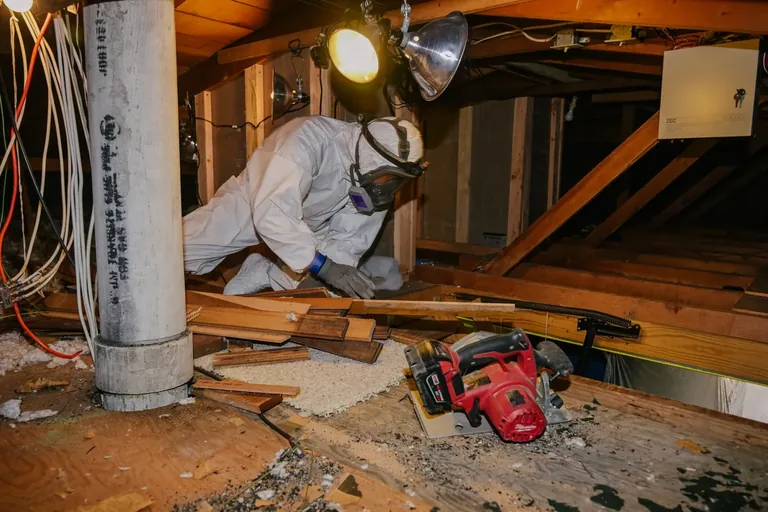
Why Is Mouse Control Important?
Mouse control protects stored goods, wiring, insulation, and living areas while reducing contact among mice, pets, and humans. Early action limits contamination and repeat entry.
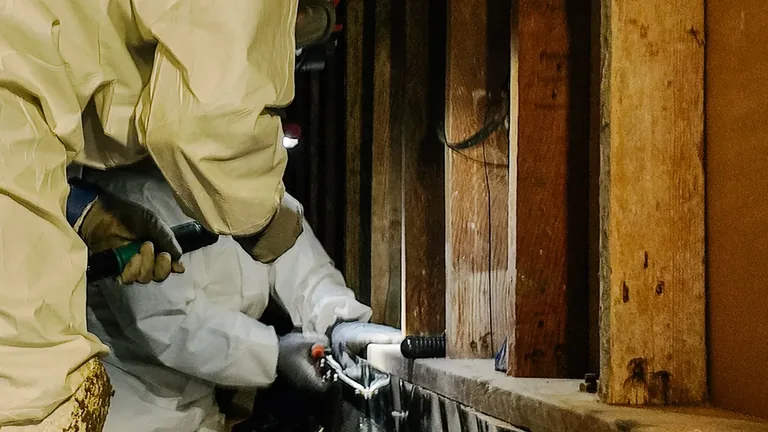
Control Mice by Sealing Entry Routes
To control mice, eliminate active mice and seal the openings that support the mouse infestation. Professional pest control is recommended for significant infestations after DIY efforts fail. A professional can reach hidden areas, interpret each sign, and coordinate removal with exclusion.

Bait Stations, Rats, and Pet Safety
Bait stations may fit limited situations, but bait and poison require careful use. Keep stations away from children, pets, and wildlife; secure bait in the correct product; and follow label instructions.
Before you purchase poison or bait, read the product information, learn how to use different trap types, and order the correct size for rats versus mice. Rats need larger traps than mice, and rats and mice may use different routes. Promptly dispose of dead rodents so pets and wildlife do not eat or carry poison residue.
FAQ’s: Mouse Control Services
What Is the Best Control for Mice?
The best control for mice combines exclusion, traps, sanitation, and monitoring. Traps remove mice in the house, sealing keeps mice out, and cleaning removes food, water, and shelter that sustain a mouse infestation.
For a small problem, place snap traps against walls. Use plenty of traps, modest bait, and check each trap every day while keeping them away from pets and children.
For a troublesome mouse infestation, professional service is often the most effective answer because technicians inspect hidden locations, seal holes, clean contamination, and verify success instead of trying only to catch mice you see. This is one of the best ways to get rid of mice, and homeowners can learn why each step matters.
How Do I Control My Mouse?
To control a mouse problem, secure food, reduce clutter, find droppings and gnaw marks, place traps, and seal exterior openings after mice are addressed. Use a flashlight around the refrigerator, cabinets, doors, pipes, and baseboards. Do not reach into dark crevices with bare hands.
Humane options for mouse control include live traps and release at least one mile away. That advice is not appropriate everywhere. California restricts relocating live wildlife without authorization, so obtain guidance and learn the applicable local rules.
When purchasing a trap, bait station, or poison, read and follow label instructions. Keep it away from humans, children, pets, and wildlife.
What Is the 5 Day Rule for Mice?
The 5 day rule for mice says five days without captures or fresh signs may mean active mice were removed. It is not a guarantee. Public health guidance is more cautious and often recommends continuing to use traps until there are no captures or new signs for about a week.
Check traps every day, replace fresh bait, and look for mouse droppings, chewing, or sounds. If evidence returns, do not wait. Place traps in active locations, recheck entry points, and continue monitoring for several weeks. Mice can return quickly when exclusion is incomplete.
What Do Mice Hate the Most?
Mice do not reliably hate one smell enough to leave a safe house containing food and cover. Peppermint and ultrasonic products may offer hope, but their effectiveness varies because mice can hide behind walls or move to another location inside the house.
What mice resist most is a house without easy entry, food, water, or shelter. Seal holes, properly fit doors and windows, store food securely, and place traps where evidence is found.
Mouse control professionals operate in over 150 USA locations. That is a nationwide third-party claim, not Alley Cat’s footprint. Alley Cat serves Bay Area homes with local, exclusion-first mouse control.
Schedule Mouse Control
Protect your home before mice contaminate pantry goods, chew more wires, or create nesting areas. Contact Alley Cat for a free mouse control inspection.