
Attic Roof Rats
Roof rats often reach upper levels from trees, fences, utility lines, and roof returns. In attics, they leave urine stains, trails through insulation, nests, and scratching above bedrooms.

Bay Area Rat Removal Service
Rat removal is not just catching the rodents you hear at night; effective service means finding how they got inside, cleaning what they contaminated, and blocking the routes they may use again.
 4.9 / 5
 4.7 / 5
 4.9 / 5
 4.7 / 5
 Accredited
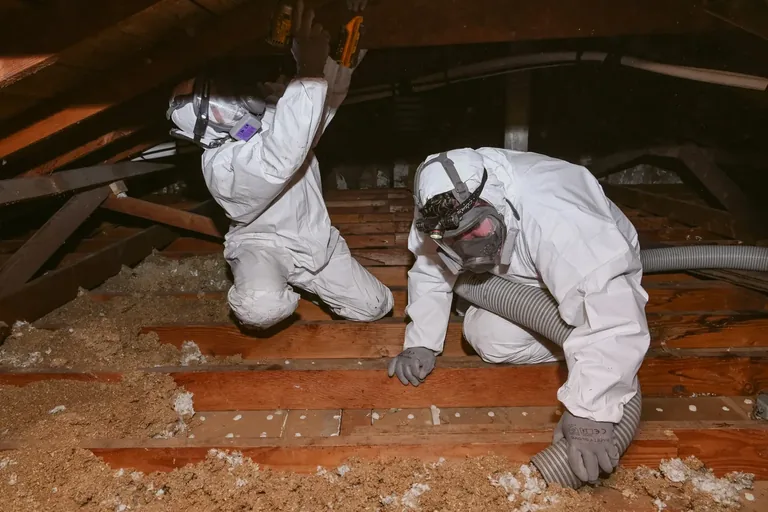
Alley Cat helps Bay Area homeowners with active rat activity in attics, crawl spaces, garages, kitchens, basements, rooflines, and exterior gaps. Our service focuses on:
Rat removal is the process of identifying an active rat infestation, removing rats from the home, cleaning contaminated areas, and sealing the structure to help prevent future infestations.
Alley Cat does not stop at setting traps. We look for roof gaps, foundation openings, utility penetrations, and wall voids that let rats gain access again.
Our work is built around rodent exclusion: sealing, screening, reinforcing, and repairing vulnerable areas with suitable materials rats are less likely to chew through.
We inspect the areas rats frequent, from attic insulation and garage corners to crawl space vapor barriers, exterior walls, roof returns, and pipe openings.
A rat problem often includes rat droppings, urine, odor, nesting material, damaged insulation, and contaminated debris. Our team helps restore affected areas.
Bay Area homes face pressure from roof rats, sometimes called black rats, and Norway rats, also known as the brown rat, sewer rat, or wharf rat. We understand older foundations, hillside homes, dense neighborhoods, mice pressure, and gaps that attract rodents and pests, supporting focused rodent control instead of wildlife control.
Rats leave signs before many homeowners see one. We connect those signs to the source of the rat infestation, then address the activity, damage, and conditions behind it.
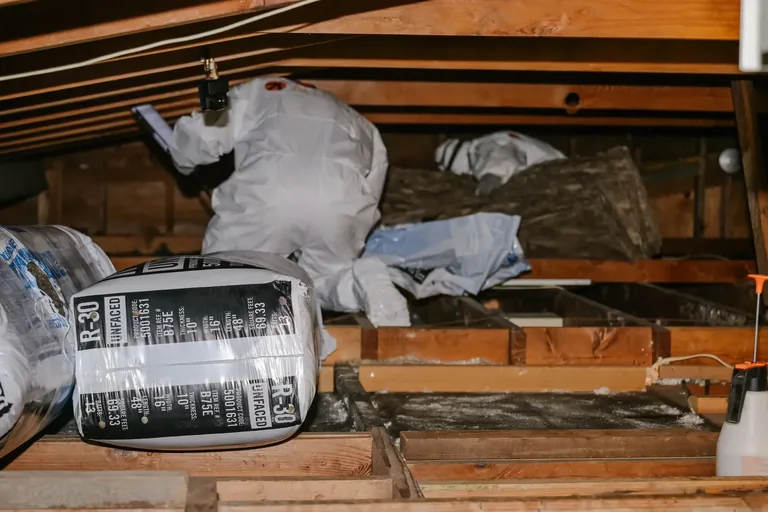
Scratching sounds, squeaking, scurrying, or chewing in walls, ceilings, attics, and crawl space areas often point to active movement.
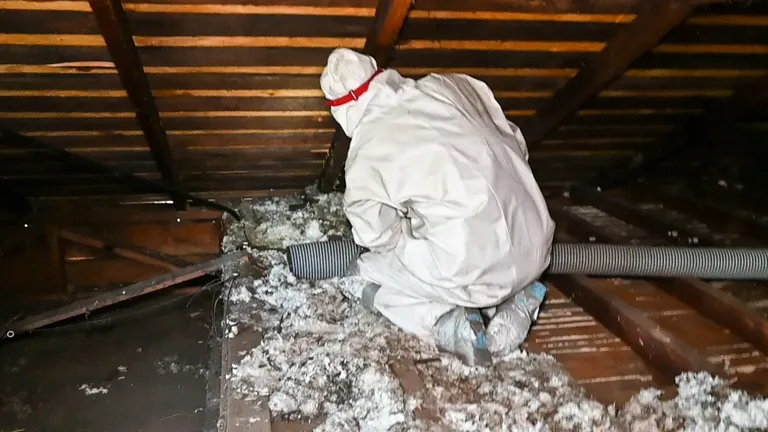
Rat droppings are usually dark and about half-inch to three-quarter-inch long; rat feces may appear near cabinets, garages, or food packages.
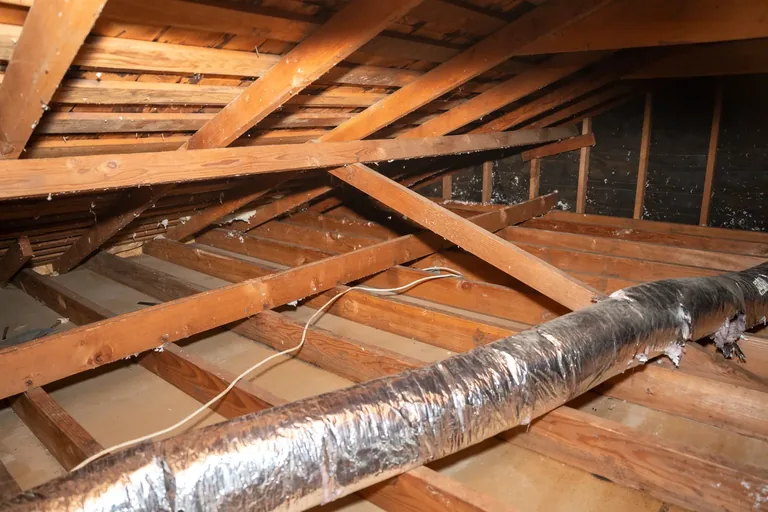
Fresh gnaw marks on wood, drywall, furniture, food containers, electrical wires, or ducting can indicate rat damage and possible fire hazards.
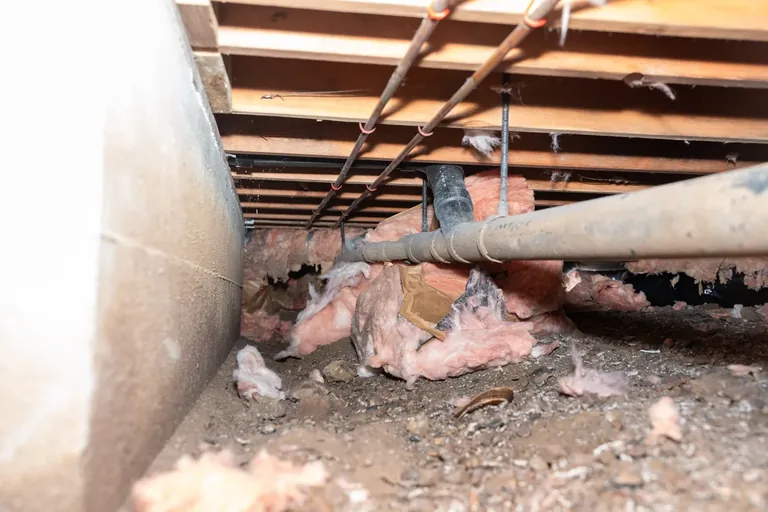
Footprints, tail marks, shredded paper, nests, urine odor, or pet reactions can reveal a rodent presence.
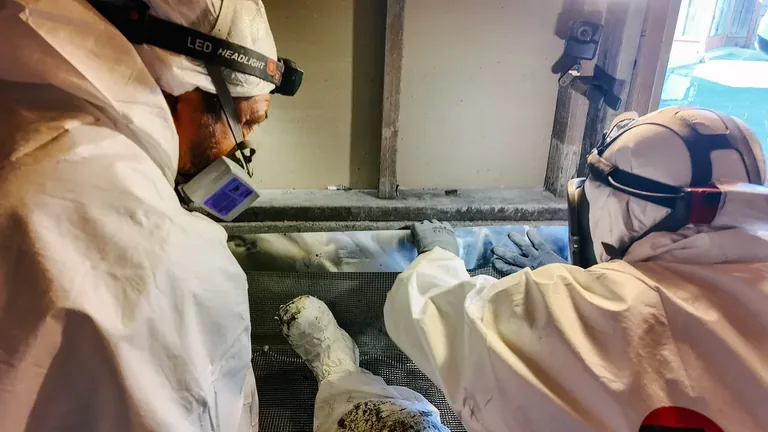
Common entry points include foundation vents, pipe penetrations, roofline gaps, garage corners, siding cracks, and holes under doors.
This work is most effective when each stage answers a practical question: where are rats active, how are they entering, what needs cleaning, and what must be sealed? We use a step-by-step rat control process built for Bay Area homes:
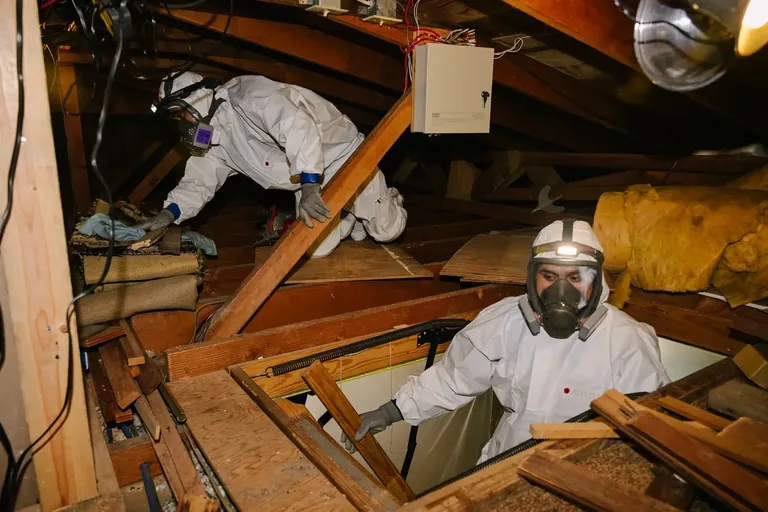
Step 01 · Inspect
During the free inspection, our technician checks where rats, mice, and other rodents enter, travel, nest, and contaminate. This may include attic access points, garage walls, exterior vents, roof intersections, utility lines, foundation gaps, bushes, trees, fences, and hard to reach places around the home’s structure.
We also listen for nighttime noises, odor, droppings, pet reactions, chewed food, footprints, tail marks, or stains near baseboards. Those details help determine whether you have one or two rats, a growing rat population, mice activity, or a more established infestation.
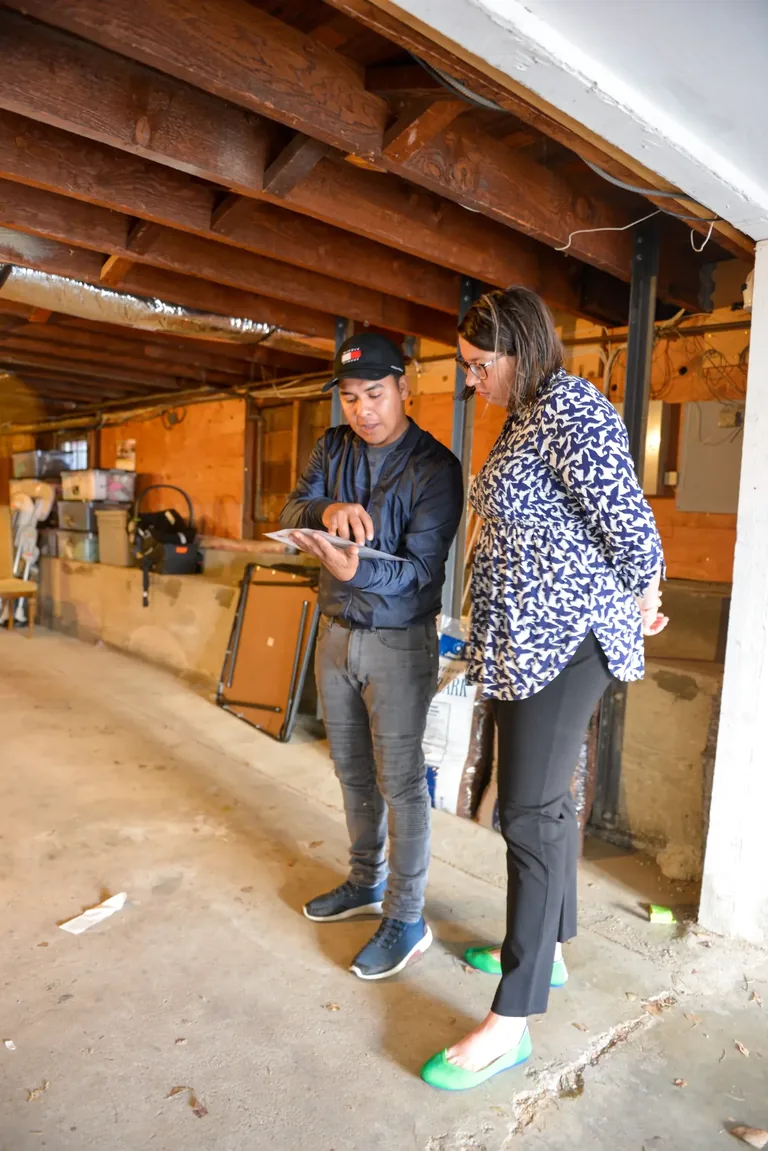
Step 02 · Diagnose
After inspection, we provide a Comprehensive Diagnostic Report that explains what we found and recommend. Homeowners often search rat exterminator cost, but the real price depends on square foot, access, contamination, repairs, materials, and severity. The report helps you compare pest control companies, decide whether to hire a rat exterminator, and see why recurring pest control visits may fail when openings remain unsealed.
Step 03 · Clean
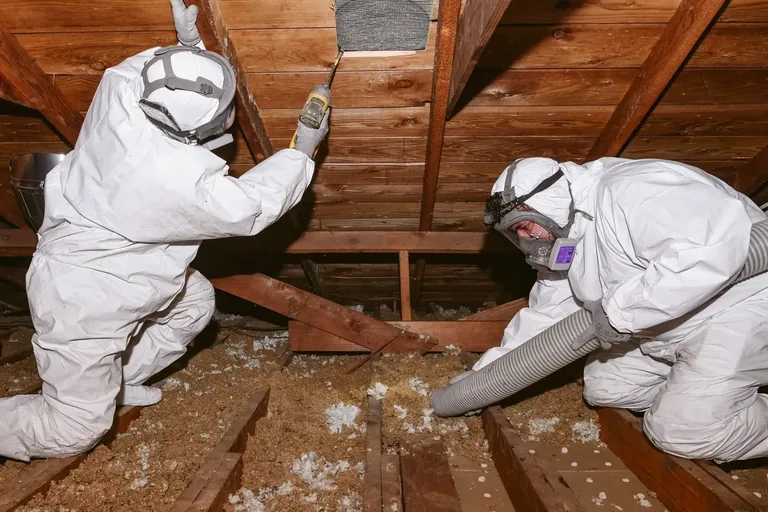
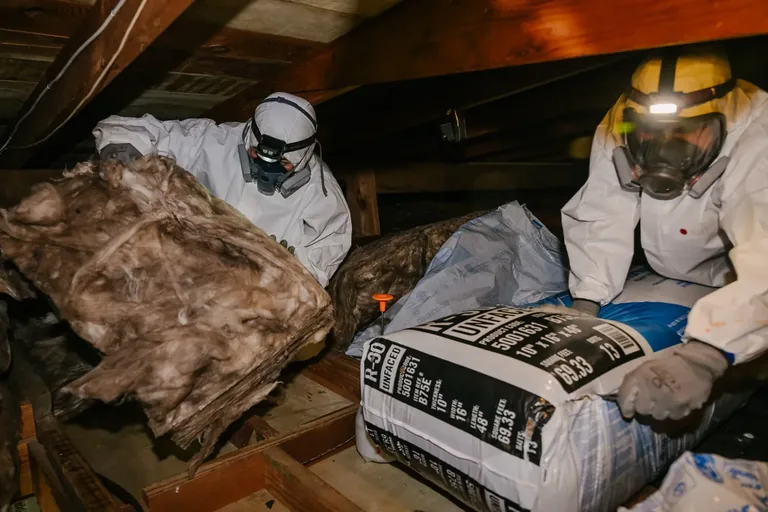
Cleanup addresses what rats leave behind: droppings, urine-soaked debris, nesting material, damaged insulation, contaminated vapor barrier, and rodent-damaged items from attics, garages, basements, or storage areas.
Our specialists handle the messy, confined parts of the job. Common cleanup tasks include:
Once the mess is removed, the home is ready for sanitation, decontamination, and prevention work.
Step 04 · Sanitize
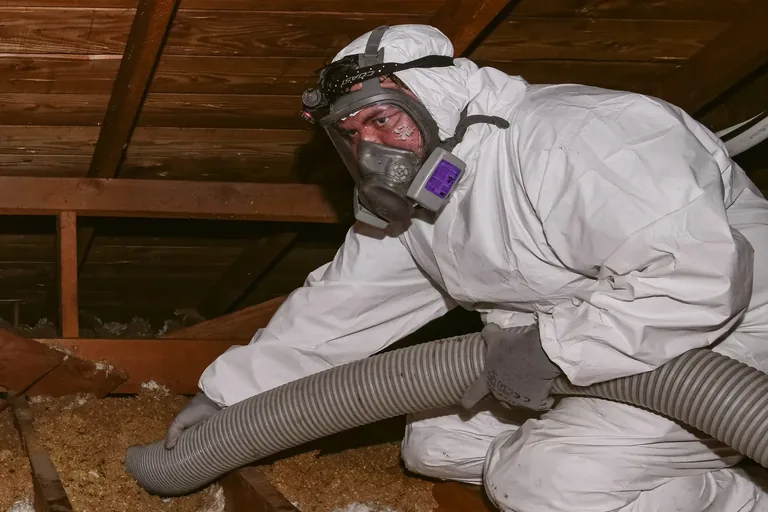
Sanitizing helps address residue rats leave behind. Rats carry bacteria and parasites, and urine or droppings may increase health risks such as leptospirosis, hantavirus, salmonellosis, and other diseases harmful to humans and pets.
We apply sanitation and deodorizing steps based on location and extent. This stage matters when rats have been near HVAC ducts, stored belongings, kitchen access points, or living-space openings.
Step 05 · Seal
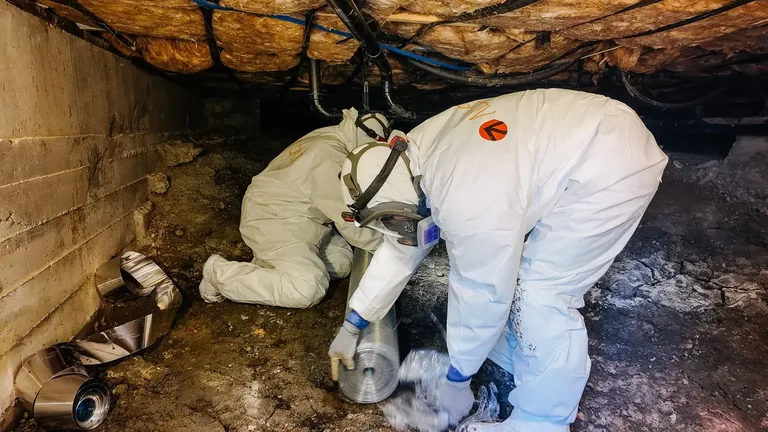
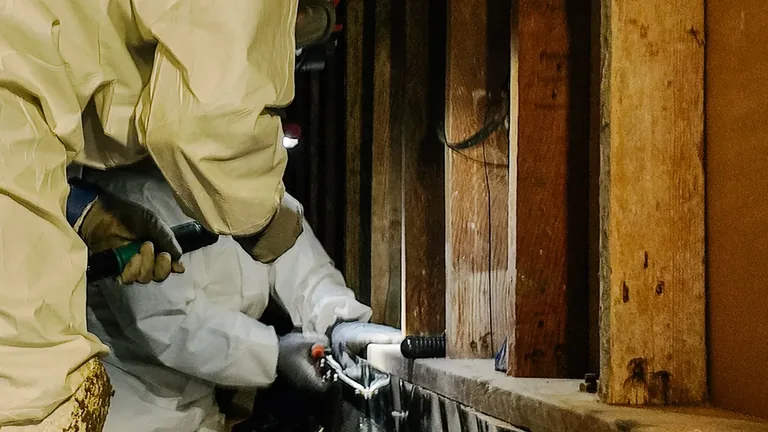
Sealing and prevention are the difference between catching rats once and helping reduce repeat rat infestations. Rats can squeeze through small openings, climb rough surfaces, follow utility lines, and exploit weak vents or construction gaps. Most rodents can use surprisingly small holes, so we recommend sealing cracks and openings larger than 1/4 inch.
Our exclusion methods may include several tactics, depending on the structure and routes rats are using:
This stage is tailored to Bay Area architecture, from San Francisco and Oakland to Napa, Novato, Concord, Mountain View, Fremont, and nearby areas.
With 13,000+ satisfied clients and a 97% customer satisfaction rating, Alley Cat has built its reputation on solving rodent infestations at the source. Our value is not just helping you get rid of rats; it is helping you understand why the infestation happened and how to keep the property better protected.
Step 06 · Check
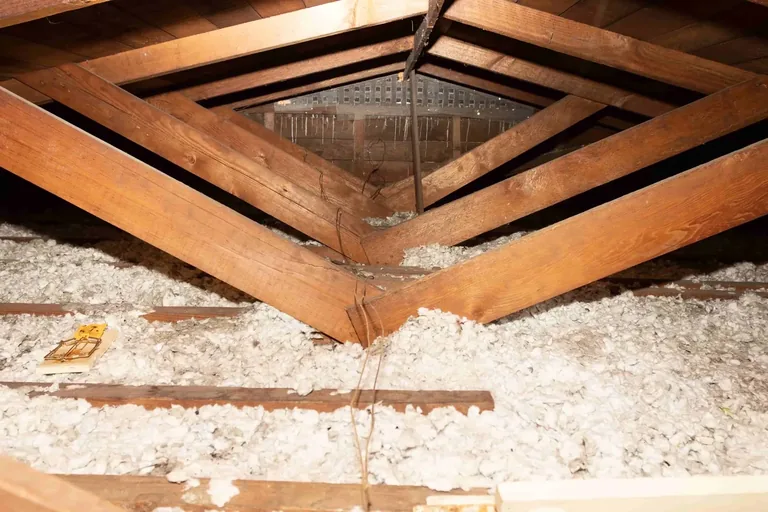
Indoor trapping is usually the preferred removal method for active indoor rat control. We place rat traps in travel paths based on droppings, rub marks, gnaw marks, attic routes, wall movement, and garage activity. When snap traps are used, a snap trap should be placed perpendicular to walls for best effectiveness.
Follow-up trap checks over several days confirm whether activity is decreasing and whether another entrance needs attention. Live traps are generally not effective for a large infestation, and glue traps are not our primary method. Products that promise to kill rats quickly can leave dead rats in walls, causing odor, insects, and cleanup issues.
Step 07 · Haul
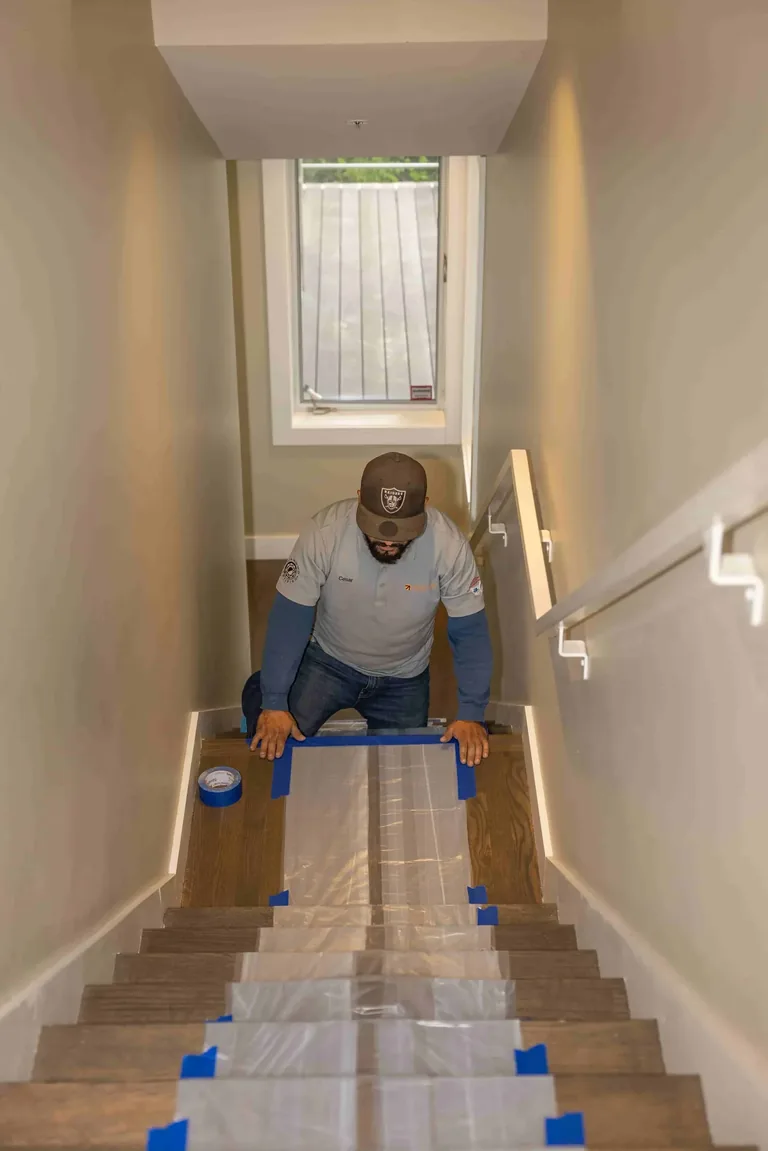
The wrap-up stage clears the work area and removes bagged debris, damaged materials, and contaminated items included in the approved scope. We aim to leave attics, garages, basements, exterior work zones, and crawl space areas cleaner and easier to maintain.
We also review completed work so you know what was cleaned, repaired, and monitored. If outdoor rodenticides or rat bait are considered as a last resort, they should be secured in tamper resistant bait stations. Loose bait indoors is not the best way to solve an infestation, and baits should be managed carefully around family, children, pets, and other animals.
Step 08 · Support
A rat issue can feel stressful because the activity is hidden, noisy, and unpleasant. Our customer service team helps coordinate inspections, scheduling, follow-ups, reports, estimates, and questions so homeowners know what is happening at each stage.
We focus on clear communication, so you understand the evidence, recommended work, cost, and reason behind each part of the service.
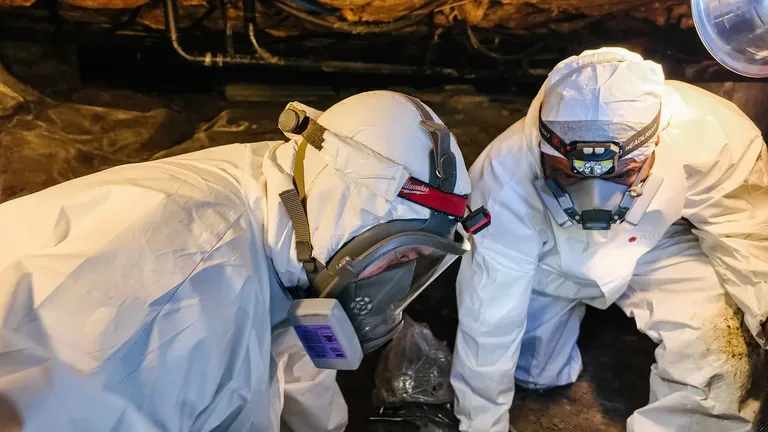
Do not wait for scratching, droppings, and odor to get worse. Alley Cat provides Bay Area rat removal with inspection, trapping, cleanup, repairs, and prevention support. Contact our team to schedule your free inspection and get a clear plan for protecting your home.

“Alley Cat Rep Brian was great. He was very professional and thorough. We have rat infestation. He explained what he saw, what work he did and what further steps are needed. It’s an invoked process but I feel Alley Cat will use their skills to get the job done.”
Wilma GVerified Trustpilot review
4.9 / 5
4.7 / 5 4.7 / 5
 4.9 / 5
Built for real Bay Area rodent pressure
Roof rats often reach upper levels from trees, fences, utility lines, and roof returns. In attics, they leave urine stains, trails through insulation, nests, and scratching above bedrooms.
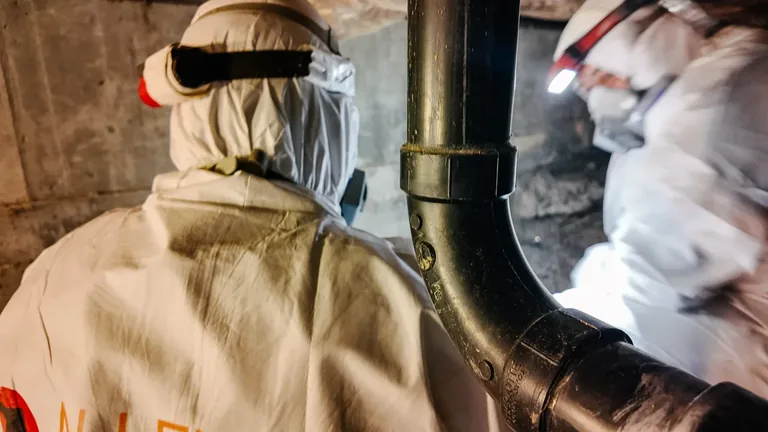
Norway rats often stay closer to the ground, and a Norway rat may have a heavier body, shorter tail, and blunt nose. Burrows, basement activity, and foundation damage can point to this species, while rapid reproduction can turn a small problem into larger rat populations with more offspring.
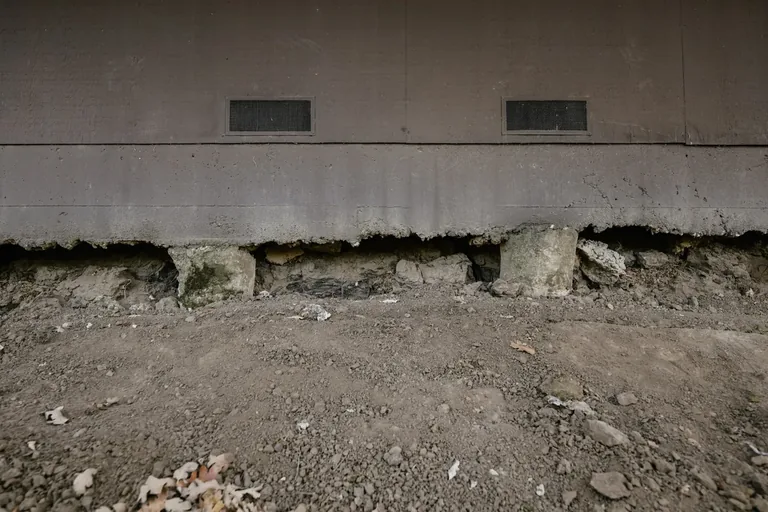
Rats commonly enter through exterior openings, broken screens, garage corners, pipe gaps, vents, and spaces beneath doors. These routes must be sealed to prevent rats from returning.
The best way to get rid of rats is to combine cleanup, exclusion, prevention, and the right traps. We look at the full pattern behind the infestation, including:
By connecting those details, we can recommend a plan that fits the house because rodents follow familiar routes. Our Bay Area experience helps us recognize local construction styles, seasonal pressure, and openings where rodents survive, eat, nest, and return.
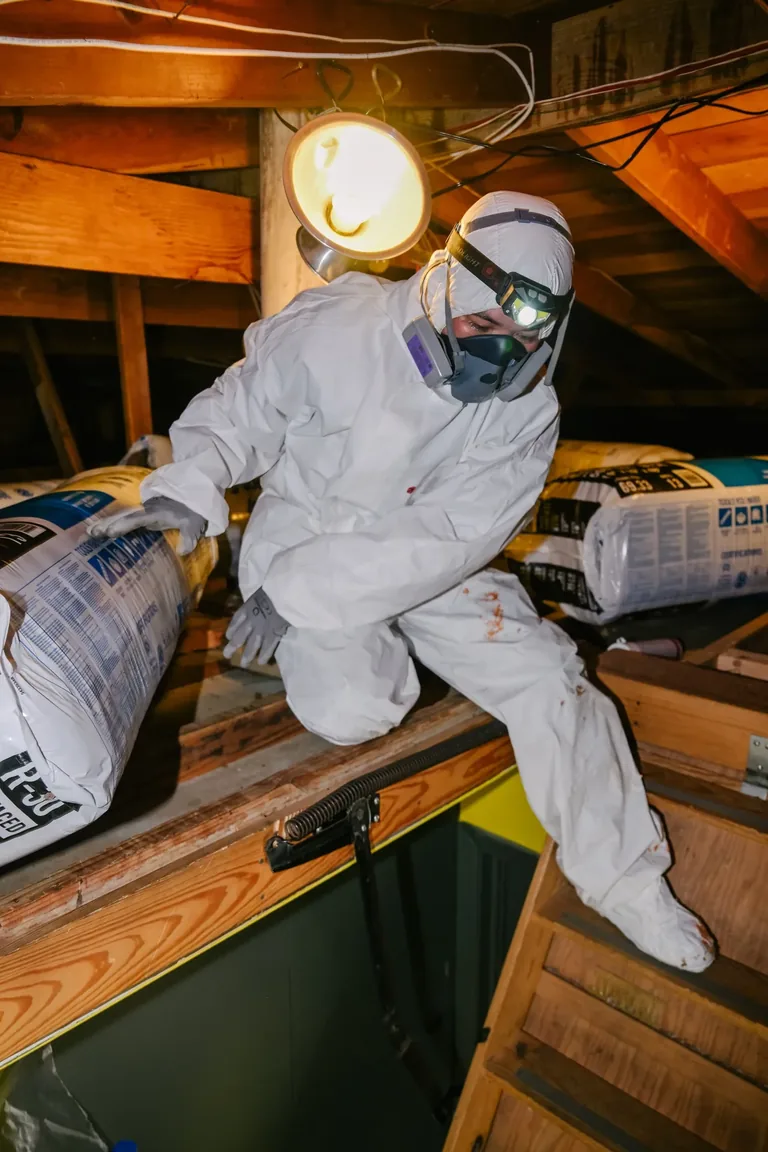
Many homeowners try diy methods before calling professionals, including store-bought traps, poison, ultrasonic noise, scents, plastic patches, or online tips that claim to repel rats. These efforts may capture a few pests, but they rarely eliminate the access points, shelter, and contamination that keep more rats coming.
A stronger prevention plan focuses on practical habits and structural repairs:
For homeowners wondering how to get rid of rats without wasting money, Alley Cat offers focused rodent control that broad professional pest control visits often miss. Hiring trained professionals can reduce dangerous mistakes, such as placing poison indoors, assuming noise devices will work, or replacing contaminated insulation before access points are repaired.
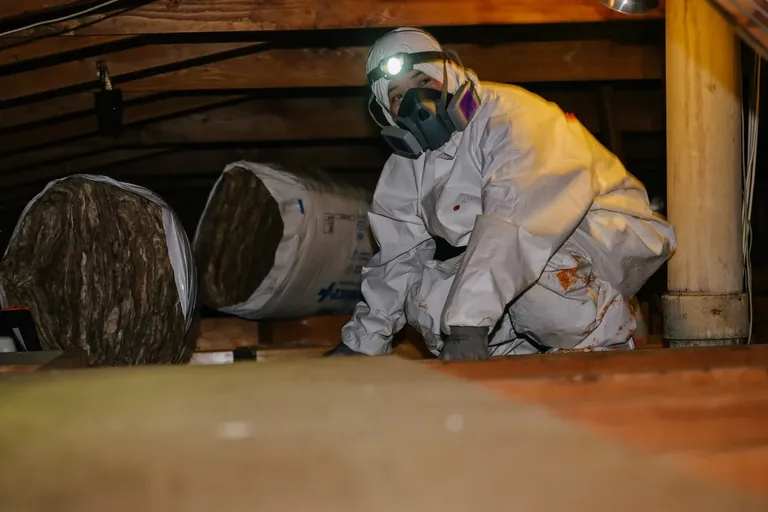
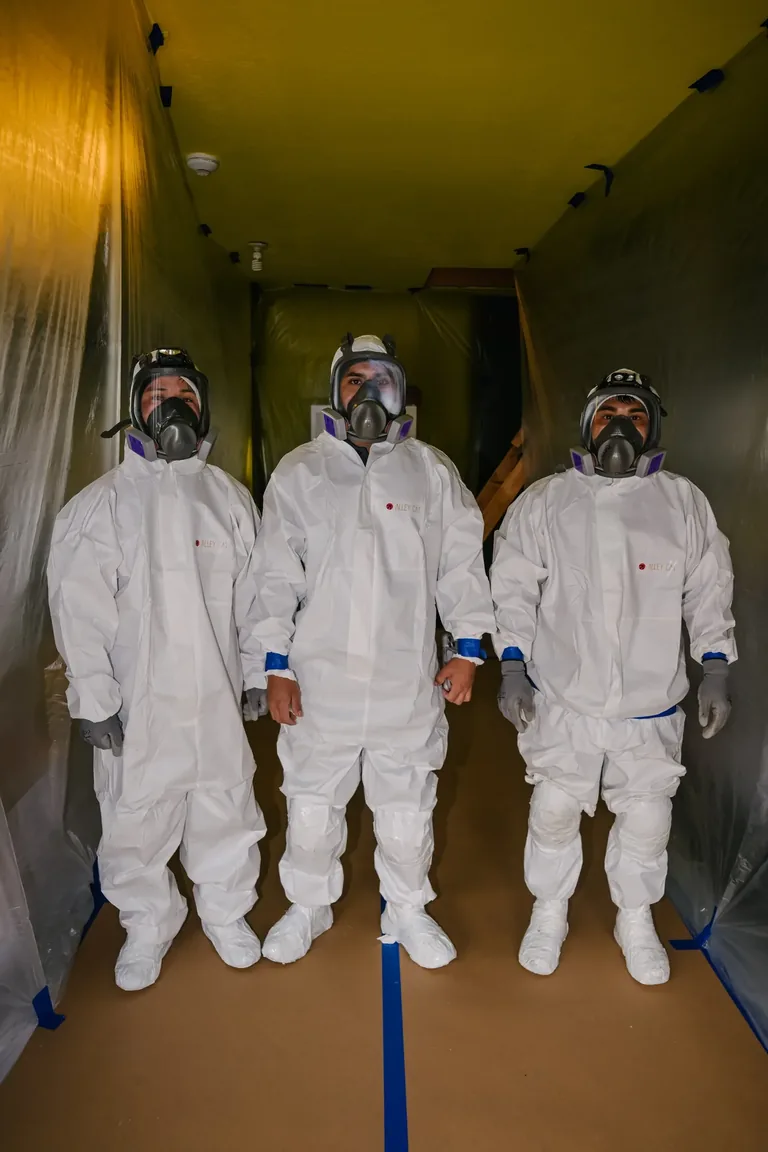
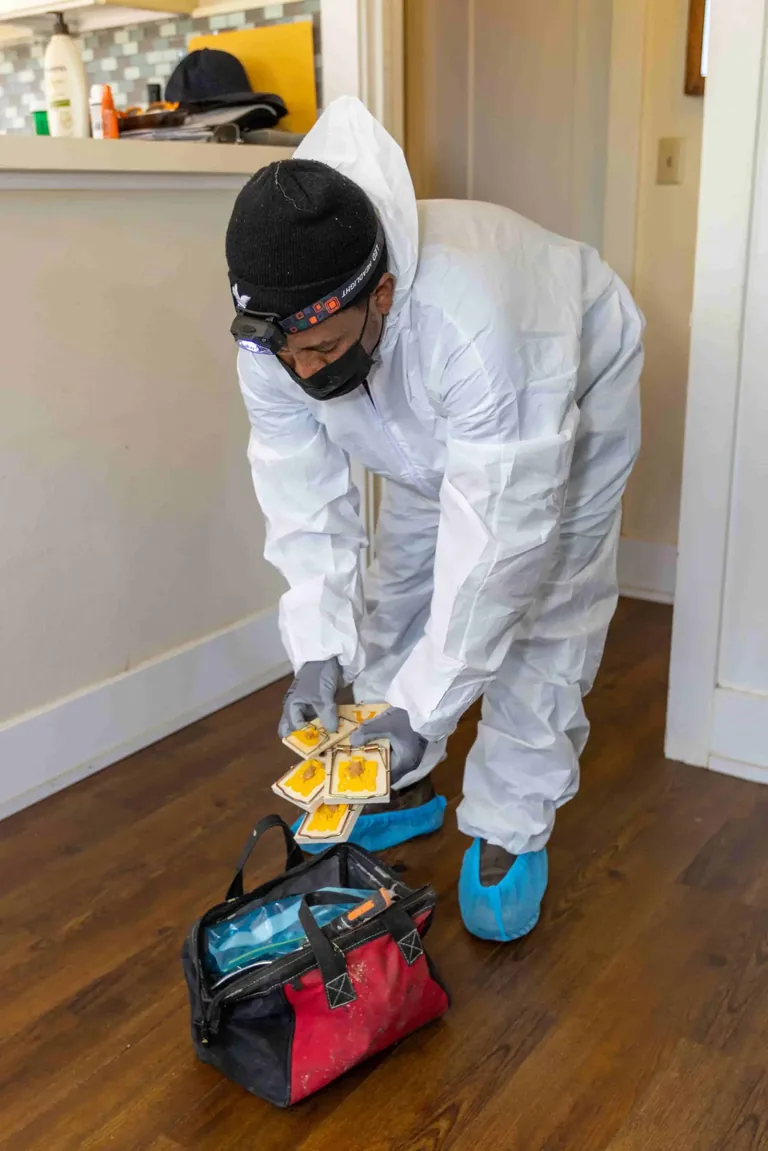
The fastest way to get rid of rats is targeted trapping plus immediate entry point inspection and exclusion planning. Trapping alone may catch active animals, but rats can reproduce seven or eight times a year, so control becomes harder when openings remain.
A fast plan usually includes:
That process helps get rid of rats without relying on loose poison indoors.
Rat extermination costs can range from $1,000 to $10,200, depending on severity, square foot, cleanup needs, access issues, exclusion repairs, and whether insulation or debris must be removed. The average cost for rat extermination is often cited around $3,500, but a real estimate should be based on inspection.
Initial pest control visits typically cost $150 to $300, while monthly rat control treatments may cost $40 to $70. Those visits are often ineffective for getting rid of rats when rodents still have open entry points. Fumigation can cost $2,000 to $6,000, but it does not repair holes, clean contamination, or stop future access.
You make rats go away by removing food, water, shelter, and access to the building. That means securing foods, trimming vegetation, repairing gaps, cleaning droppings, and placing traps in active travel paths.
Rats are nocturnal and clever, so they may not disappear because of either scents, lights, or ultrasonic noise. A lasting plan should address why they entered in the first place. Alley Cat uses inspection, trapping, sanitation, and exclusion to help eliminate the current infestation and reduce future rat infestations.
You may be able to handle one or two rats yourself, but diy methods often fall short when rats are nesting in walls, attics, basements, or hard-to-reach places. Store-bought traps can help, but they do not identify every opening, nest, contamination area, or sign of a larger infestation.
DIY work becomes riskier when there are severe infestations, extensive damage, odor, bites, fleas, mites, chewed wires, or disease concerns. Homeowners should also be cautious with poison, fumigation claims, and bait products. A focused rat exterminator inspection helps determine the right scope before money is spent on the wrong treatment.
Rats hate losing safe access to food, shelter, water, and hidden pathways more than they hate any single smell. Peppermint, ammonia scents, noise devices, or pets may bother them briefly, but rats typically adapt if the structure still provides warmth, nesting material, and open routes.
The most effective method is not a scent; it is exclusion plus sanitation. To help get rid of rats and reduce future rat problems, homeowners should repair holes, store goods in fitted containers, remove trash, trim plants, clear debris, and schedule professional inspection when signs continue. Alley Cat’s pest control experts focus on structural conditions that let rodents return.
Ready to remove rats from your Bay Area home? Contact Alley Cat for inspection, cleanup options, exclusion repairs, and practical prevention strategies that help solve the problem at the source.