10+ years experienceProfessional rodent exclusion specialists
13,000+ homes serviced97% customer satisfaction
Bay Area localFamily-owned & operated
3-Year WarrantyCoverage per location and written terms
4.9 / 5 1,240 reviews
4.7 / 5 649 reviews
4.9 / 5 374 reviews
4.7 / 5 279 surveys
Accredited A+ BBB rating
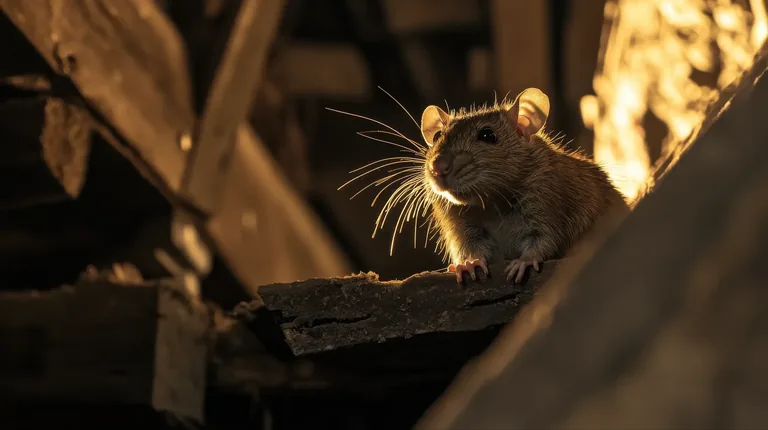
Get Rats in Garage Out—and Keep Them Out
Garage-specific pest control, cleanup, and exclusion.
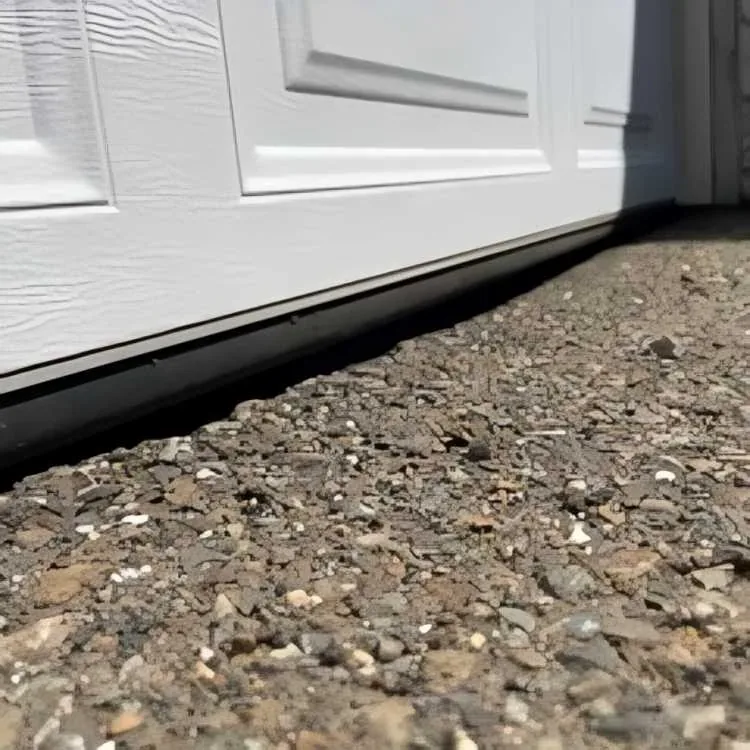
The problem often begins at a worn garage door sweep, open edge, wall vent, utility penetration, or damaged siding. Rats may then hide in boxes, build nests behind stored items, or move through wall cavities and ceiling voids toward the house.
We examine the door system, slab edges, garage floor, shared wall cavities, storage zones, and overhead voids where rats, mice, and other rodents enter or hide.
02
Detailed Findings
Your report connects droppings, gnaw marks, tracks, and smell to likely entry points, active nests, contamination, and repairs needed to exclude rats, mice, and other rodents.
03
Exclusion First
Unlike generic pest control, Alley Cat focuses on removing access, reinforcing weak materials, monitoring traps, and reducing conditions that support rodent pests and future infestations.
Our Rats in Garage Pest Control Process
A garage infestation may involve rats, mice, contaminated storage, damaged wiring, hidden nests, and movement indoors. Our garage-specific pest control process addresses active rodents—especially rats and mice—plus the building conditions that allowed entry:
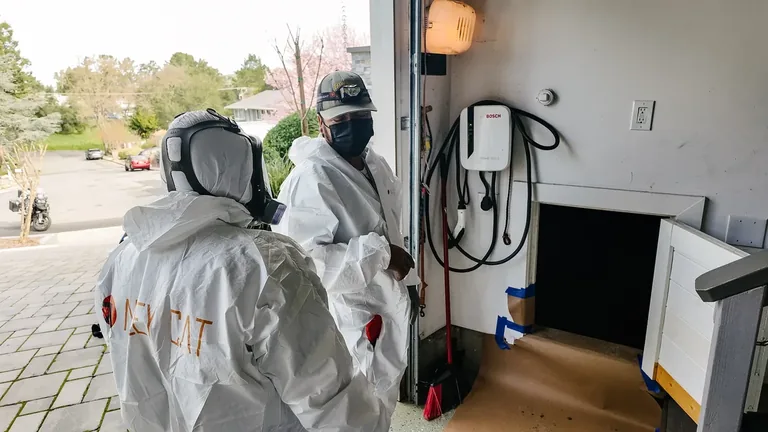
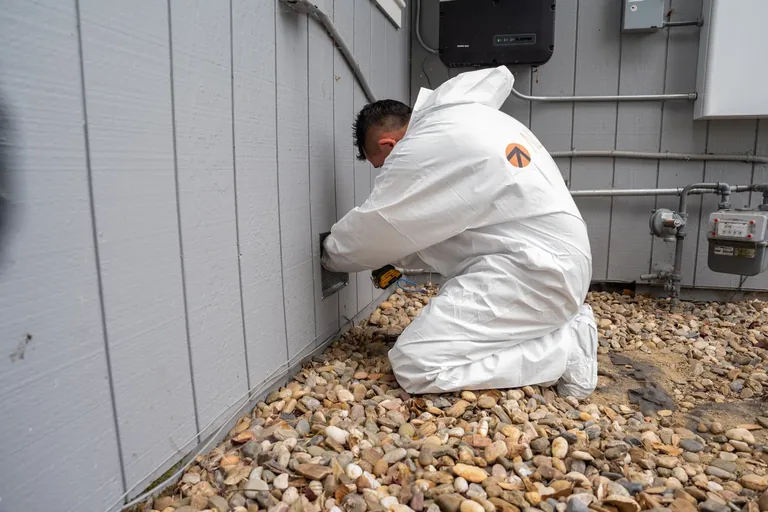
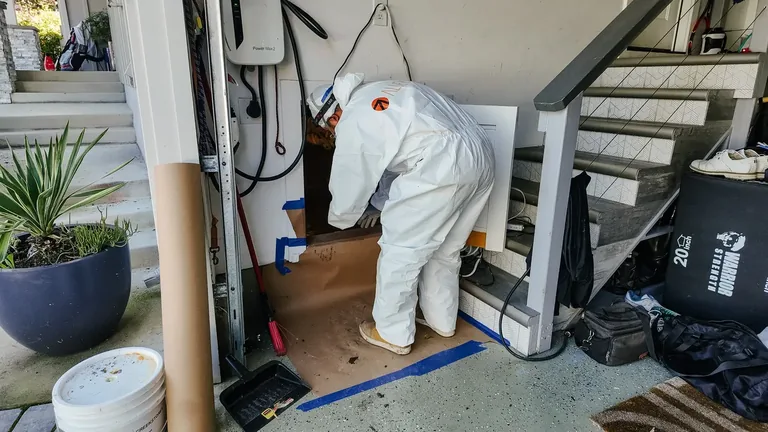
We inspect the interior and exterior perimeter, including the garage door bottom seal, lower junctions, side tracks, framing, vents, foundation transitions, pipes, conduit, laundry hookups, and cracks where wall meets floor. We look for small holes used by rats or mice and gaps that change when the door closes.
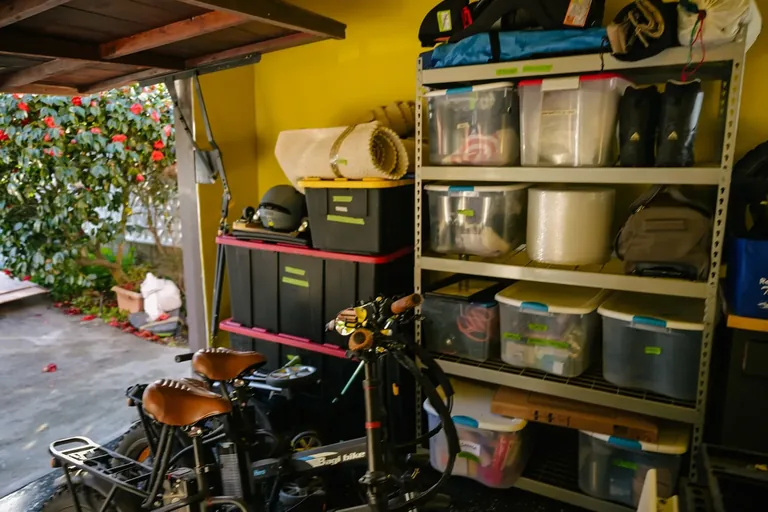
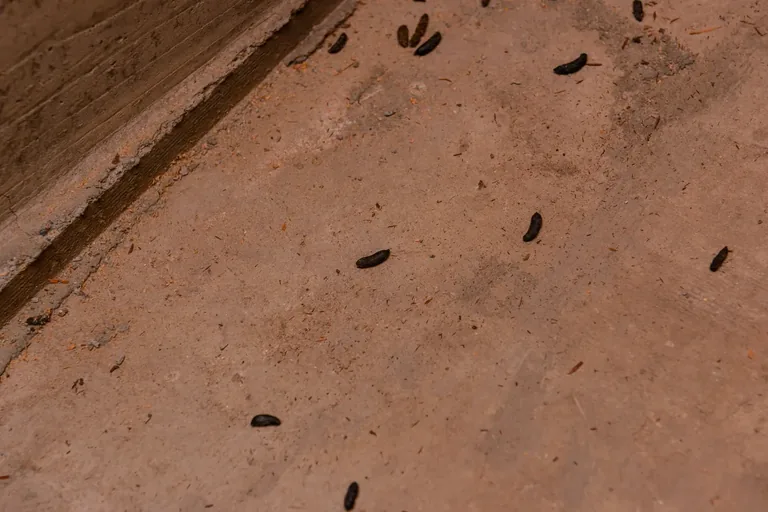
Inside, we inspect along wall edges, behind boxes, beneath shelving, and around freezers, water heaters, cars, pet supplies, and trash. Fresh droppings, tooth marks, rub marks, urine smell, shredded paper, chewed boxes, and nesting materials help distinguish occasional pests from an active rat infestation.
Identifies active and potential entry points
Separates signs of rats from mice and other pests
Reveals hidden contamination, nests, and property damage
Step 02 · Diagnose
Diagnostic Report & Estimate
Alley Cat then prepares a Comprehensive Diagnostic Report documenting the likely pests, severity of rodent activity, garage door gaps, food sources, nests, and routes toward the attic, crawl space, kitchen, or utility room. It explains which openings to seal, where cleanup is needed, where to set traps, and the estimated work. It also notes whether rats or other rodents appear to be using shared walls.
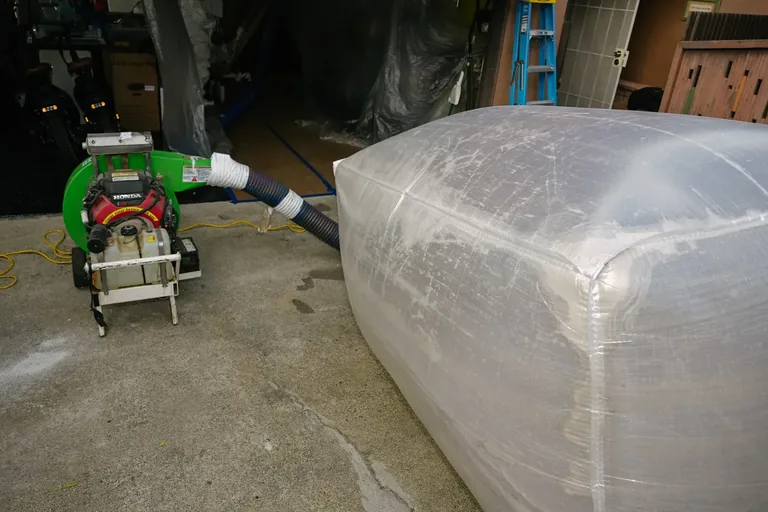
We sanitize accessible surfaces after removing loose droppings, nests, and waste. Treatment targets places where rats and other rodents traveled, urinated, nested, or found food, including slab edges, storage zones, enclosed areas, and places near pet food, children’s items, laundry, and tools.
Rat urine can create a sharp ammonia smell, while nests and droppings may contain bacteria associated with diseases such as salmonellosis. Contamination from wild mice raises separate concerns about diseases such as hantavirus. We reduce residue and odor rather than spraying over contamination while active rats, mice, or open entry points remain.
Step 05 · Seal
Seal, Reinforce, & Prevent
Garage exclusion requires more than filling one visible hole. Rats can squeeze through openings around one-half inch and easily chew foam, plastic, rubber, and deteriorated wood; mice use even smaller holes. A quarter-sized opening, lifted garage door edge, or pipe gap can become a repeat route. Alley Cat traces siding, foundations, rooflines, utilities, wall cavities, and living space before deciding what to seal.
Depending on the building, our work may include:
Garage Door Gap CorrectionRepairing or replacing damaged sweeps and reinforcing lower corners so the garage door closes tightly against the floor.
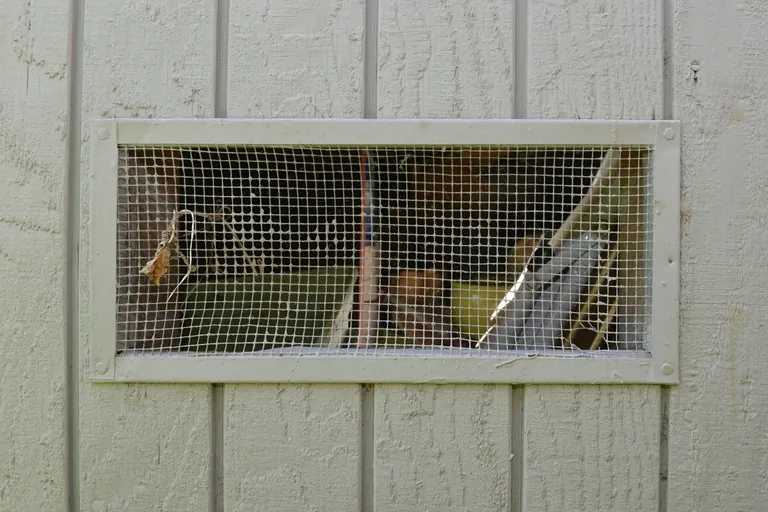
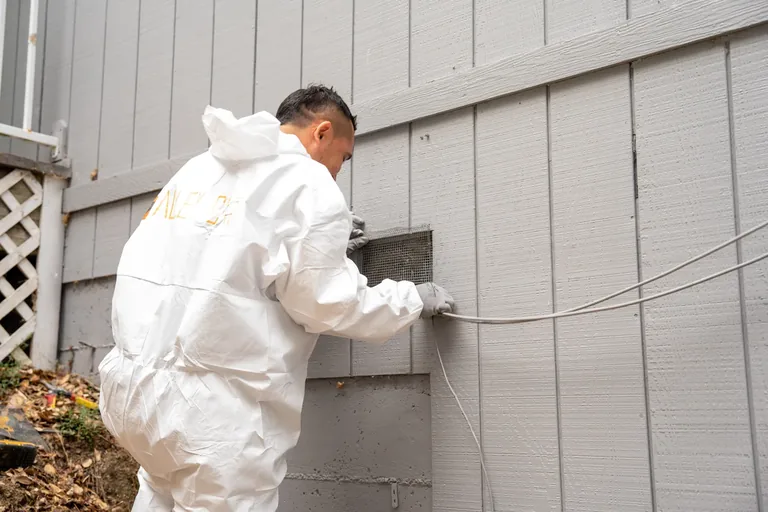
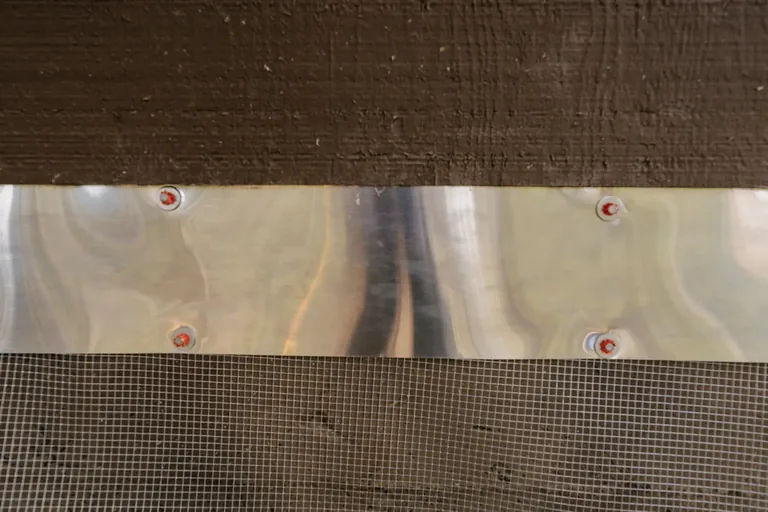
Hardware Cloth ScreeningInstalling durable metal hardware cloth over vents and larger openings that require airflow but should block rats, mice, and crawling pests.
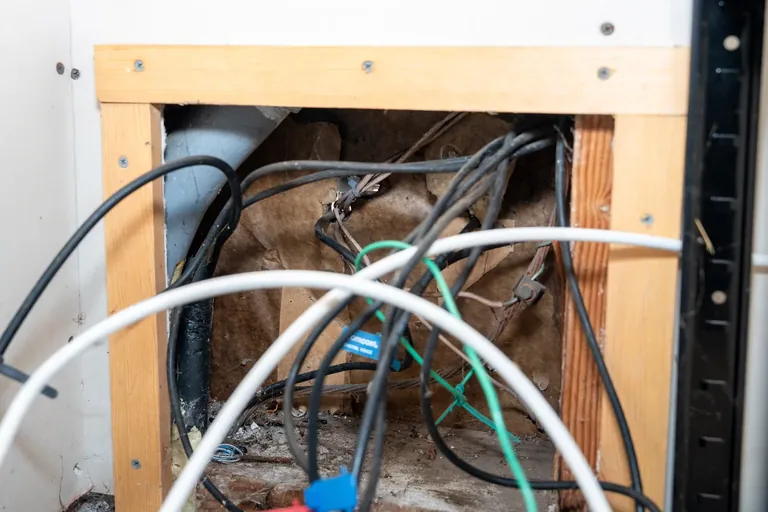
Utility Penetration SealingUsing rodent-resistant metal such as steel wool where appropriate, then finishing with compatible sealant or caulk. We do not simply stuff openings with loose fiber.
Shared-Wall ProtectionSealing access around pipes, wiring, and framing that could lead from the garage into the house, attic, laundry room, or kitchen.
Food and Clutter ControlsShowing homeowners how to store pet food, grass seed, birdseed, and snacks in sealed containers with tight fitting lids so rats cannot find food or hide in clutter.
The result is a garage that is harder for rats, mice, and other rodents to enter and less likely to support future infestations. This exclusion-first work—delivered by experienced pest control professionals and backed by 13,000+ satisfied clients and a 97% customer satisfaction rating—gives Alley Cat lasting value.
Step 06 · Check
Set Trap Checks
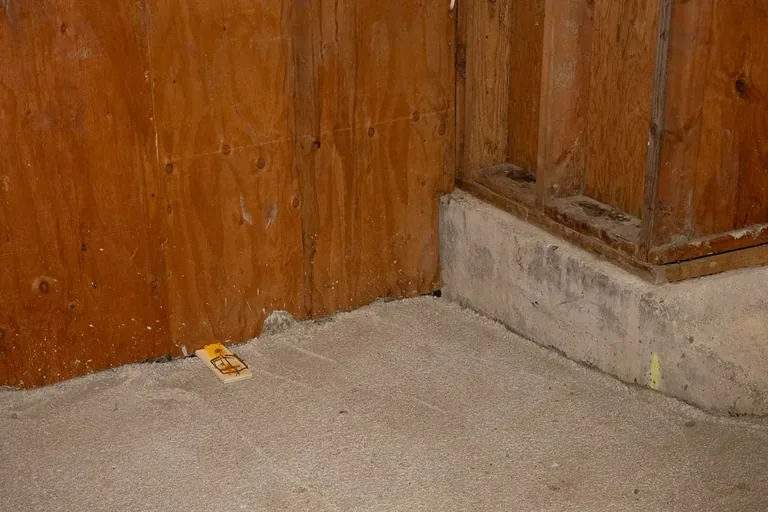
When rats may still be inside, we set traps along wall edges, behind appliances, near racks, and beside travel routes. Professional-grade snap traps can control rats when location, trigger direction, and bait reflect actual evidence. Placement accounts for pets, kids, cars, and daily garage use.
Scheduled checks let us remove captured rodents, refresh bait, move traps, and look for new droppings or chewed surfaces. A baited snap trap is not rat poison. Indoor rat poison may kill rats that then die in an inaccessible wall, creating a dead rat smell; loose poison also adds risk around pets and children. Glue traps do not replace exclusion, monitoring, or correctly placed snap traps.
Step 07 · Haul
Wrap Up & Haul Away
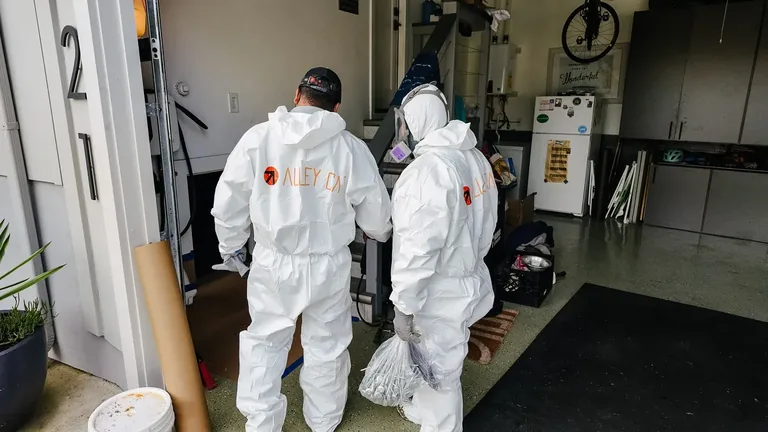
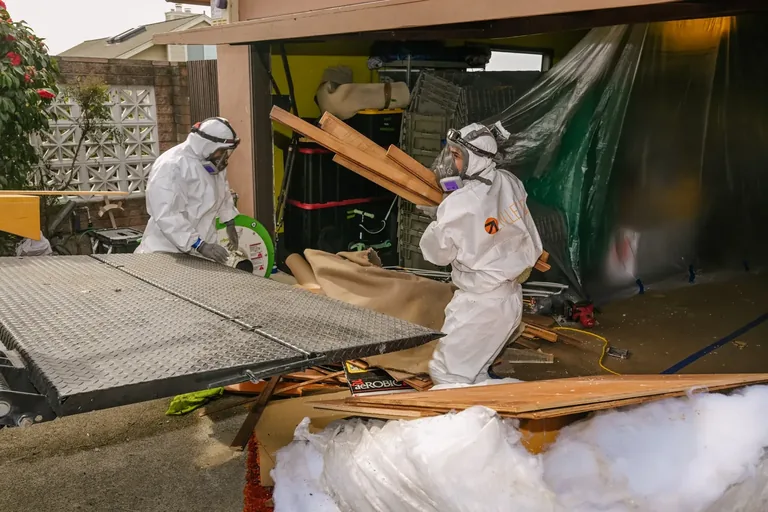
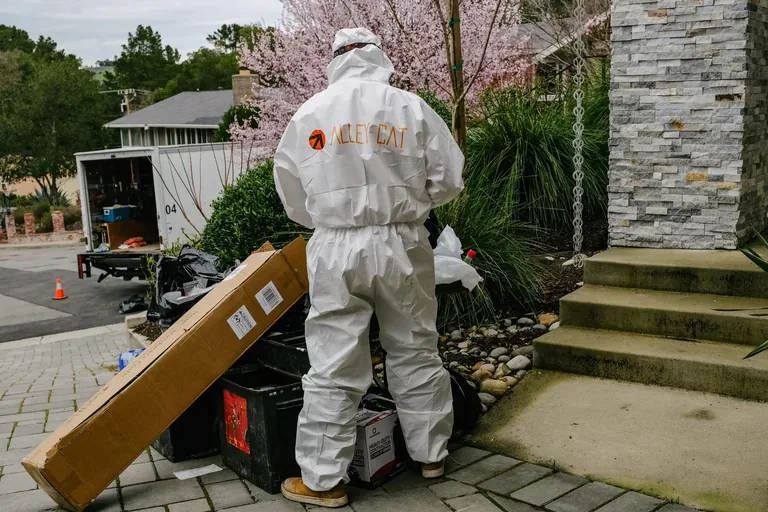
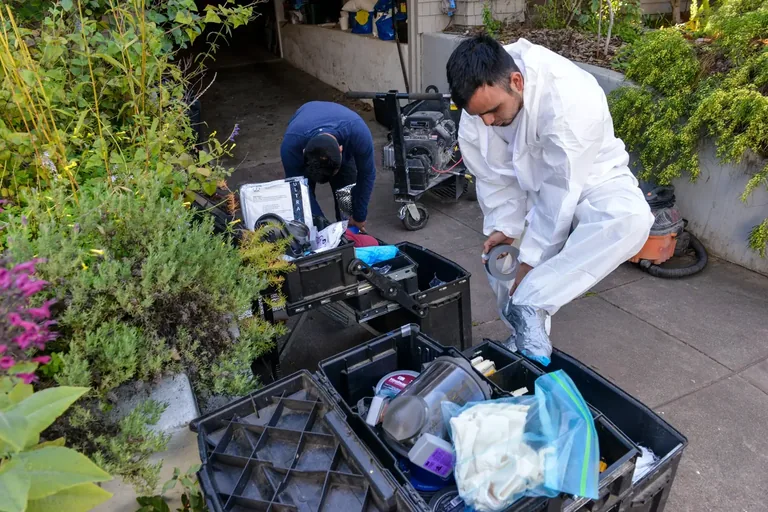
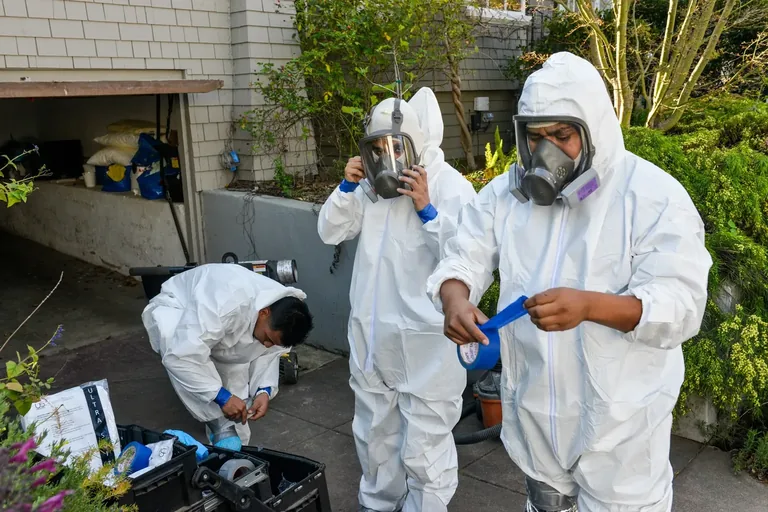
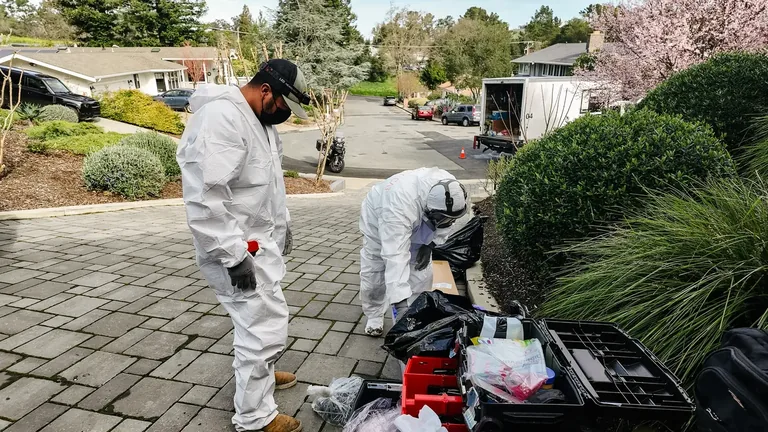
At wrap-up, we remove approved waste, contaminated boxes, nesting materials, used bait, captured rats and mice, and job debris. When an accessible dead rat or mouse caused the smell, we remove the source when possible and identify any remaining cleaning or repair needs.
We review sealed entry points, trap results, garage door work, food or clutter risks, and follow-up. The garage is cleaner, more secure, and easier to monitor for fresh droppings, new nests, returning rodents, or garage pests.
Step 08 · Support
Customer Service
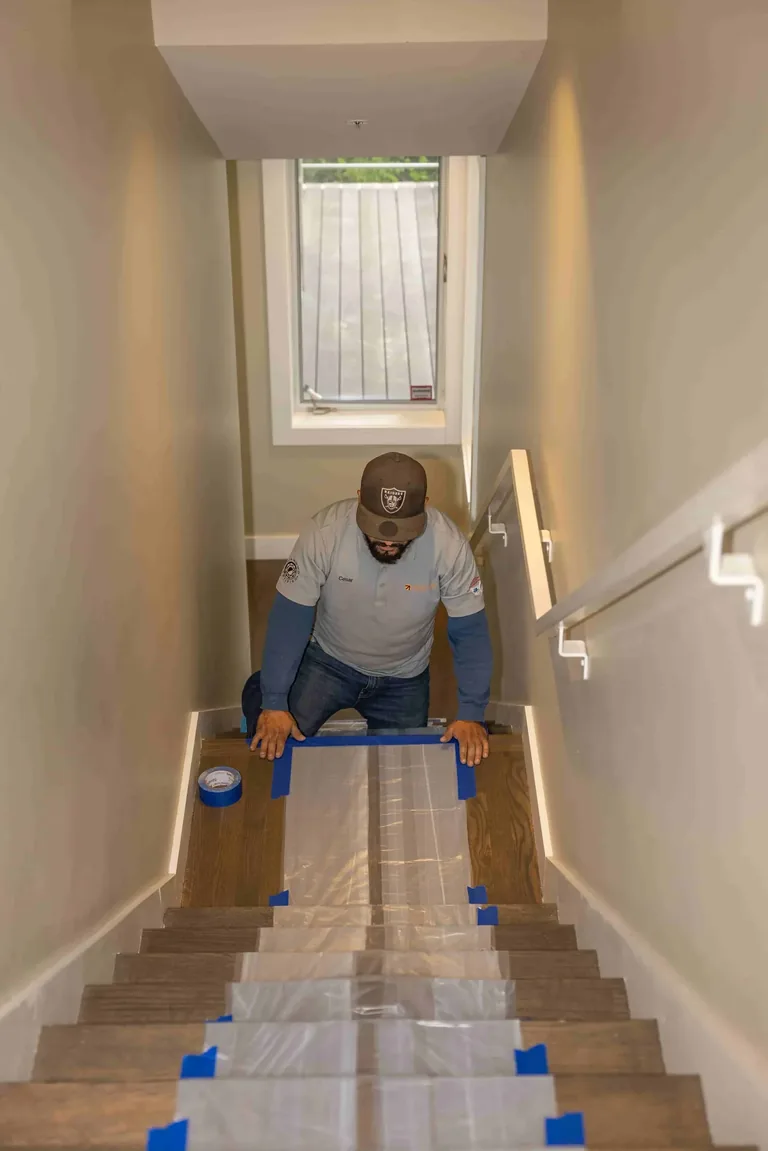
Our customer service team coordinates access, work dates, trap checks, reports, and follow-up. Garage projects may involve tenants, vehicles, pets, kids, locked storage, or shared driveways, so practical instructions matter.
Alley Cat pairs field control of rats and other rodents with organized support. You know what was found, what was repaired, how the infestation is monitored, and when professional help is needed.
Homeowners across San Francisco, Oakland, Berkeley, Concord, Novato, Petaluma, Napa, Fremont, San Mateo, and nearby communities choose Alley Cat for evidence-based removal of rats and other rodents, cleanup, and exclusion. Every recommendation is tied to signs found on the property.
“They were great. They did what they were supposed to do and the price was reasonable. They were quick to respond.”
★★★★★
Jesse S.Verified Diamond Certified survey
4.9 / 5 1,240 reviews
4.7 / 5 649 reviews
4.7 / 5 279 surveys
4.9 / 5 374 reviews
Why a Rat Infestation in the Garage Needs Specialized Work
Garages combine moving doors, stored food, hidden shelter, and direct routes indoors.
Garage Door Vulnerabilities
We inspect the full garage door assembly, including its sweep, tracks, framing, bottom edges, floor contact, and gaps that appear only when the door closes.
Pet food, grass seed, birdseed, trash, boxes, fabric, and clutter give rats, mice, and other pests a reliable food supply plus dark places for nests and hiding.
Droppings, Odors, and Rodent Activity Change the Plan
The location and condition of signs show whether rats and other rodents are visiting, nesting, or moving deeper into the building. We assess:
Fresh versus dried droppings along walls and slab edges
Fresh chew marks, tracks, grease rubs, and disturbed bait
Shredded paper, fabric, insulation, or boxes used to form nests
A musky smell, strong ammonia-like urine odor, or intense dead rat odor
These signs guide cleanup, traps, exclusion, and follow-up. Odor is sometimes the first warning. Oakland’s mild climate and similar Bay Area conditions can keep rats, mice, and other rodents active year-round, so waiting weeks may let a small problem grow. Alley Cat determines whether you are dealing with one intruder, repeated entry, or an established rodent infestation.
Rats reproduce quickly when shelter, water, and food are available; pregnancy lasts roughly three to four weeks. Sealing holes, removing nests, and checking traps can interrupt the cycle before rats and other rodents spread into wall cavities or the attic.
Protect Property, Pets, and Kids
Rats and mice chew wiring, insulation, plastic bins, bags, and stored goods. These pests can contaminate food, pet supplies, and floor-level items with urine and droppings. Our plan reduces access while accounting for pets, children, vehicles, and daily garage use.
Professional Help Without Guesswork
Droppings alone do not reveal every nest, route, or entry point. Alley Cat’s pest control specialists document signs, distinguish rats from mice and other pests, and explain repairs. You receive professional help based on evidence—not fear, random poison, or a short-term kill-only approach.
One rat does not prove a large infestation, but it is enough evidence to inspect immediately. Rats are cautious, active mostly at night, and skilled at hiding, so one sighting may indicate a concealed rodent infestation.
Look for additional signs:
Multiple sizes or concentrations of droppings
Several nests or piles of nesting materials
Fresh gnaw marks on food bags, wood, or wiring
Repeated noise, tracks, rub marks, or ammonia smell
Bait or food disappearing over several nights
Rats reproduce rapidly; under favorable conditions, a female can complete a pregnancy in about 21 to 25 days and produce repeated litters. One rat can contaminate food, chew property, and reveal an open route. Treat the sighting as an early warning of a possible rat infestation, not proof of a large colony.
Is it common to see a rat in your garage?
Yes, garages are common places to find rats because they offer shelter, warmth, water, food sources, and access through the garage door or exterior holes. The presence of rats is common, but it should not be ignored.
A garage becomes attractive when homeowners store pet food in thin bags, leave trash accessible, stack boxes, or have gaps around doors, pipes, vents, and foundations. Rats may eat and leave, build nests behind clutter, or enter the house. Mice, rats, and other rodents use many of the same openings.
Inspect the garage regularly for droppings, gnaw marks, nests, urine smell, and other signs. In Oakland and other mild-climate Bay Area communities, rodent activity may continue year-round.
What smell do rats absolutely hate?
No smell reliably makes rats leave or prevents their return while food, shelter, and entry points remain. Peppermint oil, cinnamon, and similar deterrents may briefly bother rodents, but rats often adapt or return after the scent fades.
Do not use ammonia as a do-it-yourself repellent. Rat urine already smells like ammonia, and household chemicals create risks if misused or mixed. Use odor as evidence: a musky scent may indicate rats, sharp urine odor may mark travel or nests, and an intense foul smell may indicate a dead rat in a wall or stored material.
The reliable solution is to get rid of the rats with monitored traps, remove food and nests, clean contamination, and seal entry points against rats, mice, and other rodents.
Take Back Your Garage
Get a clear plan to get rid of rats, clean contaminated areas, seal access, and reduce future infestations. Alley Cat can stop rats in garage spaces from becoming a larger household problem.