Species-Specific Planning
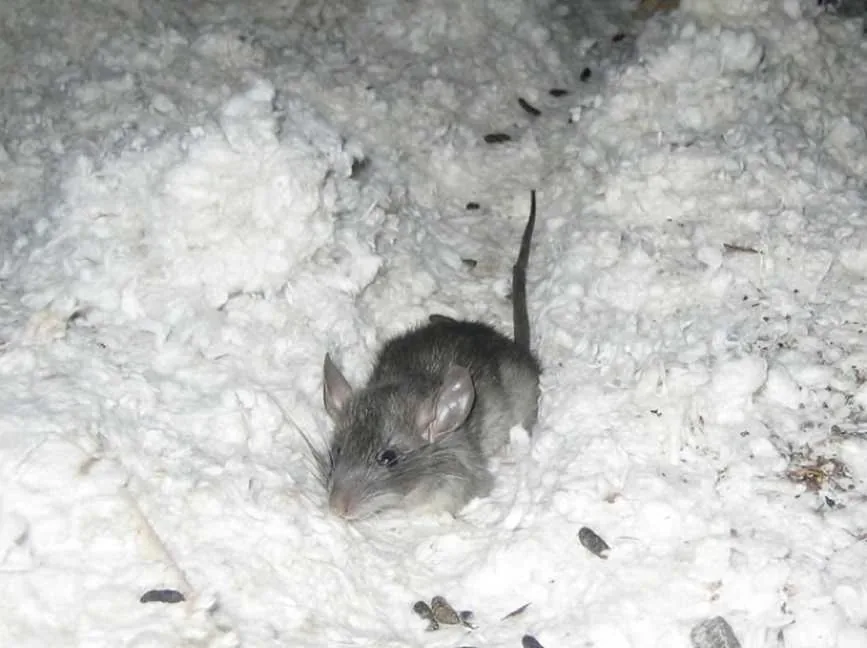
A trained exterminator identifies whether the presence involves one mouse, several mice, one rat, several rats, or mixed rats and mice before choosing trap size, bait, and placement for each rat or mouse route.
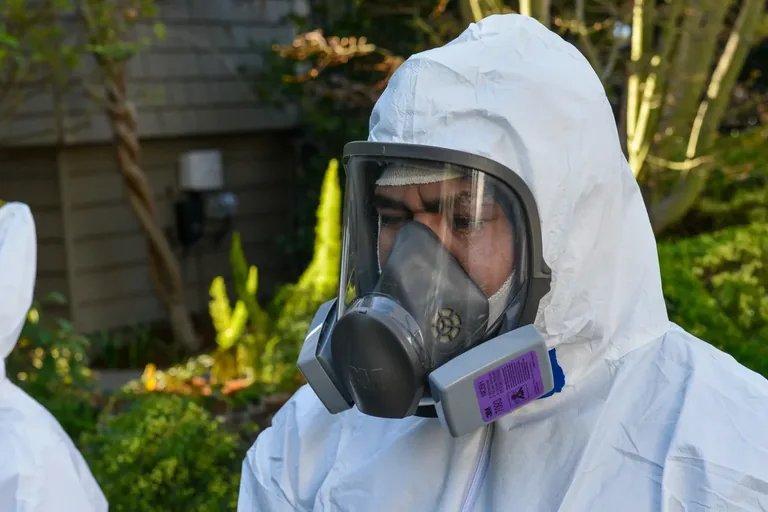
Bay Area Pest Control Services
Rodent pest control can involve several distinct services depending on what an inspection finds.
 4.9 / 5
 4.7 / 5
 4.9 / 5
 4.7 / 5
 Accredited
Alley Cat’s rodent pest control approach helps Bay Area property owners move from signs of activity to the right next step, whether the priority is contamination, structural access, active animals, or a severe infestation. Explore the rodent pest control services below to understand how each option addresses a different part of the problem.
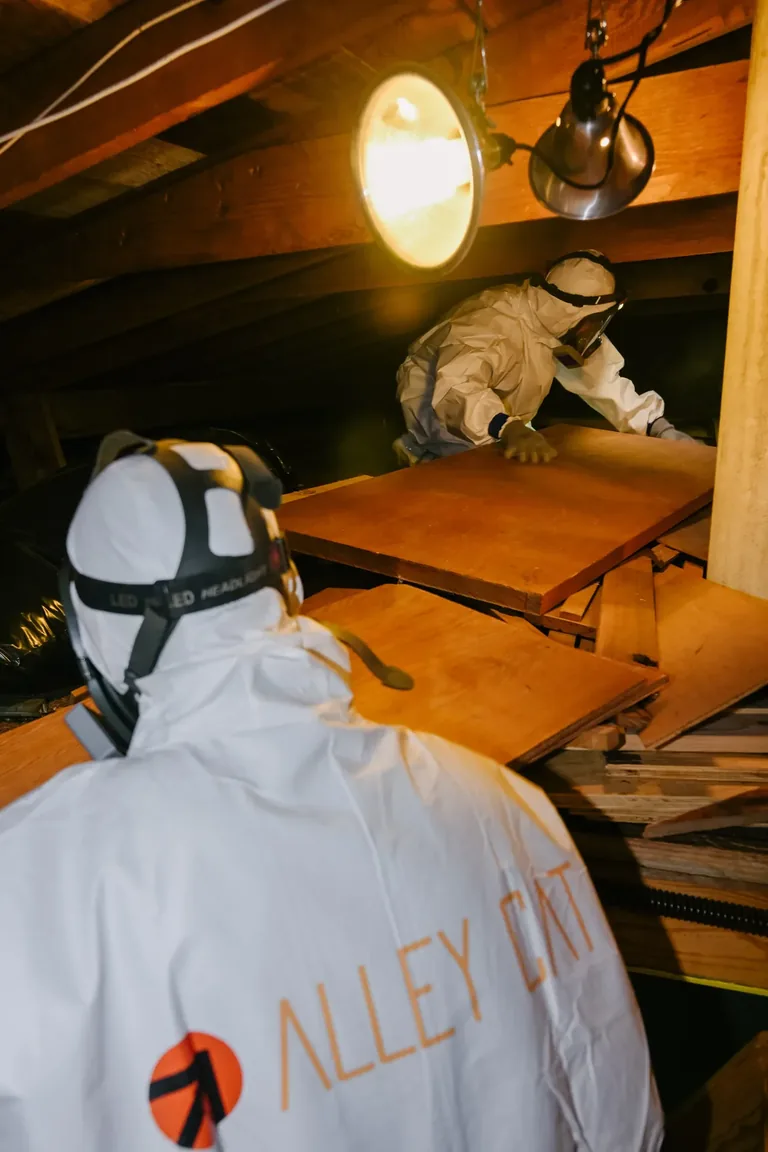
Rodent pest control should do more than catch the animal seen today. Alley Cat’s rodent pest control coordinates evaluation, cleanup, sanitation, exclusion, trapping, removal, extermination, and prevention for Bay Area homes and businesses. We identify active rats and mice, contamination, damage, and vulnerable entry points, then guide you to the right service—cleanup, rodent extermination, rodent removal, or exclusion—based on the findings.
Contact Alley Cat for a clear, homeowner-friendly plan built around your property rather than a one-size-fits-all promise.
A thorough inspection distinguishes one mouse, a mouse infestation, roof rats, Norway rats, squirrels, and other pests. Our technicians look for:
These destructive pests can move from yard to house. Early action helps get rid of rodents before one rodent infestation becomes another rodent infestation.
Alley Cat is not a generic pest control company that treats every problem with the same bait. Our diagnostic process connects the appropriate pest control services: active trapping or extermination, contaminated-area cleanup, sanitation, sealing, structural reinforcement, monitoring, and support. Those control solutions help homeowners understand what is required now, what can wait, and which specialized services their property needs. The right pest control company should make those choices clear.
Our preferred rodent control methods emphasize practical exclusion and monitoring instead of routine poison use. The plan considers children, babies, pets, wildlife, and the surrounding environment before technicians recommend effective treatments. We treat the cause rather than only the visible symptom, with safety guiding placement and materials.
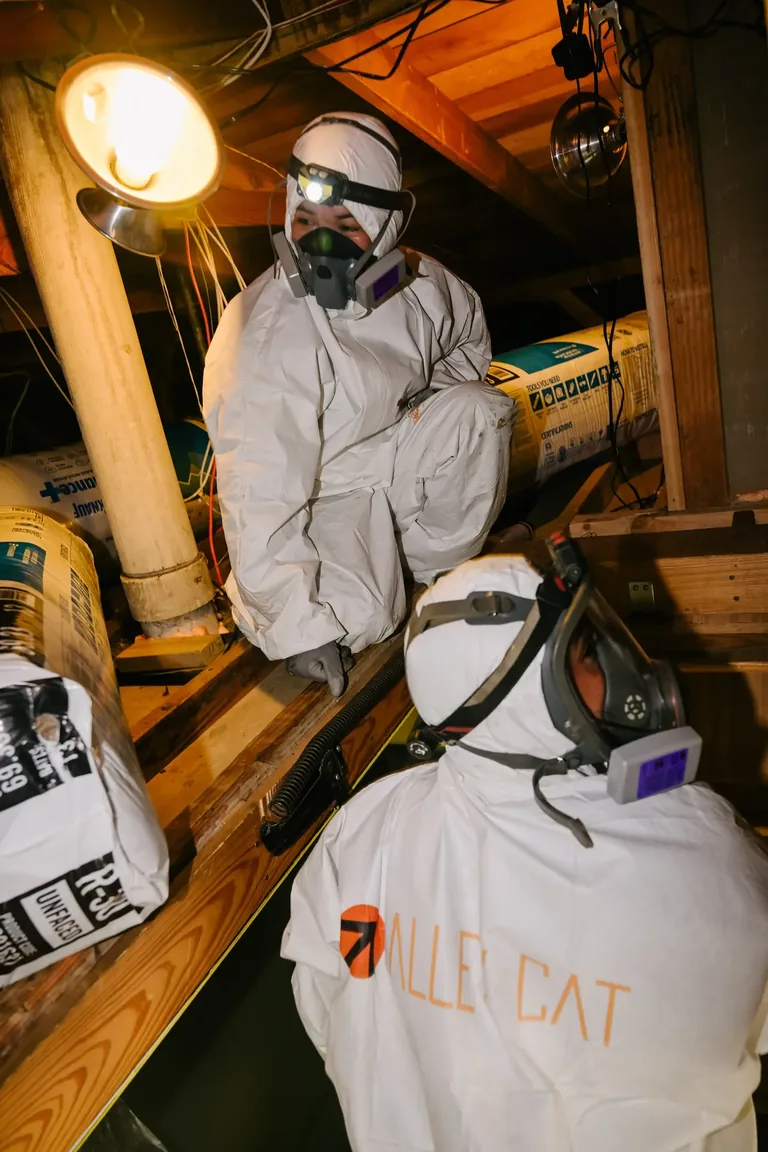
Inspection, removal, cleanup, exclusion, and prevention.
Rodent control finds how rodents entered, manages the active rodent infestation, cleans affected areas, and reduces return risk. The search phrase mice rats broadly names two common indoor groups, but a mouse and rat need different traps, access assessments, and prevention measures. These solutions help get rid of active rodents and protect the house from repeat access by rats and mice.
Common use cases include:
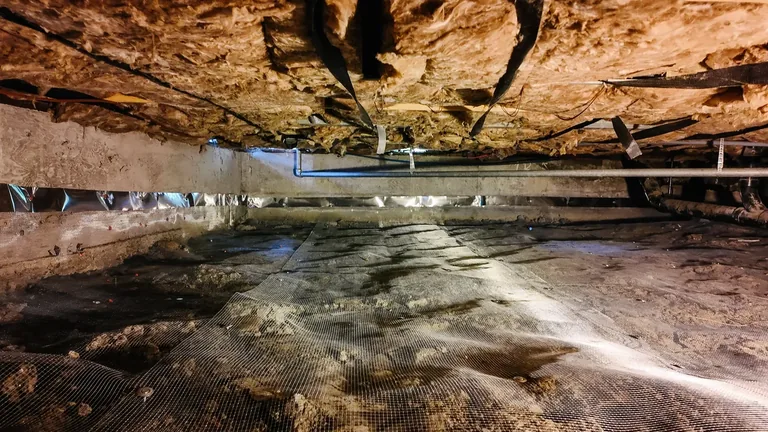
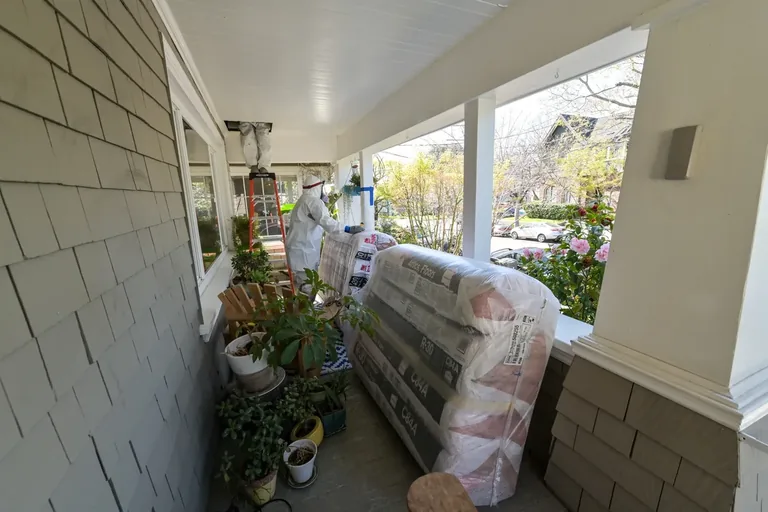

Every rodent problem has a different cause, so our process connects inspection, documentation, cleanup, sanitation, sealing, trapping, and follow-up in a practical order. Here is how Alley Cat approaches Bay Area rodent control for rodents from the first visit through final service:
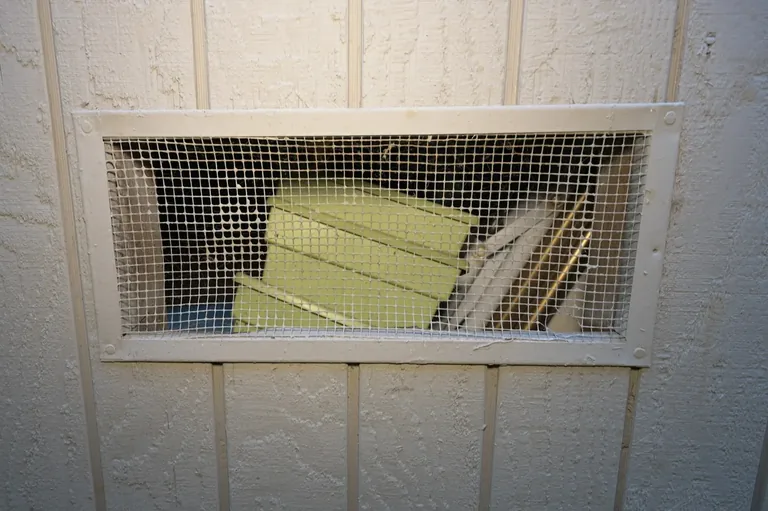
Step 01 · Inspect
A technician examines the interior and exterior of the house or business, including the attic, basement, crawl space, garage, roofline, vents, foundation, utility lines, walls, and yard. In San Francisco and every Bay Area city we serve, older construction often has several small openings rather than one obvious access point. A rat route, mouse trail, or hidden gap may connect several areas.
We document rodent activity, answer questions, and assess the severity of any significant infestation. Benefits include:
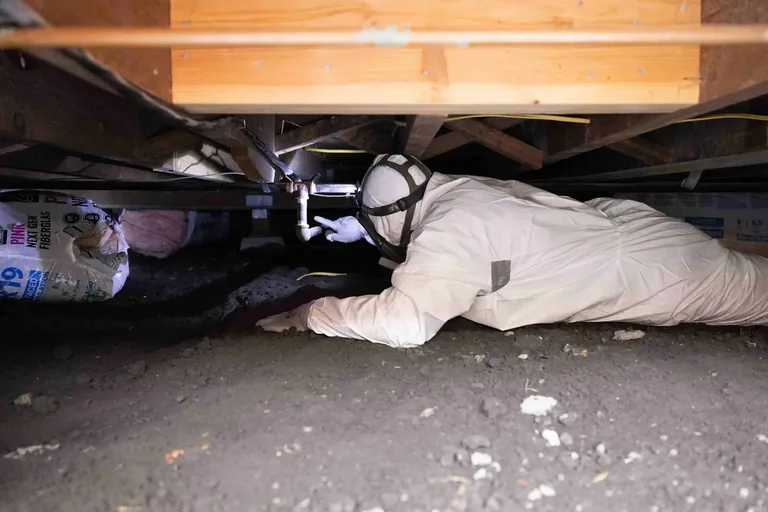
Step 02 · Diagnose
Your Comprehensive Diagnostic Report explains the presence of rats, mice, or wildlife; observed damage and contamination; recommended pest control methods and services; repair priorities; control solutions; service responsibilities; and the written estimate. Prices vary by access, house size, attic conditions, insulation, openings, treatment complexity, and whether another trained contractor or trade must coordinate repairs.
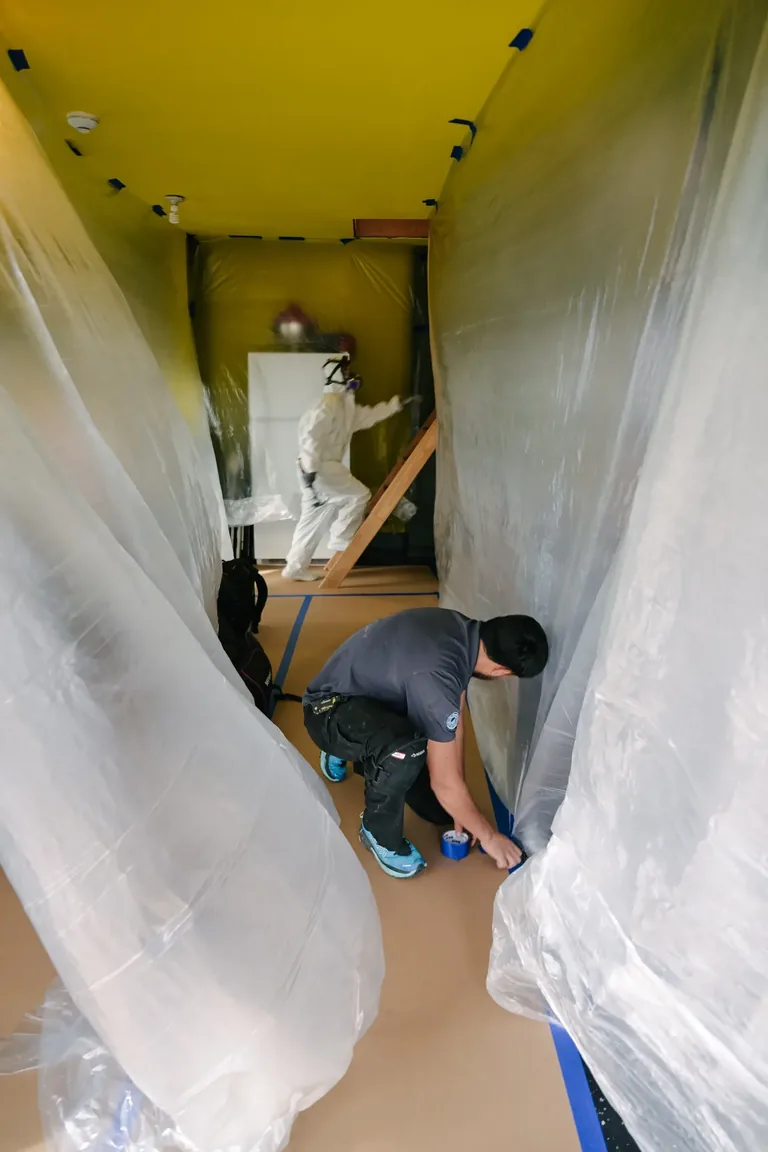
Step 03 · Clean
Cleanup removes the materials that keep a rodent problem active or leave the home unhealthy. Rats and mice are dangerous pests when they contaminate living or storage areas, and these pests can leave waste beyond the visible nest. Our specialists safely handle affected items rather than simply masking smell or moving debris to another area.
Once those sources are removed, the area is ready for focused sanitation and decontamination.
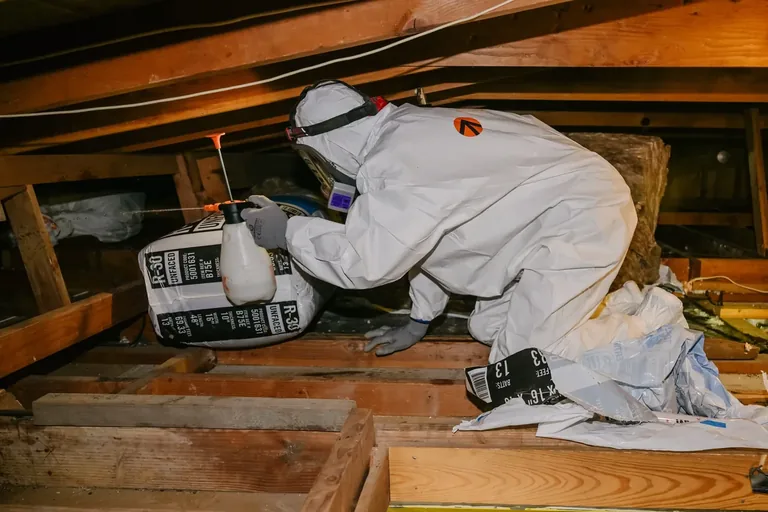
Step 04 · Sanitize
Technicians sanitize appropriate surfaces after contaminated material has been removed and treat affected surfaces according to the approved scope. Do not sweep or vacuum dry droppings, because disturbed particles can become airborne; each treatment must be administered according to its label, the material involved, and site conditions.
Rodents can transmit diseases through feces and urine. Rodents can contaminate food with harmful pathogens. Rodent droppings can carry dangerous viruses and bacteria. These risks make careful cleanup a health and property-protection priority for humans and pets.
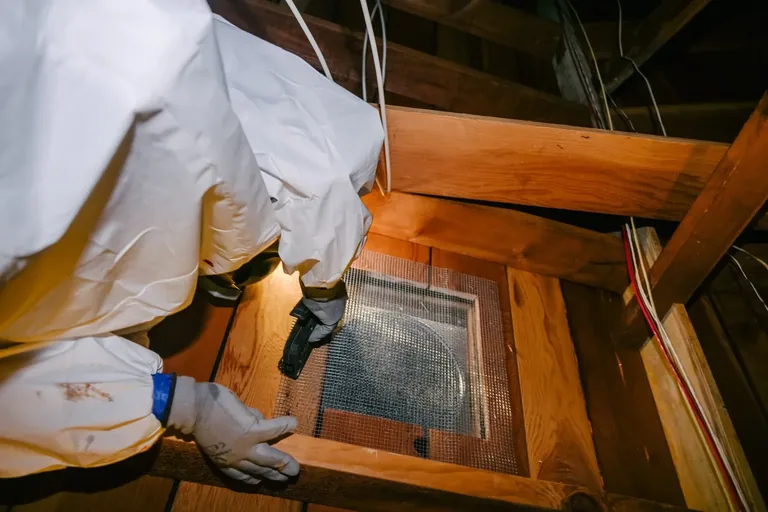
Step 05 · Seal
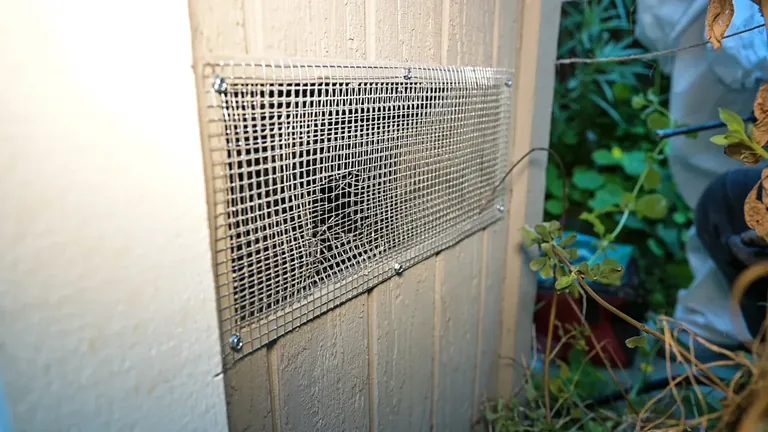
Exclusion is the structural side of lasting rodent control. Alley Cat inspects exterior and interior transitions where a rodent may enter: roof returns, vents, siding gaps, pipe and cable penetrations, door thresholds, foundation joints, crawl space screens, attic openings, and damaged wall materials. Older homes may have unsealed utility penetrations that allow rodent access. Sealing entry points is crucial to prevent rodent infestations.
Depending on the building and location, the plan may include:
Rodents can squeeze through holes the size of a dime. That sentence is a broad rule of thumb, not a universal measurement: a mouse can use a very small gap, while a full-grown rat usually needs a larger opening. Trimming vegetation around buildings reduces outdoor hiding places for rodents. Mice and rats may also follow landscaping or stored materials toward the structure. We may recommend moving stacked items from exterior walls, removing fallen fruit or seed, and correcting a recurring rat access route.
This stage helps prevent future infestations without claiming wildlife can never return. Alley Cat’s published company figures state 13,000+ Bay Area homes served and a 97% customer satisfaction rating, supporting a process built on inspection, exclusion, documentation, and follow-through.
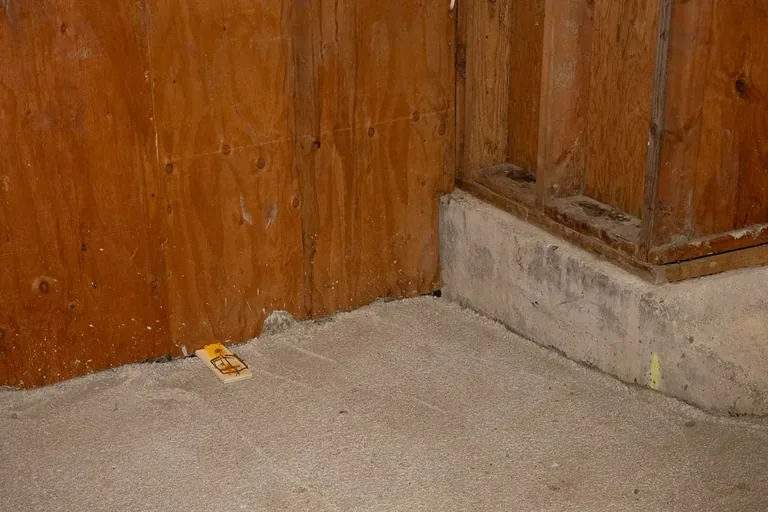
Step 06 · Check
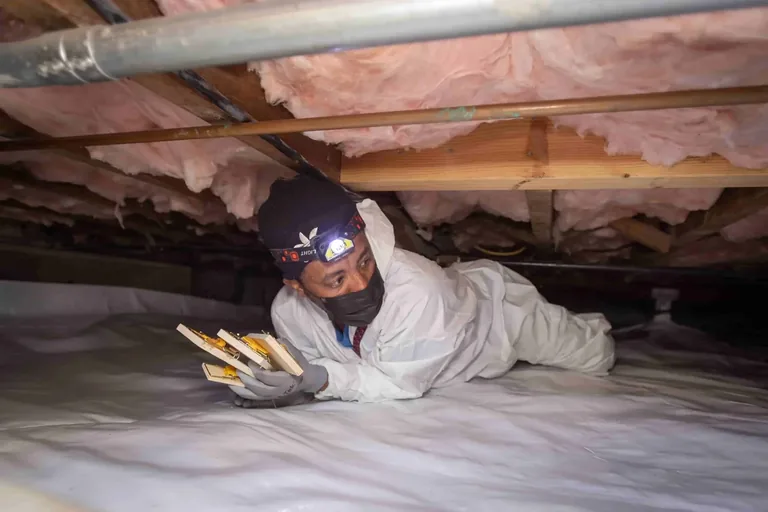
After exclusion work, technicians place and monitor traps along verified travel routes. Qualified exterminators know placement matters as much as bait when rats and mice share routes. A mouse trap is not sized for a rat, and a rat trap is not appropriate for a mouse or a larger rat. Utilize snap traps for indoor rodent infestations instead of poisons. Rodent traps are effective for capturing individual rodents.
We prefer protected, properly sized snap traps placed away from children, pets, and wildlife. No method can be promised completely pain free, but a correctly selected and set trap is generally faster than glue. We do not default to rat poison, which can affect non-target animals or leave a dead rat inside a wall.
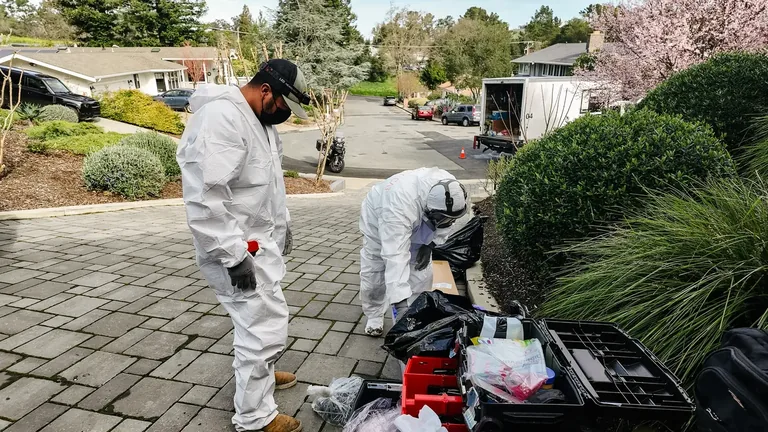
Step 07 · Haul
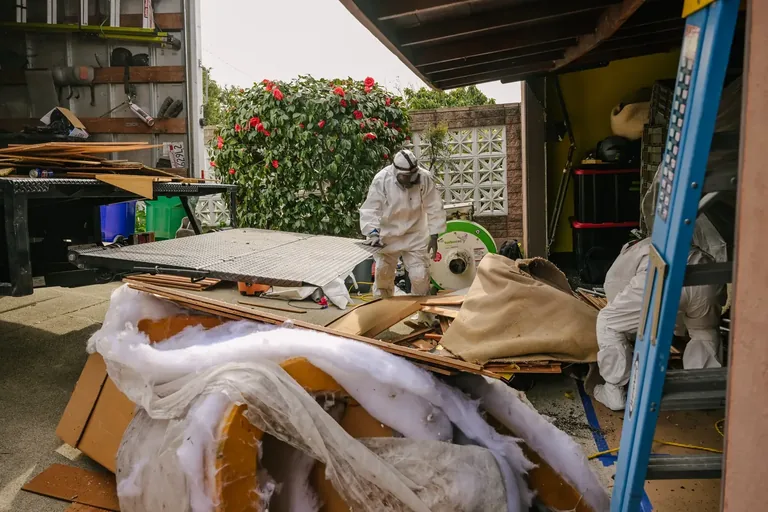
At completion, we remove service materials, captured rodents, and included debris, then leave the work area orderly. Waste is handled under applicable California and San Francisco County requirements, and the final review identifies any condition left for a roofer, electrician, plumber, or another company.
We also explain what was sealed, where traps were used, what treatment was completed, and what maintenance can help protect the house and building. You receive a clear written completion summary.
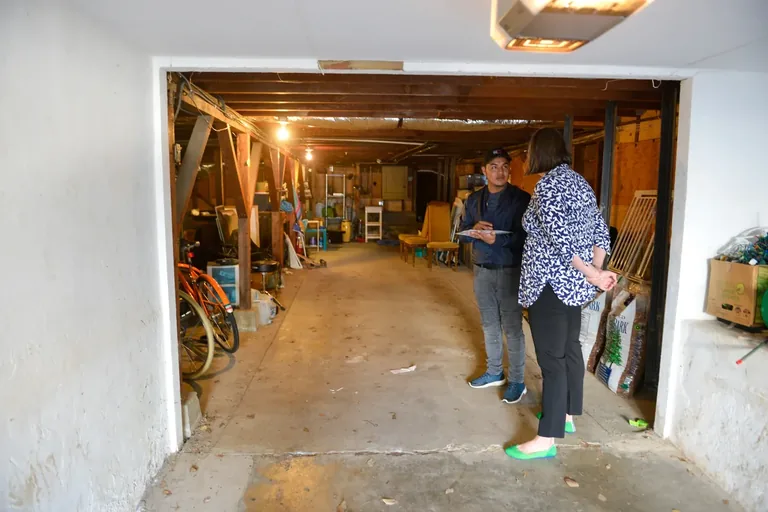
Step 08 · Service
Customer service continues after the final field visit. Our local office can explain the report, schedule an approved check, review covered guarantee information, and provide helpful prevention advice when construction, moving, or new utility work changes the property.
A capable San Francisco exterminator or pest control company should make the scope clear for any city house or business. Alley Cat’s team shares findings, photographs when available, responsibilities, and practical next steps so homeowners are not left guessing.
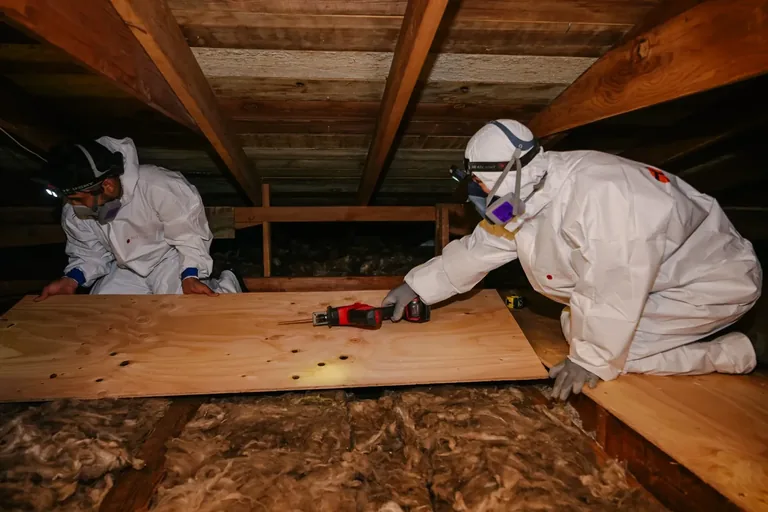
Do not wait another week while fresh droppings, night noise, gnawing, or odor spreads. Early action can limit contamination, damage, and the number of rooms requiring cleanup or repair. Schedule a free inspection and learn which combination of professional pest control, cleanup, trapping, sealing, or monitoring fits your property today.
Practical protection for Bay Area properties.
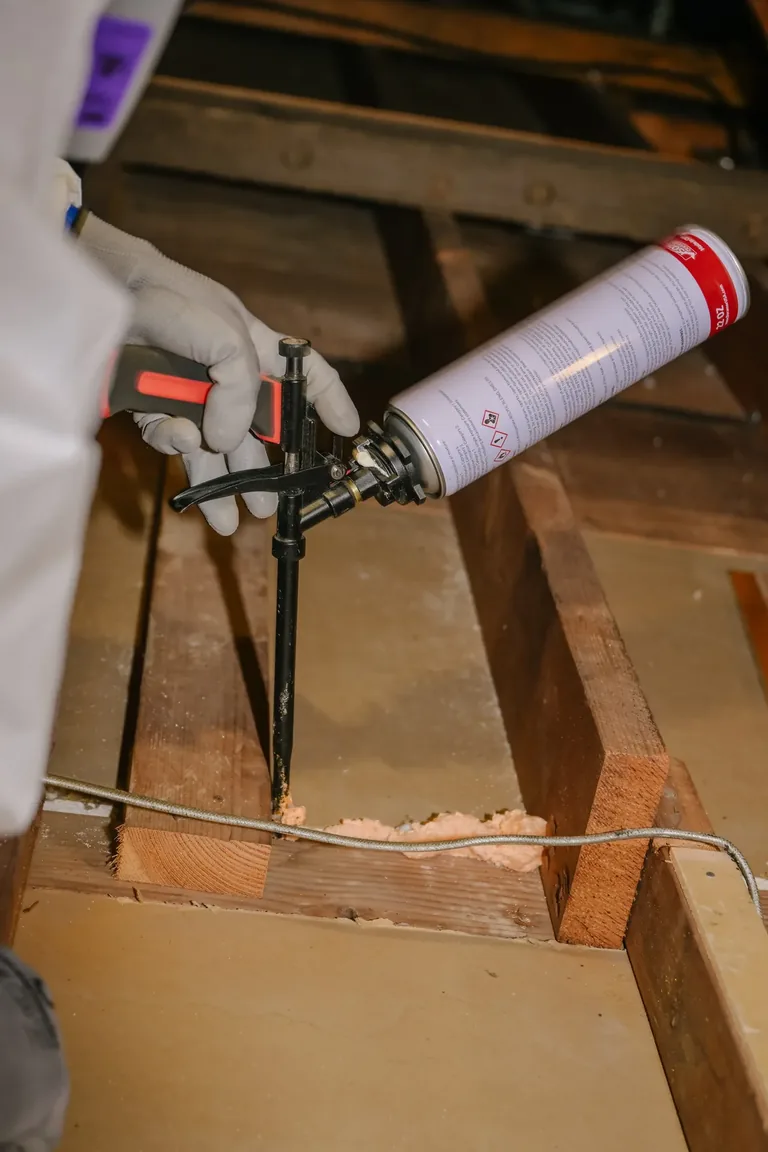
Identification, exclusion, and accountable follow-through.
A trained exterminator identifies whether the presence involves one mouse, several mice, one rat, several rats, or mixed rats and mice before choosing trap size, bait, and placement for each rat or mouse route.
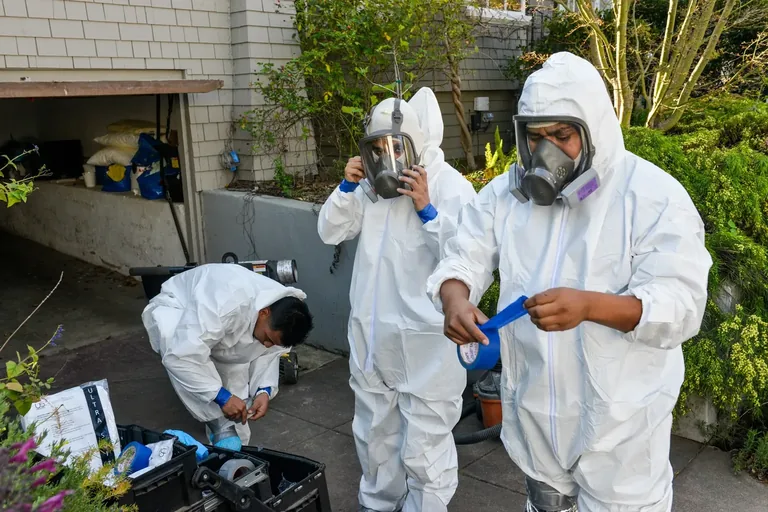
Technicians assess the actual building, infestation severity, travel routes, food, shelter, and construction details instead of sealing every visible crack without diagnostic evidence.
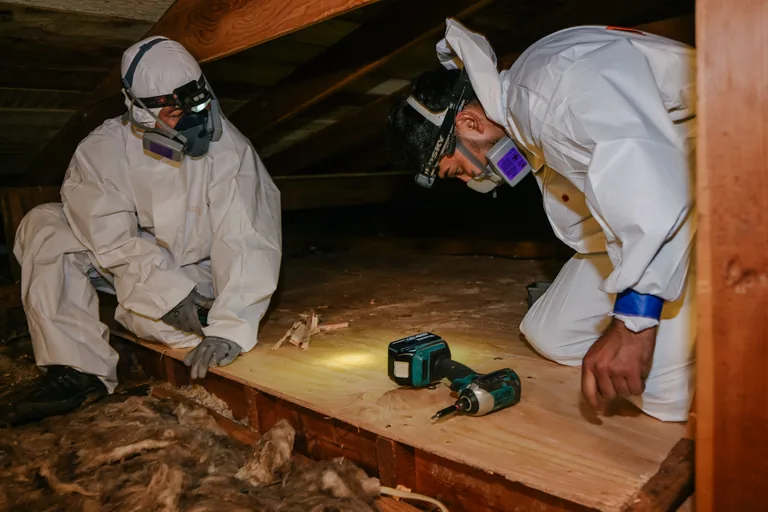
The report records findings, recommended services, estimate factors, covered work, and coordination needs so the homeowner can make an informed decision.

A complete plan connects:
This integrated pest management approach allows Alley Cat to manage current rodent problems while reducing conditions that attract more rats or mice. This overview guides homeowners toward the right next step, while dedicated cleanup, extermination, removal, and exclusion services explain each specialty in greater depth.

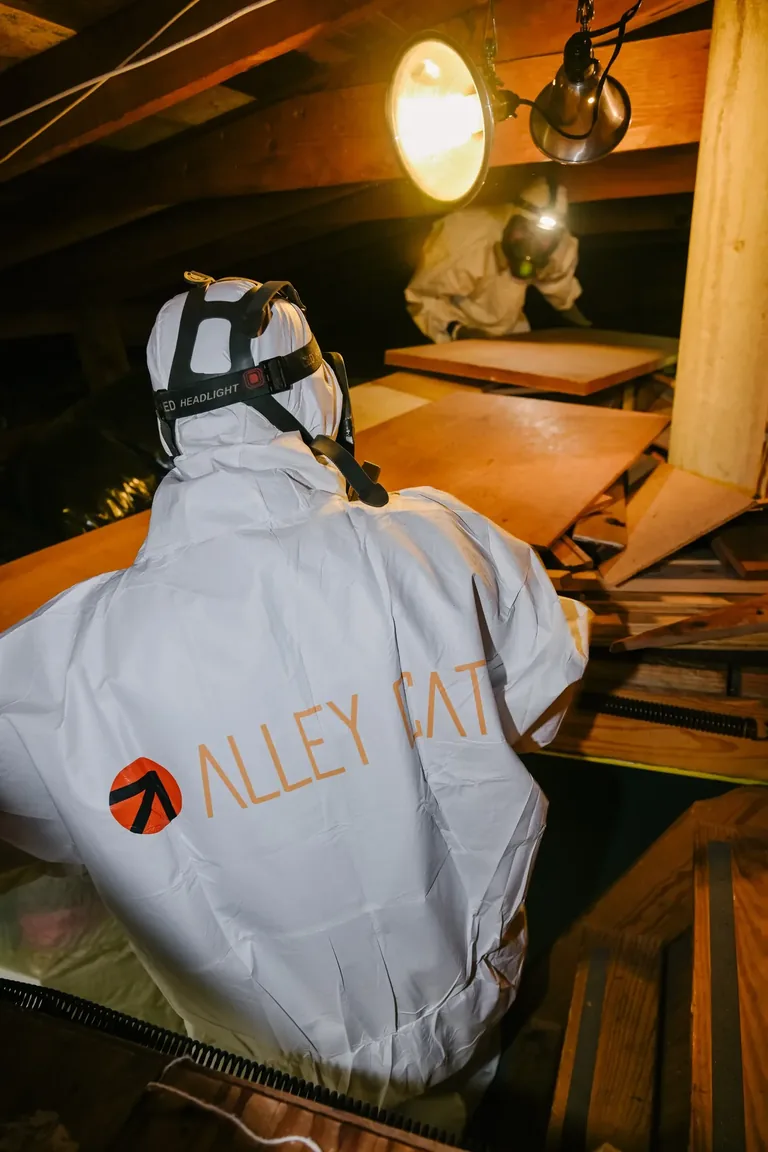
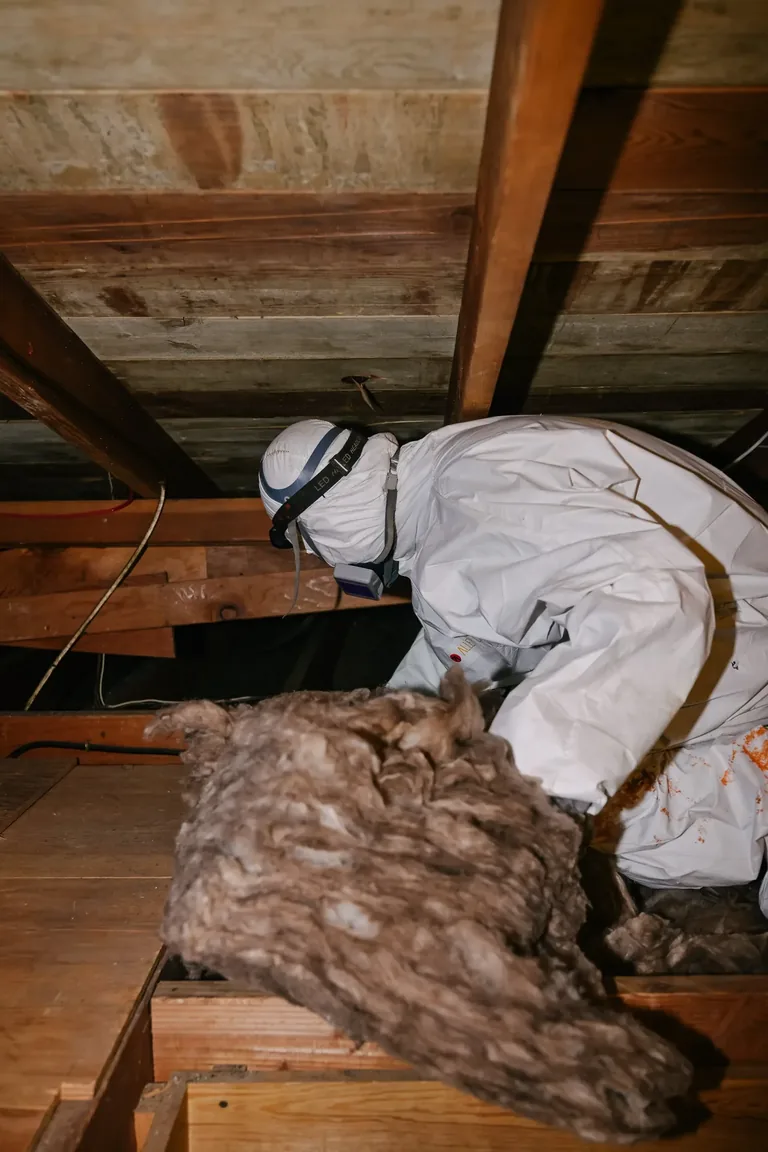
The best method is a multi-part plan that identifies the species, removes food and water, improves sanitation, seals entry points, traps active rodents, and monitors results. Integrated Pest Management (IPM) minimizes environmental risks in pest control. Advanced IPM combines multiple control methods to manage pests sustainably.
Some natural pest control products are marketed as lower-impact pest control solutions for household pests. Natural pest control uses essential plant oils and minerals. More accurately, some products use those ingredients, but “natural” does not automatically mean safer or more effective. EcoWise certification indicates environmentally friendly pest control methods. EcoWise is an independent, prevention-focused certification; this sentence does not claim Alley Cat is certified. EcoGuard offers pet- and family-friendly green pest control products. EcoGuard is a separate third-party company, not an Alley Cat product line, certification, or endorsement.
Reduce return risk with exclusion, sanitation, trapping, and maintenance; no ethical exterminator can promise wildlife will never enter a changing building. Reputable exterminators explain that rats, mice, and other rodents may return through new openings or toward food. Get rid of active rodents, secure trash, store dog food properly, repair leaks, and reduce garden shelter.
Rodent control requires rigorous sanitation to eliminate food sources. San Francisco homes must maintain sanitary conditions to prevent rodent infestations. San Francisco's pest control guidance favors exclusion and trapping over poisons. That last sentence is best understood as practical prevention guidance, not a substitute for site-specific rules or label directions. Natural predators such as owls, hawks, snakes, and a cat may eat small animals, but they do not solve an indoor infestation or replace professional pest control.
Pest control for a mouse infestation can range from a limited inspection-and-trapping visit to a broader project involving exclusion, attic cleanup, decontamination, insulation, repairs, and follow-up. Published national figures commonly place basic mouse extermination in the hundreds, while extensive work may run between a few hundred and a few thousand dollars. The low end generally covers limited trapping or treatment; it is not an Alley Cat quote.
Actual San Francisco and Bay Area pricing depends on house size, access, openings, contamination, severity, materials, and the services included. A pest control company should provide a written, property-level estimate rather than advertise one figure for every infestation. Other exterminators and companies may quote a different scope, so compare what is inspected, repaired, cleaned, sealed, and monitored across all included services.
Control a rodent infestation through inspection, identification, cleanup, sealing, trapping, and monitoring for signs from rats, mice, and other rodents. Rodents can reproduce rapidly, leading to infestations. Rodent droppings are dark and pellet-like in shape. Rodents are typically nocturnal and prefer to hide during the day. Signs of rodent activity include gnawed furniture and scurrying noises. There are over 2,000 species in the Order of Rodentia.
Health context matters. Rodents reproduce quickly, increasing health risks significantly. Rodent bites can transmit diseases like Hantavirus. Bite transmission is possible but uncommon; contaminated dust is the better-recognized concern. Professional pest control may be required for severe infestations. Rodents can cause significant damage to homes and wiring.
Contact Alley Cat by phone or email to arrange an inspection and receive a property-specific plan from a local pest control company with Bay Area experience.
Trusted Across the Bay Area
Alley Cat has helped thousands of homeowners from San Francisco and Oakland to Berkeley, Concord, Hayward, Fremont, Mountain View, San Mateo, Novato, Napa, Petaluma, and nearby communities. Customers value informative communication, detailed work, local expertise, and a team that explains what was found.
★★★★★
Joel H Verified Trustpilot review
1,240 reviews
649 reviews
279 surveys
374 reviews