Soiled Attic Insulation
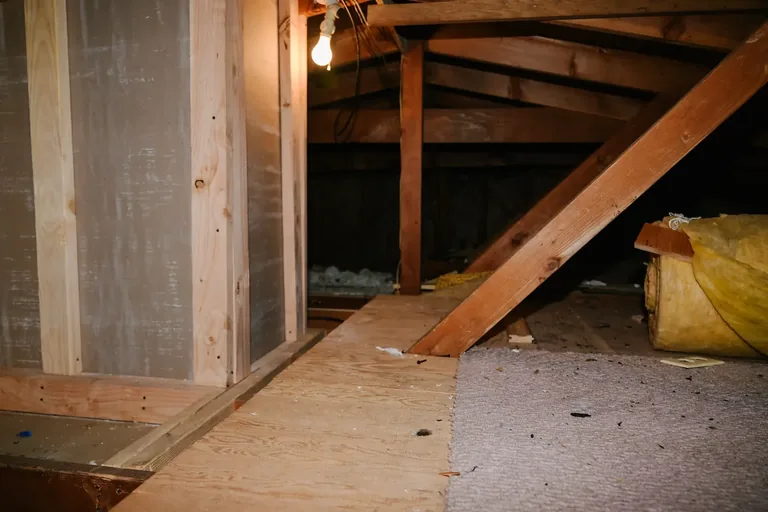
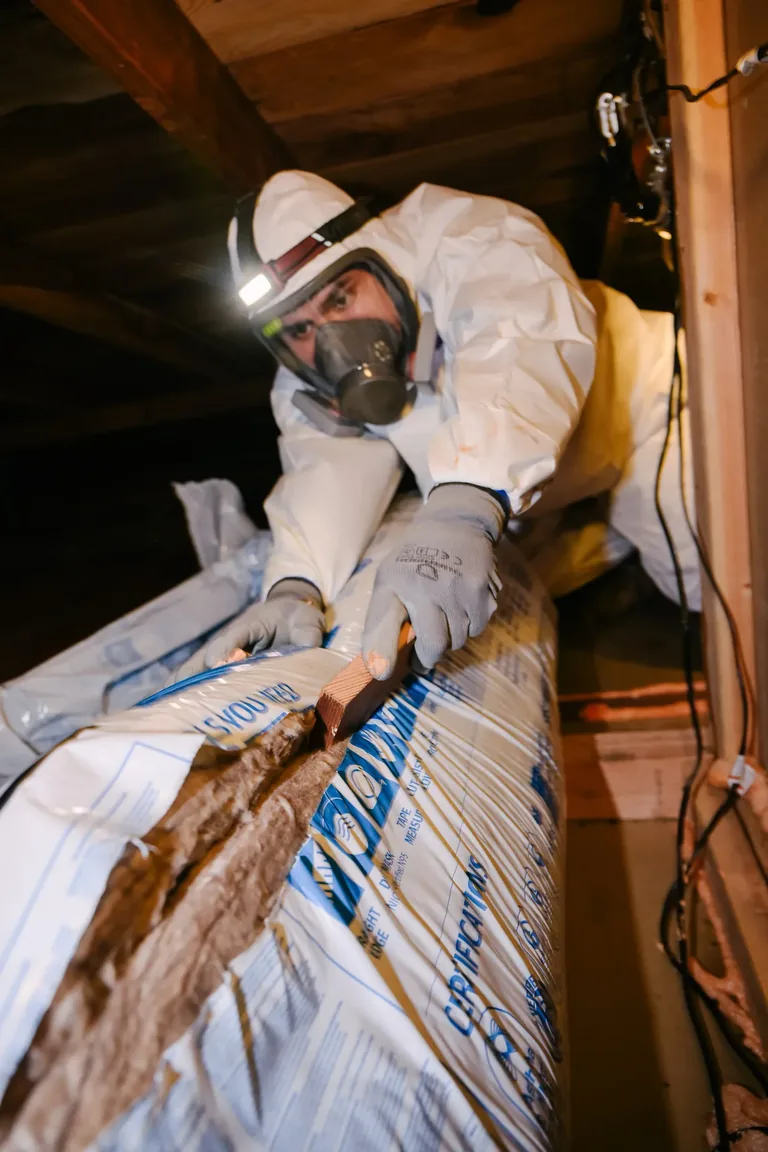
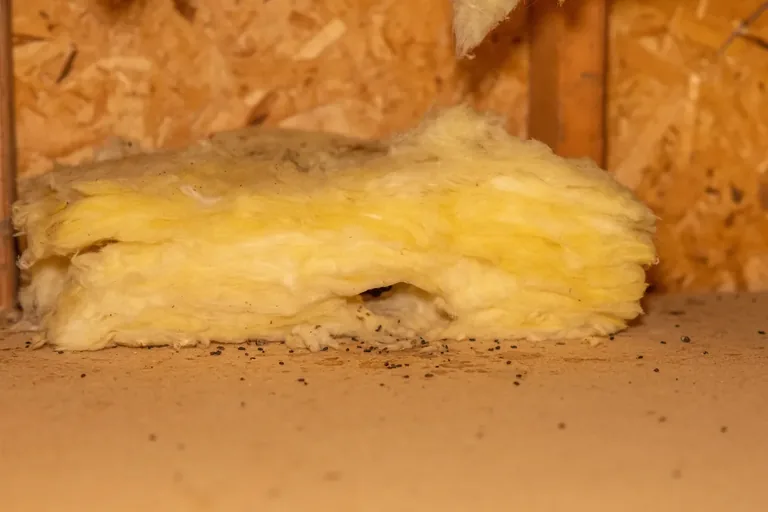
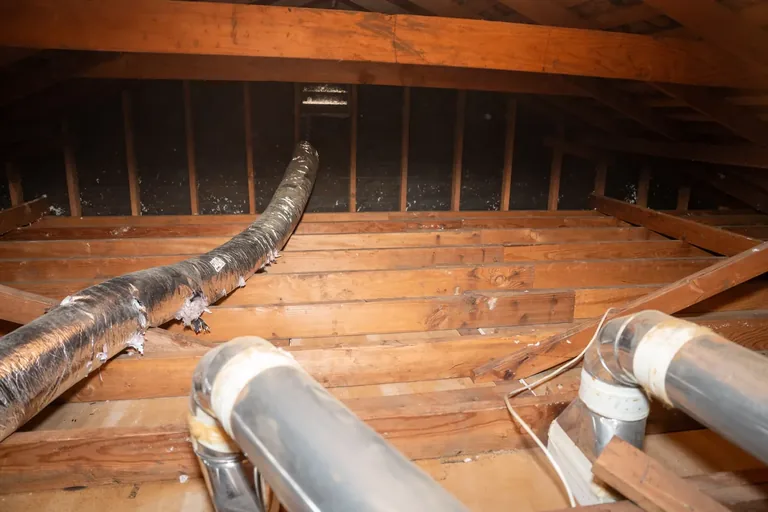
Attic insulation often holds urine, droppings, dust, nesting material, and odor after years of rodent activity. We determine whether services can clean around it, remove one section, or replace broader attic areas.
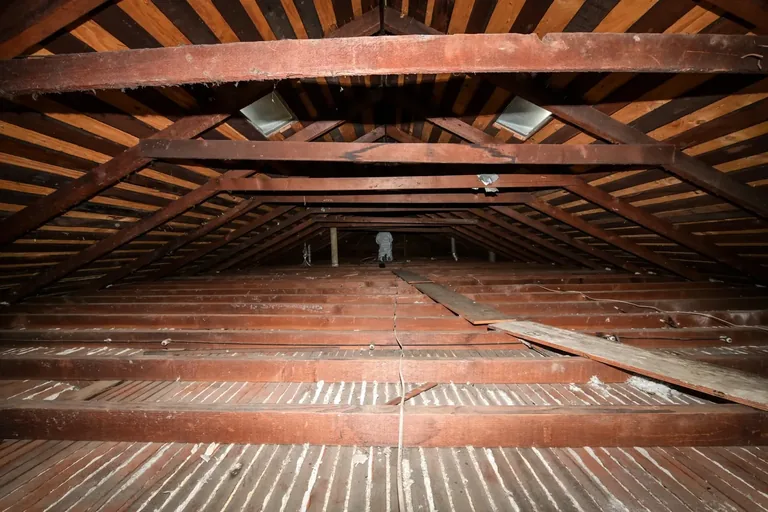
Rodent Cleanup & Attic Restoration
Professional attic cleaning after rats or mice is different from ordinary dusting or storage cleanout.
 4.9 / 5
 4.7 / 5
 4.9 / 5
 4.7 / 5
 Accredited
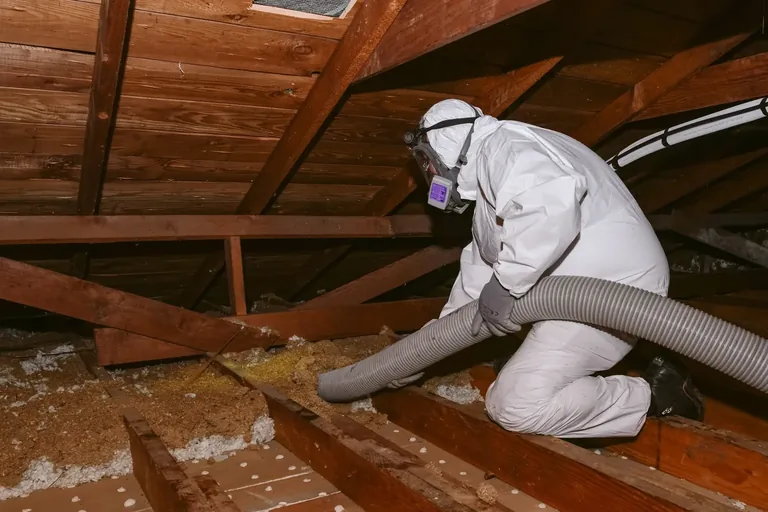
Alley Cat removes rodent droppings, urine-contaminated material, nesting, odors, and damaged attic insulation, then addresses the openings that allowed animals into the attic. Our Bay Area attic cleaning services connect sanitation, trapping, and exclusion so both the clean attic and living space are better protected. Homeowners receive a free estimate and next steps built around three priorities:
Professional sanitation is attic cleaning for an attic space affected by rodent waste, urine, nesting, carcasses, contaminated insulation, and odor.
We inspect the space, attic insulation, framing, wiring, ducts, roof edges, and entry routes so the recommended services reflect the location and type of contamination.
Cleaning alone does not stop new droppings. Alley Cat pairs attic cleaning services with sealing, screening, trapping, and reinforcement based on how rodents entered the home.
Removing loose dust, droppings, and nesting material near ceiling penetrations and ductwork can support indoor air quality while helping keep the attic clean and easier to inspect.
Source removal and targeted sanitation address urine, nesting, moisture, and carcass odors rather than covering the problem with fragrances that fade over time.
Reliable sanitation services protect the cleaned space with rodent-resistant repairs, trap checks, and follow-up care—not just removal of the visible mess.
The goal is a clean, healthy, and efficient attic—not an automatic tear-out. We match the cleaning services to the evidence found in each home, helping customers understand when to retain, remove, or replace attic insulation.
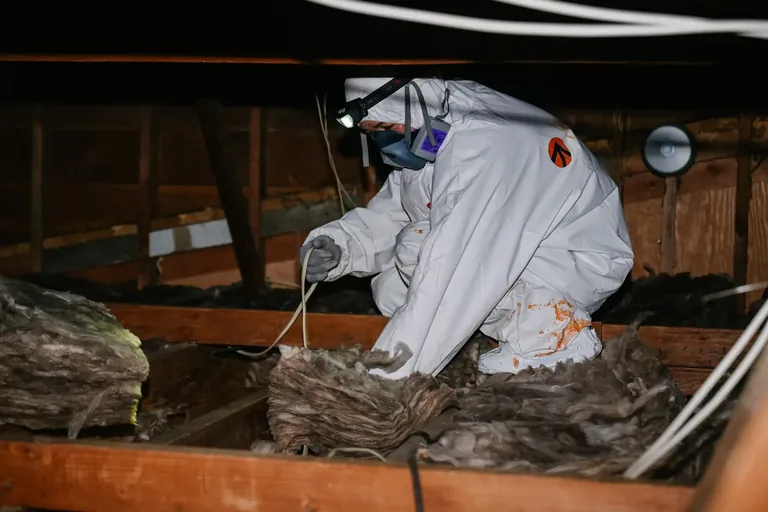
Controlled removal of droppings, nests, food caches, carcasses, dust, and rodent debris.
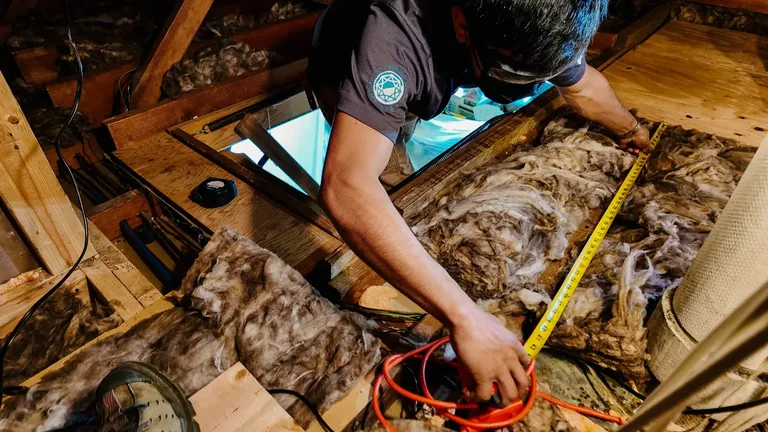
Determining whether attic insulation can remain, needs localized removal, or should be removed and replaced.
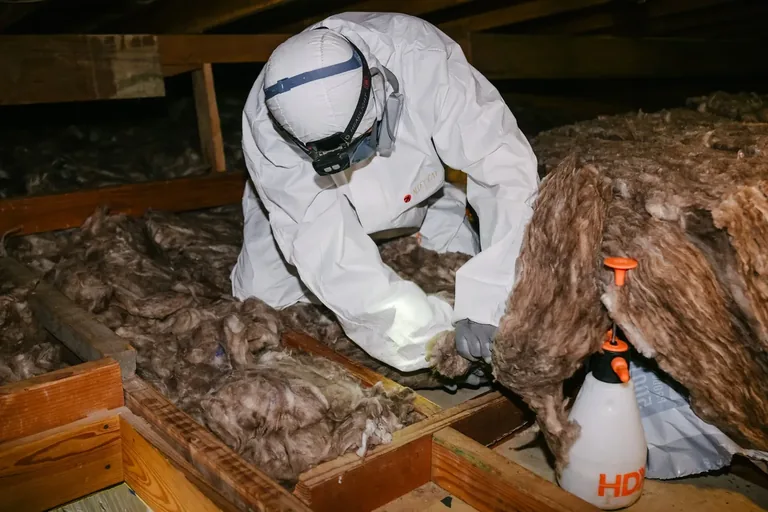
Treating accessible framing, decking, hatch areas, and other affected surfaces after physical material is removed.
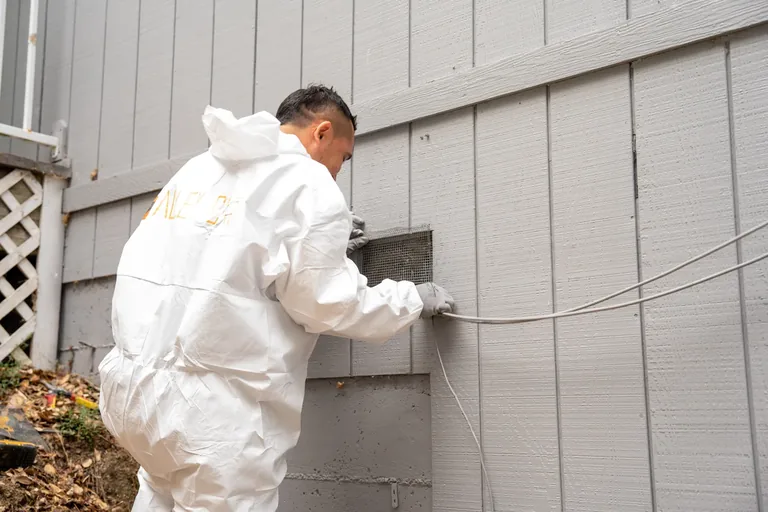
Finding and reinforcing vents, eave gaps, utility penetrations, siding transitions, and other entry points.
Every Bay Area attic space has different clearances, insulation, ventilation, clutter, and rodent conditions. Alley Cat uses staged attic cleaning services to clean the space efficiently while connecting removal, sanitation, exclusion, and prevention:
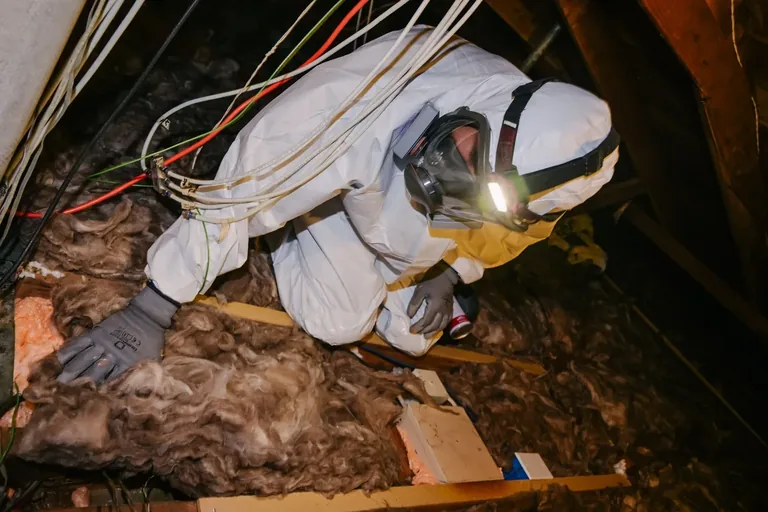
Step 01 · Inspect
The process begins with a free attic inspection focused on droppings, urine staining, nesting zones, damaged attic insulation, odors, animal runways, and possible carcass locations. Our inspector also checks eave gaps, roof vents, plumbing and utility penetrations, attic hatches, and construction transitions that may provide rodent access.
We distinguish old evidence from active rodent use and look for compressed insulation, water staining, roof leaks, damaged wiring, or blocked ventilation that could affect home health. The inspection helps homeowners:
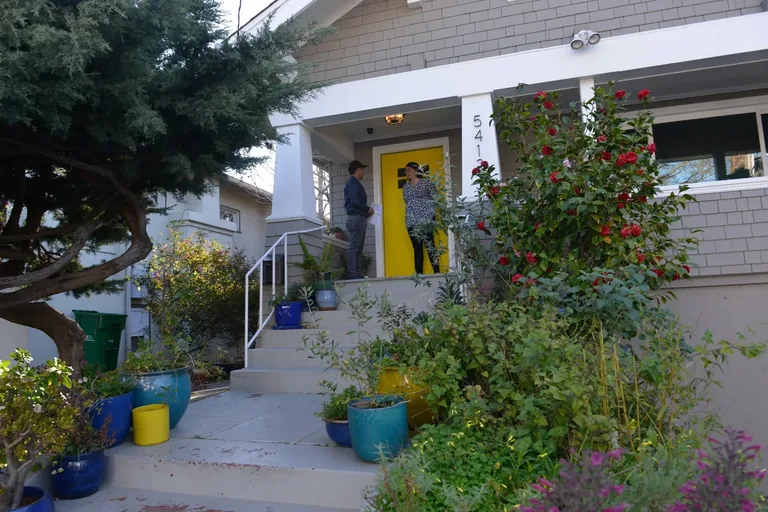
Step 02 · Diagnose
Alley Cat prepares a Comprehensive Diagnostic Report showing affected attic areas, likely rodent routes, attic insulation conditions, recommended cleanup services, and proposed exclusion services. The free estimate explains what can be cleaned in place, what should be removed, when to replace insulation, and what each part of the job is meant to accomplish. Clear documentation gives homeowners time to compare cost and services before work.
Step 03 · Clean
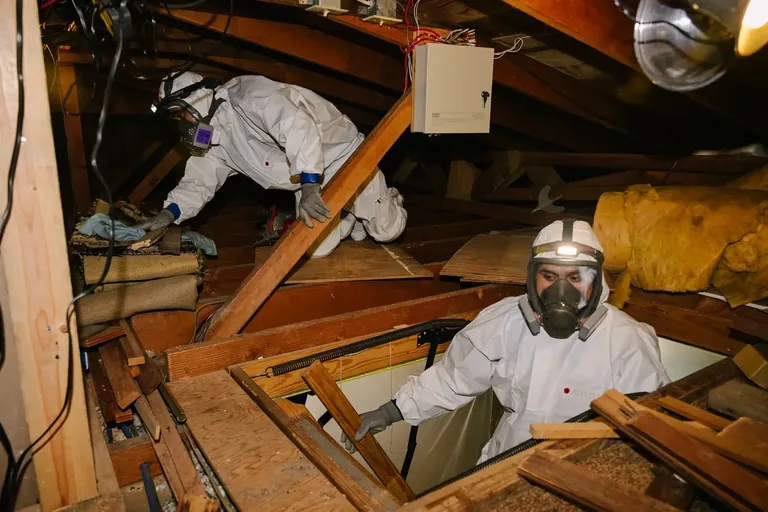
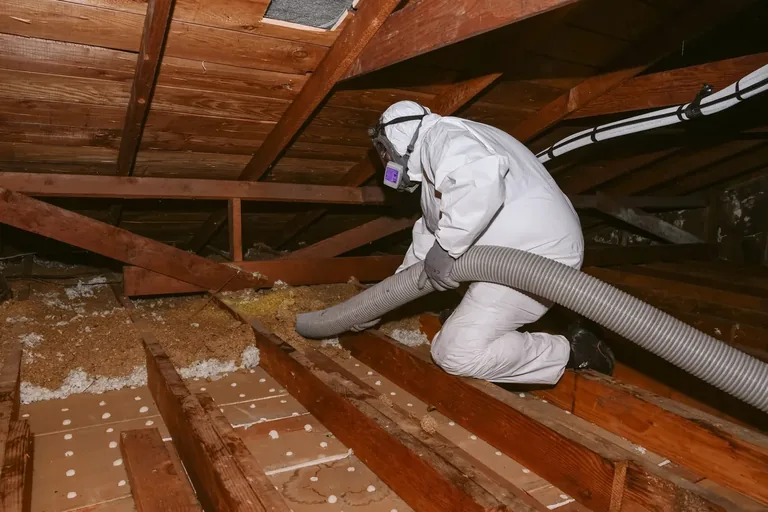
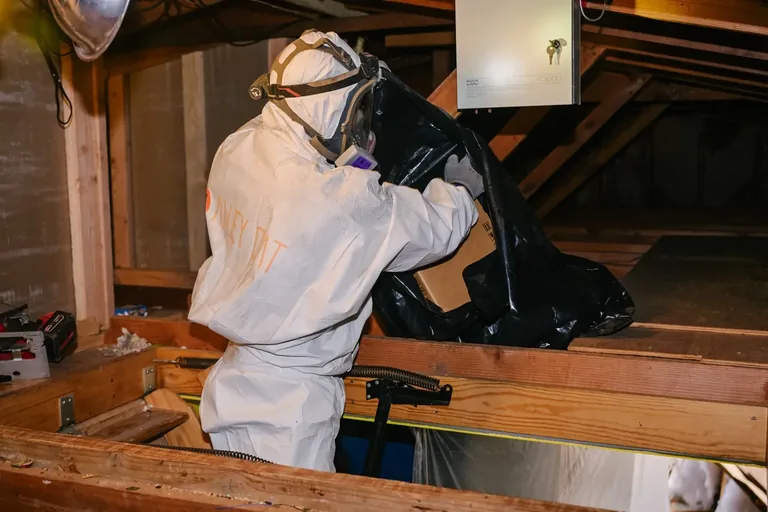
Cleanup starts with controlled removal of nesting material, carcasses, food caches, damaged items, and rodent debris. Untreated droppings should not be dry-swept or vacuumed. Our team controls contamination before using efficient hand removal, bagging, containment, and filtered equipment for the task.
When conditions allow, HEPA-filtered equipment helps capture fine dust and allergen particles during attic cleaning. A trained attic cleaner works efficiently around low-clearance eaves, ducts, wiring, and framing without treating the work space like open storage space.
Our removal services may handle:
Once contamination is removed, the cleaned working space is ready for sanitation—not just a surface clean.
Step 04 · Sanitize
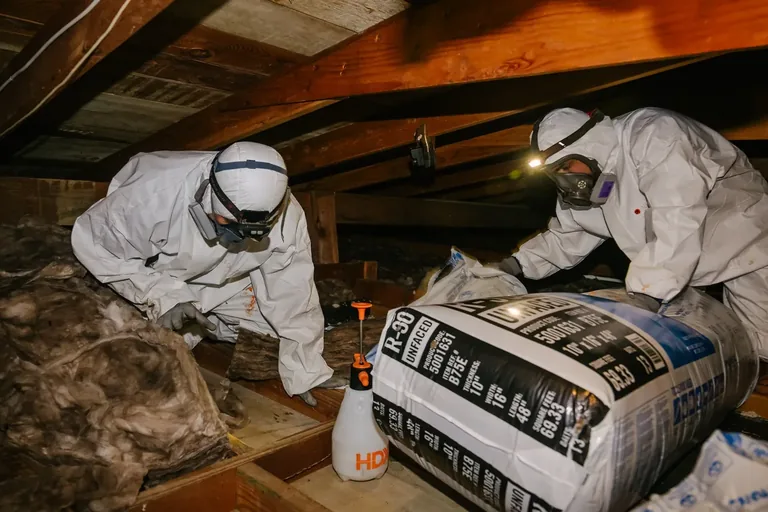
After waste is removed, accessible attic surfaces are treated with methods selected for the remaining contamination. Appropriate disinfecting or antimicrobial treatments may be applied according to label directions to reduce residual contamination on attic framing, decking, hatch areas, and other exposed surfaces.
These sanitation services also target odor at its source. Urine-soaked attic insulation, hidden nesting, moisture, or a dead animal can affect the home through gaps around ducts, recessed lights, and ceiling penetrations. An attic cleaner evaluates those pathways and explains when additional material must be removed to leave the attic clean and protect the living space.
Step 05 · Seal
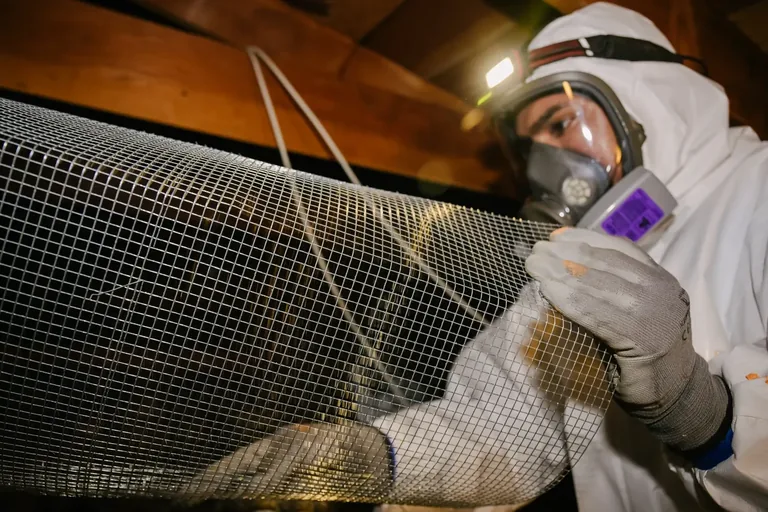
A clean attic can be contaminated again when rats or mice still have a route into the home. Alley Cat evaluates the exterior pathway and the location of each opening instead of patching only the gap nearest the droppings. That review may connect upper exterior gaps, wall cavities, the garage, crawl space, utility lines, and the attic—especially in older Bay Area homes with additions or construction gaps under eaves.
Our exclusion services may include:
We also confirm whether moisture or ventilation needs separate care. Crawl space encapsulation may be relevant when a below-floor moisture problem exists, but it is not automatically part of attic cleaning. From San Francisco to Oakland, Berkeley, Concord, Novato, and Petaluma, the plan must fit the home. Alley Cat brings years of Bay Area experience, 13,000+ satisfied customers, and a 97% customer satisfaction rating to services designed to protect the clean attic area, healthy home, and family for years.
Step 06 · Check
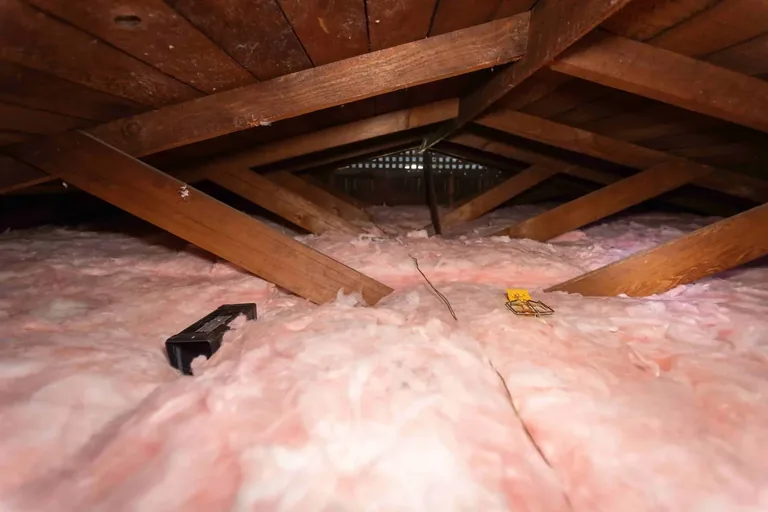
When signs show rodents may still be present, traps are set along confirmed attic runways or nearby transition areas. Placement is based on droppings, rub marks, food sources, travel patterns, and rodent type—not random spacing across insulation.
Scheduled trap-check services let the team document activity, remove captured animals, reset equipment, and confirm whether exclusion work is reducing movement. This keeps fresh waste from appearing after sanitation while helping the attic cleaner finish the attic job efficiently and on time.
Step 07 · Haul
Removed insulation, bagged waste, containment materials, nesting material, and rodent-damaged items included in the estimate are hauled away. The team checks the attic, access route, and work space so job material is not left in the home.
This is not whole-home junk hauling. If clutter or bulky junk blocks safe access, we find what must move before attic cleaning. Alley Cat handles approved sanitation-related junk, then confirms repairs, trap checks, or attic insulation work.
Step 08 · Support
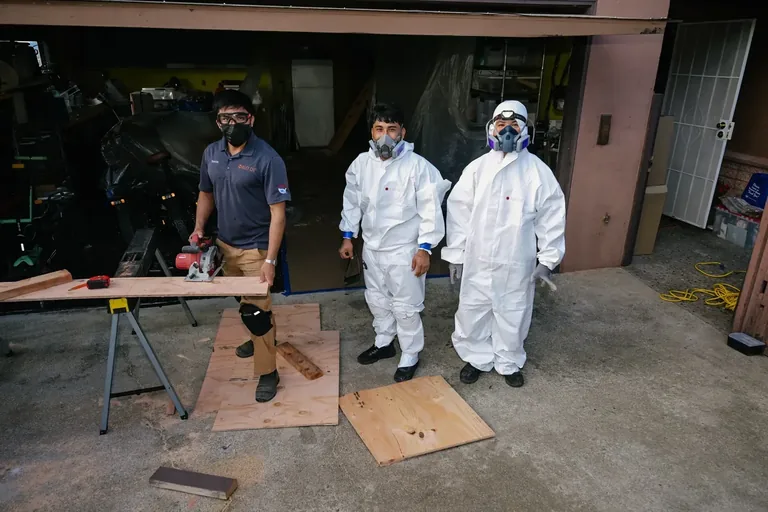
Homeowners should not have to coordinate several companies for one contamination problem. Alley Cat’s customer service team helps customers schedule attic inspection, reporting, cleanup, sanitation, trap checks, exclusion, and follow-up services.
We keep recommendations tied to documented conditions. Whether the location is Oakland, Alameda, Lafayette, Fremont, San Mateo, Mountain View, Napa, or another California community, our goal is reliable communication, efficient scheduling, and leaving the home clean without surprises.
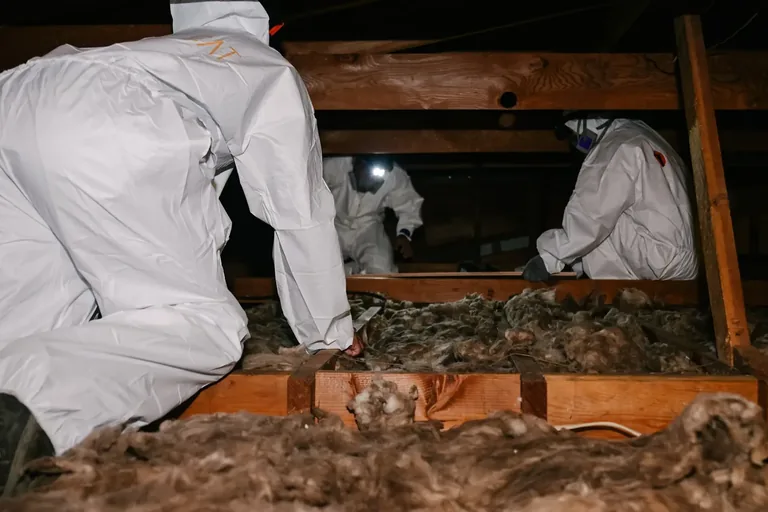
Rodent odor, contaminated insulation, and droppings rarely improve on their own. Schedule a free inspection today to find the source, confirm whether animals are active, and receive a clear attic sanitation and prevention plan for your home.
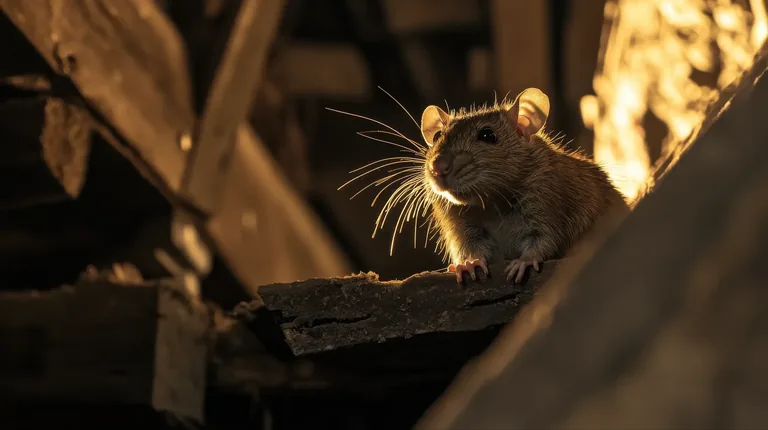
“Very professional service. Time will tell if they succeeded in keeping the rats out, but I was impressed by their professionalism and cleanliness.”
Jeffrey WescottVerified Trustpilot review
4.9 / 5
4.7 / 5 4.7 / 5
 4.9 / 5
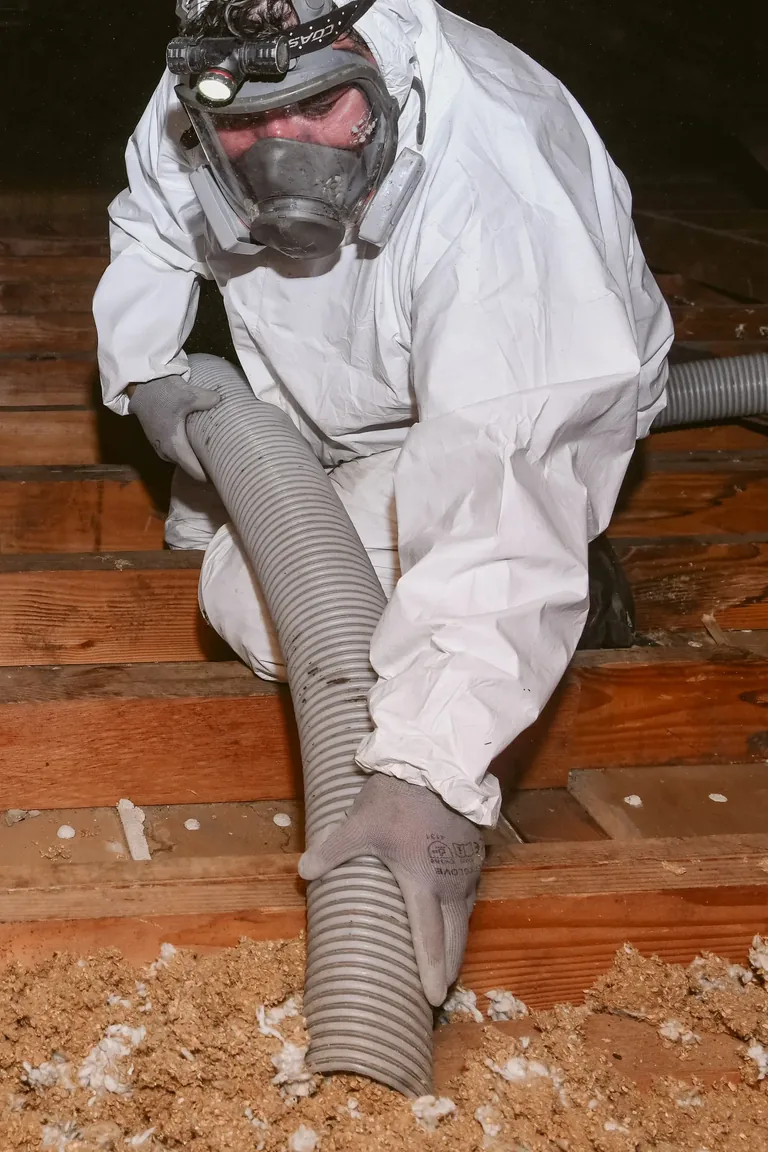
A specialized attic cleaner understands rodent contamination, exclusion, tight attic access, and damaged insulation. General cleaning services may remove dust, clutter, or junk yet miss urine beneath attic insulation, nesting behind ducts, contaminated areas near ceiling penetrations, or an opening that keeps the rodent problem active.
Our team is proudly serving Bay Area neighbors with care built around:
After years of helping more than 13,000 customers, our reputation rests on informed decisions—not automatic full attic insulation replacement—so schedule a free inspection today and let Alley Cat determine what your attic actually needs.
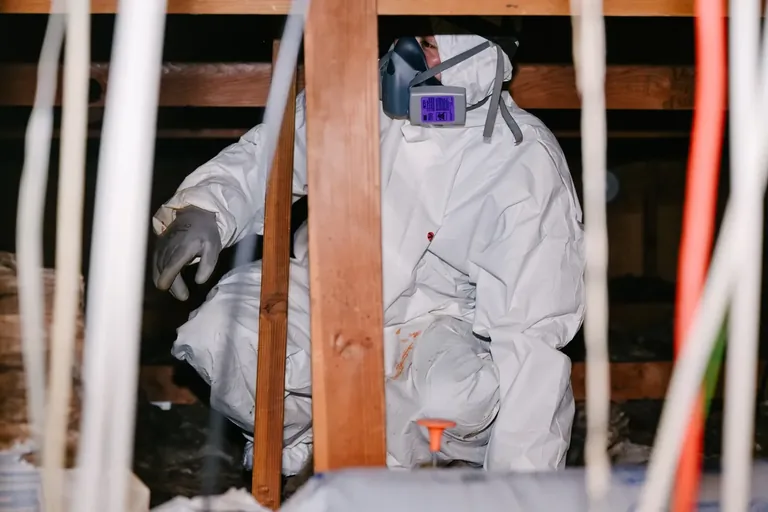
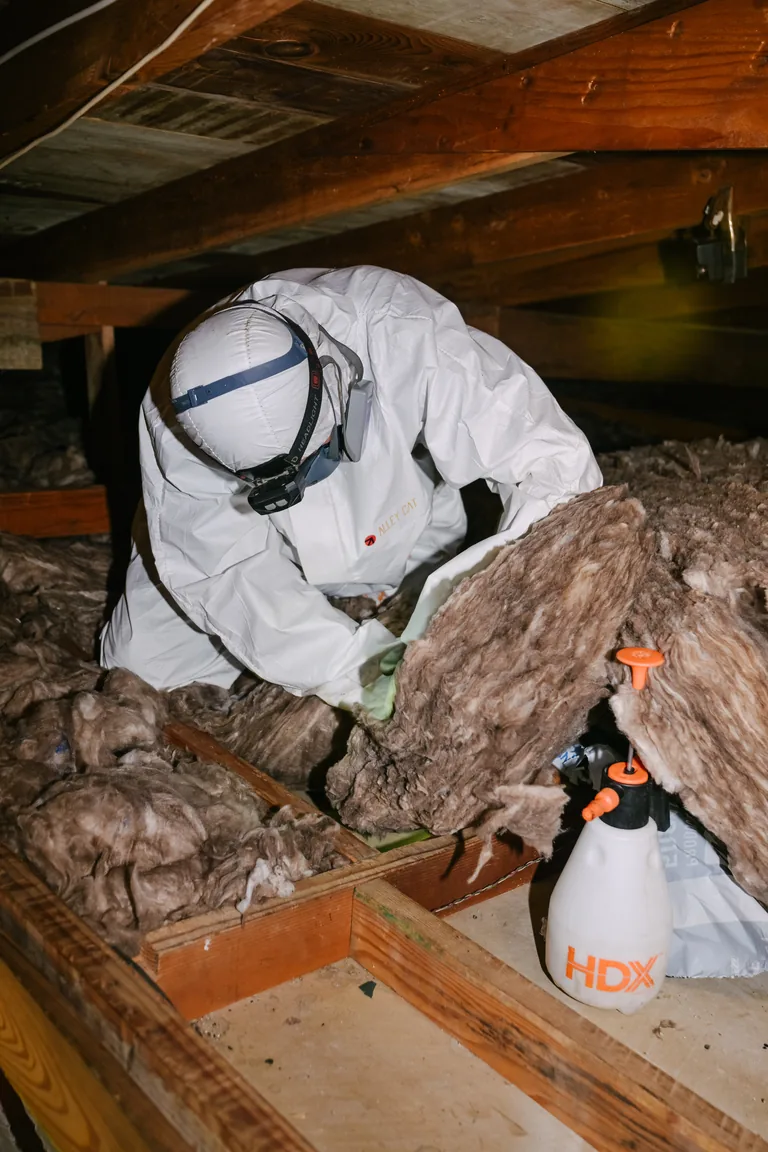
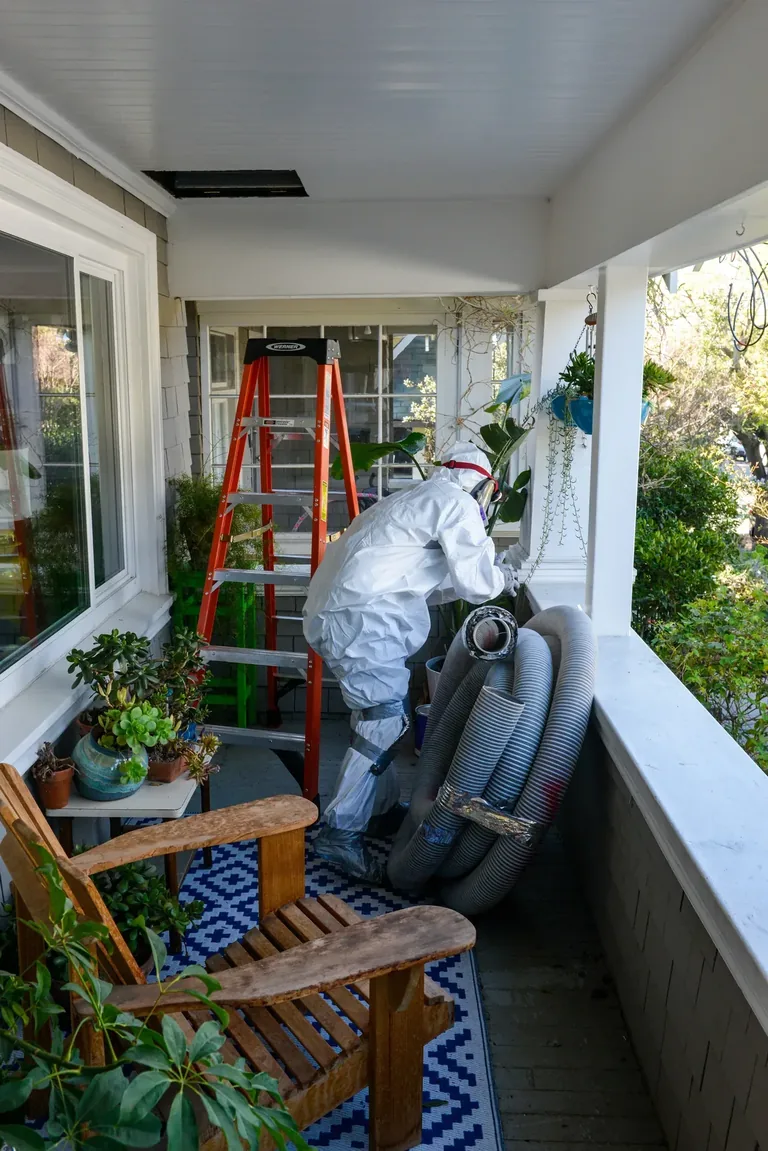
An attic is sanitized by controlling rodent waste, removing contaminated materials, cleaning accessible surfaces, applying an appropriate treatment, addressing odors, and sealing entry points. The order matters because dry sweeping or vacuuming untreated droppings can stir contaminated dust into the home.
A professional attic cleaner generally follows these steps:
The goal is to leave a clean attic space, protect family health, and help prevent a return. In humid areas, attic sanitation can help reduce conditions that contribute to mold growth by removing affected material and identifying moisture or ventilation problems that require correction.
Call a rodent exclusion and sanitation specialist for droppings, urine odor, nesting, damaged attic insulation, scratching sounds, or animals entering the attic through upper gaps. Call a roofer for an active leak, an electrician for damaged wiring, an HVAC contractor for internal duct problems, and a qualified mold or asbestos professional when those hazards are suspected.
Alley Cat can inspect the attic area, identify the problem type, and explain which services fit. We handle removal, trapping, cleanup services, sanitation, appropriate insulation removal, sealing, screening, and prevention.
As a general maintenance guideline, attics should be cleaned at least once a year when dust, clutter, animal debris, or other contamination accumulates. At minimum, homeowners should inspect the area annually. Regular attic cleaning can uncover roof leaks, displaced insulation, blocked ventilation, and duct problems, while a clean and properly insulated space may help HVAC equipment operate efficiently and extend the useful life of heating and cooling systems. Regular attic checks can also help prevent rodent infestations by identifying new entry points, fresh droppings, nesting activity, and damaged screening before a small issue becomes a much larger cleanup project.
The “7 and 7 rule” is common shorthand for habitable attic dimensions, not a cleaning or sanitation standard. It generally refers to at least 70 square feet of qualifying floor area, a minimum width of about 7 feet, and a ceiling at least 7 feet high over half of the required area.
Local California building rules, stairs, egress, structural capacity, and permits determine whether the space can legally become living space. Alley Cat does not evaluate conversions for code compliance. Our services focus on safe attic entry, contamination, attic insulation, rodent openings, and whether low clearances affect the time, equipment, access, and cost of sanitation.
The cost depends on attic size, entry, insulation type, contamination, containment, and whether exclusion or insulation removal is included. Square-foot pricing can mislead because same-size attics may need very different cleaning services.
A free inspection and estimate should confirm:
Alley Cat provides a free estimate before work begins, helping homeowners and customers compare the full scope, understand the expected cost, and schedule the right services today.
Ready for a clean, healthy attic? Contact Alley Cat today to schedule a free estimate for rodent cleanup, sanitation, attic cleaning services, insulation evaluation, exclusion, and prevention services throughout the Bay Area.