Rodent control in Menlo Park is the inspection, removal, cleanup, exclusion, and monitoring used to solve an active rat or mouse problem and reduce the chance of another rodent infestation.
10+ years experienceProfessional rodent exclusion specialists
13,000+ homes serviced97% customer satisfaction
Bay Area localFamily-owned & operated
3-Year WarrantyCoverage per location and written terms
4.9 / 5 1,240 reviews
4.7 / 5 649 reviews
4.9 / 5 374 reviews
4.7 / 5 279 surveys
Accredited A+ BBB rating
Pest Control Services for Menlo Park Rodent Problems
Exclusion, cleanup, trapping, and lasting prevention.
Alley Cat’s specialized rodent control identifies how rodents entered, where rodents are traveling, what they contaminated, and which repairs protect the home and keep rodents out.
Menlo Park pest control services address various pests year-round. Alley Cat is not a broad, spray-first pest control company. For this page, pests means commensal rodents—primarily rats and mice—not termites, insects, or every type of wildlife. We target rats and mice through structural exclusion, strategic trapping, sanitation, and restoration:
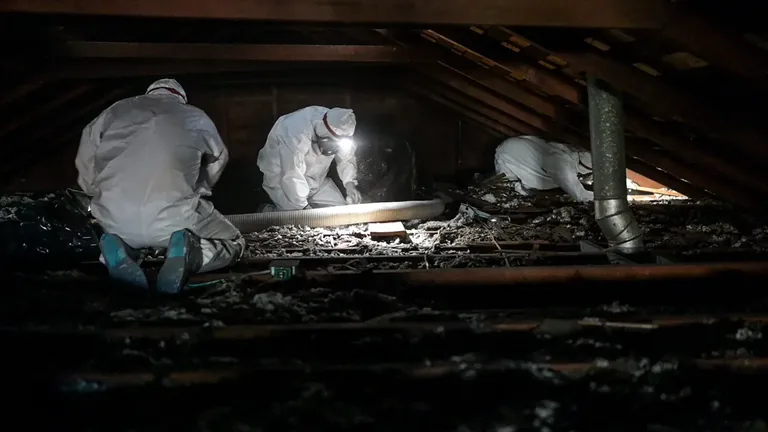
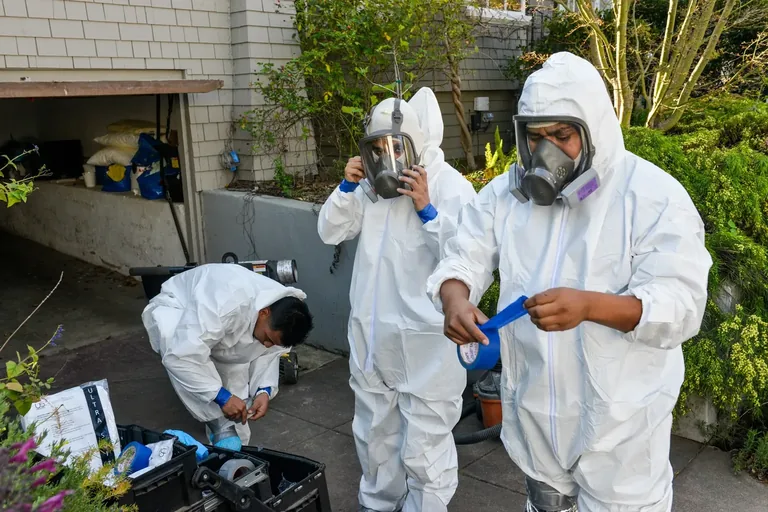
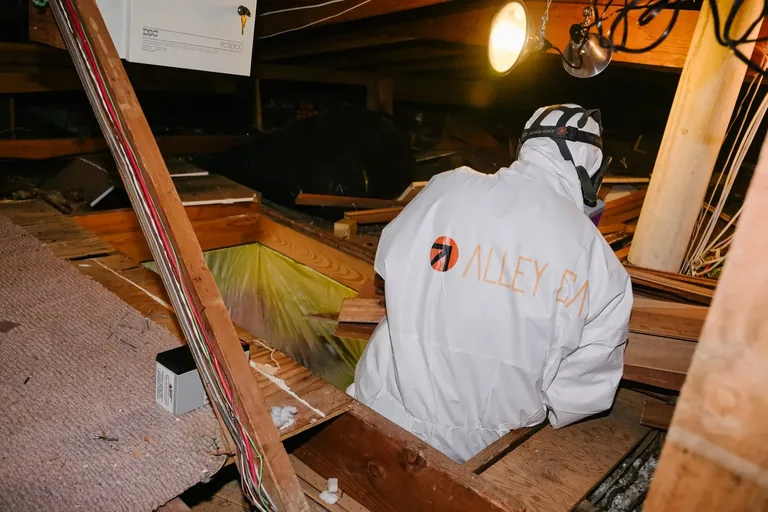
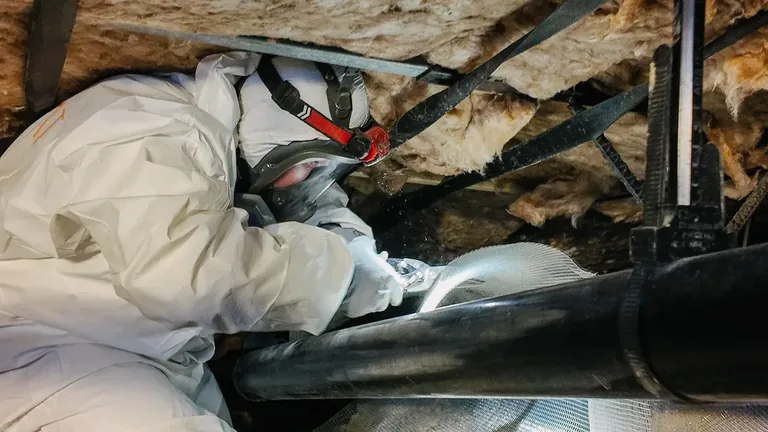
Remove rodents and contaminated materials, then sanitize affected home areas
Document damage, entry points, repair priorities, and the monitoring plan
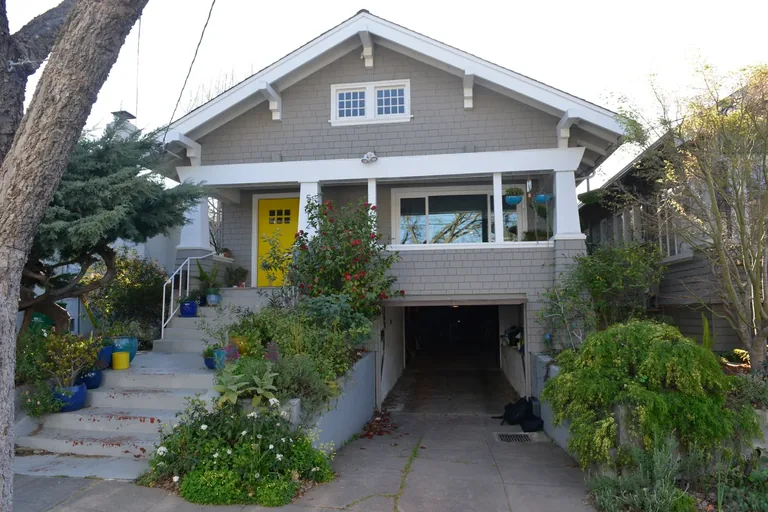
Menlo Park’s tree-lined, green neighborhoods and mixed building types create different routes for rodents. Start with an inspection that explains the home problems before recommending products or repairs.
Our rodent control services can handle active rodents, damaged insulation, odor sources, trapping, cleanup, haul-away, and customer support.
Our Menlo Park Area Rodent Control Process
Every home presents different rodent problems. Our Menlo Park area process moves from diagnosis to removal, cleanup, exclusion, monitoring, and a clear final handoff:
Step 01 · Inspect
Free Rodent Inspection
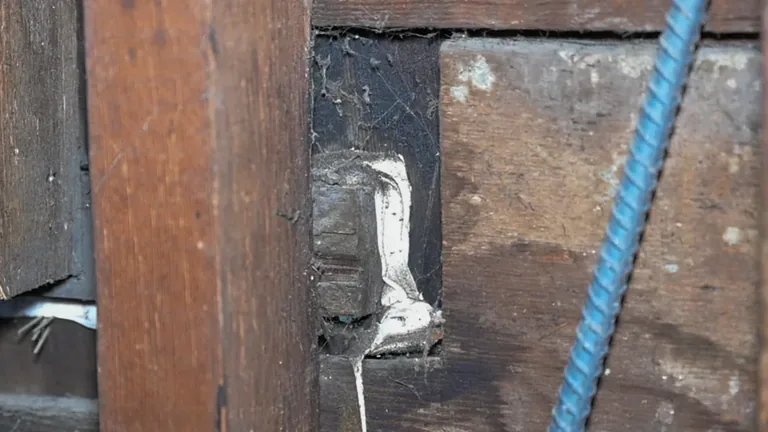
Our technicians begin where rats and mice are most likely to approach the home. Outside, they review roof intersections, foundation vents, siding gaps, crawl-space doors, garage edges, plumbing penetrations, utility wires, landscaping, and branches or fences that rodents use as routes.
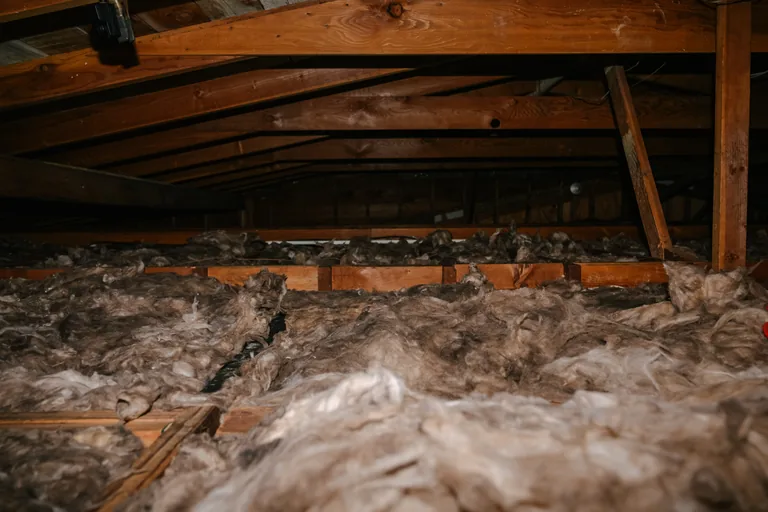
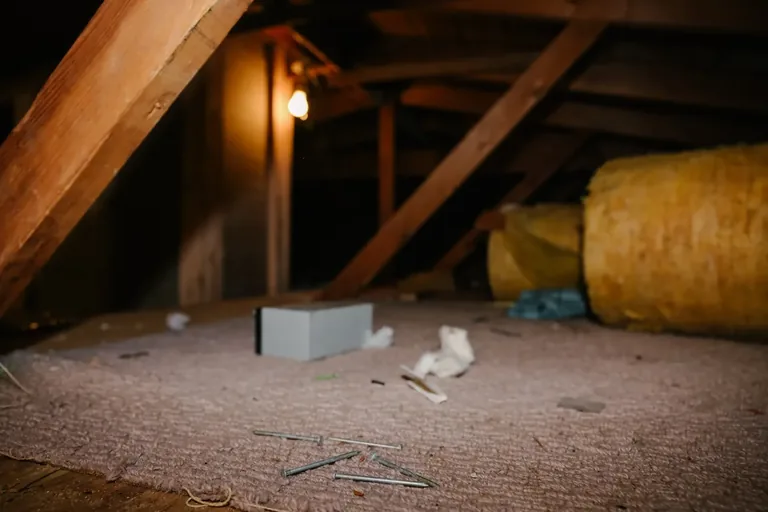
Inside, technicians look for droppings, rub marks, gnaw damage, nesting, odors, disturbed insulation, torn vapor barriers, and openings around pipes or cabinets. They also distinguish rodents such as rats and mice from squirrels or other wildlife. Similar sounds do not identify which pests or animals are involved; an attic critter must be confirmed before the team chooses methods.
The inspection helps us:
Find entry points and interior paths rodents use
Separate fresh signs from old contamination
Define the cleanup, trapping, repair, and monitoring the home needs
Local pest control services may offer inspections for rodent activity. Alley Cat turns its rodent control findings into an exclusion and restoration scope rather than simply recommending bait. That helps people dealing with recurring home problems choose the right services.
Step 02 · Diagnose
Diagnostic Report & Estimate
Customers receive a Comprehensive Diagnostic Report with photographs, observed entry points, contamination, damaged materials, exclusions, trap locations, and an estimate. Pest control services in Menlo Park include inspections and customized plans. Our report shows what is urgent, what is preventive, and why the details matter. It also helps ensure the plan matches the home.
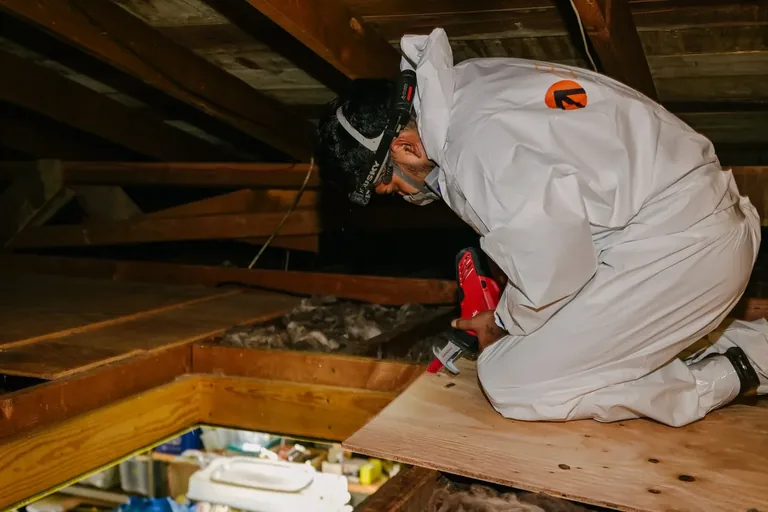
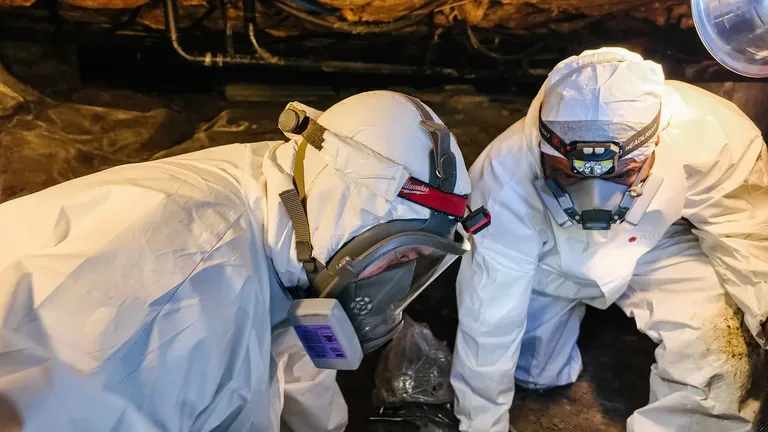
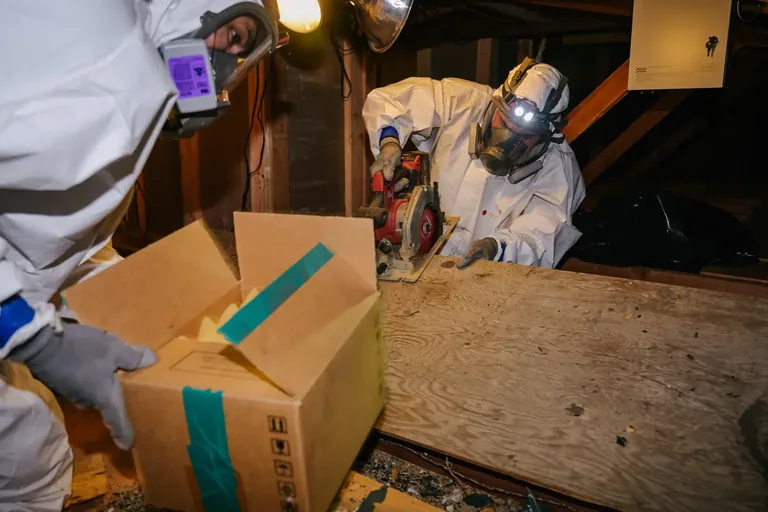
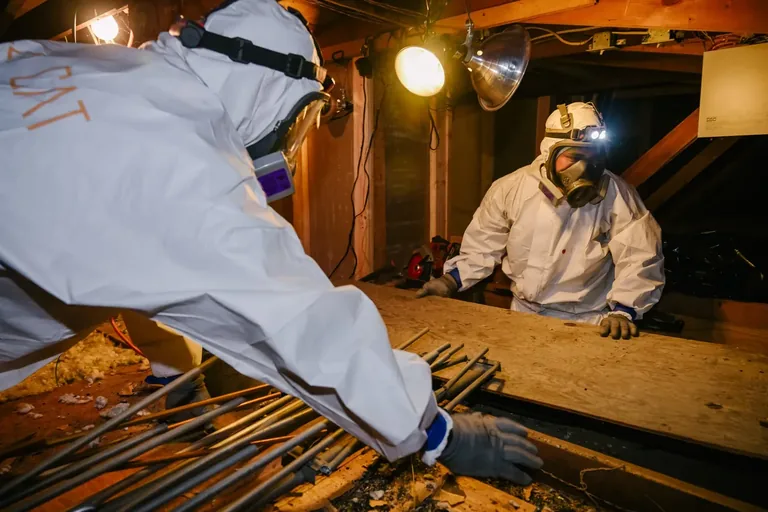
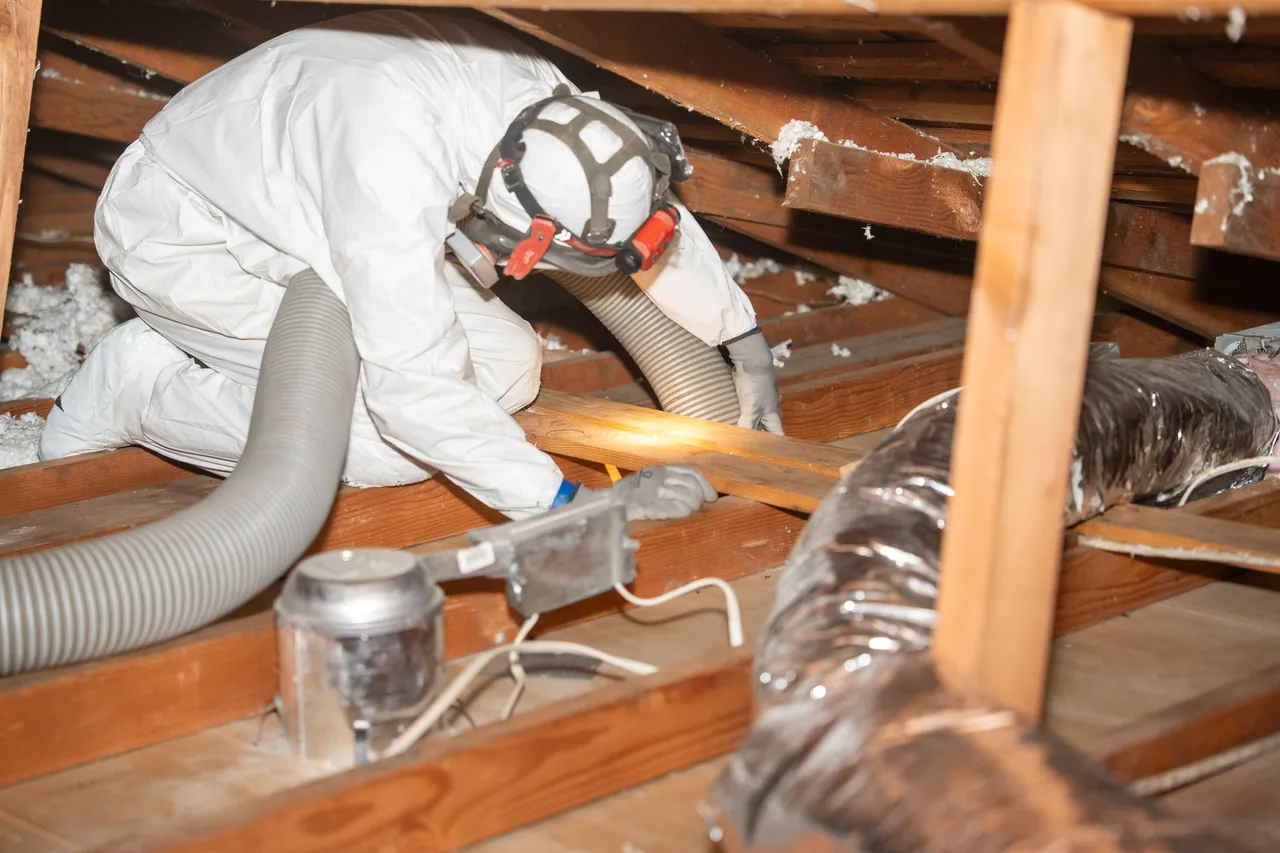
Removing waste and nests from attics, crawl spaces, garages, or storage rooms
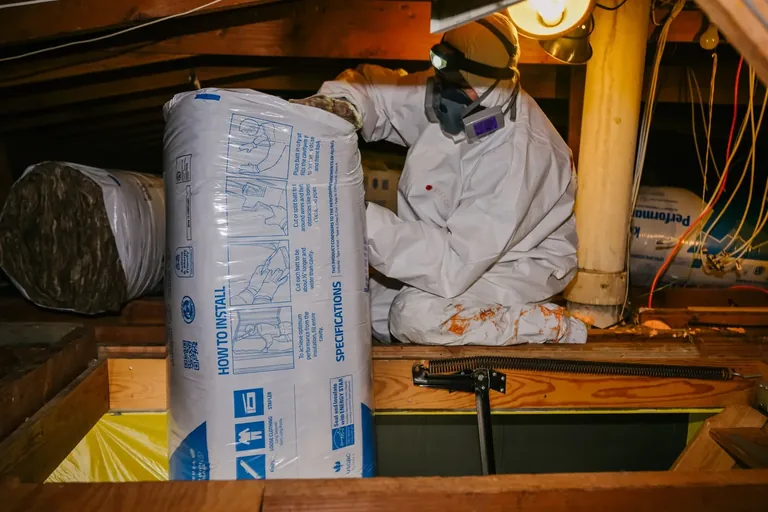
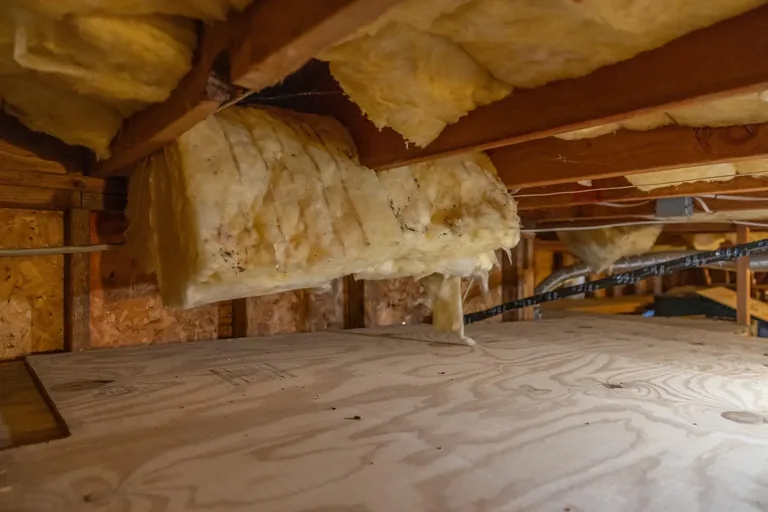
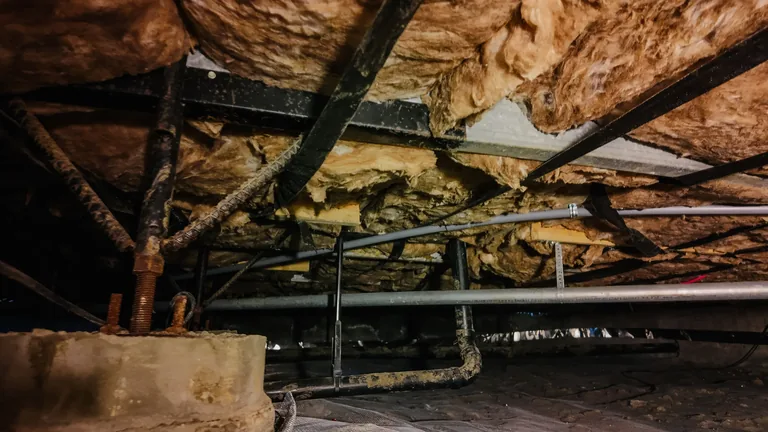
Taking out contaminated insulation or torn vapor-barrier material
Addressing accessible carcasses, concentrated odor sources, and debris
Mice continuously defecate, contaminating surfaces in homes. The wording is broad, but ongoing mouse activity can leave repeated droppings and urine along travel paths. Once contaminated material is removed safely, the home is ready for sanitation and exclusion.
Step 04 · Sanitize
Sanitize & Decontaminate
We treat accessible surfaces in the approved area to reduce contamination and odor. Sanitation involves removing food and water sources from properties. Decontamination addresses affected surfaces; sanitation also changes conditions that let rodents eat, drink, and shelter near the home.
Rodents can cause significant property damage and health risks. Rodents can transmit diseases such as hantavirus and leptospirosis. Actual health impact depends on the species, setting, and contact with urine, saliva, nests, or droppings. Our staff does not diagnose diseases, but it can provide safer cleanup and restoration of affected areas. For any family with health questions, medical guidance is important.
A visible hole is often only one part of a rodent infestation. In a Menlo Park home, rodents may enter at roof returns, siding, additions, utility equipment, garage seals, foundations, or crawl spaces. Technicians match each repair to the material, opening, and pressure on that part of the home.
Our rodent control methods include:
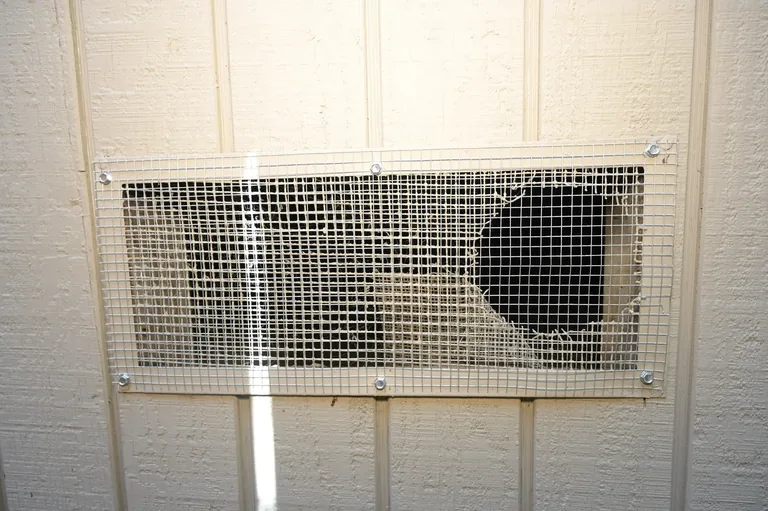
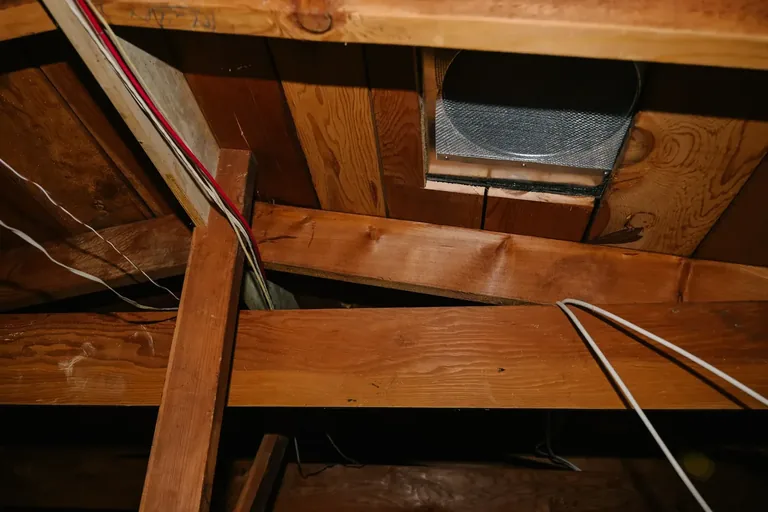
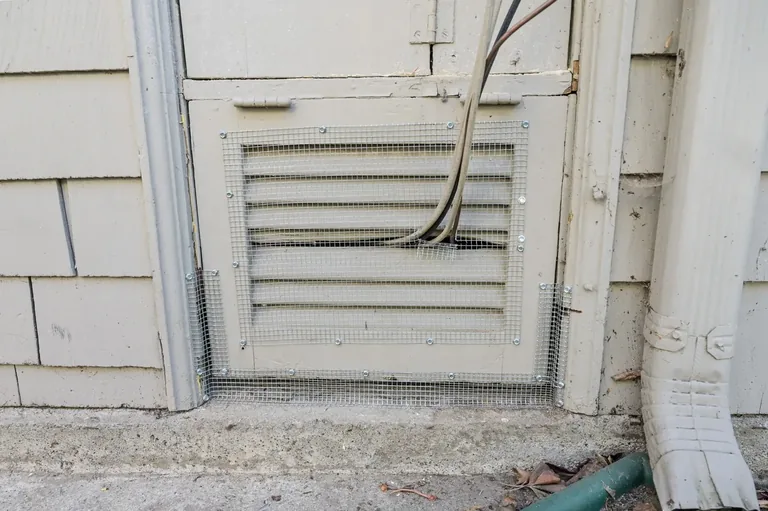
Vent ScreeningSecure metal mesh over vulnerable attic, roof, foundation, and crawl-space vents while maintaining airflow.
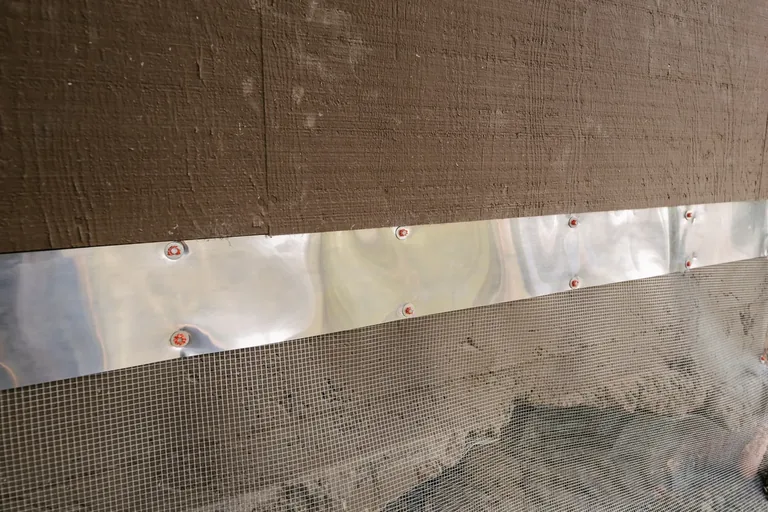
Metal FlashingForm metal over fascia, siding, roofline, and construction gaps that rats could chew or push through.
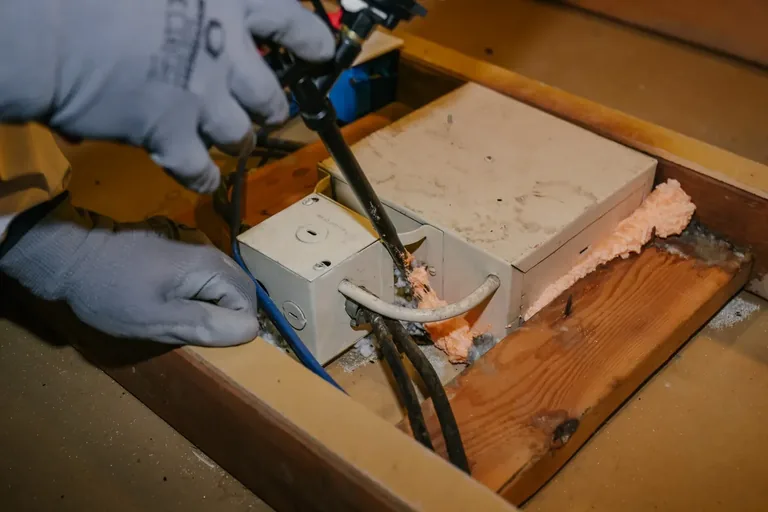
Utility SealingClose openings around plumbing, electrical, cable, and HVAC lines with suitable materials.
Door ReinforcementCorrect worn sweeps, corner gaps, side seals, and framing defects used by mice.
Foundation BarriersInstall below-grade or perimeter barriers where burrowing rodents are causing damage.
Roofline ClosuresReinforce eaves, soffit transitions, and branch-adjacent edges used by roof rats.
Entry points larger than 1/4 inch should be sealed to prevent rodents, although size guidelines are only a starting point. Mice can fit through holes the size of a dime, while larger rodents can enter homes through openings about the size of a quarter. Our technicians assess irregular gaps, damaged materials, and connected travel routes so rats and mice cannot simply move to another vulnerable area.
Lasting prevention also requires reducing the food, water, and shelter available around the property. Habitat modifications can help reduce outdoor shelter for rodents, including trimming branches, clearing dense vegetation, securing garbage, storing human food in airtight containers, and avoiding pet food left outdoors. These steps matter because female roof rats can produce up to four litters per year, allowing an untreated rodent infestation to grow quickly.
Effective rodent control relies on Integrated Pest Management (IPM), which focuses on structural exclusion, sanitation, and strategic trapping. This approach targets the conditions supporting the infestation while reducing unnecessary chemical use. Anticoagulant baits are restricted in many areas to protect local wildlife, children, and pets, and even environmentally conscious products cannot replace proper exclusion.
Professional pest control can help prevent infestations before they start by identifying vulnerable openings and early warning signs. Rodents can cause significant property damage and health risks. With 13,000+ customers and a 97% customer satisfaction rating, Alley Cat turns inspection findings into practical repairs, trapping, cleanup, and long-term prevention.
Step 06 · Check
Set Trap Checks For Rats and Mice
Trapping removes rodents, including rats or mice, that remain inside after entry points are identified or closed. Use snap traps strategically to manage rodent populations effectively. Technicians place species-appropriate traps along walls and routes based on droppings, food activity, nesting, and the home layout.
Glue traps are considered inhumane and are generally less effective. Regular monitoring of traps is essential until rodent activity stops. Trap checks let the team remove captured rodents, reposition equipment, document results, and ensure the rodent infestation is declining. Rats may avoid new objects, making placement by experienced experts and follow-through important.
Step 07 · Haul
Wrap Up & Haul Away
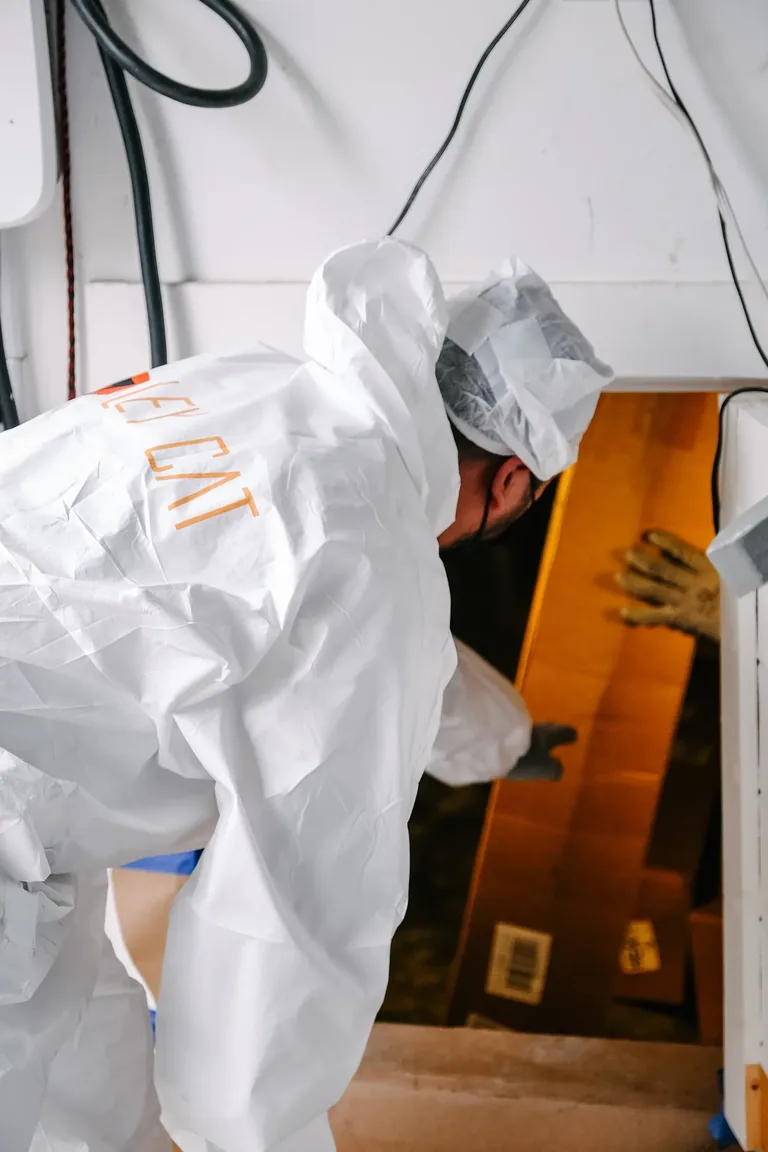
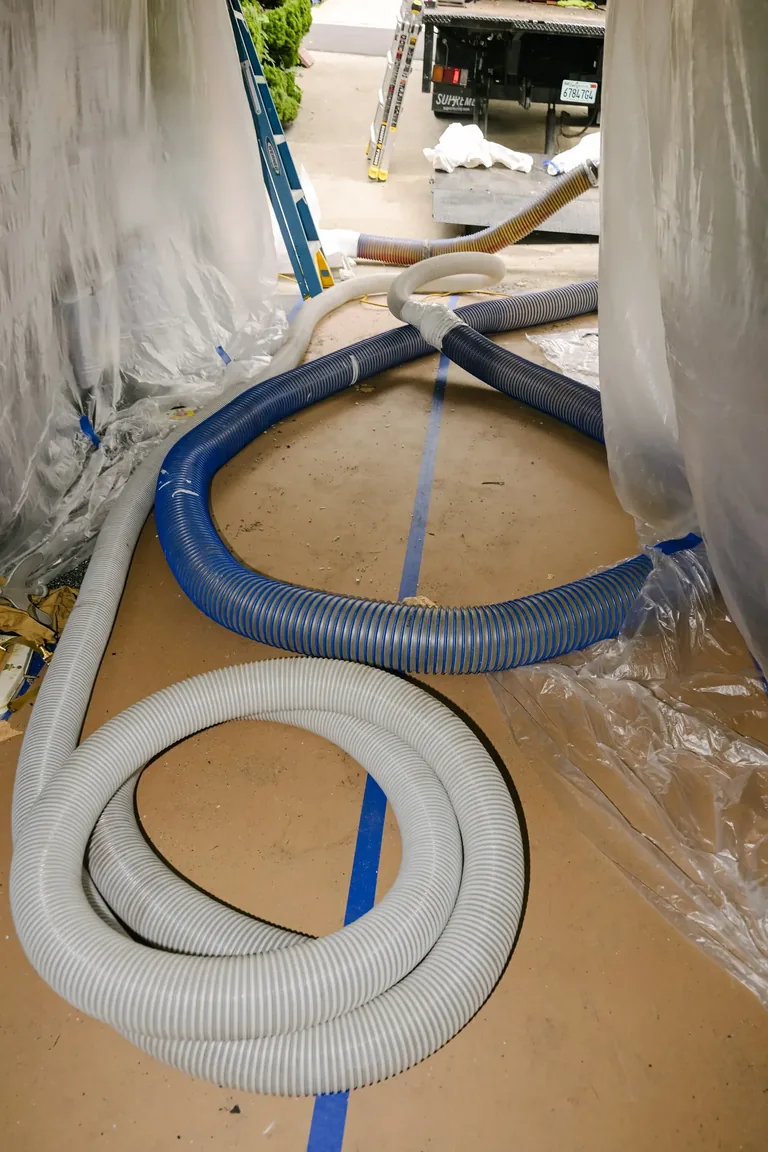
At the end of active rodent control services, we review repairs, remove approved debris, and haul away project materials. Temporary equipment is collected after monitoring, and service areas are left orderly within the agreed scope.
We explain what was sealed, what maintenance remains, and which signs customers should notice so they can protect the home. These customers—homeowners, property managers, and businesses—receive a clear record instead of unanswered questions.
Step 08 · Support
Customer Service
Our customer service staff coordinates inspections, scheduling, trap checks, report questions, and follow-up. That support matters when rodent control involves tenants, children, pets, family schedules, roofers, or each home area. It is important for every family to know whom to contact after the crew leaves.
No responsible provider can guarantee that rats or mice will never approach again. A written guarantee should be judged by its coverage, exclusions, and maintenance requirements; a “forever” guarantee is unrealistic when new damage creates openings. Alley Cat focuses on documented repairs, responsive services, and practical protection that gives the family greater peace of mind.
Do not wait for droppings, scratching sounds, odors, or chewed food packages to spread. Schedule a Menlo Park rodent inspection today and get a documented rodent control plan.
Menlo Park customers choose Alley Cat for clear diagnostics, specialized technicians, durable exclusion, and responsive services. Our work across San Mateo County helps us protect local homes without treating all pests or recurring pest problems as routine spray appointments.
“They are reliable and they show up when you ask. I inherited this relationship when I bought my house and they honored the contract. They have been great. The job got done. They are efficient and thorough. There is no inconvenience when using them.”
★★★★★
Hannah B.Verified Diamond Certified survey
4.9 / 5 1,240 reviews
4.7 / 5 649 reviews
4.7 / 5 279 surveys
4.9 / 5 374 reviews
Rodent and Pest Control in Menlo Park CA
Built around each local home and its rodent routes.
Tree-to-Roof Routes
Mature trees, fences, vines, utility wires, and green landscaping can give roof rats and other rodents routes to eaves, vents, and roof intersections.
Crawl-Space Gaps
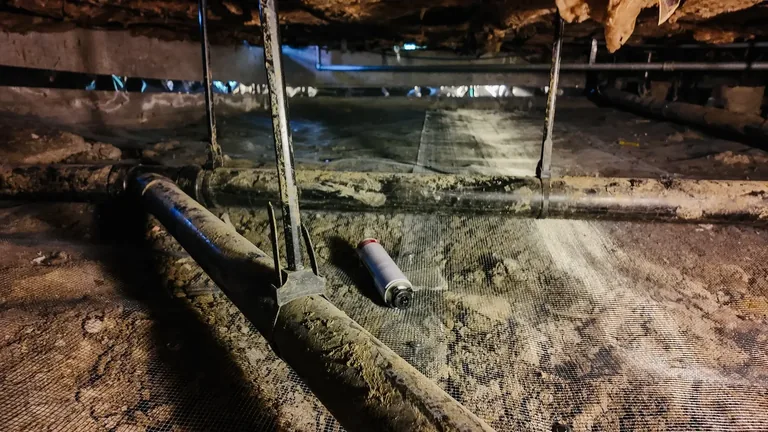
Loose screens, damaged doors, foundation openings, and utility penetrations can connect exterior rodents to subfloor areas, walls, kitchens, and insulation.
Garage and Utility Openings
Worn door seals, pipe gaps, stored food, pet supplies, and utility rooms can turn a garage into shelter and an interior pathway for rodents such as mice or rats.
Why Menlo Park Properties Need Detailed Exclusion
A strong rodent control plan accounts for:
Roof routes created by landscaping, fences, wires, or nearby structures
Older and remodeled home construction with layered gaps
Crawl-space, foundation, and garage openings that are easy to miss
Interior signs far from the original entry point
From Sharon Heights and The Willows to Belle Haven and central Menlo Park, the inspection emphasis changes with the building, lot, and surrounding area. The priority is finding how rodents enter this home and choosing repairs that withstand weather and gnaw pressure. That is the core of specialized rodent control for this area.
Benefits of Professional Rodent Control in Menlo Park
Clear findings, durable repairs, and accountable follow-through.
Stops Entry, Not Just Activity
Traps may reduce rats or mice inside, but they do not repair the opening that caused the rodent infestation. Sealing entry points is crucial to preventing rodent infestations. Alley Cat combines removal, reinforcement, and monitoring so rodents have fewer ways back into the home.
Restores Contaminated Areas
A rodent infestation can leave droppings, urine, nests, damaged insulation, torn barriers, and odors. Rodents can cause allergies and asthma irritations. Pest debris may affect indoor health for susceptible people and family members, including children, but Alley Cat does not diagnose disease; our services remove affected materials and restore the area.
Reduces Damage and Fire Threats
Rodents can chew through wires, causing electrical fires, and can cause severe property damage by chewing through wires. Rodents may also damage ducts, wood, plastic, food packaging, and insulation, so chew marks deserve prompt attention and a home review that can begin quickly.
Cleanup and removal
A thirty-second introduction to the cleanup and removal side of the work.
Yes, professional rodent control is worth considering when rodents are inside, contamination is present, or the entry route is difficult to find and repair. DIY traps may remove one rat or mouse, but they rarely solve hidden gaps, nesting, sanitation, and damage together.
Professional services are especially useful when you notice repeated droppings, noises in walls, activity in attics or crawl spaces, chewed food, or odors. Experts can:
Identify the species and active area
Target entry points and rodent travel routes
Remove rodents and monitor results
Address cleanup, insulation, and prevention
Alley Cat helps customers understand the situation before choosing a scope. The goal is not simply to kill pests; it is to solve the problems that let rodents return.
What is the hardest pest to get rid of?
The hardest pest to remove depends on the species, the structure, and how long the infestation has been active. Rats may avoid unfamiliar traps, mice can enter through extremely small openings, and bed bugs, termites, squirrels, and other pests each require different control methods.
Termites can cause severe structural damage to homes, while squirrels may require wildlife-specific handling. Alley Cat’s technicians first identify the pest or animal involved, then recommend the appropriate service rather than treating every infestation the same way. Although some Menlo Park pest control services address various pests year-round, Alley Cat specializes in solving rodent problems through removal, exclusion, cleanup, and ongoing prevention.
How to get rid of unwanted rodents?
To get rid of unwanted rodents, combine inspection, sanitation, exclusion, strategic trapping, and monitoring. Rodents can carry diseases like hantavirus and leptospirosis. Do not sweep or vacuum dry droppings casually, and keep children and pets away from traps and contaminated areas.
Use this sequence:
Find waste, gnaw marks, nests, food damage, and entry points.
Remove accessible food and water; secure human and pet food.
Seal openings with chew-resistant materials.
Place appropriate snap traps along active routes.
Continue checks until signs stop, then clean and restore the home.
This whole-home effort offers a better way to control a rodent infestation than moving rats or mice from one room to another.
How much is it to call pest control for rats?
Alley Cat offers free estimates so homeowners can understand the full scope of the rat problem before any work begins. The final cost depends on where rats are entering, how severe the infestation is, which areas of the home are affected, and whether trapping, exclusion, cleanup, sanitation, or repairs are needed.
A small opening near a garage may require far less work than rats traveling through a crawl space, walls, kitchen, and attic. During the inspection, our technicians identify the entry points, assess the extent of the activity, and determine what remediation is necessary to solve the problem properly.
An estimate may include:
Inspection and diagnostic reporting
Trap placement and scheduled monitoring
Roof, foundation, vent, or garage exclusion
Removal of droppings, nesting, damaged insulation, odors, and debris
Sanitation, reinforcement, and haul-away
Rats can transmit rabies, bubonic plague, and typhus, although rabies is rarely associated with common small rodents, while plague and flea-borne typhus are generally linked to infected fleas or other exposure pathways. Pricing should reflect the actual rodent control work required—not fear, a generic national figure, or an unexplained guarantee.
Protect Your Menlo Park Home
Choose rodent control before a small presence becomes a larger infestation. Our team is equipped to inspect, remove, clean, reinforce, and help protect your family and home.