
Tree-to-Roof Access
Mature trees and dense landscaping can create elevated routes for roof rats and other climbing pests to reach eaves, roof returns, vents, and attic openings.

Contra Costa County · Diablo, CA
Professional rodent control in Diablo should do more than place traps.
 4.9 / 5
 4.7 / 5
 4.9 / 5
 4.7 / 5
 Accredited
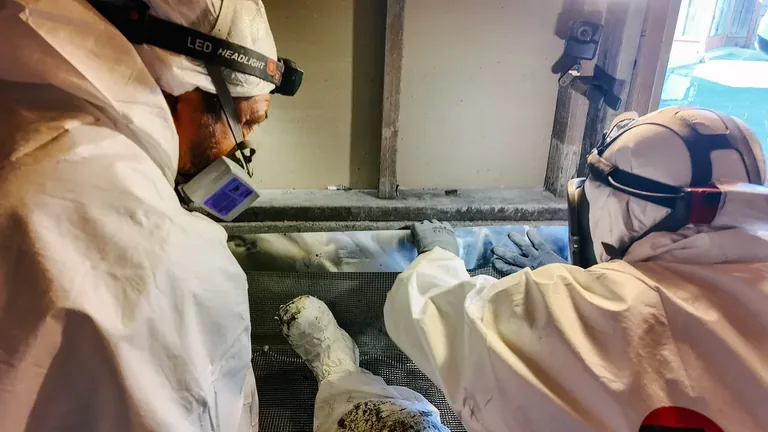
Alley Cat identifies how rats or mice enter, removes contamination, seals openings, and builds a prevention plan around the property. These local services help homeowners facing attic activity, droppings, or a recurring infestation after basic pest control treatments:
Local rodent service combines an inspection, targeted trapping, exclusion, cleanup, sanitation, and repair. Rodent control includes trapping and exclusion methods. It addresses current rodents and the building conditions allowing them inside.
We inspect rooflines, attics, crawl spaces, garages, foundations, vents, and utility penetrations instead of treating only the room where signs appear.
Our specialists close entry points with fitted metal, screening, barriers, and construction-grade repairs selected for the opening, exposure, and surrounding material.
We trace noises, droppings, rub marks, nesting, and damage back to likely travel routes so the work addresses how the infestation developed.
When contamination is present, our cleanup services remove affected debris and help restore attics, crawl spaces, garages, and storage areas to a cleaner condition.
Our Bay Area team understands the mature vegetation, large rooflines, crawl spaces, additions, and varied architecture found throughout Diablo, California.
Many companies use pest control services for insects, wildlife, and other pests. Alley Cat specializes in structural rodent exclusion, removal, cleanup, and prevention. A Diablo problem may begin with one sound, then appear elsewhere in the home.
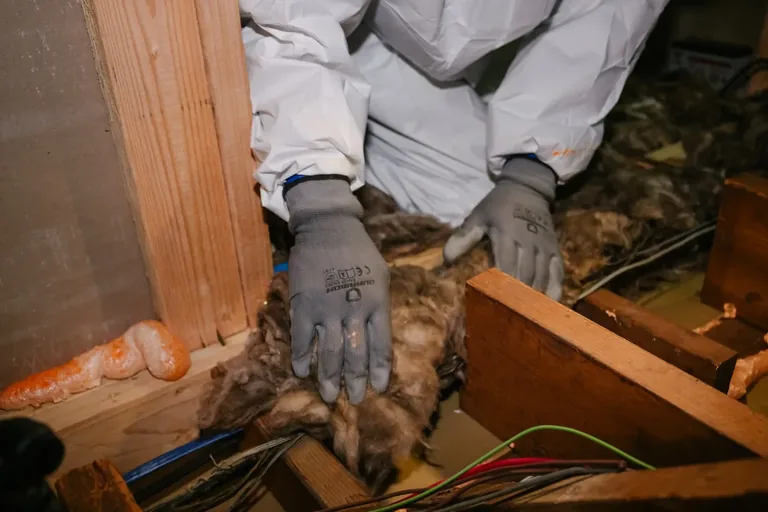
Scratching, nesting, droppings, urine staining, compressed insulation, and wiring damage caused by rats or mice.
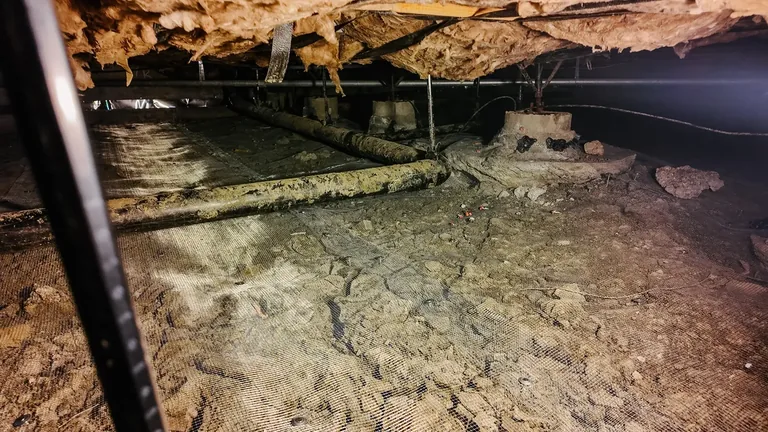
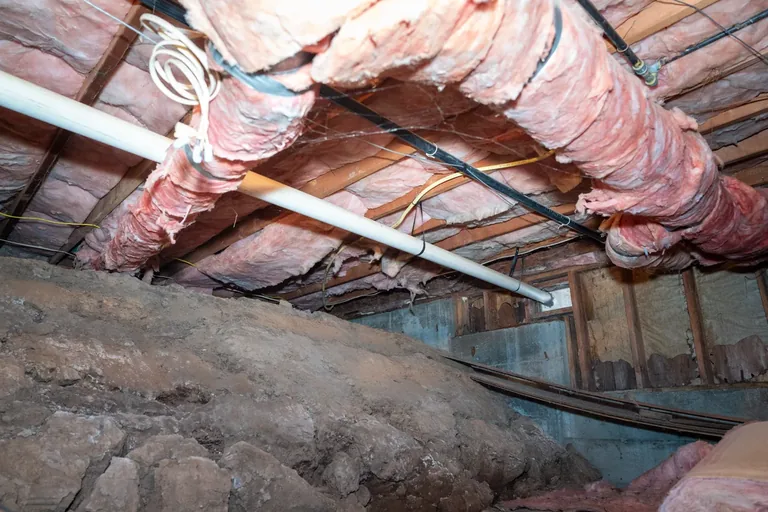
Contaminated vapor barriers, disturbed insulation, burrows, droppings, or failed vent screens.
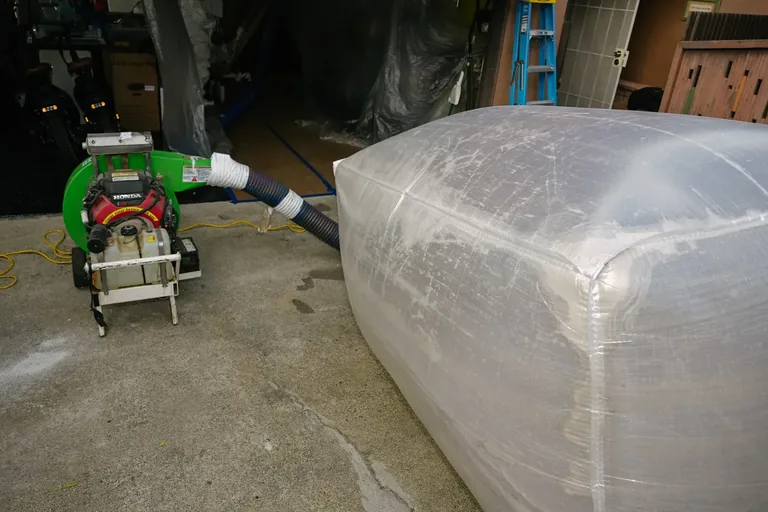
Door gaps, open framing, stored food, clutter, and penetrations leading into walls.
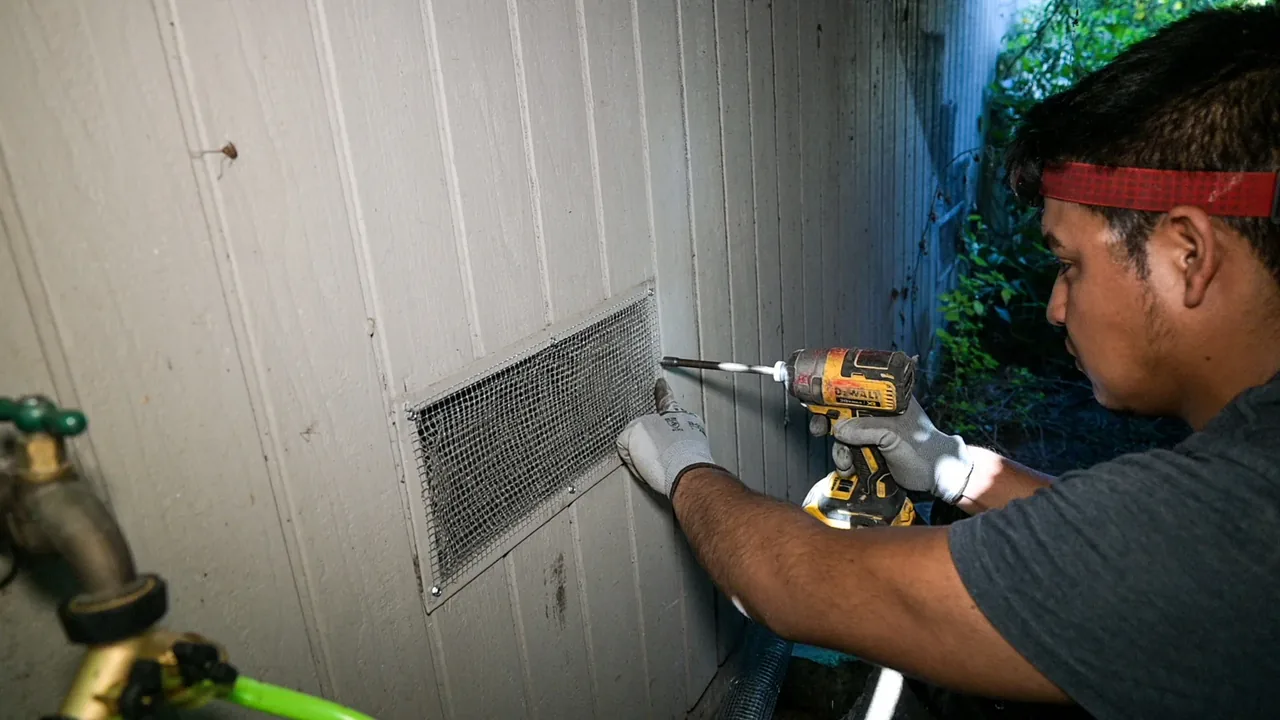
Roof returns, eaves, vents, siding transitions, foundation gaps, pipes, cables, and branches near the house.
These connected signs help our specialists distinguish a limited issue from a larger infestation and select appropriate treatments.
Every property presents a different combination of rooflines, landscaping, foundations, additions, and interior damage. Our process identifies active rodents, documents conditions that attract or shelter pests, and organizes the necessary services in a logical sequence:

Step 01 · Inspect
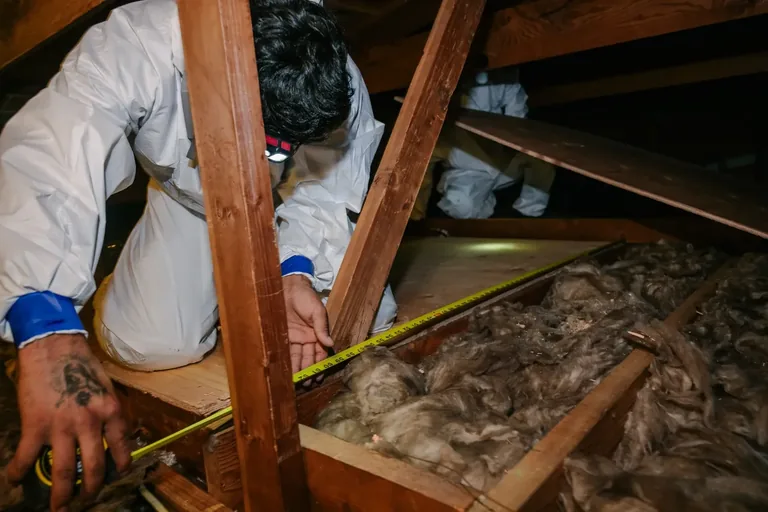
We begin where activity was noticed, then examine the perimeter, accessible roof areas, attic or crawl space, garage transitions, vents, and utility lines. Diablo’s historic residences and varied architecture can contain concealed routes in older details or later additions.
Regular inspections help identify potential entry points for rodents. We separate fresh evidence from older signs and determine which repairs, trapping, and cleanup services are appropriate. Comprehensive evaluations and sealing of attics and crawl spaces are essential.
Step 02 · Diagnose
Your Comprehensive Diagnostic Report documents active rodent activity, likely entry points, contamination, structural damage, and recommended next steps. It connects every proposed service to an observed condition, helping you understand whether the home needs trapping, exclusion, screening, cleanup, insulation work, trenching, or continued monitoring.
The report also separates property-specific findings from broad online pest control claims. Search results may state that “Pest control companies in Diablo offer rat control services,” “Emergency pest control services in Diablo are available 24/7,” “Same-day pest removal services are offered for urgent situations,” or “Emergency pest services typically respond within 1-3 hours during business hours.” Those statements may describe other businesses, but they are not Alley Cat availability or response guarantees.
Other generalized claims also require context. “Common urgent pests in Diablo include wasps, bed bugs, and rats,” although Alley Cat specializes in rodents rather than unrelated pests. “Fumigation is used to eliminate larger pests like rodents” is overly broad because our work centers on exclusion, sanitation, and targeted trapping. Likewise, “Rodent invasions require immediate professional intervention” and “Immediate action is crucial to prevent health risks from infestations” may be appropriate when contamination, electrical damage, or active entry is found, but the inspection determines the safest and most effective scope of work.
Step 03 · Clean
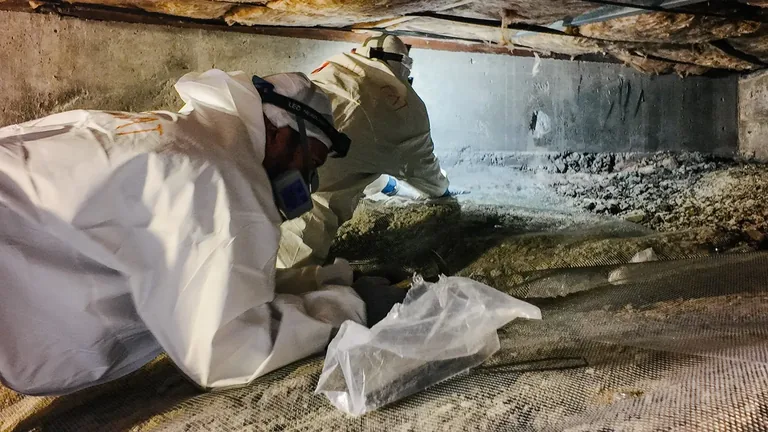
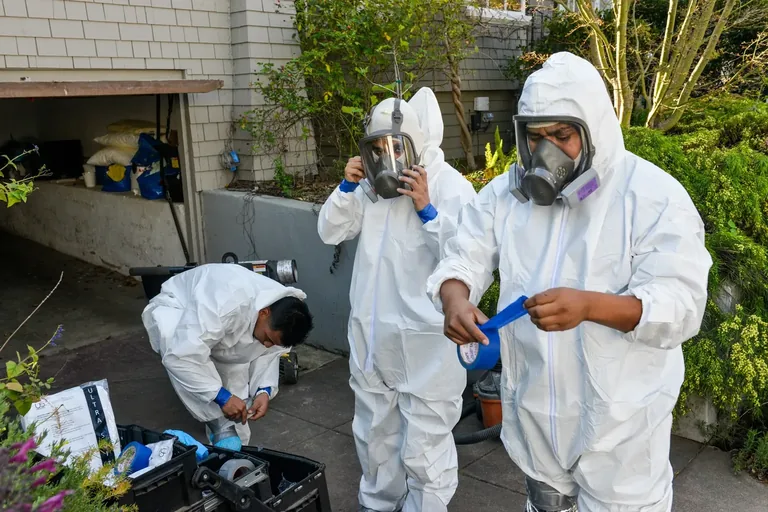
Cleanup begins after we identify affected materials. Depending on the property, our services may remove droppings, nests, damaged insulation, contaminated vapor-barrier material, food caches, or other accessible waste. We use care around belongings, ducts, wiring, framing, and equipment:
Eliminating shelter reduces opportunities for rodents to nest, and removing food sources helps prevent rodent infestation. Once obvious nesting and contamination are addressed, the area is ready for sanitation, repair, and prevention.
Step 04 · Sanitize
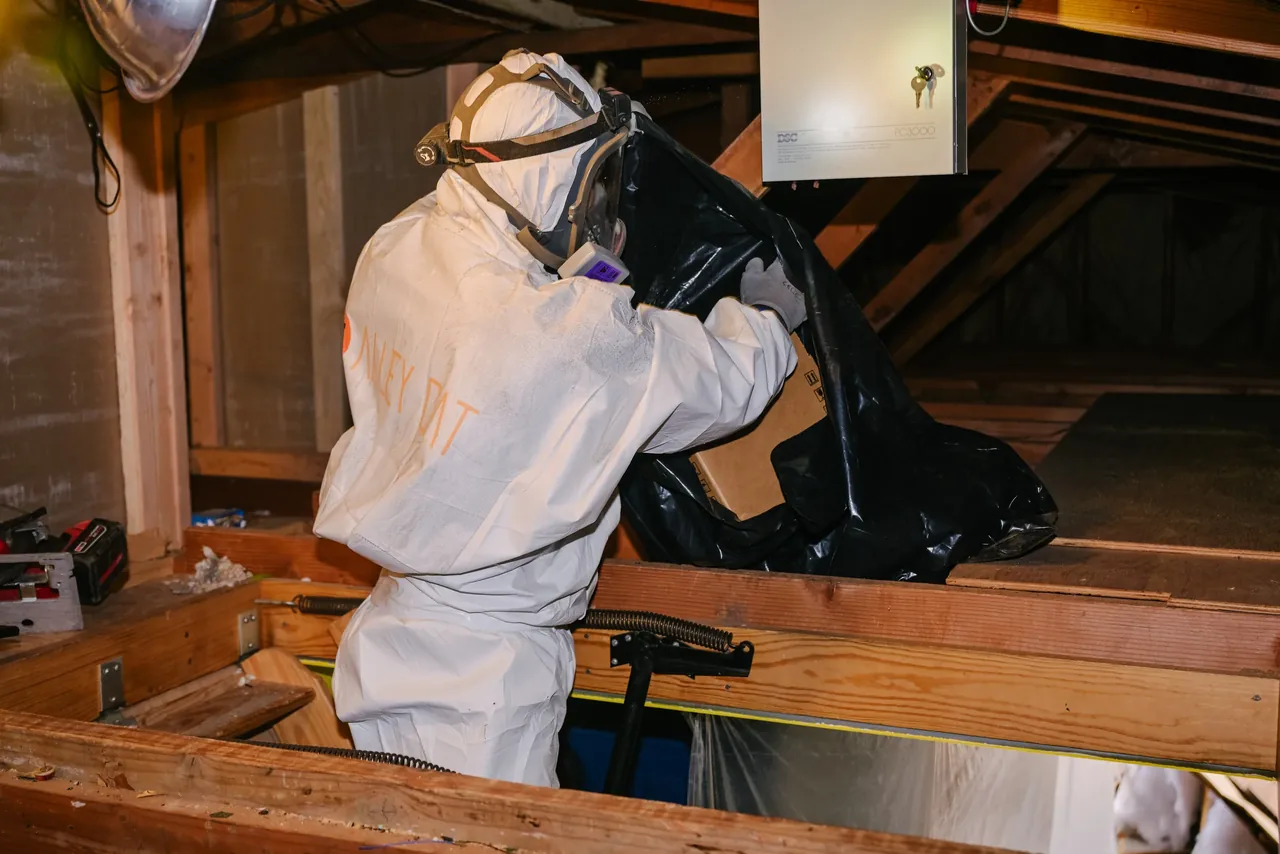
Sanitation and decontamination focus on surfaces affected by droppings, urine, nesting, and odor. We use professional cleaning methods appropriate to the material and contamination level rather than dry-sweeping or vacuuming visible waste. The CDC advises people not to sweep or vacuum untreated urine, droppings, or nesting material because contaminated particles can become airborne.
Rodent waste can create health risks when people disturb it without suitable safety measures. Not every dropping causes illness, but careful cleaning helps protect occupants, workers, children, and pets while preparing areas for restoration services.
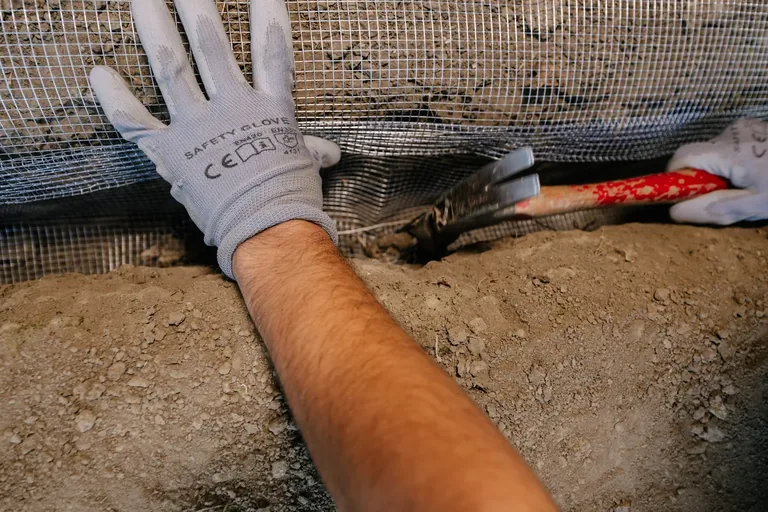
Step 05 · Seal
Exclusion changes how the home is protected. Effective rodent control relies on exclusion and targeted trapping. We match each repair to the opening, material, and exposure; roofline gaps require a different application than failed vents or foundation access.
Depending on inspection results, our exclusion services and treatments may include:
Rodents can fit through openings as small as a dime. That broad warning is most accurate for small mice; opening size varies by species and age. Trimming vegetation prevents roof rats from accessing homes. UC IPM recommends pruning limbs away from roofs and keeping traps away from children and pets.
Integrated pest management emphasizes exclusion and sanitation over poisons. In fact, responsible IPM combines identification, monitoring, repairs, sanitation, and the least hazardous effective treatment. Alley Cat’s coordinated services have helped 13,000+ customers, with a 97% customer satisfaction rating, achieve consistent results.
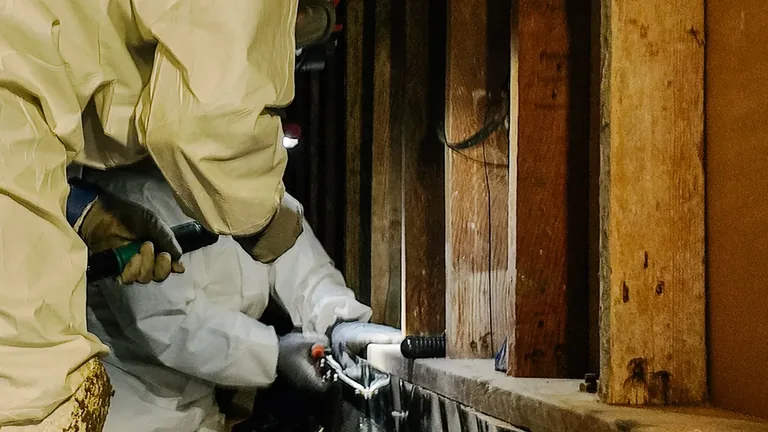
Step 06 · Check
Snap traps are highly effective for targeting rodent infestations indoors. We place traps based on droppings, rub marks, wall edges, attic pathways, crawl space activity, and other field evidence rather than scattering devices without a plan. The CDC notes that rodents often travel beside walls and protected edges.
Trap-check services monitor results, adjust placements, remove captures, and reveal continuing signs. As an eco-friendly company, we avoid using rodenticides indoors to prevent severe odors from dead rodents. Pesticides and rodenticides also require attention to labels, children, pets, wildlife, and California restrictions.
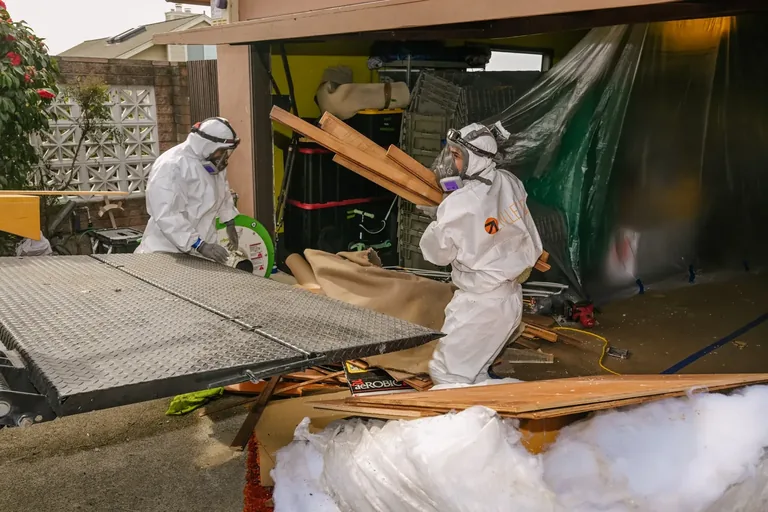
Step 07 · Haul
At completion, we remove job debris and review repaired openings, cleanup zones, access panels, and barriers to ensure work matches the plan. We also explain steps such as trimming branches, securing pet food, and monitoring outbuildings so homeowners understand what changed and what may require future care.
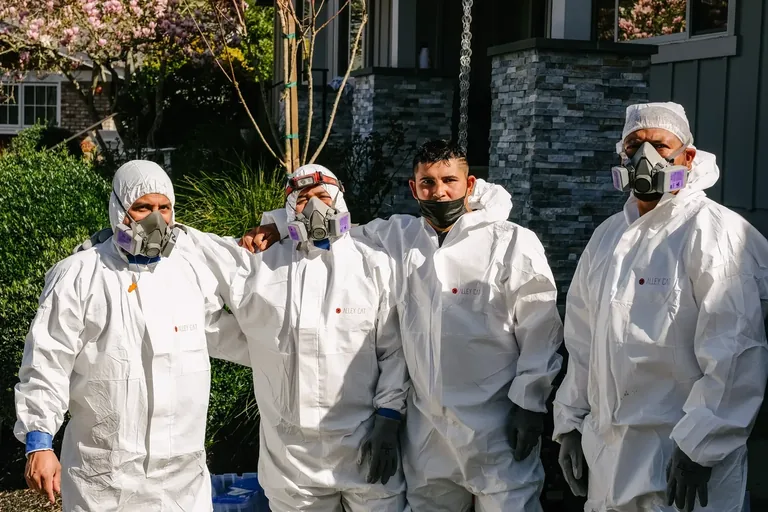
Step 08 · Support
Rodent work creates follow-up questions. A homeowner may hear a sound, notice an older dropping, or need a fast response. Our team connects those questions to inspection findings and the correct specialist.
Scheduling, reports, trap-check updates, and documentation provide a consistent contact. Results are not instant in every case; infestation severity, access, and rodent behavior affect how quickly activity declines.
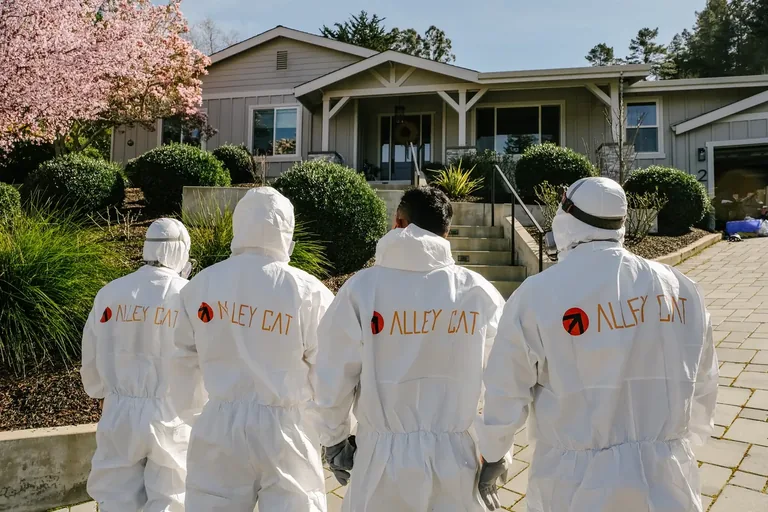
Do not let attic noises, droppings, odor, or damaged insulation spread into additional areas. Schedule an inspection today to identify the source and receive a practical plan for removal, cleanup, exclusion, and prevention that helps protect your home.
“Truly appreciate the communication and attention to details the technicians, lead by Fredy, exhibited for our project today. Not only did they do a great job on identified problem areas, they found additional areas and was upfront about the discovery. Really appreciate the honesty and competence.”
PETER KONGVerified Trustpilot review
4.9 / 5
4.7 / 5 4.7 / 5
 4.9 / 5
Local property conditions influence where our inspections begin and which exclusion services are likely to offer the most value.
Mature trees and dense landscaping can create elevated routes for roof rats and other climbing pests to reach eaves, roof returns, vents, and attic openings.
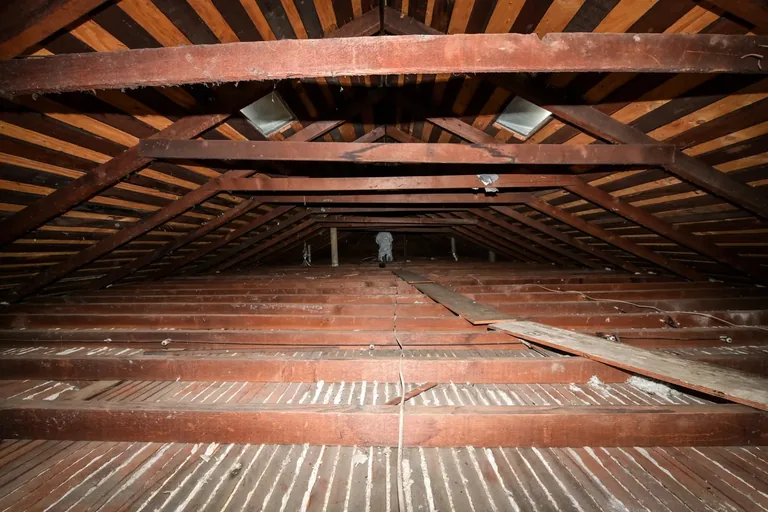
Older homes, renovations, and additions may contain layered rooflines, former vent openings, utility changes, and concealed gaps between building phases.
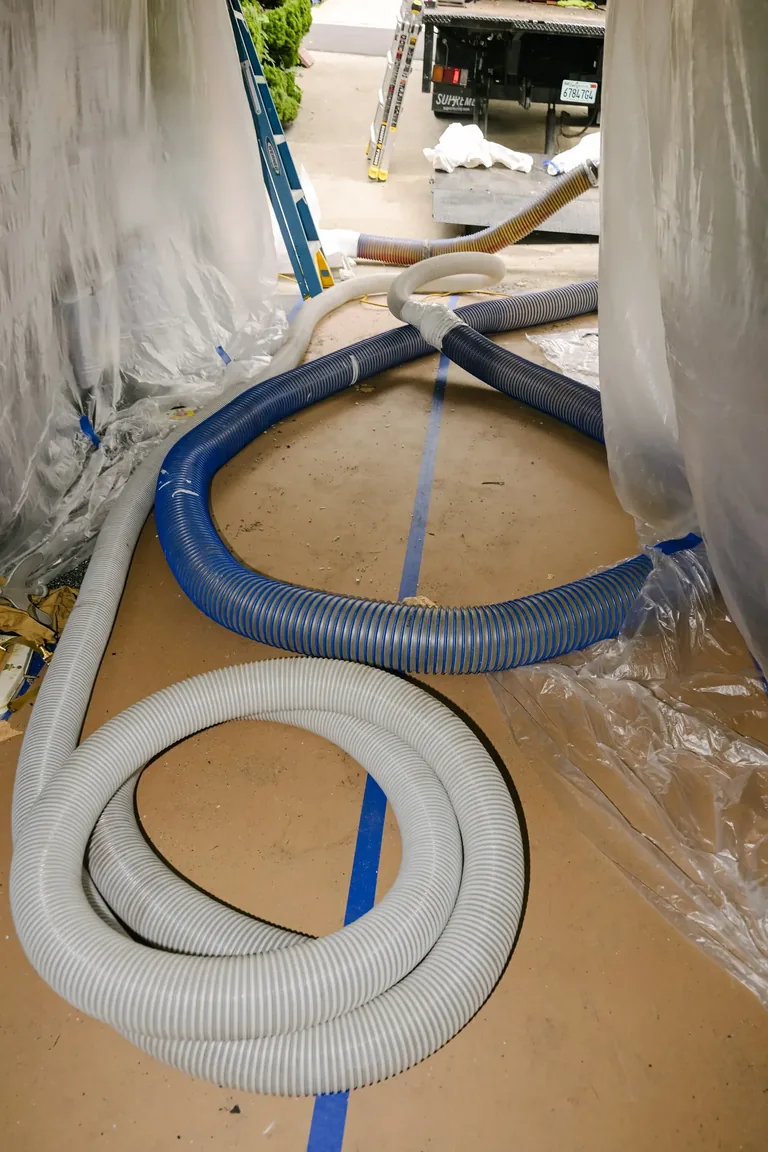
Larger properties may include detached garages, pool equipment, gardens, storage buildings, fences, and multiple utility runs that increase the inspection area and available shelter.
Diablo homes often combine mature trees, complex rooflines, crawl spaces, detached structures, and later additions. That can allow rats or mice to move between several access points before signs appear indoors. Alley Cat connects exterior evidence to interior activity, helping homeowners understand which repairs matter most and where continued monitoring can reduce the risk of another infestation.
The best way to get rid of rats or mice is to connect access, sanitation, trapping, and repairs. General pest control treatments may reduce visible pests without correcting the structure.
For a stronger year-round result, Alley Cat may recommend:
California homes face different pressures throughout the year. Roof rats exploit vegetation and upper openings; other rodents use garages, crawl spaces, or ground-level gaps. A complete plan protects the house today and supports prevention next year instead of repeating treatments year after year.
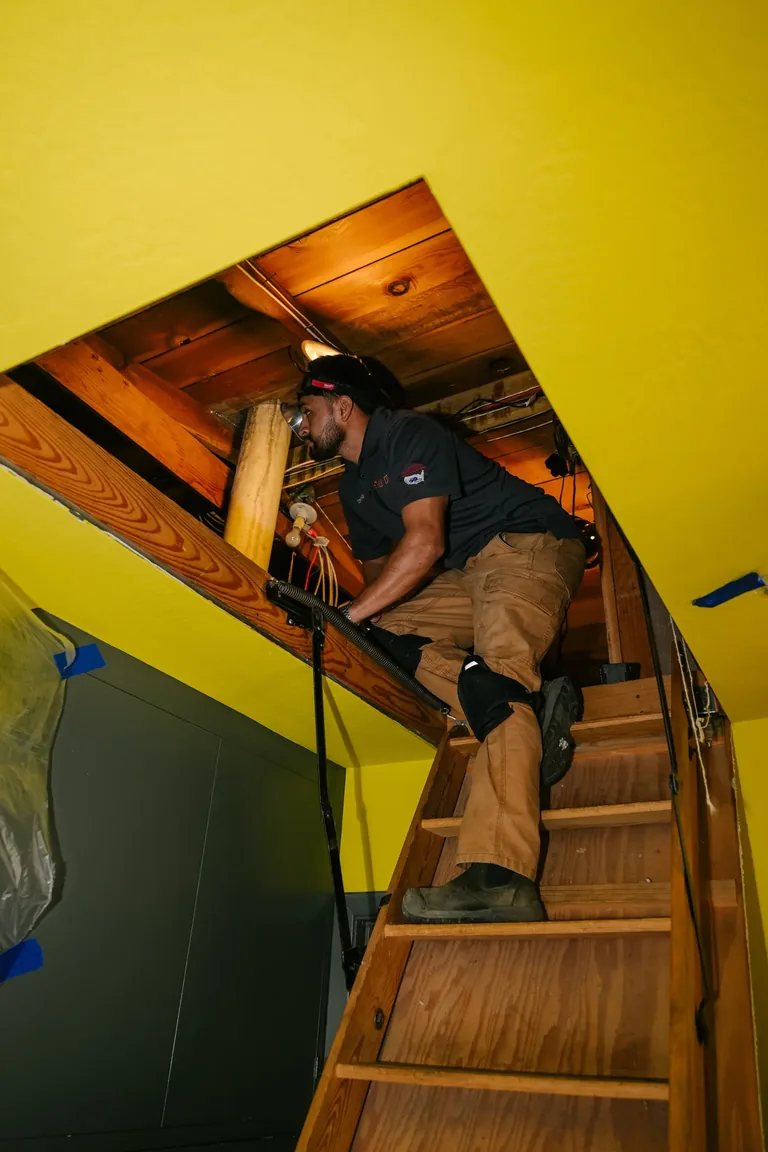
Trapping may reduce current activity, but it does not repair the opening that let pests inside. Alley Cat combines removal, exclusion, contamination cleanup, and prevention so the services address the building as well as the rodents.
For homeowners and businesses seeking documented findings, safe work, and coordinated care, an inspection offers the information needed to decide today.
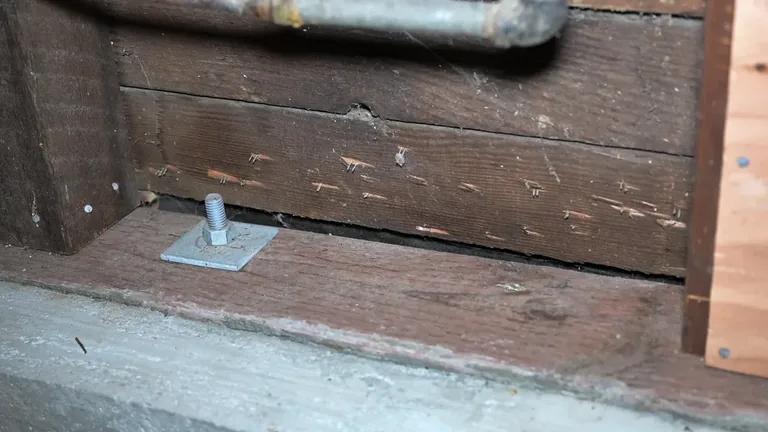
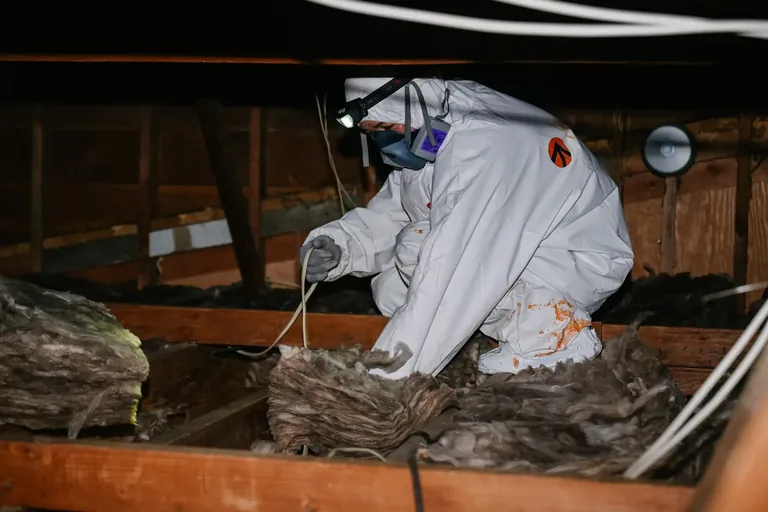
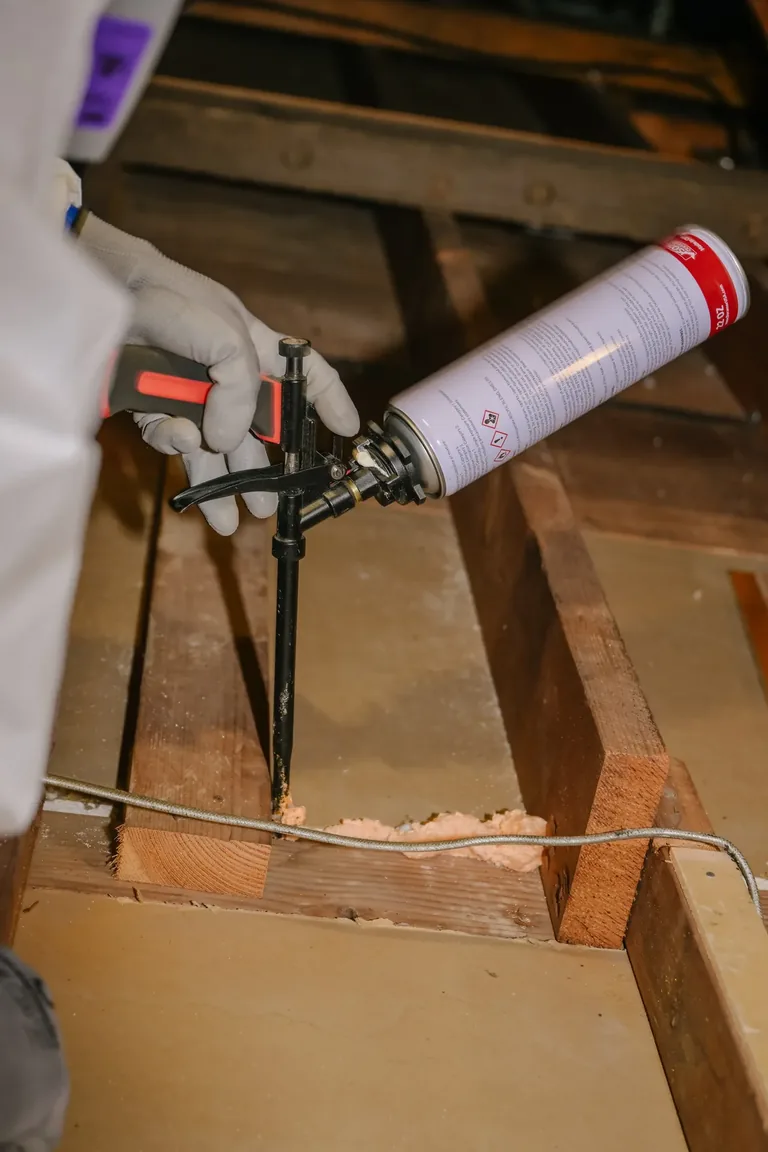
The most effective rodent control combines exclusion, sanitation, targeted trapping, and follow-up inspections. Traps can help get rid of rats or mice already inside, but exclusion repairs the routes allowing rodents to enter. Sanitation removes food, nesting, and contamination that can support an infestation.
A practical plan includes inspecting the building, sealing confirmed openings, monitoring traps, removing contamination and food, and rechecking the home to ensure activity declines. This is more consistent with long-term prevention than relying only on pesticides, fumigation, or one-day treatments.
The hardest rodent to get rid of is usually the one whose entry route or nesting area has not been found. Roof rats can be especially difficult because they climb trees, fences, pipes, and structures, then enter high along the roofline. Mice can be difficult because they use very small gaps and may nest in concealed areas.
Difficulty also depends on infestation size, food, shelter, neighboring activity, and time. Fast trapping without complete inspection may be temporary; exclusion and consistent trap checks provide better information and help protect the home.
You cannot honestly guarantee how to get rid of rodents permanently, but exclusion and prevention can substantially reduce the chance of their return. Homes change throughout the year: materials age, trees grow, utility work creates openings, and new pests can approach from surrounding properties.
Long-term protection depends on sealing openings, removing food and shelter, cleaning contamination, monitoring repairs, and arranging inspections when signs return. Most people get better results when they treat rodent control as building maintenance rather than one pesticide application. Alley Cat’s services address the current problem and make reentry harder.
The hardest infestation to get rid of is one involving multiple entry points, inaccessible nesting areas, heavy contamination, or a steady food and shelter source. Large homes, detached structures, mature vegetation, crawl spaces, and layered additions can expand the area that must be inspected and treated.
Warning signs include daytime sightings, activity in several rooms, repeated captures, odor, extensive droppings, wiring damage, and new evidence after repairs. Questions about safety, pets, health, time, and results belong in the diagnostic report. The response may require several services rather than one fast treatment.
Schedule your Diablo inspection and receive a property-specific assessment of rodents, access points, contamination, repairs, and recommended services from Alley Cat’s exclusion specialists.