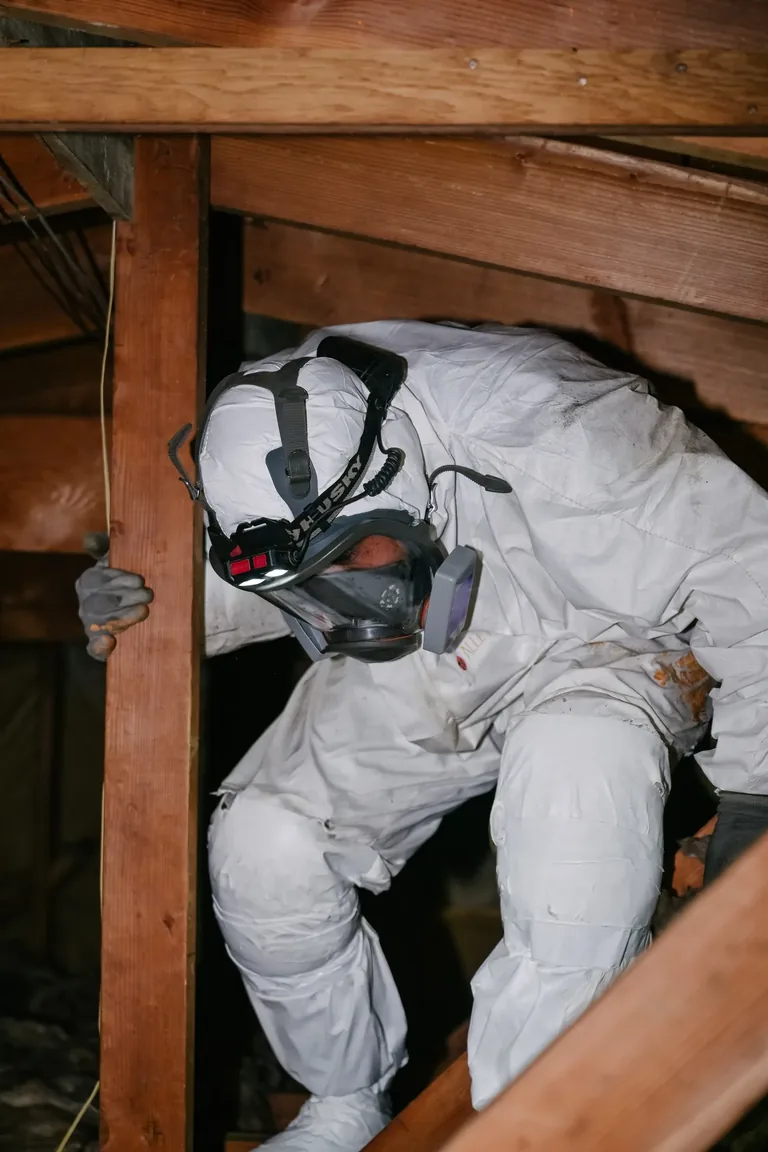
Attics and Rooflines
Climbing rodents may reach attics through eaves, damaged vents, utility lines, or branches. We inspect overhead routes before choosing traps and repairs.

Alameda County · Livermore, CA
Pest control in Livermore should do more than remove an animal seen in a garage or attic.
 4.9 / 5
 4.7 / 5
 4.9 / 5
 4.7 / 5
 Accredited
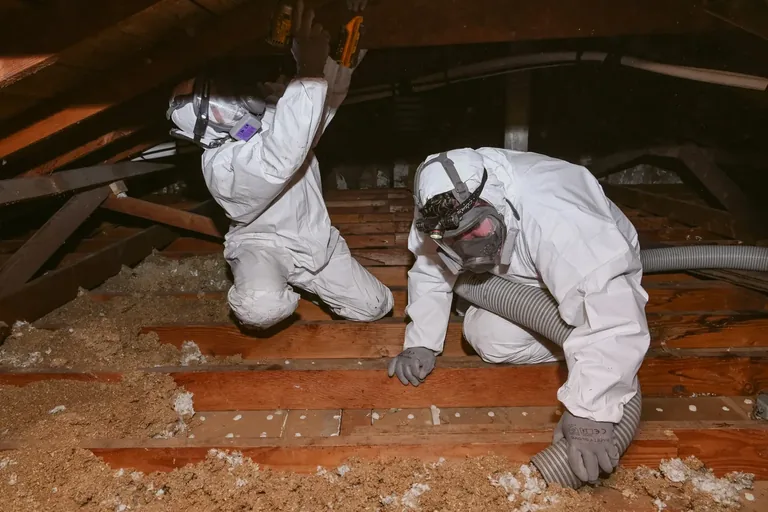
Alley Cat’s rodent control service for Livermore CA homes finds how rodent pests entered, removes them, addresses contamination, and reinforces the structure. It differs from broad pest control programs centered on recurring insect treatments:
Rodent exclusion combines inspection, trapping, sealing, cleanup, sanitation, and prevention. Effective rodent control combines exclusion sanitation and trapping. The purpose is to solve an infestation at its source, not simply get rid of the latest animal seen.
Livermore, California includes historic neighborhoods, newer developments, commercial corridors, vineyards, arroyos, and open-space edges. Those settings can shape pressure from rodent pests around roofs, garages, foundations, landscaping, and detached structures across this Alameda County community.
Our team traces movement between rooflines, wall cavities, attics, crawl spaces, kitchens, garages, and other living spaces used by these pests. Rodents can squeeze through small gaps around pipes vents and foundations.
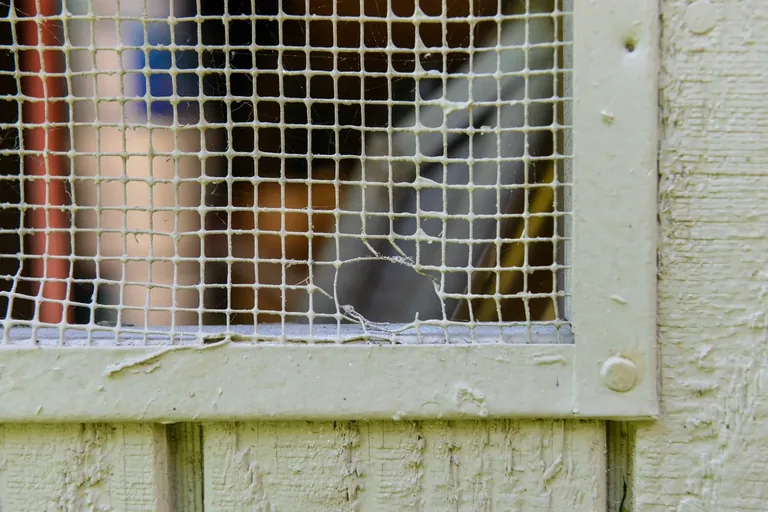
We concentrate on entry points and vulnerable building materials. That means protecting homes with metal screening, durable sealing, door reinforcement, barriers, and repairs instead of depending on poison or temporary pest control alone.
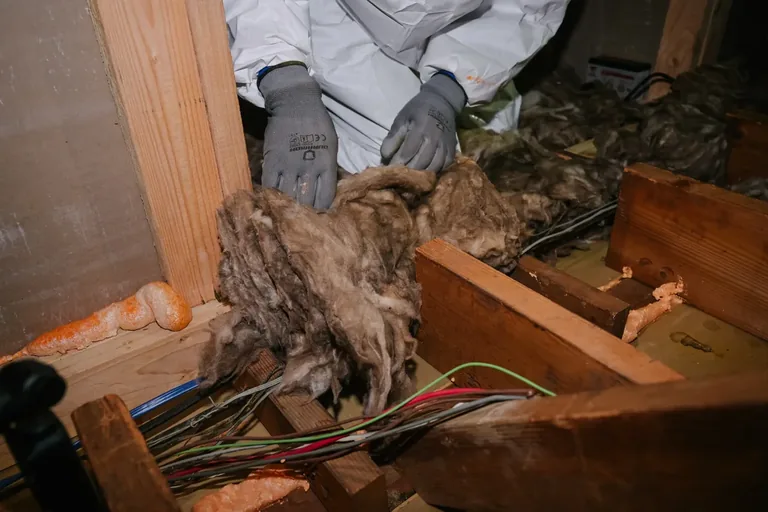
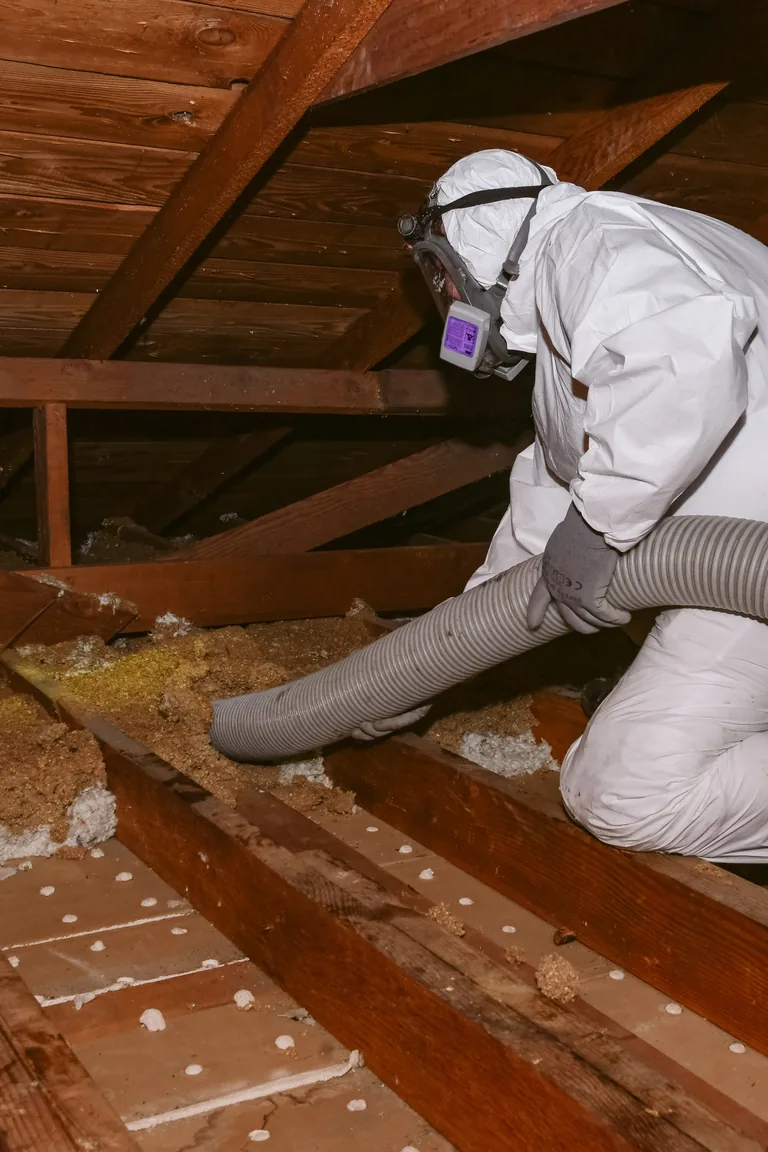
Removal may include droppings, urine, nesting debris, carcasses, damaged insulation, and odor. Professional cleanup is necessary for contaminated areas after a rodent infestation. The actual cleanup scope depends on what a detailed inspection finds.
Customers receive a diagnostic explanation, photographs when useful, recommended priorities, and an estimate. This gives each person responsible for the property a practical plan rather than a vague promise to “treat” the problem.
Rodent-related pest problems often stay hidden until scratching, droppings, odor, or damaged packaging appears. Livermore pests on this page means rat and mouse pests specifically: traps may remove individual pests, but lasting control also requires sanitation and exclusion.
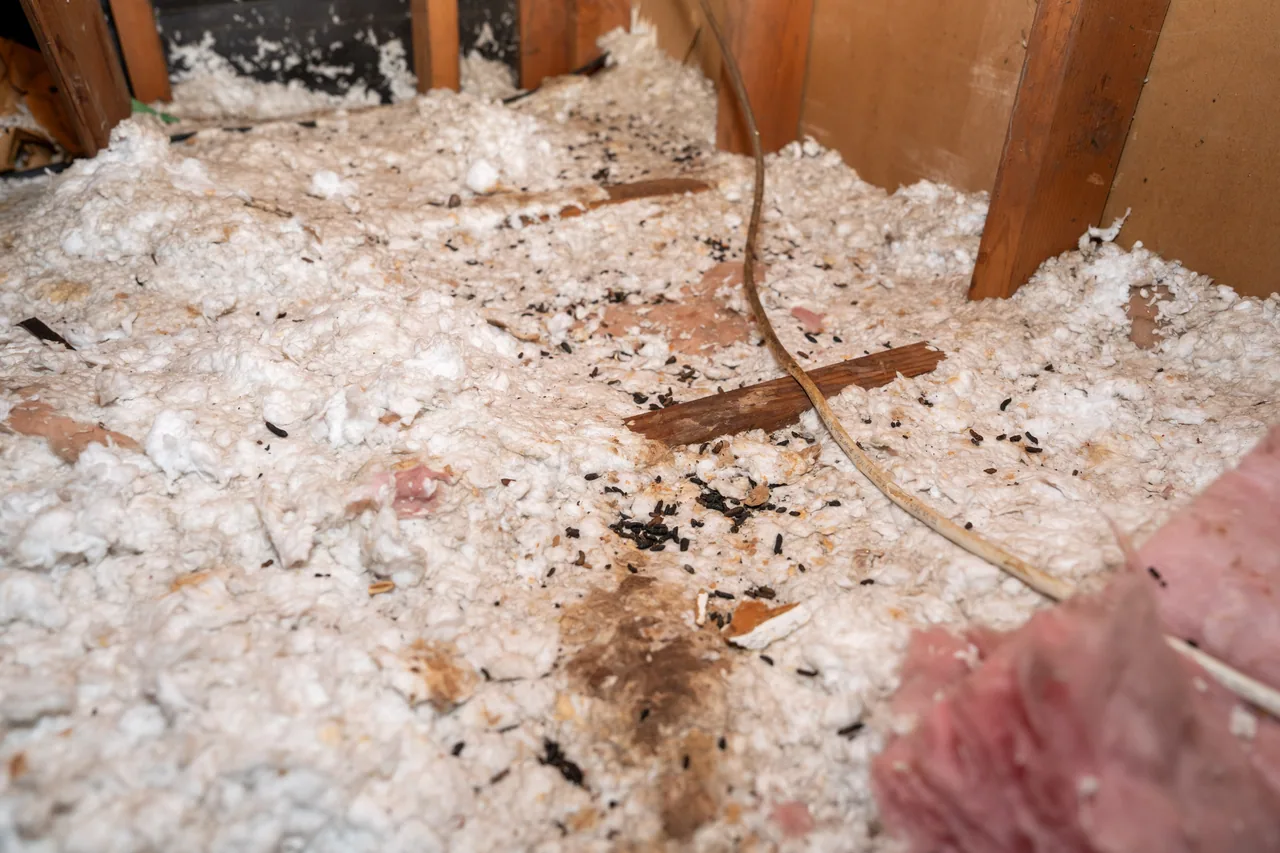
We inspect droppings, rub marks, nests, tracks, and reported sounds to identify active routes.
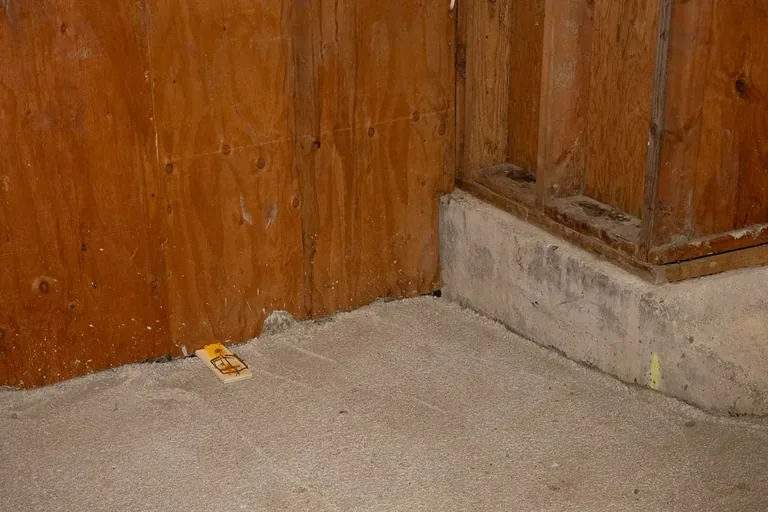
Targeted treatments here means species-aware trap placement—not routine spraying for insects.
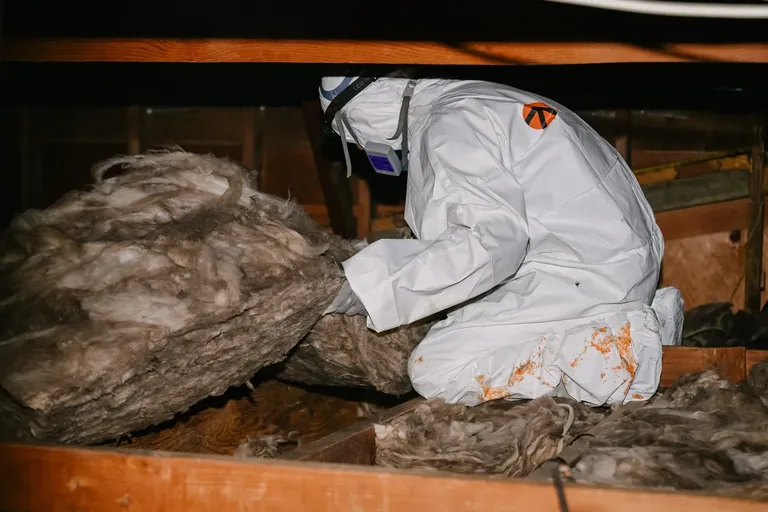
We treat accessible affected surfaces and remove compromised debris or materials.
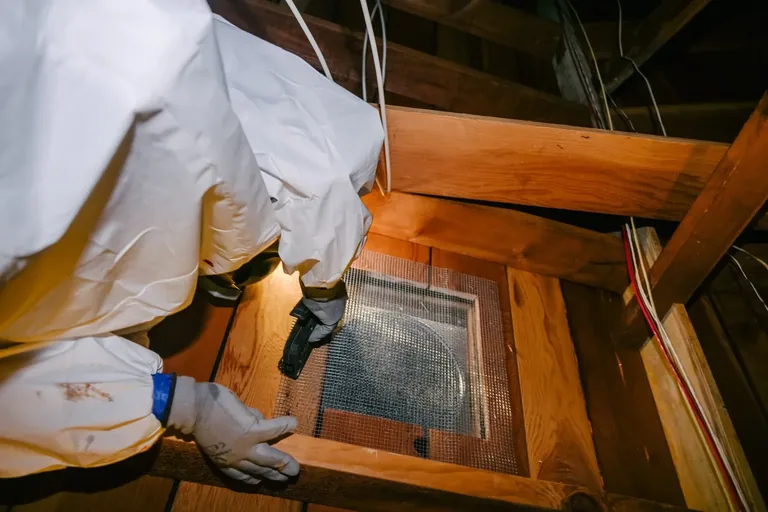
Sealing entry points can help prevent rodent infestations.
Accurate identification matters because a rat, house mouse, or field mouse may use different routes. Technicians use species evidence to select traps and an exclusion solution. Monitoring for droppings and nesting material helps catch rodent activity early. Rodents breed rapidly, making early detection crucial. Paying close attention to fresh pest activity can reduce damage. Proper sanitation reduces food and water sources for rodents. Secure pet food, bird seed, garbage, fallen fruit, and pantry goods; repair leaks and remove standing water.
Every property is different, so the service follows evidence at the home or business rather than a one-size-fits-all pest control plan:
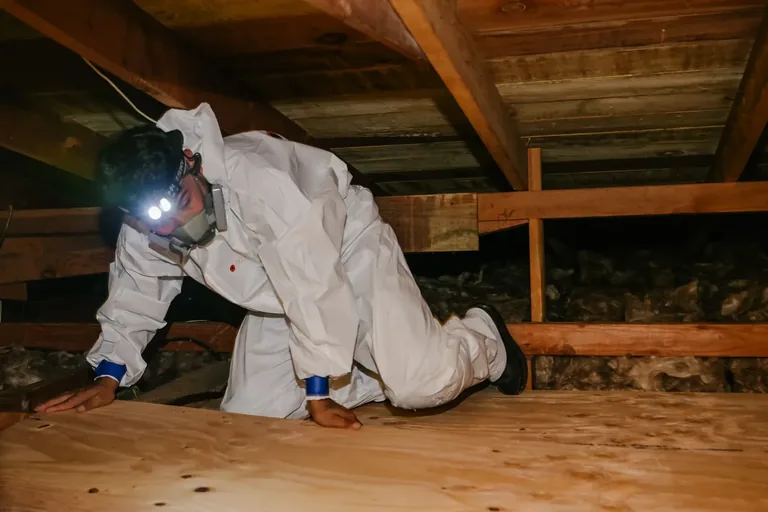
Step 01 · Inspect
The service begins with an interior and exterior inspection of accessible areas. We look for droppings, rub marks, gnawing, damaged insulation, nests, burrows, odor, food sources, and sounds described by the family. Each clue shows how the pests use the structure.
Outside, our technicians inspect roof returns, eaves, vents, garage doors, crawl-space openings, utility penetrations, siding transitions, foundation edges, and nearby vegetation. Tree branches near roofs can provide access for roof rats.
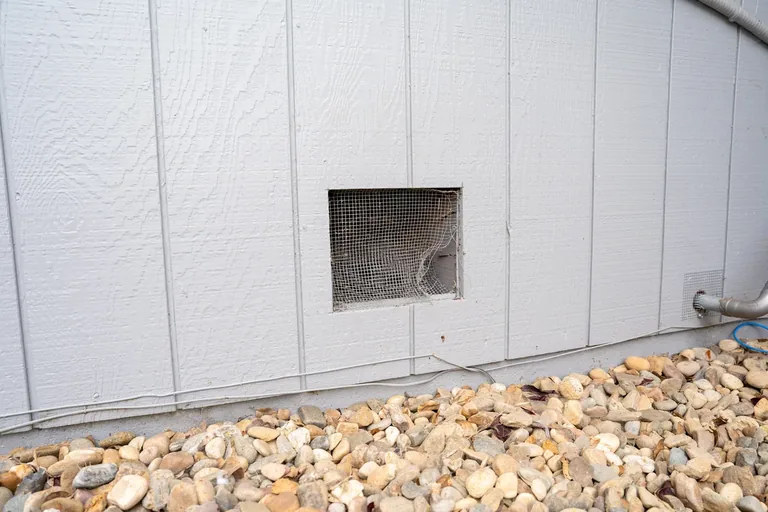
Step 02 · Diagnose
Alley Cat prepares a Comprehensive Diagnostic Report describing evidence, suspected access, contaminated areas, and corrective work. The estimate separates trapping, exclusion work, cleanup, sanitation, screening, insulation work, barriers, and repairs so customers can compare scope—not just price.
This report helps a homeowner evaluate affordable pest control services. A low initial price may cover one visit while leaving repairs, trap checks, sanitation, and haul-away outside the quoted scope.
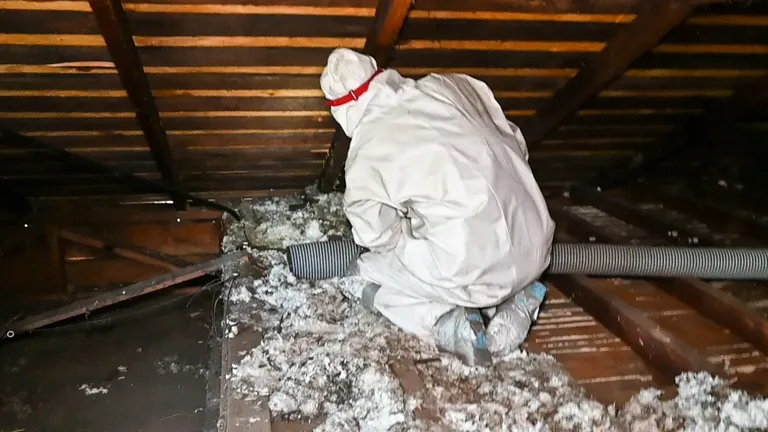
Step 03 · Clean
Our professional team removes accessible nesting debris, droppings, caches, carcasses, and approved damaged materials associated with the infestation. Depending on conditions, the service may address:
Avoid sweeping or vacuuming dry rodent droppings to prevent aerosolizing particles. That reflects California and federal health guidance: dry disturbance can aerosolize contaminated material, so waste should first be wetted with an appropriate disinfectant and handled with suitable protection.
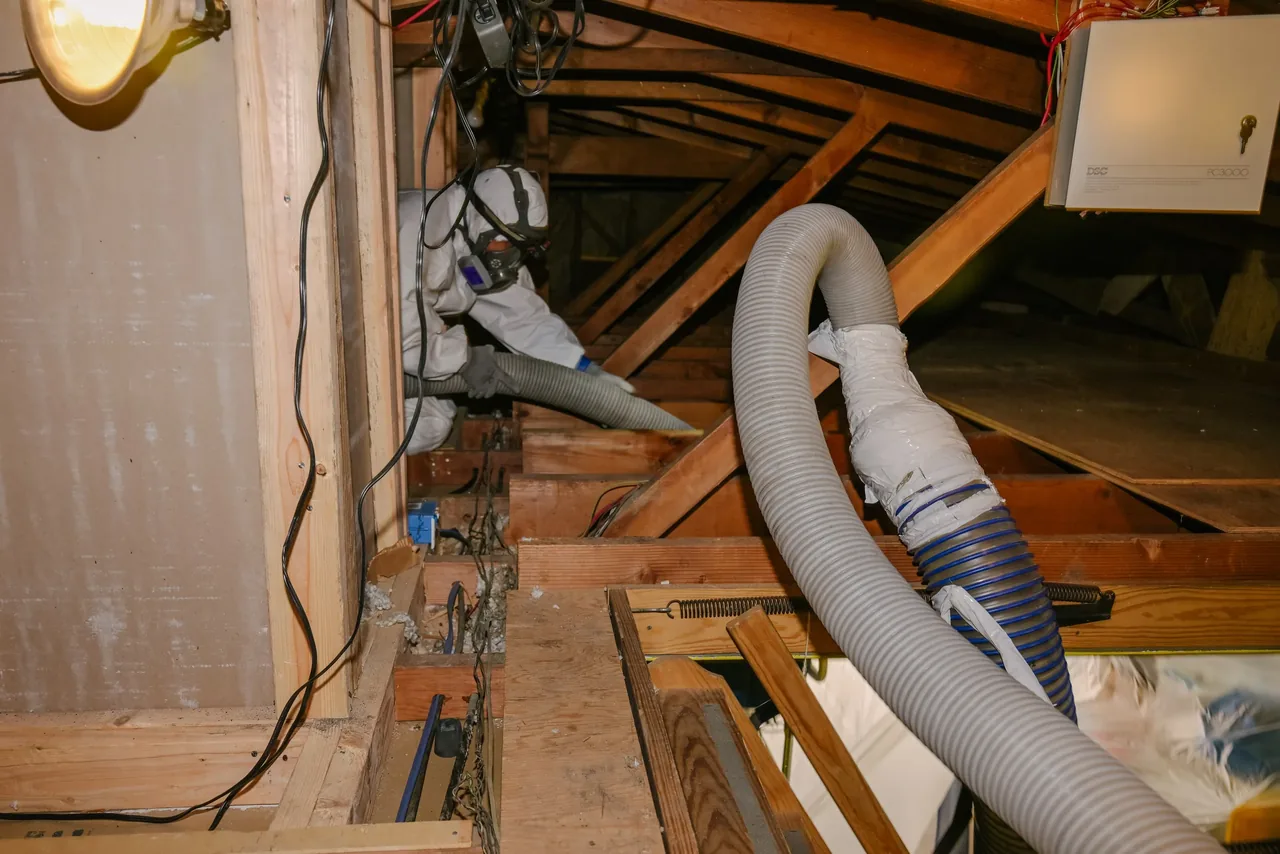
Step 04 · Sanitize
After removal, specialists sanitize accessible affected surfaces with products and methods appropriate for the material and contamination. The emphasis is droppings, urine, nesting residue, body oils, and odor—not indiscriminate application throughout the property.
This stage is especially useful in attics, crawl spaces, garages, storage rooms, and utility zones. It prepares the area for repair, insulation replacement, or normal use by the family and pets.
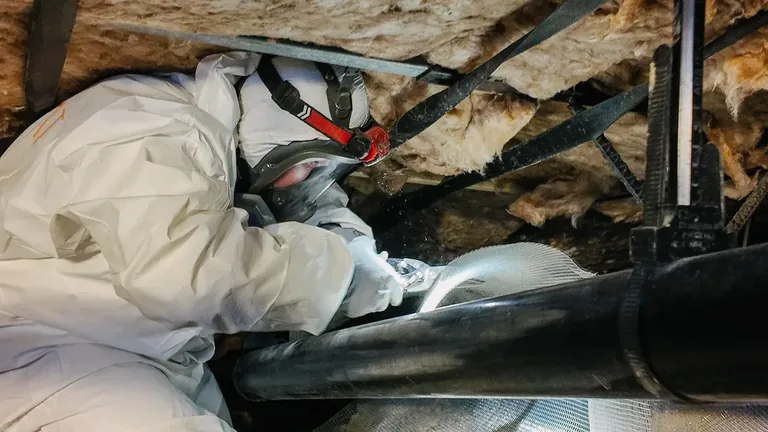
Step 05 · Seal
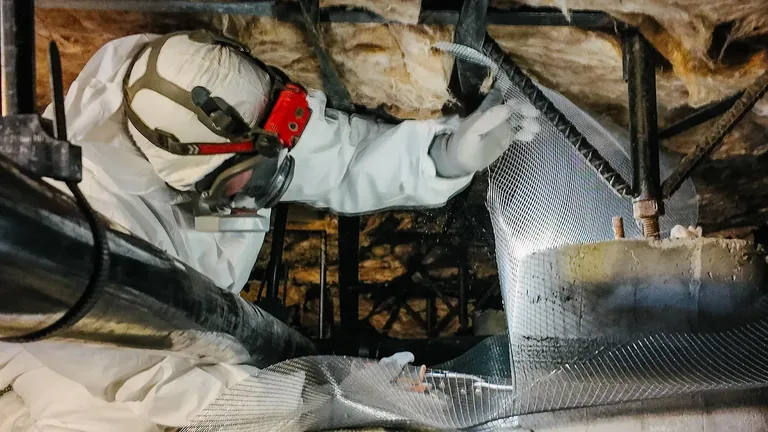
Exclusion is the core of long-term control. Alley Cat closes credible routes with materials selected for exposure, airflow, movement, and chewing risk. Common Livermore CA locations include roof transitions, stucco edges, garage corners, attic vents, crawl-space screens, foundation penetrations, and joints used by pests.
Our specialists may use:
Eliminating standing water can help prevent rodent infestations. We also recommend removing shelter, managing vegetation, securing food, and correcting conditions that attract pests. Rodents are motivated to seek indoor shelter year-round in Livermore. Two common search statements are often repeated. Field mice and roof rats invade homes during winter months. Field mice and roof rats invade homes during dry months. Both describe possible pressure changes, not a fixed calendar rule; these pests can be active in every season.
The team has served 13,000+ satisfied clients and reports a 97% customer satisfaction rating. That experience supports a thorough job built around evidence and durable materials rather than an unsupported forever guarantee.
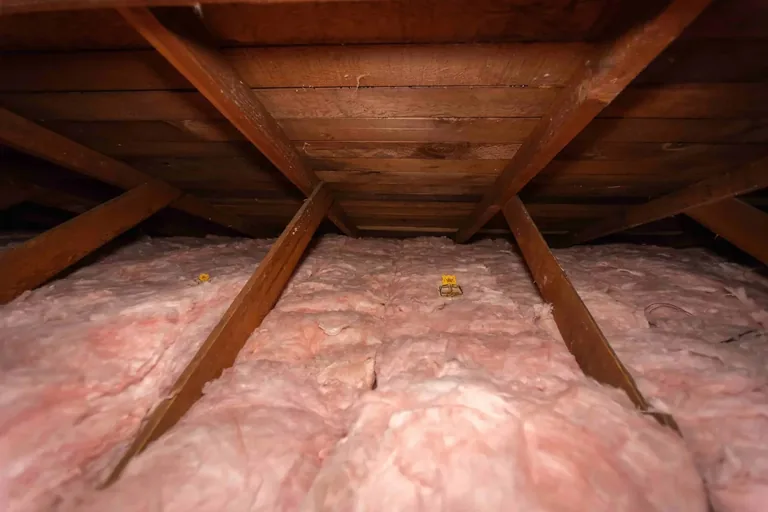
Step 06 · Check
Scheduled trap checks show whether pests remain active and whether repairs changed movement. Technicians remove captures, reset equipment, document findings, and monitor according to the service plan.
One quiet night does not prove the infestation is resolved. Fresh droppings, disturbed traps, or new sounds may require a revised solution for the remaining pests.
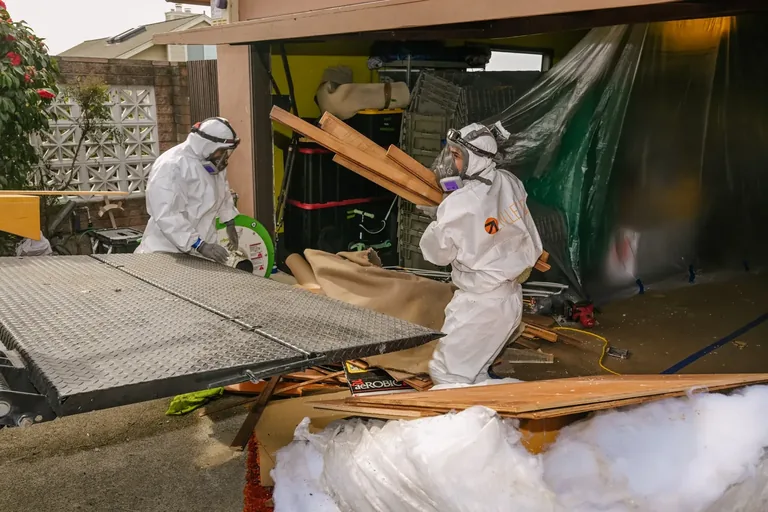
Step 07 · Haul
At wrap-up, our team reviews completed trapping, exclusion, cleanup, and sanitation areas. Approved materials and job debris are collected for haul-away instead of being left for the homeowner or business to deal with.
We also explain conditions outside the contracted scope, such as roof-touching branches, pet food, feed for birds, clutter, fallen fruit, leaking irrigation, or a damaged door. These steps help protect the property from returning pests after service.
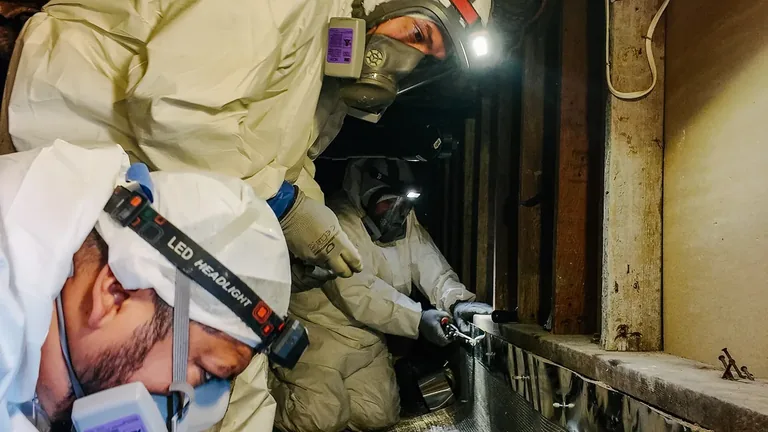
Step 08 · Support
Alley Cat coordinates inspections, estimates, trap checks, project questions, and follow-up communication. A knowledgeable representative can explain the sequence, address access concerns, and schedule work around occupants, pets, tenants, or business operations.
Great service means more than a friendly call. It means clear scope, responsive contact, documentation, and support from the first visit through final review.
Scratching, garage droppings, or unexplained odor rarely improves without action. Schedule a Livermore inspection so Alley Cat can find access and recommend the right removal, cleanup, exclusion, and prevention steps for these pests.

“Marioc cleaned a trap and found a nest where there had been a crack. He sealed it well.”
Patty WongVerified Trustpilot review
4.9 / 5
4.7 / 5 4.7 / 5
 4.9 / 5
Common vulnerabilities vary by construction and location.
Climbing rodents may reach attics through eaves, damaged vents, utility lines, or branches. We inspect overhead routes before choosing traps and repairs.
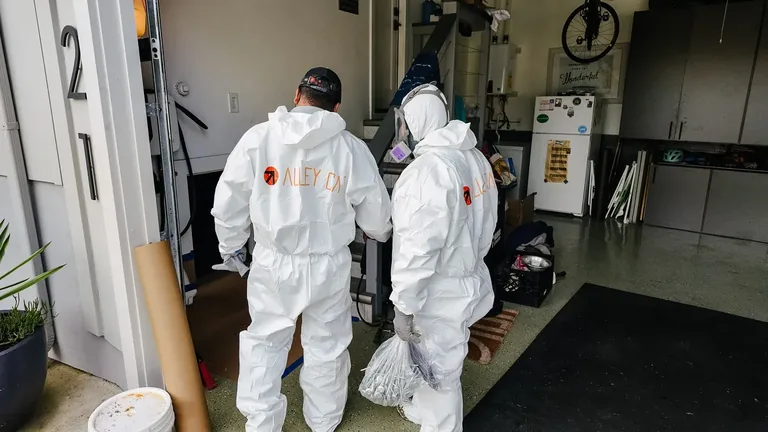
Mice may exploit worn seals, framing openings, stored food, pet supplies, and clutter. Garage access can lead these pests into walls or attic spaces.
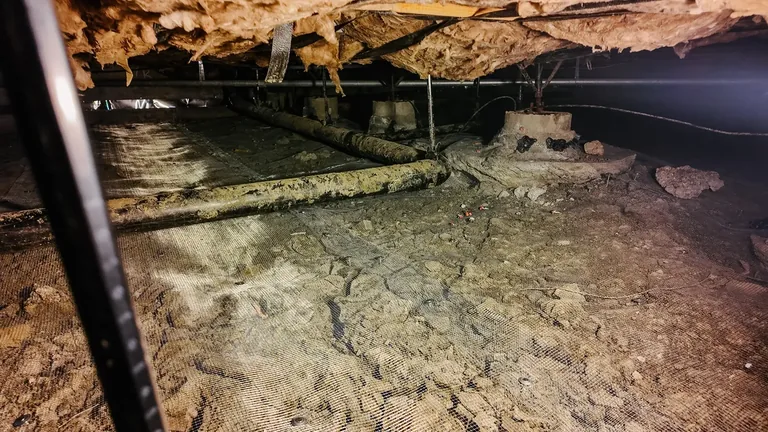
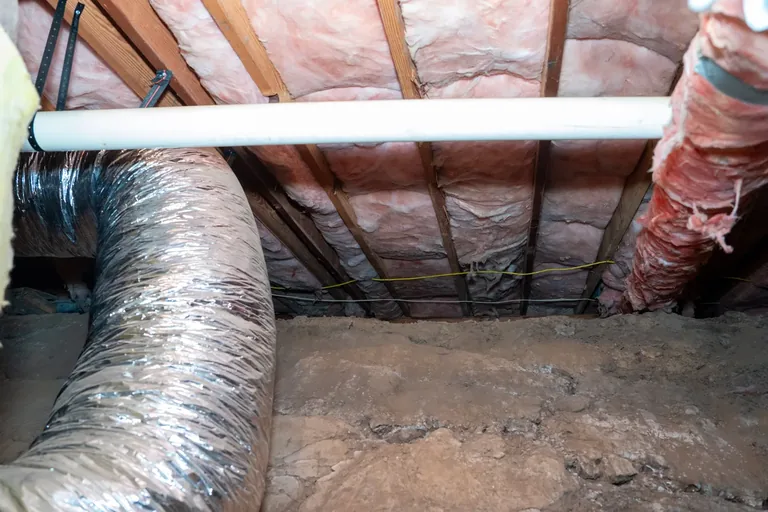
Broken screens, plumbing penetrations, soil-level access, and damaged vapor barriers create protected routes beneath the home. Exclusion work addresses both access and materials contaminated by pests.
Older Downtown Livermore houses may have layered repairs, raised foundations, or aging screens. Newer California construction still has utility penetrations, roof transitions, and garage vulnerabilities. Homes near open space, arroyos, or South Livermore agricultural land may face continuing pressure from pests, so control in Livermore CA must follow the structure and surroundings.
This local approach helps Livermore residents invest in work that addresses the actual infestation instead of generic treatments for unrelated pests.
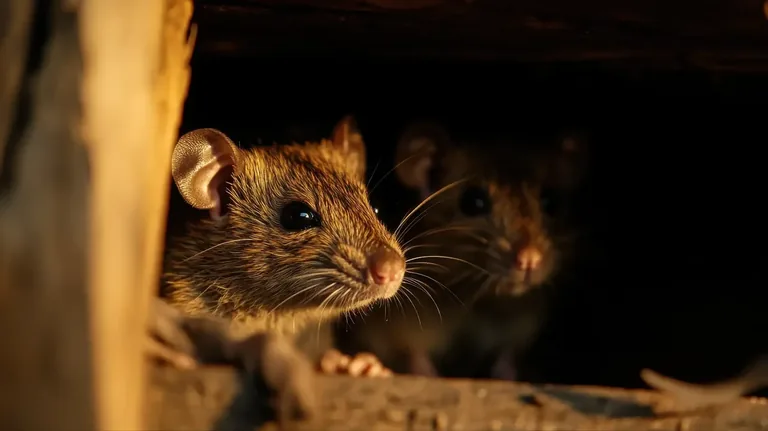
Alley Cat’s residential and commercial pest control work covers rodent inspection, trapping, exclusion, cleanup, sanitation, and prevention. A Livermore business may need discreet support in warehouses, offices, retail storage, production areas, or other California buildings where rodent pests threaten materials and reputation.
For a business, the solution may include after-hours access coordination, documented findings, trap checks, sealing around delivery doors or utilities, and sanitation recommendations. We do not position this page as a general program for every pest affecting a business.
Search results for pest control in Livermore often group rodents with other common pests. Common pests in Livermore include rodents, ants, and termites. Other pages discuss bed bugs, mosquitoes, fleas, ticks, wasps, spiders, black widows, birds, and seasonal pests. Alley Cat’s focus here is rat and mouse exclusion—not insect treatments.
For context, Subterranean termites swarm in spring after warm rains. Argentine ants seek moisture indoors during hot weather. Black widow spiders often settle in garages and woodpiles. Those statements describe California pest patterns, but the pests involved require different inspections and treatments. They should not be confused with structural rodent exclusion.
The local market for general pest control includes broad providers:
Clark and the other companies advertise multiple pests and recurring pest control services; Alley Cat differentiates itself through specialized California rodent removal, cleanup, proofing, and prevention.
A general exterminator may advertise treatments for ants, termites, bed bugs, fleas, ticks, mosquitoes, wasps, black widows, and spiders; another exterminator may bundle those pests together. Broad providers may label ants as crawling pests, termites as wood-damaging pests, and others as biting, stinging, or flying pests. Those pests need different inspections and treatments. Rodent pests instead demand access repair, trapping, and sanitation. For Alley Cat, the relevant framework is straightforward: for rodents, integrated pest management includes prevention, exclusion, trapping, and sanitation.
There is no universally hardest rodent to get rid of, but roof rats are often challenging in Livermore because they climb, use elevated routes, and nest in attics, trees, or dense vegetation. Norway rats can also be difficult around burrows, crawl spaces, or ground-level shelter.
Difficulty depends on more than species. Several entry routes, abundant food or water, inaccessible nests, and an established infestation make pests harder to remove. A professional inspection should identify the animal, route, and nesting zone before traps are placed; no single method fits every rat or mouse.
A published 2026 national range for professional mouse extermination is $150 to $550, averaging about $350, but this is not an Alley Cat quote. The low end generally reflects limited inspection or trapping; it usually excludes sealing, repeated checks, contaminated insulation removal, sanitation, repairs, and haul-away.
Actual California pricing depends on infestation size, home layout, access, contamination, and required repairs. Alley Cat provides a written estimate so customers can compare scope instead of choosing only the lowest price to get rid of mice.
Yes, hiring rodent control is often worth it when activity recurs, pests are in walls or attics, contamination is present, or traps do not solve the entry problem. Rodents can cause severe fire hazards by chewing electrical wiring. More precisely, gnawed wiring creates electrical and fire risk; noise alone does not prove damaged wiring.
Professional help is valuable when cleanup requires protective procedures or the family has pets. Ask what the estimate and any guarantee cover, and whether the company will identify access rather than only set traps. No responsible provider should guarantee that a changing structure will remain pest-free forever.
The 5 day mouse rule is not a formal California regulation or a reliable guarantee that every mouse is gone. Online pages use it inconsistently: some mean acting within five days of finding signs; others mean seeing no captures, droppings, sounds, or disturbed traps for five to seven days.
Alley Cat does not use that shortcut as proof of completion. We look for multiple indicators:
Rodent and pest control services in Livermore include residential and commercial options. For Alley Cat, reliable residential and business service means confirming progress through evidence—not relying on a slogan or a five-day guarantee.
For professional service that addresses how rodents enter, travel, contaminate, and nest, contact Alley Cat. Schedule an inspection for your Livermore home and get a practical solution designed to reduce risk and help prevent renewed access.