10+ years experienceProfessional rodent exclusion specialists
13,000+ homes serviced97% customer satisfaction
Bay Area localFamily-owned & operated
3-Year WarrantyCoverage per location and written terms
4.9 / 5 1,240 reviews
4.7 / 5 649 reviews
4.9 / 5 374 reviews
4.7 / 5 279 surveys
Accredited A+ BBB rating
Professional Pest Control and Rodent Control Services in Sunol CA
Alley Cat’s professional rodent control identifies infestations, removes accessible contamination, closes structural openings, and helps keep rodents from coming back. Our rodent control services serve homes, rentals, and select businesses where open land, vegetation, detached structures, and older construction increase pressure from rats and mice. Our professional rodent control plan has one priority, expressed through three highlights:
Identify entry points and active nesting areas.
Complete rodent removal and clean affected materials.
Reinforce the property with practical prevention work.
Residential pest control for rodents combines a thorough pest inspection, trapping, cleanup, sanitation, exclusion, and prevention. Unlike broad pest control for insects, bees, fleas, or other pests, Alley Cat specializes in structural rat and mouse problems.
Rural-Property Expertise
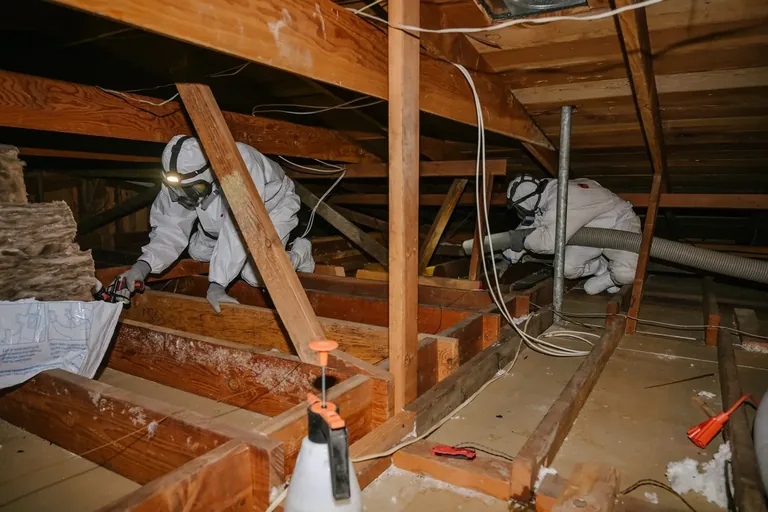
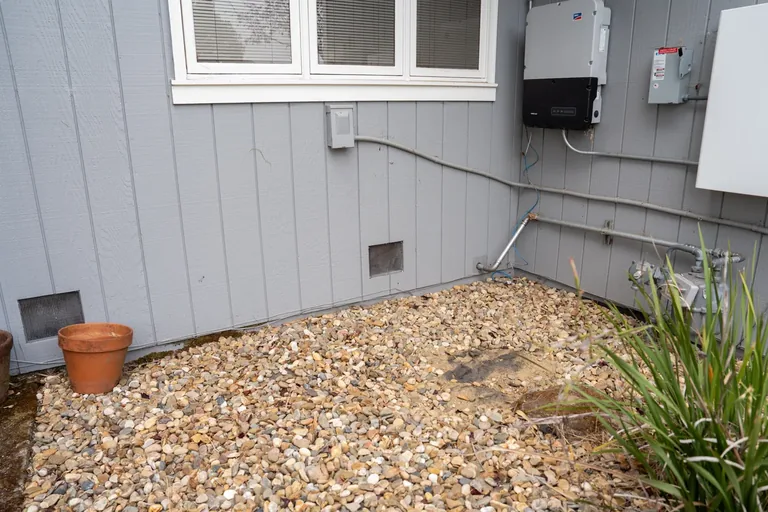
Our experienced technicians assess foundations, rooflines, garages, utility penetrations, decks, sheds, and accessible crawl spaces. These areas can connect outdoor animal shelter to the house, so rodent control must account for the full property.
Our exclusion techniques focus on sealing entry points, reinforcing weak building components, and reducing food and shelter so the property is less attractive to rodents.
Thorough Cleanup
We remove accessible contamination instead of leaving the family to handle urine, droppings, odor, damaged materials, and possible parasites without professional assistance.
Clear Guidance
You receive findings, photos, priorities, expectations, and an estimate. Our team explains what should be treated now, what requires ongoing maintenance, and what falls outside the service.
Effective Solutions for a Rodent Infestation
Alley Cat uses effective solutions that address the animal, the affected environment, and the building conditions behind a rodent infestation.
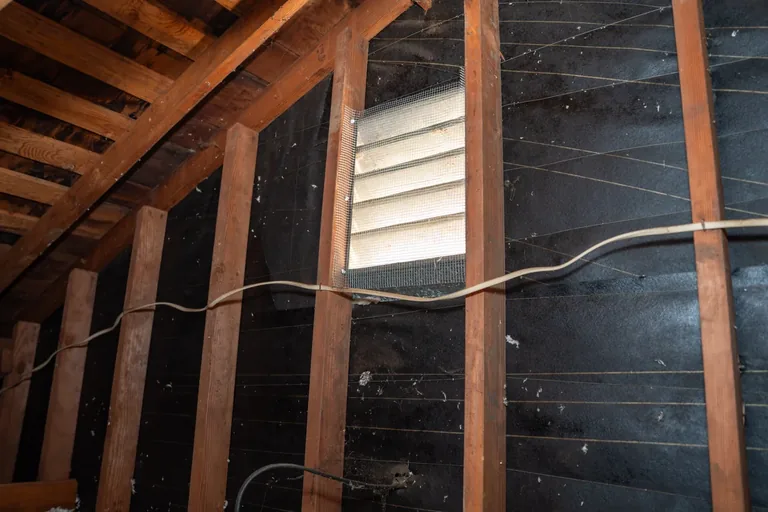
Seal gaps, screen vents, reinforce doors, and protect vulnerable transitions.
Practical Prevention
Help homeowners prevent pests by maintaining sanitation, storage, landscaping, and exterior conditions.
Our Pest Inspection and Control Services in Sunol
Every property is different, so our pest inspection begins with evidence rather than a predetermined package. These control services in Sunol may combine inspection, removal, cleanup, and reinforcement in the following stages:
Step 01 · Inspect
Free Sunol Inspection
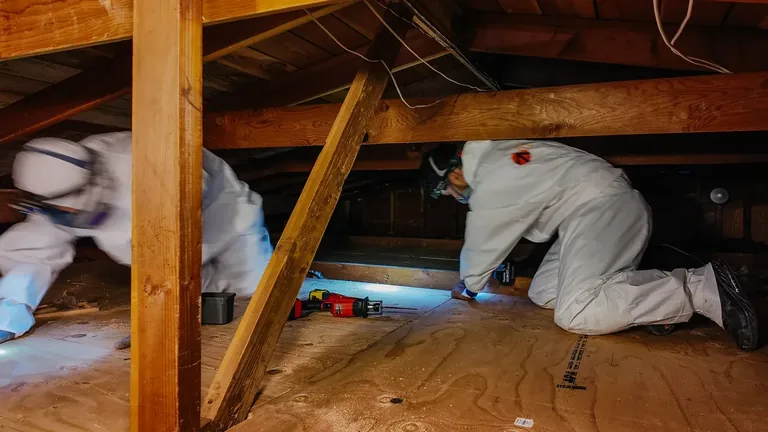
Our free consultation and inspection begin with the noises, odors, droppings, sightings, or property damage you have noticed. We then inspect accessible interior and exterior areas, including the attic, crawl space, garage, kitchen, roof edge, foundation, walls, pipes, siding, vents, and utility connections.
Sunol is an unincorporated Alameda County community with rural properties, open-space edges, and routes such as Calaveras and Kilkare roads. A whole-property review supports rodent control services in Sunol CA. Inspection benefits include:
Locating likely entry points and travel routes
Identifying contaminated or damaged areas
Separating urgent repairs from optional ongoing maintenance
Step 02 · Diagnose
Diagnostic Report & Estimate
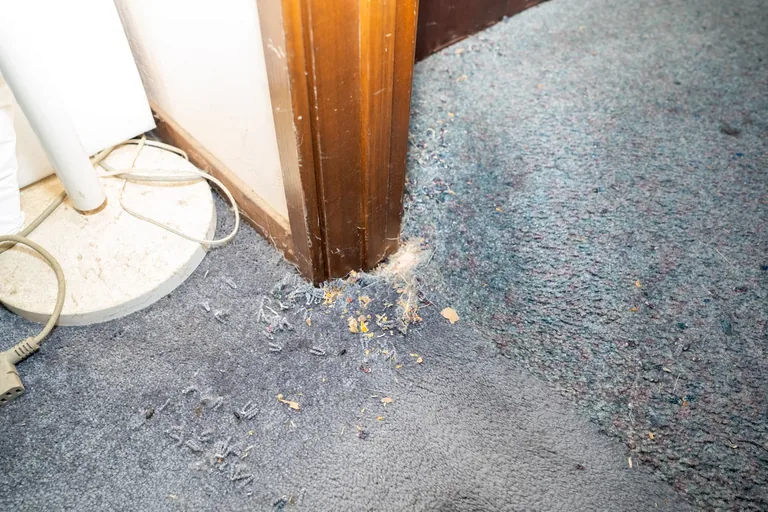
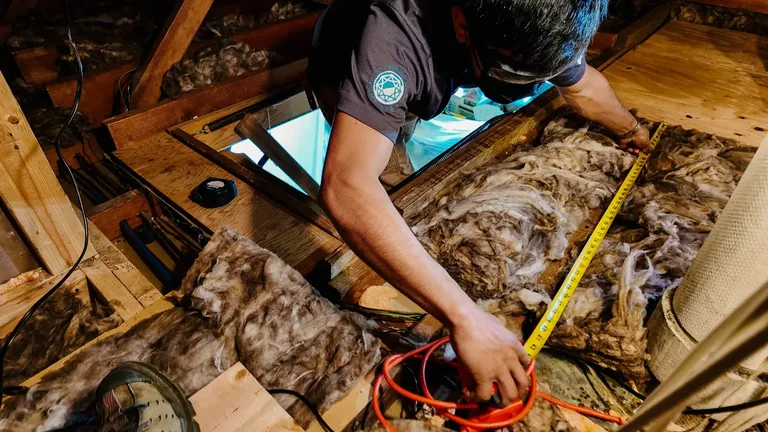
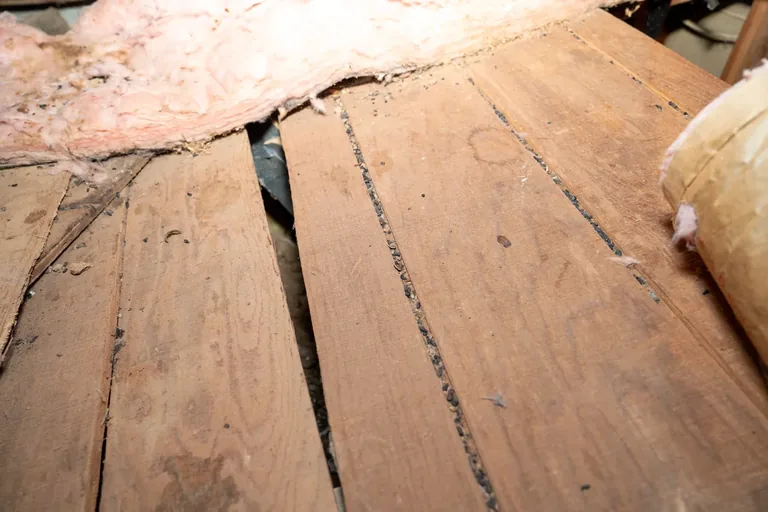
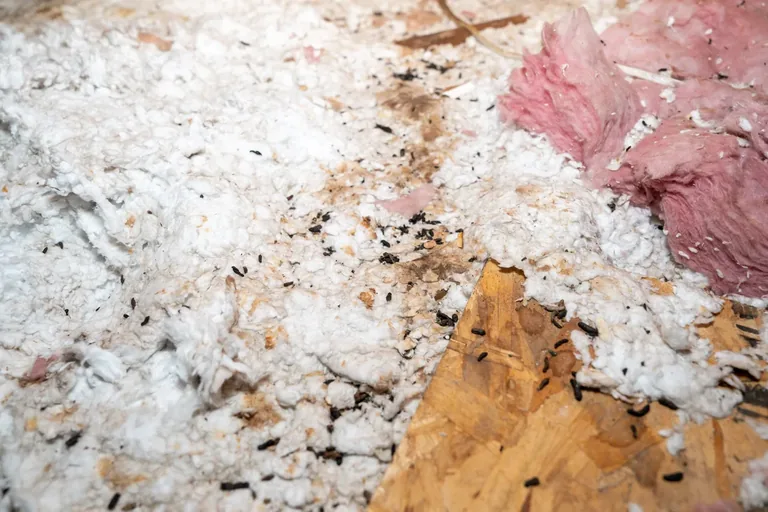
Alley Cat prepares a Comprehensive Diagnostic Report describing visible rodent activity, likely access routes, affected home components, and recommended rodent control services. Photos may document gaps, damaged screens, droppings, gnawing, nesting materials, disturbed insulation, and other signs of a rodent infestation.
The report also explains the integrated pest management approach recommended for the property. In practical terms, Integrated Pest Management combines inspection, sanitation, habitat modification, trapping, exclusion, monitoring, and limited pesticide use when appropriate. The estimate ties each step to actual conditions so homeowners can understand which pest control services are needed immediately and which prevention measures may require ongoing maintenance.
Recommendations may include:
Mechanical trappingOften preferred over poison in California because it allows targeted removal and reduces risks to pets and local wildlife.
Structural exclusionSealing entry points, screening vents, and reinforcing vulnerable openings to help prevent pests from returning.
Habitat modificationReducing food, water, shelter, and vegetation near the building.
Responsible baitingWhen legally and operationally appropriate, tamper-resistant bait stations can reduce risks to pets and wildlife.
Rodenticides should be a last resort because of environmental and safety concerns, and California has heavy restrictions on second-generation anticoagulant rodenticides. Alley Cat’s recommendations therefore emphasize exclusion, sanitation, mechanical trapping, and practical prevention rather than relying on poison as the primary control method, as we do not offer rodenticides as a service.
Step 03 · Clean
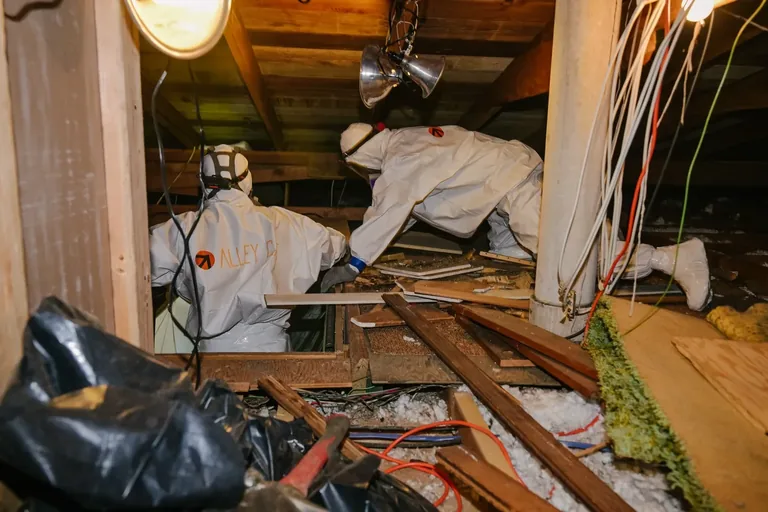
Cleanup & Rodent Removal
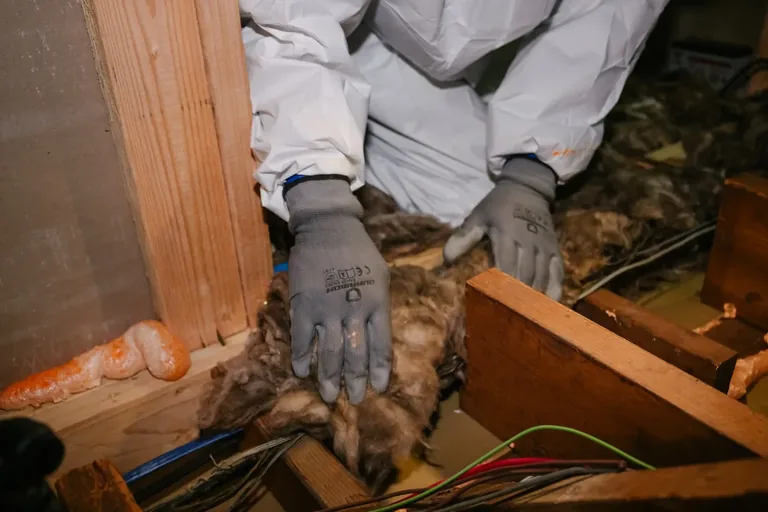
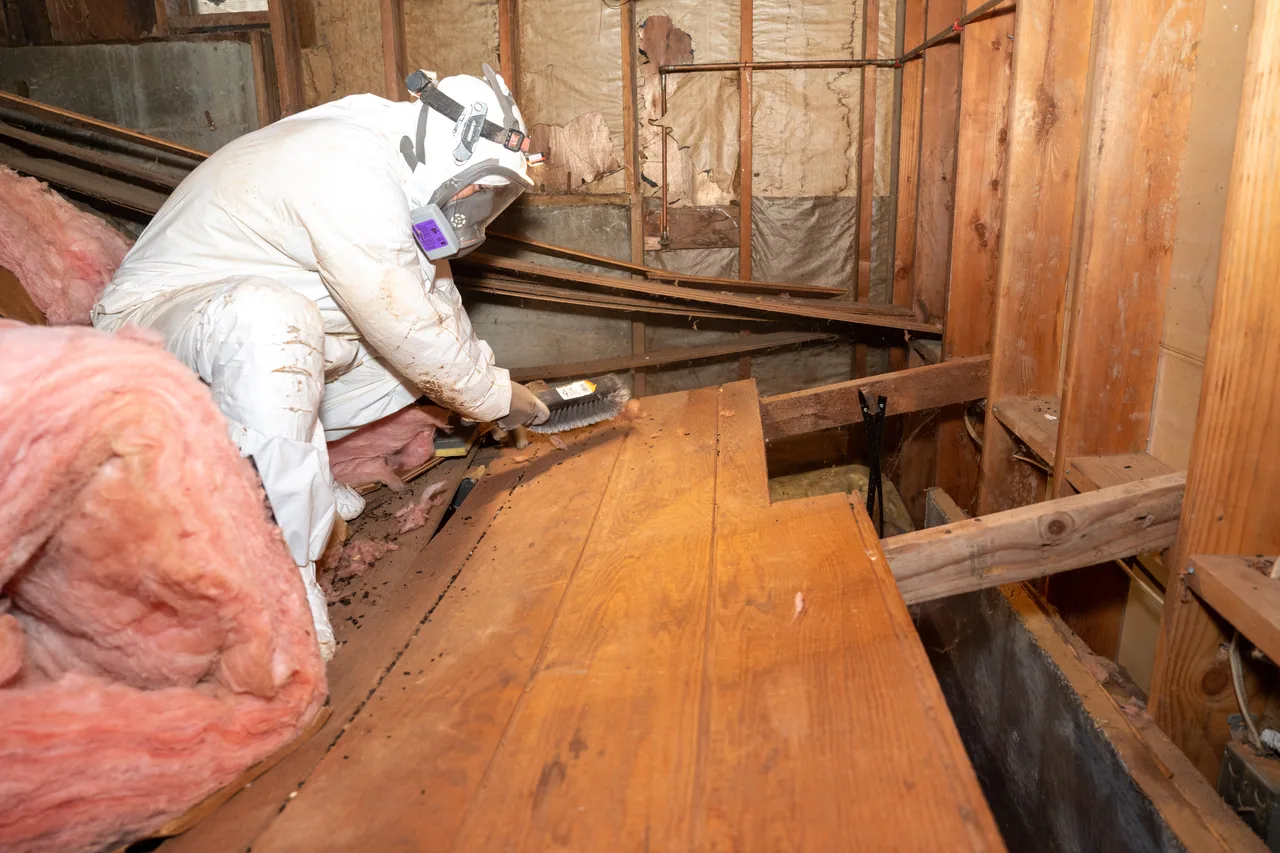
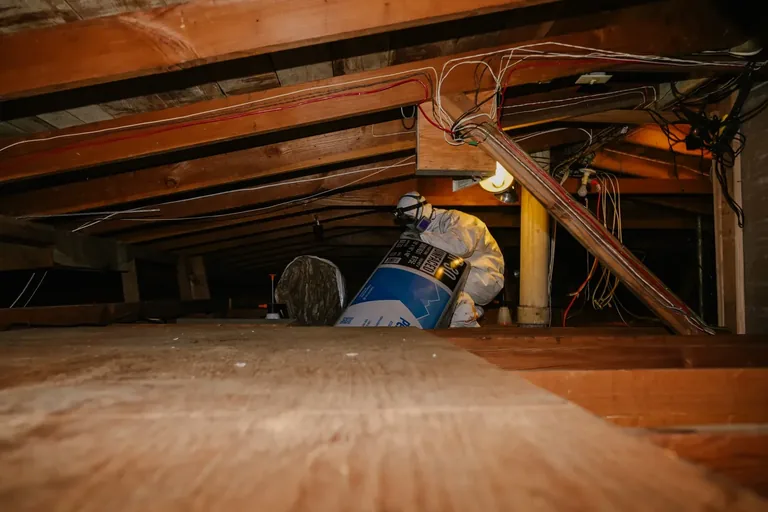
Rodent removal and cleanup begin with accessible materials that rats or a mouse have contaminated or damaged. The scope depends on the infestation, the surface involved, and whether the area contains stored belongings, insulation, ductwork, or a vapor barrier.
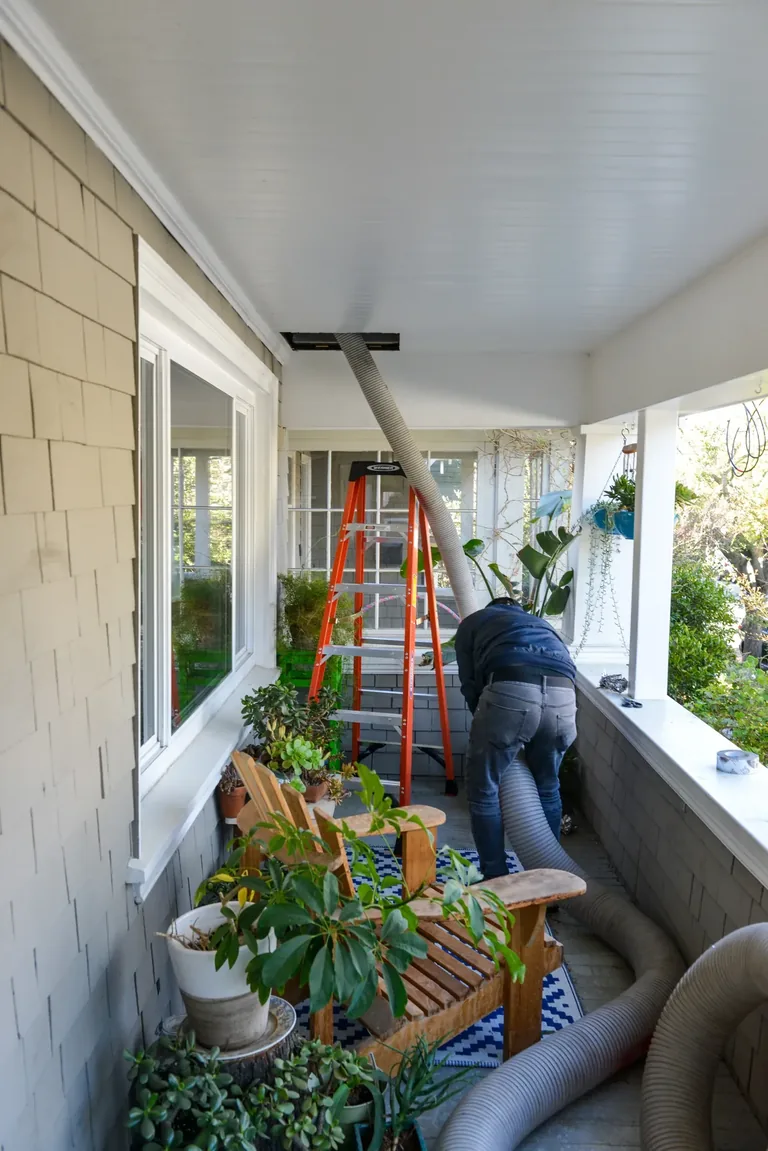
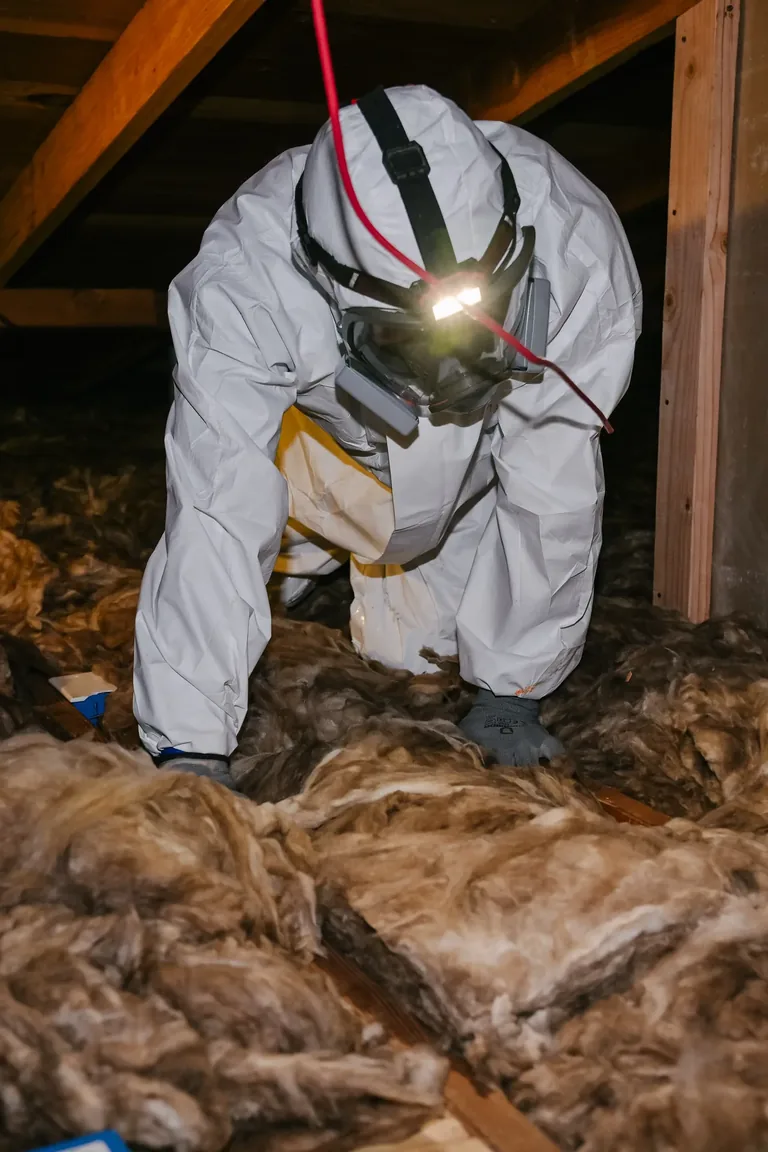
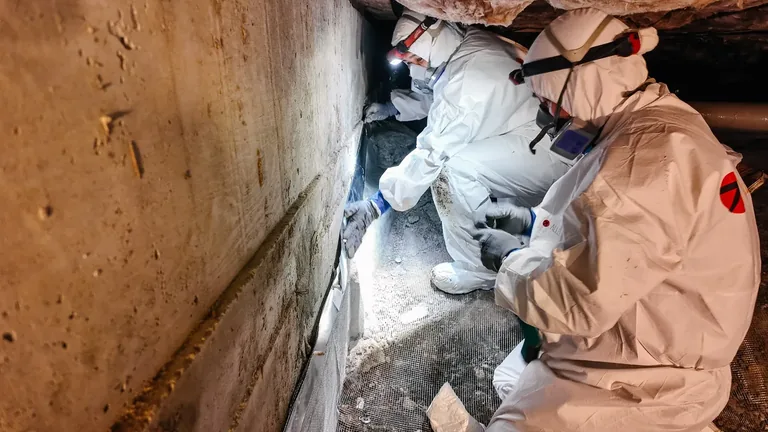
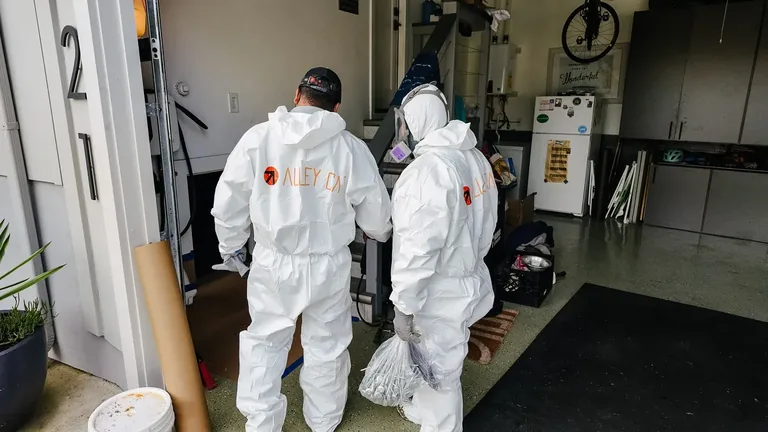
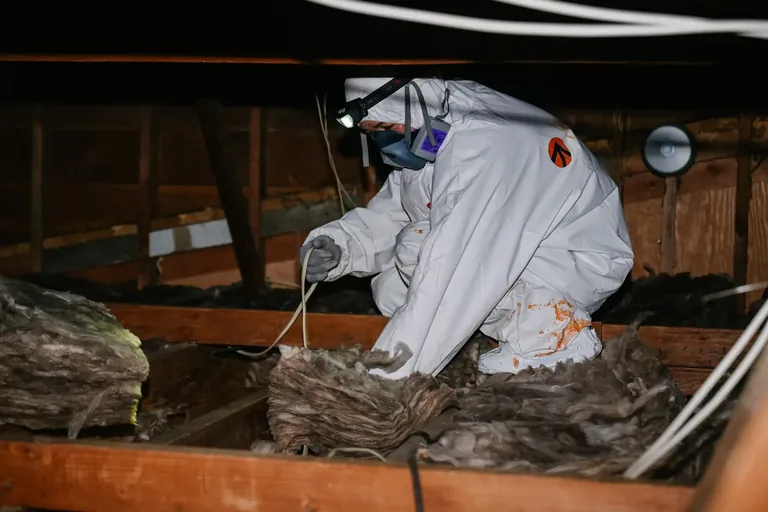
Our equipped team uses containment and removal methods intended to keep waste from spreading through the home. Common work includes:
Removing droppings, nest debris, carcasses, and contaminated food
Extracting heavily affected insulation or stored material
Bagging and hauling away approved debris from the work area
Once bulk contamination is removed, the site is ready for sanitation and the next stage of rodent control.
Step 04 · Sanitize
Sanitize & Decontaminate
We treat accessible affected surfaces where rodents traveled, urinated, nested, or left persistent odor. Rodents can contaminate surfaces and carry diseases. Rodents contaminate surfaces and food with their droppings. Safe cleanup therefore matters for humans, children, pets, and other loved ones.
Mice can carry diseases such as Hantavirus and Salmonellosis. Rodent waste and allergens may also aggravate asthma for some people. Rodents can transmit diseases like rabies and typhus (note: rabies in common rats and house mice is exceedingly rare, while flea-borne typhus involves infected fleas. Rodents do not directly transmit lyme disease to people; ticks are the vector. Anyone concerned about disease transmission should contact a medical or public-health professional.)
Step 05 · Seal
Seal, Reinforce, & Prevent
Exclusion separates lasting rodent control from temporary population reduction. Preventing entry is the most effective long-term strategy for rodent control. Sealing entry points is critical to preventing rodent entry into buildings. Rats and mice may continue entering when foundation gaps, damaged vents, door corners, roof returns, or utility openings remain available.
The exclusion plan may include:
Foundation SealingClose gaps at foundation edges, additions, siding transitions, and the crawl-space perimeter.
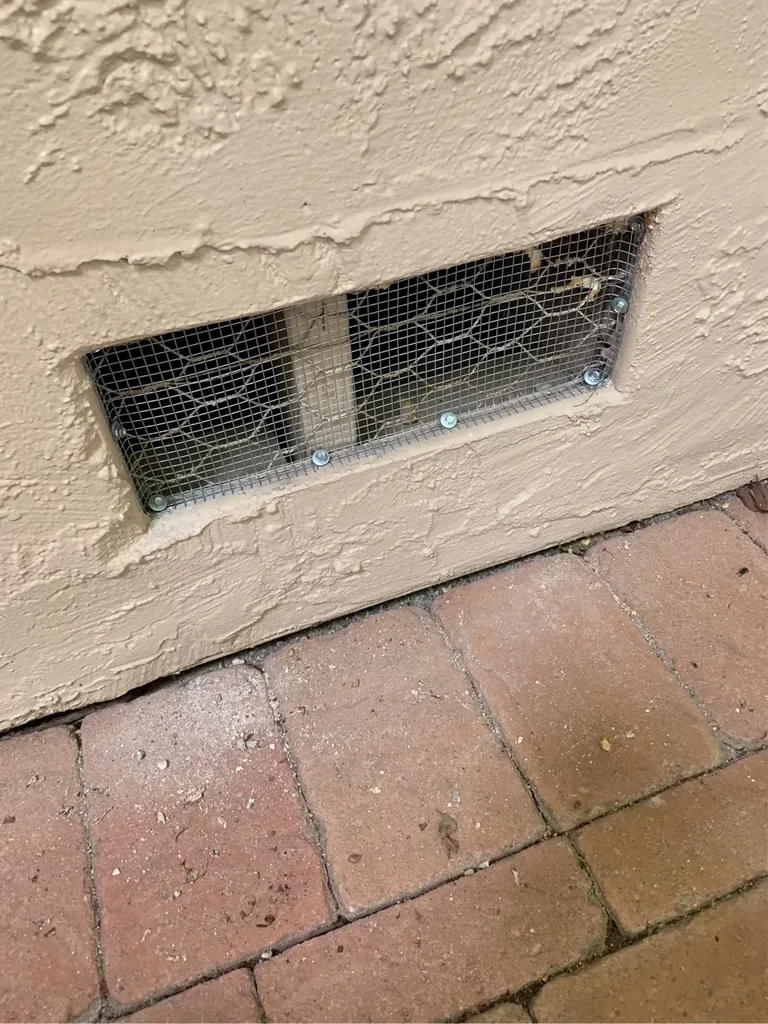
Vent ScreeningInstall durable screening while preserving required airflow.
Utility ReinforcementSeal around plumbing, electrical conduit, cables, water lines, and refrigerant pipes.
Roofline RepairsReinforce accessible eaves, fascia, soffits, vents, and roof returns.
Door ProtectionCorrect gaps beneath exterior and garage doors.
Burrowing BarriersAdd mesh or below-grade barriers where rodents travel beneath vulnerable edges.
Rodents (specifically rats) can enter homes through holes the size of a quarter, whereas mice can fit through holes the size of a dime. These are rules of thumb, not exact measurements for every species or opening. Our expert technicians use appropriate screening, sealants, tools, and reinforcement rather than foam alone.
Sunol properties may include sloped foundations, decks, older additions, barns, or detached garages. We evaluate how rodents climb, burrow, chew, or move between structures. This detailed approach has helped Alley Cat serve 13,000+ customers with a 97% customer satisfaction rating, giving local homeowners a reliable professional service rather than a temporary patch.
Step 06 · Check
Set Trap Checks
Traps may be set when active rodents remain inside after exclusion begins. Placement follows rodent activity, rub marks, travel paths, nest evidence, and food access rather than scattering products randomly.
Snap traps are considered the most effective and humane tool for killing mice and rats. Humane results still depend on correct trap size, placement, frequent checks, and responsible handling. Peanut butter is the best bait for mice and rats. That is common advice, not a universal rule; baiting depends on available food, species, and the situation. Scheduled trapping supports rodent control by removing captured rodents, resetting equipment, and assessing activity.
Step 07 · Haul
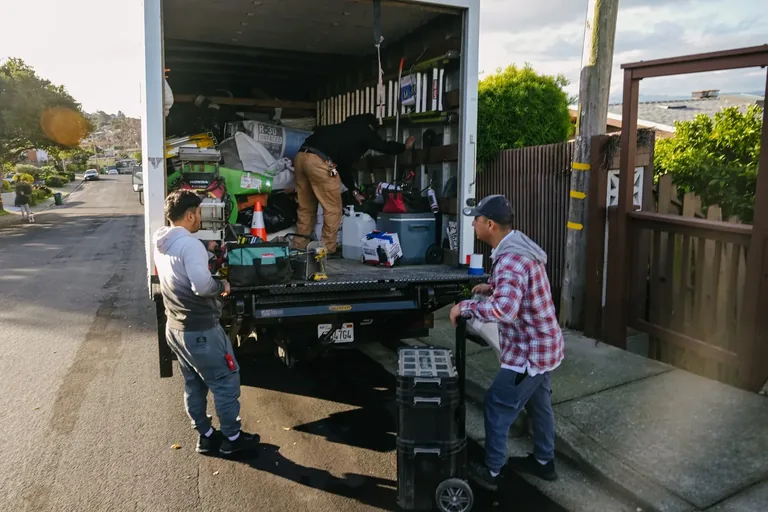
Wrap Up & Haul Away
At project completion, our team removes approved debris and reviews repaired openings, screens, traps, and work areas. We explain any remaining construction, tree trimming, storage, water, or landscaping issue that could affect future results.
No responsible company can guarantee a permanently pest free property. Our commitment is to complete the approved work efficiently, provide clear information, and reduce the conditions that support another infestation.
Step 08 · Support
Customer Service
Customer service coordinates each visit, trap check, cleanup, and follow-up. Request photos or video, ask questions by phone or email, and book the next step.
Alley Cat believes clear information is a matter of trust. Our experts use experience and skills to help you understand issues, choose the work order, and know what types of work and what kind of results to expect.
In unusual cases, we make it easy to get in touch, find the right number, or leave a request without searching through plenty of companies. We do not promise wildlife release or offer work outside our expertise. We strive to ensure professional service and care for each family, landlord, or business using our control services in Sunol.
Do not wait for scratching, odors, damaged wires, or new droppings to become a larger threat. Rodents can cause major property damage by chewing wires. Contact Alley Cat today for effective solutions, a clear scope, and rodent removal that supports long-term protection for your Sunol CA property.
Alley Cat is proud to have served 13,000+ customers across the California Bay Area, including Sunol CA families, while maintaining a 97% customer satisfaction rating. Our knowledge, diagnostic process, expert technicians, and customer support help families and businesses move from an active infestation toward greater peace of mind.
“They were really great, timely, and explained everything really well, thorough, and quick. I don't know. They seemed like they knew what they were doing.”
★★★★★
Teresa S.Verified Diamond Certified survey
4.9 / 5 1,240 reviews
4.7 / 5 649 reviews
4.7 / 5 279 surveys
4.9 / 5 374 reviews
Rat Control for a Recurring Rodent Problem
Focused protection for local properties dealing with a persistent rodent problem.
Roof Rats and Norway Rats
Roof rats often use elevated routes, trees, fences, roof edges, and attics, while Norway rats are more associated with ground-level shelter and burrowing. Both rats can damage a building and contaminate food. Female roof rats can have up to four litters per year.Female roof rats can have up to four litters a year. These are upper-end reproductive facts, not a prediction for every Sunol population.
Crawl-Space Pressure
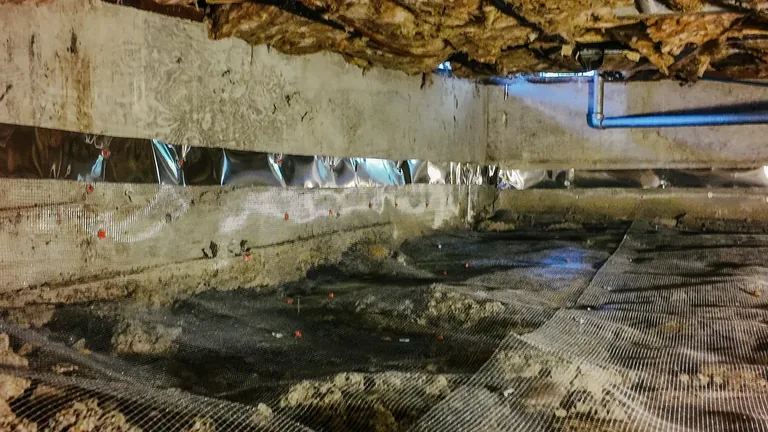
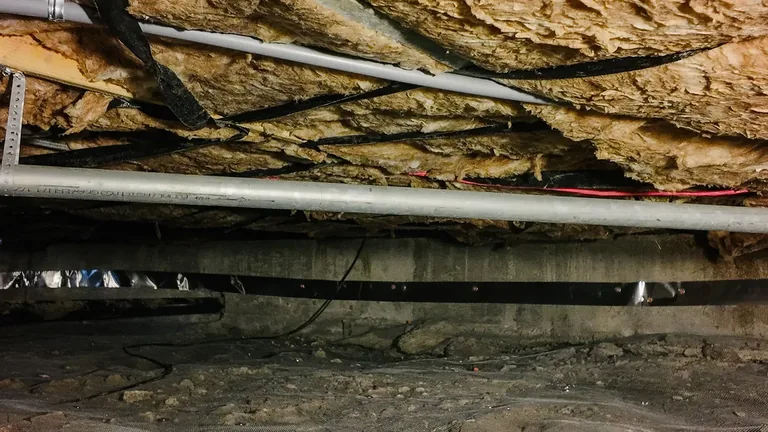
Open vents, damaged access doors, foundation gaps, and torn barriers can allow pests and rodents inside. Our residential pest control work examines the crawl space without turning this local page into a separate cleanup service.
Detached Structures
Garages, sheds, workshops, barns, and storage buildings may provide food or shelter. Rodents can move from these structures toward the home along fences, vegetation, utility lines, and protected exterior routes.
Local Infestation Risks Require Detailed Exclusion
Properties in Sunol CA may sit near open land, mature garden areas, livestock feed, stored seed, or detached buildings. Removing food and shelter makes properties less attractive to rodents. Keep trash cans secured with tight-fitting lids to manage rodent access to food. Habitat modification includes keeping landscaping trimmed and maintaining a clear area around structures.
A local plan may assess:
Foundation and roof access
Garage, shed, and outbuilding conditions
Food storage, pet food, water, and waste
Burrows, vegetation, baseboards, and protected travel routes
Alley Cat also serves Bay Area communities in Fremont, Hayward, Oakland, Berkeley, Concord, and San Mateo County, but Sunol CA receives a property-specific pest control plan. These control services in Sunol are for rats and mice—not generic promises about squirrels, bees, fleas, aggressive wildlife, or every animal nuisance.
Integrated Pest Management for Long-Term Prevention
Rodent control relies on an Integrated Pest Management approach. Alley Cat combines inspection, cleanup, exclusion, trapping, and monitoring to address the current infestation while reducing the conditions that attract rodents.
No responsible company can guarantee that a property will remain permanently pest free. Long-term results depend on professional repairs, sanitation, secure food storage, exterior upkeep, and appropriate ongoing maintenance.
Maintain the exterior to prevent pests from returning.
This is why Alley Cat’s rodent control services differ from one-time pest control or poison-only methods. We solve the building problem behind the infestation while limiting unnecessary pesticides and protecting pets, children, humans, and wildlife.
What is the 5 day mouse rule?
The “5 day mouse rule” is not a single official pest-management standard. Online sources use it to mean either acting within five days of seeing mouse signs or watching traps for roughly five to seven days without new activity. However, that approach is unfounded, as rodents can survive normal lives (and thus live in the same spaces) as long as they have access to food, water, and shelter. Absence of evidence is not the same as evidence of absence.
For professional mouse control and pest control, five quiet days alone do not prove that the house is clear. Our team looks for new droppings, trap results, sounds, gnawing, and fresh access signs over time. Rats may also avoid new objects initially. The important thing is to continue monitoring and avoid releasing equipment too quickly. Effective control depends on evidence, not a calendar shortcut.
Can an exterminator get rid of voles?
An exterminator can help manage voles, but vole work is different from structural rodent removal. Voles are outdoor, mouselike animals that build runways and damage a lawn, garden, plants, or irrigation areas; they usually do not create the same inside-the-home issue as house mice.
Alley Cat’s rodent control services focus primarily on rats and mice entering buildings and residential properties. A vole situation may require vegetation reduction, habitat changes, barriers, trapping, or another qualified animal and wildlife provider. Before choosing a method, identify the species correctly and consider pest control safety, pets, California pesticide rules, and the surrounding environment.
What state has the worst rodent problem?
No authoritative national source identifies one state as having the worst rodent problem. Commercial rankings measure service calls in selected cities, not statewide populations, and change by year, reporting, and company coverage.
California appears in rodent rankings because it has large cities, agricultural regions, and varied animal habitat. That does not mean every community has the same pest control risk. In Sunol CA, what matters is the property’s signs and entry routes. A local inspection provides better information than a broad state ranking.
Schedule Your Sunol Inspection
Contact Alley Cat for a pest inspection, practical prevention guidance, and effective solutions through rodent control services adapted to your home. Start with a consultation today and learn how our control services in Sunol can protect your family, pets, property, and local environment.