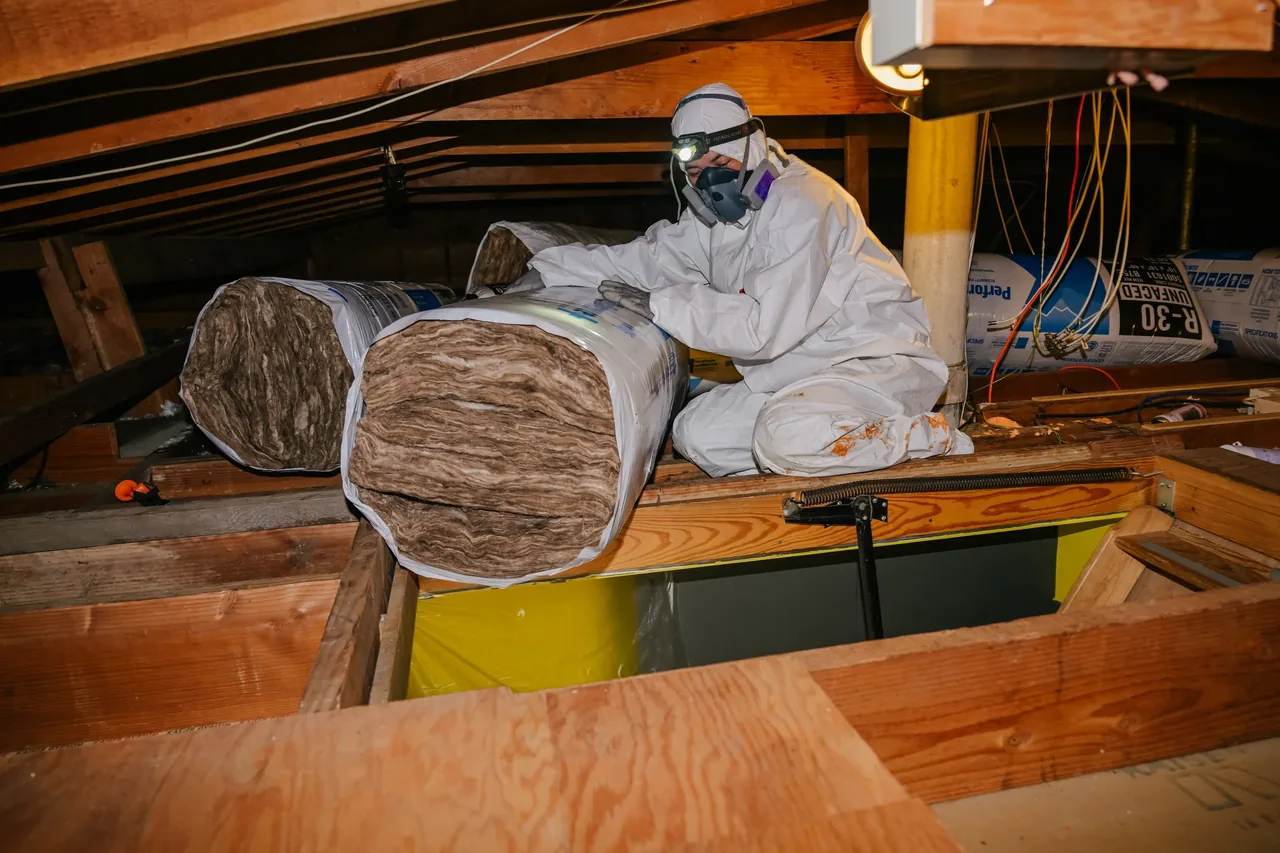
Nesting Materials Removal
We remove nesting materials, food caches, feces, fur, and torn insulation that can hide beneath the surface or hold odors after rodents leave.

Bay Area Attic Rodent Services
Mice in attic insulation can turn the space above the ceiling into a hidden nesting and contamination zone.
 4.9 / 5
 4.7 / 5
 4.9 / 5
 4.7 / 5
 Accredited
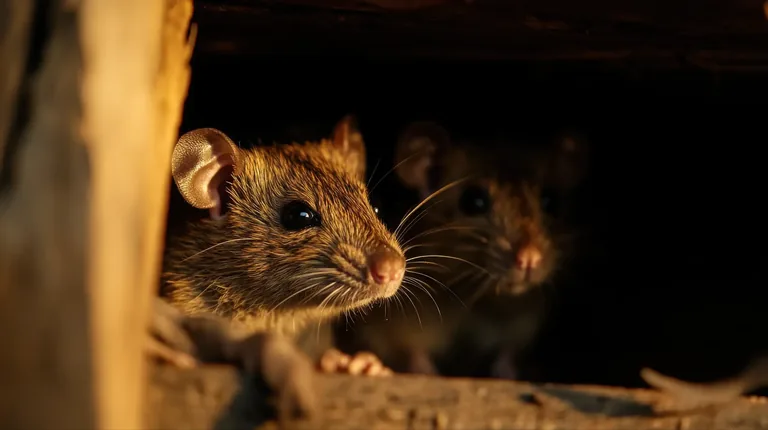
As mice burrow, build nests, and cross the attic floor, they leave droppings, urine, odors, torn material, and chew marks. Alley Cat addresses active rodents, affected insulation, access routes, and conditions that allow an infestation to continue.
Our attic-focused service helps Bay Area homeowners:
Schedule an attic inspection for a clear removal, cleanup, exclusion, and prevention plan.
We inspect the attic as a connected system, not a place to scatter traps. Specialists look for rodent activity such as tunneled insulation, fresh mouse droppings, urine stains, gnaw marks, disturbed nests, and paths along walls. We also distinguish mice from rats, squirrels, raccoons, and other pests so the scope matches the rodents present.
Visible droppings may represent only part of the contamination. Feces, fur, food caches, and nesting materials can be buried in loose-fill or batt insulation where rodents have nested near top plates and ducts. Alley Cat determines whether small amounts of affected material can be removed locally or broader cleanup is needed to expose the attic floor, reduce odors and persistent smell, and prepare for exclusion.
Preventing attic mice takes more than closing one hole. Mice fit through very small openings, so roof rafters, gables, eaves, soffits, attic vents, plumbing lines, and utility penetrations all require review. We trace likely routes from the home’s exterior and reinforce weak points rodents may reuse.
These upgrades help prevent future infestations instead of relying on traps after more mice enter.
Signs, contamination, and the right next step.
A mouse infestation in an insulated attic means mice are traveling through, nesting in, or contaminating material above the upper floors. The attic provides warmth, shelter, and fibers rodents can tear apart to build nests. Mice and other pests may enter at eaves, roof returns, siding joints, vents, pipe openings, or holes where additions meet older construction.
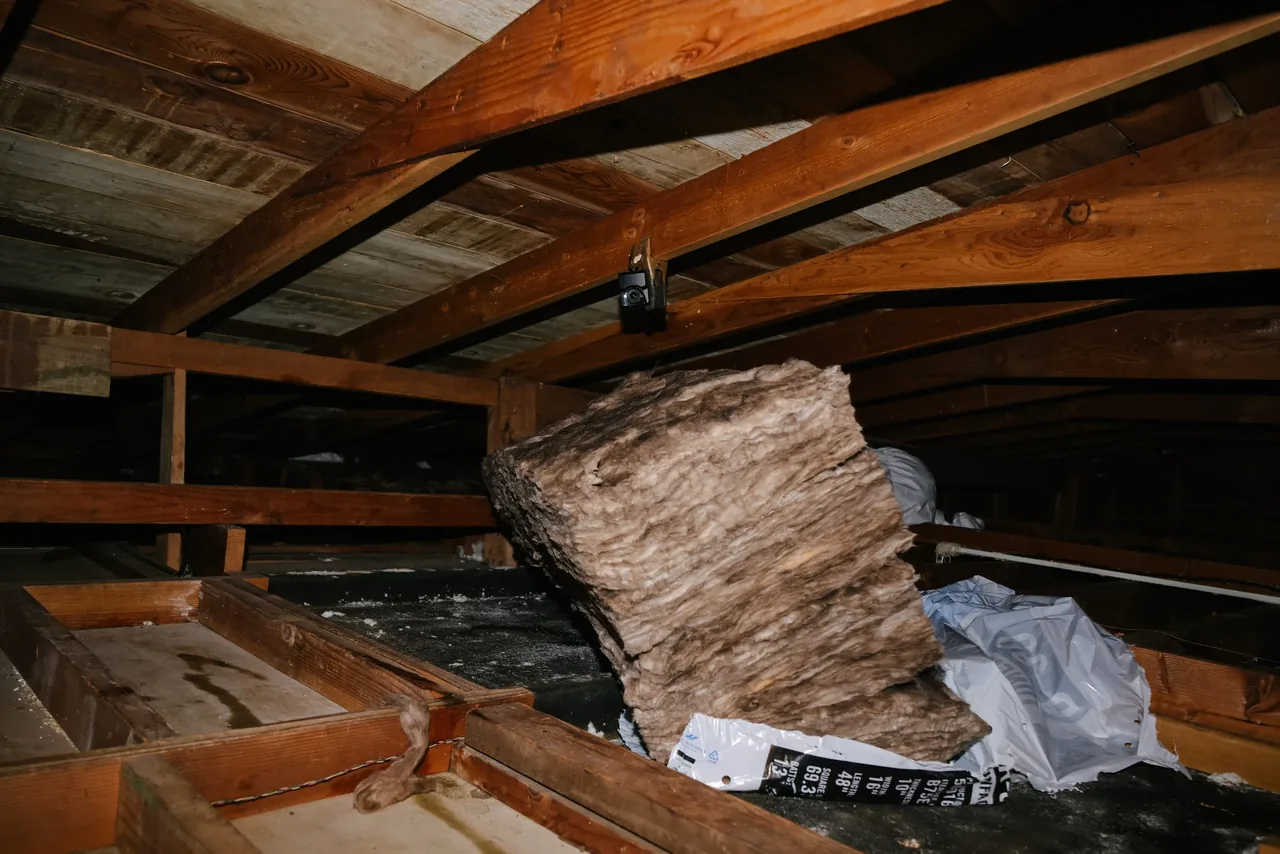
Homeowners commonly call after noticing:
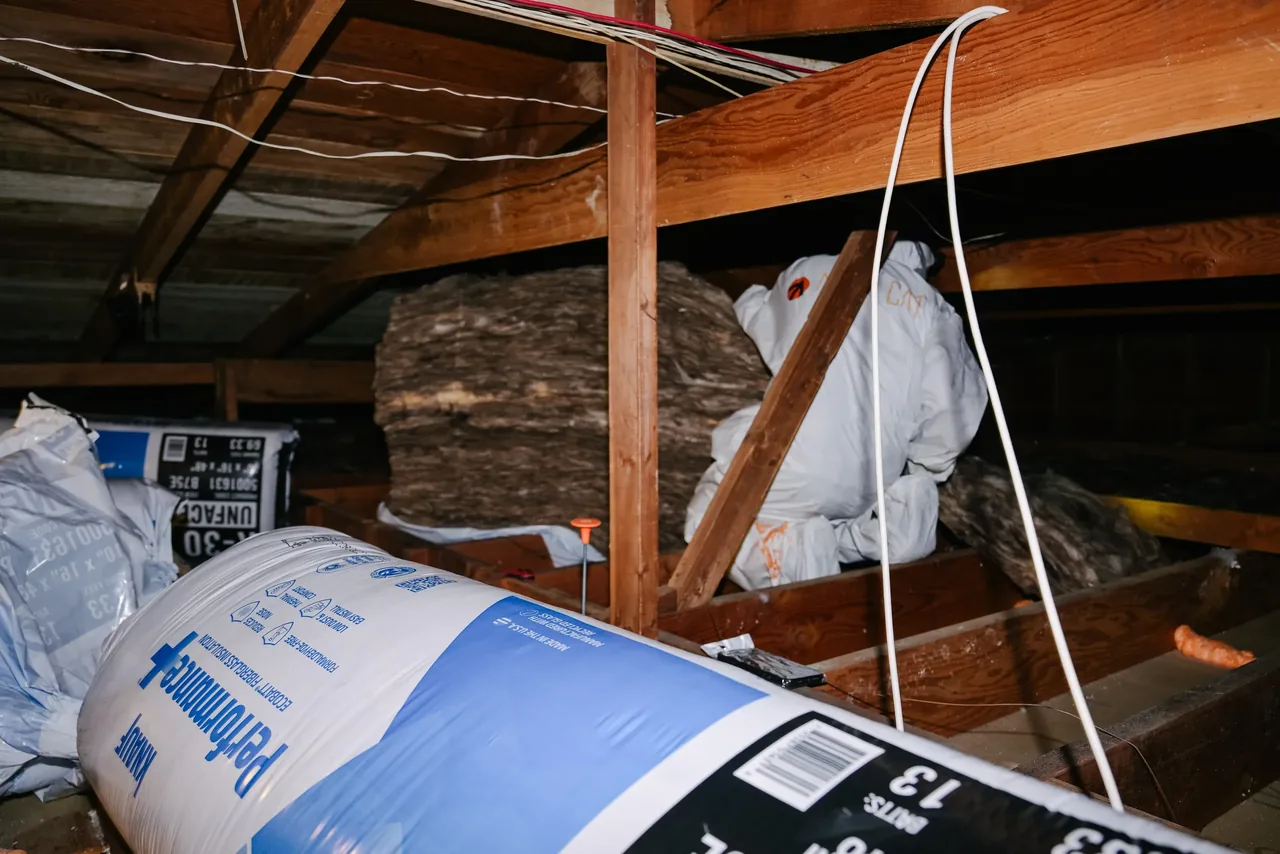
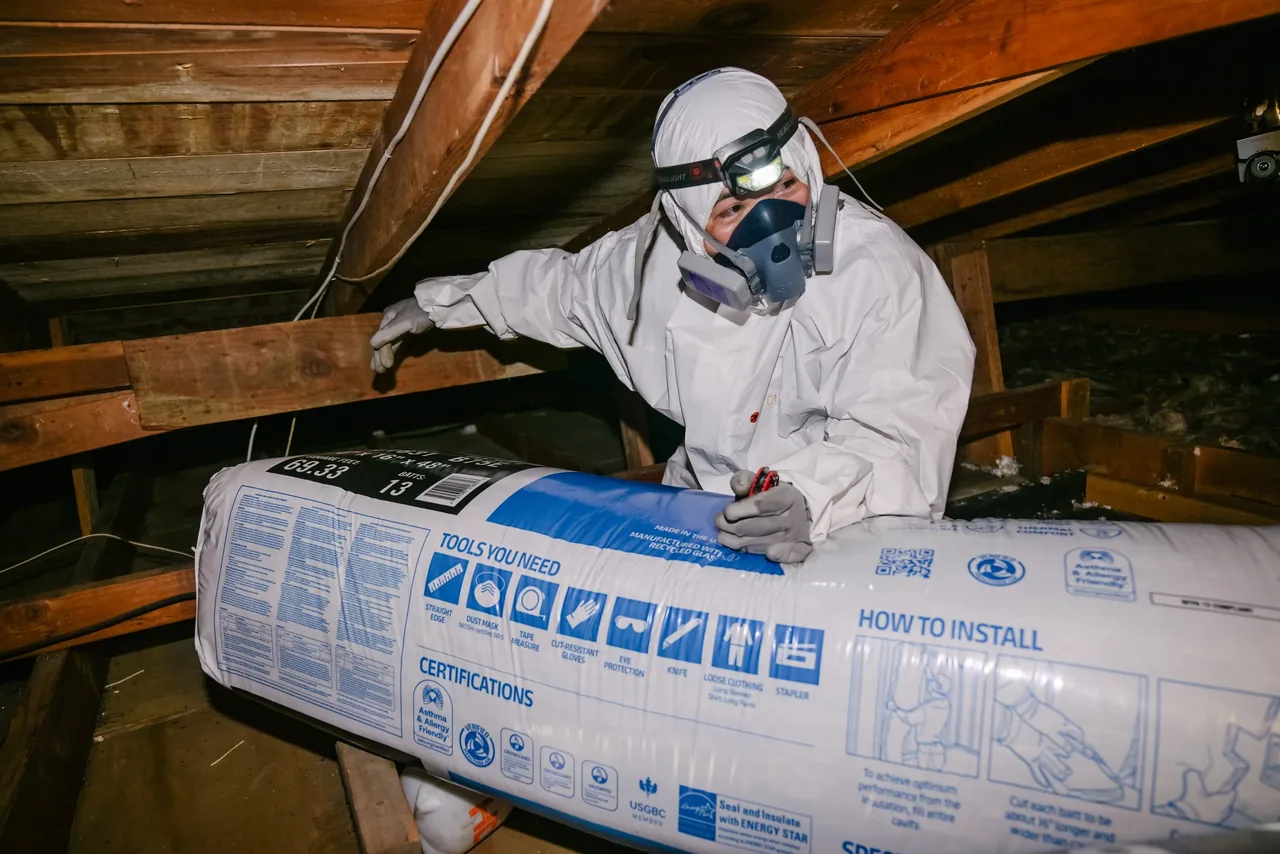
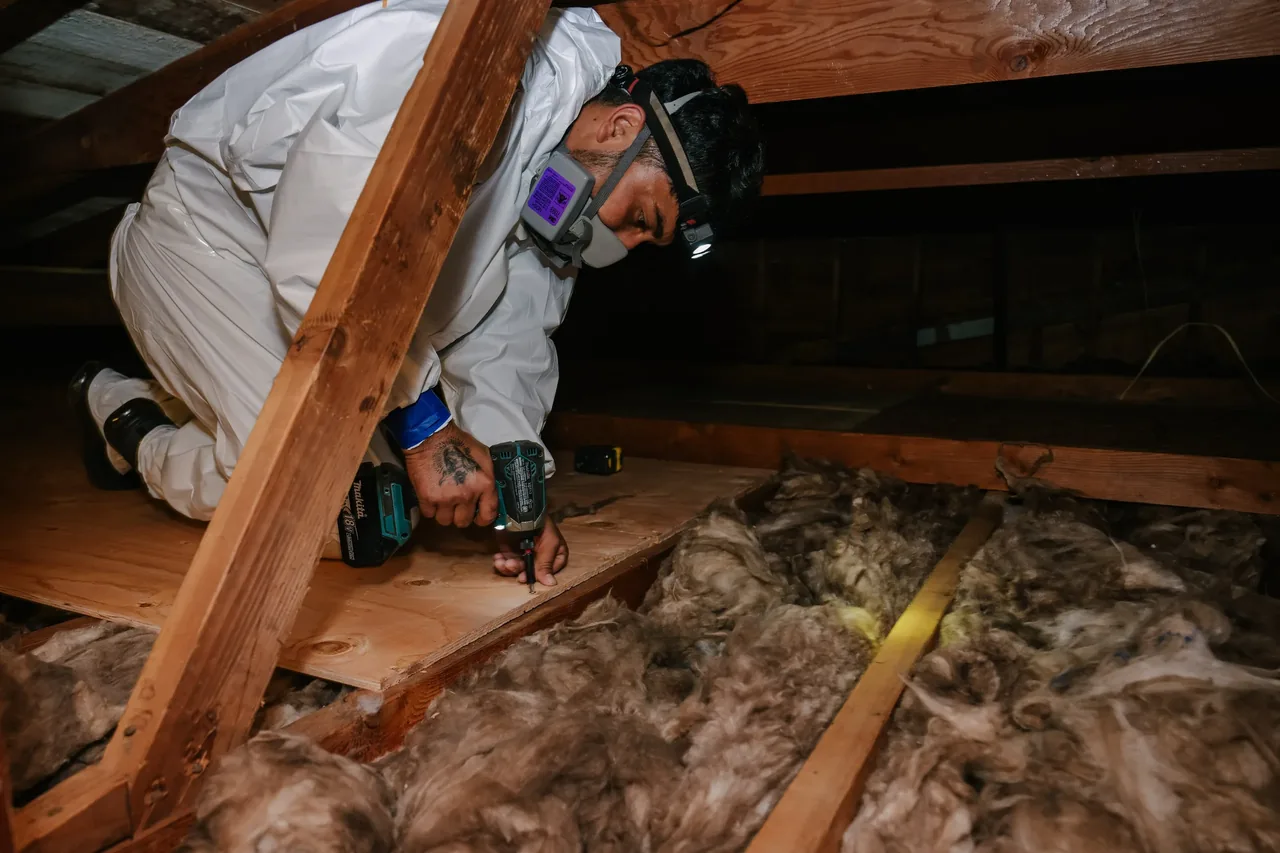
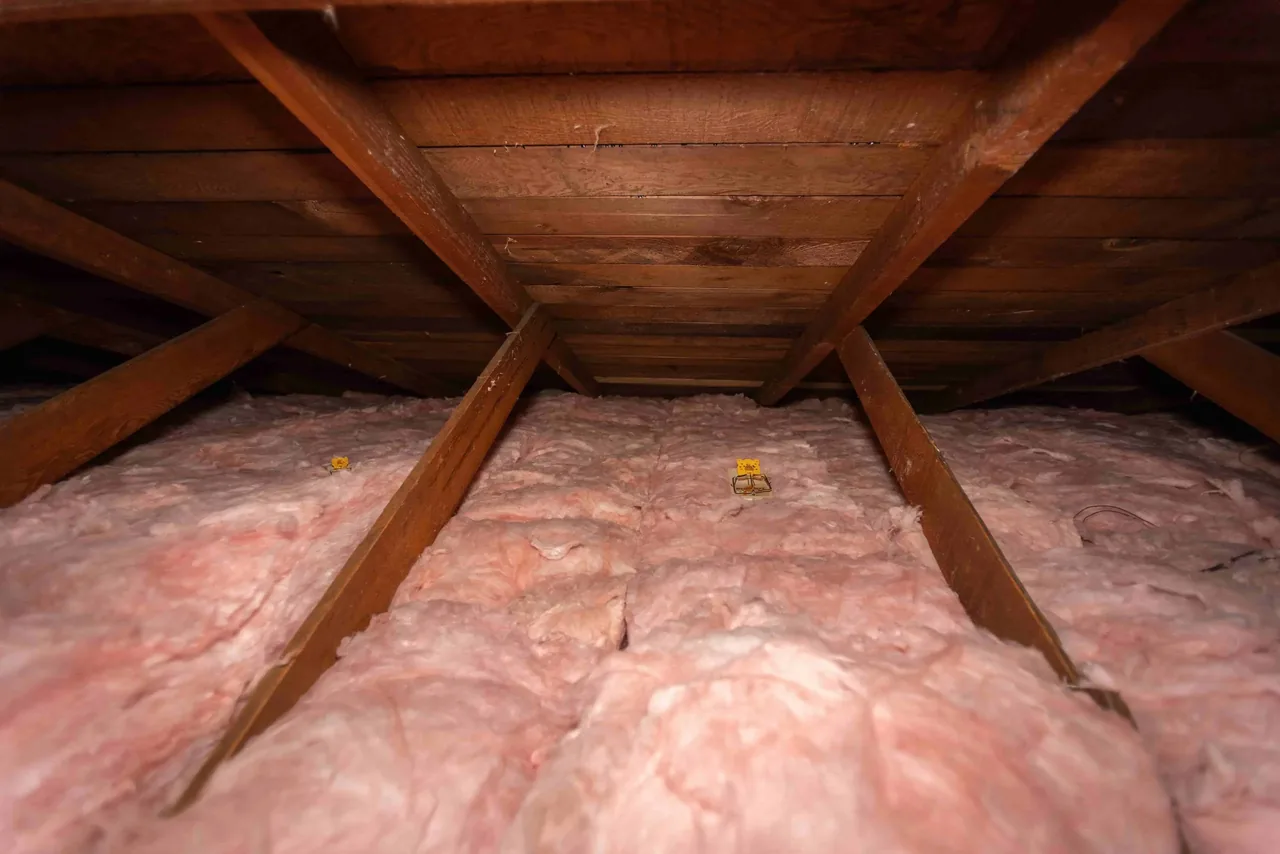
The same signs can indicate a rat infestation or squirrels, especially when droppings and gnaw marks are larger. EPA and UC IPM identify droppings, nesting material, chewing, holes in walls or floors, and hidden smells as common evidence of mice or rats.
Alley Cat’s rodent control process follows the actual sequence needed to get rid of attic mice: diagnose the infestation, remove contaminated materials, clean affected areas, close access routes, monitor traps, and protect the restored space.
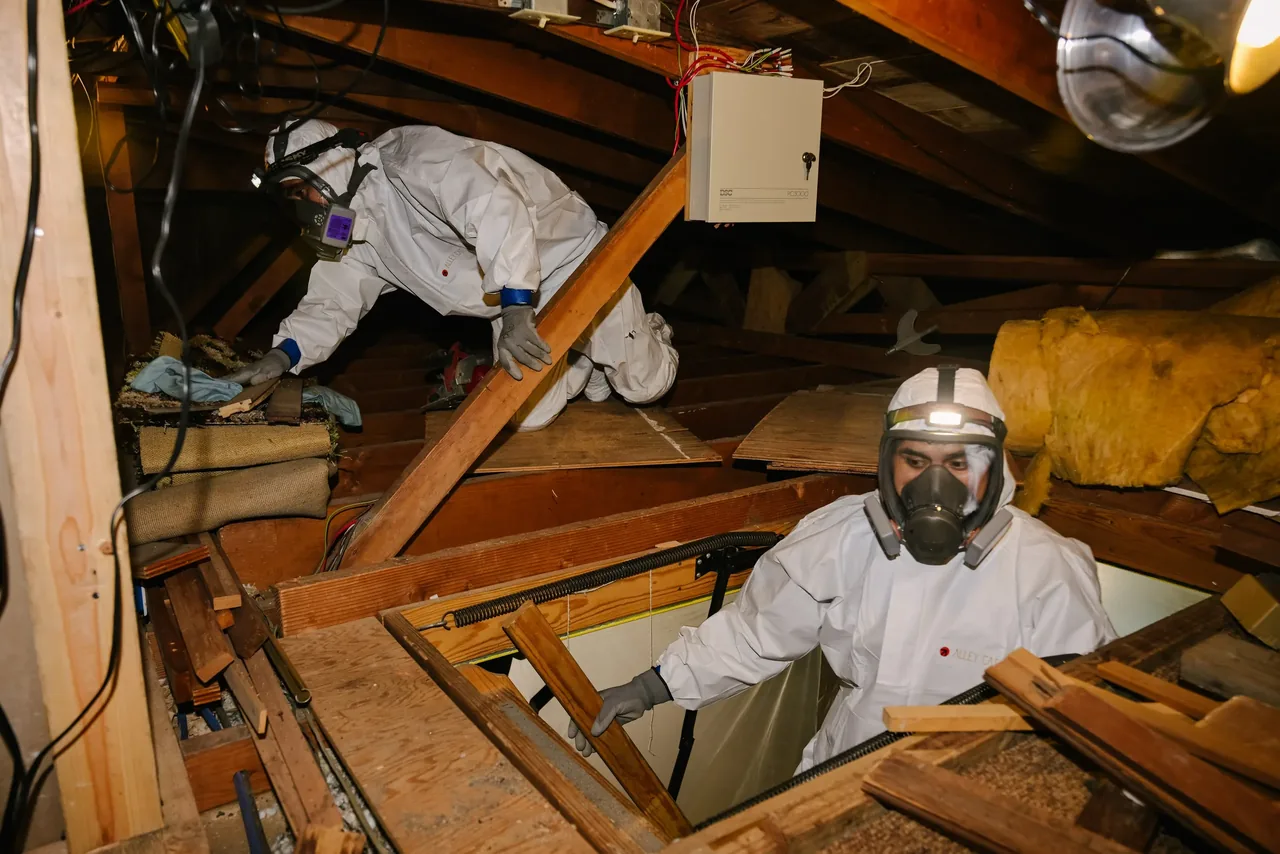
Step 01 · Inspect
Our free attic inspection starts where mice and other rodents leave useful evidence. We review insulation, corners, top plates, roof junctions, ducts, vents, plumbing, wiring routes, and visible nests. The inspection also covers the roofline, siding transitions, foundation connections, and potential entry points that may lead through walls before reaching the attic.
The goal is to connect inside evidence with outside entry. Because mice can squeeze through an opening roughly the width of a pencil—and a dime-sized hole can admit a mouse or young rat—small cracks and holes deserve attention.
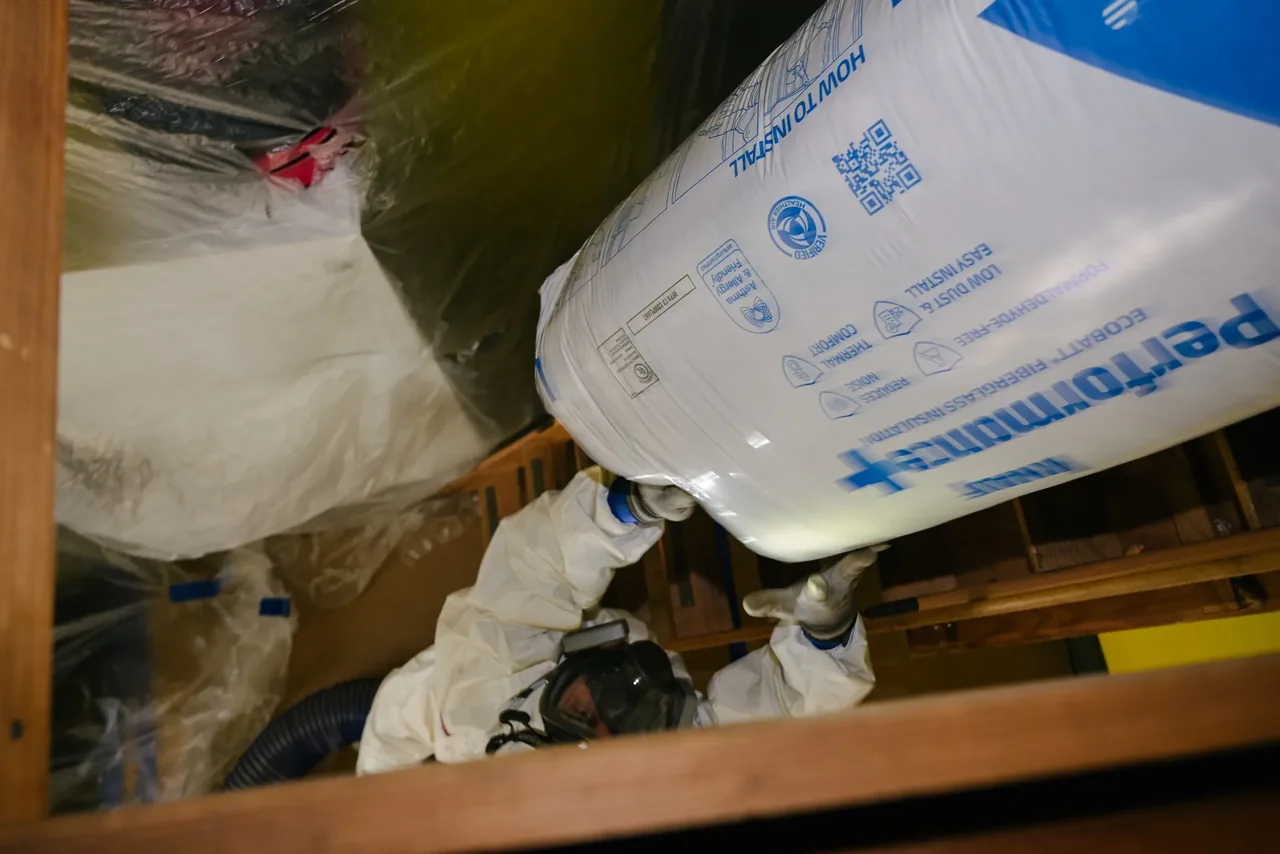
Step 02 · Diagnose
After the inspection, Alley Cat provides a Comprehensive Diagnostic Report covering evidence, likely access routes, affected areas, cleanup needs, exclusion priorities, traps, and estimated cost. Photographs show where rodents built nests, contaminated materials, or chewed openings. The estimate separates urgent work from optional restoration, including whether replacing a small or larger amount of insulation is appropriate.
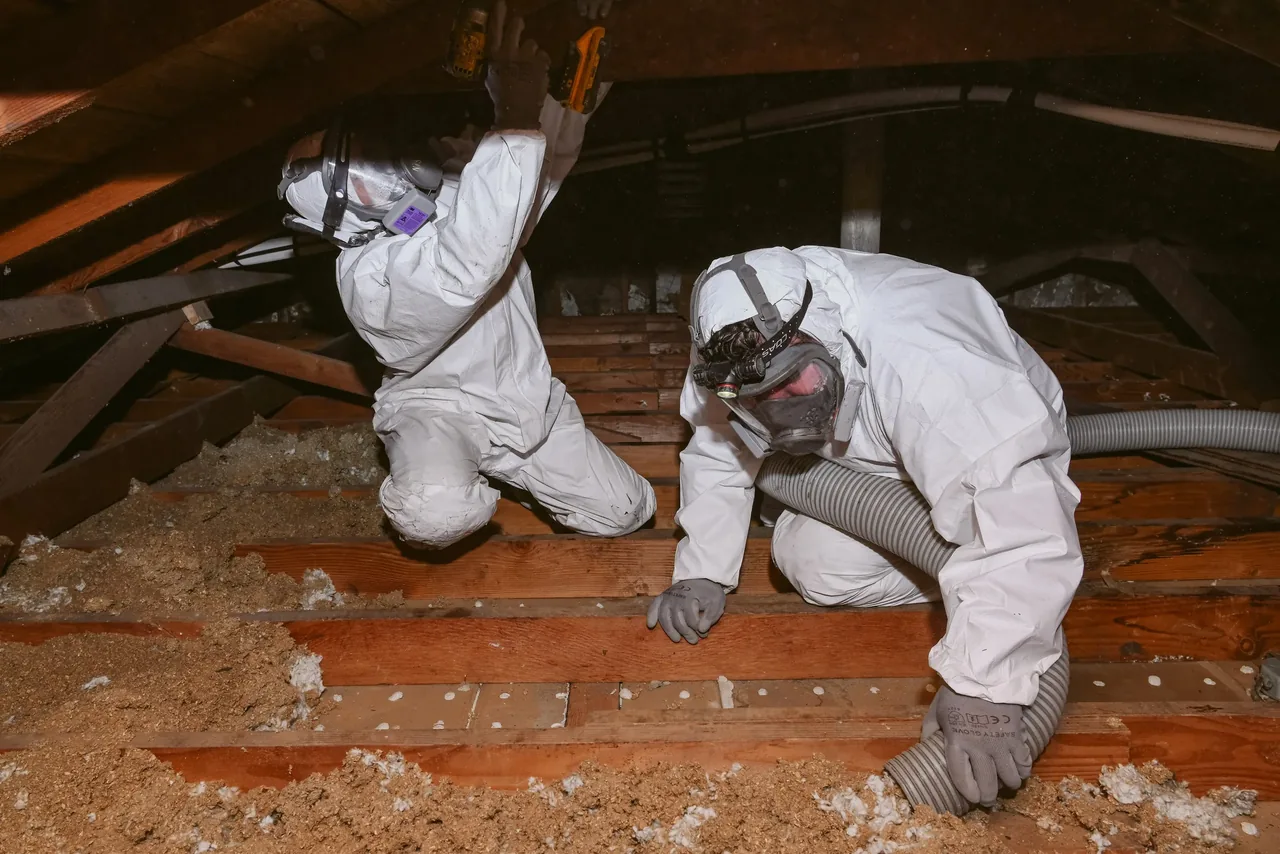
Step 03 · Clean
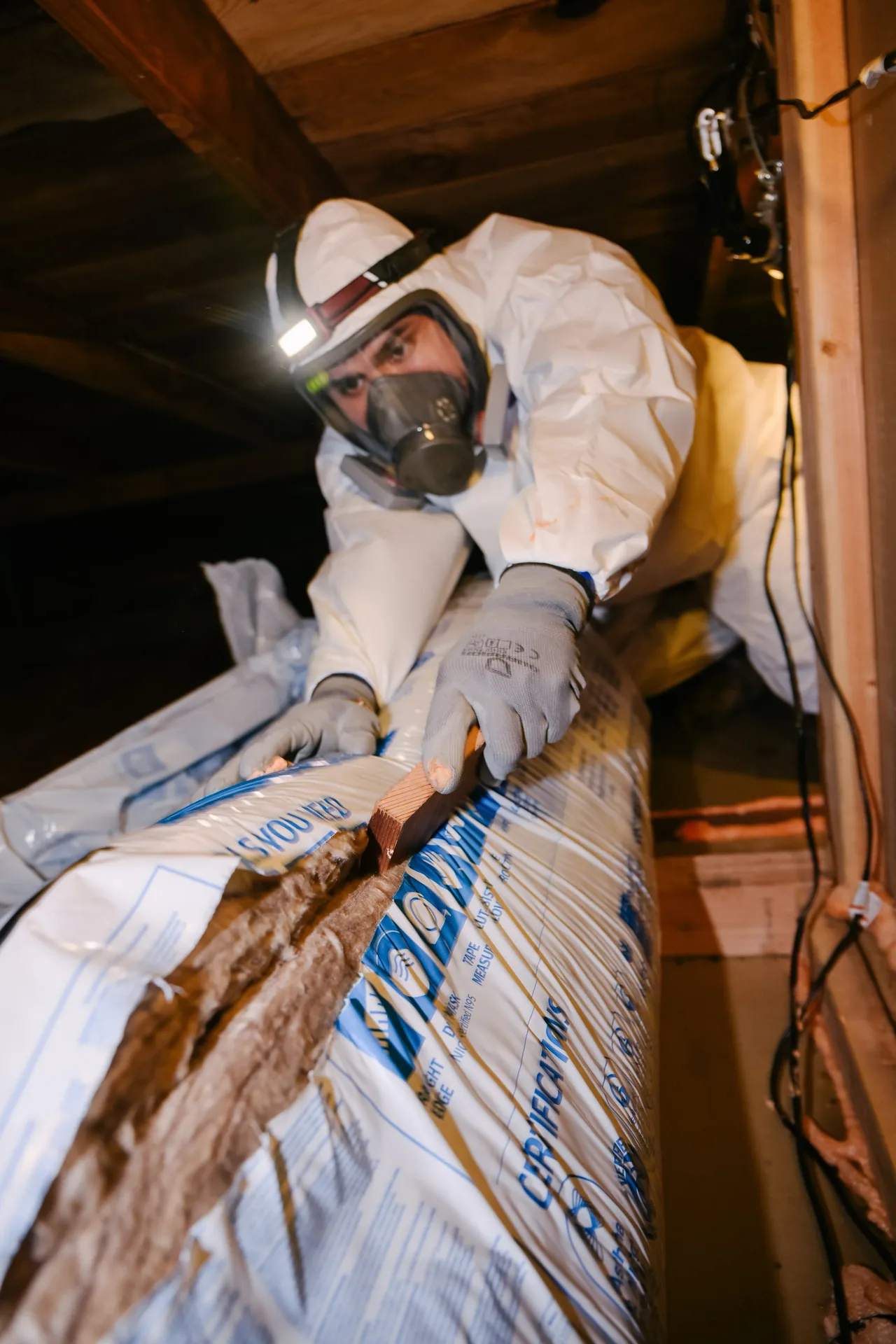
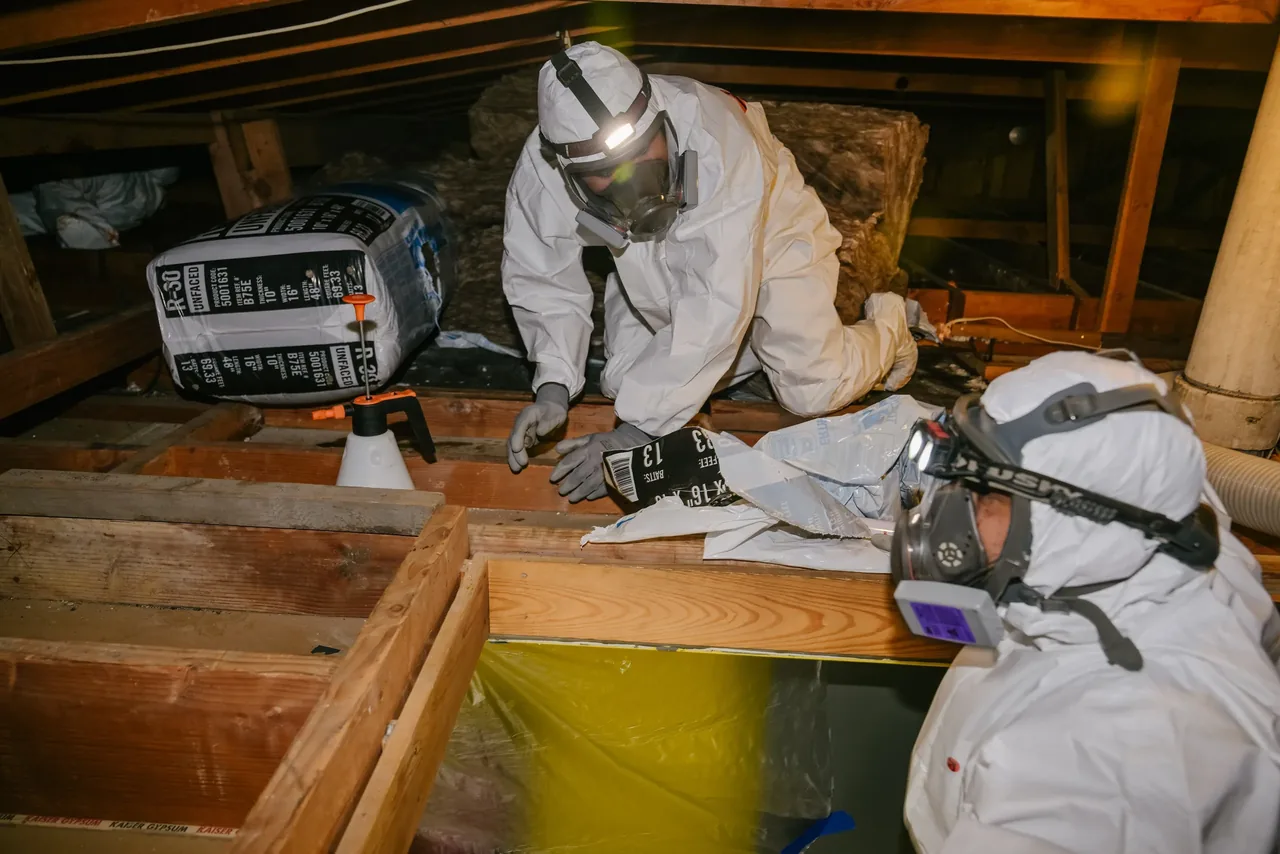
Cleanup begins by isolating the work area and removing material that holds contamination. The scope may be one localized nest or a broader cleanout where droppings, odors, holes, and tunnels extend across the attic. Damaged insulation can lose loft when rodents compress or tear it, affecting cleanliness, comfort, and energy efficiency.
Our specialists may handle:
With the affected material gone, the attic floor, ceiling penetrations, walls, and framing are easier to inspect for hidden cracks, urine stains, chew damage, mold concerns, and structural damage before restoration. Mice can also gnaw wiring and other building materials, making a detailed inspection important before the area is covered again.
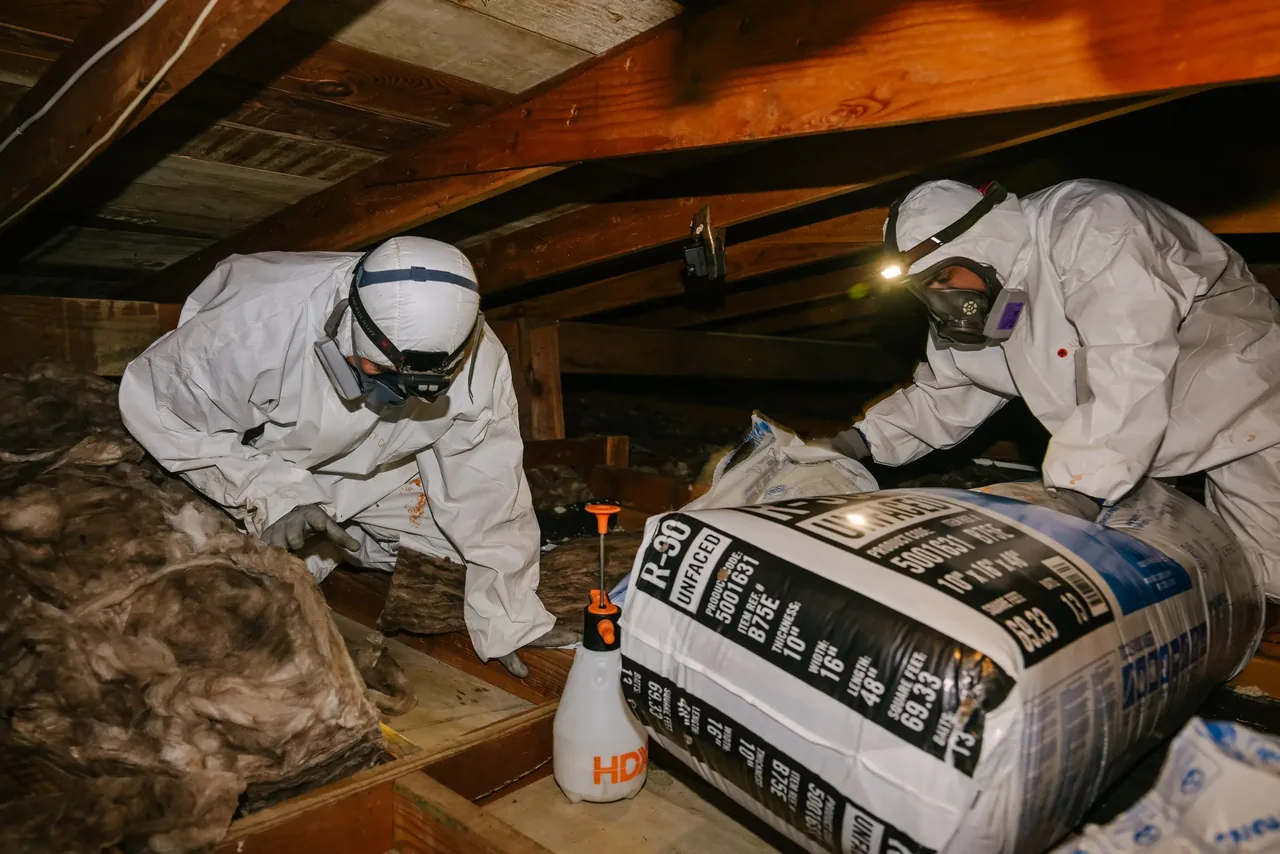
Step 04 · Sanitize
Mouse droppings and rodent waste should not be dry-swept or vacuumed with ordinary household equipment. CDC guidance recommends wetting waste with an appropriate disinfectant, wearing protective equipment, and using added precautions for heavy infestations because disturbance can put contaminated particles into the air. Rodents can carry diseases, including hantavirus and salmonellosis, creating potential health risks during improper cleanup.
After compromised insulation and nests are removed, Alley Cat treats affected framing, sheathing, top plates, duct exteriors, floors, and utility pathways. Our specialists use professional equipment and products according to label directions to reduce odors, attractants, and contamination without claiming that sanitation removes every possible health risk.
Step 05 · Seal
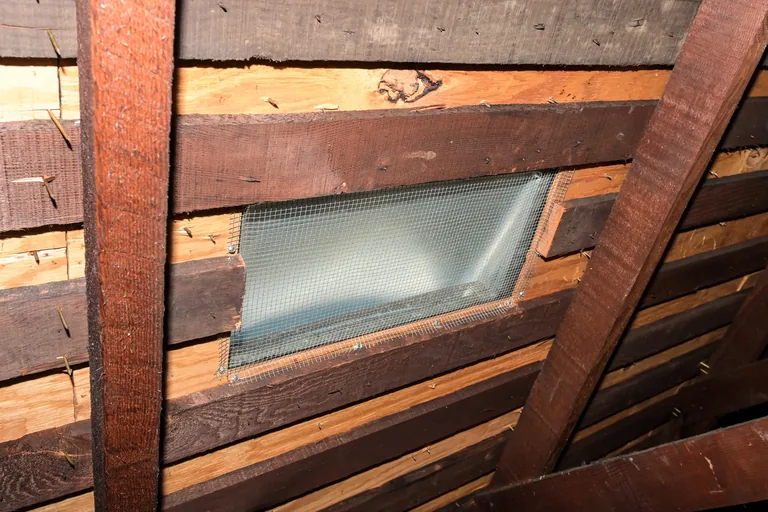
Sealing entry points turns an attic cleanup into a prevention project. Specialists inspect the route from ground level to roof, focusing on eaves, soffits, roof returns, fascia, siding gaps, conduit, plumbing, wall-to-roof joints, and openings around additions. We use durable, chew-resistant materials rather than treating foam or caulk alone as a permanent barrier.
Common exclusion methods include:
We do not treat exclusion as a single-hole repair. Rodents in the attic may have moved through lower walls, crawl spaces, utility chases, or a garage ceiling. Rats may also use overhead lines, trees, fences, and roof edges, so the building envelope must be reviewed as one connected path.
By addressing the root cause, Alley Cat helps protect cleanup work, new insulation, and the house from future infestations. This exclusion-first service is backed by 13,000+ satisfied clients and a 97% customer satisfaction rating.
Step 06 · Check
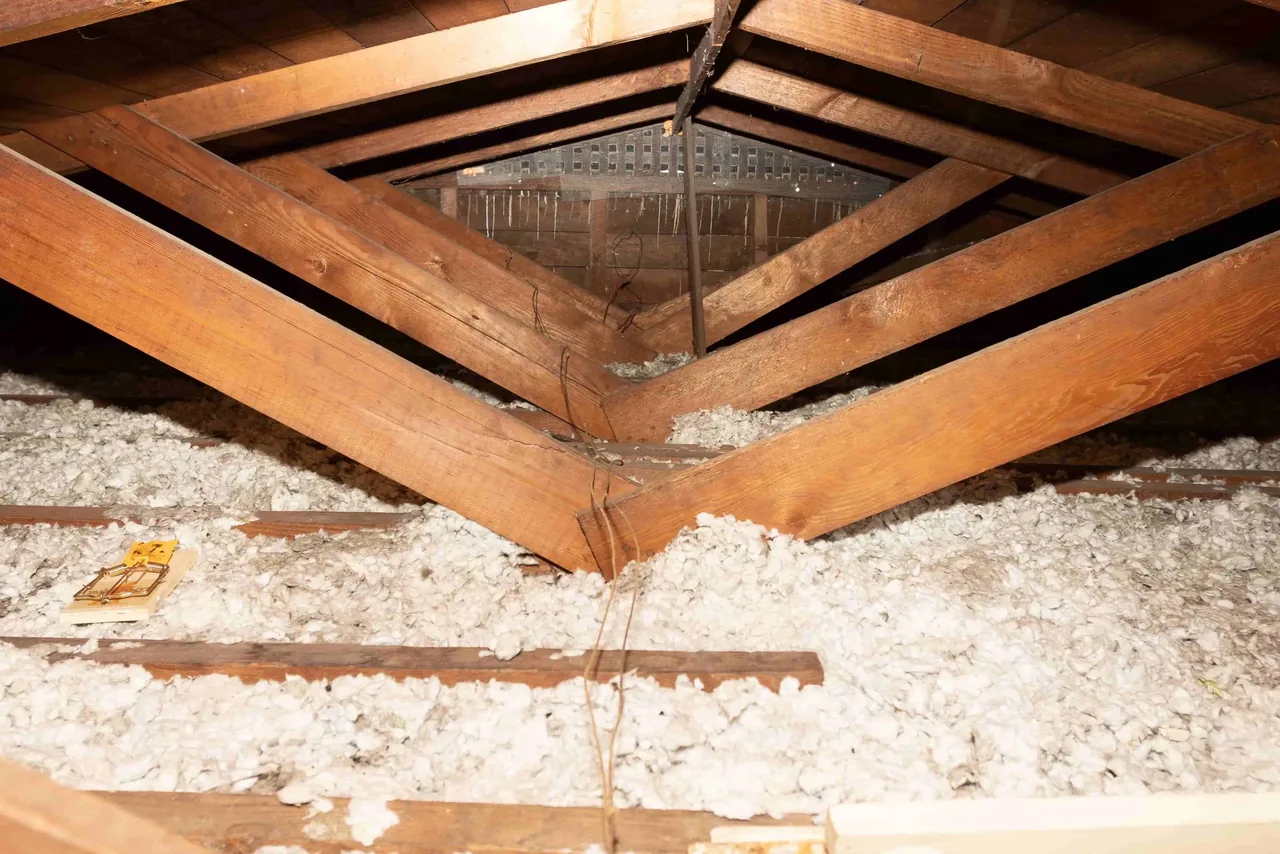
After priority openings are secured, mouse traps help remove rodents still inside and show whether activity is declining. We place traps along walls, top plates, attic edges, travel routes, and areas near nests or droppings. Traps are selected for the animal; mouse traps and rat traps are not interchangeable.
Scheduled checks let specialists remove captures, reset equipment, and look for fresh droppings, waste, chewing, or disturbed materials. CDC guidance pairs trapping with sealing holes so rodents indoors are removed while new pests are blocked from entering.
Step 07 · Haul
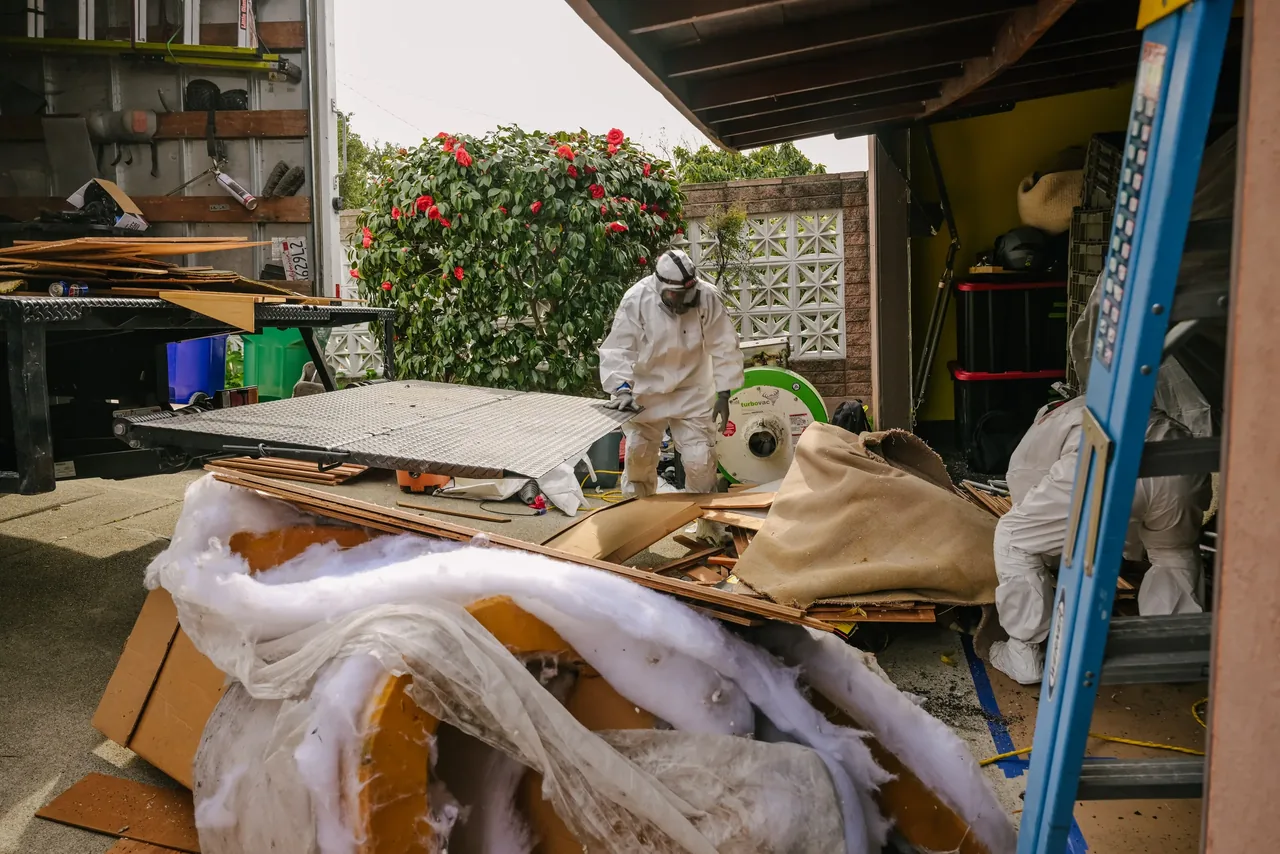
At closeout, we collect removed insulation, nests, droppings, disposable protective materials, and job debris for haul-away. The team reviews completed exclusion work, leaves service areas orderly, and documents remaining maintenance items.
Where replacement is included, the attic should be clean, dry, monitored, and sealed before new insulation is installed. Replacing material too early can cover entry points and expose fresh insulation to the same rodents, pests, and odors that caused the problem.

Step 08 · Service
Alley Cat’s customer service team coordinates inspections, reports, service dates, trap checks, updates, and follow-up questions. Homeowners receive one clear point of contact instead of being passed between an exterminator, cleanup crew, and insulation contractor.
We explain what was found, what was completed, what affects cost, and what still needs attention. That transparency distinguishes Alley Cat from generic pest control focused only on bait or poison without correcting contaminated insulation and building access.
Scratching overhead, droppings in insulation, or persistent odors should not be ignored. Alley Cat can inspect the attic, identify how rodents are getting in, remove contaminated material, and build a focused exclusion plan for homes in San Francisco, the North Bay, the East Bay, the Peninsula, and nearby communities.
Cleaner insulation, stronger exclusion, fewer repeat problems.
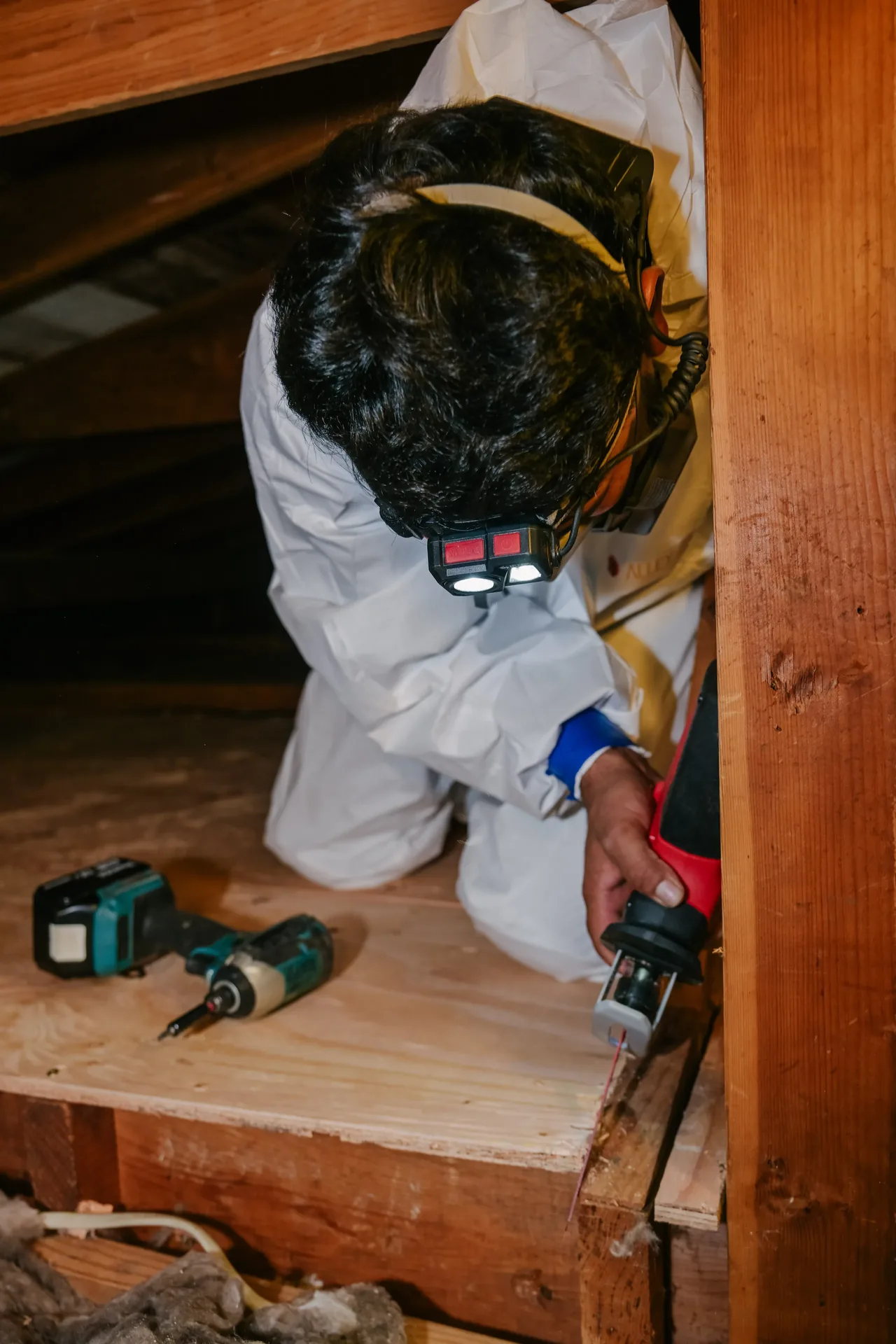
Built around insulation, access paths, and prevention.
We remove nesting materials, food caches, feces, fur, and torn insulation that can hide beneath the surface or hold odors after rodents leave.
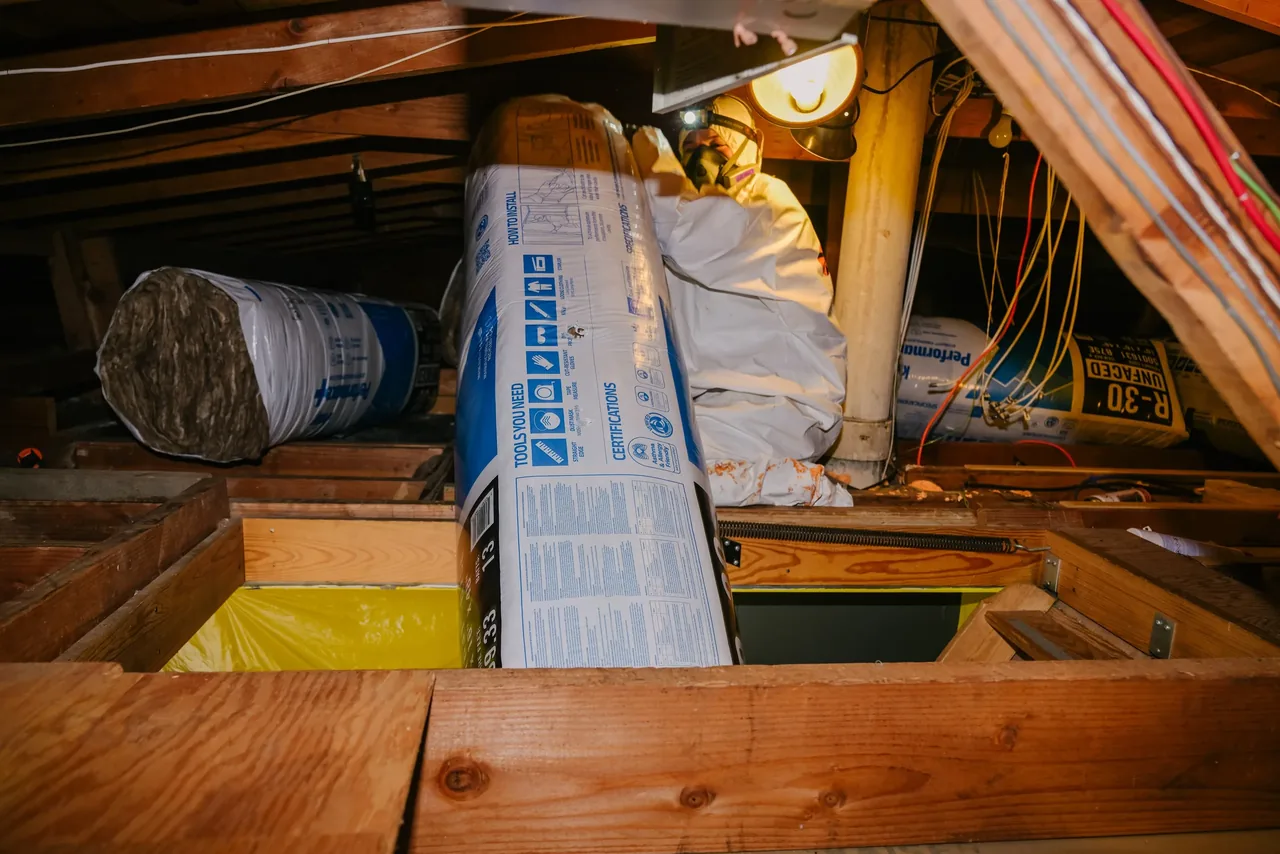
We follow mice through exterior openings, walls, crawl-space connections, rooflines, and attic transitions to effectively address the route rather than one visible gap.
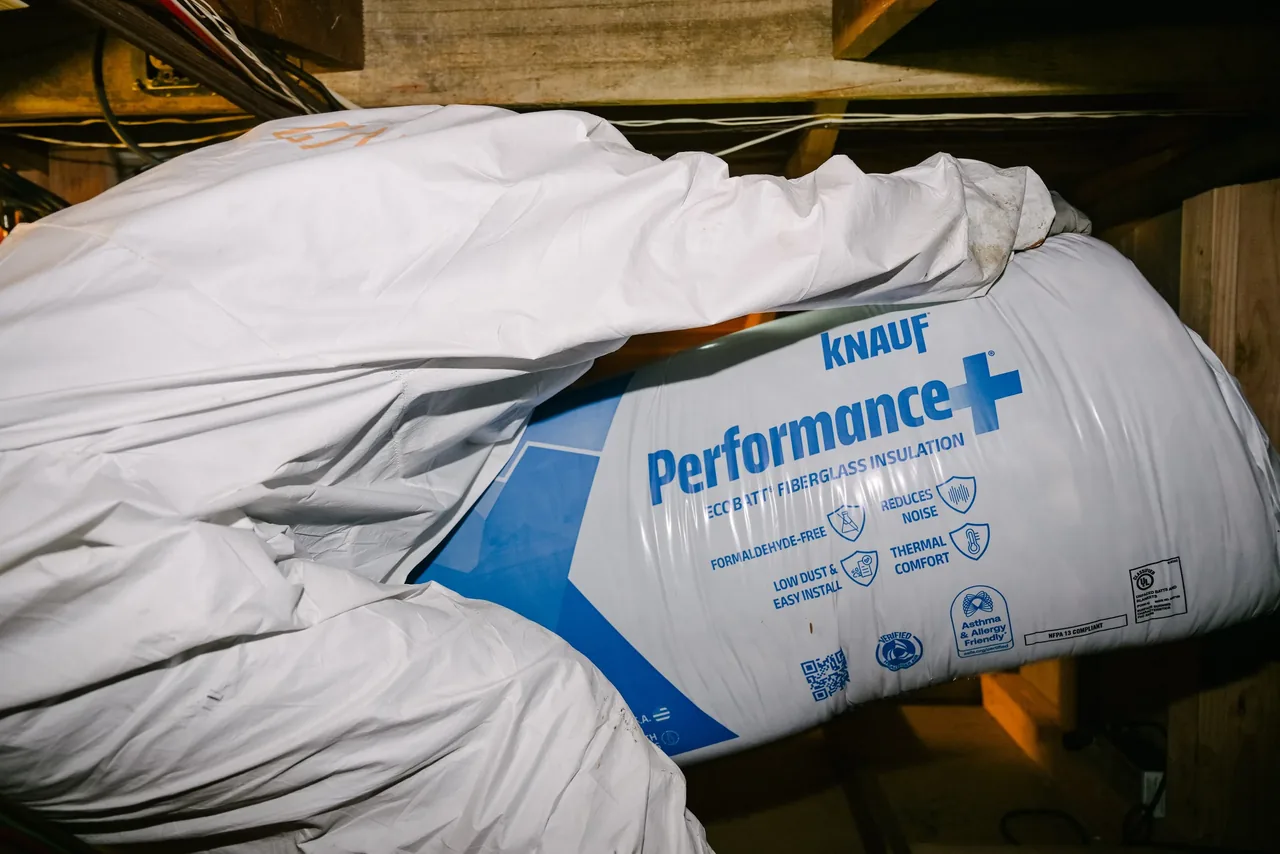
We complete cleanup, trapping, and exclusion before replacing or installing new insulation, helping protect the homeowner’s restoration investment.
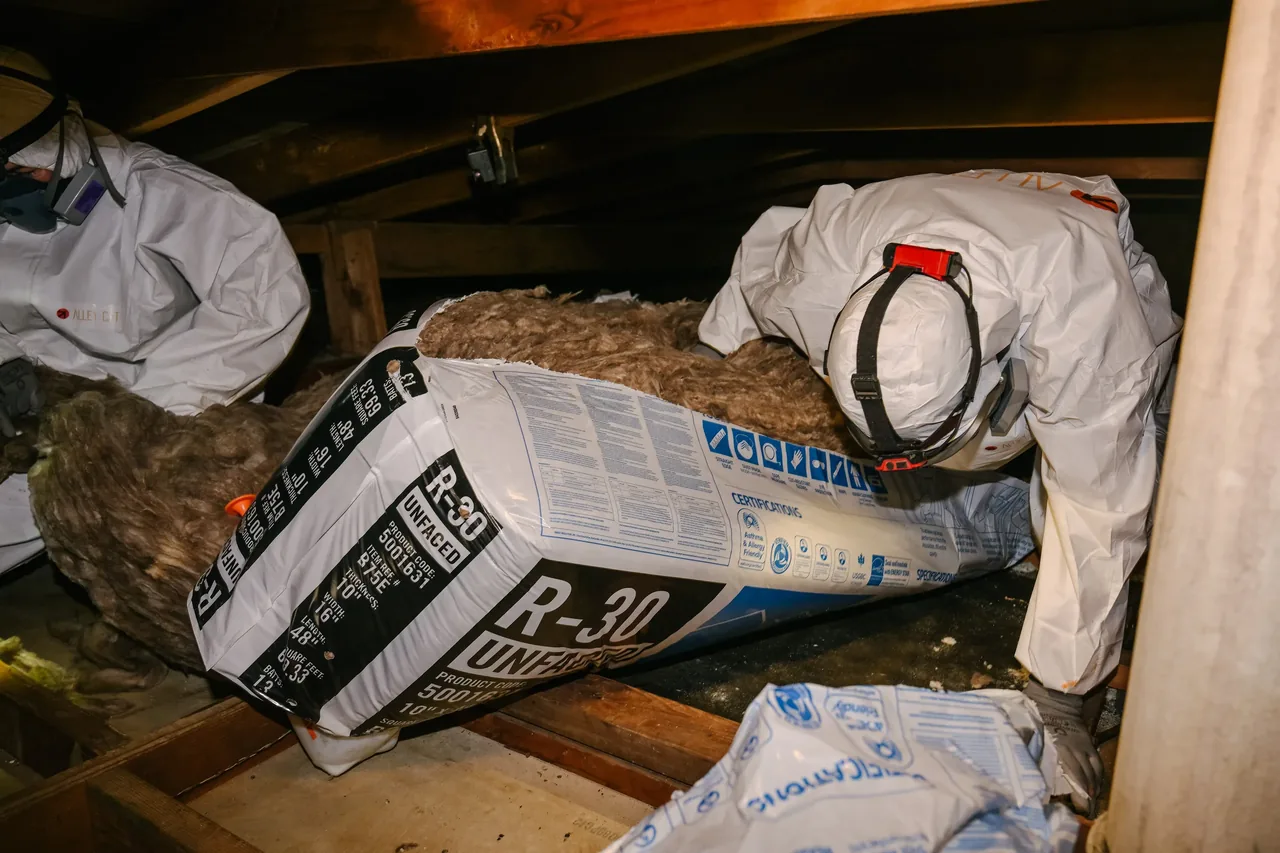
Foam, a few traps, or a steel-wool plug from the hardware store may seem cheaper, but DIY solutions often miss concealed holes, wall paths, contaminated nests, and rodents or other pests still inside. The three details above matter because:
Alley Cat combines inspection, removal, decontamination, sealing entry points, trap checks, and follow-up. This coordinated pest control and exclusion process helps get rid of the immediate problem while reducing conditions that support rodent infestations.
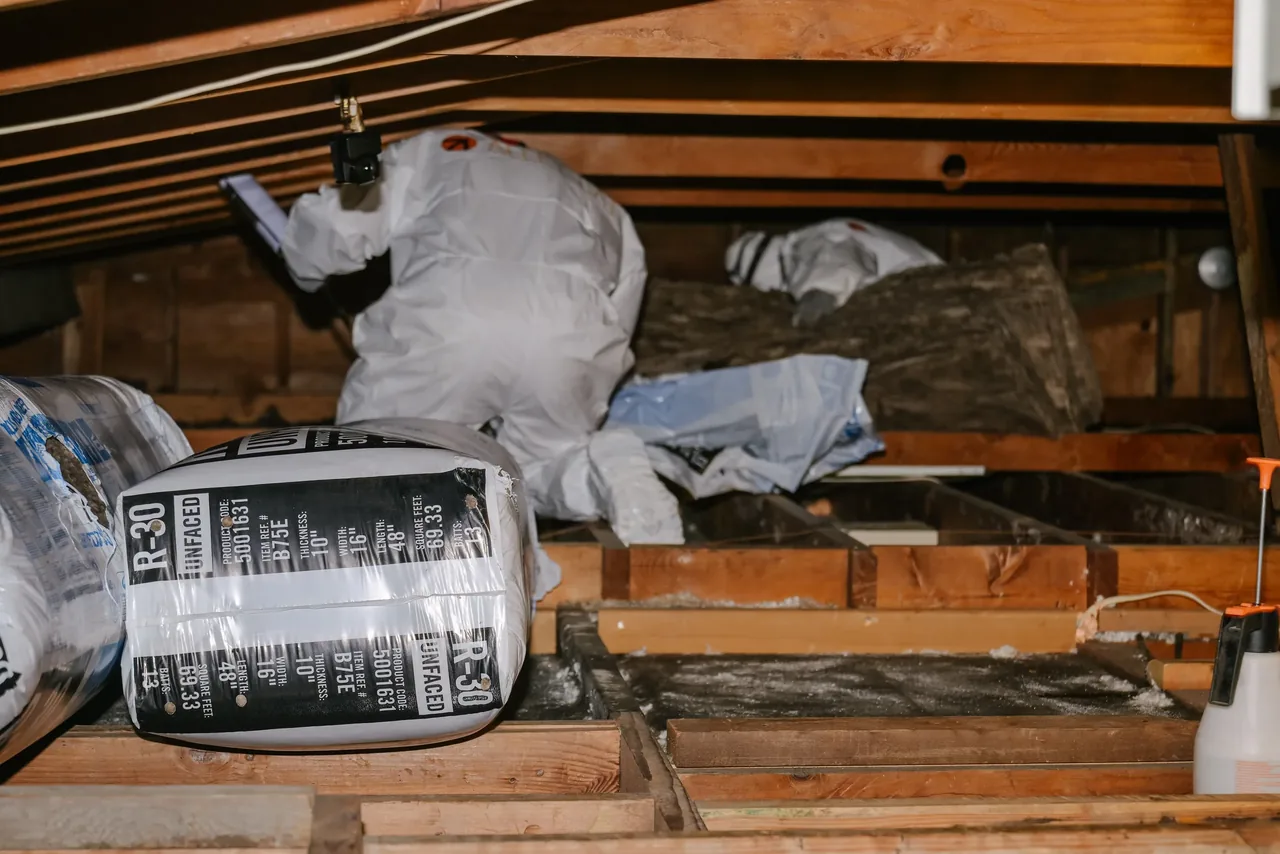
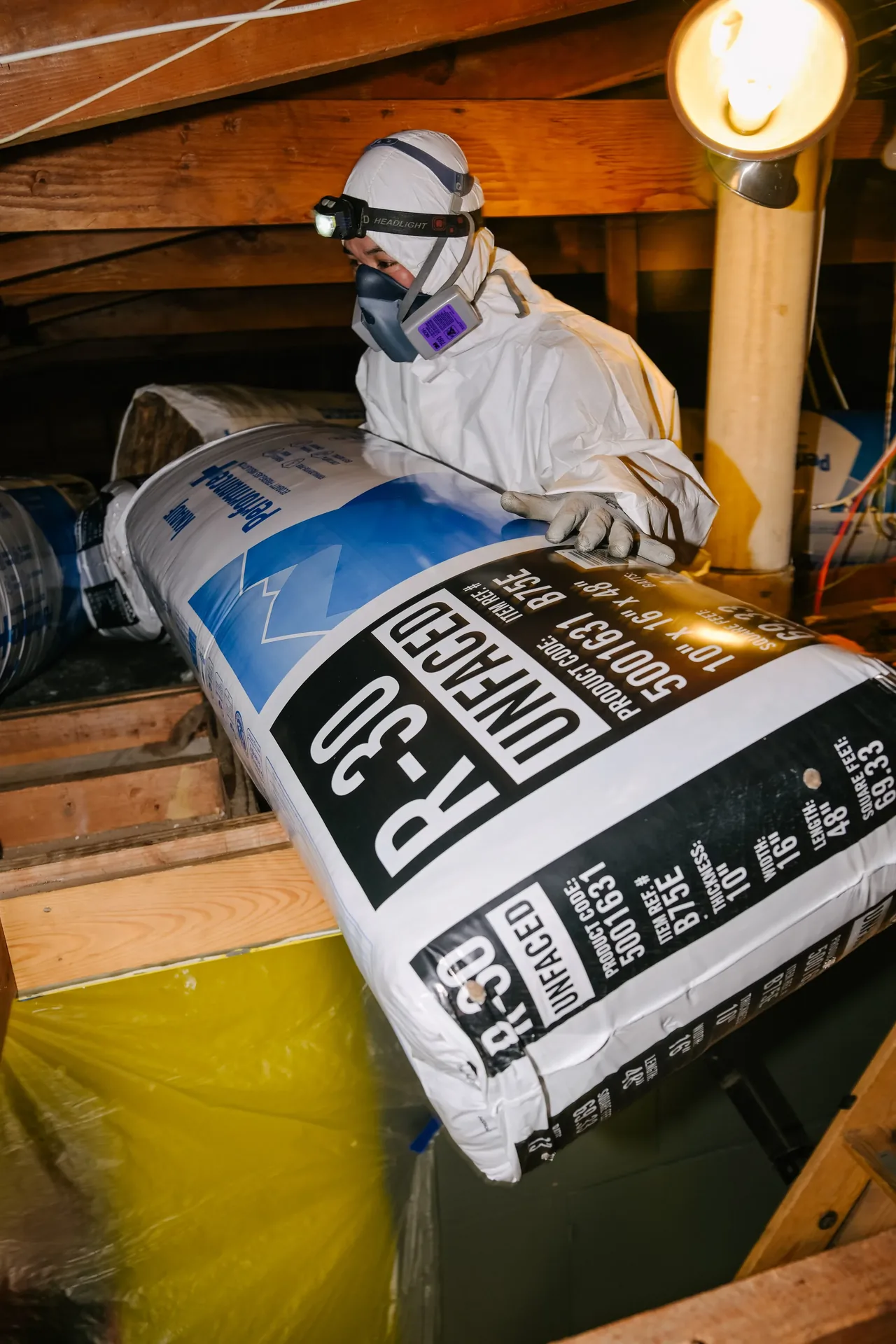

The most reliable way to get rid of mice in an insulated attic is to combine inspection, trapping, cleanup, and exclusion. Traps alone may remove individual mice, but they do not block entry holes or remove contaminated nests. Start by identifying the species and the route into the house, then address the work in this order:
Do not dry-sweep or use a standard vacuum on rodent waste. For extensive contamination, professional cleanup can reduce the chance of spreading waste or exposure to rodent-borne diseases.
Yes, it is common for mice and other rodents to enter attics that provide small openings, warmth, shelter, and nearby food sources. The 2019 American Housing Survey found that 14.8 million occupied U.S. housing units reported seeing rodents during the prior 12 months. Mice can climb rough walls and cables, then burrow into insulation, build nests, chew materials, and make scratching sounds at night.
Risk factors include unsealed vents, roofline gaps, damaged soffits, utility holes, pet food, and vegetation touching the building. Regular inspection and sanitation make a house less attractive, but sealing entry points with durable materials is central to long-term rodent control.
No common residential insulation should be relied on to kill mice or solve a mouse infestation. Cellulose insulation may contain borate additives, including boric acid, used as fire retardants, but that does not make an attic mouse-proof or replace trapping and exclusion. Foam may provide less loose material for nests, yet mice and rats can still chew it or travel around poorly sealed edges.
The right goal is not to choose lethal insulation. It is to get rid of active rodents, remove contaminated materials, close holes with chew-resistant barriers, control food sources, and select replacement insulation for building performance. Avoid using loose poison in an attic, where rodents may die in hidden walls and create odors or expose children, pets, or wildlife to unnecessary risk.
You need to replace insulation when contamination, nesting, urine, compression, or chewing is too widespread for targeted cleanup to restore the affected area. Complete replacement is not automatic. A small, isolated nest may support partial removal, while broad mouse droppings, strong odors, multiple nests, damaged insulation, or long-term rodent activity may justify removing and replacing more material.
Before you re-insulate:
This order avoids replacing insulation before the root cause is corrected and helps new material stay cleaner and perform as intended.
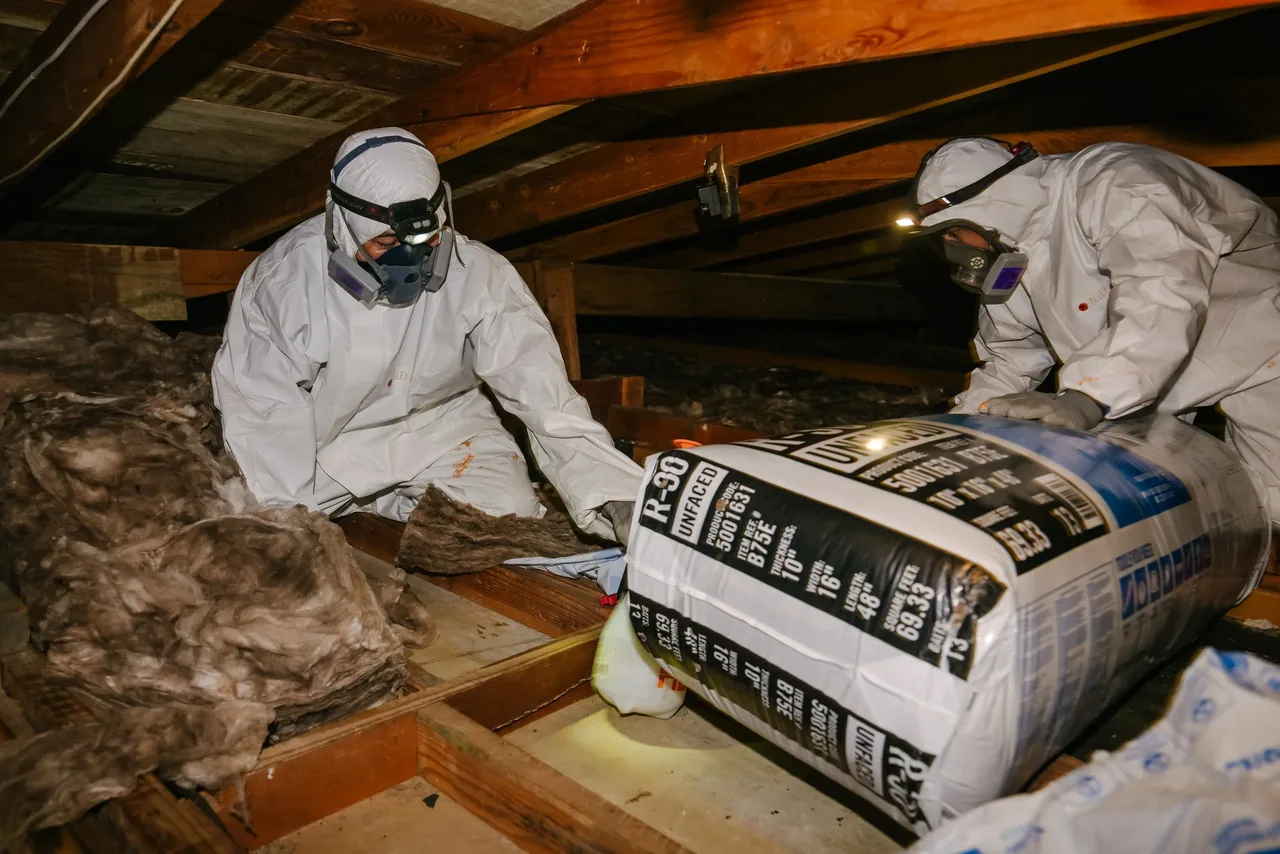
Book an attic inspection to find entry routes and contamination before the infestation leads to repeat trapping or premature insulation replacement.
Local Pest Control Expertise
Alley Cat provides specialized pest control, rodent removal, cleanup, sanitation, and exclusion—not a one-visit spray or bait service. Across San Francisco, Petaluma, Napa, Sonoma and Solano counties, Novato, Concord, Mountain View, Berkeley, Oakland, Hayward, Fremont, and San Mateo, our team finds hidden routes for rodents and other pests in Bay Area roofs, walls, floors, and additions.
★★★★★
Amelia S. Verified Diamond Certified survey
1,240 reviews
649 reviews
279 surveys
374 reviews