

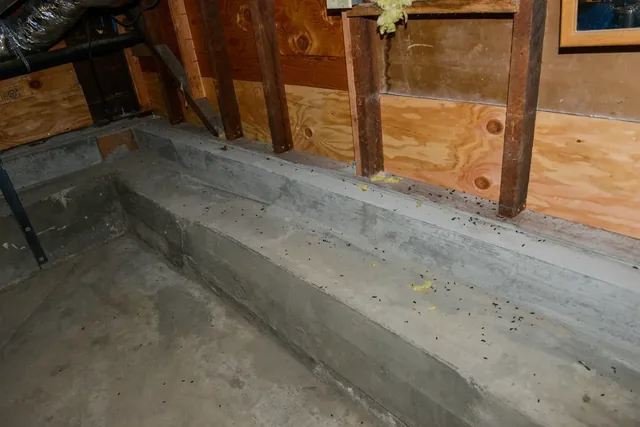

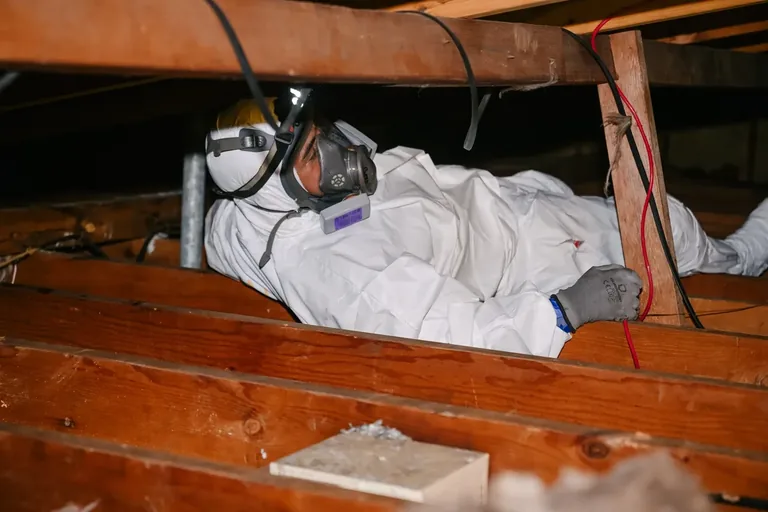
Thorough Inspection
We test the evidence, not the homeowner’s patience: technicians inspect droppings, urine, nests, food sources, damage, and entry points before recommending removal.

Bay Area Pest Control Services
Rodent cleaning services should match the part of the property where contamination, odor, and damaged materials are found.
 4.9 / 5
 4.7 / 5
 4.9 / 5
 4.7 / 5
 Accredited
Alley Cat’s rodent cleaning services connect homeowners with focused cleanup for attics, basements, unfinished basements, and crawl spaces. Each option addresses the conditions of that area while coordinating inspection, contaminated-material removal, sanitation, and prevention. Explore our related services below to find the right starting point for your home.
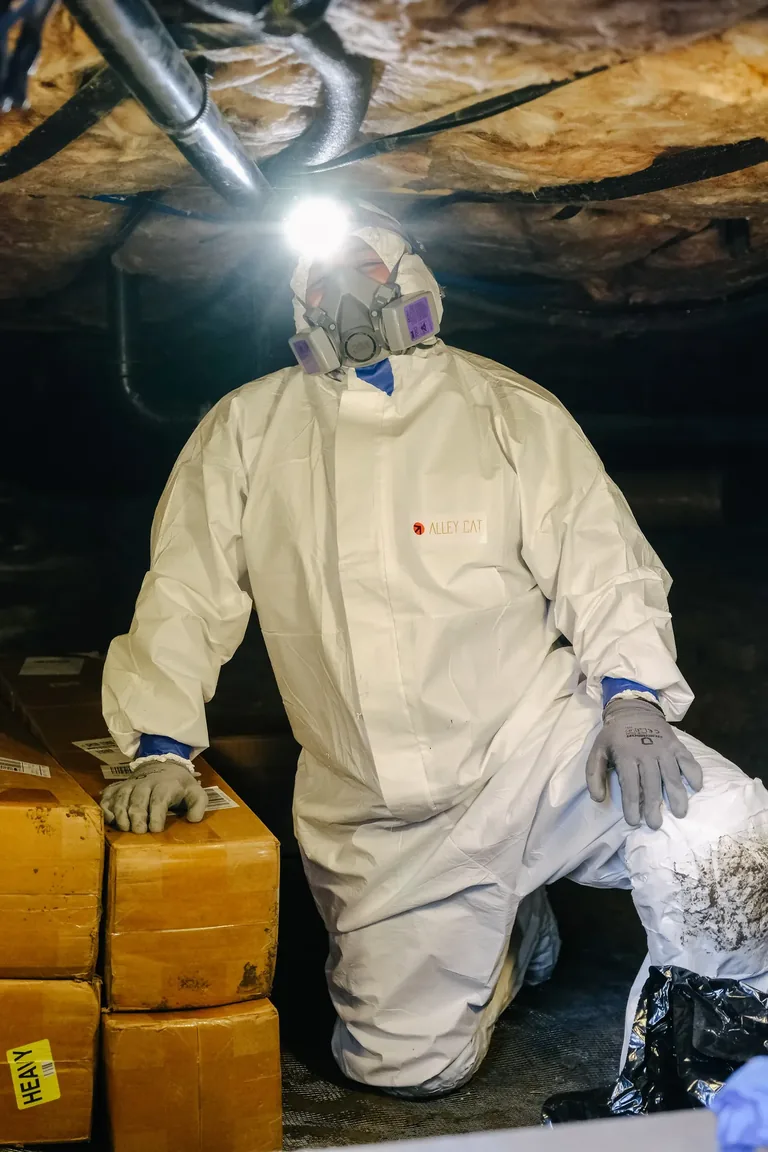
Rodent cleaning services are essential for maintaining property value and preventing odor issues. They sanitize affected areas and seal entry points to prevent infestations. Alley Cat addresses visible and hidden rodent waste in residential and commercial properties, helping protect each family, not merely removing the animal or other pests. These coordinated services—inspection, removal, sanitation, decontamination, exclusion, and monitoring—help move a house or business from a rodent infestation toward a cleaner environment.
Key takeaways include:
Contact Alley Cat for a free inspection in San Francisco, the East Bay, Marin, the Peninsula, or another San Francisco Bay Area community.
Rodent problems are stressful, so our team keeps scheduling and communication moving without rushing work around biohazards or leaving homeowners uninformed.
A complete rodent infestation clean addresses more than visible droppings. Proper sanitation and exclusion work is more effective than cleaning visible droppings alone for recurring problems. Local pest management services often combine cleanup with exclusion work to reduce repeat infestations. Alley Cat connects those services while keeping this page focused on cleanup after a rodent infestation and avoiding overlap with attic, crawl space, basement, rat control, or mouse infestation pages.
After a rat or mouse infestation, prevention means reducing food, water, shelter, and structural openings. Rodent exclusion techniques are necessary to prevent future infestations by sealing entry points. Cleanup services help prevent future rodent infestations by sealing entry points. Our practical sequence is:
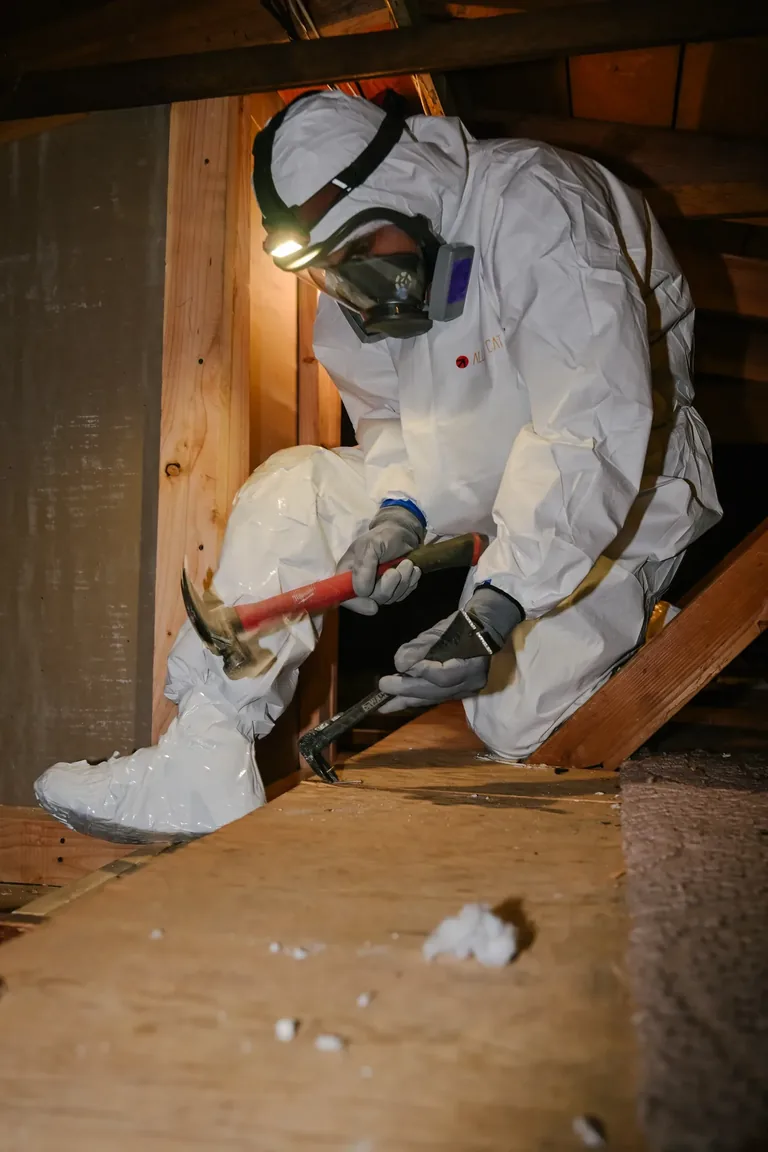
Cleanup, sanitation, exclusion, and monitoring
What is this service? Choosing a rodent cleaning service should focus on companies that perform complete inspections and sanitation. Rodent cleanup involves removing contaminated materials and feces. It also evaluates the types of odor, urine saturation, nesting materials, dead rodents, insulation damage, and how rodents entered.
Common use cases include:
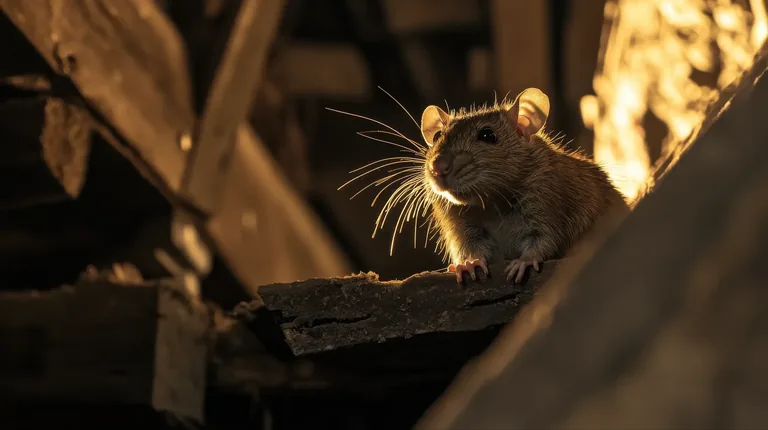


Effective rodent control includes inspection, exclusion, cleanup, and follow-up inspections. Professional rodent cleaning services involve a multi-step remediation process. Alley Cat adapts that rodent cleanup process to the size, layout, materials, and contamination found at each property:
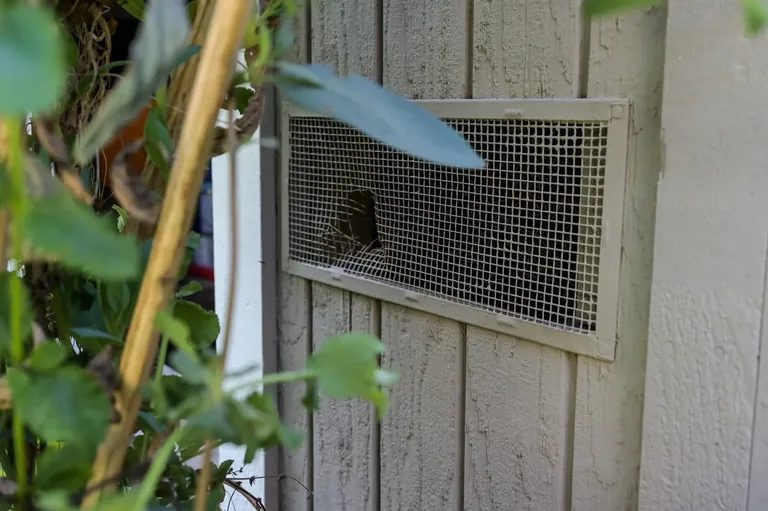
Step 01 · Inspect
A technician checks the attic, crawl spaces, basement, garage, kitchen, walls, roofline, and difficult access points. Inspection and assessment identify entry points, nests, and droppings in affected areas. Each rodent infestation is also checked for urine, feces, gnawing, insulation damage, odor, food sources, and dead rodents.
The inspection helps us:
We do not claim every stain is blood or every old dropping proves current activity; we explain the complete pattern found.
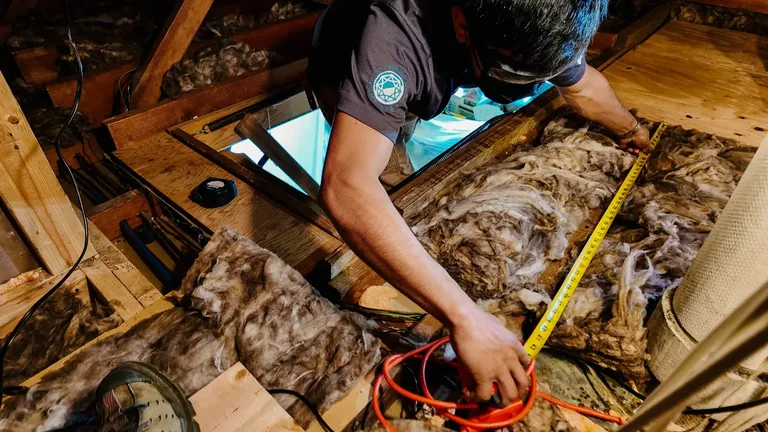
Step 02 · Diagnose
Your Comprehensive Diagnostic Report summarizes the infestation, rodent damage, contaminated materials, removal, sanitation, decontamination, proofing, and monitoring. The estimate explains scope and cost so property owners can choose a plan, feel comfortable, and learn what each stage includes. We ensure the report separates required work from options, noting inaccessible areas and ensuring the quote does not imply access we did not have.
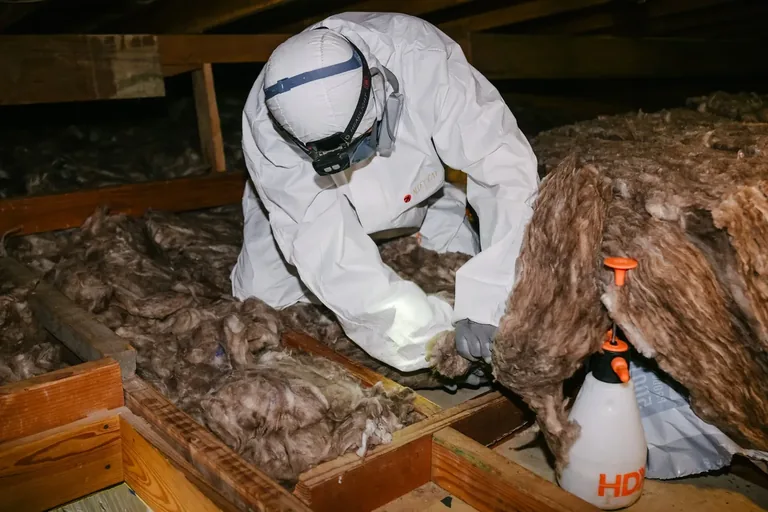
Step 03 · Clean
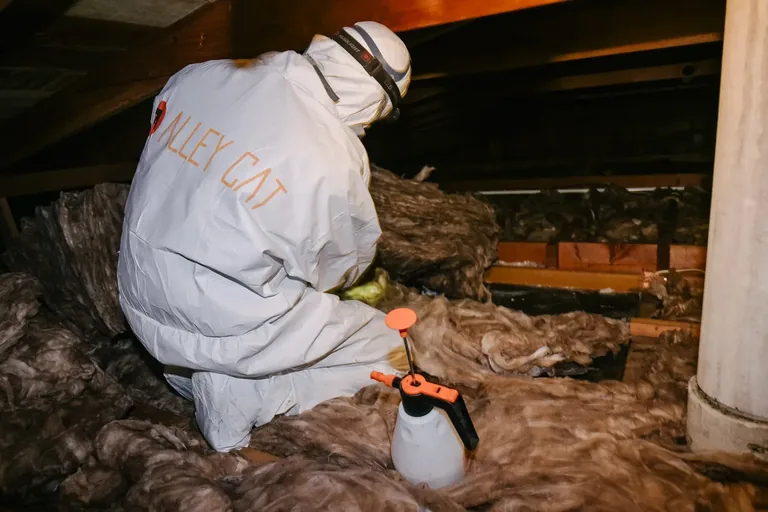
Technicians isolate the work area, wear protective equipment, and begin removing droppings, urine-soaked debris, nests, feces, dead rodents, and materials that cannot be restored. Professionals apply antimicrobial disinfectants to neutralize pathogens associated with rodent waste. Technicians follow safety protocols to avoid spreading contaminants during cleanup.
Removal may include:
HEPA vacuuming is crucial for removing hazardous feces and minimizing airborne pathogens. That recommendation requires correction: CDC says not to sweep or vacuum urine, droppings, or nests, and older CDC guidance specifically says HEPA vacuums are not recommended for contaminated waste. Industrial HEPA equipment may have other post-remediation uses, but it does not replace wet cleanup.
Step 04 · Sanitize
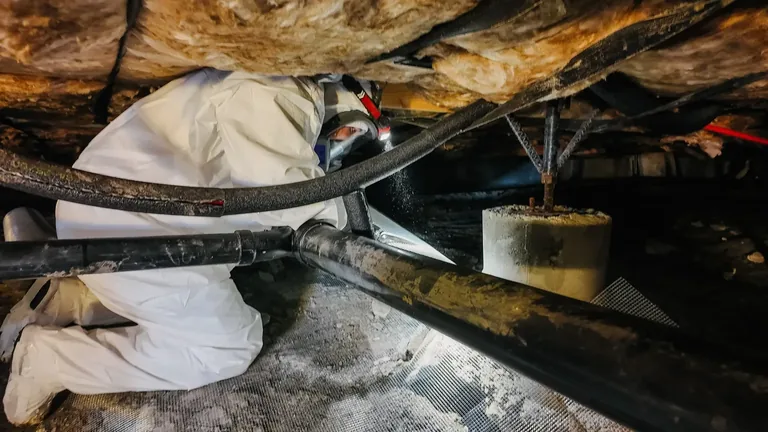
Technicians spray a suitable disinfectant until contamination is wet, let it soak for the label time, wipe up waste, and clean the surface. A fresh bleach solution or Nisus DSV may suit compatible materials when the product label supports the job.
Sanitization should use hospital-grade or enzymatic cleaners to kill viruses and bacteria. That is too broad: an enzymatic product may help odor but is not automatically a disinfectant. Professional services use EPA-approved disinfectants for sanitation. More precisely, disinfectants are EPA-registered and label-directed. Carpet, furniture, ducts, and insulation may require cleaning or removal.
Rodent droppings can transmit Hantavirus pulmonary syndrome. More precisely, infected deer-mouse urine, feces, or saliva can transmit the virus, which can cause Hantavirus pulmonary syndrome; HPS is rare in California and not linked to every rat, mouse, or dropping. Hantavirus can cause Hantavirus Pulmonary Syndrome (HPS). Rodent waste can contain bacteria like Salmonella.
Step 05 · Seal
After removal and disinfection, we address re-entry. Rodent proofing includes sealing entry points to prevent infestations. Effective rodent control also reduces accessible food and water and monitors the places rodents travel.
Common methods include:
Mice can squeeze through holes the size of a dime. The phrase is conservative; California guidance advises sealing holes one-quarter inch or larger. Rodents can reproduce every four to six weeks. Timing varies, but populations can expand quickly. Upgraded insulation can protect against rodent damage. Only exclusion prevents repeat rodent infestations; insulation alone does not stop entry. Rodents can cause significant structural damage to homes.
California regulations under the Ecosystems Protection Act govern the use of rodenticides. AB 1788 and later amendments restrict many anticoagulant uses, including most residential uses. Cleanup and exclusion remain distinct from poison-based pest control and must comply with current law and labels.
Step 06 · Check
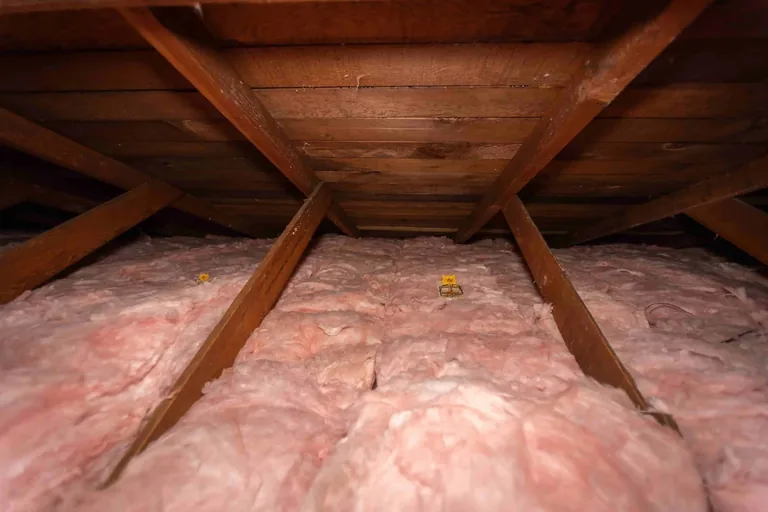
Rats or mice may remain in walls, attics, crawl spaces, or another hidden place after openings are reinforced. We set traps in strategic zones and use a schedule based on placement and activity. Trap checks support removal without letting animals create more urine, feces, odor, nesting, or damage.
New droppings after an area has been cleaned may show continuing activity; no new evidence over time supports final wrap-up after cleanup is finished.

Step 07 · Haul
Technicians re-check cleaned and disinfected areas, confirm removal materials are out of the house or business, and haul away sealed waste. Professional cleanup restores freshness to affected environments. We also review repaired entry points, remaining odor, and return-visit recommendations.
When a carcass is located inside an inaccessible wall, odor may last longer. After a rodent infestation, we explain what was removed, sanitized, and left to monitor.
Step 08 · Service
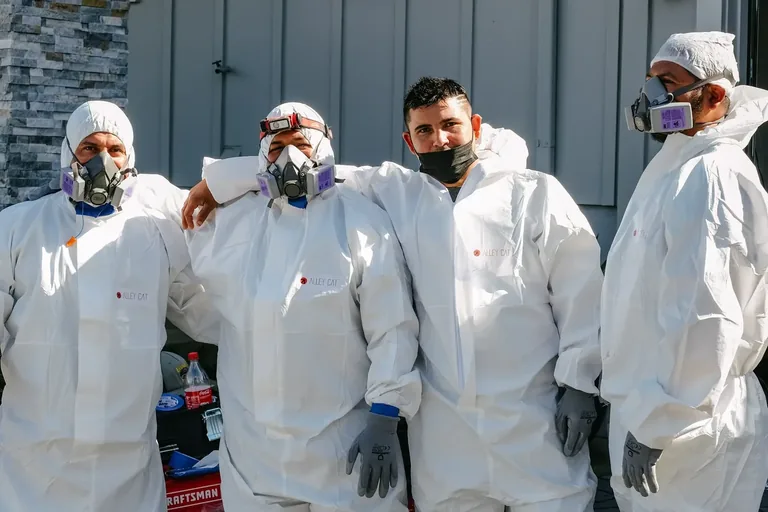
Our customer service team coordinates site entry, reports, questions, and next steps through one contact point. That continuity matters when a job includes inspection, removal, droppings cleanup, sanitation, rodent proofing, and repeat visits.
Years of local experience help homeowners in San Francisco, the Oakland area, Berkeley, Hayward, Fremont, San Mateo, Novato, Concord, Mountain View, and across the East Bay maintain peace of mind, keeping the customer experience in mind.

Do not wait for rodent odor or visible waste to threaten indoor comfort or spread. Contact Alley Cat for a free inspection, a written diagnostic report, and a practical cleanup plan for your Bay Area property.
Proven removal, sanitation, and protection
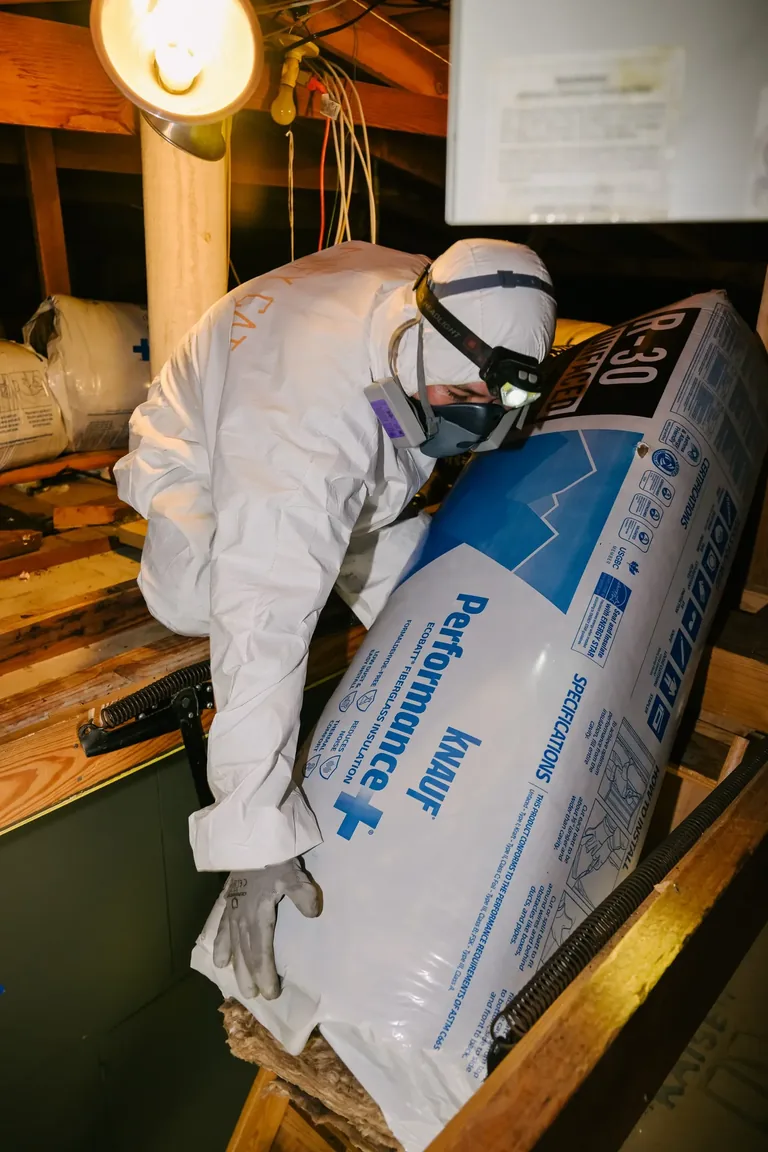
Complete coverage for hidden and visible waste
We test the evidence, not the homeowner’s patience: technicians inspect droppings, urine, nests, food sources, damage, and entry points before recommending removal.

We disinfect hard surfaces with a suitable product and method, then verify that cleaned areas are ready for the next stage of the job.
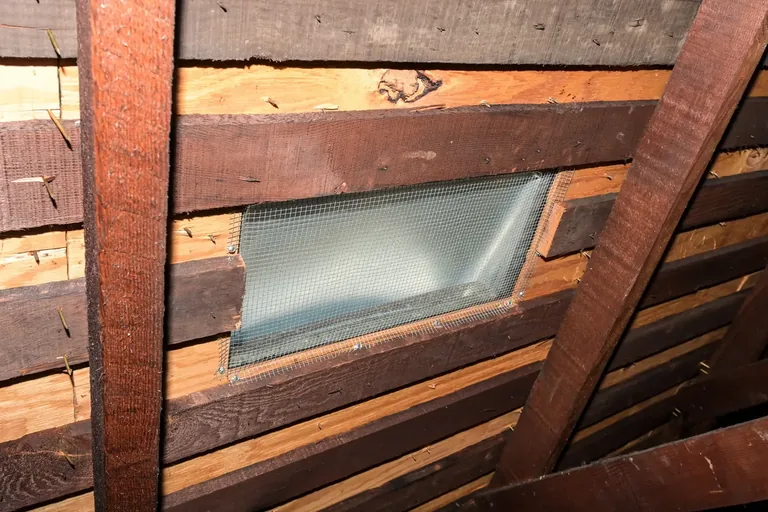
We specialize in exclusion, trapping, sanitation, and monitoring so a rodent clean addresses both existing contamination and the ways rats and mice may return. Search results sometimes compress the topic into rats mice; Alley Cat identifies the actual animal because cleanup and exclusion details can differ.
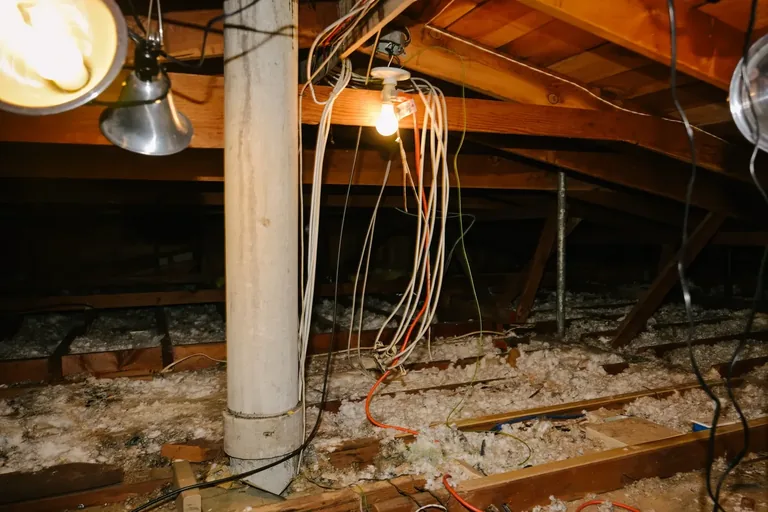
Health authorities recommend wet-cleaning contaminated areas rather than dry sweeping. Rodent droppings and urine can carry pathogens and pose health risks. Rodent waste can contain dangerous bacteria and viruses. Rodent urine and droppings can contaminate food and water sources. Rodents can carry parasites that pose health risks to humans. Fleas and mites can also be associated with rodents and other pests.
Rodent waste can contaminate food and water sources. Rodent droppings can carry airborne bacteria and viruses. More accurately, contaminated particles may enter the air when waste is disturbed. Household vacuums can release harmful microorganisms into the air. That is why protecting indoor air requires wet droppings cleanup. Rodent droppings can transmit Hantavirus and Salmonella. Rodent droppings can transmit diseases like Hantavirus and Salmonella. Important note: that wording is imprecise—hantavirus is a virus, HPS is a disease, and these diseases do not come from every rodent. Rodent-borne diseases and flea-borne diseases still justify careful cleanup.
Rodent droppings can remain infectious for years. Important note: That claim is not a universal medical rule: survival depends on the organism and conditions, and appearance cannot establish safety. Archival CDC guidance reports hantavirus viability of approximately two to three days at normal room temperature while noting that environmental conditions affect survival.
Specialized cleaning solutions tackle odors from rodent waste. Disinfectants eliminate odors left by rodent urine and droppings. The latter overstates disinfection alone; odor control may require source removal, enzymatic treatment, ventilation, or material replacement. Odor usually subsides within a week after cleanup. That is not guaranteed when urine has soaked wood, carpet, or insulation, or a carcass remains inaccessible.
An important safety point: the phrase eliminate health risks is too absolute. Professional cleanup can reduce exposure and improve safety, but no company should promise to eliminate every possible risk.
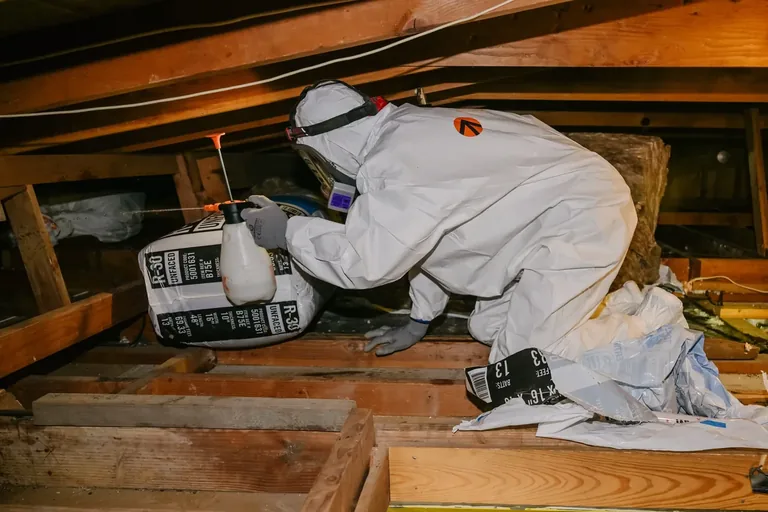
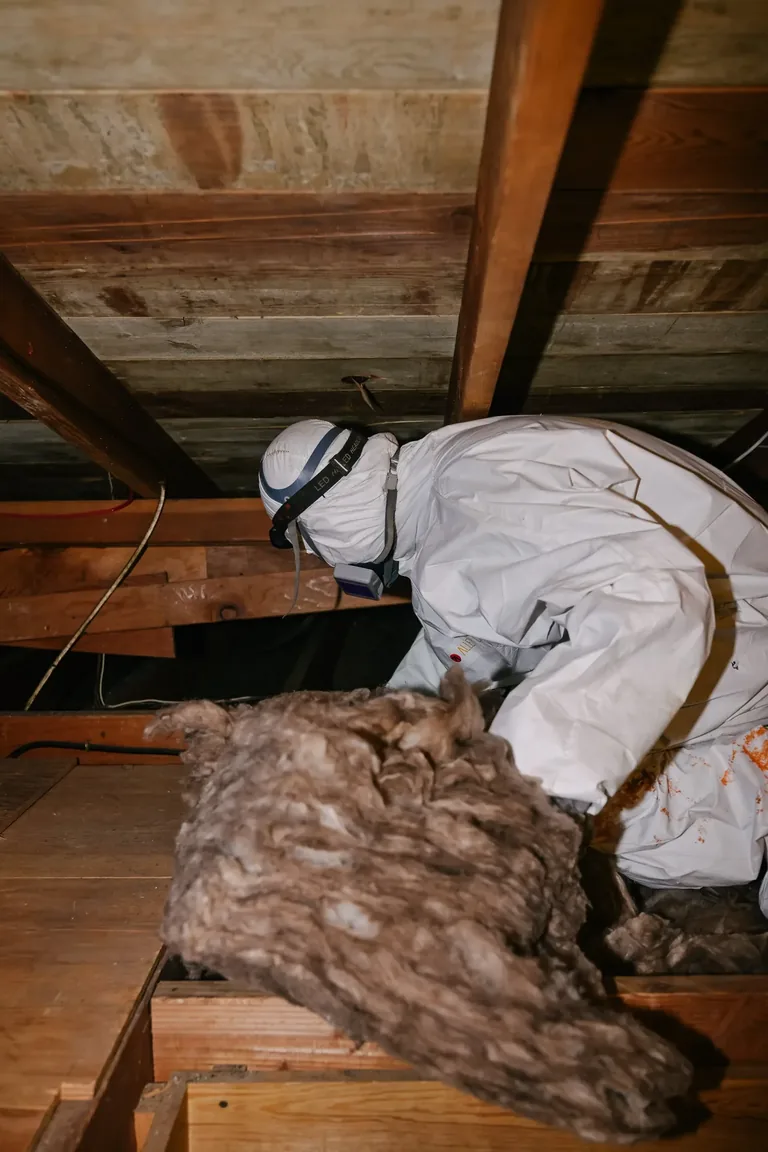
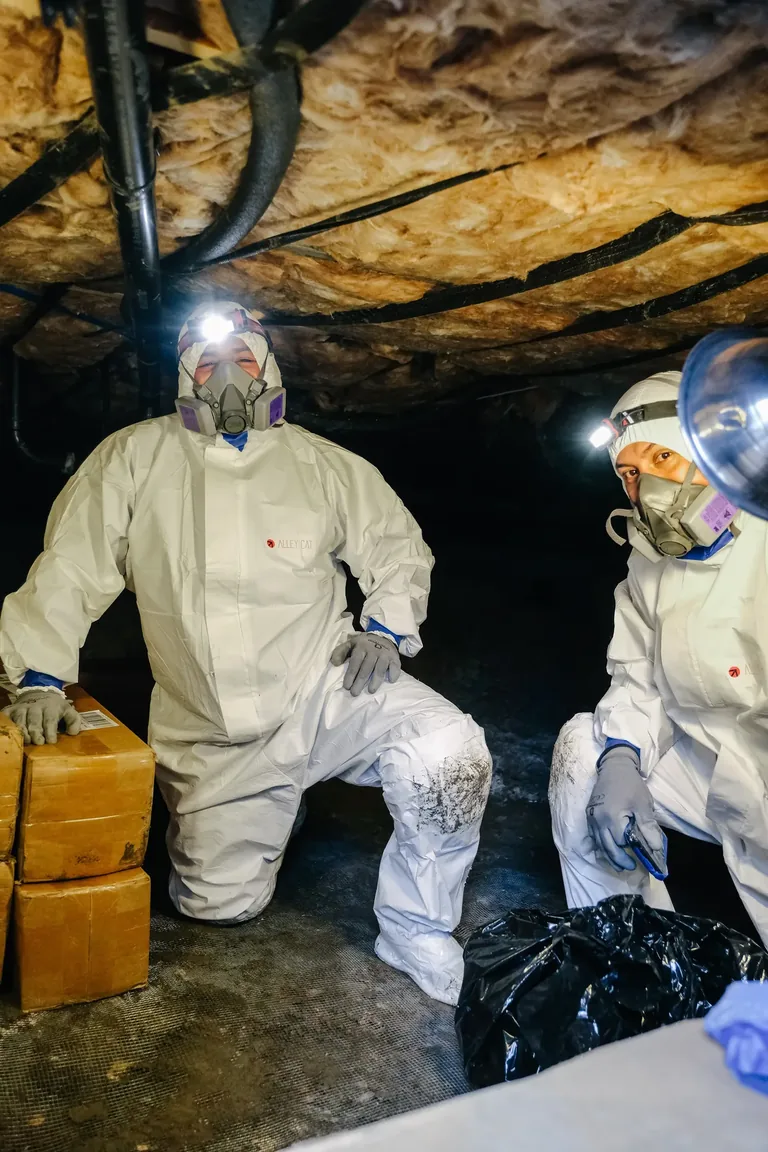
The cost to clean up rodent feces varies depending on affected-area size, feces and urine, site conditions, odor, insulation damage, dead rodents, removal, sanitation, and proofing. There is no responsible one-price answer for every house or business, and a national range would not be an Alley Cat quote.
A complete estimate may include:
Start with a free inspection so cost reflects the actual house or property, not a generic online number.
Professional rodent cleanup technicians handle extensive, hidden, or difficult contamination and insulation damage. Some pest control companies specialize only in trapping; Alley Cat connects removal, cleanup, sanitation, exclusion, and monitoring services.
A trained team handles rodent waste, dead rodents, nests, urine, feces, mice droppings, rat droppings, and contaminated materials. Rodents may carry bacteria, viruses, saliva, parasites, and fleas that pose health risks to people and other humans, so technicians use protective equipment. Contact a healthcare provider for symptoms after exposure.
Rodent-infested areas are cleaned by ventilating when appropriate, wearing protection, wetting urine and droppings with disinfectant, allowing label soak time, wiping up waste, and disinfecting the surface. Do not dry sweep or use a household vacuum on dry droppings.
The full process includes:
This method supports sanitation and a safer rodent clean without claiming every surface can be restored.
Some exterminators clean up mouse droppings, but many standard visits omit deep droppings cleanup, insulation removal, decontamination, odor treatment, or rodent proofing. Ask what the service includes before choosing a provider.
Confirm whether the company will:
Across San Francisco, the East Bay, and the San Francisco Bay Area, specialized cleanup can address what basic extermination leaves behind.
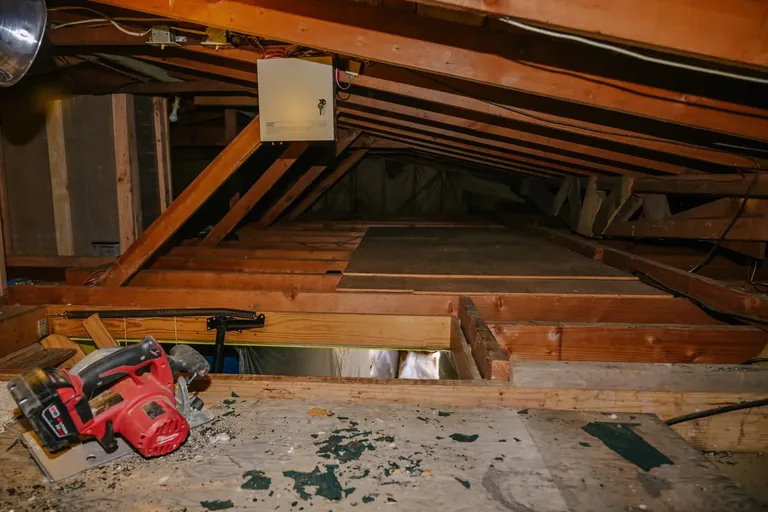
Contact Alley Cat today to protect your property with a professional rodent clean, decontamination, practical proofing and monitoring suited to your specific situation.
Trusted by Bay Area Homeowners
Alley Cat has served more than 13,000 clients and reports a 97% customer satisfaction rating. People across San Francisco and nearby communities value one experienced local team for removal, sanitation, odor control, exclusion, and support.
★★★★★
Barbara A. Verified Diamond Certified survey
1,240 reviews
649 reviews
279 surveys
374 reviews