
Bay Area Rodent Control Services
Bay Area Rodent Exclusion Services
We remove active rats and mice, close the openings they use to get into your home, clean up and follow through.
-
 4.9 / 5
1,240 reviews -
 4.7 / 5
649 reviews -
 4.9 / 5
374 reviews -
 4.7 / 5
279 surveys -
 Accredited
A+ BBB rating
Rodent Exclusion and Rodent Control That Protect Your Home
Rodent exclusion removes active rodents and closes openings rodents use to enter a home. Alley Cat’s rodent exclusion services combine rodent control, trapping, cleanup, sealing, and prevention to solve rodent problems and reduce future infestations.
Stop Entry
Seal vents, rooflines, doors, foundations, and utility gaps that give rodents access.
Remove Activity
Use professional snap traps and scheduled checks for rats and mice already inside.
Clean Contamination
Remove droppings, urine, dead rodents, debris, and affected nesting materials from approved areas.
Reduce Recurrence
Reinforce weak components, correct attractants, and prevent rodents from reusing known routes.
Complete Rodent Exclusion Services for Rodent Activity
Inspection, removal, cleanup, structural repairs, and prevention.

Entry Point Diagnosis
Our trained technicians trace how rodents enter through roof edges, garages, doors, vents, utility lines, and entry points connected with accessing wall cavities.

Structure-Specific Repairs
Our exclusion services match each opening with screening, flashing, mortar, barriers, vent covers, door sweeps, trenching, or another rodent proof repair suited to the home.
Removal Before Closure
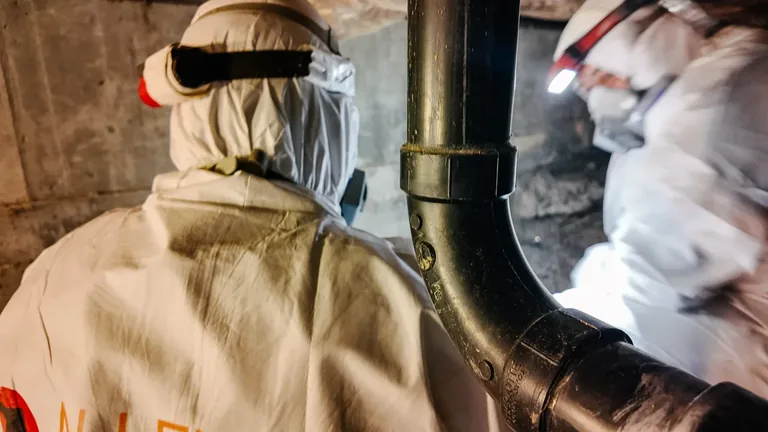
Technicians trap and monitor active rodents before final closure, reducing the chance of leaving live or dead rodents in inaccessible areas and causing odor or further rodent interference.
Exclusion Methods Beyond Visible Holes
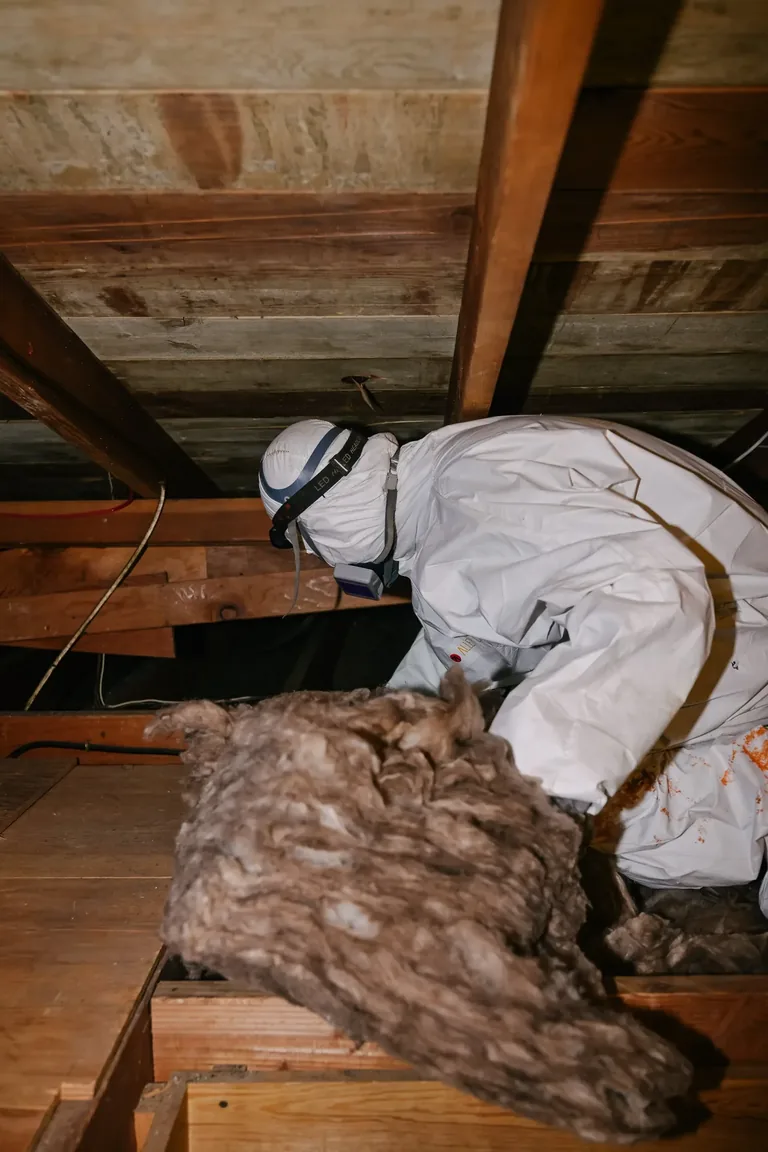
Effective rodent exclusion requires understanding the building, infestation, and routes rodents follow. Our technicians inspect:
- Roof returns, eaves, fascia gaps, attic vents, and a damaged chimney cap
- Wall cracks, foundations, utility gaps, accessible pipes, and pipe intrusions
- Garage doors, exterior doors, windows, siding, and plumbing
- Burrows, ground access, rodent sized entry points, and other areas needing exclusion
Alley Cat combines findings with rodent control, sanitation, trapping, and follow-up services. Oakland residents often face issues due to the aging sewer infrastructure allowing rodent access. Oakland’s system is old, but only inspection can confirm a route at one property.
Our Rodent Exclusion and Pest Control Process
Successful rodent control addresses rodents, contamination, entry points, and conditions supporting future infestations. Alley Cat organizes its rodent exclusion services into these stages:

Step 01 · Inspect
Free Rodent Exclusion Inspection
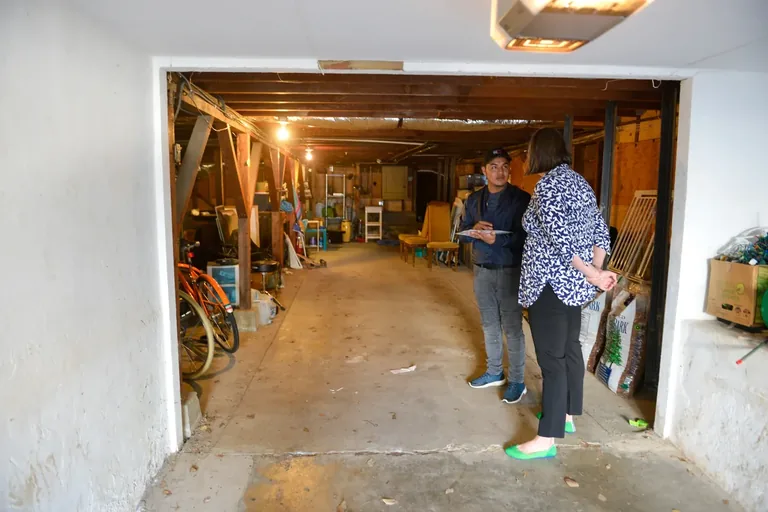
Your free rodent exclusion inspection reviews noises, droppings, rub marks, gnawing, odors, burrows, and holes. A detailed inspection is necessary for effective rodent exclusion. Inspect attics and crawl spaces for signs of rodent activity. Technicians also inspect garages, basements, doors, windows, roof edges, and accessible pipes.
The inspector assesses roof rats, Norway rats, and house mice, mapping how those rodents move through the home. A mouse can enter through a dime-sized hole. Rodents can squeeze through openings as small as ¼ inch. These comparisons guide a full inspection and help technicians recognize signs without assuming a visible hole is the only route.
- Identify likely entry points
- Determine where rodents travel or hide
- Clarify needed exclusion services
Step 02 · Diagnose
Diagnostic Report & Estimate
After the rodent exclusion inspection, the homeowner receives a Comprehensive Diagnostic Report. This detailed report records identified evidence, entry points, contamination, traps, and repairs. It becomes a detailed rodent prevention plan and estimate, so homeowners can discuss each item before work can start. The plan may note food sources, water, trash, shelter, or vegetation helping rodents thrive. Unlike a vague pest control company quote, it defines the Alley Cat rodent exclusion scope and year round protection priorities.
National pest plans may cover a commercial building, industrial warehouse, bed bugs, squirrels, raccoons, birds, other animals, other wildlife, “covered pests,” and “wildlife control experts today.” Those pest control programs are outside Alley Cat scope. Limitations apply; owner occupied homes, a single family property, or a free standing residential home receive services crafted to meet specific needs.
Step 03 · Clean
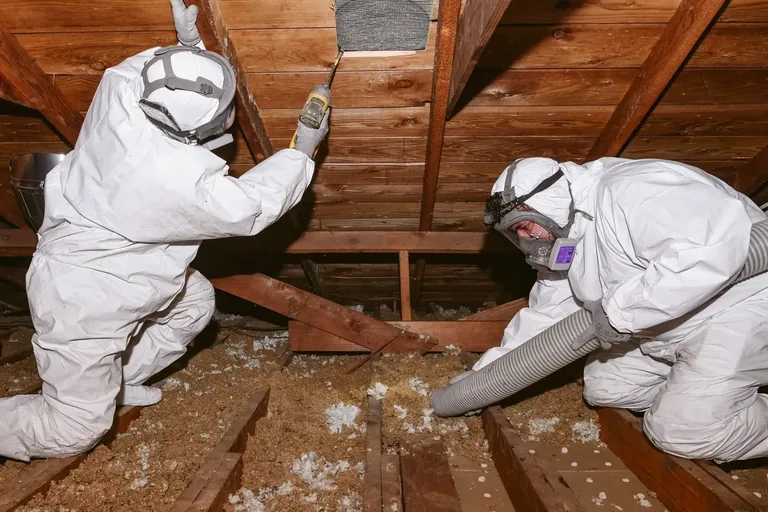
Cleanup & Removal
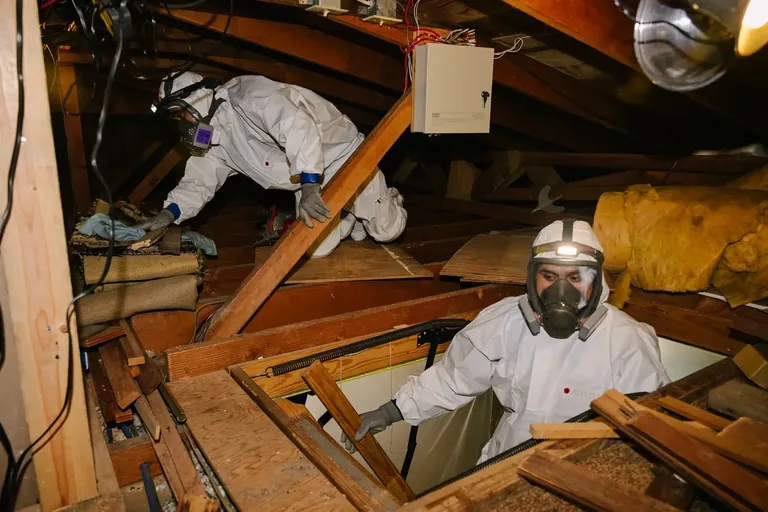
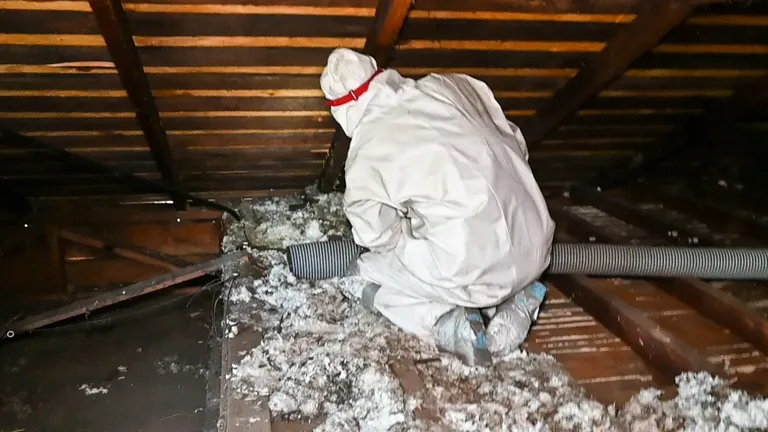
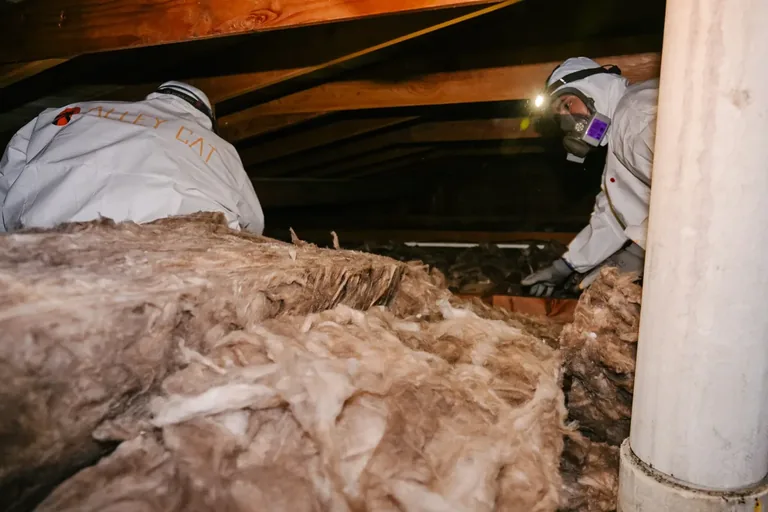
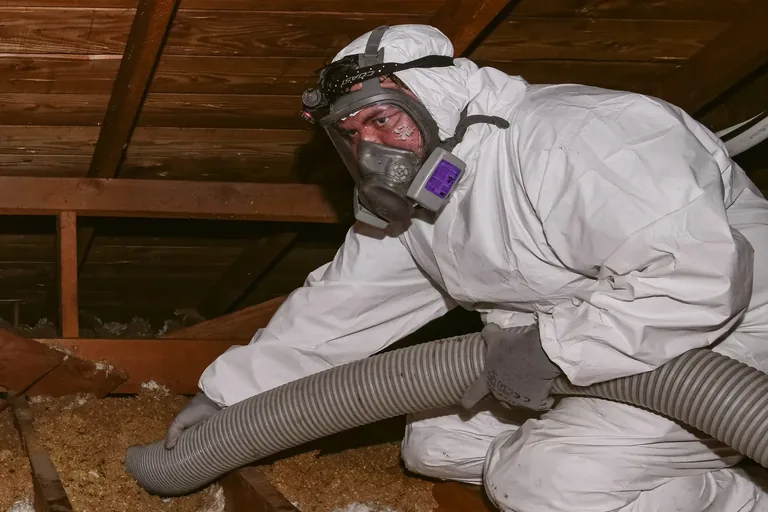
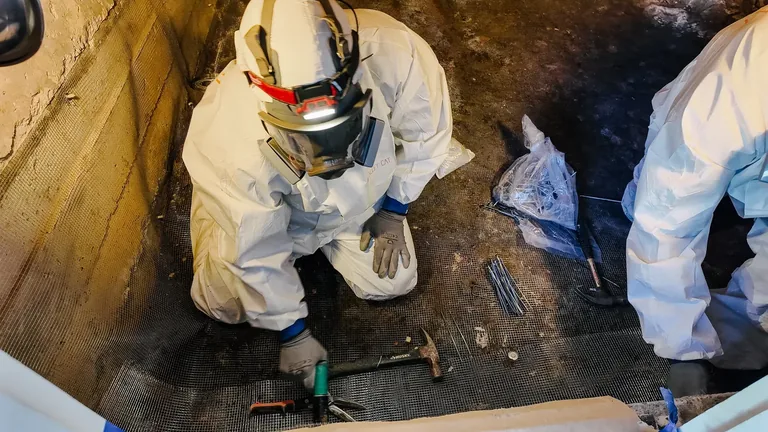
Rodent exclusion may require more than exterior repairs. Rodents can lead to odors and leave droppings, urine, food debris, dead rodents, damaged insulation, or contaminated belongings in an attic area, garage, basement, or inside walls. Specialists may:
- Remove droppings, nests, trash, and loose debris
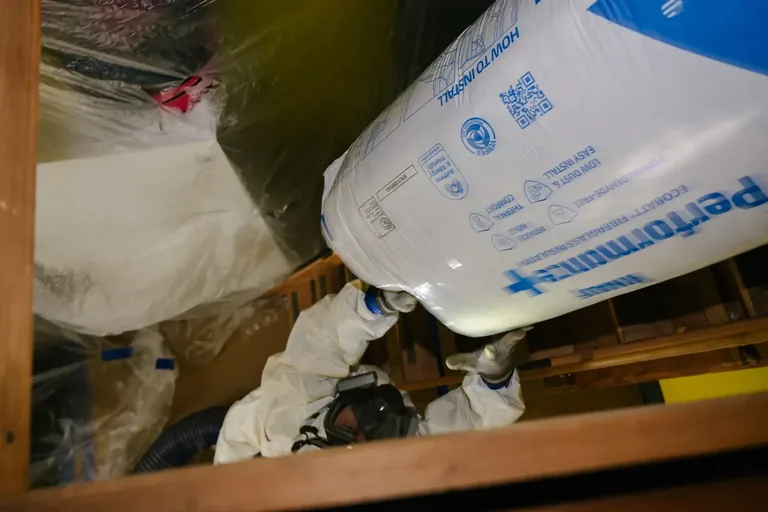
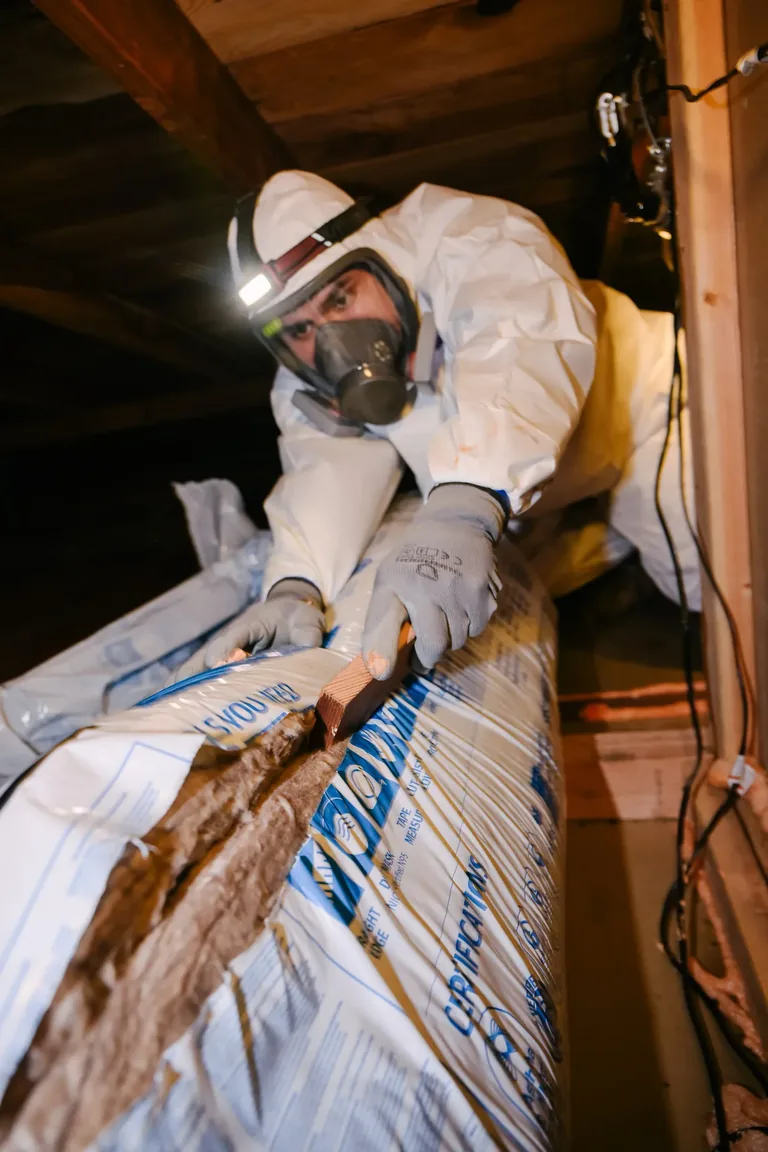
- Replace damaged insulation when included
- Bag, dispose of, and haul away contaminated waste
Handling live rodents or disturbing dry waste can create safety concerns. Our technicians organize removal so the area is ready for sanitation and the next rodent control step.
Step 04 · Sanitize
Sanitize & Decontaminate
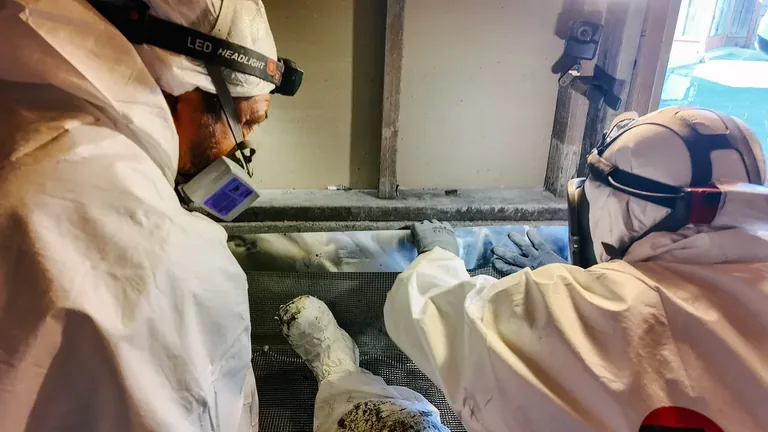
Technicians may HEPA-vacuum approved surfaces, apply treatments, deodorize odors, and clean droppings, urine, rodent saliva, or contaminated foods. The method depends on access, severity, pets, and surface type.
Rodents can spread over 35 diseases to humans. Hantavirus can be transmitted through rodent droppings and urine. Rodent droppings can contaminate food and indoor air. Salmonellosis can be spread by handling contaminated rodent materials. Rodents can transmit diseases indirectly through fleas and ticks. These are potential health risks; not every dropping is infectious. Inhaling aerosolized rodent feces matters when infected waste becomes airborne, and the diseases carried vary by exposure.
Step 05 · Seal
Seal, Reinforce, & Prevent
This is the central stage of rodent exclusion and long-term rodent control. Alley Cat repairs confirmed entry points, and sealing entry points gives rodents fewer ways back inside. Rodent exclusion involves sealing structural gaps permanently. Here, permanently means durable repair—not a promise that weather or new damage can never create another opening.
Our technicians use these exclusion methods and repairs:
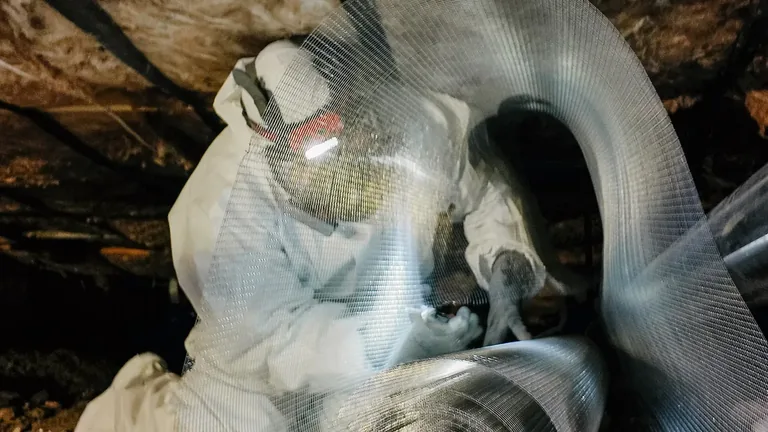
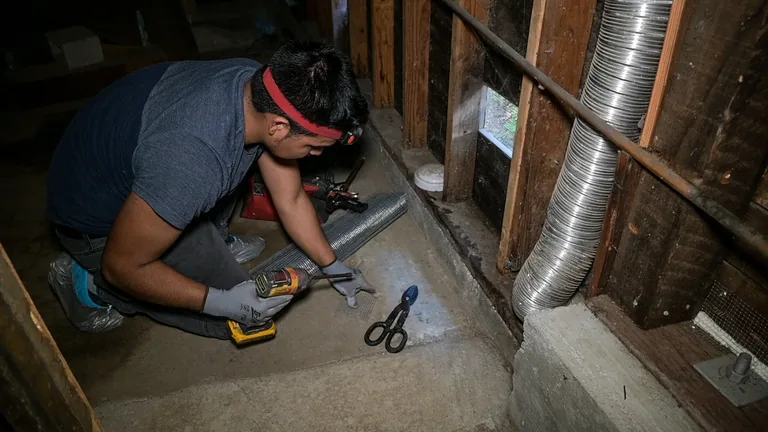
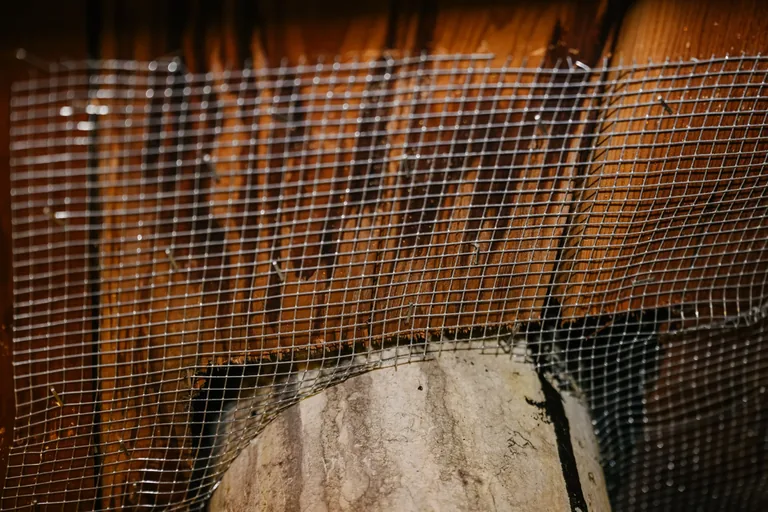
- MeshGalvanized steel mesh, stainless steel mesh, wire mesh, or hardware cloth over vents, holes, and large surface areas.
- Roof/VentsRepair cracks, fit a chimney cap, install mesh gable screening, install dryer guards, and add stove vent covers.
- DoorsInstall door sweeps, repair a garage door seal, and replace weather seals on garage doors and exterior doors.
- PipesSeal plumbing gaps and install plumbing caps where design allows.
- Rigid RepairsUse sheet metal, mortar, concrete, sealant, or other robust components.
- Ground BarriersTrench routes used by Norway rats.
Use materials such as galvanized steel mesh and heavy-duty wire mesh to seal entry points. Rodent-proof materials include durable knitted steel mesh. Wire mesh can seal off cracks and holes in walls. Foam or caulk alone is not rodent-proof. Steel wool is temporary, not the best solution. We choose rodent proof barriers that are highly resistant, resist corrosion, withstand varying weather conditions and external elements, and support ensuring longevity.
Flexi Armour products use stainless steel mesh and Kevlar. The phrase flexi armour products names an exclusive competitor family, not an Alley Cat claim. For instance, our technicians select versatile, corrosion resistant, engineered products from appropriate brands; product fit and other limitations vary, and no name alone can qualify a repair as rodent proof. Door sweeps prevent rodents from entering under doors. Door sweeps can prevent rodents from entering under doors. A loose threshold is a welcoming invitation; a tight sweep prevents mice. Alley Cat’s connected rodent proof system—and service to 13,000+ satisfied clients with 97% customer satisfaction—combines professional rodent exclusion services, rodent control, cleanup, and support.
Step 06 · Check
Set Trap Checks
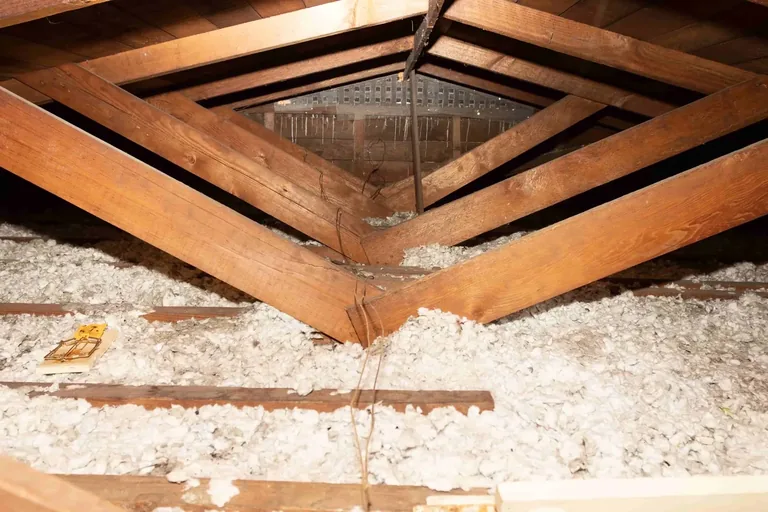
After sealing entry points, technicians place traps along travel marks and likely shelter. Use traps as a preferred method over rodenticides after sealing entry points. Actual trap choice and any baiting must fit the property, children, pets, wildlife, safety rules, and the specific situation.
Scheduled visits let technicians remove captured rats or mice, reset snap traps, and adjust placement. Depending on activity, another check may occur within a week. Putting traps once is rarely enough; stubborn pests change habits, and rats and mice are among the most stubborn pests. Checks show whether repairs reduce interior rodent activity.
Step 07 · Haul
Wrap Up & Haul Away
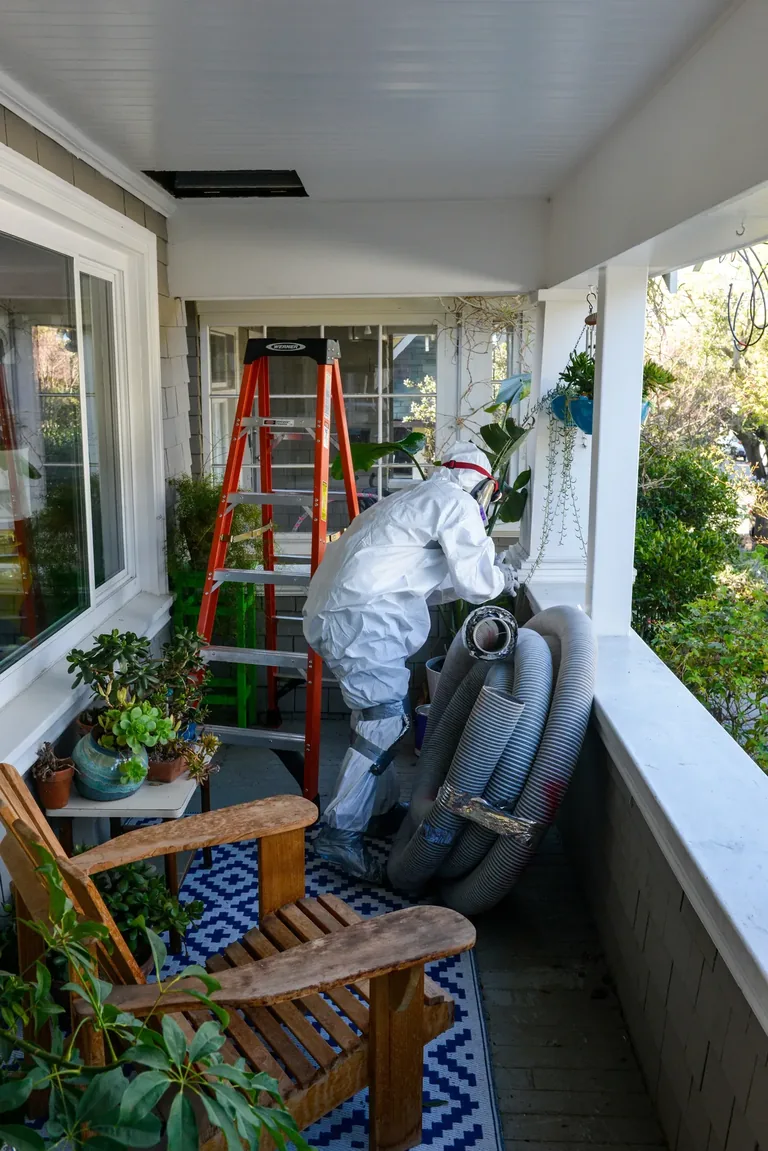
After approved exclusion services, cleanup, and trapping, technicians review repairs and remove project debris. Contaminated waste, old screening, and disposable protection are bagged and hauled away.
We explain repairs, trap results, and conditions homeowners should monitor. No exclusion service ensures that rodents can never return, but careful work can reduce rodent intrusions, prevent rodents returning, and lower the risk of future infestations.
Step 08 · Support
Customer Service
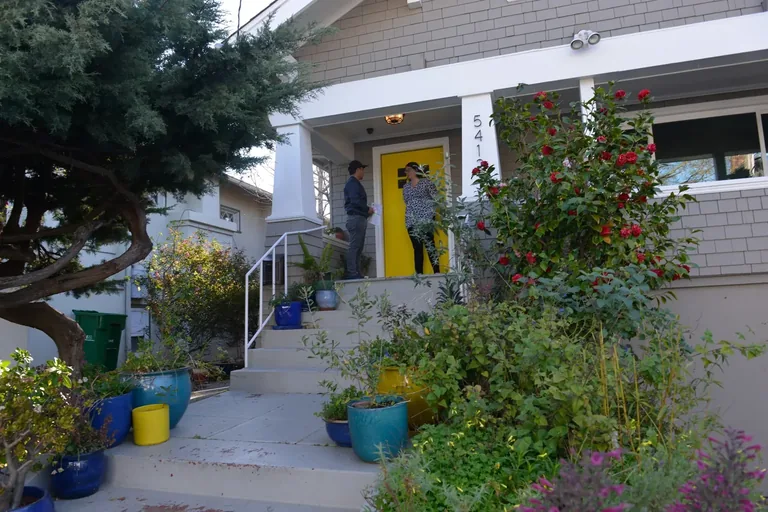
Rodent problems are stressful when homeowners hear movement, find droppings, or notice rats entering living areas. Alley Cat’s team schedules inspections, visits, trap checks, cleanup, and repairs while answering questions about the report and next step.
Unlike a generic pest control company centered on baiting or recurring treatments, Alley Cat supports the complete exclusion process. Trusted technicians provide clear details, tailored work, and one contact—bringing homeowners peace of mind from the initial service and free inspection through wrap-up.
Stop Rodents at the Source
Schedule a free inspection to identify entry points, contamination, and structural vulnerabilities, then receive a clear plan for professional rodent exclusion and prevention.
Rodent Exclusion Built Around Your Home
Every Bay Area building presents different access routes and repair challenges.

External Elements and Construction
California homes include a variety of home types. Attic warmth, ground expansion, and the harshness of fall and winter create wear and tear over time. Technicians use versatile reinforcement designed for required ventilation and exterior applications, helping repairs last longer, defend the home externally and internally, and support year round protection.
Interior and Exterior Protection
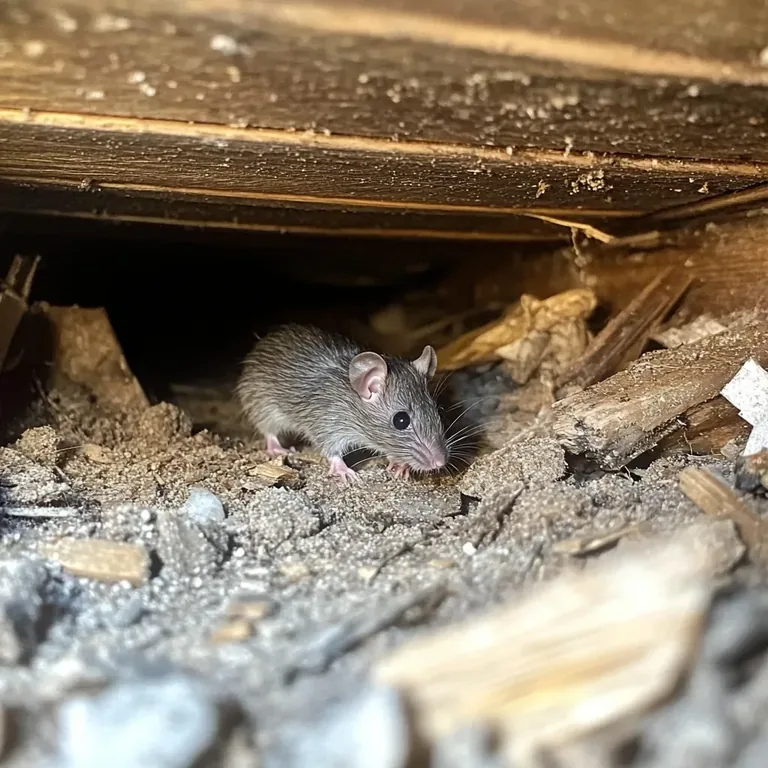
People experiencing rodent activity inside may hear rodents in walls before noticing exterior gaps. Our technicians connect interior signs with entry points, showing how rats or mice entered. This combined focus makes rodent control more cost effective than treating isolated symptoms or missed openings.

Food Sources and Attractants
Rodents thrive on accessible food and water sources. Remove food sources and eliminate attractants to prevent rodents. Trim vegetation away from the house to reduce hiding spots. Sanitation practices include securing garbage containers and storing food in airtight containers. Use rodent-proof containers for food and pet supplies. In some cases, vegetation can bring rodents closer. These following preventative solutions help prevent pests, reduce shelter, and support an eco friendly, humane plan.

“Jose was on time, courteous of our property and really thorough with inspecting all possible entry points, filling holes, cleaning up and sanitizing.”
Christina GibbonsVerified Trustpilot review
-
4.9 / 5
1,240 reviews -
4.7 / 5
649 reviews -
 4.7 / 5
279 surveys -
 4.9 / 5
374 reviews
What Rodent Exclusion, Rodent Control, and Pest Control Include
Rodent exclusion uses a combination of rodent control steps focused on how rodents enter, travel, contaminate space, and return. It differs from broad pest control services for insects and other pests. The broader market’s comprehensive range also mentions exterminators, baiting, wildlife control experts, many other solutions, and other pest proofing solutions; those phrases describe the wider market, not automatic Alley Cat scope. Integrated pest management emphasizes non-toxic, sustainable methods for pest control.
- Inspection: Find signs, routes, contamination, and entry points.
- Removal: Address active rodents, traps, and waste.
- Prevention: Reinforce openings and prevent rodent infestations.

Why is rodent exclusion important?
Rodent exclusion closes routes that let rats and mice return. Without repairs, pest control or baiting may remove individual pests while leaving the home accessible to new rodents and future infestations.
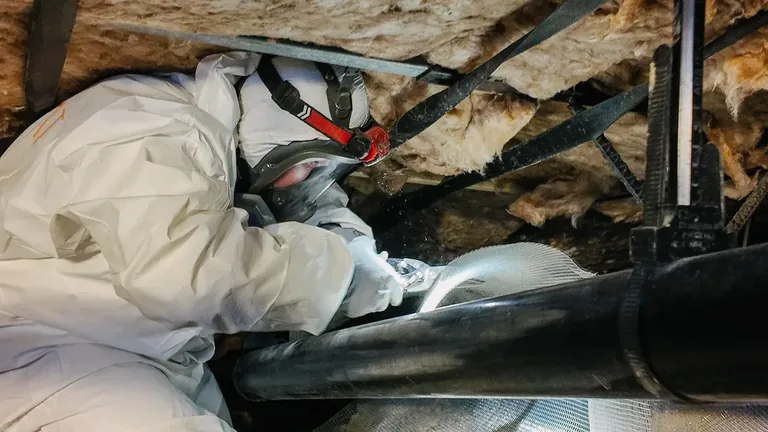
Hidden Route Mapping
Technicians connect gaps with interior marks near ducts, plumbing, attic edges, crevices, and walls. This helps locate rodents accessing wall cavities instead of assuming the easiest visible hole is the only problem.
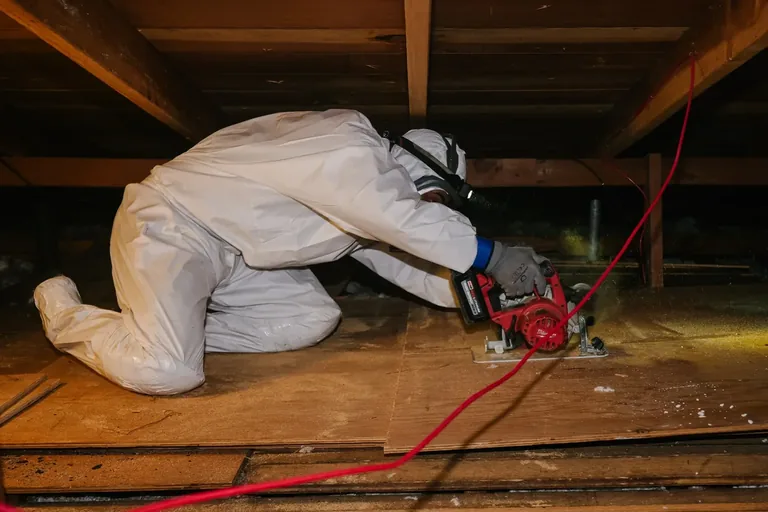
Pest Proofing Solutions
Our pest proofing solutions focus on rodents, not bed bugs, other wildlife, or every pest species. We discuss other pest proofing solutions only when a shared opening affects the rodent plan; separate pests generally require separate services.
FAQ’s: Rodent Exclusion
What is a rodent exclusion?
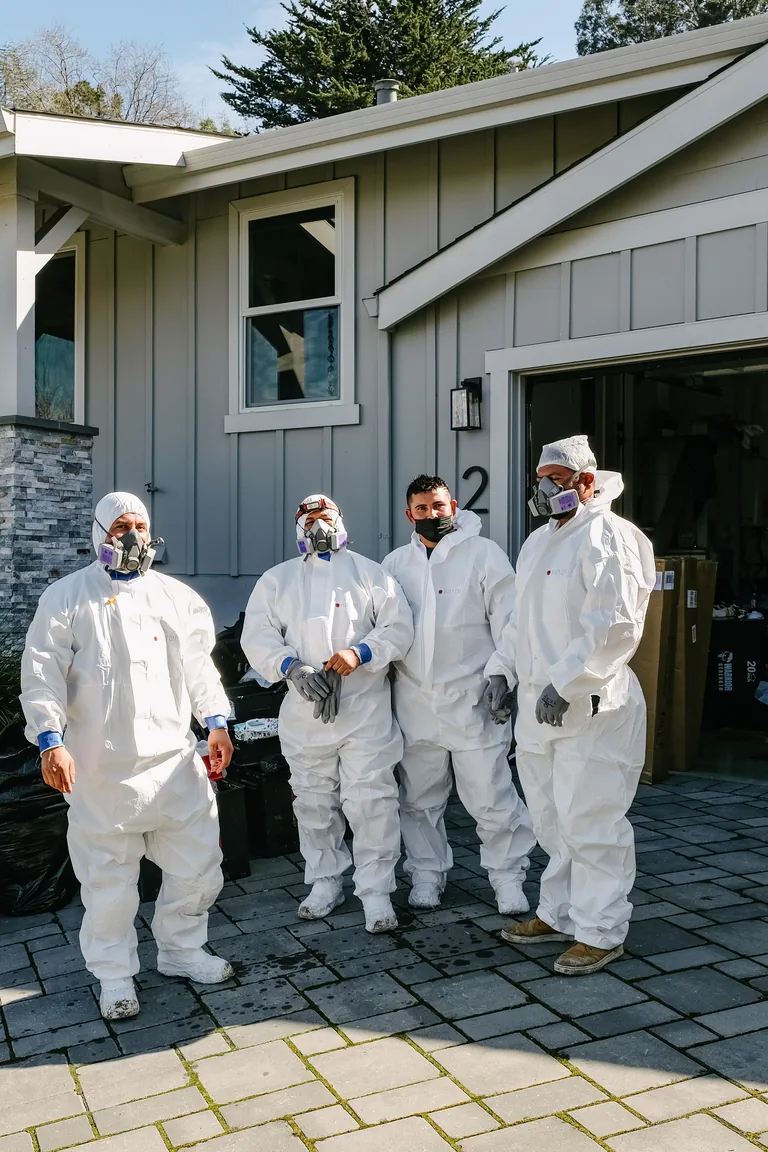
Rodent exclusion is the process of removing rodents and closing the structural openings they use to enter a building. Rodent exclusion includes sealing cracks, gaps, and holes. It combines inspection, traps, cleanup, sanitation, and follow-up rodent control, rather than relying only on baiting. Common entry points include gaps around doors and windows. Rodents can enter through cracks in walls and foundations. Rodents often access homes through plumbing and air ducts. Mice can enter through a hole the size of a dime. Rats can squeeze through a hole the size of a quarter. Even the smallest opening, a dime sized hole, or a loose stove vent can matter.
Professional exclusion services assess species, severity, home design, and active routes before choosing a rodent proof solution. This helps get rid of rodents without sealing rats or mice inside.
Does rodent exclusion really work?
Yes, rodent exclusion works when technicians find and repair meaningful entry points, remove active rodents, and correct attractants. In fact, according to a study by the University of Nebraska, rodent exclusion has achieved reductions in rodent intrusion of up to 98.5%, demonstrating its effectiveness. Other research and public-health guidance support exclusion because rodents can reinvade structures through unsecured openings after a control program.
Good results depend on complete inspection, durable repairs, monitoring, and homeowner maintenance. The phrase “exclusion service ensures” appears in some marketing, but no responsible pest control company should promise that every future opening or infestation is impossible. Effective rodent control considers food, water, shelter, and rodents’ climbing, gnawing, squeezing, and hiding habits. Some competitor wording says services “tackle rodents innate tendencies”; more accurately, technicians design repairs around observed rodent behavior.
Can you do rodent exclusion yourself?
You can perform limited rodent exclusion yourself when an opening is visible, safely reachable, and free of significant contamination, but complex infestations are better assessed by trained technicians. Homeowners may secure trash, store food, trim vegetation, or fit a simple sweep. DIY work should not block ventilation, damage plumbing, trap rodents inside, or create a threat to people.
Avoid dry sweeping aerosolized rodent feces, handling an infected rodent, or entering unsafe attics. People can be bitten, and mites or fleas that have fed on an infected rodent can spread pathogens to humans indirectly. Contact a healthcare professional about health concerns. Check your homeowners insurance directly because coverage and limitations differ. Alley Cat can provide a safer plan when the job takes roof access, large gaps, contamination, or multiple entry points.
How do the Amish get rid of mice?
There is no single verified “Amish” method. Online answers mention steel wool, cats, peppermint, homemade traps, cleanliness, and removing grain. Some practices may reduce attractants, but scents and stories do not prevent rodents or replace structural rodent exclusion.
The evidence-based way is to inspect, seal, trap, clean, and monitor. A loose garage door seal, pipe gap, or damaged vent can defeat repellent-only efforts. Alameda County Vector Control Services offers education and inspections for rodent issues. That public resource can provide general advice, while Alley Cat’s professional rodent exclusion services develop and perform repairs for the specific home.
Schedule Rodent Exclusion Today
Protect your home with professional rodent exclusion services that address active rodents, contamination, entry points, and conditions supporting recurring infestations.